Cart
0
80% Also Added this







TL;DR:
- Applying skincare products from water-based to occlusive forms enhances absorption and skin nourishment. Waiting 30 to 60 seconds between layers prevents dilution and ensures effective penetration. Consistent routines of three to five layers yield better results over weeks than overly complex regimens.
The natural skincare layering order is defined as applying products from the thinnest, most water-based formulas through to the heaviest, most occlusive ones, so each layer can penetrate the skin before the next one seals it in. This sequence is not a matter of personal preference. Order of application is determined by biological and physical principles, and following them is what separates a routine that genuinely nourishes your skin from one that wastes every product in it. Get the sequence right, and your skin absorbs more of what you give it. Get it wrong, and even the finest natural ingredients sit on the surface doing very little. At Fierce Nature, we built our entire approach around this principle, because clean ingredients deserve to actually reach your skin.
The correct layering sequence runs from water-based, low-molecular-weight products through to heavier, lipid-rich occlusives. Water-based products must be applied before heavier oils because occlusive layers form a barrier that blocks lighter products applied afterwards. Think of it as building a house from the foundations up. You cannot pour the roof before the walls are standing.
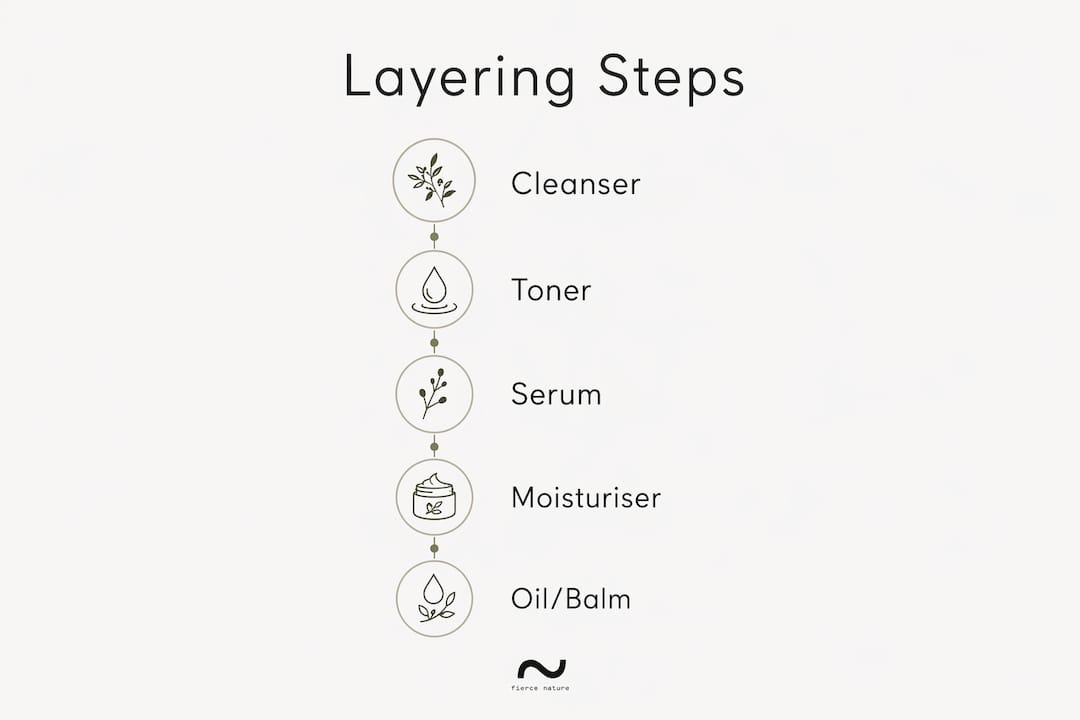
The standard sequence for a morning routine looks like this:
Cleanser — removes overnight sebum, sweat, and any residue so your skin is ready to receive what follows.
Toner or facial mist — rebalances skin pH and adds a first layer of hydration.
Serum — delivers concentrated actives at a low molecular weight, allowing deep penetration.
Moisturiser — provides medium-weight hydration and begins to form a protective layer.
Face oil or balm — acts as the occlusive seal, locking in everything beneath it.
SPF — always the final step in the morning, applied over everything else.
An evening routine follows the same logic but drops the SPF and may include a richer balm or restorative oil as the final step.
| Product type | Consistency | Layering position |
|---|---|---|
| Cleanser | Liquid or gel | Step 1 (foundation) |
| Toner or mist | Very thin, watery | Step 2 |
| Serum | Thin, fluid | Step 3 |
| Moisturiser | Medium, creamy | Step 4 |
| Face oil or balm | Rich, lipid-heavy | Step 5 |
| SPF (morning only) | Varies | Final step |
This table reflects the principle that thinnest to thickest is the governing rule for every routine, morning or evening.
Skin absorption depends on molecular weight and viscosity. A lightweight serum carries small molecules that slip between skin cells and reach the deeper layers of the epidermis. A face oil, by contrast, is lipophilic and sits on the surface, forming a film that prevents water loss. If you apply the oil first, it creates a physical barrier. Anything you apply on top of it cannot penetrate effectively, regardless of how good the ingredients are.
Waiting 30–60 seconds between each layer allows the solvent base of the previous product to evaporate. This prevents dilution, reduces pilling, and gives each product the best chance of absorbing before the next one arrives. Oils and heavy balms applied as the final step do not require a waiting period because their job is to seal, not to penetrate.
Pro Tip: Set a gentle timer on your phone for 60 seconds between your serum and moisturiser. It feels slow at first, but your skin will feel noticeably more nourished within a week.
Visible improvements from a consistent routine typically take 6 to 12 weeks to appear. That timeframe reflects the skin’s natural cellular turnover cycle. Patience is not optional. It is part of the science.
Before you can layer well, you need to know what you are working with. Natural skincare products vary widely in their composition, and understanding each category helps you place them correctly. A complete natural skincare routine typically includes a cleanser, a hydrating toner or mist, one or two serums, a moisturiser, and a finishing oil or balm.
The key distinction is between water-based and oil-based products. Water-based products include most toners, essences, and gel serums. Oil-based products include facial oils, tallow balms, and rich butters. These two categories do not mix well when applied in the wrong order, which is why the thin-to-thick rule exists.
Here is what to look for in each category:
Cleansers: Choose a gentle, pH-balanced formula that removes impurities without stripping the skin’s natural oils. Harsh cleansers disrupt the skin barrier before layering even begins.
Toners and mists: Look for hydrating, alcohol-free options. Rose water and aloe-based mists work well as the first layer after cleansing.
Serums: These carry your most active ingredients. Vitamin C serums, hyaluronic acid, and niacinamide all belong at this stage.
Moisturisers: A medium-weight cream or lotion that supports the skin barrier without occluding it prematurely.
Oils and balms: Tallow, rosehip, jojoba, and similar lipid-rich products belong at the end. They seal everything in and prevent transepidermal water loss.
Knowing your product categories means you will never reach for the wrong thing at the wrong moment.
Layering skincare for beginners often assumes a one-size-fits-all approach, but skin type changes everything. Ignoring skin type when layering can lead to irritation, breakouts, or a compromised skin barrier.
Sensitive skin benefits from a calmer, more minimal sequence. Apply gentler, lower-potency products first to buffer the skin before introducing any actives. Calming products applied first reduce the risk of reactivity from stronger ingredients applied later. If you use a vitamin C serum, for example, apply a plain hydrating toner first to create a buffer layer. For a deeper guide on building a gentle sequence, Fierce Nature’s sensitive skin guide covers this in detail.
Dry skin needs more layers, not fewer. Use a hydrating serum, follow with a medium-weight moisturiser, and always finish with a rich occlusive oil or balm. Tallow-based products work particularly well here because tallow’s fatty acid profile closely mirrors the skin’s own sebum, allowing deep nourishment without sitting heavily on the surface.
Oily skin does not need to skip oils entirely. It needs the right oils in the right place. Lightweight, non-comedogenic oils like jojoba or squalane applied as the final step can actually signal the skin to produce less sebum over time. Skip heavy balms in the T-zone and focus richer products on drier areas.
When using more than one serum, order them by pH from lowest to highest to avoid chemical interference. A vitamin C serum (low pH) should always come before a niacinamide serum (higher pH). Applying a high-pH product first can deactivate a low-pH active, making the entire step pointless.
Pro Tip: Limit yourself to two serums maximum in a single routine. Using more than two at once increases the risk of ingredient conflict and skin irritation without adding meaningful benefit.
Using more than 5–7 distinct product layers increases irritation risk and leads to diminishing returns. Three to five products is the sweet spot for most people. Fewer layers, applied correctly, outperform a complex ten-step routine every time.
Even with the best natural skincare products, a few common errors can undermine the whole routine. Recognising them is the first step to correcting them.
Rushing between steps. Applying your moisturiser immediately after your serum dilutes both products and causes pilling. Wait at least 30–60 seconds between each layer.
Applying oil before moisturiser. This is the single most common mistake. Oil locks out everything applied afterwards. Moisturiser always comes before oil.
Applying SPF before your oil or balm. Sunscreen must be the last product in your morning routine. Anything applied on top of SPF reduces its protective efficacy.
Using too many active ingredients at once. Vitamin C, retinoids, and exfoliating acids each require careful placement. Combining too many actives in one routine causes irritation, not results.
Skipping or rushing the cleanse. A poor cleanse leaves residue on the skin that blocks absorption of every product that follows. The cleanser is the foundation of the entire sequence.
Never patch testing new products. Introducing a new natural product without patch testing first risks a reaction that sets your skin back weeks.
“A minimalist approach focusing on cleansing, moisturising, and sun protection prevents barrier damage and supports healthy skin better than complex routines. Simple routines respect the skin barrier and avoid product overload.”
If your skin is reacting, the answer is almost never to add more products. Strip the routine back to three steps, let your skin settle, and reintroduce products one at a time. You can find more on this approach in Fierce Nature’s guide on why fewer ingredients often deliver better results.
The most effective natural skincare layering order runs from the thinnest, water-based products to the heaviest, occlusive ones, with 30–60 seconds between each step to allow full absorption.
| Point | Details |
|---|---|
| Thin to thick is the rule | Always apply water-based products before oils and balms to allow proper skin penetration. |
| Wait between layers | Allow 30–60 seconds between each product so the solvent base evaporates and absorption improves. |
| Match layering to skin type | Dry skin benefits from richer final layers; sensitive skin needs calmer, buffered sequences. |
| Keep routines simple | Three to five products applied correctly outperform complex ten-step routines every time. |
| Patience delivers results | Consistent daily application for 6–12 weeks is required before visible skin changes appear. |
The most liberating thing we discovered at Fierce Nature is that the skin does not need more. It needs better. When I first started formulating with tallow, I was struck by how quickly skin responded to something so simple and so aligned with its own biology. No lengthy ingredient lists. No synthetic emulsifiers forcing incompatible compounds together. Just pure, bioavailable nourishment applied in the right order.
What I see most often is people layering beautifully chosen natural products in the wrong sequence and then concluding that natural skincare does not work. It does work. The sequence is what was missing. I have also noticed that skin changes with the seasons, with stress, and with age. A routine that served you well in summer may feel insufficient by january. That is not failure. That is your skin communicating, and the layering framework gives you the tools to respond.
The science of layering is not complicated, but it does require consistency. Skin improvements from a well-structured routine take weeks, not days. We encourage you to resist the urge to overhaul everything at once. Build your routine layer by layer, literally and figuratively, and give your skin the time it needs to respond. The results, when they come, are worth every patient morning.
— Fierce Nature
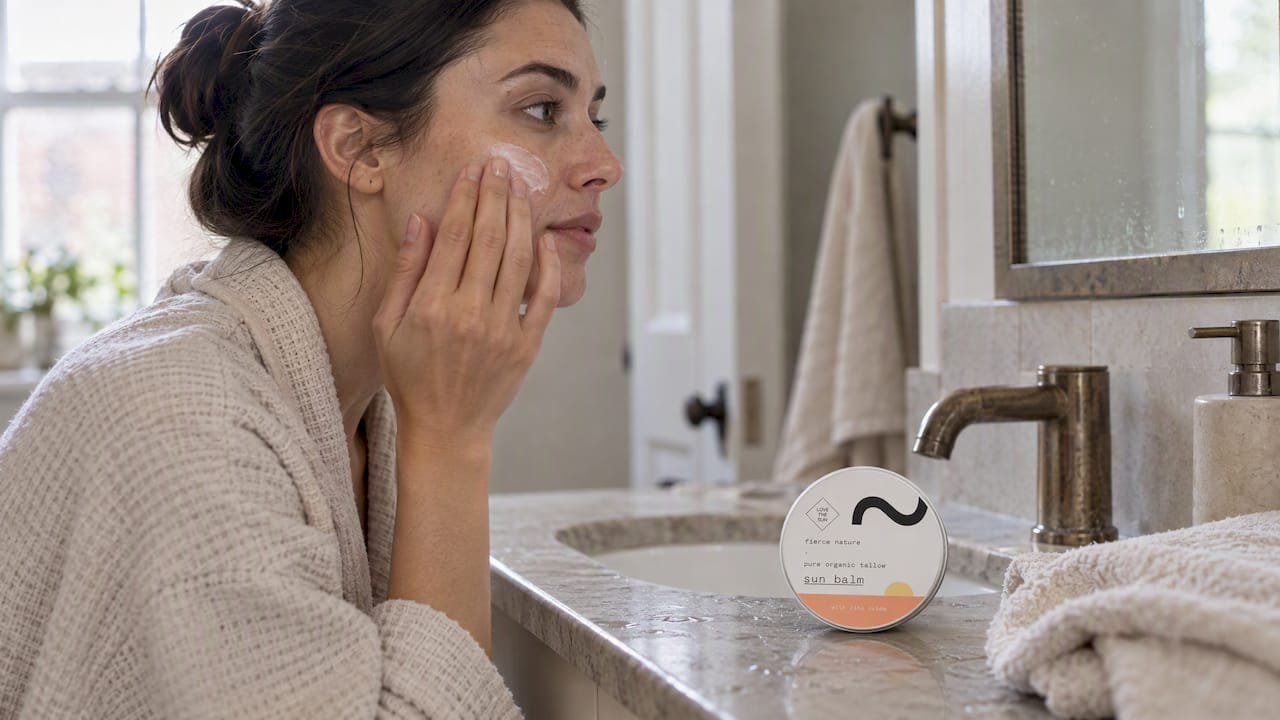
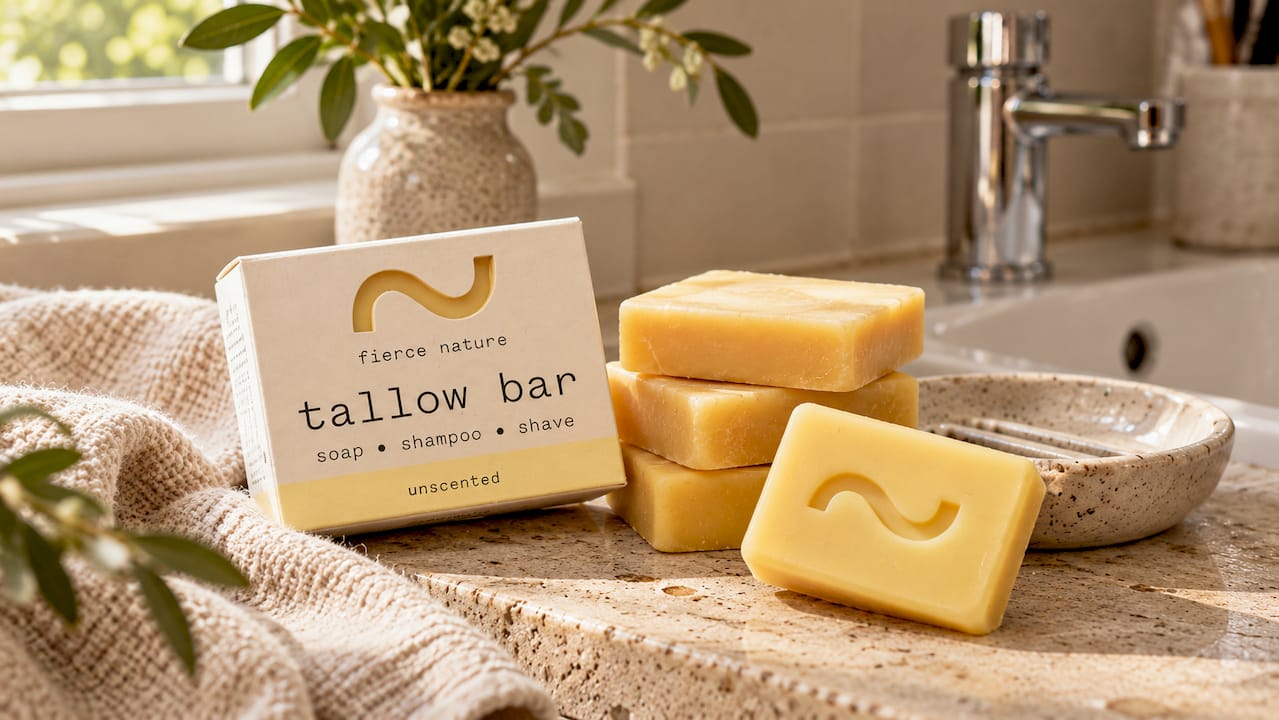
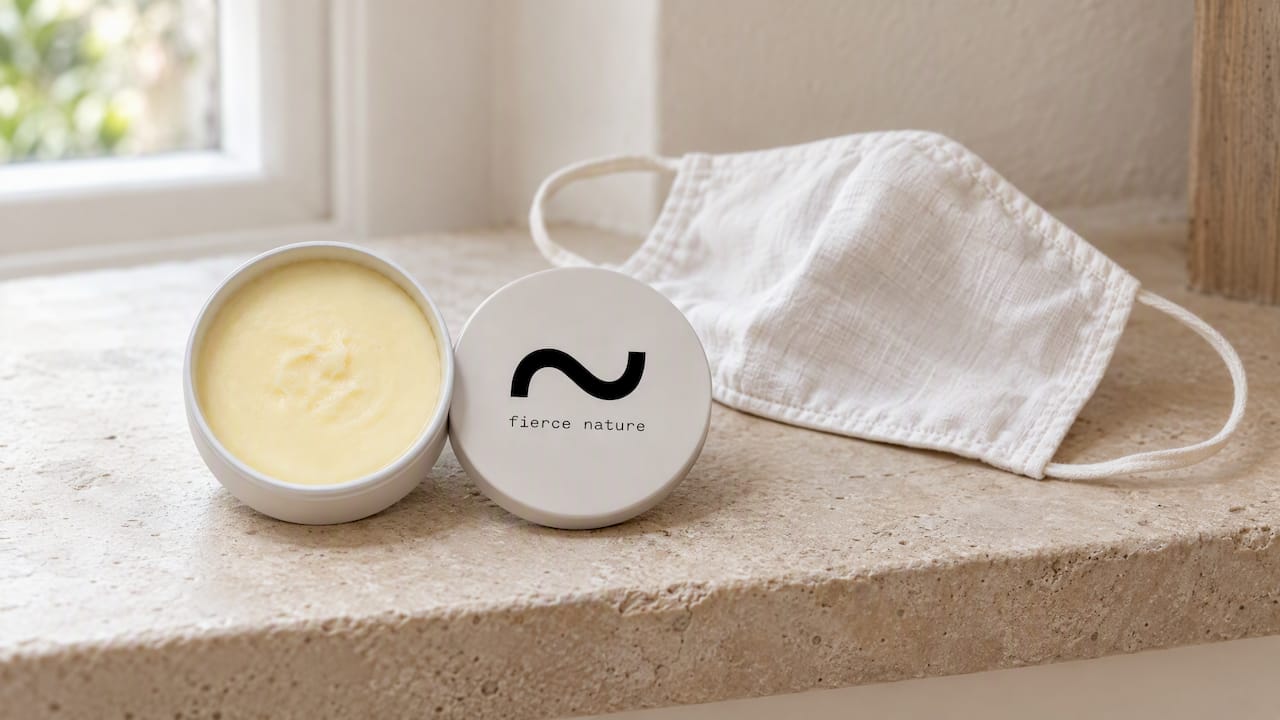
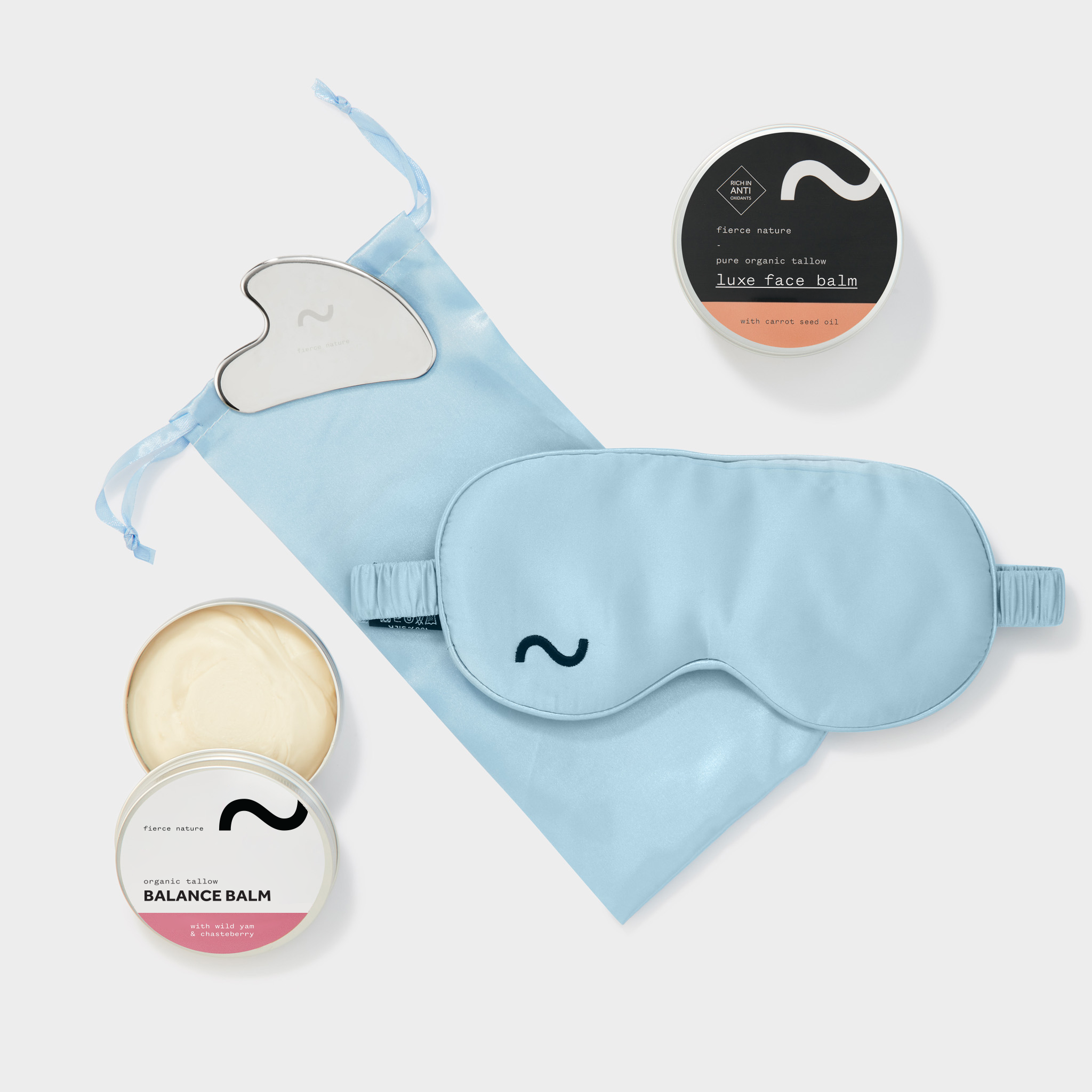
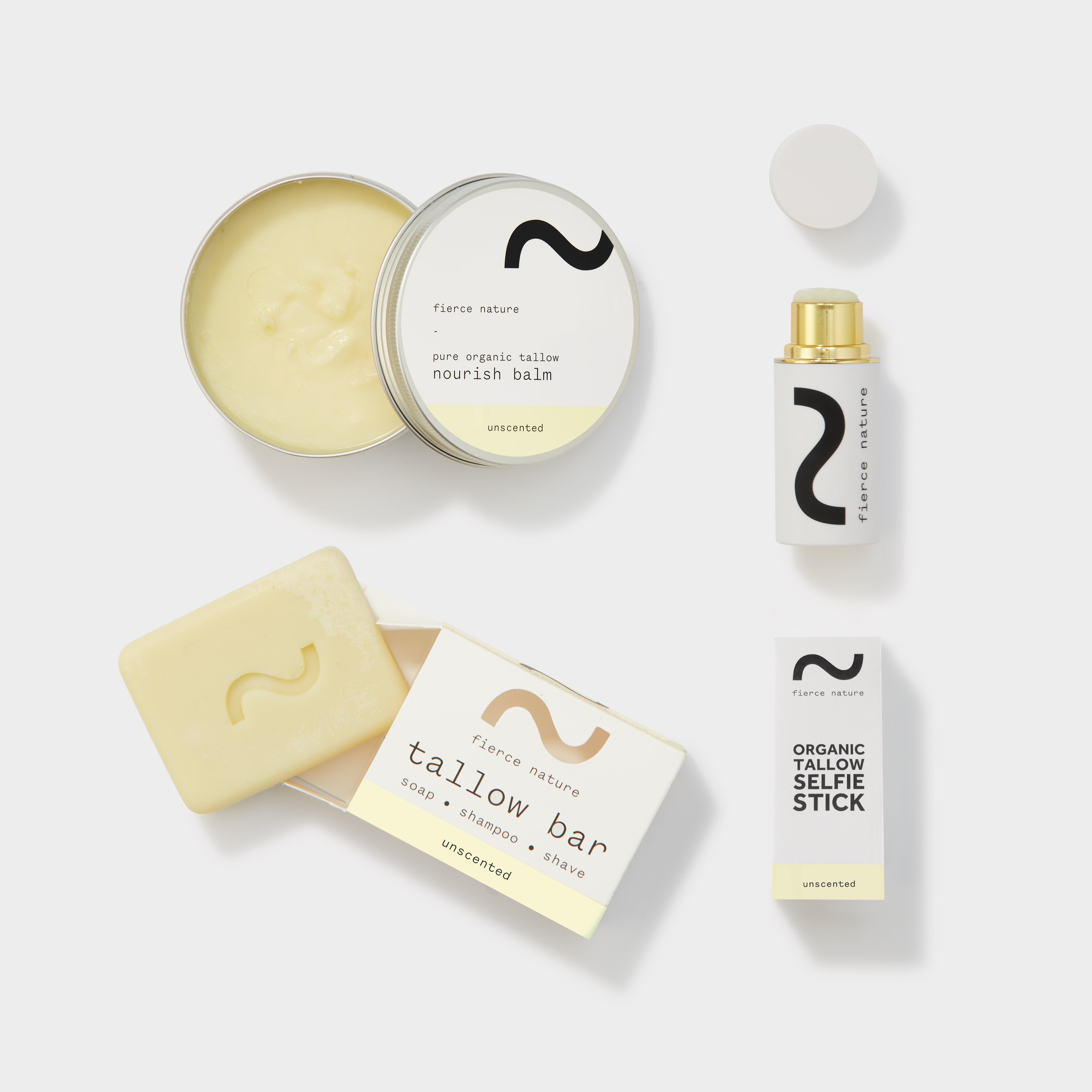
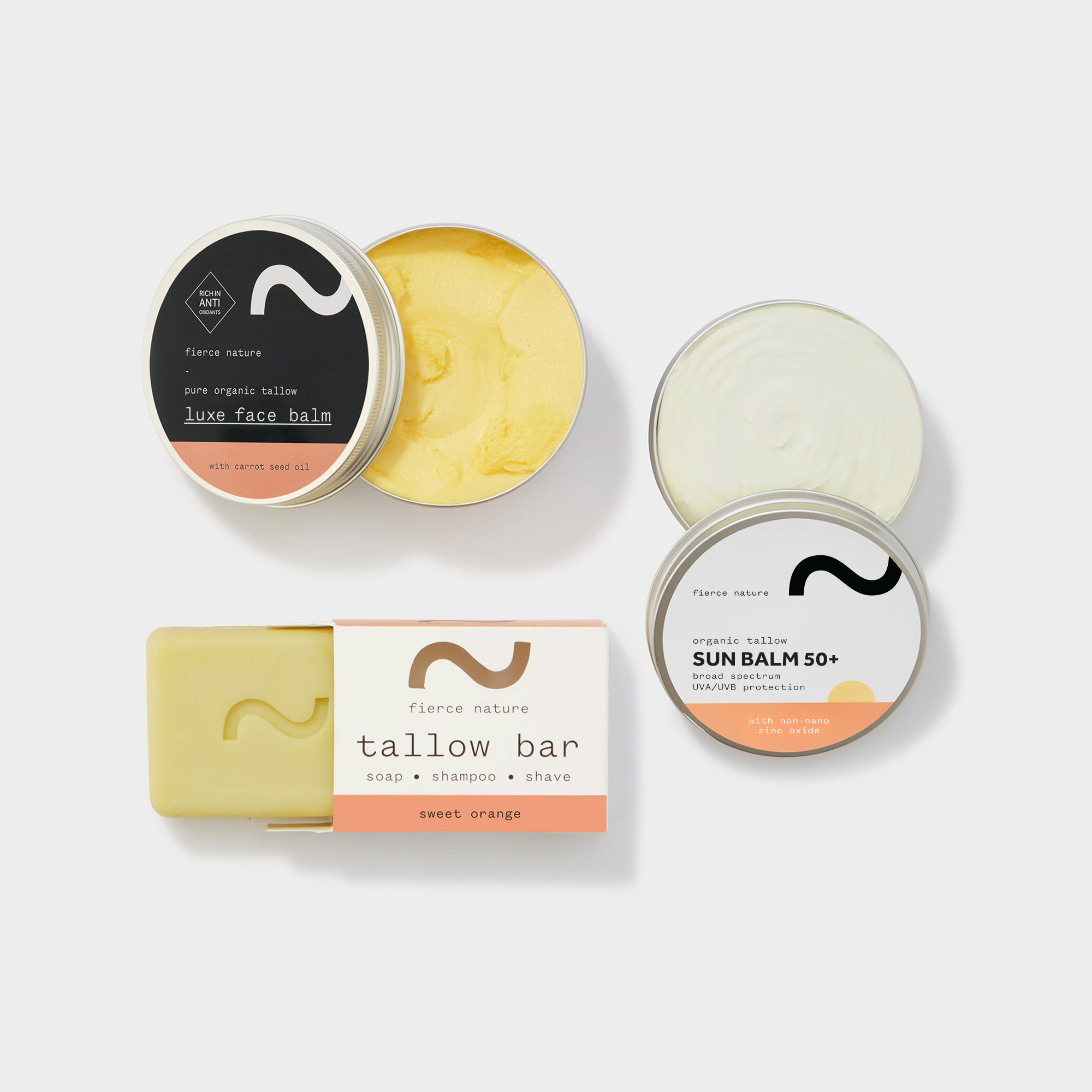
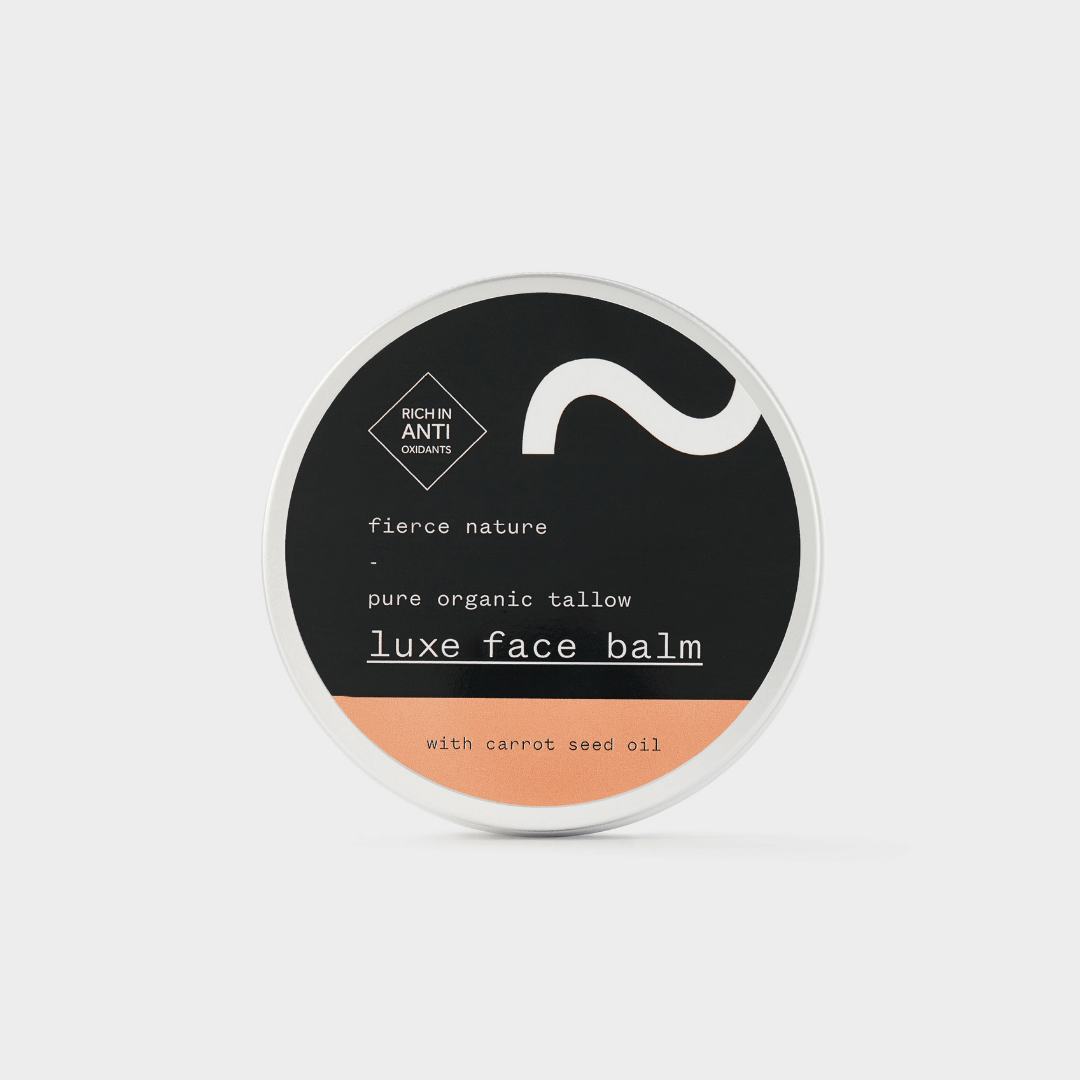
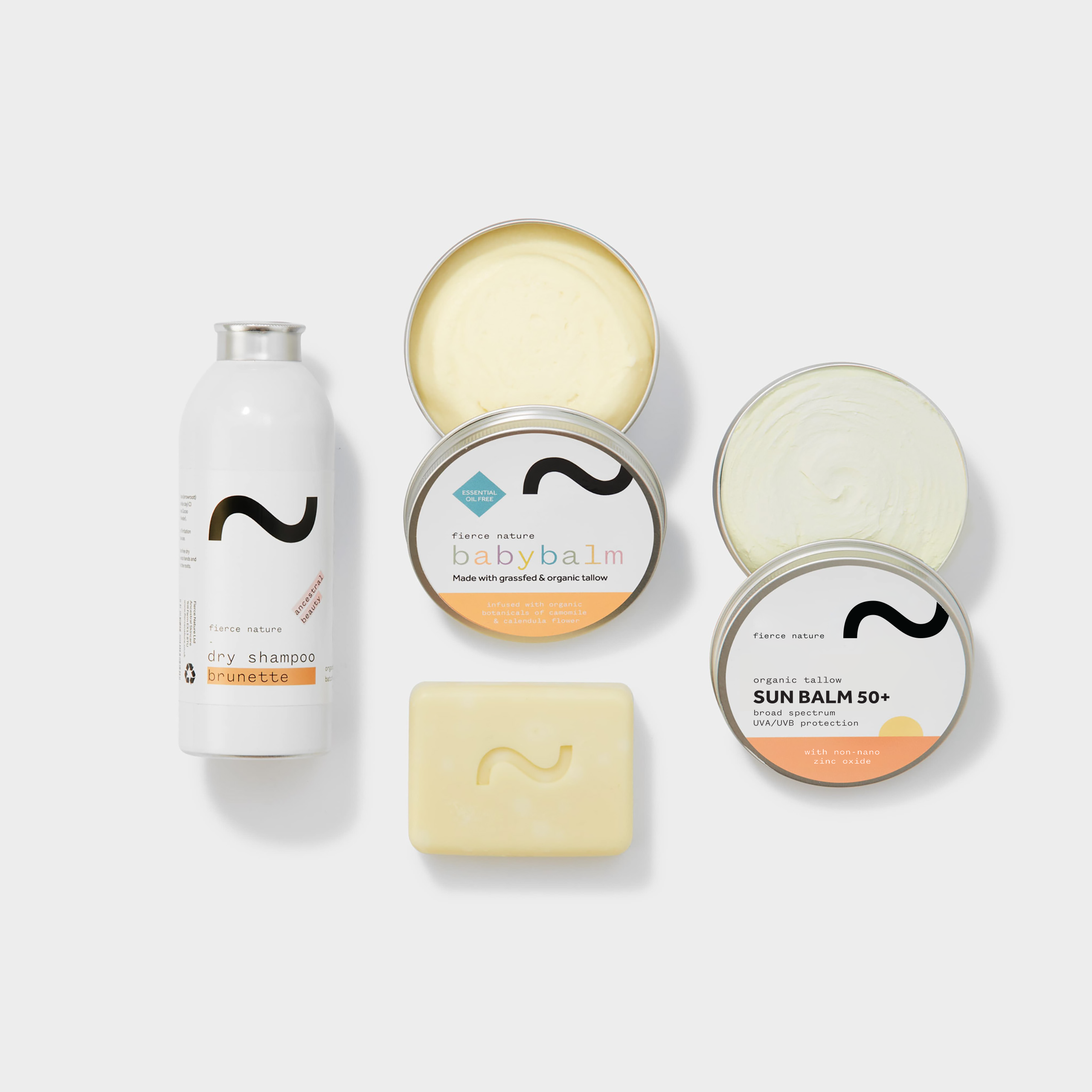
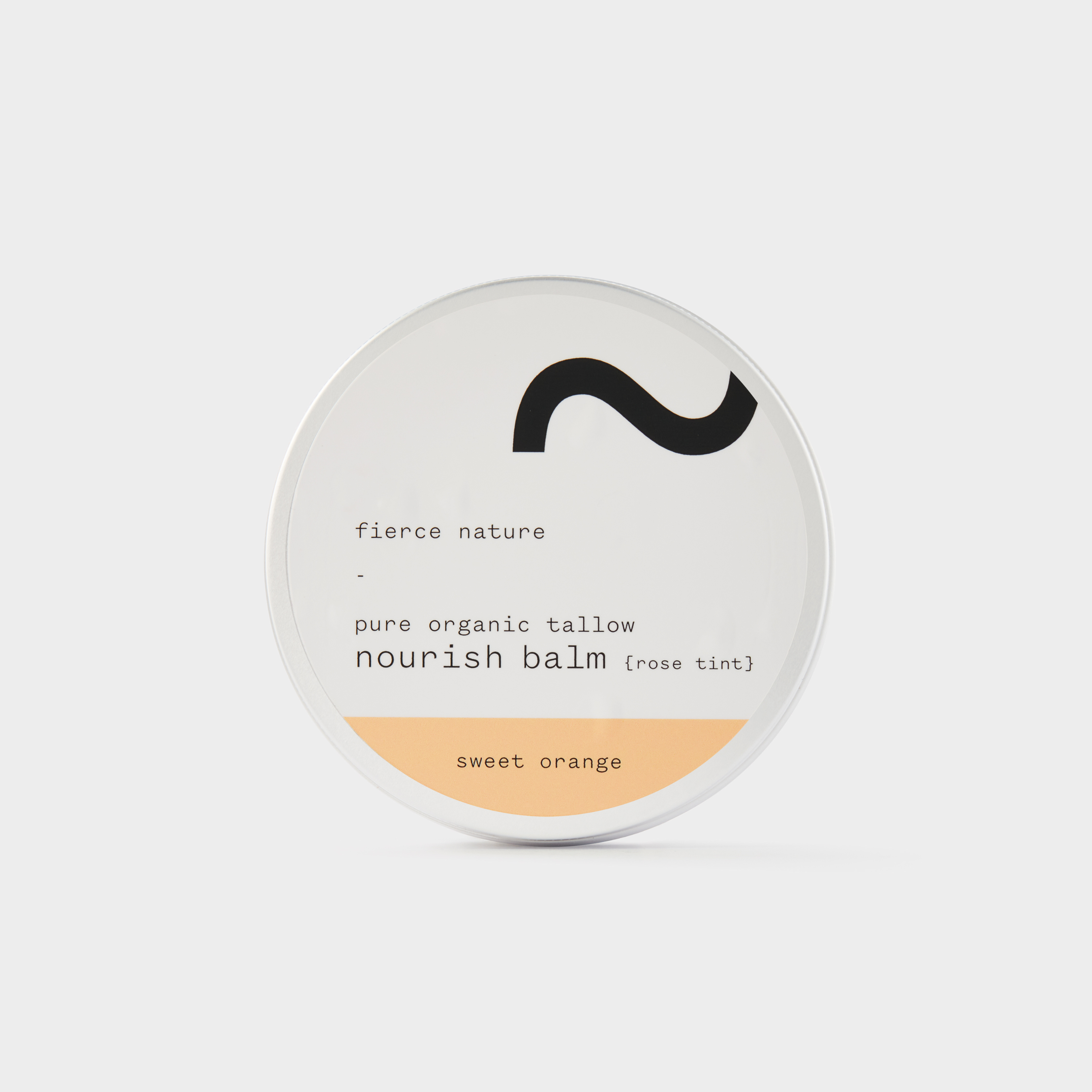
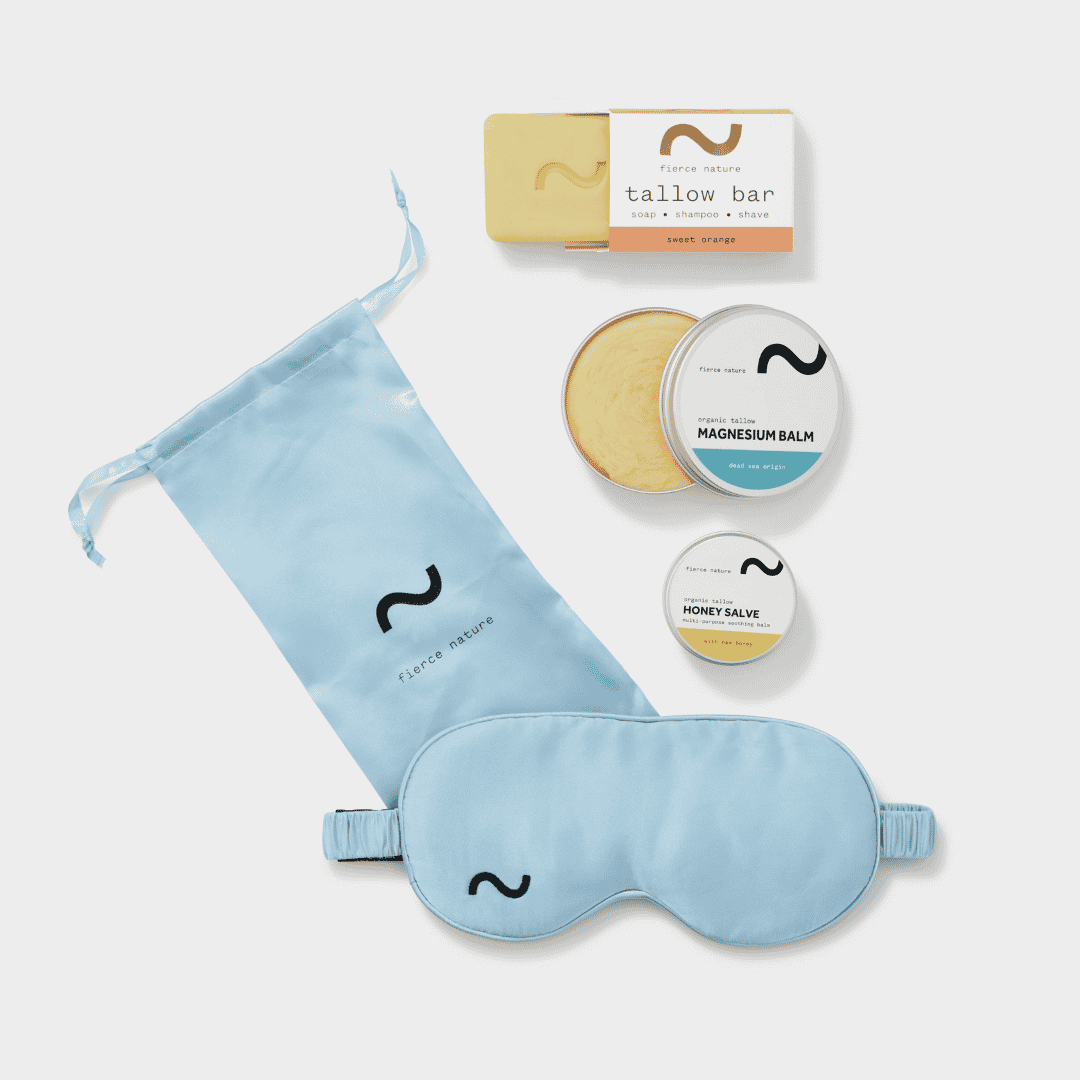
Fierce Nature’s tallow-based formulations are designed to sit exactly where they belong in a layering sequence. The Luxe Face Balm is the ideal final step in any evening routine, sealing in hydration with a rich, deeply nourishing layer of organic tallow that works with your skin barrier rather than against it. For a versatile option that works across the body and face, the Multi-Use Tallow Bar delivers the same purity in a format that suits every skin type. Both products contain only what your skin recognises and nothing it does not. If you are ready to build a complete routine grounded in nature, explore Fierce Nature’s full skincare range and find the right products for every step.
The correct order runs from cleanser, toner, serum, and moisturiser through to a finishing oil or balm, with SPF applied last in the morning. Always layer from the thinnest to the thickest consistency.
No. Face oil must always come after moisturiser because it forms an occlusive barrier that blocks lighter products from penetrating the skin if applied first.
Wait 30–60 seconds between each layer to allow the solvent base to evaporate. Oils and balms applied as the final step do not require a waiting period.
Three to five products is the recommended range for most skin types. Using more than five to seven layers increases irritation risk and reduces the benefit of each individual product.
Visible improvements typically take 6 to 12 weeks of daily application to appear, reflecting the skin’s natural cellular turnover cycle.