Cart
0
80% Also Added this

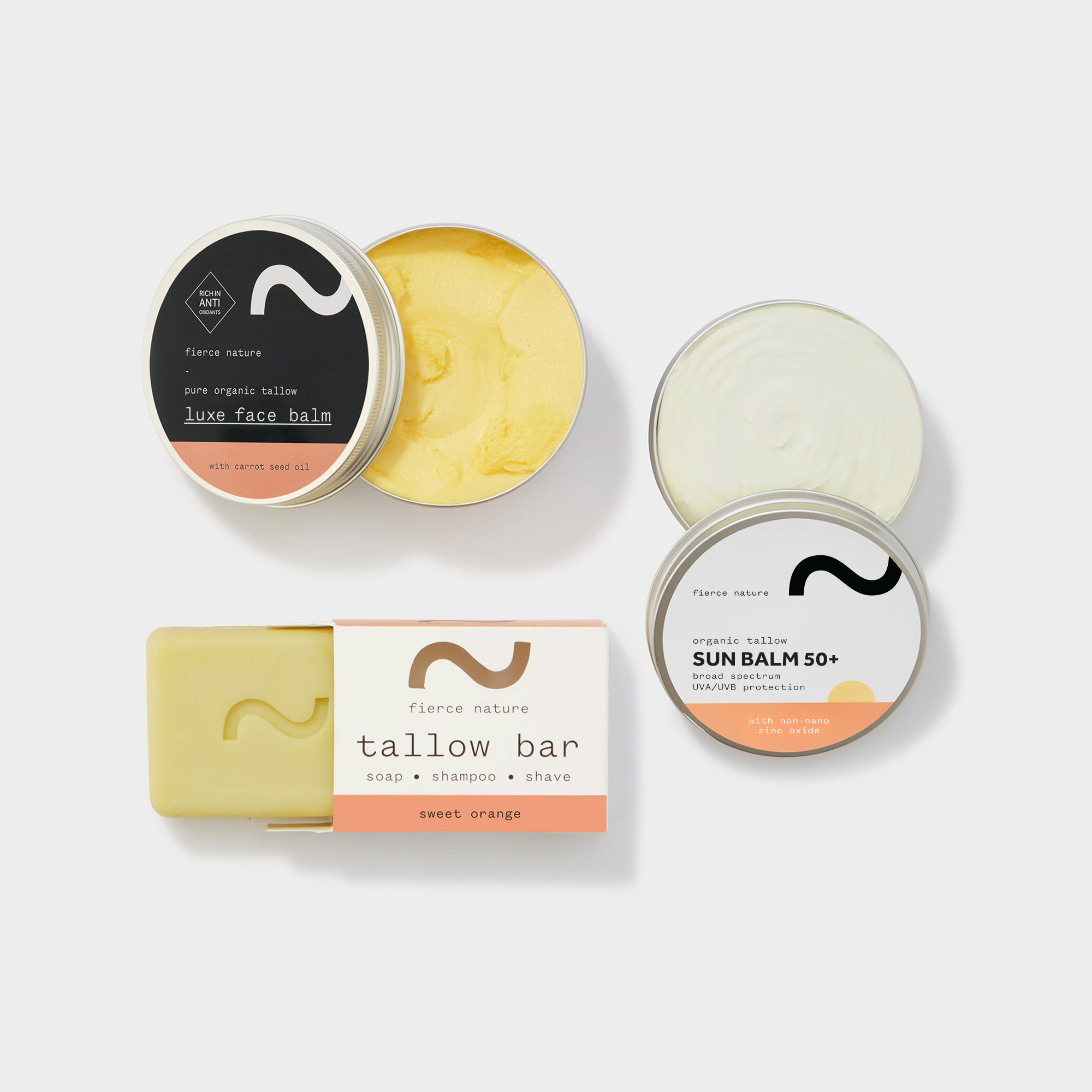
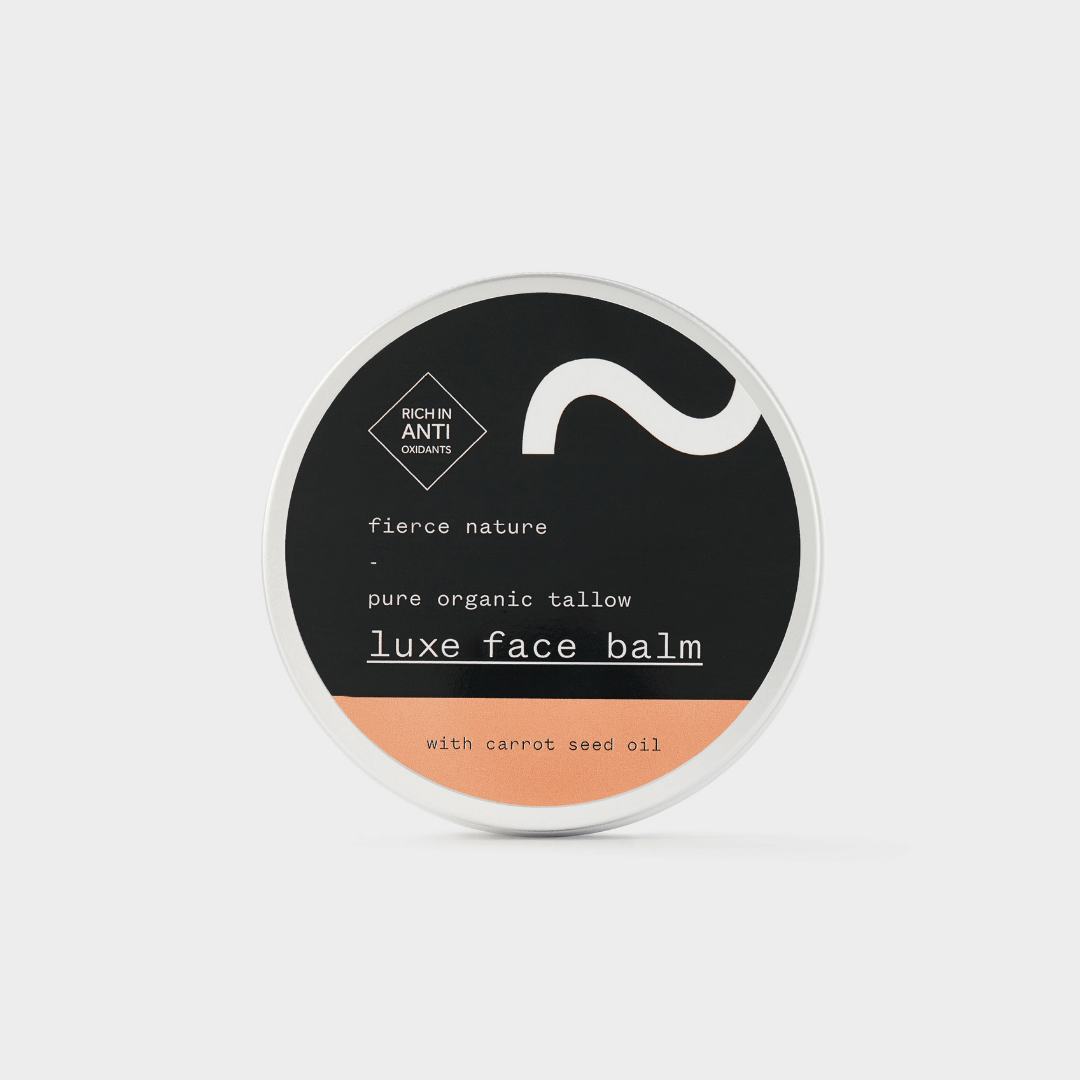
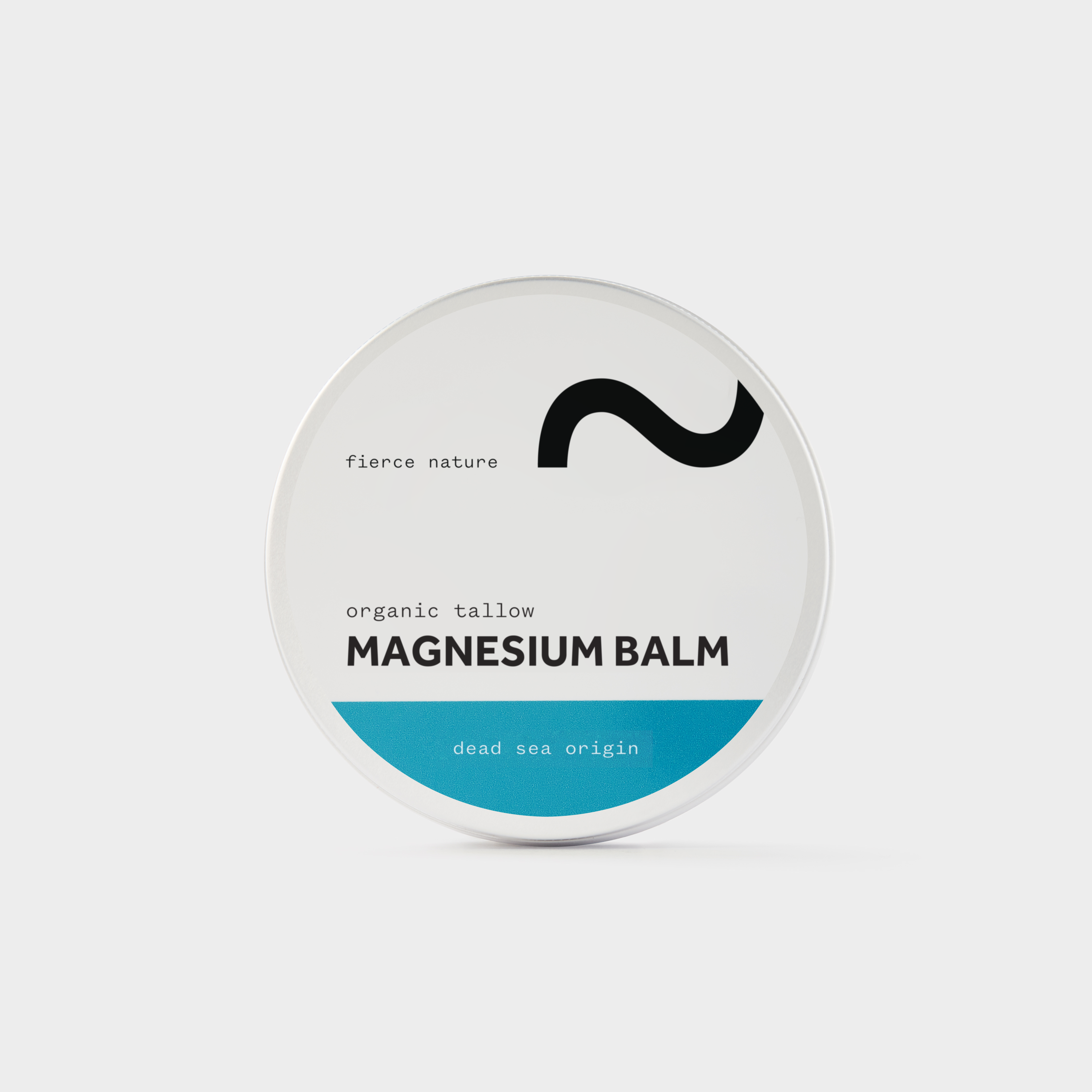
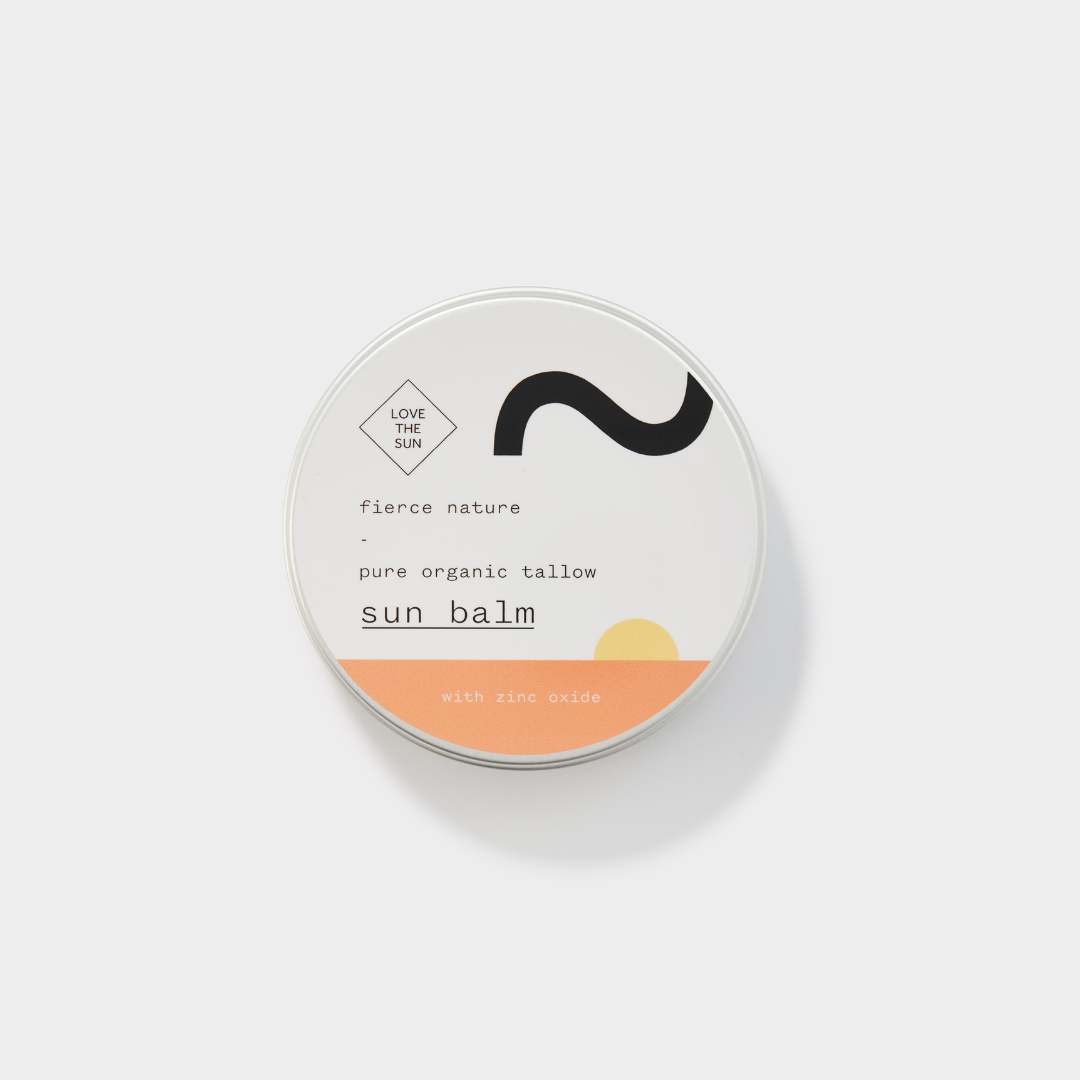
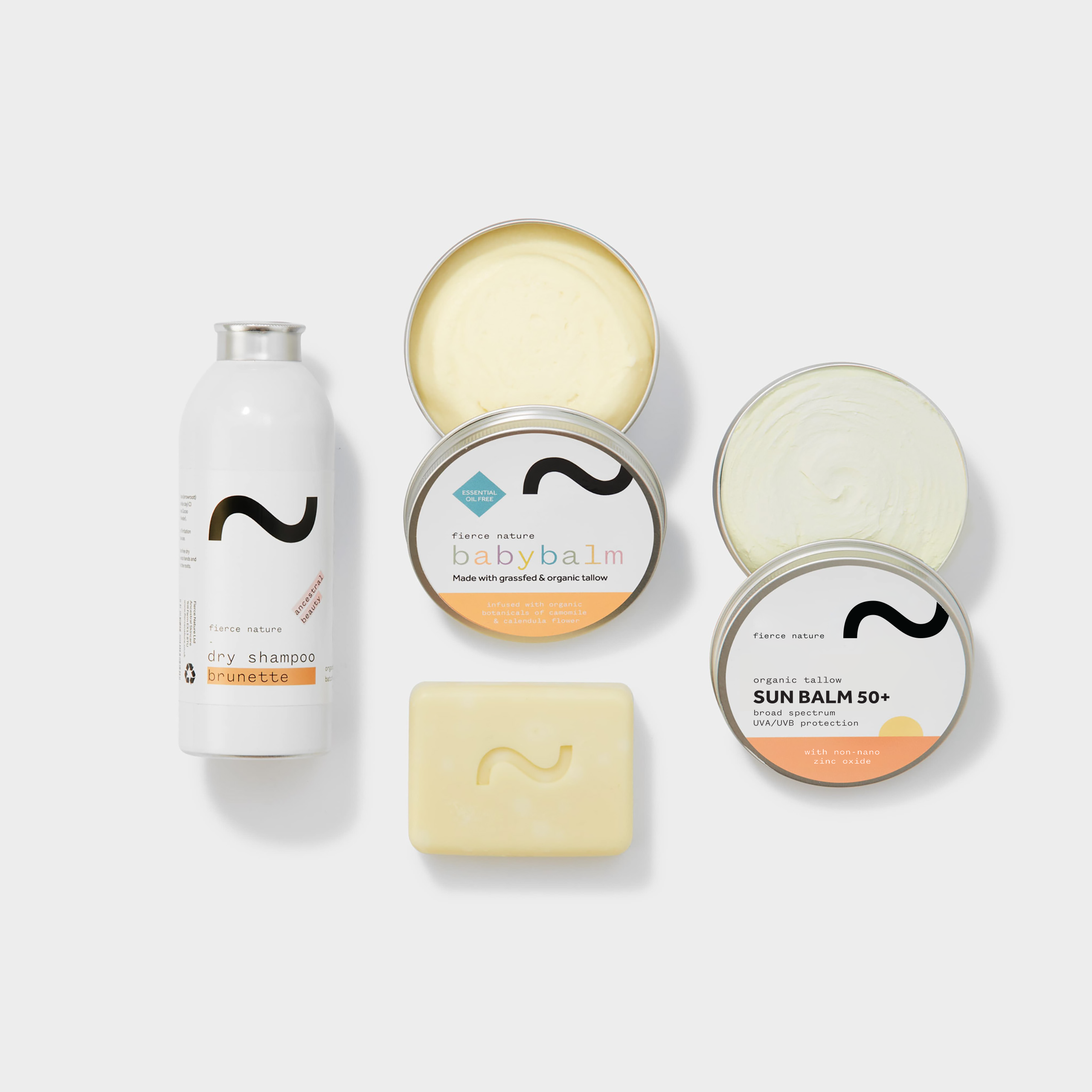
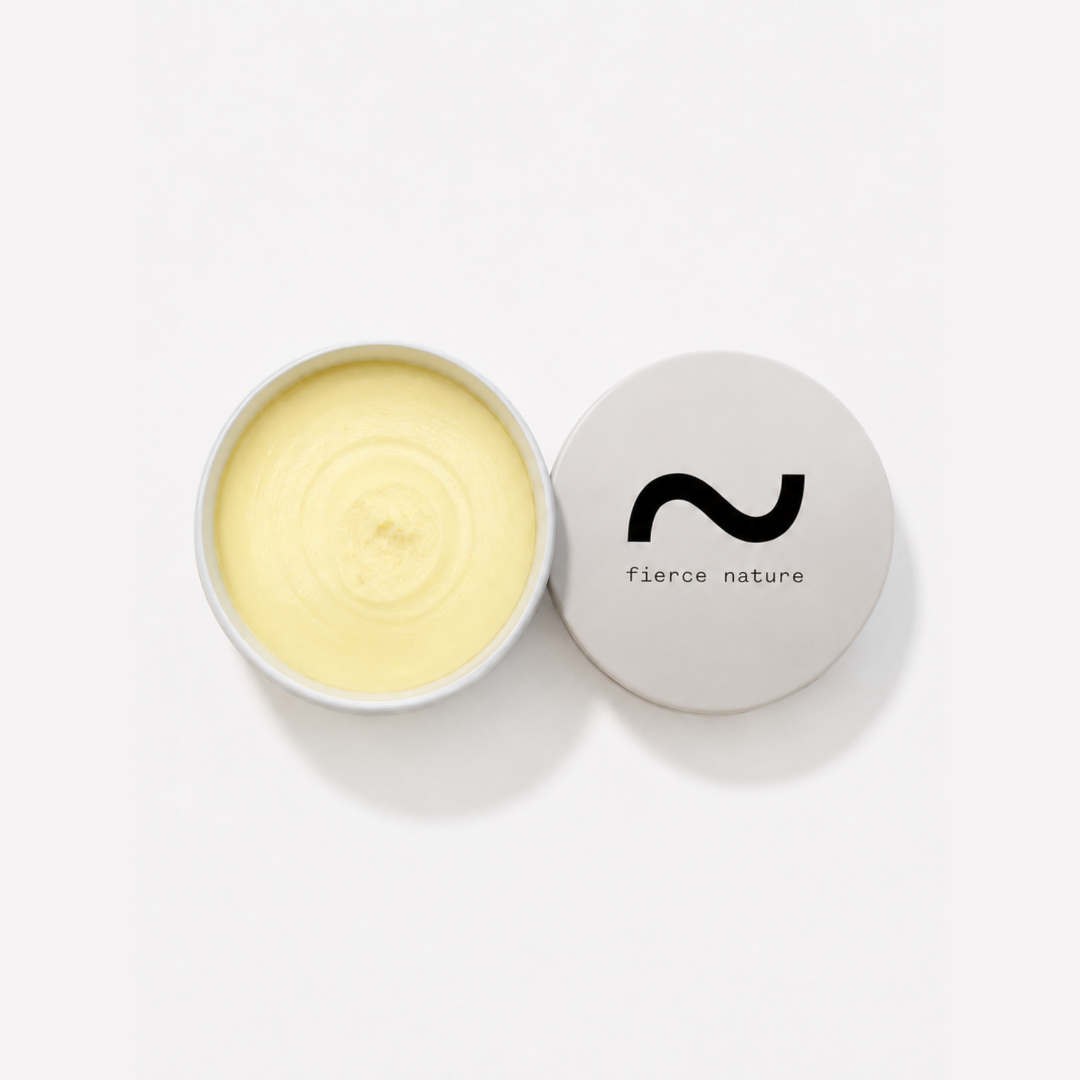
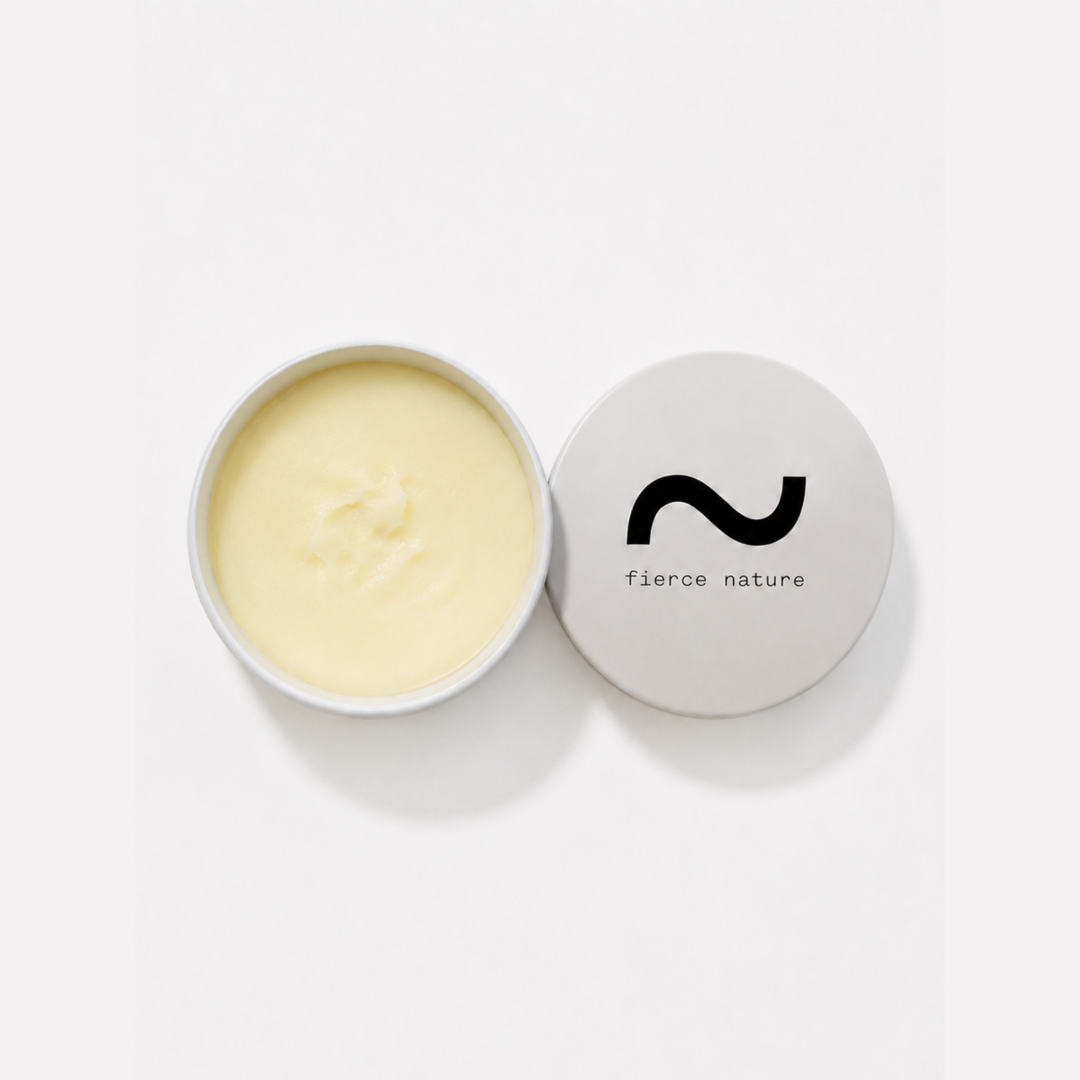

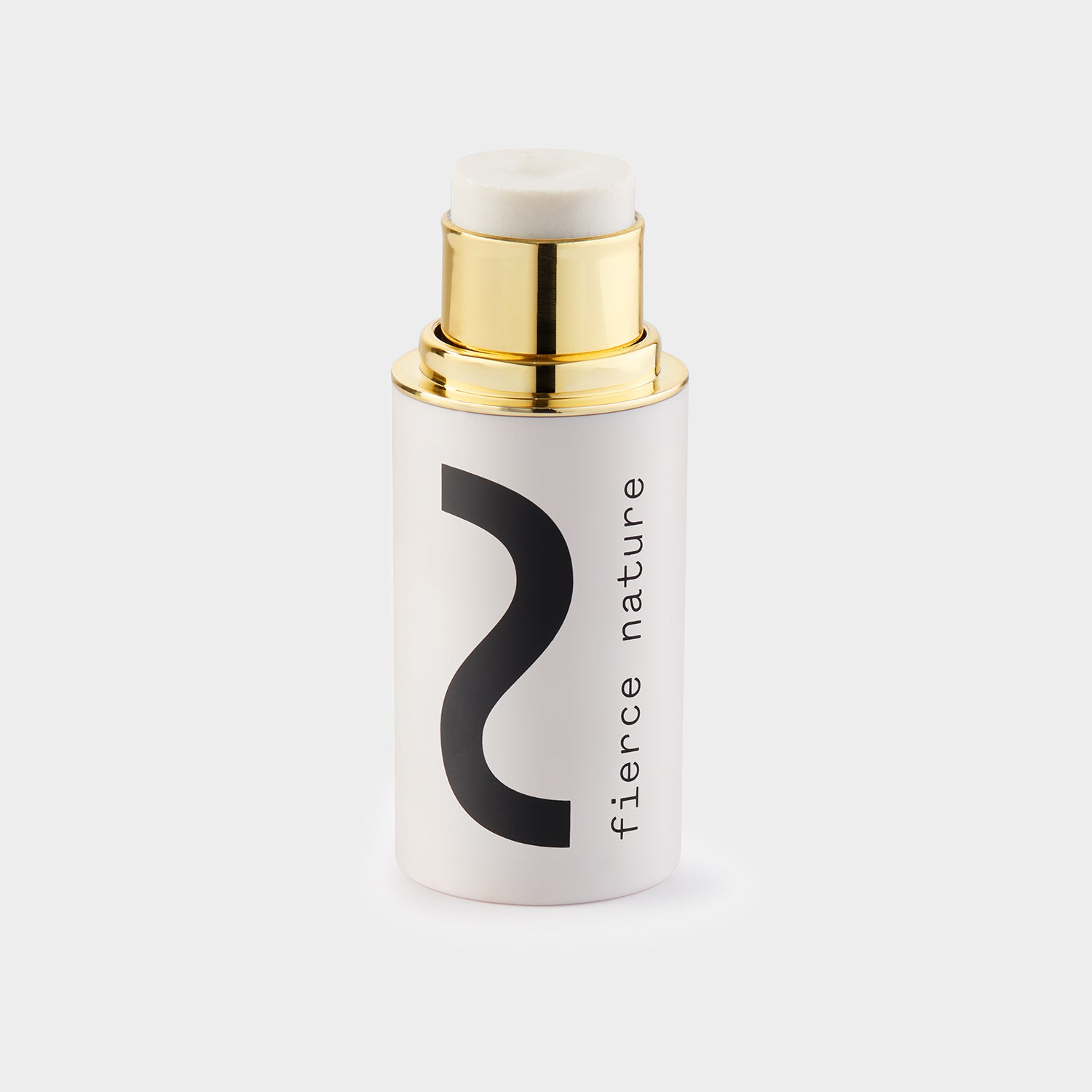
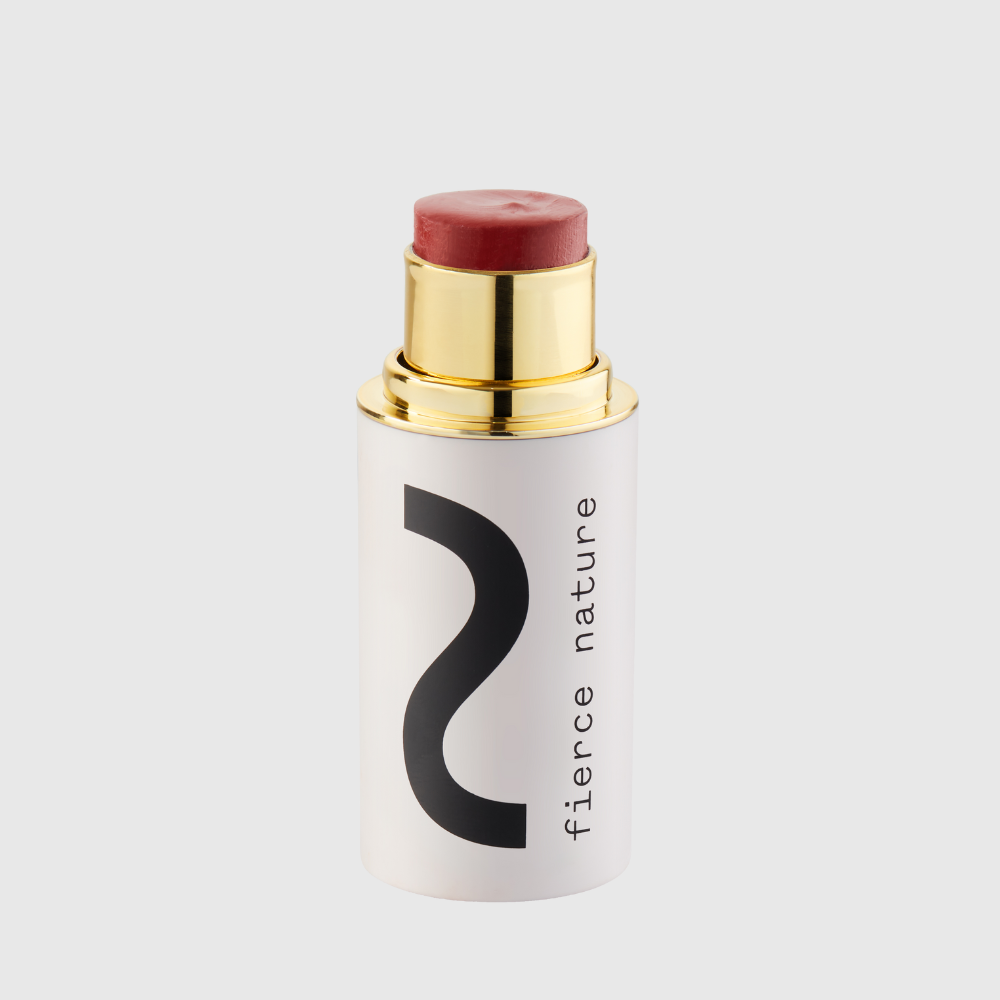
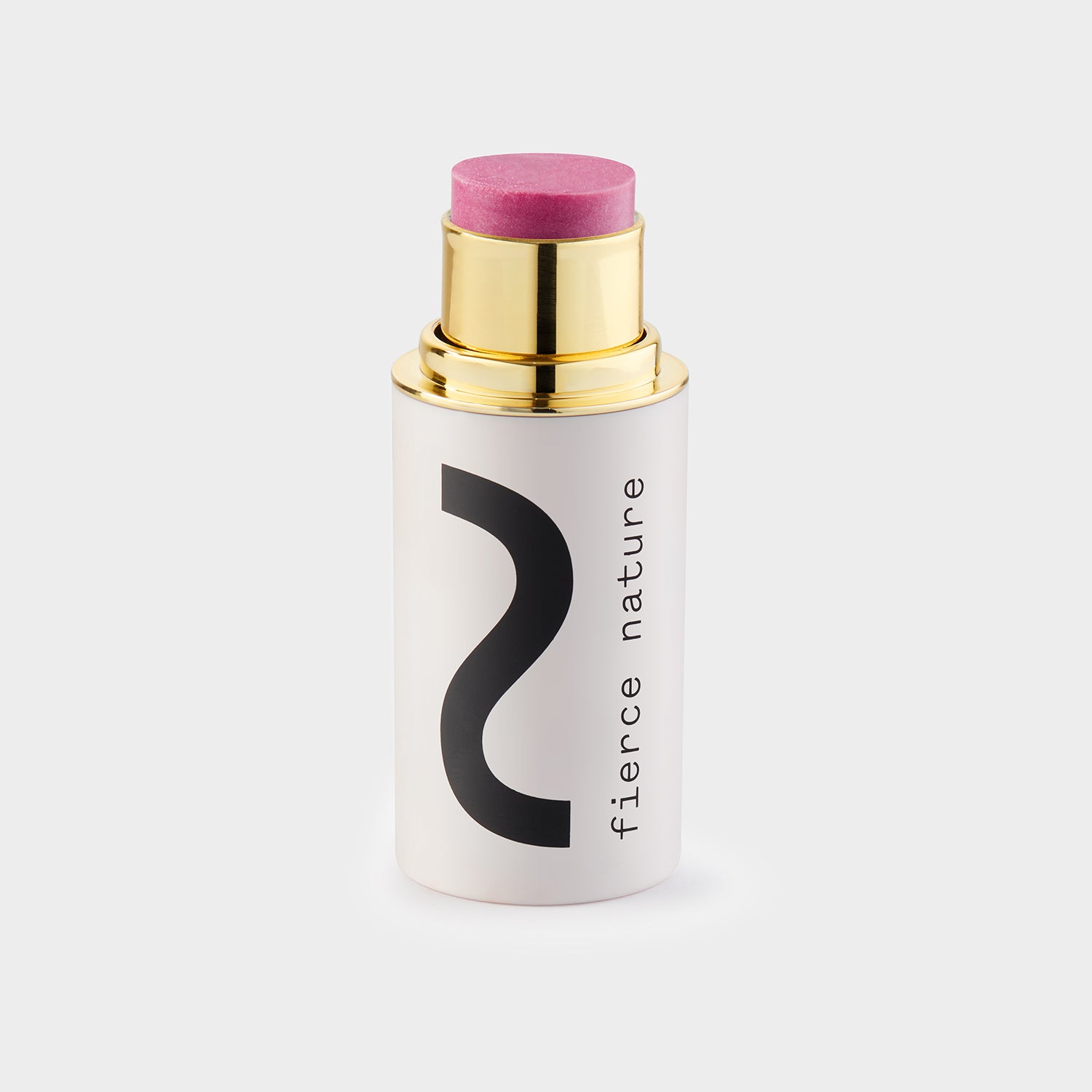
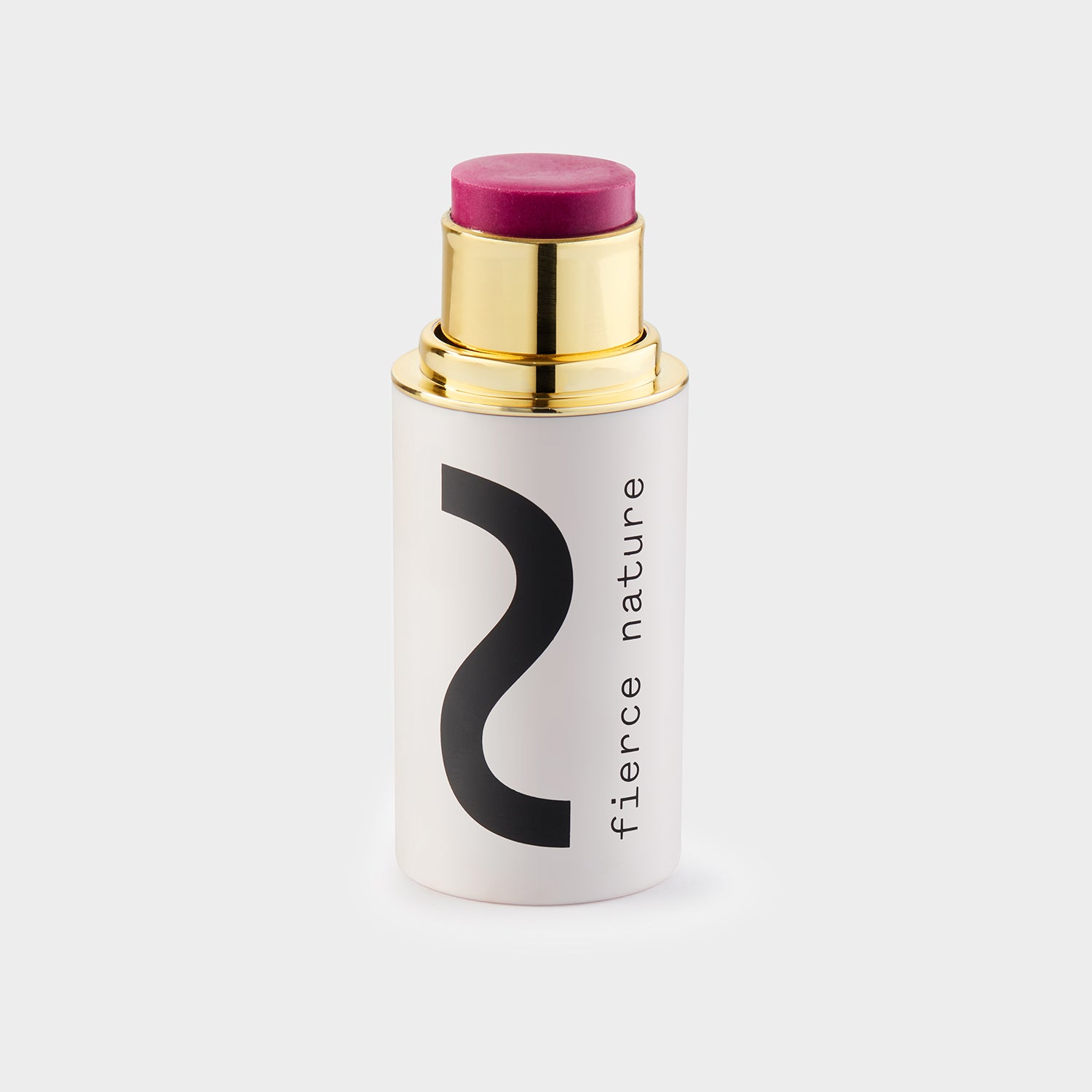
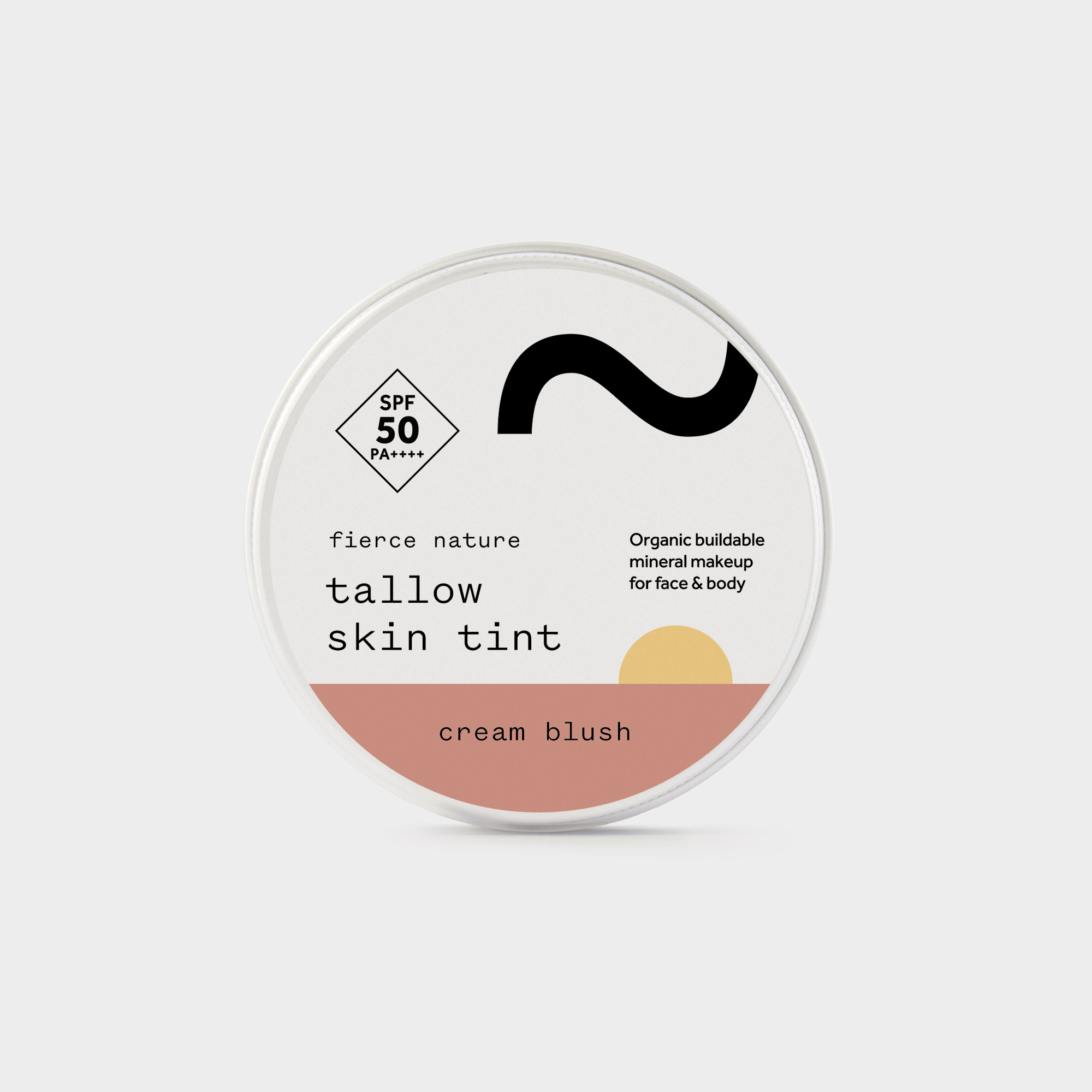
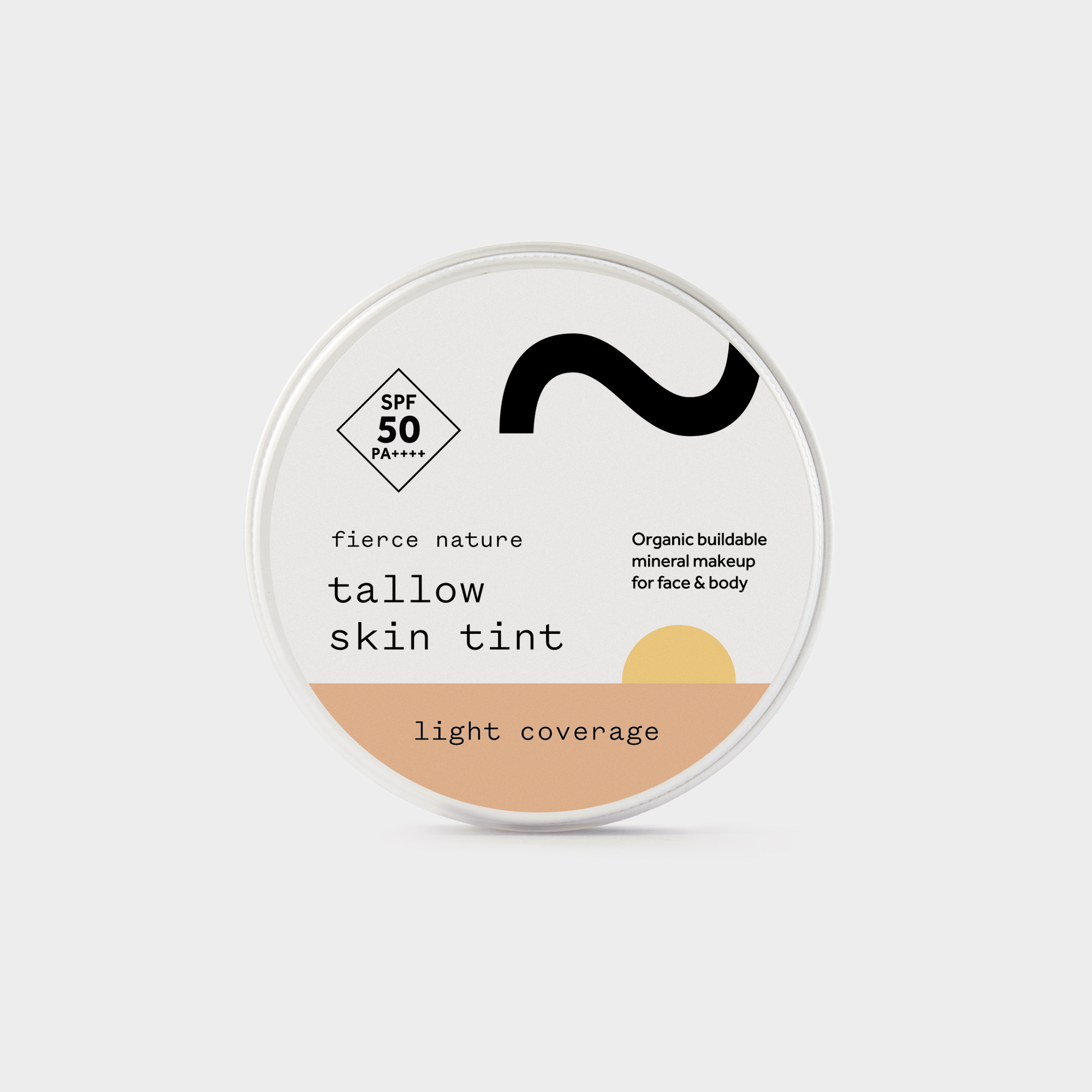
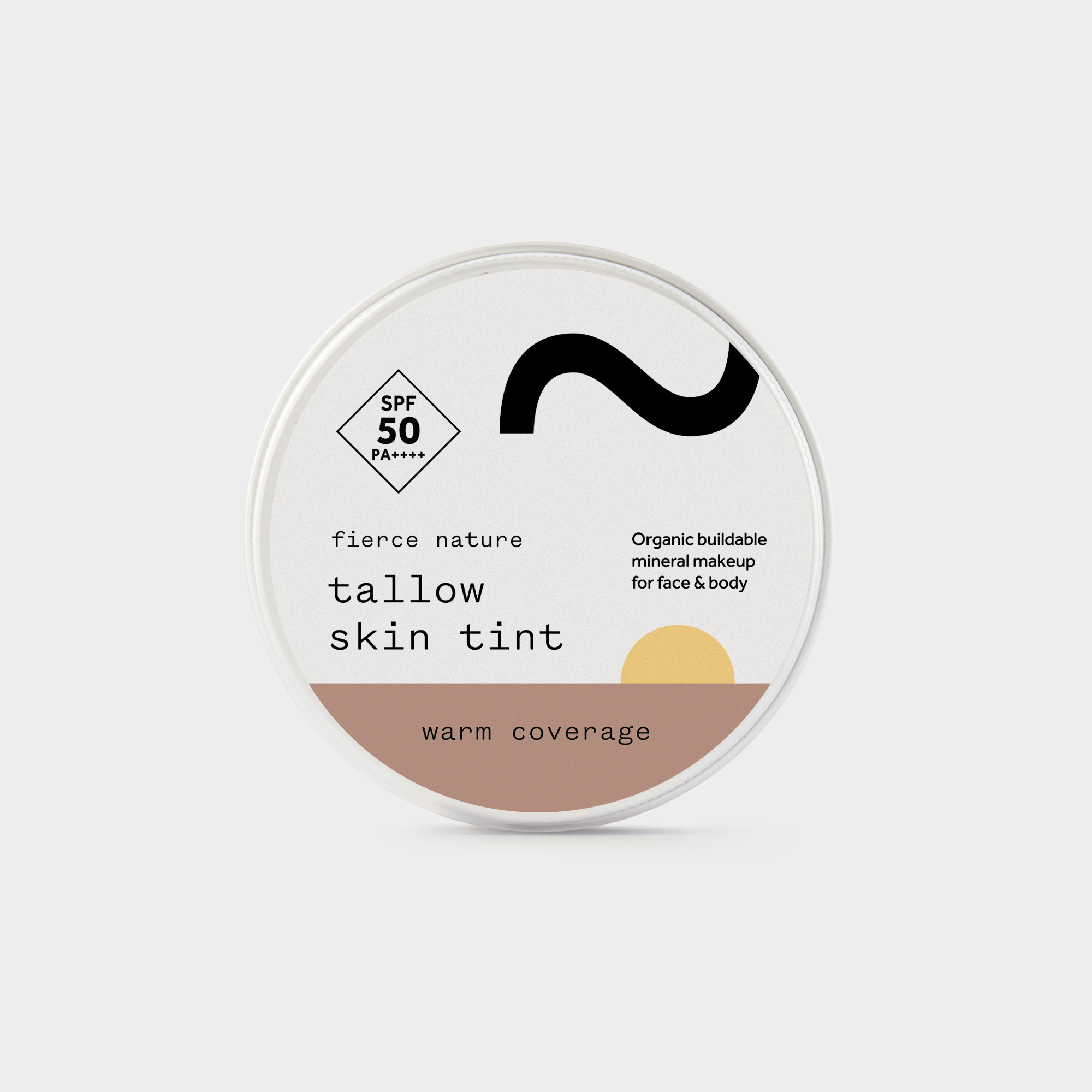
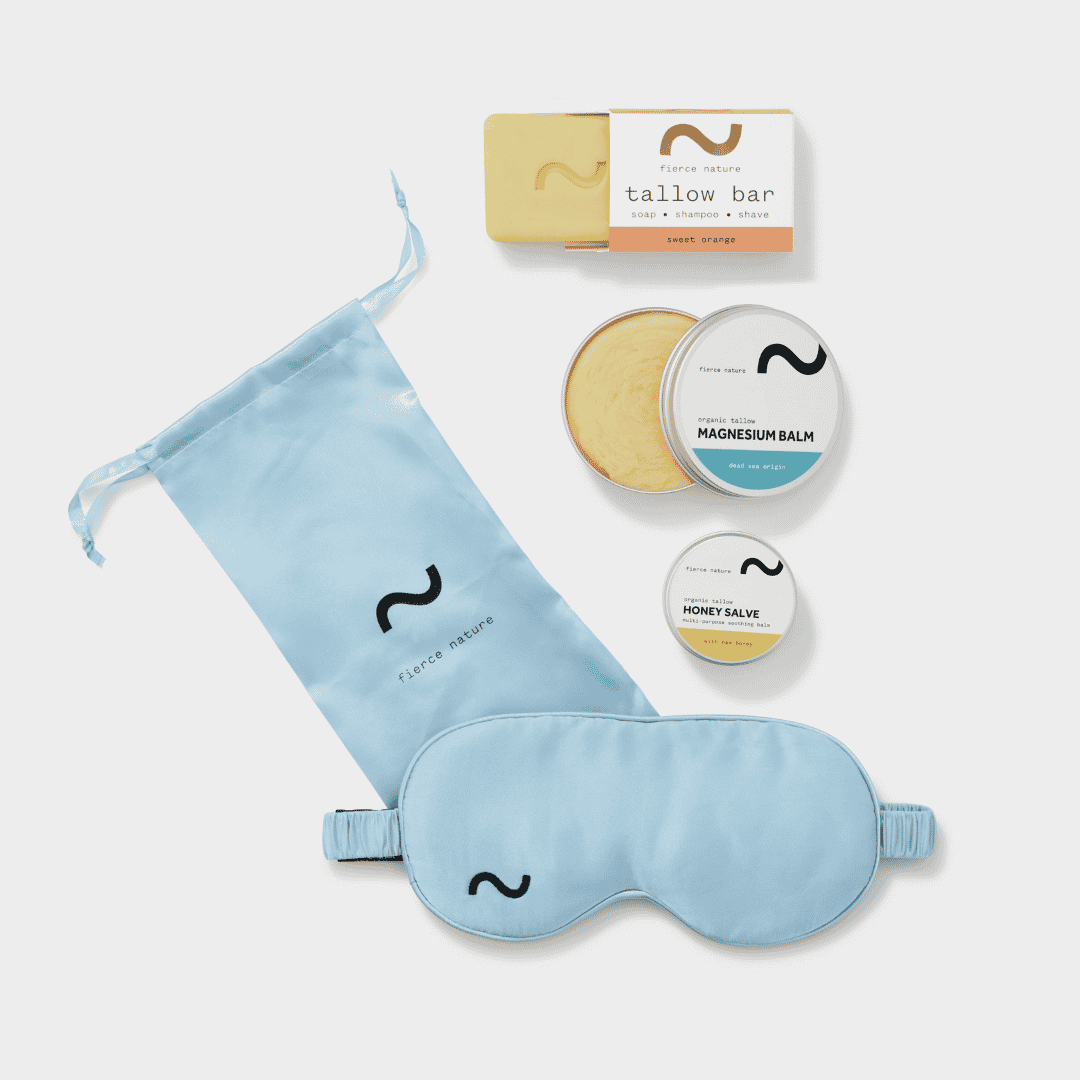
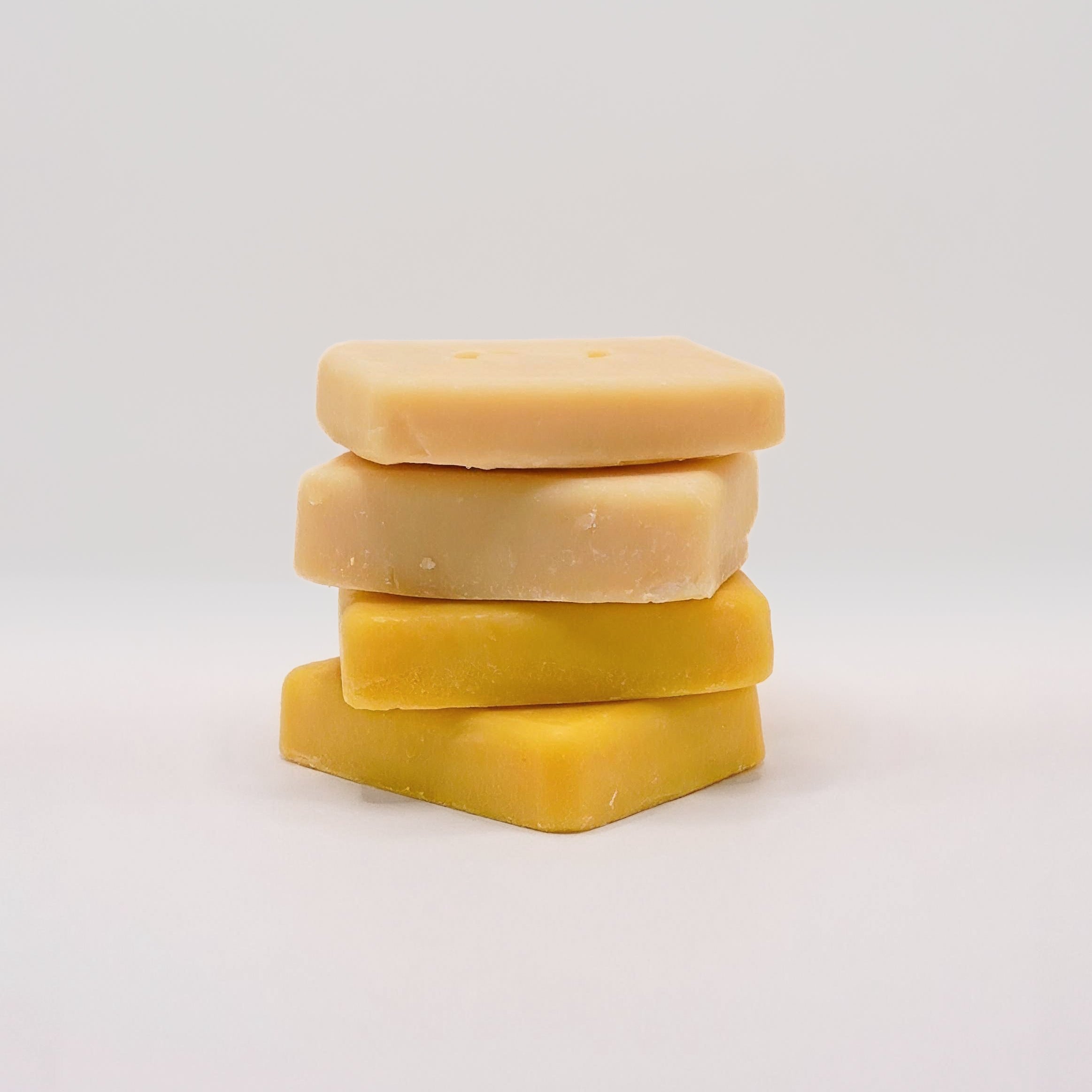




Tallow works as a rich, supportive moisturiser that can make stretch marks feel and look smoother over time. It is not a proven treatment that prevents or removes them. No topical product, tallow included, has been clinically shown to stop stretch marks forming or to reverse ones you already have.
For safety: tallow is generally considered fine for topical use during pregnancy, but every pregnant body reacts differently, and a small percentage of people develop sensitivities they didn’t have before.
Here is your immediate action plan:
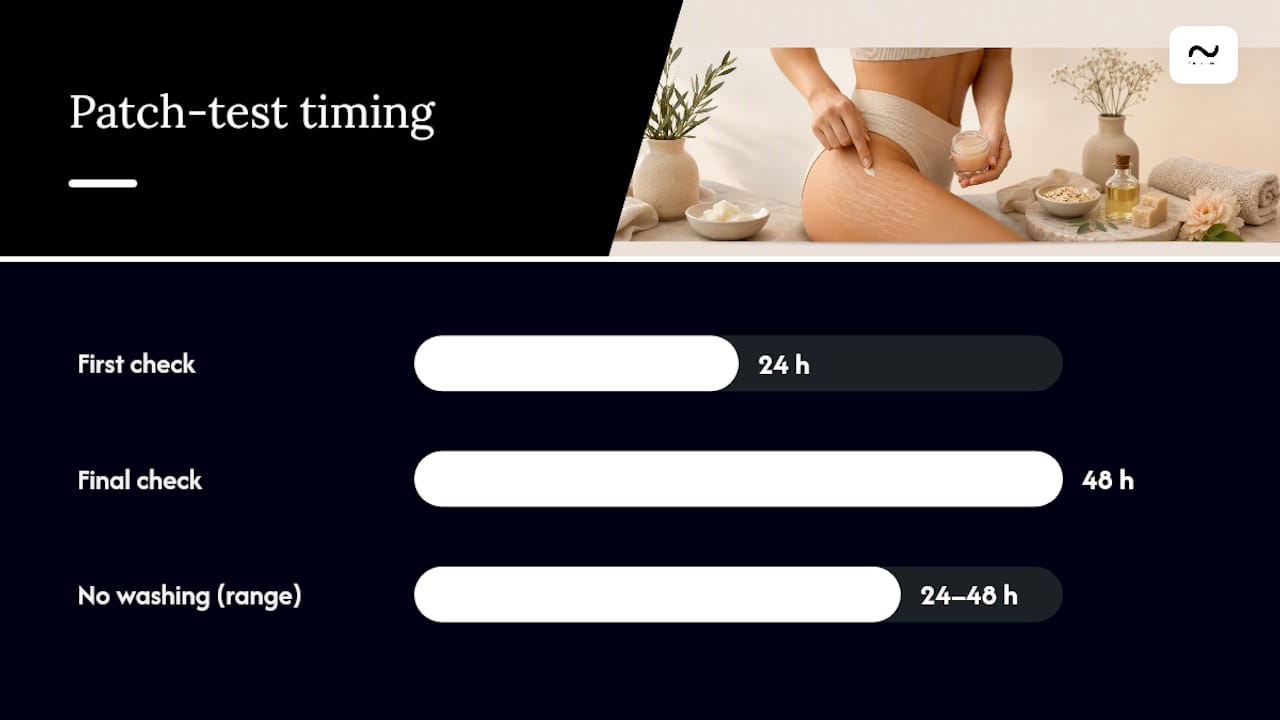
Patch-test first on a small area of skin and wait 24 to 48 hours.
If skin stays calm, apply to clean, slightly damp skin twice daily.
Watch for changes over several weeks, and speak to your midwife or GP if anything looks off or your skin history is complicated.
We’ll walk through the science, the safety steps, and exactly how to use it, so you can decide with confidence rather than guesswork.
Tallow works best as a supportive moisturiser for stretch mark comfort and texture, not as a clinically proven prevention or removal treatment.
| Point | Details |
|---|---|
| Set realistic expectations | Tallow can improve texture and comfort but hasn’t been proven to prevent or remove stretch marks. |
| Patch-test before regular use | Apply to your inner arm, wait 24 to 48 hours, and check for redness or irritation. |
| Apply twice daily to damp skin | Massage in after bathing when skin is warm and more receptive to moisture. |
| Prioritise sourcing | Choose grass-fed, low-heat rendered tallow with a transparent ingredient list. |
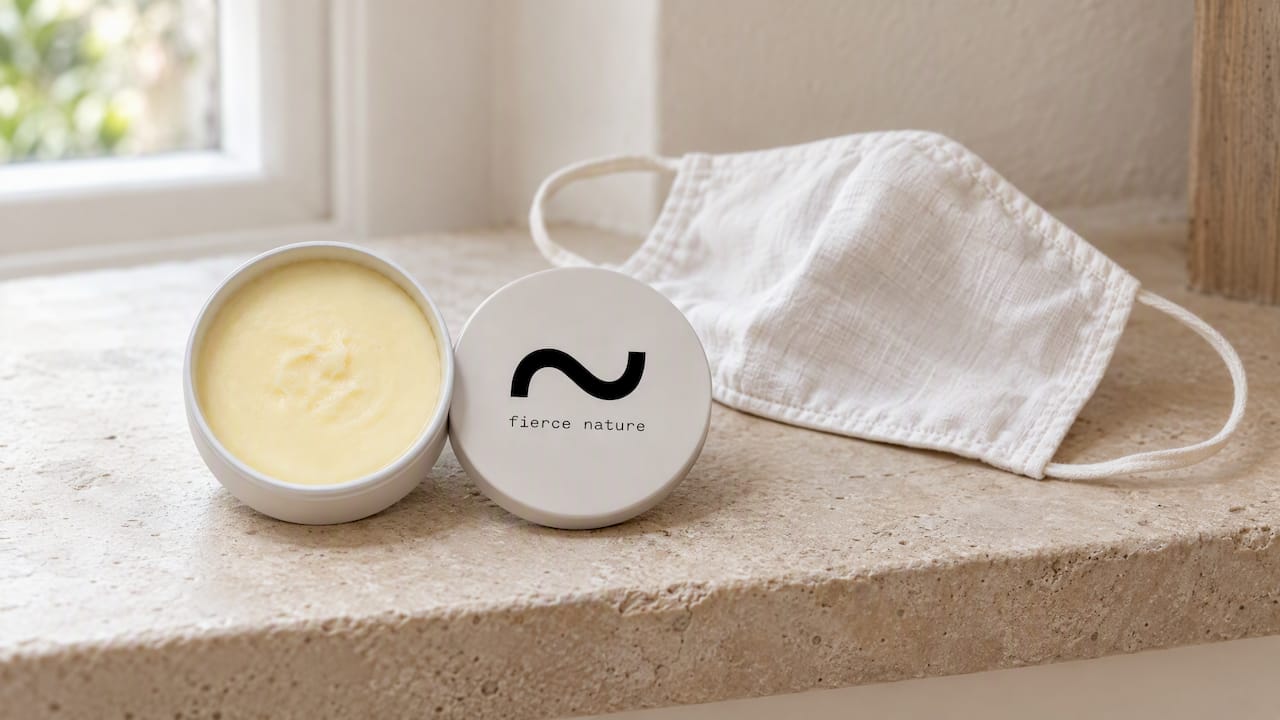
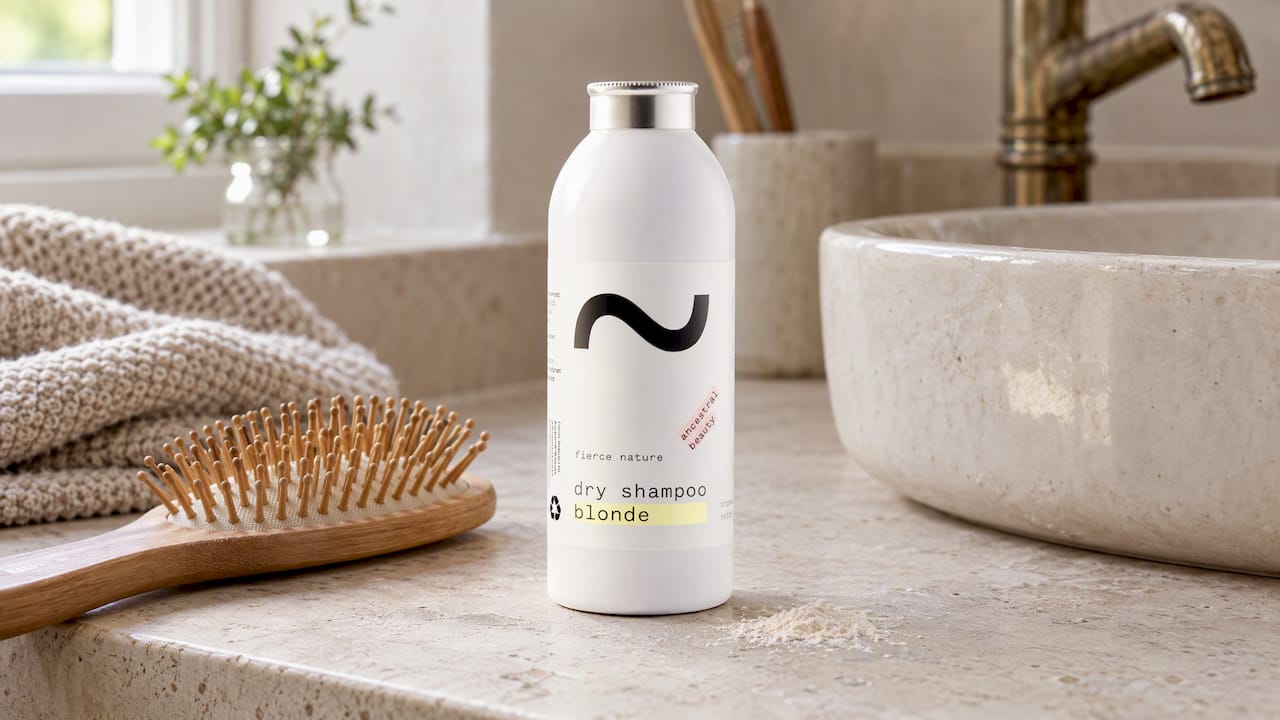
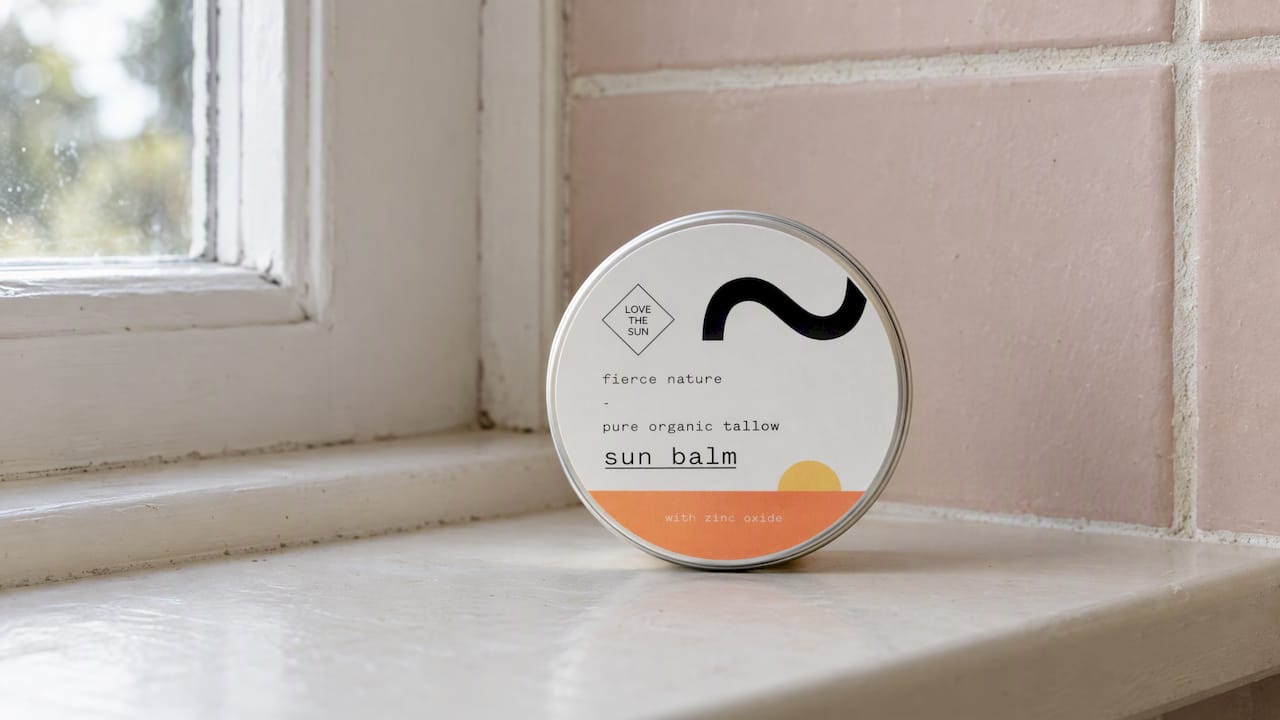
| Choose Fierce Nature for tested formulations | Fierce Nature’s UK-made tallow bars and balms offer sourced, patch-test-ready options for pregnancy and sensitive skin. |
What is tallow, and how does it work on stretch-mark-prone skin?
What does the evidence actually say about tallow and stretch marks?
Why we think the “miracle cure” framing around tallow misses the point
Which Fierce Nature products suit your skin during pregnancy?
Tallow is rendered fat, traditionally from grass-fed cattle, that’s been used in skincare for centuries, long before “clean beauty” became a marketing term. It’s naturally rich in oleic, palmitic, and stearic fatty acids, plus fat-soluble vitamins A, D, E, and K, which sit close in composition to the lipids already found in human skin.
That similarity is precisely why tallow tends to sit well on skin rather than feeling greasy or foreign. It works through two mechanisms:
Emollient action: fatty acids fill in gaps between skin cells, smoothing rough, flaky texture.
Occlusive action: a light barrier film sits on the surface and slows water loss, which is what keeps skin feeling supple rather than tight or itchy.
Trapped moisture plumps the outer skin layer, which can genuinely reduce the itching that comes with a stretching belly and soften the visual texture of marks. What it cannot do is rebuild the collagen and elastin fibres that tear beneath the surface when skin stretches quickly. That deeper remodelling is a different biological process entirely, one that ingredients like topical retinoids have been studied for, mostly outside of pregnancy, since retinoids aren’t recommended for expectant mothers. Tallow feeds and softens the surface; it doesn’t reconstruct what’s happened underneath it.
Honestly? Less than the hype suggests. There isn’t a high-quality human clinical trial that has tested plain beef tallow specifically for preventing or fading stretch marks, and a literature search through August 2026 didn’t turn one up either. That’s not the same as saying it doesn’t work; it means the specific claim hasn’t been rigorously tested.
What we do have is background science on skin barrier function, wound healing, and topical emollients, which supports the idea that consistent moisturisation improves comfort and skin condition. The NHS makes a similar point in its own guidance on stretch marks: moisturising helps with comfort and skin condition, but no topical product is guaranteed to prevent them from forming in the first place.
Dermatologists note that tallow’s popularity has outpaced the evidence behind it. Its fatty acid profile is compatible with skin lipids, which explains why it feels good on skin, but that compatibility doesn’t equate to a clinically proven cure.
Newer stretch marks, the reddish or purple ones (striae rubra), tend to respond better to consistent moisturising because the skin is still in an active, inflamed stage. Older, silvery-white marks (striae alba) have already scarred over, and creams and balms alone rarely make a dramatic difference at that stage.
Try tallow for hydration, comfort, and texture, that’s realistic and well supported.
If a stretch mark’s appearance is a significant concern for you, ask a dermatologist about evidence-based options, since expectations matter as much as the product itself.
Generally, yes. Tallow is considered safe for topical use in pregnancy, and clinicians tend to frame it as supportive skincare rather than medical treatment. That said, pregnancy changes skin sensitivity, hormone levels shift, and a product you’ve used for years can suddenly provoke a reaction it never did before. Patch testing isn’t optional caution here; it’s a basic step worth taking every time you introduce a new formulation.
How to patch-test properly:
Apply a small amount to your inner forearm or behind your ear, somewhere skin is thin and reactive.
Leave it uncovered and avoid washing the area for 24 to 48 hours.
Check for redness, itching, swelling, or small bumps at the 24 hour and 48 hour marks.
If skin looks calm, you’re clear to begin using it on your belly, hips, or thighs.
Stop immediately if you notice persistent redness, blistering, a spreading rash, or pain, and speak to a pharmacist, GP, or your midwife. These are signs of irritation or infection rather than a simple adjustment period.
Avoid applying tallow to open wounds, and check with a clinician first if you have a pre-existing skin disorder like eczema or psoriasis, or if you’re using it near a healing surgical scar such as a caesarean incision.
Pro Tip: If you have a history of acne-prone skin, trial tallow on a small test patch on your jaw or chest rather than your face first. Even well-formulated moisturisers can occasionally trigger a comedogenic response in acne-prone skin, and it’s easier to catch that early on a discreet patch than after a full facial application.
Technique matters here almost as much as the product itself. Applying it correctly means better absorption, less waste, and a routine you’ll actually stick with.
Cleanse and towel-dry the area, leaving skin slightly damp rather than bone dry.
Warm a small amount of tallow between your palms until it turns from solid to a soft, workable texture.
Massage in gentle circular strokes across your belly, hips, thighs, or wherever marks are forming, working from the centre outward.
Repeat twice daily, ideally straight after a bath or shower when your skin is warm and pores are more receptive.
Applying to damp skin rather than dry skin helps trap in existing moisture beneath the emollient layer, which is part of what makes occlusives effective in the first place.
If you’re using a pre-formulated balm, you’re already getting a tested, stable ratio of tallow to complementary ingredients, which takes the guesswork out of blending. If you prefer a DIY approach, a small addition of vitamin E can improve spreadability and shelf stability, but steer clear of essential oils that aren’t recommended in pregnancy, since several common ones are contraindicated.
Pro Tip: Keep a small tub in your bathroom and another by your bed. The single biggest reason people stop a twice-daily routine isn’t the product, it’s forgetting, and visibility fixes that faster than willpower does.
On timeline: skin texture and comfort can improve within a few weeks of consistent use, particularly for newer, still-forming marks. Older, white marks are unlikely to fade significantly with moisturisers alone, regardless of the ingredient. Consistency over months matters more than any single application.
Not all tallow is equal, and sourcing affects both safety and results. A few signals separate a trustworthy product from a risky one:
Grass-fed origin: fat quality reflects the animal’s diet, and grass-fed tallow tends to carry a richer fatty acid and vitamin profile.
Low-heat rendering: gentle processing preserves nutrients and avoids the burnt, oxidised notes that come from overheating fat.
Ingredient transparency: a brand that lists exactly what’s in the jar, and what isn’t, is one worth trusting with something you’ll use daily.
Poorly processed or home-rendered tallow carries real risks: inconsistent fat composition, rancidity from improper straining, and contamination from unclean equipment. This isn’t scaremongering, it’s simply what happens when a product skips proper quality control.
Storage matters too. Tallow keeps longer when the formulation includes an antioxidant like vitamin E, and when jars are stored somewhere cool and dark rather than on a sunny windowsill. Rancid tallow has a distinctly sour smell, and if you notice that, discard it rather than risk applying it to sensitive, stretching skin.
| Signal to check | Why it matters |
|---|---|
| Grass-fed sourcing | Affects the fatty acid and vitamin profile of the finished product. |
| Low-heat rendering | Preserves nutrients and avoids oxidised, rancid notes. |
| Clear ingredient list | Lets you screen for anything contraindicated in pregnancy. |
| Cool, dark storage | Extends shelf life and prevents rancidity. |
The honest judgement here is that tallow earns its place as a genuinely good moisturiser, not as a treatment that competes with clinical interventions. Where the conventional wisdom falls short is in the marketing language around it: phrases like “erase stretch marks” or “prevent them completely” set an expectation the science simply doesn’t back, for tallow or for almost any topical product on the market.
What gets overlooked is that consistency and skin comfort matter more than any single miracle ingredient. Obstetric guidance consistently points to reduced itching and improved comfort as the realistic win during pregnancy, not the disappearance of marks that have already formed. That’s not a lesser outcome. Itchy, tight, stretching skin is genuinely uncomfortable, and a good emollient addresses that directly.
Our view: prioritise sourcing and formulation quality first, patch testing second, and realistic expectations third. Skip the products promising transformation, and choose one that’s honest about what moisturisation can and can’t do. That honesty is rarer in this category than it should be.
— Fierce Nature
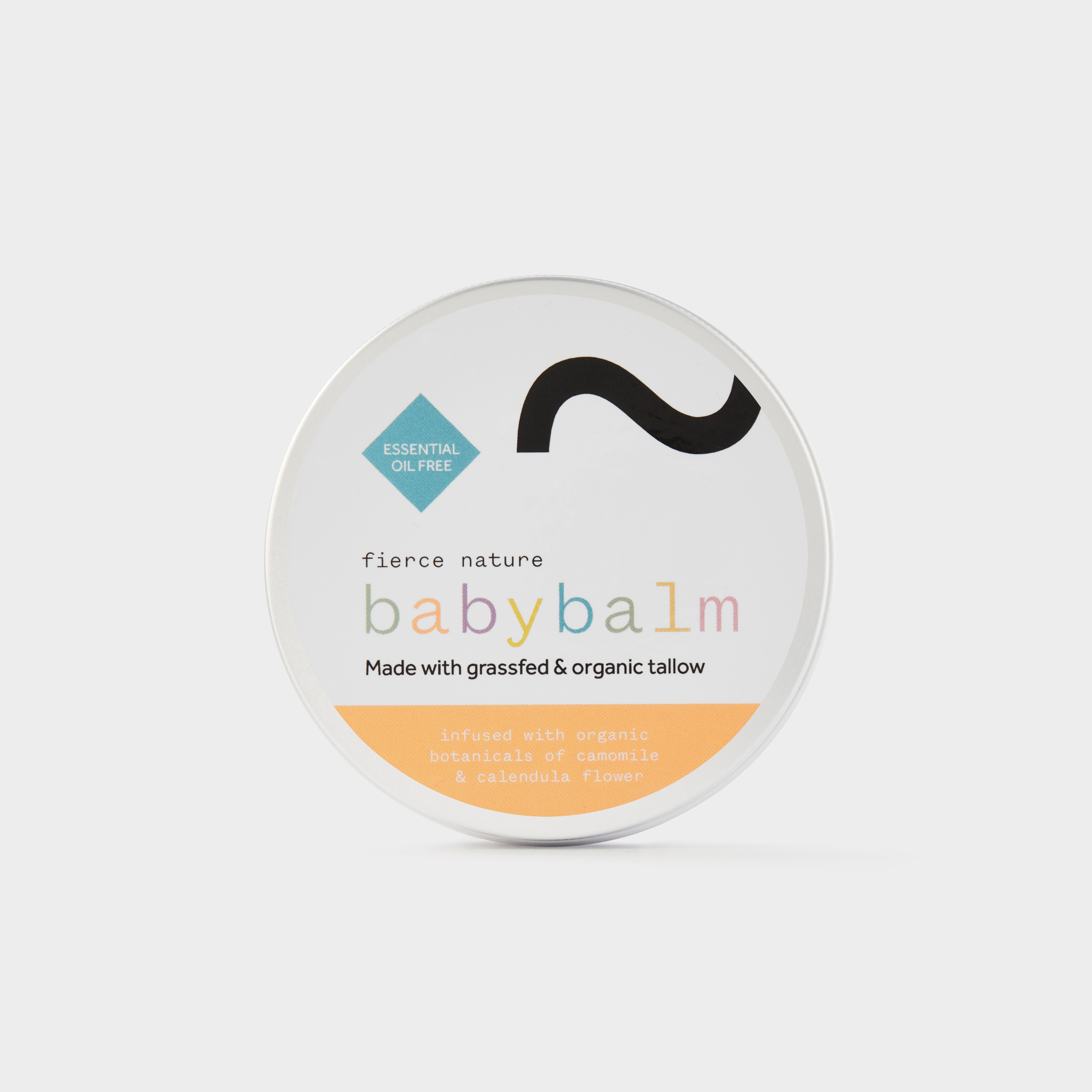
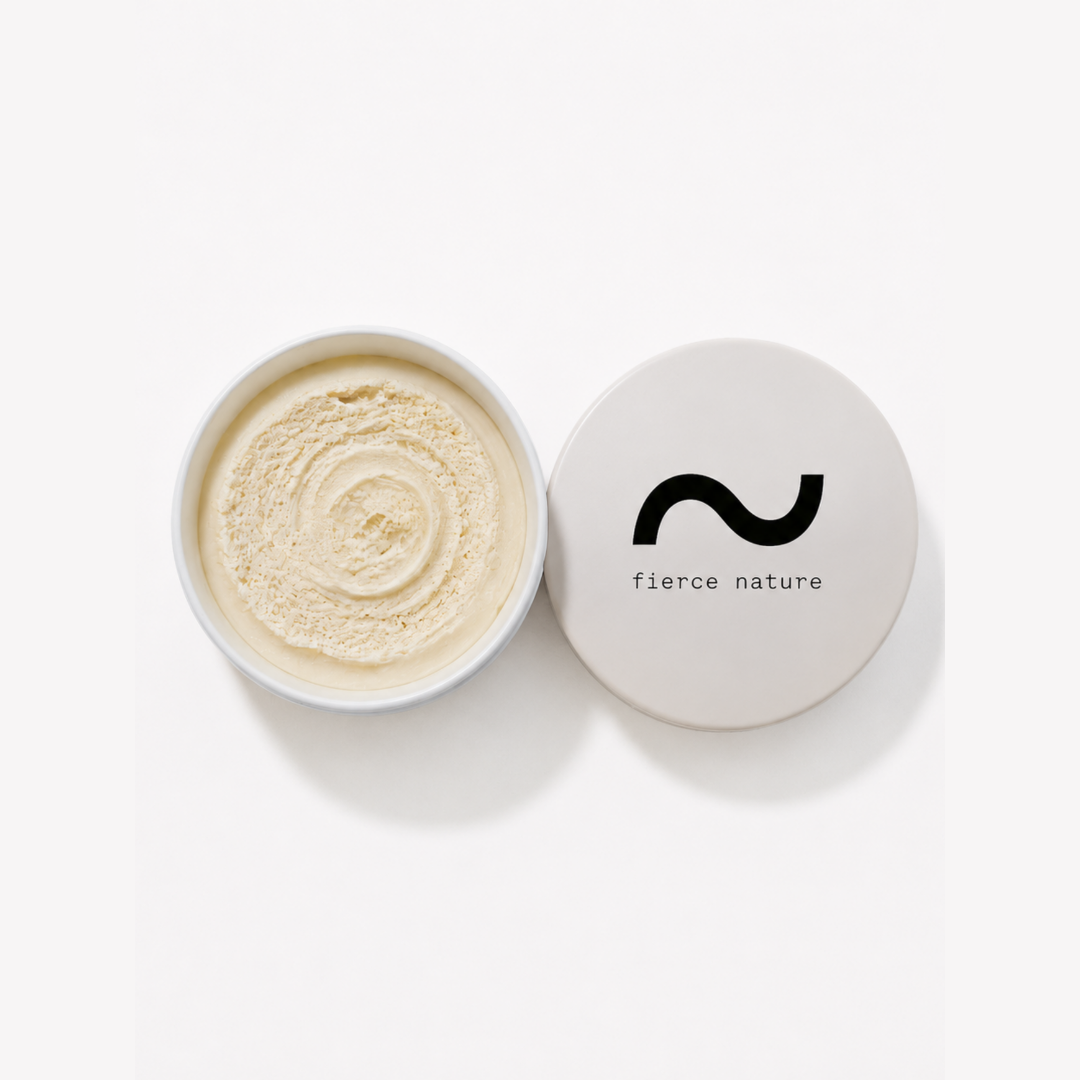
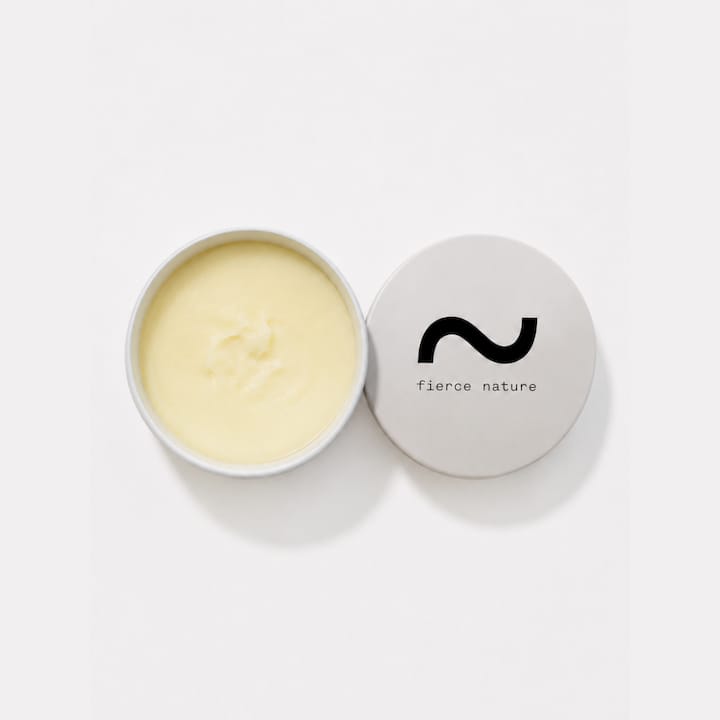
If you’d rather skip the DIY rendering and guesswork, Fierce Nature makes that decision simple. Every product is handmade in the UK from properly sourced, low-heat rendered organic tallow, with full ingredient transparency so you know exactly what’s touching your skin.
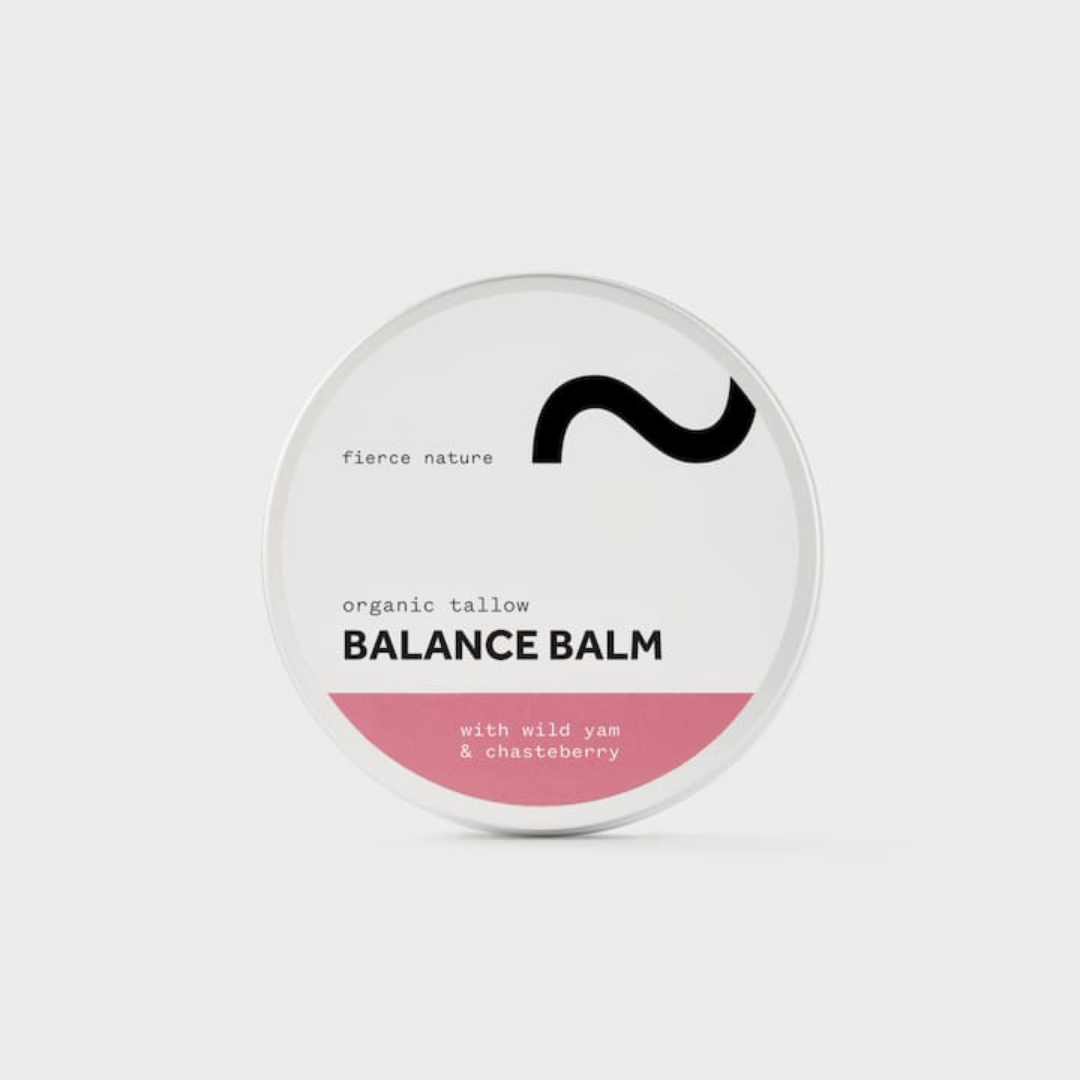
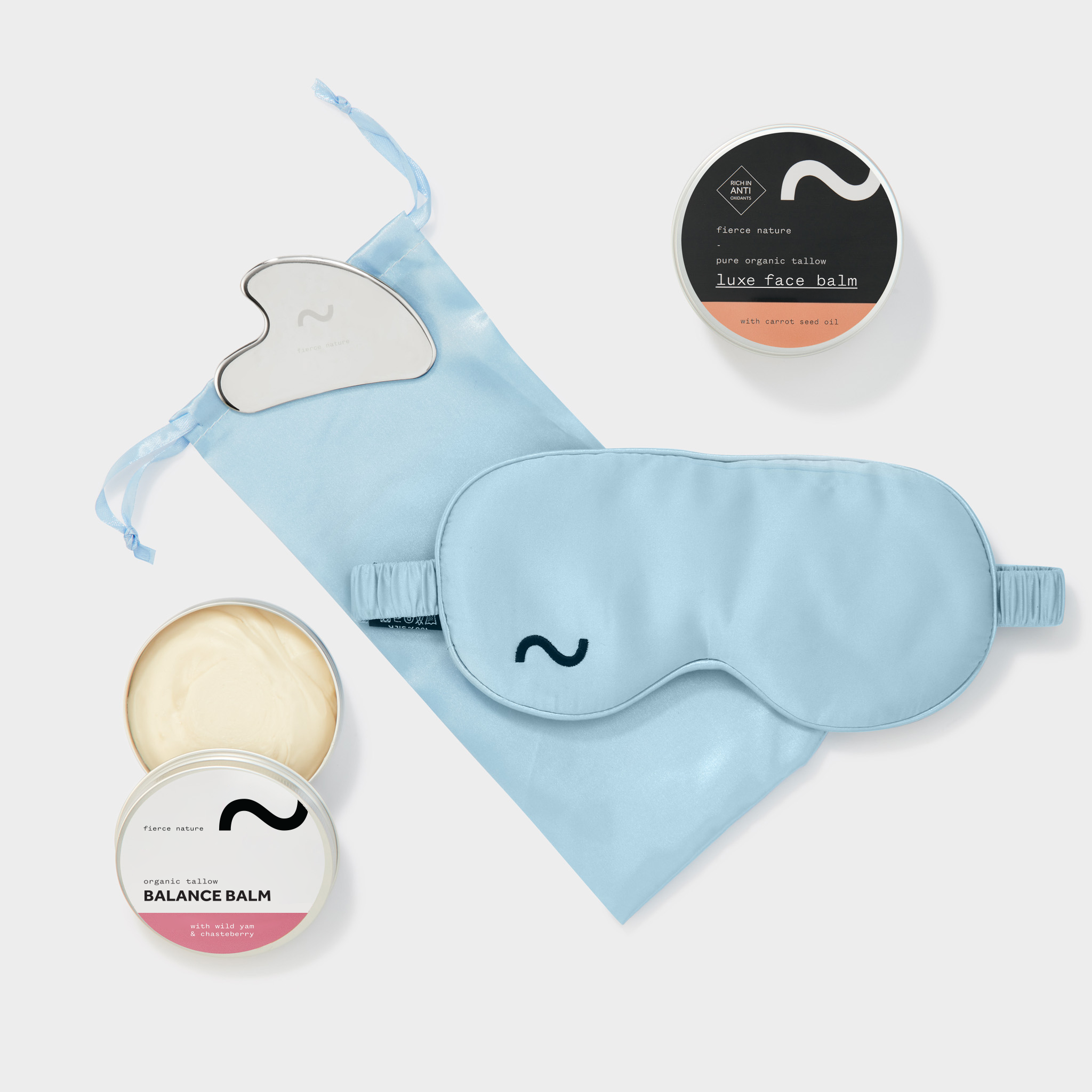
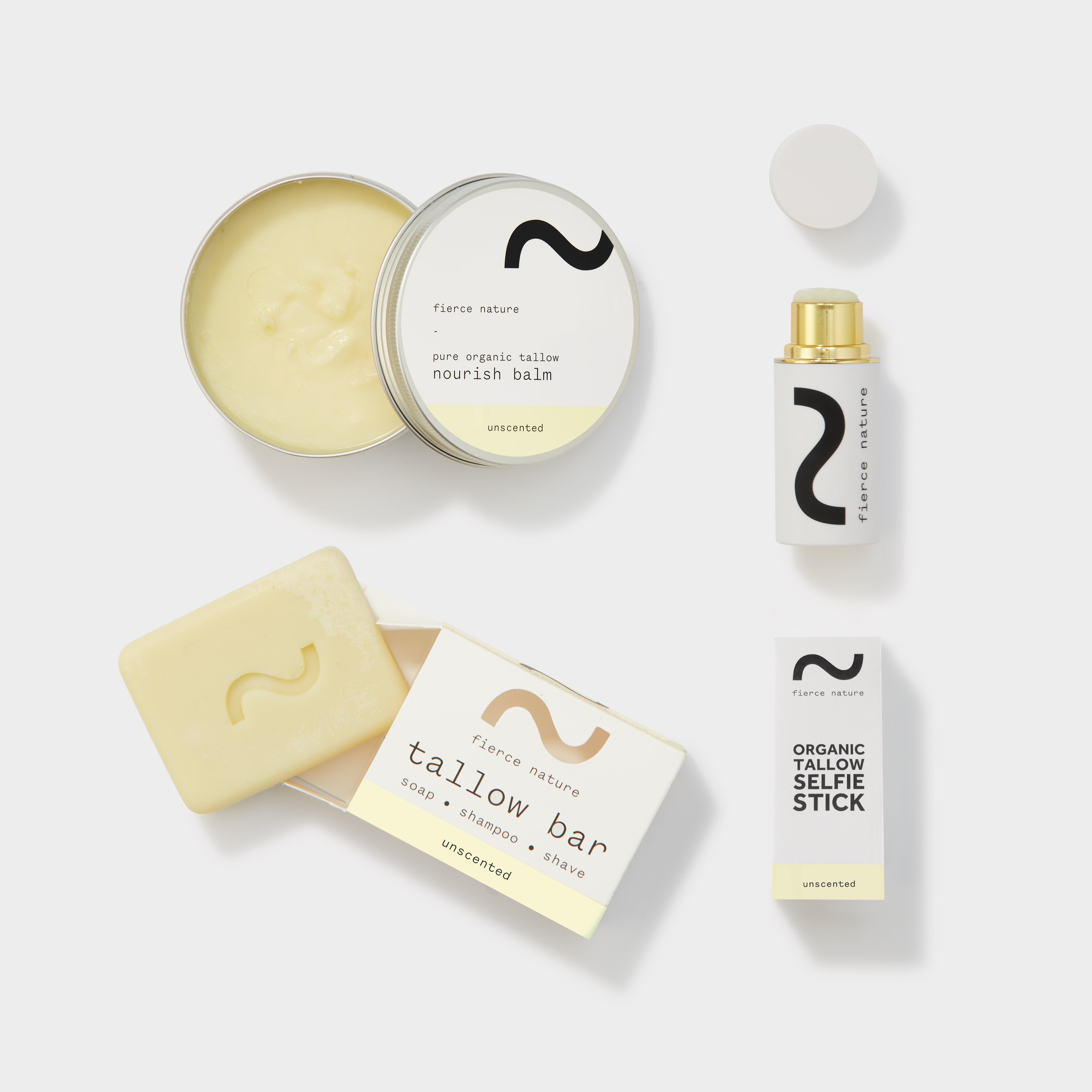
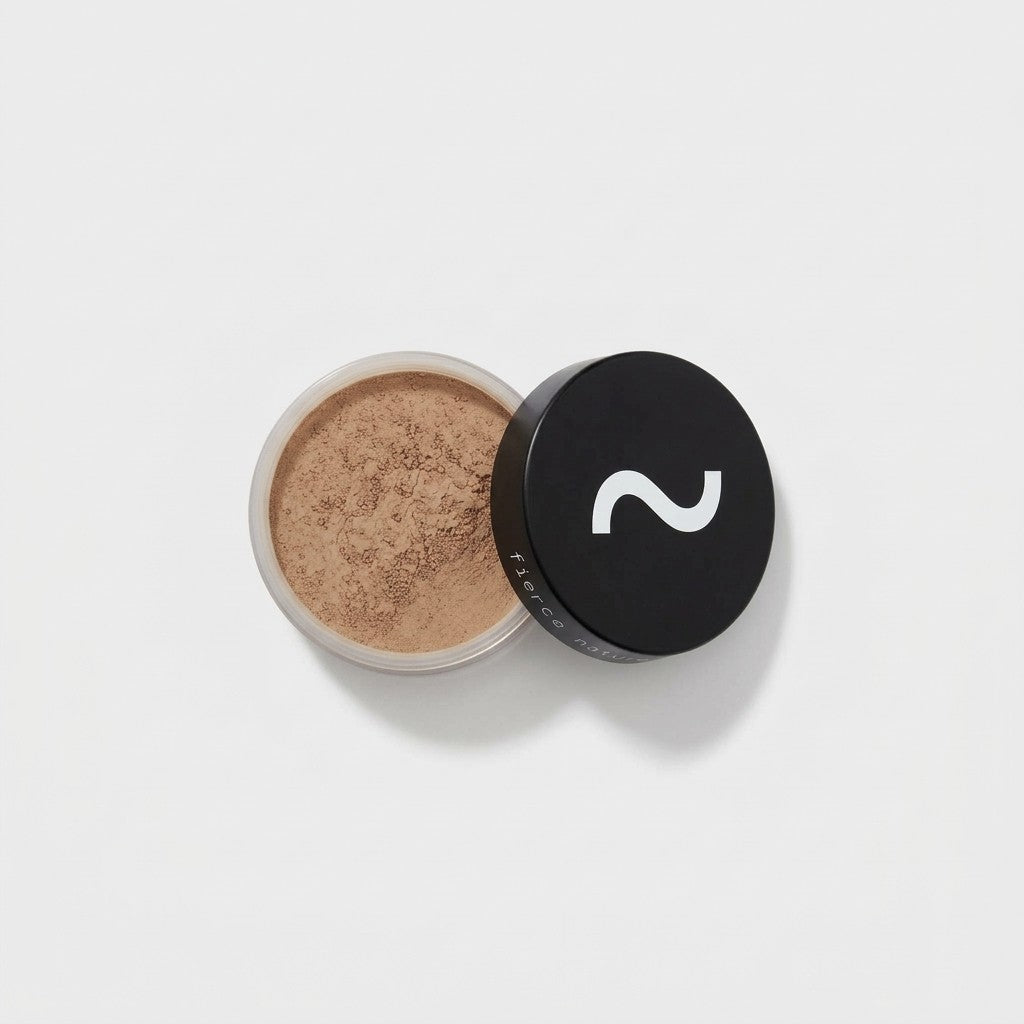
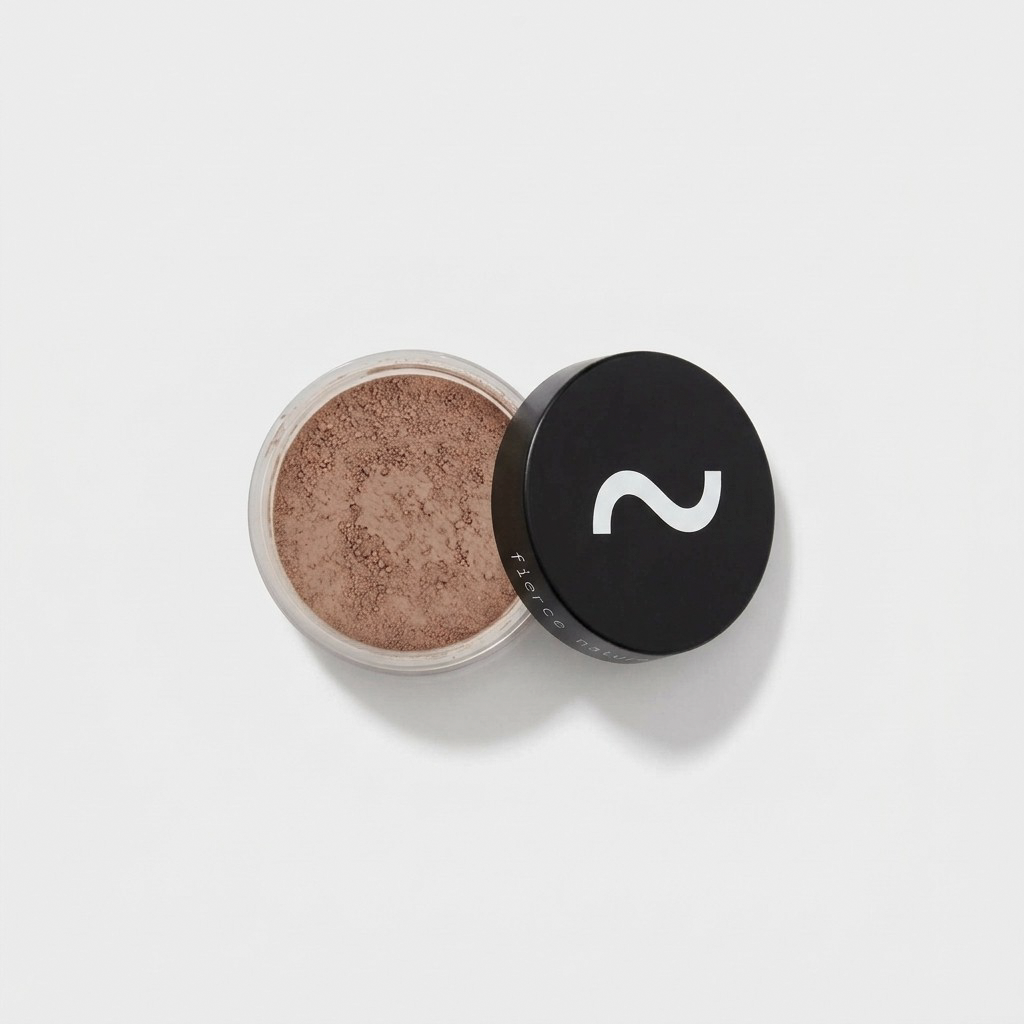
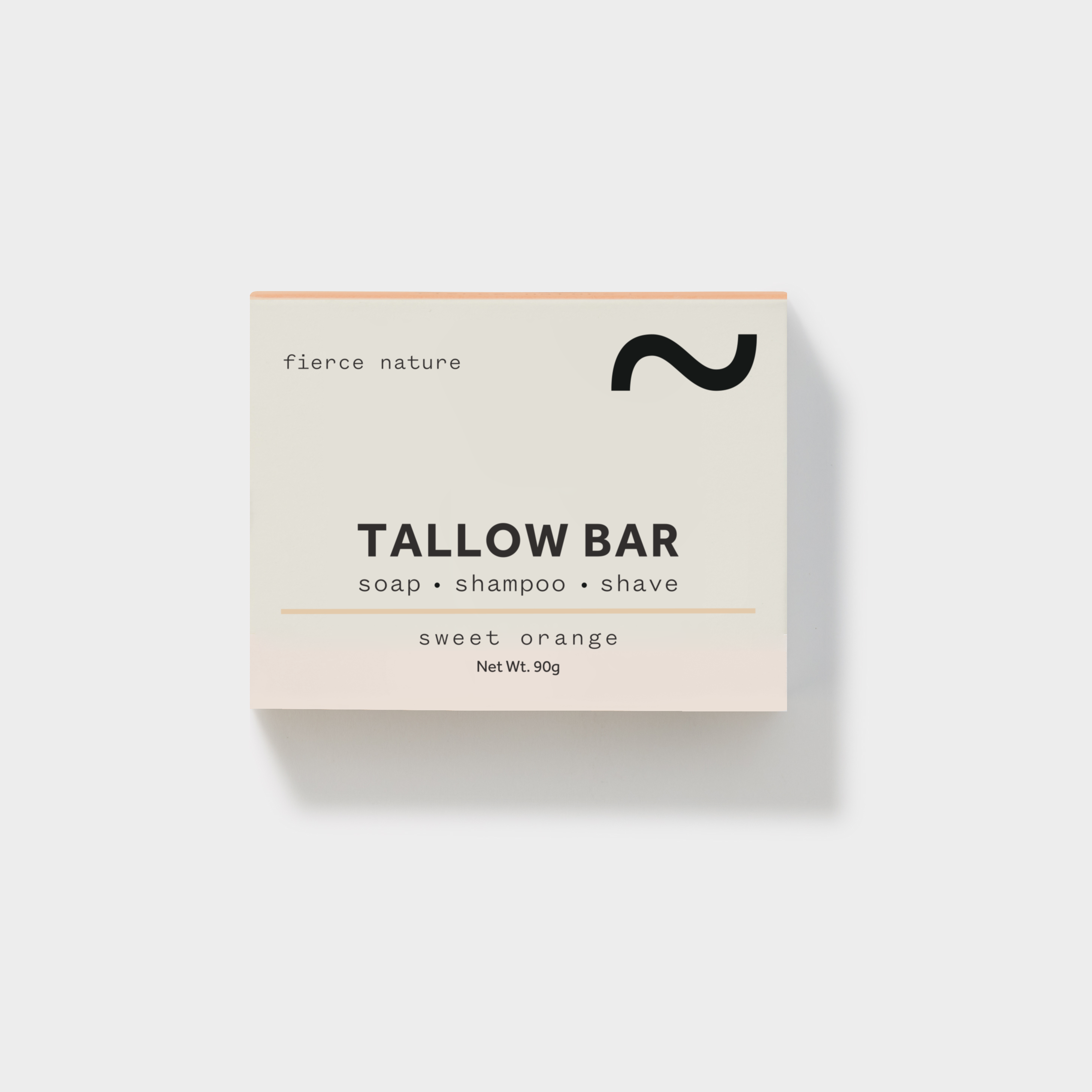
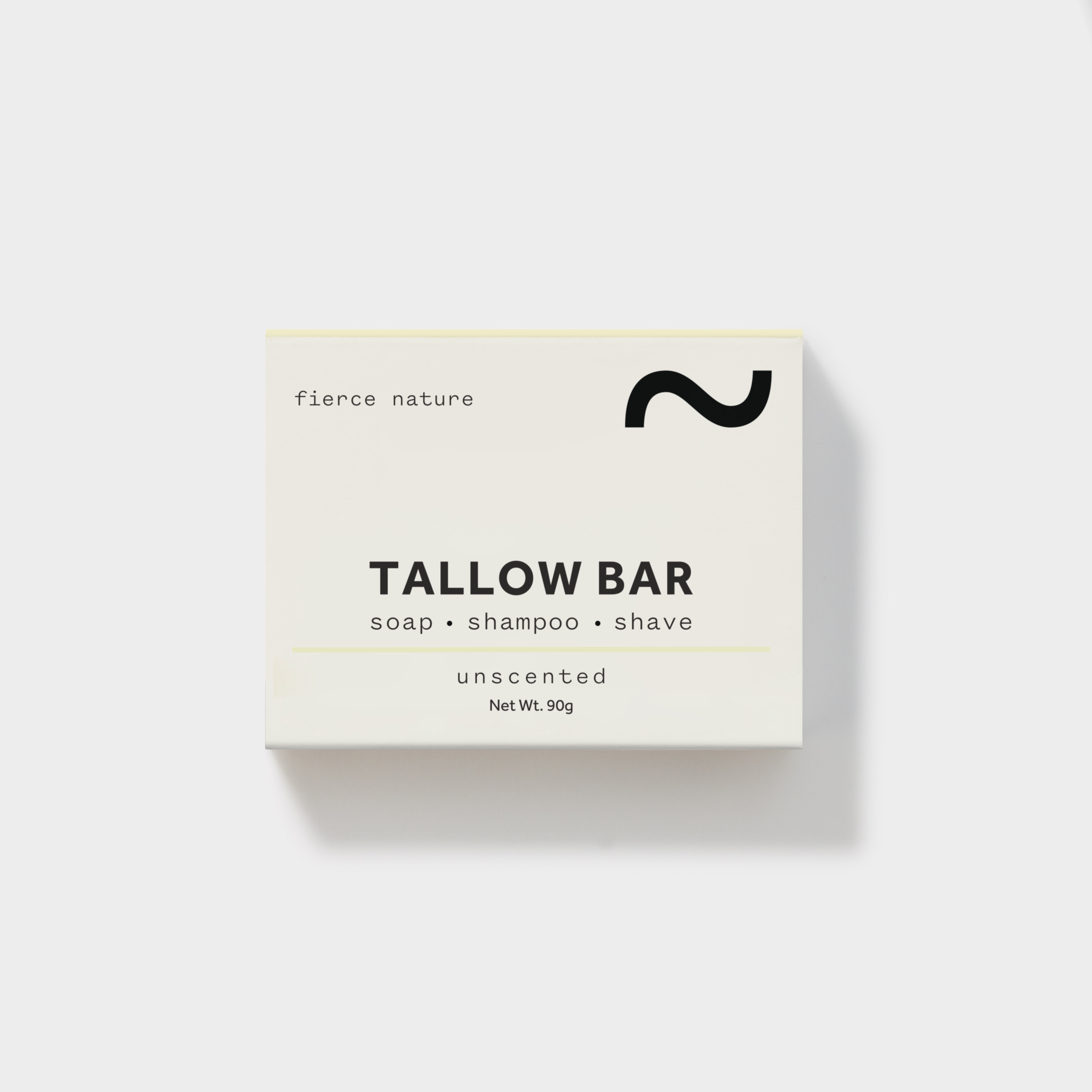
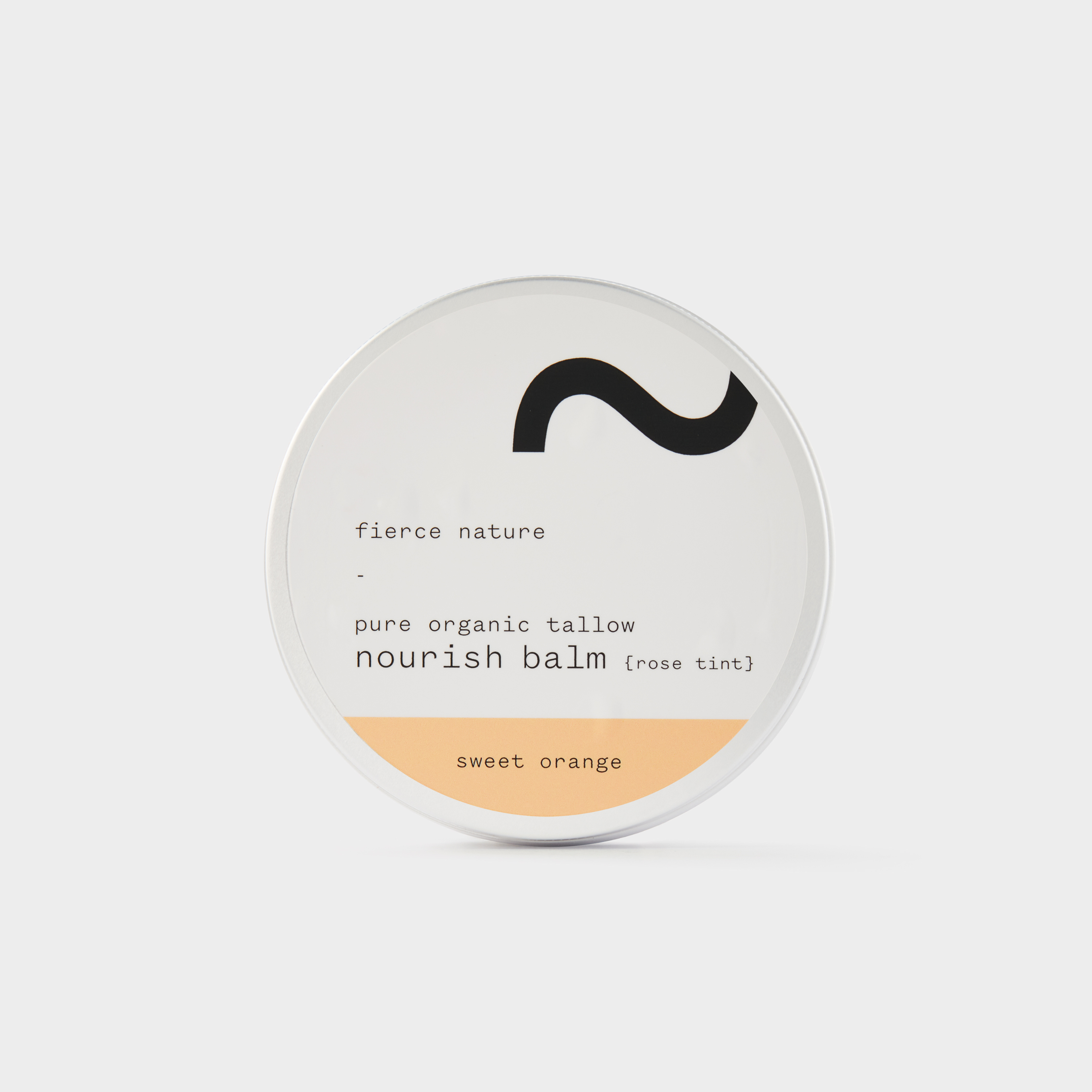
For broad, everyday coverage across your bump, hips, and thighs, the Multi-Use Tallow Bar (Unscented) is a practical choice, easy to warm between your palms and glide over larger areas. If you enjoy a light scent and your skin tolerates fragrance well, the Multi-Use Tallow Bar (Scented) offers the same formulation with a gentler sensory lift. For richer, targeted nourishment, the Nourish Balm (Unscented) suits sensitive or reactive skin particularly well during pregnancy, while the Nourish Balm (Sweet Orange) and Nourish Balm with Rose Tint (Sweet Orange) add a subtle glow if you fancy a touch of tint alongside your moisturising routine.
If you’re shopping during pregnancy and have any history of skin sensitivity, choose unscented first and check the ingredient list before adding fragrance back in. Once your little one arrives, the Non-toxic Baby Skin Essentials range extends that same sourcing standard to newborn skin. Visit any product page for the full ingredient list and patch-test guidance before you buy.
No, tallow doesn’t remove existing stretch marks. It can improve skin texture and comfort as a moisturiser, but no clinical trial has shown it reverses the dermal changes that cause stretch marks.
Reports have linked her to various topical creams and cosmetic procedures, but there’s no verified, evidence-based single product tied to her results. Treat celebrity endorsements as anecdotal rather than clinical proof.
Nothing fades stretch marks quickly with guaranteed results. Newer, reddish marks respond somewhat to consistent moisturising, while dermatologists note that treatments like topical retinoids have more evidence behind them outside of pregnancy.
Yes, tallow is generally considered safe for topical use during pregnancy. Patch-test first, avoid open wounds or scars without medical advice, and stop use if you notice persistent redness or irritation.