Cart
0
You may also like
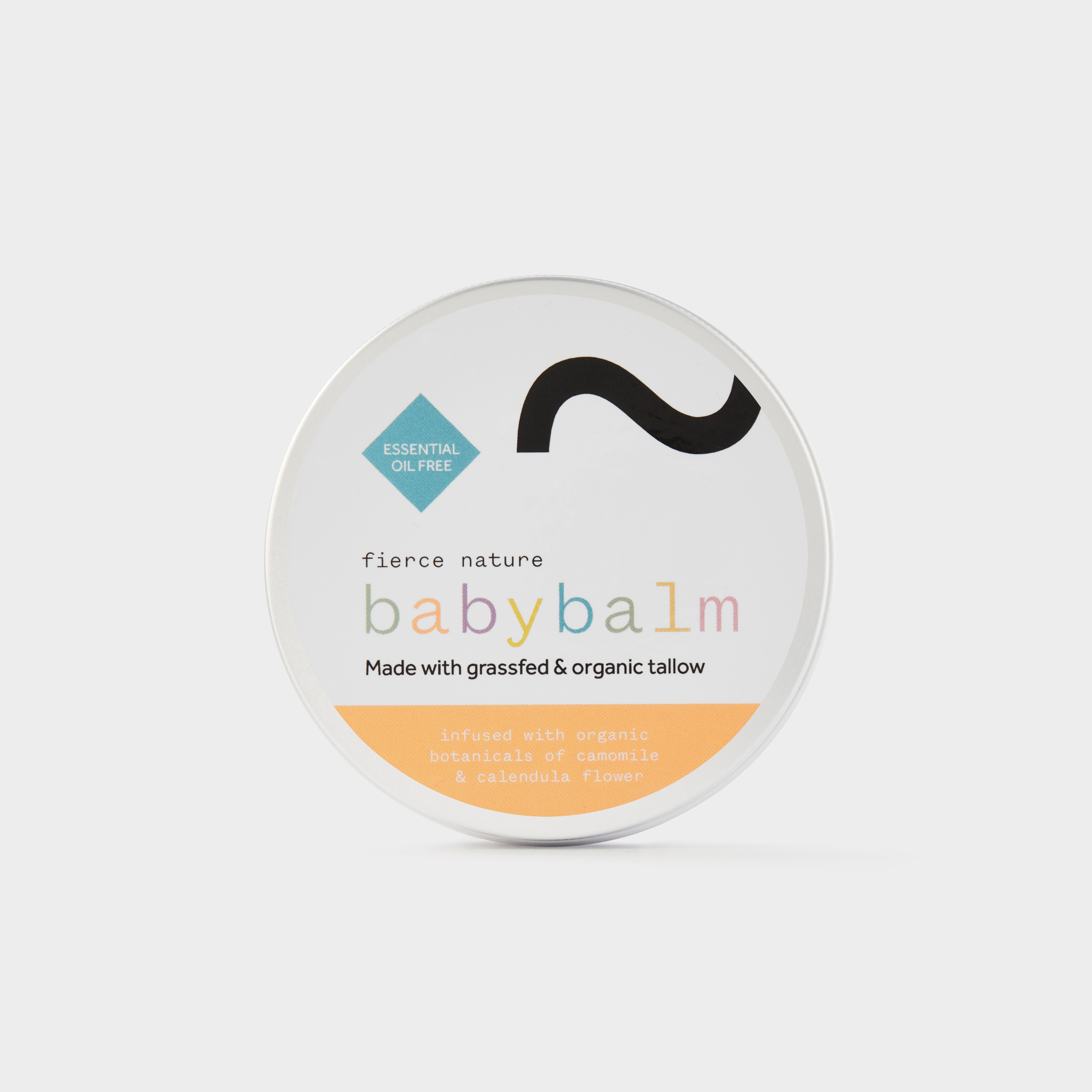
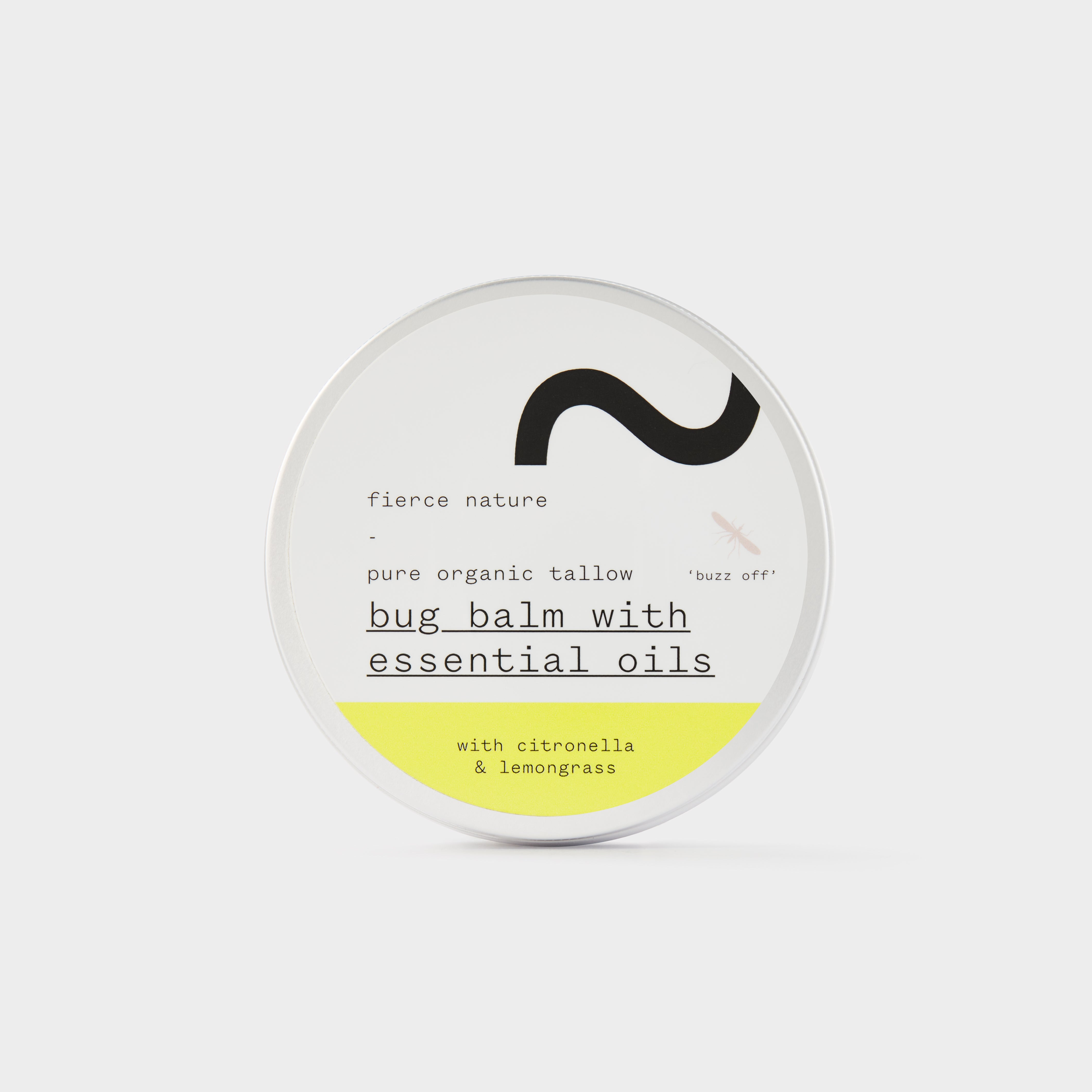
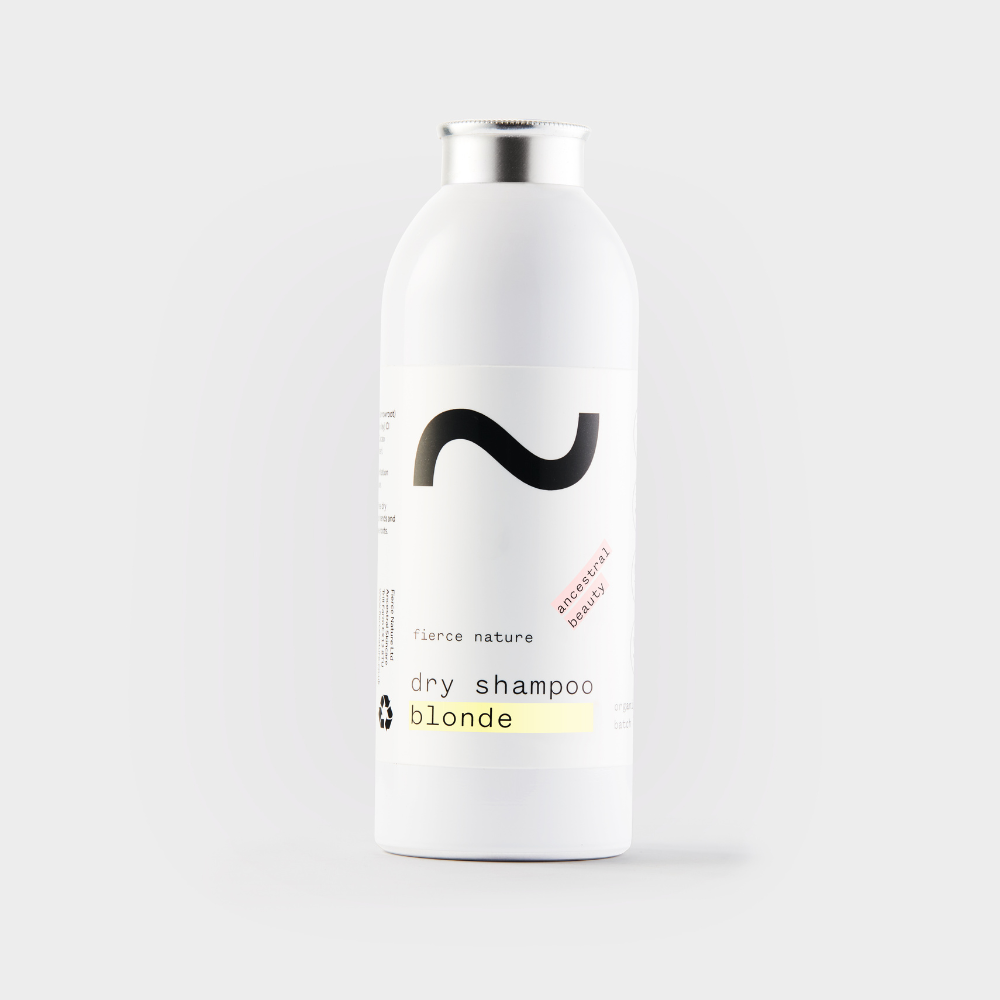
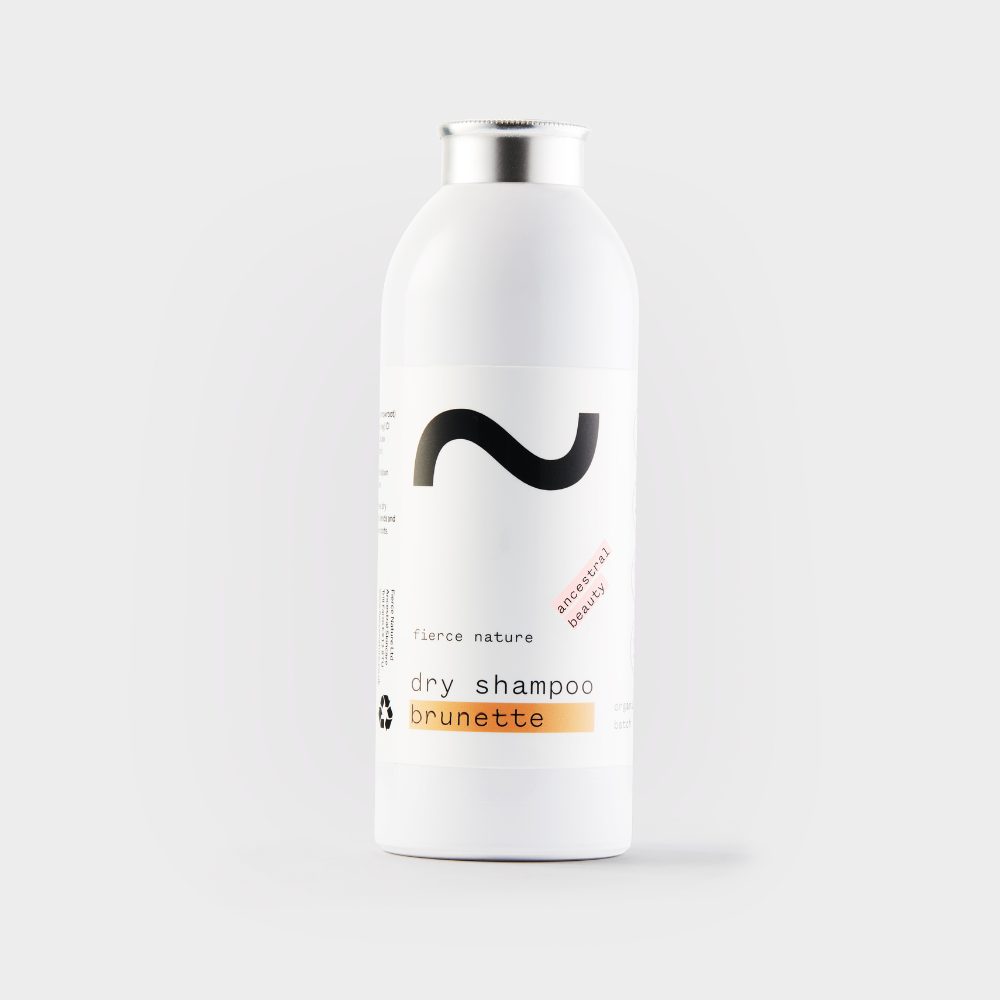



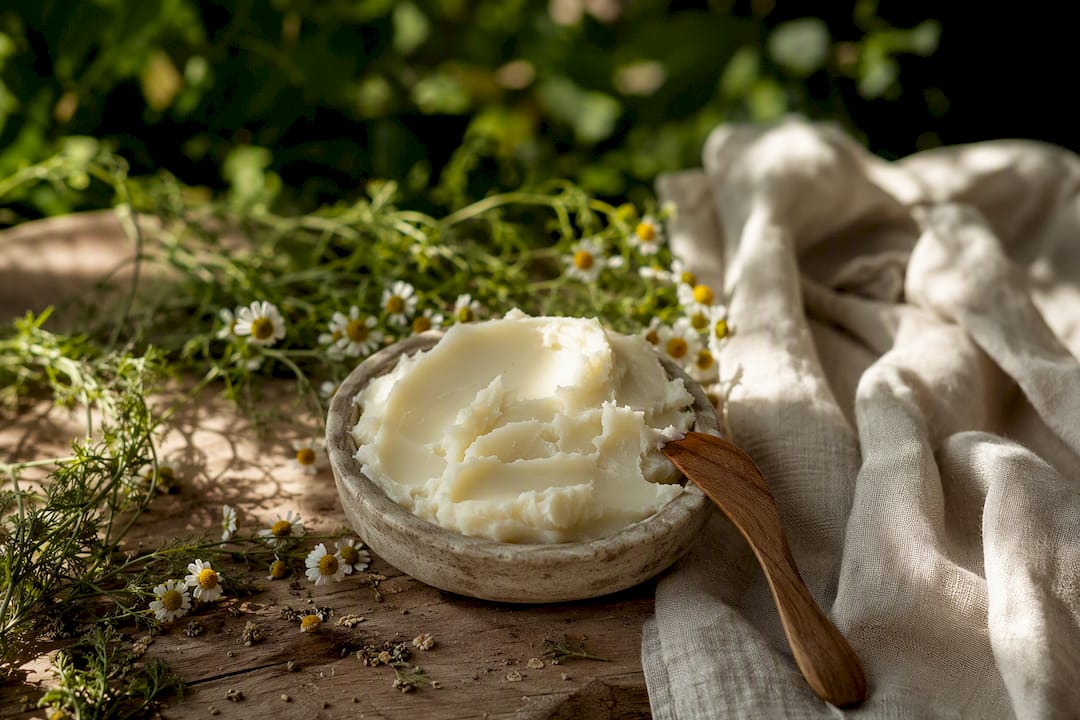
Phenoxyethanol is permitted in cosmetics at concentrations generally considered safe for most adults. If you’re formulating for a baby, nursing eczema-prone skin, or you simply prefer to keep your routine as close to nature as possible, phenoxyethanol free skincare is the sensible route. The evidence and shopping guidance below explain exactly why, and where to find genuine alternatives.
TL;DR:
- Phenoxyethanol is widely used as a preservative, but formulations for babies or sensitive skin should avoid it due to potential cumulative exposure risks.
- Regulations permit up to 1.0% phenoxyethanol in cosmetics, but caution is advised for children under three, eczema-prone, or compromised skin.
- Natural, water-light or oil-based products, such as tallow balms, often skip phenoxyethanol, relying on alternative antimicrobial systems that may impact shelf life or cost.
- Always check the full ingredient list for phenoxyethanol, as vague claims like “natural” or “clean” are not reliable indicators of absence.
- Choosing transparent brands with full INCI disclosure and minimal water content helps minimize exposure to synthetic preservatives like phenoxyethanol.
Phenoxyethanol (its INCI name, and the one you’ll spot on an ingredients panel) is a synthetic preservative used to stop bacteria, yeast and mould growing inside water-based cosmetics. Without preservatives, anything containing water becomes a breeding ground within days, which is a far bigger risk to your skin than the preservative itself.
Formulators reach for it because it does a genuinely difficult job well. It works across a broad range of microbes, stays stable whether a formula is acidic or alkaline, and it’s cheap to source at scale. That combination is hard to beat, which is why it shows up almost everywhere.
You’ll typically find it in:
Pro Tip: Scan the ingredients list for “phenoxyethanol” specifically, not just “paraben free” or “clean” claims on the front of the pack. UK and EU labelling rules require it to be named in full, so the INCI list never lies even when the marketing does.
The EU Scientific Committee on Consumer Safety assessed 2-phenoxyethanol and concluded it’s safe as a cosmetic preservative at concentrations up to 1.0%, based on the available toxicology and exposure data. That’s the figure that governs every leave-on and rinse-off product sold in the UK and EU today.
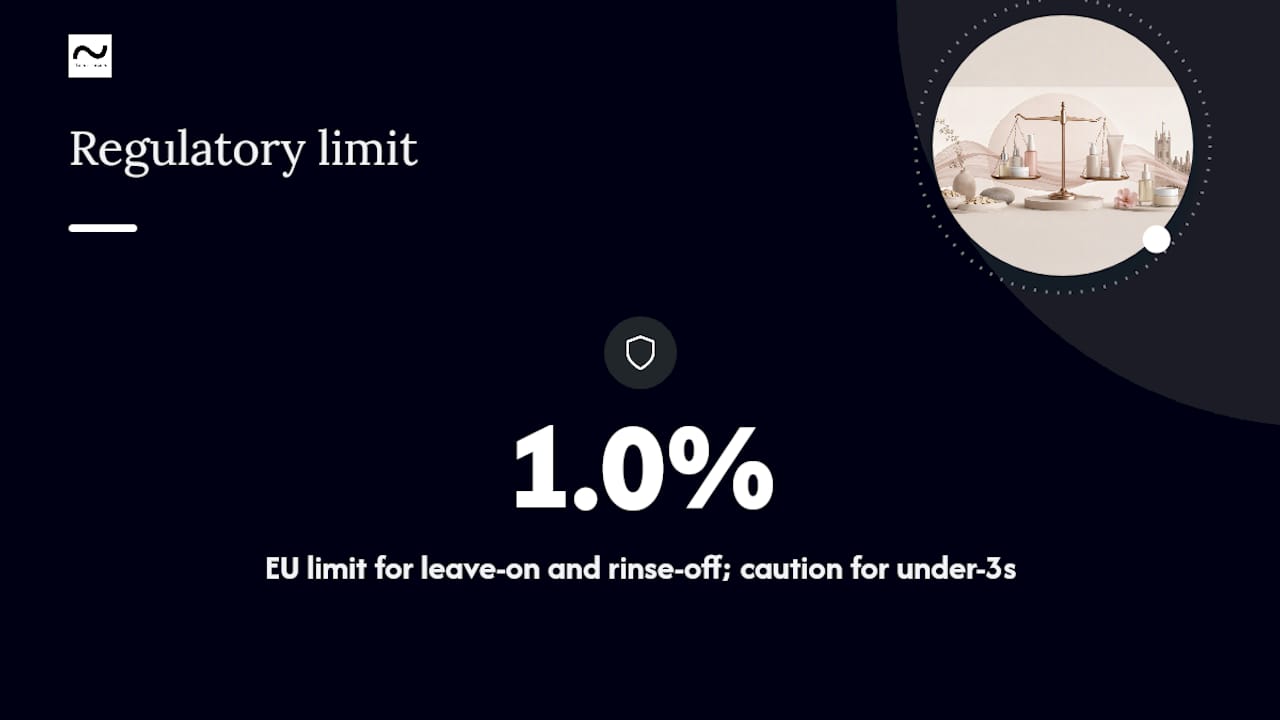
The same opinion, though, flagged a specific caveat: infants. The Committee noted particular concern around very young children, whose smaller body mass and developing systems change the margin of safety calculation. French health authority ANSM has gone further, advising caution around under-threes specifically because babies are commonly exposed to several treated products in a single day: wipes, cream, shampoo, sunscreen. It’s the cumulative load across a whole routine that matters, not any single product in isolation.
For most other people, published toxicology and clinical literature broadly agrees that phenoxyethanol isn’t a primary skin irritant at the concentrations actually used in cosmetics. It doesn’t tend to trigger reactions the way some fragrance compounds or harsher preservatives can. But “most people” isn’t “everyone,” and sensitised or compromised skin barriers respond differently to almost any active ingredient, phenoxyethanol included.
The regulatory reality: phenoxyethanol is permitted at up to 1.0% under EU Cosmetics Regulation Annex V, with explicit caution attached to products aimed at children under three.
The practical read for everyday adults: regulated levels are considered safe by the body that assesses this for a living. The practical read for parents, eczema sufferers, or anyone with reactive skin: the caution notes exist for a reason, and phenoxyethanol free skincare removes the question entirely.
People move away from phenoxyethanol for three main reasons: a baby in the house, a diagnosed sensitivity or eczema flare pattern, or simply a preference for formulations built from fewer synthetic inputs. None of those reasons require you to reject preservation altogether, because unpreserved water-based products spoil, and spoiled skincare is its own hazard.
Realistic alternatives formulators reach for include:
Each swap comes with trade-offs. Gentler systems can mean a shorter shelf life, more exacting manufacturing, and sometimes a higher price tag, because keeping a product both safe and mild is genuinely harder chemistry than reaching for the industry standard.
Pro Tip: If a brand simply says “natural preservative” with no INCI name given, that’s marketing, not information. A trustworthy formulator will tell you exactly what’s keeping their product stable, not just what it isn’t.
Checking a label properly takes under a minute once you know what you’re looking for.
Our own guide on reading cosmetic ingredient labels walks through this in more depth if you want the fuller version.
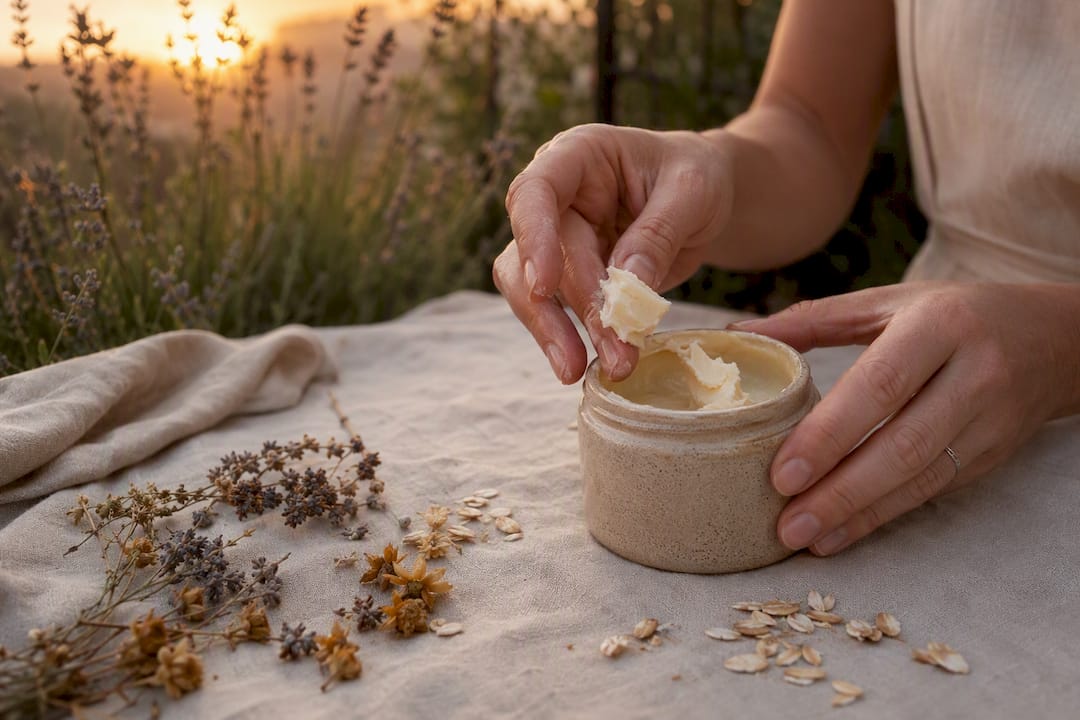
Fierce Nature was built on a personal frustration: years of unexplained skin reactions to mainstream cosmetics, and a decade spent afterwards researching gut health and toxic load. That history shapes every formulation decision we make. Our balms are handmade in the UK, built on pure organic tallow rather than water-heavy bases, which naturally reduces the need for aggressive synthetic preservation.
Our current phenoxyethanol-free range includes the Non-toxic Baby Skin Essentials bundle, the unscented and scented Multi-Use Tallow Bar, the Nourish Balm (Sweet Orange) and its rose-tinted version, the Selfie Stick Pearl Shimmer, the Luxe Balm, and the Biohacking bundle for a full routine reset. For infants, the baby bundle is the obvious starting point; adults with sensitive or mature skin tend to gravitate toward the Luxe Balm or Nourish Balm.
Swapping over doesn’t need to be complicated. A minimal routine looks like: cleanse, apply a nourishing balm while skin is still damp, then follow with a targeted balm for problem areas.
Pro Tip: Layering slowly isn’t just cautious, it’s diagnostic. If a reaction shows up, you’ll know exactly which product caused it.
Adult skin and infant skin don’t behave the same way, and that difference is exactly why the SCCS attached a specific caveat to under-threes rather than issuing a blanket rule. A baby’s skin barrier is thinner, its surface area to body weight ratio is much higher than an adult’s, and its detoxification pathways are still developing. That means a concentration considered perfectly safe on adult forearms doesn’t automatically translate to a nappy-area cream applied several times a day.
Eczema-prone and compromised skin sits in a similar category, though for a different mechanical reason. A healthy skin barrier keeps most topical ingredients where they’re meant to stay, on the surface, doing their job. A cracked or inflamed barrier lets more through, more often, which raises the odds that any active ingredient, phenoxyethanol included, triggers a reaction where it otherwise wouldn’t.
The practical takeaway isn’t panic, it’s proportion. If you’re applying one phenoxyethanol-containing serum a day as an adult with a healthy barrier, regulated levels are unlikely to cause you any trouble. If you’re a parent applying wipes, cream, shampoo and sunscreen to a baby across a single day, or you’re managing a flare-prone eczema patch, the cumulative exposure argument becomes far more relevant.
Most consumer health guidance describes phenoxyethanol reactions as uncommon rather than rare in an alarming sense. When they do happen, they typically present as localised redness, mild stinging, or contact dermatitis at the site of application, rather than anything systemic. Reports of true allergic sensitisation, where the immune system mounts a specific response rather than simple irritation, exist in the literature but sit well behind common allergens like certain fragrance compounds or preservative classes such as methylisothiazolinone.
The pattern that emerges from patient-facing coverage is consistent: reactions cluster around eczema-prone skin, broken or compromised barriers, and infants, rather than the general adult population. That’s a meaningfully different risk profile from, say, a known contact allergen that triggers reactions broadly regardless of skin condition.
If you notice stinging, itching, or a rash appearing shortly after introducing a new product, the sensible first step is to stop using it and check the INCI list for phenoxyethanol alongside fragrance and other common triggers, since several ingredients often change at once when you switch products. Patch testing before full-face application catches most of this before it becomes a problem. And if a reaction is severe, blistering, spreading, or accompanied by swelling, that’s a conversation for a GP or dermatologist, not a skincare article.
Sensitive skin gets most of the attention in this conversation, but acne-prone and mature skin each interact with phenoxyethanol through their own separate mechanisms, worth understanding on their own terms.
For acne-prone skin, the concern isn’t usually phenoxyethanol acting as a direct irritant. It’s more that phenoxyethanol-containing formulas are often paired with heavier emollients or occlusive bases that can contribute to congestion in breakout-prone skin. The preservative itself isn’t typically comedogenic, but the overall formulation it sits inside might not suit oilier, blemish-prone skin regardless of what’s keeping it shelf-stable.
Mature skin presents a different variable entirely: barrier function tends to thin with age, and skin often becomes drier and slightly more reactive over time, similar in principle to the eczema-prone pattern described earlier. That doesn’t mean older skin reacts to phenoxyethanol specifically more than younger skin does across the board, but a thinner, drier barrier generally lets more of any applied ingredient penetrate, which nudges the risk calculation slightly for anyone with reduced barrier function, whatever the underlying cause.
The sensible approach for both groups is the same one that applies across this whole topic: patch test new formulations, watch how your specific skin responds over a week or two rather than a single use, and choose fragrance-free, simpler formulations if you’re already managing congestion or barrier issues. Phenoxyethanol free skincare doesn’t automatically solve acne or ageing concerns on its own, but removing one variable from an already complex skin picture makes it easier to identify what’s actually working and what isn’t.
Phenoxyethanol is a petroleum-derived compound, which places it firmly outside genuinely natural or biodegradable preservative categories, whatever a product’s front-of-pack marketing might suggest. That distinction matters to anyone weighing up organic skincare without phenoxyethanol on ecological grounds rather than purely personal safety ones.
The ecological picture is less dramatic than some campaigning claims suggest, but it isn’t nothing either. As a synthetic preservative designed specifically to kill microorganisms, phenoxyethanol entering wastewater systems in large volumes raises legitimate questions about its effect on aquatic microbial ecosystems, the same category of concern that applies to several other synthetic cosmetic preservatives and surfactants. It isn’t flagged as a major bioaccumulation risk in the way some older cosmetic chemicals were, but “not the worst offender” is a fairly low bar to clear.
For readers specifically motivated by environmental concerns rather than skin sensitivity, the more useful question usually isn’t “is phenoxyethanol banned somewhere” (it isn’t, within its regulated limit), but “does this brand’s overall approach reduce reliance on synthetic inputs generally.” Formulations built around oil-rich, low-water bases, like tallow-based balms, sidestep much of this conversation by needing far less preservation in the first place, synthetic or otherwise, rather than swapping one manufactured preservative for another.
Here’s the uncomfortable truth: no UK certification scheme exists specifically to certify “phenoxyethanol-free” as a standalone claim. Words like “clean,” “natural,” and “non-toxic” on packaging carry no legal definition in the UK or EU, which means they tell you almost nothing on their own, however reassuring they sound.
What actually guarantees anything is the full INCI list, checked yourself, every single time, even for repeat purchases, because formulations change without warning on the packaging. Beyond that, a handful of practical trust signals help narrow the field. Brands that publish their full ingredient rationale, not just a marketing summary, tend to have less to hide. Small-batch and handmade producers, particularly those working with oil-rich bases rather than water-heavy emulsions, often avoid needing phenoxyethanol at all, since there’s simply less water content for microbes to exploit. Provenance matters too: knowing exactly where and how a product is made, ideally in a market with enforceable cosmetic regulation like the UK, gives you recourse that an untraceable overseas seller doesn’t.
Fierce Nature’s own products are handmade in the UK with full ingredient transparency listed against every product, which is the standard we’d recommend judging any brand against, our own included. Treat any brand’s “free from” claim as a starting point for checking the label yourself, never as the final word.
Growing up in South Africa, mainstream cosmetics left me with rashes I couldn’t explain and no real answers from the products themselves. Years later, understanding gut health and toxic load properly, I realised the industry’s promises rarely match its ingredient lists. That’s shaped everything about how we formulate at Fierce Nature: handmade, UK-crafted, tallow-based, and honest about what’s inside every jar.
If you’re ever unsure whether one of our balms suits your skin or your baby’s, contact us directly. We’d rather answer that question properly than have you guess.
— Fierce Nature
If you’ve read this far, you already know what to look for on a label, and you know regulated phenoxyethanol isn’t automatically dangerous, it’s a question of proportion and personal circumstance. For infants, eczema-prone skin, or anyone who’d rather not weigh up cumulative exposure at all, Fierce Nature’s range is built to remove that calculation entirely.
Start with the Non-toxic Baby Skin Essentials bundle if you’re shopping for a nursery, formulated specifically for the softest, most reactive skin. For everyday adult use, the Luxe Balm delivers barrier-supporting moisture without a single synthetic preservative, while the Multi-Use Tallow Bar covers face, body and hands from one simple bar. Every product is handmade in the UK, with the full ingredient list published against each listing, no exceptions, no vague “clean” claims standing in for real transparency.
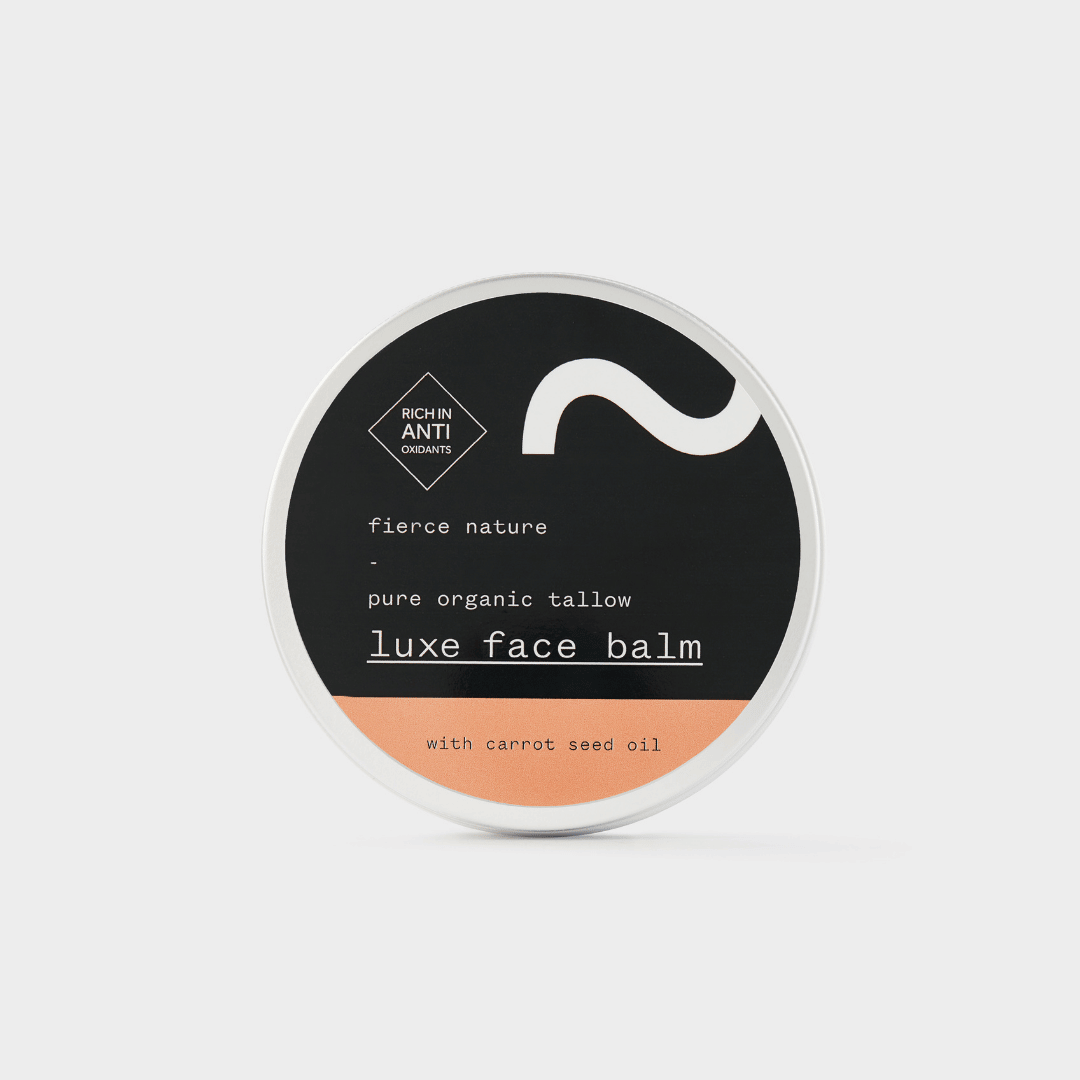
Browse the full natural beauty collection to find the balm that fits your routine, or head straight to shop all if you already know what you’re after.
The SCCS opinion on phenoxyethanol and the EU Cosmetics Regulation set the regulatory limit referenced throughout this guide. CosmeticsInfo’s ingredient briefing and peer-reviewed toxicology literature indexed on PubMed informed the safety and irritation sections. For formulation background on preservative alternatives, Peptilab’s concentration guidelines offer useful technical context.
This article is general information, not a substitute for advice from a qualified doctor. Consult a qualified healthcare professional about your own circumstances before acting on anything here.
Oil-rich, tallow-based balms with minimal water content, like Fierce Nature’s Nourish Balm and Multi-Use Tallow Bar, commonly skip phenoxyethanol because they need far less synthetic preservation in the first place. Always confirm by checking the full INCI list, since formulations can change.
Not necessarily, most adults tolerate it well at the regulated 1.0% limit. Avoiding it makes more sense if you’re shopping for an infant, managing eczema-prone skin, or you simply prefer fewer synthetic inputs overall.
Look for short-ingredient, fragrance-free balms built on natural emollient bases rather than water-heavy creams, and always verify against the INCI list rather than front-of-pack wording. Fierce Nature’s Luxe Balm and Nourish Balm range are both formulated without it.
The SCCS has assessed phenoxyethanol as safe in cosmetics up to a 1.0% concentration for the general population, though it specifically flags caution for infants and very young children. Most peer-reviewed evidence suggests it isn’t a primary irritant at regulated levels, but sensitive or compromised skin can still react.