Cart
0
80% Also Added this


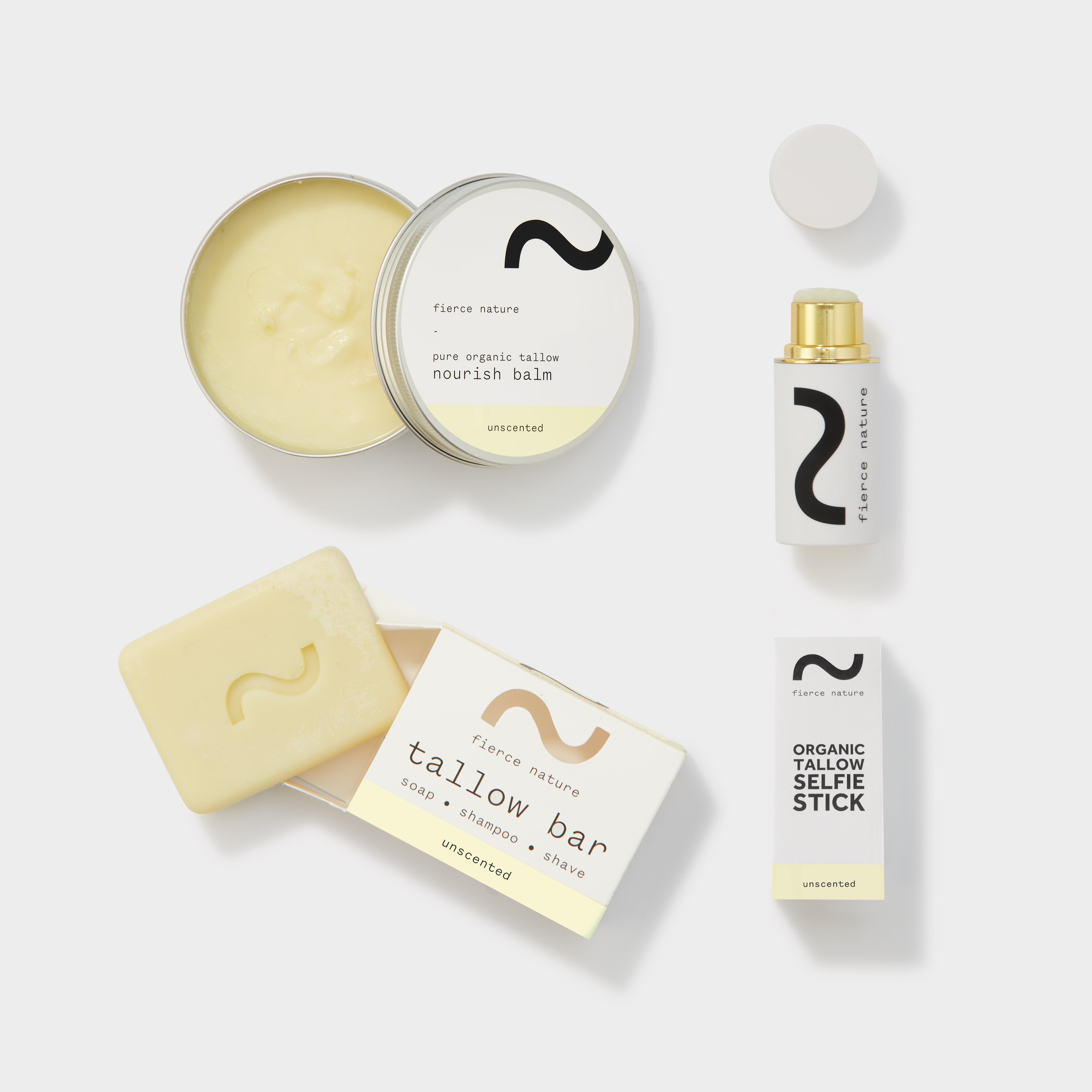
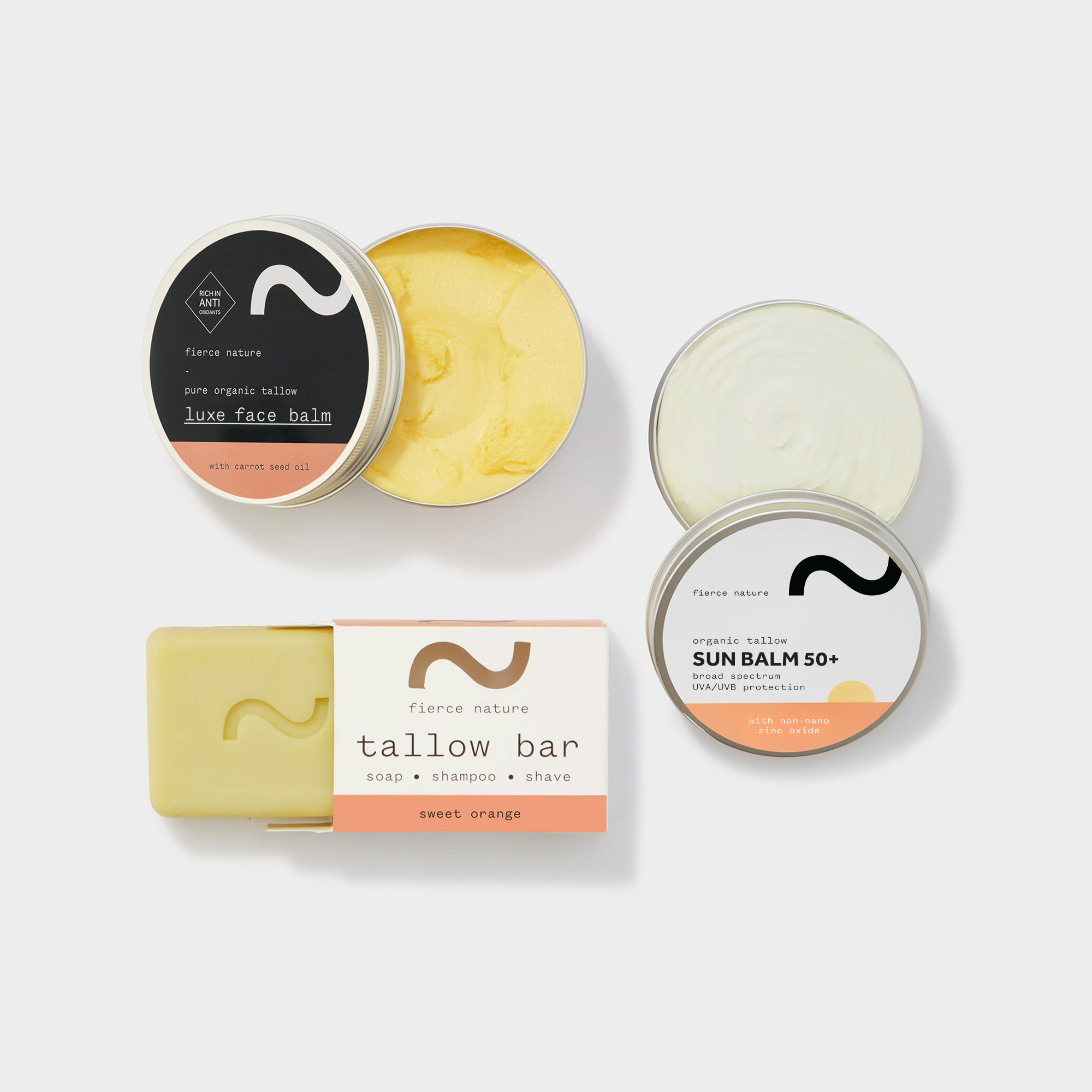
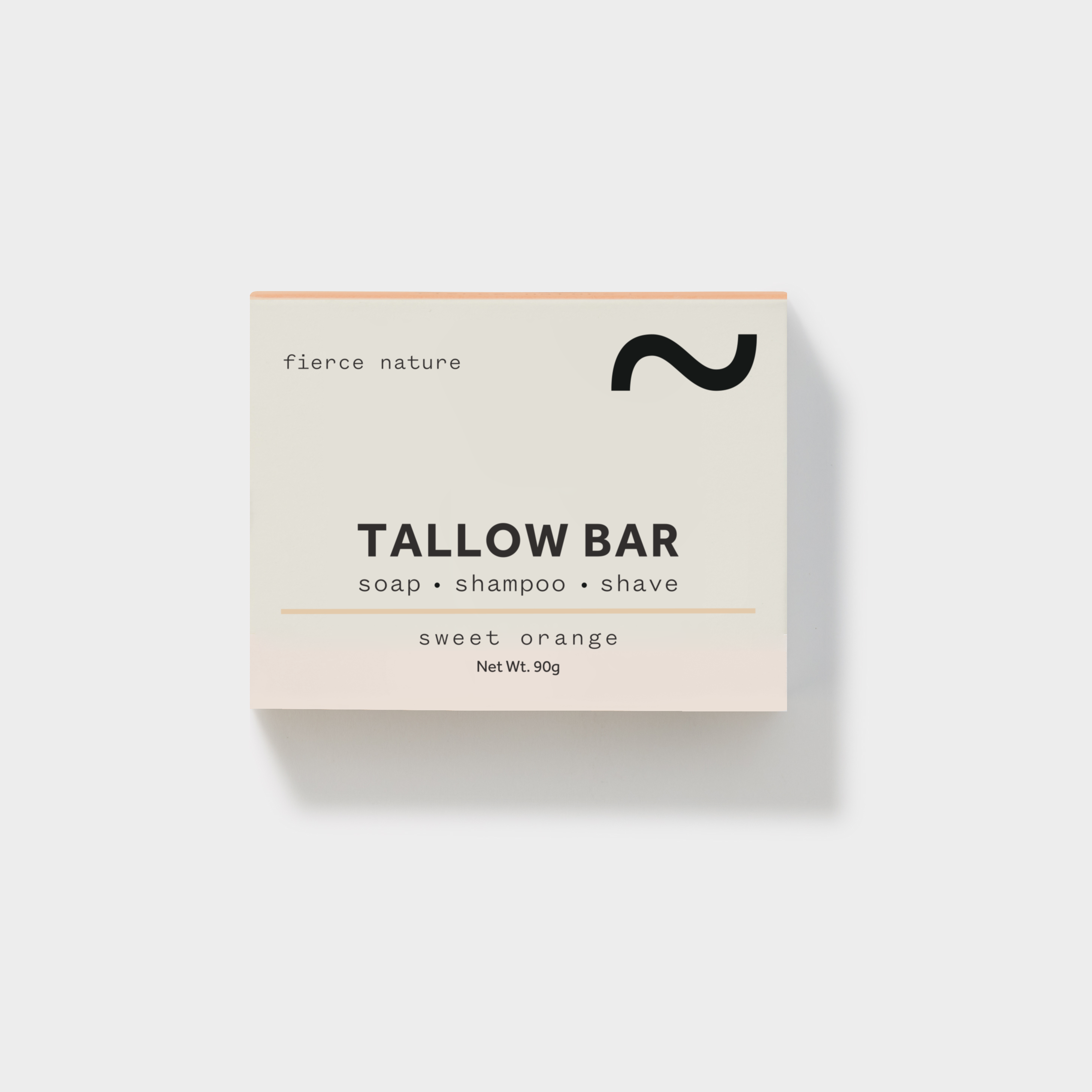
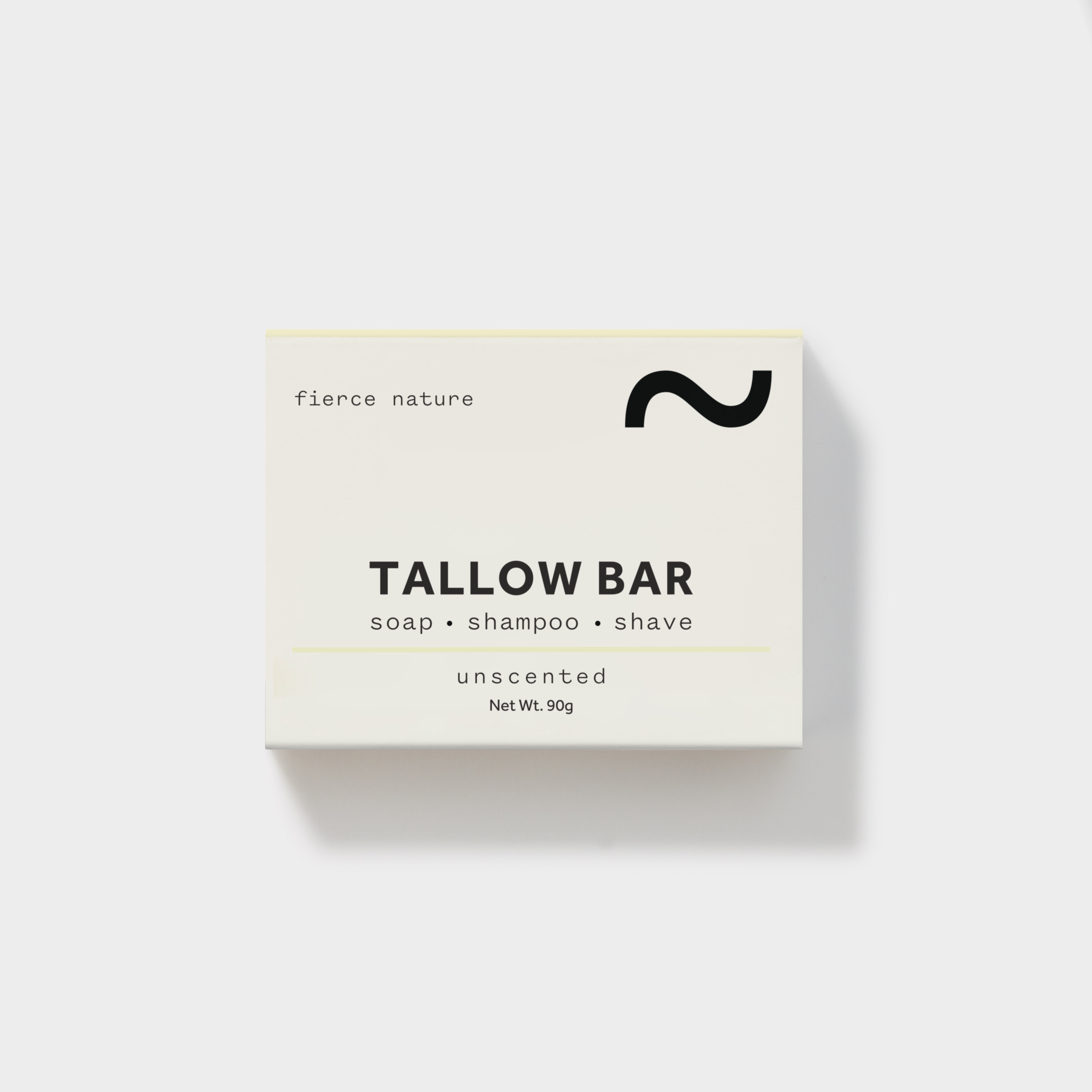
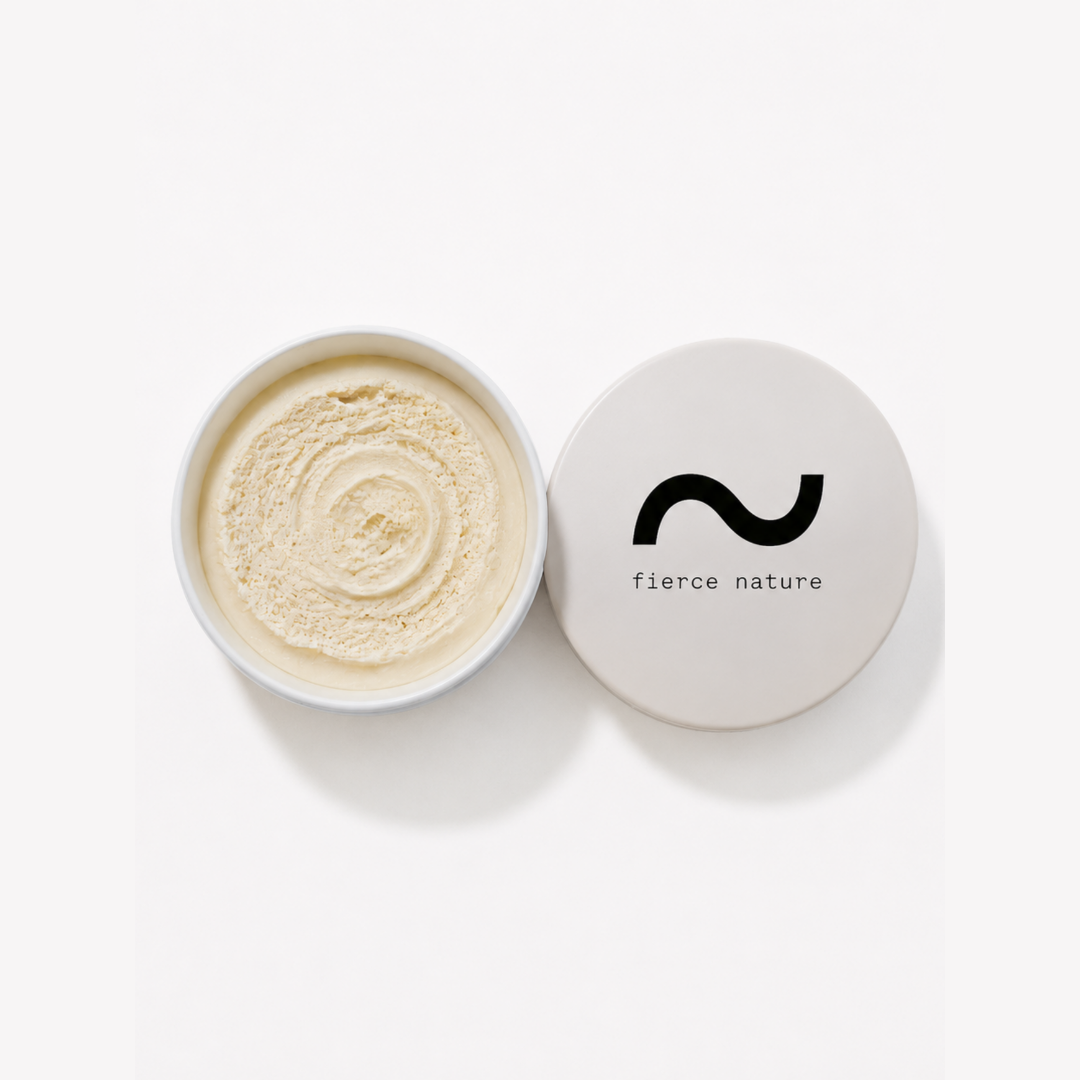
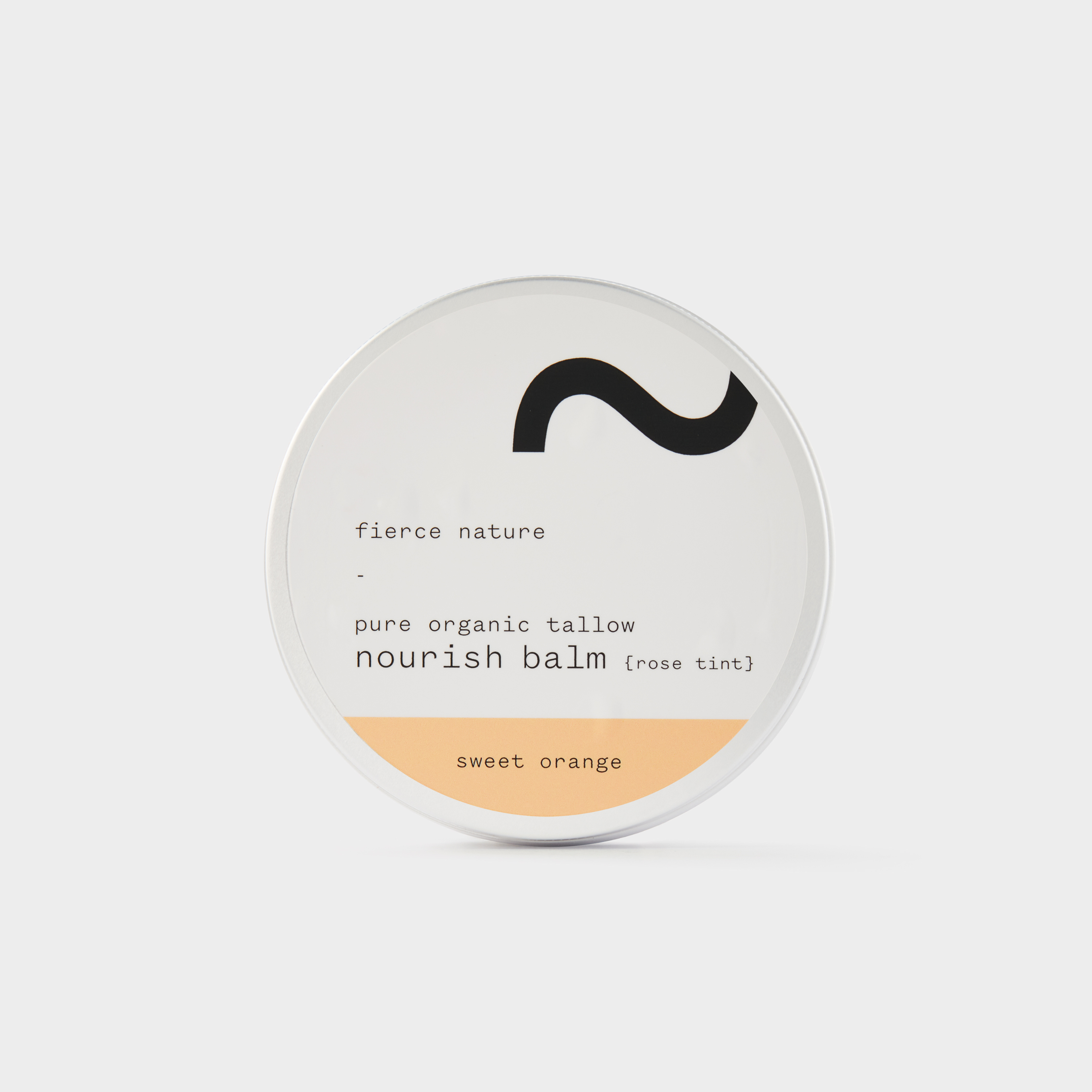

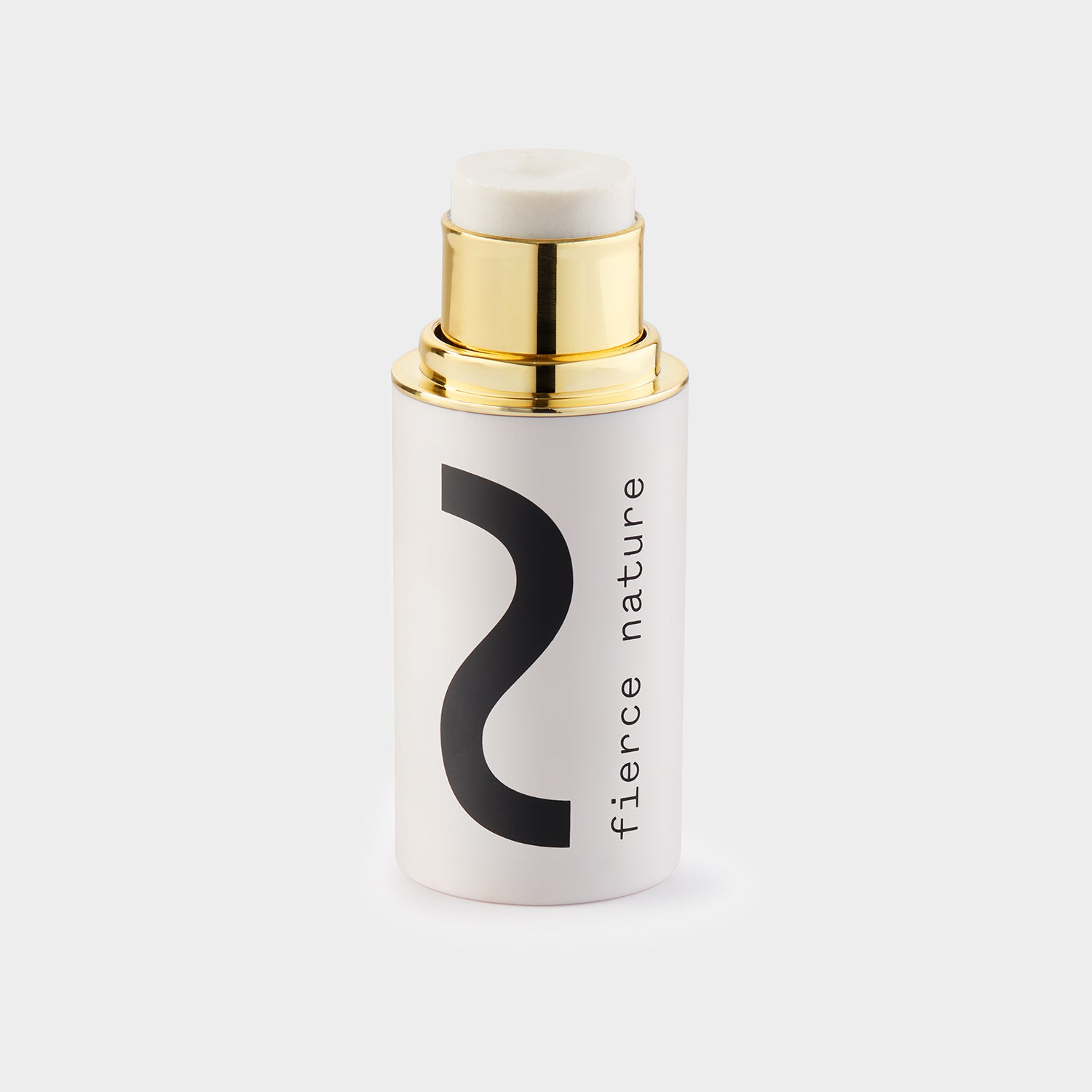
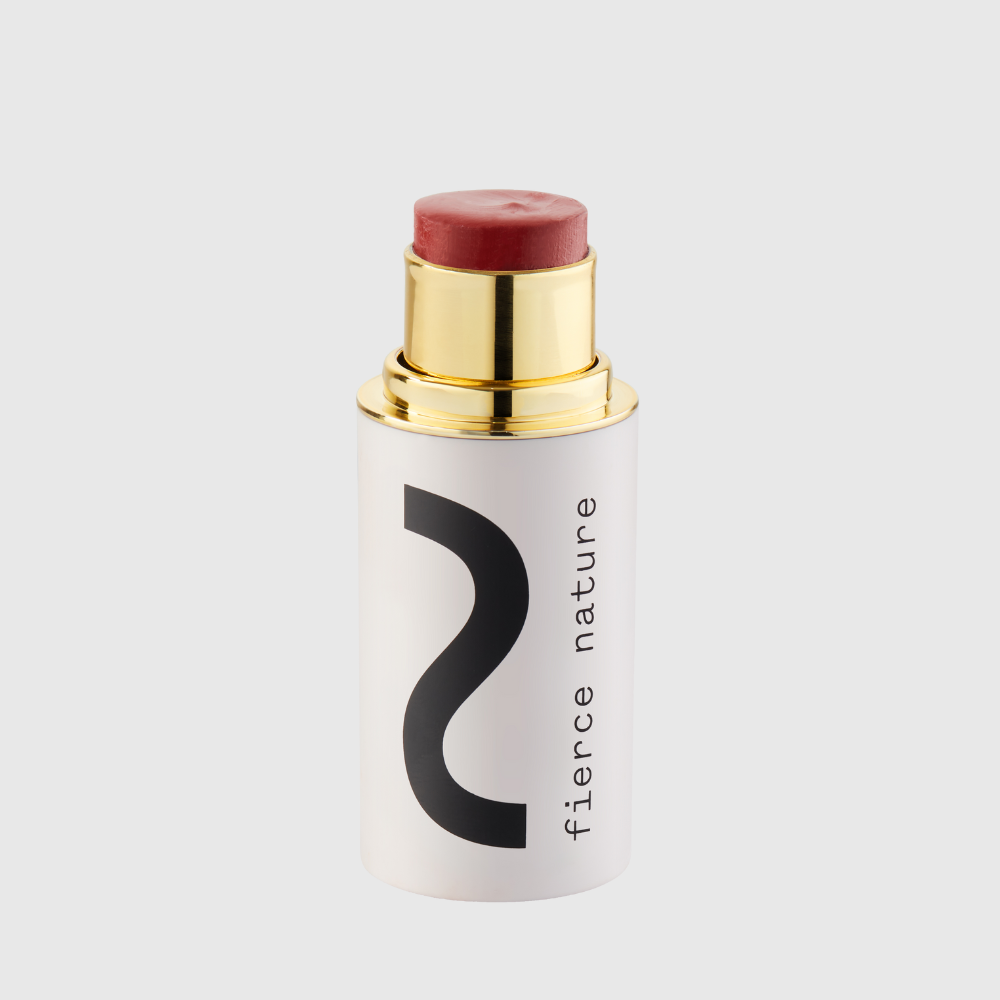
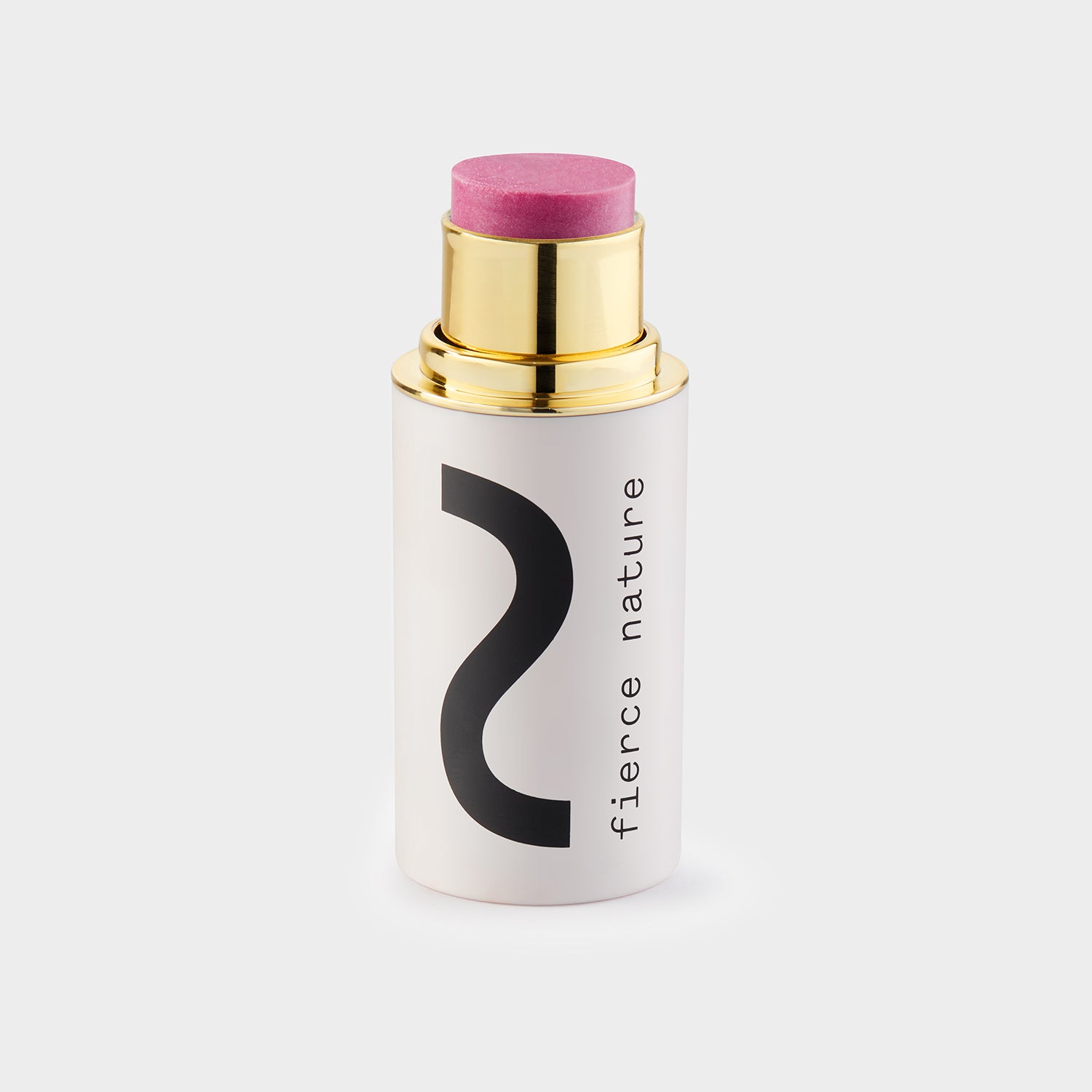
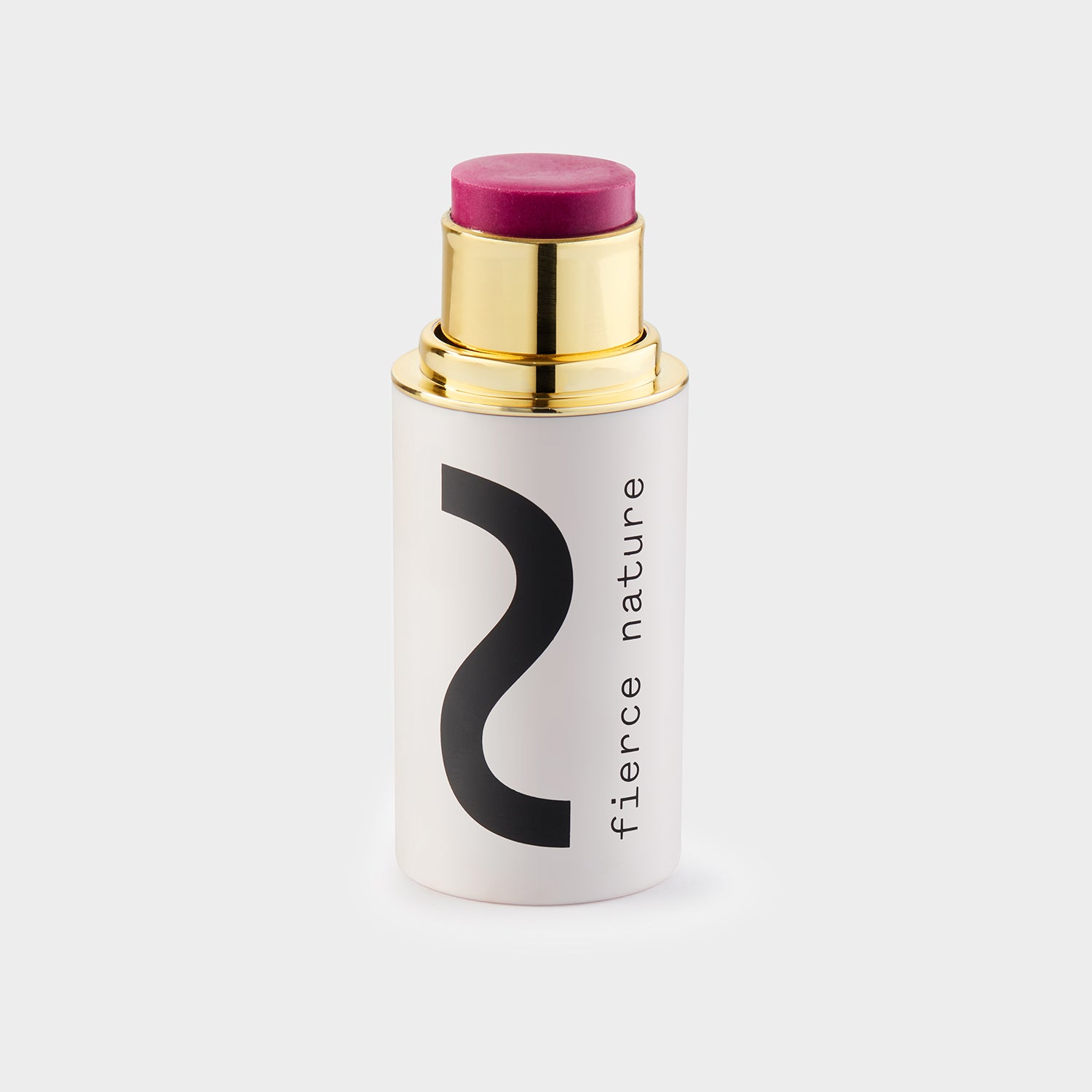
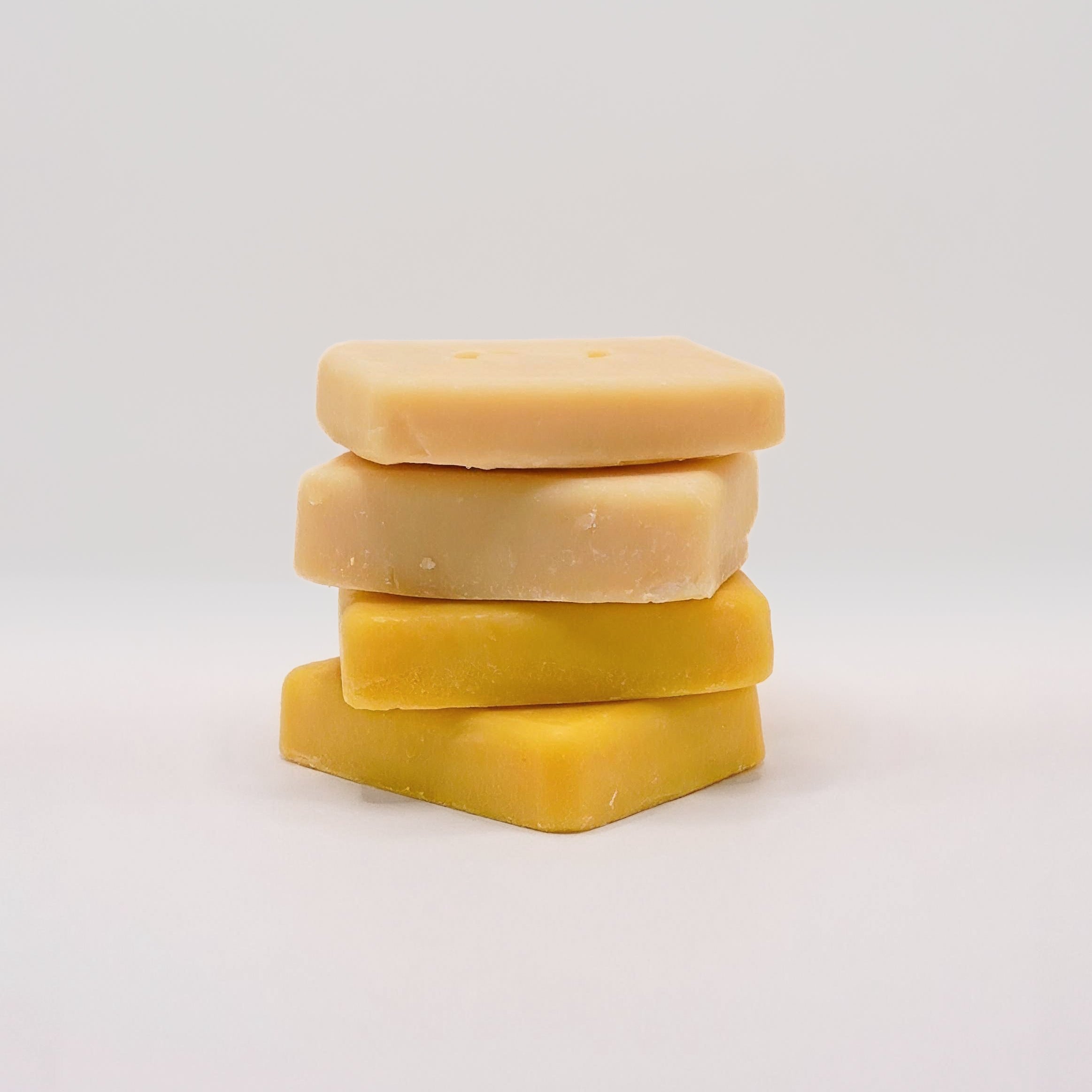




Zero waste soap is a solid bar sold with little or no plastic, wrapped in compostable or recyclable material instead. The best way to buy it is simple: pick bars with short, transparent ingredient lists, clear sourcing, and packaging you can actually compost or recycle at home. Fierce Nature builds every tallow bar around that exact standard, handmade in the UK.
TL;DR:
Genuine zero waste soap minimizes waste through simple, biodegradable packaging, including paper wraps, refill systems, or loose bars, that local recycling or composting can handle.
Bars made with organic oils or tallow are more effective and nourishing, especially for sensitive or dry skin, and avoid harsh chemicals like SLS and unverified palm oil.
Verify eco claims by checking if packaging is home compostable, recyclable, and not plastic-laminated, and confirm the manufacturer’s transparency about sourcing and ingredients.
Properly drying and rotating soap bars can double their lifespan, reducing environmental impact and stretching the sustainability benefits of each purchase.
In hard water areas, adding citric acid to soap formulations helps improve lather and cleanliness, especially for those with sensitive skin using richer, tallow-based formulas.
How do you verify eco-packaging claims and dispose of soap waste?
Which soap formulation works best for hard water and sensitive skin?
The phrase gets thrown around loosely, so it helps to be precise. Genuine zero waste soap minimises waste at three points: the ingredients (nothing wasted or synthetically padded), the manufacturing process, and the packaging you throw away or compost after use.
Packaging is where most brands either prove themselves or fall short; for guidance on responsible packaging choices, see these ethical purse shopping steps. Look for:
Bare bars with no wrapping at all, sold loose or in bulk bins.
Paper or card wraps that go straight into your recycling bin.
Compostable film or wrap, which breaks down at home or via council composting.
Refill systems, where you return or reuse a container rather than binning it.
Not every “eco” claim holds up. A label saying “recyclable” only counts if your local council actually accepts that material. Simpler recycling guidance from the UK government is pushing councils towards more consistent collection rules, which makes it easier to check before you buy rather than after the packaging lands in general waste.
A short ingredient list is usually a good sign. Bars built on olive oil, coconut oil, sunflower oil, or pure organic tallow tend to clean effectively without stripping the skin’s natural barrier. Tallow in particular has centuries of history as a soap base and skin emollient, prized for how easily it penetrates and nourishes rather than sitting on the surface.
Avoid bars padded with:
Sodium lauryl sulfate (SLS), a harsh foaming agent linked to irritation on sensitive skin.
Synthetic preservatives and fragrances, which often trigger reactions in people who already struggle with rashes or eczema.
Palm oil from unverified sources, tied to deforestation unless the supply chain is transparently traceable.
Ethical Consumer’s shopping guidance flags exactly this combination: ingredient transparency and honest palm-oil sourcing separate genuinely ethical bars from ones dressed up to look that way. Formulation also affects performance. A fragrance-free soap tends to suit facial skin better than a heavily scented body bar, and richer, tallow-based formulas generally moisturise more than a stripped-back glycerin bar, which foams differently and feels lighter on the skin.
Pro Tip: If a soap ingredient list reads like a chemistry exam, that’s usually your cue to put it back on the shelf.
Compostable and recyclable claims are only useful if you can act on them. Look for wording that specifies home compostable versus industrial compostable (the latter needs a council or commercial facility, not your garden heap), and check whether wraps are plastic-laminated, which quietly defeats the purpose.
Practical end-of-life steps:
Compost paper wraps and genuinely compostable films at home or via council collection.
Recycle card boxes and check your council’s current list before assuming a material qualifies.
Reuse tins, pouches, or boxes as travel containers rather than binning them.
Some makers even wrap bars in plantable seed paper, so the packaging becomes a small patch of wildflowers instead of landfill.
The UK’s plastic packaging tax gives smaller manufacturers a direct financial reason to favour paper, card, and refill systems over lightweight plastic, which is part of why so many independent soap makers have shifted away from shrink wrap in recent years.
A bar left sitting in a puddle of water dissolves fast, wasting both money and material. A few small habits change that dramatically:
Use a draining soap dish or pouch so the bar dries fully between uses instead of sitting in water.
Cut large bars in half and store one half away, dry, until needed.
Rotate two bars rather than leaving one permanently wet in the shower.
Try a soak-to-lather approach with a washcloth or muslin cloth, which uses less soap per wash than rubbing the bar directly.
If a bar turns mushy or slippery, it’s almost always excess moisture, not a fault of the soap itself. Move it somewhere drier and it usually firms back up within a day or two. These habits do more than save money. They stretch the environmental benefit of every bar you buy, since a soap that lasts twice as long effectively halves its packaging and shipping footprint per wash.
Hard water changes how soap behaves. Calcium and magnesium ions react with soap’s fatty acids to form insoluble salts, the sticky “soap scum” that clings to skin and tubs and makes lather feel thin no matter how much you use. This is basic water chemistry, not a flaw in natural soap, but it does mean some bars perform better than others depending on where you live.
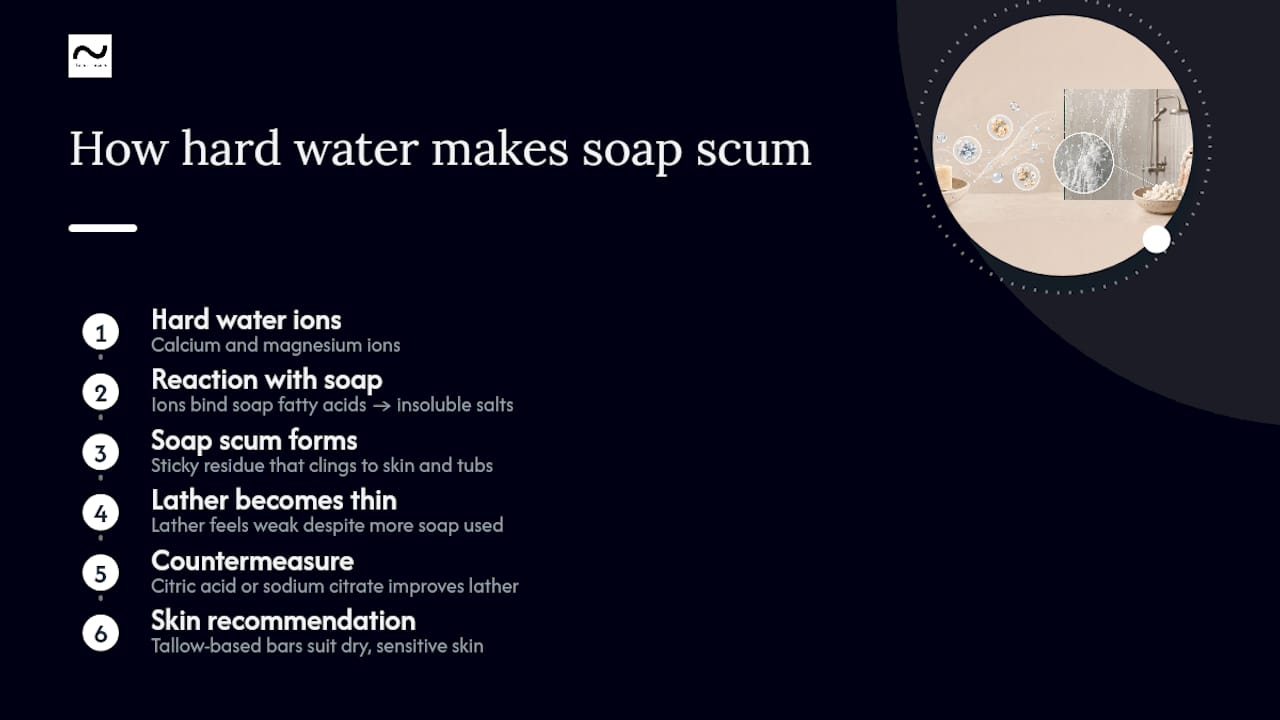
Formulators sometimes add citric acid or sodium citrate to counter this, improving solubility and lather even in mineral-heavy water. If you’re in a hard-water area, rinse a little longer than feels necessary and consider a bar with these additions rather than assuming all natural soap lathers poorly.
For skin type, richer tallow-based bars tend to suit dry, sensitive, or eczema-prone skin better than stripped, high-lather formulas, which can leave a tight, dry feeling behind.
Fierce Nature was built on one frustration: mainstream cosmetics that promise glowing skin while quietly loading it with irritants. Growing up battling unexplained rashes with no real answers led to a deeper look at what actually nourishes skin rather than just coating it, and organic tallow kept coming back as the answer.
Tallow’s bioavailability makes it a deep-penetrating skin food. It has been used for centuries in soap making and as a skin emollient, precisely because it works with the skin rather than sitting on top of it.
Every Fierce Nature bar is handmade in the UK, palm-oil free, and free from SLS and synthetic fillers, with ingredient lists published in full so you’re never guessing. Packaging stays plastic-free wherever possible, in line with everything covered above. You can read more on the environmental benefits of tallow-based products and how that sourcing decision shapes the whole range.
Before buying, run through a short checklist:
Does the brand publish a full ingredient list, not just marketing copy?
Is the packaging genuinely plastic-free, and does it say where it can be composted or recycled?
Can you trace where the soap is made and who makes it?
What’s the price per use, not just the shelf price?
Are sensitivity claims backed by an actual ingredient breakdown?
A typical natural soap bar lasts several weeks of regular use and, with proper care, tends to be more cost-effective per wash than bottled body wash when considering water content and packaging. Fierce Nature’s natural soap bars are built to meet every point on that checklist without you having to take it on faith.
I started Fierce Nature because I was tired of soap that promised glowing skin and delivered rashes. Every bar we make is handmade in the UK, sourced honestly, and wrapped without needless plastic. If you’re new to tallow soap, start small. Try one bar before you commit to a bundle.
— Fierce Nature
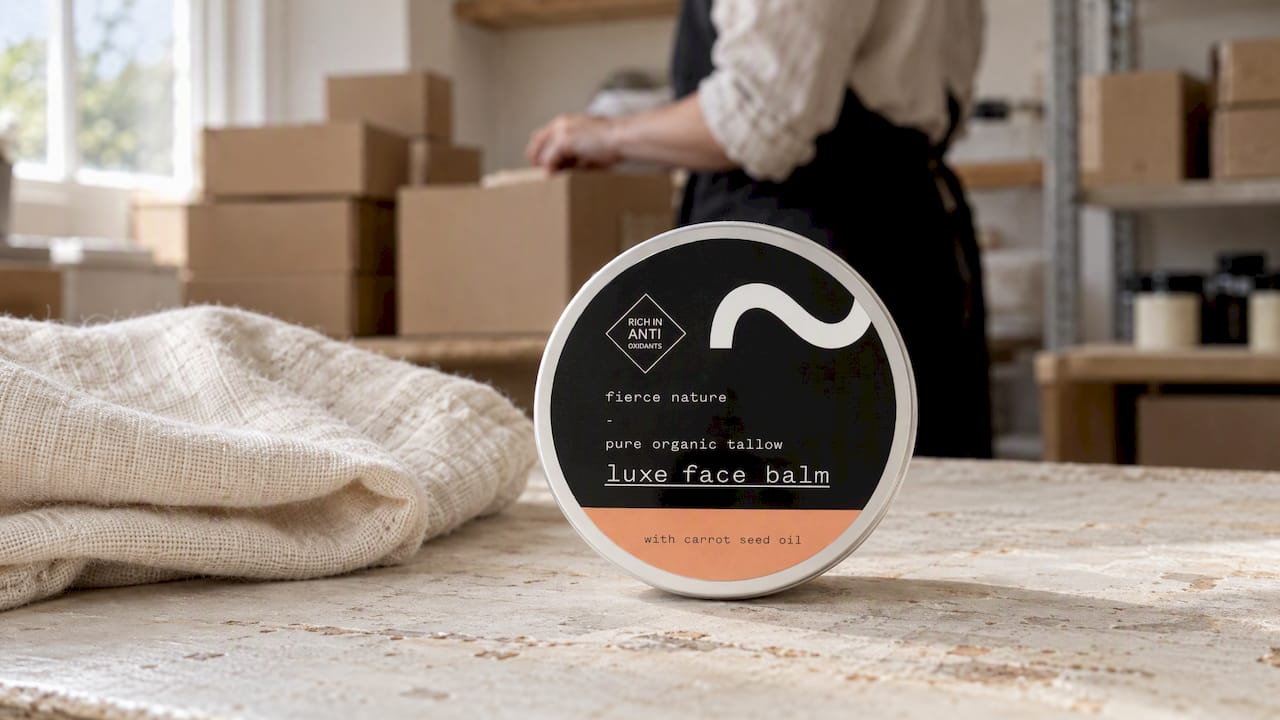
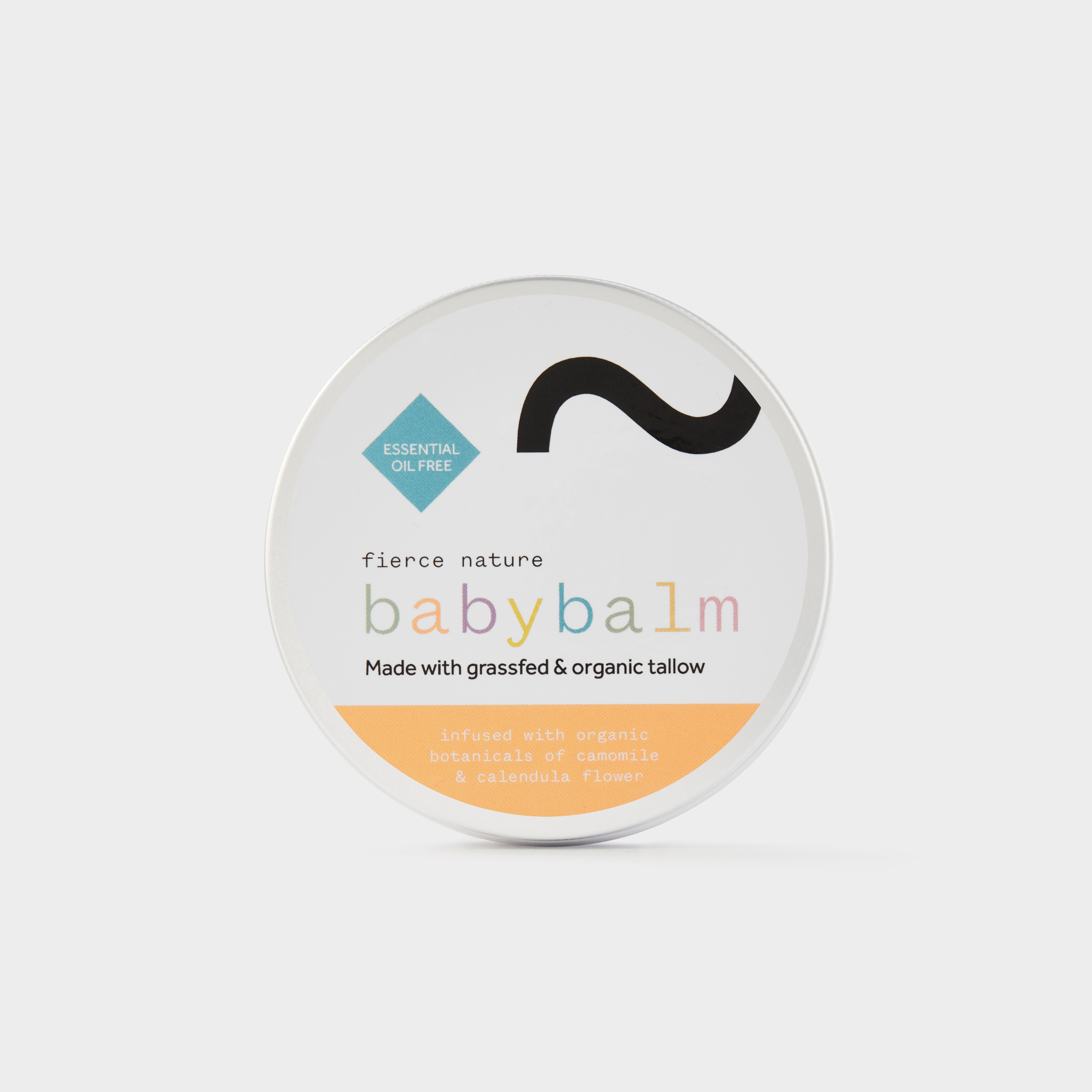
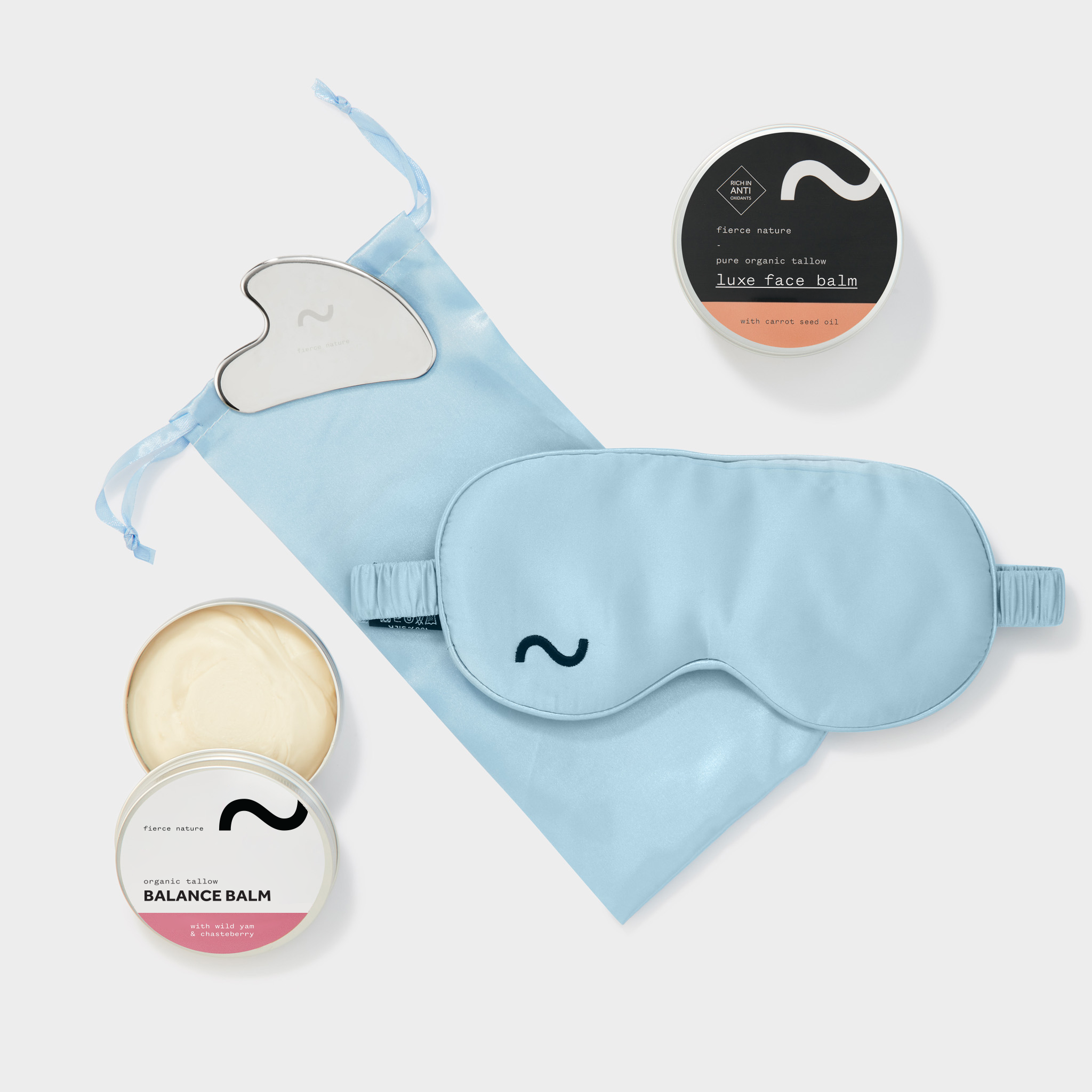
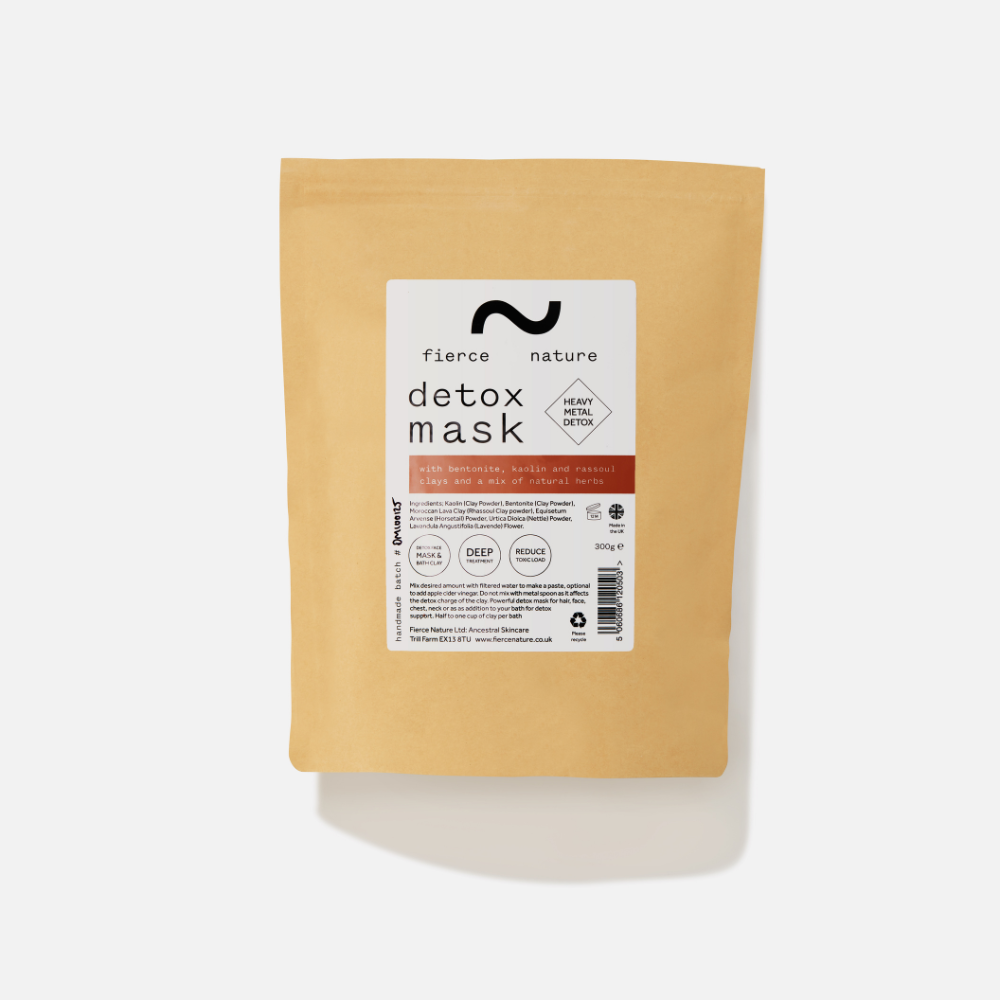
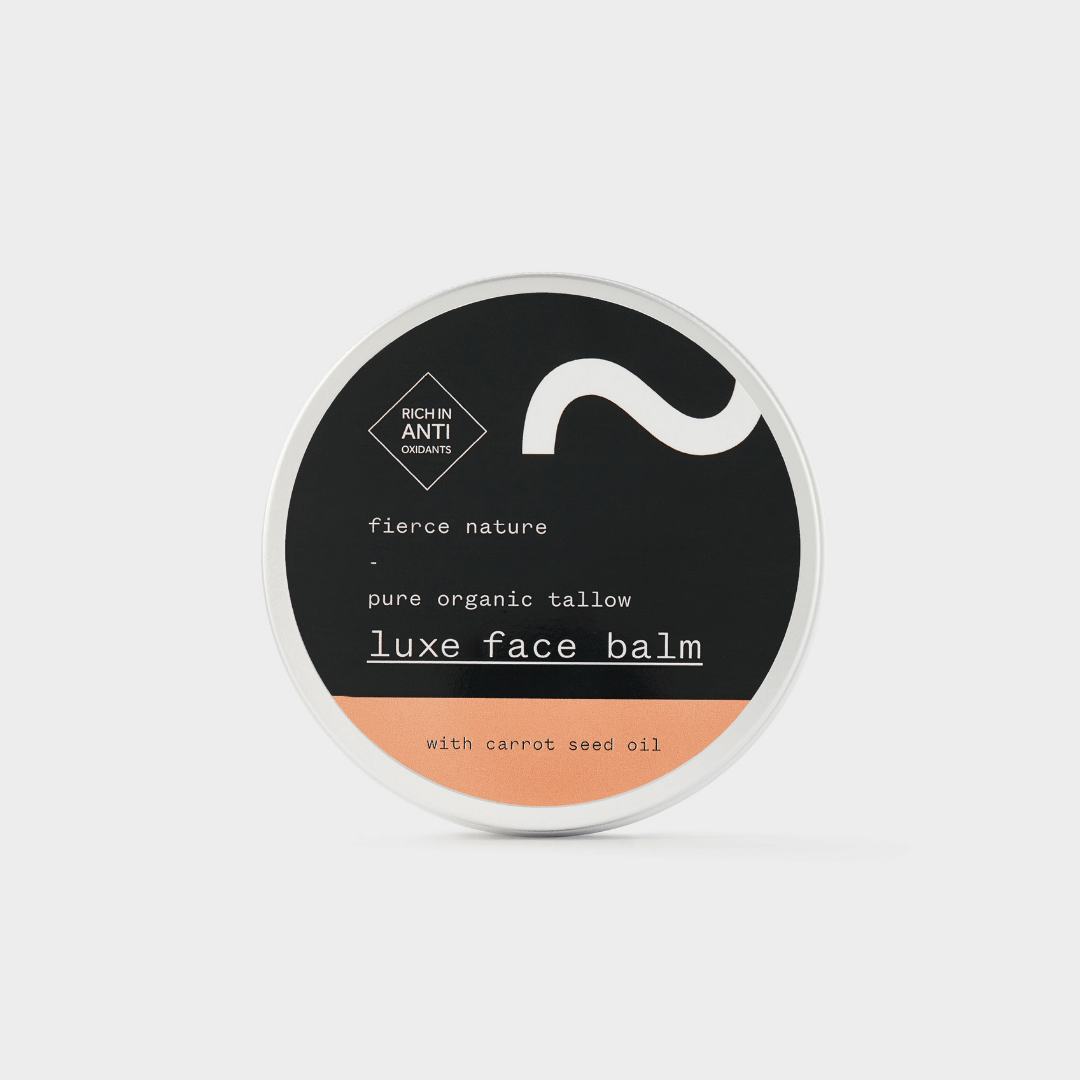
Fierce Nature is the practical route to genuinely plastic-free, skin-nourishing soap, not a brand chasing a trend. The Multi-Use Tallow Bar (Unscented) suits sensitive skin and daily face-and-body use, while the Multi-Use Tallow Bar (Scented) offers the same nourishment with a gentle fragrance for those who want it. Families can turn to the Non-toxic Baby Skin Essentials and Baby Balm for gentler formulations, and anyone wanting a fuller routine can pair a bar with the Nourish Balm (Unscented) or the Luxe Balm for face-specific care. For a broader introduction to tallow-based skincare, the Biohacking bundle brings several products together at once.
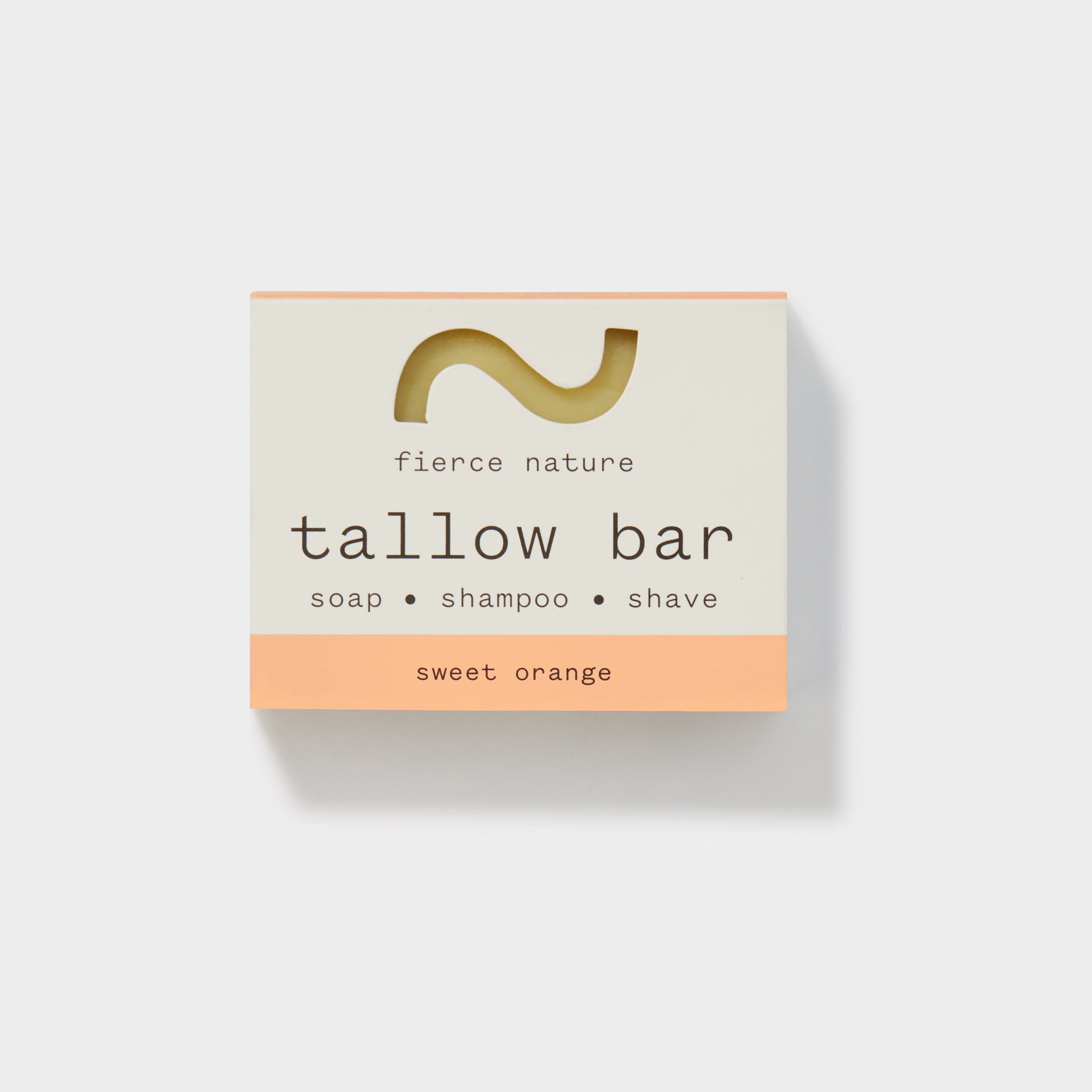
Every product ships in plastic-free packaging with a full ingredient list published on the page, so there’s no guesswork about what you’re putting on your skin or throwing away afterwards. Visit the Fierce Nature shop to browse the full range and find the bar that fits your routine, or head straight to the Multi-Use Tallow Bar if you’re ready to make the switch.
It means a solid soap bar sold with minimal or no plastic packaging, using compostable, recyclable, or reusable materials, alongside transparent, minimally processed ingredients.
The most environmentally friendly bars combine plastic-free packaging with palm-oil-free, sustainably sourced ingredients such as tallow or organic plant oils, and are made close to where they’re sold to reduce transport waste. Fierce Nature’s tallow bars are built around exactly this combination.
There’s no publicly verified answer to this, since royal households don’t routinely disclose personal toiletry choices, and any claims circulating online tend to be unsubstantiated marketing rather than confirmed fact.
Used soap slivers can be pressed together to form a new bar, composted if they’re free from synthetic additives, or donated whole to shelters and charities that accept toiletries.
It can, though hard water reduces lather because calcium and magnesium react with soap to form scum. Formulations with citric acid or sodium citrate, or simply rinsing a little longer, largely solve the problem.