Cart
0
80% Also Added this

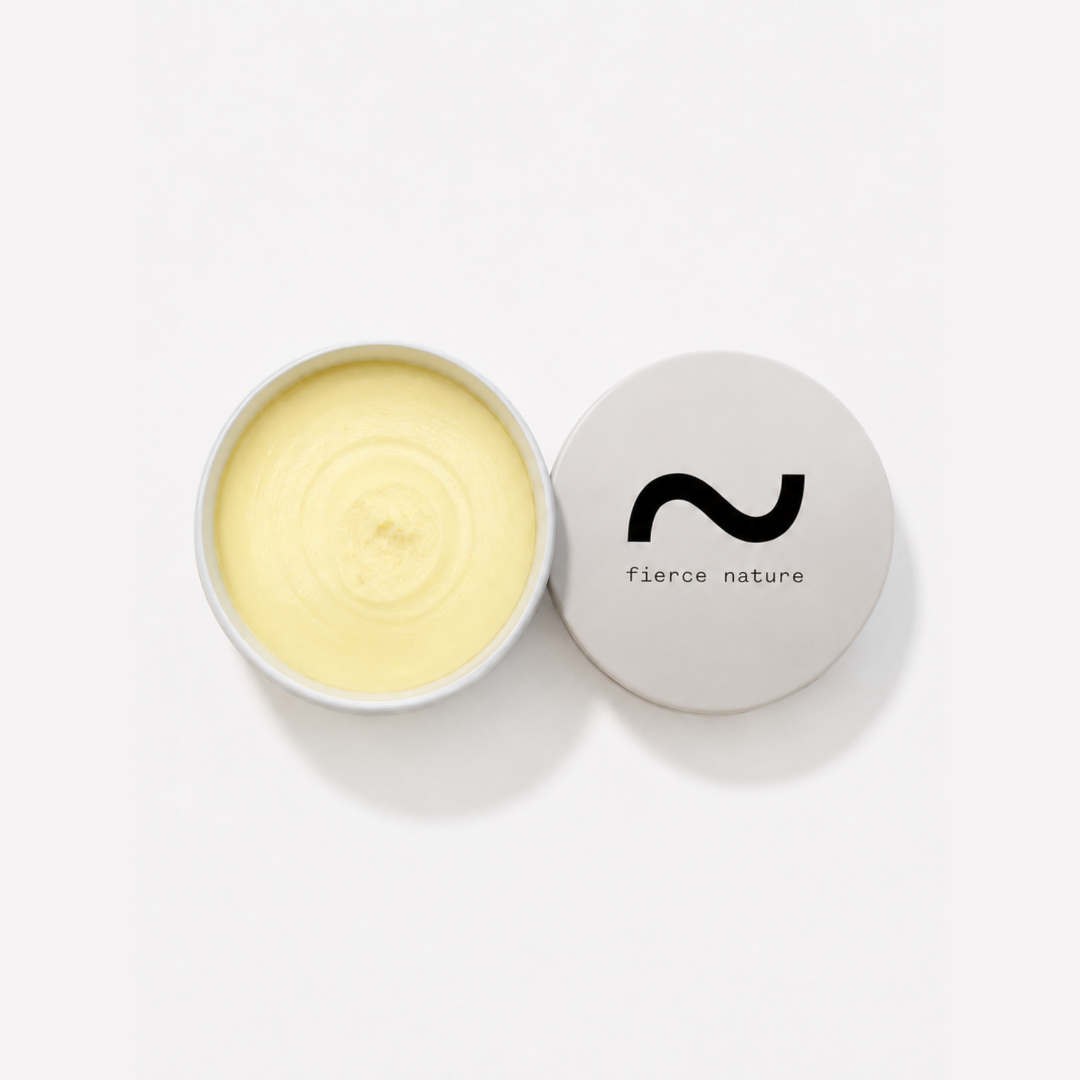
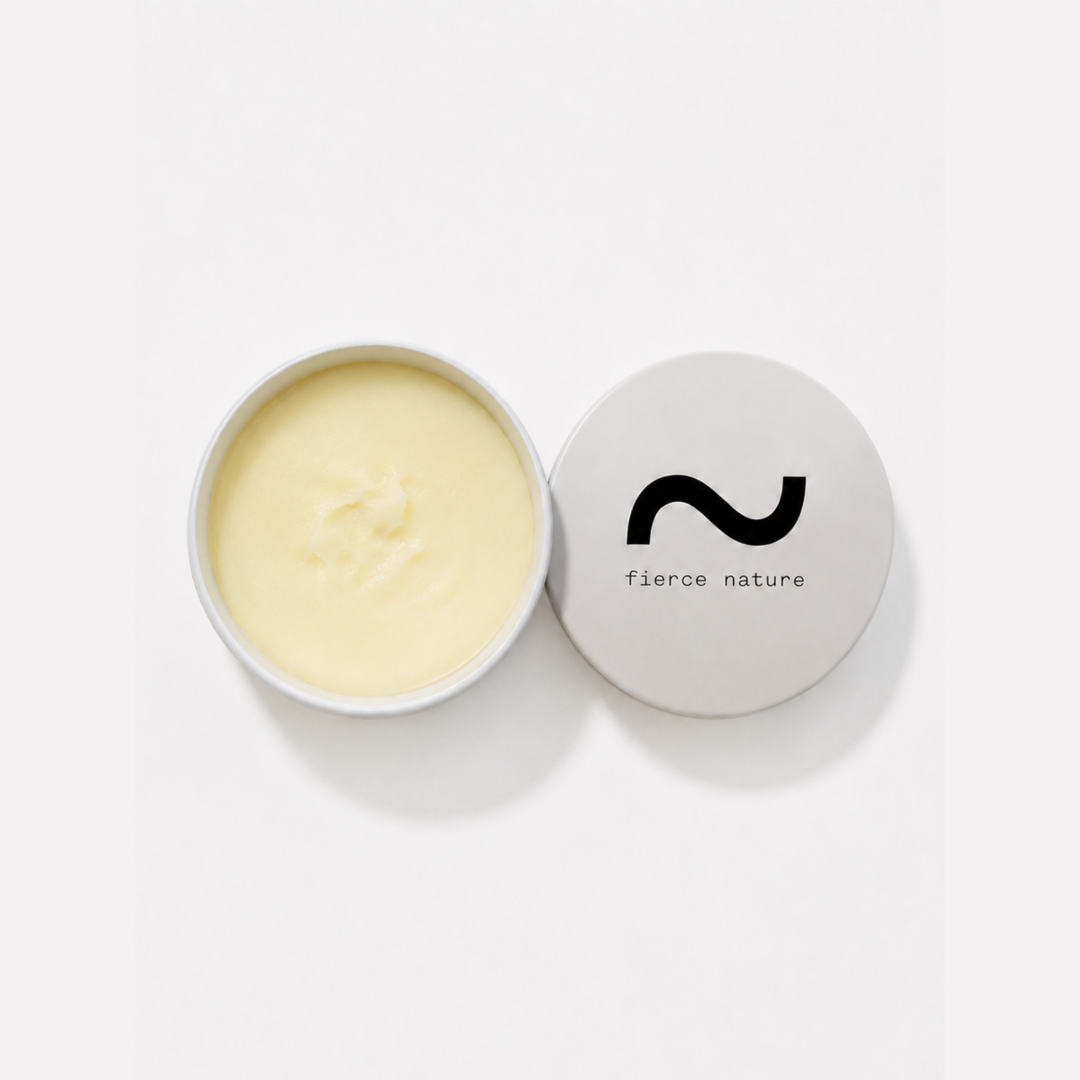
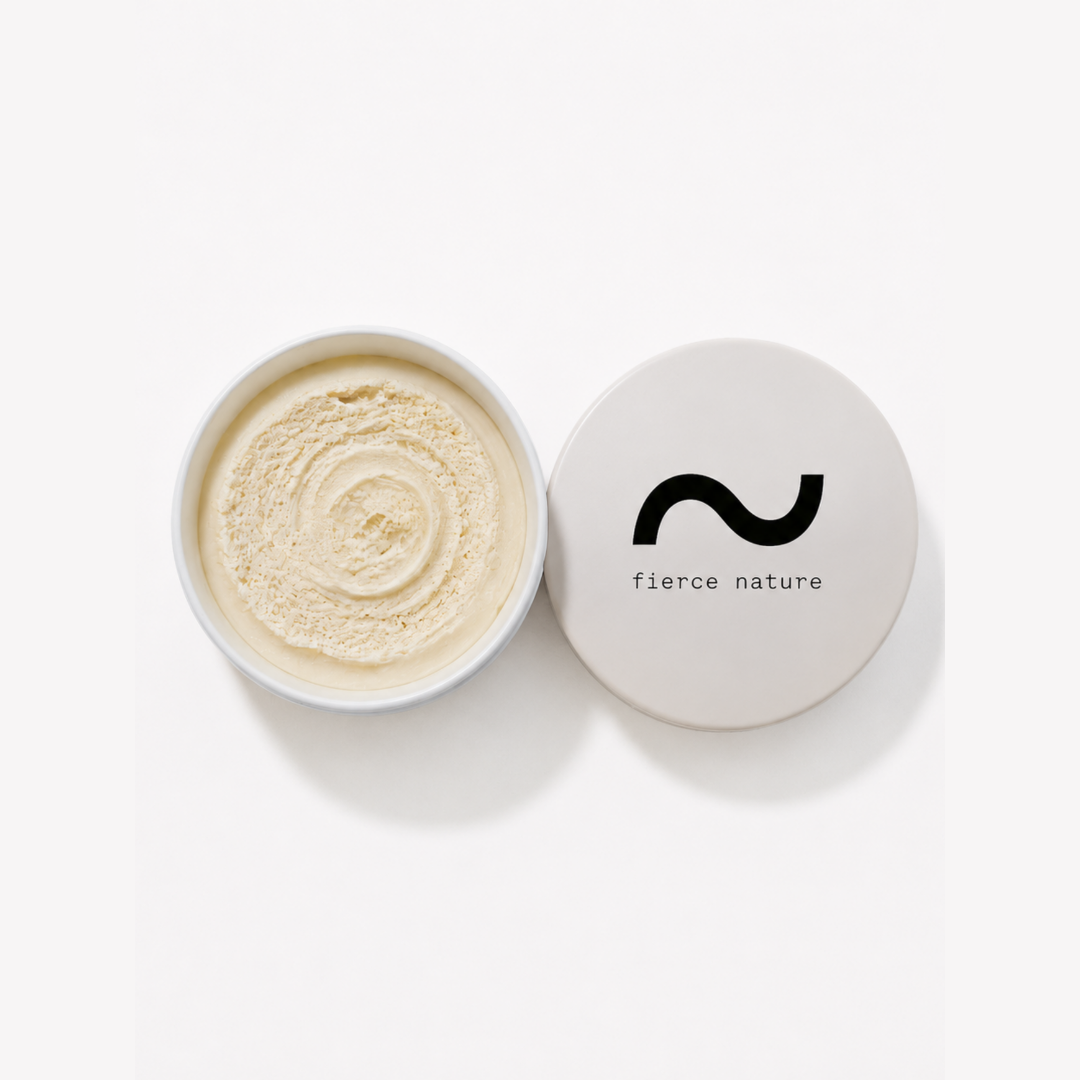
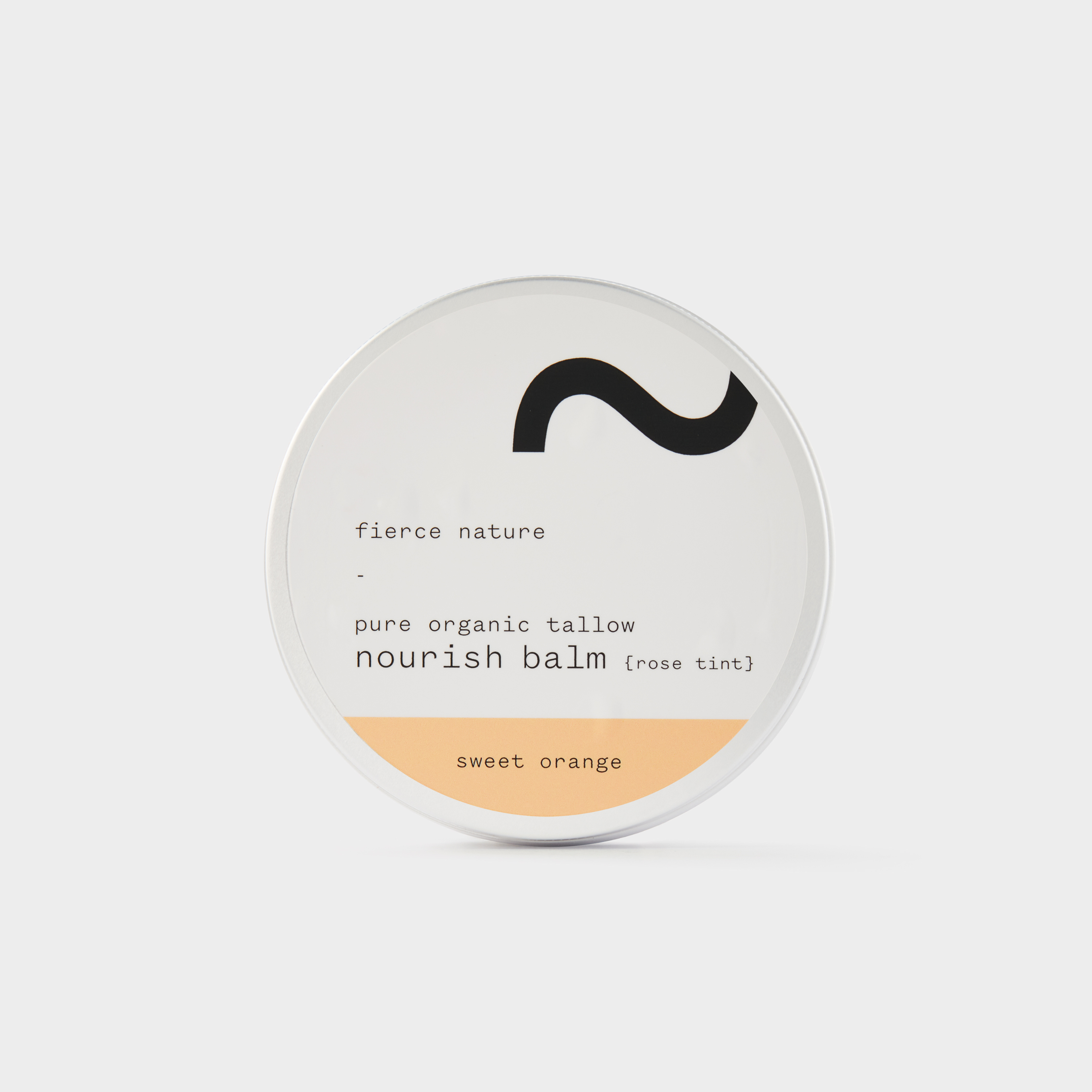





Dry shampoo is generally safe to use during pregnancy, provided you make a few careful swaps and stay sensible about how you apply it. The main precautions are simple: skip talc-containing powders, choose fragrance-free and starch-based formulas where you can, and keep inhalation to a minimum by spraying with care. Use it as an occasional refresh rather than a daily habit, and the risk profile stays low. The details below explain exactly why, and which products fit the bill.
TL;DR:
Choose dry shampoos with rice, tapioca, corn starch, or kaolin clay as the main absorbent to avoid talc and minimize inhalation risks during pregnancy.
Opt for fragrance-free formulas that clearly list the ingredients to reduce exposure to hidden phthalates often found in scented products.
Use non-aerosol powders or foams instead of sprays to lower inhalation risks, applying in well-ventilated spaces and avoiding direct inhalation.
Limit dry shampoo use to two to three times per week and stop if you notice scalp irritation, redness, or breathing discomfort.
Discard older aerosol cans linked to benzene contamination and always verify product labels for transparently listed ingredients and manufacturing dates.
The absorbent at the heart of your dry shampoo matters more than any other single ingredient. Rice starch, tapioca starch, corn starch, arrowroot, and kaolin clay all do the same essential job as talc, soaking up oil at the root, without the contamination concerns that come with talc mining. These plant and mineral starches are gentler on the scalp too, which matters when pregnancy hormones are already changing how your skin behaves.
Fragrance is the other label to scrutinise closely. The word “fragrance” or “parfum” on an ingredients list is a legal loophole that can conceal dozens of undisclosed compounds, some of them phthalates. Public-health researchers, including commentary from Harvard’s School of Public Health, have flagged phthalate exposure in pregnancy as worth minimising wherever a simple swap is available. Fragrance-free doesn’t mean scentless forever. It means nothing is hiding behind a vague catch-all term.
A quick shopping checklist helps here:
Check the first few ingredients for a named starch (rice, tapioca, corn) or kaolin rather than “talc” or “talcum powder.”
Look for “fragrance-free” rather than “unscented,” which can still contain masking fragrance.
Favour short ingredient lists over long ones packed with unfamiliar preservatives.
Choose non-aerosol packaging where you have the option.
Reading a label this way takes seconds once you know what you’re looking for.
Three ingredient categories deserve genuine caution rather than blanket panic. Phthalates sit at the top of the list. Peer-reviewed research has linked higher phthalate exposure during pregnancy with some adverse outcomes, and public-health bodies advise reducing avoidable exposure where possible. Because phthalates often enter cosmetics through undisclosed fragrance blends, a fragrance-free dry shampoo sidesteps most of that risk automatically.
Talc is the second concern, and it’s twofold: inhalation of fine powder particles, and the contamination risk linked to how talc is mined. Regulatory guidance and pregnancy-safety resources consistently recommend talc-free alternatives, which is why so many reformulated dry shampoos now lean on starches instead.
Benzene contamination in aerosol propellants is the third, and more recent, issue. Following a widely reported 2022 recall involving benzene found in certain aerosol dry shampoo propellants, safety guides now advise checking your product against recall lists and discarding any older cans sitting at the back of a cupboard. Retinoids and vitamin A derivatives are rare in dry shampoo formulas, but they’re worth a label check regardless, since they’re an established no-go during pregnancy in other cosmetic categories.
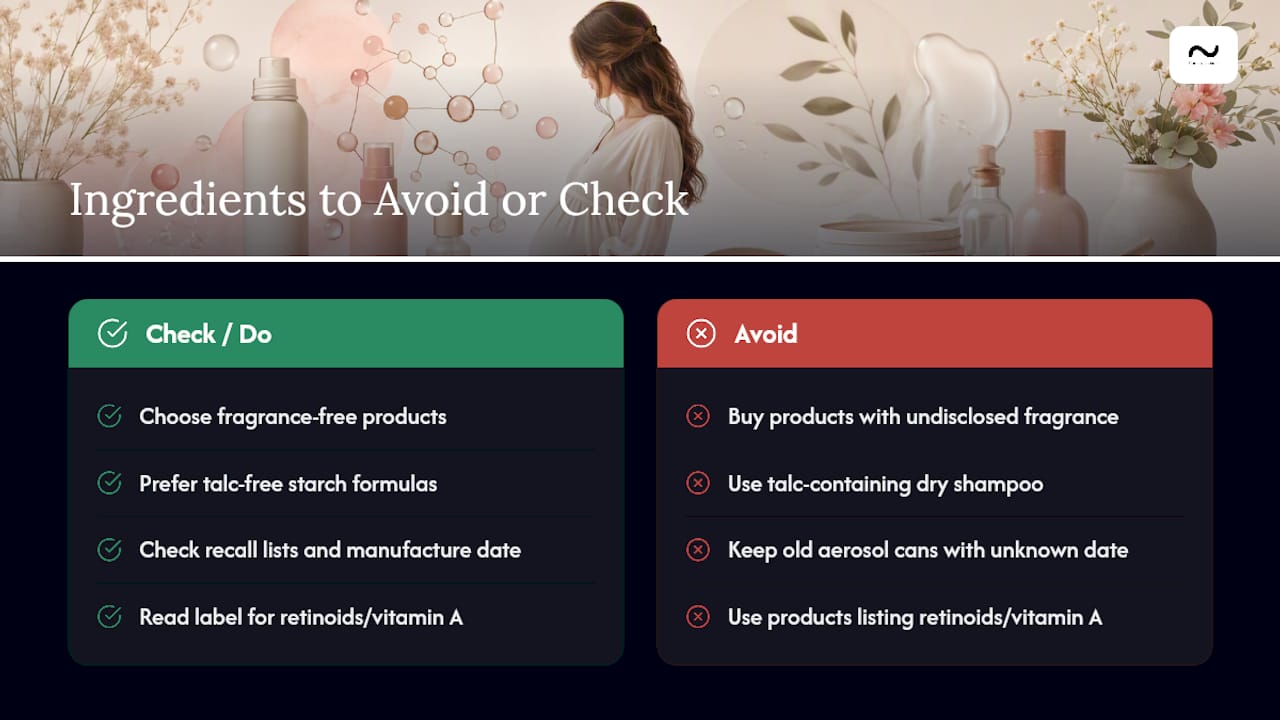
A working rule of thumb: if a product cannot tell you what “fragrance” contains, or if it’s an aerosol can with no manufacture date you can verify, treat it as one to avoid rather than gamble on.
Format changes exposure risk more than almost any other single factor, because it determines how much product actually reaches your lungs.
| Format | Primary absorbent | Fragrance status | Inhalation risk |
|---|---|---|---|
| Aerosol spray | Often starch or talc blend | Frequently fragranced | Highest, wide airborne cloud, past propellant contamination issues |
| Loose powder | Rice starch, kaolin, arrowroot | Often fragrance-free | Moderate, still inhalable if applied carelessly |
| Foam or pump | Starch-based | Often fragrance-free | Lowest, tight placement control |
Non-aerosol foams and powders give you the most control over where the product lands, which is precisely why they’re the format pregnancy-safety guides tend to favour. If you’re weighing up whether your dry shampoo spray is doing more harm than good, switching to a powder dry shampoo removes the propellant question entirely.
Whichever format you choose, technique matters just as much as the product itself:
Apply in a well-ventilated room, ideally with a window open or an extractor running.
Hold the container 8 to 12 inches from your scalp rather than up close.
Hold your breath briefly during the actual application.
Use short bursts or small pinches rather than one long, continuous spray or pour.
Stop immediately and rinse if you notice coughing, throat irritation, or scalp stinging.
Pro Tip: Apply dry shampoo section by section with your head tipped forward over a basin or towel. It contains the powder cloud and stops it drifting straight up towards your face.
Dry shampoo works best as a bridge between washes, not a replacement for washing altogether. Using it daily lets product build up at the follicle, and pregnancy already tends to increase sebum production for many people, which raises the chance of clogged follicles and folliculitis when starch or powder residue piles on top. Two to three uses a week, alternated with a gentle wash, keeps the scalp balanced without over-relying on any single product.
Co-washing or using a mild, non-toxic shampoo between full washes reduces how often you reach for dry shampoo at all, which is often the simplest fix for anyone worried about overuse.
Watch for these warning signs and stop use if they appear:
Tender red bumps or pustules along the hairline (possible folliculitis)
Increasing redness, flaking, or itching that wasn’t there before
Coughing, wheezing, or throat tightness during or after application
Any reaction at all after a patch test on a small area of scalp
If any of these show up, wash the area gently and speak to a midwife, GP, or dermatologist before using dry shampoo again.
We built Fierce Nature on the idea that skincare shouldn’t need a chemistry degree to understand. Every product we make is handmade in the UK, crafted from naturally sourced ingredients, and formulated without the long, hard-to-pronounce ingredient lists that mainstream cosmetics tend to hide behind.
Our approach to dry shampoo follows the same pregnancy-safer checklist covered above: a starch-based absorbent base, no talc, and a fragrance profile kept as minimal and transparent as we can make it.
Nature already gave us what we need to feel clean and confident. Our job is simply not to complicate it with fillers that don’t earn their place in the bottle.
A few practical notes if you’re considering a switch:
Both shades use the same core formula, only the tint differs, so brunettes and blondes get identical safety profiles.
Full ingredient lists sit on each product page. Read them before you buy, not after.
If you’re unsure about a specific ingredient given your own pregnancy, reach out to us directly. We’d rather answer the question than have you guess.
Sensitive skin shaped everything about how we formulate. That’s why we keep our ingredient lists short rather than impressive sounding. Pregnancy adds another layer of caution most of you already carry instinctively, and we think that instinct deserves respect, not dismissal.
Our advice is straightforward: use dry shampoo in moderation, apply it in a ventilated space, and choose a starch-based, talc-free formula. If you’re ever unsure, our product pages list everything plainly, and we’re genuinely happy to answer questions directly.
— Fierce Nature
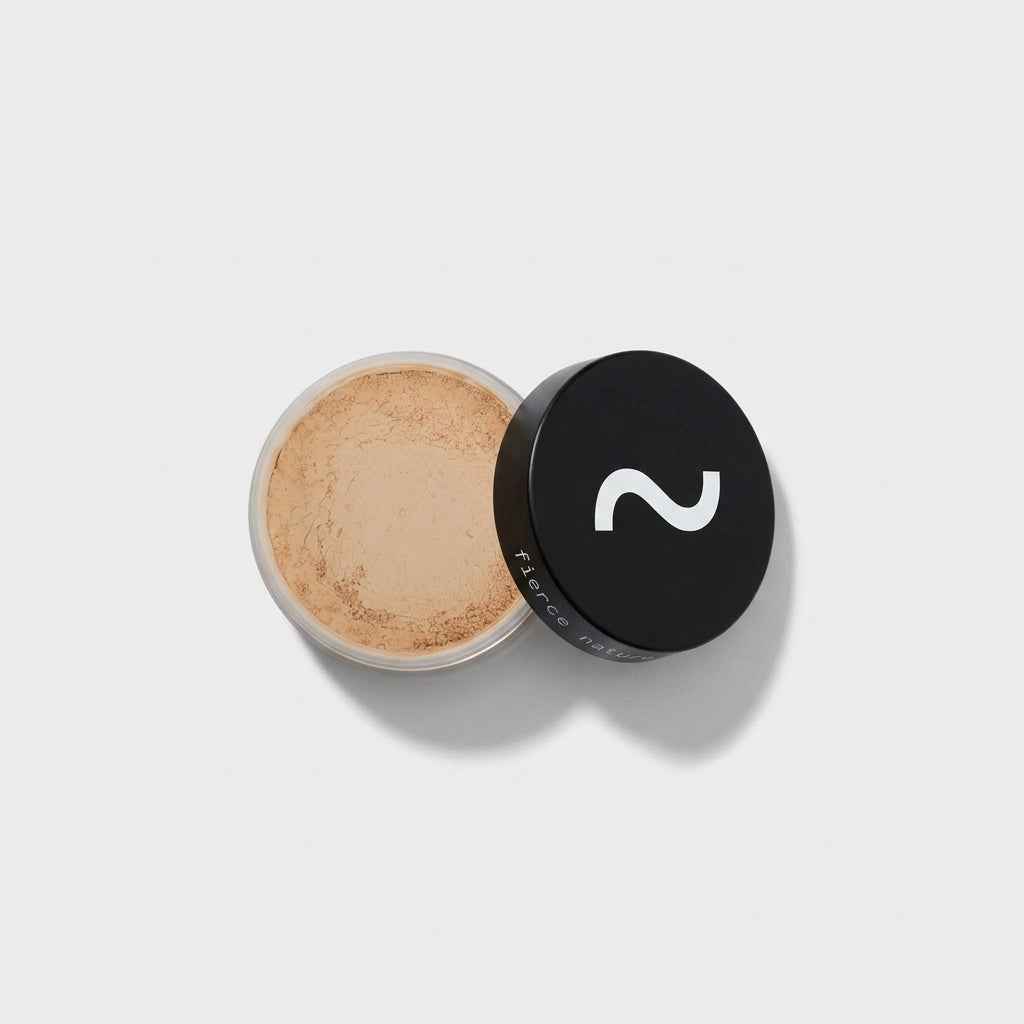
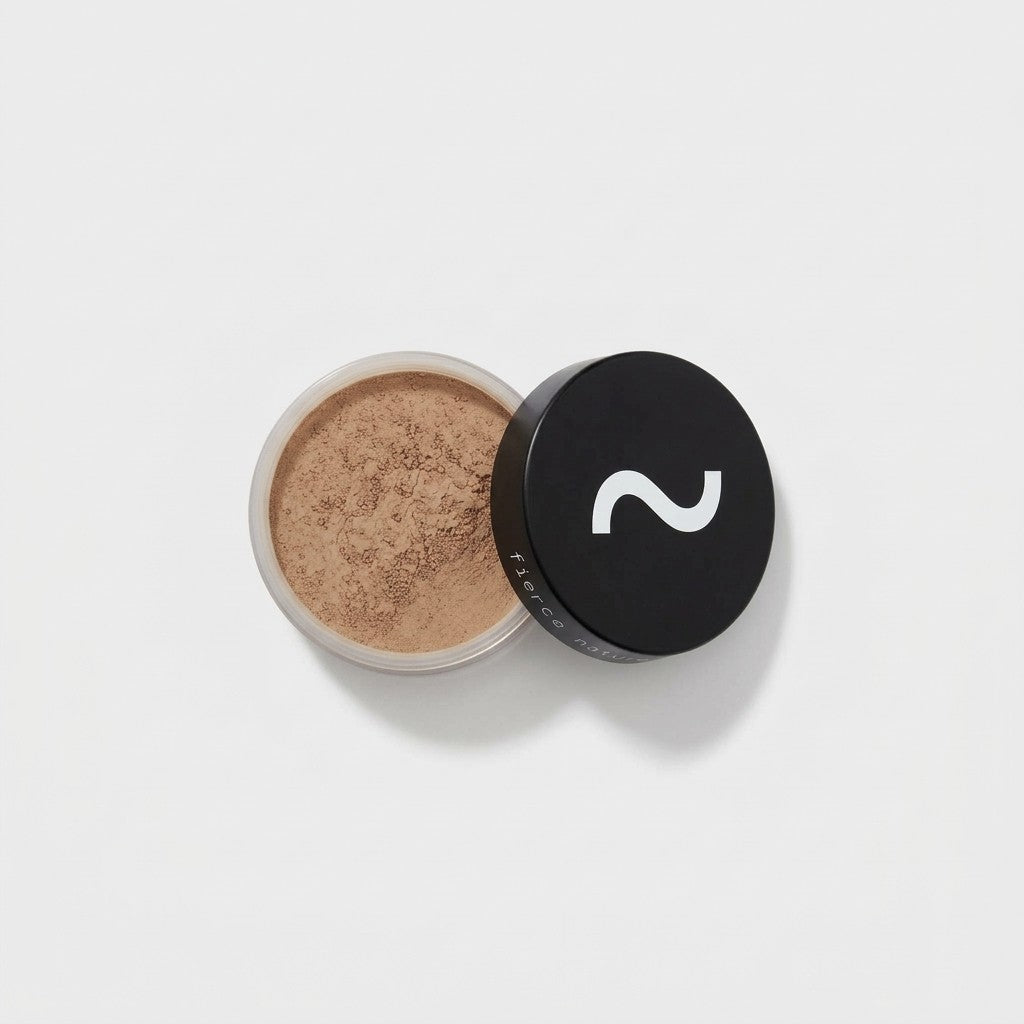
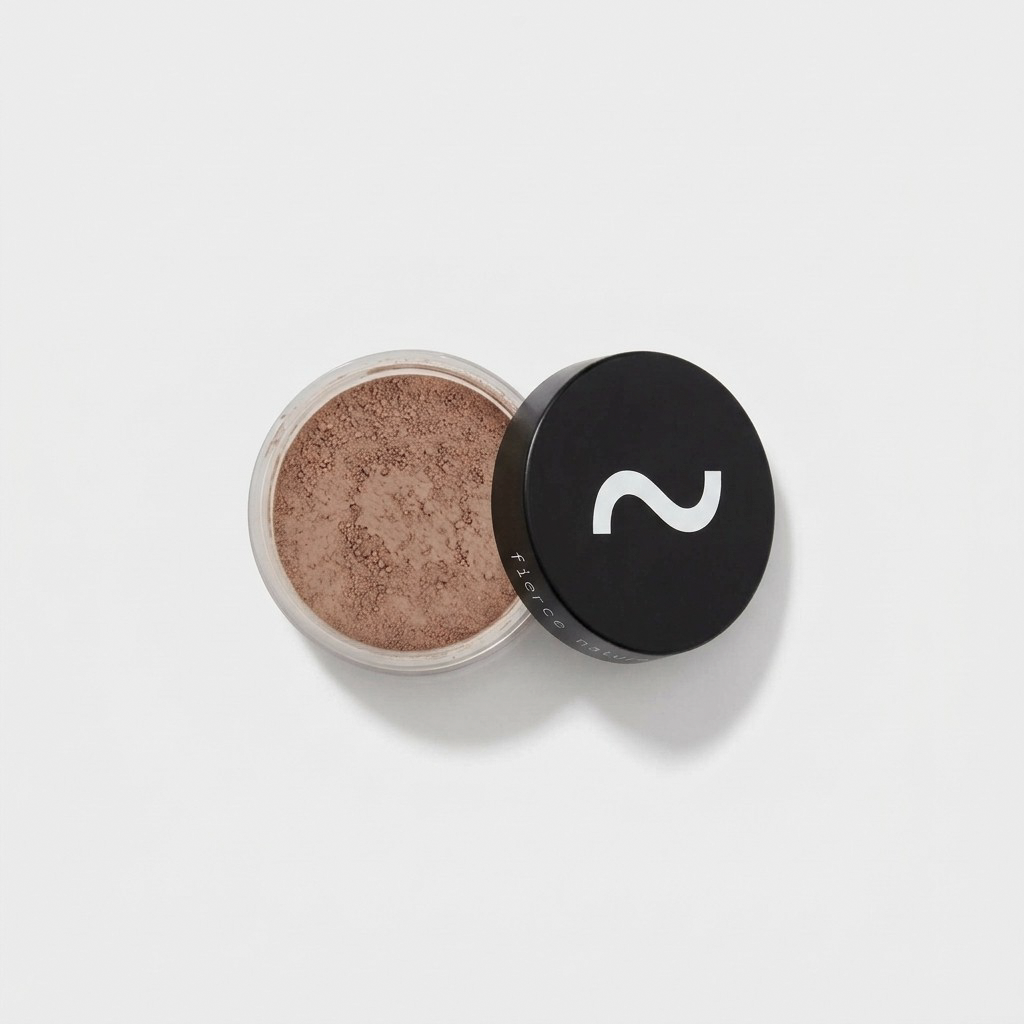
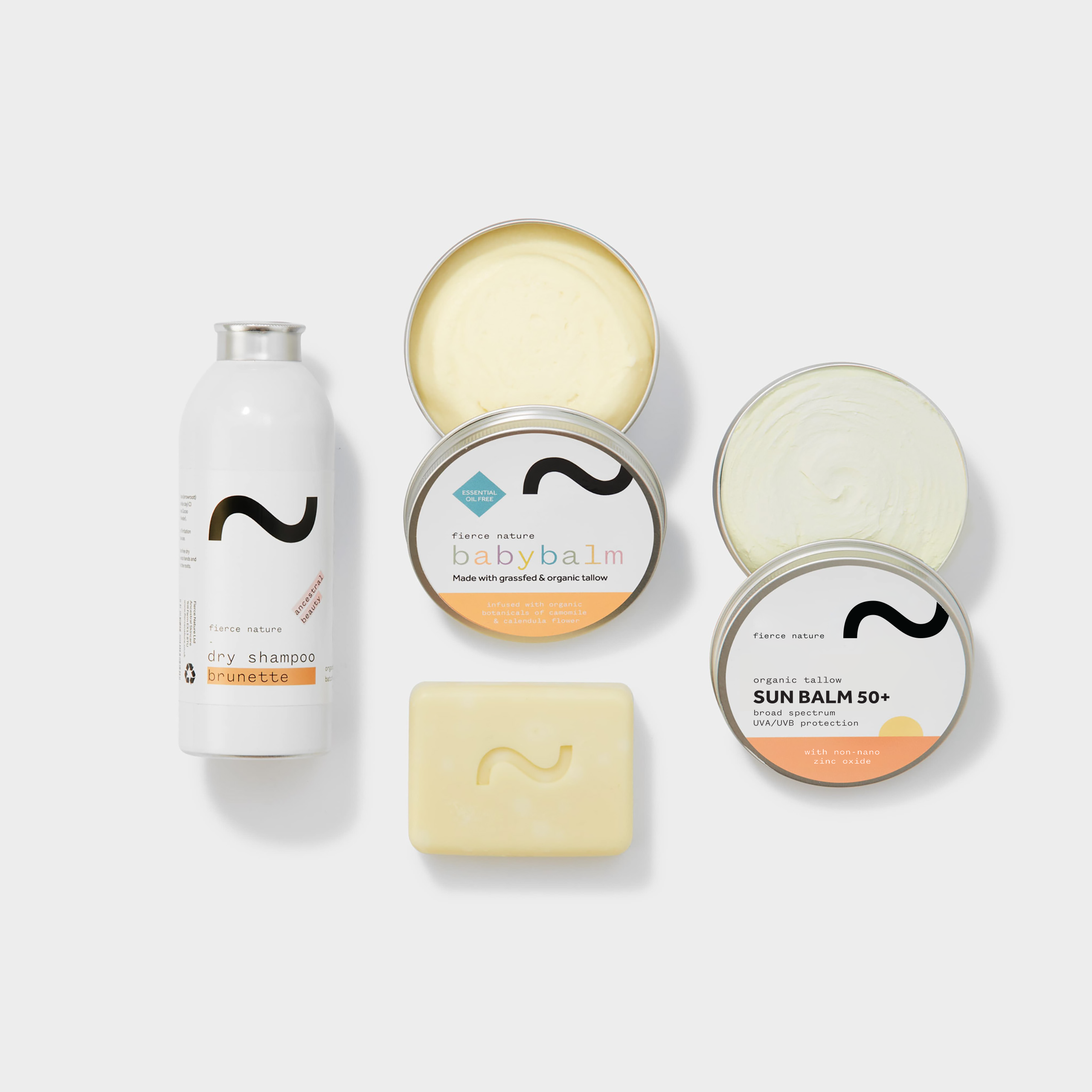
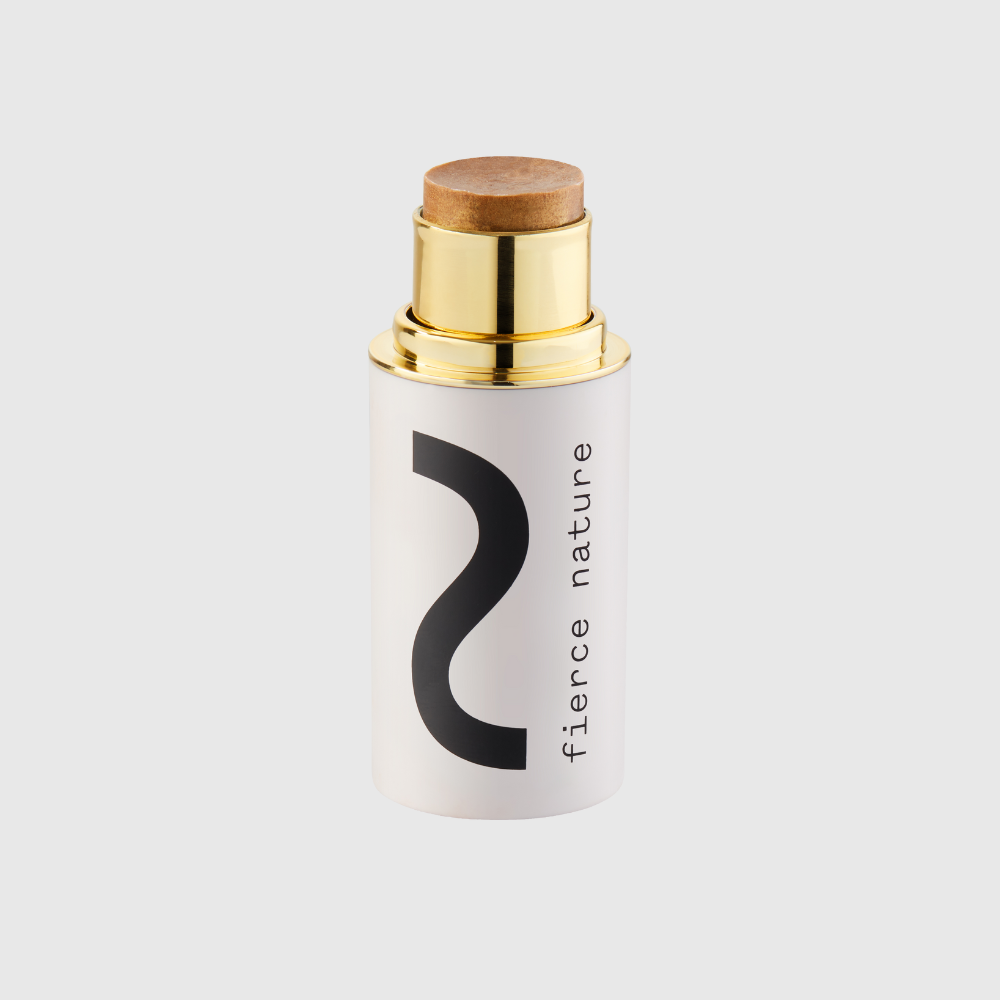
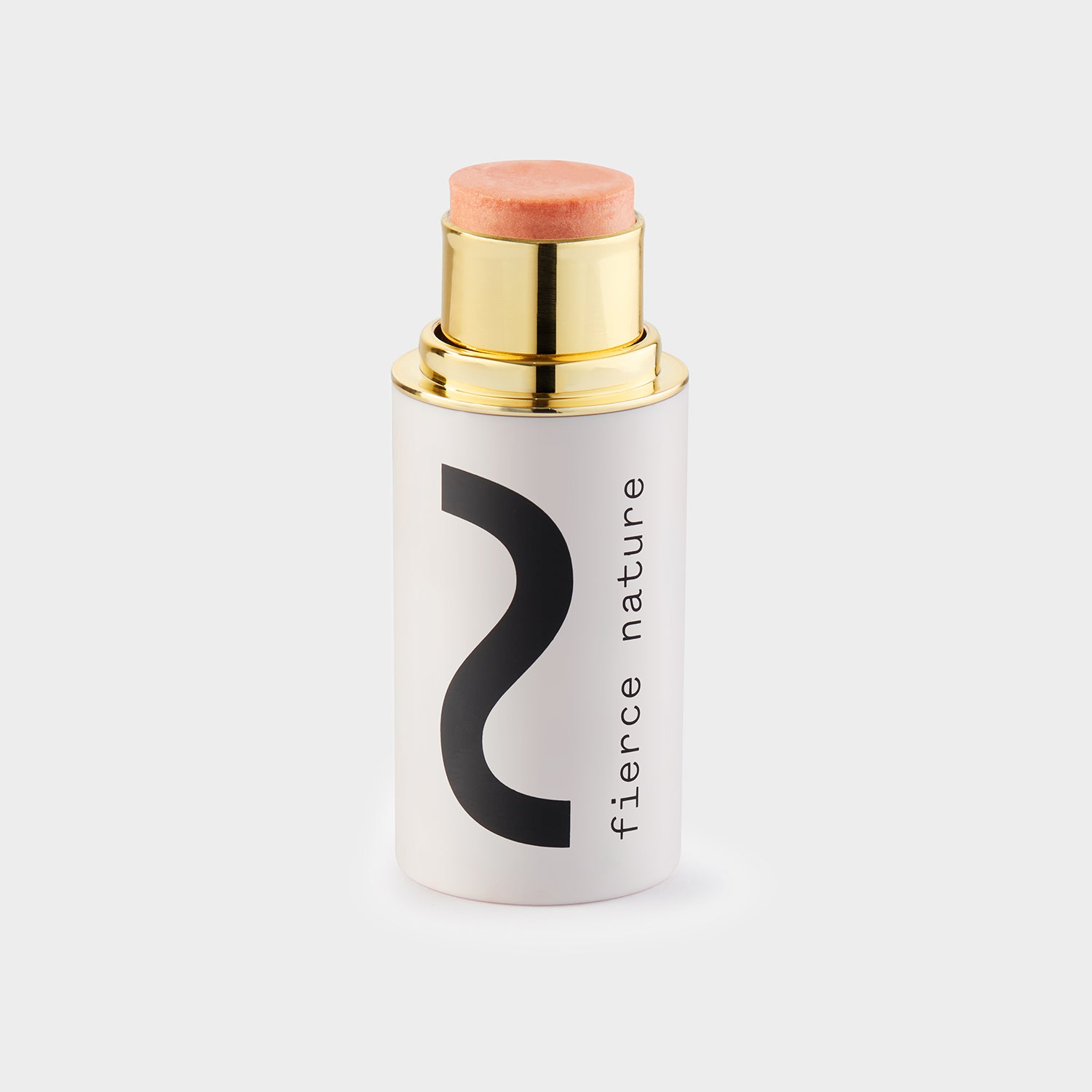
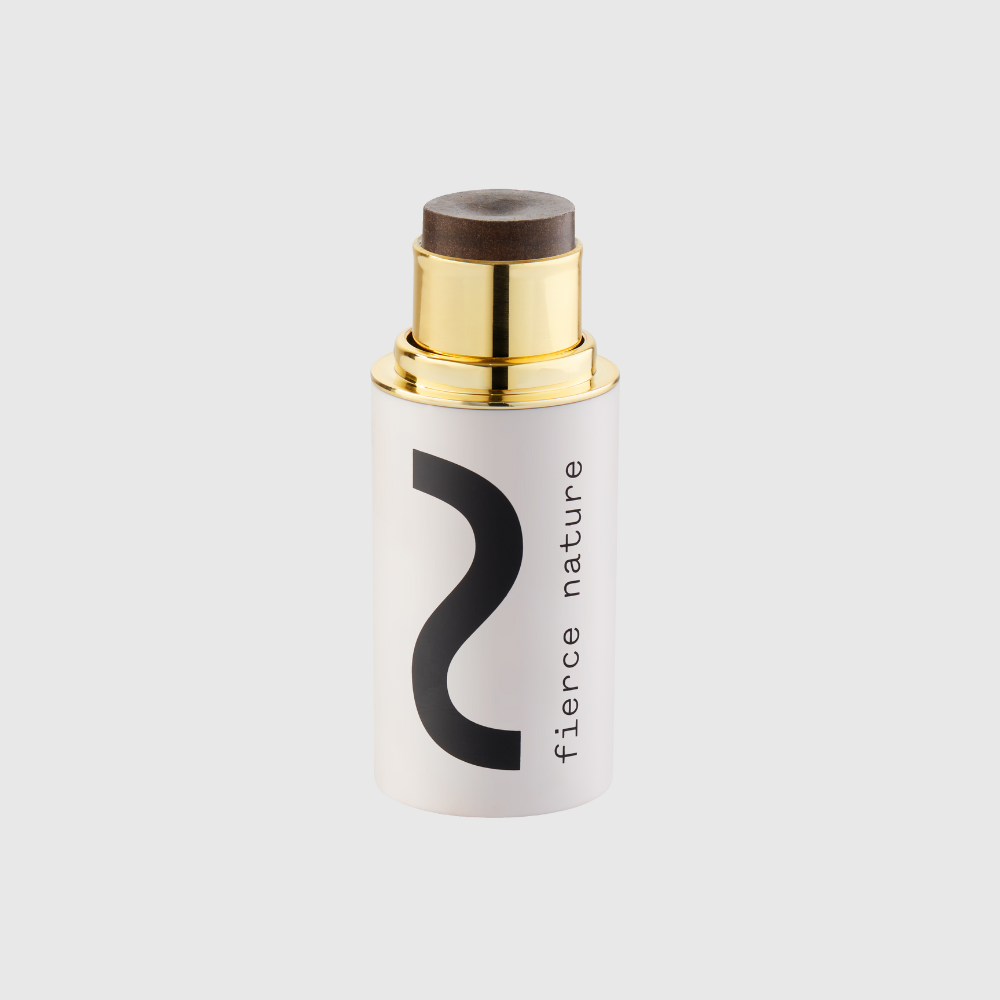
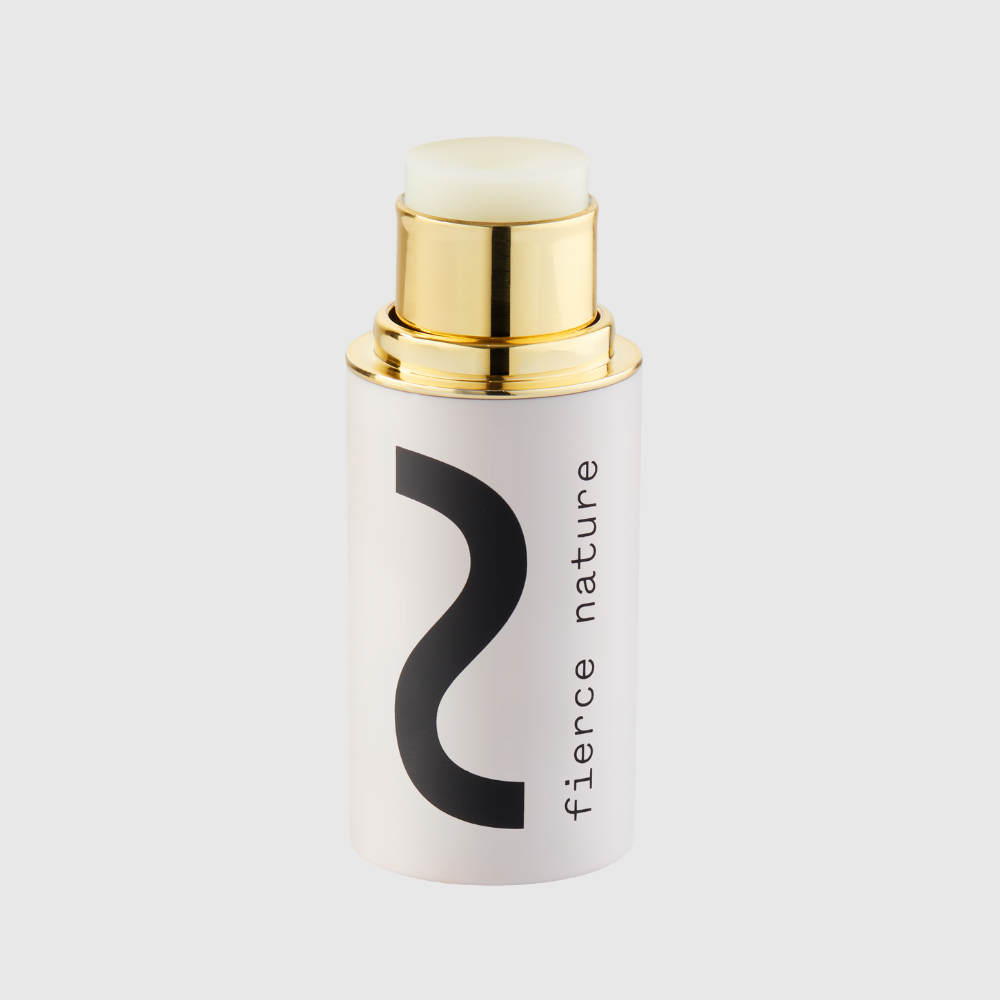
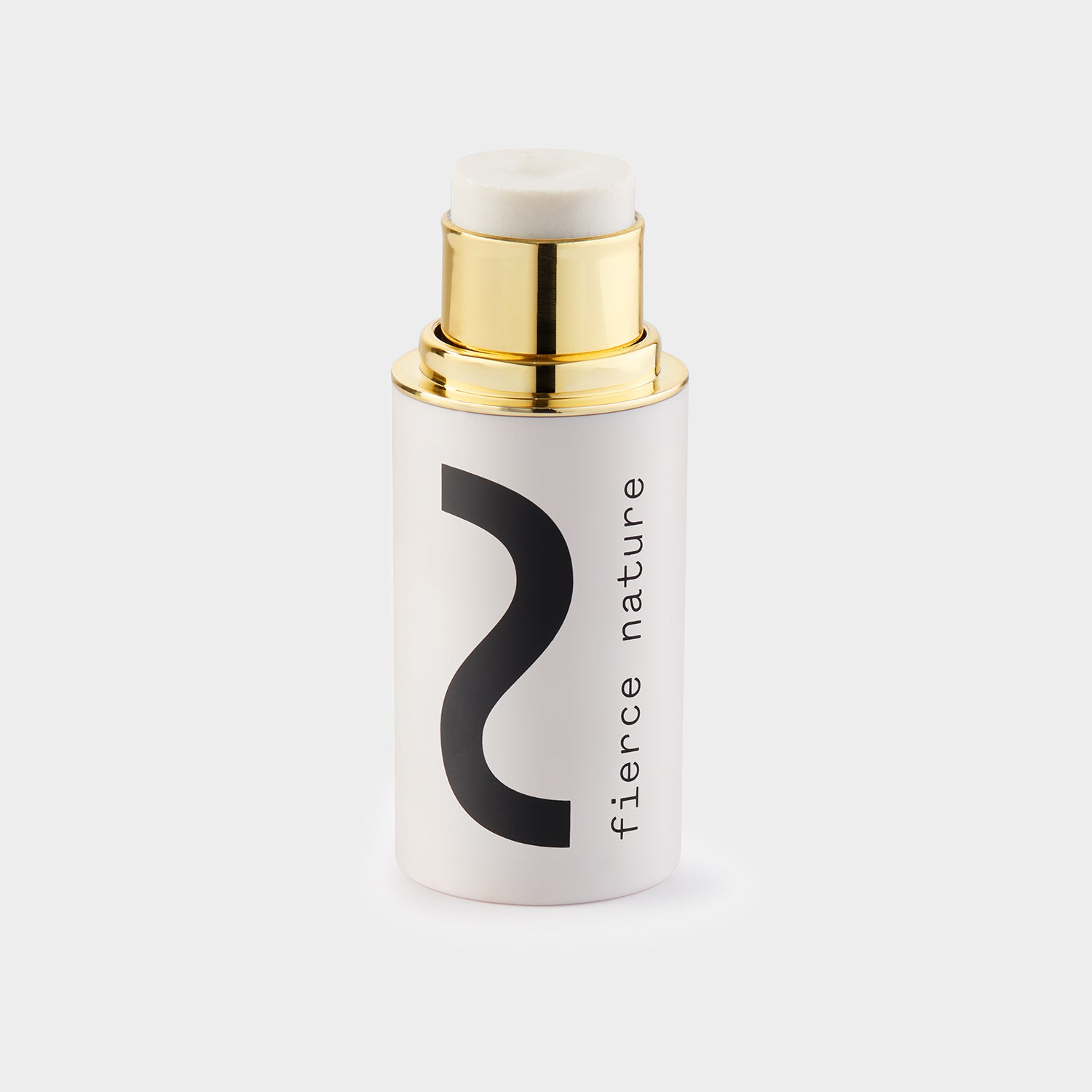
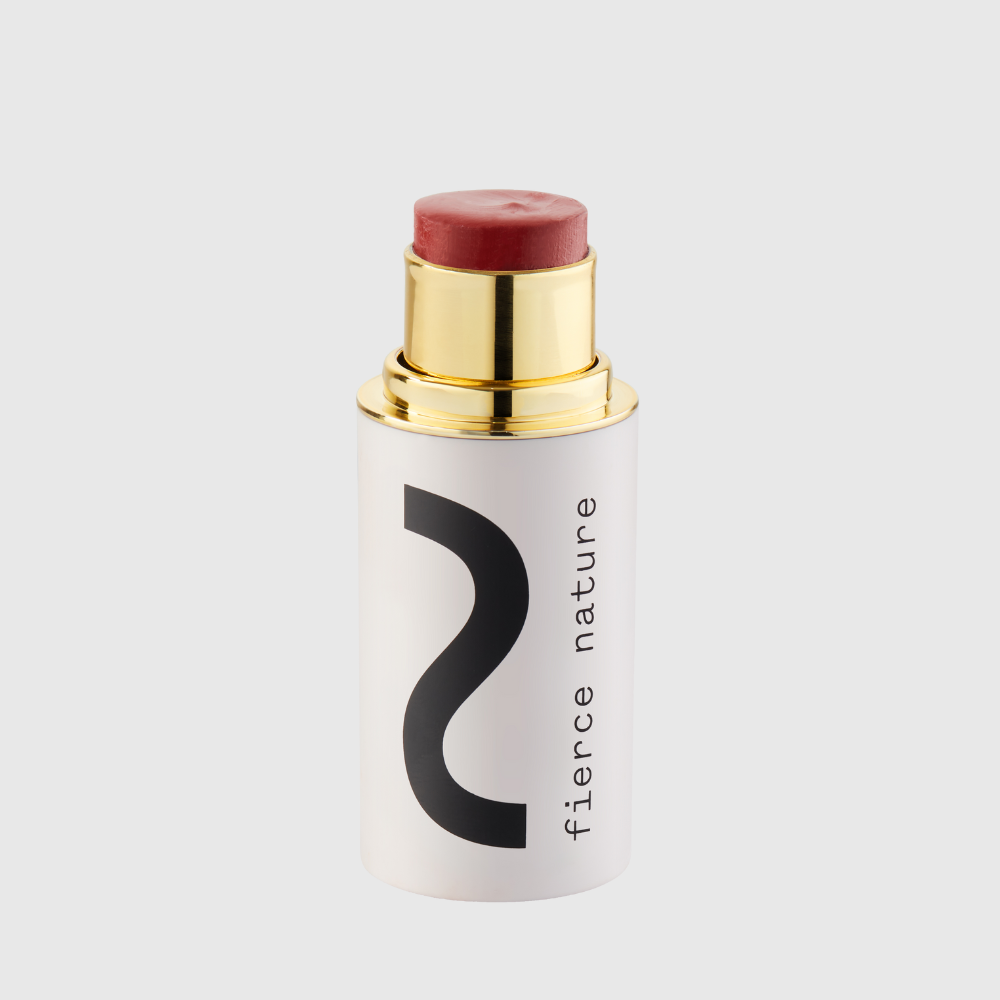
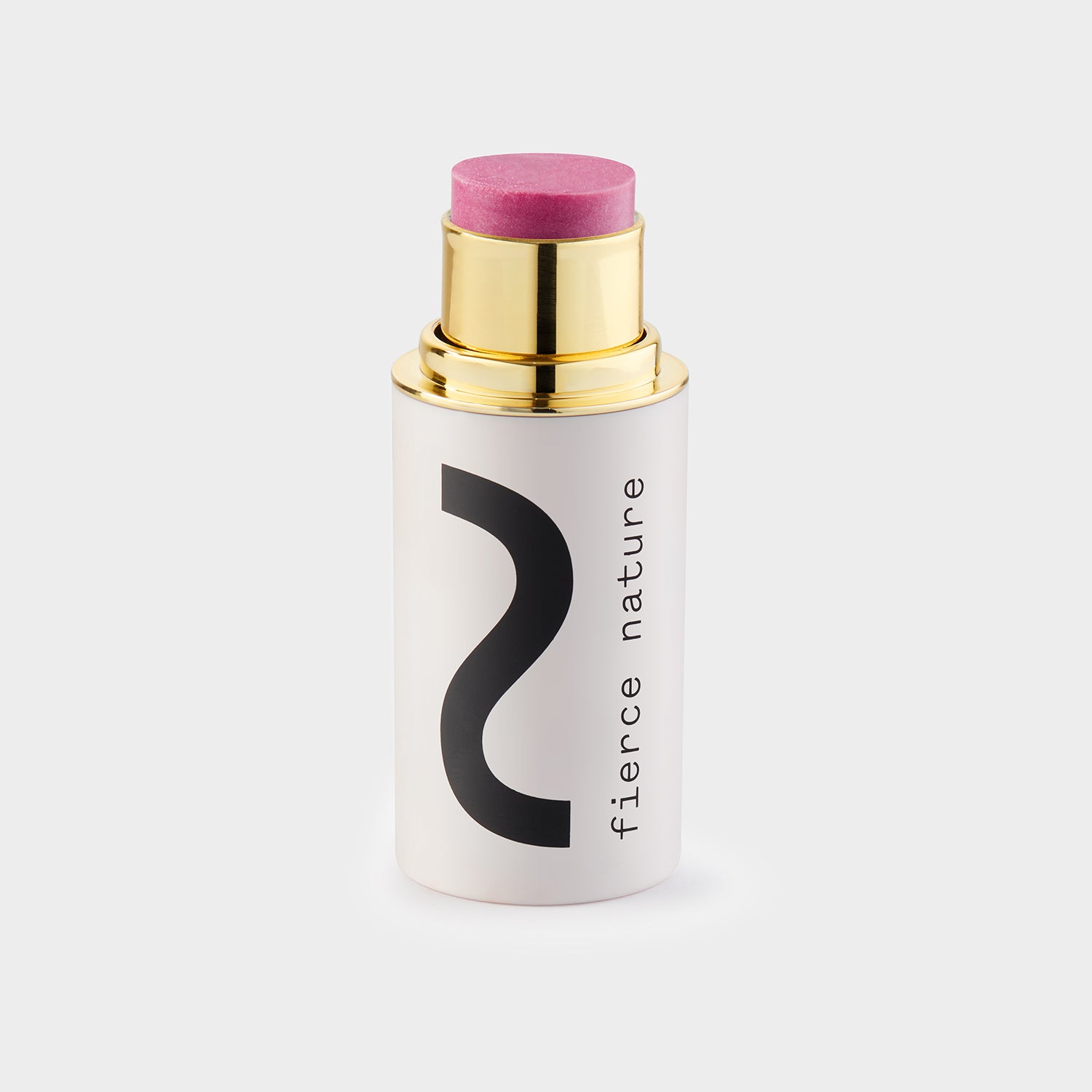
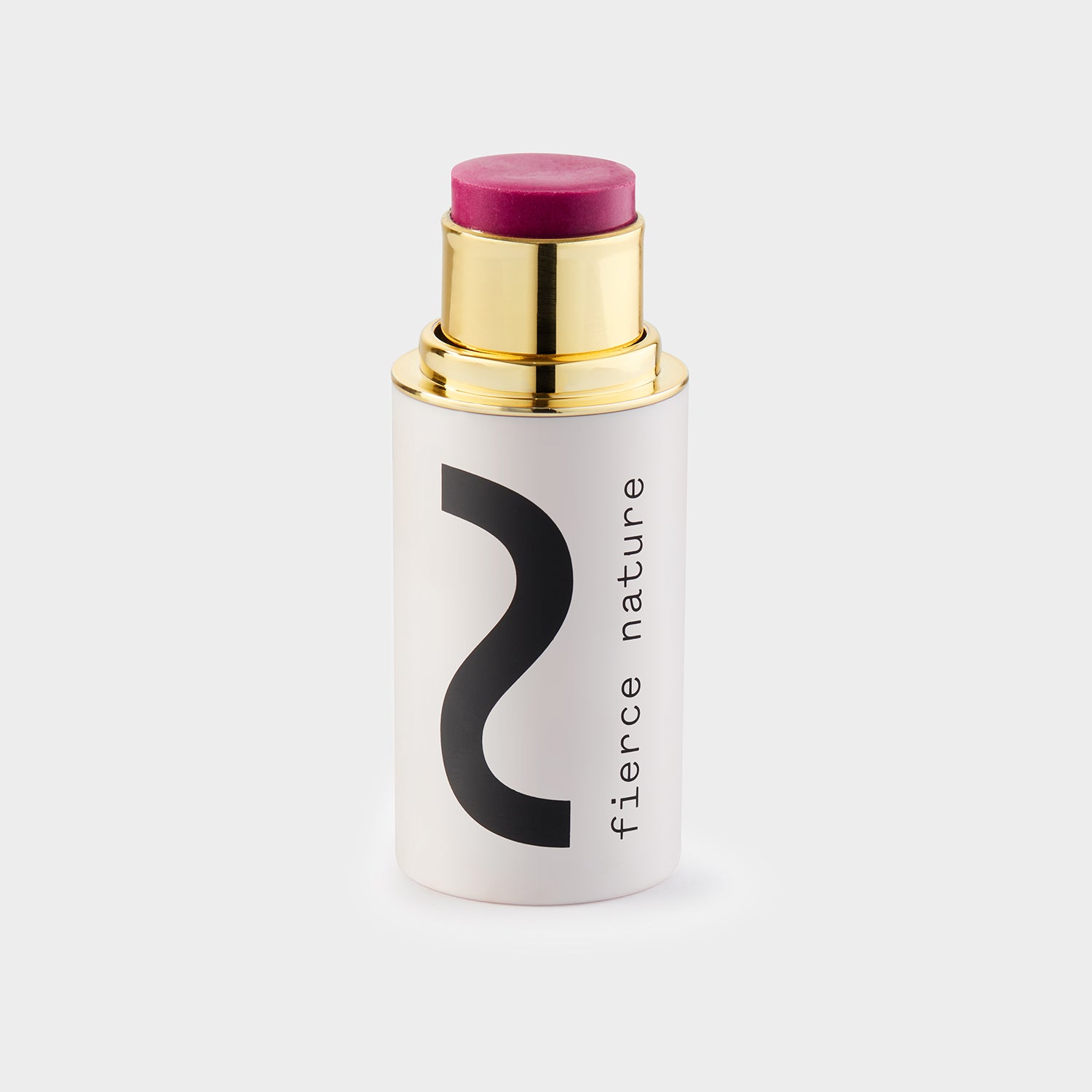
Fierce Nature’s dry shampoo gives you a talc-free, starch-based refresh without the guesswork of decoding an aerosol can’s fine print. Both shades share the same formula philosophy: a rice starch base, no hidden fragrance blends, and no propellant to worry about.
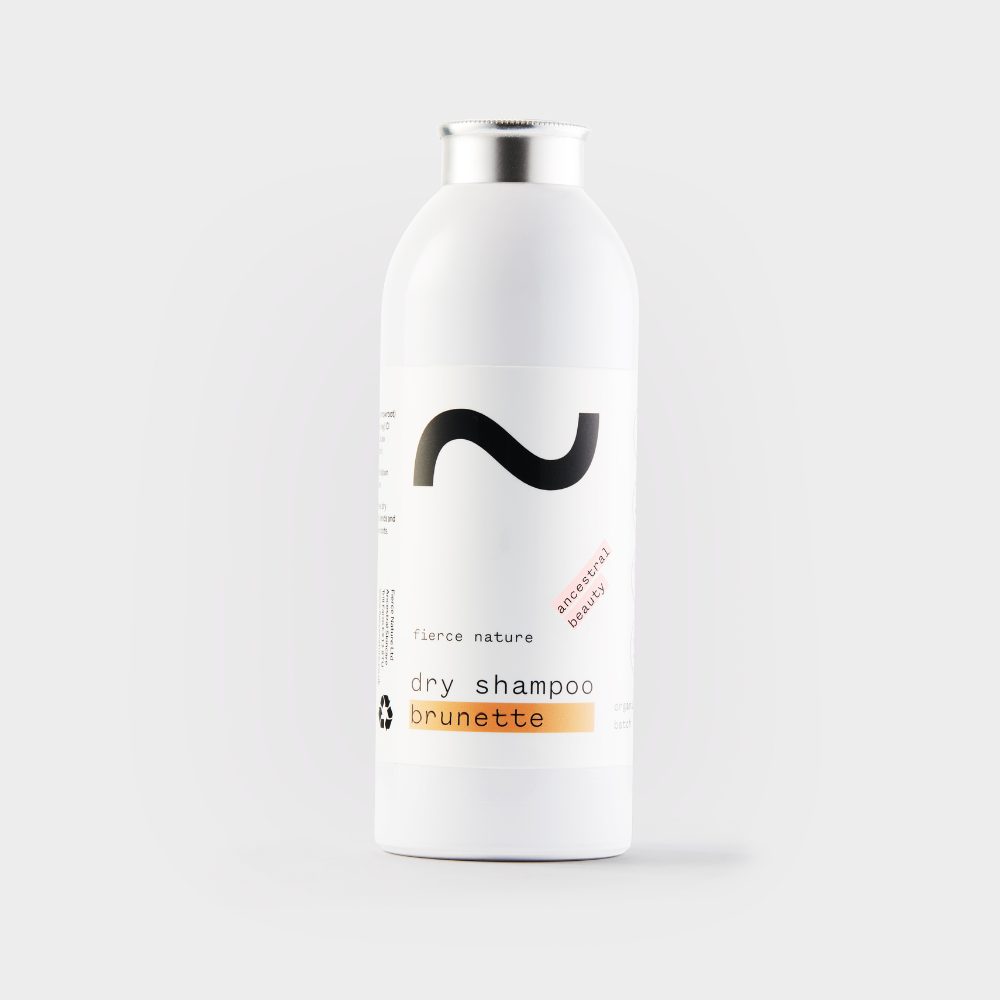
Dry Shampoo (Brunette), starch-based absorbent, fragrance-minimal, talc-free, tinted for darker hair.
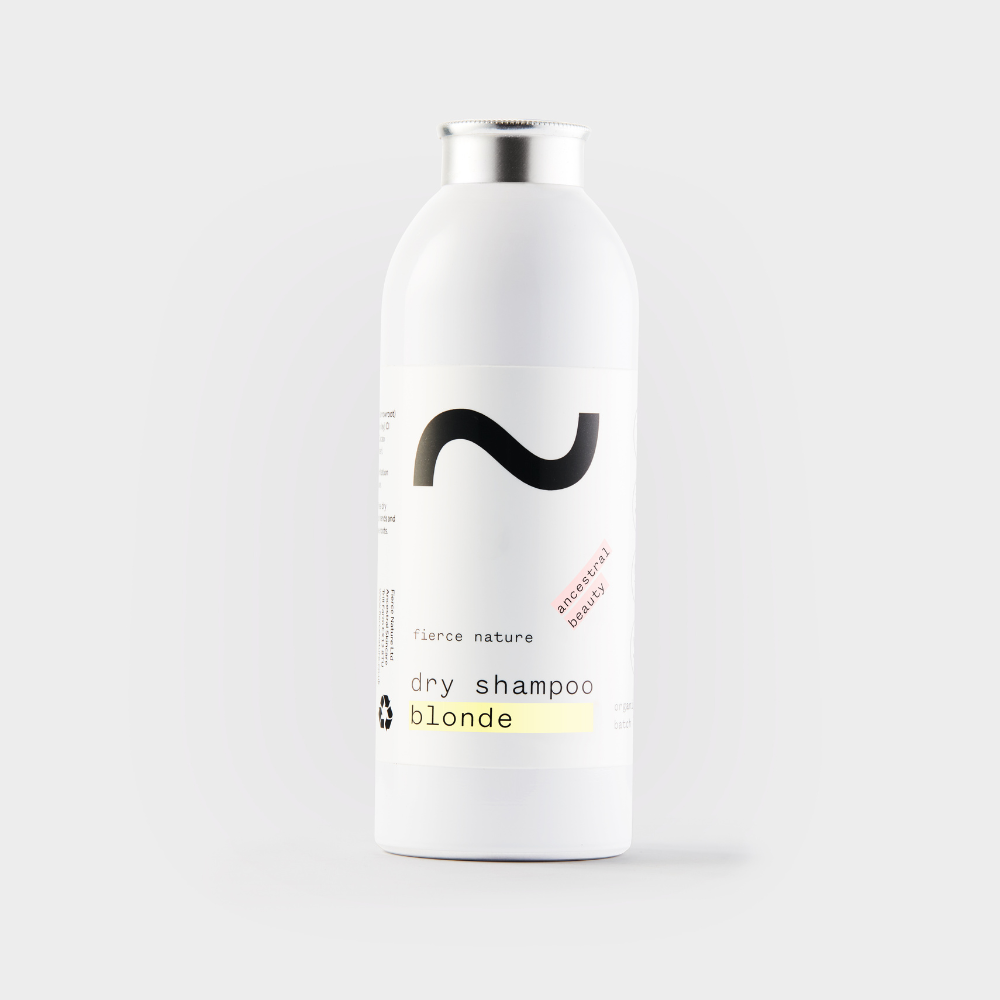
Dry Shampoo (Blonde), identical formula base, tinted for lighter hair, same ingredient transparency.
Non-toxic Baby Skin Essentials, a bundle worth having ready before your baby arrives, built on the same non-toxic principles.
Every ingredient we use is listed in full on each product page, and everything is handmade in the UK in small batches. If you’re setting up a nursery shelf at the same time, pairing your dry shampoo with hypoallergenic laundering habits, such as the practical steps in this guide to washing baby bedding safely, rounds out a genuinely low-irritant routine. Browse the full range at Fiercenature and pick the shade that suits you.
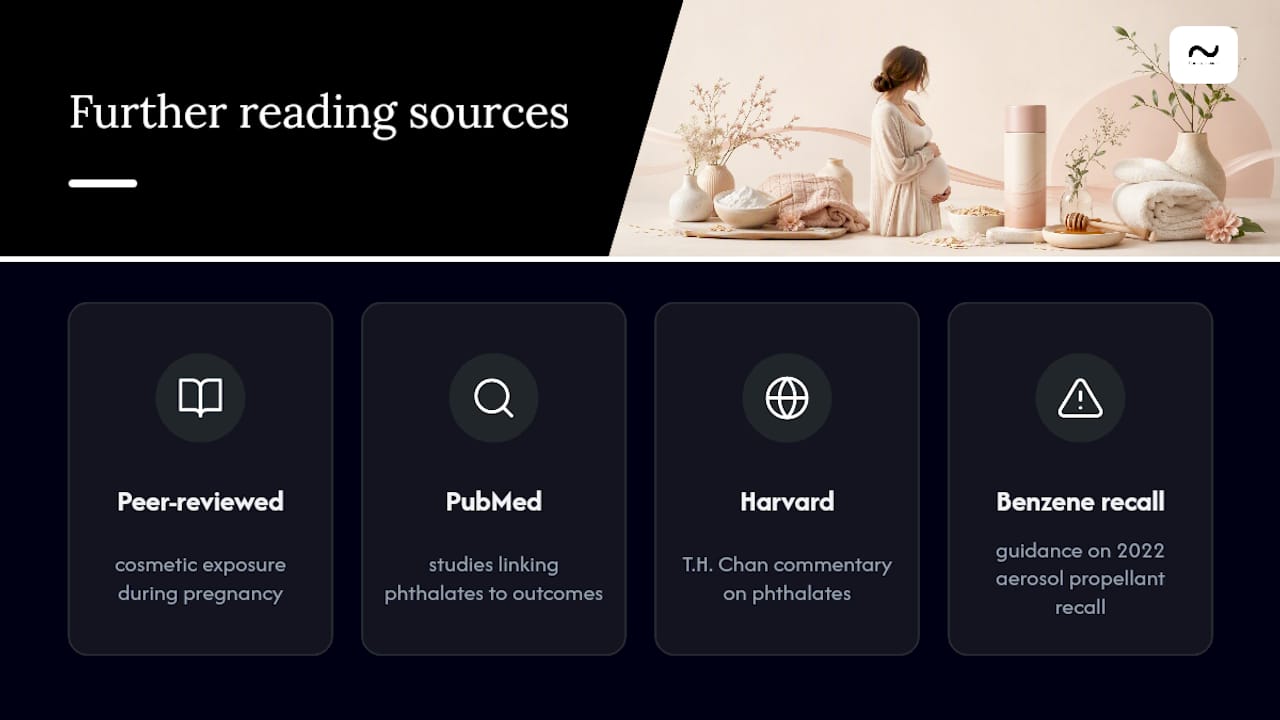
Readers wanting to check the underlying evidence can look to peer-reviewed research on cosmetic exposure during pregnancy, PubMed studies linking phthalate exposure with pregnancy outcomes, and Harvard T.H. Chan School of Public Health’s commentary on phthalates. Guidance on the 2022 benzene recall in aerosol propellants is also worth reviewing before using an older can.
Used occasionally and chosen carefully, dry shampoo has not been shown to pose a meaningful risk in pregnancy. The main concerns, phthalates in fragrance and talc contamination, are avoidable by choosing fragrance-free, talc-free, starch-based formulas.
Check the specific product’s ingredient list for talc and fragrance before deciding, since formulations vary across the range. If it contains talc or an undisclosed fragrance blend, a starch-based, fragrance-free alternative is the safer swap.
Avoid shampoos and dry shampoos containing talc, retinoid derivatives, or vague “fragrance” listings that could hide phthalates. Older aerosol cans linked to the 2022 benzene propellant recall should also be discarded rather than used.
As with any dry shampoo, safety comes down to the specific formula rather than the brand. Check for talc-free, fragrance-free labelling on the exact product you own, and apply it with good ventilation regardless of which brand you choose.
Two to three times a week, used as a bridge between washes rather than a daily substitute, keeps follicle buildup and irritation risk low. If you notice tender bumps or worsening scalp redness, stop and switch to gentle washing instead.