Cart
0
80% Also Added this

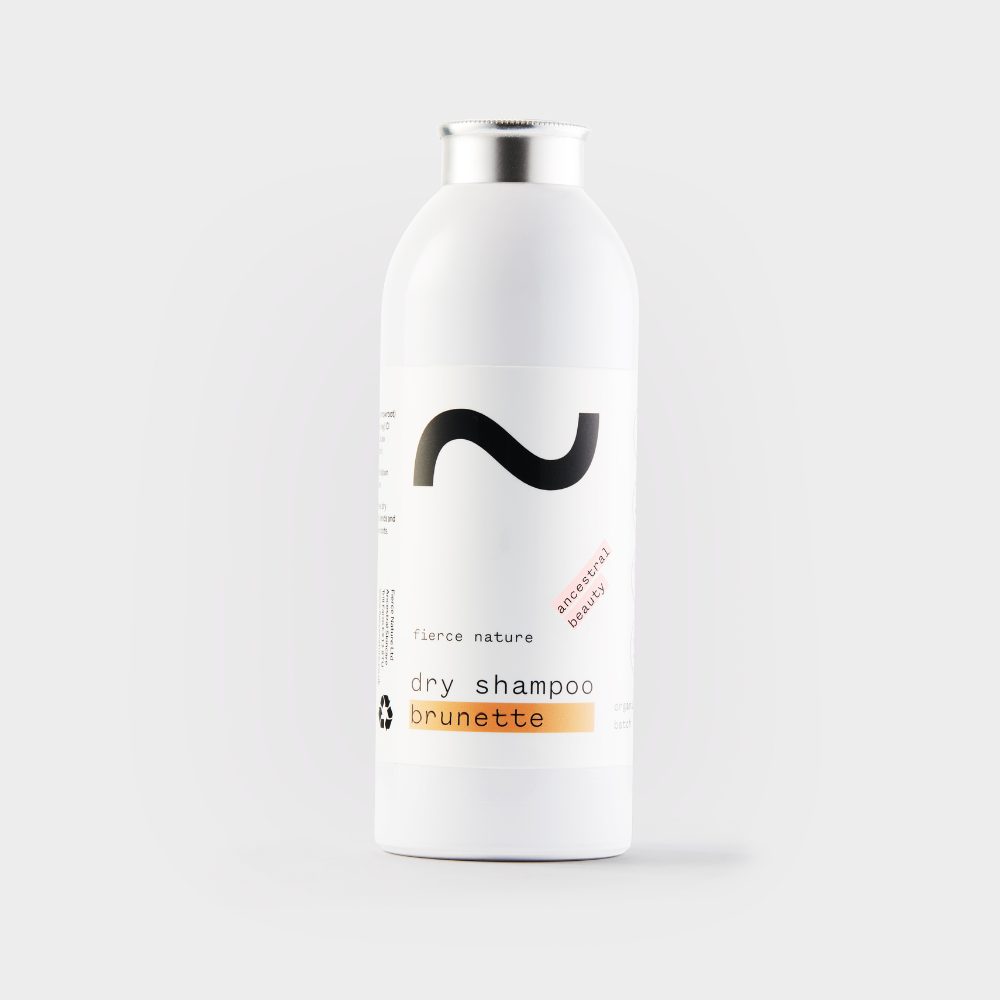

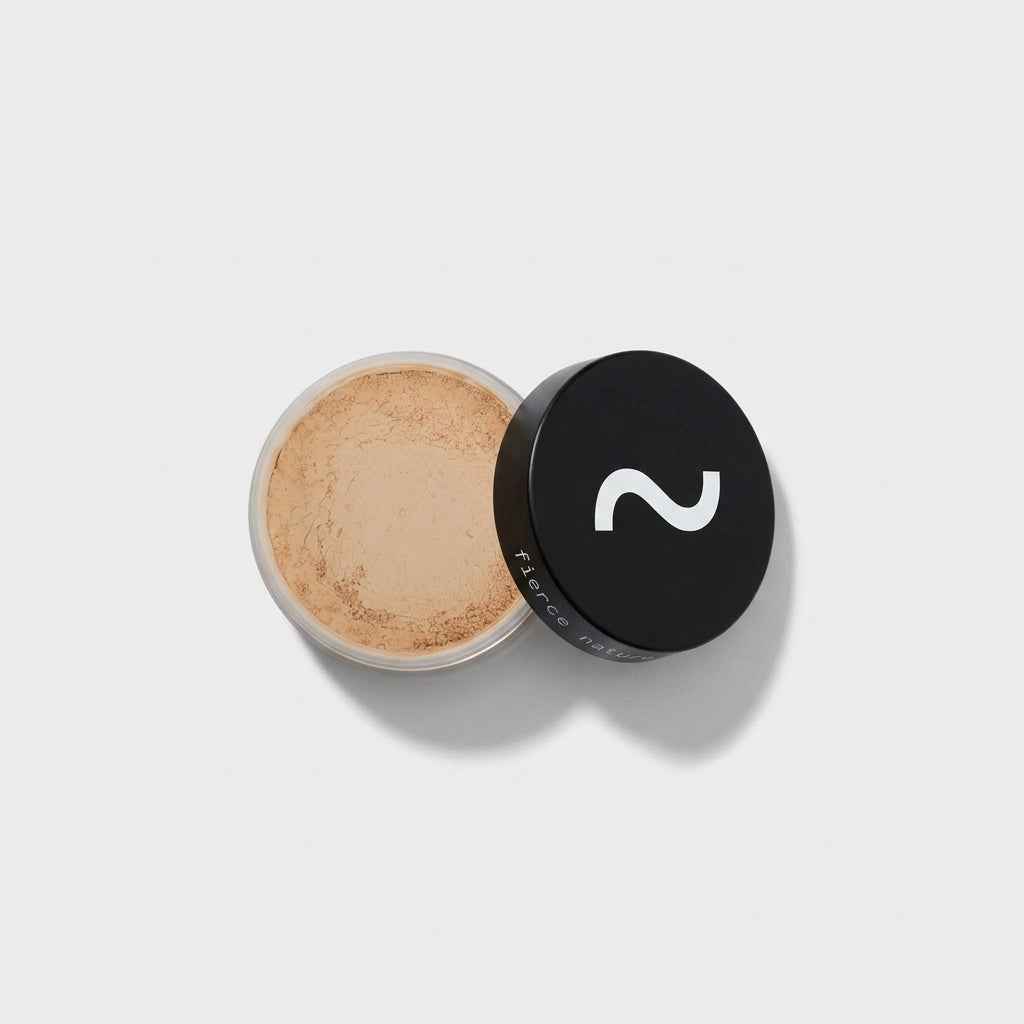
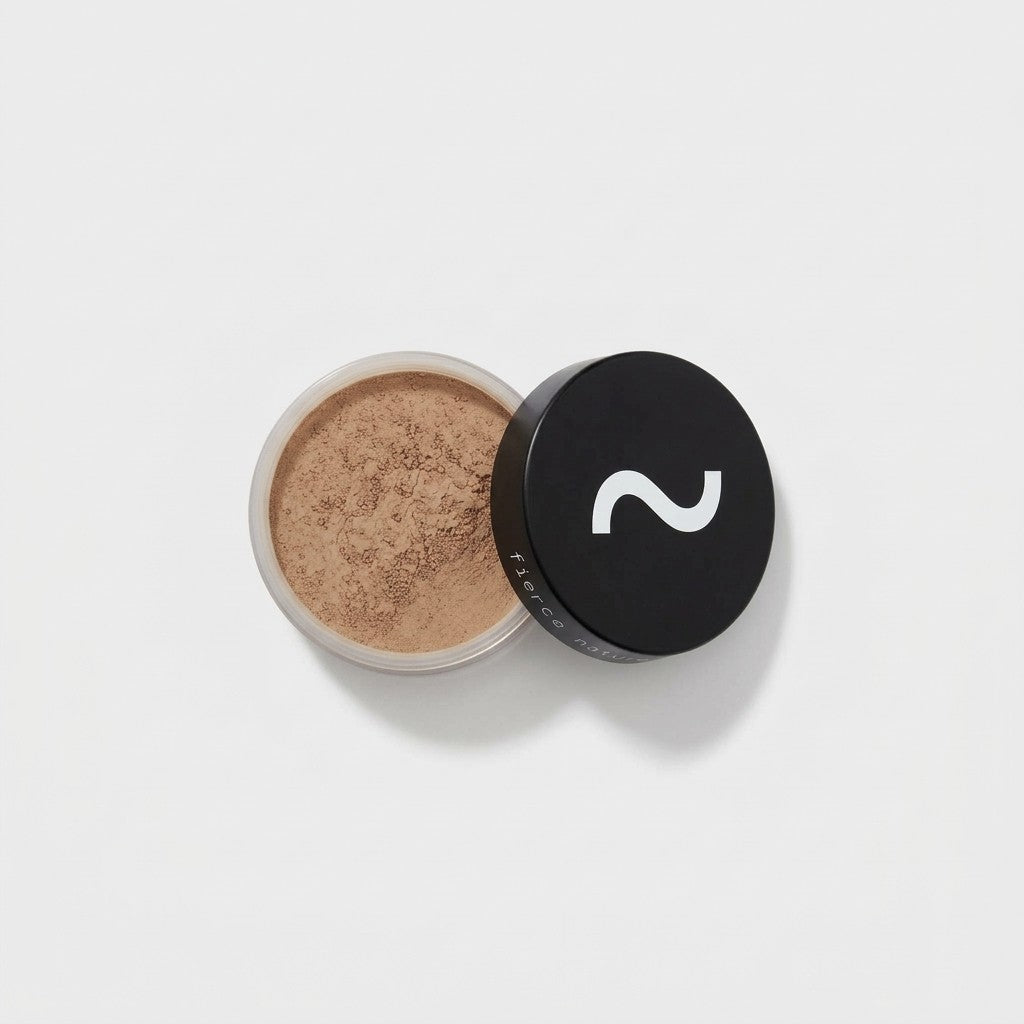
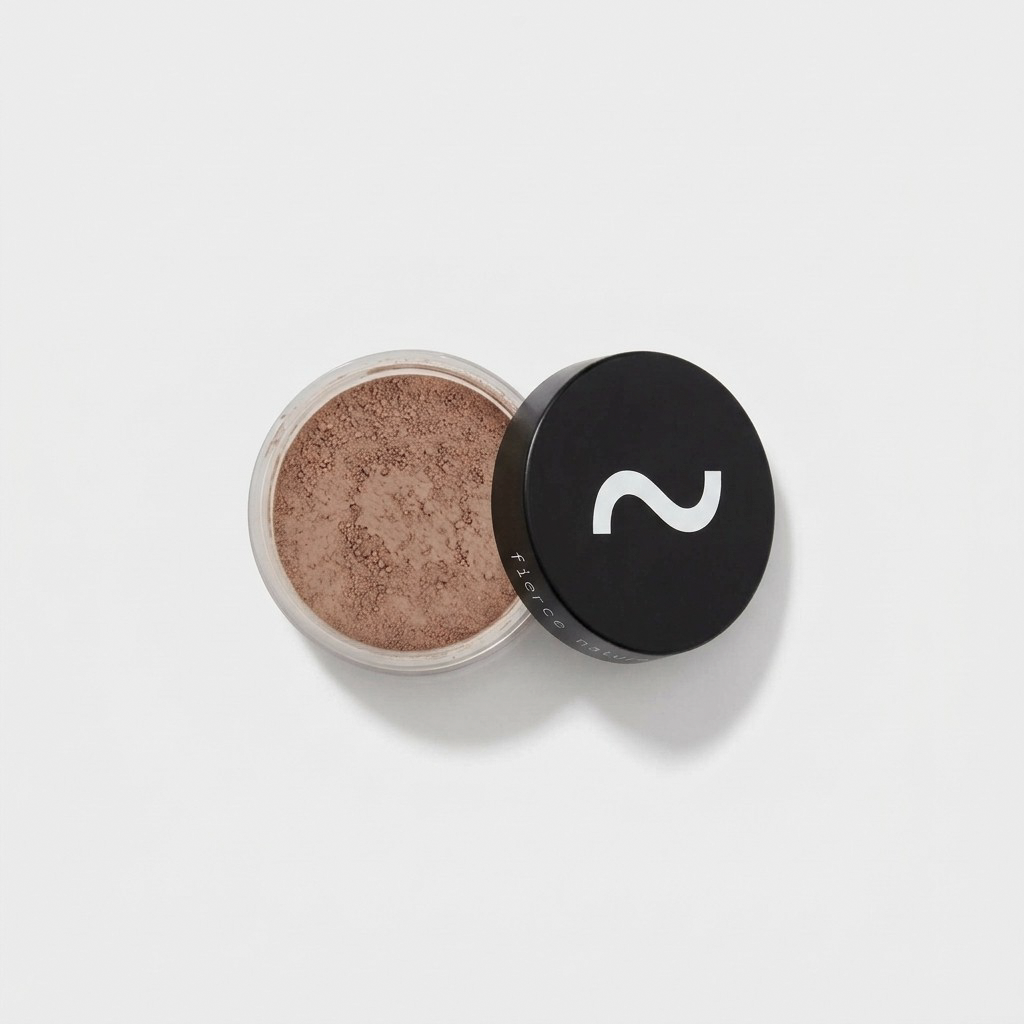
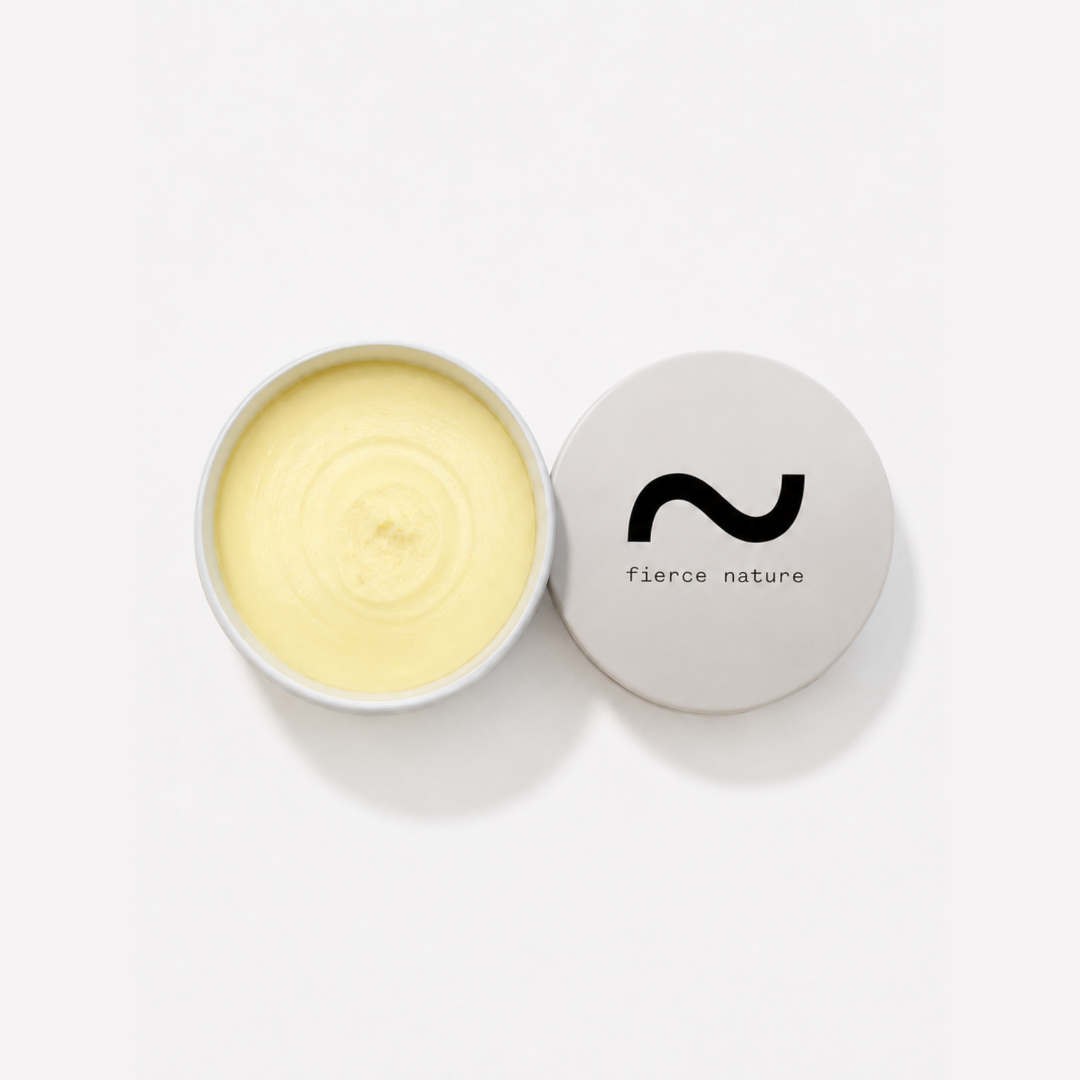
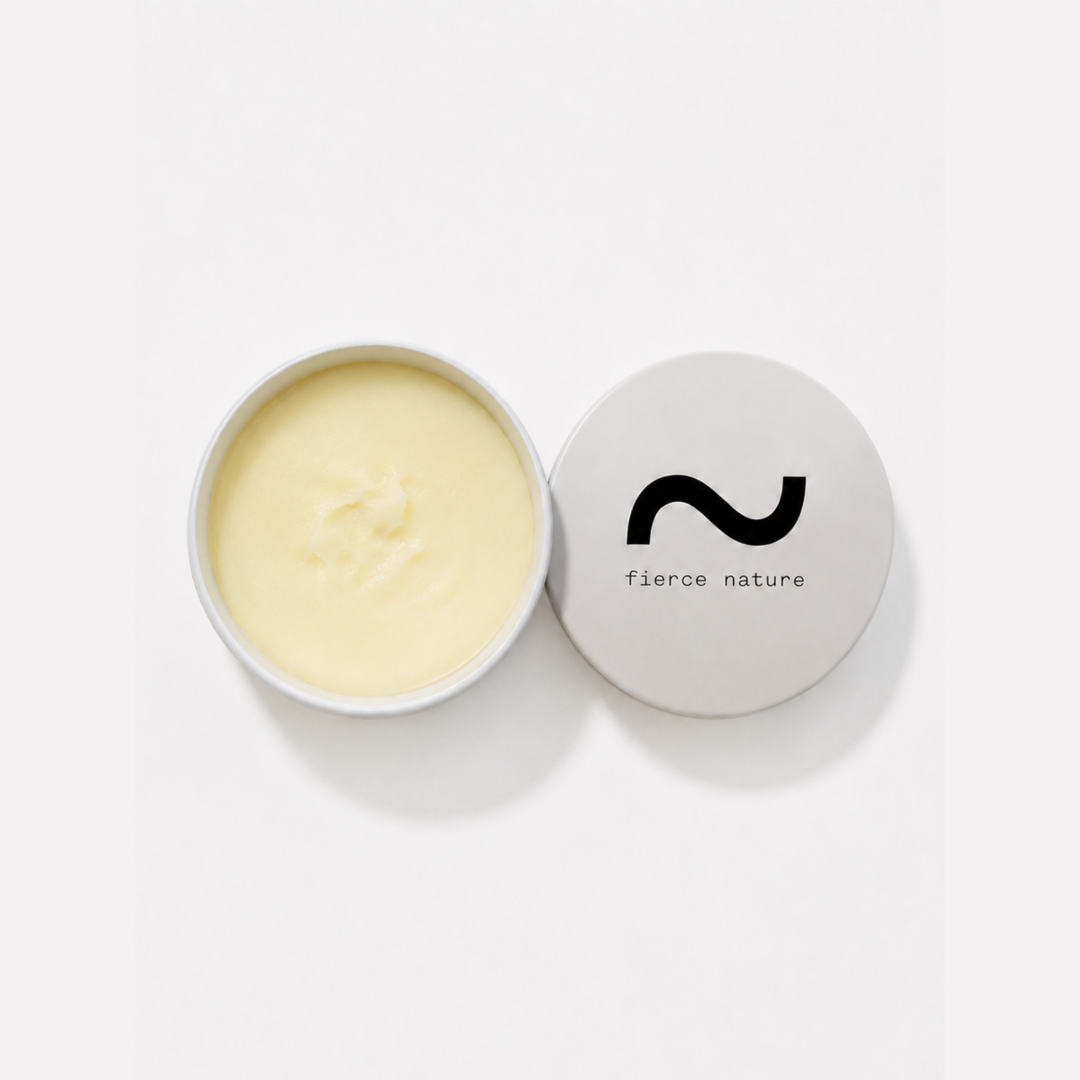
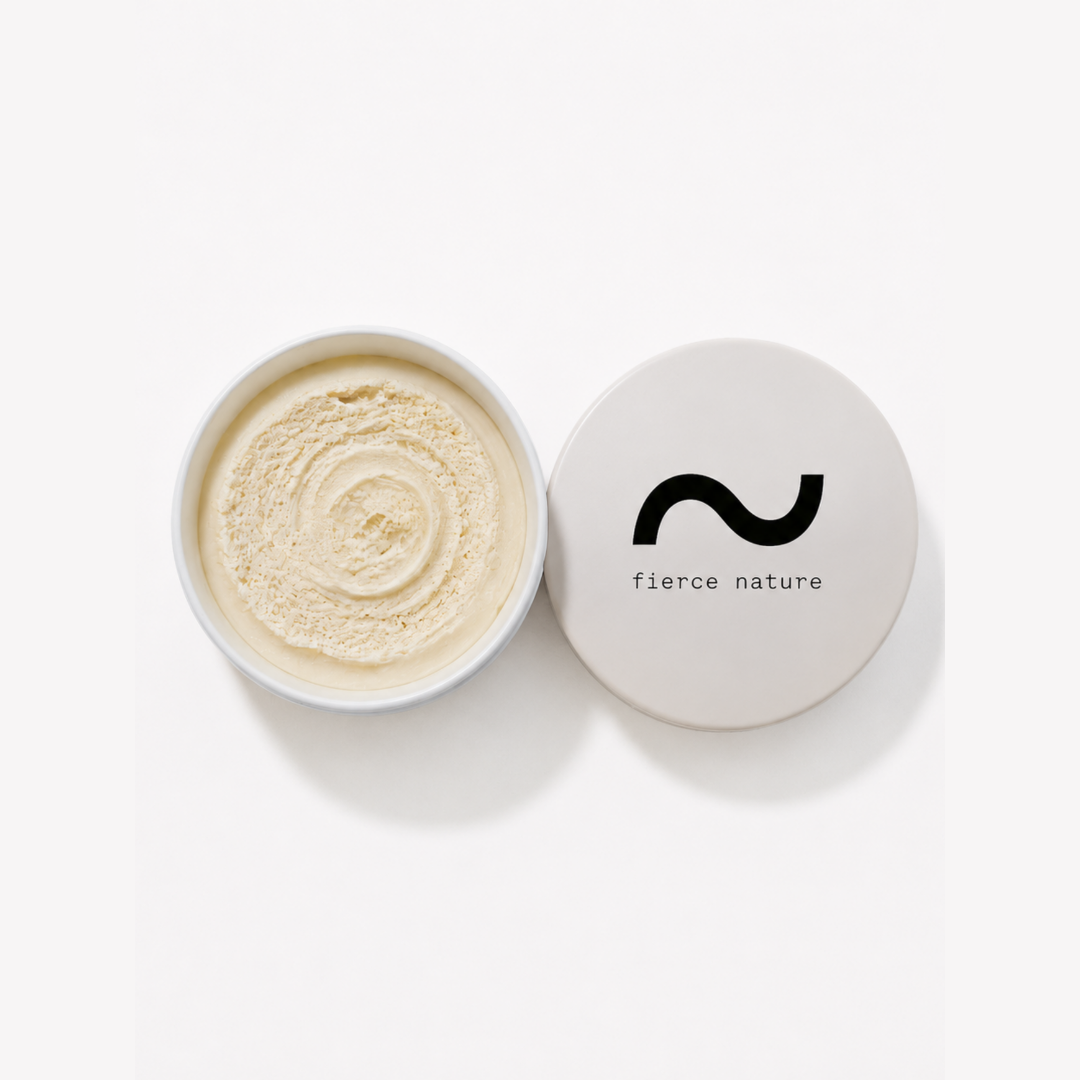
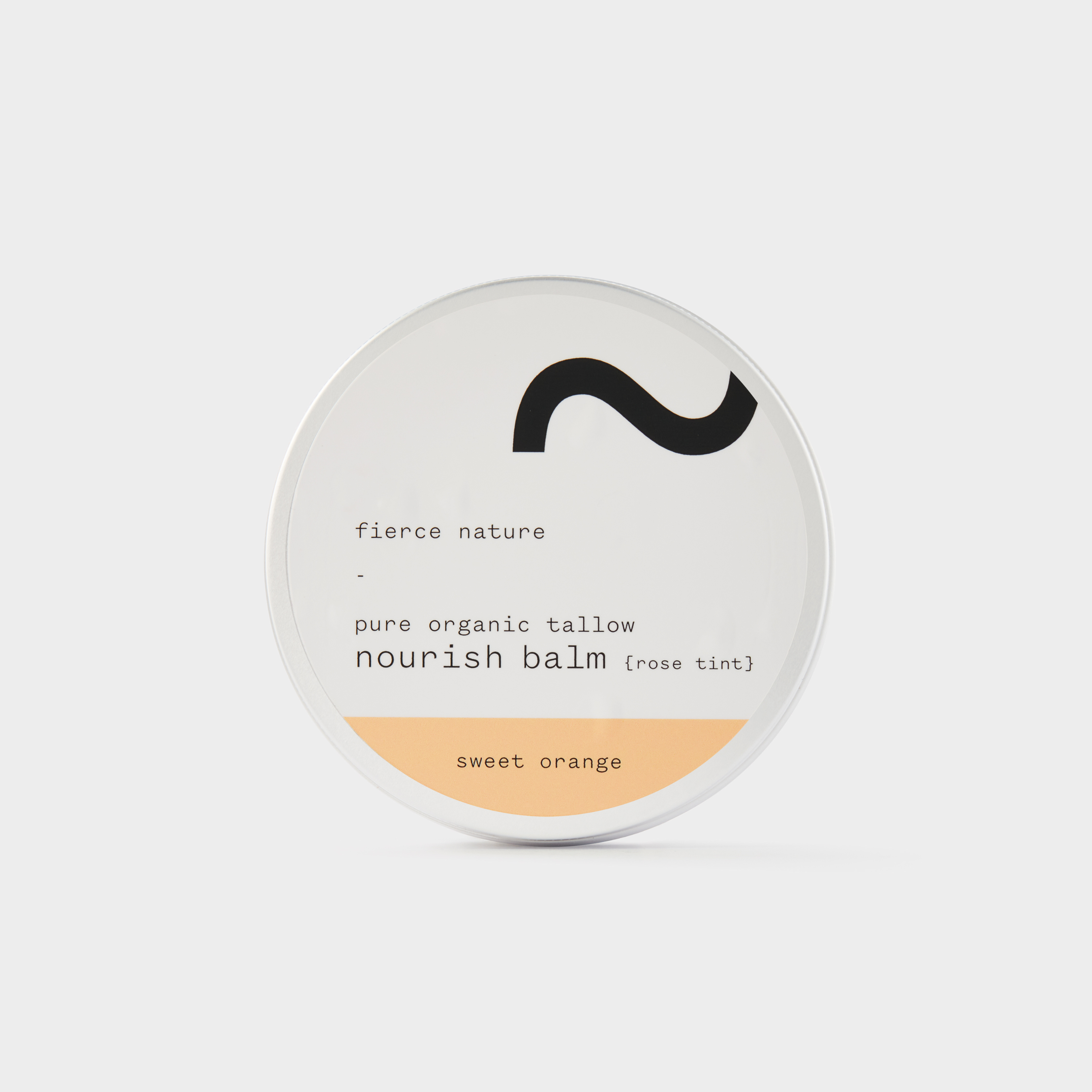

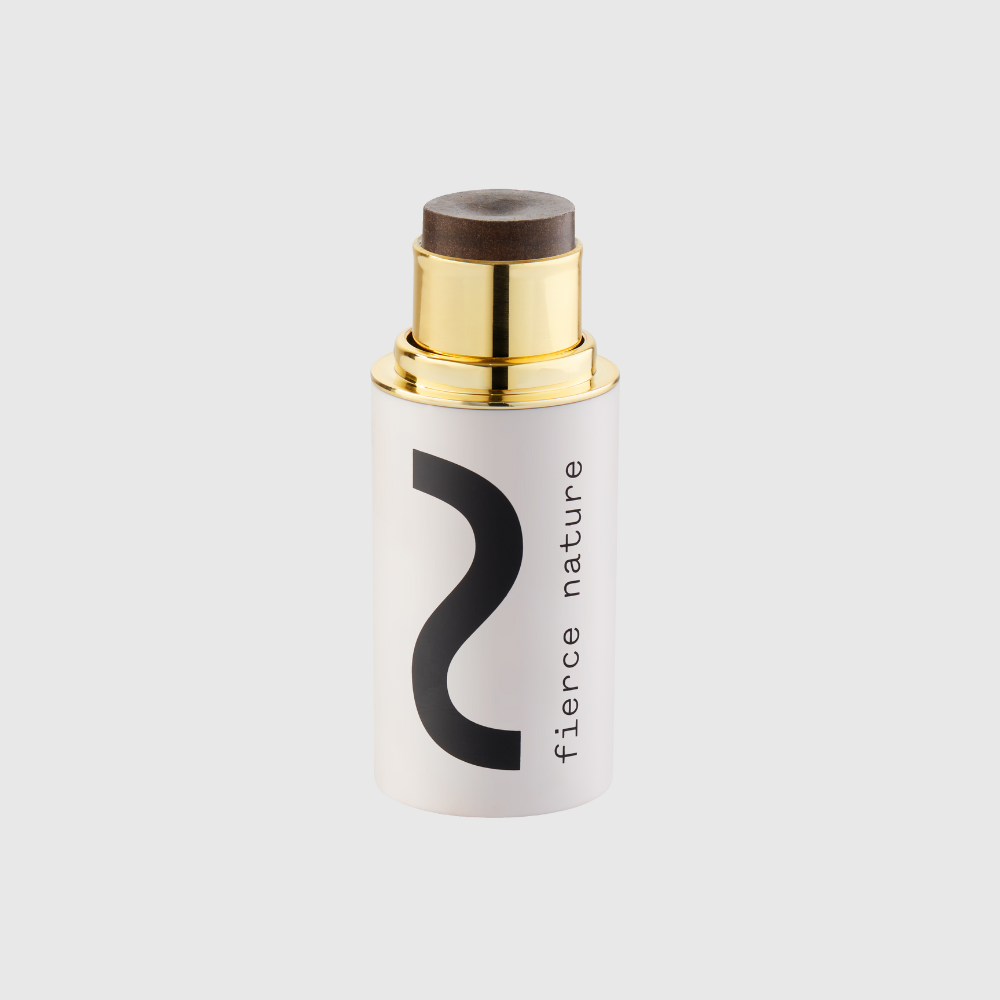
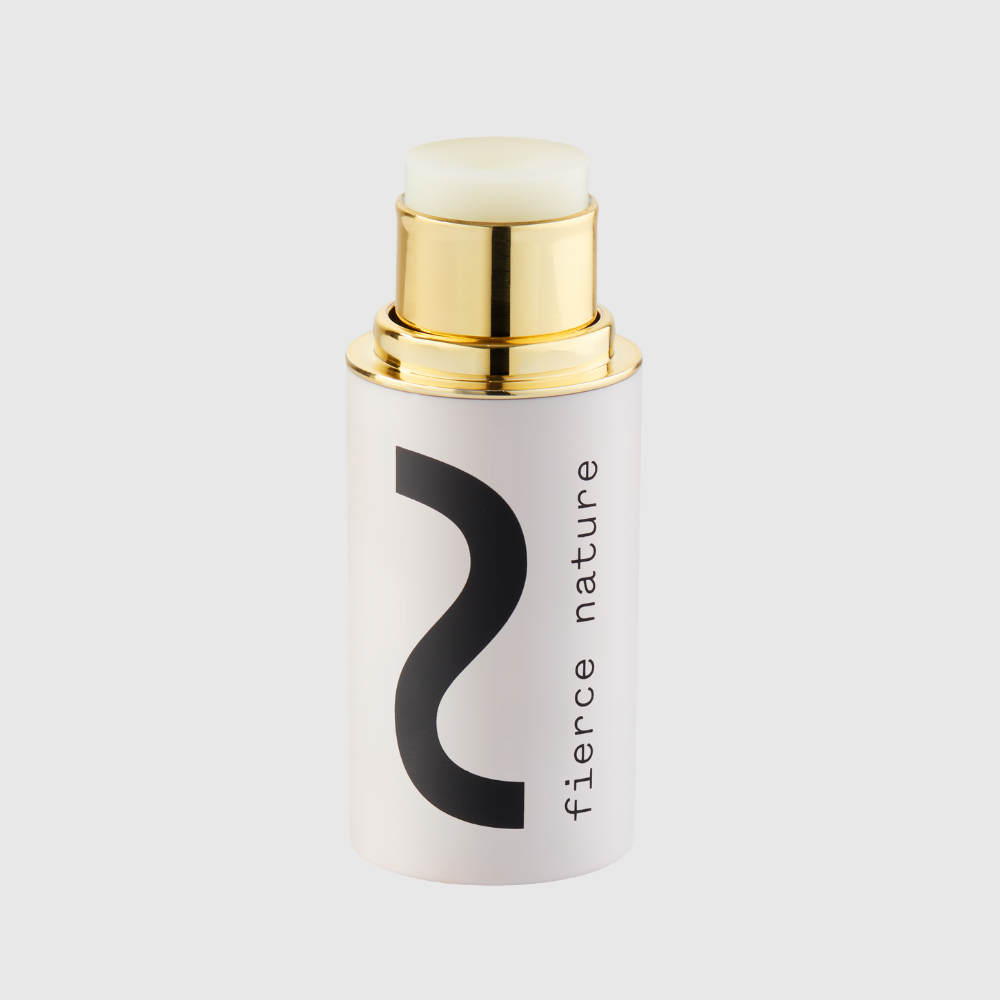
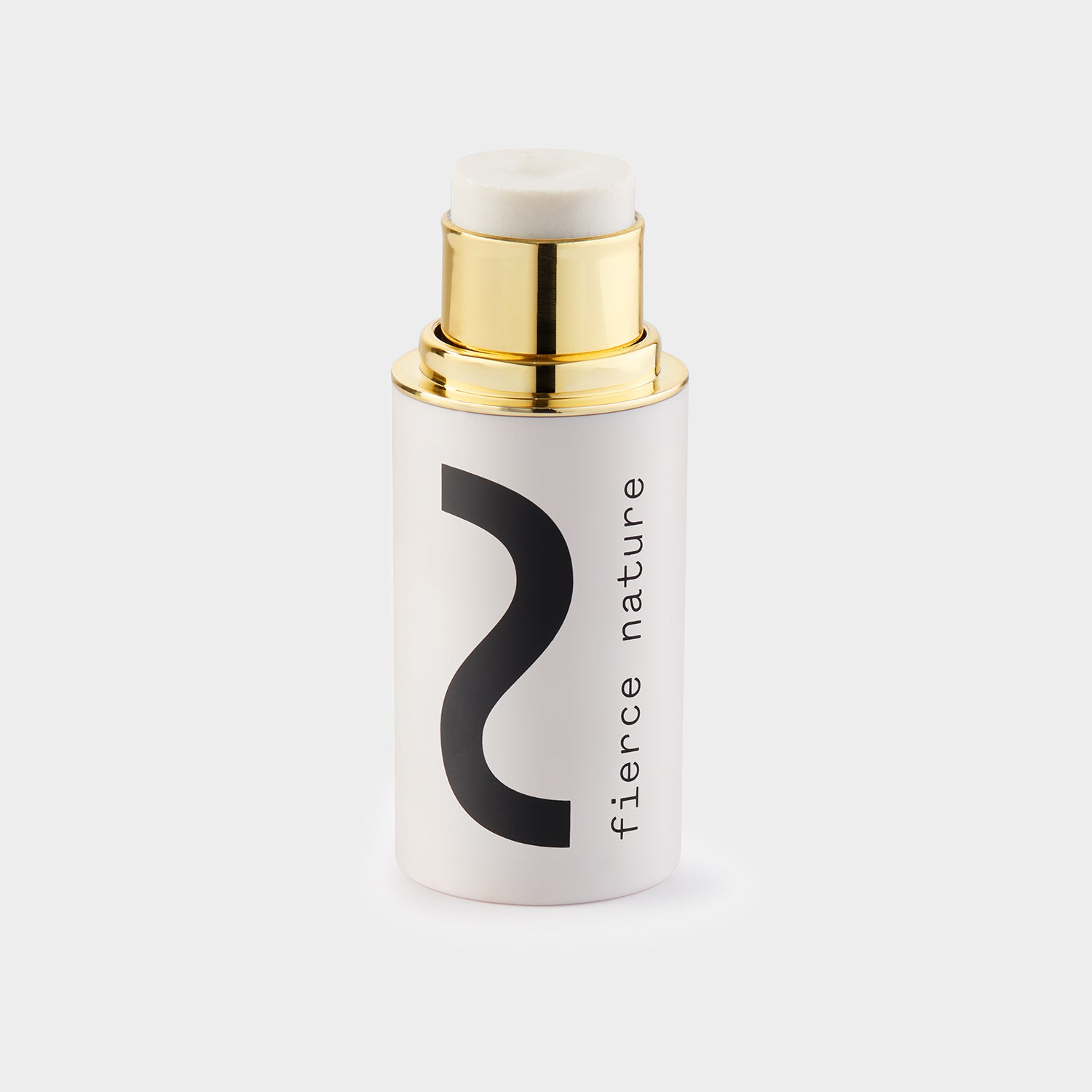
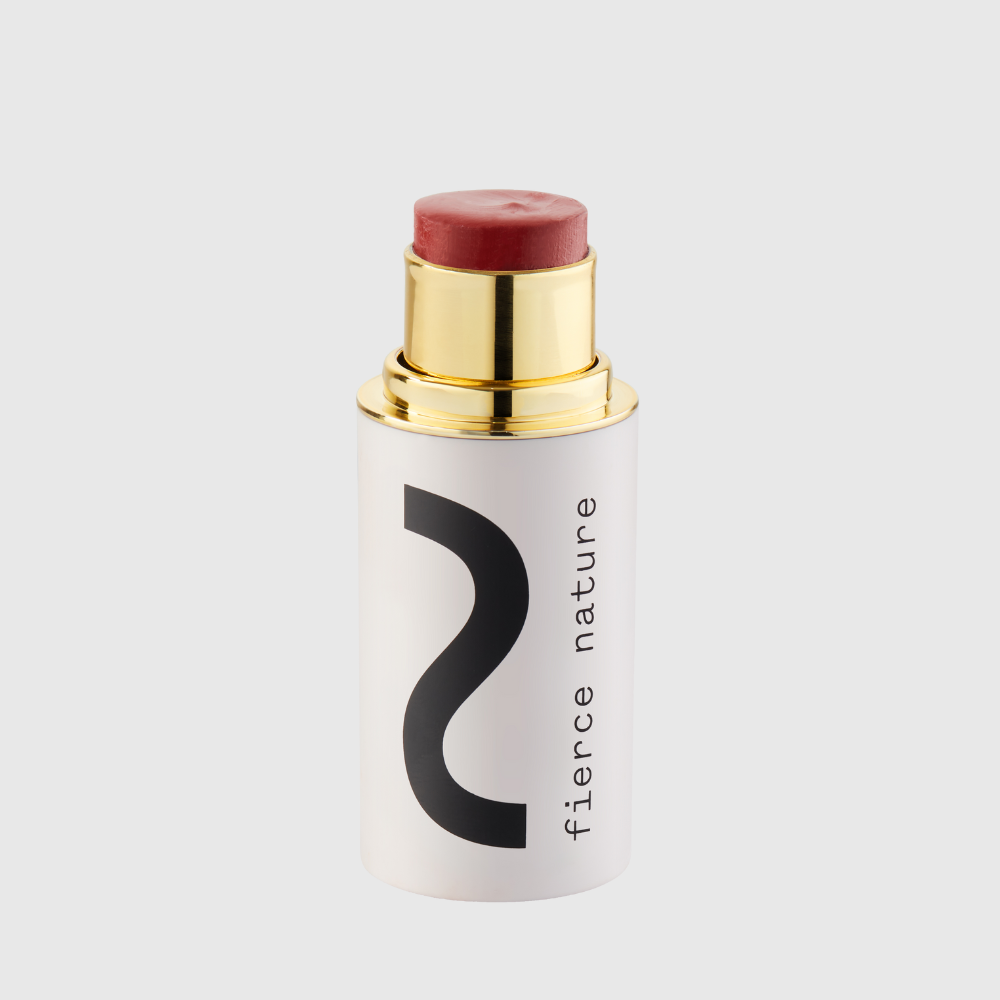




Spray dry shampoo wins on speed and even coverage, making it the better pick for a quick refresh before you dash out the door. Powder dry shampoo wins on oil control and gentleness, so it suits sensitive scalps, thicker or oilier hair, and travel days when you can’t pack an aerosol. Follow the application steps below closely, though, or either format can leave you with visible residue instead of the fresh, weightless finish you’re after.
TL;DR:
Powder dry shampoo generally offers longer-lasting oil control and is gentler for sensitive scalps compared to spray formulas.
Proper application techniques, such as waiting before touching the product and blending thoroughly, are crucial for both formats to avoid residue or white cast.
Non-aerosol powders avoid inhalation and flammability risks, making them more travel-friendly and environmentally sustainable options.
Spray dry shampoo provides fast, even coverage ideal for quick fixes, but requires careful distance and application to prevent clumping and unevenness.
Sensitive scalps or those prone to irritation benefit from powder formulas free of propellants and synthetic preservatives.
What’s actually in dry shampoo, and is it safe for your scalp?
Fierce Nature’s perspective: why we favour non-toxic powder formats
Both formats do the same basic job. They absorb the oil sitting on your scalp so hair looks and feels clean without water. The difference is in how they deliver that oil control, and what trade-offs come with it.
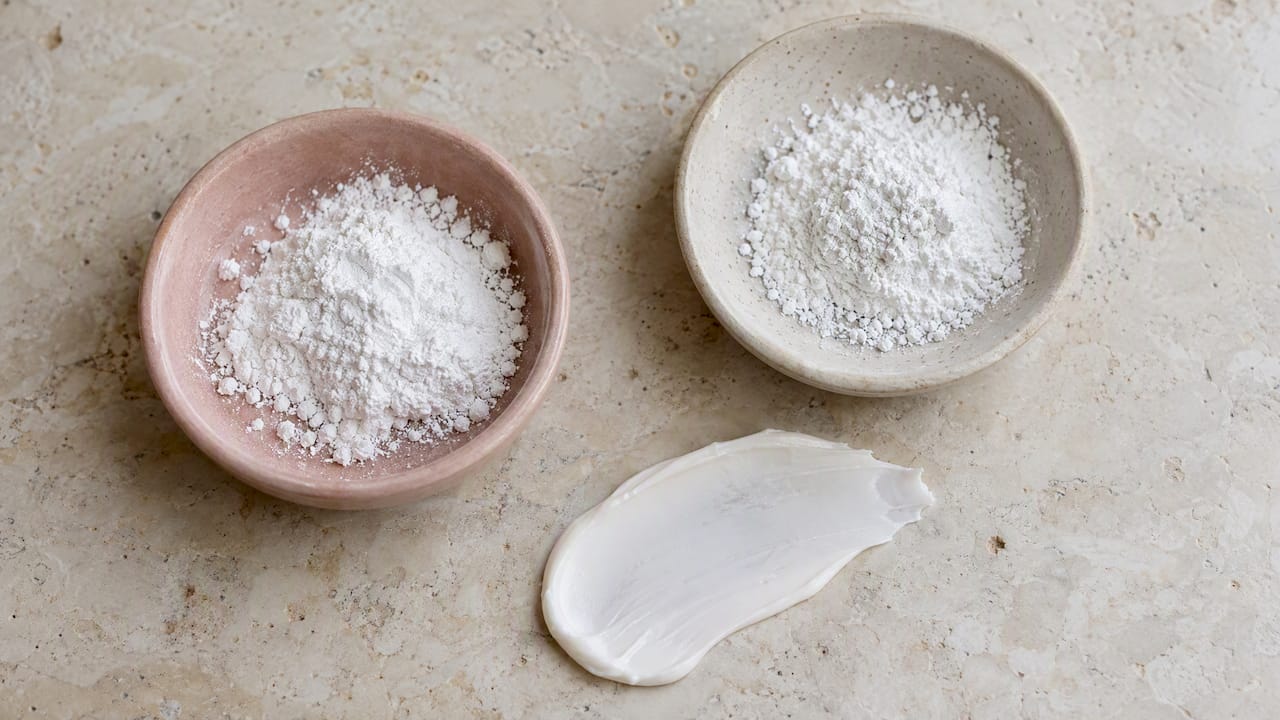
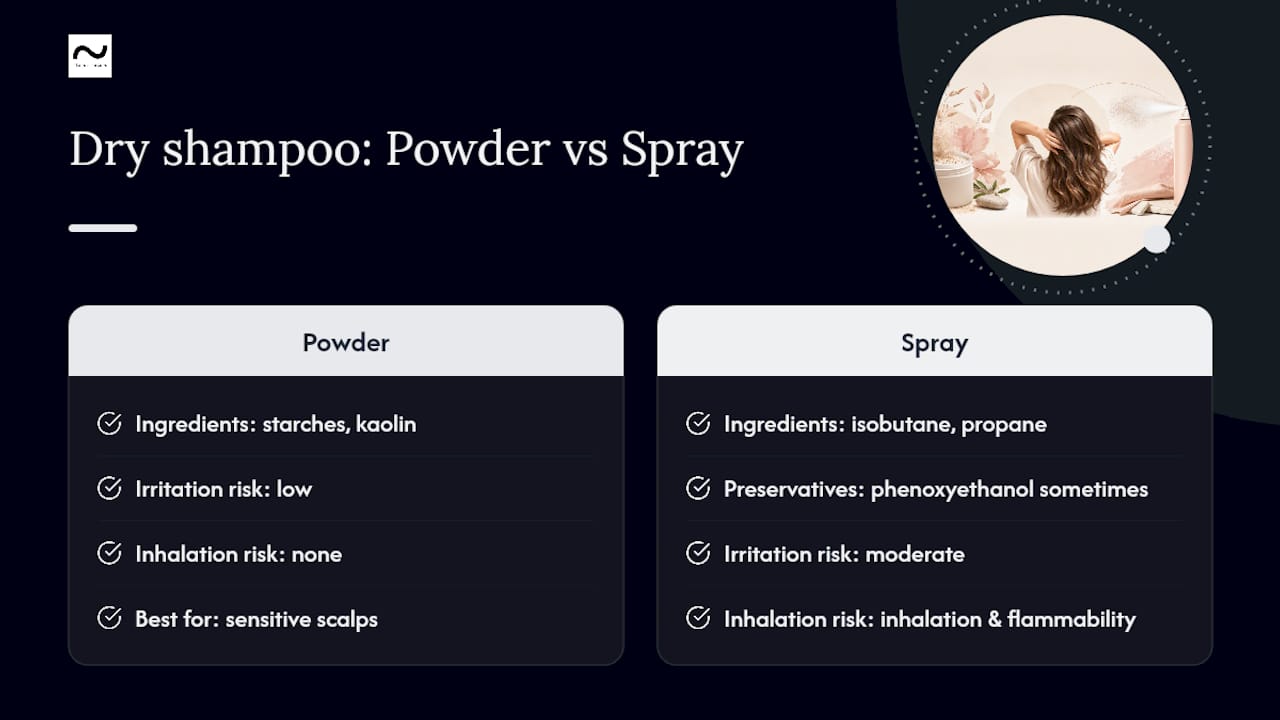
Spray dry shampoo is an aerosol formula, usually powered by propellants like isobutane or propane, that mists a fine layer of oil-absorbing ingredients across your roots. Powder dry shampoo is a non-aerosol format, typically built from absorbent starches (rice, tapioca, cornstarch) or clays such as kaolin, applied directly by hand or with a brush.
Expert reviews consistently find the same pattern: sprays give you fine, even coverage with less visible residue straight after use, while powders tend to score higher on how long they keep oil at bay. Small comparative tests back this up. Sprays generally keep hair feeling fresh for several hours, while powders can extend that freshness for a somewhat longer period depending on how oily your scalp runs.
Here’s how the two stack up across the factors that actually matter day to day:
Oil control and longevity: Powder usually lasts longer; spray is effective but often needs a top-up sooner.
White cast and residue: Spray leaves less visible residue immediately; powder needs proper blending to avoid a chalky look.
Ease and speed: Spray is faster for full-head refreshes; powder is better for targeted root touch-ups.
Scalp sensitivity: Powder without fragrance or propellants tends to suit reactive scalps better.
Travel-friendliness: Powder avoids aerosol restrictions entirely; spray does not.
If you want a five-second fix before a meeting, reach for spray. If you’re managing a sensitive scalp, thick roots, or a long flight, powder is the steadier choice.
Technique matters more than the format itself. Most disappointing results, whether that’s a white cast, a wet patch, or hair that still looks flat, come down to application, not the product.
For spray:
Shake the can well before every use.
Hold it 15 to 25 centimetres from your scalp, never closer.
Apply in short bursts along your roots and parting, not a continuous spray.
Massage the product through with your fingertips.
If you can, give roots a short blast with a cool blow-dryer to disperse any residue fully.
For powder:
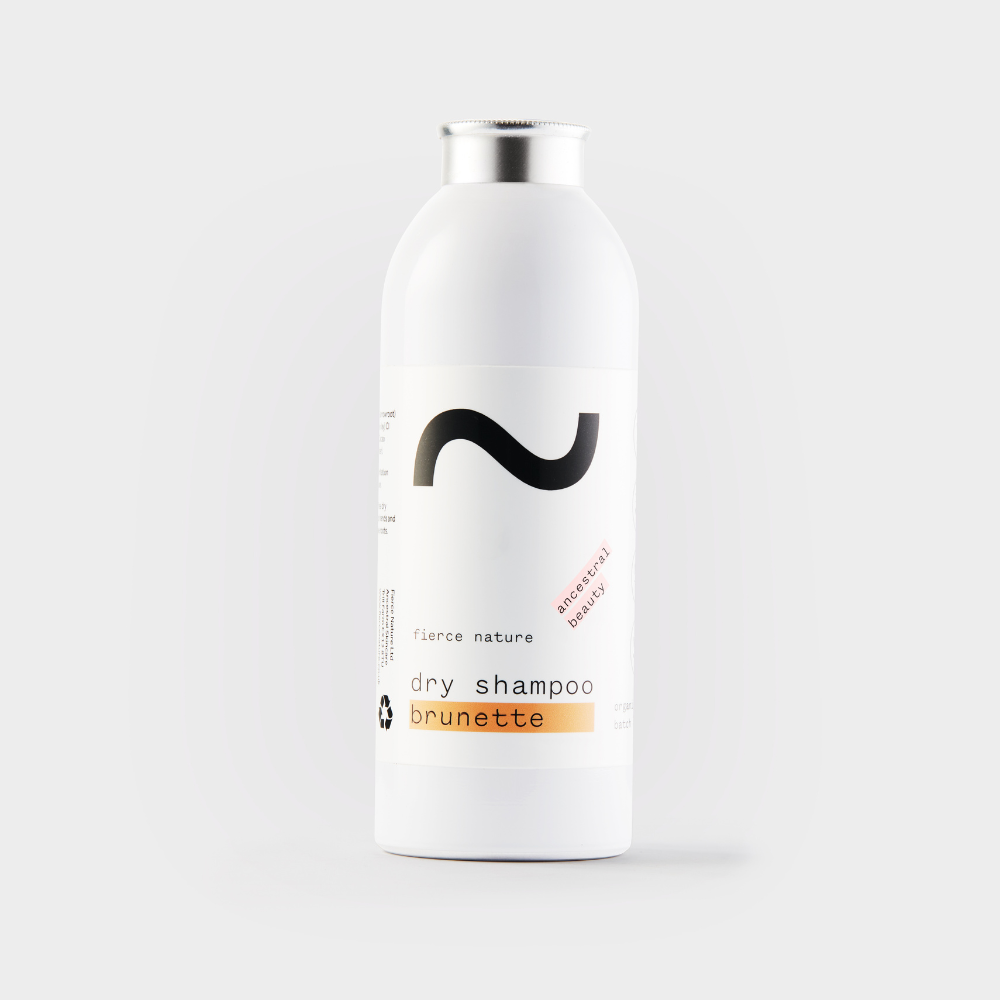
Tap or puff a small amount directly onto your part and roots. A little goes further than you’d think.
Wait 30 to 60 seconds before touching your hair. This gives the starch time to absorb oil properly rather than sitting on top of it.
Massage it in with your fingers, then brush through to distribute and lift away any excess.
For dark hair, apply powder the night before or use a tinted version, then brush it through before you leave the house. This gives the product time to settle and blend rather than sitting visibly on strands.
Pro Tip: If you’re using powder on dark roots and have no tinted option, warm a small amount between your fingers first. It helps the product blend into the scalp rather than sitting as a pale layer on top.
The mistakes that cause most complaints: spraying too close to the scalp (which causes wet patches and clumping), overloading powder in one spot instead of tapping it in gradually, and using either format on a scalp that’s already irritated or broken. If your scalp is inflamed, flaking, or sore, skip the dry shampoo and wash properly instead. Dry shampoo is a stopgap, not a substitute for regular cleansing.
Powder formulas usually rely on absorbent starches like rice, tapioca, and cornstarch, or clays such as kaolin. These ingredients are well tolerated and effective at pulling oil away from the scalp, which is part of why non-fragranced, propellant-free powders are often recommended for sensitive or reactive scalps.
Sprays carry a different ingredient profile. Most rely on propellants like isobutane and propane to create the aerosol mist, and ingredient databases flag these for inhalation and flammability concerns worth taking seriously if you use dry shampoo often or in a small bathroom. Some spray and liquid formulas also include preservatives like phenoxyethanol, which ingredient reviews note as a moderate concern for sensitive skin when left in prolonged contact with the scalp.
Clinical literature on scalp health draws a clear line: prolonged product buildup on the scalp is linked to follicle congestion and inflammation in people who are already prone to it. That’s not a reason to panic, but it is a reason to treat dry shampoo as an in-between solution, not a daily replacement for washing.
Worth knowing: talc was once the standard powder ingredient industry-wide, but starch-based alternatives have largely replaced it, and are generally considered the gentler option.
Three practical safety habits go a long way here: use aerosols in a ventilated space and avoid inhaling the mist directly, patch-test any new formula on a small area of scalp first, and don’t let dry shampoo (of either format) replace washing for more than a day or two at a stretch.
Your hair’s texture, thickness, and colour should decide the format, not the other way round.
Fine hair: Spray tends to work better here. It distributes lightly without weighing roots down, and gives a subtle lift that powder can sometimes overdo.
Thick or very oily hair: Powder usually wins. Its stronger, longer-lasting oil absorption suits scalps that produce more sebum.
Curly or textured hair: Spray often distributes more evenly through coils and waves, reducing the risk of powder residue getting trapped between strands.
Dark hair: Either format can work, but timing and technique matter. Apply at night, use a tinted powder, or brush thoroughly before leaving the house to avoid visible cast.
Extensions: Powder can be tricky here, as it’s harder to fully brush out from wefts or bonds. A light spray application, well blended, is usually the safer route.
If you fly with any regularity, this matters more than you’d think. Aerosol dry shampoo counts as a pressurised container, so airline carry-on rules apply, and it’s worth checking your specific carrier’s current limits before you pack one for a long trip.
Beyond travel logistics, there’s a sustainability angle too. Aerosol propellants carry flammability and environmental caveats that non-aerosol formats simply avoid.
Non-aerosol powders sidestep airline liquid and pressurised-container restrictions entirely.
Powders carry no propellant, which removes the flammability risk that comes with pressurised cans.
Refillable or minimal-packaging powder formats tend to generate less packaging waste over time than disposable aerosol cans.
For frequent flyers or anyone trying to cut down on aerosol use generally, powder is usually the simpler, lower-impact choice.
We started Fierce Nature because mainstream skincare made promises it never kept, and because sensitive skin taught us early on to read labels properly rather than trust the packaging. That same scrutiny shaped how we think about dry shampoo. A product that sits on your scalp for hours deserves the same ingredient standard as anything you’d put on your face.
Powder formats fit that philosophy well. Without propellants or heavy preservative loads, they give sensitive scalps a gentler option, and they pair naturally with the tallow-based approach we use elsewhere in our range, where simple, naturally sourced ingredients do the work rather than synthetic shortcuts. We’d rather a formula work with your scalp than mask what’s underneath it.
We’re not saying spray is wrong for everyone. We’re saying that if your scalp reacts easily, the powder route deserves a fair trial first.
— Fierce Nature
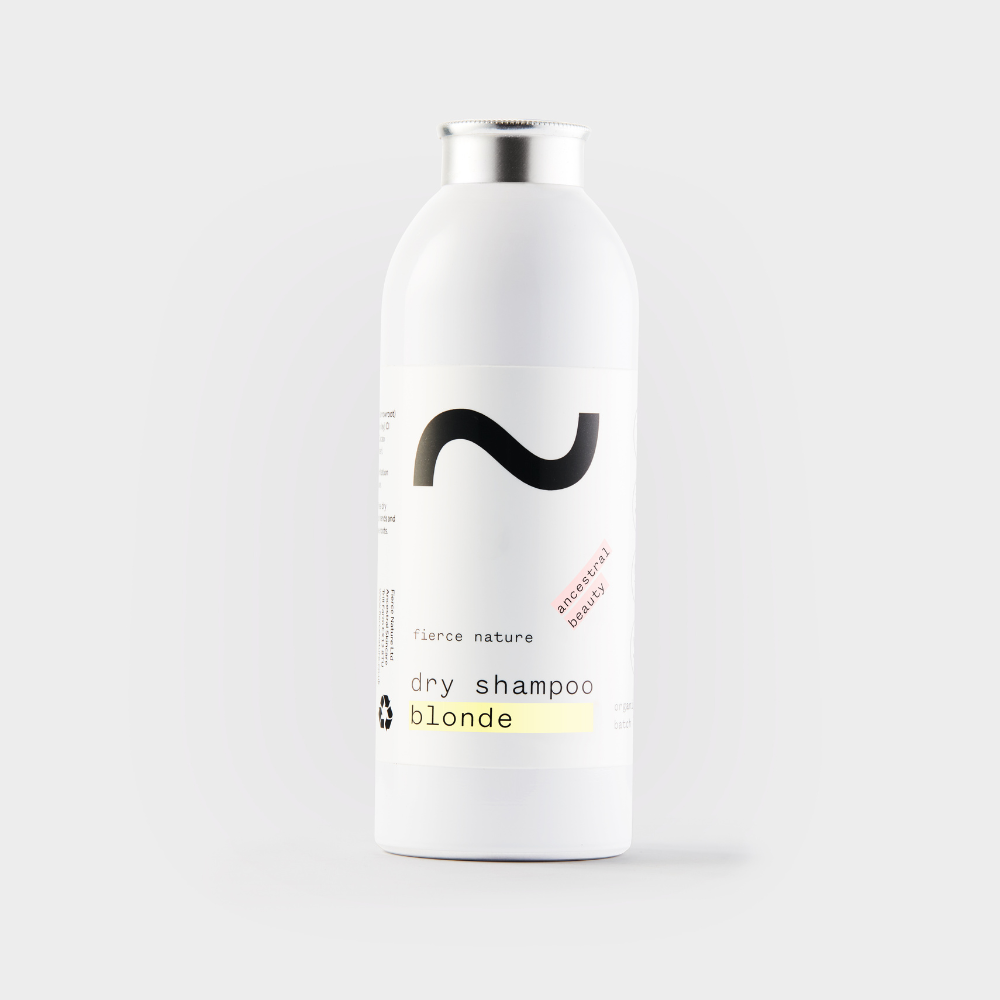
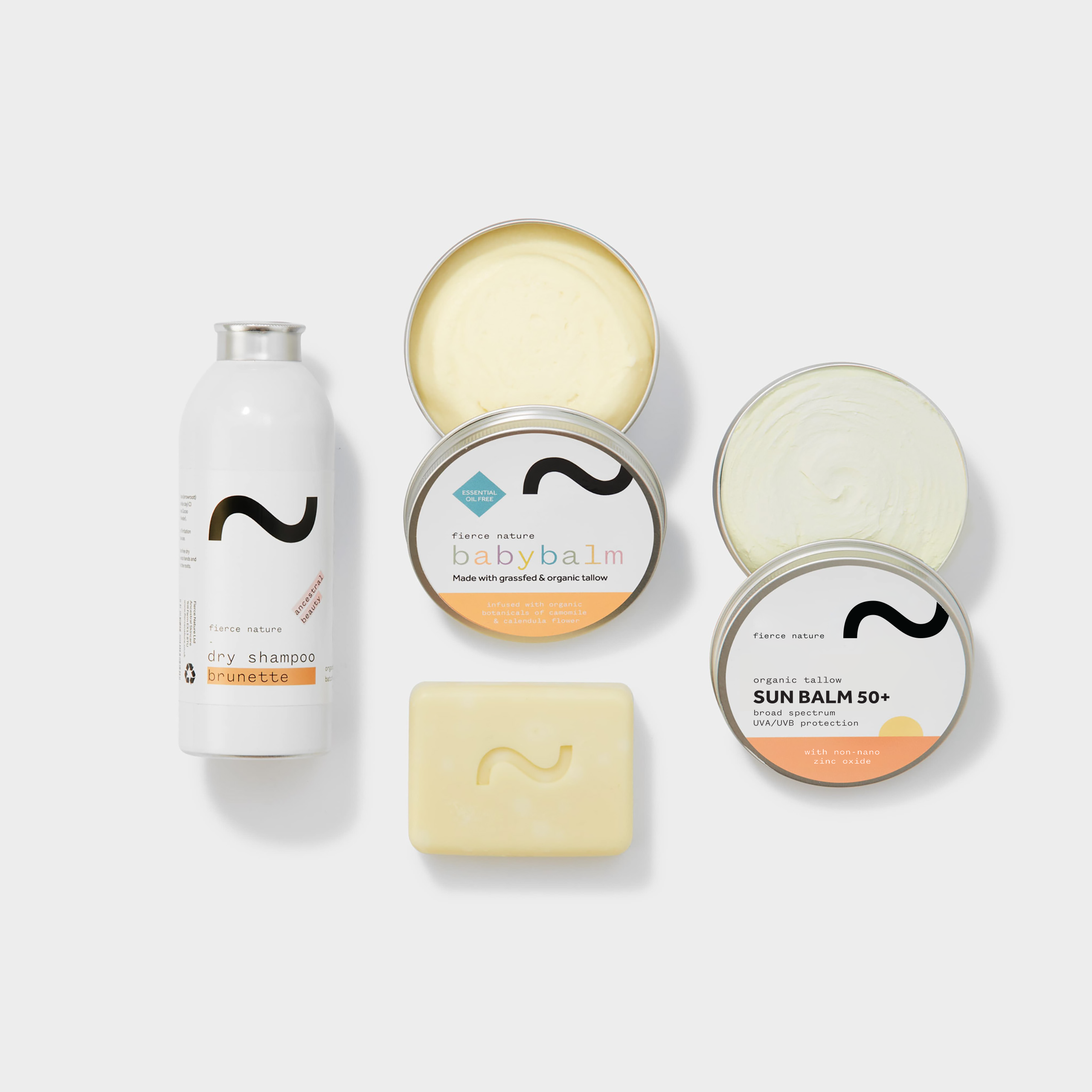
If sensitive scalps and residue concerns have put you off dry shampoo altogether, a non-aerosol powder built without propellants or heavy preservatives is worth a proper trial. Fierce Nature’s powder dry shampoo is designed to absorb oil at the root while staying gentle enough for reactive scalps, using the same naturally sourced approach behind our balms and bars.
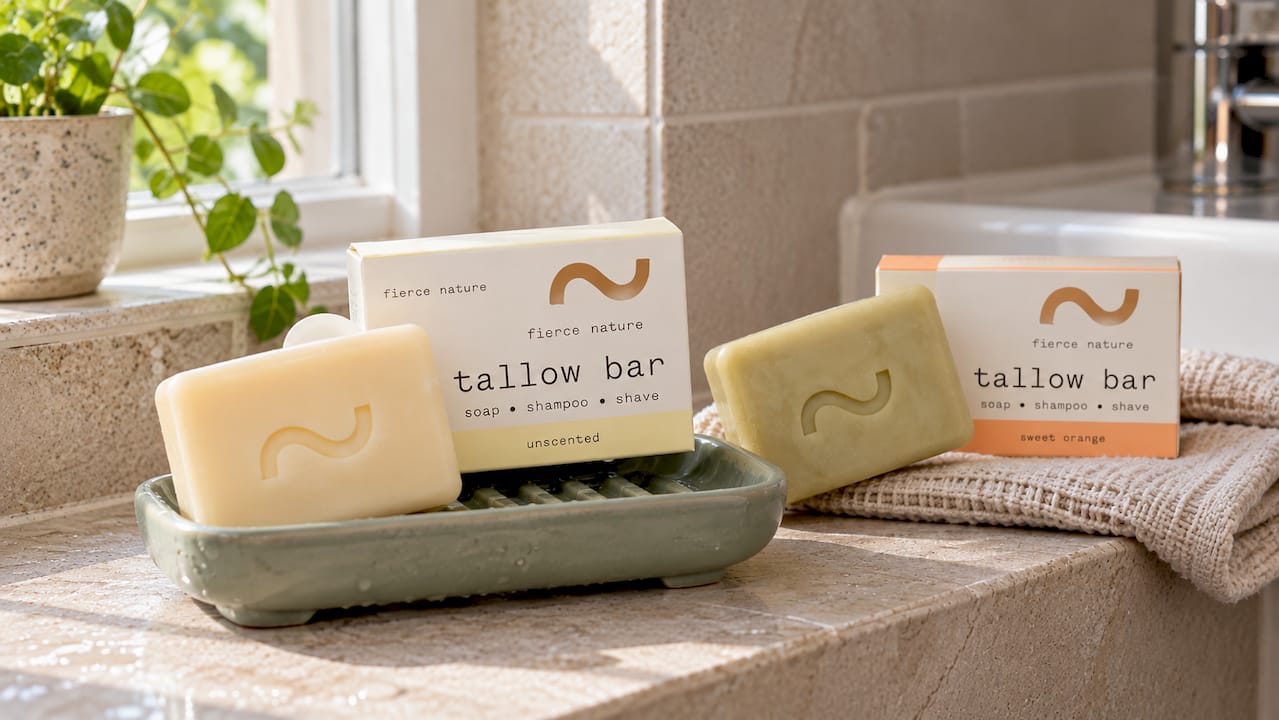
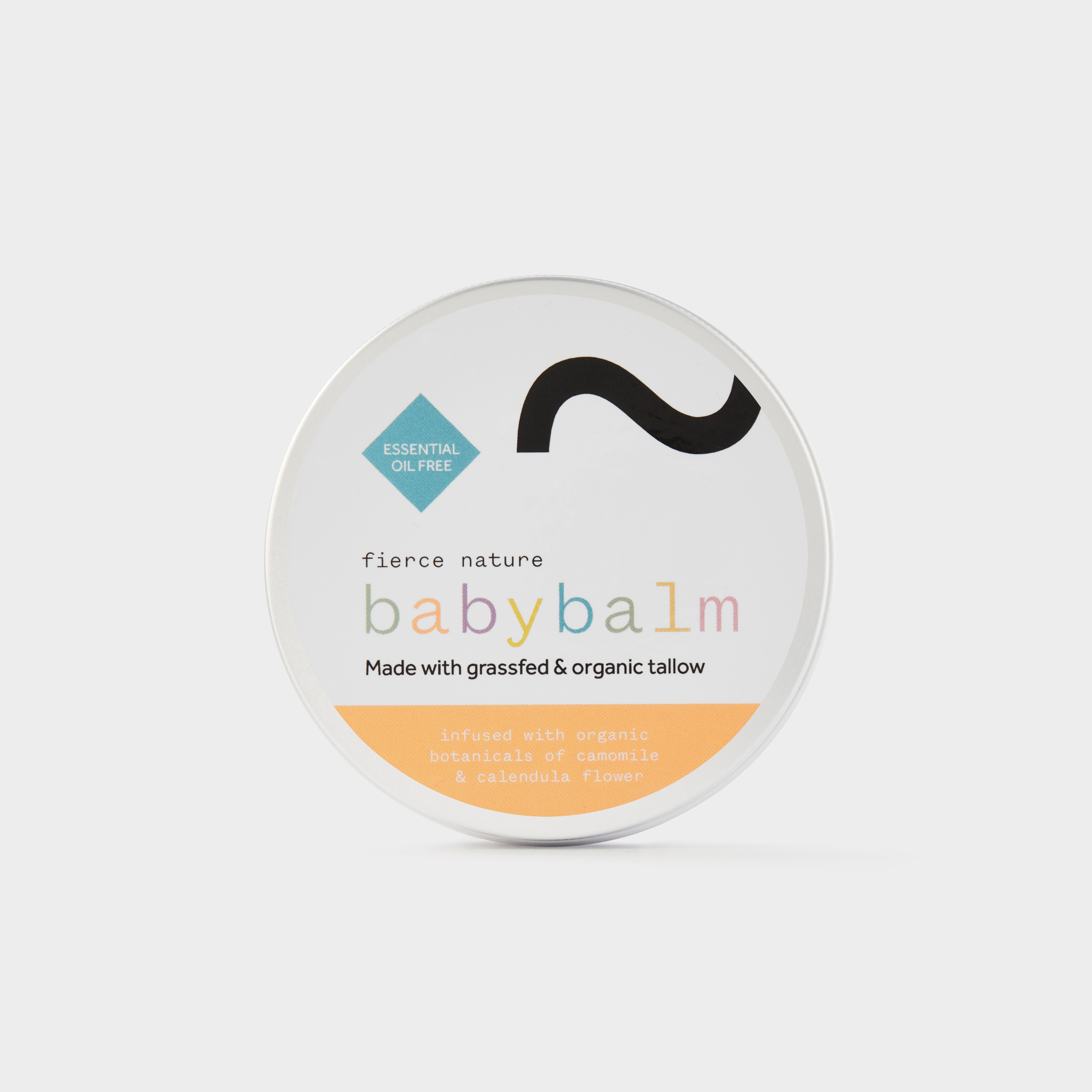
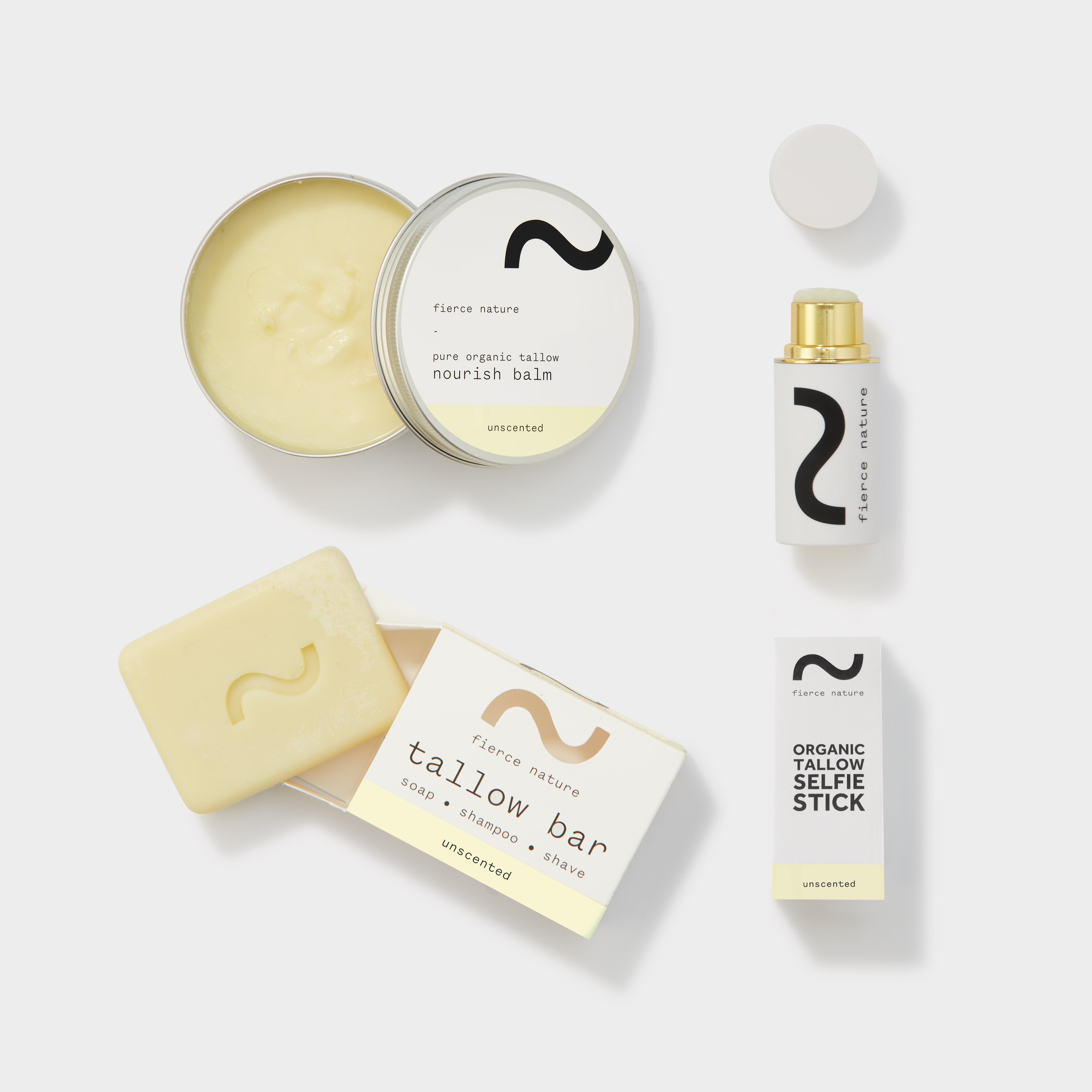
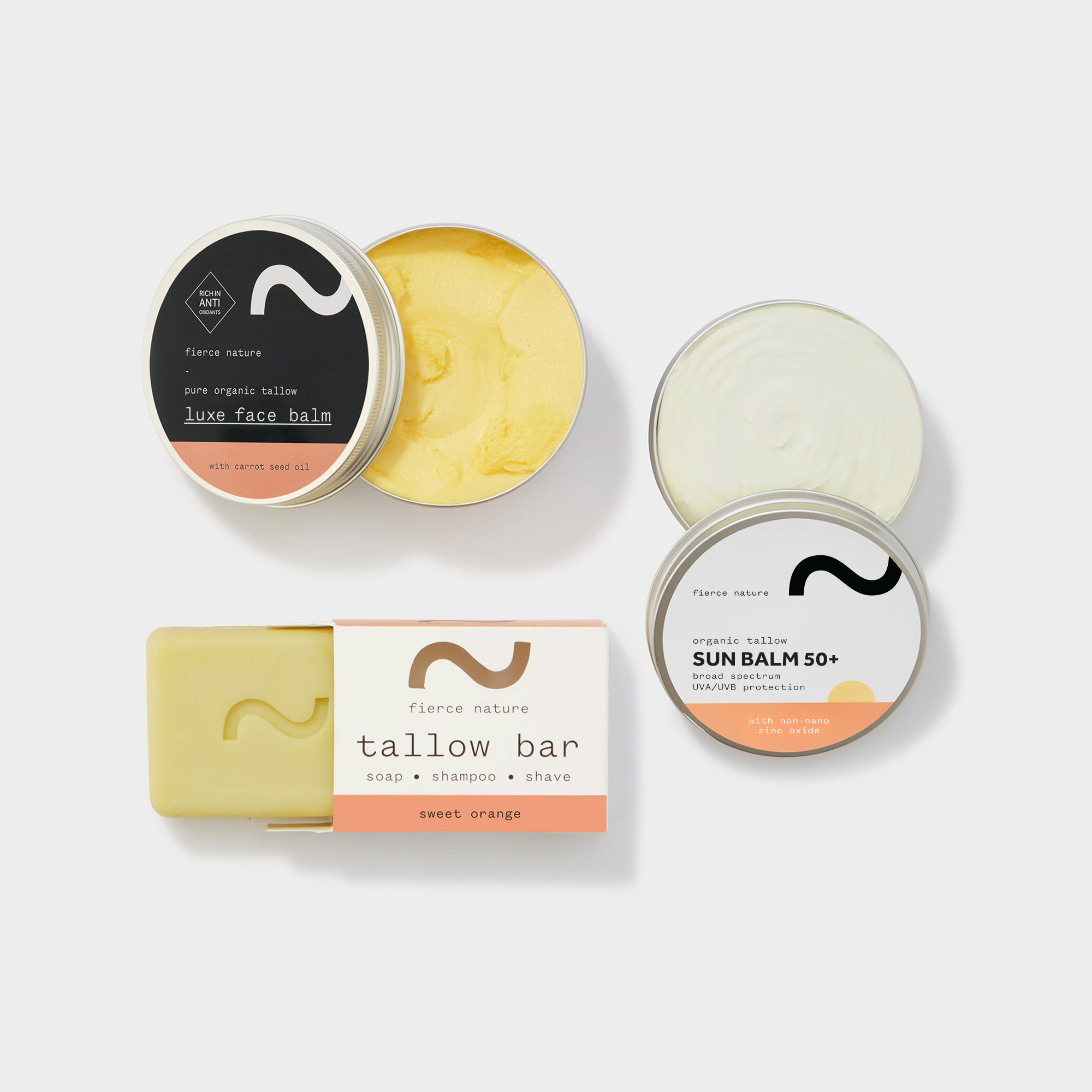
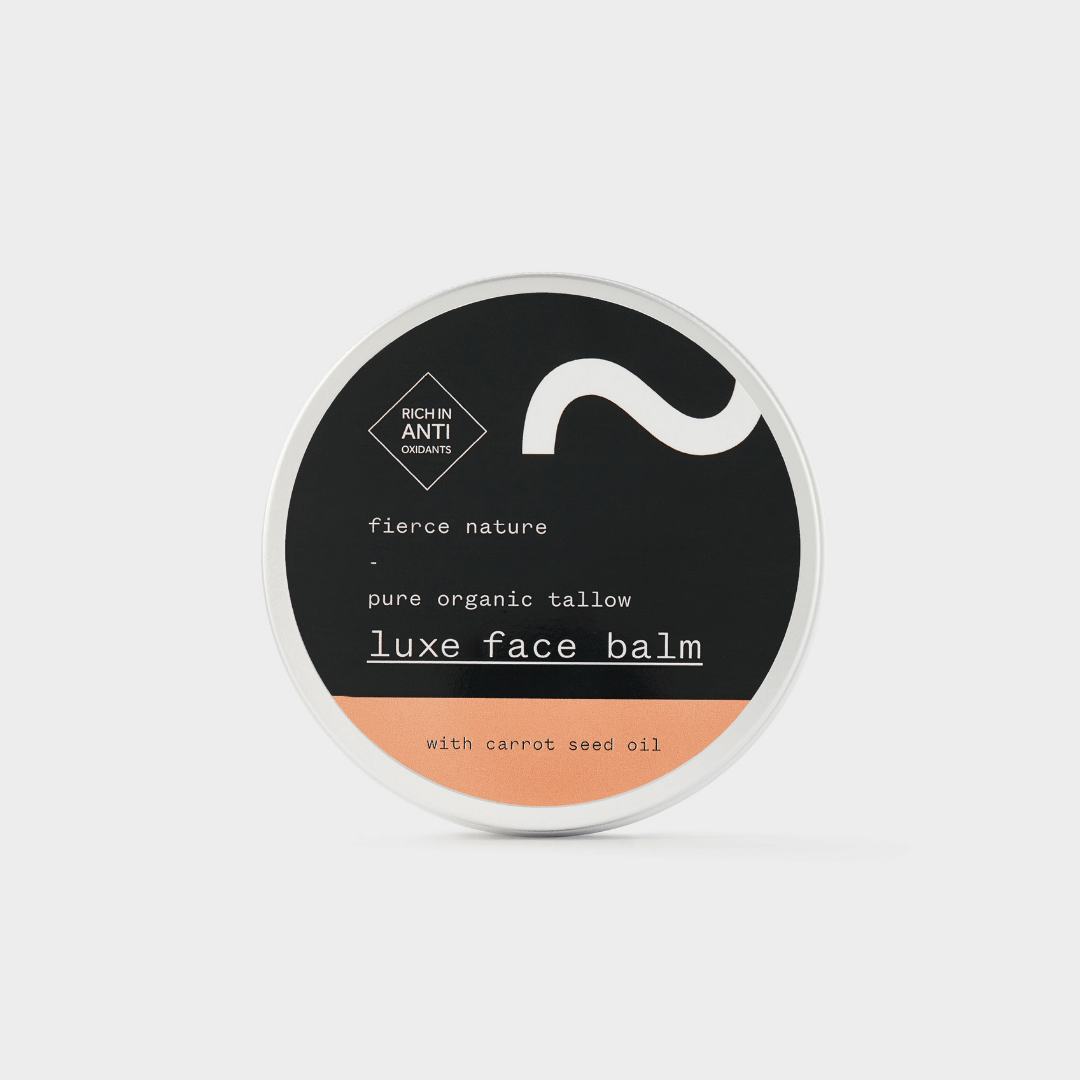
It pairs naturally with the rest of a simple routine: our Multi-Use Tallow Bar for cleansing skin without stripping it, and the Luxe Balm for daily nourishment between washes. If you’re setting up a wider natural routine for little ones too, the Baby Balm uses the same tallow-based philosophy.
Start small. Patch-test a little powder at your hairline first, then apply it properly at the roots on your next no-wash day. You’ll feel the difference before you see it.
“No poo” refers to reducing or stopping the use of traditional shampoo, often replacing it with dry shampoo, water-only washing, or gentler cleansers to let the scalp’s natural oil balance settle over time.
Apply spray 15 to 25 centimetres from the scalp in short bursts, then massage it in; apply powder directly at the roots, wait 30 to 60 seconds, then massage and brush through. Both formats work best on roots only, not lengths.
Non-aerosol powders made from starches like rice or cornstarch, without propellants or heavy fragrance, are generally considered the gentler option for reactive or sensitive scalps compared with aerosol sprays.
Yes, spray dry shampoo is effective for quick, even oil absorption and tends to leave less visible residue immediately after use, though it typically doesn’t last as long as powder before oil returns.