Cart
0
80% Also Added this






Newborn skin peeling is usually normal and rarely needs treatment beyond gentle care. It is your baby shedding the outer layer left over from the womb, and it typically settles by around 28 days. The safest immediate step is to clean with lukewarm water only, resist the urge to peel or pick at flaking skin, and apply a fragrance-free emollient only if the skin looks genuinely dry or cracked. If you see bleeding, oozing, or your baby has a fever, seek advice from your GP or health visitor rather than waiting it out.
TL;DR:
Most newborn skin peeling is normal and resolves on its own by around 28 days, requiring only gentle cleansing and minimal intervention.
Limit baths to a few lukewarm minutes weekly, pat the skin dry, and apply a fragrance-free emollient only if the skin appears dry or cracked.
Use plain water for bathing in the first few weeks, avoiding soap and scrubbing, and prefer alcohol-free, fragrance-free wipes for quick cleans.
Moisturize only beyond the first month if dryness persists or skin shows cracks, choosing thicker, scent-free products and avoiding vegetable oils.
Seek medical advice if the skin cracks, oozes, spreads rapidly, or remains red and flaky after several weeks.
Why tallow-based balms can support skin after the newborn stage
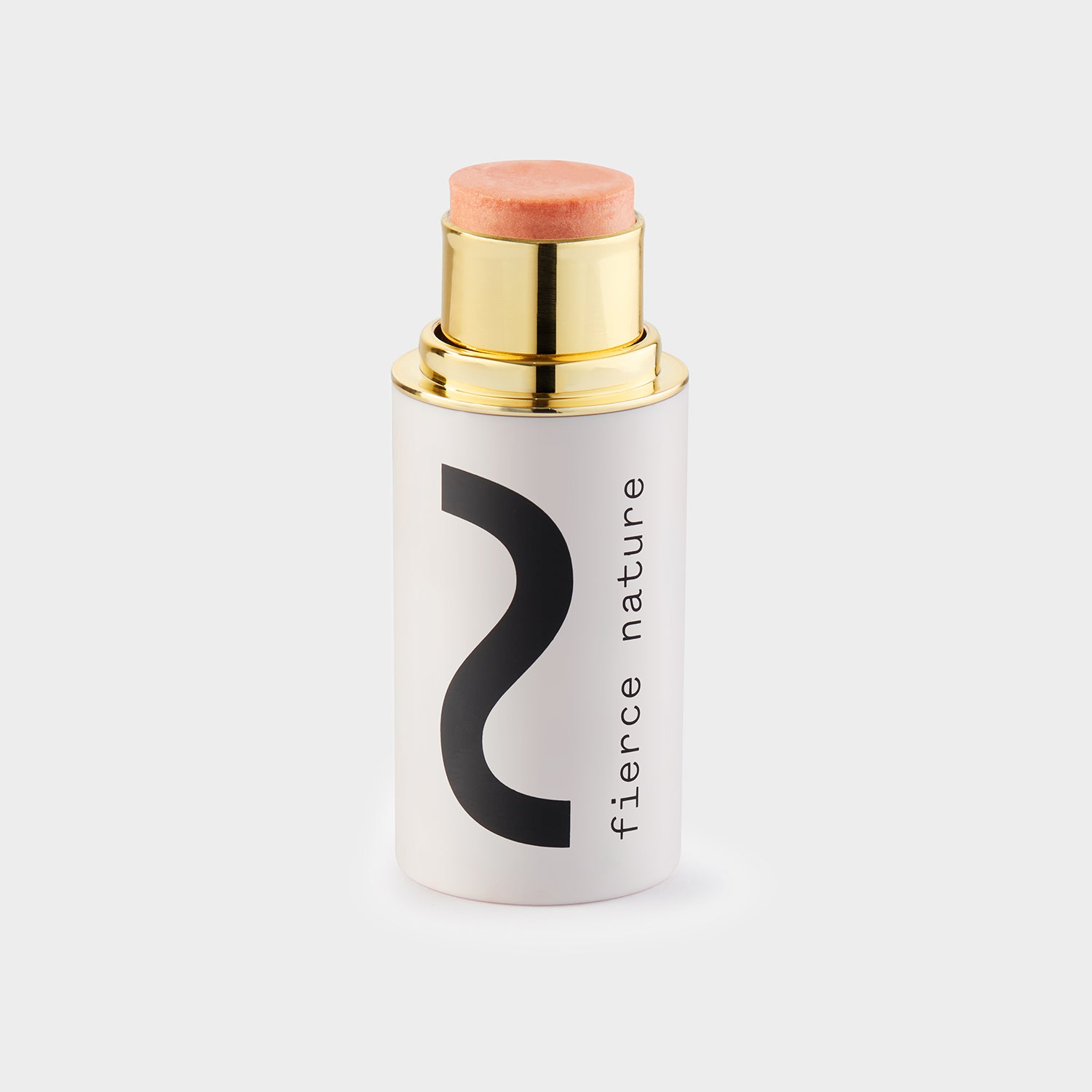
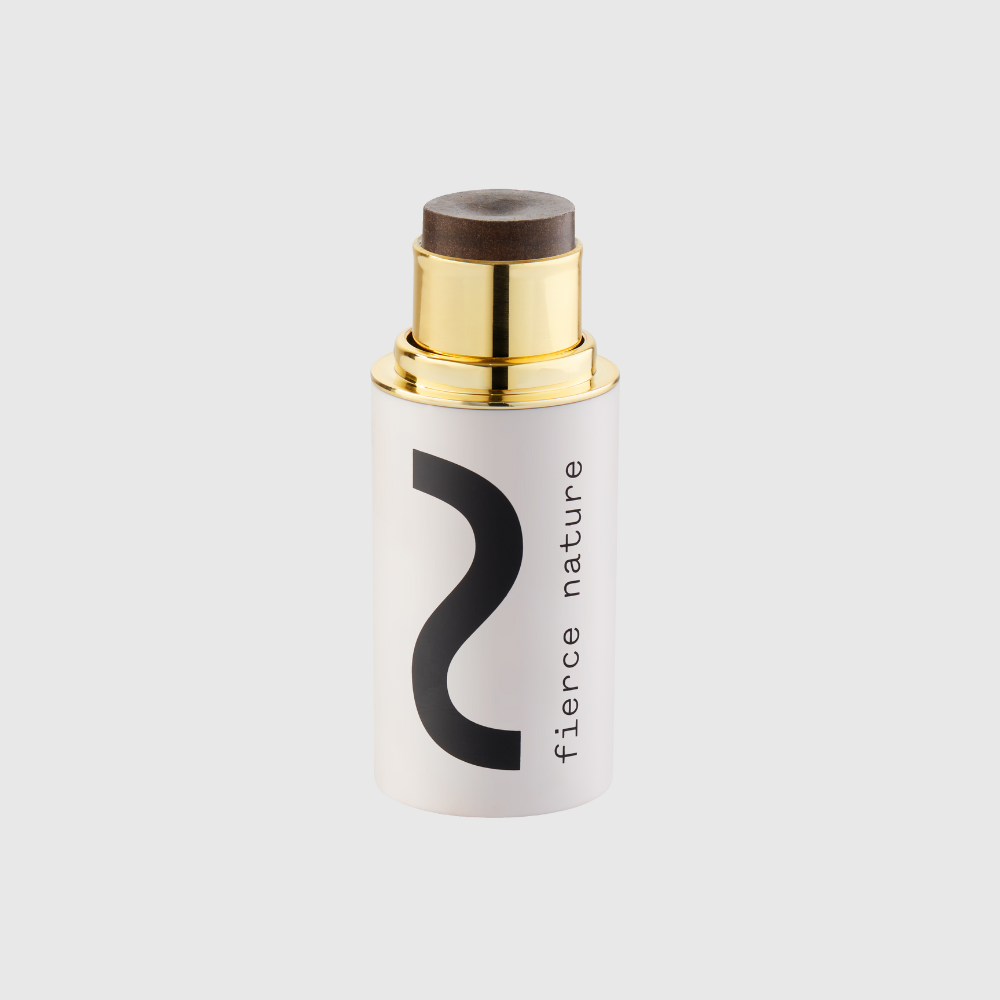
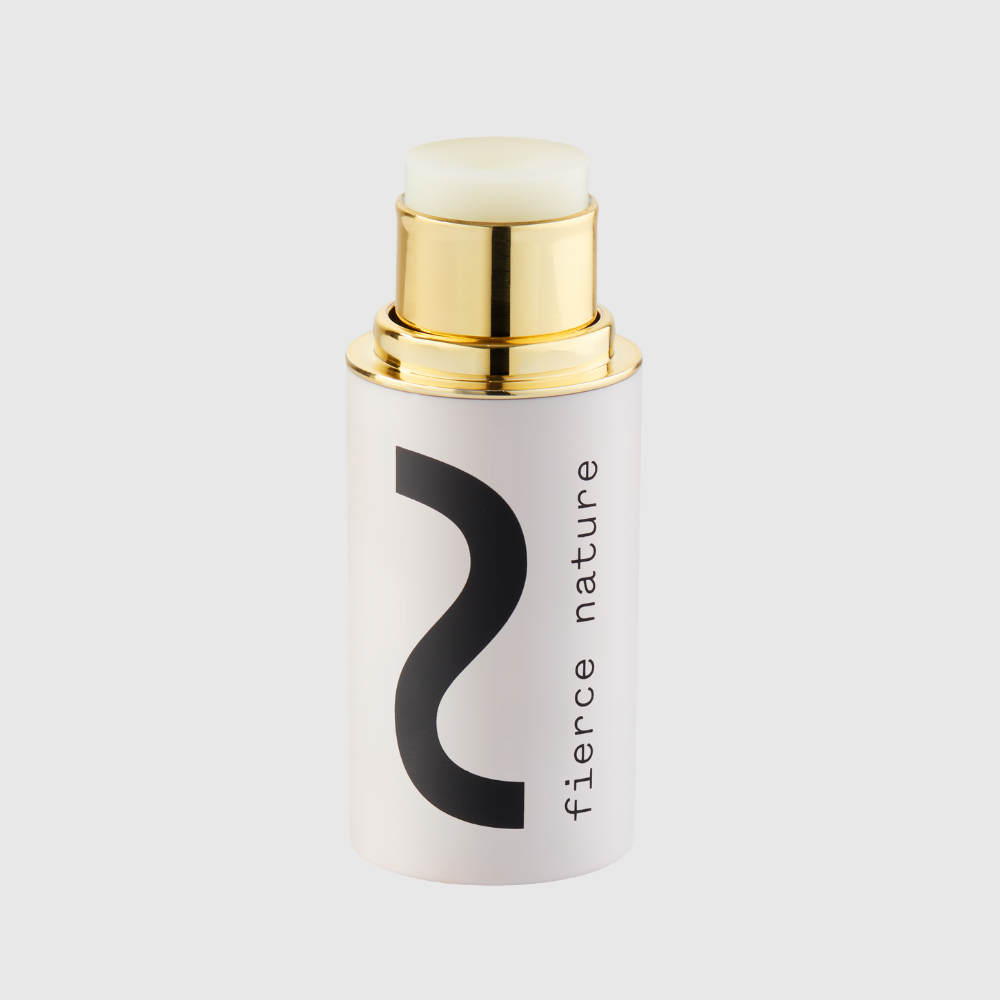
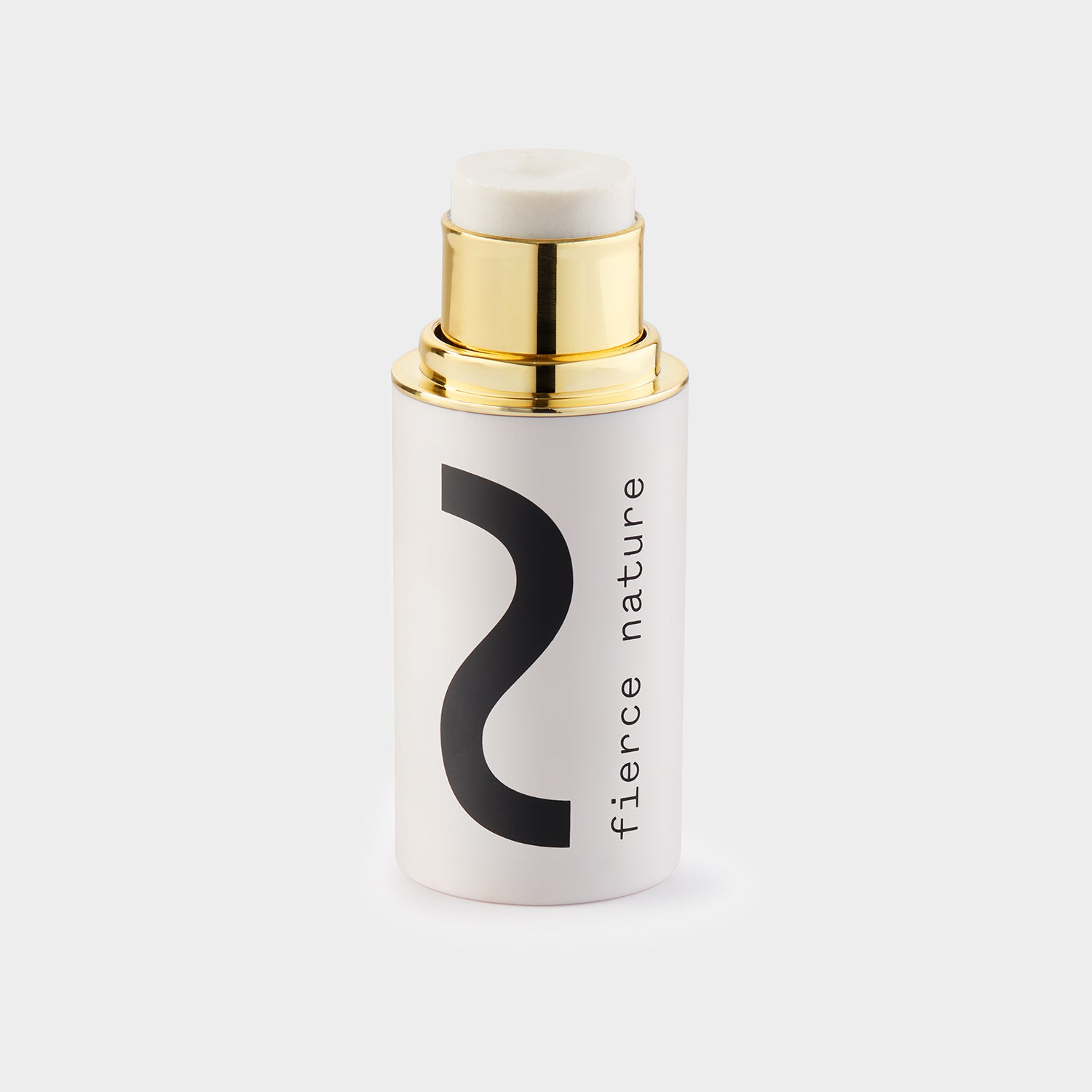
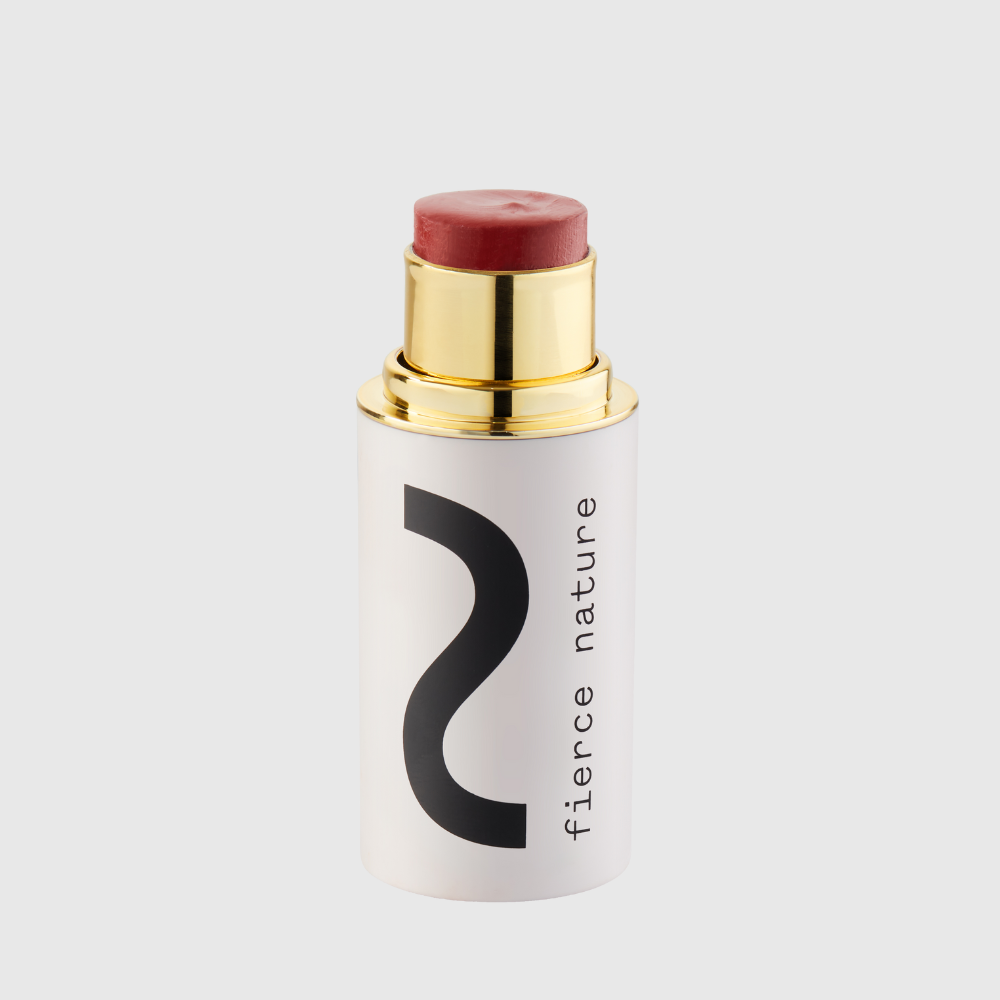
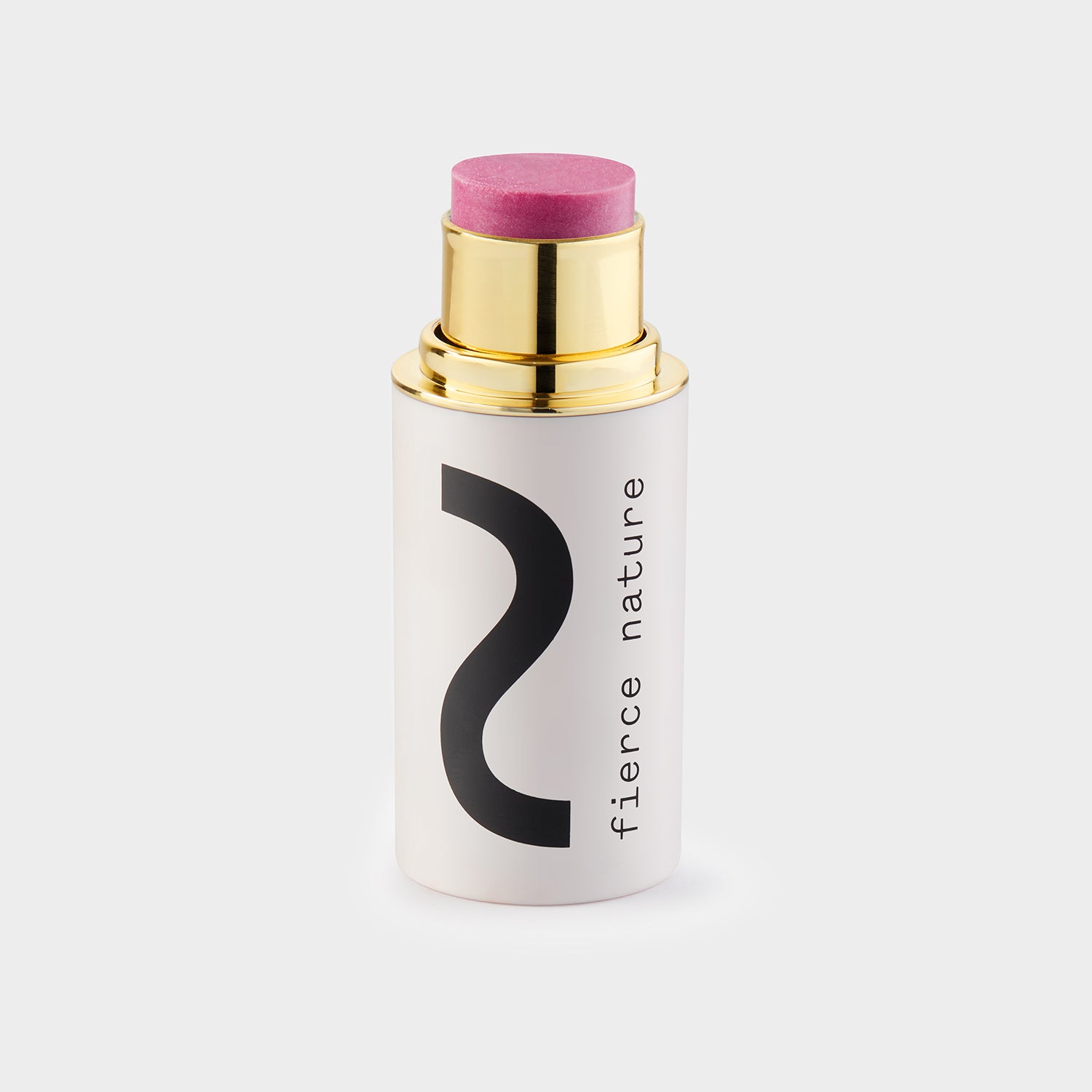
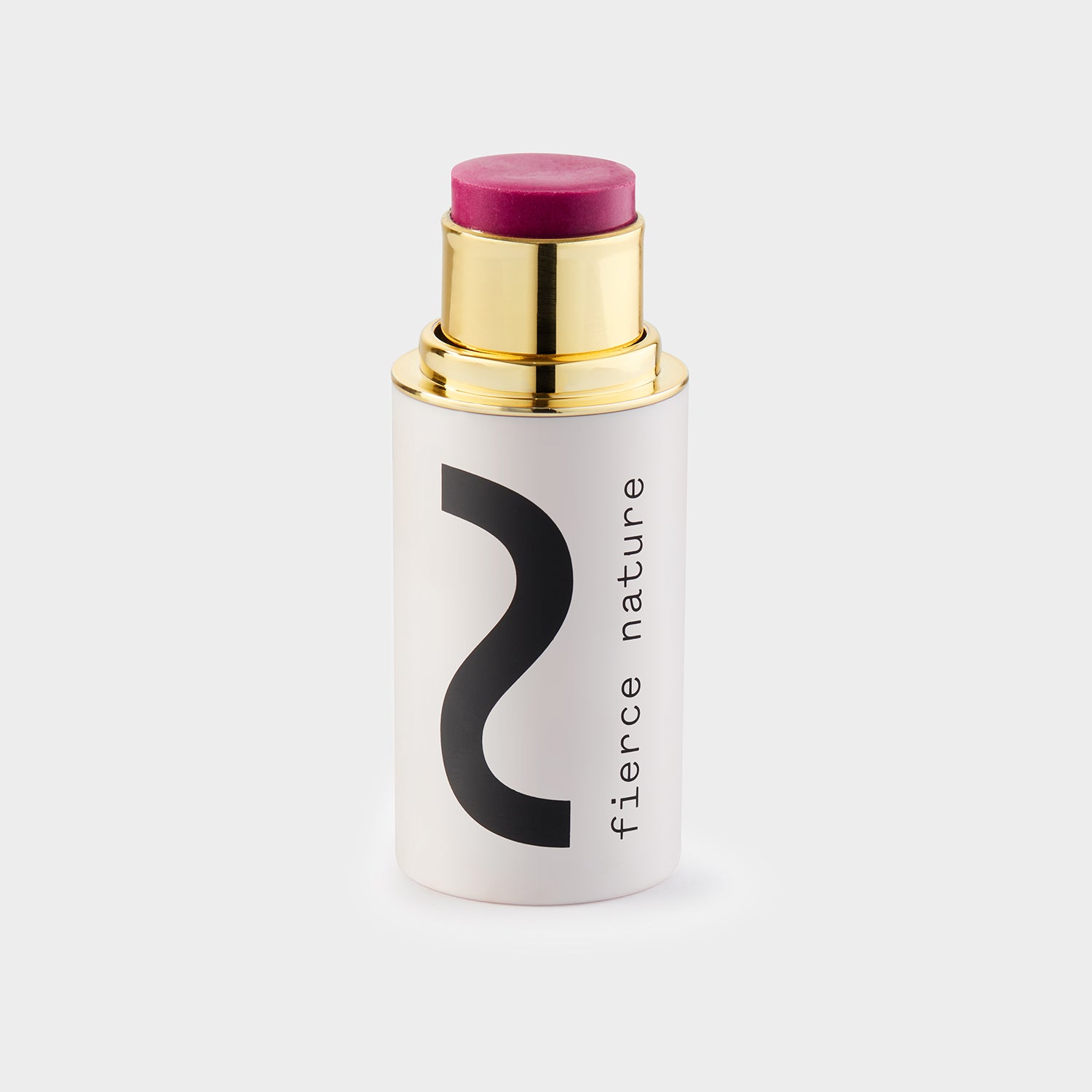
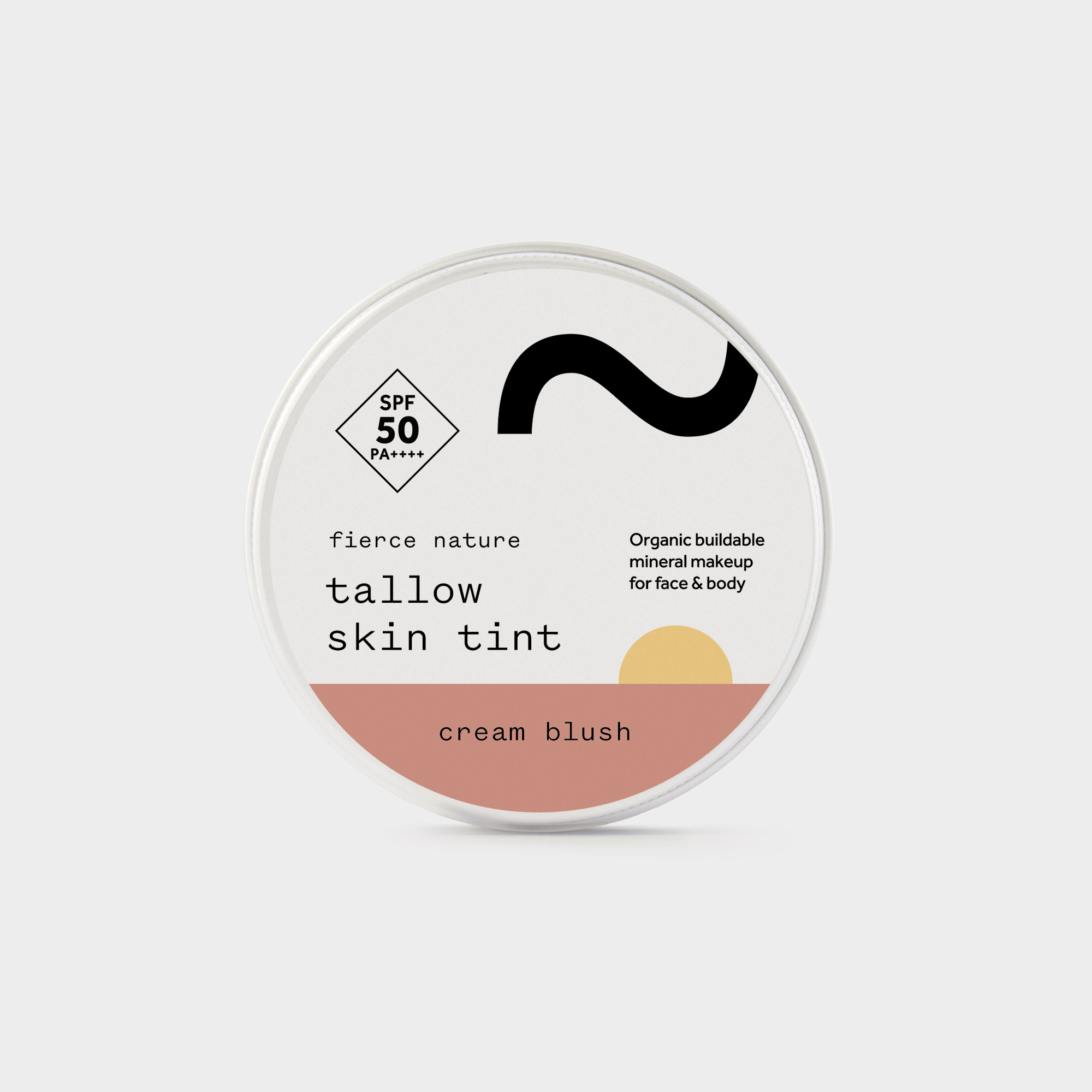
Fierce Nature products worth considering once moisturising is right for your baby
Most newborn dry skin remedy questions have the same simple answer: less is more. Your baby’s skin barrier is still finishing the job it started in the womb, and the biggest favour you can do it is to avoid overwashing, overdressing, or overloading it with products it doesn’t need yet.
A few consistent habits make the real difference:
Limit baths to a few times a week, keeping each one short and lukewarm rather than hot.
Pat the skin dry rather than rubbing, then apply a thick, fragrance-free emollient while the skin is still slightly damp, which helps seal in moisture more effectively than applying it later.
Run a humidifier if your home tends to be dry, and dress your baby in soft, breathable natural fibres like cotton, avoiding both overheating and exposure to cold, dry air.
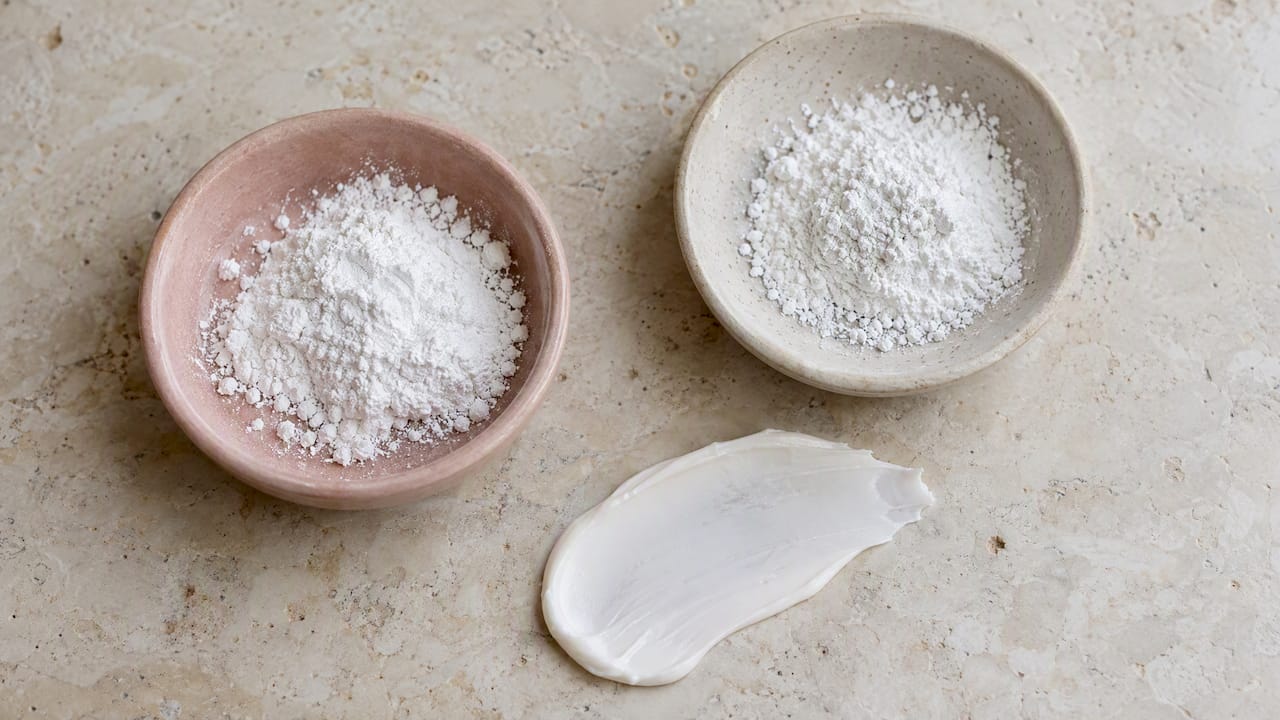
Steer clear of fragranced laundry detergents on baby clothes and bedding, and skip talcum powder altogether.
Choose products with a short, recognisable ingredient list rather than anything loaded with botanicals or food-derived extracts, which can be more likely to irritate young skin.
Pro Tip: Use a clean spoon or a pump-dispensed balm rather than dipping fingers repeatedly into a shared tub of cream. Double-dipping introduces bacteria into the product, and for a newborn’s developing skin, that small habit change is worth building early.
These environmental and routine adjustments are genuinely low-risk first steps, and for many families they resolve the dryness before any product becomes necessary at all.
For roughly the first few weeks, plain water is enough. NHS and National Childbirth Trust guidance both point the same way: newborn skin doesn’t need soap, bubble bath, or cleanser during this window, and reaching for them too early can strip away natural oils that are still doing useful work.
Here’s what a sensible bathing routine looks like in practice:
Keep the water lukewarm, never hot, and test it against your wrist or the inside of your elbow first.
Cap the bath itself at five to ten minutes; newborns don’t need a long soak.
Bathe just a few times a week rather than daily, topping up with a quick clean of the face, neck, and nappy area in between.
Pat the skin dry afterwards, paying particular attention to the folds under the arms, neck, and thighs where moisture lingers.
If you need a quick wipe rather than a full bath, choose alcohol-free, fragrance-free wipes over standard disposable ones.
Vernix, the waxy coating present at birth, doesn’t need scrubbing off. It absorbs naturally into the skin over the first days and appears to support the skin’s adjustment to life outside the womb, so working with it rather than washing it away hard is generally the better approach.
Moisturising becomes appropriate once dryness persists beyond the first month, or if you notice visibly cracked or flaking patches that plain water and time aren’t resolving. In the earliest weeks, most healthy newborns simply don’t need a topical product at all, and that’s worth sitting with rather than rushing past.
When you do reach for something, the checklist is short:
Choose fragrance-free, alcohol-free, dye-free formulas. Anything with added scent is a common irritant for young skin.
Favour thicker creams and ointments over thin lotions. The heavier texture forms a better seal against moisture loss.
Avoid routinely applying vegetable oils like olive or sunflower oil. Clinical evidence has raised concern that these can interfere with the skin barrier’s development and may even be linked to a higher risk of atopic eczema in infants.
Apply a small amount while the skin is still damp from bathing, and test on a small patch first before wider use.
Never apply anything to skin that’s oozing, inflamed, or broken without checking with a health professional first.
If you’re weighing up rich balms against lighter lotions, it’s worth reading how the two differ in sealing power for sensitive skin before choosing either.
Most peeling resolves on its own, but a handful of signs mean it’s time to get it checked rather than wait.
Cracked or bleeding skin. Skin that splits open needs assessment, not just more cream.
Oozing, weeping, or pus. This can signal infection and shouldn’t be managed at home.
A rash spreading quickly, alongside fever, poor feeding, or unusual lethargy in your baby.
No improvement, or worsening, after a few weeks. Since normal neonatal peeling tends to ease by around 28 days, dryness that’s still there or getting worse past that point deserves a proper look.
Persistent red, itchy patches, especially in creases at the elbows, knees, or neck. This pattern can point to atopic eczema rather than ordinary newborn peeling, and a health visitor or GP can help tell the two apart and suggest next steps.
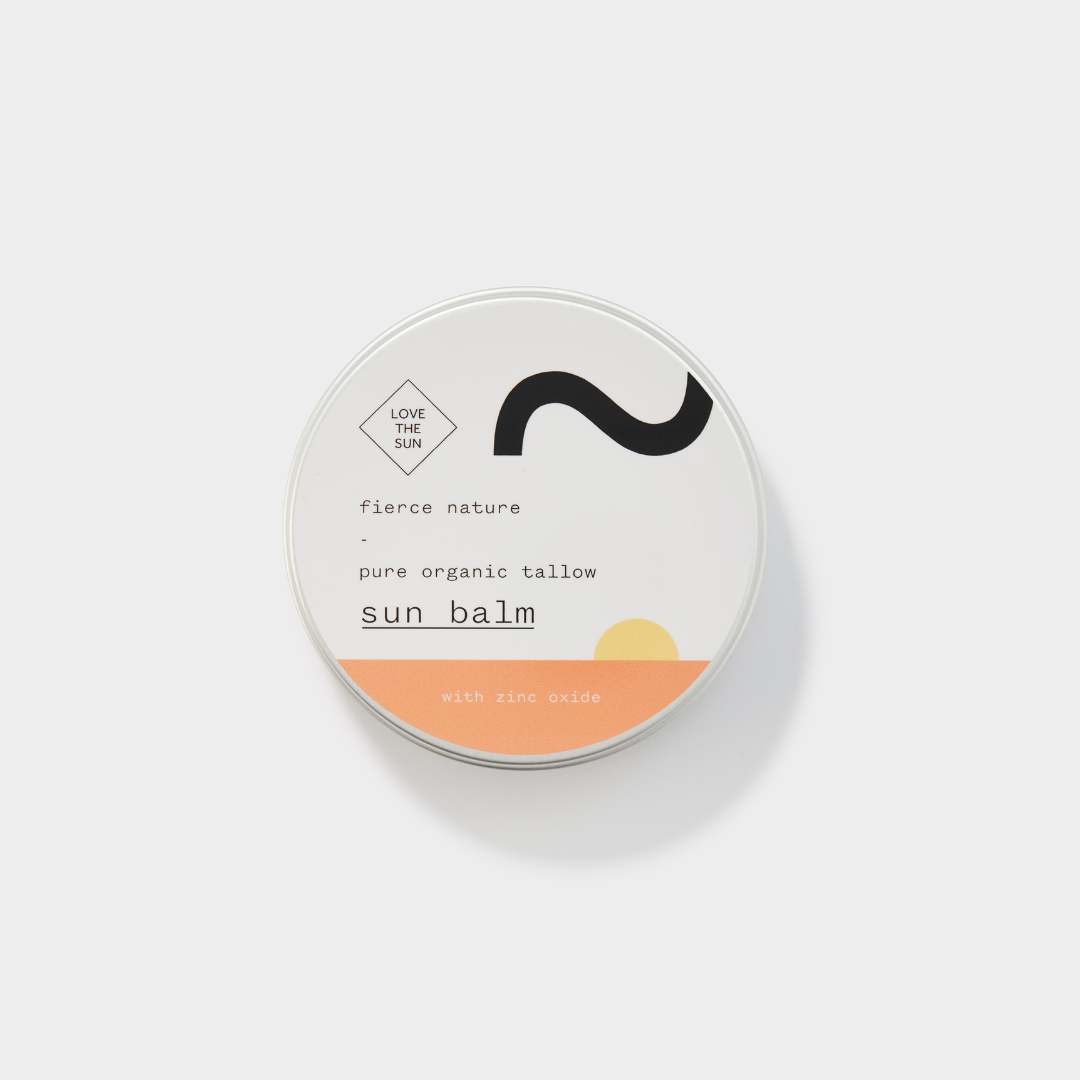
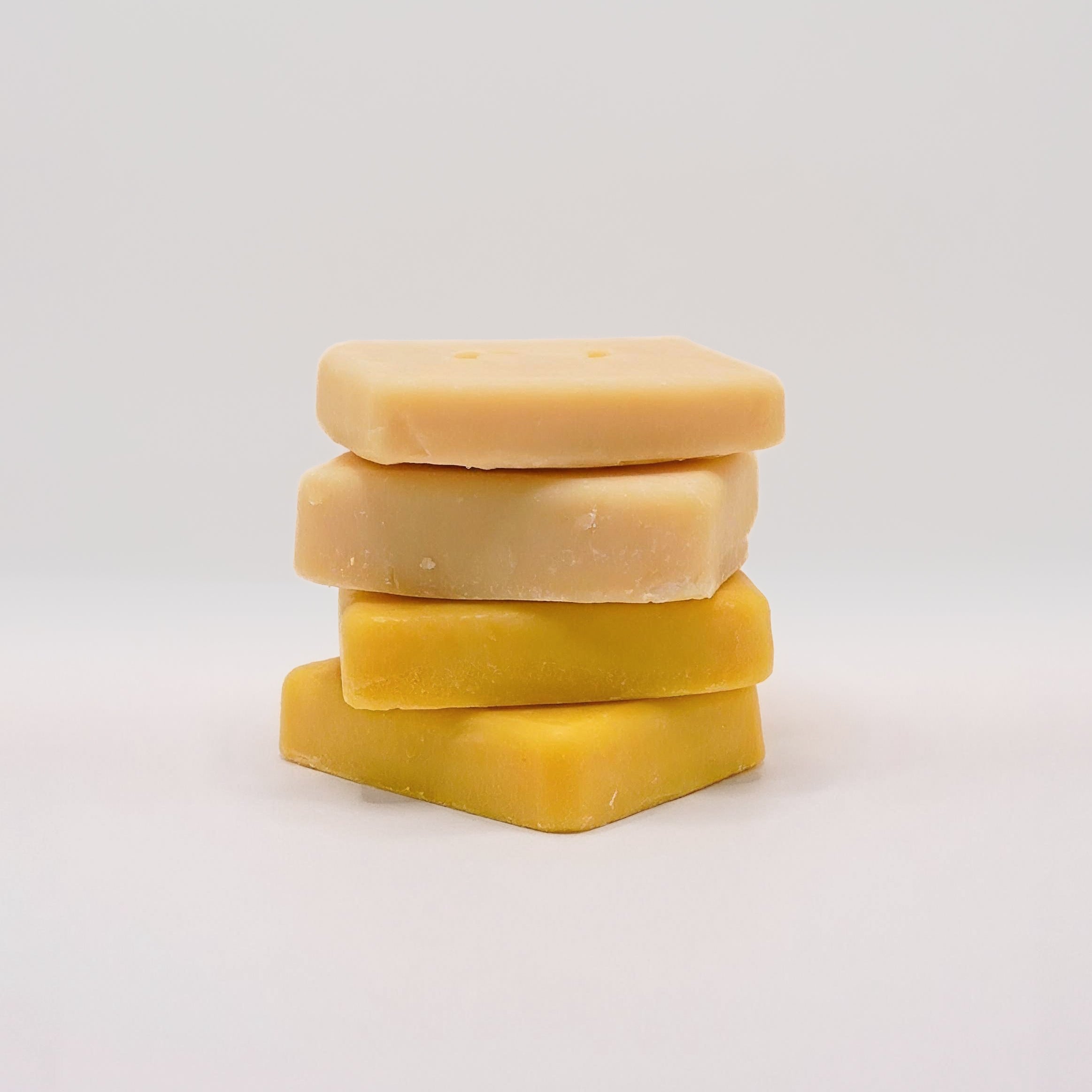
Tallow is rendered animal fat, and it has been used as a skin emollient for centuries, prized for how closely its fatty acid profile mirrors what’s found naturally in human skin. That similarity is what gives it high bioavailability: it’s absorbed readily rather than sitting on the surface, which is why we’ve built Fierce Nature’s balms around organic tallow as the foundation rather than water or synthetic fillers.
That said, timing and caution matter more than the ingredient itself. We’d never suggest introducing any new topical product in the first few weeks of life without a health professional’s input; that period is best spent letting the skin barrier mature with minimal interference. Once you’re past the neonatal stage and dryness persists, a tallow balm is worth considering, provided you patch-test first.
The balms are made using non-toxic, naturally sourced ingredients, reflecting a belief that provenance and a short ingredient list matter just as much as what an emollient promises to do.
If you’d like the fuller picture on why tallow behaves the way it does on skin, our in-depth look at tallow safety for babies covers the detail.
We understand why peeling skin worries parents in those first weeks. It looks alarming, but it’s rarely a sign that something is wrong, and a watchful, low-intervention approach usually serves newborns best. When you do reach the stage of wanting an emollient, Fierce Nature makes non-toxic, UK-made balms with that later window in mind. For anything that persists or unsettles you, your health visitor or GP remains the right first call.
— Fierce Nature
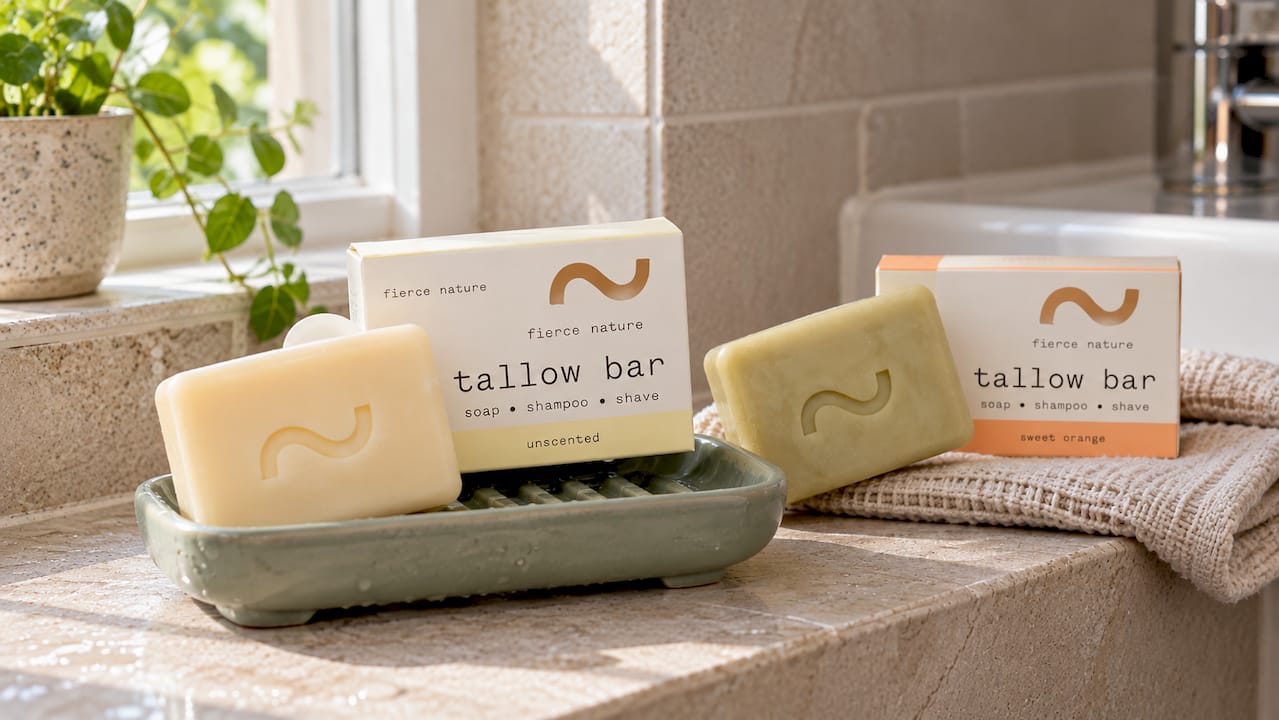
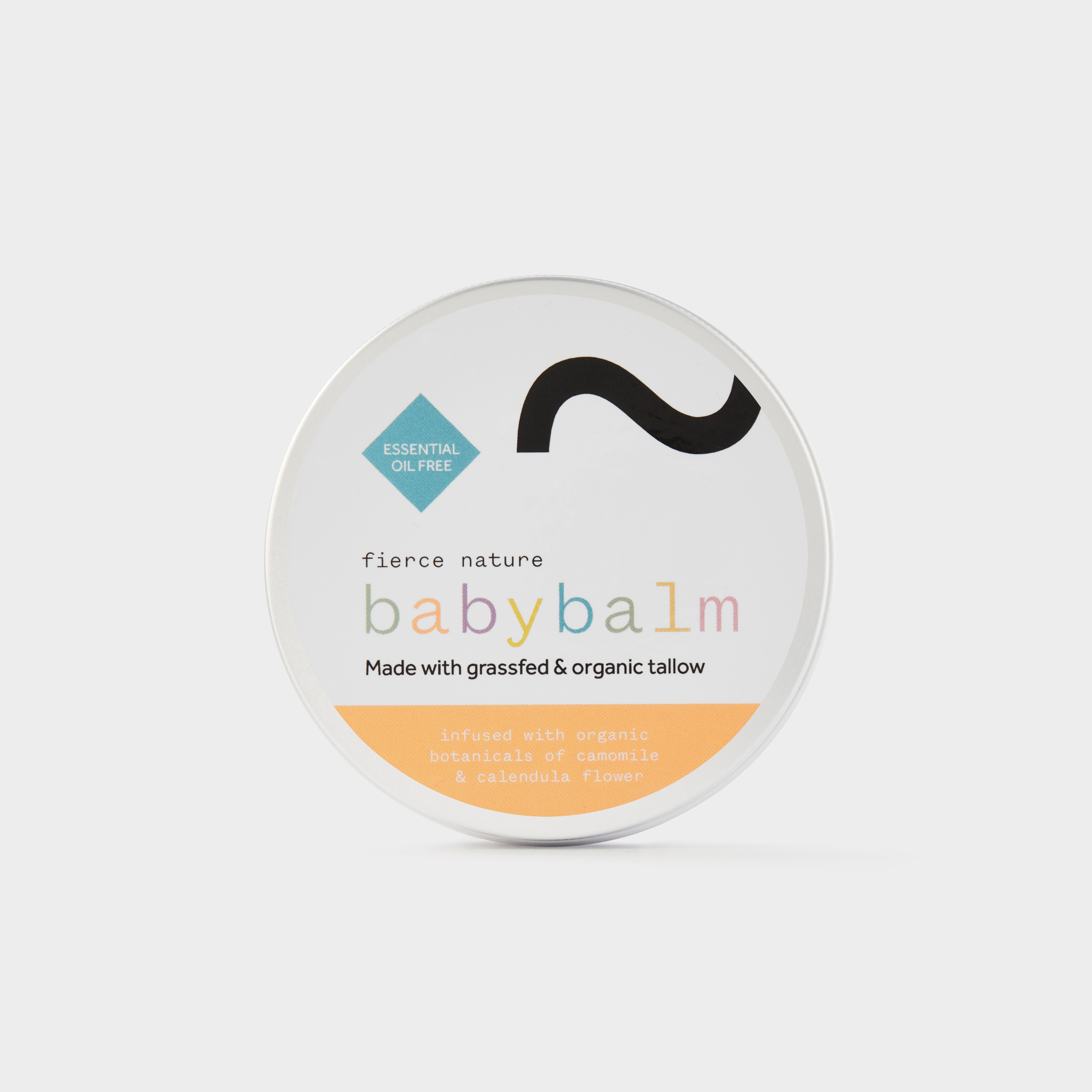
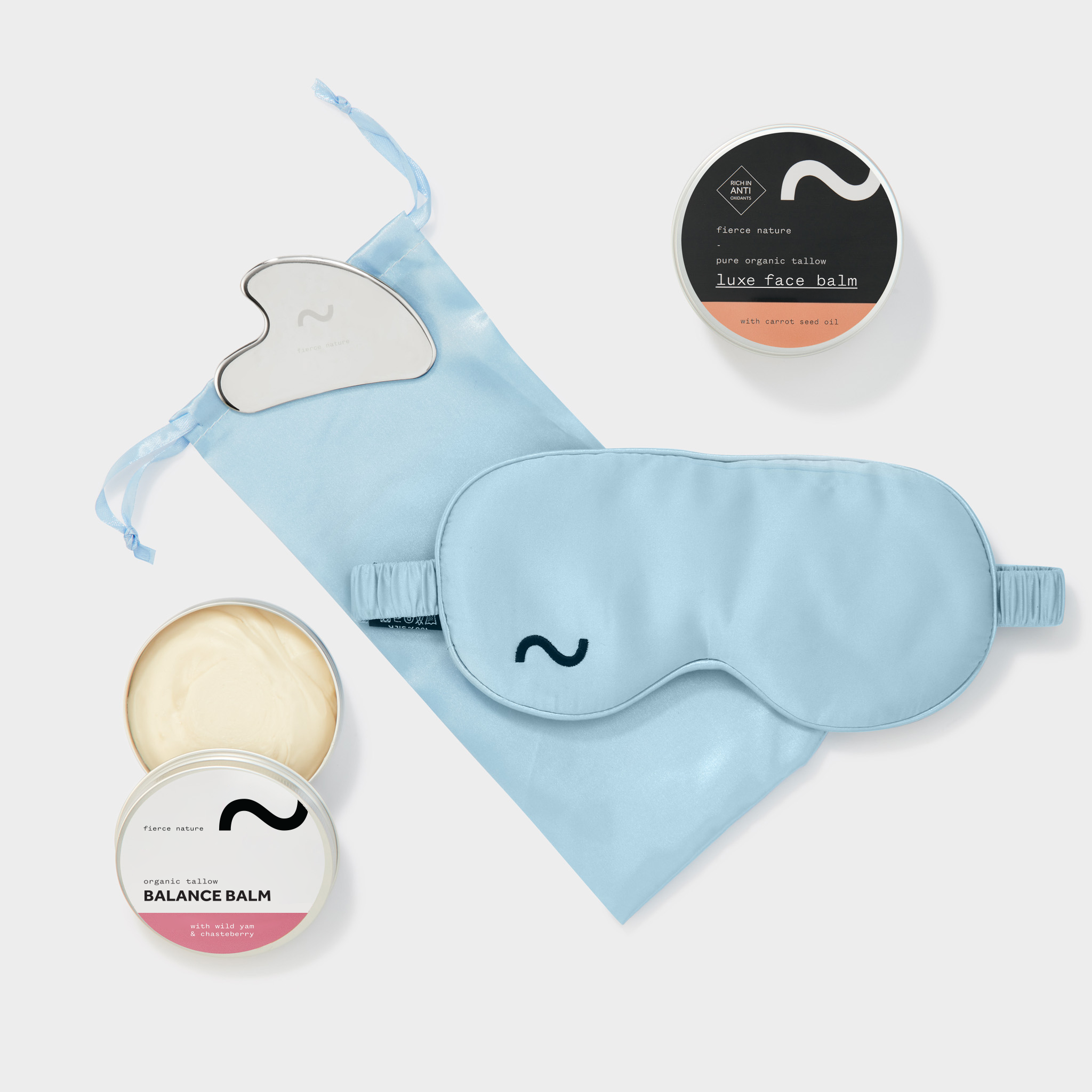
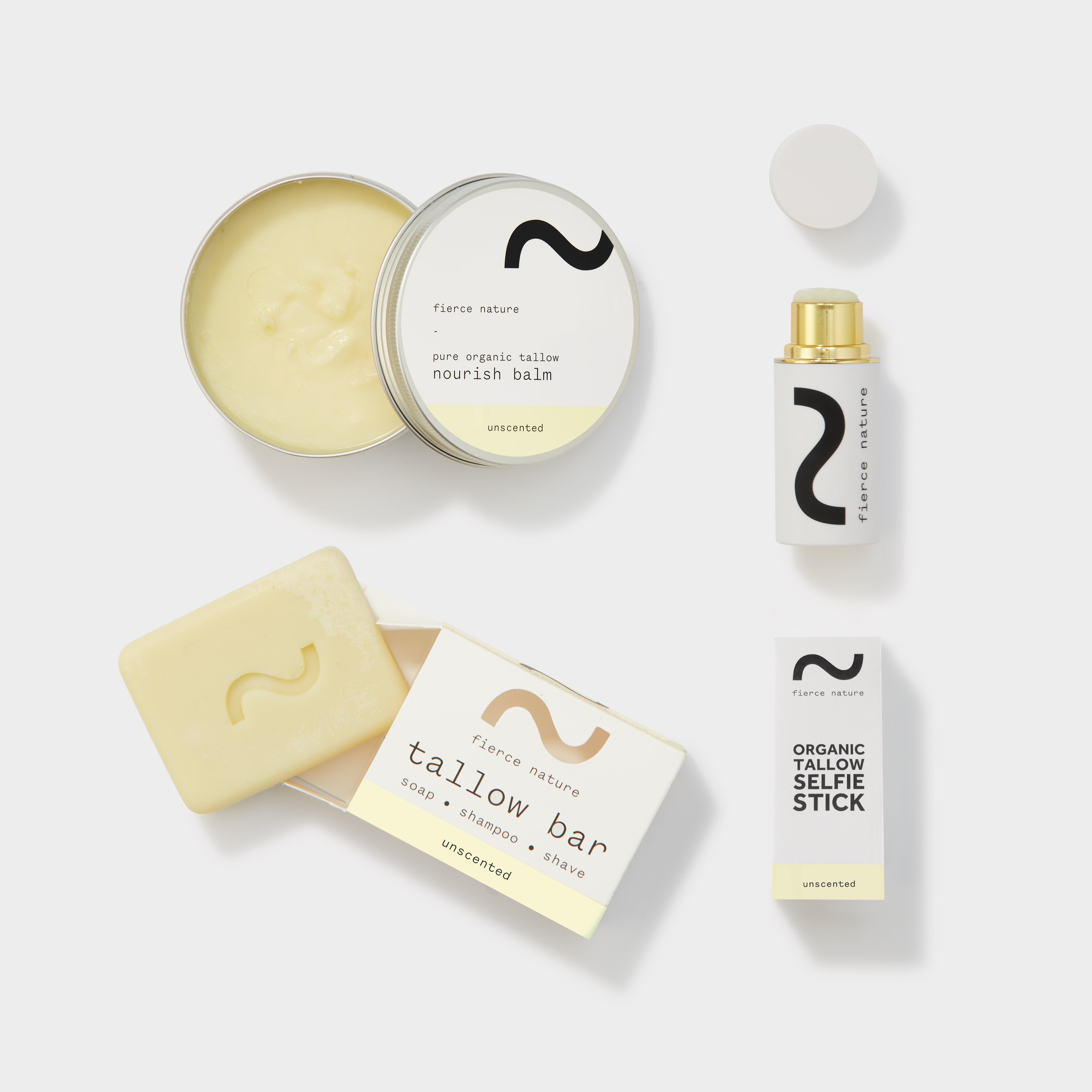
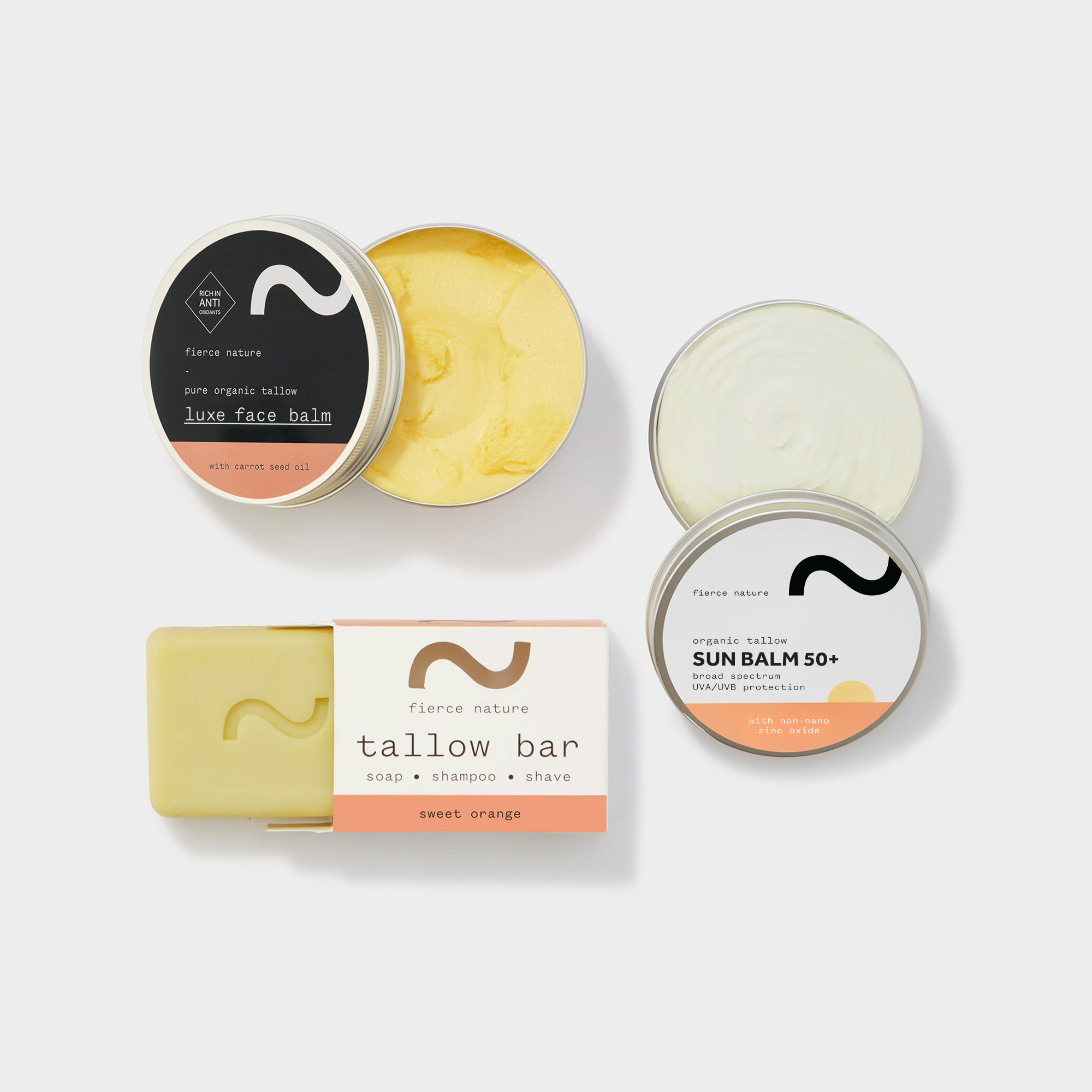
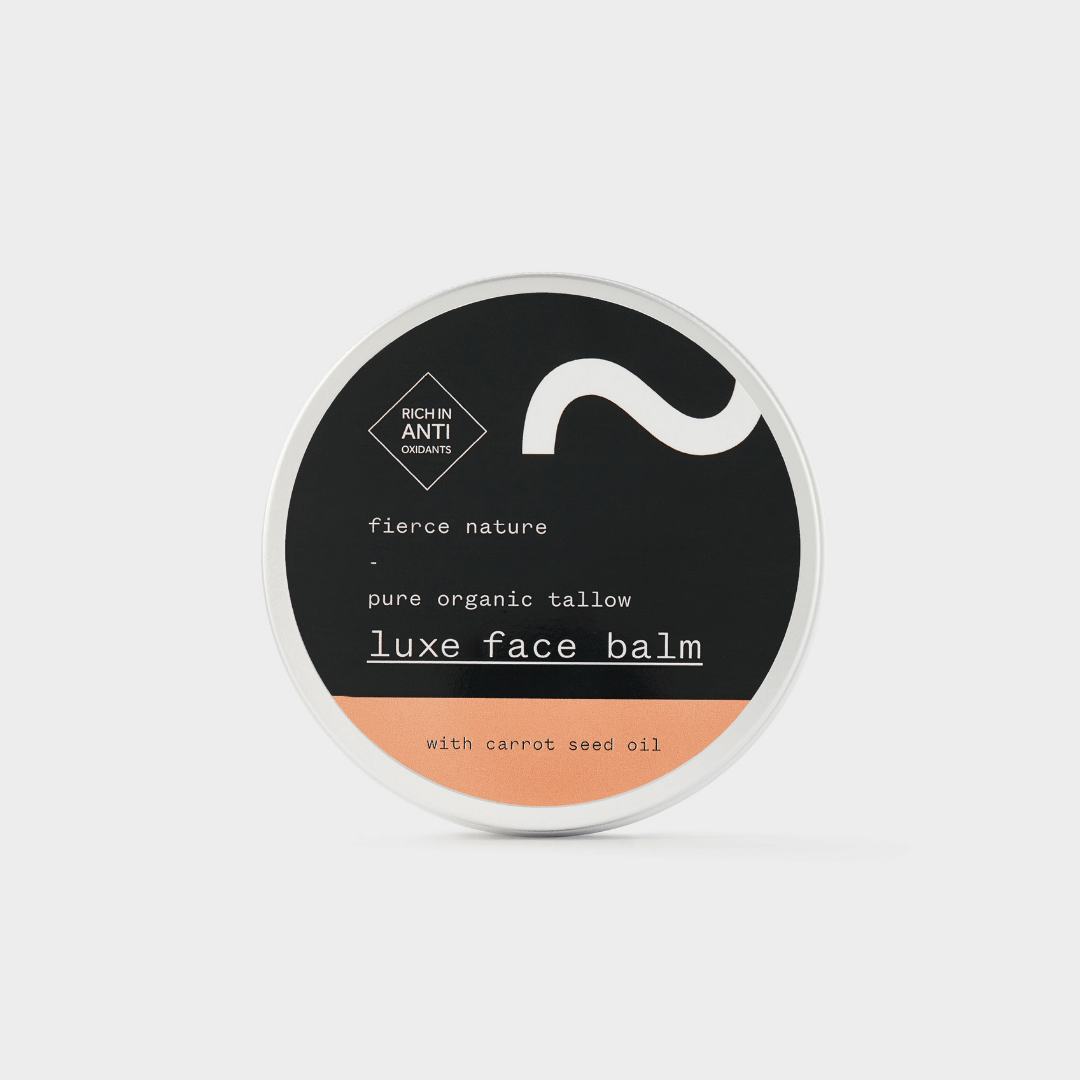
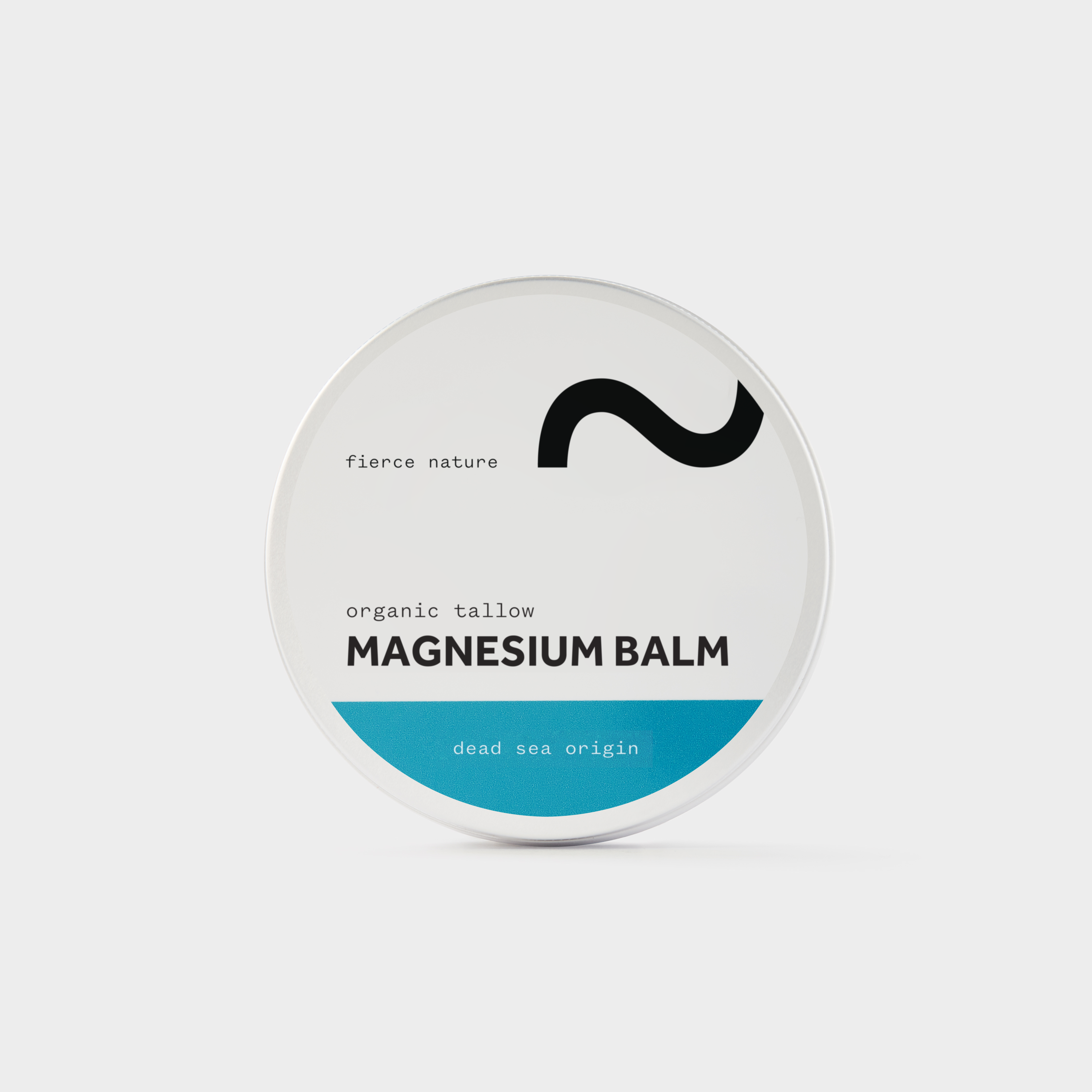
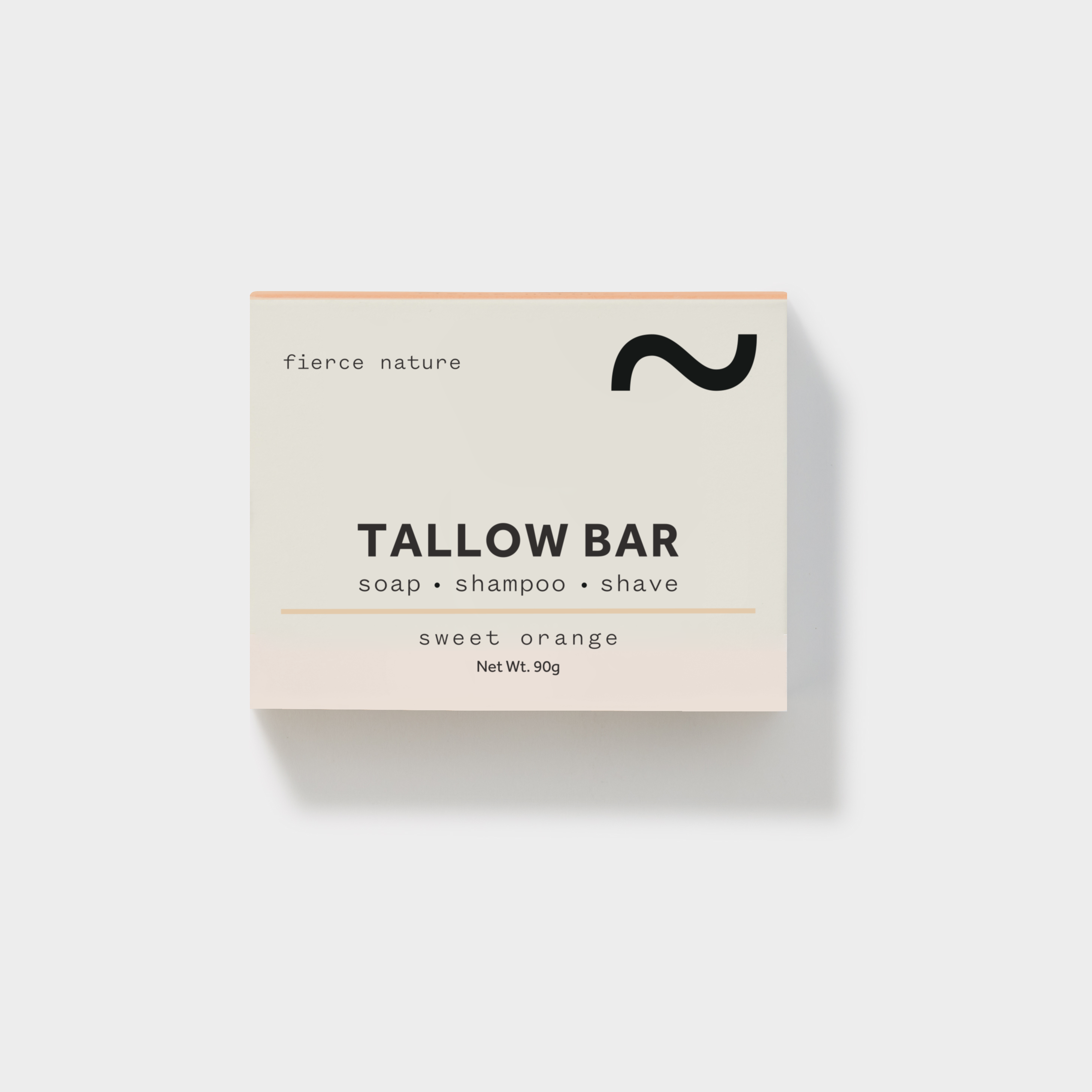
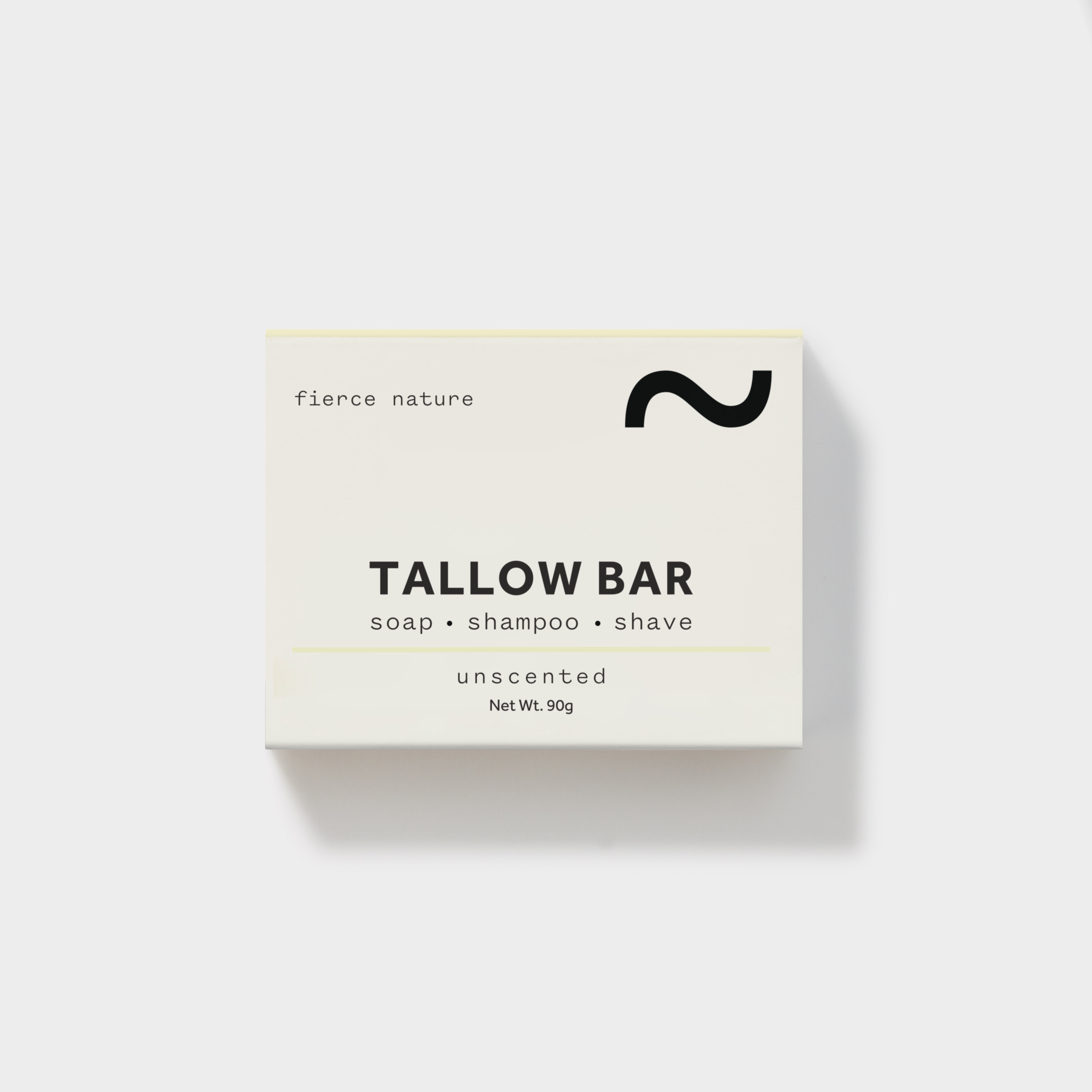
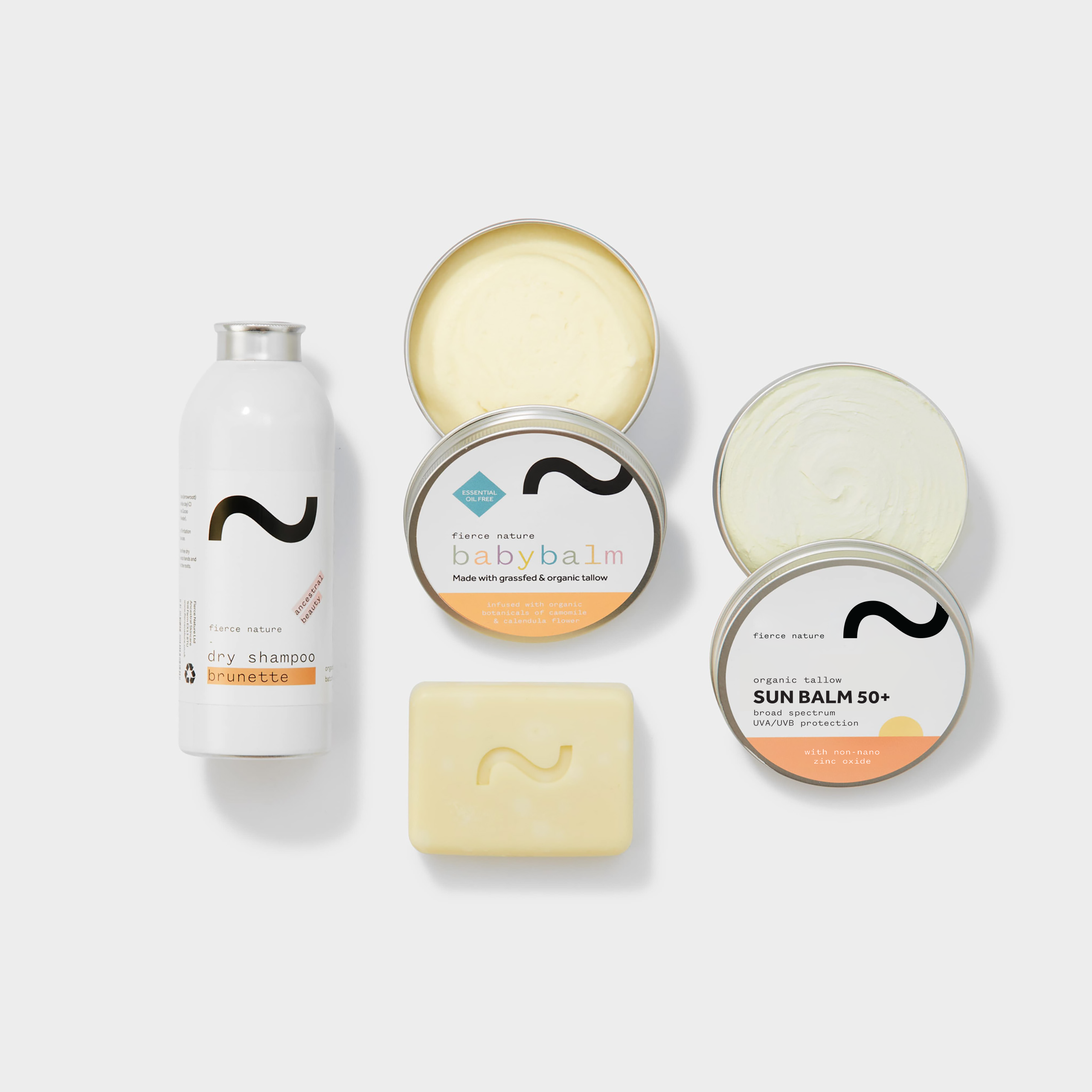
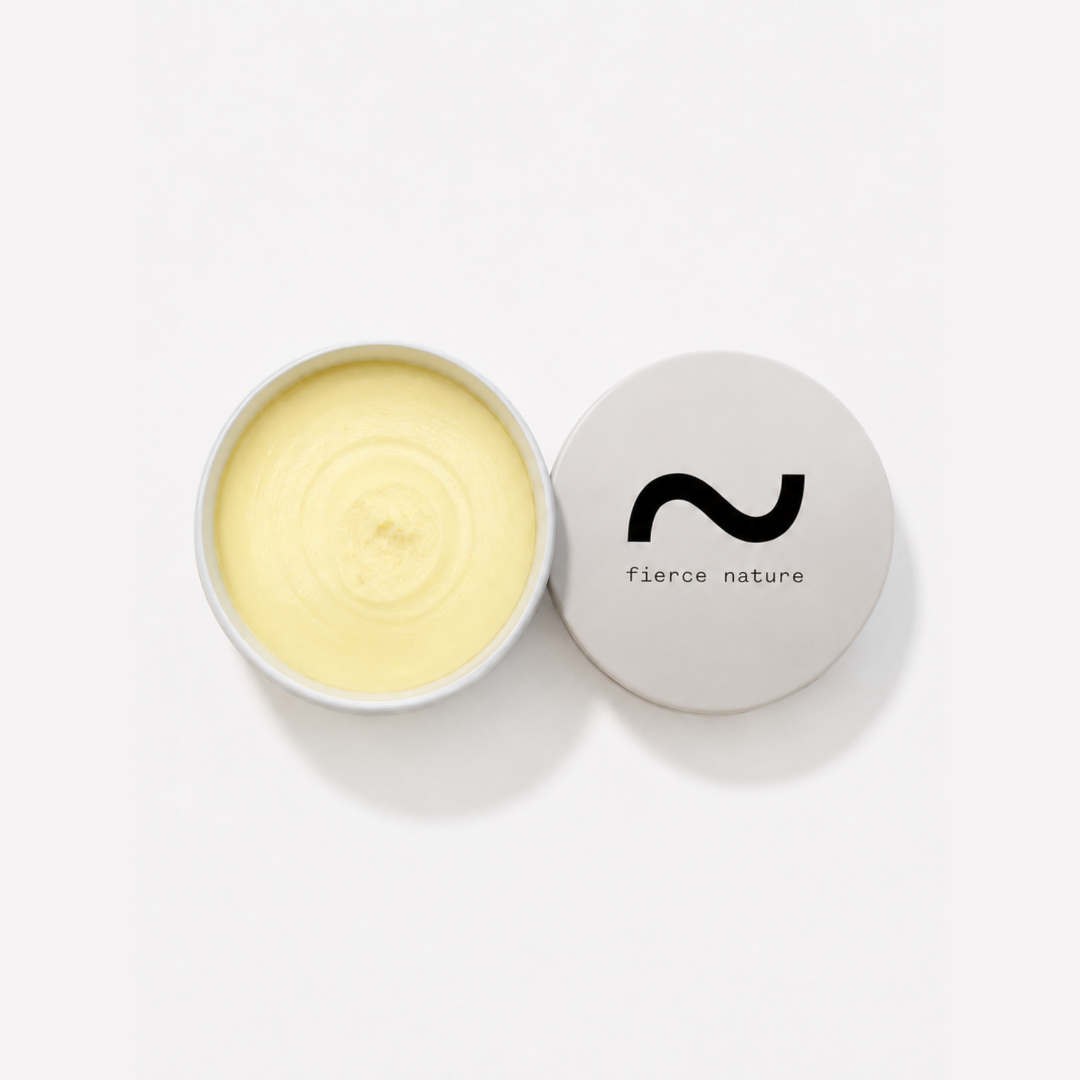
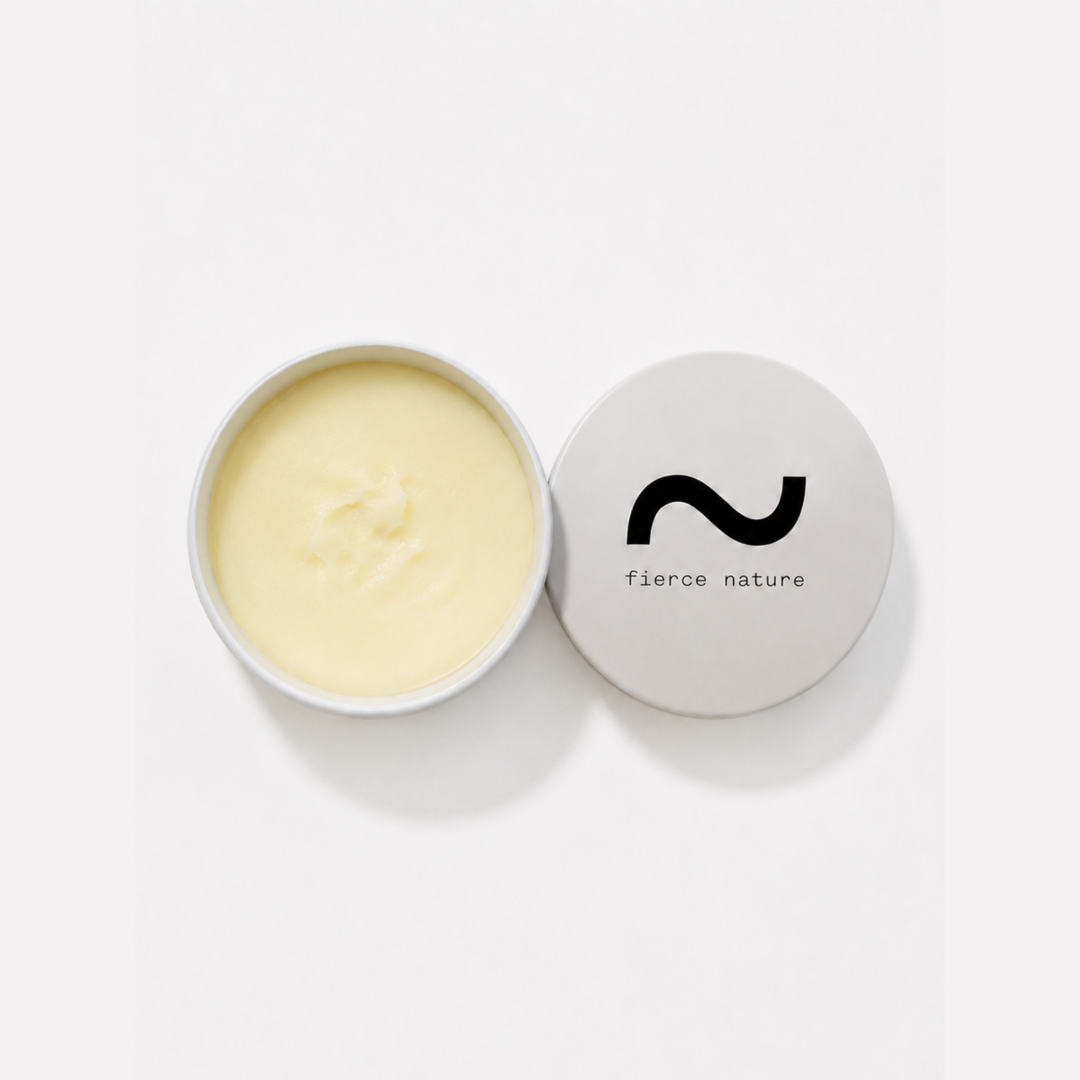
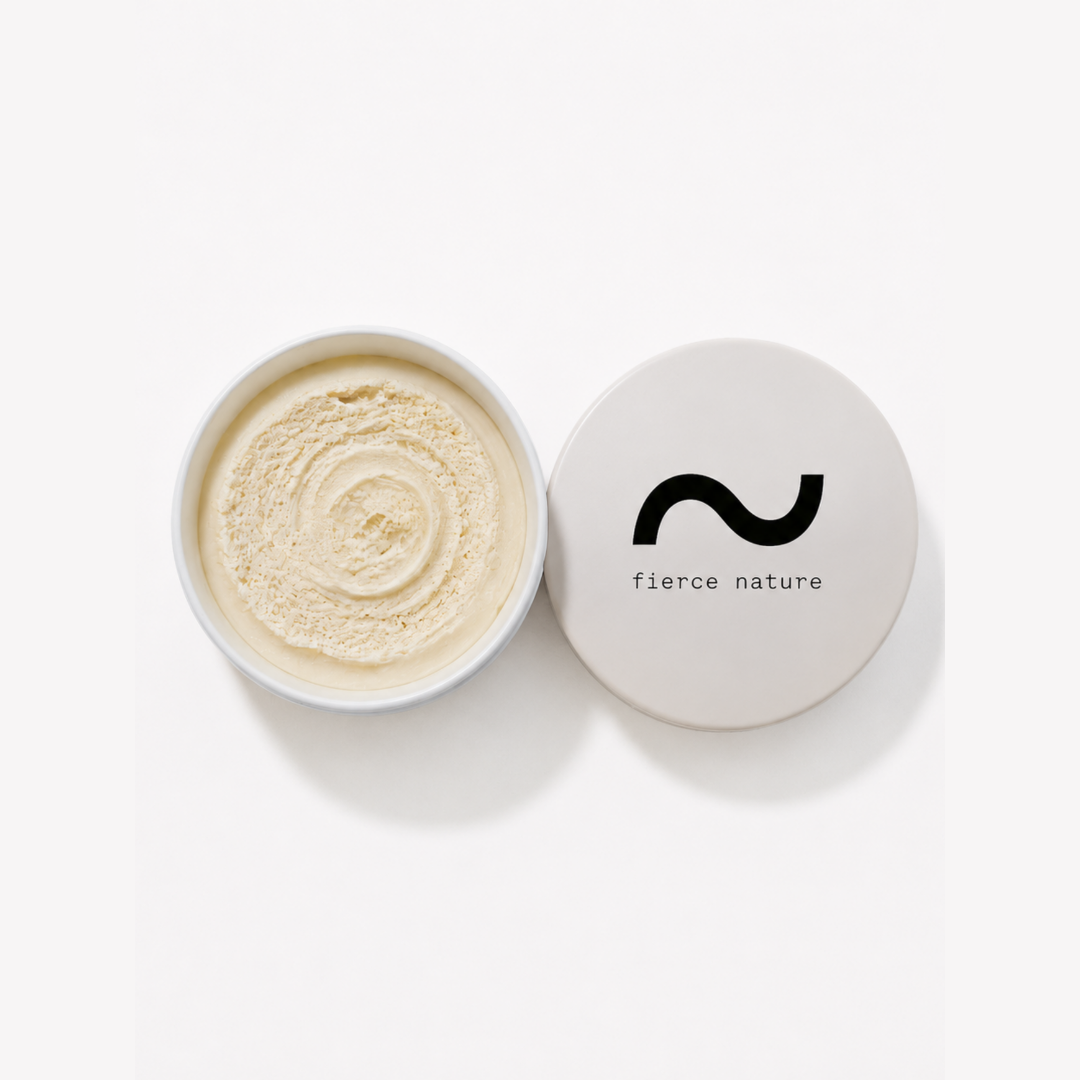
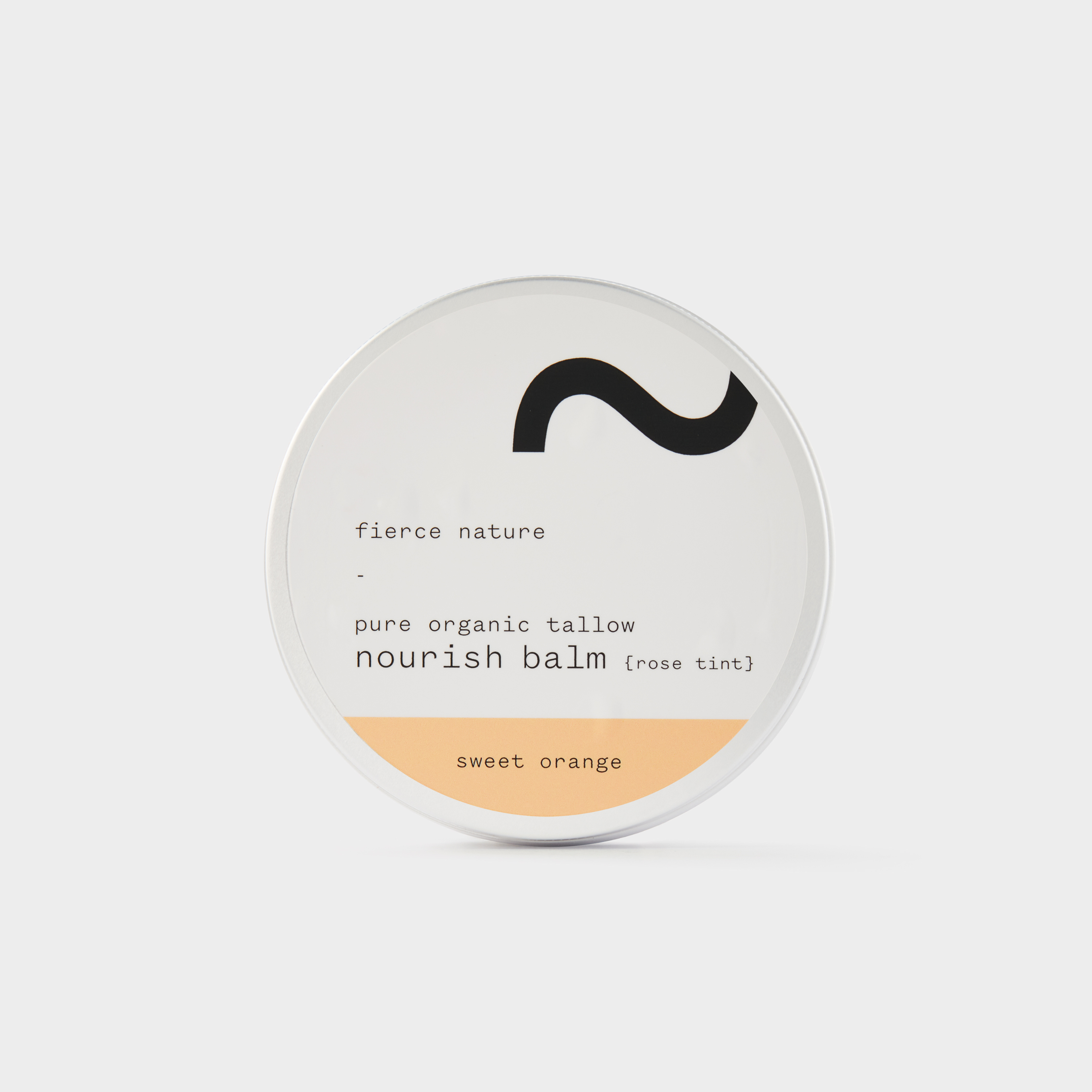
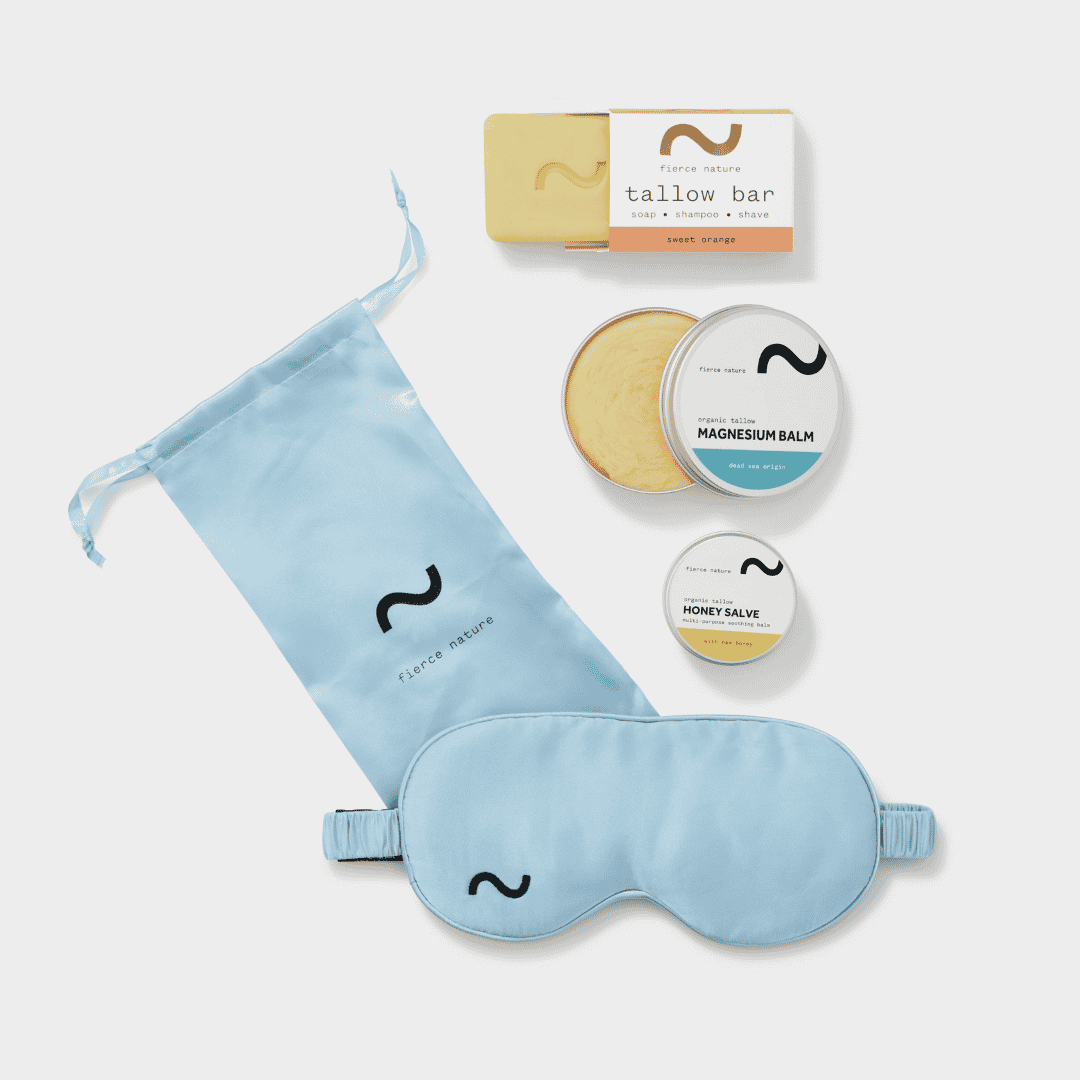
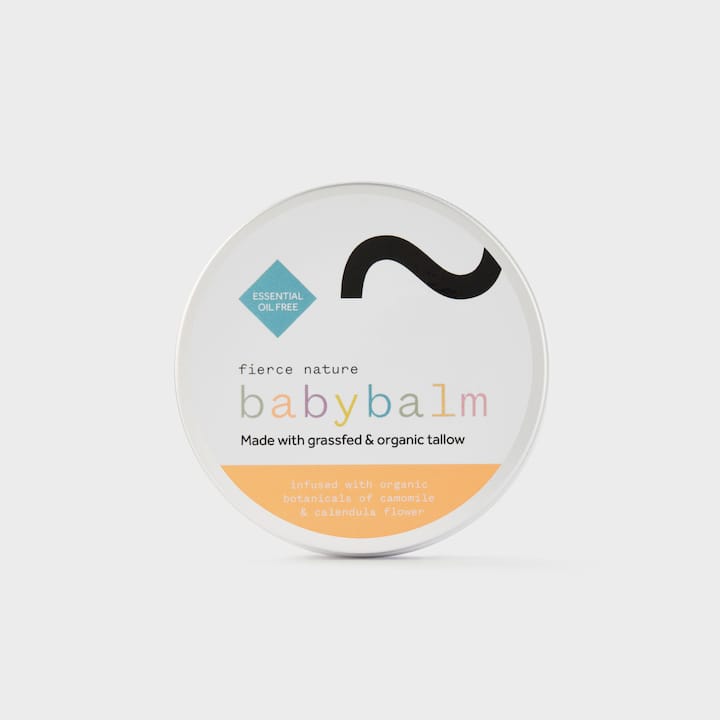
Once your baby is past the earliest weeks and you’re looking for a genuinely clean option, some skincare ranges are built around straightforward, naturally sourced ingredients rather than long chemical lists dressed up in soft packaging. Our Non-toxic Baby Skin Essentials bundle brings together the basics for dry patches and everyday care in one set. The Baby Balm is our unscented, richer emollient designed specifically for dry patches and cradle cap relief, while the Multi-Use Tallow Bar (Unscented) and its Multi-Use Tallow Bar (Scented) counterpart work as gentle all-over bars for parents who want one product covering hands, face, and body. For parents wanting something with a touch more indulgence for their own skin alongside baby’s, the Nourish Balm (Sweet Orange), Nourish Balm with Rose Tint (Sweet Orange), Luxe Balm, and our Biohacking bundle round out the range. Patch-test any new product first, and always check with a GP before applying anything to a baby under four weeks old.
This article is general information, not a substitute for advice from a qualified doctor. Consult a qualified healthcare professional about your own circumstances before acting on anything here.
Some parents use a small amount of breast milk on dry patches, and its natural antibodies may offer mild soothing benefit, but there’s limited robust evidence it outperforms a proper fragrance-free emollient, so treat it as a home tradition rather than a proven remedy.
Wait until dryness persists beyond the first month unless it’s already cracked, then apply a thin layer of fragrance-free, alcohol-free cream or ointment while the skin is still damp from bathing.
This is almost always normal newborn skin shedding the outer layer left from the womb environment, and it typically improves by around 28 days without any treatment.
You can if the skin is visibly dry or cracked, but stick to a fragrance-free, alcohol-free emollient in a thick cream or ointment form, and avoid vegetable oils or scented lotions during this early window.