Cart
0
80% Also Added this


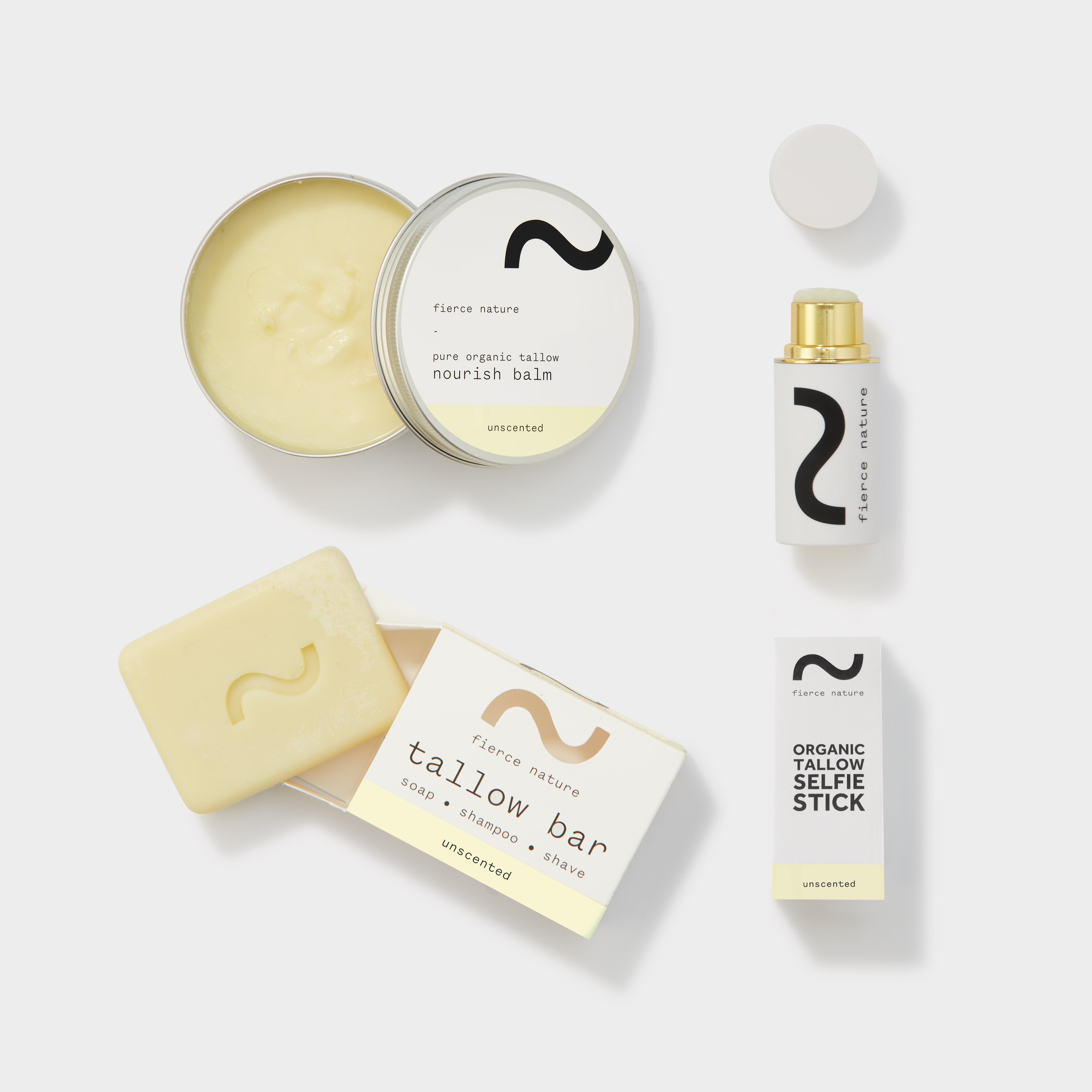
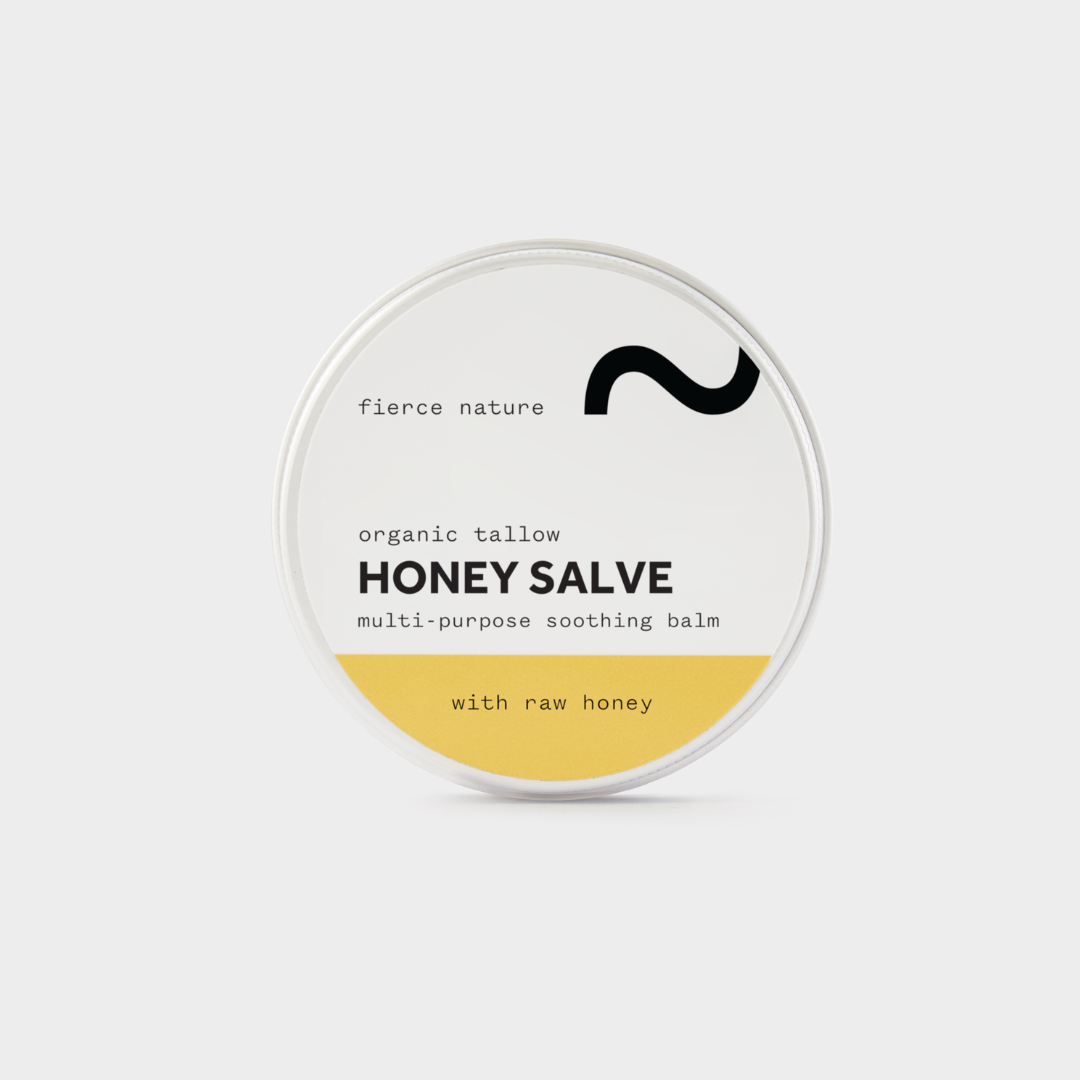
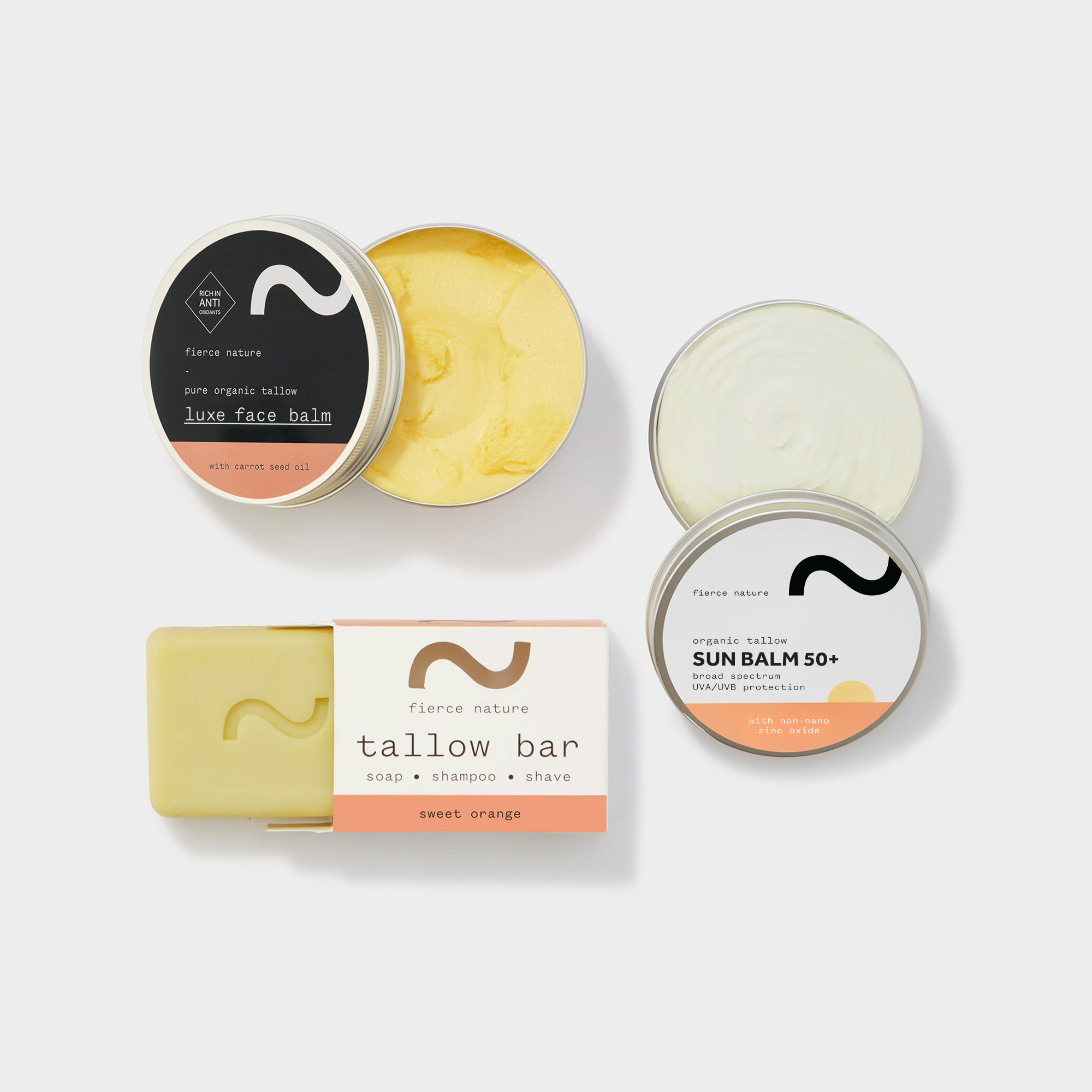
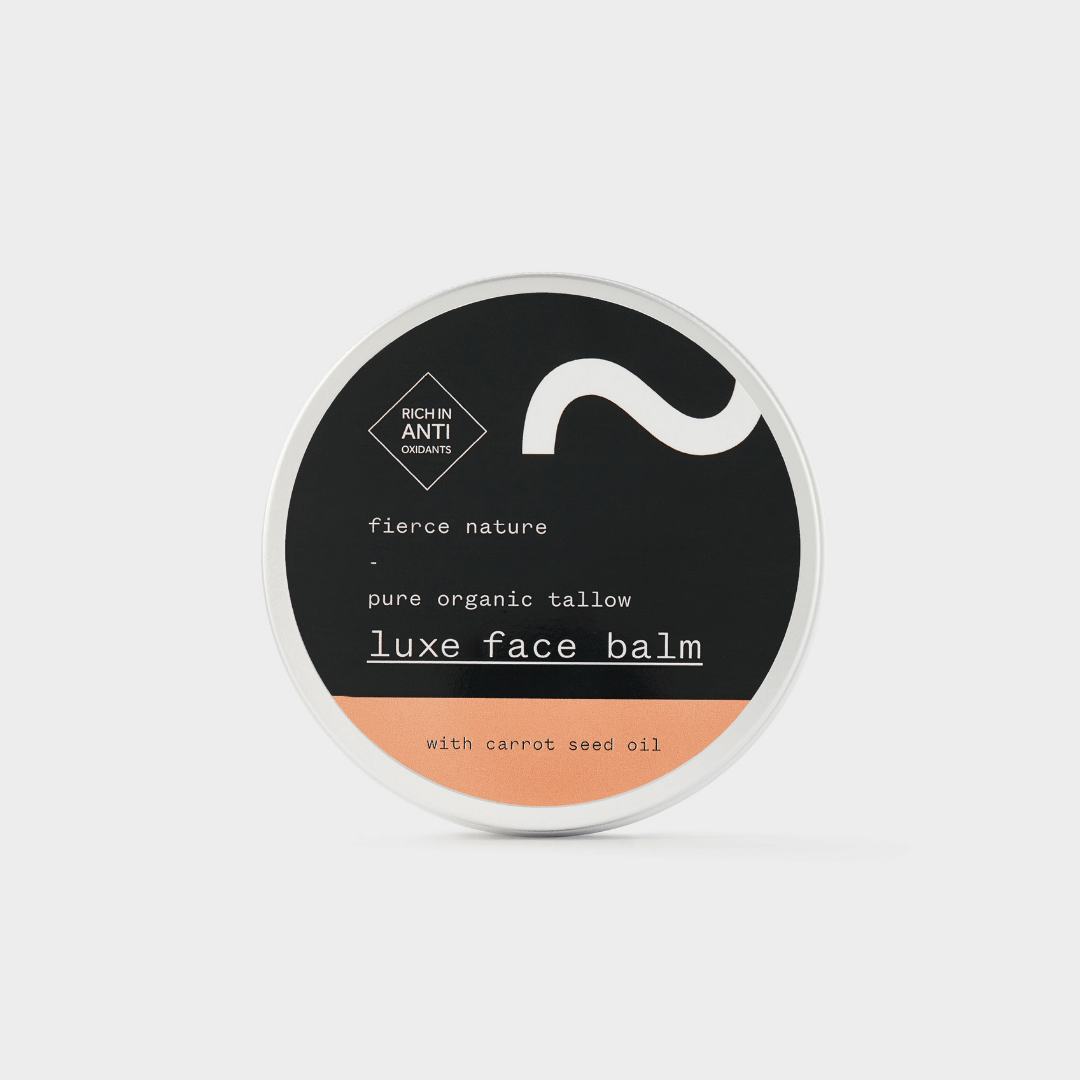
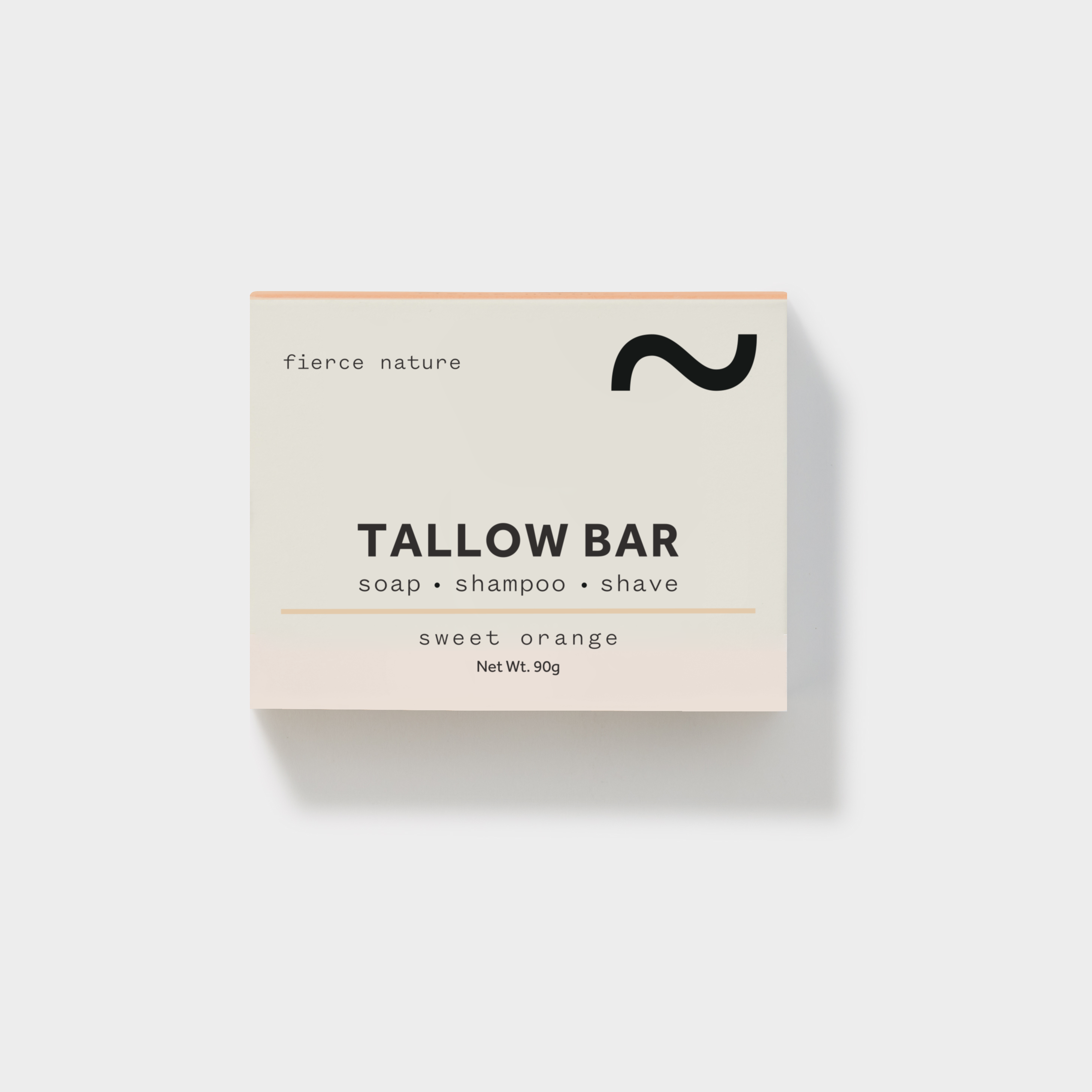
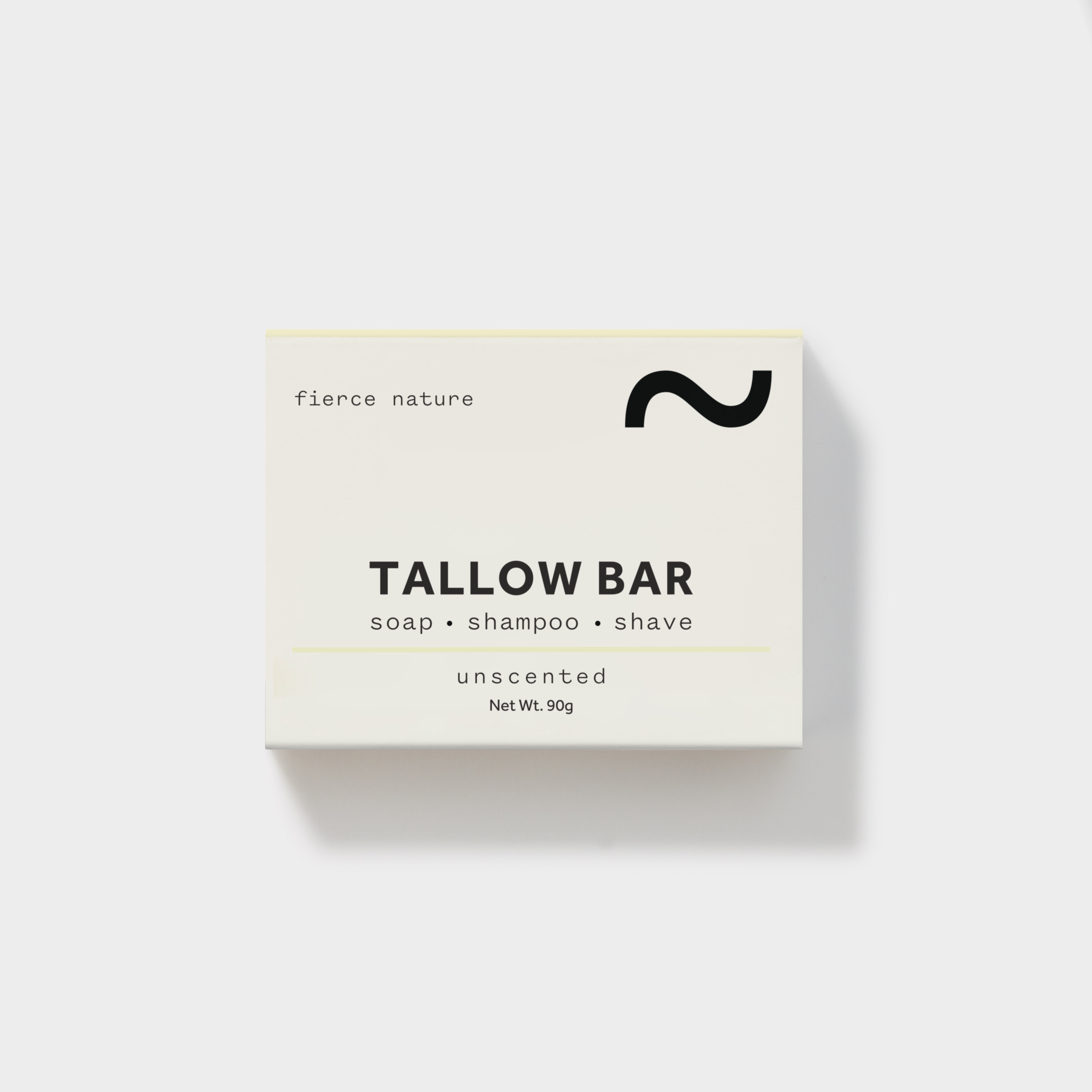
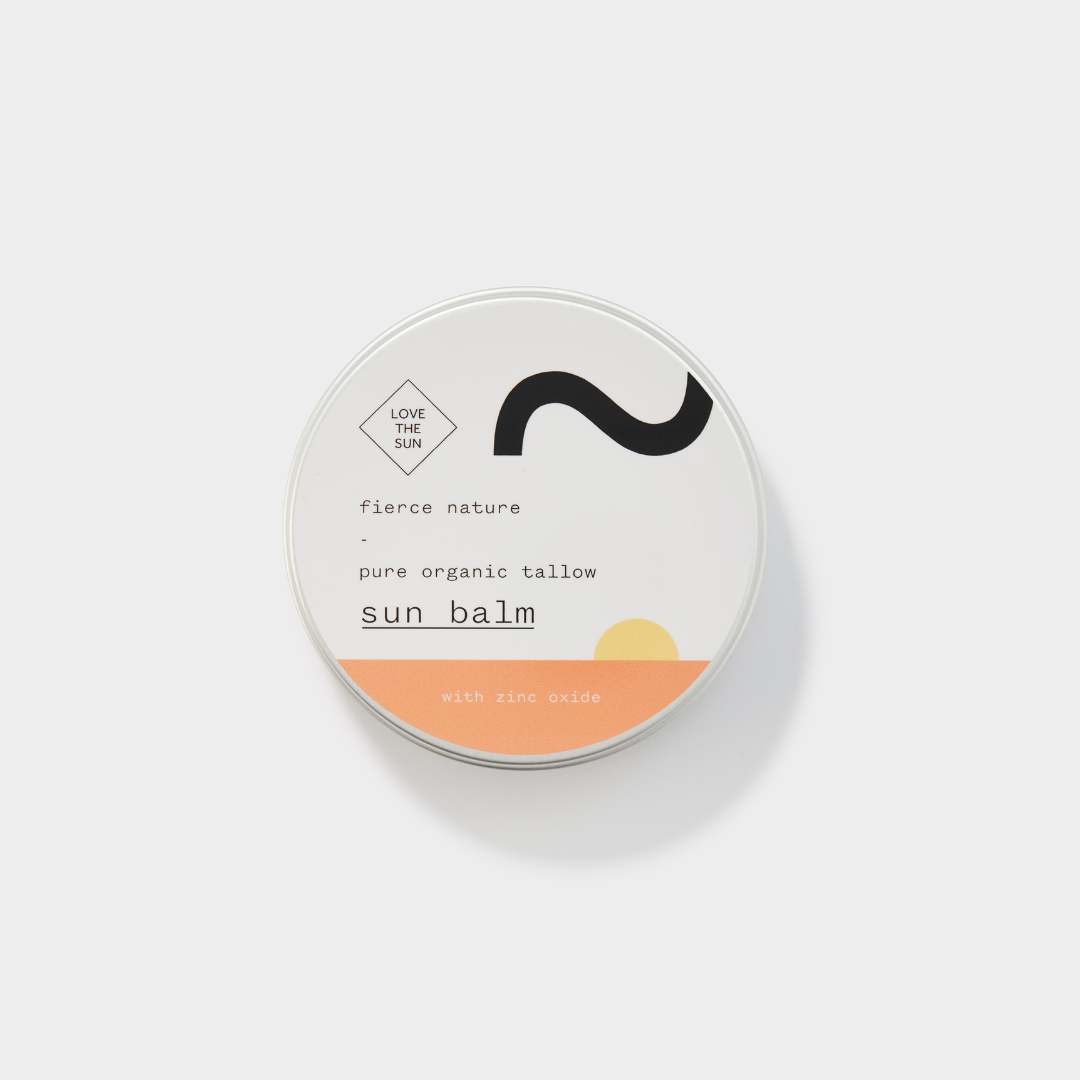
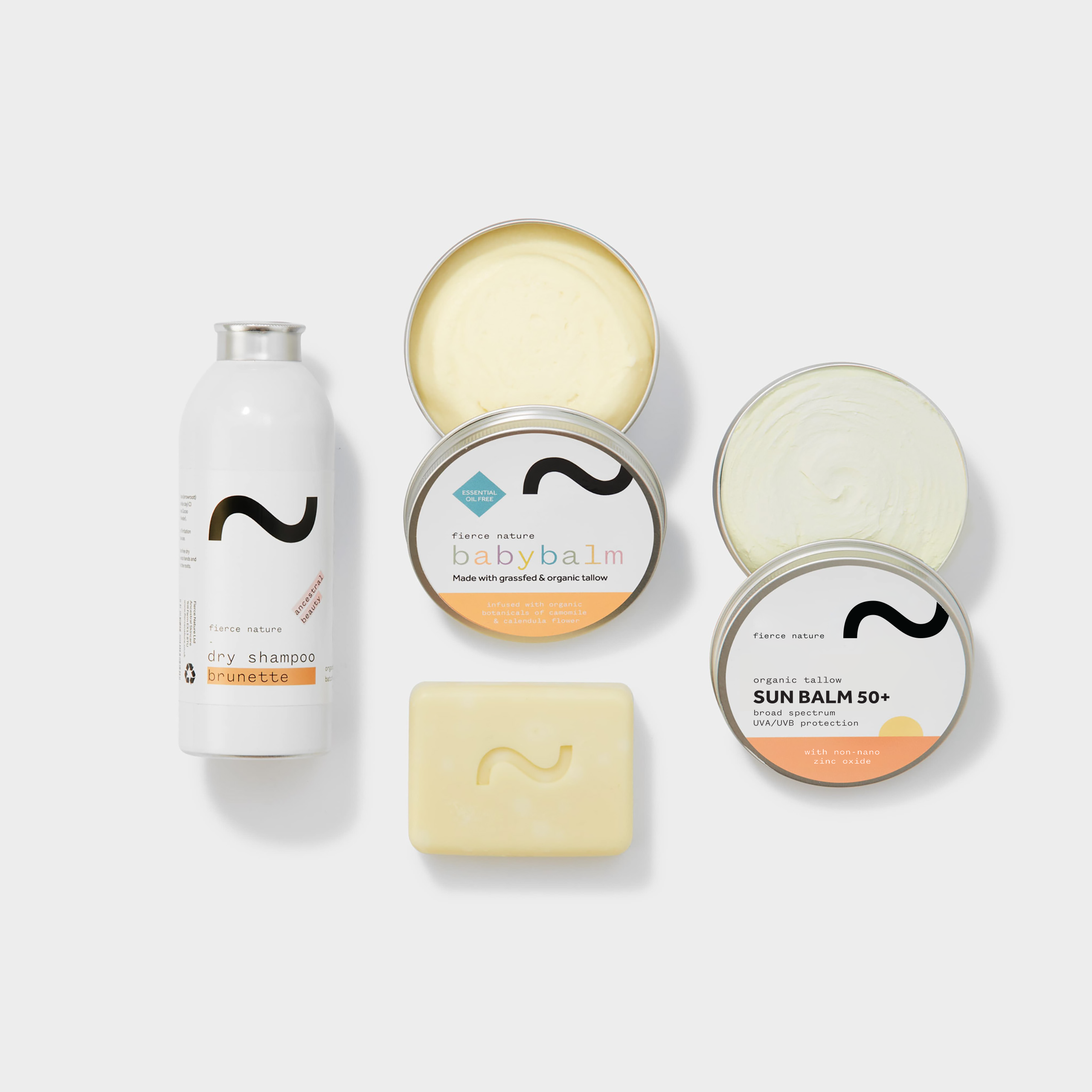





Stop any topical steroid on the area and put down every extra product on your shelf. The single most effective perioral dermatitis skincare routine is a minimalist one: a gentle cleanse, a light moisturiser only if your skin feels tight, and mineral SPF when you’re out in the sun. Expect things to look worse for a week or two before they improve, and if the rash is widespread or painful, book in with a clinician rather than waiting it out alone.
TL;DR:
Topical steroids are the primary trigger for perioral dermatitis, and stopping all steroid use is crucial to prevent worsening or rebound flare-ups.
A minimalist skincare routine that includes gentle cleansing, light moisturising only if necessary, and mineral SPF is usually sufficient during active flares.
Avoid ingredients like retinoids, acids, benzoyl peroxide, and occlusive heavy oils until inflammation subsides, and reintroduce products slowly after recovery.
Clinicians may recommend topical antibiotics or other treatments if zero therapy alone does not resolve symptoms, with patience required for visible improvement.
Exposure to heat, humidity, hormonal shifts, or habits like touching the face can aggravate symptoms and should be minimized during recovery.
Step-by-step minimalist daily routine for active perioral dermatitis
How do you stop touching or irritating the area around your mouth?
Perioral dermatitis shows up as small red bumps, sometimes with tiny pustules, clustered around the mouth, and often creeping towards the nose or eyes too. It tends to spare a thin strip of skin right against the lip line, which is one of the clues that separates it from acne or rosacea. Underneath the bumps, skin often feels tight, hot, or faintly itchy rather than simply spotty.
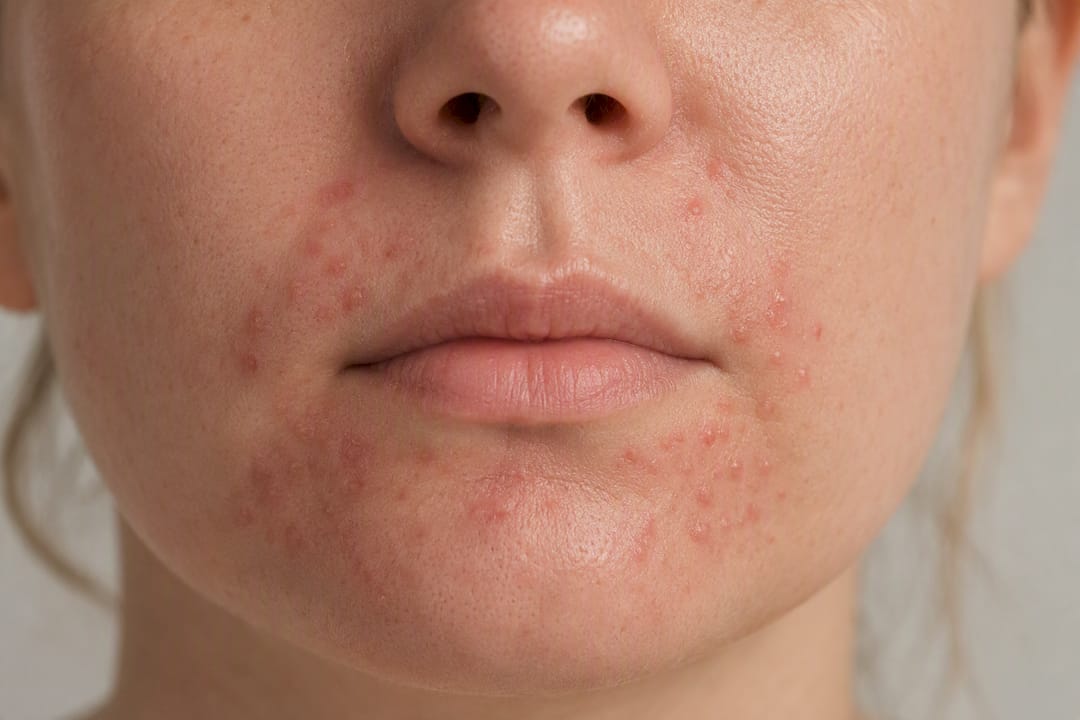
It affects women aged from their teens to middle age far more often than any other group, though men and children get it too, so don’t dismiss it just because you don’t fit that profile. Getting the diagnosis right matters more than most people realise, because the instinct to reach for a steroid cream, or a strong exfoliating acid aimed at acne, tends to make perioral dermatitis considerably worse.
A few features worth checking against:
Bumps confined to a band around the mouth, chin folds, or spreading up beside the nose
A clear, unaffected margin right at the lip edge
Burning or a tight, sunburnt sensation rather than classic acne pain
Skin that flares after stopping a steroid cream, rather than improving
If that pattern sounds familiar, treat the next few sections as your starting point, not just background reading.
Topical steroids, including mild over-the-counter hydrocortisone, are the most common trigger by a wide margin, and inhaled steroids used for asthma can cause it too if they drift onto the skin around the mouth. The tricky part is that steroids often make the rash look better within days, which encourages people to keep using them, right up until they can’t stop without a flare.
That pattern has a name: the steroid cycle. Skin improves under the steroid, worsens the moment you stop, and the temptation to reapply becomes almost automatic. Breaking that cycle is the single hardest part of recovery, and it’s worth knowing about before you start.
Beyond steroids, check these hidden culprits:
Fluorinated toothpaste (some dermatology sources link fluoride toothpaste to flares around the mouth)
Heavy foundation, concealer, or occlusive night creams applied right up to the lip line
Asthma inhalers, if residue settles on the chin and cheeks
Hot, humid conditions, heavy sweating, or hormonal shifts around the menstrual cycle
Pro Tip: Remove one suspect at a time rather than everything at once. If you drop toothpaste, cosmetics, and moisturiser simultaneously, you’ll never know which one was actually responsible when your skin calms down.
Zero therapy is exactly what it sounds like: stopping all topical products, especially steroids, and letting the skin sit with nothing but the gentlest of cleansing until the inflammation calms on its own. It’s the first-line approach clinical guidance points to, and for many people it’s genuinely all that’s needed.
The catch is the withdrawal period. When a steroid comes off skin that has become dependent on it, a rebound flare is common; skin can look angrier before it looks better. That worsening is often a diagnostic clue rather than a failure of treatment, but it’s also the exact moment most people panic and reach for the tube again. Sitting through it, ideally with a clinician checking in, is what actually breaks the cycle.
Where zero therapy alone isn’t enough, clinicians commonly reach for:
Topical metronidazole or clindamycin — anti-inflammatory rather than purely antibacterial, applied thinly once or twice daily
Azelaic acid or sulfur preparations — gentler options sometimes used under supervision
Topical calcineurin inhibitors — occasionally prescribed for resistant cases, again under a dermatologist’s guidance
None of these are self-prescribing territory. What works for one person’s skin can aggravate another’s, and a clinician will usually pair the choice with your history and how inflamed things currently are.
For more persistent or widespread cases, oral antibiotics such as doxycycline, minocycline, or tetracycline come into play, generally for courses of several weeks with monitoring along the way. Set your expectations around months, not days: topical treatments can take several weeks to months to reach full effect, and oral courses commonly run for several weeks under clinician supervision. Patience is genuinely the active ingredient here.
Keep every step deliberately thin and unhurried. This is not the moment for a ten-step regimen, however tempting it feels to “do more” when your skin looks unhappy.
Morning:
Rinse with lukewarm water, or use a fragrance-free, sulfate-free cleanser if you need to remove overnight residue.
Pat dry gently with a clean towel, never rub.
Apply a thin layer of a light, non-comedogenic moisturiser only if skin feels tight or dry, not as a default step.
Finish with a mineral sunscreen if you’ll be outdoors, since mineral filters tend to sit better on inflamed skin than chemical ones.
Evening:
Cleanse gently to remove sunscreen, sweat, or makeup, using the same fragrance-free formula.
Apply any clinician-prescribed topical exactly as directed, on completely dry skin.
Follow with a barrier-support moisturiser only if your skin tolerates it, waiting a few minutes after any prescribed topical first.
Use clean fingertips rather than cotton pads, apply in a thin film rather than a visible layer, and avoid building up product right at the corners of the mouth, where occlusion seems to aggravate the rash most.
Pro Tip: A cool, clean flannel compress for a few minutes can take the edge off burning or tightness on bad days, and it costs nothing. Keep it as your go-to instead of reaching for a new product every time skin feels uncomfortable.
Anything with real activity on the skin belongs on the “not now” pile. That means retinoids, AHAs and BHAs (including salicylic acid), benzoyl peroxide, and physical scrubs, all of which are standard acne fighters but tend to inflame perioral dermatitis further rather than calm it.
Heavy, oil-rich layers deserve the same caution. Straight coconut oil, in particular, is thick and occlusive enough to trap heat against already irritated skin, which is the opposite of what you want during an active flare.
Steer clear of these while skin is unsettled:
Retinoids and retinol derivatives
AHAs/BHAs, including salicylic and glycolic acid
Benzoyl peroxide and physical exfoliating scrubs
Fragrance and essential oils, even in “natural” formulations
Parabens and formaldehyde-releasing preservatives
Thick, straight oils and heavy occlusive balms layered right up to the lip line
Once things settle, a fragrance-free, minimal-ingredient approach becomes your baseline. That’s also why so many dermatology resources point people towards simple, short-ingredient-list moisturisers rather than multi-active serums during this stage. If you want to understand why fewer ingredients tend to serve reactive skin better, the reasoning behind fragrance-free formulations for allergy-prone skin is worth reading in full.
Wait until the active inflammation has genuinely settled, or until your clinician gives the go-ahead, before adding anything new back in. Reintroducing too early is the most common way people restart the whole cycle without realising it.
Introduce one product at a time, then wait two to three weeks before judging the result or adding the next.
Patch-test on a small area, such as behind the ear or along the jaw, before applying anywhere near the mouth.
Prioritise humectants and ceramide-rich barrier support first (think glycerin, hyaluronic acid, squalane), leaving active ingredients like retinoids for much later, if at all.
Track what you’ve added and when, so if a flare returns you can trace it rather than guessing.
Rotating several products at once during this stage defeats the purpose entirely, because you lose any way of knowing which one caused a setback. If you’re rebuilding from scratch, this approach to restoring the skin barrier lays out the sequencing in more depth. On timelines: topical therapies can take up to three months to show their full effect, so judge each addition over weeks, not days.
Simplifying your routine is the right first move, but certain signs mean it’s time to stop self-managing and get a professional opinion.
Rapid spreading beyond the mouth towards the eyes or across the cheeks
Significant pain, swelling, or signs of secondary infection such as weeping or crusting
No improvement, or worsening, after several weeks of a genuinely minimal routine
Uncertainty about whether it’s perioral dermatitis, acne, or rosacea
Bring a clear history to the appointment: every topical steroid you’ve used (including mild over-the-counter ones), your current toothpaste and cosmetics, and photos showing how the rash has changed over time. Expect a discussion of topical prescriptions first, with oral antibiotics or a referral reserved for cases that need more support.
We built Fierce Nature on a simple frustration: growing up battling skin reactions that mainstream cosmetics only made worse, wrapped in packaging that promised the opposite. That’s shaped how we think about reactive skin conditions like perioral dermatitis, where less genuinely is more, and where a short ingredient list matters far more than a long list of promises.
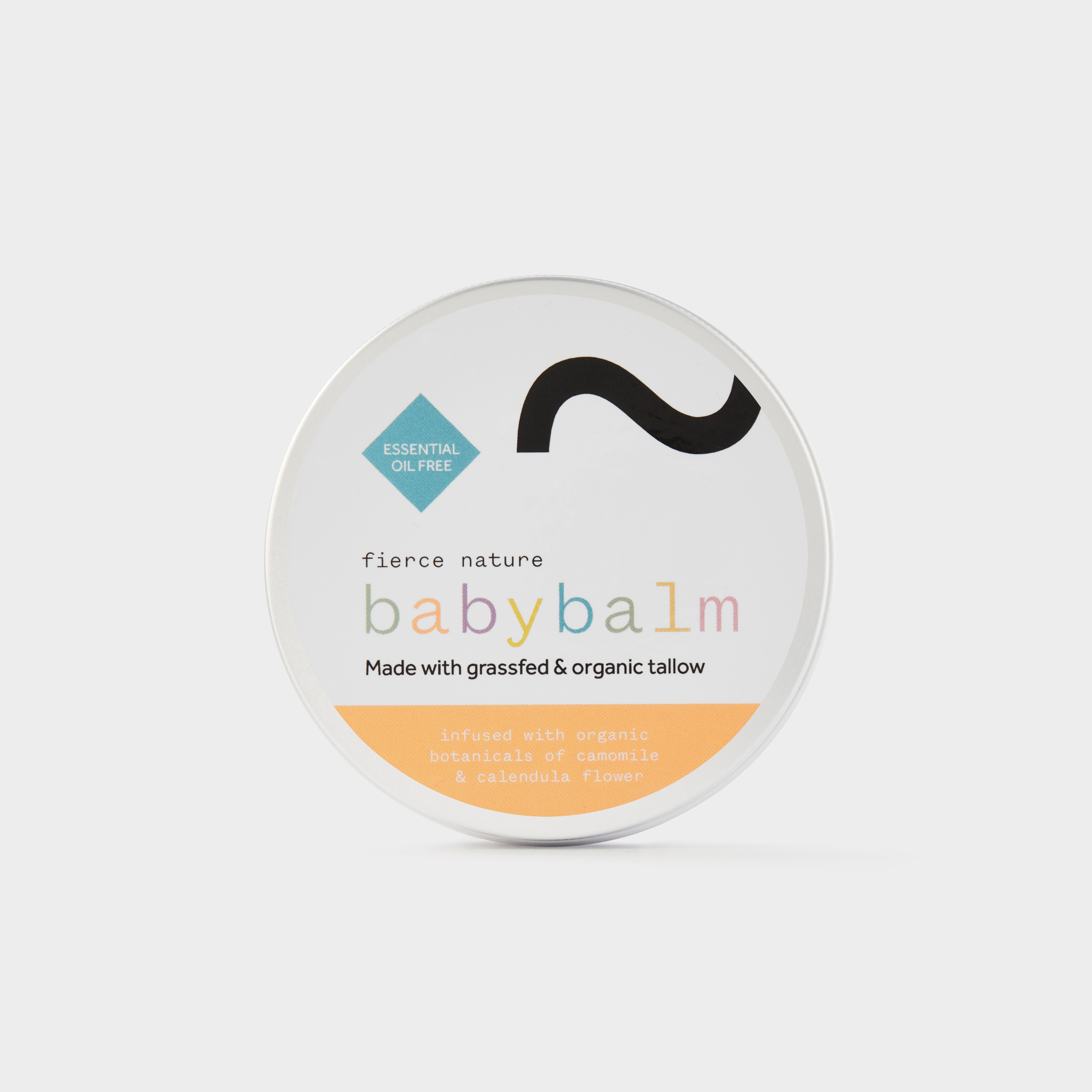
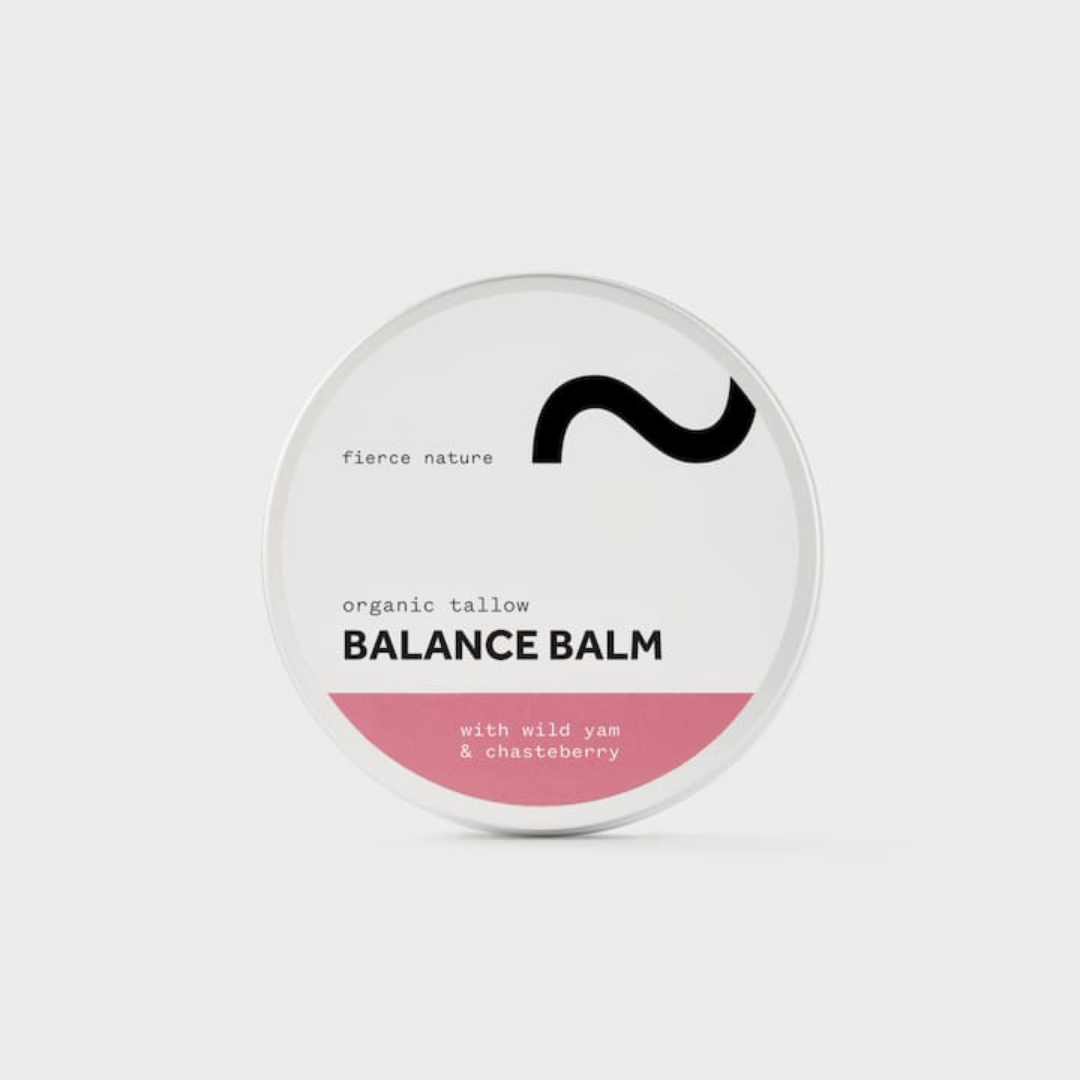
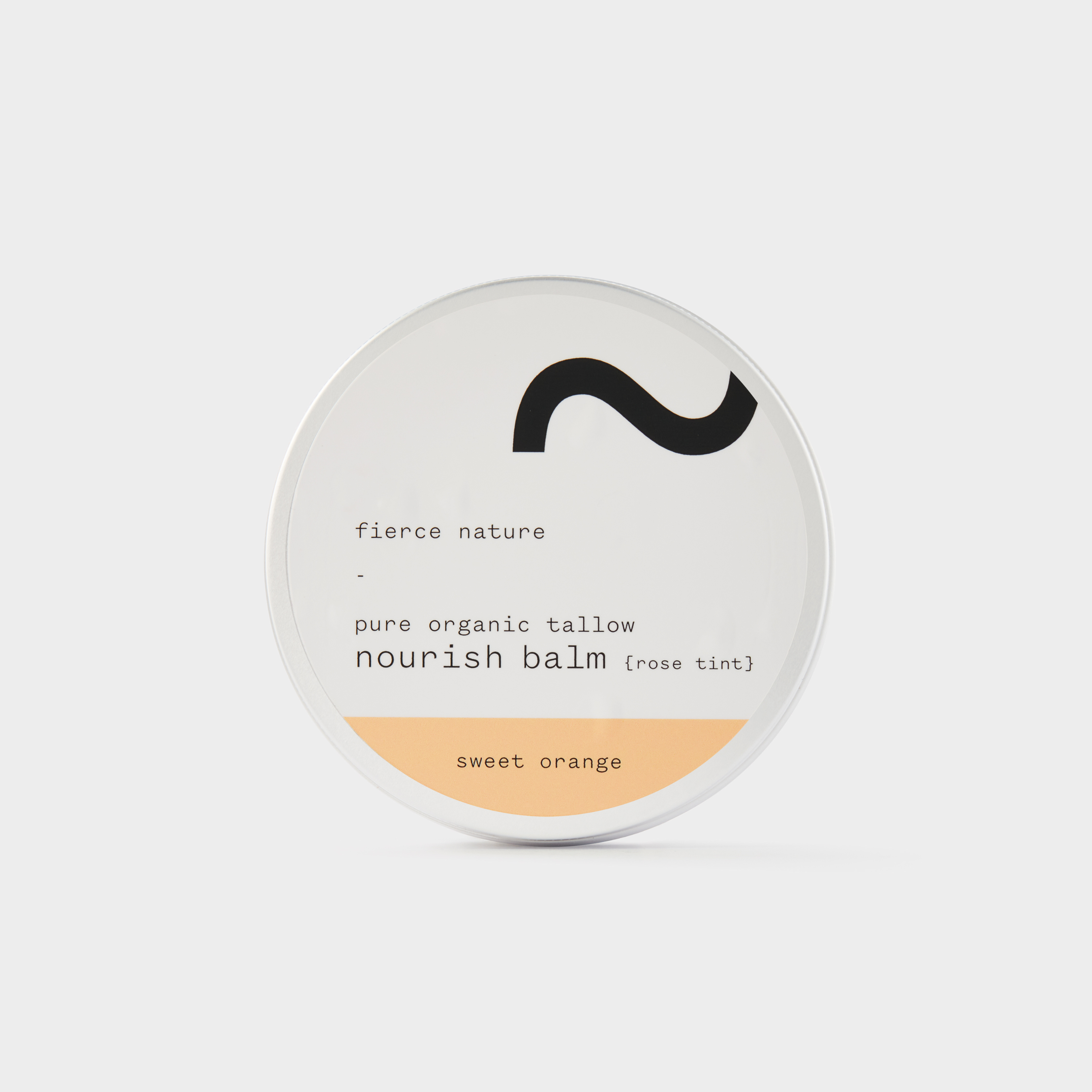
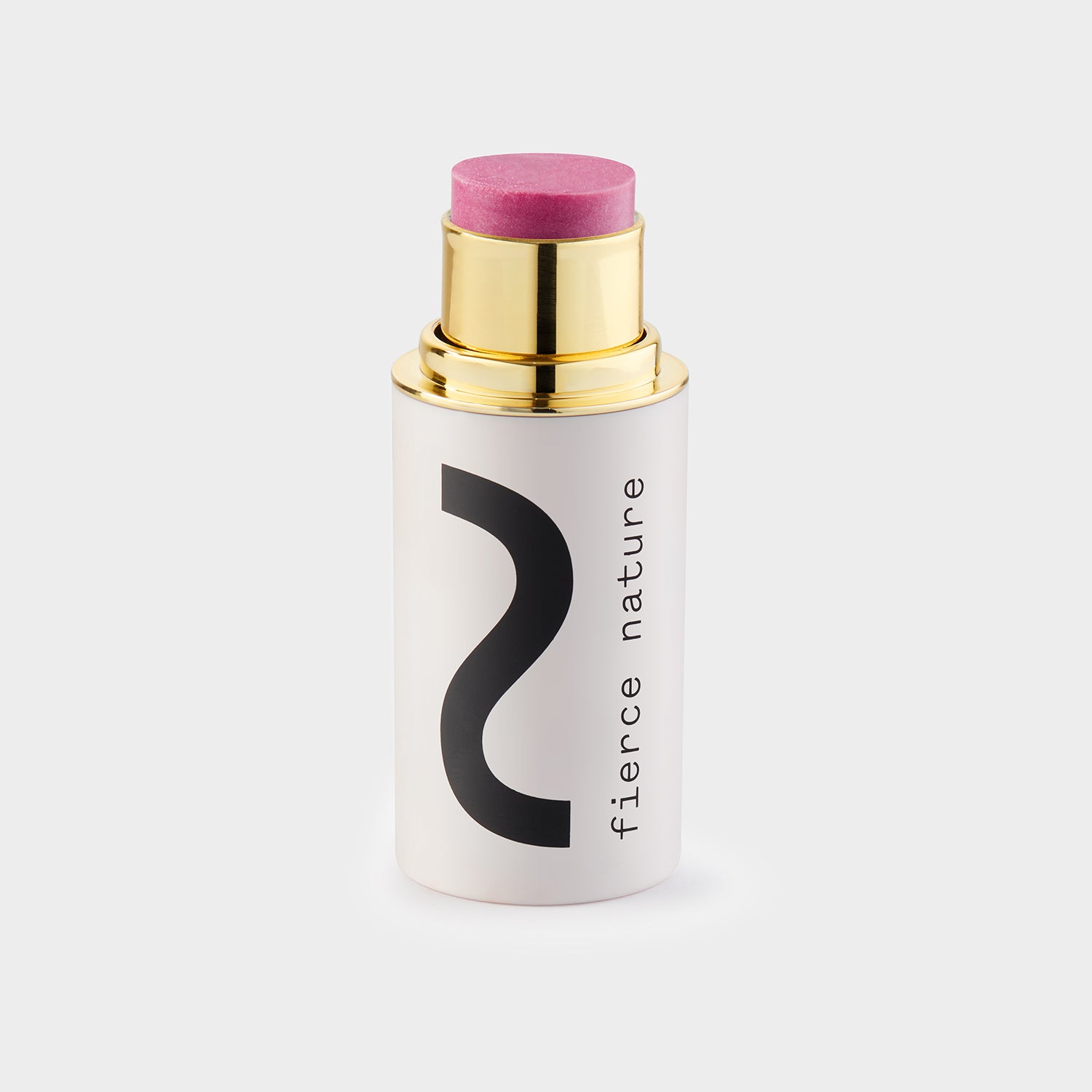
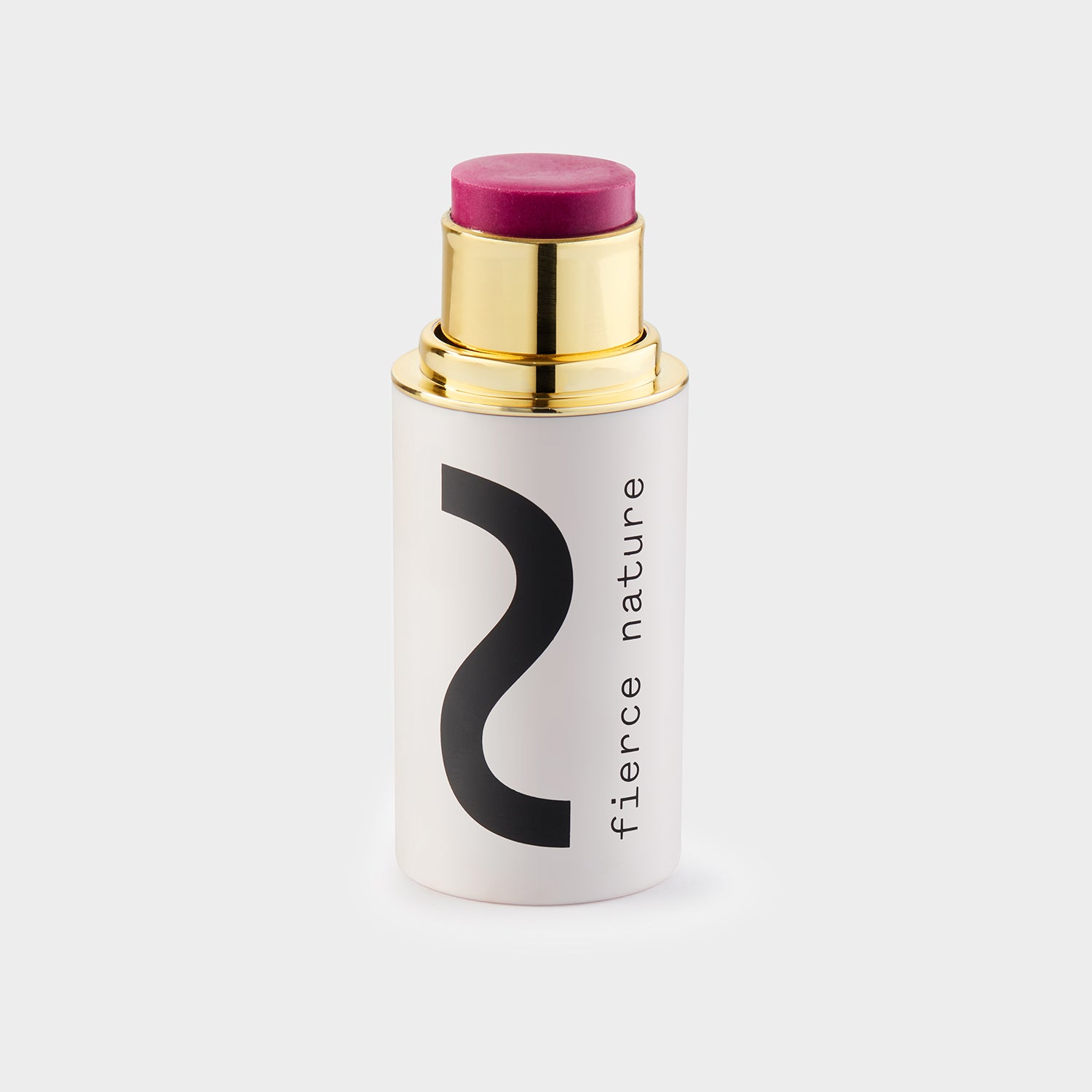
Barrier support with a pure, tallow-based balm can be a sensible companion to clinician-led treatment, not a replacement for it. Such balms can be formulated with that in mind alongside prescribed dermatological treatments.
We’re not suggesting such balms treat perioral dermatitis. Once the active inflammation has settled, gentle, minimal-ingredient barrier support may have a role.
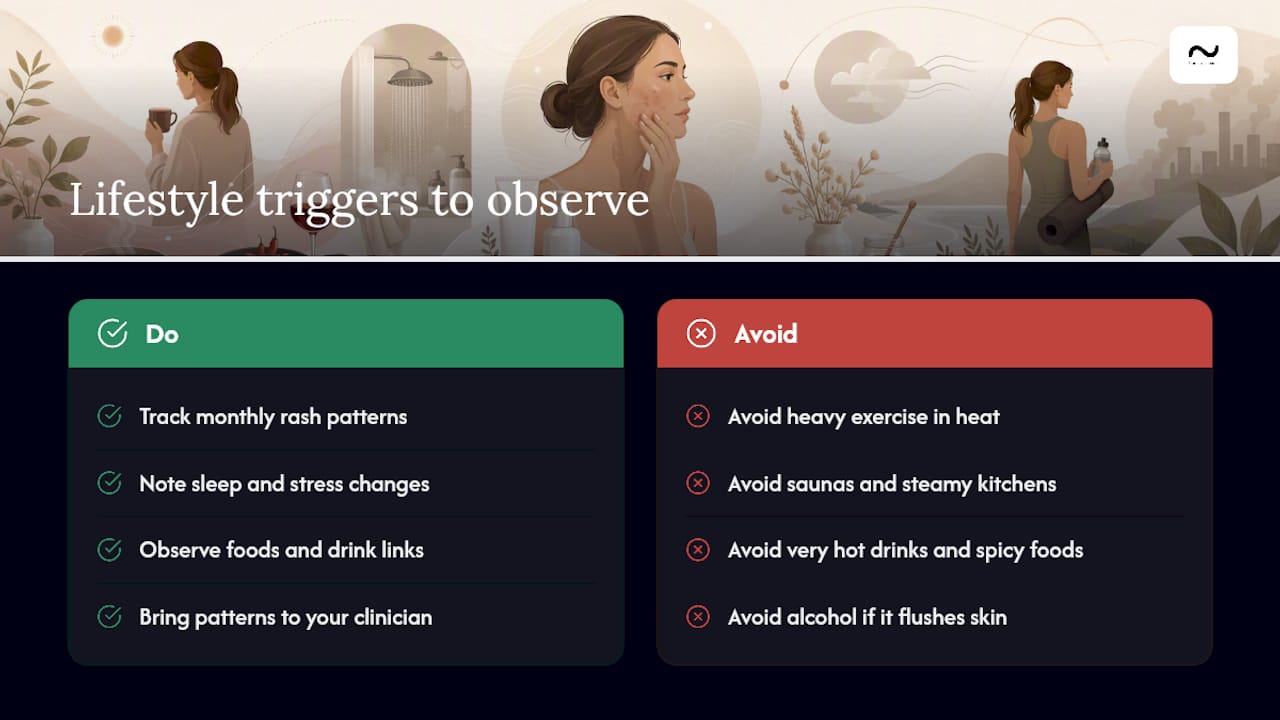
Diet doesn’t get discussed in clinical literature on perioral dermatitis nearly as much as topical triggers do, but plenty of people notice patterns worth paying attention to. Heat and humidity are consistently reported as flare triggers, so heavy exercise in hot, sweaty conditions, saunas, or long periods in a steamy kitchen can all aggravate an already sensitive area.
Hormonal fluctuation is another recurring theme, particularly around the menstrual cycle, which lines up with why the condition disproportionately affects women in their reproductive years. If you notice your rash tracking a monthly pattern, that’s useful information to bring to a clinician rather than something to dismiss as coincidence.
On food specifically, no single dietary trigger has strong evidence behind it for perioral dermatitis the way certain foods do for other skin conditions. That said, some people report that spicy foods or very hot drinks seem to correlate with burning sensations around the mouth during a flare, likely from direct thermal or irritant contact with already inflamed skin rather than any deeper systemic effect. Alcohol, which dilates blood vessels and can flush the face, is worth watching too if you notice a connection.
Sleep and stress sit in the same bracket. Neither has been proven to cause perioral dermatitis directly, but both influence inflammation broadly, and most people already know their skin behaves differently during a stretch of poor sleep or a stressful week. Treat these as things to observe in your own pattern rather than rules to follow blindly.
You can, but the products matter more than usual right now. Heavy, long-wear foundations and thick concealers applied right up to the lip line are a recognised aggravator, so the goal is coverage without occlusion.
Look for mineral-based formulas with short ingredient lists, ideally labelled fragrance-free and non-comedogenic. Powder mineral foundations tend to sit more comfortably on inflamed skin than liquid or cream formulas, because they don’t trap heat and moisture against the surface the way heavier bases do. If you do wear a liquid foundation, apply it thinly with clean fingers or a clean brush rather than a sponge that’s been sitting in a makeup bag collecting bacteria.
Skip anything with added shimmer, fragrance, or long-wear polymers during an active flare, and be especially wary of lip liners and lip products that extend slightly onto the affected skin, since these sit directly on the trigger zone. Setting sprays with alcohol as a leading ingredient are worth avoiding too, since alcohol can dry and further sensitise already compromised skin.
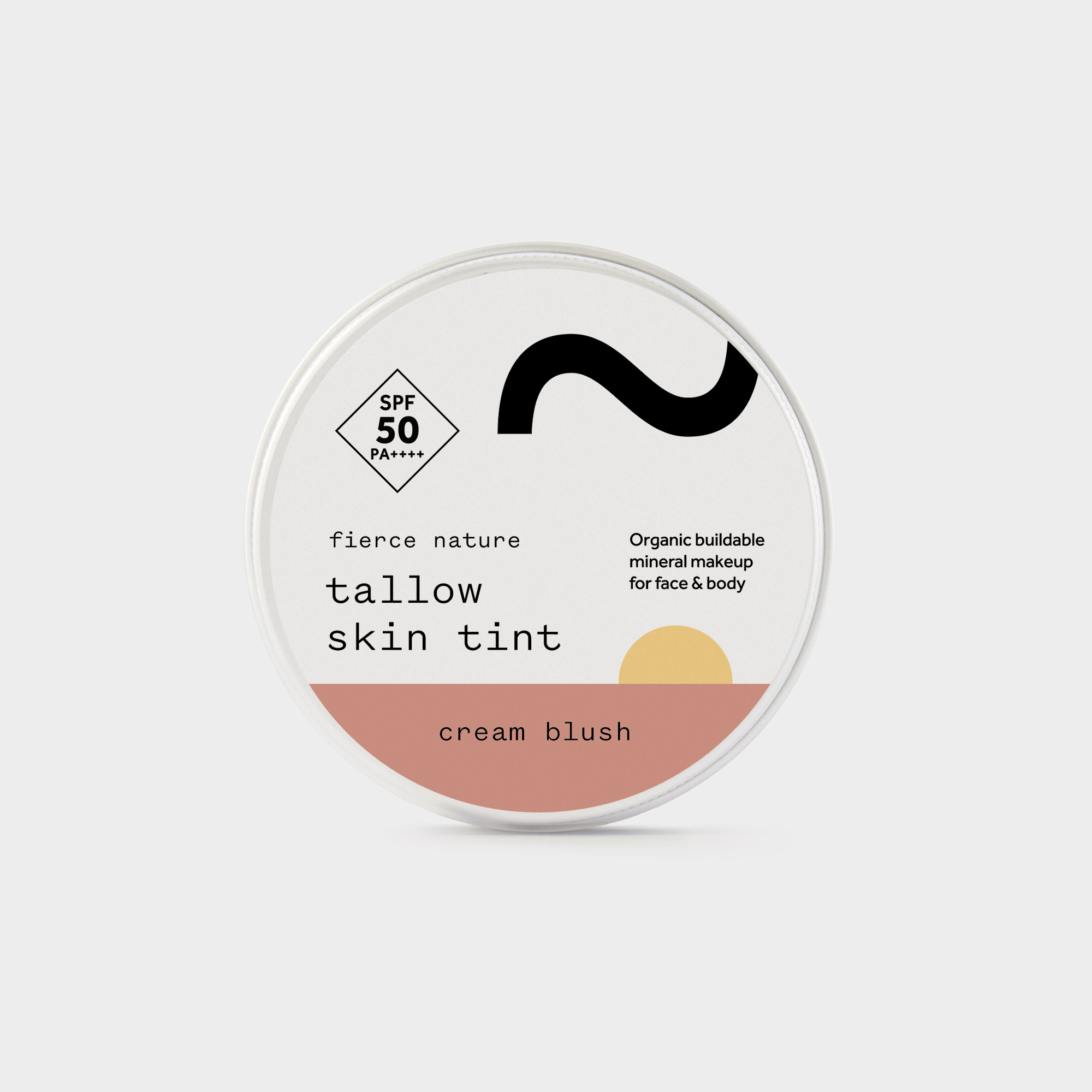
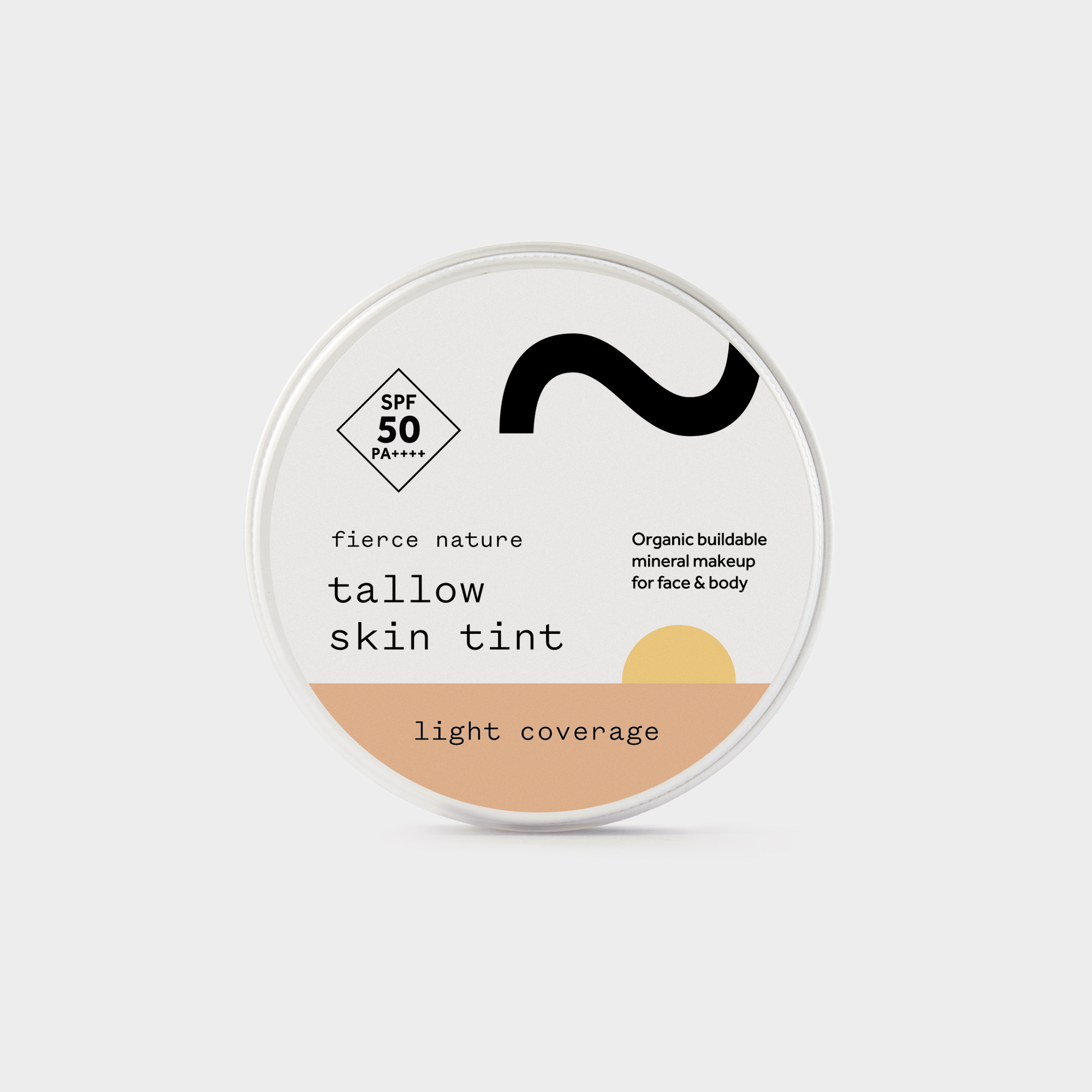
The safest approach during a flare is often the simplest: a light mineral SPF as your base, spot concealing only where genuinely needed, and skipping full coverage until the rash has settled. Once skin calms down, you can gradually reintroduce your usual products following the same one-at-a-time approach used for skincare.
Habitual face touching is easy to overlook as a trigger, but hands carry oil, bacteria, and whatever product residue you last handled, all of which can aggravate skin that’s already compromised. Perioral dermatitis sits in exactly the zone most people touch without thinking: resting a chin on a hand, wiping the mouth after eating, or absentmindedly rubbing the area when concentrating.
A few practical habits make a real difference:
Keep hands away from the mouth and chin area as a general rule, and notice when you catch yourself doing it
Wash pillowcases more frequently than usual, since they collect oil and product residue that presses against the face all night
Avoid resting a phone against the chin or cheek during calls, as screens carry more bacteria than most surfaces in the house
Switch to sipping drinks through a straw if hot or acidic beverages seem to irritate the area
Be mindful of scarves, helmet straps, or masks that rub repeatedly against the same patch of skin
None of this replaces the medical side of managing a flare, but reducing friction and contamination around already inflamed skin gives your routine a genuinely better chance of working.
I’ve watched the steroid cycle trap people who were doing everything else right, and the hardest part was never the routine itself. It was sitting through the week when skin looked worse and resisting the urge to reach for the tube that used to fix it overnight.
If you’re in that stretch now, it passes. Talk to a clinician if things feel unmanageable, and if you try any of our balms alongside your treatment, patch-test first and always defer to your dermatologist’s advice over ours.
— Fierce Nature
Once active inflammation has settled, or your clinician has confirmed it’s safe to start rebuilding, a genuinely short-ingredient-list balm becomes useful rather than risky. Some balms for that stage use a short ingredient list rather than mainstream products loaded with fragrances and preservatives that may contribute to sensitivity. Such balms may use pure, organic tallow as their base, chosen for skin absorbency, with minimal synthetic ingredients.
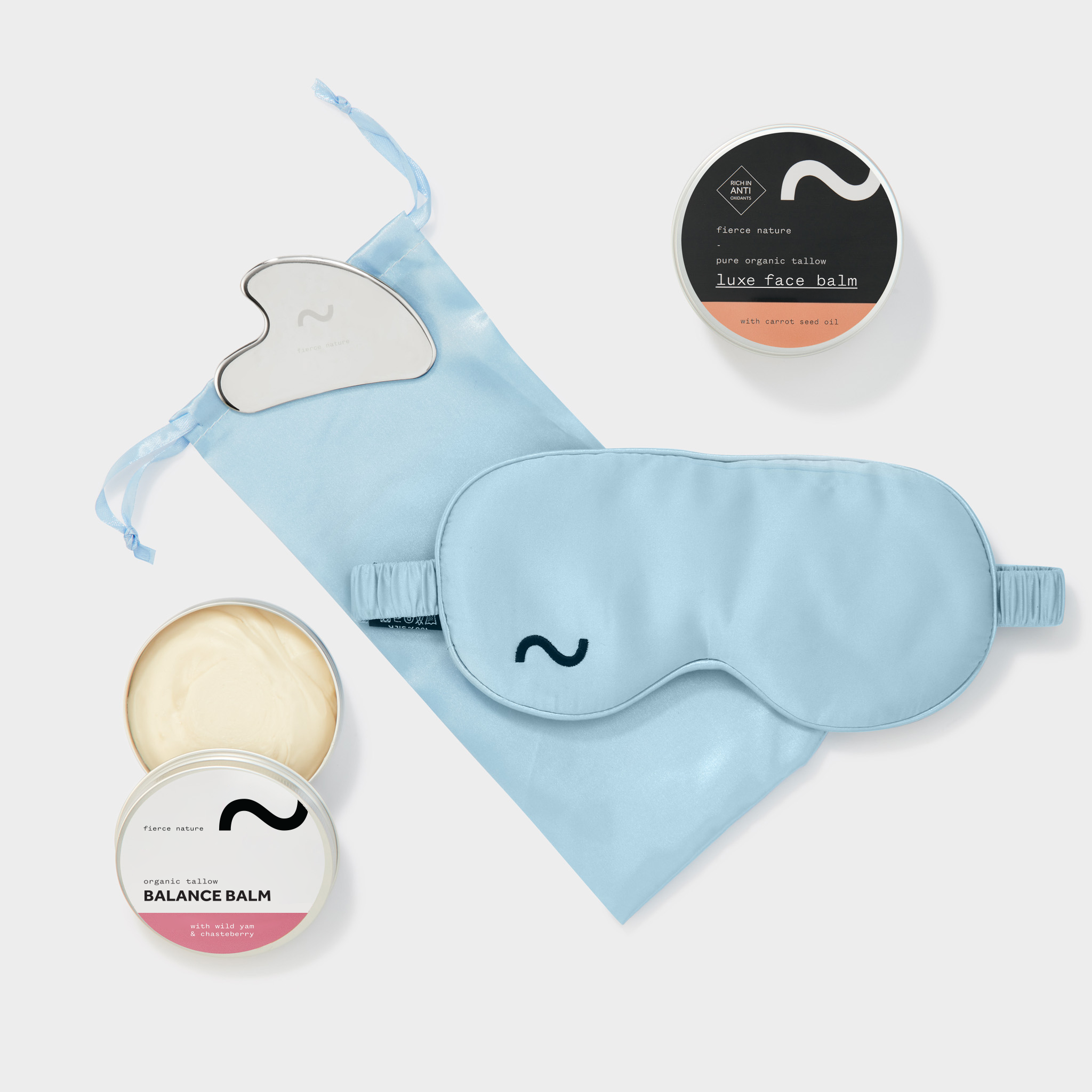
For someone rebuilding hydration after a flare, the Hydration Rescue Bundle is designed for exactly that stage, pairing barrier support with gentle, minimal formulations. If you’re further along and want a broader reset for skin and routine together, the Biohacking bundle covers barrier repair more widely. For daily, simple barrier support once skin has calmed, the Luxe Balm is our most straightforward option.
Whichever you choose, patch-test on your jaw or inner arm first, and check with your clinician before layering anything new alongside a prescribed topical. Browse the full range at Fiercenature when you’re ready to take that next step.
For deeper reading beyond this routine, these resources cover the clinical side in more depth:
The NCBI StatPearls entry on perioral dermatitis, covering diagnosis and clinician-level treatment protocols
Harvard Health’s overview of causes, triggers, and skincare recommendations
Cleveland Clinic’s patient guidance on symptoms, self-care, and when to seek treatment
For a broader look at barrier thinning and how it factors into sensitised skin generally, this explainer on skin barrier thinning is a useful companion read.
This article is general information, not a substitute for advice from a qualified doctor. Consult a qualified healthcare professional about your own circumstances before acting on anything here.
Only if your skin feels genuinely dry or tight, and only with a thin layer of a light, non-comedogenic, fragrance-free formula. Moisturising as a default step, regardless of how skin feels, tends to overload already inflamed skin and can slow recovery.
Avoid retinoids, AHAs/BHAs including salicylic acid, benzoyl peroxide, physical scrubs, fragranced products, and heavy occlusive oils or balms layered near the mouth. Topical steroids are the single most important product to stop, even mild over-the-counter hydrocortisone.
There’s no genuine overnight fix, but simplifying immediately to a gentle cleanse, stopping all steroids, and applying cool compresses for comfort gives skin the best chance to settle within a couple of weeks. Chasing a fast fix with a new active product usually backfires and extends the flare.
Public accounts of managing perioral dermatitis consistently echo the same clinical principle: strip the routine back to almost nothing, remove steroids and heavy products, and let skin recover with minimal interference. That mirrors the zero therapy approach clinicians recommend as first-line management.
With consistent minimal-ingredient care, many people see noticeable improvement within a few weeks, though topical treatments can take up to three months for full effect. Cases needing oral antibiotics typically run an 8 to 12 week course under clinician supervision.