Cart
0
80% Also Added this


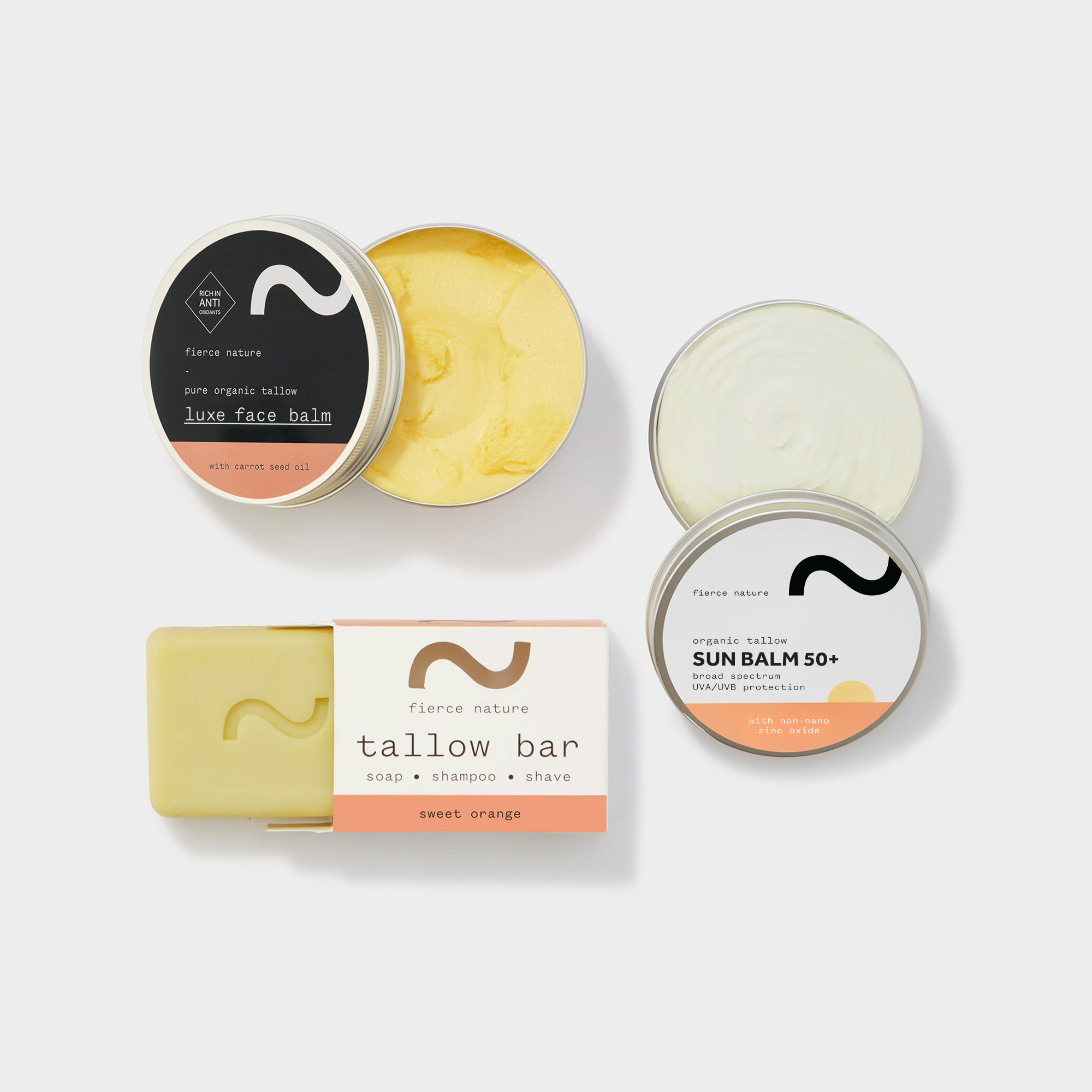
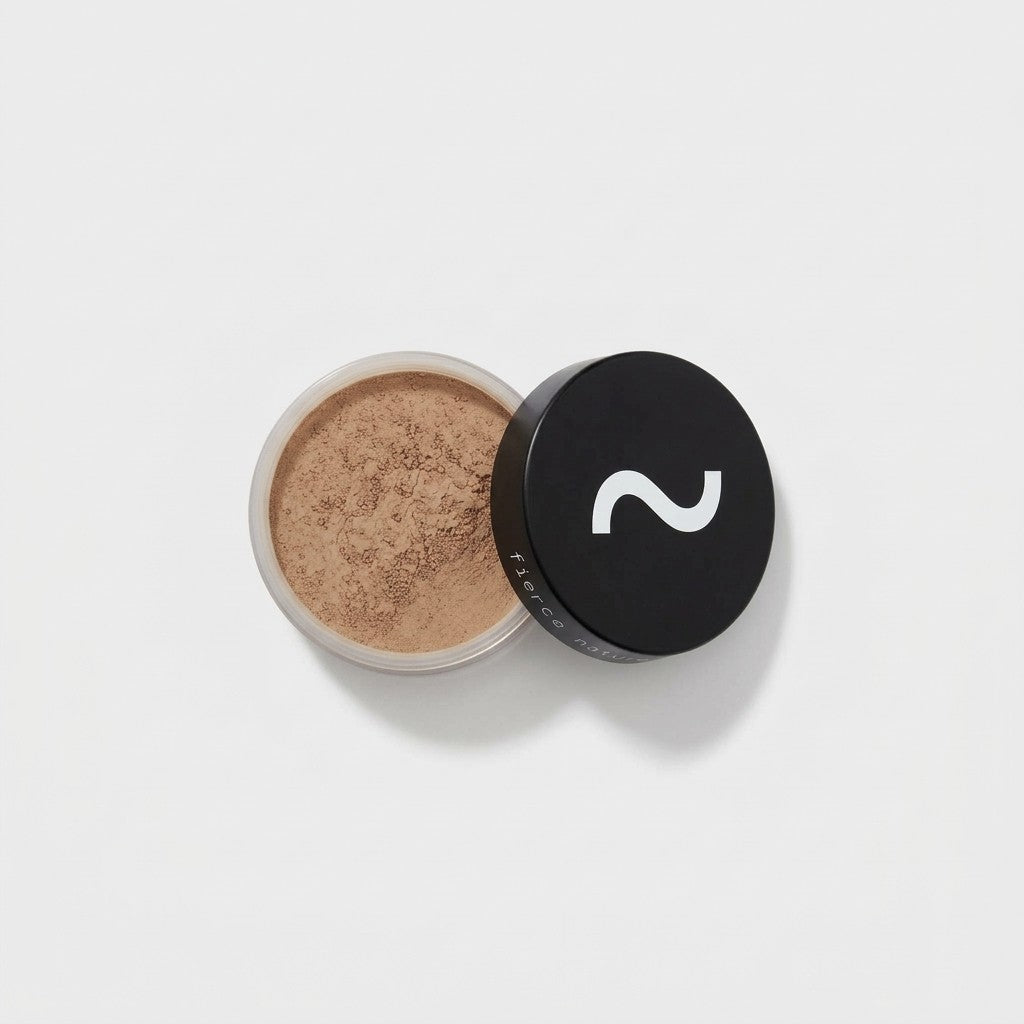
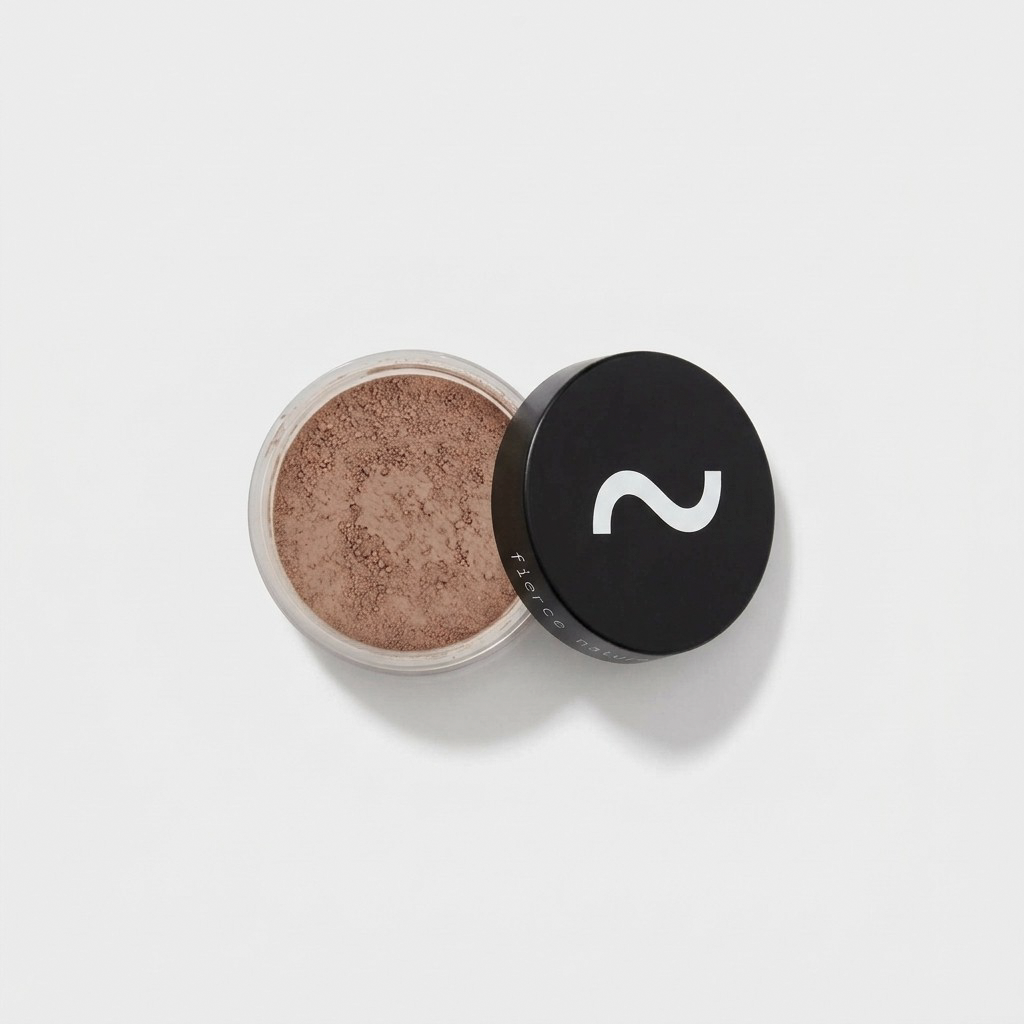
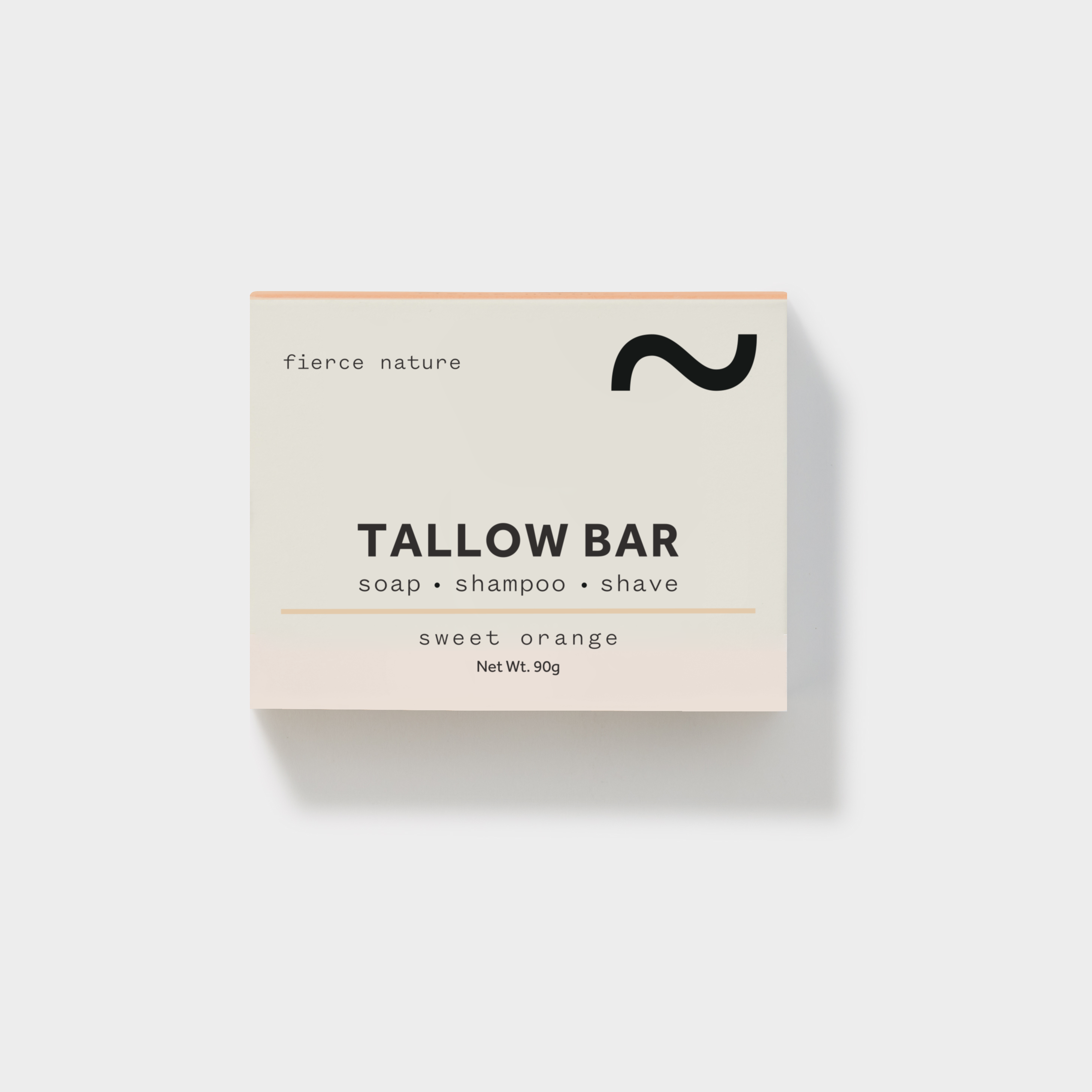
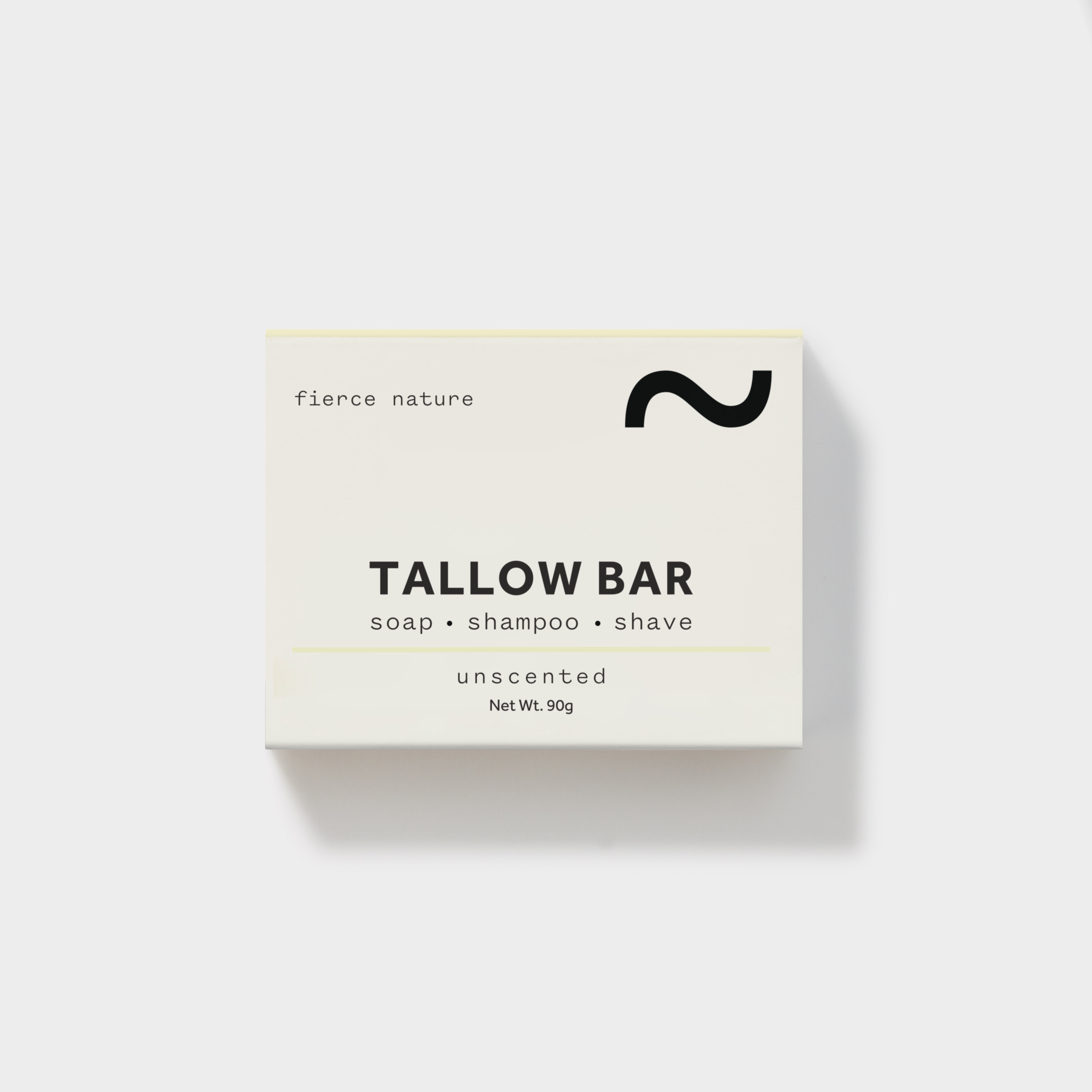
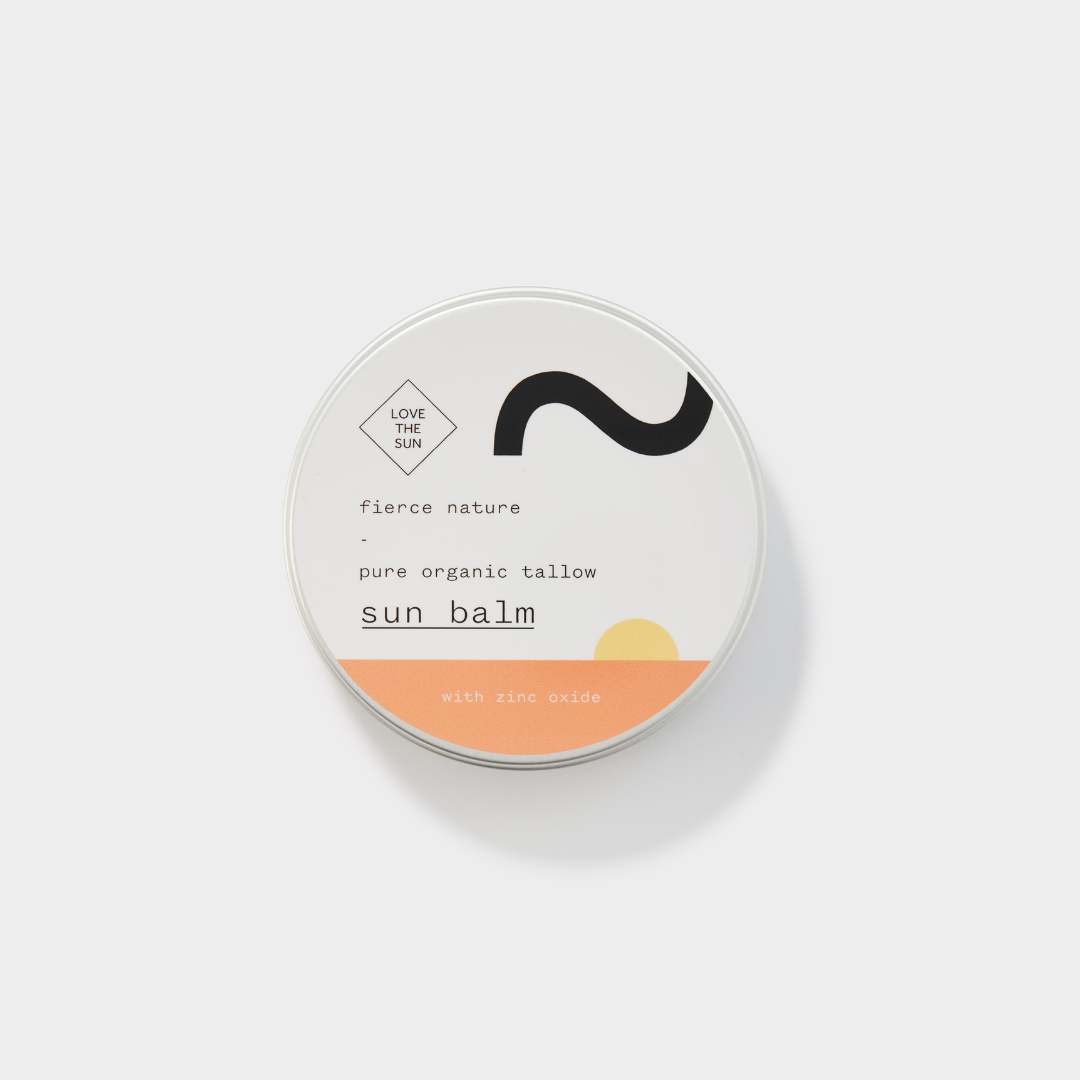
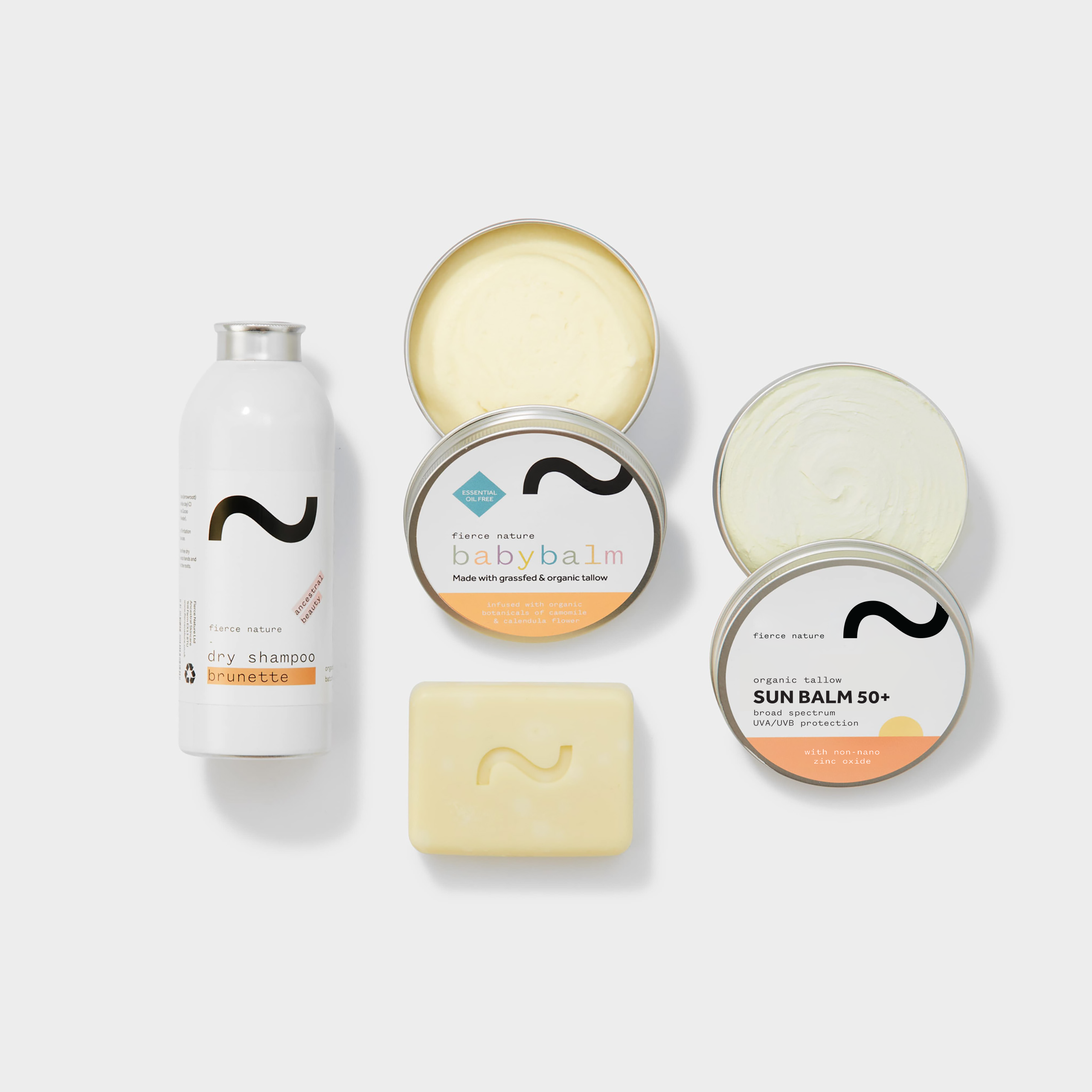
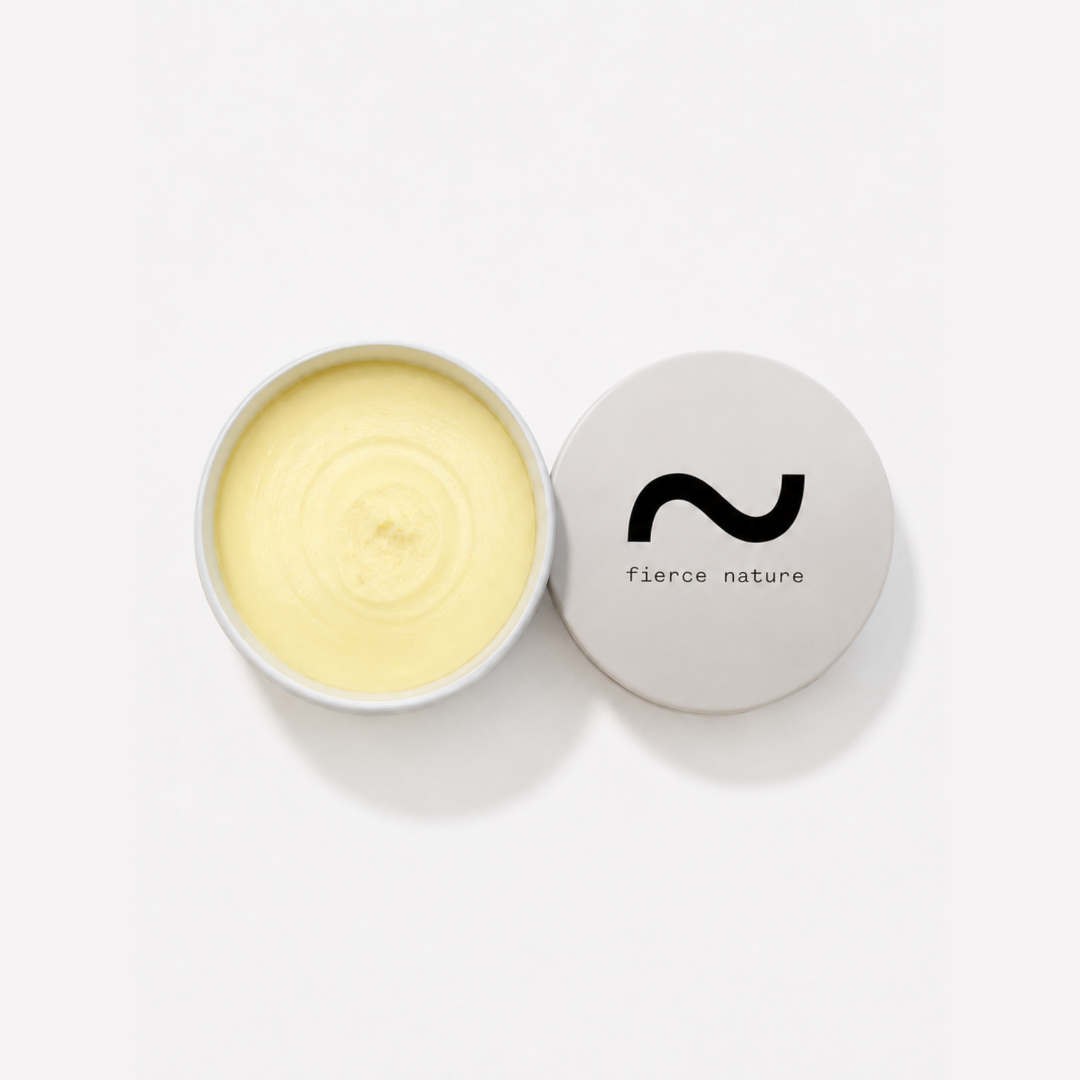
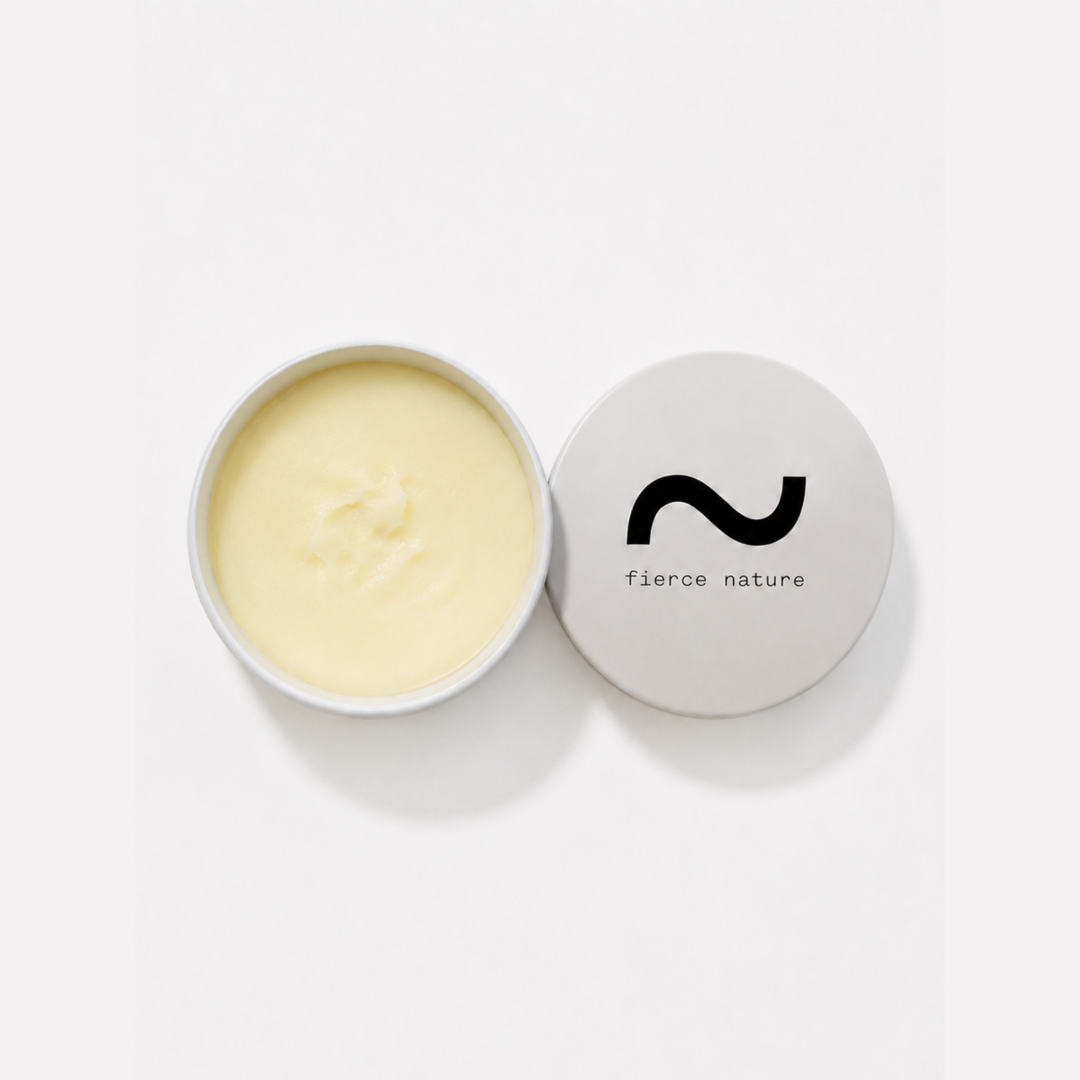
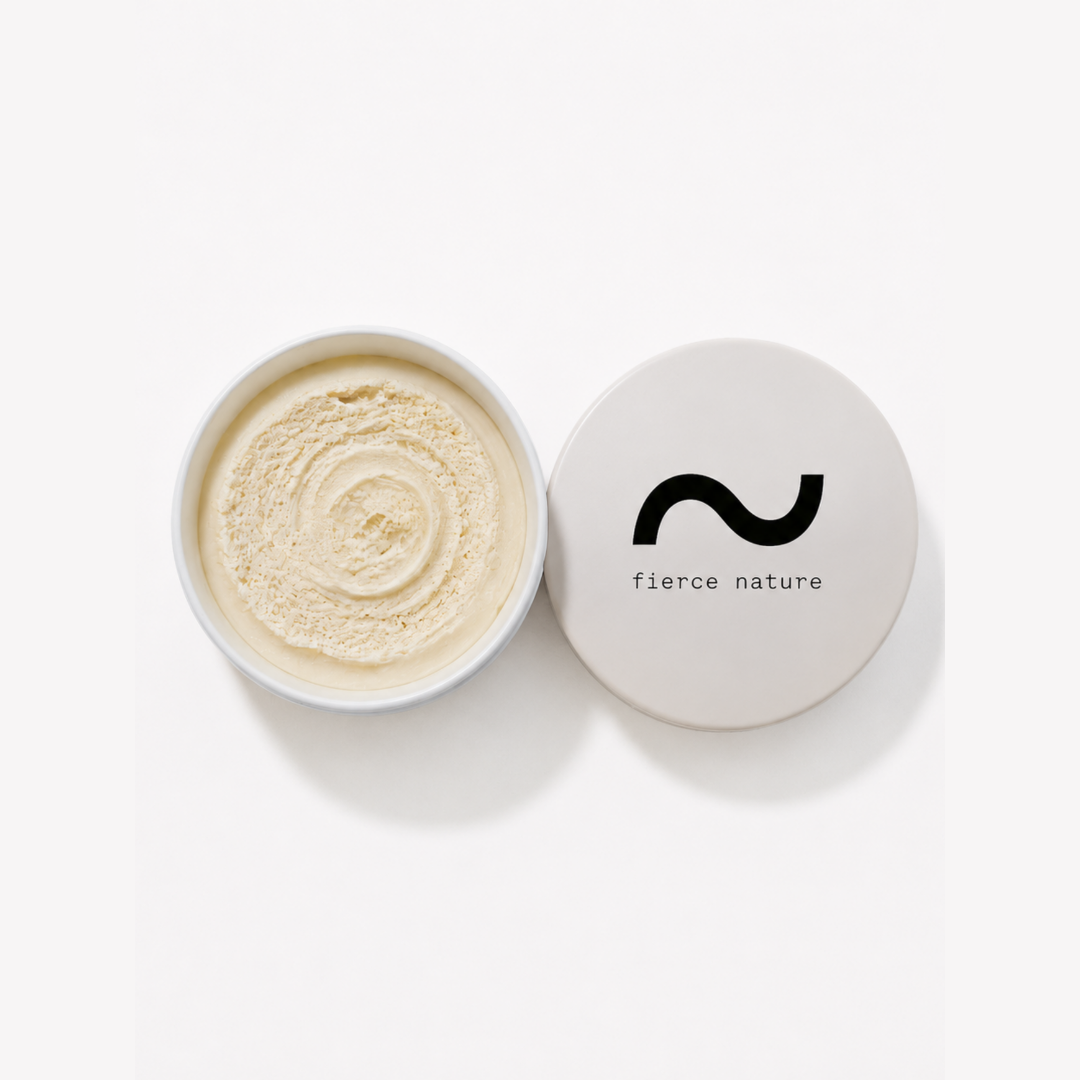
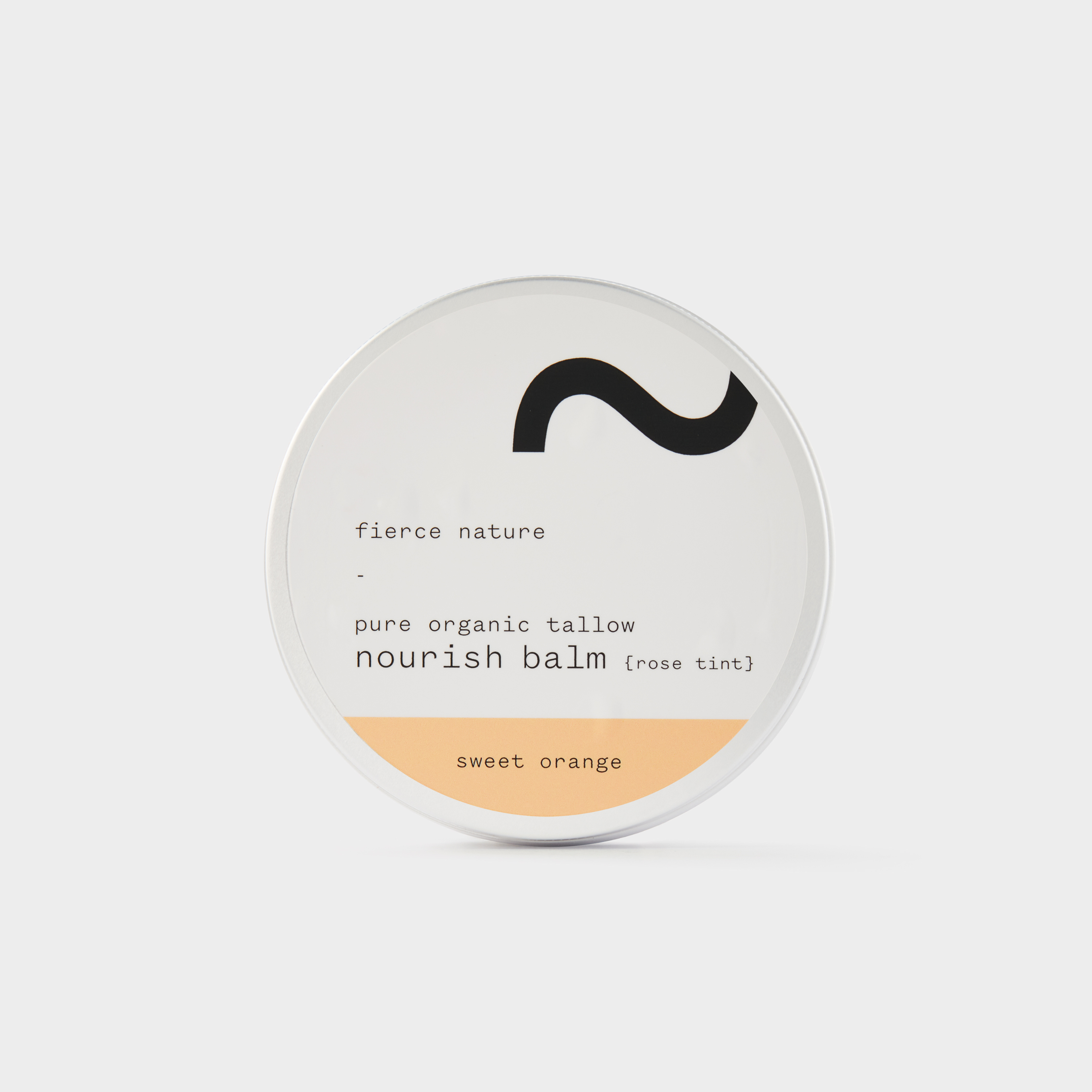

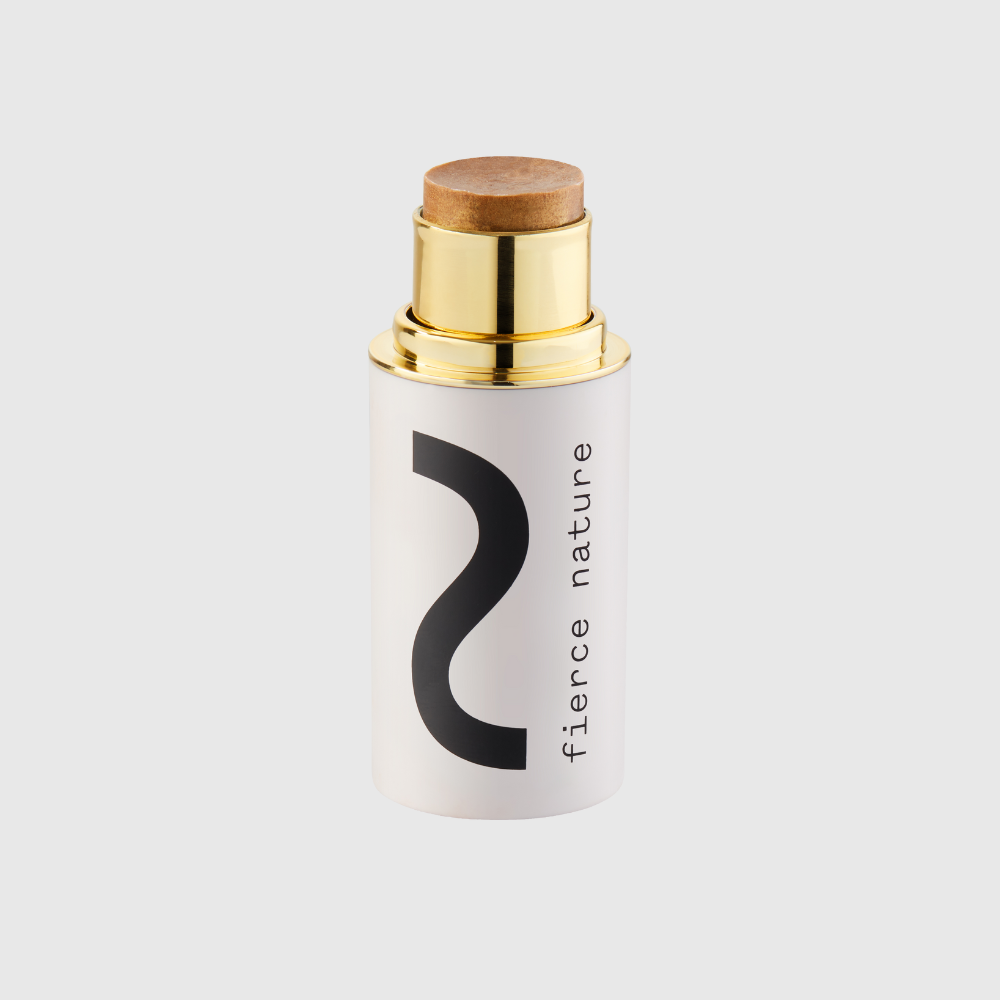
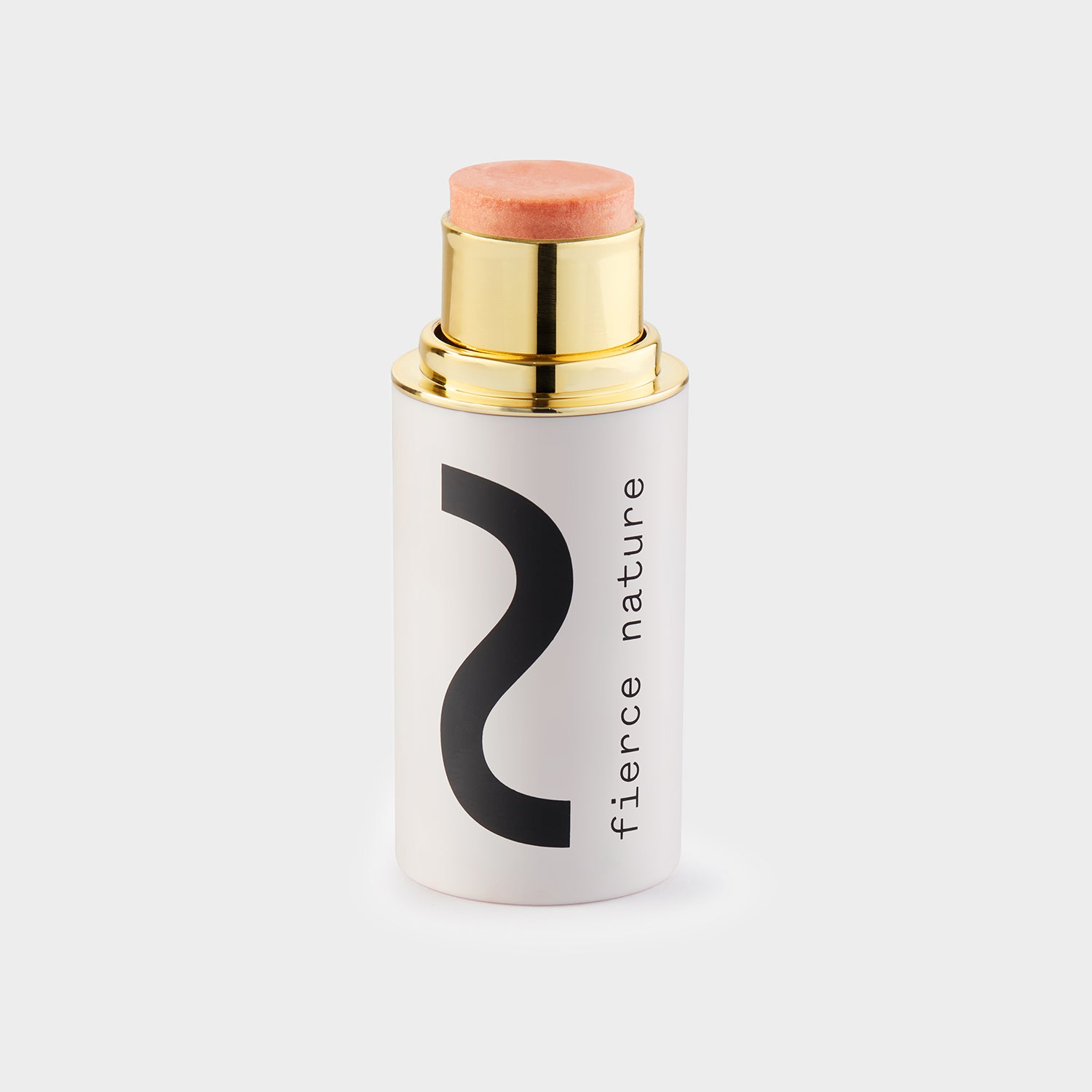
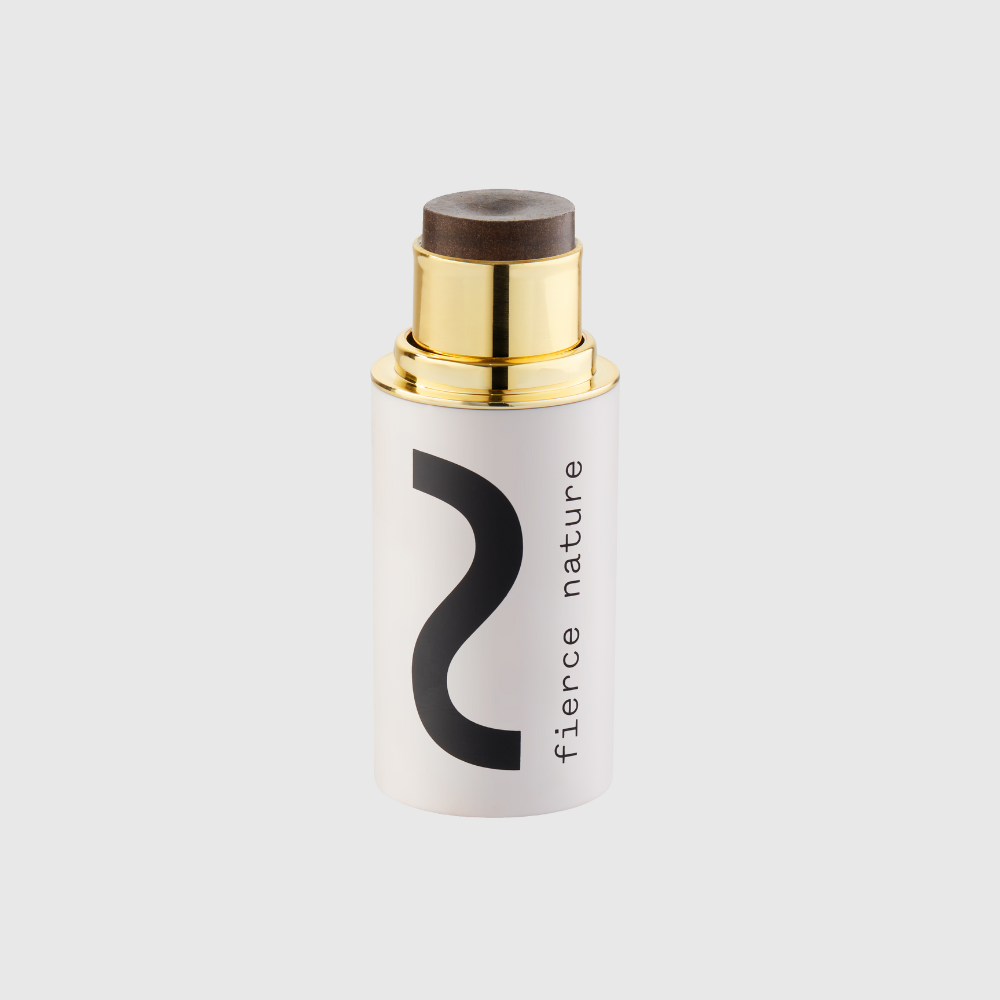
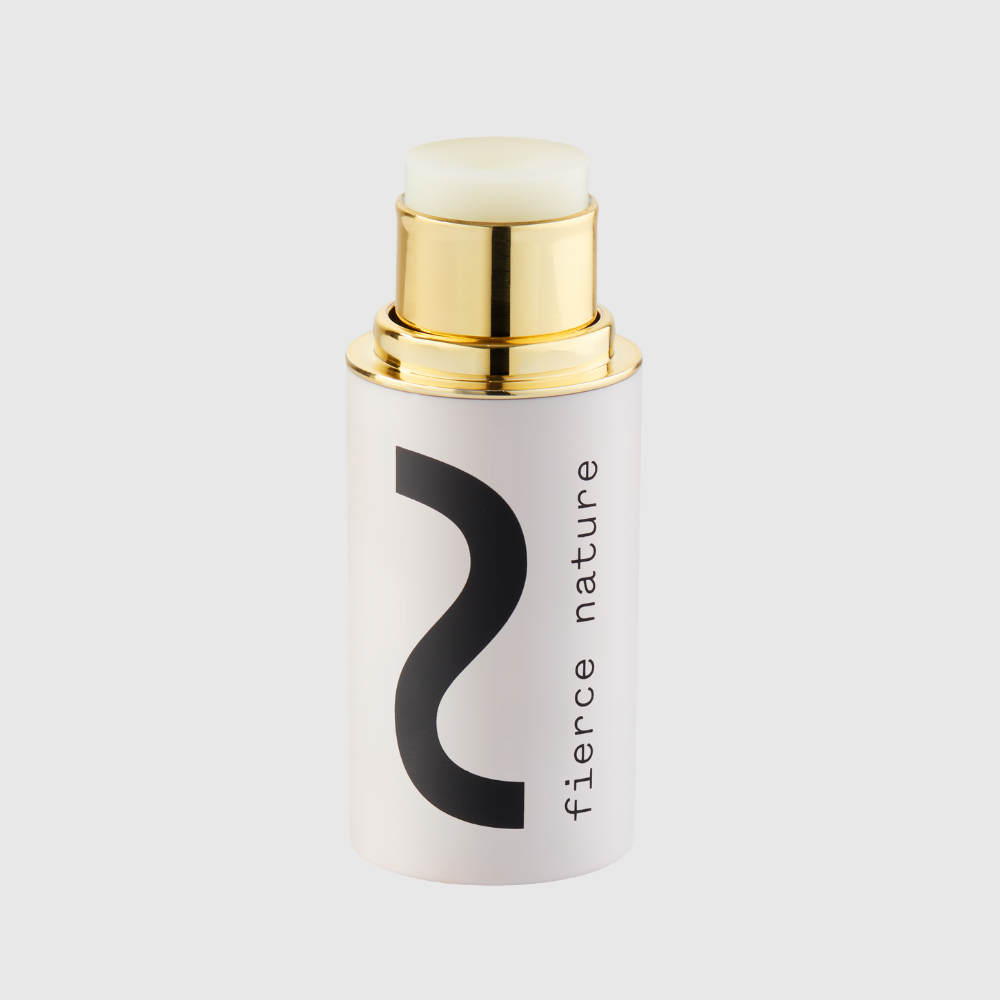
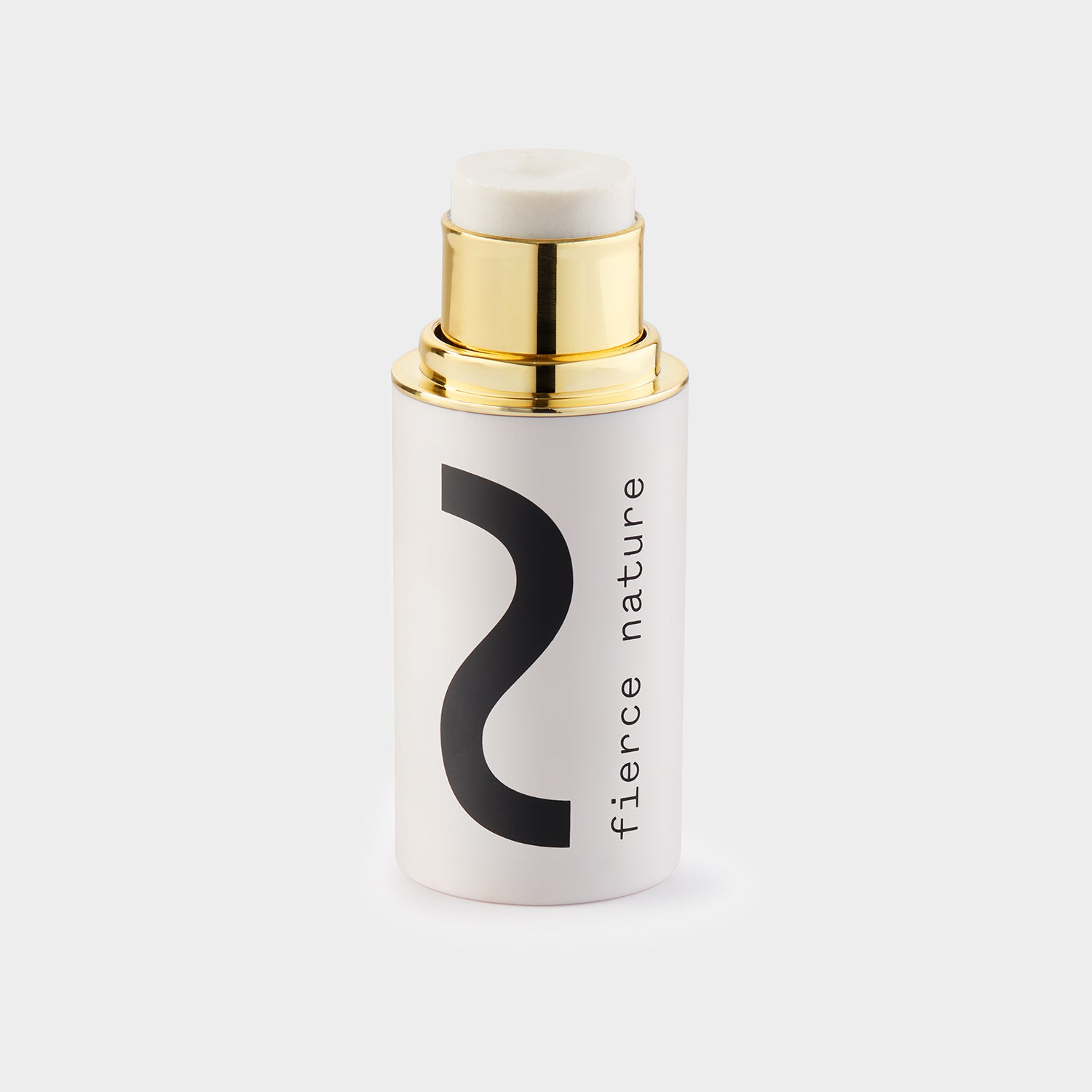
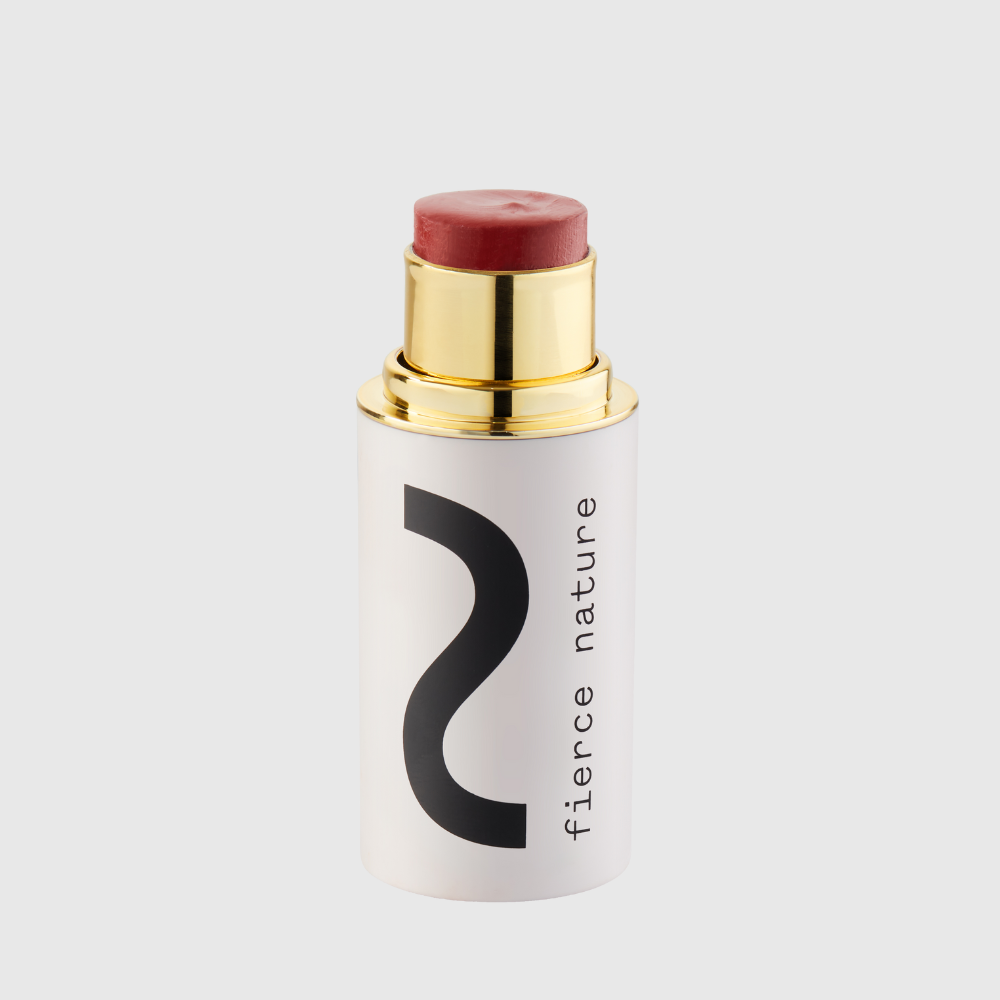
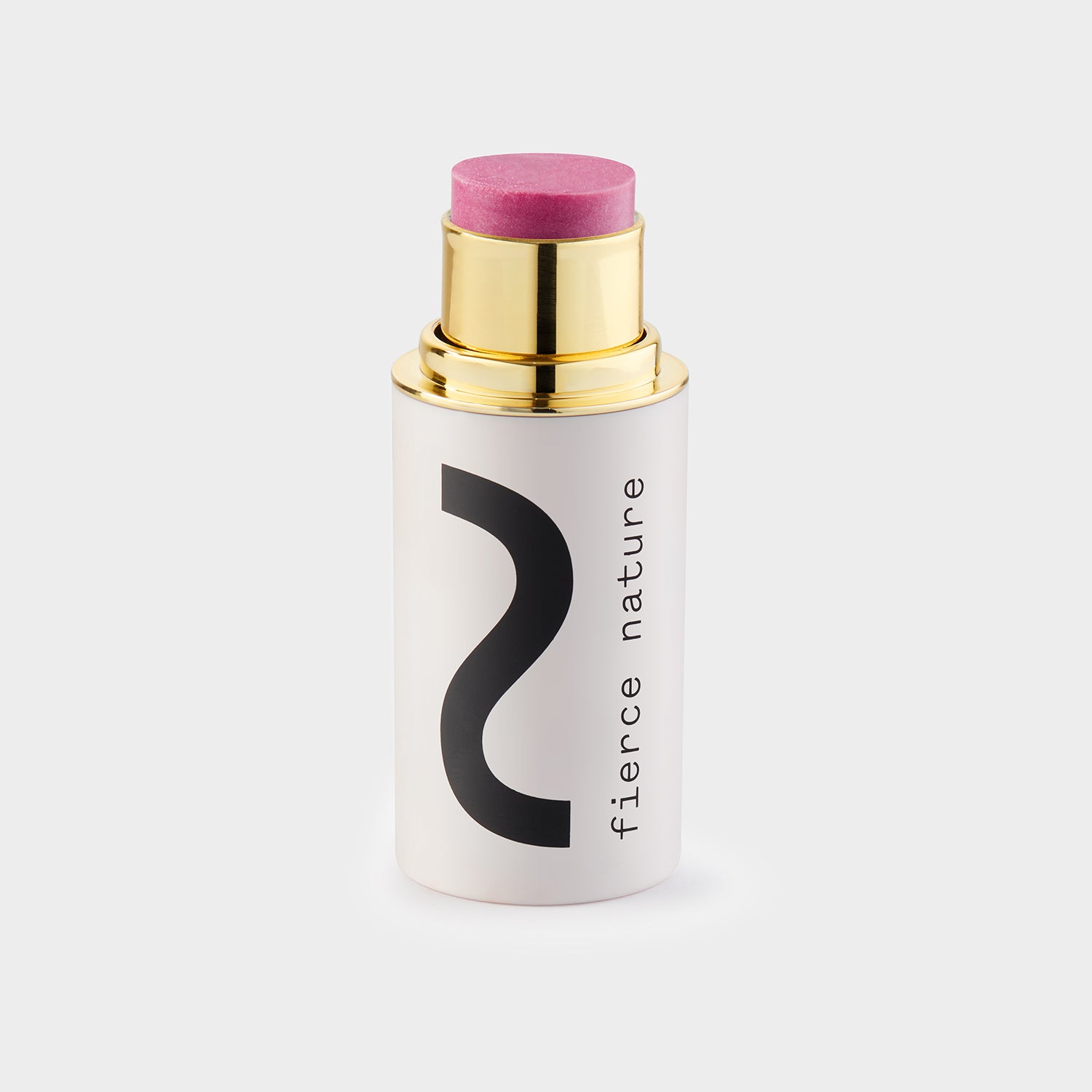
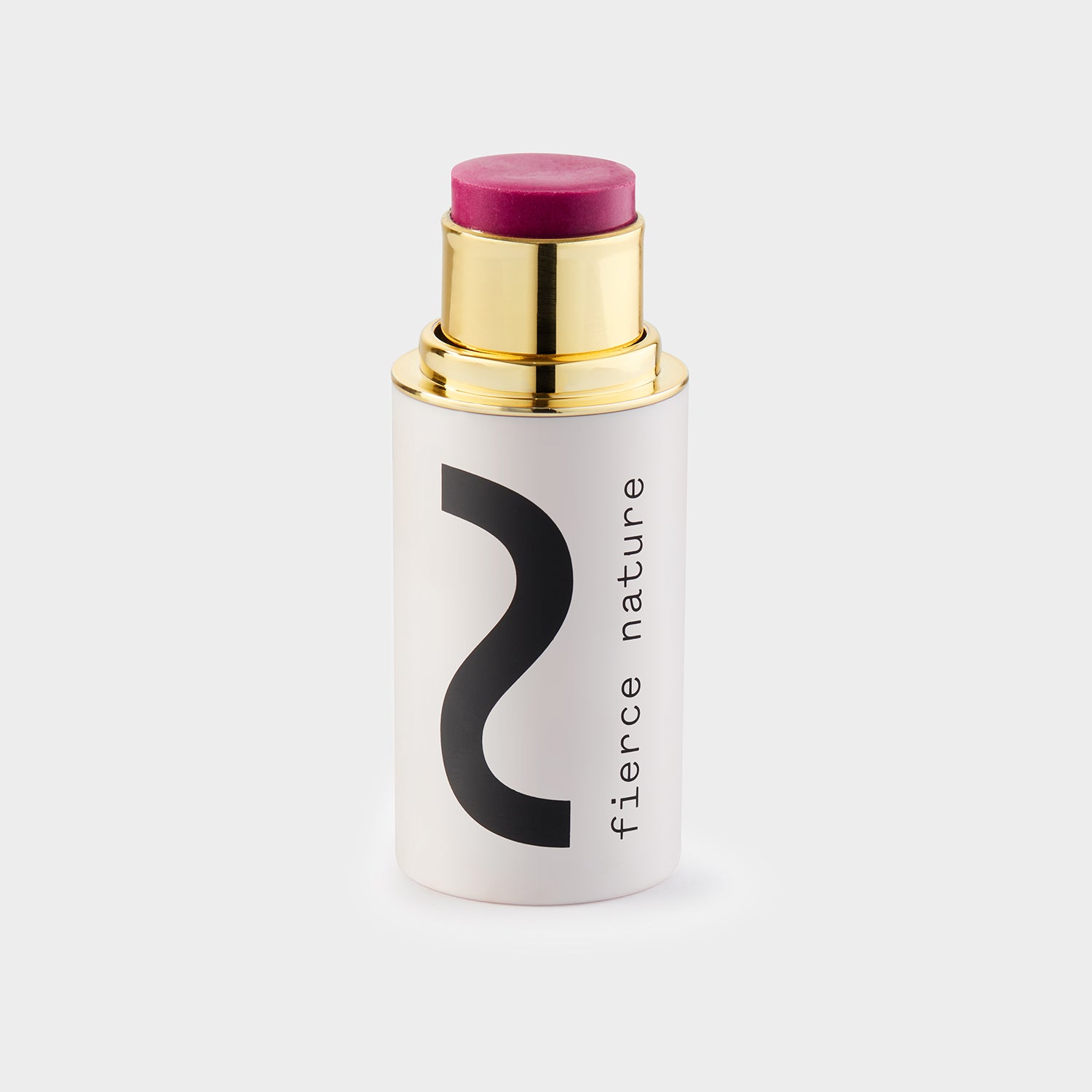
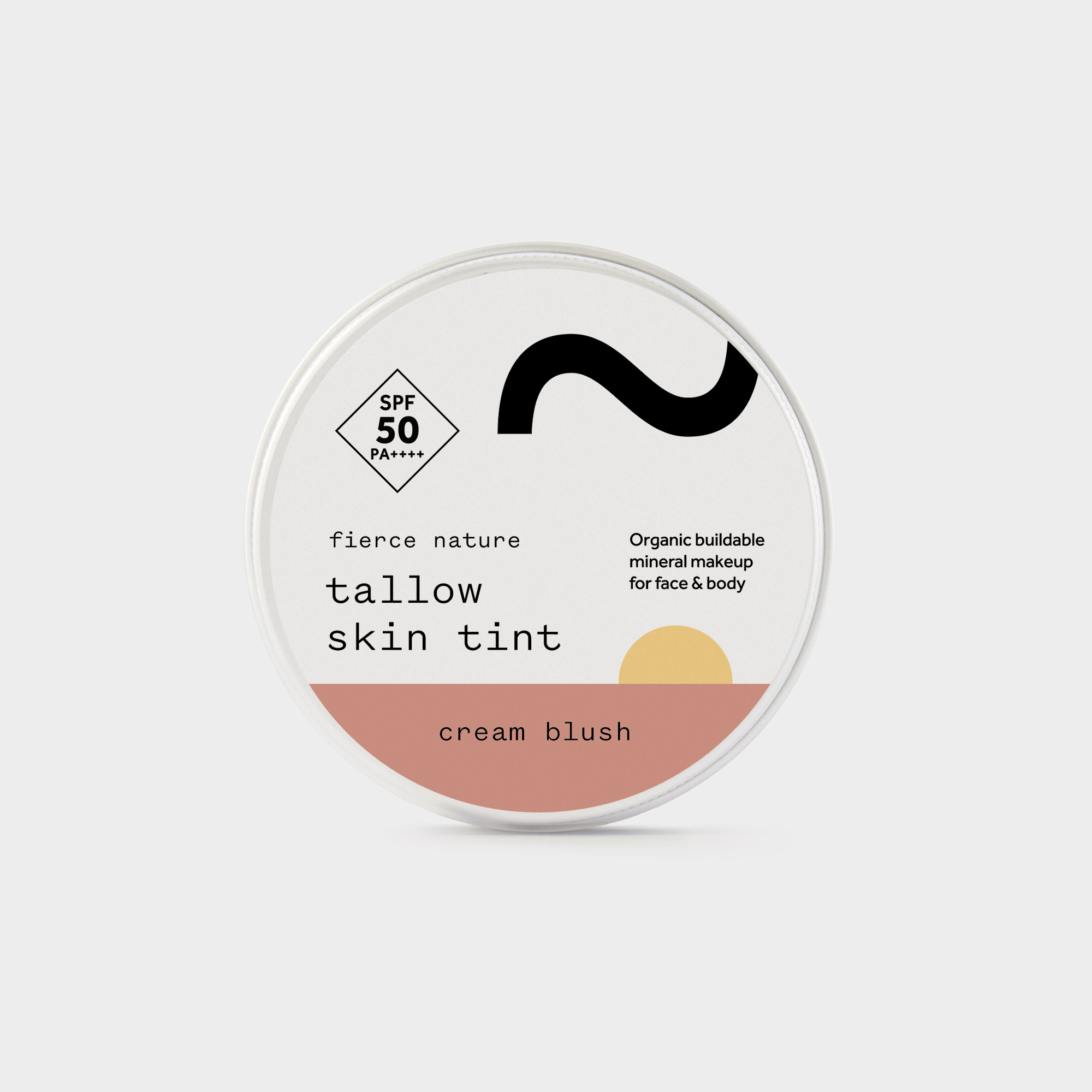
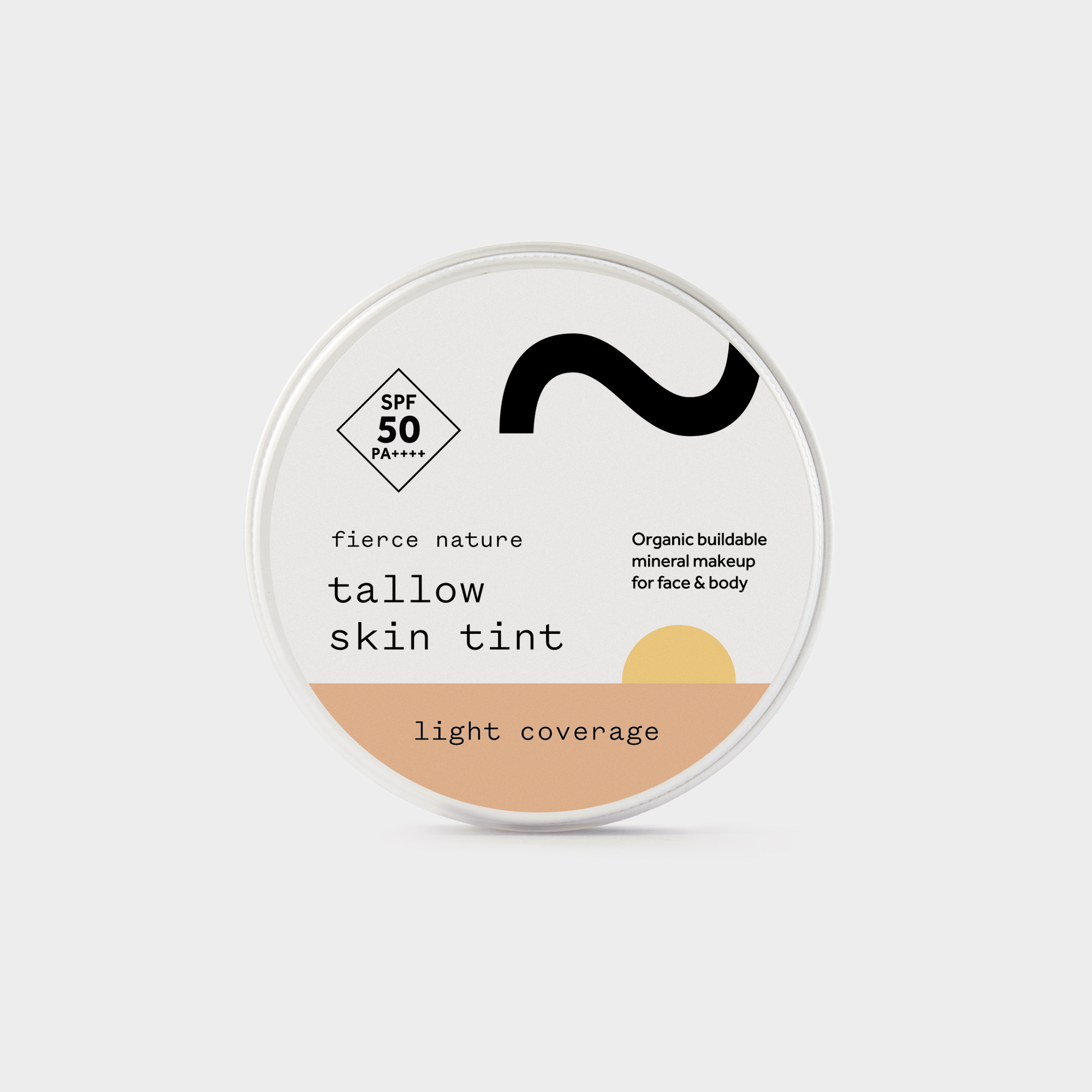
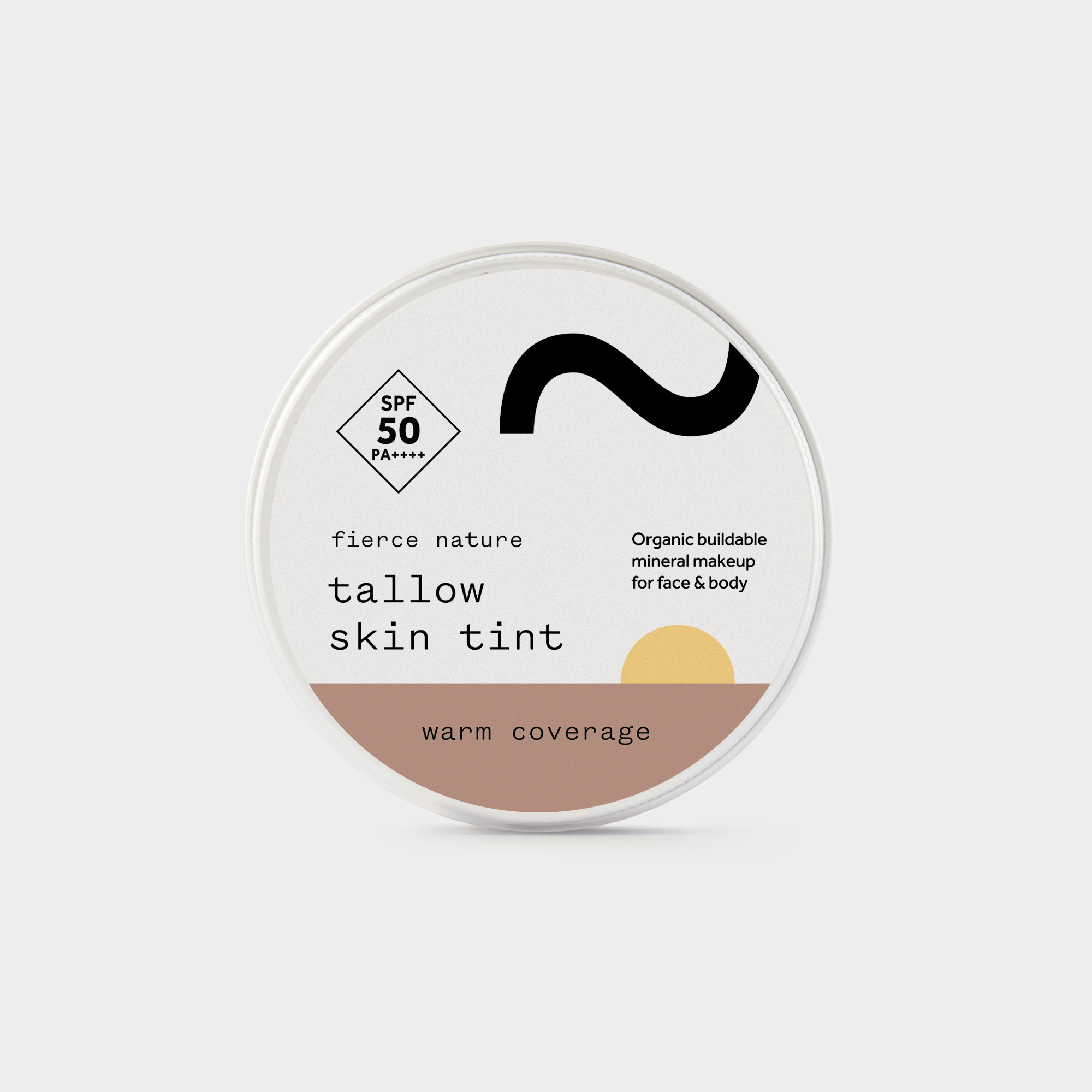
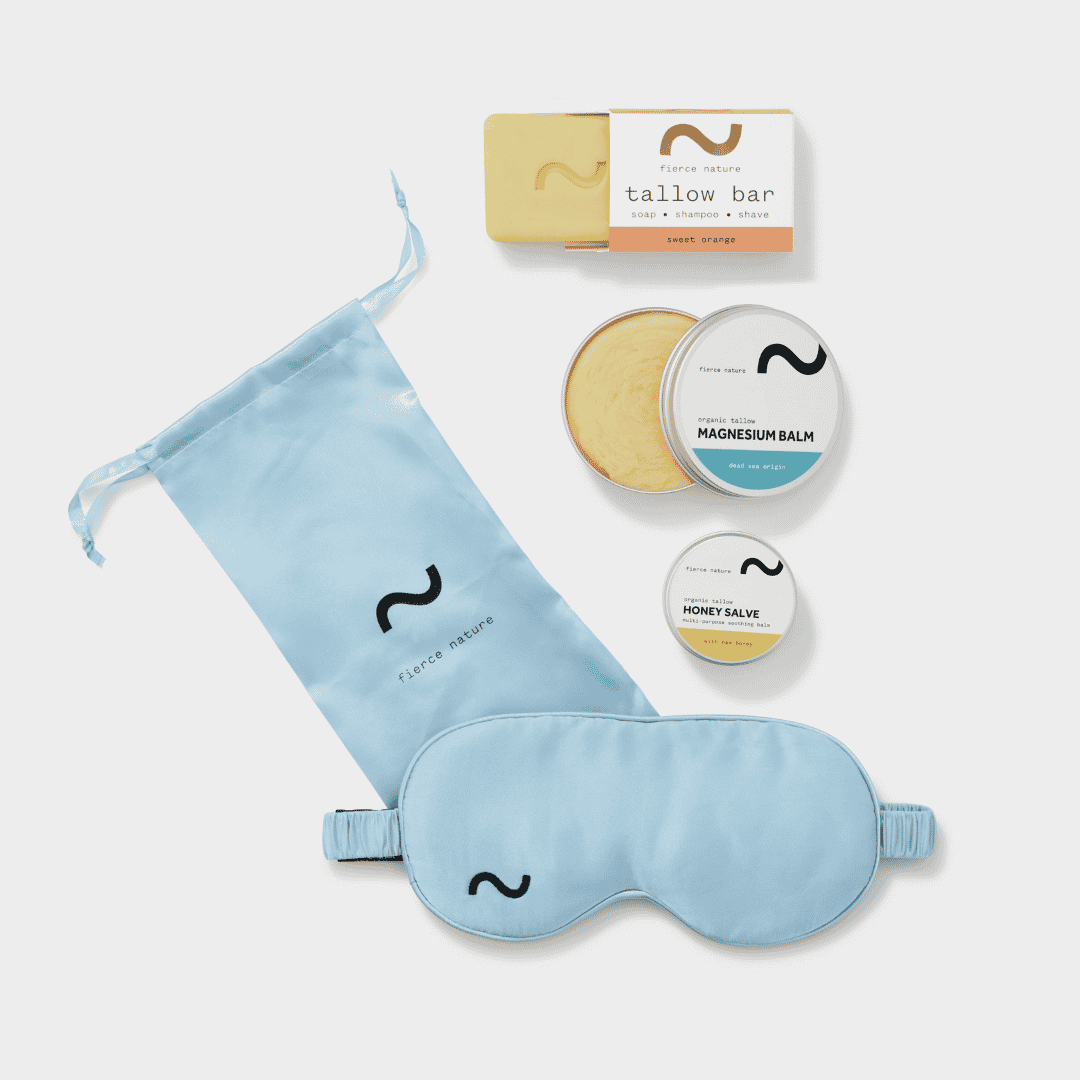




If you flare up in the sun, the single most useful thing you can do is switch to a fragrance-free, SPF 50+ sun product formulated with allergy-prone skin in mind, and pair it with proper clothing and shade cover. Fierce Nature’s Sun Balm SPF 50 was built for exactly this: no fragrance, no harsh chemical load, just barrier support layered under sun protection. Specialist formulas that pair high-factor filters with antioxidant ingredients tend to calm the reaction pathway behind polymorphous light eruption (PLE), not just block the light.
TL;DR:
The most effective sun protection for allergy-prone skin includes SPF 50+ formulas that neutralize reactive oxygen species in addition to blocking UV rays.
Fragrance-free, mineral or antioxidant-enriched sunscreens, like the Sun Balm SPF 50, are recommended for those with sensitive or reactive skin to minimize irritation.
Starting sun protection early in spring, before UV index peaks, helps prevent initial PLE flares by gradually building skin tolerance.
Proper application involves generous, layered, and timely reapplication, especially after water exposure or sweating, with attention to UVA protection details.
Using barrier-supporting emollients like organic tallow alongside sunscreen enhances resilience and reduces the likelihood of inflammation during UV exposure.
Fierce Nature’s approach to sun-safe, allergy-conscious skin care
Our take: the antioxidant layer is the part most guides skip
Where to buy sun-safe skin care built for allergy-prone skin
You don’t need eight different products to protect allergy-prone skin properly. You need the right few, chosen for what your skin is actually doing that day. Here’s how Fierce Nature’s range breaks down for sun allergy sufferers looking for a genuinely non-irritating sunscreen UK routine.
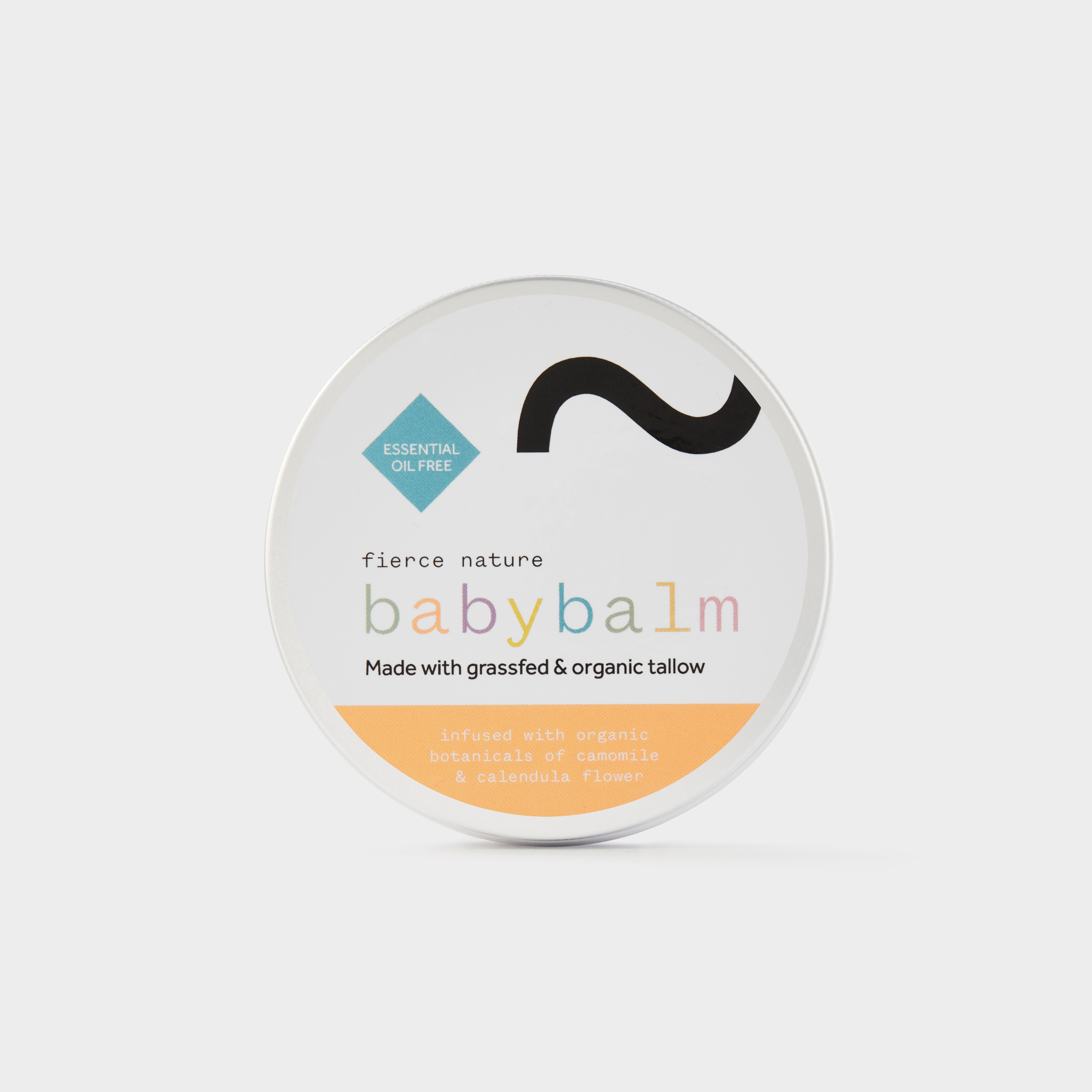
Non-toxic Baby Skin Essentials — best for babies and parents who want ultra-gentle, fragrance-free protection alongside general skin care. Infant skin has a thinner barrier and reacts faster to synthetic additives, so this bundle sticks to minimal, recognisable ingredients throughout. Shop the bundle.
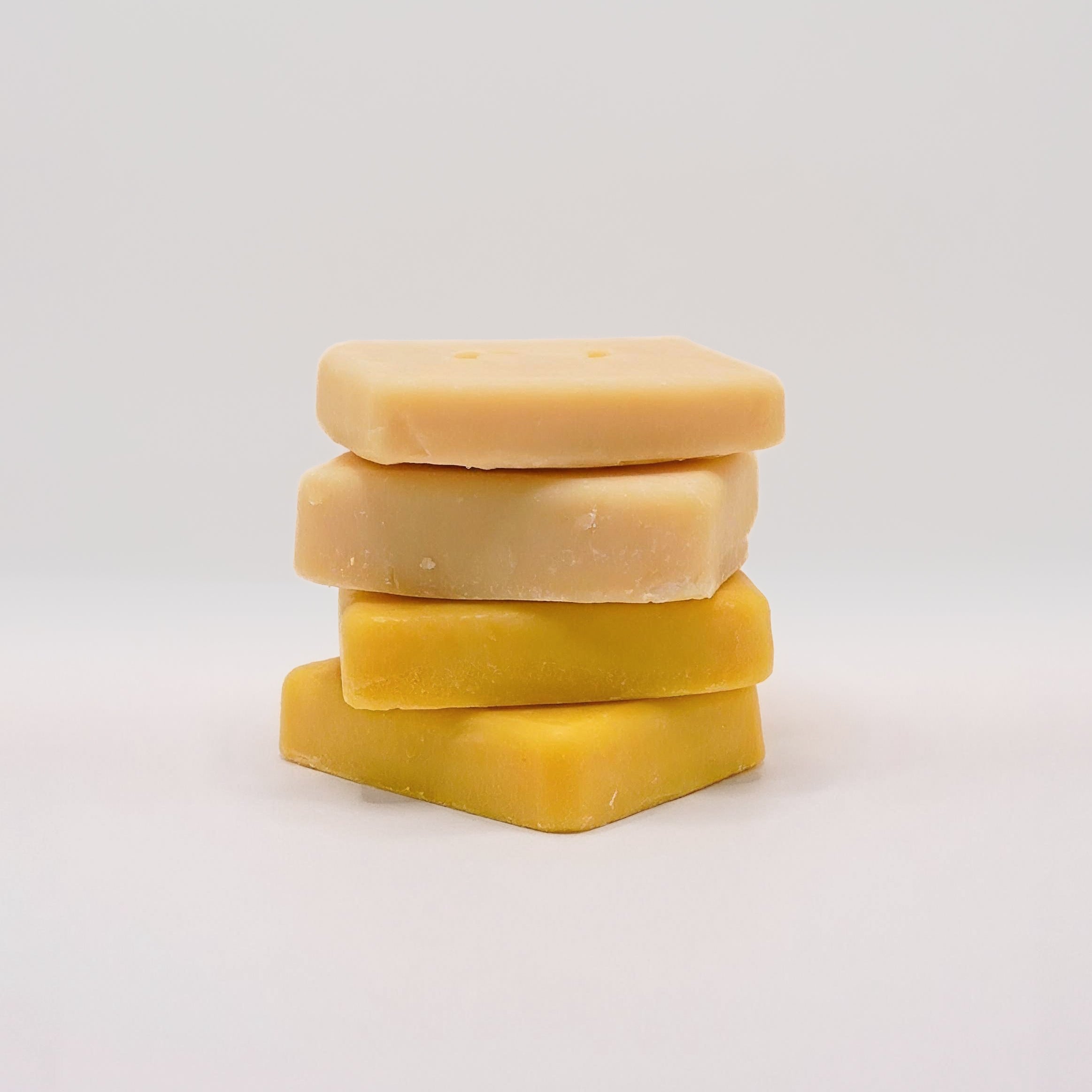
Sun Balm SPF 50 — the core recommendation for anyone managing PLE or general photosensitivity. It’s built around organic tallow rather than a synthetic emulsion base, which changes how the product sits on reactive skin.
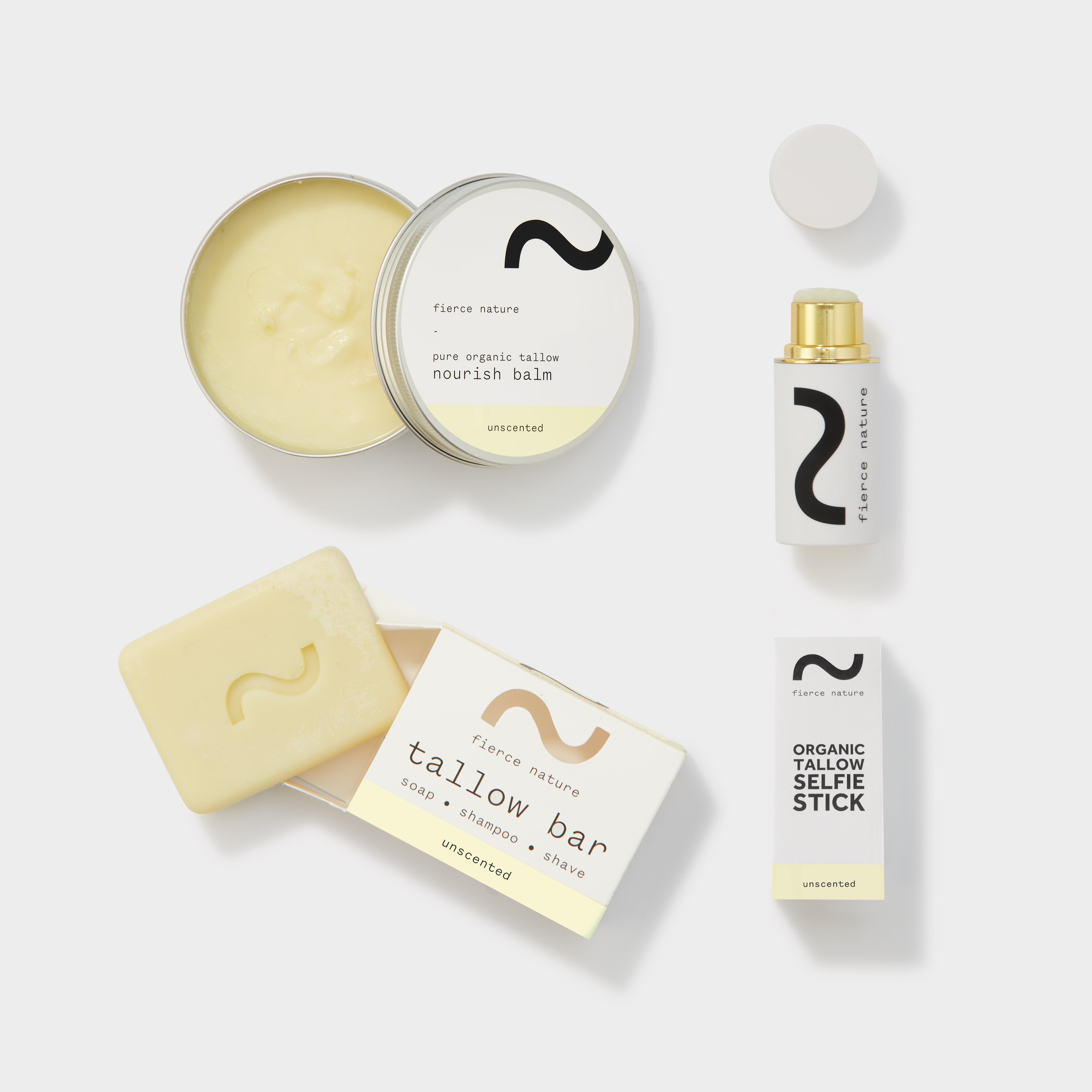
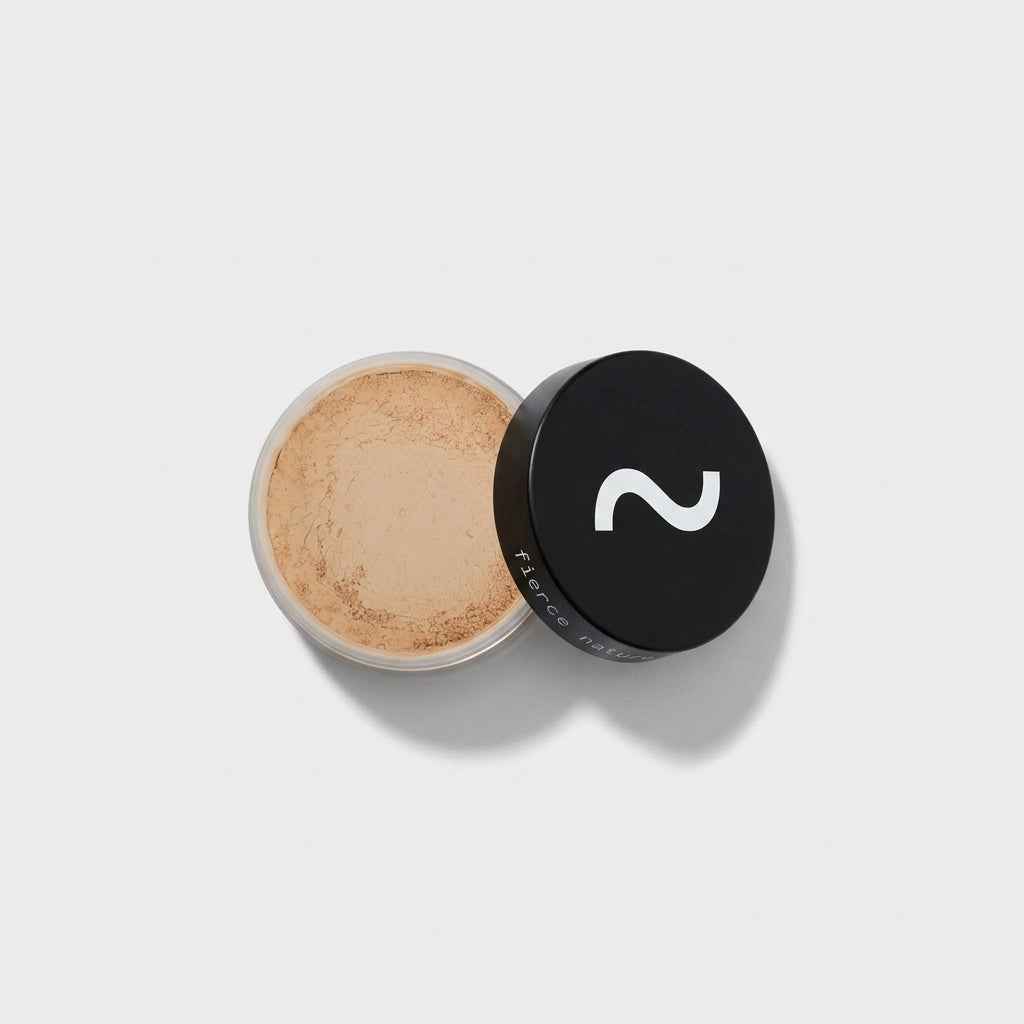
Selfie Stick Dew and Selfie Stick Natural — best for face and everyday wear, where you want a balm texture that doubles as a cosmetic finish rather than an obvious sunscreen layer. Selfie Stick Natural is the unscented option for those who react to fragrance specifically.
Multi-Use Tallow Bar (Unscented) — best for body use when you need fragrance-free emollient support underneath or alongside sun protection, particularly on areas prone to dryness or eczema-type patches. See the unscented bar.
Multi-Use Tallow Bar (Scented) — the same formulation with a gentle scent added, suited to those without a fragrance sensitivity who still want the barrier benefits.
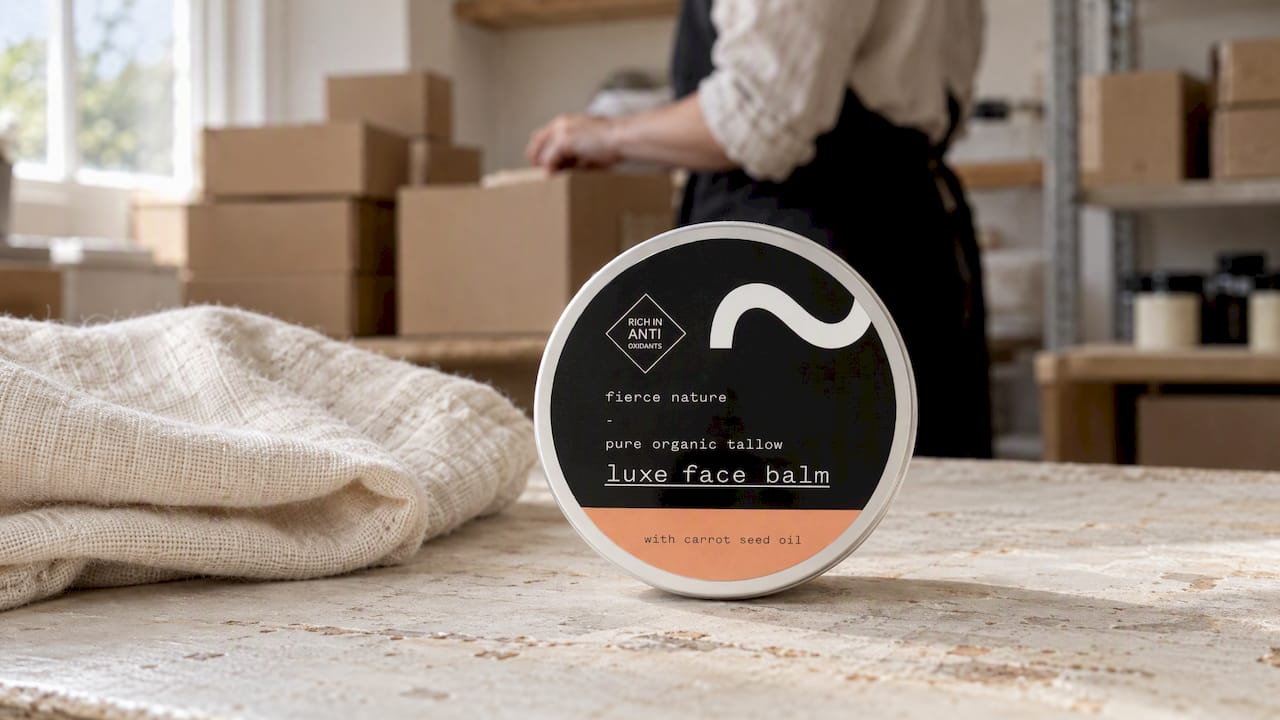
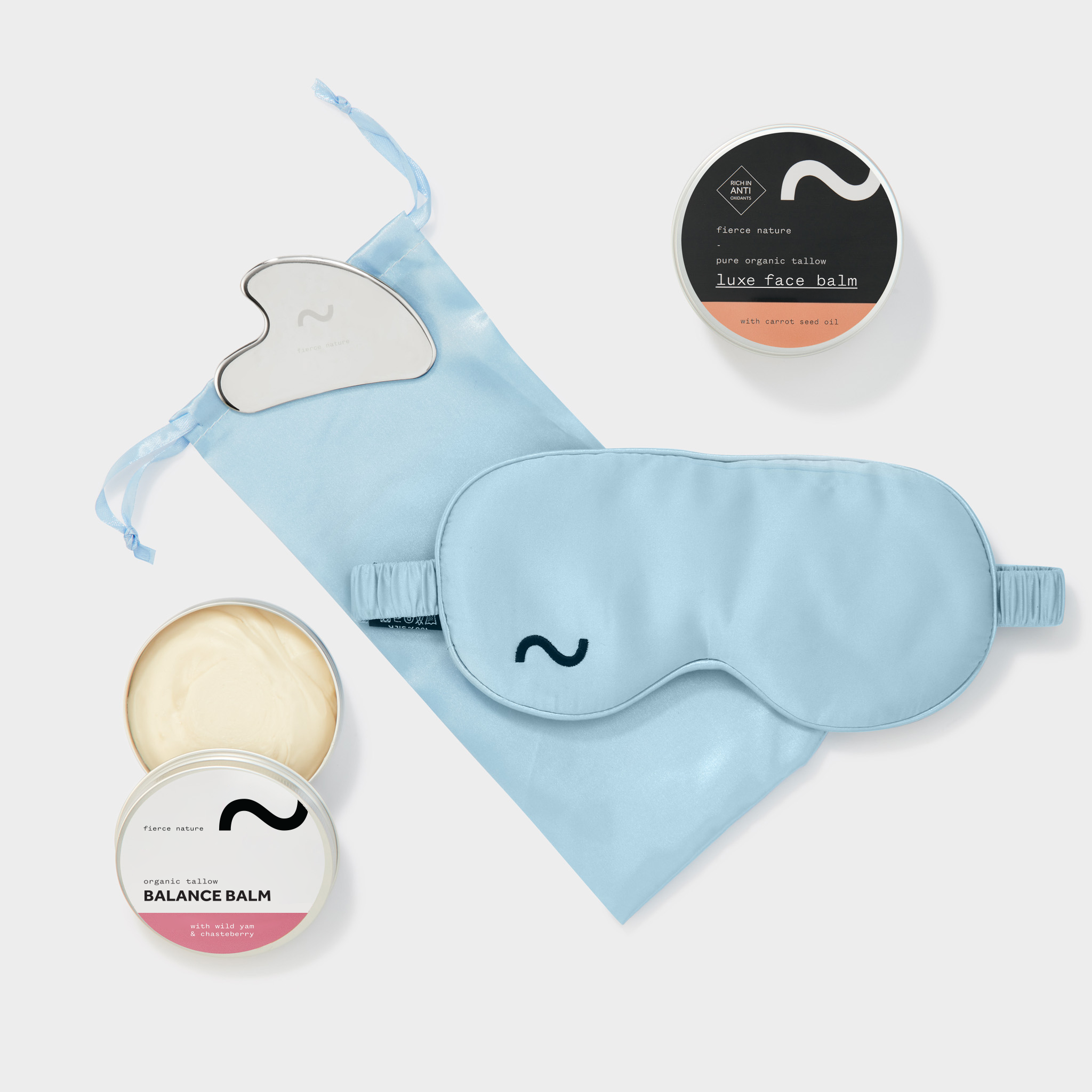
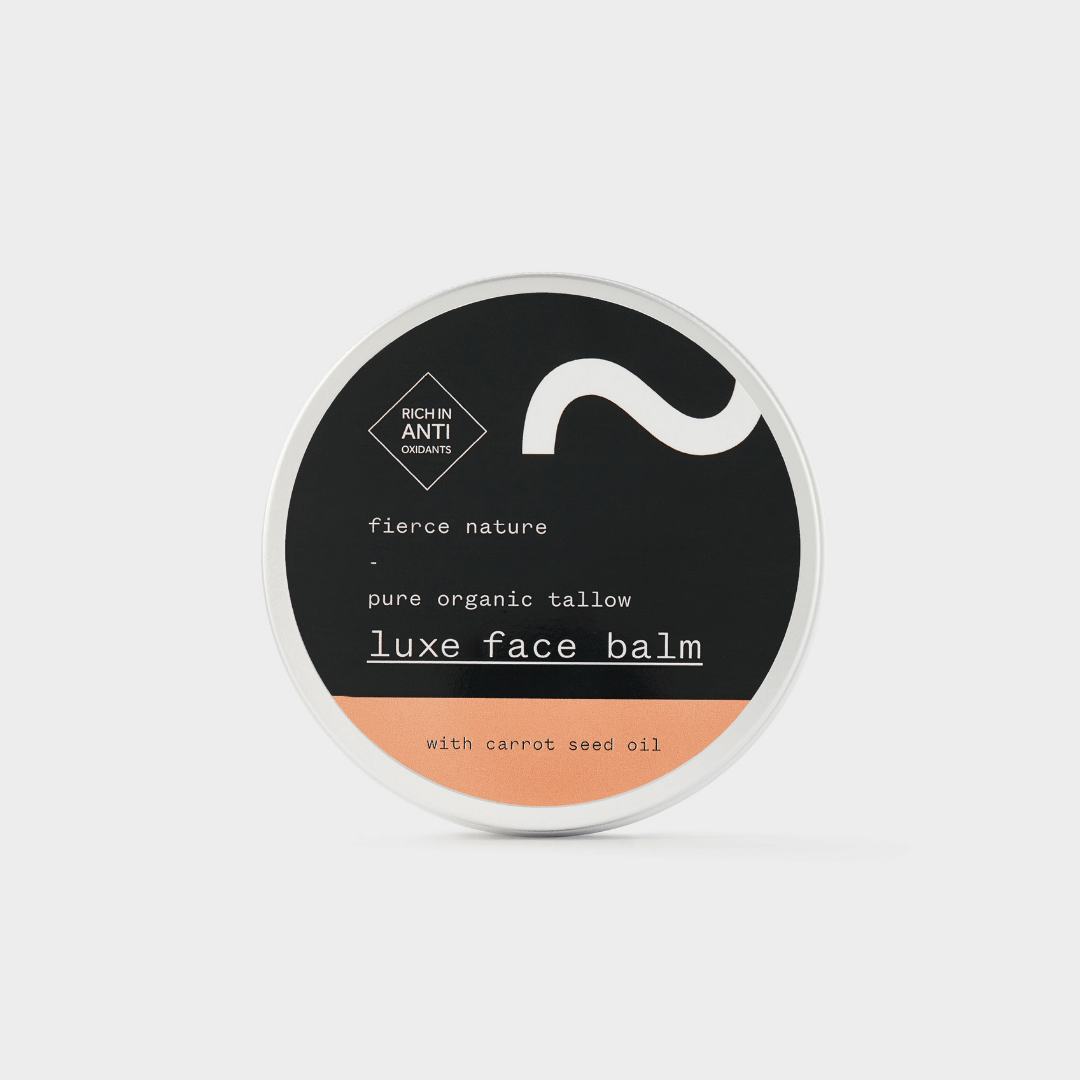
Luxe Balm and Selfie Stick Pearl Shimmer — daily face care options where nourishment and light coverage matter more than heavy SPF, ideal for the mornings you’re indoors most of the day but still want barrier support.
Pro Tip: Keep one fragrance-free product on hand even during a flare-free spell. Reintroducing a scented formula only when your skin is already irritated makes it much harder to tell which ingredient caused the reaction.
PLE is the most common sun allergy in the UK, and it isn’t really an allergy in the strict sense. It’s an inflammatory reaction that shows up as an itchy, bumpy rash, usually on the chest, arms, or lower legs, typically within hours of the first strong sun exposure of the year. Fair-skinned adults, particularly women in their twenties and thirties, are most often affected, and the pattern tends to ease as the season goes on because skin partially “hardens” with repeated exposure.
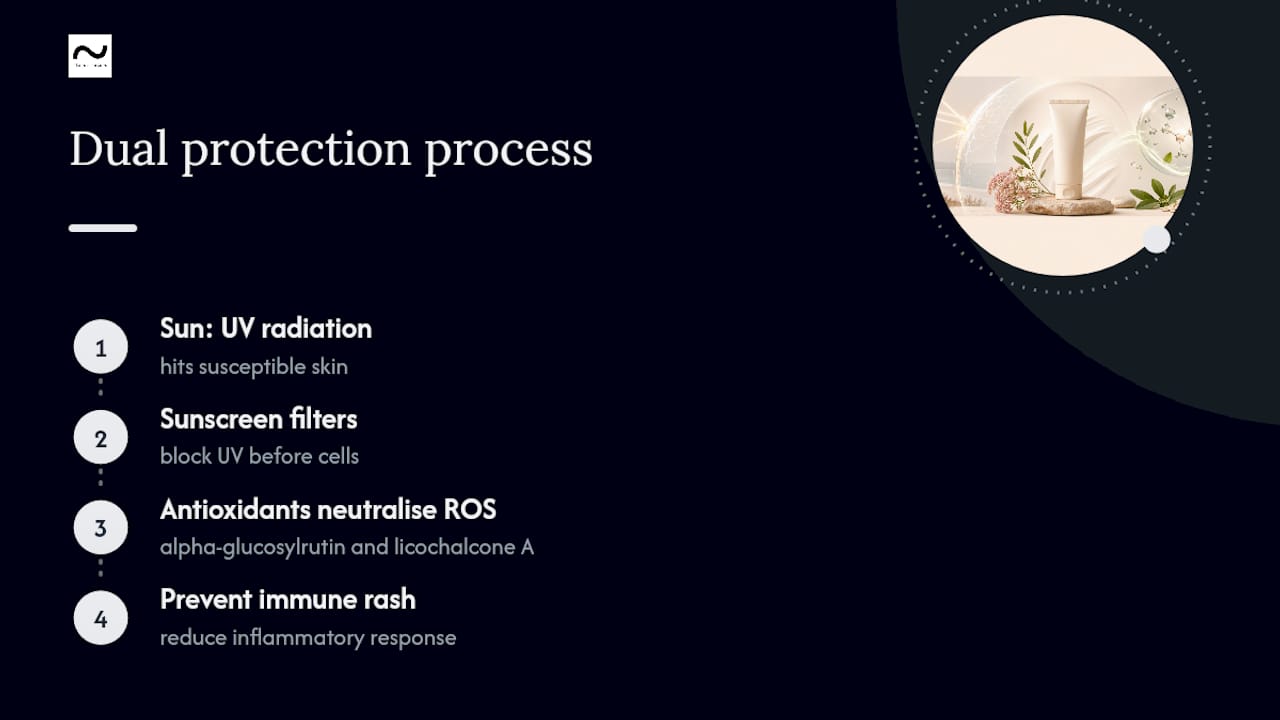
The mechanism matters for choosing a product. UV radiation striking susceptible skin generates reactive oxygen species, and in people prone to PLE, this oxidative cascade triggers an immune response that shows up as the rash. That’s why dermatologists increasingly point toward sunscreens that do two jobs at once: block the UV filters before they hit skin cells, and neutralise the reactive oxygen species that get through anyway. Formulas built around alpha-glucosylrutin and licochalcone A were developed specifically for this dual approach, and it’s a meaningfully different strategy from a standard high-street sunscreen that only addresses the filter side.
Barrier support plays a role too. Skin that’s already dry or compromised reacts more readily to UV stress, so a base rich in emollients, such as organic tallow, isn’t just a nice extra. It’s part of why some allergy-prone users find balm-based formulas more tolerable than thin chemical lotions, which can sting on skin that’s already reactive.
Not every “sensitive skin” label means much. Here’s what actually separates a sunscreen worth trusting from one that just says the right things on the front of the bottle.
SPF 50+ with strong UVA protection. Look for a UVA star rating or a high UVA-PF figure on the packaging. UVB causes burning, but UVA drives much of the deeper skin stress linked to PLE flares.
Fragrance-free, not just “unscented.” Fragrance is one of the most common triggers in reactive sunscreens, and it’s often disguised inside a botanical blend rather than listed plainly.
Dermatologically tested for sensitive skin, ideally with a named certification such as AllergyCertified, which some UK products like Riemann P20’s sensitive-skin range carry. Certification lowers the odds of a reaction; it doesn’t eliminate them, so still check the ingredient list yourself.
Antioxidant ingredients where relevant. Vitamin E, licochalcone A, and alpha-glucosylrutin all support the skin’s own defence against UV-triggered oxidative stress, which is the mechanism behind many PLE flares.
Mineral filters when chemical filters cause stinging or breakouts. A 100% mineral formula sits on the skin’s surface rather than being absorbed, which many people with chemical sensitivities tolerate better, though it can leave more of a white cast.
Avoid perfumed products and long, unfamiliar ingredient lists. A formula with a dozen botanical extracts might sound wholesome, but each one responds a fresh chance for a reaction if you don’t already know how your skin responds to it.
Pro Tip: If a product doesn’t list its UVA-PF or star rating clearly, that’s usually a sign it wasn’t formulated with photosensitive skin in mind. Move on.
Getting the product right only helps if the application is right too.
Apply generously, and apply first. For the face, roughly a five-pence-sized amount; for the body, more than most people use. Apply 15 to 20 minutes before you go outside so the formula has time to settle.
Layer in the right order. Sunscreen goes on after your moisturiser and before makeup or a balm-based tint. Give each layer a minute to absorb rather than rubbing them together.
Reapply every two hours, and immediately after swimming, sweating heavily, or towel-drying, regardless of how “water-resistant” the label claims.
Start early in the season. PLE flares are worst at the first strong UV exposure of spring, so begin daily protection in March or April rather than waiting for a heatwave. Checking the UK Met Office UV index is a genuinely useful habit here, since UV can be high on a cool, overcast day.
Don’t ignore indoor and travel exposure. UVA passes through car and office windows, so anyone photosensitive should apply on long drives or near south-facing windows, not just on beach days.
For babies, use a fragrance-free formula sparingly on exposed skin only, and rely on shade, hats, and clothing as the primary defence, since infant skin tolerates far less product overall.
Most PLE flares settle with better protection and a bit of patience, but some signs mean it’s time to get checked rather than push through it.
See a GP or dermatologist if you notice a severe or blistering rash, any systemic symptoms such as fever or fatigue alongside the skin reaction, or flares that keep happening despite using a high-SPF, fragrance-free product correctly. A clinician will usually ask about your photosensitivity history and may arrange phototesting to confirm PLE against other conditions. Treatment options range from topical steroids for a bad flare to supervised phototherapy that builds tolerance before summer, and occasionally prescription-strength sunscreens or oral adjuncts.
Before the appointment, it helps to have a rough record: when flares happened, what product you were using, and photos of the rash at its worst. It saves time and gives the clinician something concrete to work from.
Fierce Nature’s founder grew up battling unexplained skin rashes and reactions through her teenage years, long before understanding that the mainstream cosmetics and shaving products around her were part of the problem. That experience shaped a simple rule for every product since: if an ingredient can’t be explained plainly, it doesn’t belong in the formula.
Everything is handmade in the UK, built around pure organic tallow rather than synthetic emulsifiers or fillers. Tallow’s bioavailability lets it penetrate the skin’s surface more readily than many conventional bases, which is part of why fragrance-free tallow formulas tend to sit more comfortably on already-reactive skin.
Fragrance-free formulations reduce one of the most common irritant exposures in daily skin care, a principle covered in more depth in Fierce Nature’s guide to fragrance-free balms.
Barrier-supporting bases matter as much as the SPF filter itself, since compromised skin reacts more readily to UV stress in the first place.
Full ingredient transparency is available on every product page, so allergy-prone shoppers can check exactly what they’re applying rather than trusting a marketing claim.
Readers wanting the fuller picture on natural filters and how they behave in UK conditions can read Fierce Nature’s guide to natural sunscreens.
PLE gets most of the attention, but it isn’t the only sun-related reaction UK residents deal with. Photoallergic contact dermatitis happens when a substance on the skin, often a fragrance, an ingredient in sunscreen itself, or even certain medications, reacts with UV light to cause a rash. This is particularly relevant if you’ve reacted to a sunscreen before: the product itself may have been the trigger, not the sun exposure alone.
Solar urticaria is rarer but more dramatic, producing hives within minutes of sun exposure rather than hours. It needs a different management approach, often involving very gradual light exposure under clinical supervision rather than just better sunscreen.
Actinic prurigo is a chronic, more persistent condition that can appear on skin not directly exposed to sun and tends to run in families, more commonly seen in people with darker skin tones. Chronic actinic dermatitis, meanwhile, usually appears later in life and can eventually cause reactions even to very low light levels, including some artificial indoor lighting.
The overlap between these conditions and standard PLE means self-diagnosis has real limits. If your rash pattern, timing, or triggers don’t match the classic PLE description of an itchy rash appearing hours after the season’s first strong sun exposure, it’s worth getting a clinical opinion rather than assuming one sunscreen swap will fix it.
British summers lull people into a false sense of security. UV index can be moderate to high on a grey, overcast day in May, precisely the point in the year when unhardened skin is most likely to flare. Cloud cover blocks visible light, not UV radiation, which is exactly the gap that catches PLE sufferers out every spring.
UV intensity in the UK climbs steadily from March, peaks through June and July, and drops off through September, but the risk period for a first flare is really the shoulder season, not the height of summer. Skin that’s had zero UV exposure over winter reacts far more strongly to spring sun than the same skin will in August, once some tolerance has built up.
This seasonal pattern is why starting sun protection in early spring, rather than waiting for the first genuinely hot day, makes such a difference to flare frequency. Checking the daily UV index through the Met Office, rather than judging by temperature or cloud cover, is a more reliable habit than most people realise. A cool, breezy day at 16°C can carry a higher UV index than a muggy 22°C day with thicker cloud.
UK sunscreen products follow the Cosmetic Products Enforcement Regulations, which set out safety and labelling requirements including accurate SPF and UVA claims. SPF measures protection against UVB, the rays responsible for burning, while the UVA seal (a circled “UVA” logo) confirms the product provides at least a third of its SPF value in UVA protection, in line with the EU Cosmetics Directive recommendation that UK products still broadly follow.
Products are also tested and labelled for water resistance claims, and any claim of “very high protection” legally corresponds to SPF 50 or above. Reading past the front-of-pack marketing to the actual SPF number and UVA logo is the most reliable way to judge a product, rather than trusting words like “advanced” or “clinical” on their own.
Look, too, for whether a product discloses its full ingredient list in International Nomenclature of Cosmetic Ingredients (INCI) format, which UK regulation requires. This is where fragrance often hides under terms like “parfum,” so scanning the full list rather than the marketing panel is worth the extra thirty seconds, especially for anyone managing sun allergy skin care alongside a known fragrance sensitivity.
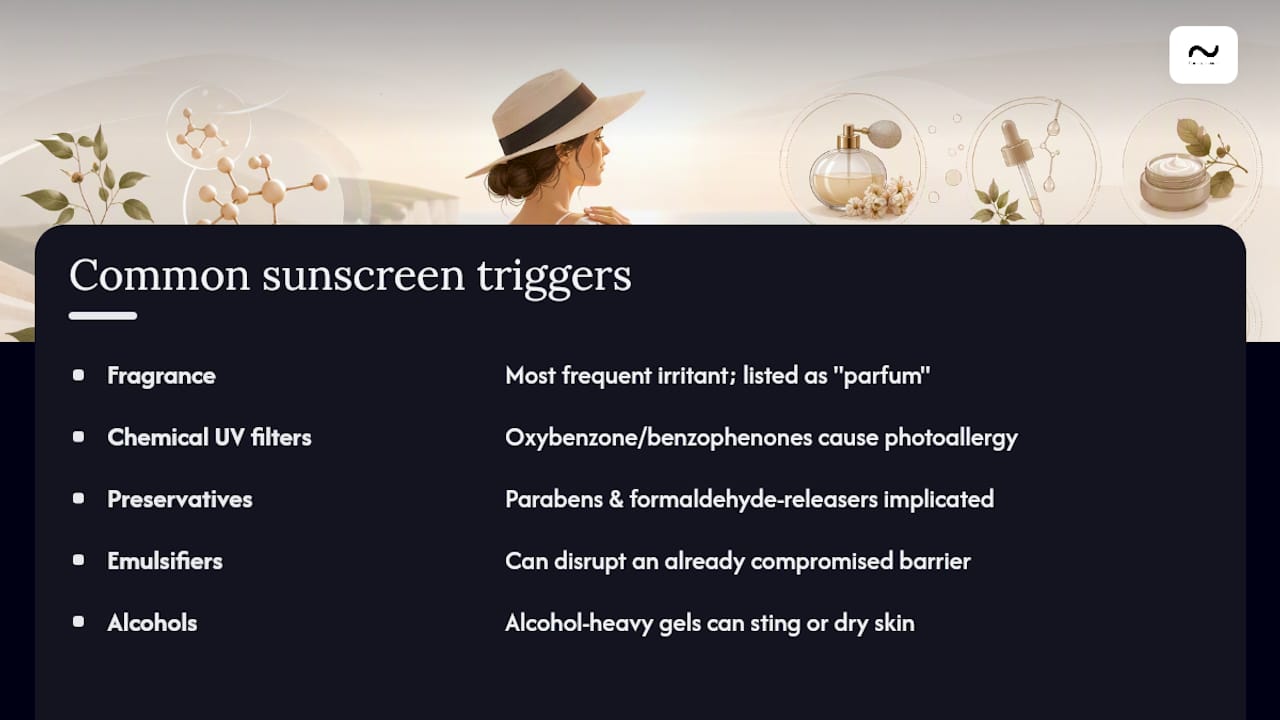
Fragrance is, by a wide margin, the most frequent irritant in sunscreens, often added purely to mask the natural smell of chemical filters. It can appear as “parfum,” “fragrance,” or hidden inside a botanical extract blend, so a product doesn’t need to smell strong to contain it.
Certain chemical UV filters, including oxybenzone and some benzophenone derivatives, are known to trigger photoallergic reactions in a subset of users, meaning the sunscreen itself becomes the allergen rather than the sun. This is one reason mineral filters such as zinc oxide and titanium dioxide are often better tolerated by people who react to standard chemical-filter sunscreens.
Preservatives, particularly certain parabens and formaldehyde-releasing agents, are another common culprit, alongside emulsifiers that can disrupt an already compromised skin barrier. Alcohol-heavy formulas, common in some gel-based sunscreens marketed for oily skin, can also sting or dry out skin that’s already reactive from a PLE flare.
The practical fix is consistent rather than complicated: fewer ingredients, mineral filters where chemical sensitivity is suspected, and a patch test on the inner arm 48 hours before applying any new product to your face or a large area of skin.
Most sun allergy advice in the UK still stops at “use high SPF and stay out of the sun,” which is true but incomplete. The research on PLE points to something more specific: the reaction is driven by oxidative stress once UV gets past the filter, which means the filter alone was never going to be the whole answer.
That’s the gap specialist antioxidant-paired formulas were built to close, and it’s also why a rich, barrier-supporting base matters more than most sensitive-skin marketing admits. A sunscreen that irritates the skin it’s meant to protect is working against its own purpose. We’d argue the ingredient list deserves as much scrutiny as the SPF number on the front of the bottle, particularly the fragrance line that so many “gentle” products still quietly include.
Prioritise, in this order: a fragrance-free formula, genuine UVA strength, and a base your skin already tolerates well. Everything else, including texture and finish, is secondary to those three.
— Fierce Nature
You don’t need to hunt across five different brands to build a sun-safe routine that won’t fight your skin. Fierce Nature’s Sun Balm SPF 50 is fragrance-free, made in the UK, and built on organic tallow rather than a synthetic base, which is precisely the combination this guide has pointed to throughout. Pair it with the Non-toxic Baby Skin Essentials bundle for little ones, or the Multi-Use Tallow Bar (Unscented) for extra barrier support on dry, reactive patches elsewhere on the body. Every product ships within the UK with full ingredient transparency listed on the product page itself.
Always patch-test a new product on the inner arm before applying it more widely, and if reactions persist despite correct use, that’s your cue to speak with a GP rather than switch products again. Ready to build your routine? Start with the Sun Balm SPF 50 product page and add what your skin needs from there.
This article is general information, not a substitute for advice from a qualified doctor. Consult a qualified healthcare professional about your own circumstances before acting on anything here.
A fragrance-free, SPF 50+ formula with strong UVA protection tends to work best, ideally one that also includes antioxidant ingredients such as vitamin E to address the oxidative stress behind PLE flares. Fierce Nature’s Sun Balm SPF 50 follows this exact profile using a tallow-based, non-toxic formulation.
Look for products combining high UVA protection with antioxidant ingredients like alpha-glucosylrutin, licochalcone A, or vitamin E, since these target the reactive oxygen species that trigger PLE rashes. Fragrance-free, mineral-leaning formulas are generally best tolerated during an active flare.
A mineral or fragrance-free formula with a dermatological testing claim, or a recognised certification such as AllergyCertified, is the safest starting point. Always check the full ingredient list rather than relying on front-of-pack claims alone.
Most people notice symptoms within a few hours of the first strong sun exposure of the season, typically as an itchy, bumpy rash on the chest, arms, or lower legs. It tends to ease as the summer progresses and skin builds some tolerance.
Sunscreen reduces the risk significantly but doesn’t guarantee prevention for everyone, particularly early in the season. Combining a high-SPF, fragrance-free product with protective clothing, shade, and early spring use gives the most reliable protection against PLE.