Cart
0
80% Also Added this


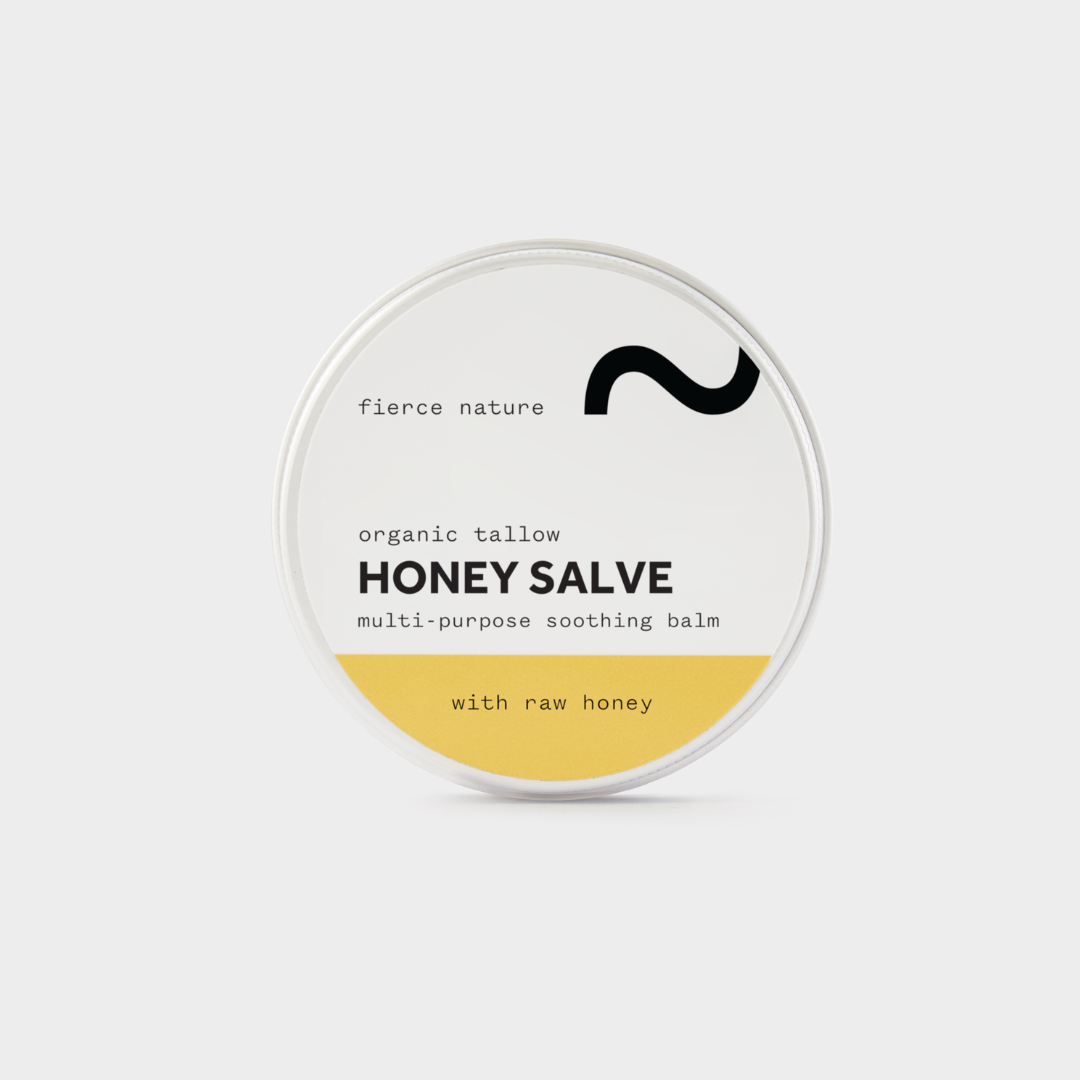
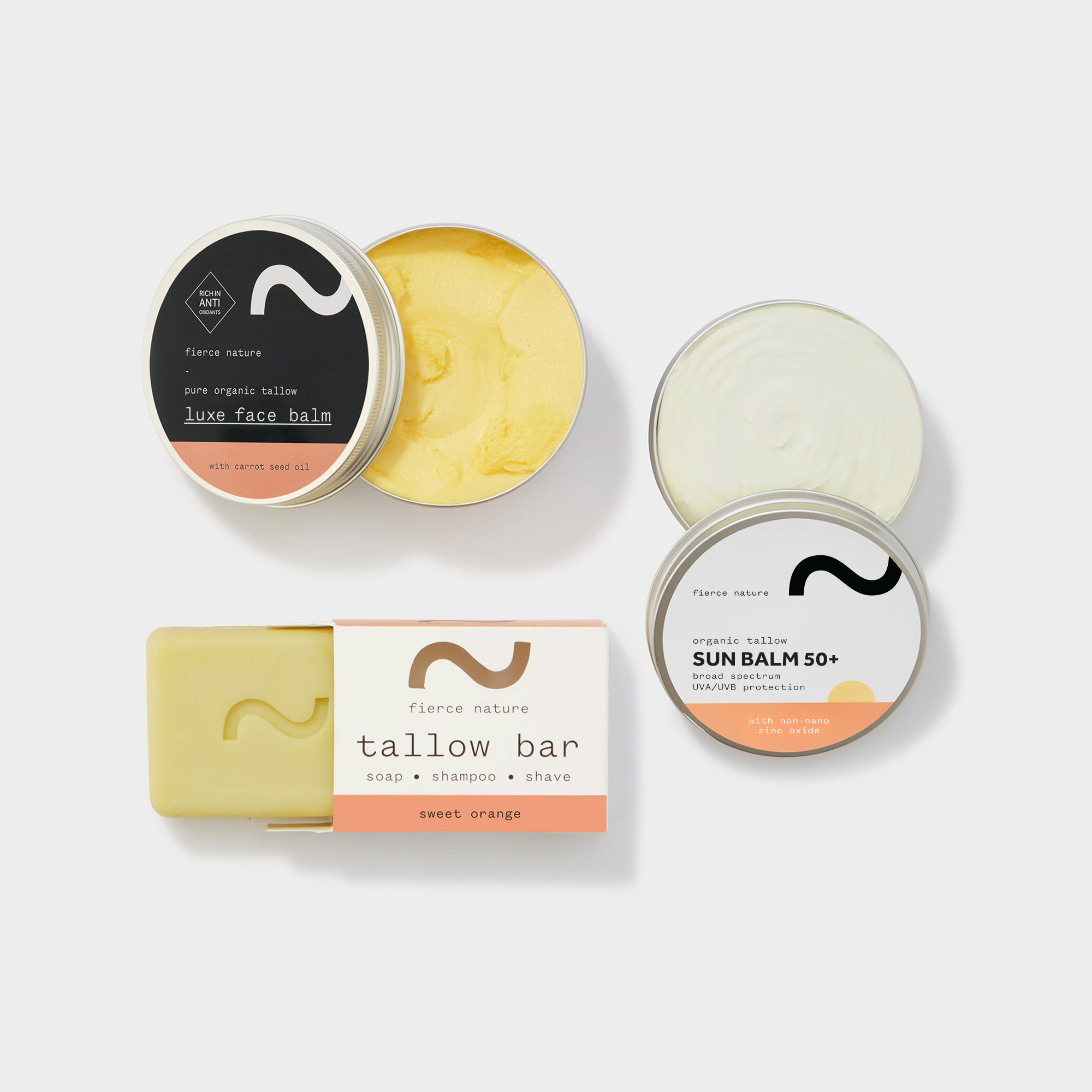
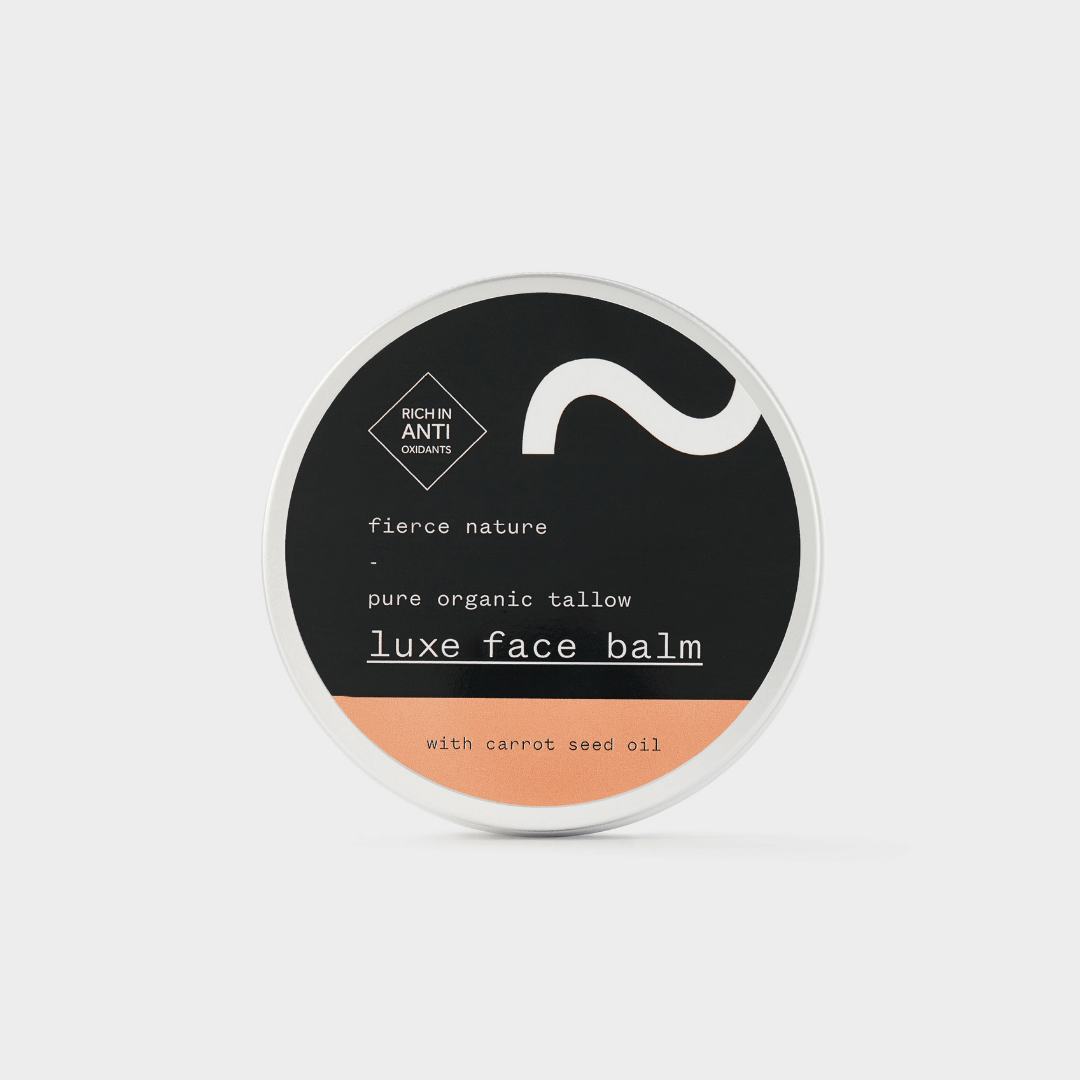
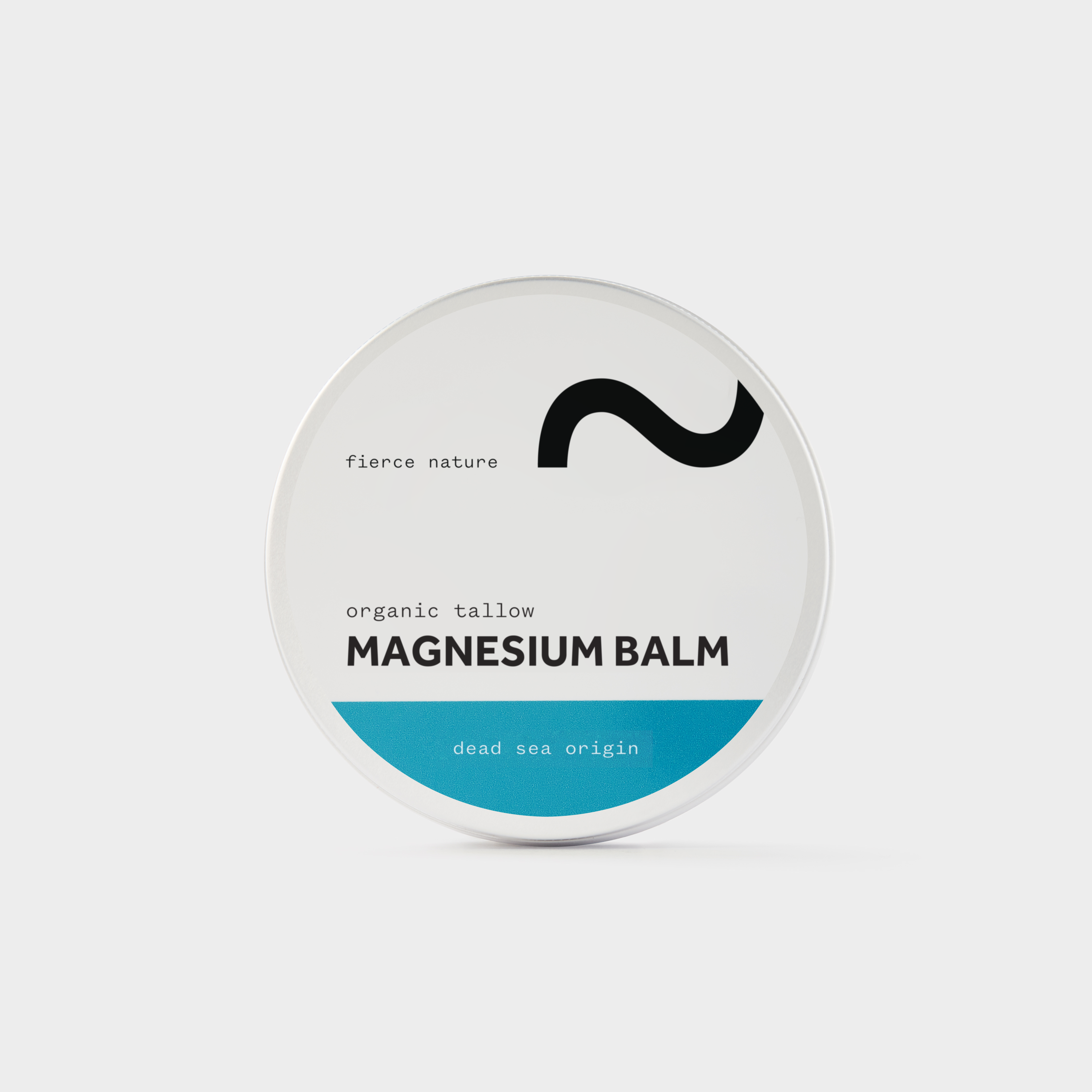
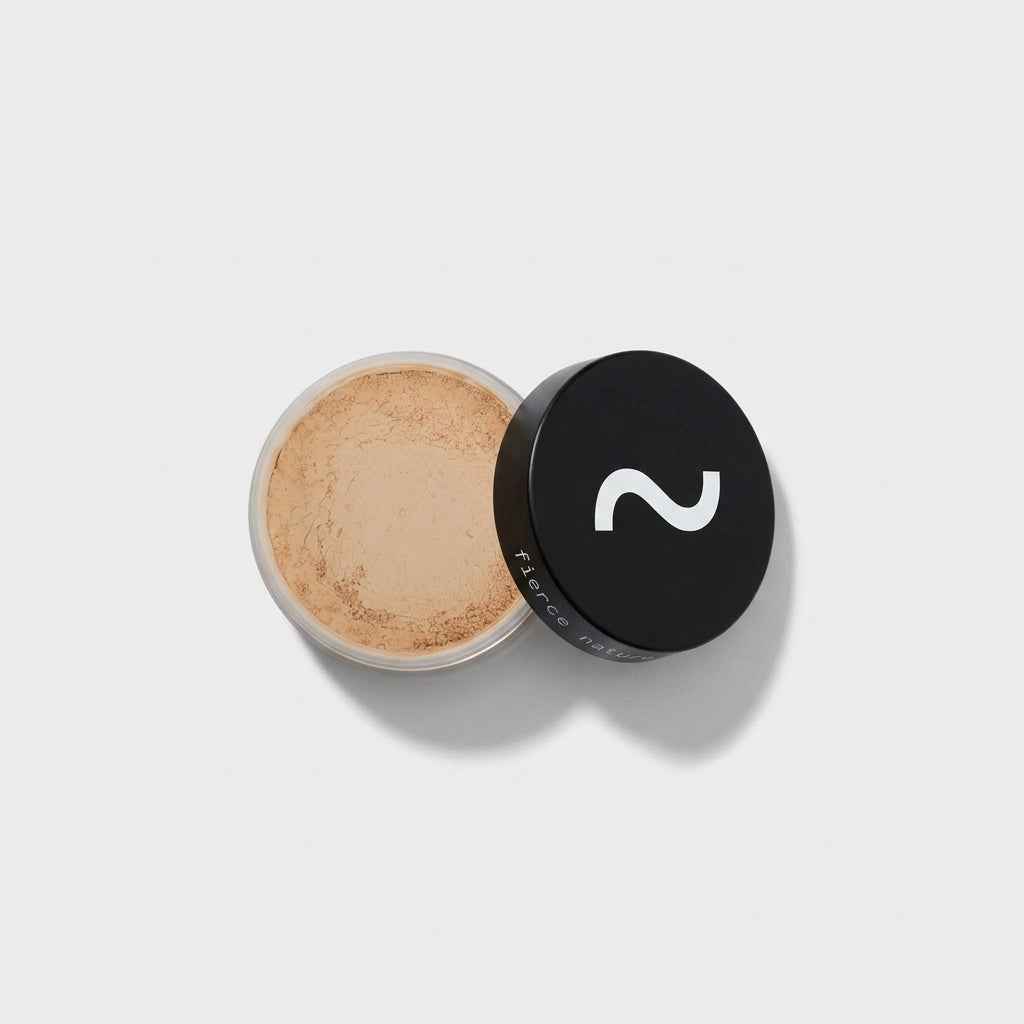
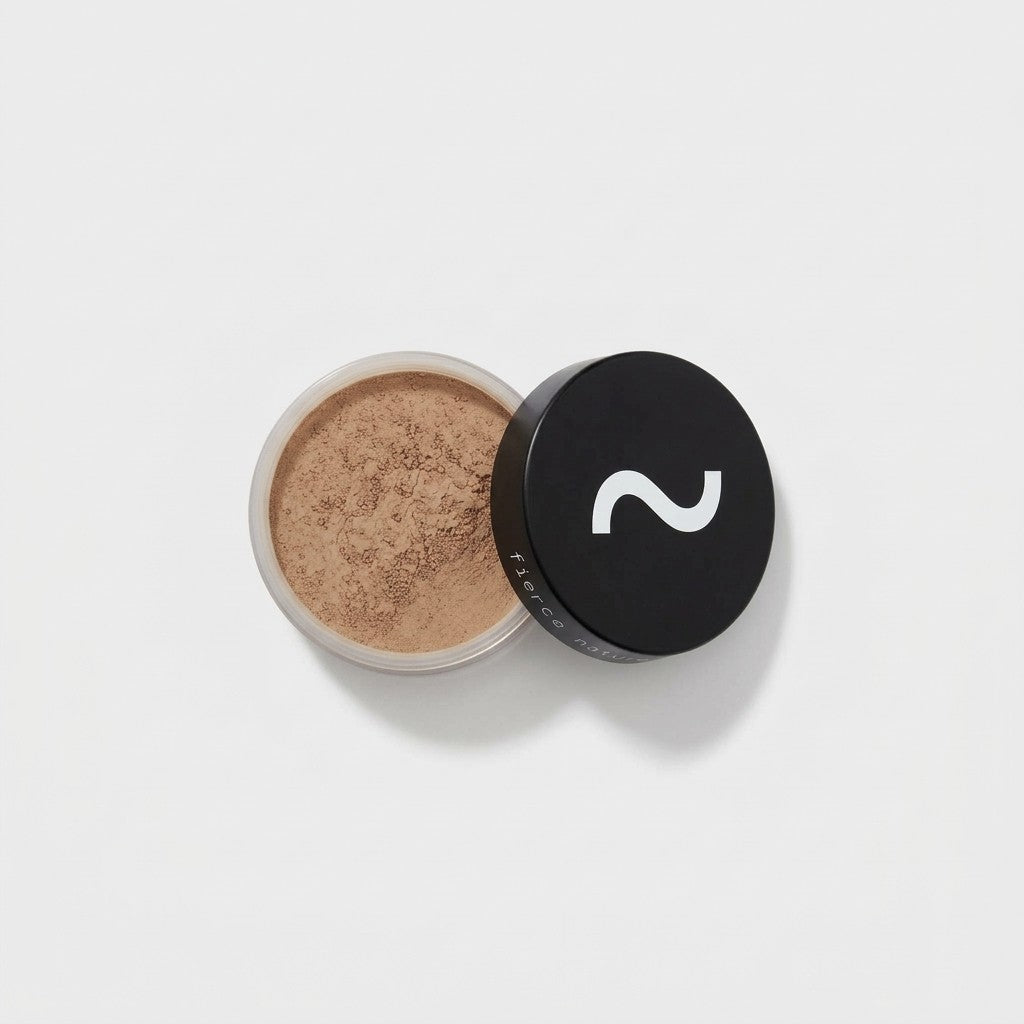
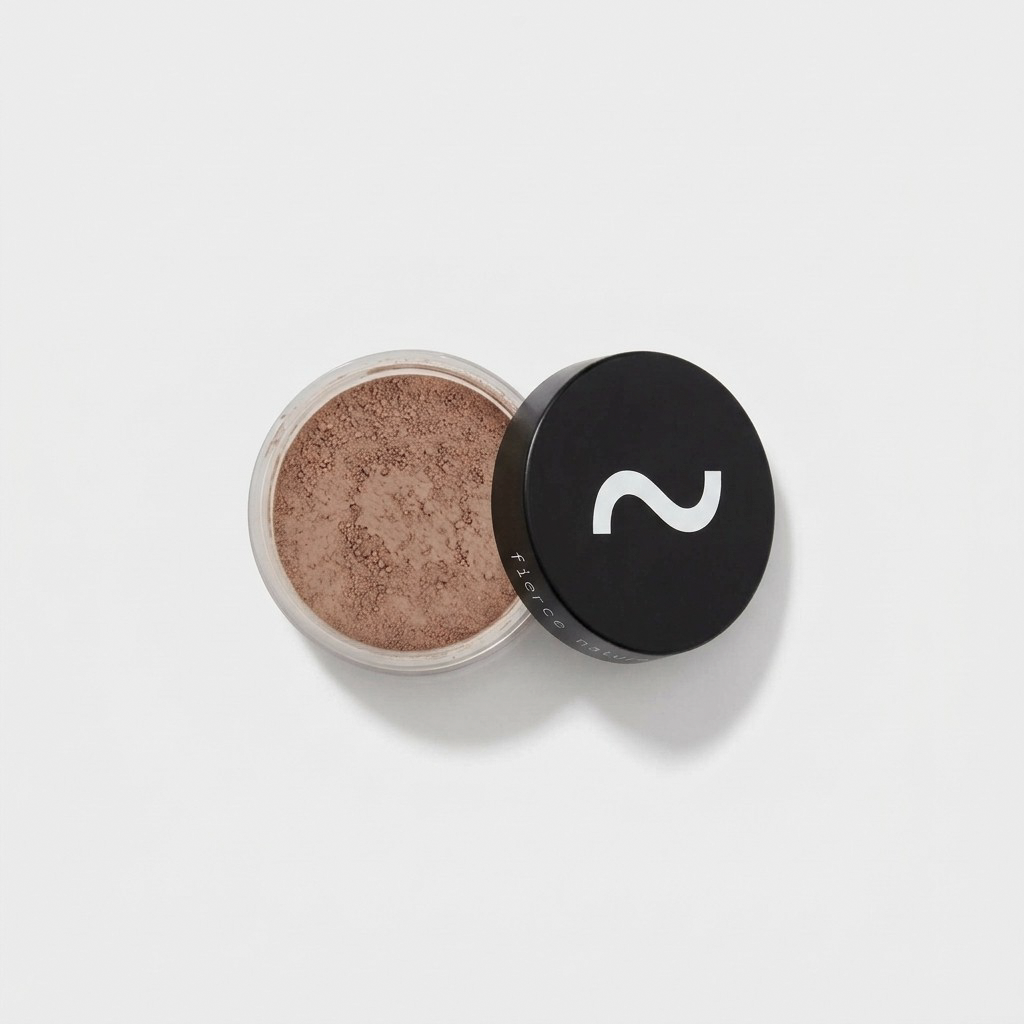
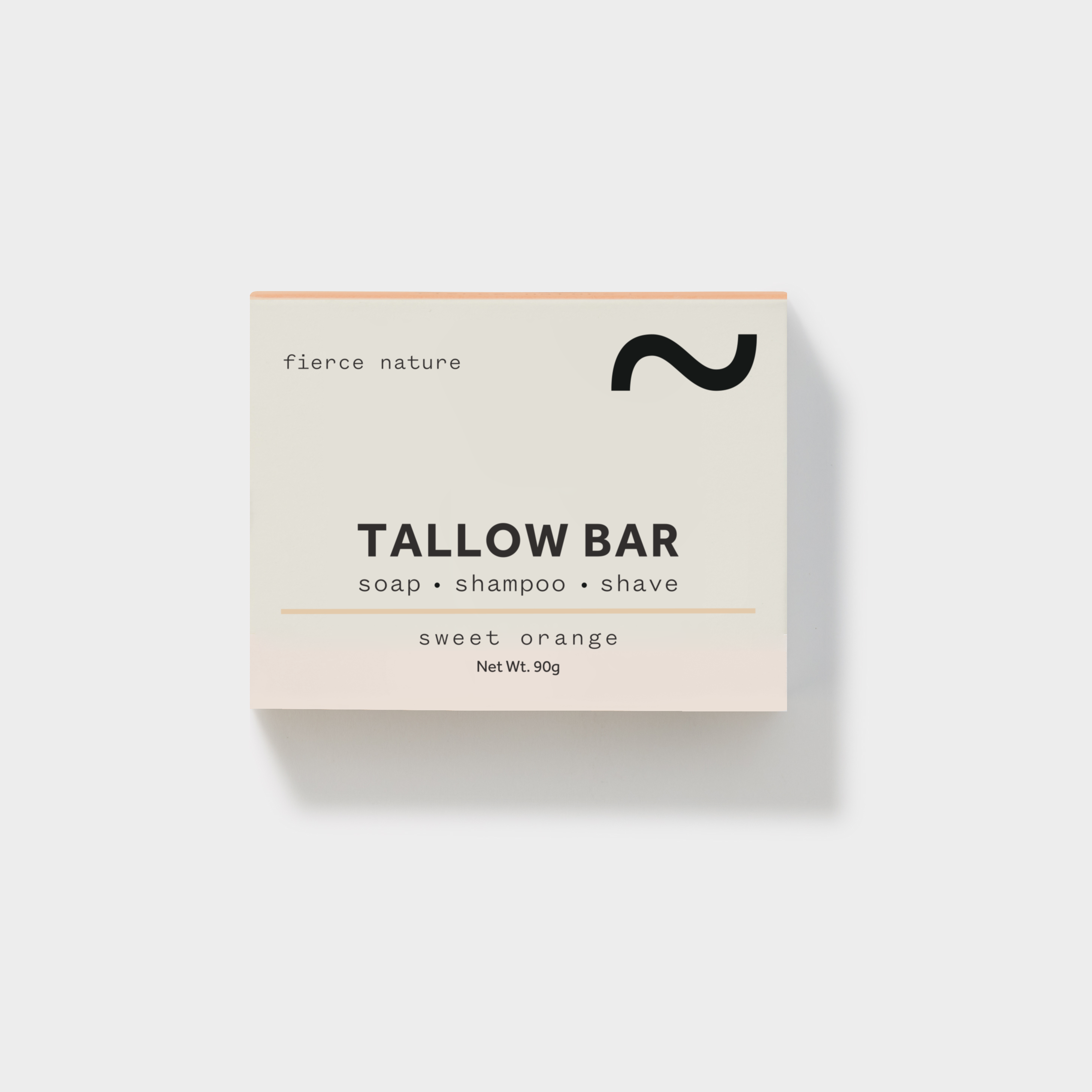
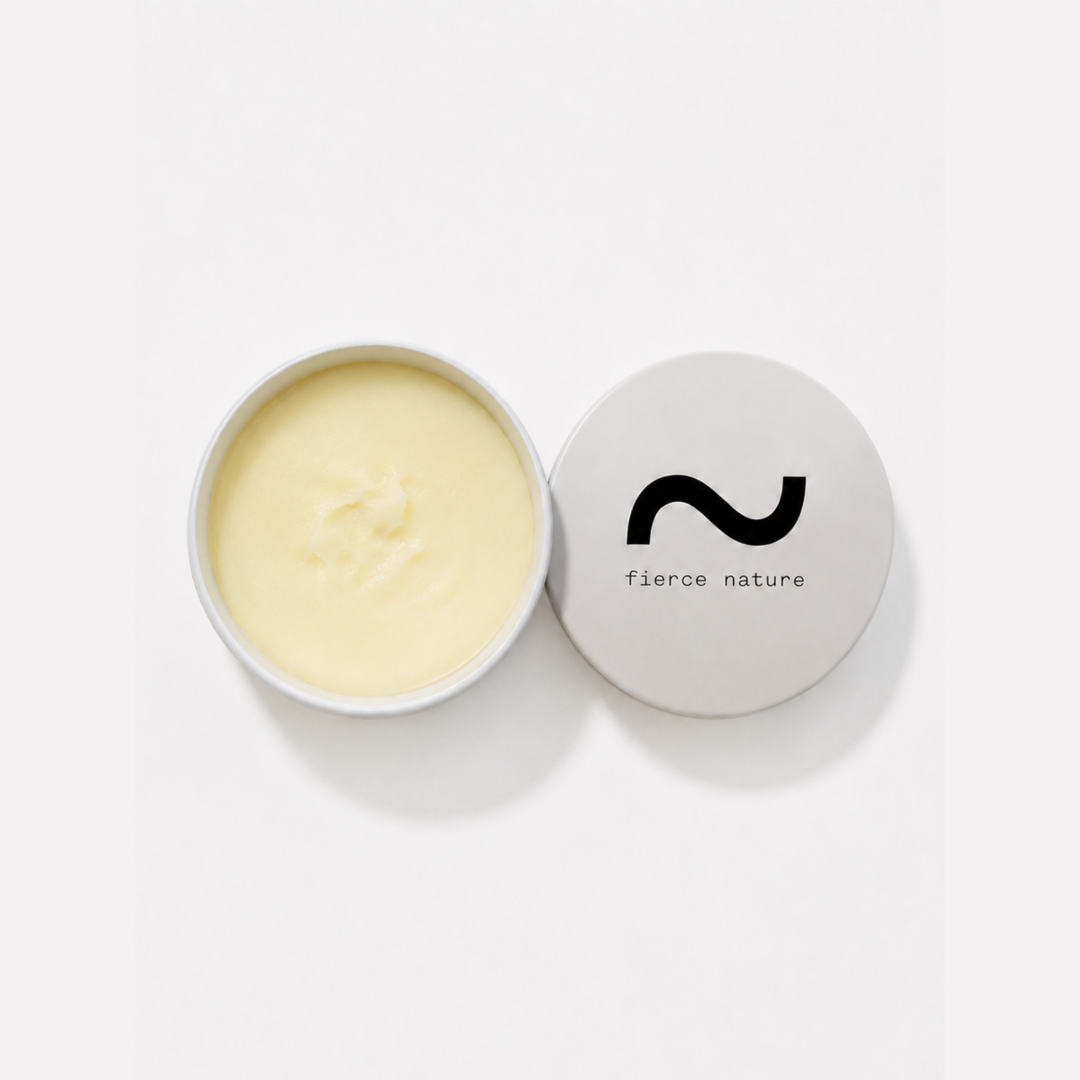
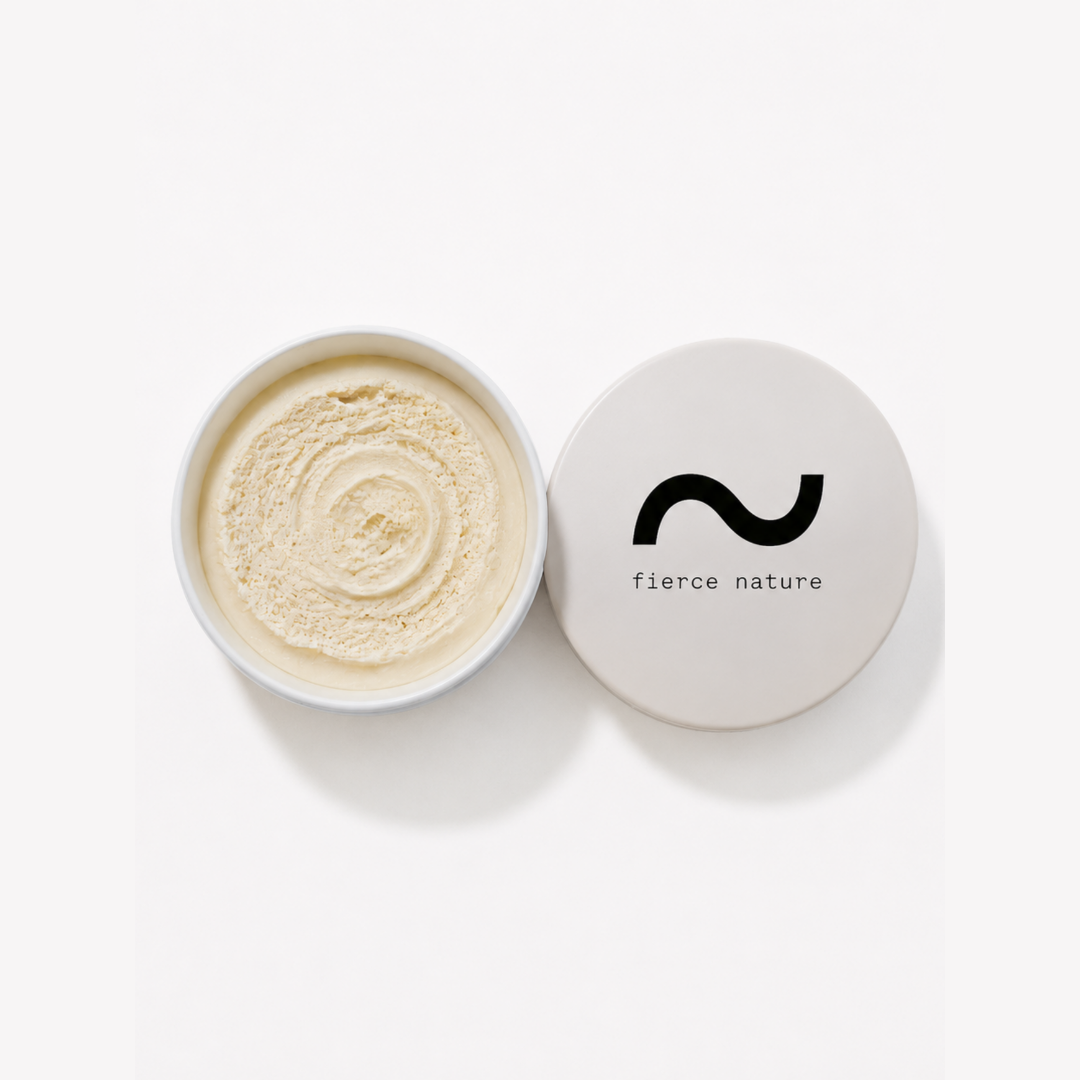

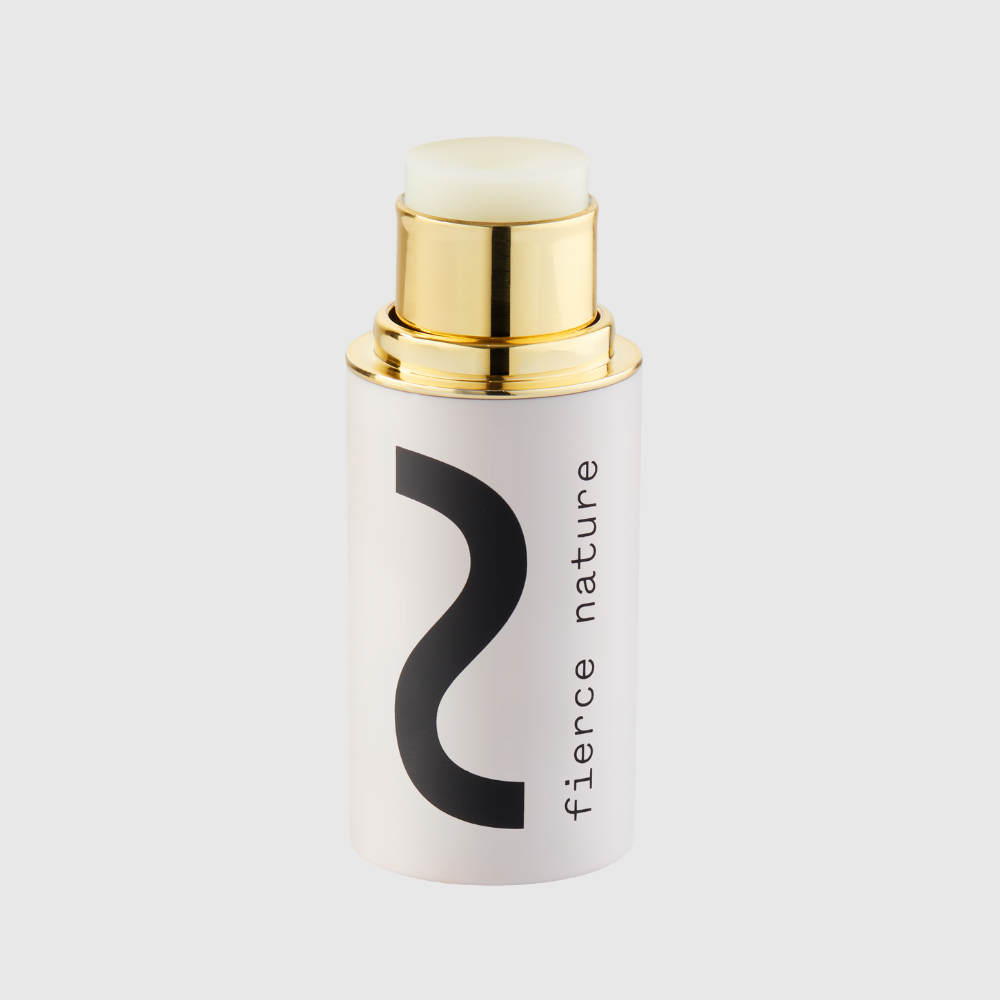
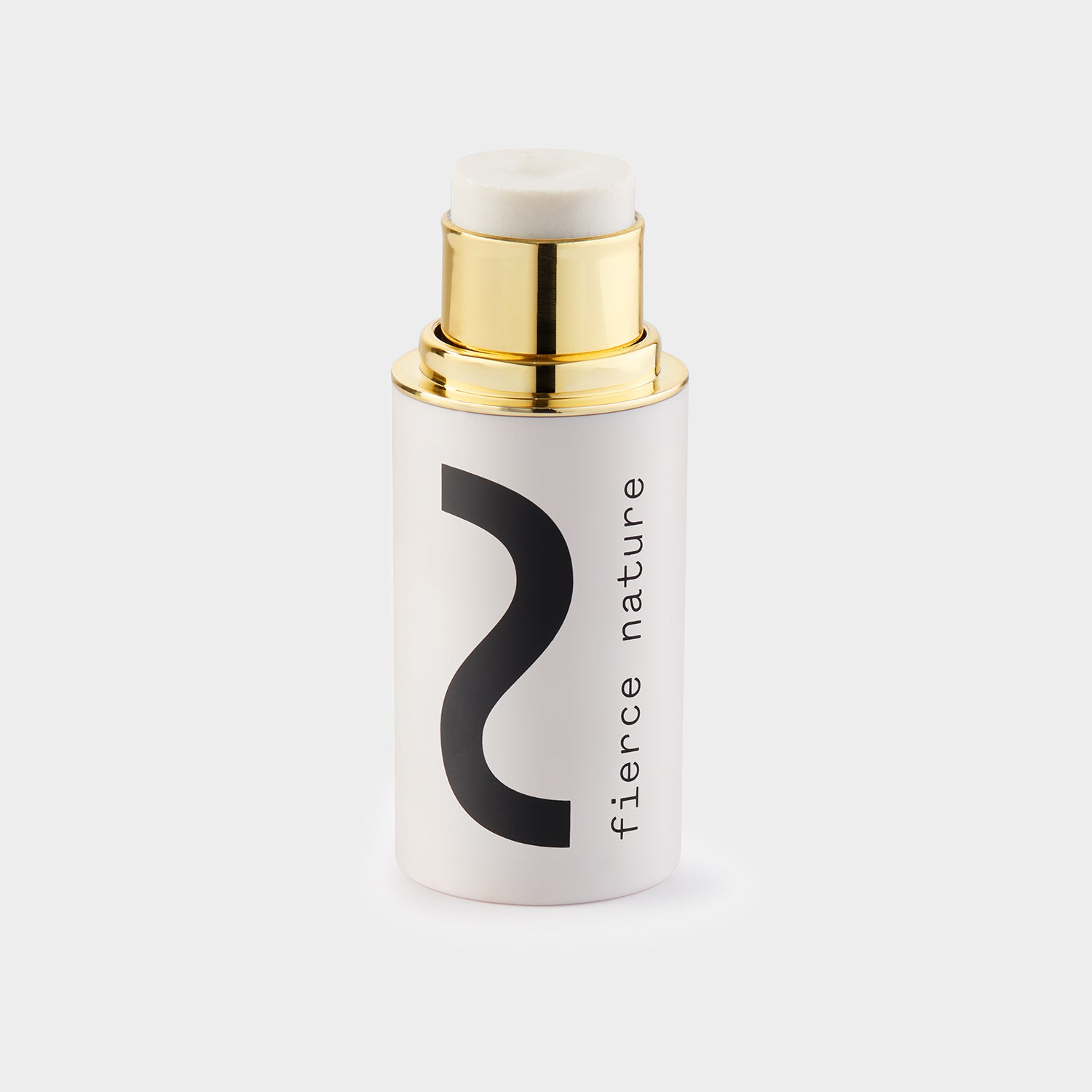
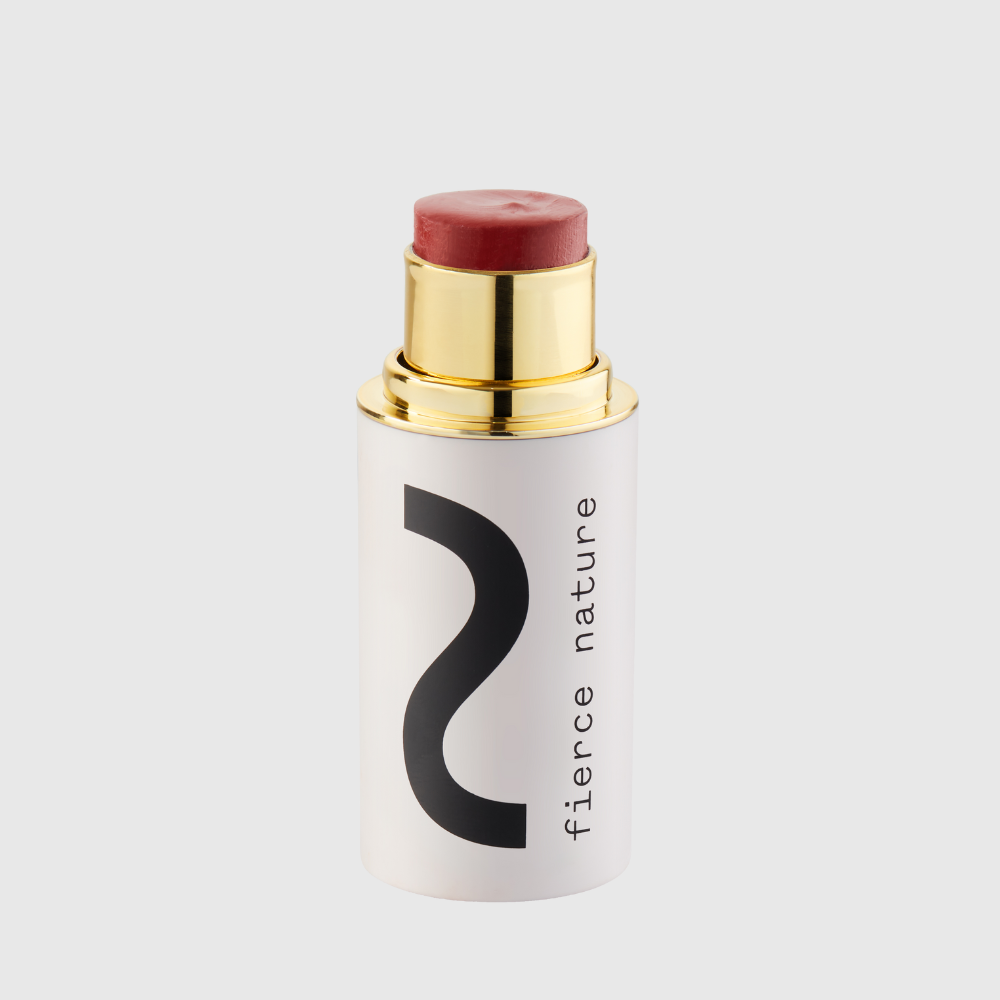
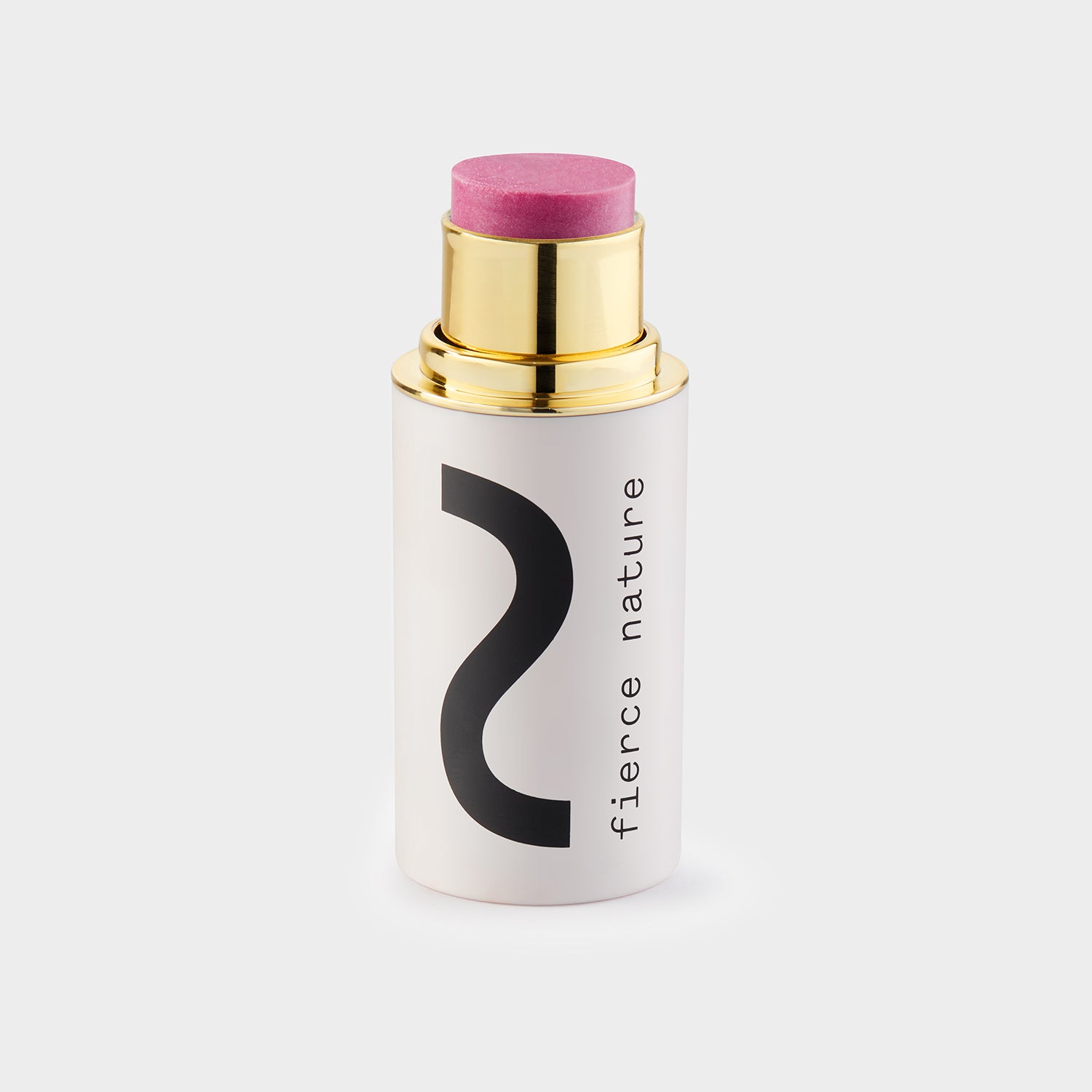
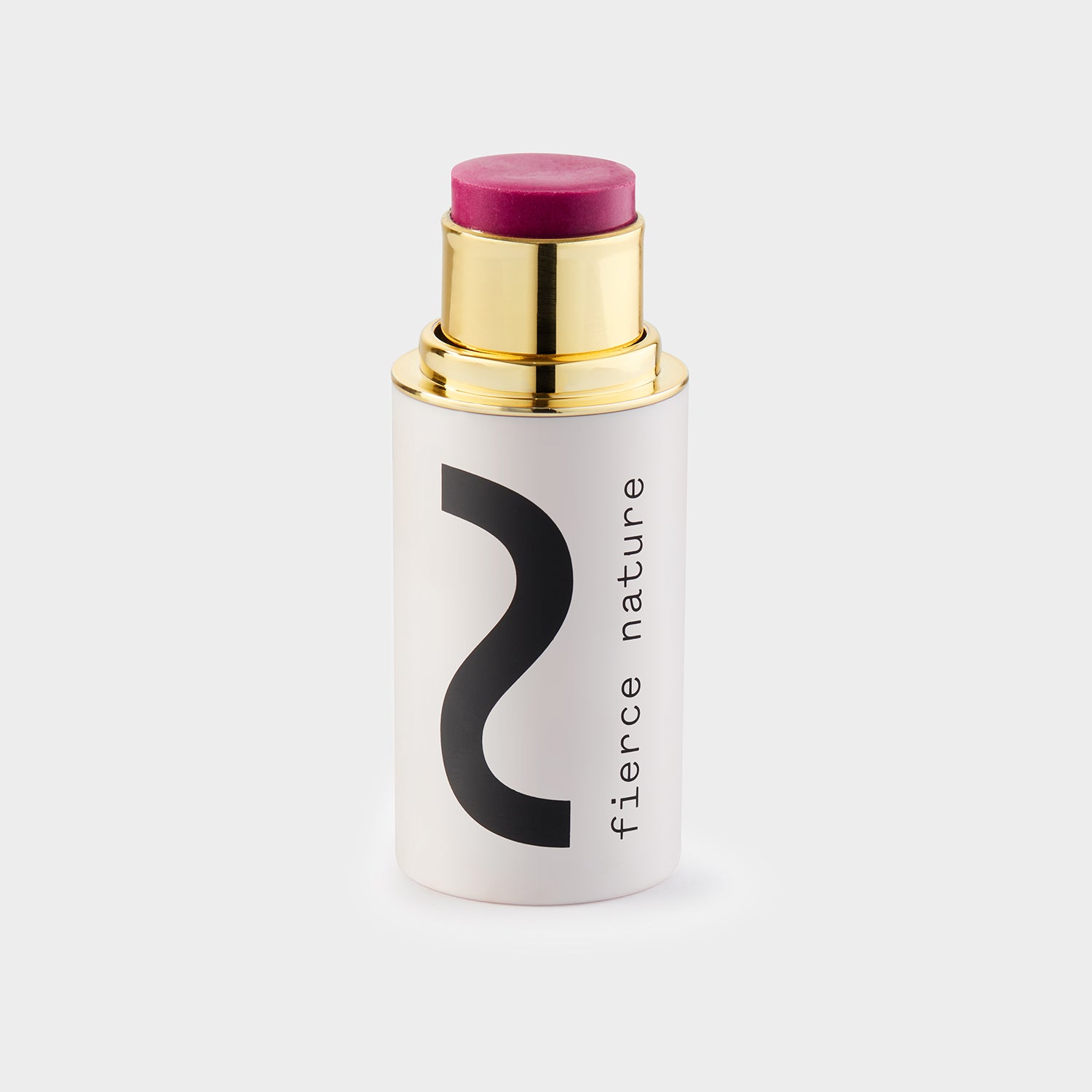
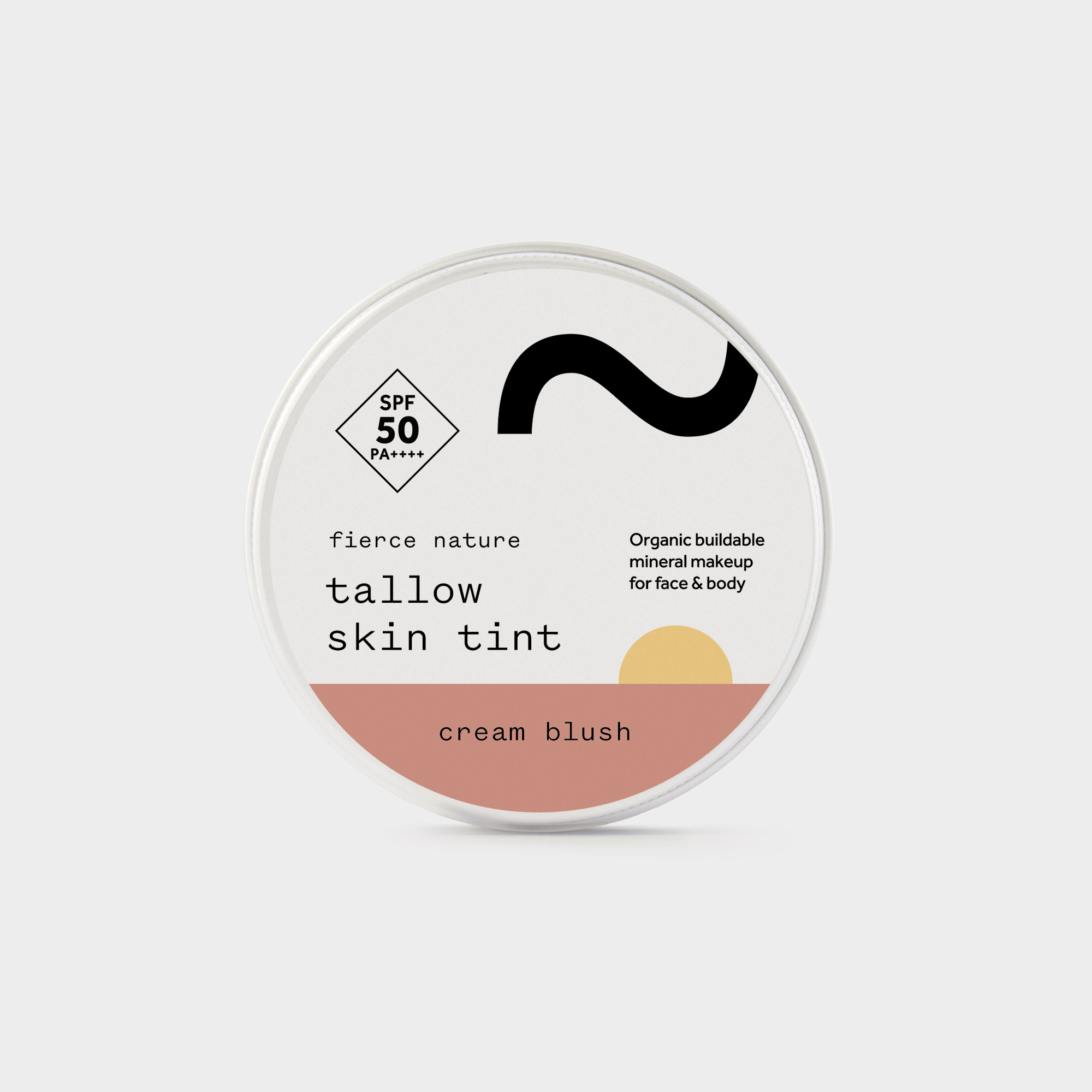
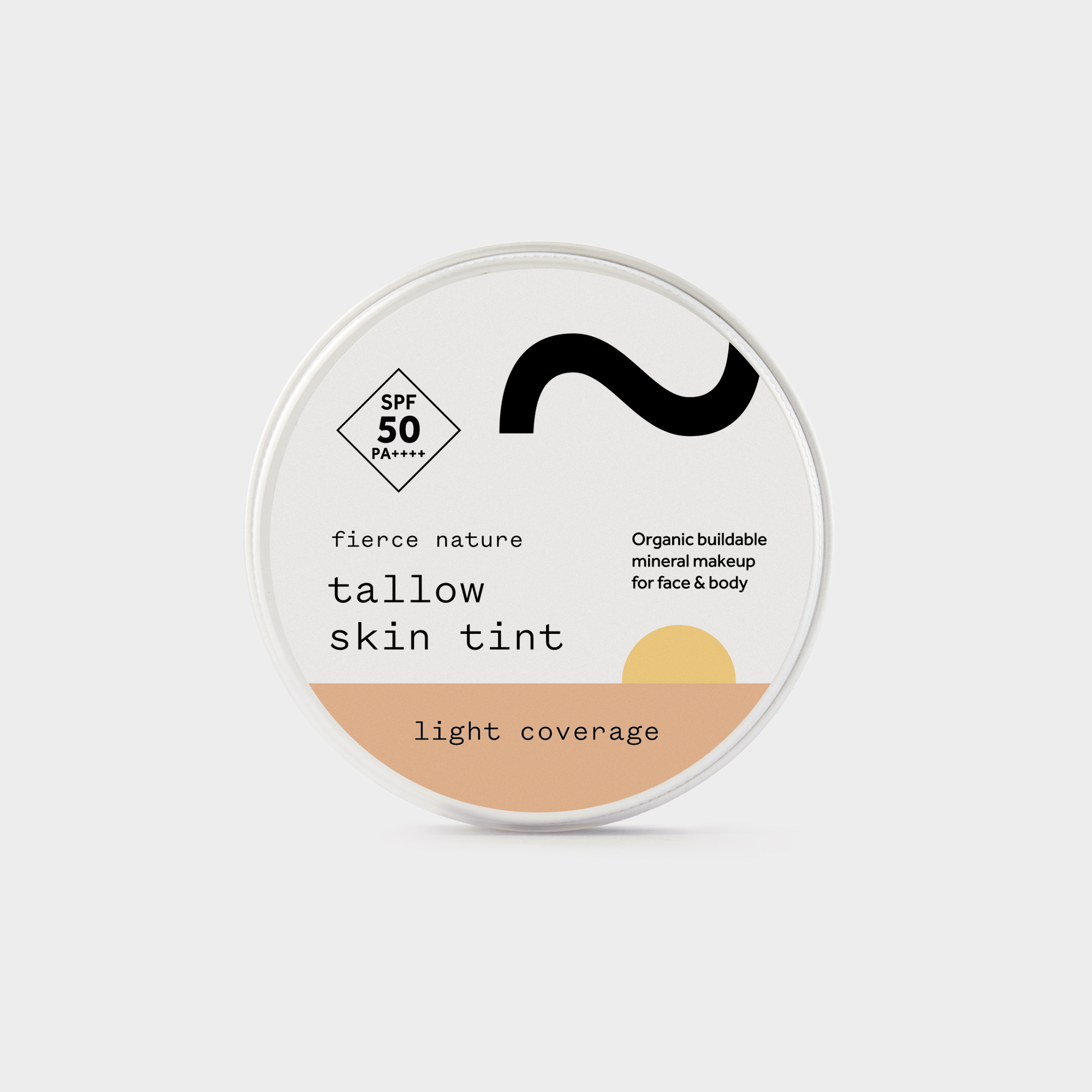
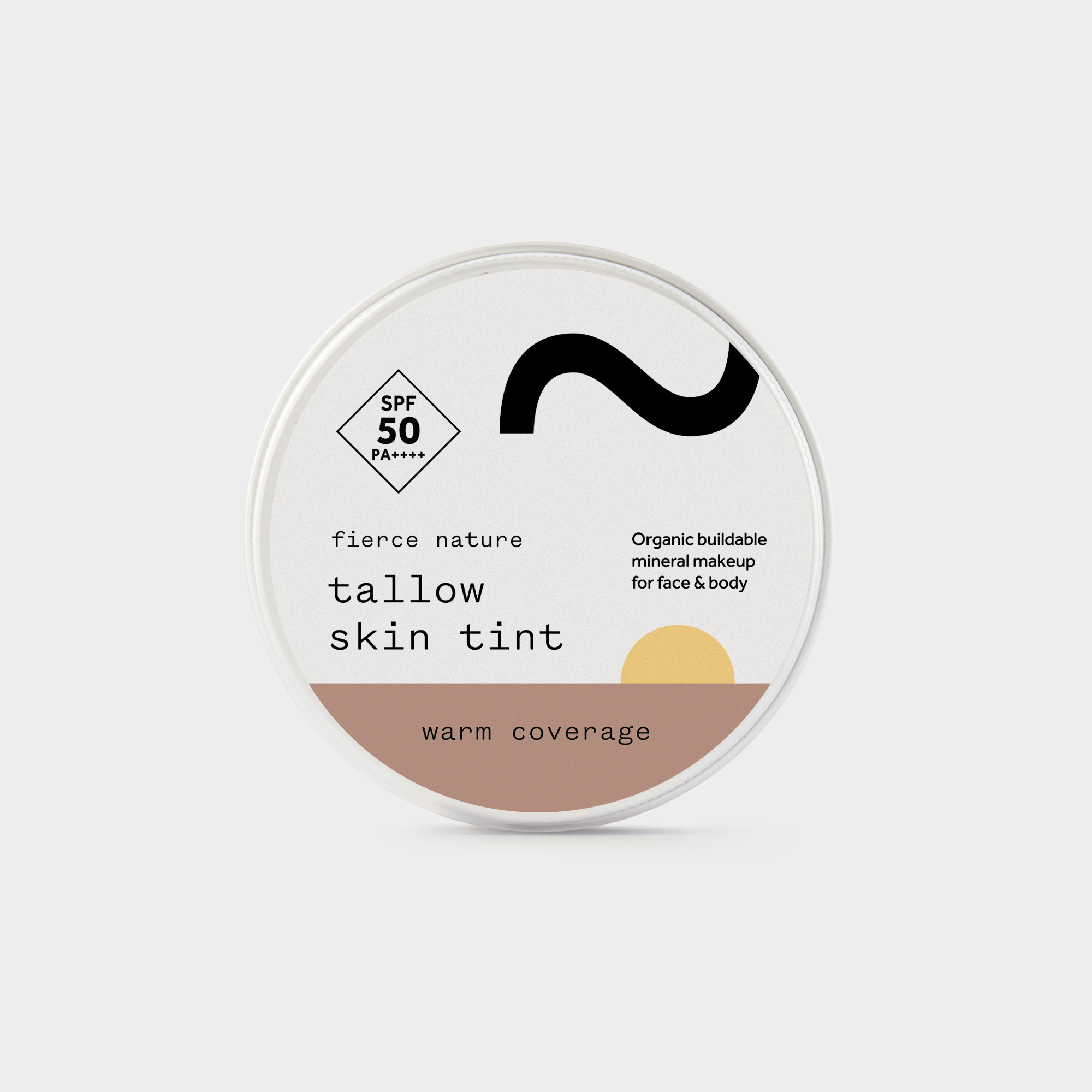




The most reliable natural chafing balm combines organic tallow or plant butters with wax to create both lubrication and a protective barrier on the skin. Whether you’re calling it a chub rub balm or thigh chafing balm, the job is the same: reduce friction where skin meets skin or fabric, and calm irritation before it turns into broken skin. Here’s what actually goes into a good one, how to choose between the options, and how to apply it properly.
TL;DR:
Natural chafing balms should combine ingredients like tallow and beeswax to provide both lubrication and a protective barrier, especially during active use.
Avoid formulas with fragrance oils or talc, as they can cause irritation or health concerns, particularly on sensitive, broken, or healing skin.
Choose balm formats that suit your activity, with sticks for on-the-go reapplication and tins or creams for daily use or larger areas.
Proper application involves applying to clean, dry skin before activity, reapplying regularly every one to two hours during long or water-exposed activities.
Making a homemade balm is simple, using one part wax to four parts oil or butter, but it has a limited shelf life and requires careful handling to avoid irritation.
What does natural chafing balm actually mean, and how does it stop chafing?
How do you choose the right balm for your activity and skin?
Why does tallow-based, handmade formulation matter for sensitive skin?
Chafing happens where three things meet: friction, moisture, and heat. Skin rubbing against skin, or skin rubbing against fabric, generates shear force. Add sweat and warmth, and the outer skin layer weakens fast, which is why the inner thighs, underarms, bra line, and groin are such common trouble spots for runners, cyclists, and anyone active in warm weather.
A natural chafing balm works through two separate mechanisms, and understanding both helps you judge whether a product will actually do its job.
Lubrication reduces the shear between two surfaces, so skin glides rather than grips. This is the immediate, in-the-moment protection.
Barrier support forms a thin film over the skin that limits moisture penetration and helps the skin’s own repair processes along, which matters once irritation has already started.
Frictional skin injury is driven largely by shear and moisture together, and topical products that reduce friction while supporting the skin barrier lower the risk of that damage progressing. That’s the whole logic behind balm over powder or spray: powder absorbs moisture but does nothing for friction once it’s gone, while a wax-and-oil balm keeps working until it’s washed or sweated off.
Formulation matters more than most people assume. A balm that’s too occlusive can trap heat and moisture against the skin, which sounds counterproductive for something meant to prevent chafing, and sometimes is. The better natural formulations aim to let skin breathe while still holding that protective film in place. If skin is already broken, weeping, or shows signs of infection (spreading redness, heat, pus), that’s a job for a GP or pharmacist, not a balm.
The ingredient list tells you almost everything about how a balm will perform, so it’s worth learning to read one properly before you buy or make anything.
Ingredients that earn their place:
Tallow – rich in fatty acids that closely resemble those found in human sebum, which helps it support barrier repair rather than just sitting on top of the skin.
Beeswax – gives a balm its water resistance and staying power, which matters most for anyone sweating heavily or swimming.
Squalane – lightweight and fast-absorbing, so it hydrates without the greasy after-feel that puts some people off oil-heavy balms.
Shea and cocoa butter – dense, nourishing, and good for longer-lasting cushioning on high-friction areas.
Arrowroot or tapioca powder – added in small amounts to reduce that waxy “pilling” feeling and help a balm glide on more smoothly.
Ingredients worth questioning:
Fragrance oils and strong essential oils are the most common cause of reactions on already-stressed skin, so unscented is almost always the safer starting point if your skin is sensitive or you’re applying to broken or newly chafed areas. Talc is the other one to watch. There’s ongoing consumer-health concern about talc and potential cancer risk, which is why most careful formulators have moved to talc-free alternatives like arrowroot or tapioca for the same mattifying effect without that question mark hanging over it.
Statistic worth remembering: talc-related cancer concerns have been significant enough that the American Cancer Society maintains dedicated guidance on the topic, and it’s a large part of why talc-free mattifying powders have become the standard in newer natural formulations rather than a niche preference.
Patch-test any new balm, natural or not, on a small area of skin 24 hours before relying on it for a long run, ride, or hike.
Not every balm suits every situation, and the format matters as much as the ingredients.
Match the format to the activity. A firm stick balm suits long runs, hikes, or anything where you need mess-free, on-the-go reapplication without touching the product with your fingers. A tin or pot works well for pre-activity application at home, where hygiene is easier to control. Creams are best for everyday, low-friction use like under bra straps or between the thighs on a warm commute.
Think about hygiene before you buy. Sticks avoid the double-dipping problem entirely, which matters if you’re sharing a balm or applying with sweaty hands mid-event. Tins need clean, dry fingers every time, or you risk introducing bacteria into a product you’ll reapply days later.
Check the durability claims against your actual use case. A balm marketed as sweat- or water-resistant should list a wax content high enough to justify that claim; a genuinely water-resistant formulation typically leans more heavily on beeswax than oil. Be sceptical of “water-resistant” claims with no wax listed at all.
Look past the marketing language on the label. Non-comedogenic and non-staining claims are worth something only when the ingredient list backs them up. If a brand won’t publish its full ingredients, that’s a red flag regardless of what the packaging promises.
Weigh size against genuine use. A larger tin makes sense for daily use at home; a smaller stick earns its place in a running vest or gym bag. Buying the biggest pot available isn’t automatically better value if half of it goes unused before the texture changes.
Pro Tip: If you’re training for something long, like a marathon or a multi-day hike, test your balm on a run of at least half the distance first. Reapplication needs and hot-spot locations often only reveal themselves once you’re well past the 5K mark.
Getting the technique right matters as much as picking the right product, and it takes less than a minute per application once it’s routine.
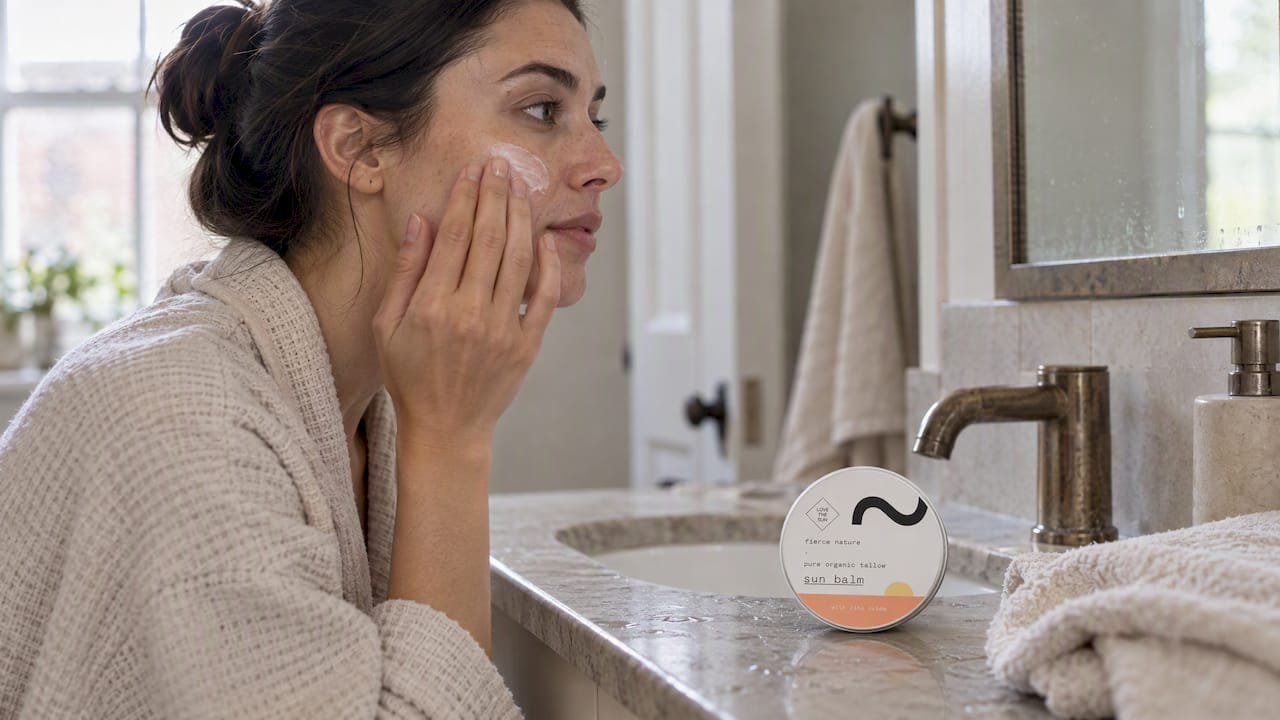
Clean and dry the area first. Apply to skin that’s clean and completely dry, ideally straight out of the shower or after towelling off sweat. Balm applied over damp or sweaty skin won’t adhere properly and loses much of its protective value.
Apply before you dress, not after you feel discomfort. A thin, even layer over the inner thighs, underarms, or any known friction point, applied before you put your kit on, is far more effective than reaching for balm once you already feel the burn.
Watch for hot spots during longer activities. If you feel the first hint of rubbing mid-run or mid-hike, stop, gently clean the area if you can, and reapply a thin layer rather than pushing through and reapplying over already-irritated skin.
Reapply on a schedule for long events. For anything over two or three hours, particularly in heat or water, reapply roughly every one to two hours rather than waiting for discomfort to reappear, since sweat and water gradually wear the barrier away. For wetsuit sports, apply before you dress in the wetsuit and again once you’re dry afterwards, since neoprene creates its own friction points.
Know when to stop and see someone. If skin is broken, bleeding, or showing signs of infection such as spreading heat, swelling, or discharge, stop applying balm and speak to a pharmacist or GP instead. Balm treats friction, not infection.
For more detail on technique around delicate or already-irritated areas, our guide to applying balm on sensitive skin covers the specifics.
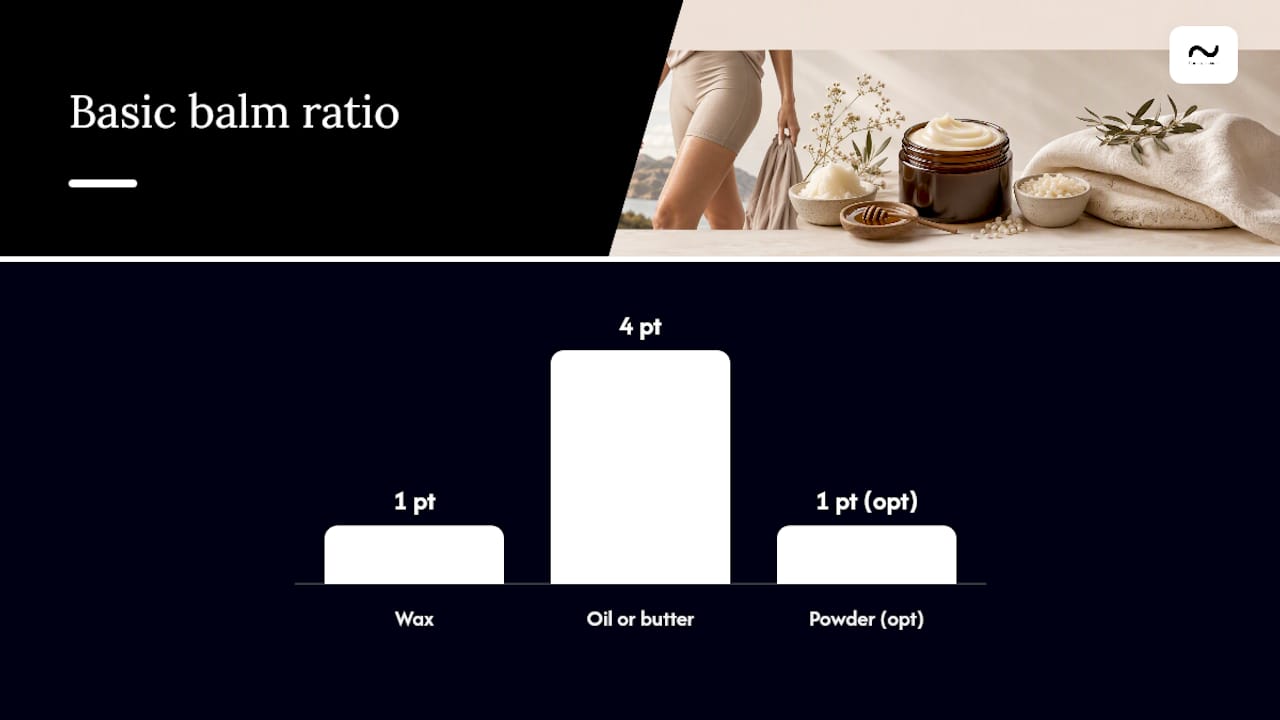
A basic natural chafing balm recipe needs only three components, and the ratio between them determines how firm or soft the finished product feels.
The base ratio: roughly 1 part wax to 4 parts oil or butter, with an optional 1 part arrowroot or tapioca powder folded in once melted for a smoother, less tacky finish.
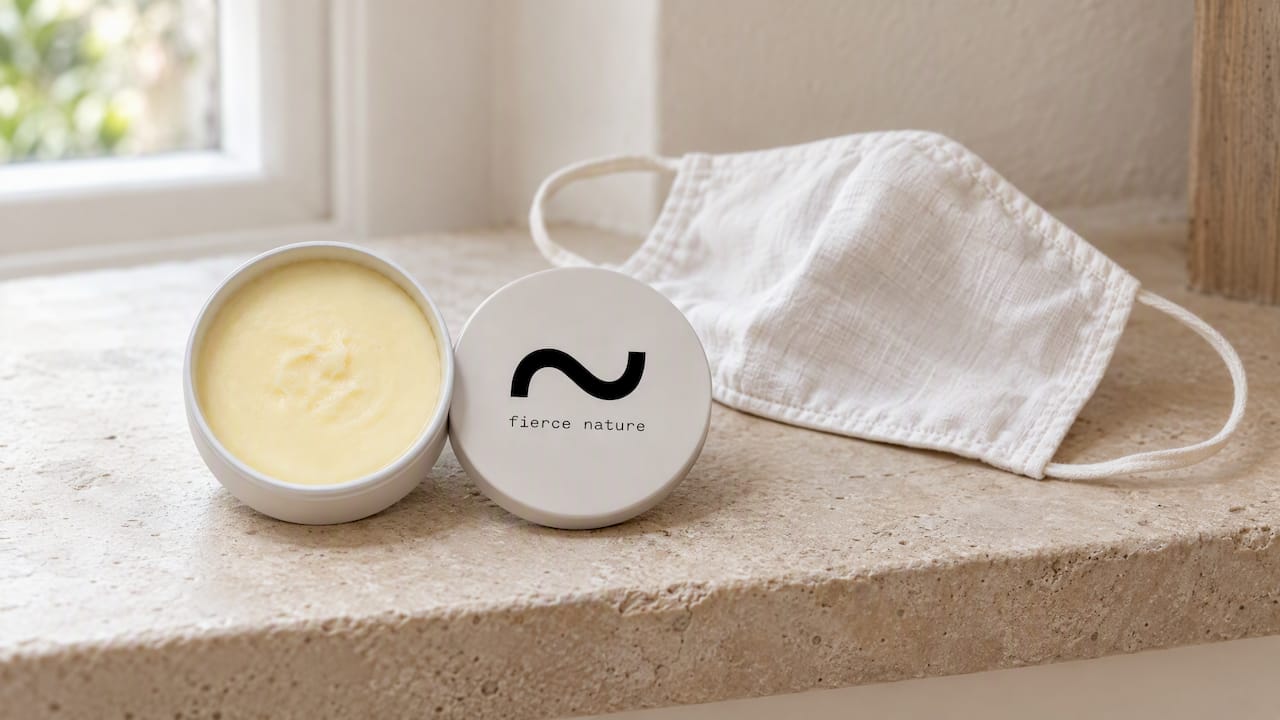
Equipment: a heatproof bowl set over simmering water (a basic double boiler), a small tin or jar to set the balm in, and nothing more specialist than that.
Method: melt the wax and oil or butter gently together, remove from heat, stir in the powder if using, and pour into a clean container to set at room temperature.
Substitutions that work well: tallow or shea butter can replace cocoa butter if you want a lighter, less cocoa-scented result. Arrowroot or tapioca powder is the safer substitute anywhere a recipe calls for talc. Avoid using leftover kitchen oils that have gone rancid, and steer clear of adding undiluted essential oils, which are far more concentrated than most home cooks expect and can irritate skin that’s already prone to friction damage.
Shelf life matters more than most DIY guides admit. A home-made balm with no preservative system typically holds for a few weeks at room temperature if kept in a clean, dry container and away from direct sunlight. Make small batches, use clean hands or a spatula to scoop it out, and bin anything that changes smell or develops mould. If you don’t want to manage that shelf-life risk, a professionally formulated balm made in small batches gives you the same natural ingredient profile without the guesswork.
Fierce Nature started from a personal frustration, not a market gap. Our founder grew up in South Africa surrounded by mainstream cosmetics, shaving gels, and hair-removal creams, and spent her teenage years battling unexplained skin rashes and reactions that no product on the shelf ever seemed to solve. Years later, understanding gut health and the toxic load conventional skincare places on the body pointed her back to something far older: tallow.
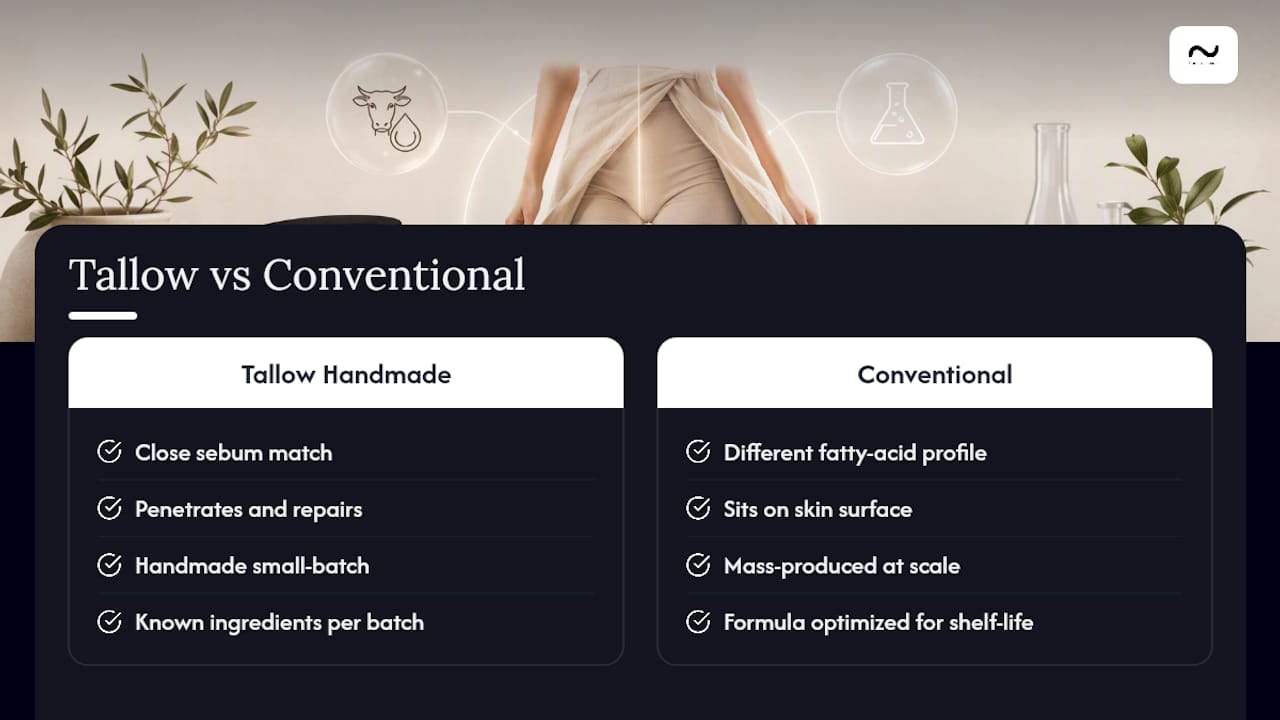
Tallow’s fatty-acid profile sits close to that of human sebum, which is part of why it penetrates and supports skin repair rather than sitting inertly on the surface. That bioavailability is the whole reason tallow has been used as a skin emollient for centuries, long before synthetic alternatives existed.
Handmade, small-batch production means every ingredient going into a balm is known and controlled, batch by batch, rather than mass-produced from a formula optimised for shelf life over skin compatibility. That transparency is what sensitive skin actually needs.
Natural texture variation, like slight oil separation in warmer weather, is normal in a tallow-based balm and doesn’t signal a fault. It’s a sign the product hasn’t been engineered with synthetic stabilisers to stay artificially uniform in every climate.
I didn’t set out to build a skincare brand. I set out to stop the rashes I’d lived with since I was a teenager, and every mainstream product I tried only added another layer of chemicals disguised in nice packaging. Tallow was the answer I kept coming back to, because it’s what skin has been fed with for generations before the beauty industry decided oil in a jar needed forty ingredients to justify its price.
That said, tallow balms aren’t perfect for every situation. They can feel firmer in cold weather and softer in heat, and that’s simply how a natural, unrefined ingredient behaves rather than a flaw to engineer away. If your skin reacts easily, always patch-test first, and choose an unscented version until you know how your skin responds. Sensitivity deserves patience, not a promise on a label.
— Fierce Nature
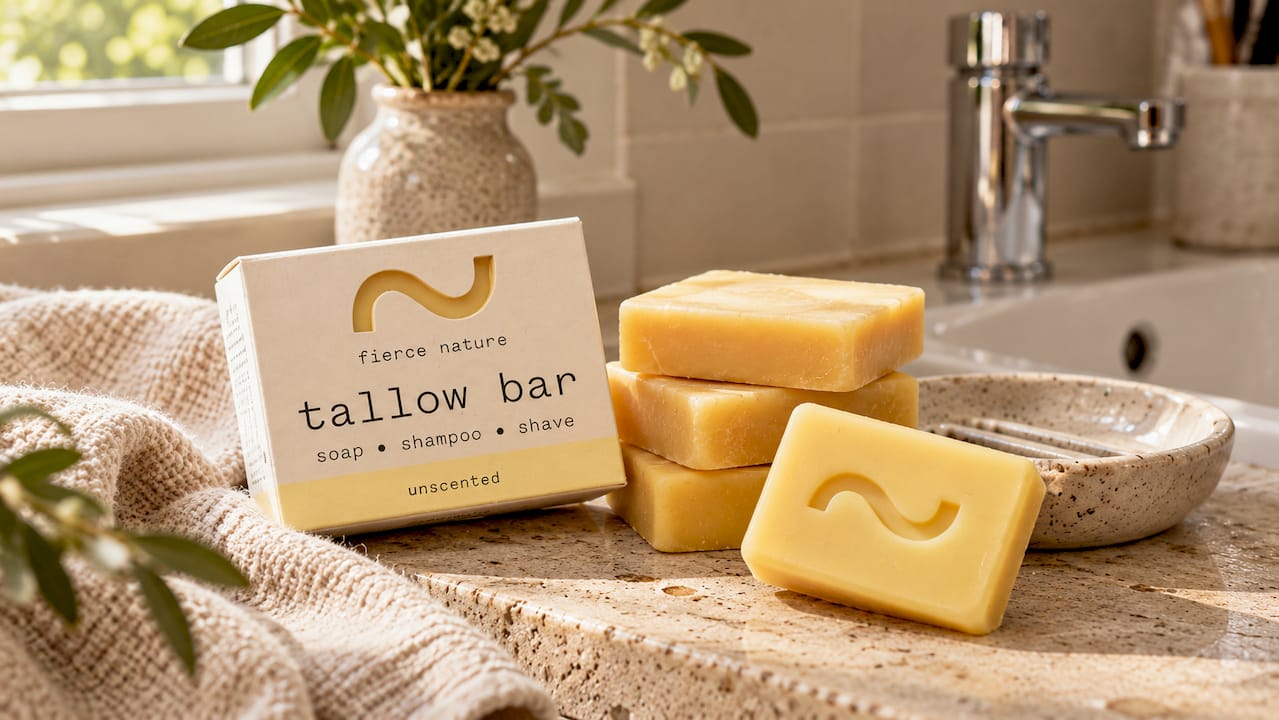
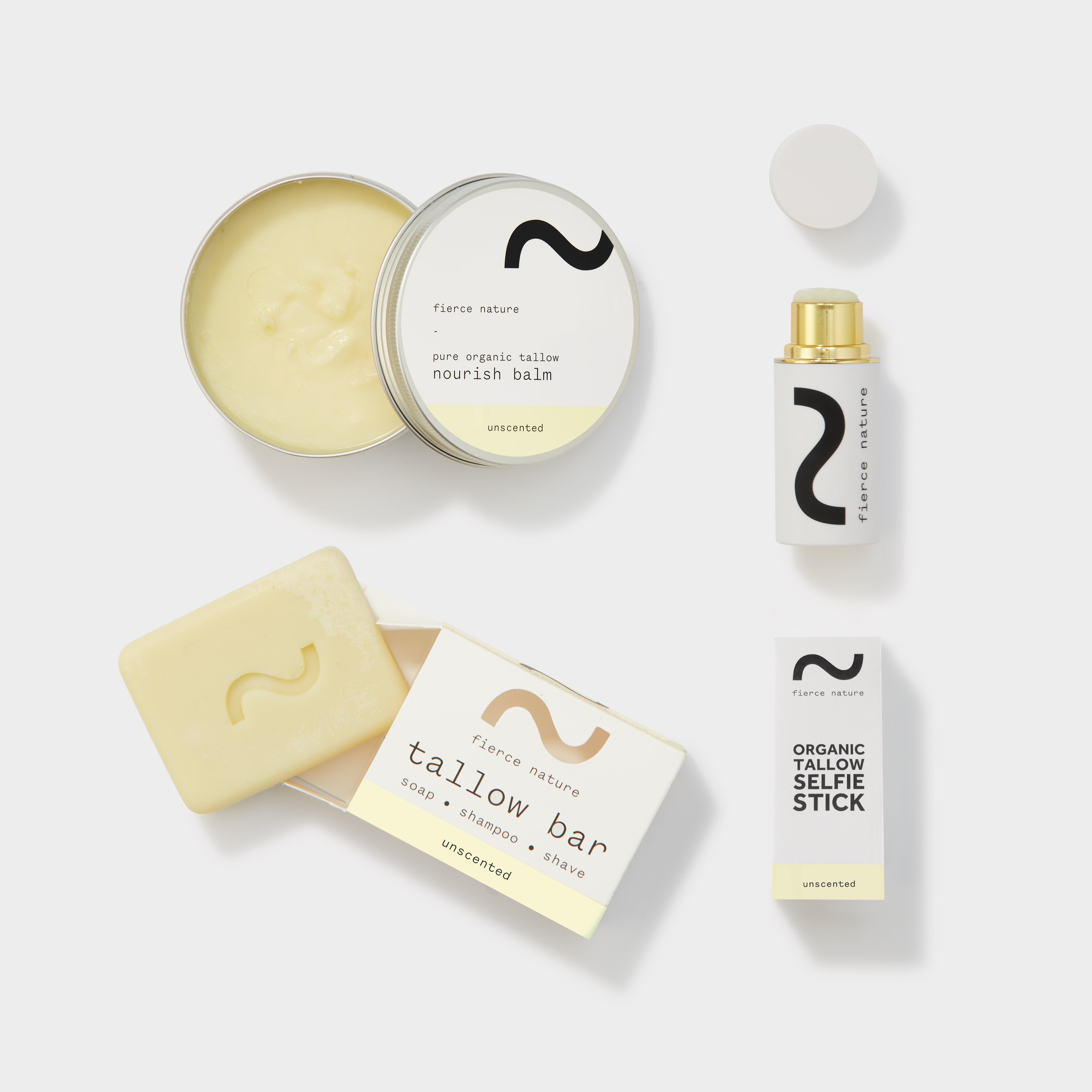
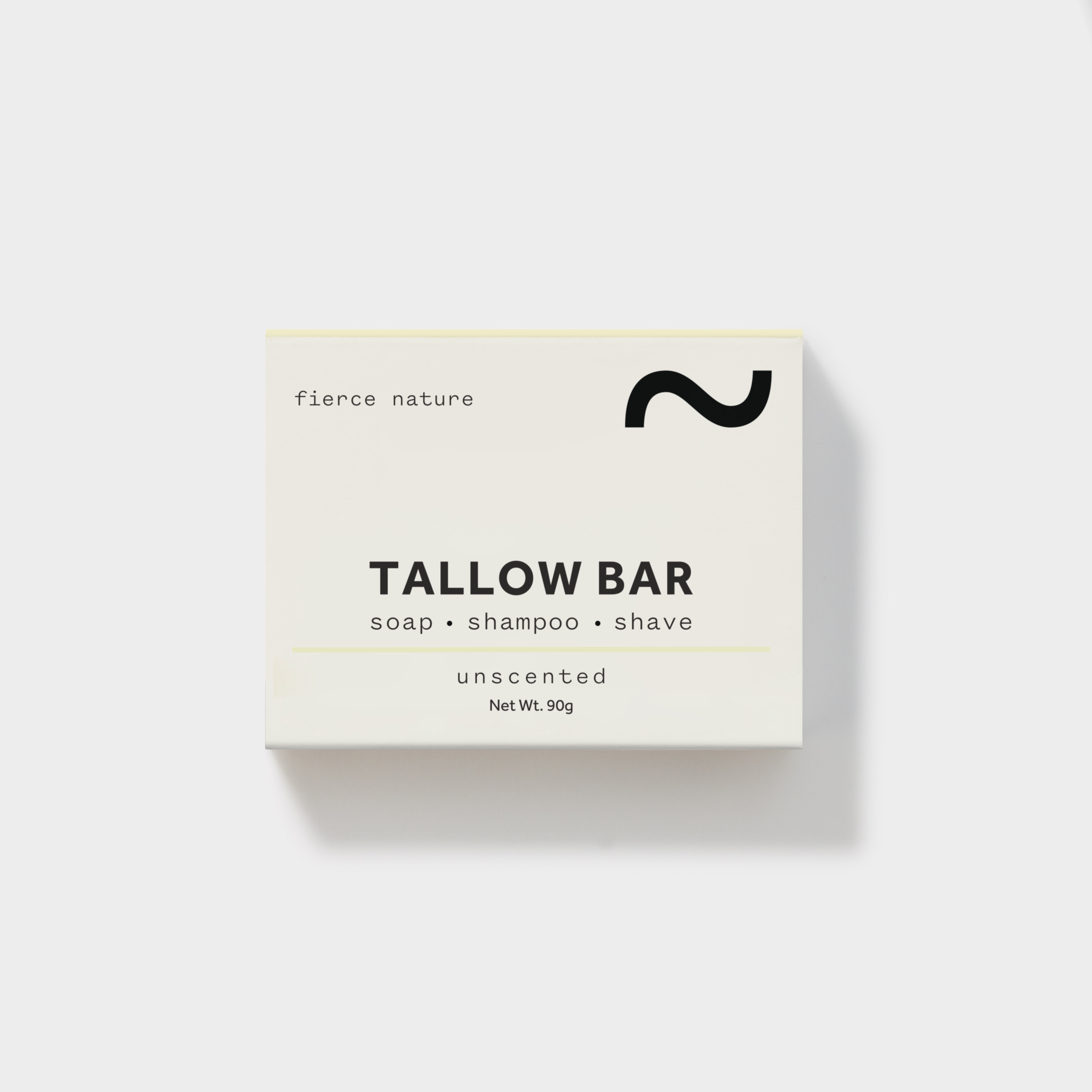
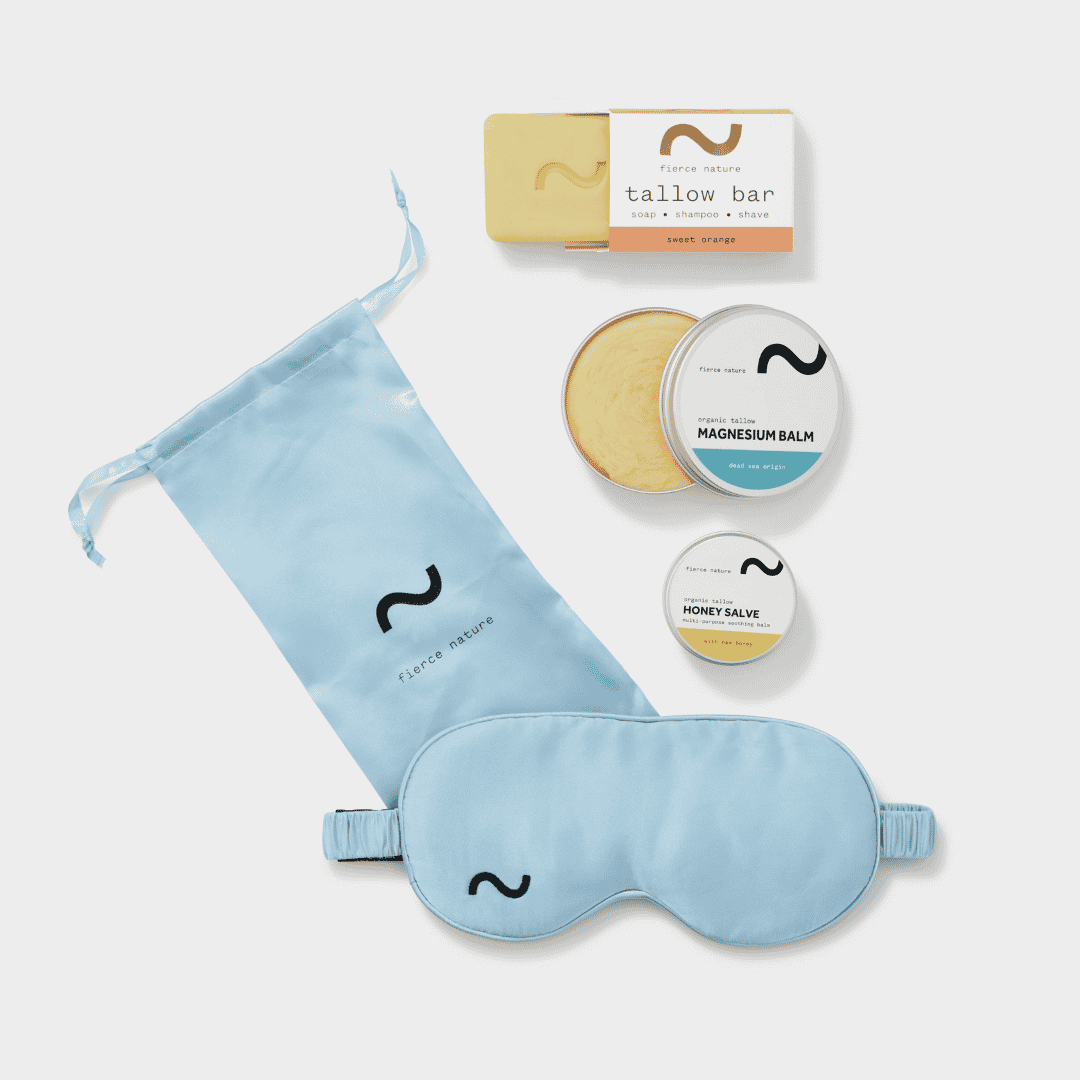
If you’re active and prone to chafing on runs, hikes, or long days on your feet, the Multi-Use Tallow Bar (Unscented) is built for exactly that: a firm, portable format that avoids double-dipping and holds up against sweat. Prefer a scent while you train? The Multi-Use Tallow Bar (Scented) gives the same protective base with a gentler everyday fragrance.
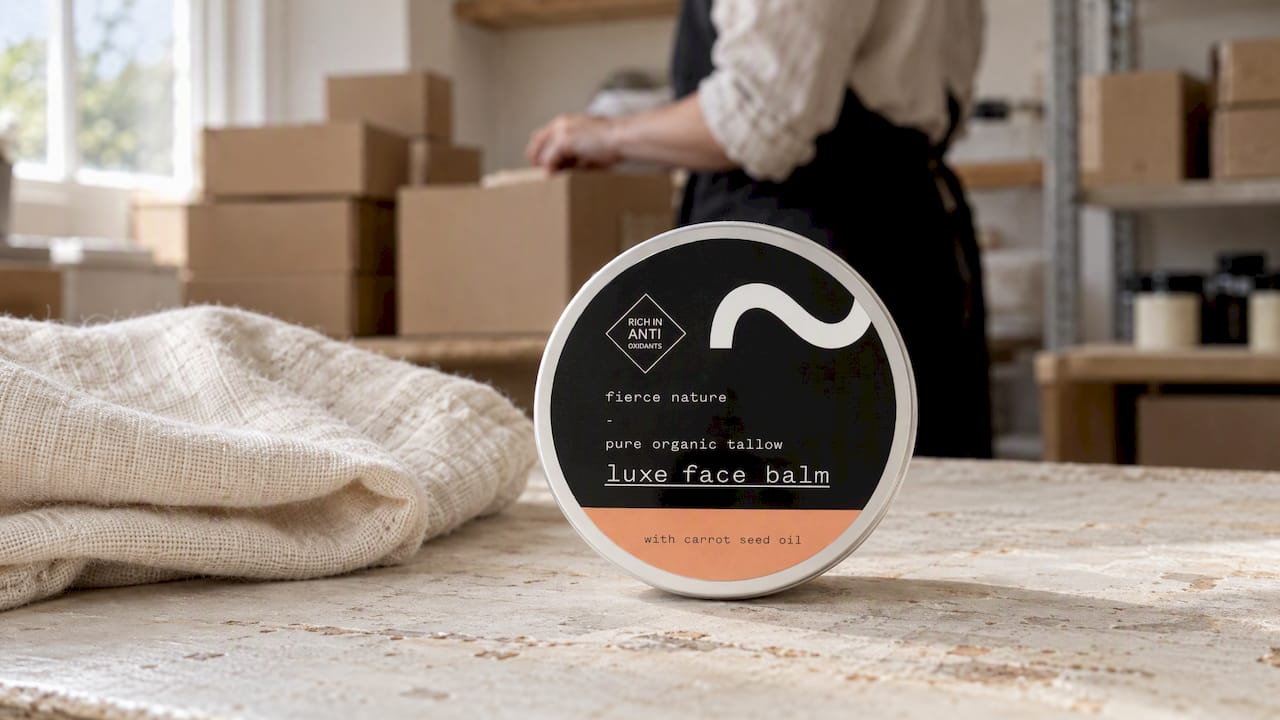
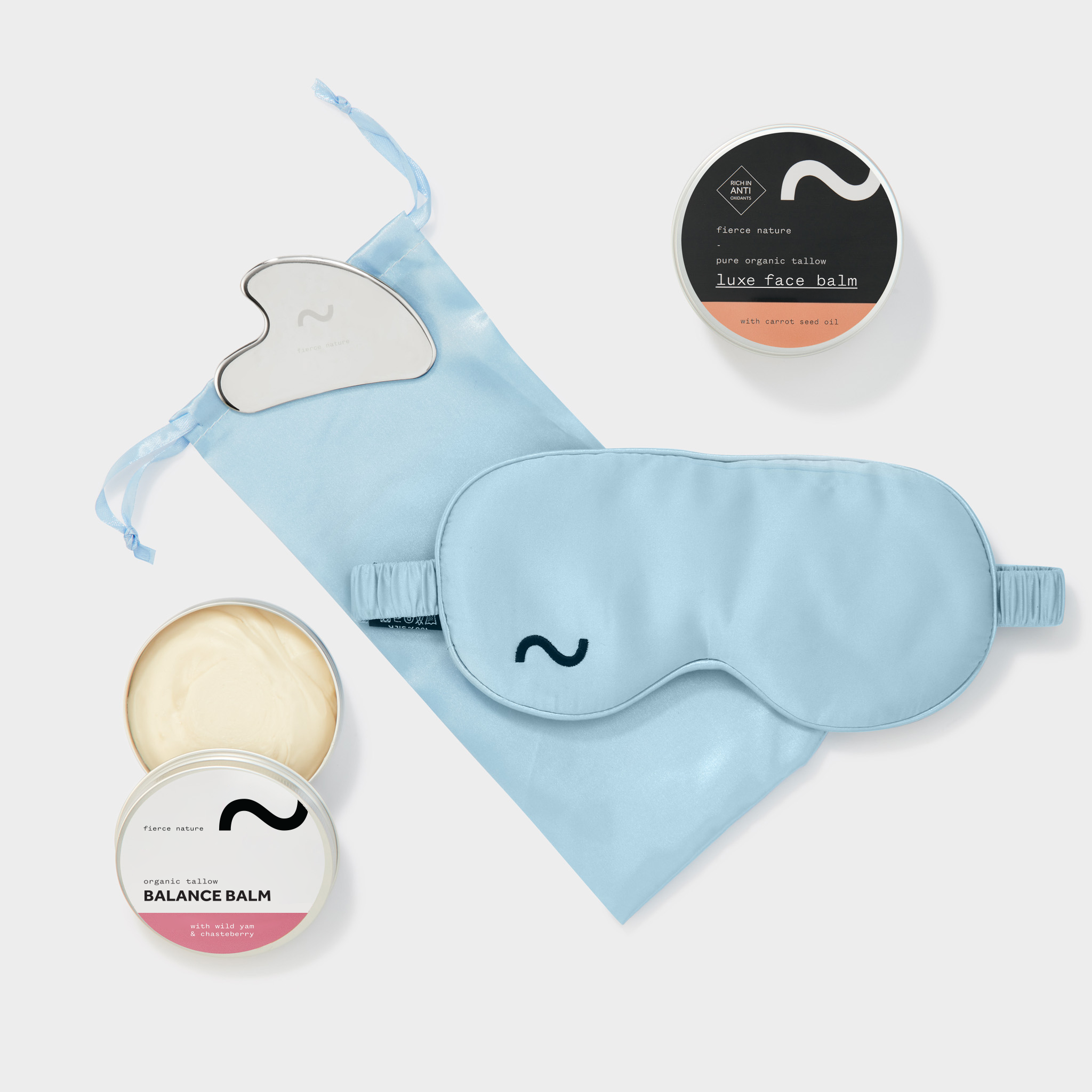
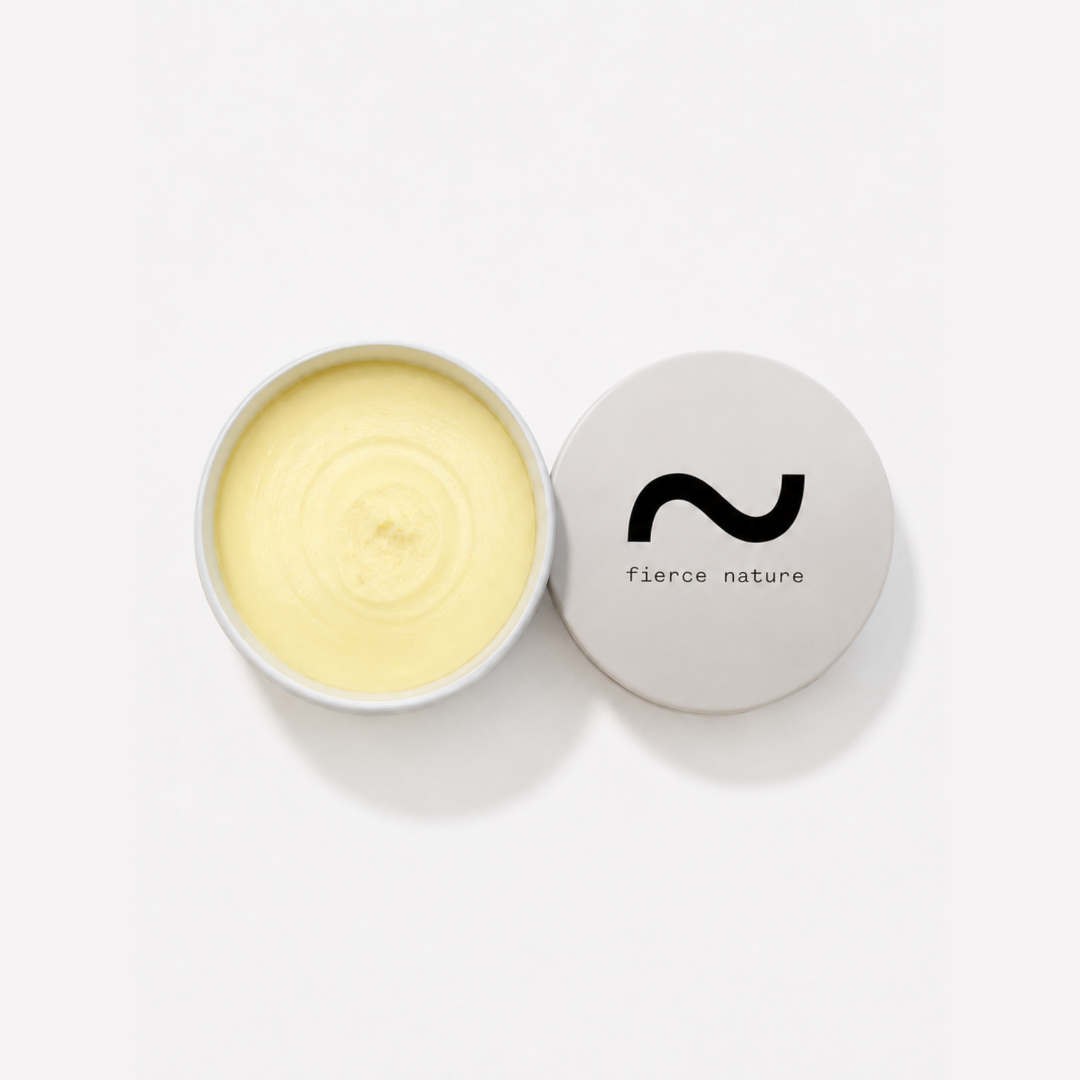
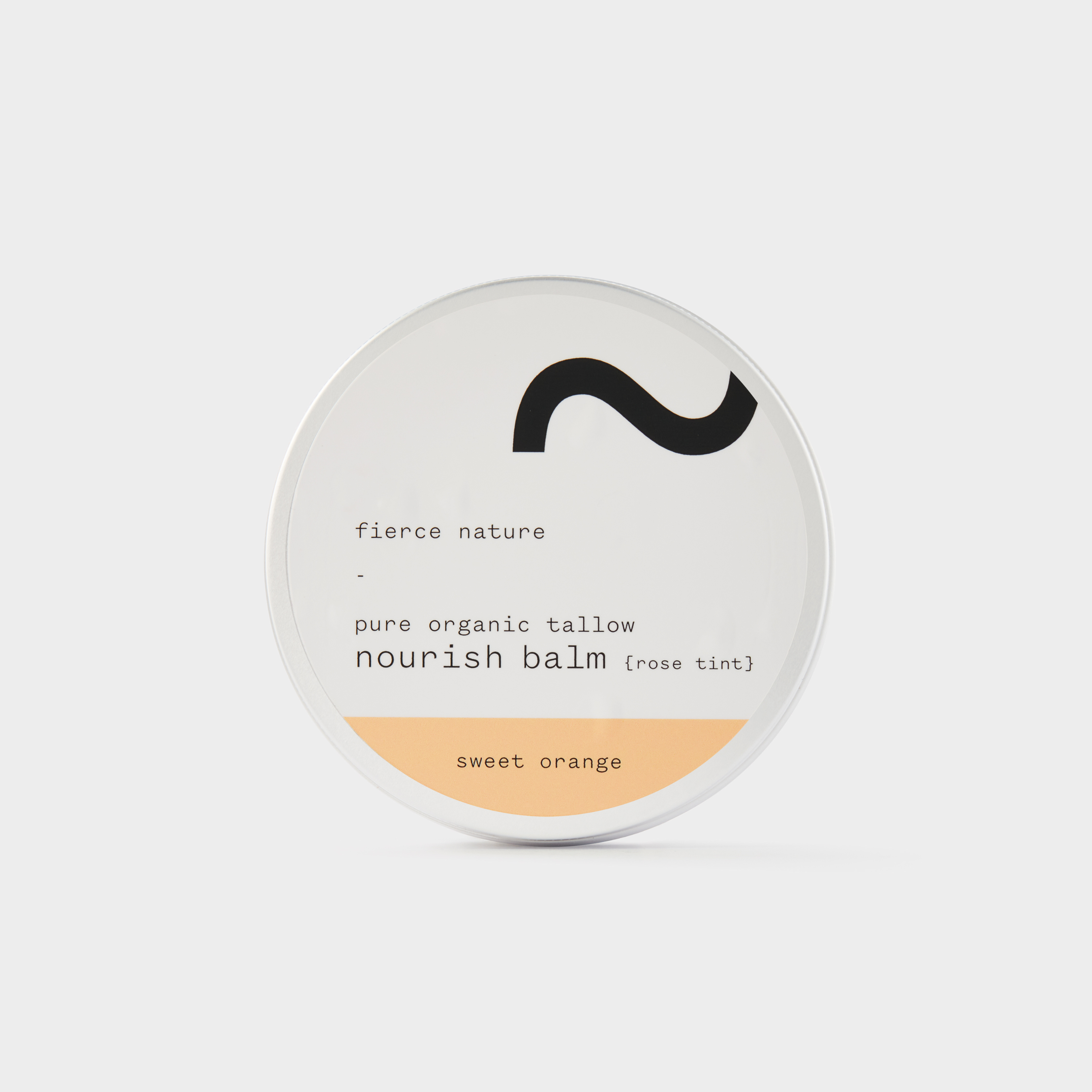
For daily friction spots, under bra straps, between the thighs on a warm commute, the Nourish Balm (Sweet Orange) or Nourish Balm with Rose Tint (Sweet Orange) both nourish while they protect, with the tinted version doubling as a subtle glow for exposed skin. If chafing shows up on the face or other delicate areas, the Luxe Balm is formulated specifically for that thinner, more reactive skin.
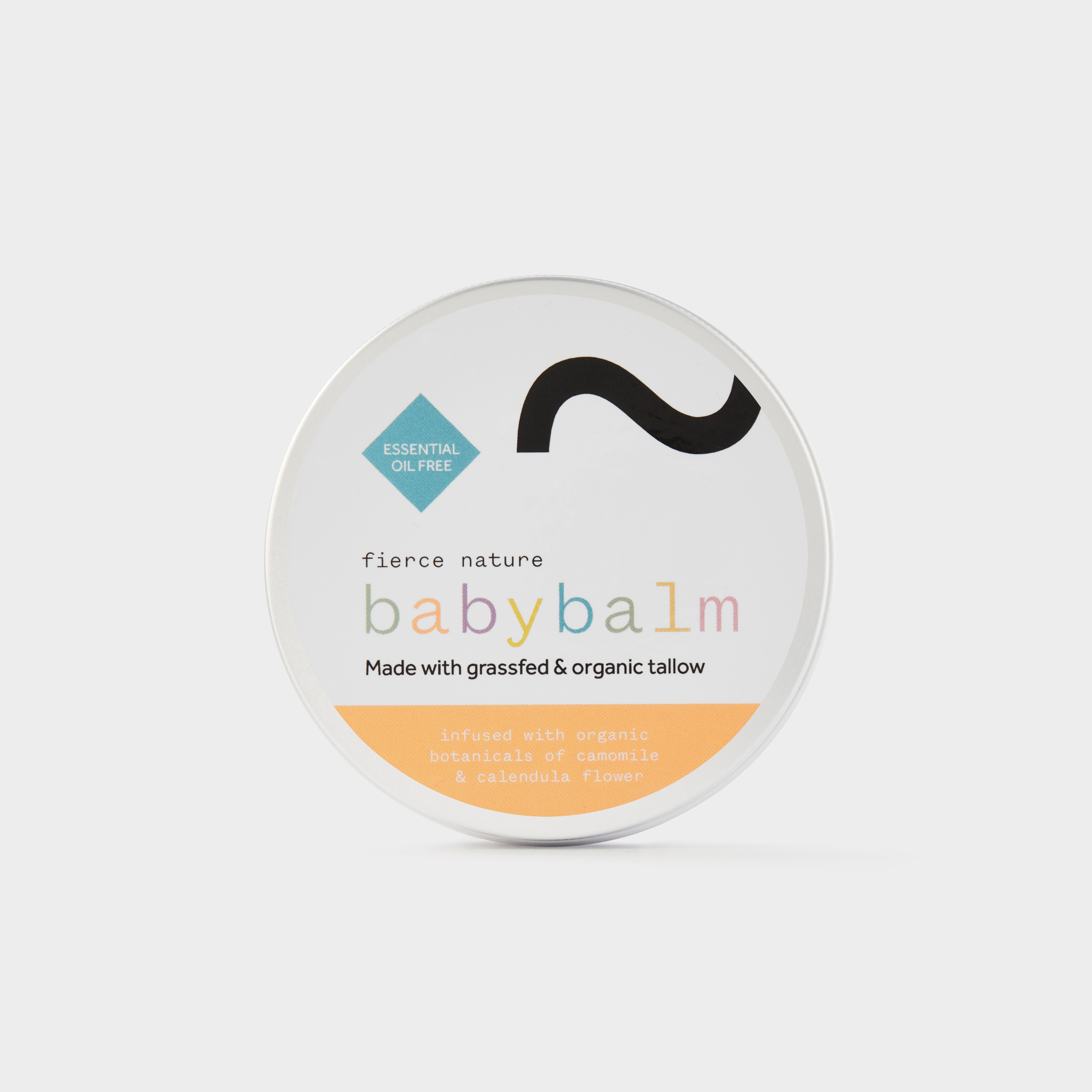
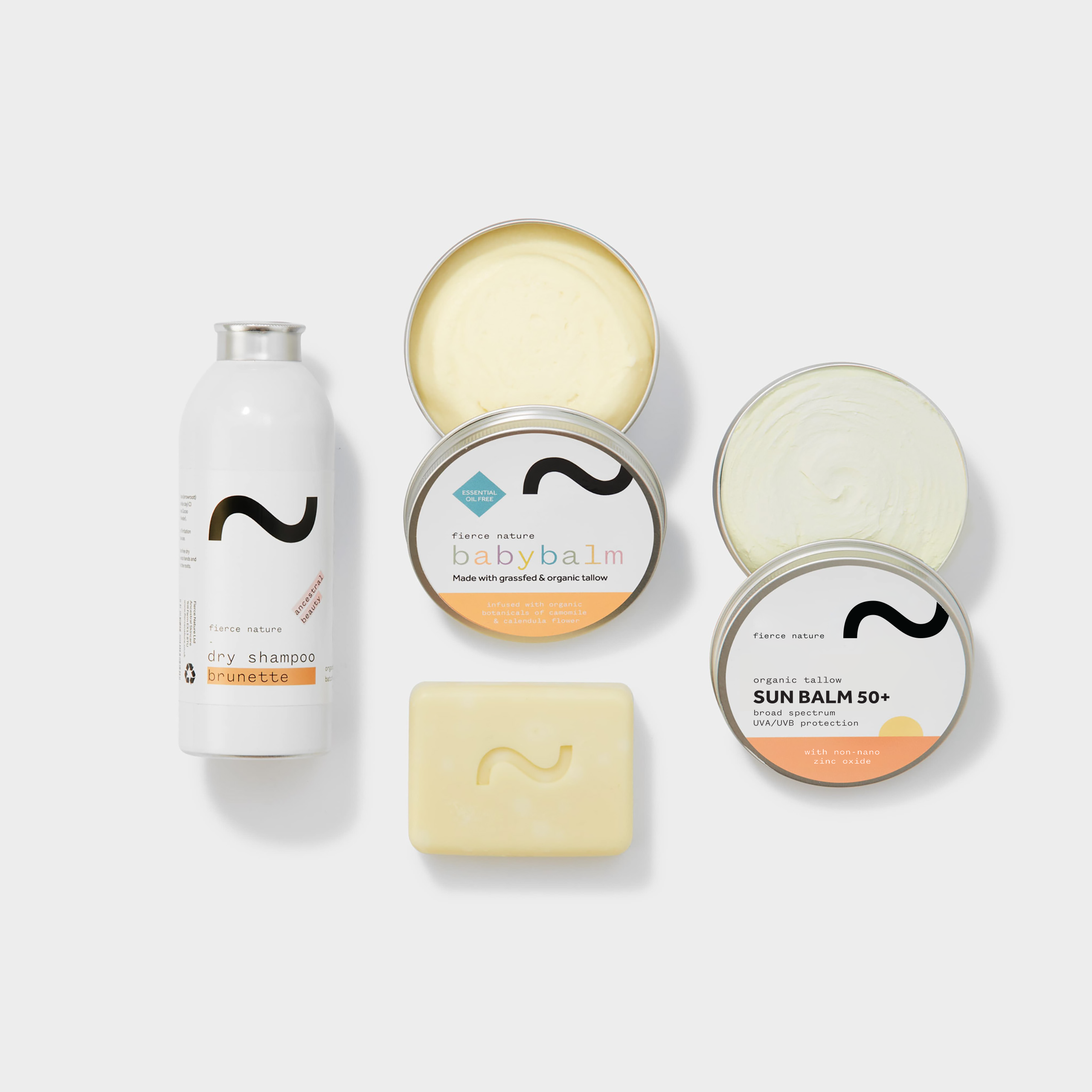
Got a baby prone to nappy rash or thigh friction from crawling and cruising? The Baby Balm and the wider Non-toxic Baby Skin Essentials range are formulated for the most sensitive skin there is, with nothing in them you wouldn’t want touching a newborn.
Training for something longer or want a fuller protective routine covering skin resilience beyond just chafing? The Biohacking bundle pairs well with an active lifestyle where recovery and skin health matter as much as performance. Whichever balm you choose, keep an unscented option in your kit for the days your skin needs the gentlest version available.
The claims in this guide draw on a mix of clinical and consumer-facing sources worth knowing about if you want to dig deeper into the science:
A peer-reviewed review on skin friction physiology outlines how topical agents reduce shear and support barrier repair, the mechanism underpinning most natural anti-chafing products.
A clinical overview of emollient treatments explains how barrier-forming ingredients aid healing after friction injury, and why occlusion levels matter for different skin types.
The American Cancer Society’s consumer guidance on talcum powder explains the cancer-risk concerns that have pushed many formulators towards talc-free mattifying powders.
Runner’s World UK’s testing roundup of anti-chafing products offers useful real-world context on texture, reapplication frequency, and water resistance from an athlete’s perspective.
A balm combining tallow or plant butters with beeswax gives the best balance of lubrication and water resistance for most people, since it addresses both friction and barrier support at once. Unscented versions are the safer default for sensitive skin.
Melt roughly one part wax to four parts oil or butter, stir in a little arrowroot or tapioca powder for a smoother finish, and set in a clean container. Use it within a few weeks and store away from heat and direct sunlight, since home-made batches without preservatives don’t keep as long as commercial ones.
Vaseline offers pure lubrication with no barrier-repair or nourishing ingredients, while Sudocrem is formulated more for nappy rash and minor skin complaints than active friction prevention. A tallow or plant-butter balm formulated specifically for chafing generally outperforms both, since it combines lubrication with ingredients that actively support skin repair.
Apply a thin, even layer of a natural balm containing tallow, shea butter, or beeswax to clean, dry thighs before dressing. Reapply every one to two hours during long activities or after swimming, since sweat and water gradually wear the protective layer away.