Cart
0
80% Also Added this

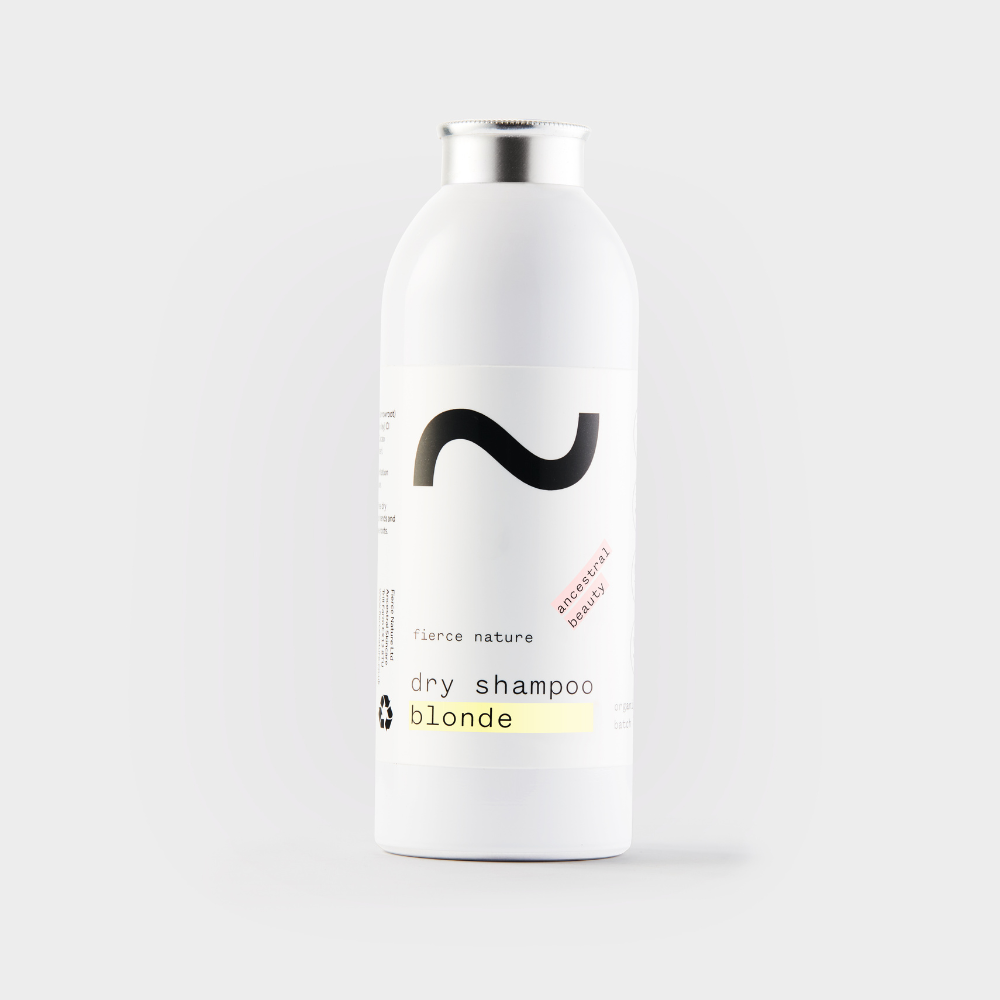
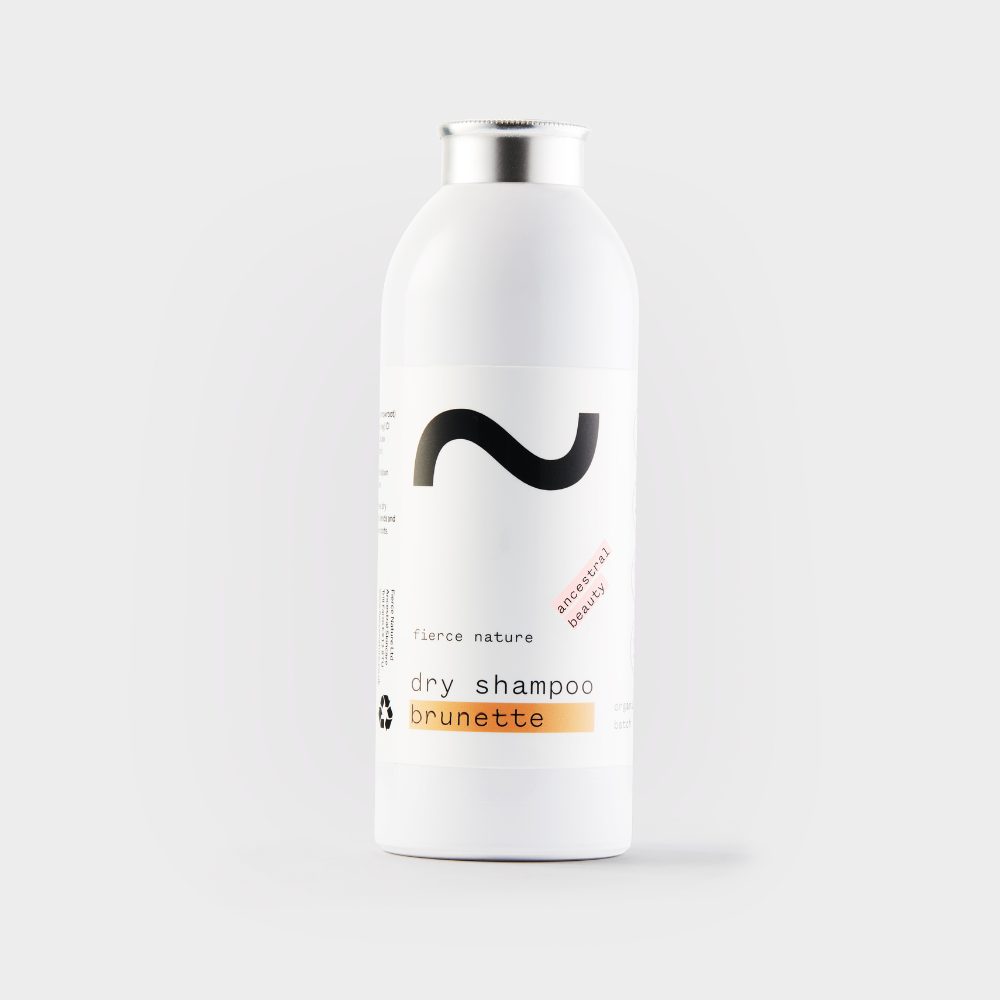

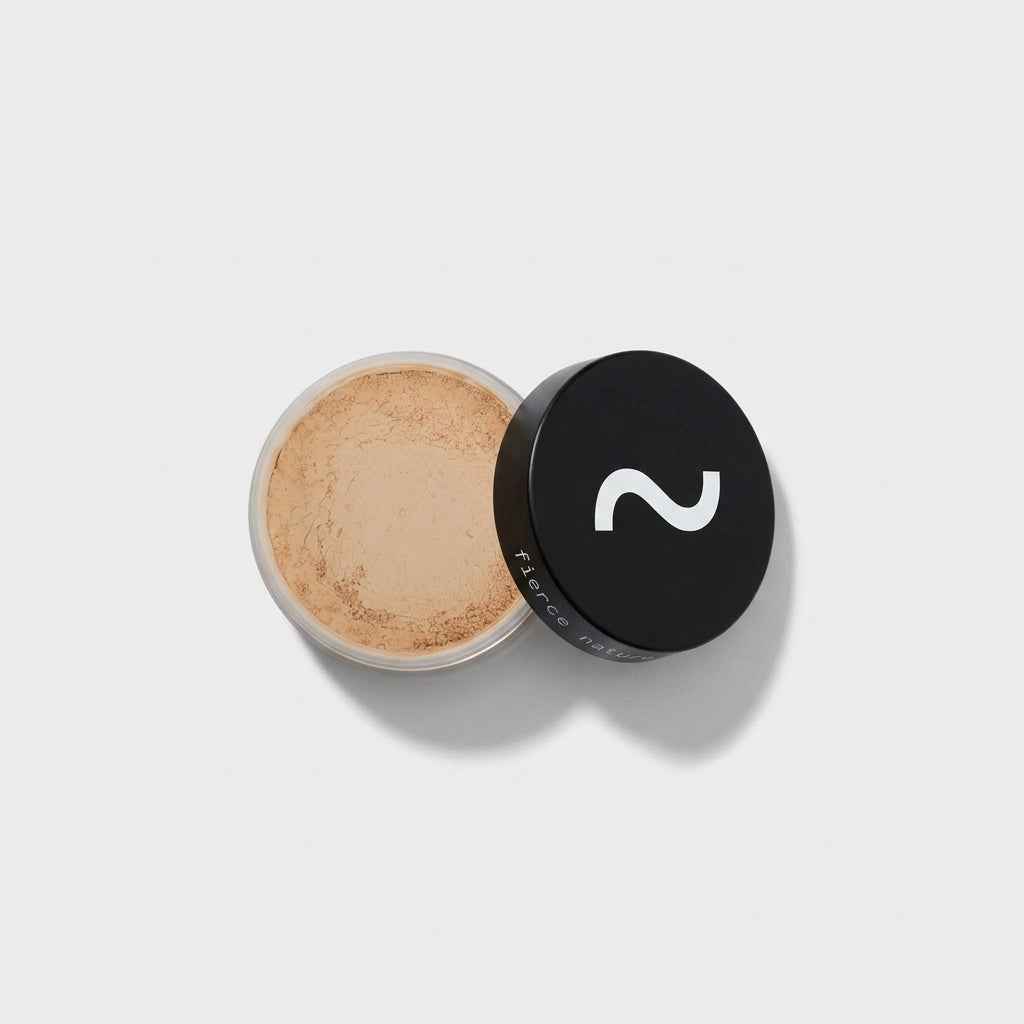
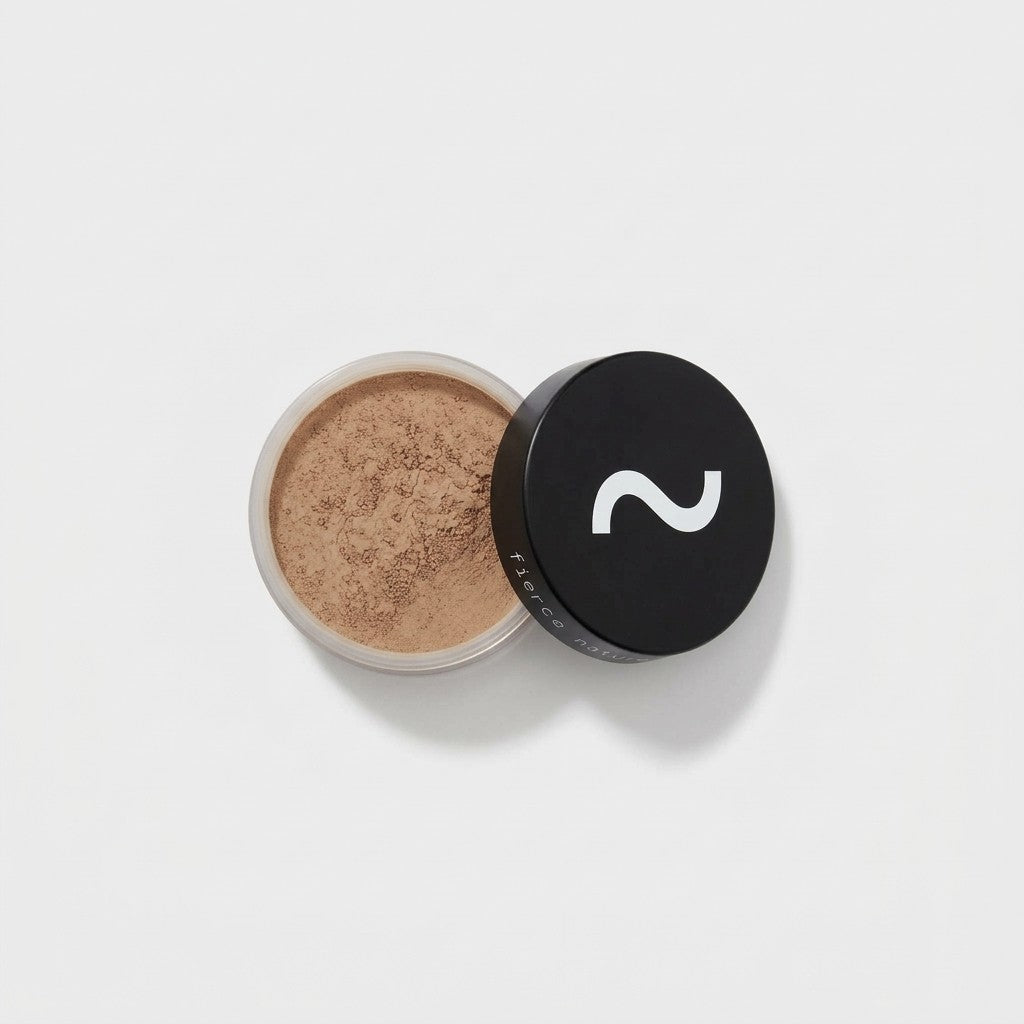
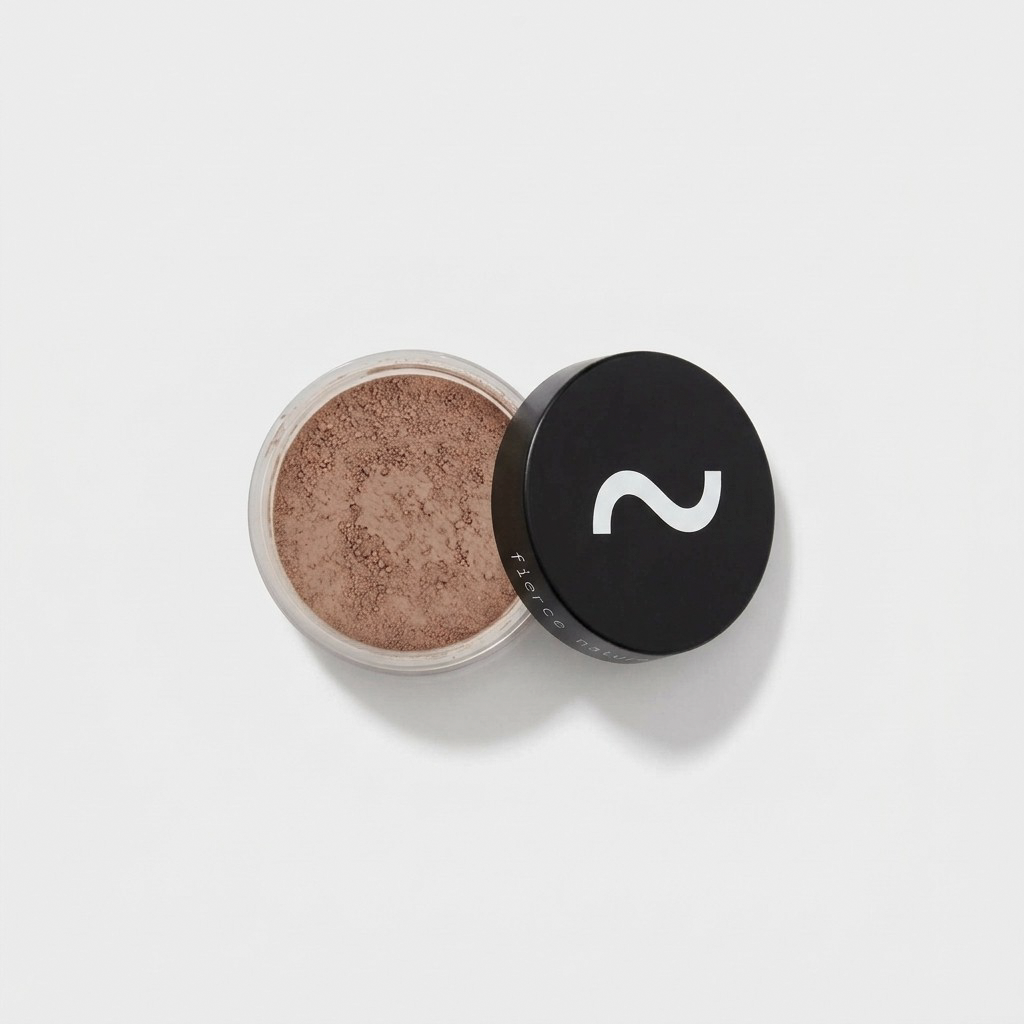
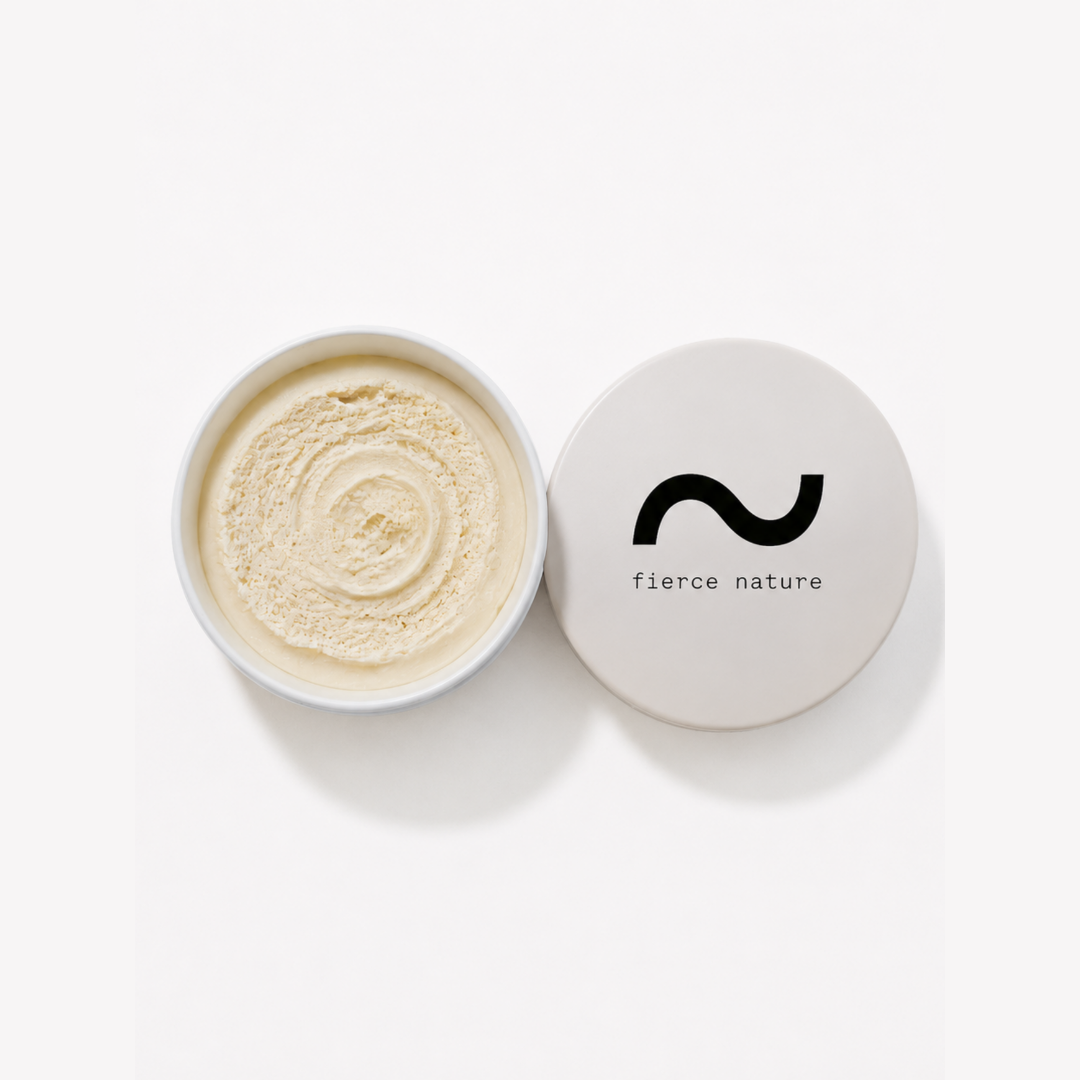

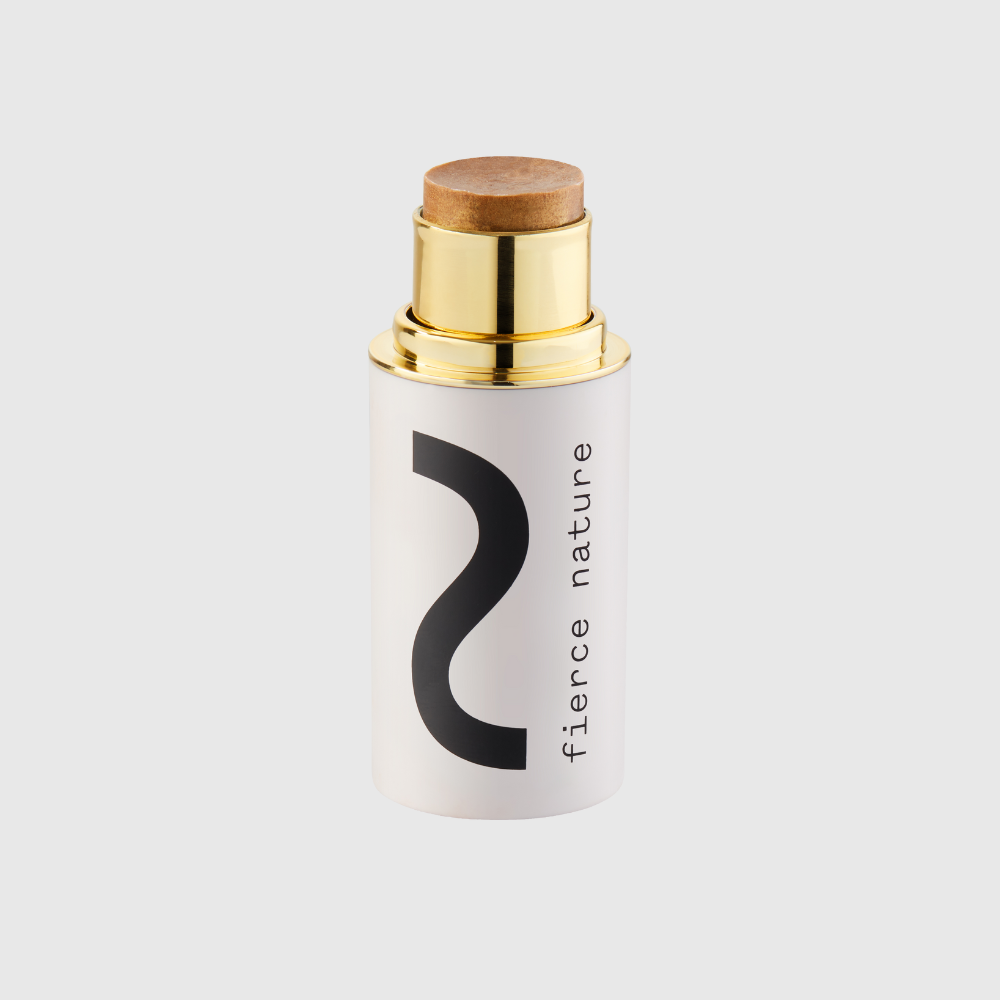
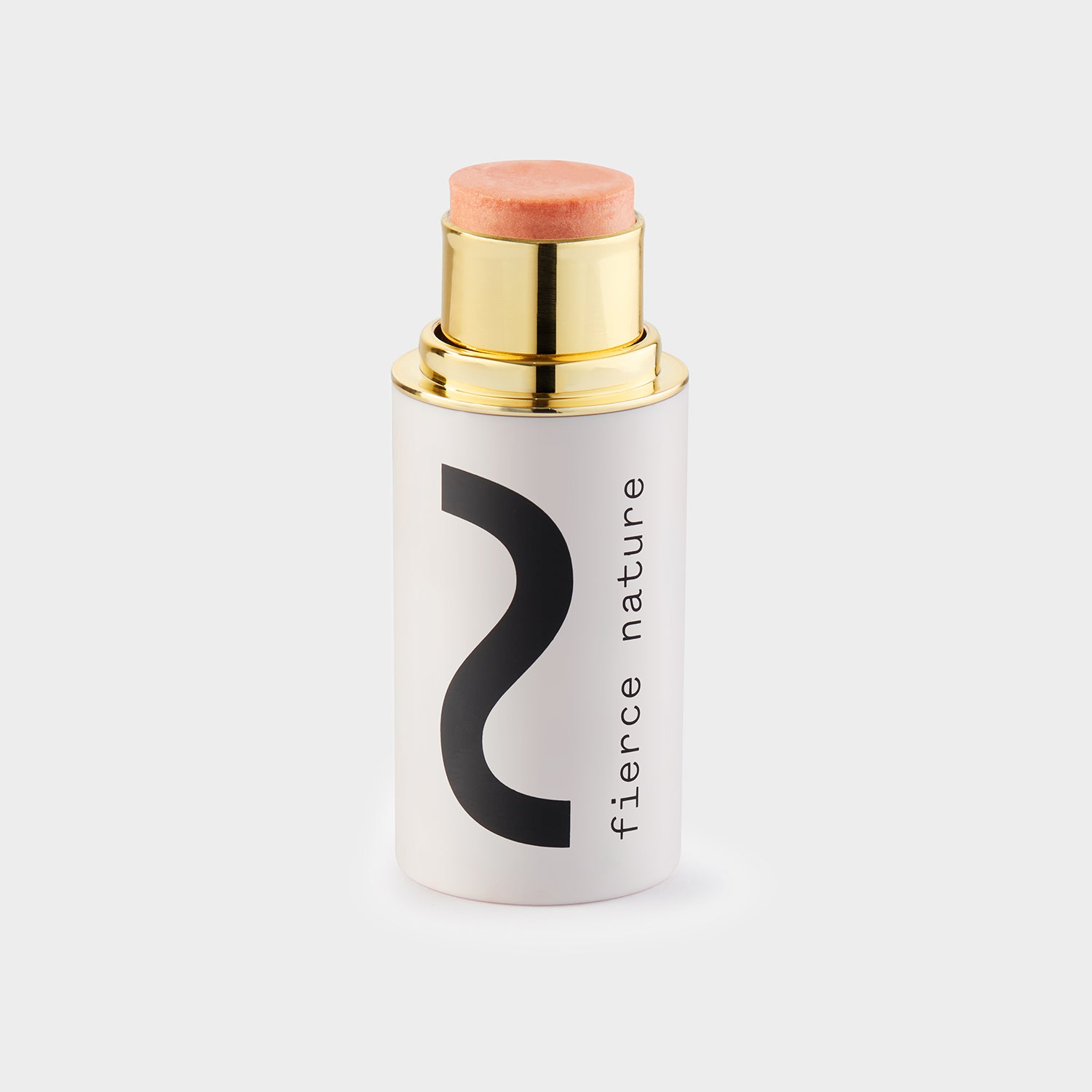
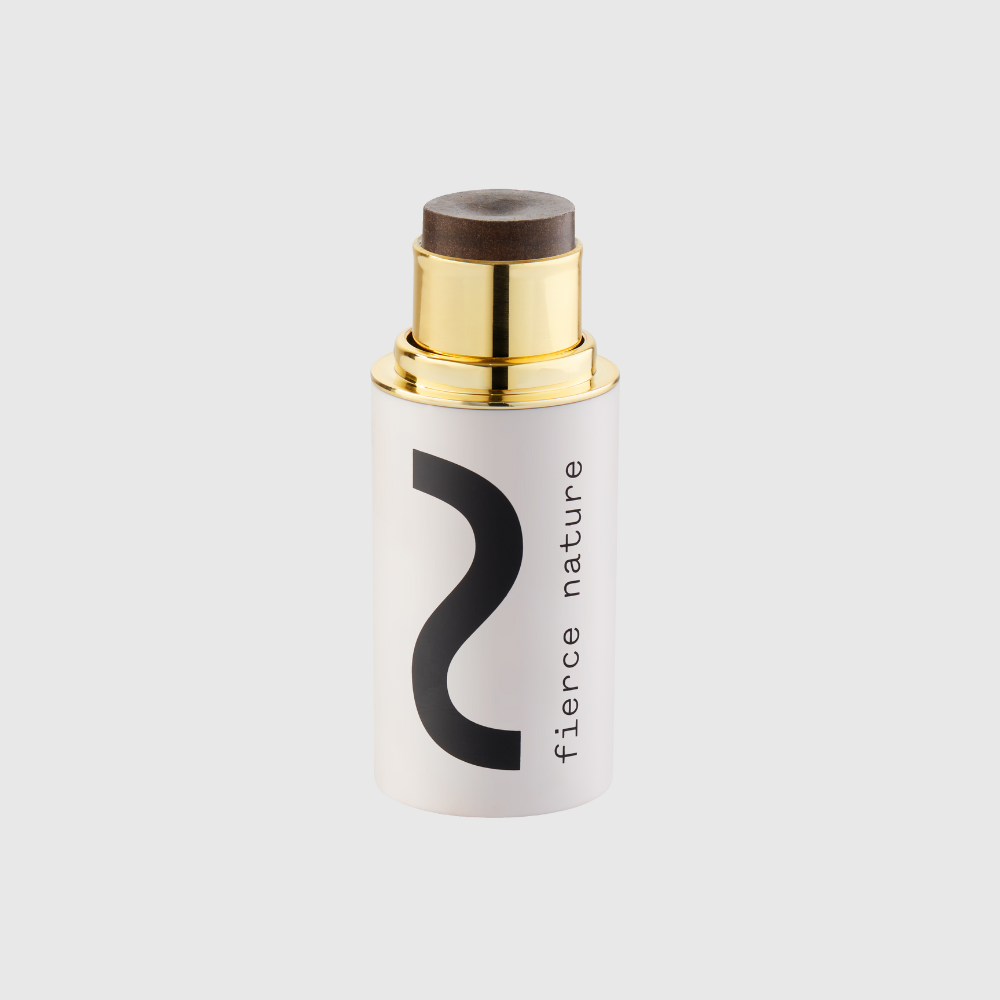
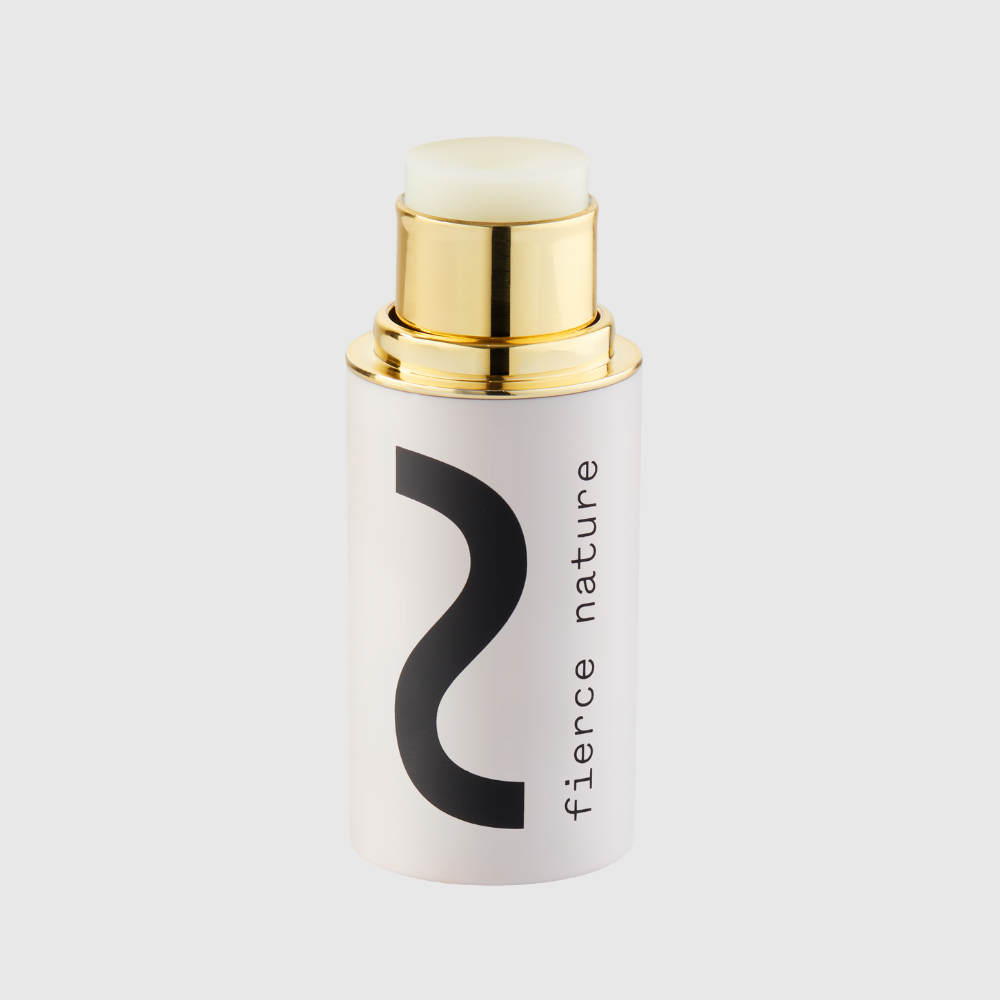
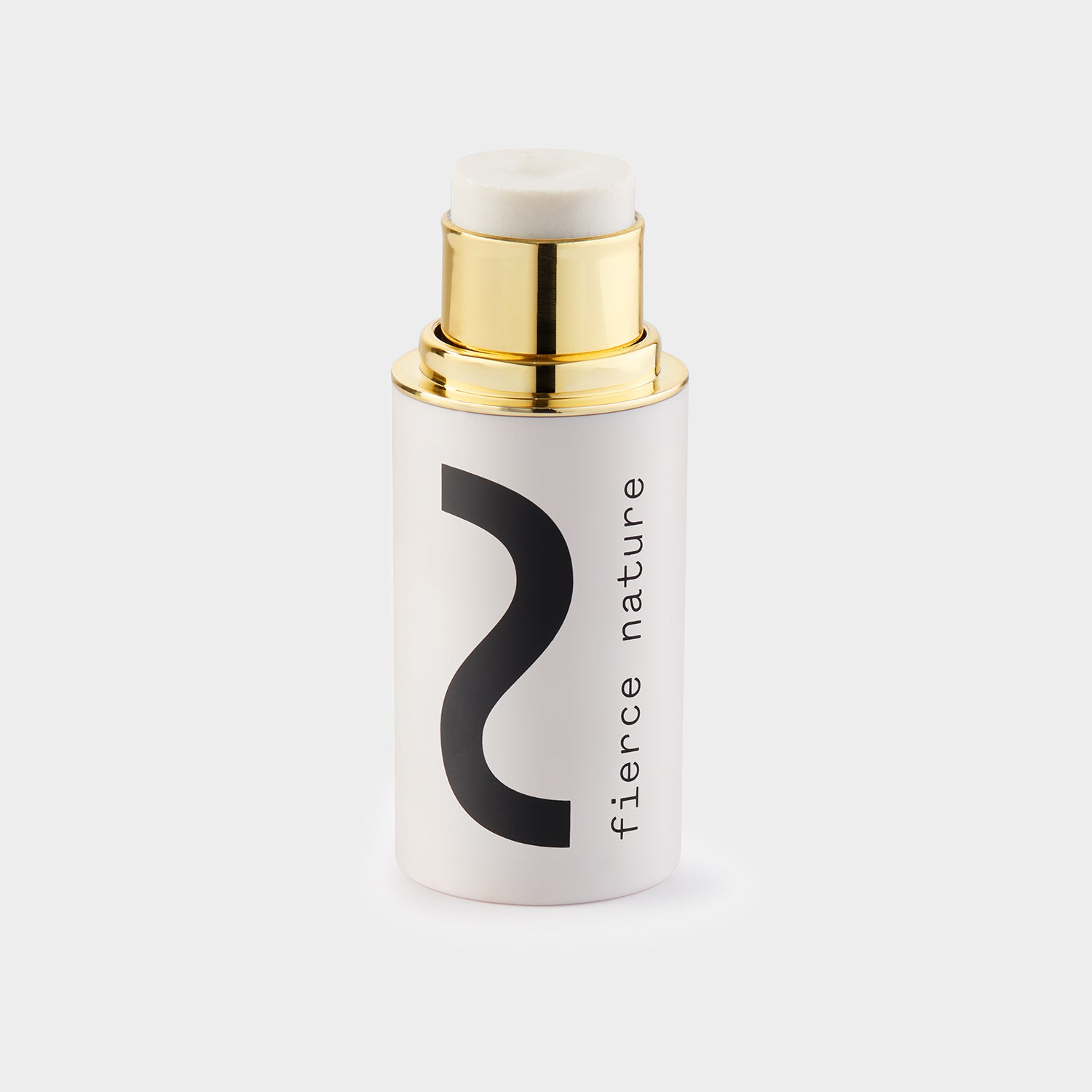
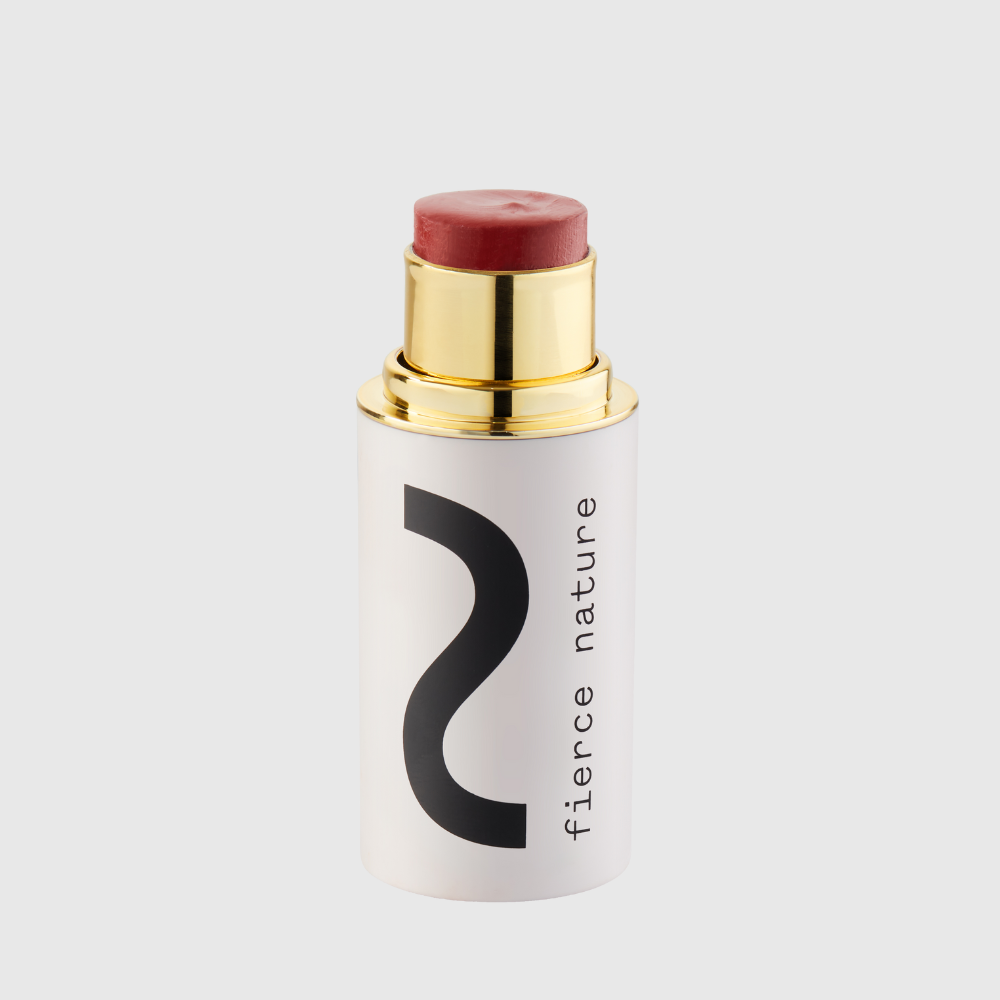
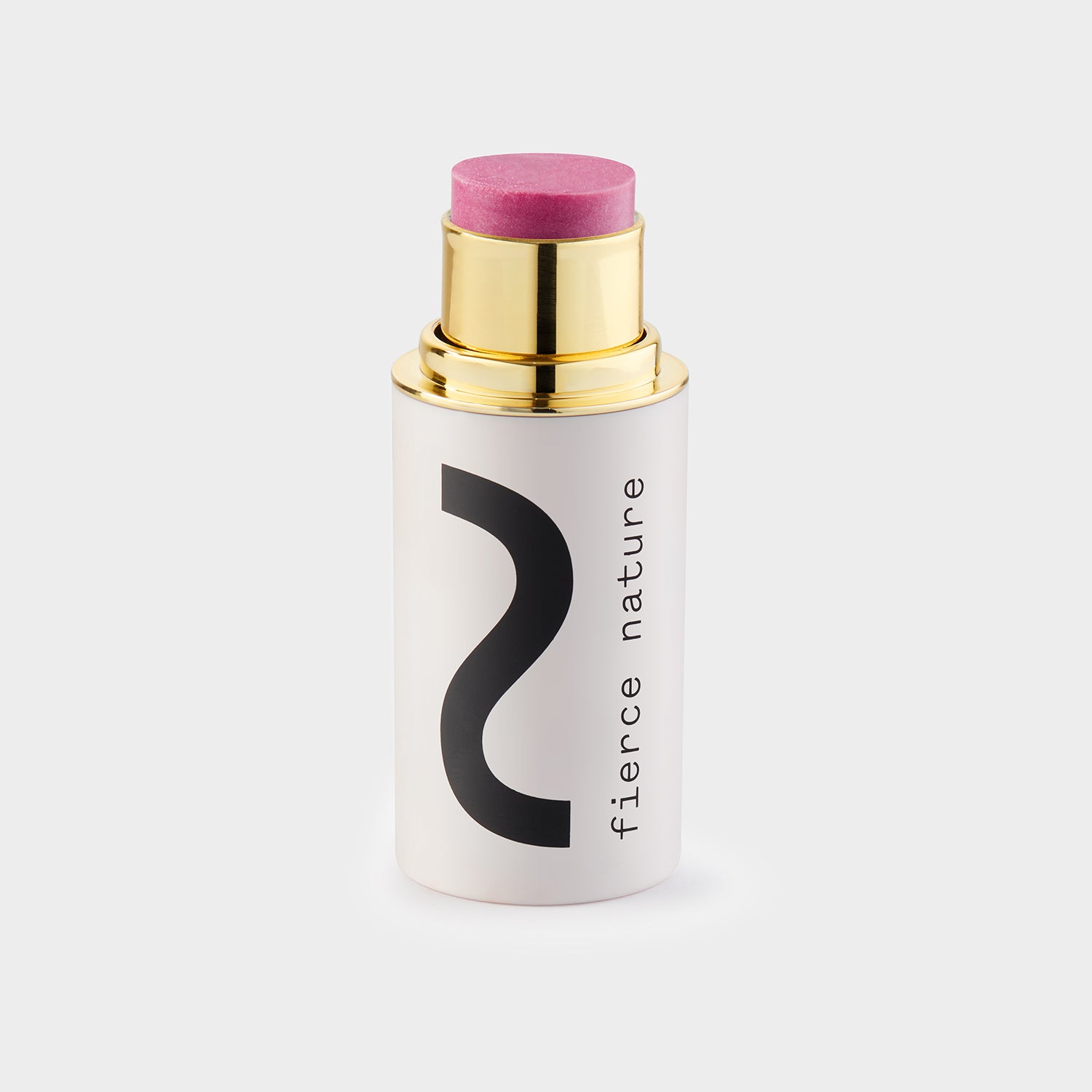
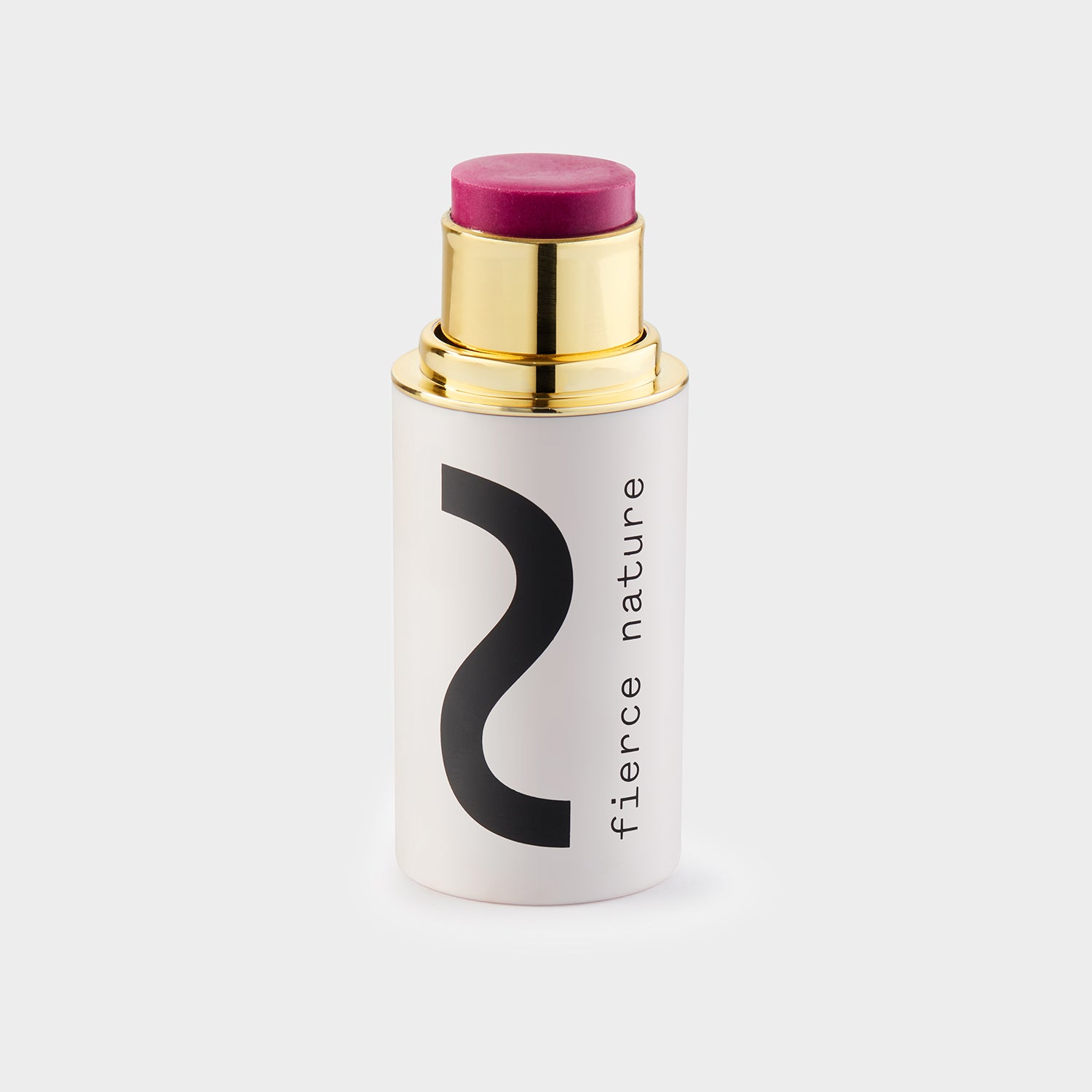
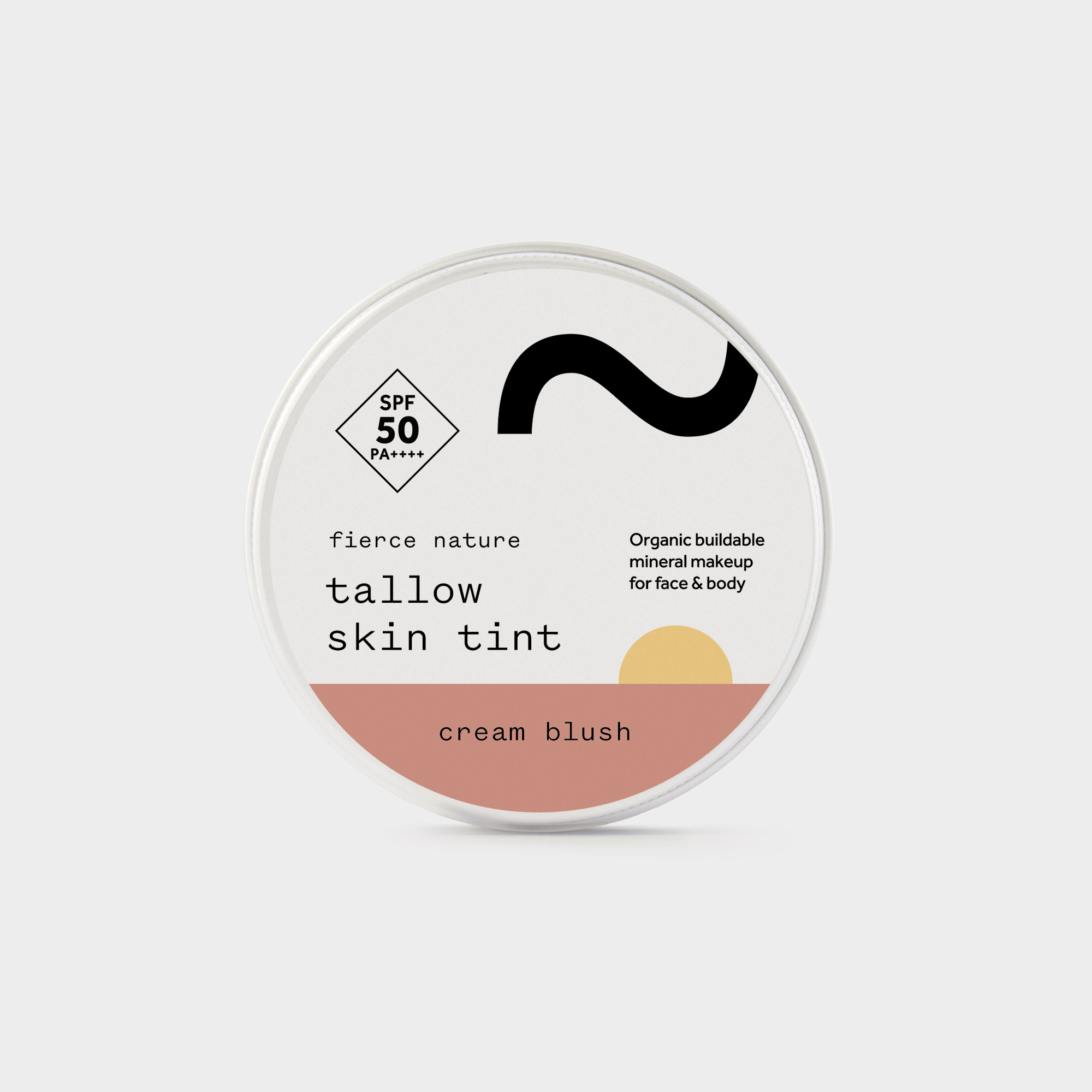
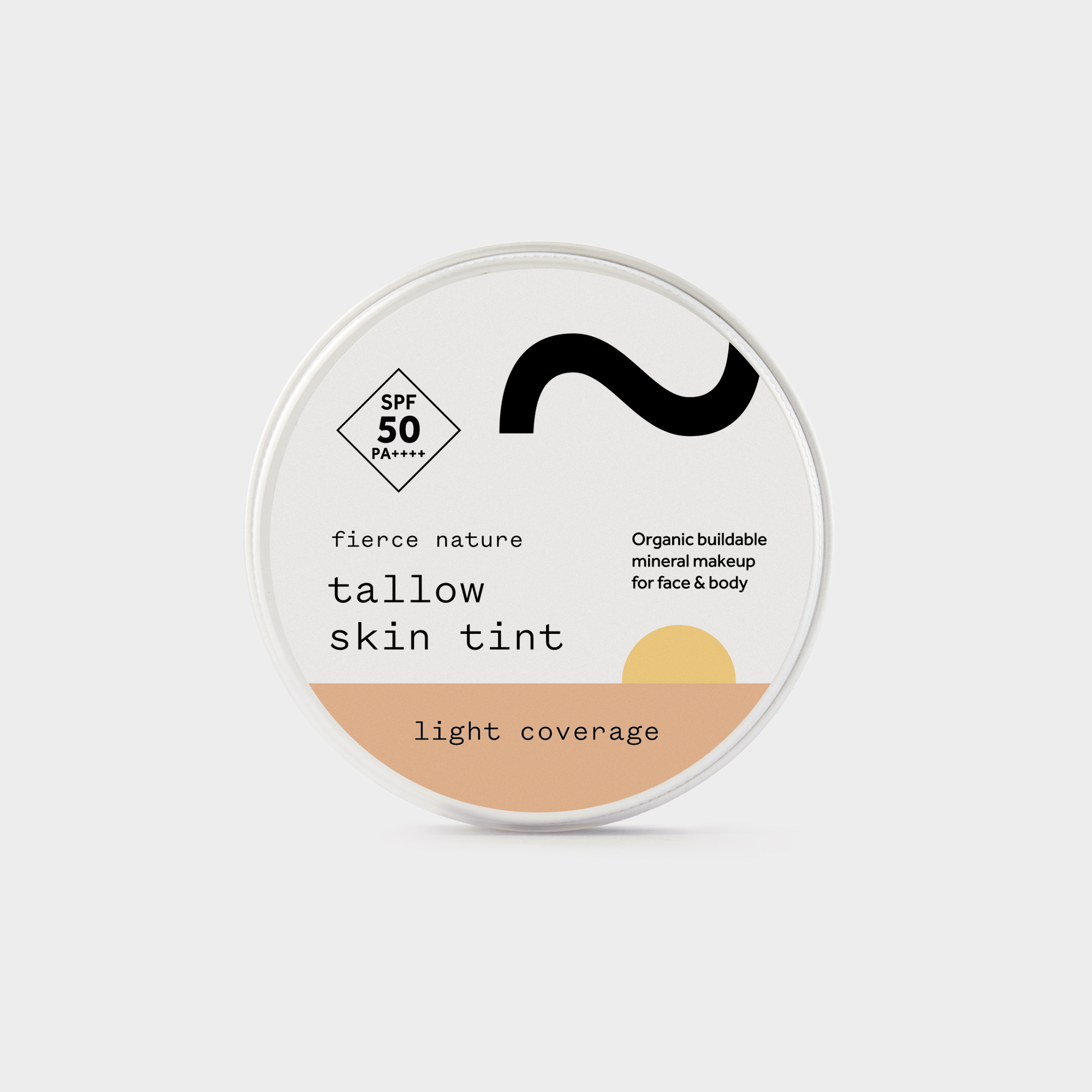
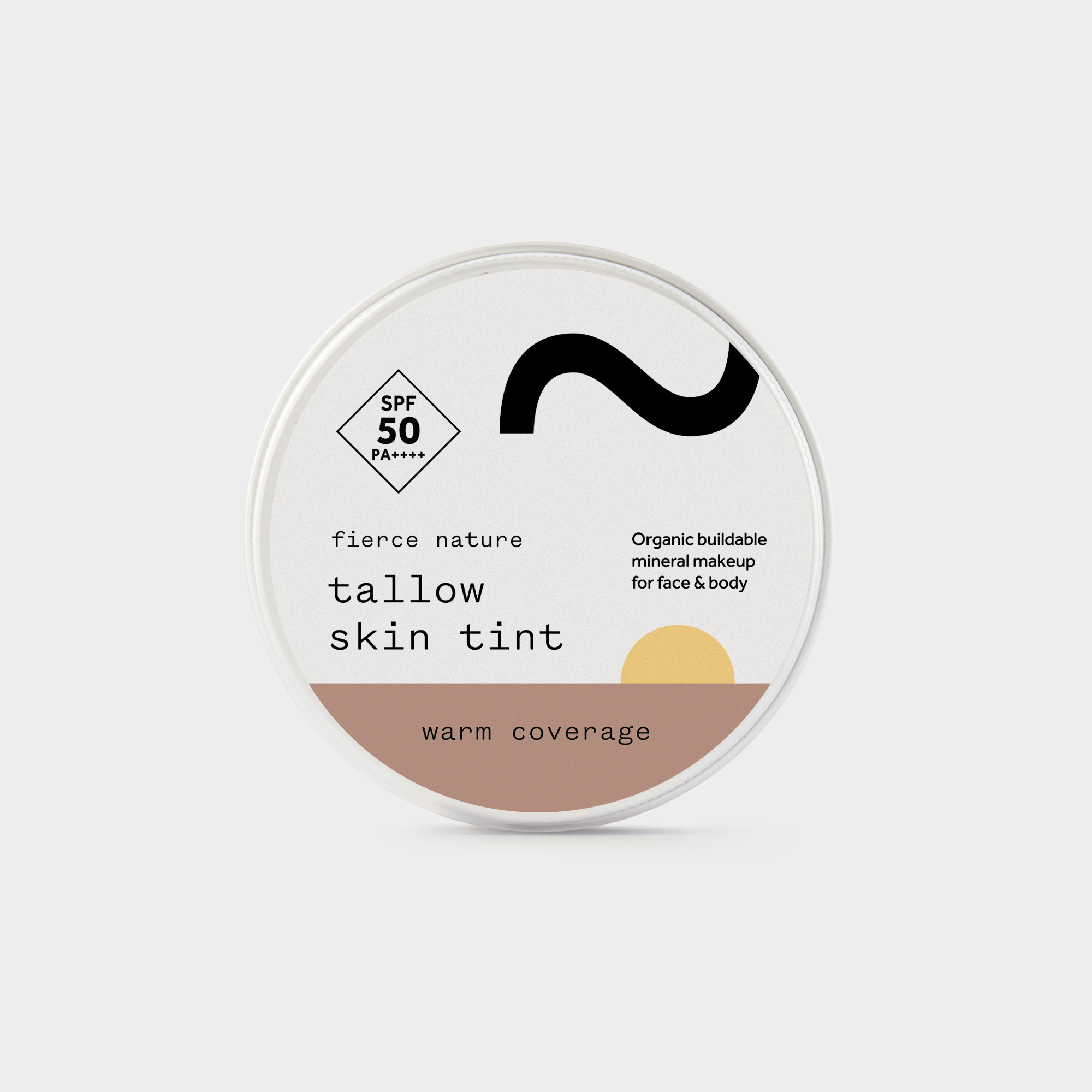
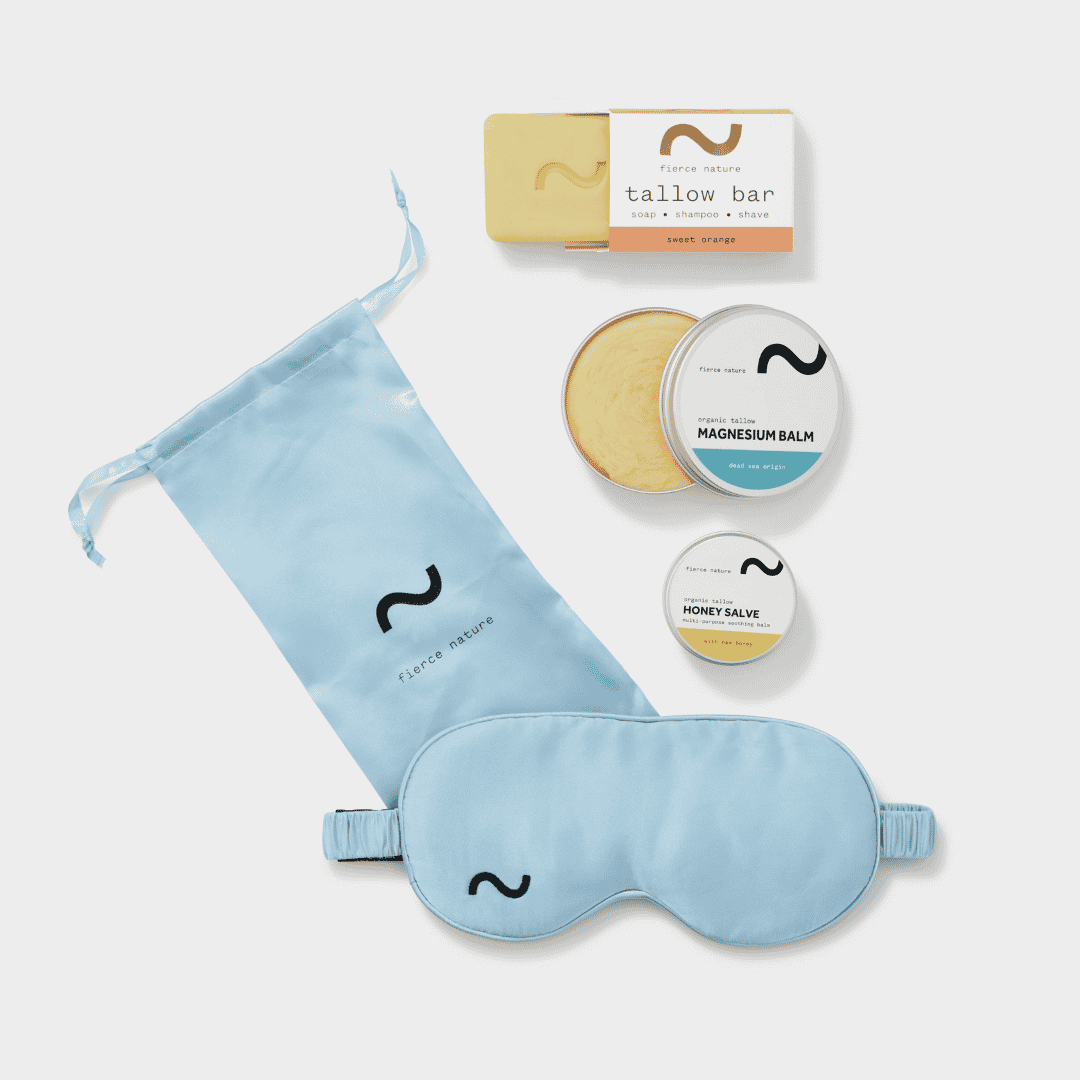




Tinted powders and fine tinted sprays are the most reliable dark hair dry shampoo formats because they absorb oil while matching your tone, so brunette and black hair never get that grey, ashy cast. Fierce Nature formulates non-toxic versions built for darker hair, without synthetic fillers or heavy propellants. Start with a tinted powder, apply sparingly to oily roots only, and you’ll get a proper refresh with none of the white residue.
TL;DR:
Using a small, precise dose of tinted powder on oily roots helps prevent grey or ashy residue on dark hair.
Formulas with fine rice or tapioca starch and iron oxides match dark tones better and reduce visible white cast.
Non-aerosol powders offer better control and longevity but require careful application and restraint to avoid over-powdering.
Tinted sprays and aerosols can be faster but risk buildup or uneven coverage, especially on fine or textured hair.
Testing new products on a small section beforehand and limiting use to every two to three days helps avoid scalp irritation and product buildup.
How tinted dry shampoos work and which ingredients to look for
Which format suits your hair: powders, aerosols or tinted sprays?
Practitioner insights: small details that change outcomes for dark hair
How to choose the best dark hair dry shampoo for your hair type
Fierce Nature’s approach: why we build non-toxic, hair-friendly options for darker tones
Fierce Nature product recommendations for a residue-free refresh
Every dry shampoo does the same basic job: it lifts oil from the scalp so hair looks and feels washed. The difference between a chalky mess on dark hair and an invisible refresh comes down to two ingredient categories working together.
Rice starch and tapioca starch handle the oil absorption. Both are fine, plant-derived powders that soak up sebum on contact, and particle size matters more than most people realise. Coarser starches sit on the hair shaft and reflect light, which is exactly what causes that dusty grey bloom on dark strands. Finer-milled starches disperse more evenly and absorb into the hair rather than clinging to the surface, so less product is needed to do the job.
Iron oxides, listed on ingredient labels as CI 77491, CI 77492 or CI 77499, supply the tint. These are the same mineral pigments used in foundation and blusher, and they’re what allow a dry shampoo to disappear into brunette or black hair instead of announcing itself. Some tinted powders pair iron oxides with avocado-coated pigment technology, a coating that helps colour adhere to the starch particles rather than transferring onto pillowcases or dark clothing. That adhesion is the difference between a dry shampoo that blends and one that smears.
Where formulas diverge is in what else gets added. Many aerosol sprays rely on synthetic propellants (typically butane or propane blends) to push the product out, along with alcohol denat to speed drying. These work fast but can leave hair feeling stripped with repeated use, particularly if you’re already managing colour-treated or chemically processed strands. Brands taking a more nourishing route add oils like argan or avocado into the powder base, which support scalp condition rather than simply masking oil.
What to look for on the label:
Rice starch or tapioca starch high on the ingredients list, not buried at the bottom
Iron oxides (CI 77491/92/99) for genuine tone-matching rather than a single generic “brown”
Nourishing extras such as argan or avocado oil if you want treatment value alongside oil control
What to be wary of:
Heavy aerosol propellants as the primary base, especially for fine or fragile hair
Fragranced formulas if you have a sensitive scalp
Vague “tinted” claims with no pigment type listed
The format you choose matters as much as the ingredients inside it. Get this wrong and even a well-pigmented dry shampoo powder for dark hair can look patchy or overdone.
Non-aerosol tinted powders. These are the most concentrated option on the market, which is both their strength and their trap. A genuinely small dose, closer to a pinch than a puff, is usually enough for a full root refresh. They’re precise, mess-free once you’ve learned the dose, and brilliant for travel since there’s no pressurised can to worry about. The catch: over-application is the single biggest cause of visible grey cast, so restraint is everything here.
Aerosol sprays. Traditional aerosols cover ground fast, which suits anyone refreshing a full head rather than targeted patches. Coverage comes at a cost though. Untinted aerosol formulas are the most likely to leave the classic white bloom on dark hair, so check specifically for a tinted or dark-tone version before buying, and be mindful of propellant residue building up near the scalp.
Tinted sprays and tinted aerosols. When the pigment quality is good, these give the most immediate, invisible result of any format. You get the reach of a spray with colour-matching built in, which makes them a strong middle ground for anyone who wants speed without the dosing precision that powders demand.
Hair type changes which of these performs best. Fine hair tends to look weighed down and greasy again quickly if too much powder goes on, so a light tinted spray often works better. Thick or curly hair can usually handle a slightly heavier powder application since the added texture disguises itself more easily, and powders help build root lift that curly patterns often lack. Colour-treated hair benefits from formulas with added oils, since repeated dry shampoo use on top of chemical processing is where dryness compounds fastest. If you’re also managing regrowth or a colour transition, a tinted dry-shampoo approach pairs well with proper root colour-matching technique, which is where a professional guide to seamless root coverage can help if you’re between salon visits.
Getting the technique right matters more than the product itself. Even the best-formulated dark hair dry shampoo powder will look wrong on the wrong routine.
Section your hair first. Working through in sections, rather than blasting the whole head at once, gives you control over exactly where product lands and stops you overloading any one area.
Dose powders sparingly. Tap a small amount onto your fingertips or directly at the roots of your oiliest patches only, usually the crown and hairline. Resist the urge to add more straight away.
Hold sprays at the right distance. Six to eight inches from the scalp with short bursts gives even coverage without saturating one spot, which is where residue builds fastest.
Wait before you touch it. Give the product thirty to sixty seconds to let the starch particles activate and absorb oil properly rather than sitting on the surface.
Blend it in. Massage gently with fingertips at the roots, then brush through with a natural-bristle brush to distribute any remaining powder evenly and lift away excess.
Check in natural light. Cast a final glance in daylight, not just bathroom lighting, since that’s where a lingering grey tint is most obvious.
Pro Tip: If you’ve used a powder and still see a faint cast, don’t reach for more product. Take a clean brush and work through the roots again first. Most “residue” at this stage is just unblended powder sitting on top, not a sign you need a heavier hand.
On washing cadence, dry shampoo works best as a bridge between washes, not a replacement for them. If you notice a waxy build-up at the scalp, flaking, or hair that looks dull even straight after applying dry shampoo, that’s your sign it’s time for a proper wash. Most people find alternating a full wash every two to three uses of dry shampoo keeps buildup in check, though oilier scalps may need to wash sooner.
The detail most people underestimate is dosage. Non-aerosol powders are so concentrated that practitioners recommend what’s essentially a micro-dose: a pinprick-sized amount, applied only to the oiliest roots, left for thirty to sixty seconds, then blended through properly before adding any more. Over-application, not poor pigment matching, is the most common reason a tinted powder still shows up as visible cast on dark hair.
Restraint is the entire skill set here. A pinprick of tinted powder, applied only where the scalp is genuinely oily, left to sit briefly, then brushed through properly, will outperform a heavy-handed application of the most expensive product on the shelf.
The second detail concerns frequency. Relying on dry shampoo exclusively, day after day, without proper washing in between, is one of the more common causes of scalp irritation and product buildup. Trichologists generally frame dry shampoo as a genuine supplement to washing, not a substitute for it, which matters if you’re using it to stretch washes during a busy week rather than as an occasional refresh.
Ingredient trade-offs deserve a closer look too. Nourishing additions like argan or avocado oil genuinely support scalp condition alongside oil absorption, and they’re part of why demand has shifted toward treatment-focused dry shampoos rather than purely cosmetic cover-ups. But nourishing doesn’t automatically mean gentle. Fragranced versions of these formulas can still trigger reactions on sensitive scalps, so if you’ve had issues with scented skincare before, patch-test before committing to full use. For more on the formulation thinking behind non-toxic dry shampoo, Fierce Nature has written in detail about the science behind its own approach, and about the broader question of whether dry shampoo spray habits are doing more harm than good.

Start with how oily your scalp genuinely runs, not how oily you think it should be. If you’re refreshing once or twice a week between washes, a lighter tinted spray usually gives enough oil control without the risk of over-applying a concentrated powder. If your scalp is oilier and you need daily or near-daily touch-ups, a tinted powder gives you more precise, targeted control over exactly where product goes, which matters more the more often you’re reaching for it.
Hair density plays a role too. Fine hair shows product build-up fastest, so err towards sprays with a light tint and finer starch particles. Thick, curly, or textured dark hair can typically handle a slightly more generous powder application, since the natural texture disguises any unevenness more forgivingly than straight, fine strands.
If your hair is colour-treated, prioritise formulas with added nourishing oils over ones optimised purely for maximum oil absorption. Dryness compounds quickly on chemically processed hair, and a formula that only strips oil without giving anything back will show in the ends over time. Whatever you land on, the safest approach is choosing the lightest, most precisely tinted option that solves your actual oil problem, rather than the strongest one on the shelf.
Independent product testing across the market shows a consistent pattern: pigment quality and application precision matter more than brand prestige when it comes to avoiding residue.
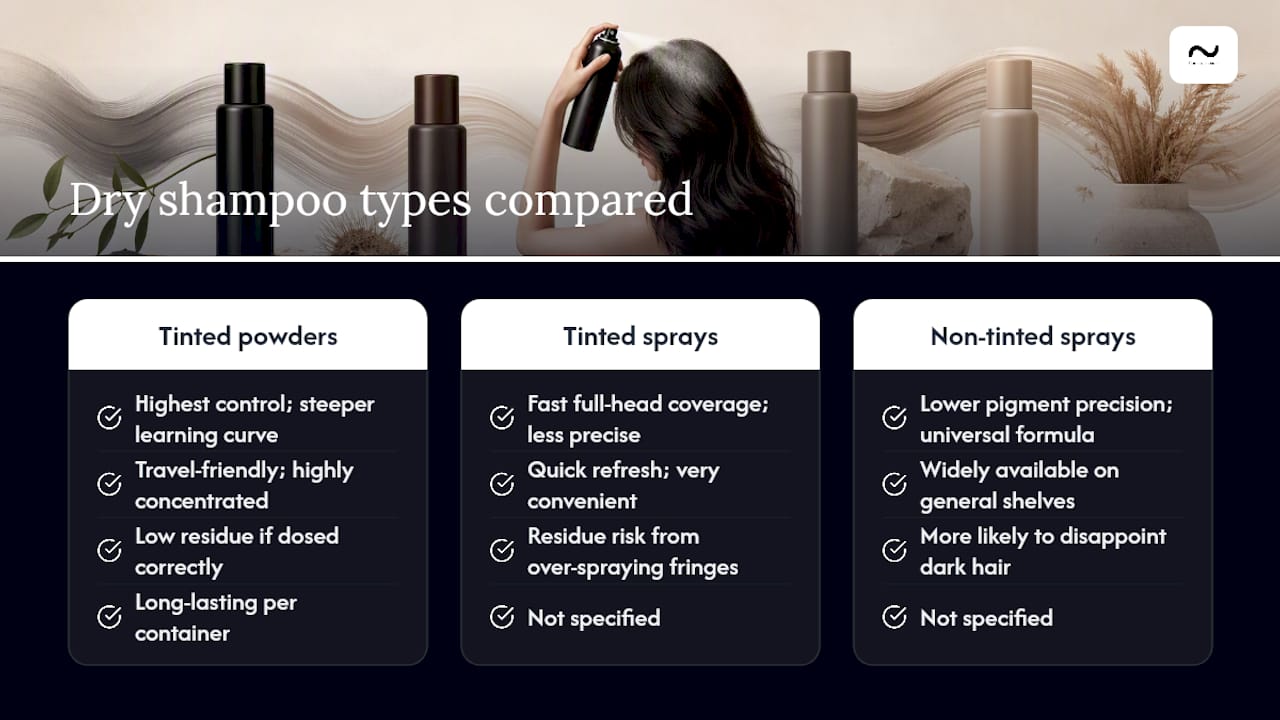
Tinted powders score highest for control and travel convenience, and their concentration means a single container lasts a long time. The trade-off is a slightly steeper learning curve. Get the dose wrong early on and you’ll see it, though most people adjust within a few uses. Tinted aerosol sprays offer the fastest full-head coverage and suit anyone who wants a quick refresh without careful sectioning, but coverage speed can tempt over-spraying, especially on fringes and hairlines where oil shows first. Non-tinted aerosol sprays, still common on general shelves, are the format most likely to disappoint dark and brunette hair specifically, since they’re formulated for a universal audience rather than tone-matched pigment.
What’s more consistently verifiable across the category is that formulas combining rice starch with argan or avocado oil tend to leave hair feeling less stripped after repeated use than starch-only versions. For UK buyers, Fierce Nature’s own non-toxic haircare range reflects this treatment-focused approach rather than a purely cosmetic one.
Pricing in this category splits roughly into three tiers, and the difference usually reflects pigment sophistication rather than marketing spend. Budget aerosol sprays without tinting sit at the lower end but carry the highest residue risk for dark hair, since they’re rarely formulated with iron oxides at all. Mid-range tinted powders and sprays, where most of the genuinely useful dark-tone formulas sit, tend to cost more per unit but last considerably longer given how concentrated powder formats are. Premium tinted formulas with treatment ingredients like argan oil or avocado-coated pigments sit at the top of the range, justified by the added nourishing actives rather than the tint alone.
Value here isn’t just about upfront price. A £15 powder that lasts four months of light, precise use works out considerably cheaper per application than a £6 aerosol you’re emptying every fortnight because coverage requires heavier spraying. If you’re choosing between a treatment-focused formula and a purely cosmetic one at similar price points, the nourishing option tends to offer better long-term value simply because it’s doing two jobs, oil control and scalp support, for one price.
Never trust a new dry shampoo to a full head on the day it matters most. Test it properly first, ideally a few days before an occasion where you need it to perform.
Apply a small amount to one section, at the crown or hairline where oil shows first, and leave it for the recommended wait time before checking the result in daylight rather than bathroom lighting. This tells you two things at once: whether the tint genuinely matches your tone, and whether your scalp reacts to any fragrance or active ingredient in the formula.
Watch for redness, itching, or tightness in the twenty-four hours after that first application, particularly if the formula is fragranced or you have a history of sensitive skin. If nothing flares up and the tint blends convincingly on that one section, you can reasonably trust it across the rest of your head. Keep the first few full applications lighter than you think you need. It’s far easier to add a touch more powder than to correct an overloaded, chalky section, and testing conservatively the first few times is what prevents the residue problems most complaints are actually about.
We started formulating with tallow because we’d grown tired of beauty promises that turned out to be marketing dressed up as science. That same scepticism shaped how we think about dry shampoo. Too many formulas on the shelf treat dark hair as an afterthought, tinted almost as a token gesture, propped up by synthetic fillers that do the job cosmetically but strip the scalp over time.
Our priority has been balance: absorbing oil effectively without stripping the nourishment dark and brunette hair needs to stay healthy between washes. That’s why our formulations avoid the harsh synthetic bases common in mainstream aerosols, leaning instead on ingredients that respect the skin and scalp the way we’d want for our own hair. Tallow’s bioavailability, the same principle behind our balms, informed how we think about anything that sits close to the scalp for hours at a time.
We don’t think residue-free hair should come at the cost of scalp health. Getting both right, in the same product, is the standard we hold every formula to.
— Fierce Nature
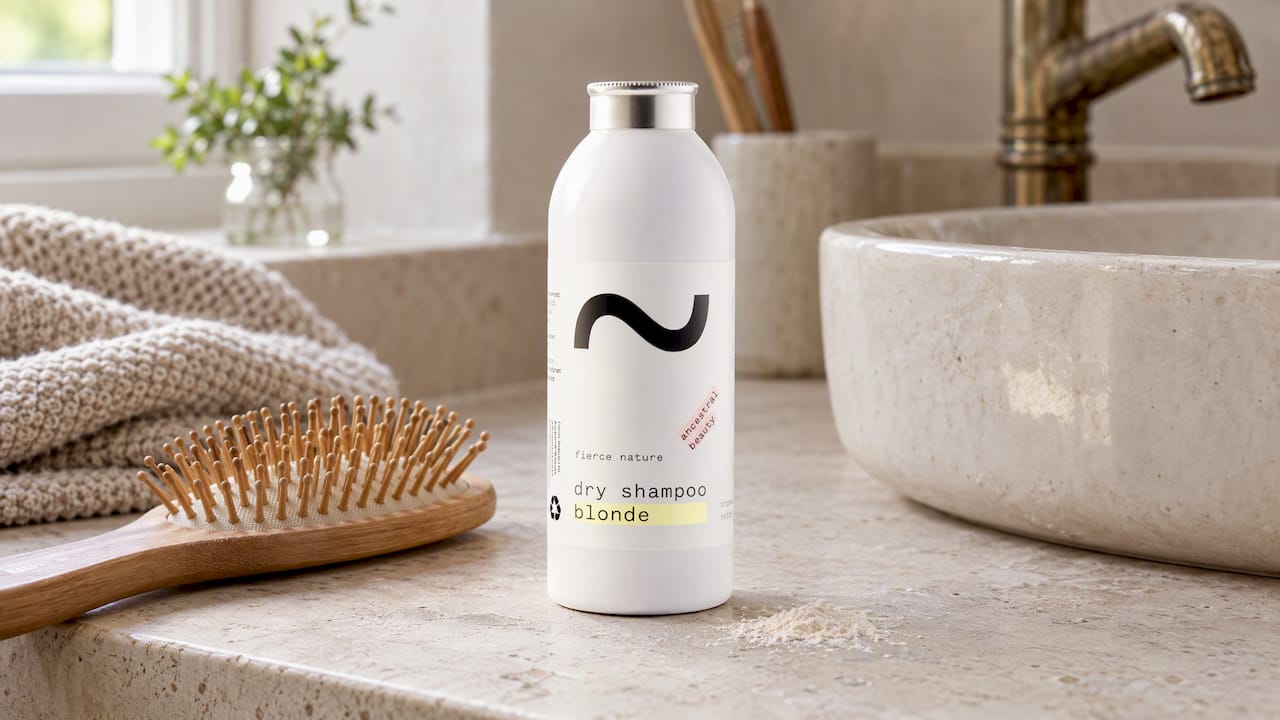
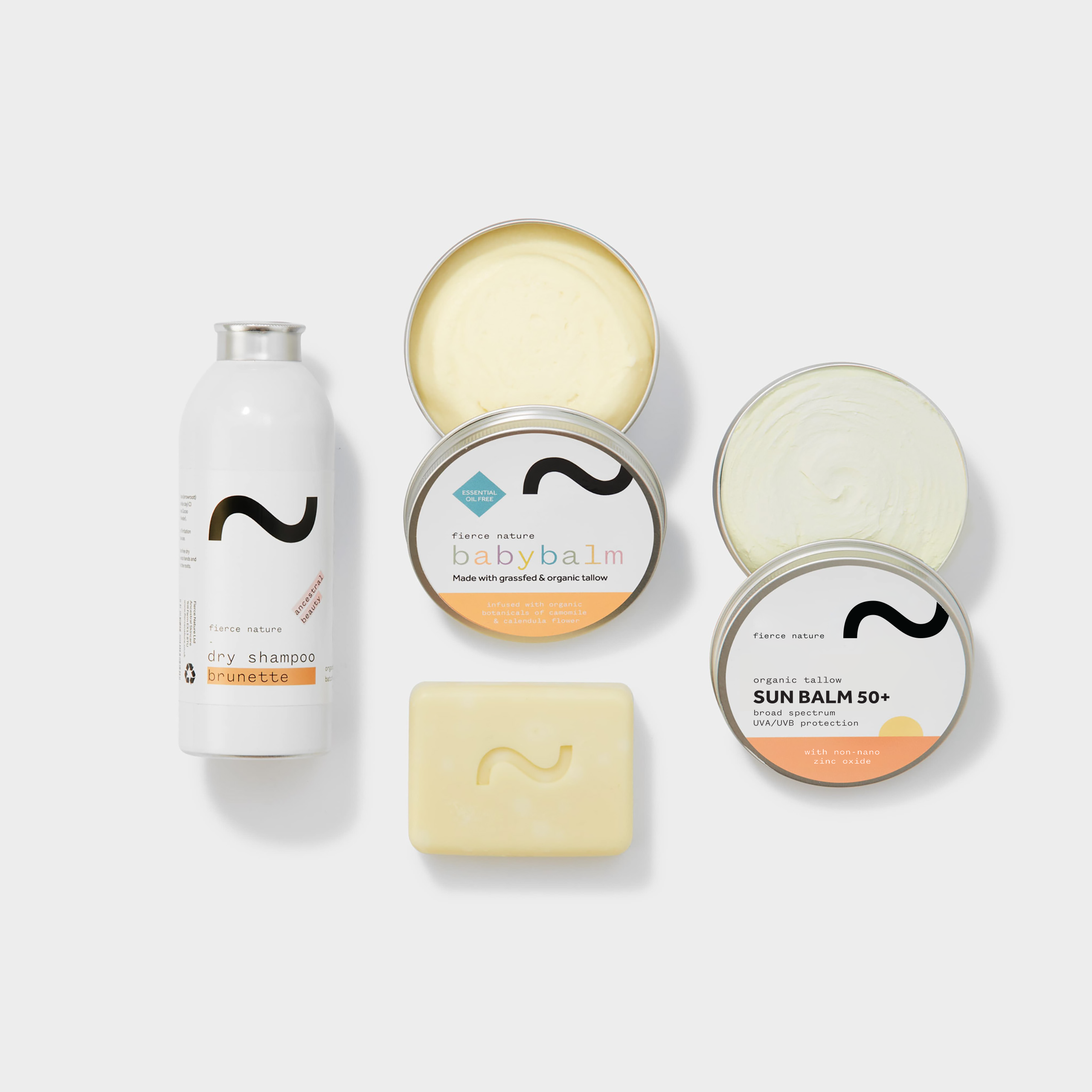
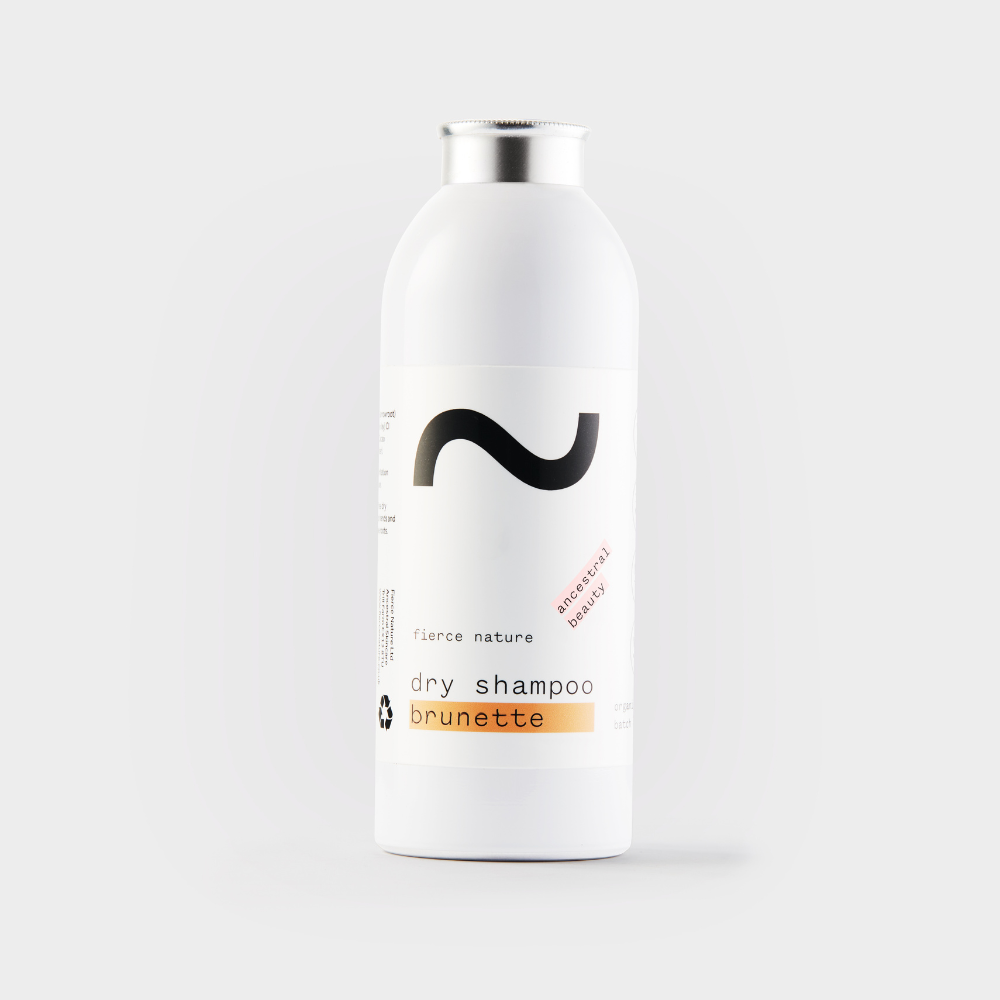
If you’re building a dark-hair-friendly routine, start with our Brunette Dry Shampoo, formulated specifically to blend into darker tones without the grey cast that untinted aerosols leave behind. It’s the natural entry point for anyone switching from a mainstream spray.
Pair it with support for the rest of your routine:
Non-toxic Baby Skin Essentials for households managing sensitive skin alongside adult haircare, all in one non-toxic range
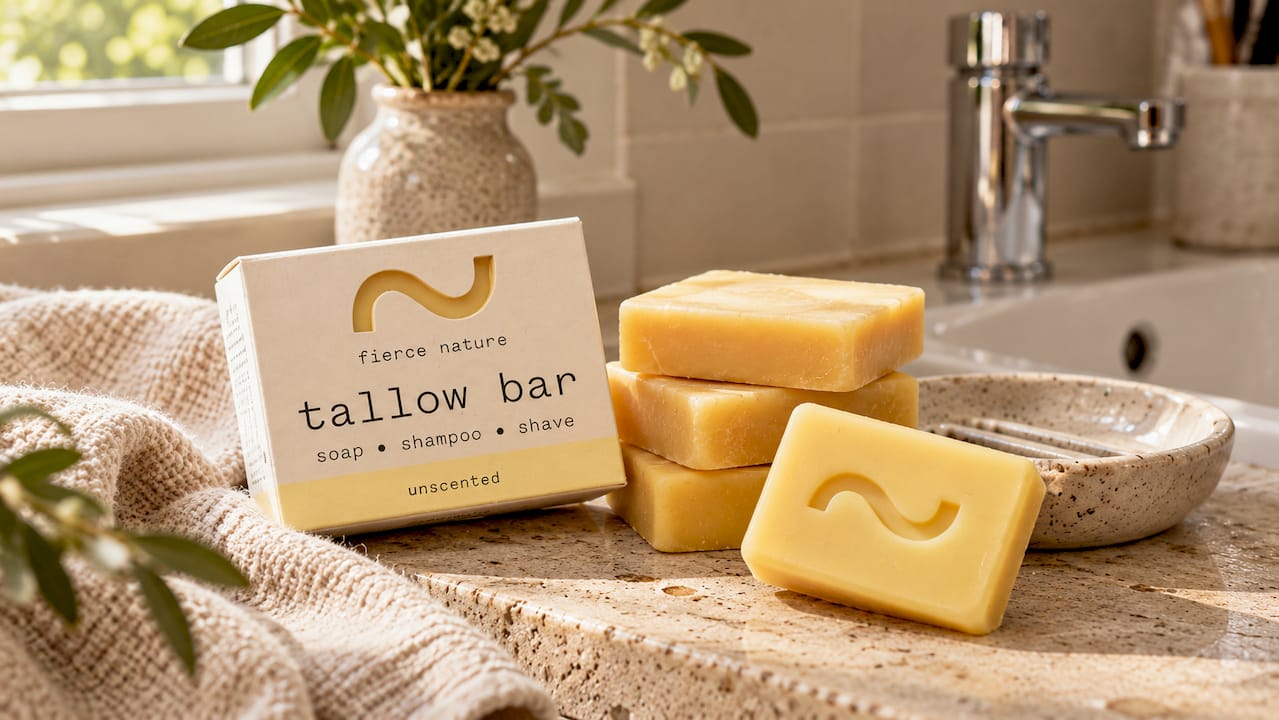
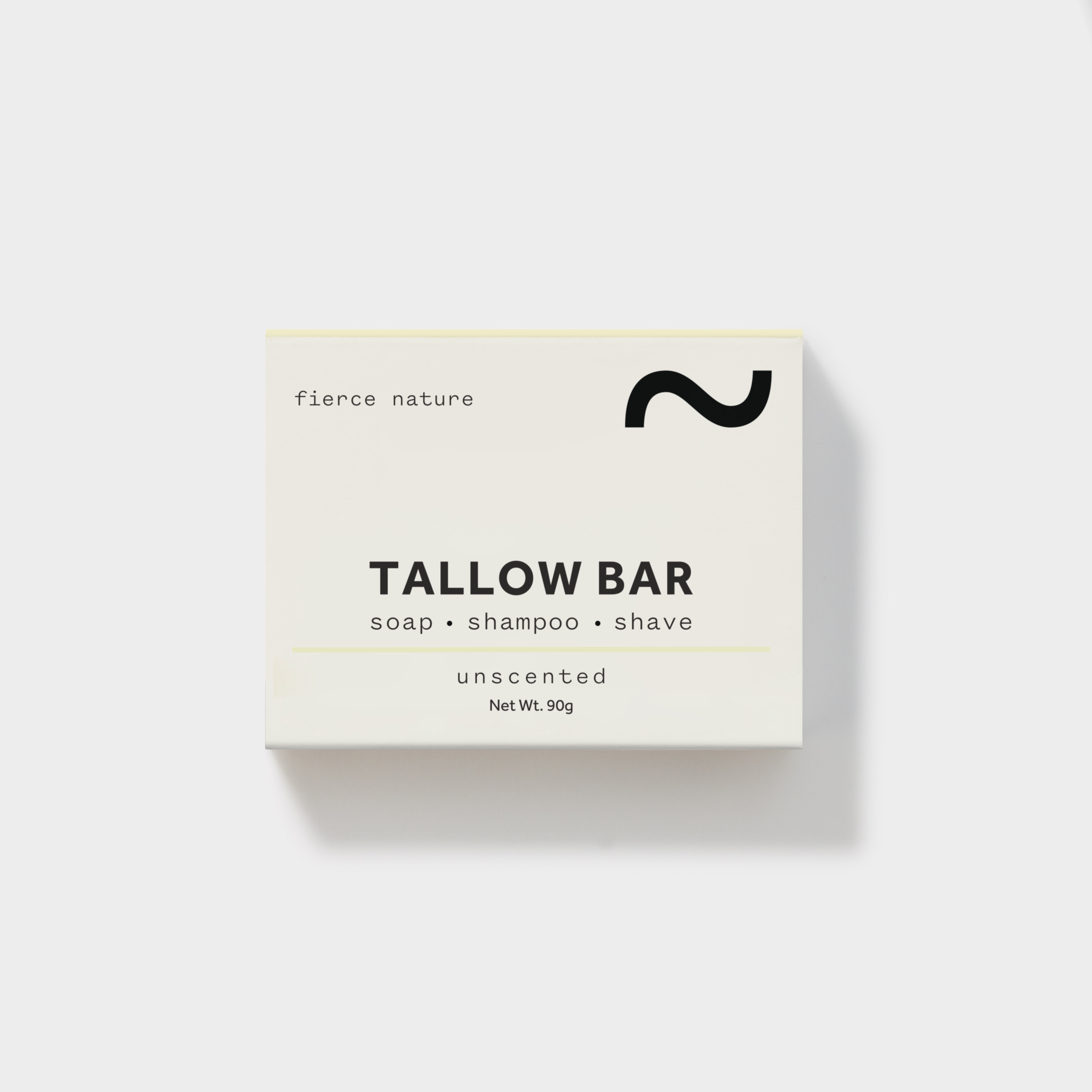
Multi-Use Tallow Bar (Unscented) for those with fragrance sensitivities who still want a nourishing everyday cleanser
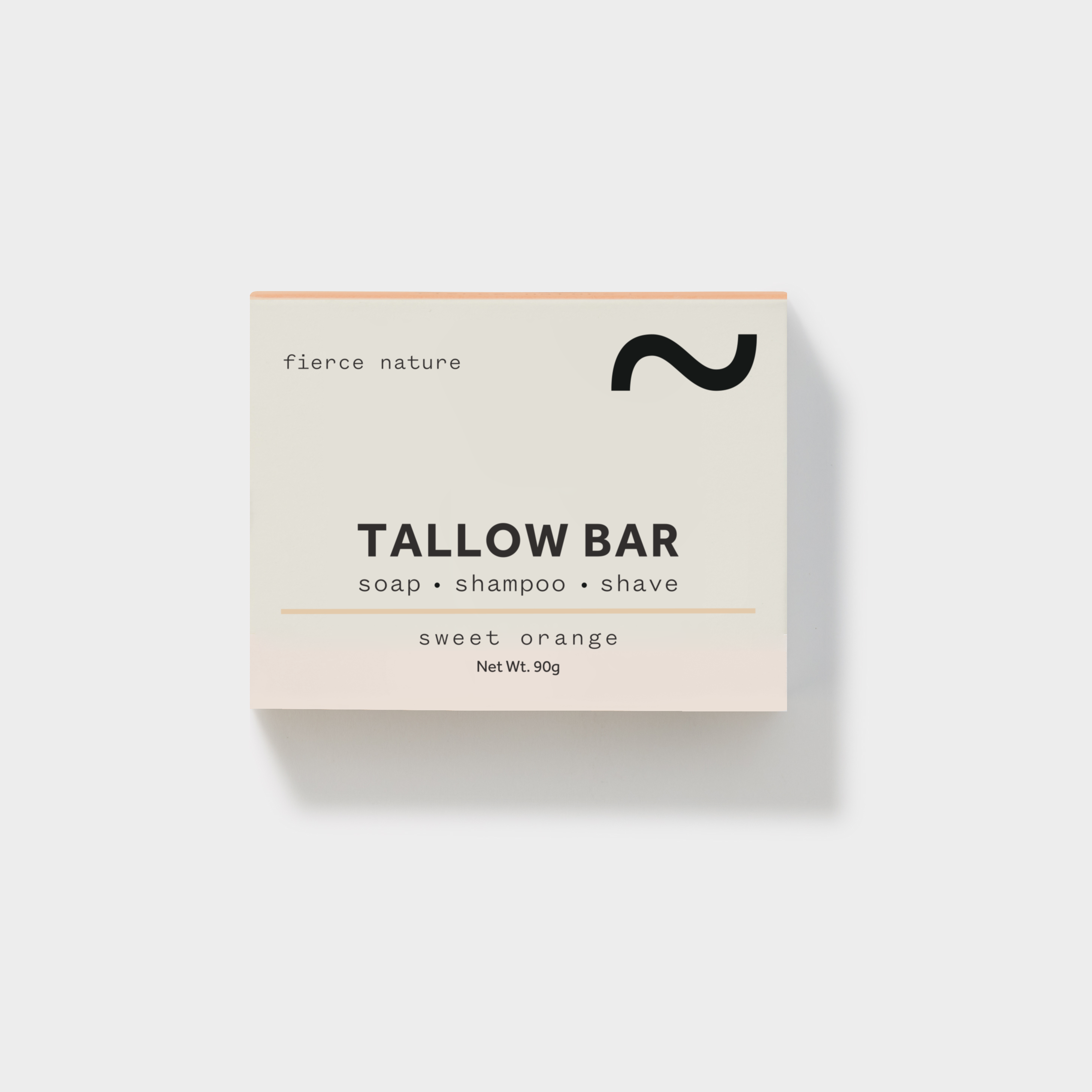
Multi-Use Tallow Bar (Scented) if you prefer a lightly fragranced version for body and hands
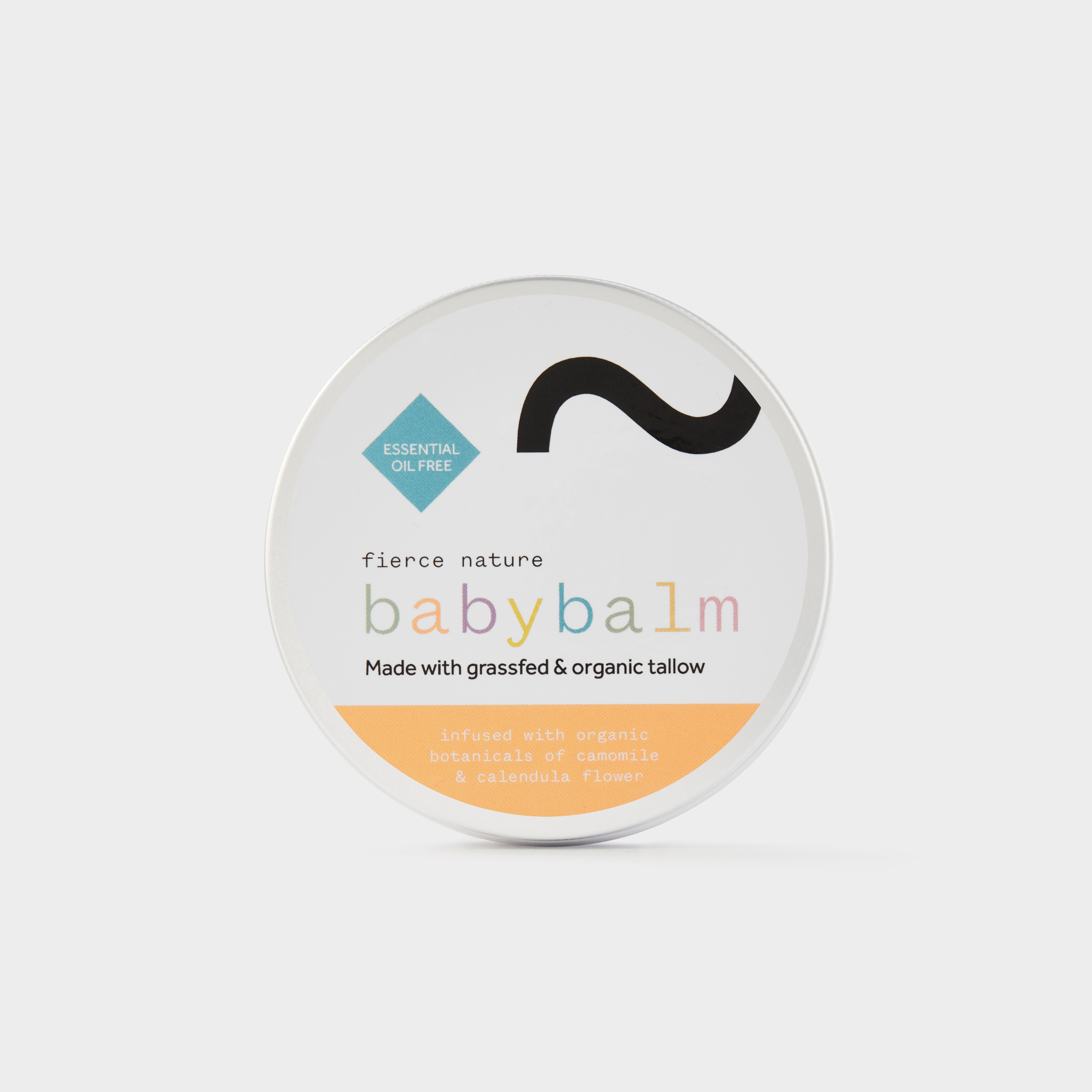
Baby Balm for anyone wanting a gentle, multi-purpose balm to keep in a family skincare kit
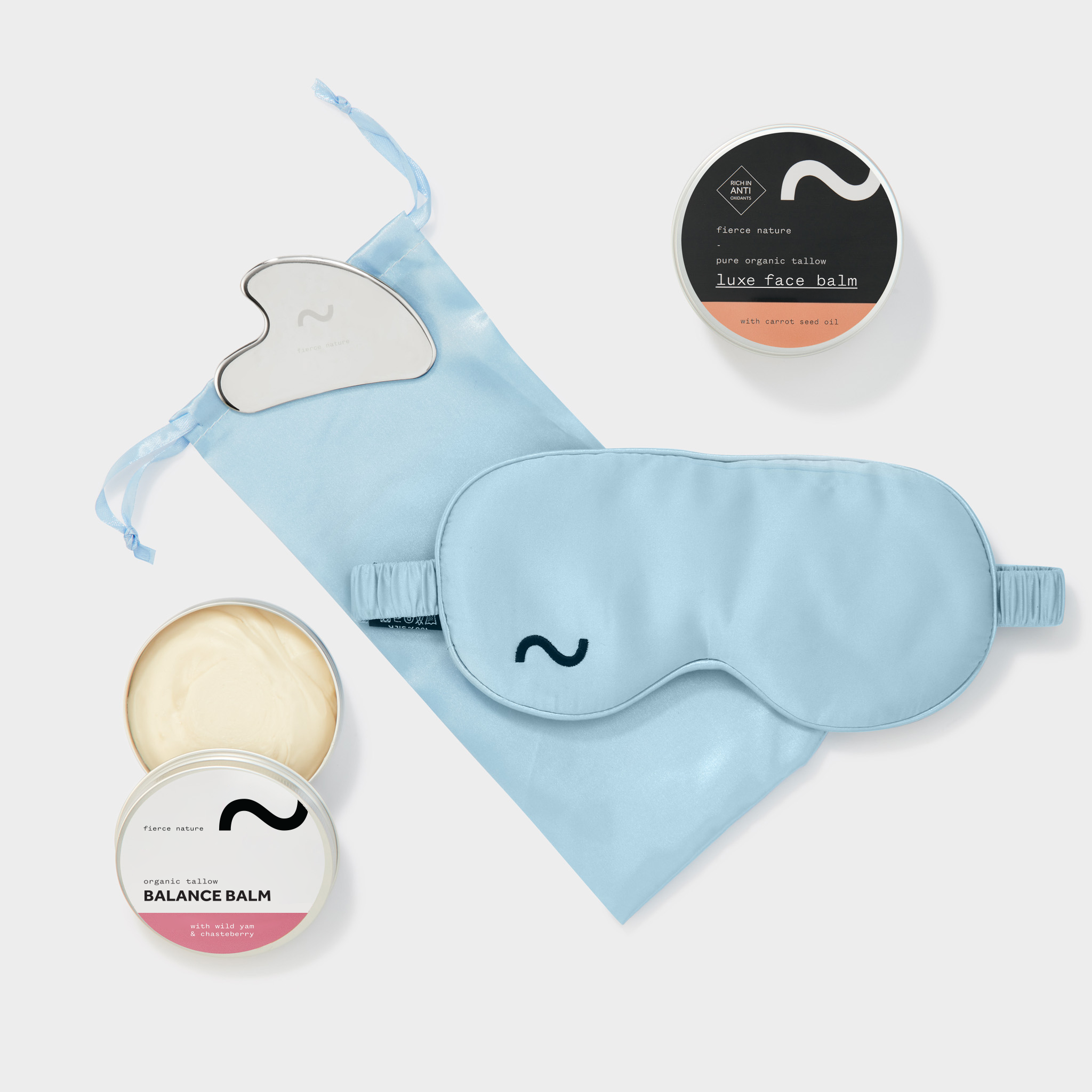
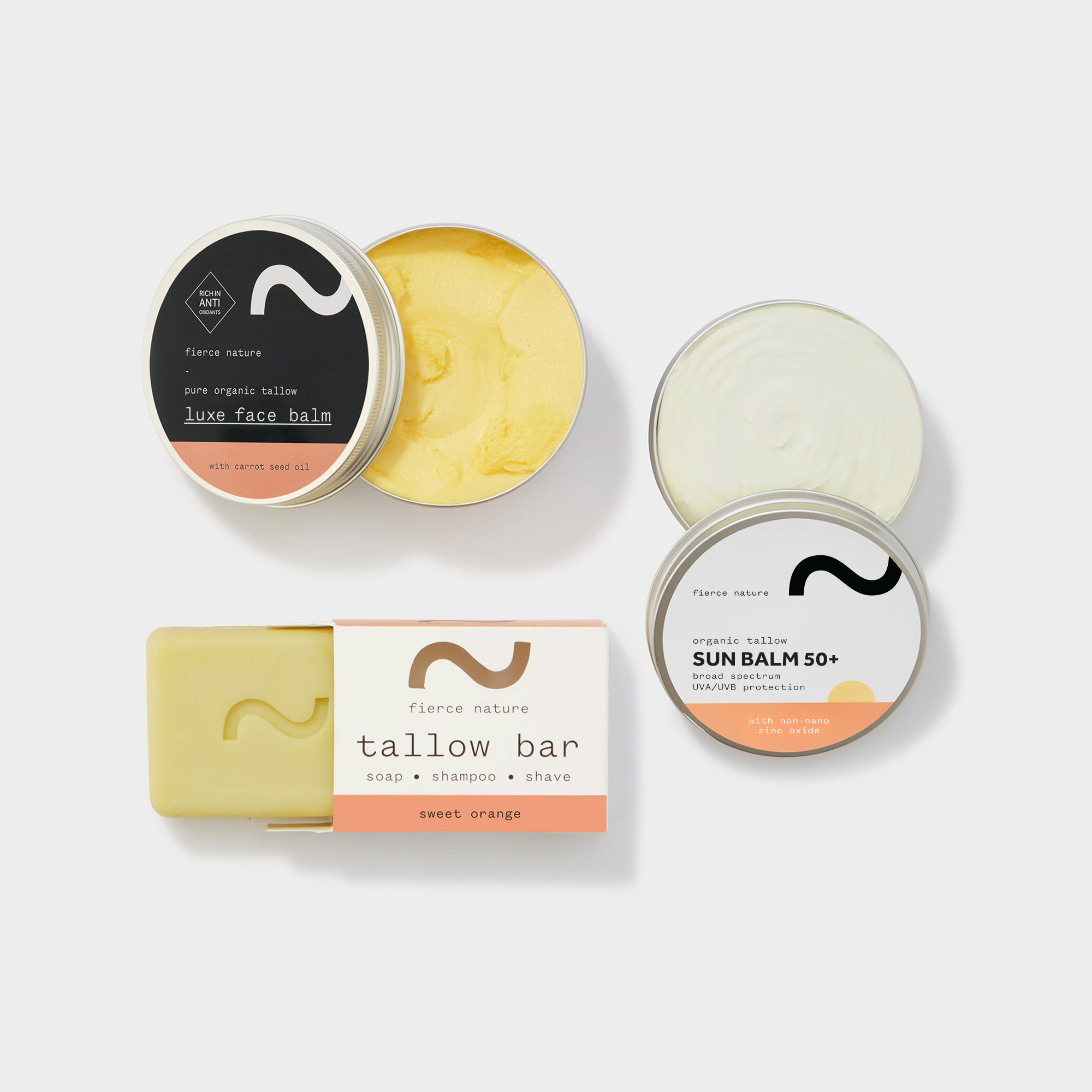
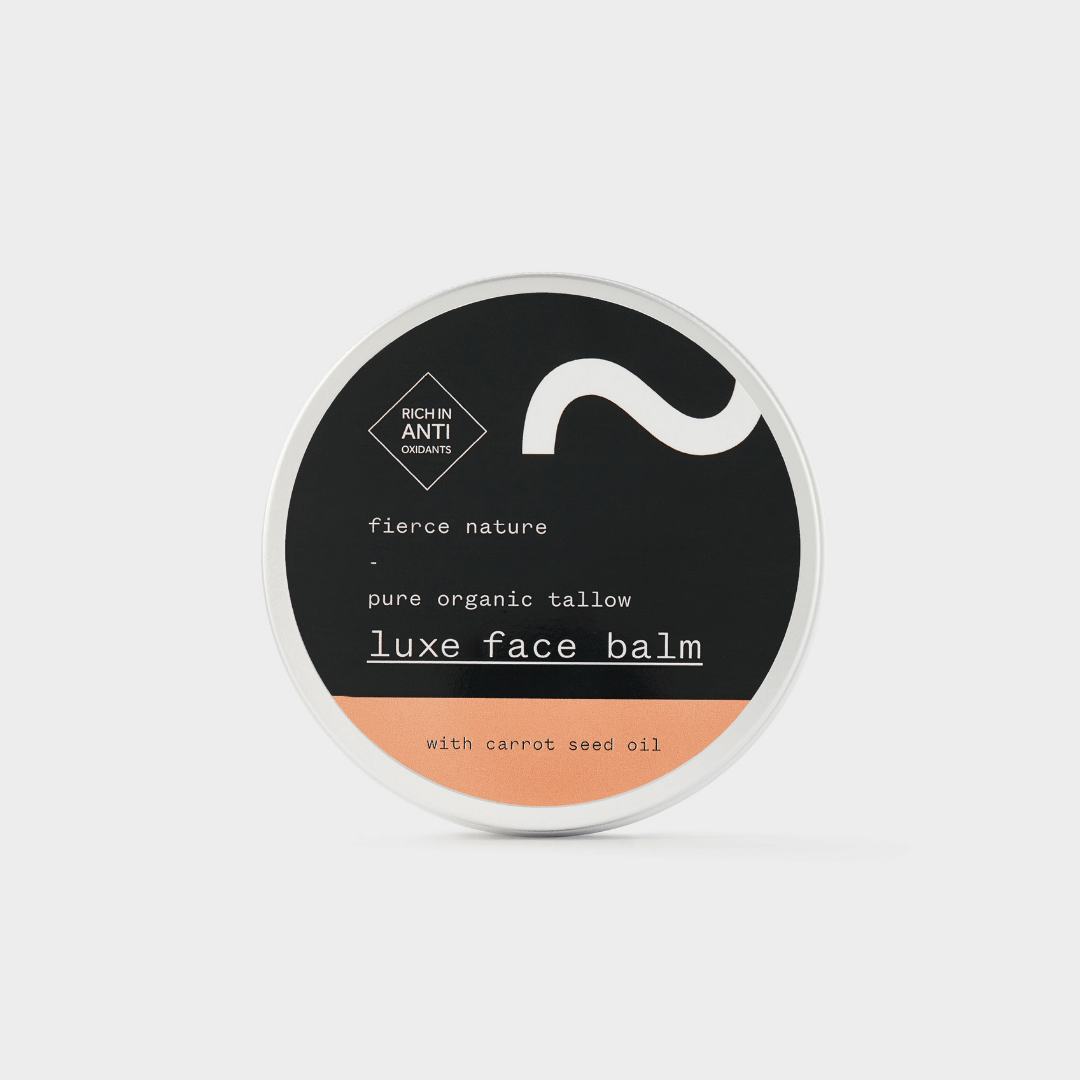
Luxe Balm as a richer facial companion for evenings when your dry shampoo routine is doing the heavy lifting elsewhere
Biohacking Bundle for readers building a fuller non-toxic personal care routine beyond hair alone
Selfie Stick Natural for on-the-go touch-ups that complement a dry shampoo refresh before you head out
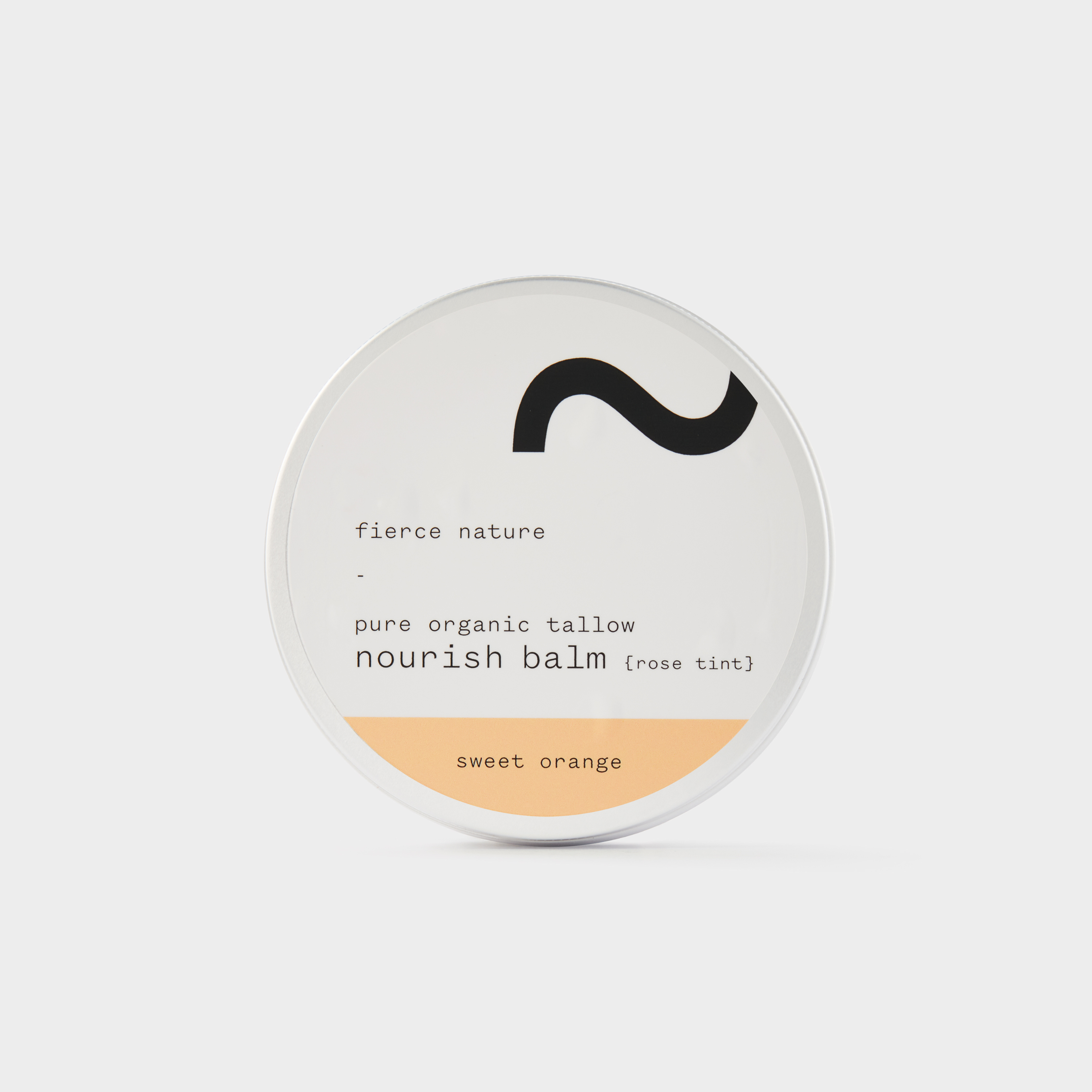
Nourish Balm with Rose Tint (Sweet Orange) for a warm-toned finishing touch once your hair and skin routine is sorted
A simple pairing that works well: use the Brunette Dry Shampoo at the roots, then finish with the Nourish Balm with Rose Tint through cheeks or lips for a complete refresh in minutes, no full wash required.
Ready to try it for yourself? Visit the Brunette Dry Shampoo product page to check current stock and get your first residue-free refresh sorted before your next busy week.
Tinted powders and tinted sprays formulated with iron oxides and fine rice or tapioca starch work best, since they absorb oil while matching brunette or black tones rather than leaving a grey cast.
Yes, it works exactly as effectively on dark hair as any other colour. The issue is never the oil absorption, it’s whether the formula is tinted to match your tone.
Yes, tinted formulas designed specifically for brunette and dark tones exist and blend far more convincingly than universal, untinted versions, including options like Fierce Nature’s Brunette Dry Shampoo.
Over-reliance without regular washing can cause product buildup and scalp irritation, and heavy-handed application of any format, powder or spray, is the main cause of visible residue.
Most people find alternating dry shampoo with a full wash every two to three uses keeps buildup and irritation in check, though oilier scalps may need to wash sooner.