Cart
0
80% Also Added this



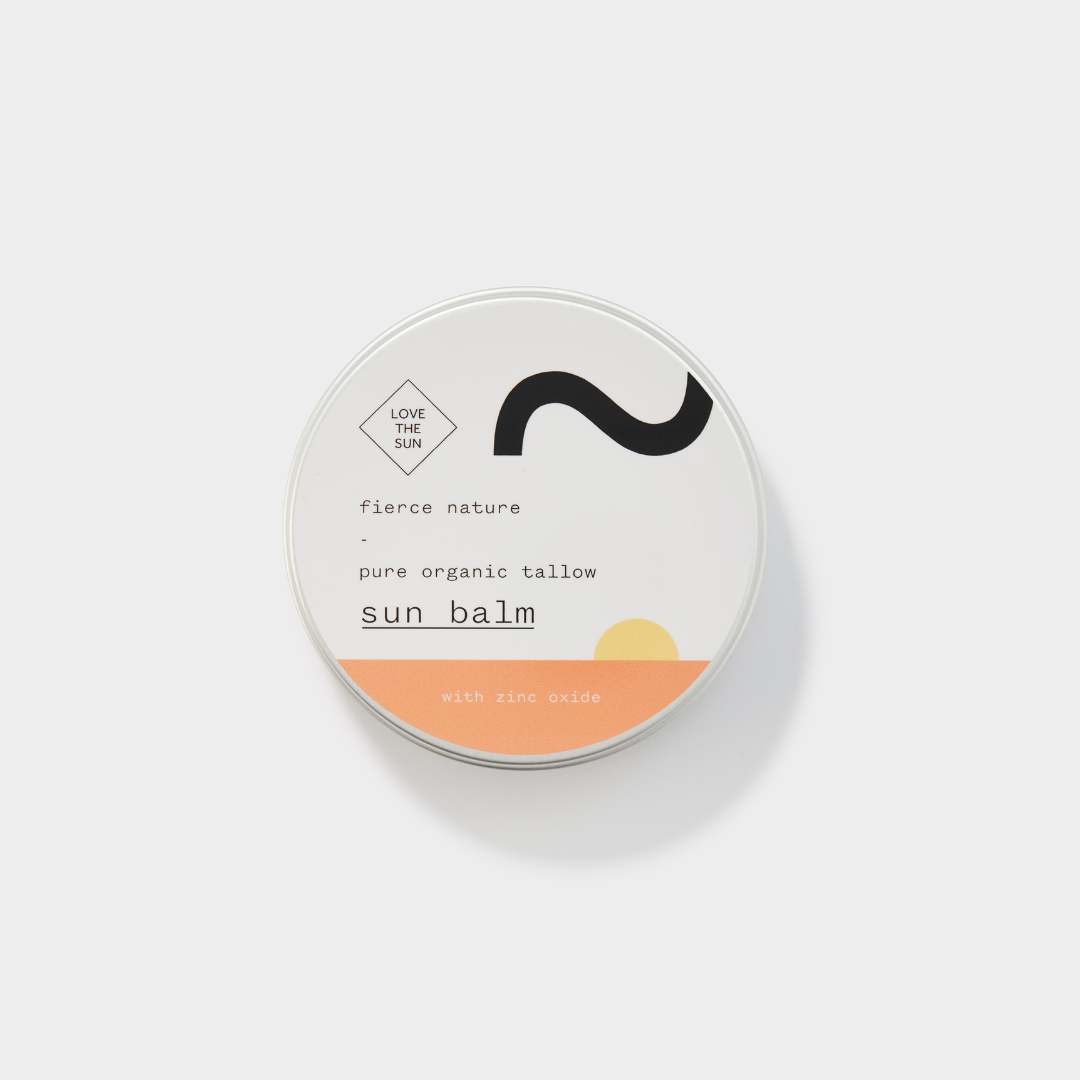
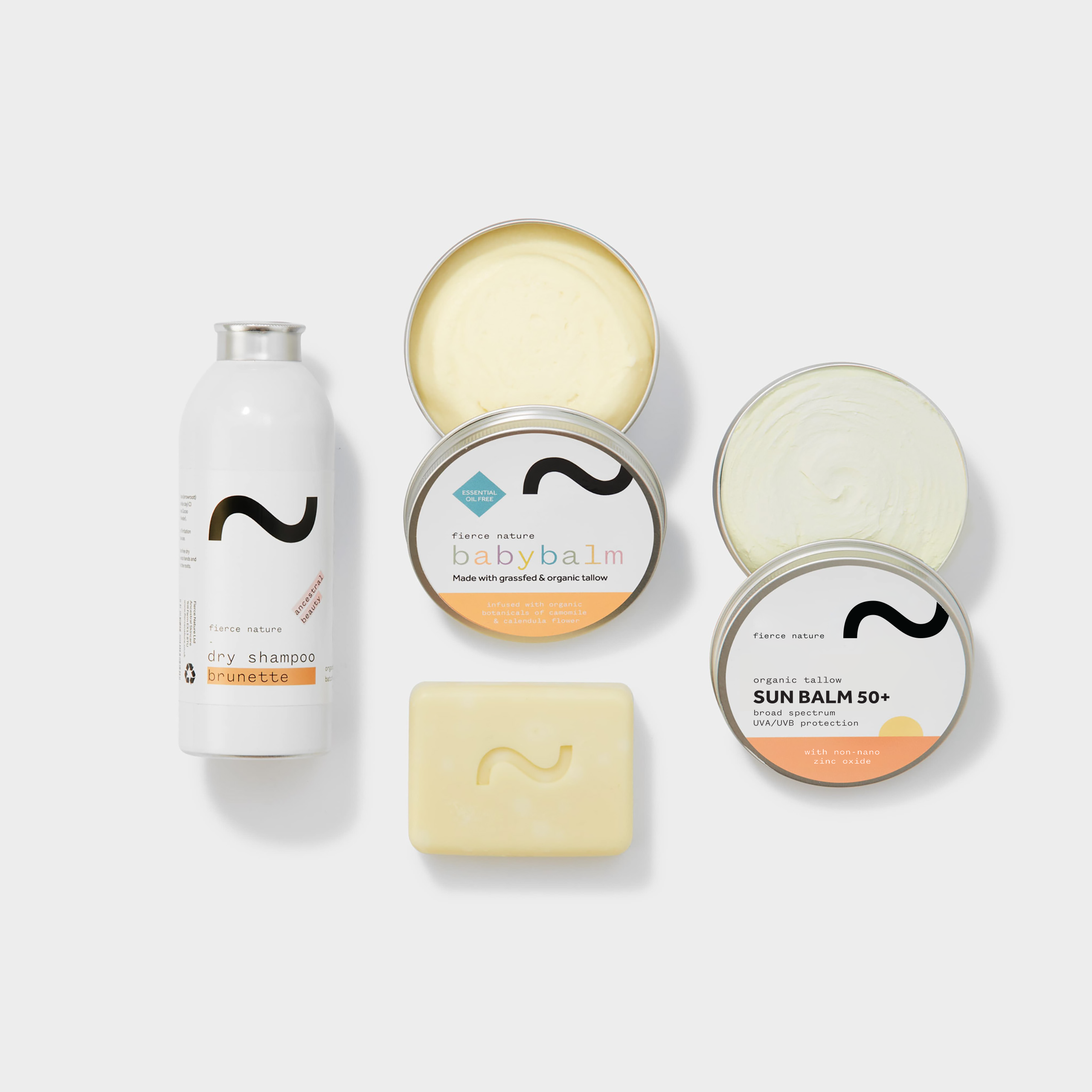

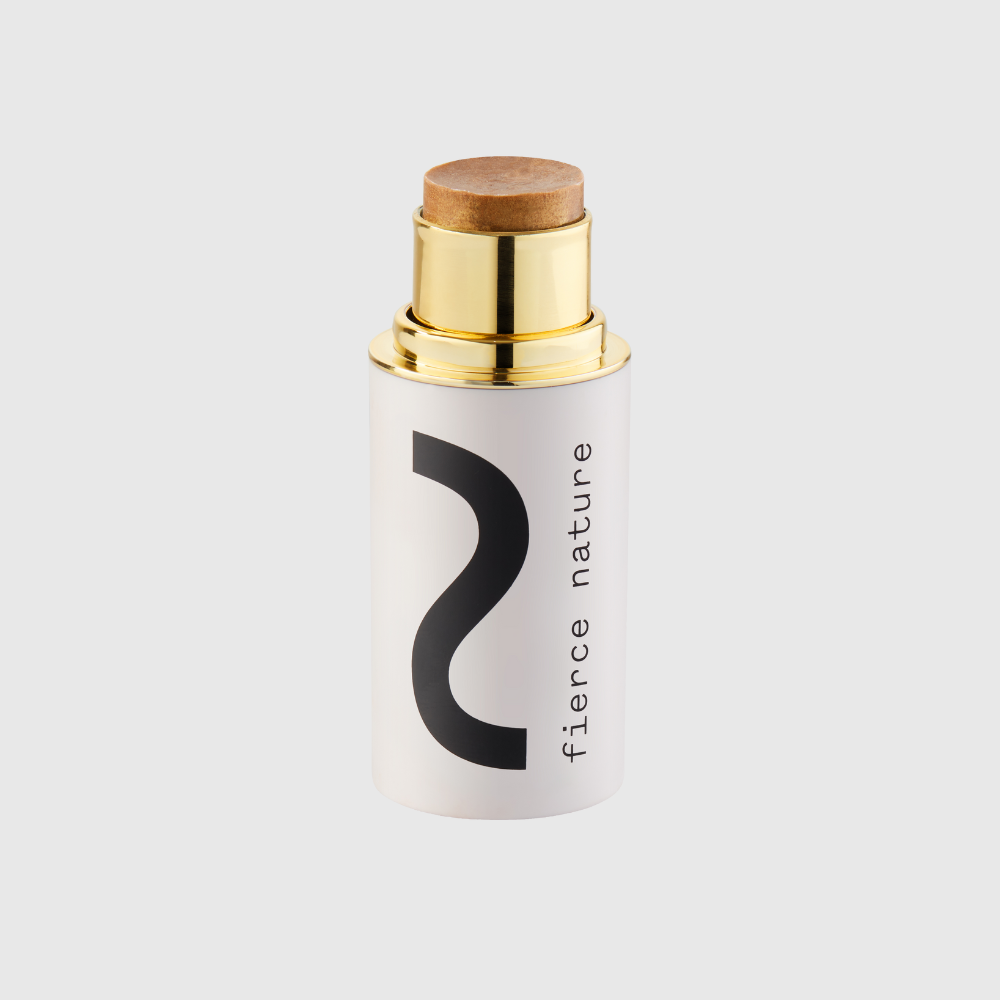
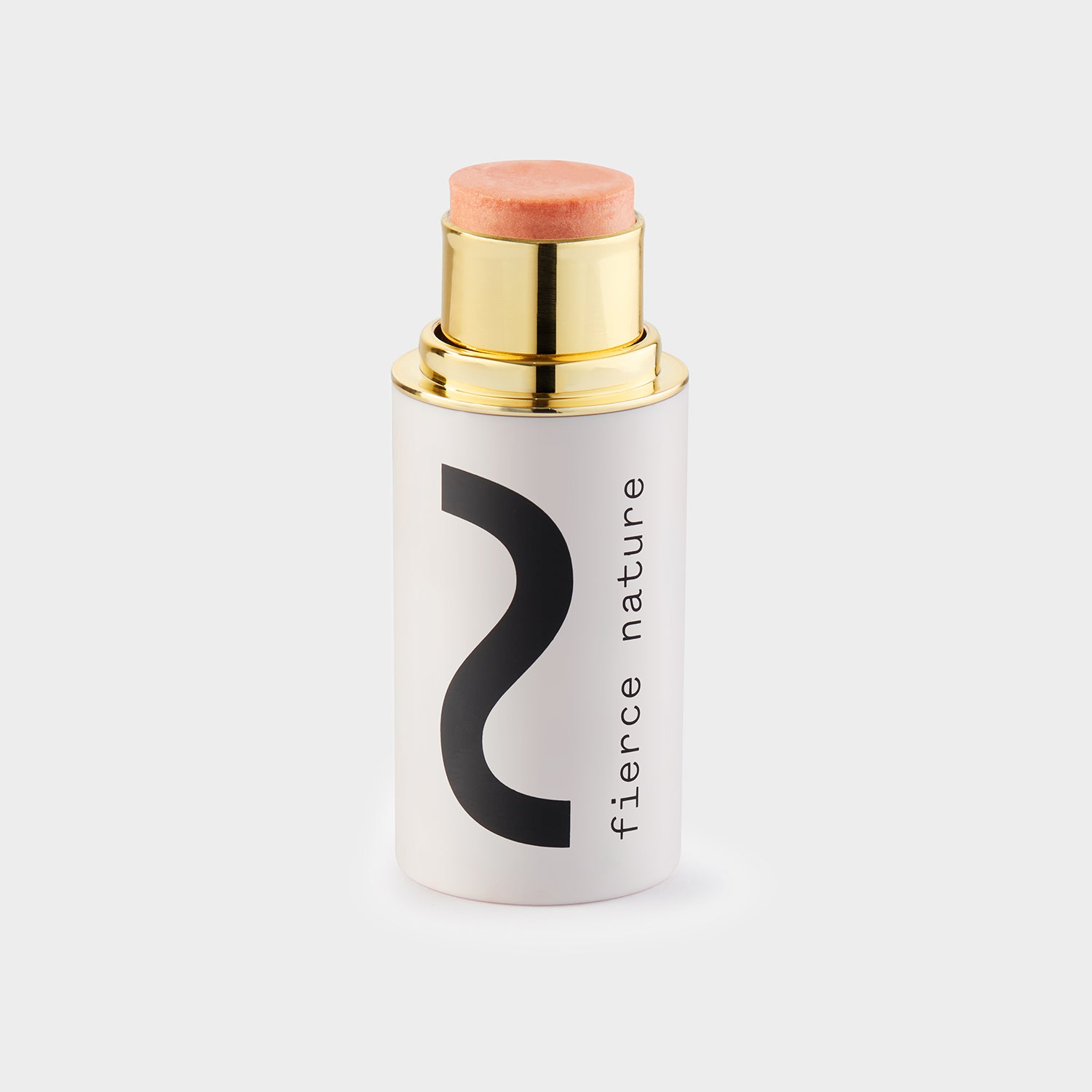
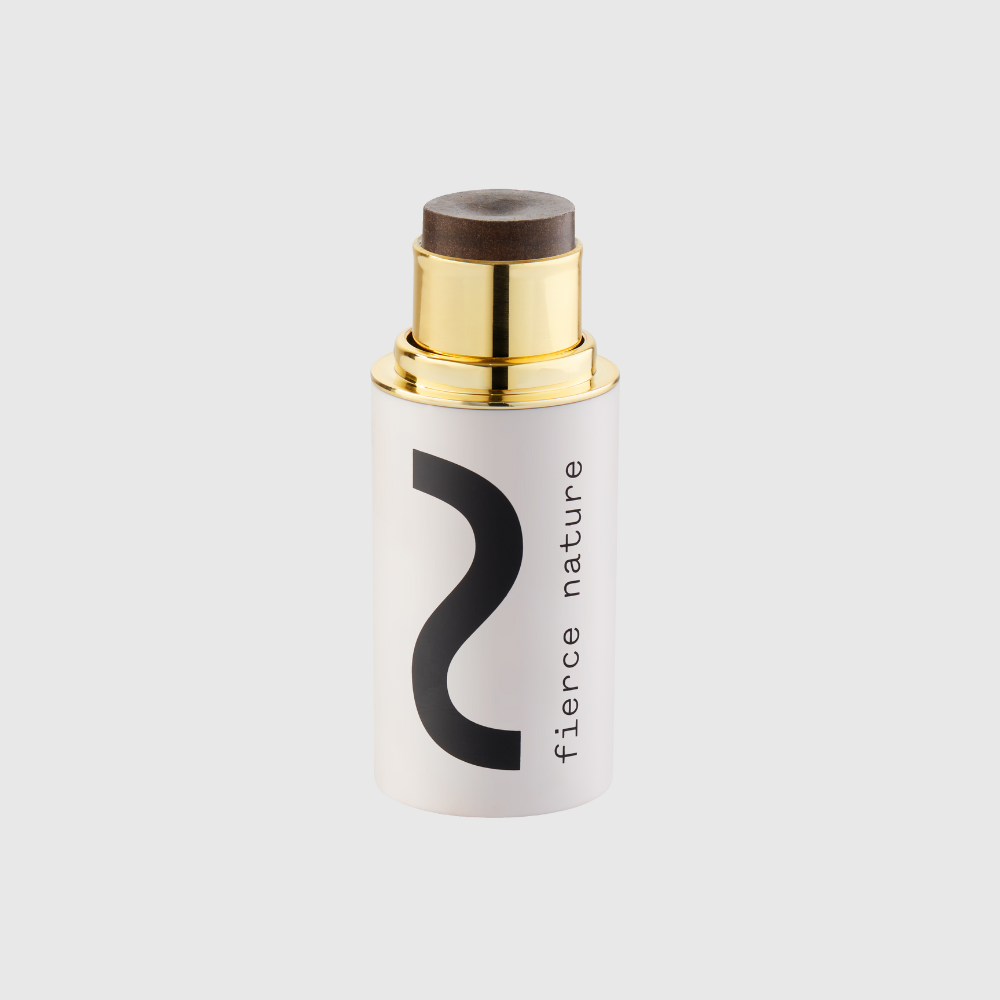
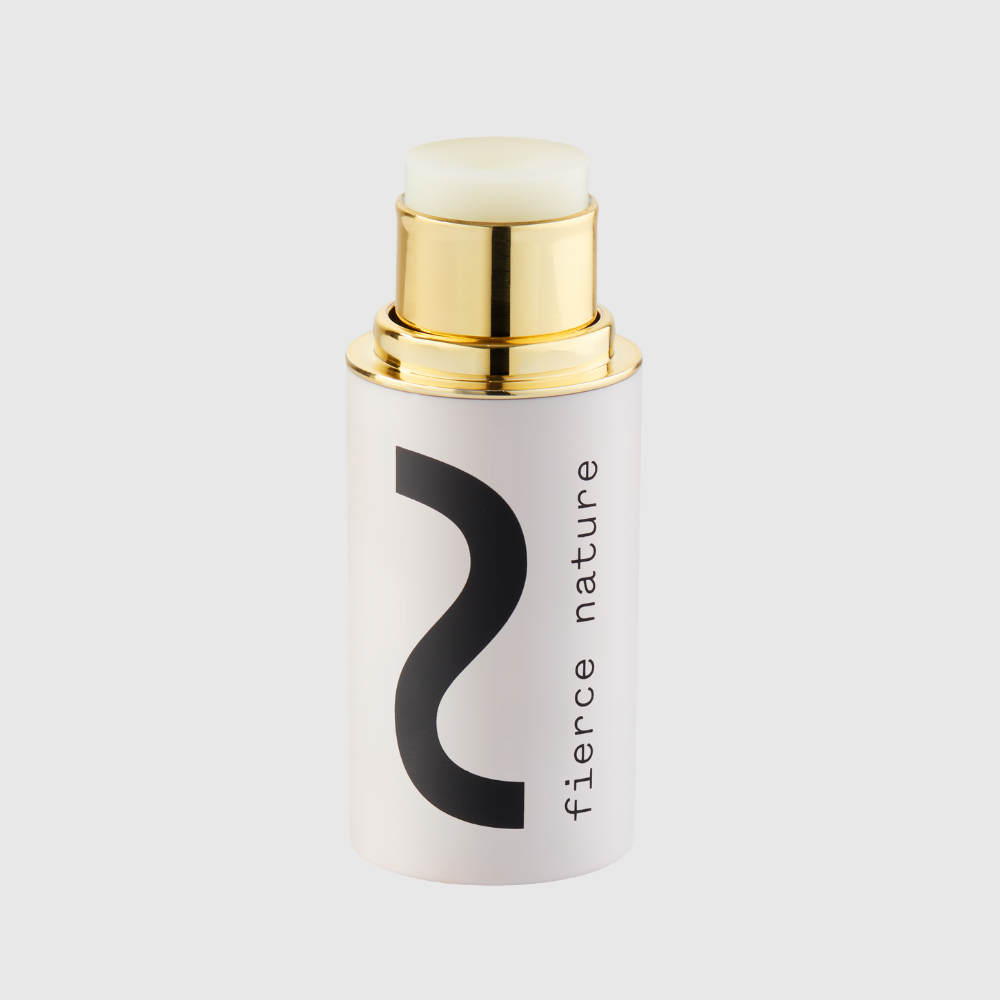
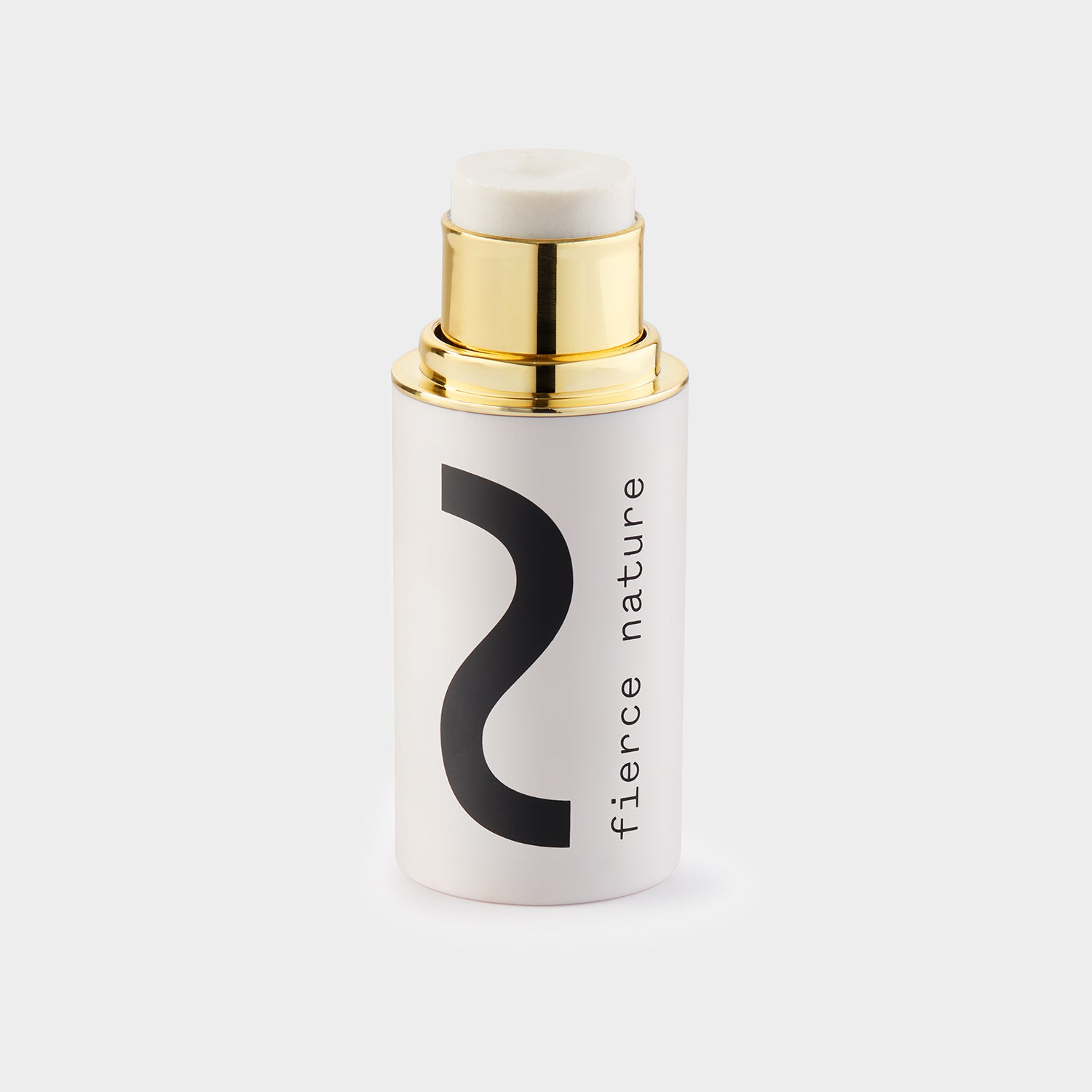
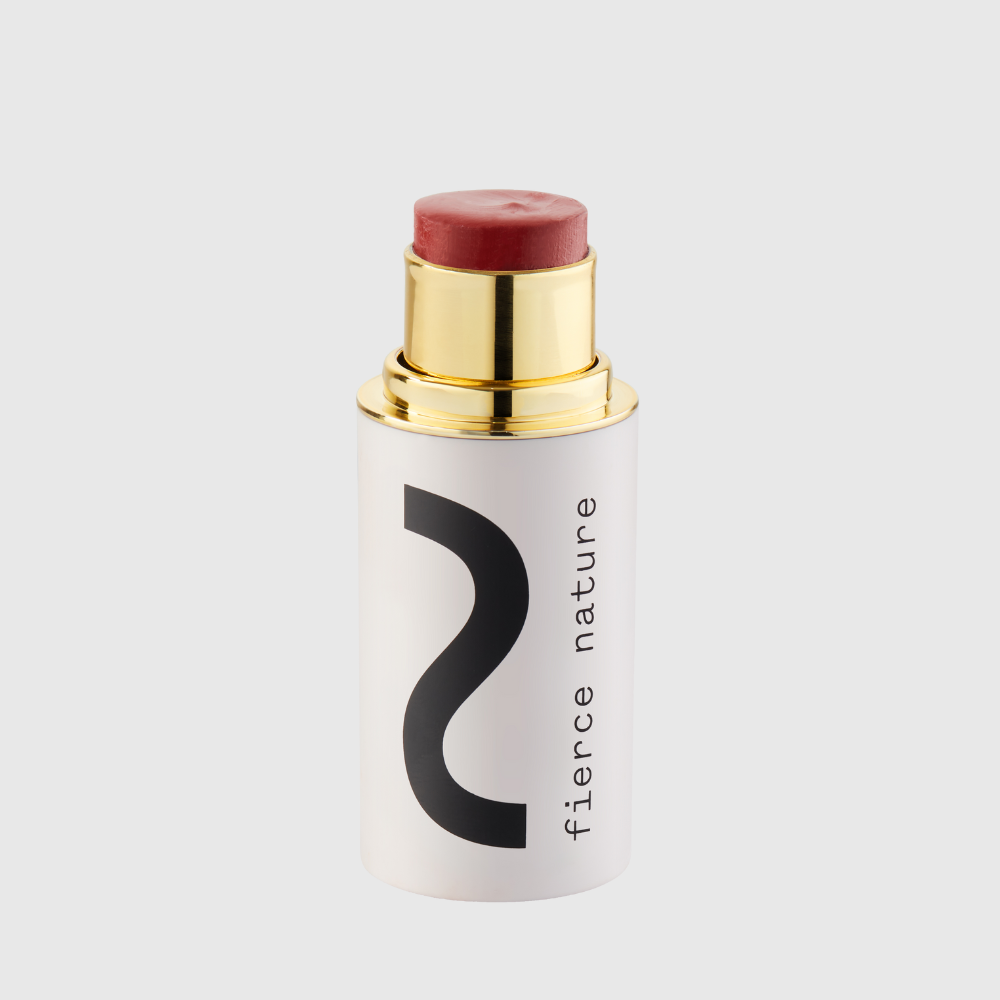
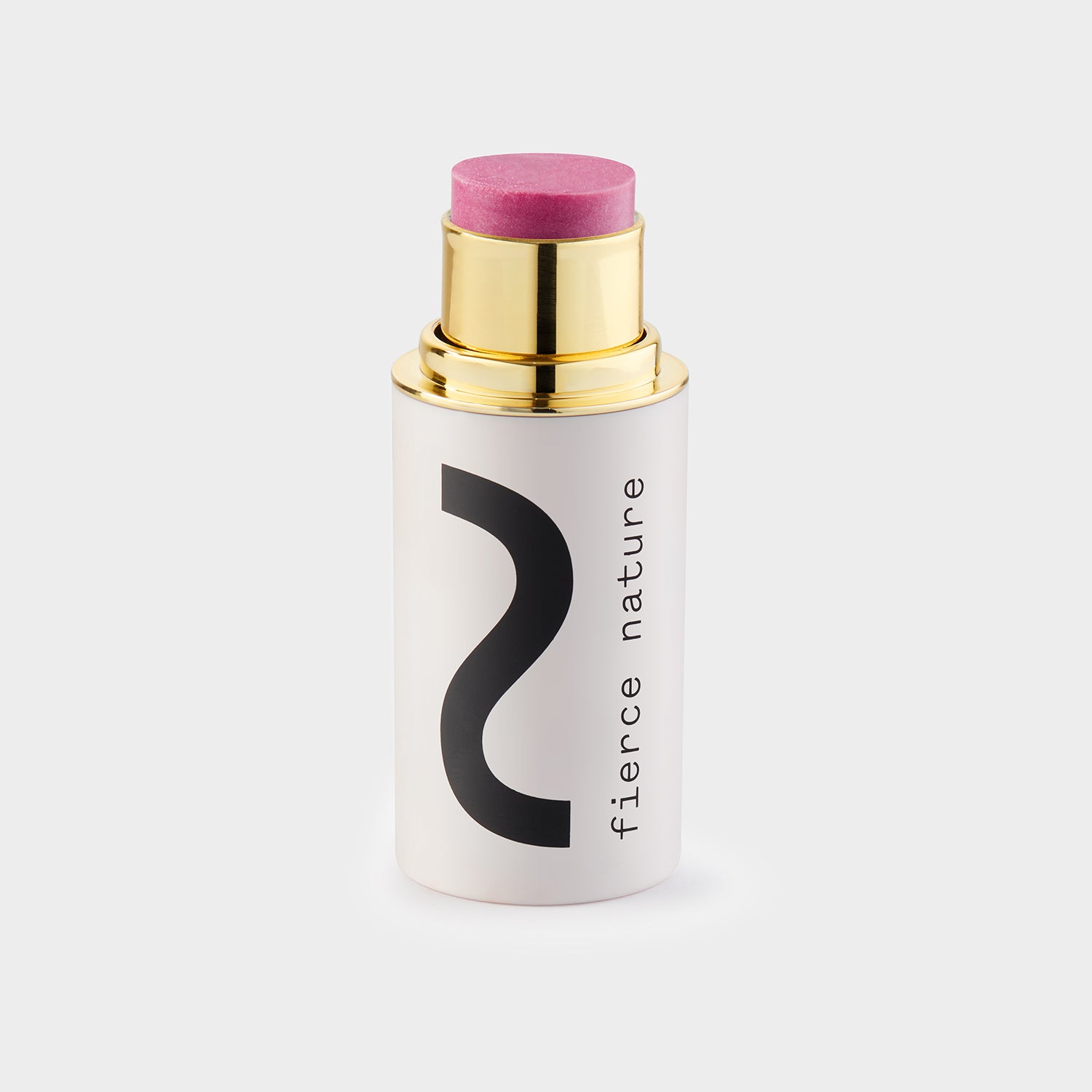
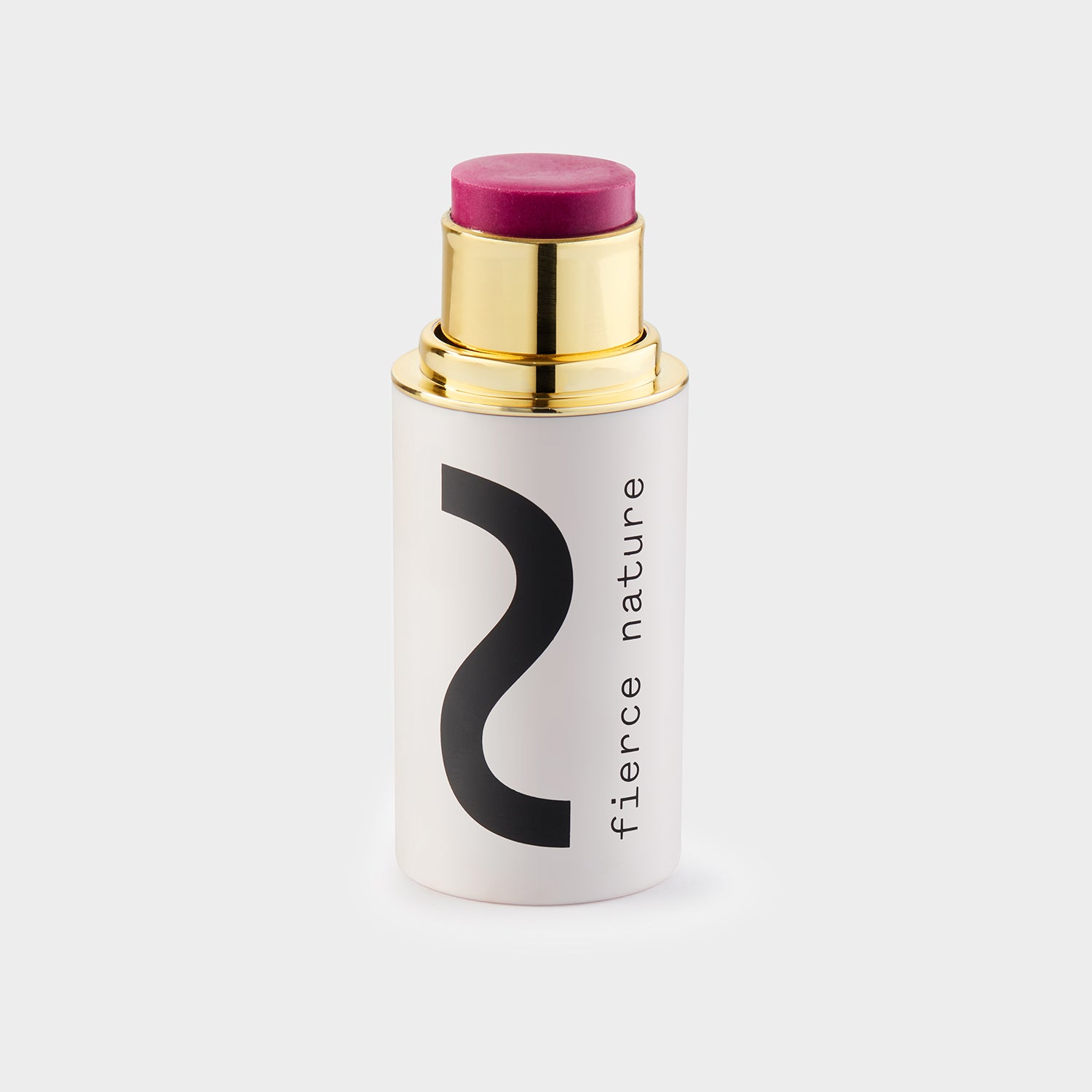




In practice, a sunscreen labelled “reef safe” usually means it leaves out oxybenzone and octinoxate, the two chemical filters most heavily linked to coral bleaching and larval damage. No government or standards body regulates the term, though, so the words on the front of a bottle guarantee nothing on their own. The safest move is to skip the marketing claim entirely and check the ingredients list for non-nano zinc oxide or titanium dioxide as the active filter, since a peer-reviewed review of sunscreen pathways and a formulator’s understanding of skin-friendly ingredients both point the same way.
TL;DR:
Most “reef safe” sunscreens exclude oxybenzone and octinoxate, but without regulation, check ingredients for non-nano zinc oxide or titanium dioxide instead.
Verification requires examining full ingredient lists for unstudied preservatives and avoiding vague claims like “natural UV blockers” that lack transparency.
Mineral sunscreens with non-nano zinc oxide are generally safer, but added stabilisers or other ingredients still require scrutiny due to limited research.
Up to 50% of sunscreen active ingredients wash off during water activities and enter wastewater systems that are not equipped to filter them out.
Behavior changes like applying sunscreen 15 minutes before swimming, avoiding sprays, and wearing protective clothing significantly reduce environmental impact.
What people mean by “reef safe” and why the term is unreliable
Which sunscreen ingredients studies link to coral and marine harm
Why mineral sunscreens are commonly recommended, and their caveats
How sunscreen chemicals reach reefs and the scale of the issue
The ecological impact and mechanisms by which harmful sunscreen ingredients damage coral reefs
Limitations of existing certifications and how to interpret them carefully
Most shoppers assume “reef safe” is a checked box, like “organic” or “cruelty-free”. It isn’t. Conservation groups and outdoor retailers generally use it to mean a formula free of oxybenzone and octinoxate, and they recommend non-nano mineral filters instead. But nothing stops a brand printing “reef safe” on a bottle that contains ten other unstudied chemicals, because there’s no enforcement body checking the claim before it hits the shelf.
That gap is exactly where greenwashing creeps in. A product can drop the two most notorious chemicals and still call itself reef friendly while including other UV filters or preservatives that have barely been studied for marine toxicity. Consumer investigations into “reef safe” marketing have found the label routinely used without standardised testing behind it, which means the burden sits with you, not the brand.
A few signals tend to separate genuine transparency from a marketing sticker:
The full ingredient list is printed on the packaging or product page, active and inactive.
Mineral actives (zinc oxide, titanium dioxide) are listed as non-nano.
The brand names any independent screening it has used, rather than just using the phrase “reef safe” unsupported.
There’s no vague catch-all like “natural UV blockers” hiding the actual filter used.
Three chemical filters turn up again and again in coral research, and they’re worth knowing by name rather than trusting a label to flag them for you.
Oxybenzone – Laboratory studies have linked oxybenzone to coral bleaching, DNA damage, and deformities in coral larvae, making it the filter most commonly named in regional bans.
Octinoxate – Frequently banned alongside oxybenzone; it’s implicated in similar disruption to coral reproduction and growth cycles.
Octocrylene – Less discussed publicly, but increasingly flagged by marine researchers alongside the other two as a filter worth avoiding until more is known about its breakdown products.
The 25 to 50% figure worth remembering: researchers estimate that between 25% and 50% of the sunscreen applied to skin washes off during swimming and other water-based recreation, with the rest reaching wastewater through showering or laundering, systems that aren’t built to filter UV-blocking compounds out.
It isn’t only the active filters that matter. Some stabilisers and preservatives added to keep a formula stable, along with certain synthetic fragrances, haven’t been studied nearly as closely as oxybenzone, yet they sit quietly in the inactive ingredients most shoppers skip straight past. Reading only the “active ingredient” box on the front of the bottle misses this entirely. The fuller list, usually on the back or on the product page, is where the real picture sits.
Zinc oxide and titanium dioxide work by sitting on the skin’s surface and physically reflecting or scattering UV rays, rather than absorbing them the way chemical filters do. That mechanical difference is a big part of why conservation groups and outdoor retailers point towards mineral formulas as the safer default for reef-adjacent swimming and snorkelling.
But “mineral” isn’t automatically a clean bill of health. A few things worth checking:
Non-nano matters. Nanoparticle versions of zinc oxide and titanium dioxide are small enough that questions remain about how marine organisms absorb them, so non-nano labelling is the more cautious choice.
Stabilisers can sneak back the risk. Some mineral sunscreens include additives such as butyloctyl salicylic acid or ethylhexyl methoxycrylene to help the formula hold its SPF rating, and both are currently under scrutiny for possible environmental effects.
Evidence is still developing. Minerals have a stronger safety signal than chemical filters, but researchers haven’t tested every mineral formulation at scale, so treat “mineral” as the safer starting point rather than a guarantee.
Pro Tip: A shorter ingredient list is often the more reef-conscious choice. A simple mineral lotion built on a handful of well-understood ingredients is generally a safer bet than a mineral formula padded with several stabilisers nobody has fully studied yet.
Sunscreen doesn’t need a swimmer standing directly over a reef to cause damage. It travels through three main routes: wash-off from skin during swimming, aerosol drift when sprays settle on sand and water nearby, and household wastewater after showering or laundering swimwear, which conventional treatment plants aren’t designed to strip out.
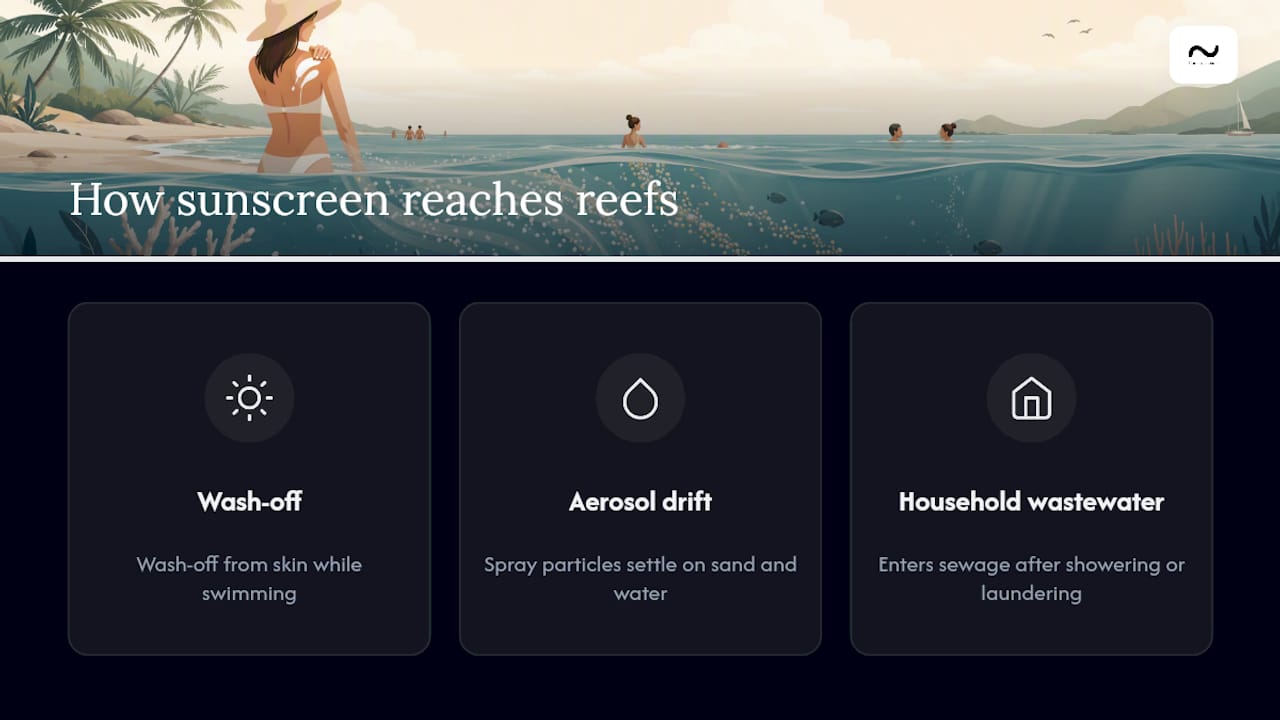
The 25% to 50% wash-off estimate mentioned earlier means popular snorkelling and diving spots effectively receive a slow, continuous dose of UV filters from every visitor in the water. Hawaii’s waters and other high-traffic dive destinations show this concentration effect clearly, which is part of why some jurisdictions have moved to restrict the worst offenders.
Sunscreen is one stressor among several. Rising sea temperatures, ocean acidification, and physical damage from anchors and careless divers all contribute to coral decline, and no single ingredient swap fixes reef health on its own. Choosing carefully still matters, because it’s one of the few reef stressors an individual can control directly.
Standing in front of a shelf of sunscreens, or scrolling a product page, it helps to have a fixed order of checks rather than relying on front-of-pack claims. Here’s the sequence we’d recommend.
Check the active ingredient first. Look for non-nano zinc oxide or non-nano titanium dioxide listed as the sole active filter. If a chemical filter is listed alongside the mineral, treat it as a chemical sunscreen with mineral marketing.
Scan the inactive ingredients. Rule out oxybenzone, octinoxate, and octocrylene immediately, then look for stabilisers such as butyloctyl salicylic acid or ethylhexyl methoxycrylene and weigh whether the brand explains why they’re there.
Pick lotion over spray. A lotion goes where you rub it; a spray drifts onto sand, towels, and water before it ever reaches your skin. Aim for SPF 30 or higher with broad-spectrum coverage, since that combination is the recognised minimum for meaningful UVA and UVB protection.
Favour full transparency and any independent screening. Brands willing to publish a complete ingredient list, and to name any third-party screening they’ve used, tend to have less to hide than ones relying purely on the words “reef safe” in bold type.
Pro Tip: If a product page doesn’t list full ingredients, that’s answer enough. Move on to one that does, even if it means paying slightly more.
Fierce Nature’s own take on how mineral and chemical formulas differ is worth a read if you want the fuller comparison, and our guide to non-toxic sun care walks through the same checklist in more depth.
What you do at the beach matters almost as much as what’s in the bottle. A few habits meaningfully cut how much sunscreen ends up in the water:
Apply at least 15 minutes before swimming, so the formula has time to bind to skin rather than sitting on the surface ready to rinse straight off.
Cover exposed skin with UPF clothing, rash vests, and wide-brimmed hats, which reduces how much sunscreen you need to apply in the first place.
Skip sprays and aerosols, and avoid heavy rubbing right before entering the water.
Rinse off away from open water where possible, and be mindful of how packaging is handled on sand or near tide lines to avoid accidental spills.
None of these swaps cost anything extra. They’re just timing and habit, and they compound with every person on the beach who does the same.
Legal action on this issue has been patchy and reactive rather than coordinated. Hawaii’s 2018 ban on the sale of sunscreens containing oxybenzone and octinoxate remains the clearest example of a jurisdiction drawing a hard legal line, and several other reef-tourism-dependent regions have since introduced similar restrictions on specific chemical filters.
What’s missing is a shared global standard. There’s no single body, in the UK or internationally, that certifies a sunscreen as “reef safe” before it reaches shelves. Environmental agencies and conservation organisations issue guidance rather than enforceable rules outside the handful of local bans already in place, which means labelling stays inconsistent from one country, and one retailer, to the next.
For UK shoppers, that inconsistency cuts both ways. You won’t find a legal requirement here forcing brands to disclose reef impact, but you also won’t find false claims policed with any real rigour. The practical upshot is the same one that runs through this whole piece: read the ingredients rather than the marketing, because no regulator is currently doing that work for you at point of sale. Where local bans do exist, they’re a genuinely useful signal, since a filter serious enough to be legislated against is one worth avoiding everywhere, not just where the law happens to apply.
Coral bleaching from sunscreen exposure works through a few connected mechanisms. Oxybenzone in particular has been shown in laboratory studies to trigger coral bleaching by disrupting the symbiotic algae that live inside coral tissue and give it both colour and much of its energy supply. When that relationship breaks down, the coral turns white and starts starving.
Beyond bleaching, researchers have documented DNA damage and physical deformities in coral larvae exposed to these filters, meaning the harm isn’t limited to adult colonies. A reef that survives one bleaching event can still suffer reduced reproductive success for years afterwards if larvae keep developing abnormally in affected waters.
The damage doesn’t stop at coral itself. Reefs support an enormous share of marine biodiversity, sheltering fish nurseries, feeding grounds, and the base of food chains that extend well beyond the reef structure. Chemical UV filters accumulating in these waters put pressure on that wider web, not just the visible coral skeleton. It’s worth remembering that concentration matters here: a single swimmer’s sunscreen is negligible, but the same product used by thousands of visitors at a popular reef site, day after day, is a different story entirely.
The consensus is firmer than the marketing noise around it suggests. Laboratory studies consistently link oxybenzone to coral bleaching and developmental damage, and conservation bodies broadly agree that non-nano mineral filters carry a better safety profile than chemical alternatives. That much isn’t seriously contested.
Where genuine debate remains is scale and specificity. Some researchers argue that lab studies use sunscreen concentrations far higher than what’s realistically found even at busy reef sites, which raises fair questions about how directly those findings translate to real-world exposure. Others counter that repeated, chronic low-level exposure over years could matter just as much as a single high dose, and that we simply don’t have long-term field data to settle it either way.
There’s also unresolved uncertainty around mineral formulations. Non-nano zinc oxide and titanium dioxide have a better track record than chemical filters, but they haven’t been studied nearly as exhaustively, and the stabilisers some brands add to keep mineral formulas stable are only now coming under scrutiny. Honest science writing on this topic acknowledges that “safer” isn’t the same as “proven harmless”, and treats mineral filters as the more cautious choice rather than a fully closed case.
Sunscreen isn’t the only tool for sun protection, and leaning on other options reduces how much product you need on your skin in the first place. UPF-rated clothing, particularly rash vests and long-sleeve swim tops, blocks UV rays without any wash-off risk at all, since fabric doesn’t rinse into the water the way lotion does.
Wide-brimmed hats and UV-blocking sunglasses cover the areas most exposed during snorkelling and beach days, cutting the surface area that actually needs sunscreen. Timing your beach time around peak UV hours, generally late morning to mid-afternoon, is a free adjustment that reduces exposure without touching your skincare routine at all.
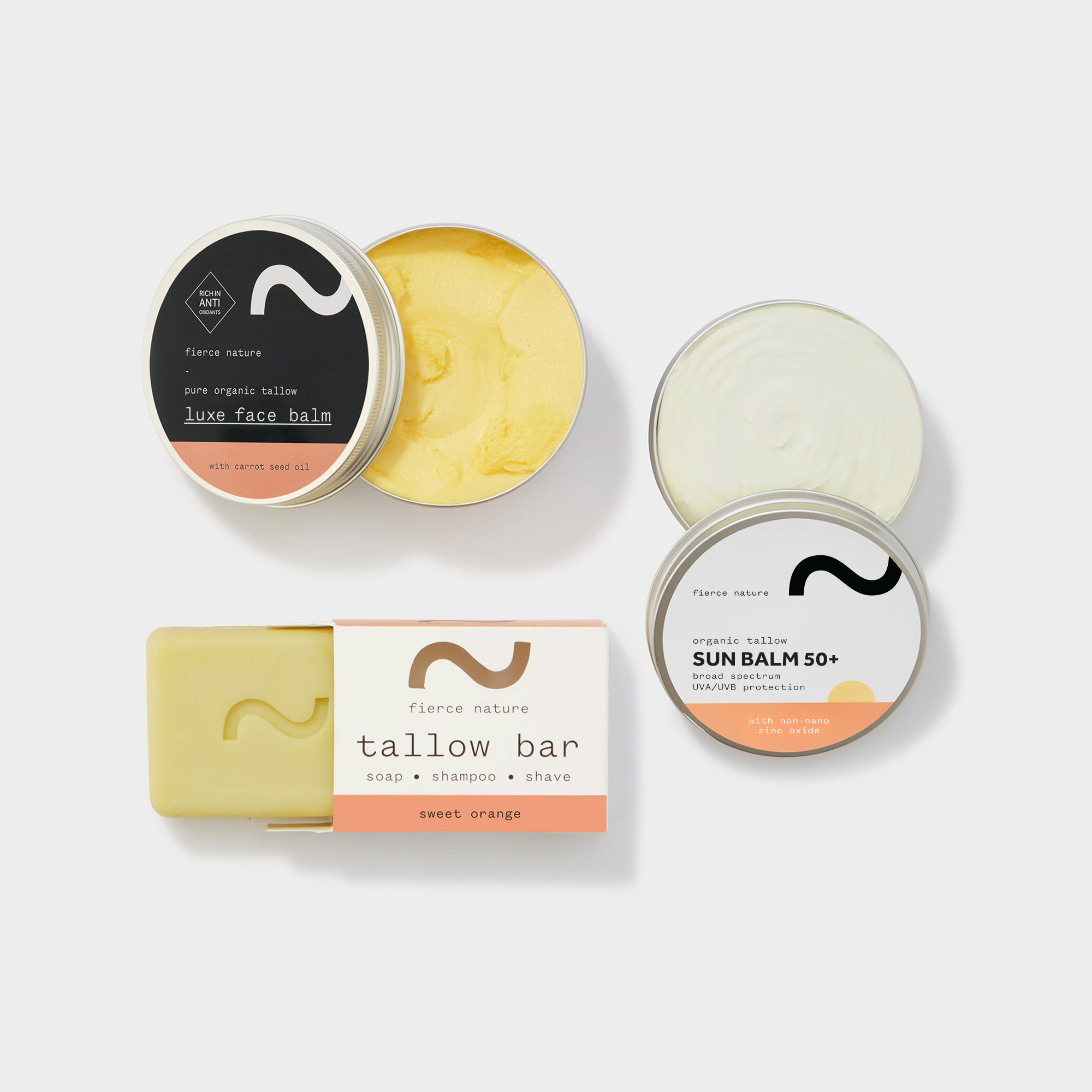
Where sunscreen is still needed, mineral-based balms formulated with non-nano zinc oxide remain the most sensible choice for skin left exposed. Fierce Nature’s own sun balm range sits in that category, built on the same principle: fewer, better-understood ingredients doing the job rather than a long list of unknowns. None of these alternatives need to work alone. Clothing, timing, and a well-chosen mineral balm layer together, and each one lowers how much chemical exposure the water around you ends up carrying.
Independent screening labels do exist, and they’re worth more than nothing. Some organisations run ingredient screening against a list of chemicals considered harmful to marine life, and a product carrying that kind of label has at least been checked against a defined criteria set rather than just slapping “reef safe” on the front.
The catch is that no single certification has industry-wide acceptance or legal backing. A product without any label on it isn’t necessarily worse than one carrying a screening badge, and a badge doesn’t guarantee every ingredient has been tested for long-term marine impact, only that it’s been screened against a particular list at a particular point in time.
Treat any certification as one data point, not a final verdict. The more reliable approach stays the one repeated throughout this piece: read the full ingredient list yourself, favour non-nano mineral actives, and use a certification as a helpful extra check rather than a replacement for that reading. Screening schemes are still catching up to the science, and until a universal standard exists, your own scrutiny remains the most consistent filter available.
Fierce Nature exists because mainstream cosmetics failed one teenage girl with sensitive skin, and that experience shaped a simple rule: fewer ingredients, better understood, always. That’s the same logic this whole piece has been building towards, and it’s why our sun balm and everyday skincare lean on organic tallow rather than a long list of synthetic fillers.
Tallow has been used for centuries as a skin emollient precisely because it’s biologically compatible with human skin, delivering nourishment without the chemical load that mainstream formulas often carry. We’re not claiming formal reef-safety certification for every product we make, that testing landscape is still developing industry-wide, but the same ingredient-simplicity principle that guides reef-conscious shopping guides our formulation bench too. When you’re checking a label for hidden stabilisers and unpronounceable additives, you’re doing exactly what we do before anything goes into a Fierce Nature balm.
— Fierce Nature
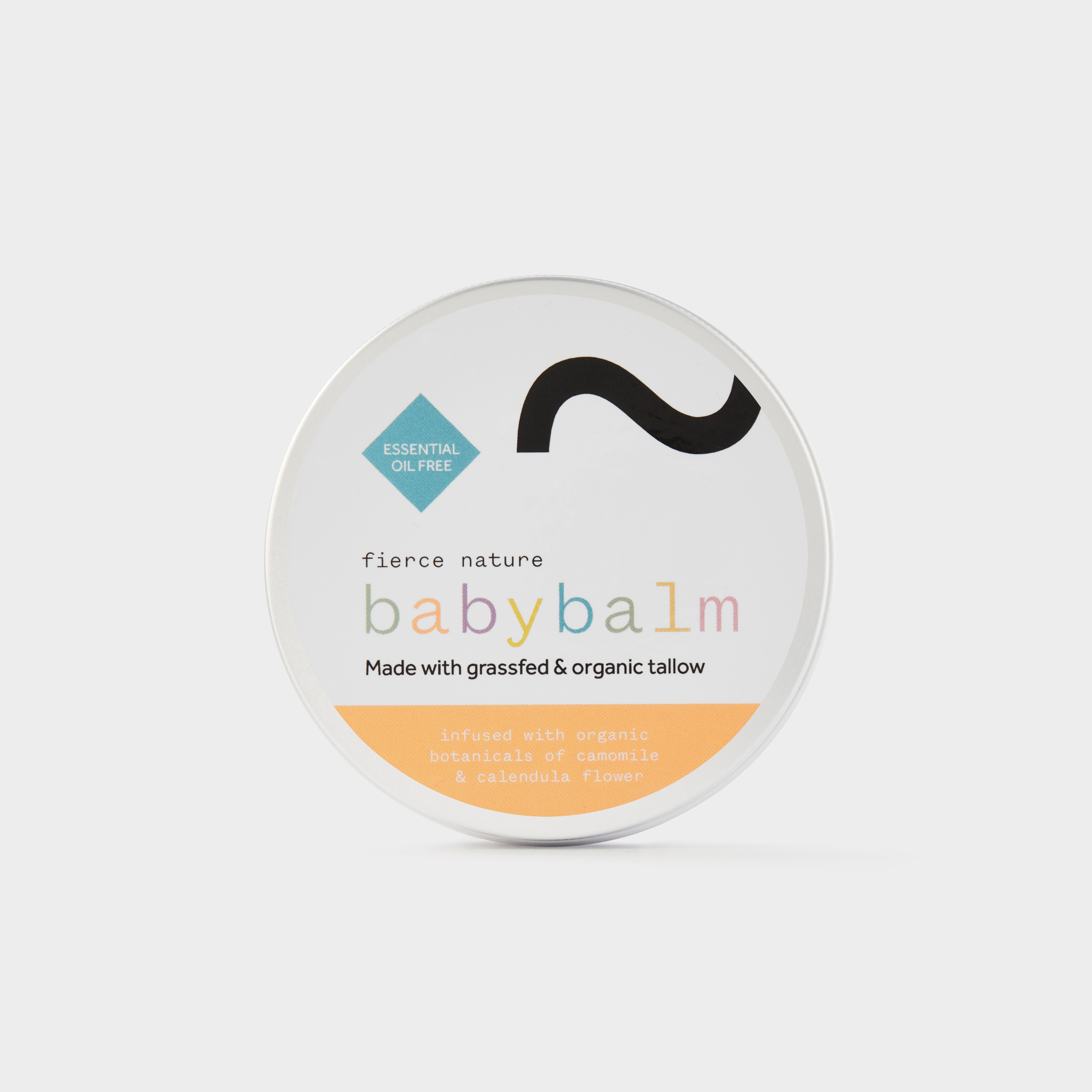
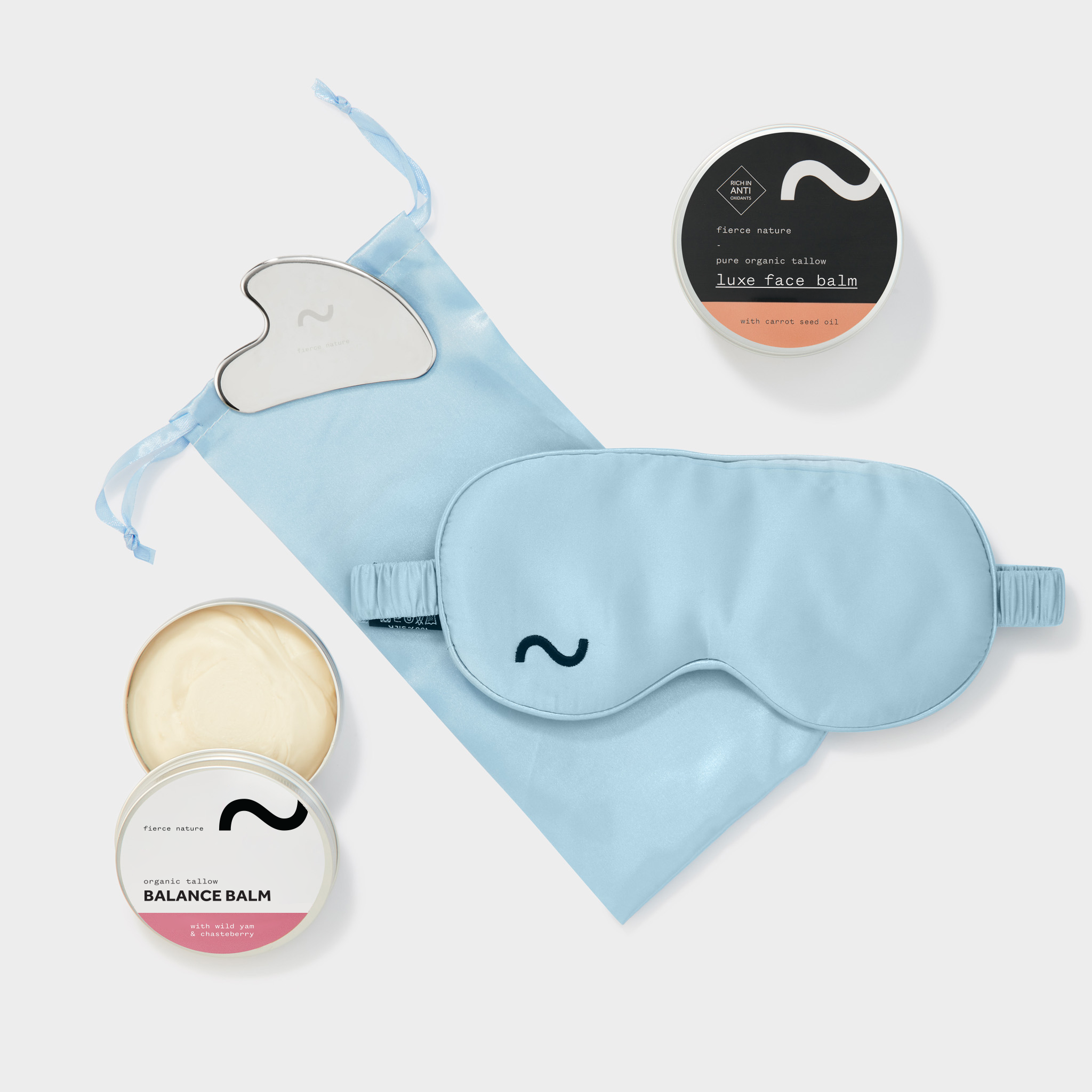
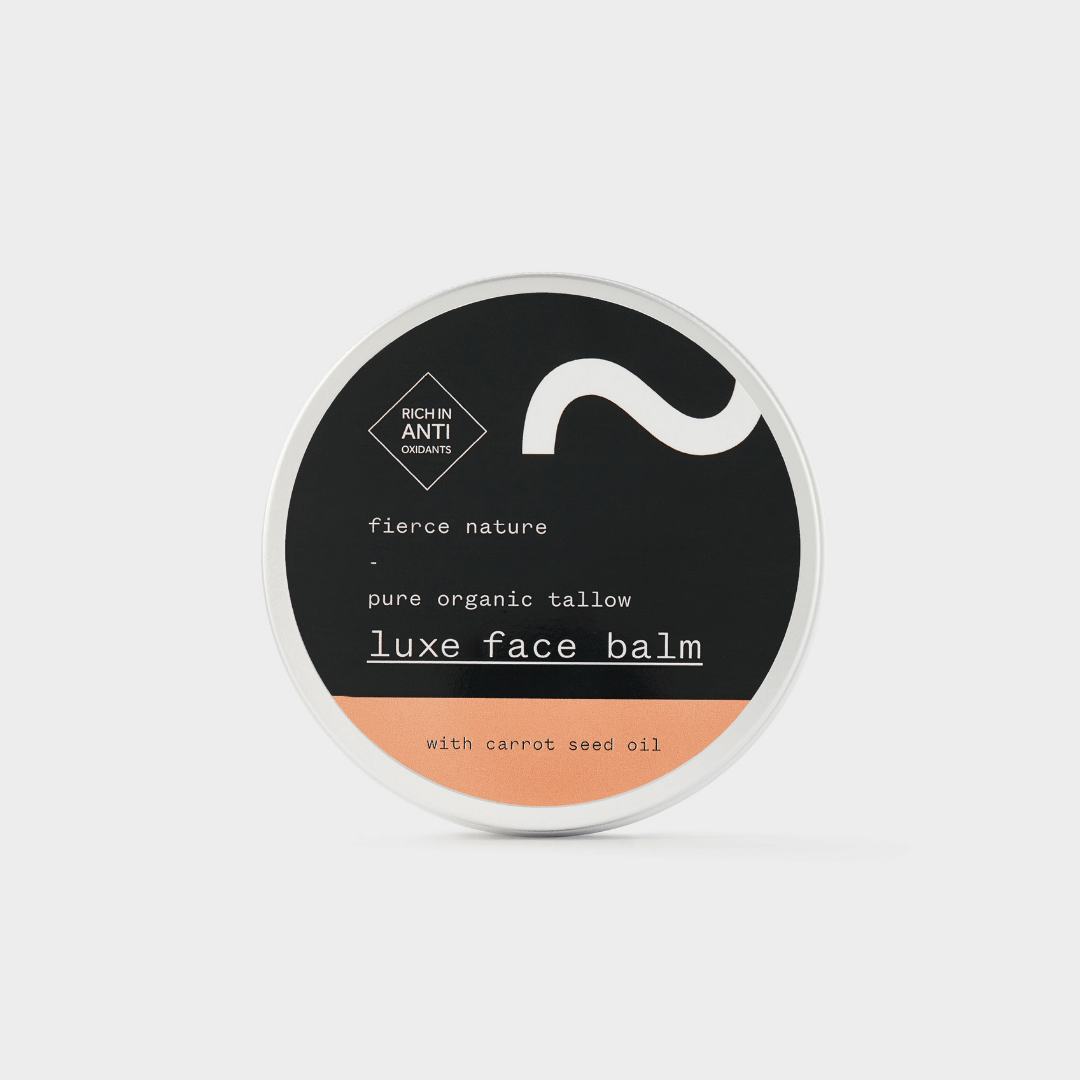
Most reef-conscious sunscreens ask you to trust a label. Fierce Nature would rather you read the ingredients and decide for yourself, our sun balm is built on non-nano mineral protection and organic tallow, with nothing hidden in a long inactive ingredients list. If sensitive skin has made you wary of conventional sunscreen in the past, that same simplicity tends to be gentler on reactive skin too. Take a look at the Sun Balm heat wave offer and check the full ingredient breakdown against the checklist in this article. If you’re building out a wider non-toxic routine, the Biohacking bundle and Luxe Balm are worth a look too, both formulated on the same fewer-better-ingredients principle.
There’s no legal definition, but the term generally means a formula excludes oxybenzone and octinoxate and relies on non-nano zinc oxide or titanium dioxide as its active filter instead.
Regular sunscreen often uses chemical filters like oxybenzone, octinoxate, or octocrylene that absorb UV rays and have been linked to coral bleaching, while reef-conscious sunscreen relies on mineral filters that sit on the skin’s surface and reflect UV rays instead.
Any brand’s specific formula needs checking against the ingredient list at the time of purchase, since “reef safe” isn’t a regulated claim and formulations change; the safest approach is verifying the active filter is non-nano mineral rather than trusting the label alone.
The most reliable indicator is a non-nano zinc oxide or titanium dioxide active filter with no oxybenzone, octinoxate, or octocrylene in the inactive ingredients, checked directly on each product’s own ingredient list rather than assumed from marketing copy.
Non-nano zinc oxide has a stronger safety profile than chemical UV filters in current research, though it’s a comparatively safer choice rather than a fully proven one, and any added stabilisers in the formula are worth checking separately.