Cart
0
80% Also Added this






TL;DR:
- Sustainable beauty focuses on minimizing environmental and ethical impacts across a product’s entire lifecycle. It emphasizes responsible ingredient sourcing, eco-friendly manufacturing, and circular packaging practices to support true sustainability. Consumers should seek transparency, third-party certifications, and credible evidence to identify genuinely sustainable brands.
Sustainable beauty is defined as the practice of creating and choosing cosmetics and personal care products that minimise environmental harm and promote ethical responsibility across every stage of their lifecycle. This covers ingredient sourcing, production methods, packaging design, and end-of-life disposal. Understanding what does sustainable beauty mean goes well beyond swapping one product for another. It requires looking at the full picture: where ingredients come from, how products are made, and what happens to the packaging once you are finished. At Fierce Nature, we believe this kind of conscious care is not a trend. It is the only honest way to approach beauty.
Sustainable beauty is a lifecycle concept, not a single ingredient claim. It measures the environmental and social impact of a product from the moment raw materials are harvested to the moment the empty container leaves your home. No official regulatory body currently defines “sustainable” for cosmetics, leaving the term largely self-defined by brands. That regulatory gap means the word can appear on almost any product, regardless of whether the brand has done the work to back it up.
The industry term most often used alongside this concept is “eco-friendly beauty,” which typically refers to products formulated and packaged with reduced environmental impact. Sustainable beauty is the broader category. It includes eco-friendly formulation but also extends to carbon emissions during manufacturing, fair wages for ingredient farmers, and whether packaging can genuinely be recycled or composted.
Organisations like the British Beauty Council and the Sustainable Beauty Coalition have stepped in to provide frameworks where regulation has not. Their guidance helps brands and shoppers alike understand what credible sustainability looks like in practice. Without these frameworks, the word “sustainable” risks becoming meaningless marketing copy.
Clean beauty and sustainable beauty are not the same thing. Clean beauty focuses on excluding specific synthetic ingredients linked to health concerns, while sustainable beauty measures environmental impact and ethical considerations across the full product lifecycle. The two concepts overlap, but conflating them leads to poor purchasing decisions and rewards greenwashing.
A product can be clean without being sustainable. Consider a serum made with non-toxic, plant-derived ingredients but packaged in a non-recyclable plastic pump with a foil-lined box. The formulation is clean. The product’s overall footprint is not sustainable. The reverse is also possible: a product with conventional ingredients can use genuinely recycled packaging and carbon-neutral manufacturing.
Here is where the confusion most often takes hold:
“Natural” does not mean sustainable. Overharvesting natural ingredients, such as certain plant extracts, can damage ecosystems more than a responsibly produced synthetic alternative.
“Vegan” does not mean sustainable. A vegan product can still arrive in single-use plastic with a carbon-heavy supply chain.
“Organic” does not automatically mean ethical. Organic certification covers farming methods, not labour conditions or packaging waste.
“Clean” does not mean low impact. A clean formulation in wasteful packaging still contributes to landfill.
Pro Tip: When you see “clean” or “natural” on a label, ask one follow-up question: what does the brand say about its packaging and supply chain? If the answer is silence, treat the claim with caution.
The distinction between clean and sustainable matters because it shapes where you spend your money and which brands you hold accountable.
Genuine sustainable beauty practices span every stage of a product’s life. The following numbered stages show where the real work happens.
Responsible ingredient sourcing. Sustainable products source natural and organic ingredients harvested without harmful pesticides or fertilisers, supporting ecosystem health and fair pay for growers. This is the foundation. Without ethical sourcing, no amount of recyclable packaging compensates for damage done at the start of the chain.
Low-impact production. Sustainable manufacturing reduces energy consumption, conserves water, and cuts emissions. Brands committed to this stage often publish carbon data or hold third-party environmental audits. If a brand cannot tell you how its factory is powered, that is a gap worth noting.
Thoughtful packaging design. The beauty industry is transitioning toward circularity by prioritising refillable systems to reduce virgin plastic demand. Replacing primary packaging components with pouches or glass inserts lowers carbon footprint and landfill waste. Refillable glass inserts, for example, allow you to keep the outer container and replace only the product inside, cutting material use significantly.
Waste management and take-back programmes. Many sustainable brands now run take-back schemes where you return empty containers for specialist recycling. This matters because standard kerbside recycling often cannot process beauty components like pumps and palettes, which frequently end up in landfill despite recyclable plastic labels.
Circular economy participation. The circular economy model means designing products so that nothing becomes waste. Refillable systems, compostable packaging, and zero-landfill recycling initiatives all contribute to this goal. The Great British Beauty Clean Up campaign, run by the British Beauty Council and the Sustainable Beauty Coalition, mobilises both brands and shoppers around exactly this principle.
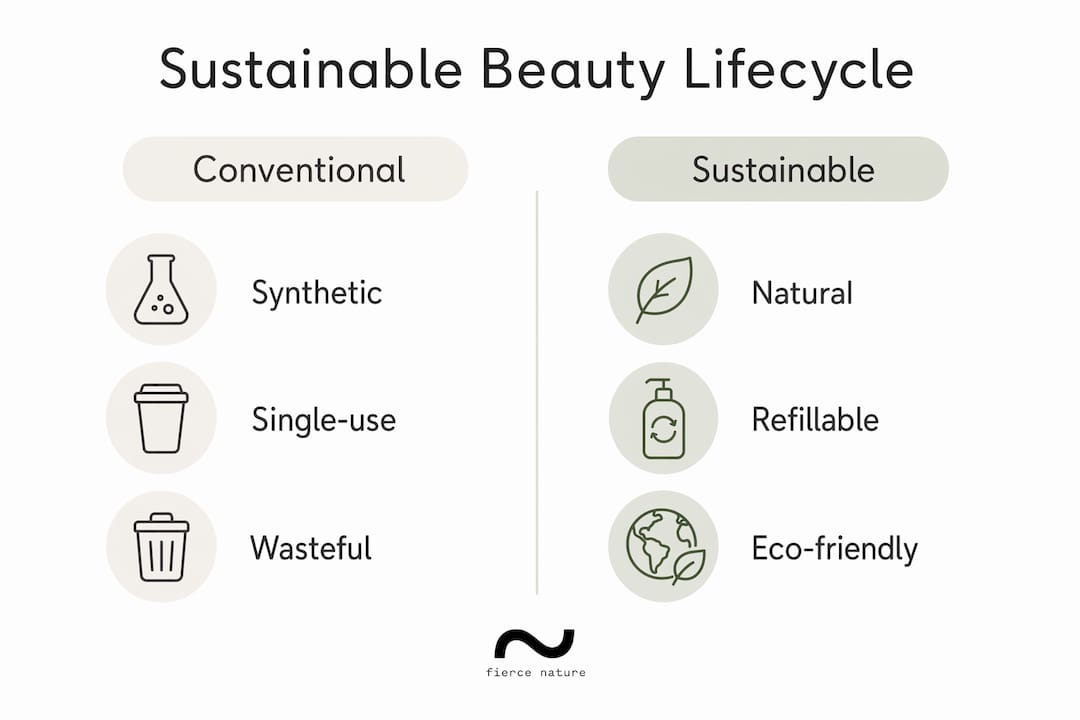
The table below shows how sustainable practices compare to conventional ones at each lifecycle stage.
| Lifecycle stage | Conventional approach | Sustainable approach |
|---|---|---|
| Ingredient sourcing | Synthetic or unaudited supply chains | Organic, ethically sourced, renewable materials |
| Production | High energy, water-intensive processes | Renewable energy, water conservation measures |
| Packaging | Virgin plastic, non-recyclable components | Refillable, recycled, or compostable materials |
| Disposal | General waste or kerbside recycling | Take-back programmes, specialist recycling |
Pro Tip: Choosing refillable packaging options and buying larger sizes reduces the total packaging you generate. Both choices are practical and immediately available.
Identifying genuinely sustainable beauty brands requires looking past the label. Transparency built on scientific substantiation is replacing marketing jargon as the crucial consumer trust factor. A brand that publishes lifecycle assessments, third-party audit results, or ingredient sourcing maps is doing the work. A brand that uses words like “eco” or “green” without evidence is not.
The key signals to look for are:
Third-party certifications. Certifications such as Ecocert, the Soil Association, and EWG Verified provide independent verification of specific claims. Without robust universal standards, voluntary certifications like these offer the most reliable guidance available, though they are not yet widespread across the industry.
Packaging transparency. Check whether the brand specifies the material type, recycled content percentage, and disposal instructions for every component, including pumps, lids, and inner liners.
Refill and take-back options. Brands serious about waste reduction offer refill systems or partner with specialist recycling programmes. The British Beauty Council’s recycling map helps you locate take-back points near you for items your kerbside bin cannot handle.
Supply chain disclosure. Credible brands name their ingredient suppliers or at minimum describe their sourcing standards. Vague phrases like “responsibly sourced” without supporting detail are a warning sign.
Ingredient integrity. Utilising refillable packaging, larger containers, and avoiding single-use items are practical consumer choices, but the formulation itself matters too. Look for brands that explain why each ingredient is included and where it comes from.
Learning to spot greenwashed beauty products is one of the most valuable skills a conscious shopper can develop. The gap between a brand’s marketing and its actual practices is often wider than it appears.
When you are evaluating a new brand, a useful comparison is to weigh what they claim against what they can prove. Generic category brands often rely on broad claims with no substantiation. Brands with genuine credentials publish data, name certifiers, and welcome scrutiny.
Pro Tip: Search for a brand’s sustainability report or impact page before purchasing. If one does not exist, ask the brand directly. How they respond tells you a great deal about their commitment.
The beauty industry’s environmental footprint is significant. It contributes to carbon emissions through manufacturing and logistics, generates substantial plastic waste, and places pressure on biodiversity through ingredient harvesting. These are not abstract concerns. They show up in depleted marine ecosystems, microplastic contamination in water supplies, and communities whose land is degraded by extractive farming.
Consumer purchasing power is the most direct lever available for change. The British Beauty Council and the Sustainable Beauty Coalition highlight that consumer engagement with specialised recycling and refill programmes is the key driver in moving the beauty industry towards true circularity. Every refill chosen and every take-back programme used sends a clear market signal.
“Experts advocate for consumers shifting from passive purchasing to intentional action to combat greenwashing. Transparency is the foundation of credible sustainability, and the responsibility for demanding it sits with both brands and the people who buy from them.”
Regulatory progress is accelerating, though unevenly. California’s 2023 ban on 26 cosmetic chemicals and the Modernization of Cosmetics Regulation Act expanding FDA authority over safety substantiation both mark meaningful steps forward. These movements still leave “clean” and “sustainable” legally unanchored, which is why independent verification and consumer scrutiny remain so important.
Sustainable beauty also aligns with personal health. Reducing your toxic load, choosing ingredients your skin can actually use, and supporting brands that treat their workers and ecosystems fairly are all part of the same commitment. The environmental benefits of tallow-based products illustrate how ingredient choices that are good for your skin can also be good for the planet when sourced responsibly.
Natural skincare products that use multi-purpose formulations, such as lanolin-based balms designed for multiple uses, also reduce the total number of products you need, which cuts packaging waste at the source.
Sustainable beauty is defined by lifecycle impact, not by a single ingredient or label claim. Verifying that definition requires transparency, third-party evidence, and informed consumer choices.
| Point | Details |
|---|---|
| Lifecycle definition | Sustainable beauty covers sourcing, production, packaging, and disposal, not just formulation. |
| Clean vs sustainable | A clean product is not automatically sustainable; the two terms measure different things. |
| Regulatory gap | No official body defines “sustainable” for cosmetics, making third-party certifications the most reliable guide. |
| Consumer power | Choosing refillable packaging and using take-back programmes drives real industry change. |
| Transparency first | Brands that publish lifecycle data and certifications are more credible than those using unsubstantiated claims. |
We started Fierce Nature because the beauty industry was not being honest. Growing up in South Africa, I spent years reacting to products that promised radiance and delivered rashes instead. When I began to understand the toxic load that conventional cosmetics place on the body, the question of sustainability became personal, not political.
What I have learned is that most people approach sustainable beauty the wrong way. They look for the right label rather than asking the right questions. “Eco” on a bottle means nothing without evidence. “Natural” means nothing without sourcing data. The brands that deserve your trust are the ones that can answer your questions directly, not the ones with the most appealing packaging.
The uncomfortable truth is that genuine sustainability asks more of us than switching brands. It asks us to buy less, choose refillable formats, use products fully before replacing them, and return empties through proper channels. None of that is glamorous. All of it matters.
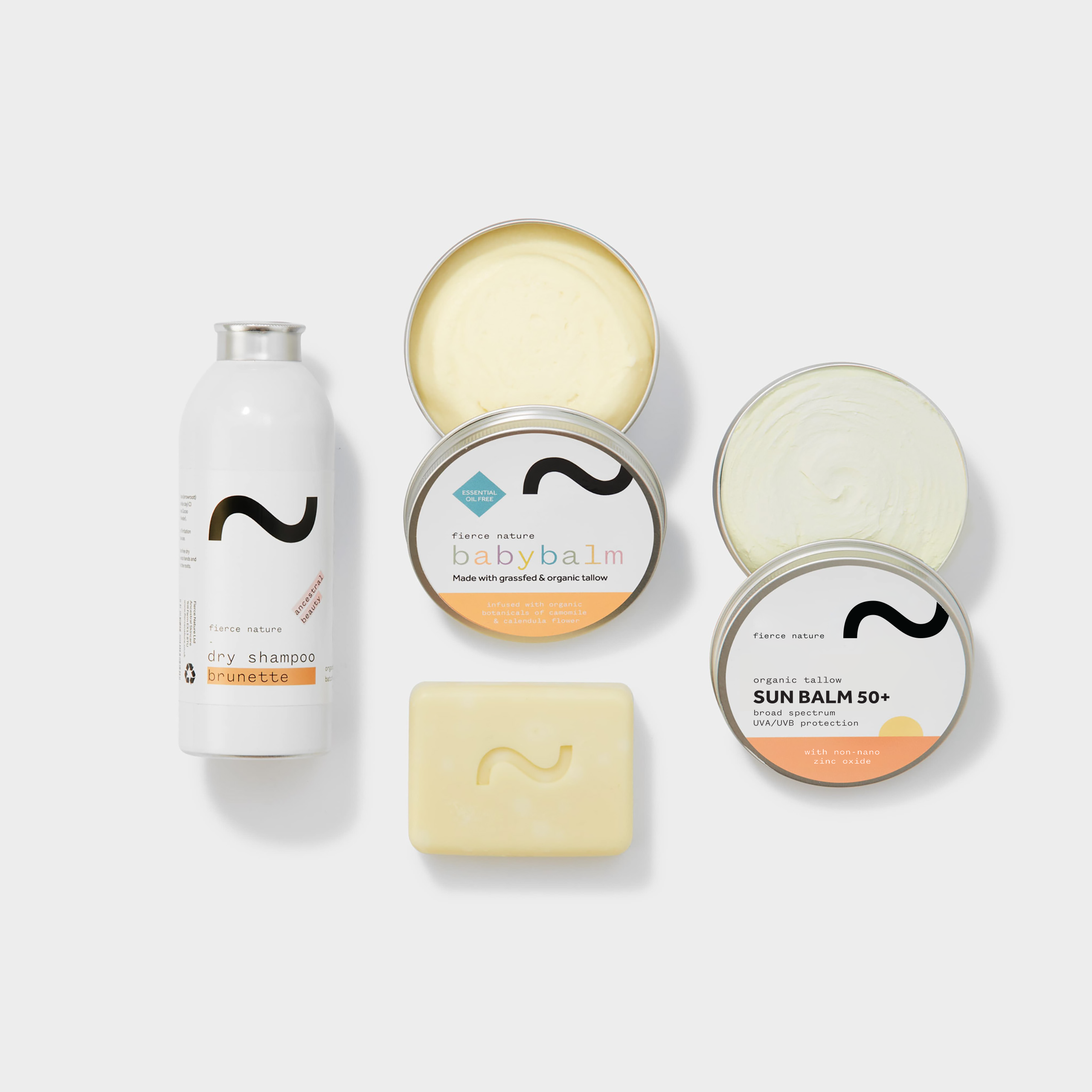
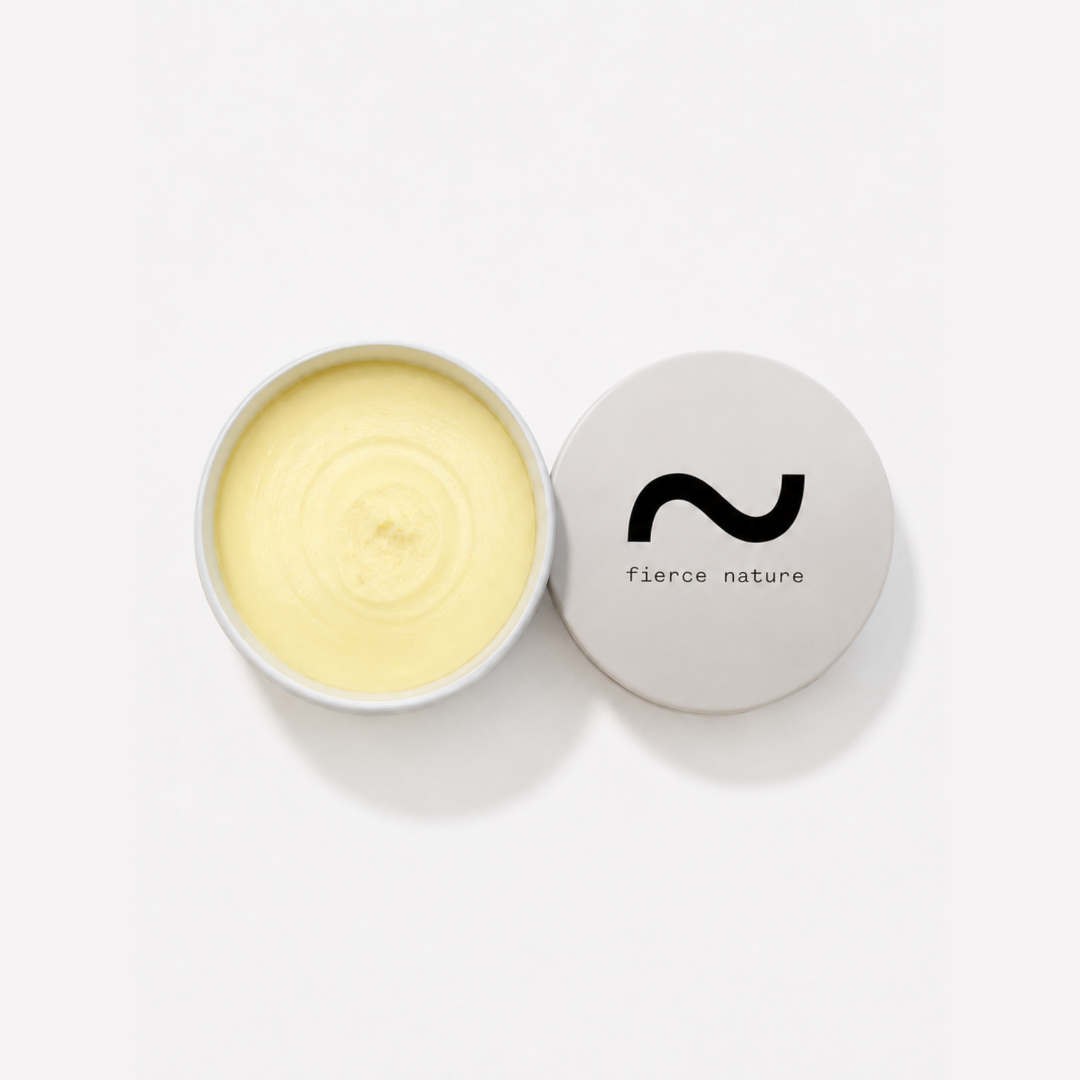
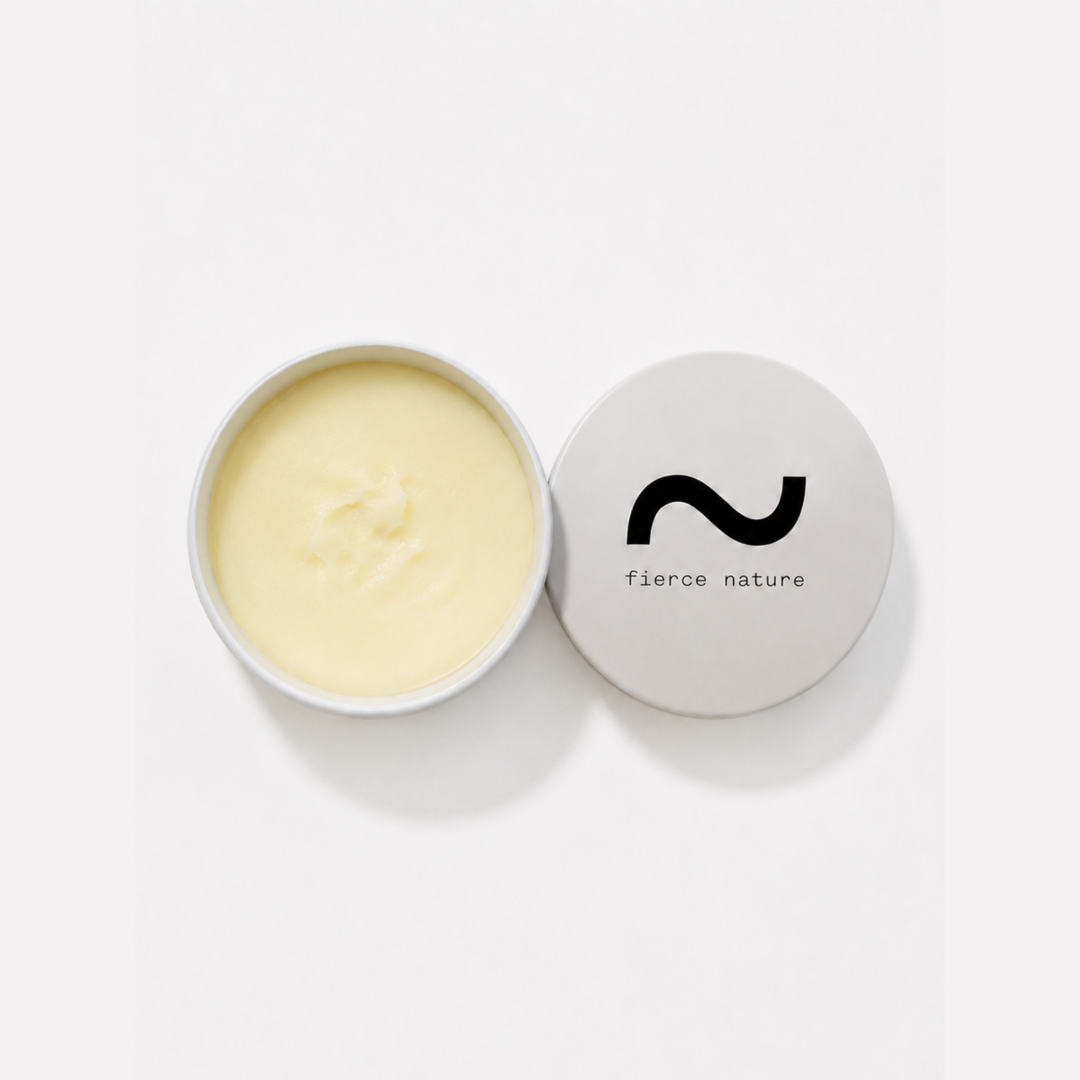
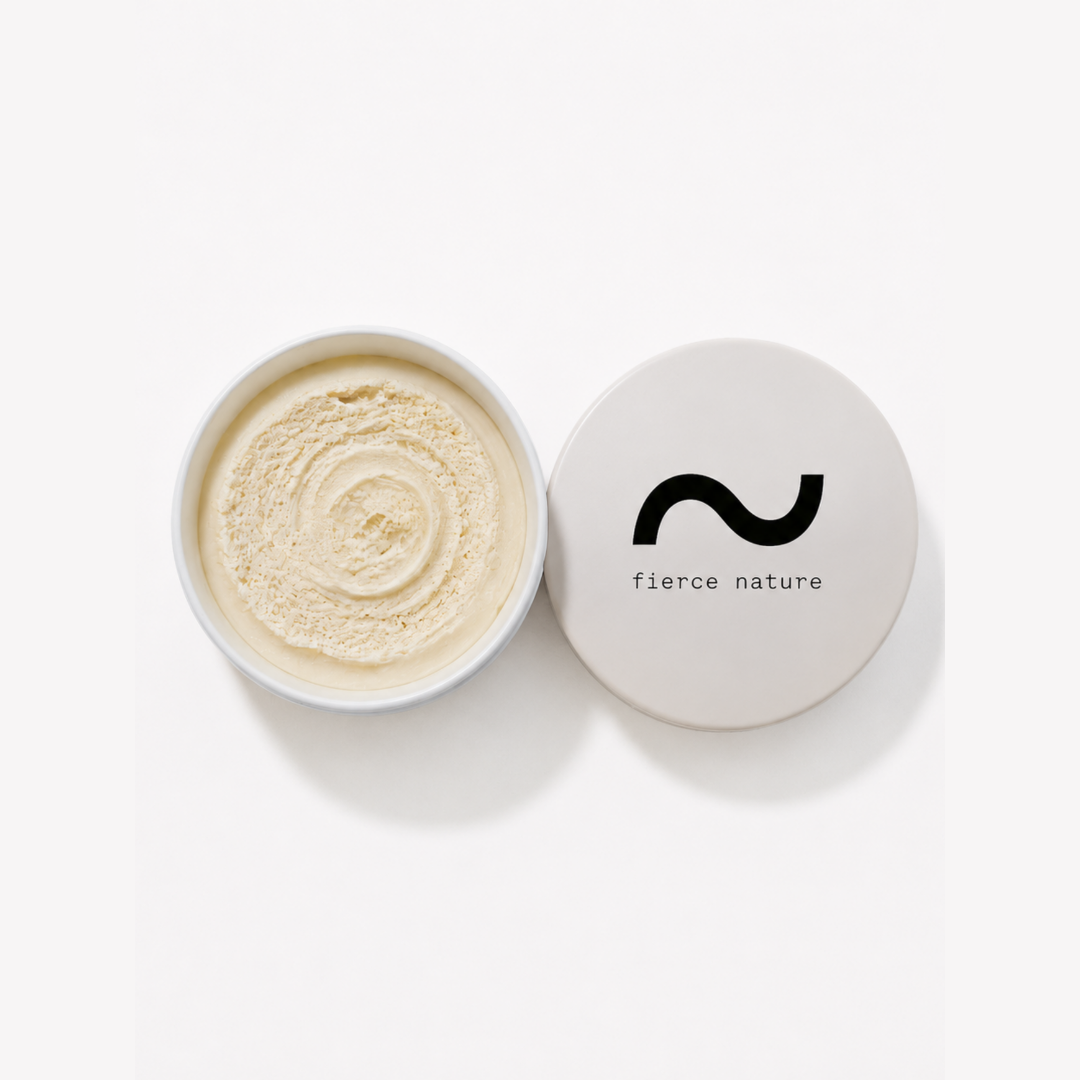
At Fierce Nature, we use organic tallow as our foundation because it is a byproduct of the food chain, deeply bioavailable, and has nourished skin for centuries without a laboratory in sight. Our products are handmade in the UK with ingredients we can name and trace. We do not use the word “sustainable” lightly, because we know what it actually requires.
The beauty industry will change when enough people stop rewarding vague claims and start rewarding proof. You have more power in that shift than any single brand does.
— Fierce Nature
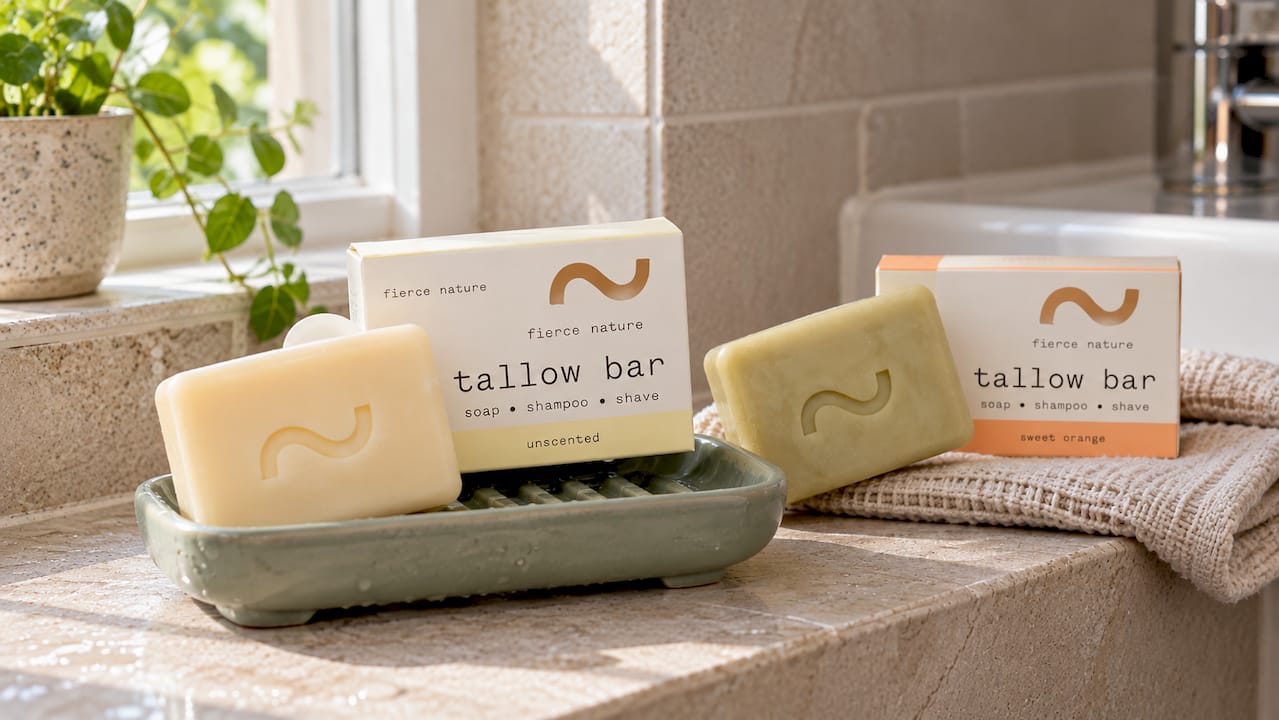
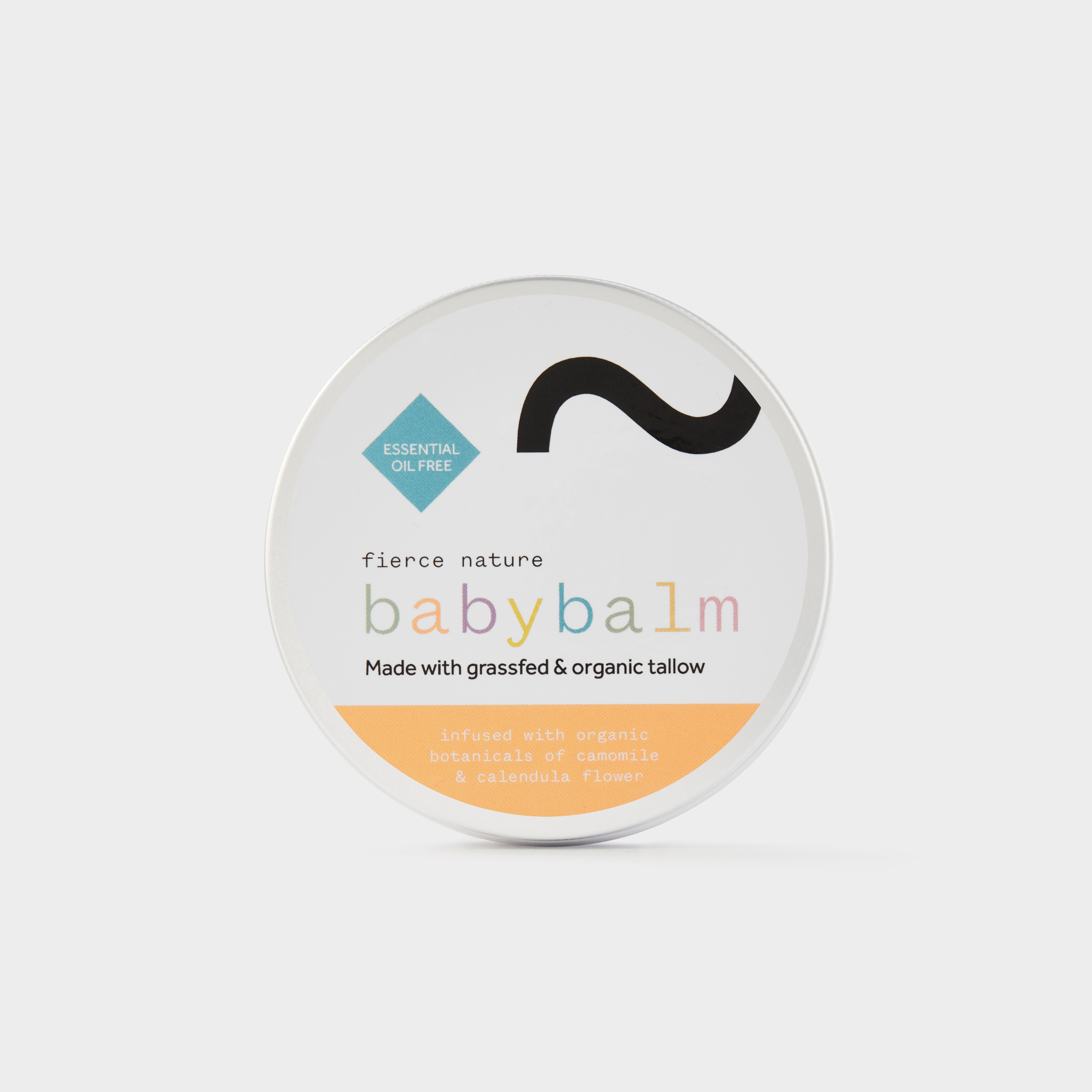
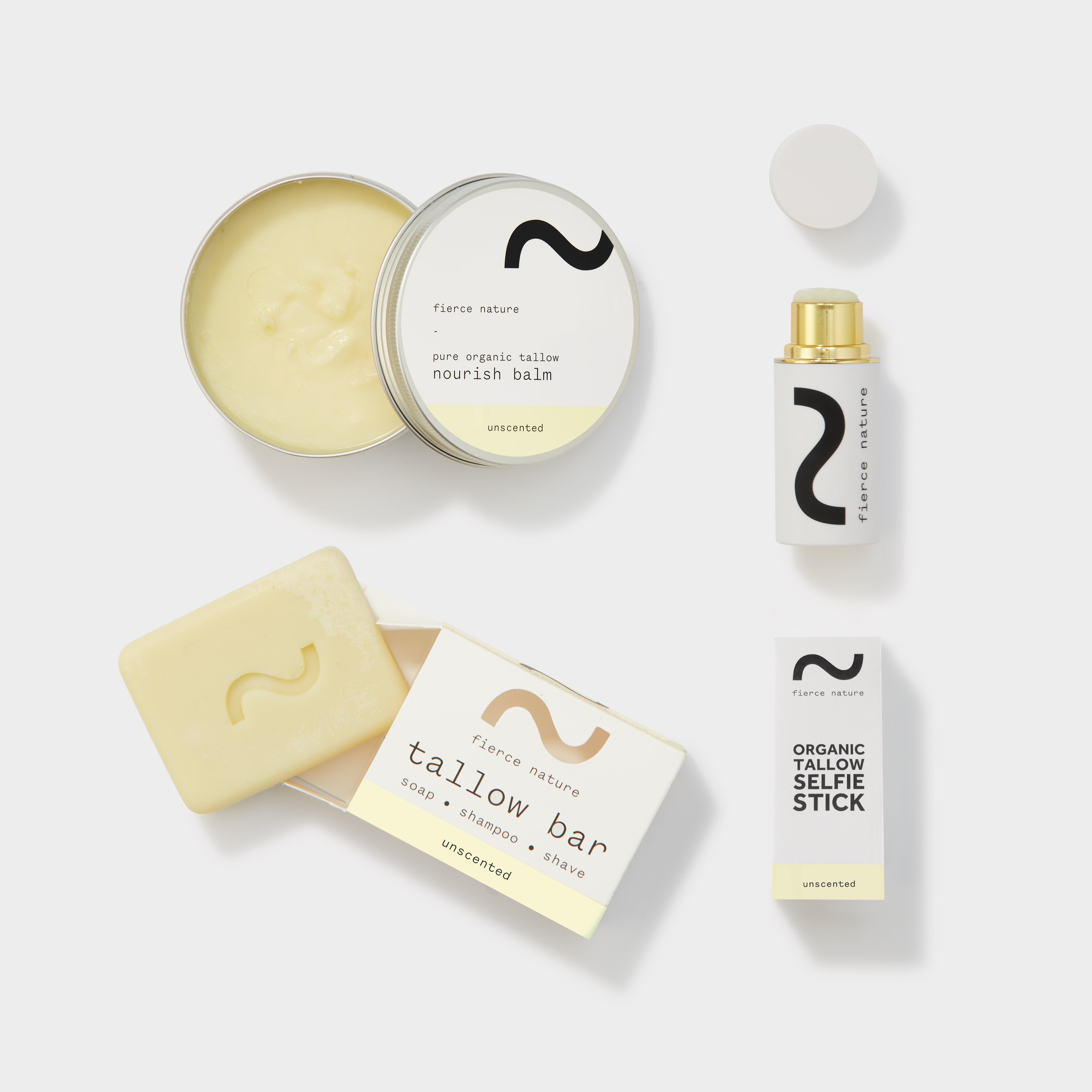
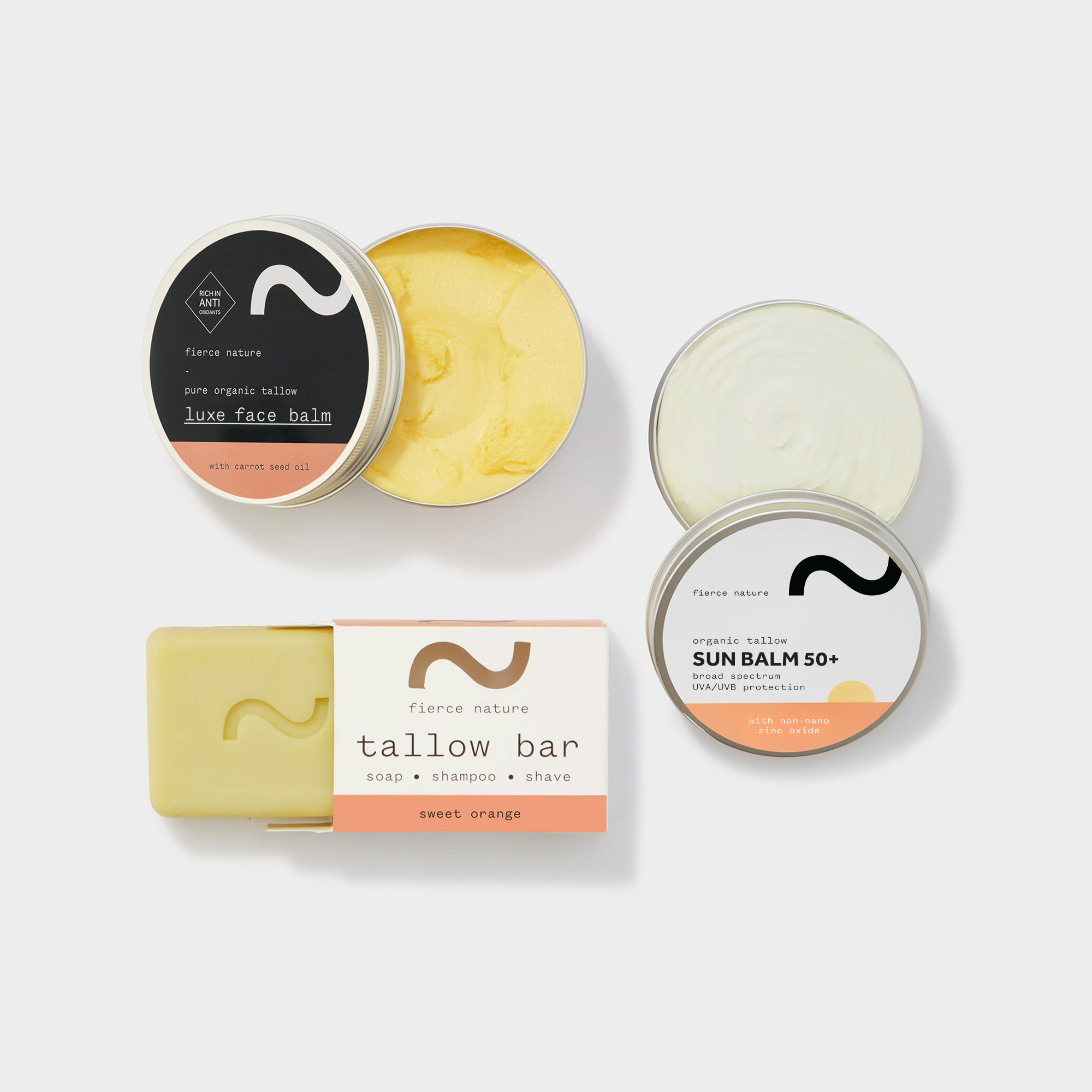
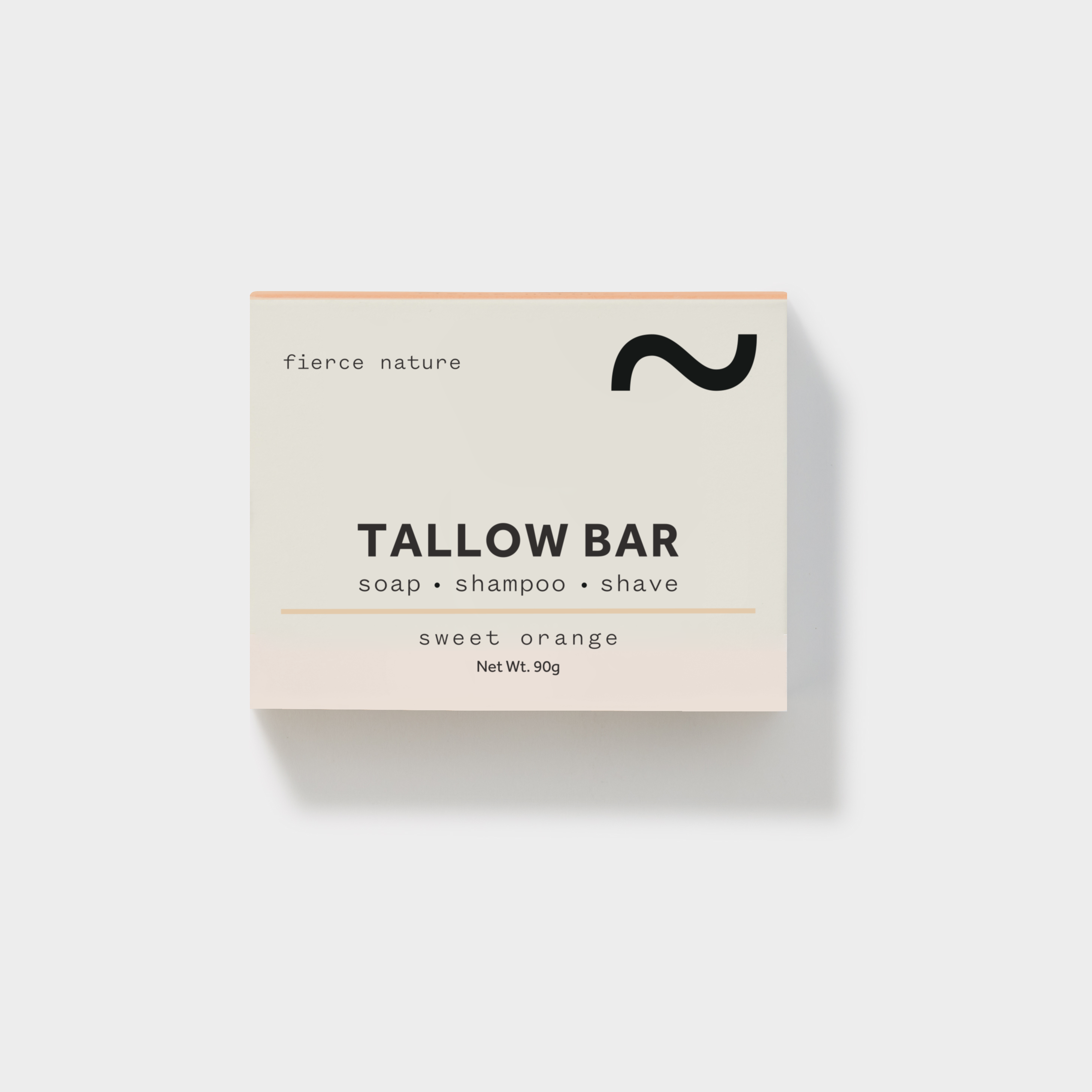
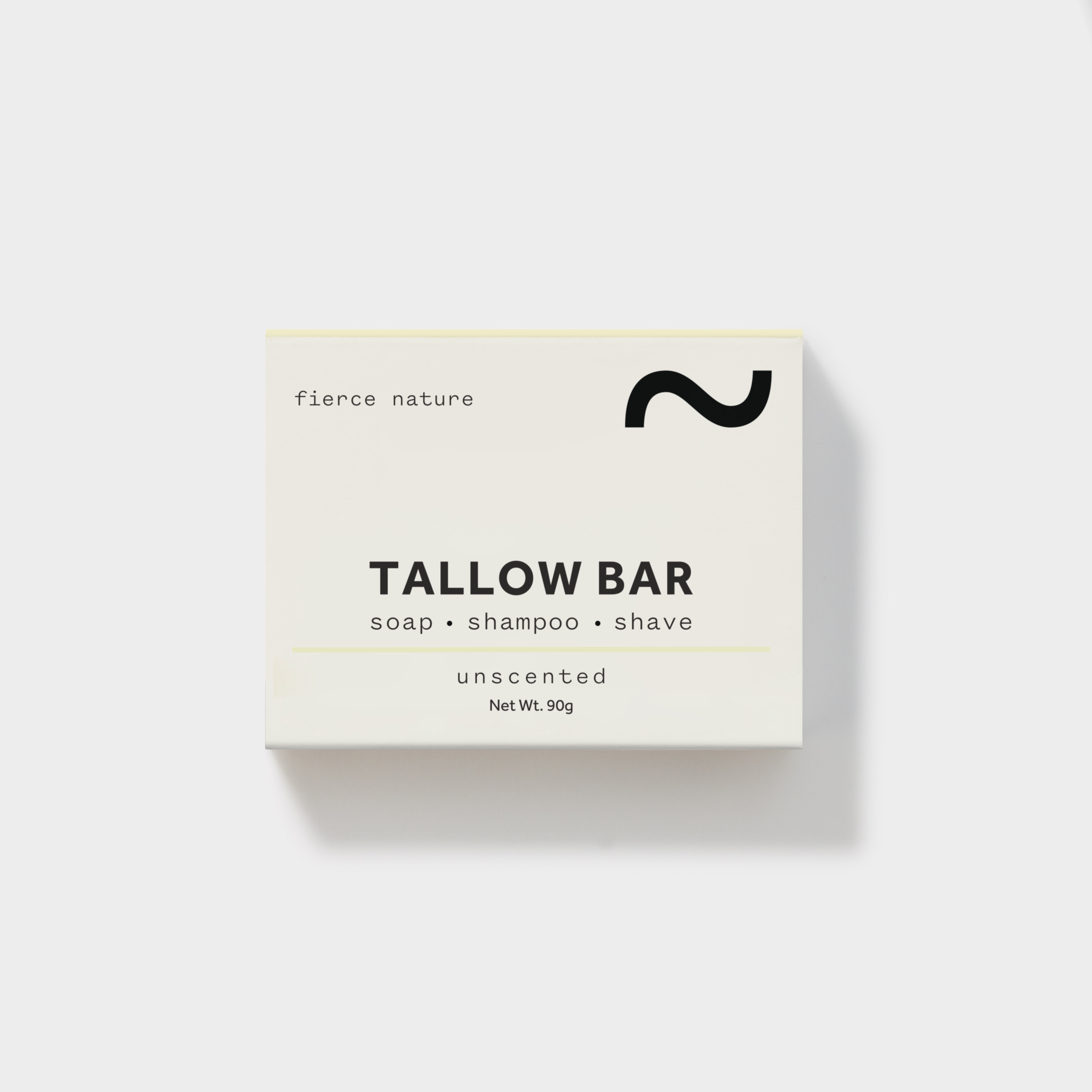
Fierce Nature crafts non-toxic, tallow-based skincare by hand in the UK, using ingredients sourced from the land rather than a laboratory. Every product in our natural beauty collection is formulated without synthetic fillers, harsh preservatives, or misleading claims. Our multi-use tallow bars are a practical example of sustainable beauty in action: one product, multiple uses, minimal packaging, and ingredients your skin recognises and absorbs deeply. For families wanting the same standard of care from the very beginning, our non-toxic baby skin essentials bring the same philosophy to the most sensitive skin. If you are ready to move from passive purchasing to intentional care, this is where to start.
Sustainable beauty means choosing and creating products that minimise environmental harm and promote ethical responsibility across their full lifecycle, from ingredient sourcing to packaging disposal.
No. Clean beauty focuses on excluding specific synthetic ingredients, while sustainable beauty measures environmental and ethical impact across the entire product lifecycle. A product can be one without being the other.
Look for third-party certifications such as Ecocert or Soil Association, published lifecycle data, refill or take-back programmes, and transparent ingredient sourcing. Brands that cannot substantiate their claims with evidence are likely using unverified marketing language.
Standard kerbside recycling cannot process many beauty components, including pumps, palettes, and foil-lined tubes. Specialist take-back programmes and recycling maps, such as those provided by the British Beauty Council, direct you to facilities that can handle these materials properly.
Choose refillable packaging formats, buy larger sizes to reduce packaging per use, and return empties through brand take-back schemes. These three choices reduce waste immediately without requiring a complete product overhaul.