Cart
0
You may also like
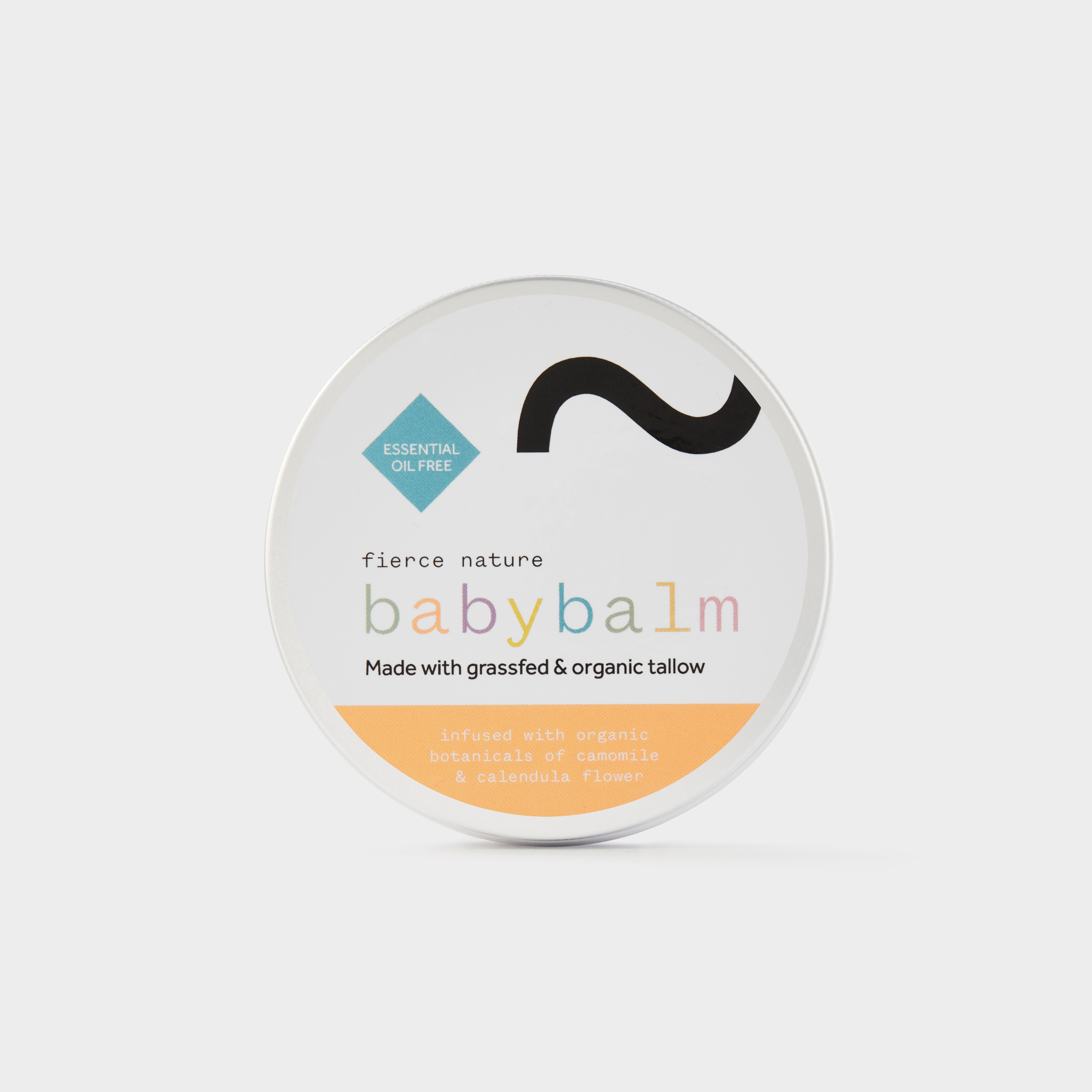
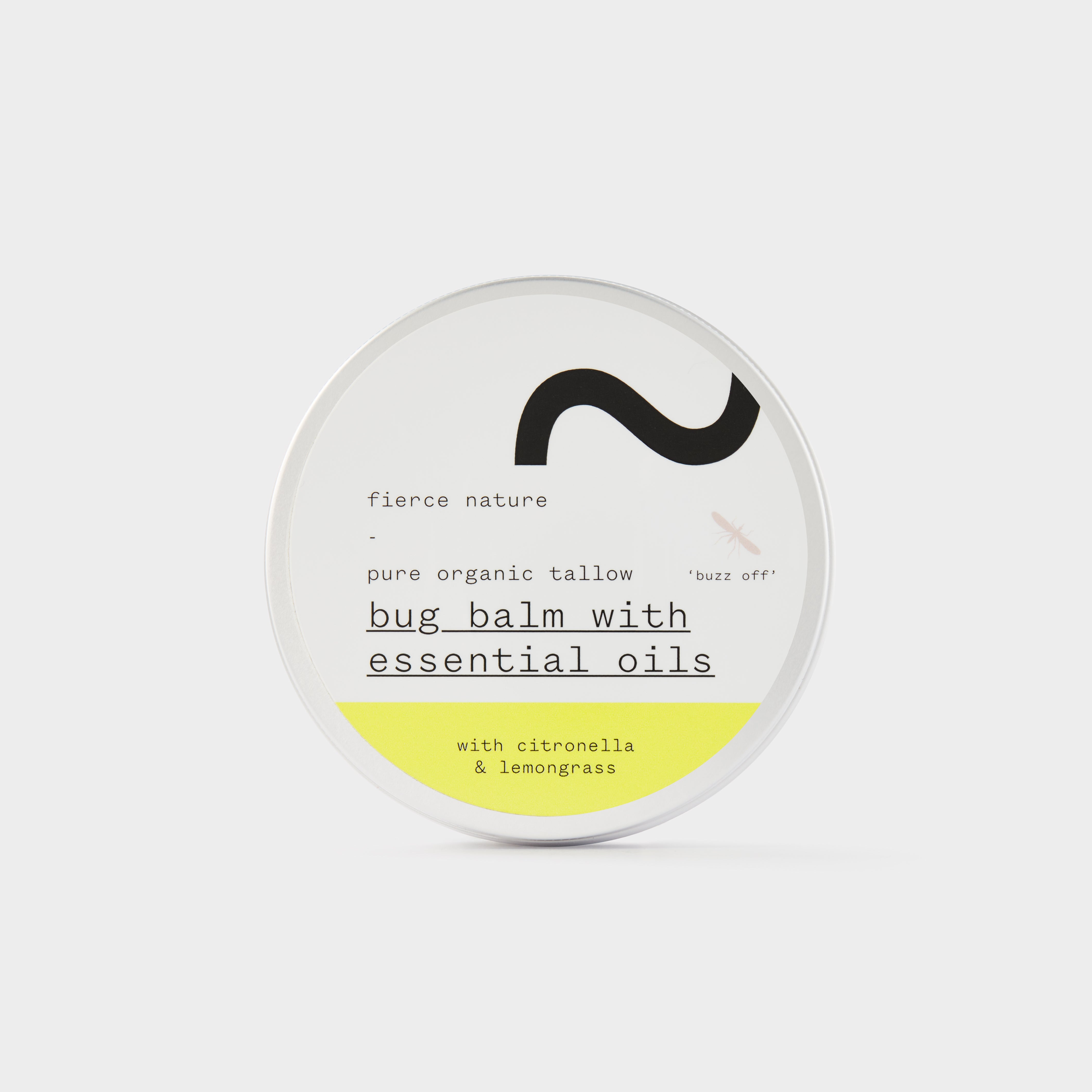



Tallow penetrates skin deeply because its fatty acid profile closely mirrors the lipid composition of the skin’s own outer barrier, the stratum corneum, allowing it to integrate into the intercellular lipid matrix rather than simply sitting on the surface. This biocompatibility is not a marketing claim. It is rooted in the biochemical similarity between animal fat and human skin lipids, a relationship that has made tallow a trusted skin emollient for centuries. At Fiercenature, we have built our entire skincare range on this principle, using pure organic tallow as the foundation for nourishment that works with your skin, not against it.
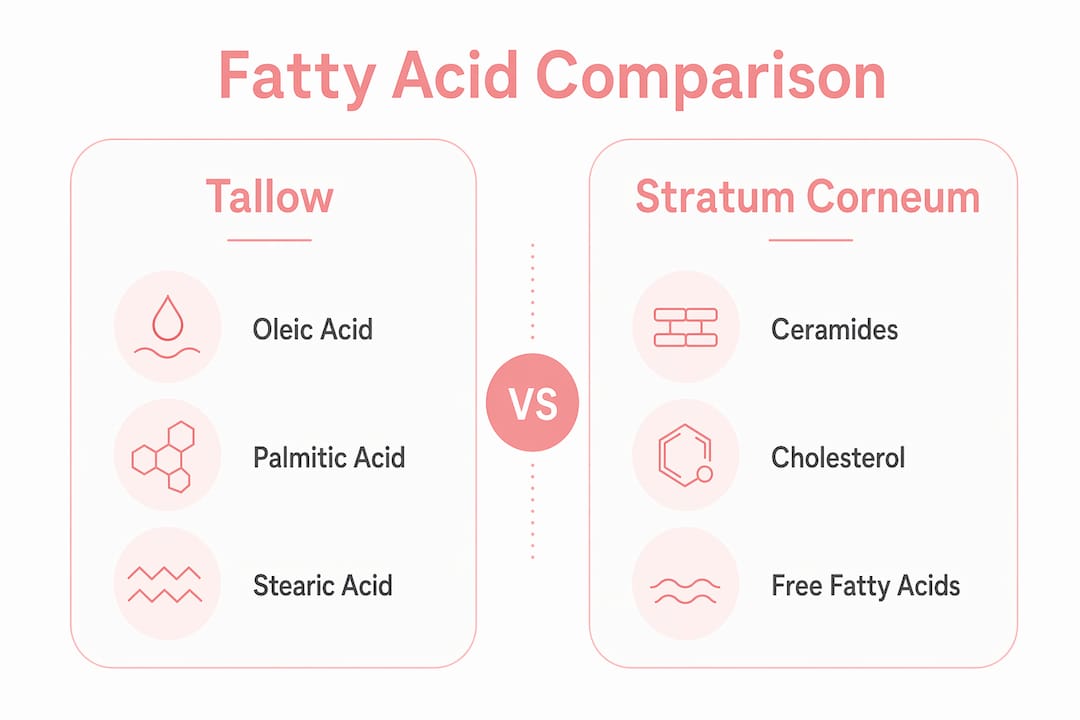
The stratum corneum, your skin’s outermost protective layer, is composed of roughly 50% ceramides, 25% cholesterol, and 15 to 20% free fatty acids including oleic acid, palmitic acid, and stearic acid. These are precisely the fatty acids found in abundance in tallow. This overlap is not coincidental. It is the biochemical reason tallow skin absorption feels so different from applying a synthetic moisturiser.
When you apply tallow to your skin, its lipids are recognised by the stratum corneum as structurally compatible. Rather than forming a purely external film, they integrate into the intercellular lipid matrix, the mortar between skin cells that holds moisture in and irritants out. Synthetic moisturisers, by contrast, often rely on silicones or petroleum derivatives that coat the surface without this deeper compatibility.

The table below compares the key fatty acid content in tallow against the approximate composition of the skin’s stratum corneum lipids.
| Fatty acid | Tallow (approximate %) | Stratum corneum (approximate %) |
|---|---|---|
| Oleic acid | 40–50% | 10–15% |
| Palmitic acid | 25–30% | 20–25% |
| Stearic acid | 20–25% | 10–15% |
| Conjugated linoleic acid | 1–3% | Trace |
Grass-fed tallow also contains natural vitamins A and E, which support keratinocyte differentiation and protect lipids from oxidative damage. This nutrient density adds another layer of nourishment that purely synthetic formulations cannot replicate.
The industry term for tallow’s primary skin function is occlusive moisturiser. Dermatologists at the Cleveland Clinic recognise beef tallow as an occlusive that slows water evaporation from the skin surface, improving stratum corneum hydration over time. This distinction matters because it clarifies what “deep penetration” actually means in practice.
When tallow forms a semi-occlusive lipid film on the skin, it reduces transepidermal water loss (TEWL). Lower TEWL means the stratum corneum retains more water, which in turn increases the hydration and flexibility of the lipid matrix. A more hydrated matrix has higher diffusion coefficients, meaning lipids and nutrients can move through it more freely. Occlusive vehicles reduce TEWL, raising hydration and altering diffusion dynamics, though the net permeability effect also depends on formulation and solvent evaporation.
The sensation of tallow “absorbing” into the skin is partly this process at work. Thick tallow creams create a film that feels absorbed as it spreads and integrates with skin lipids over time, warmed by body heat. This is not a trick. It is a genuine interaction between compatible lipids, even if the primary mechanism is TEWL reduction rather than deep systemic delivery.
Pro Tip: Apply tallow balm or lotion to slightly damp skin immediately after washing. Occlusives trap water already present in the stratum corneum, so applying to damp skin maximises the hydration benefit and gives you that deeply nourished feeling faster.
Here is what occlusive tallow does for your skin barrier:
Slows water evaporation, keeping the stratum corneum plump and flexible
Creates a protective film that shields against environmental irritants
Supports the skin’s natural repair processes by maintaining an optimal moisture environment
Reduces the tight, dry sensation that follows cleansing or cold weather exposure
Oleic acid is the dominant fatty acid in tallow, making up roughly 40 to 50% of its composition. Research shows that oleic acid-rich formulations increase permeability and skin retention of compounds more than controls, attributed to changes in lipid fluidity within the stratum corneum. This is the mechanism that gives tallow its reputation for deep moisturising.
Here is the sequence by which oleic acid influences skin lipids and permeability:
Contact with the stratum corneum. Oleic acid from tallow reaches the intercellular lipid matrix, where it encounters the tightly packed lamellar structure of skin lipids.
Disruption of lipid packing. Oleic acid’s kinked molecular structure interrupts the ordered arrangement of lipid bilayers, introducing fluidity into the matrix.
Increased diffusion. As the lipid matrix becomes more fluid, the diffusion of water, nutrients, and other lipid molecules through the stratum corneum increases.
Enhanced skin retention. Compounds present in the formulation, including tallow’s own vitamins and fatty acids, are retained more effectively within the skin layers.
Barrier reintegration. Over time, the skin incorporates compatible fatty acids into its own lipid matrix, supporting barrier repair and long-term resilience.
This mechanism is concentration and formulation dependent. Skin permeation scientists note that oleic acid’s penetration-enhancing effect is highly conditional on vehicle, concentration, and the existing state of the skin barrier. Tallow delivers oleic acid in a balanced, whole-fat matrix alongside palmitic and stearic acids, which moderates its disruptive potential and makes it gentler than isolated oleic acid supplements.
Honest skincare education requires acknowledging what the evidence does and does not support. Cleveland Clinic dermatologists highlight limited research on tallow’s benefits beyond moisturisation and caution against potential side effects, particularly from added fragrances and impurities. This is not a reason to avoid tallow. It is a reason to choose it wisely.
The key risks and considerations to be aware of include:
Clogged pores. Tallow is comedogenic for some skin types, particularly those prone to acne. Its occlusive nature can trap sebum in pores if applied too heavily.
Irritation from additives. Pure tallow is generally well tolerated, but products containing added fragrances, essential oils, or preservatives carry a higher risk of skin reactions.
Oleic acid sensitivity. High oleic acid exposure can break down lamellar order essential for skin waterproofing, potentially worsening transepidermal water loss in certain inflammatory or acne-prone conditions.
Allergic reactions. Those with sensitivities to animal-derived products should patch test before full application.
Overstated penetration claims. Dermatologists emphasise that tallow’s perceived deep absorption is primarily its occlusive moisturising function rather than direct delivery of active compounds deep into the skin.
Pro Tip: When selecting a tallow product, choose unscented, single-ingredient or minimal-ingredient formulations. Pure tallow without added fragrances or synthetic preservatives carries the lowest risk of irritation and delivers the most direct barrier benefit.
Translating the science into a daily practice is straightforward. The goal is to work with tallow’s occlusive and lipid-compatible properties to give your skin the nourishment it genuinely needs.
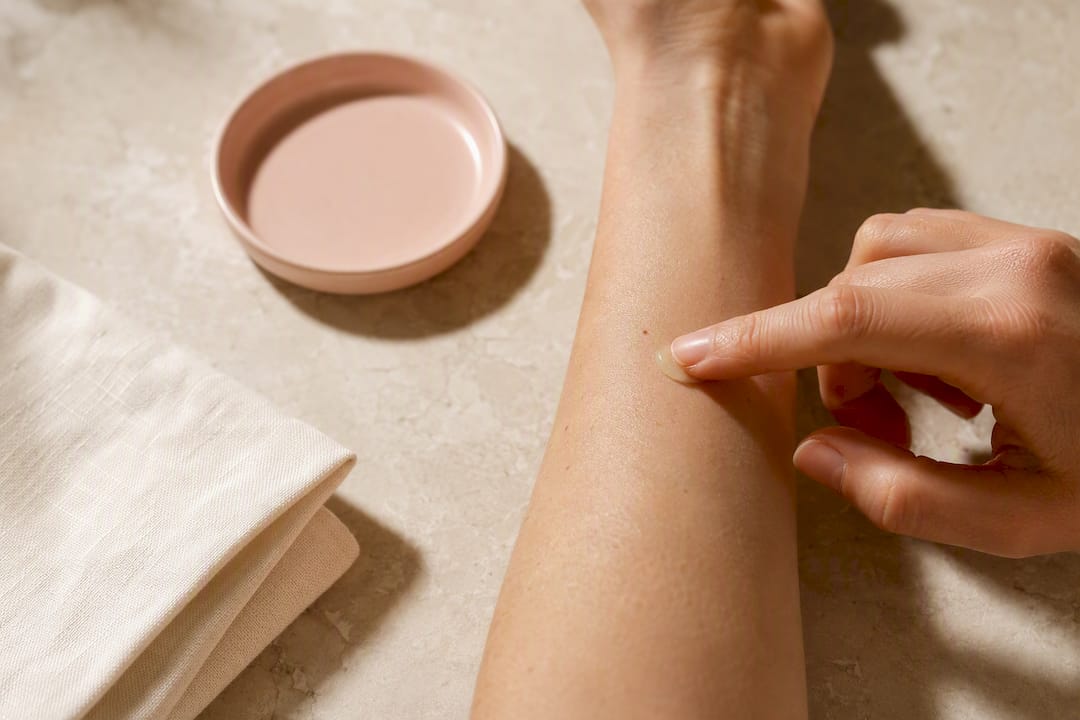
The most effective approach follows a few clear principles. Apply tallow to clean, slightly damp skin. This locks in moisture at the moment when the stratum corneum is most receptive. Use a small amount and warm it between your fingers before applying. Tallow spreads more evenly and integrates more effectively when warmed to body temperature. For deep moisturising, apply at night as the final step in your routine, allowing the occlusive film to work undisturbed for several hours.
Skin types that benefit most from tallow include dry and very dry skin, mature skin with a compromised barrier, eczema-prone or reactive skin seeking a fragrance-free option, and post-sun or wind-exposed skin in need of barrier repair. Oily or acne-prone skin types should use tallow sparingly and monitor for congestion.
The table below compares tallow to other common natural moisturisers across key properties.
| Moisturiser | Occlusivity | Lipid compatibility | Fragrance-free options | Best for |
|---|---|---|---|---|
| Tallow | High | Very high | Yes | Dry, mature, reactive skin |
| Shea butter | Moderate | Moderate | Yes | Dry, sensitive skin |
| Coconut oil | Moderate | Moderate | Yes | Normal to dry skin |
| Jojoba oil | Low | High (wax ester) | Yes | Oily, combination skin |
| Beeswax | High | Low | Yes | Lip and hand care |
You can explore more about how tallow and nutrition interact on the Fiercenature skin blog, where we go deeper into barrier health and natural skincare routines.
Tallow penetrates skin deeply because its fatty acids are biochemically compatible with the stratum corneum’s lipid matrix, enabling integration, improved hydration, and barrier support rather than surface-level moisturisation alone.
| Point | Details |
|---|---|
| Lipid compatibility | Tallow’s oleic, palmitic, and stearic acids mirror the stratum corneum’s own lipid composition. |
| Occlusive mechanism | Tallow reduces TEWL, trapping moisture and improving stratum corneum hydration over time. |
| Oleic acid’s role | Oleic acid increases lipid fluidity in the skin matrix, enhancing permeability and nutrient retention. |
| Honest limitations | Evidence for benefits beyond moisturisation is limited; pure, fragrance-free formulations carry the lowest risk. |
| Best application | Apply to damp skin, use sparingly, and choose unscented products for maximum nourishment with minimal risk. |
We have worked with tallow-based skincare long enough to notice a pattern. People who switch from synthetic moisturisers to pure tallow often describe a feeling of their skin “drinking it in.” That sensation is real, and the science supports why it happens. But we want to be honest with you about what it means.
True deep systemic delivery through intact skin is rare with any topical product. What tallow offers is something arguably more valuable: genuine biochemical compatibility with your skin barrier. It does not force its way in. It is recognised, integrated, and used. The result is a stratum corneum that holds moisture better, repairs more effectively, and feels genuinely nourished rather than just coated.
We have also seen that individual results vary considerably. Skin type, barrier condition, climate, and product quality all influence how tallow performs. Someone with a compromised barrier may notice dramatic improvement. Someone with oily, acne-prone skin may find it too heavy. This is not a failure of tallow. It is a reminder that no single ingredient works identically for every person. Start with a pure, unscented formulation, patch test, and pay attention to how your skin responds. That is always the most reliable guide.
— Fiercenature
At Fiercenature, every product we make is built on the same principle this article explores: that your skin recognises and responds to ingredients it was designed to work with. Our tallow bars and balms are handcrafted in the UK using pure organic tallow, sourced and formulated without synthetic preservatives, artificial fragrances, or harsh chemicals. If you are ready to experience what genuinely compatible skincare feels like, our unscented tallow bar is the purest place to start. For a full look at our tallow skincare range, visit our tallow bar collection and find the right nourishment for your skin.
Tallow’s fatty acids are structurally similar to the skin’s own stratum corneum lipids, so the skin integrates them readily rather than repelling them. The semi-occlusive film also spreads and redistributes with body warmth, creating a genuine sensation of absorption.
Tallow provides fatty acid precursors that the skin can use to rebuild its own barrier lipids, and it does so without the synthetic preservatives found in many ceramide formulations. However, clinical evidence directly comparing the two is limited, so individual skin response remains the best guide.
Tallow is moderately comedogenic and can clog pores in acne-prone or oily skin types, particularly when applied in large amounts. Using a small quantity on clean skin and choosing unscented, pure formulations reduces this risk considerably.
Oleic acid increases fluidity in the stratum corneum’s lipid matrix, which supports permeability and helps nutrients integrate more effectively into the skin barrier. This effect is most beneficial for dry or compromised skin and is moderated by the other fatty acids present in tallow.
Daily use is appropriate for most dry and normal skin types, ideally applied to damp skin after cleansing. Those with oily or acne-prone skin may prefer to use tallow two to three times per week and monitor for any congestion.