Cart
0
80% Also Added this






TL;DR:
- Tallow balm nourishes the skin with lipids and vitamins, supporting barrier health from within. In contrast, petroleum jelly forms an occlusive layer, sealing moisture without delivering nutrients. While petrolatum provides rapid TEWL reduction, tallow offers sustained nourishment aligned with natural skin oils.
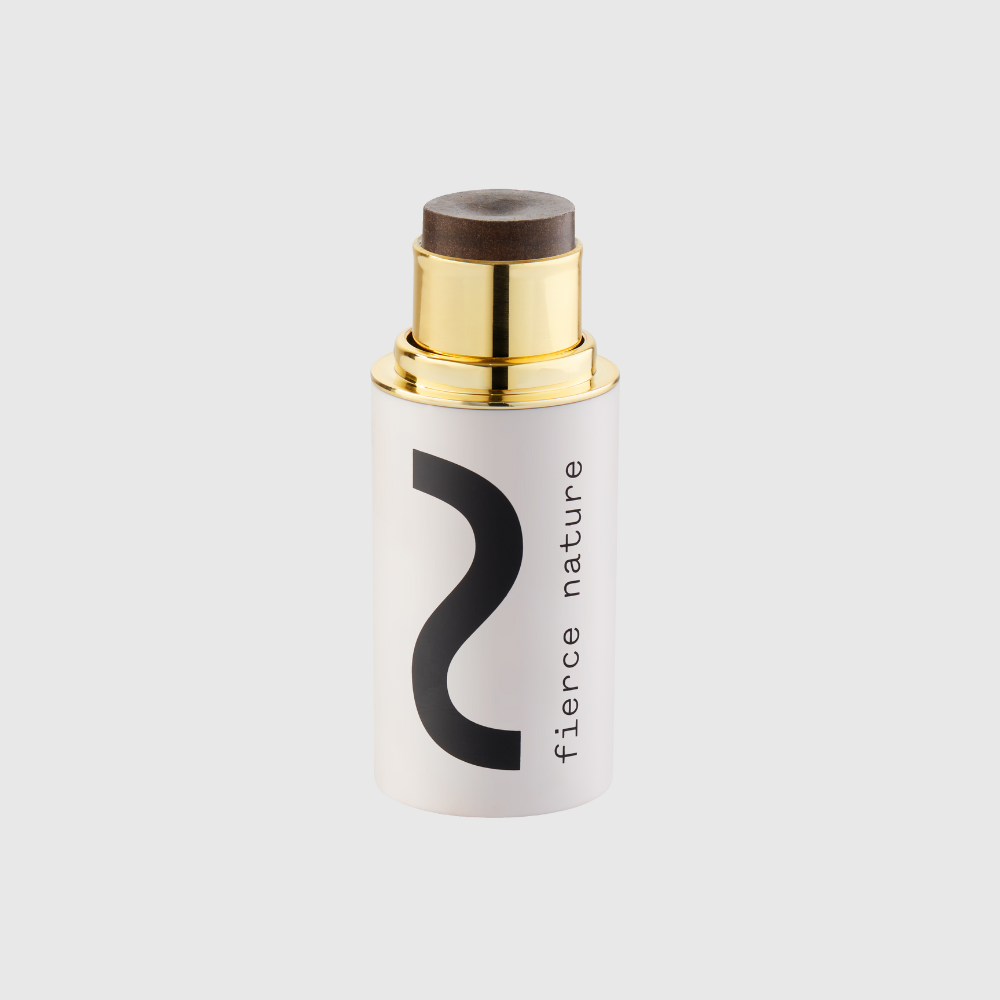
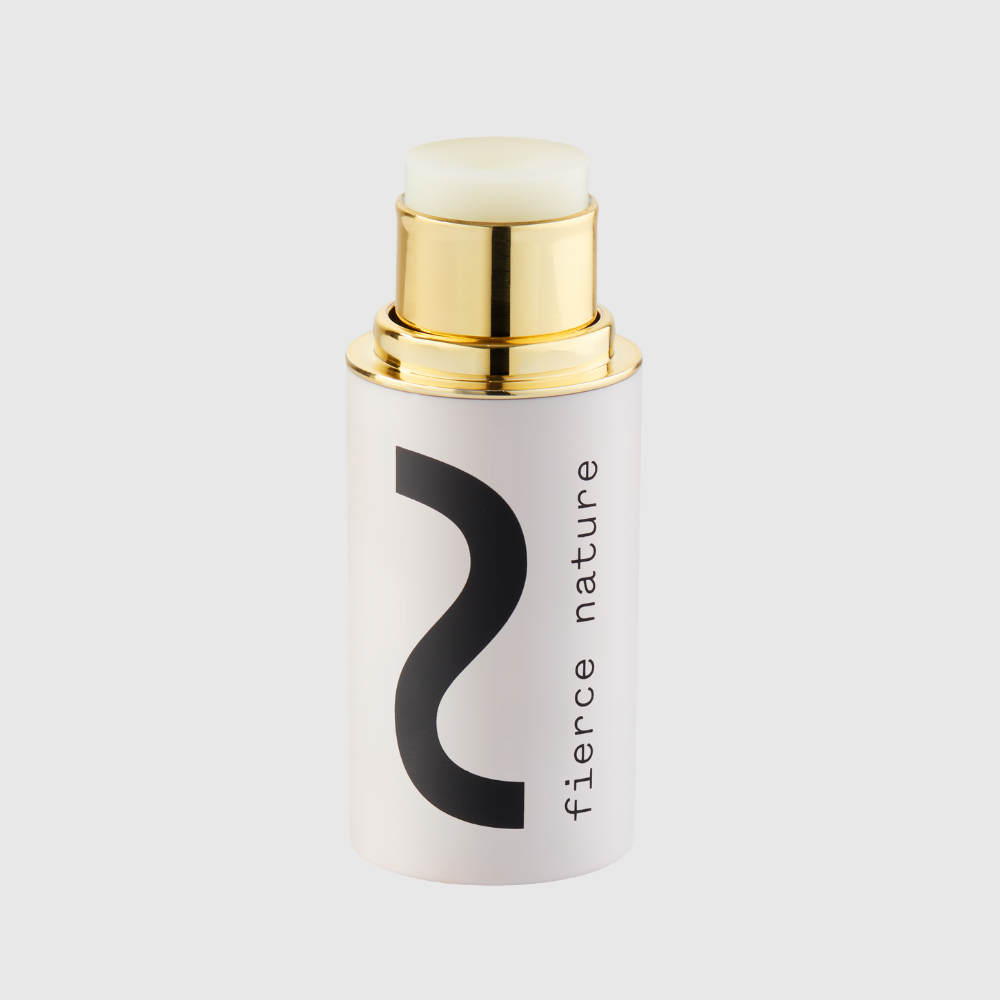
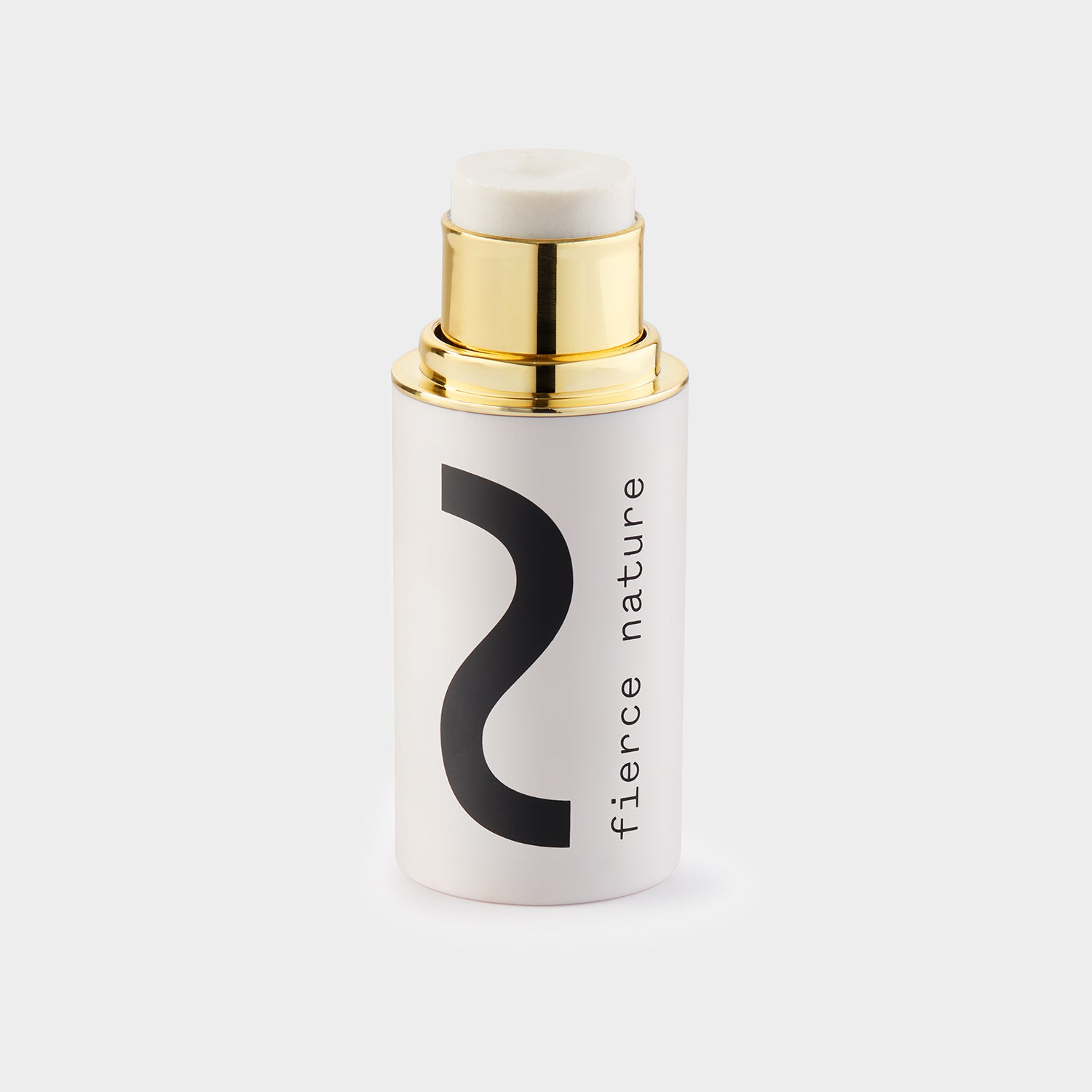
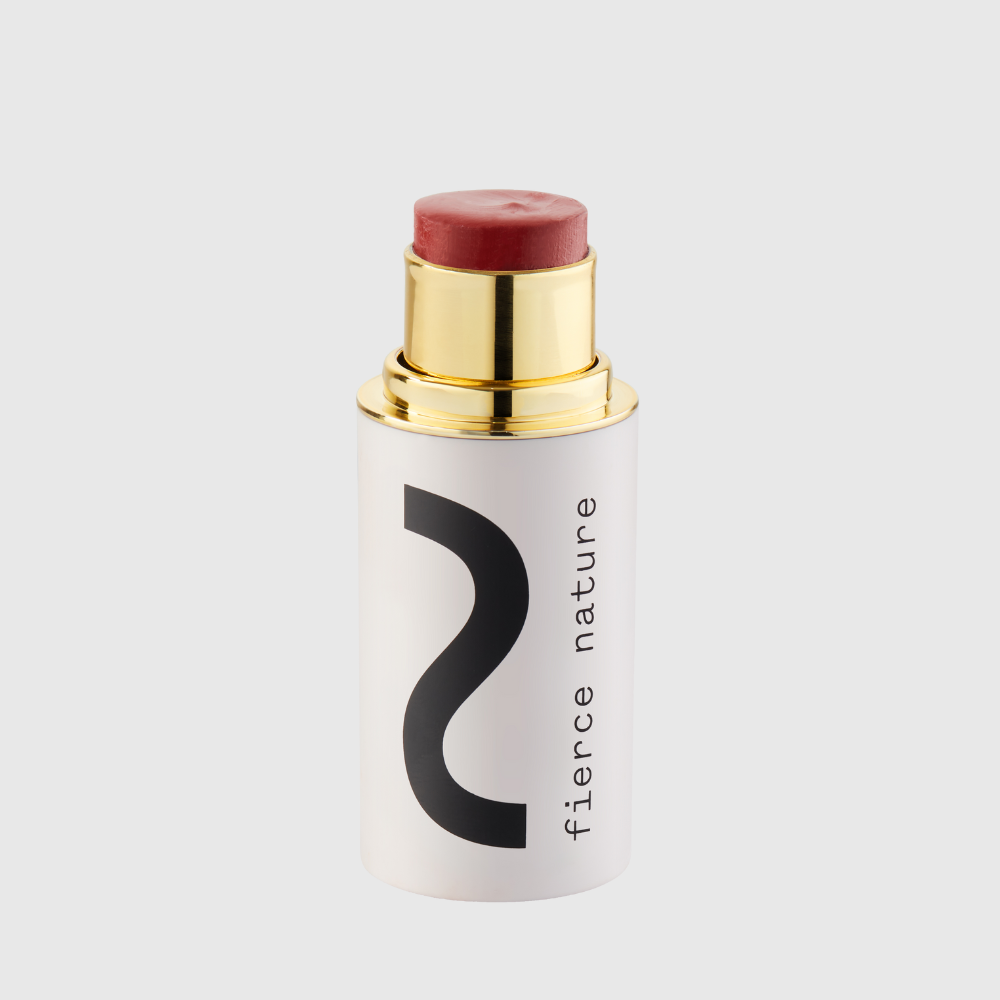
Tallow balm is defined as a rendered animal fat preparation, most commonly from beef suet, that delivers fatty acids, fat-soluble vitamins, and lipid substrates directly to the skin. The reason why tallow balms outperform petroleum jelly is not about occlusion. It is about nourishment. Petroleum jelly, also known as petrolatum, seals moisture at the surface with near-complete efficiency. Tallow works differently: it feeds the skin with lipids that closely mirror your own sebum, supporting the barrier from within rather than simply locking it shut. Fiercenature was built on exactly this distinction, and understanding it changes how you choose your skincare.
The debate between tallow and petroleum jelly comes down to two separate mechanisms. Petroleum jelly is a pure occlusive. It forms a hydrophobic film over the skin surface, and clinical trials confirm it reduces transepidermal water loss (TEWL) more effectively than extra-virgin olive oil, validating its strength as a barrier sealant. That is what it does, and it does it exceptionally well.
Tallow balm operates on a different level. Rather than sitting on top of the skin, it delivers fatty acids and fat-soluble vitamins A, D, E, and K that can support skin health from within the upper layers of the epidermis. This is the distinction that matters for anyone seeking more than a temporary moisture seal. Petroleum jelly lacks nutritional delivery entirely. It prevents water loss but contributes nothing to the skin’s own lipid reserves.
The critical distinction between occlusion and lipid substrate replenishment is what makes fair comparisons difficult. Most mainstream skincare marketing conflates the two, which is why so many people assume a thicker, greasier product is automatically more nourishing. It is not. Nourishment and occlusion are separate functions, and tallow balm addresses the one that petroleum jelly cannot.
Transepidermal water loss is the passive movement of water through the skin to the surrounding atmosphere. It is the primary clinical measure of skin barrier function. A healthy barrier keeps TEWL low. A compromised barrier, whether from eczema, harsh cleansers, or environmental stress, allows water to escape rapidly, leaving skin tight, flaky, and reactive.
Petrolatum-based emollients reduce TEWL by forming a hydrophobic film, providing nearly 99% moisture retention in acute scenarios. This is a remarkable figure. It means that for rapid, short-term moisture sealing, nothing in the natural skincare world currently matches petrolatum’s occlusive efficiency.
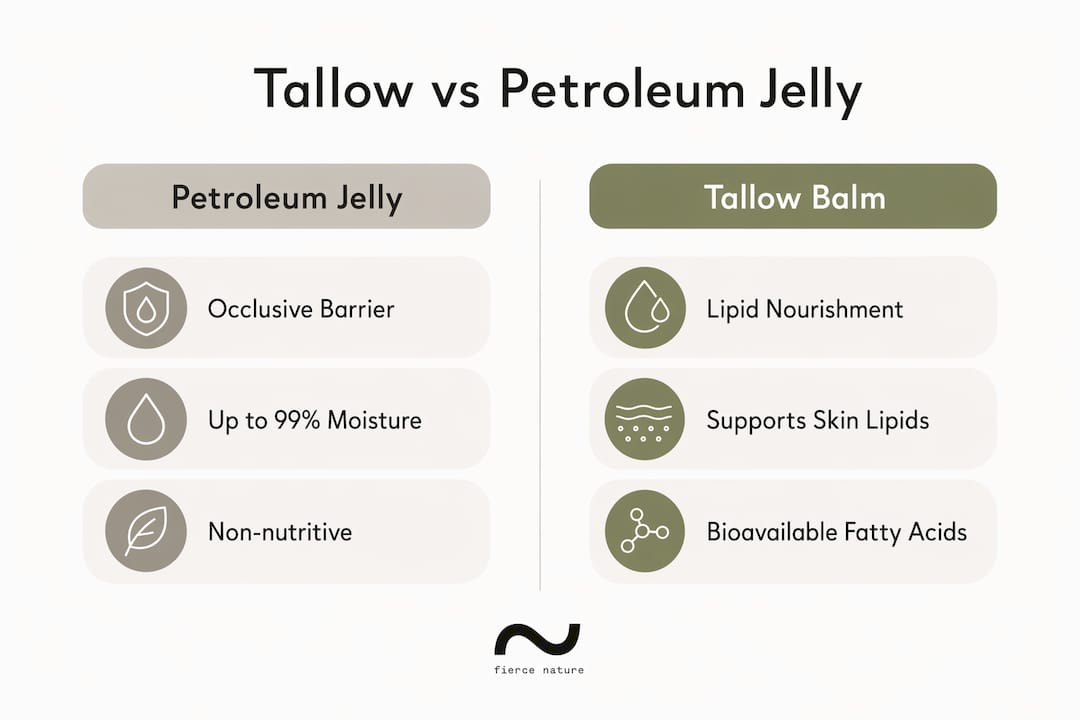
Tallow balm provides less absolute occlusion. What it offers instead is a lipid matrix that the skin can actually use. The fatty acids in tallow, particularly oleic acid, palmitic acid, and stearic acid, are the same building blocks found in human sebum. When applied topically, they do not just sit on the surface. They integrate with the skin’s own lipid structure, supporting desquamation (the natural shedding of skin cells) and contributing to a more resilient barrier over time.
| Mechanism | Petroleum jelly | Tallow balm |
|---|---|---|
| TEWL reduction | Up to 99% acutely via occlusion | Moderate, via lipid integration |
| Skin nutrients delivered | None | Fatty acids, vitamins A, D, E, K |
| Texture | Heavy, occlusive film | Absorbs with residual lipid feel |
| Best use case | Acute moisture sealing, wound care | Daily nourishment, barrier support |
| Clinical evidence | Strong (AAD, NICE 2024 guidelines) | Emerging, limited for eczema |
Pro Tip: Apply tallow balm to slightly damp skin immediately after cleansing. This traps residual moisture while the fatty acids absorb, giving you the benefit of both hydration and lipid nourishment in one step.
Human sebum is composed of triglycerides, wax esters, squalene, and free fatty acids. Tallow’s composition overlaps significantly with this profile. Tallow contains lipids close to human sebum composition, which is why it has been used as a skin emollient for centuries, long before the cosmetics industry existed.
The practical implication is skin compatibility. When you apply a product whose fatty acid profile resembles your own skin’s natural oils, the skin recognises it. There is less likelihood of the surface disruption you can get from synthetic emollients or occlusive-only products. This is why many people who have struggled with conventional moisturisers find tallow balm feels genuinely different on the skin.
The key fatty acids in tallow and their roles include:
Oleic acid (C18:1): Supports skin softness and penetration of other lipids into the upper epidermis
Palmitic acid (C16:0): A primary component of the skin’s own lipid barrier, contributing to structural integrity
Stearic acid (C18:0): Helps restore the skin’s surface lipid layer and contributes to a smooth, even texture
Conjugated linoleic acid (CLA): Present in grass-fed tallow, with emerging evidence for anti-inflammatory properties at the skin surface
That said, it is worth being honest about the limits of the evidence. Fatty acids in tallow differ in free versus triglyceride-bound form, which influences how they interact with the skin barrier. Some model studies have noted that certain fatty acids may increase TEWL over time in compromised skin, which complicates straightforward positive claims. The science is nuanced, and anyone with eczema or a significantly disrupted barrier should approach tallow balm with care.
For eczema-prone skin specifically, CHOP pediatric dermatology advises patch testing tallow balm on a small area before wider use, with careful monitoring of the skin’s response.
Pro Tip: If you have sensitive or eczema-prone skin, apply a small amount of tallow balm to the inner forearm for three to five days before using it on your face or body. This gives you a clear read on how your skin responds without risking a wider reaction.
The clinical data tells one part of the story. The lived experience of using these products tells another, and for many people, it is the deciding factor.
Petroleum jelly is effective but polarising. Its thick, occlusive texture leaves a heavy film on the skin that many users find uncomfortable for daytime wear. It does not absorb. It sits. For acute situations, such as cracked heels, chapped lips, or post-procedure skin care, this is exactly what you want. For everyday facial or body moisturisation, the sensation can feel suffocating rather than nourishing.
Tallow balm, by contrast, provides what cosmetic scientists call cosmetic lubricity. This is the smooth, gliding quality that makes a product feel pleasant to apply and wear. Unwhipped anhydrous tallow balms leave a lipid residue that most users describe as a “nourishing” sensation rather than a greasy one. This sensory quality matters because it directly affects whether you actually use the product consistently. A moisturiser you enjoy applying is one you will reach for every day.
Here is a practical guide to getting the most from tallow balm in your daily routine:
Cleanse gently. Use a non-stripping cleanser that preserves your skin’s natural oils. Harsh foaming cleansers undo the barrier work that tallow balm supports.
Apply to damp skin. Pat dry but leave the skin slightly moist. Apply a small amount of tallow balm and press it in with warm palms rather than rubbing.
Use less than you think you need. Tallow is concentrated. A pea-sized amount covers the entire face. Over-application leads to the greasiness that puts people off.
Layer thoughtfully. If you use a serum or facial oil, apply tallow balm last as the final occlusive step. It works beautifully over water-based serums.
Give it two weeks. Skin adaptation takes time. The first few days may feel different from what you are used to. Most people notice a visible improvement in skin texture and radiance within a fortnight.
For different skin types, tallow balm performs differently. Dry and mature skin tends to respond immediately and enthusiastically. Normal skin finds it an excellent overnight treatment. Oily or acne-prone skin benefits from a lighter application, focusing on dry patches rather than all-over use. You can explore the full range of organic body balms to find the formulation that suits your skin type.
Honest skincare guidance means acknowledging where petroleum jelly genuinely wins. There are specific contexts where its superior occlusive action makes it the right tool, and no amount of enthusiasm for natural alternatives should obscure that.
AAD 2024 and NICE 2024 guidelines list petrolatum as the primary treatment option for atopic dermatitis and very dry skin. This is not a legacy recommendation. It reflects decades of clinical evidence showing that rapid TEWL suppression is the most effective acute intervention for a compromised skin barrier. When the barrier is severely disrupted, the priority is sealing it, not feeding it.
| Situation | Better choice | Reason |
|---|---|---|
| Post-procedure skin (laser, peels) | Petroleum jelly | Maximum occlusion protects healing tissue |
| Acute eczema flare | Petroleum jelly | Rapid TEWL suppression reduces inflammation trigger |
| Severely cracked skin | Petroleum jelly | Seals fissures and prevents infection risk |
| Daily moisturisation, normal skin | Tallow balm | Lipid nourishment and better sensory experience |
| Long-term barrier support | Tallow balm | Fatty acid replenishment supports structural resilience |
| Sensitive skin, non-eczema | Tallow balm | Sebum-compatible lipids with lower irritation risk |
The evidence for tallow as an eczema treatment remains limited. Some model studies have noted possible worsening of eczema symptoms due to certain fatty acids increasing TEWL over time. This does not mean tallow is harmful for eczema-prone skin across the board. It means the evidence is not yet strong enough to recommend it as a first-line treatment, and guidelines emphasise measured outcomes like TEWL reduction and eczema flare frequency rather than general nourishment claims.
For anyone managing a diagnosed skin condition, working with a dermatologist remains the right approach. Tallow balm is a powerful addition to a natural skincare routine. It is not a substitute for medical care.
Choosing a high-quality tallow balm makes a significant difference to your results. Not all tallow is created equal, and the sourcing, rendering process, and additional ingredients all affect what ends up on your skin.
When selecting a tallow balm, look for:
Grass-fed, organic tallow as the base. Grass-fed tallow contains higher levels of conjugated linoleic acid and fat-soluble vitamins compared to grain-fed sources. This is not marketing language. It reflects a genuine difference in the fatty acid profile.
Minimal additional ingredients. The fewer the ingredients, the lower the risk of irritation. A well-formulated tallow balm needs very little beyond the tallow itself, perhaps a small amount of beeswax for texture or a skin-compatible botanical oil.
No synthetic fragrances or preservatives. These are the most common irritants in conventional skincare and the most common reason people react to products. Unscented options are always the safest starting point for new users.
Handmade, small-batch production. Industrial processing can degrade the quality of tallow and its beneficial components. Small-batch production preserves the integrity of the ingredients.
Transparent sourcing. A brand that tells you where its tallow comes from is a brand you can trust. Vague ingredient lists are a warning sign.
Once you have chosen your balm, the application approach matters as much as the product itself. For best results, use tallow balm as the final step in your routine, after any water-based products. For body use, apply immediately after bathing while the skin is still warm and slightly damp. For targeted healing on dry patches, elbows, or cuticles, a slightly more generous application works well. You can read more about building a complete approach on the Fiercenature skin blog.
For those new to natural skincare, the transition from synthetic products to tallow-based formulations can take a few weeks. Your skin may go through a brief adjustment period as it recalibrates its own oil production. This is normal and temporary. Patience and consistency are the two most important ingredients in any skincare routine.
Tallow balms outperform petroleum jelly in lipid nourishment and skin compatibility, while petroleum jelly remains superior for acute moisture sealing and clinical barrier repair.
| Point | Details |
|---|---|
| Different mechanisms, different benefits | Petroleum jelly occludes; tallow balm nourishes with skin-compatible fatty acids and vitamins. |
| TEWL reduction | Petrolatum achieves up to 99% acute TEWL reduction; tallow offers moderate occlusion with added lipid support. |
| Fatty acid compatibility | Tallow’s lipid profile mirrors human sebum, supporting barrier resilience over time. |
| Clinical caution for eczema | Patch test tallow balm before use on eczema-prone skin; petroleum jelly remains the guideline-recommended first-line option. |
| Choosing quality tallow | Opt for grass-fed, organic, minimal-ingredient formulations for the best skin response. |
I have spent years looking at how people respond to both products in practice, and the most common mistake I see is treating this as a binary choice. It is not. Petroleum jelly and tallow balm do different things, and the person who insists one is universally superior to the other is usually selling something.
What I find genuinely compelling about tallow balm is the mechanism. The idea that you can apply something to your skin that it already recognises, because it is made of the same building blocks as your own sebum, is not marketing poetry. It is biochemistry. The skin does not have to work to process or reject it. That is a meaningful advantage for daily use, and it is why so many people who have struggled with conventional moisturisers for years find that tallow simply works where nothing else has.
Where I urge caution is in the eczema conversation. The natural skincare community sometimes presents tallow as a cure for eczema, and the clinical evidence does not support that claim. For some people with eczema, tallow is genuinely helpful. For others, the oleic acid content may worsen barrier disruption. The honest answer is that you need to test it carefully and monitor your skin, not take anyone’s word for it, including mine.
The broader point I keep returning to is this: the natural skincare movement is at its best when it is honest about what the evidence shows and what it does not. Tallow balm is a genuinely excellent product for daily nourishment, skin compatibility, and long-term barrier support. It is not a replacement for medical-grade occlusion when your skin needs it. Knowing the difference is what allows you to use both intelligently, and to build a routine that actually serves your skin rather than following a trend.
— Ralph Barrozo
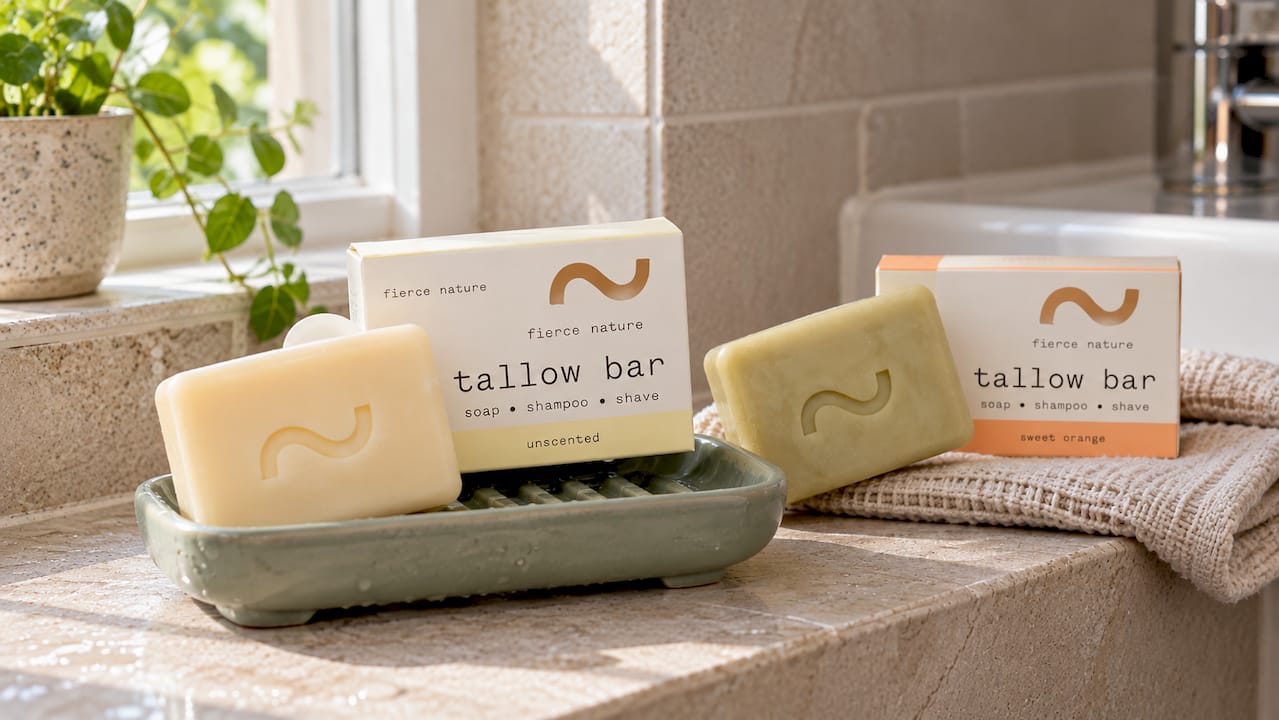
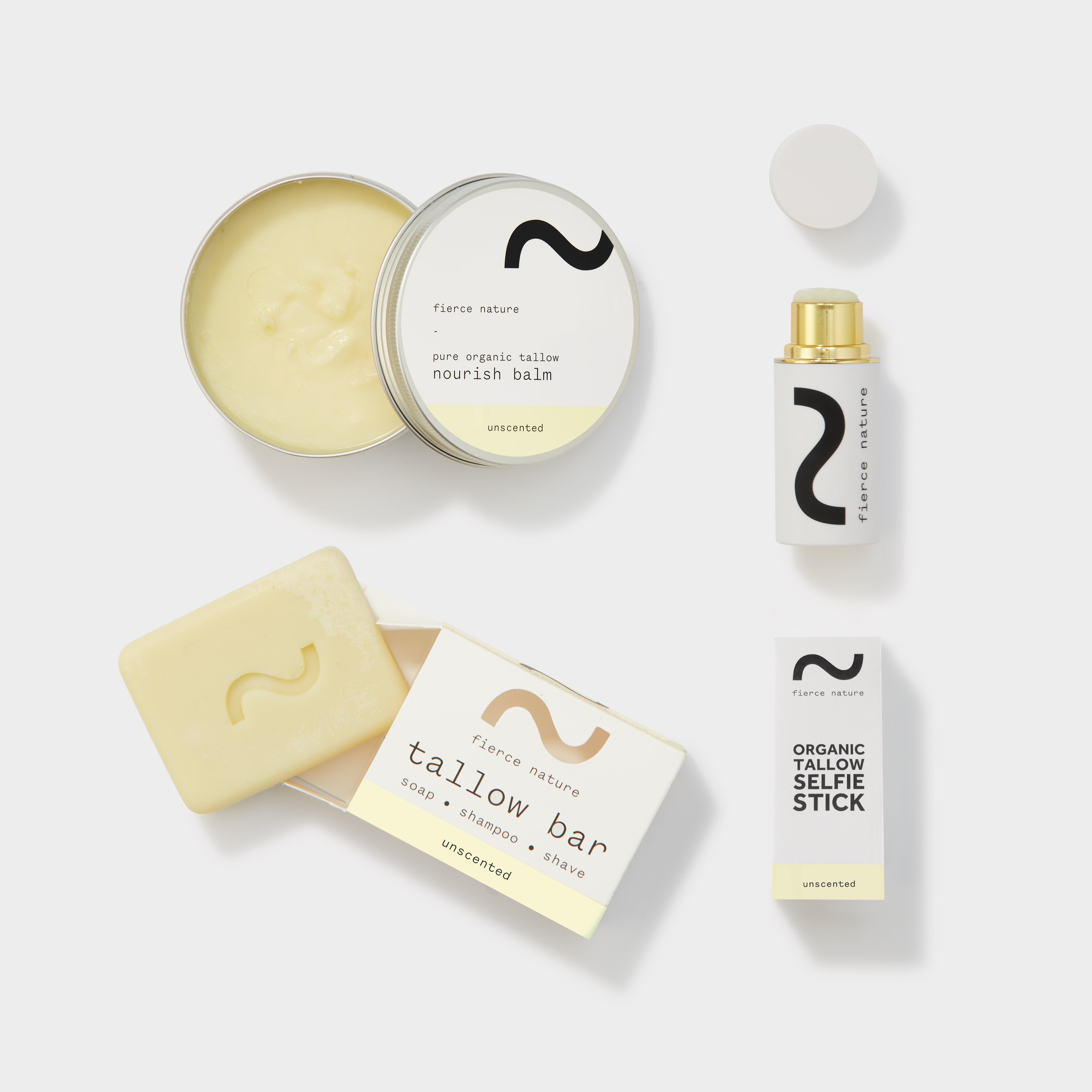
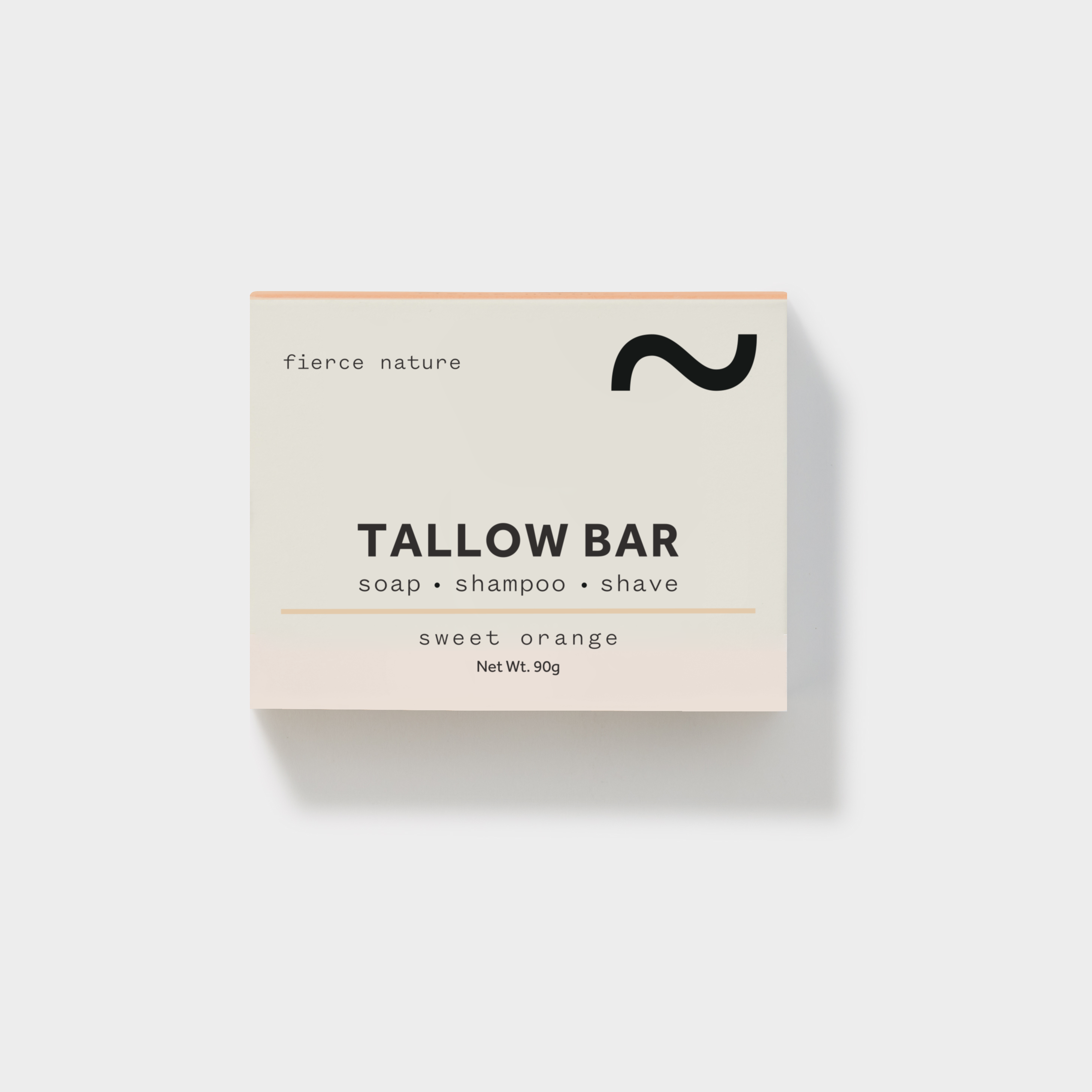
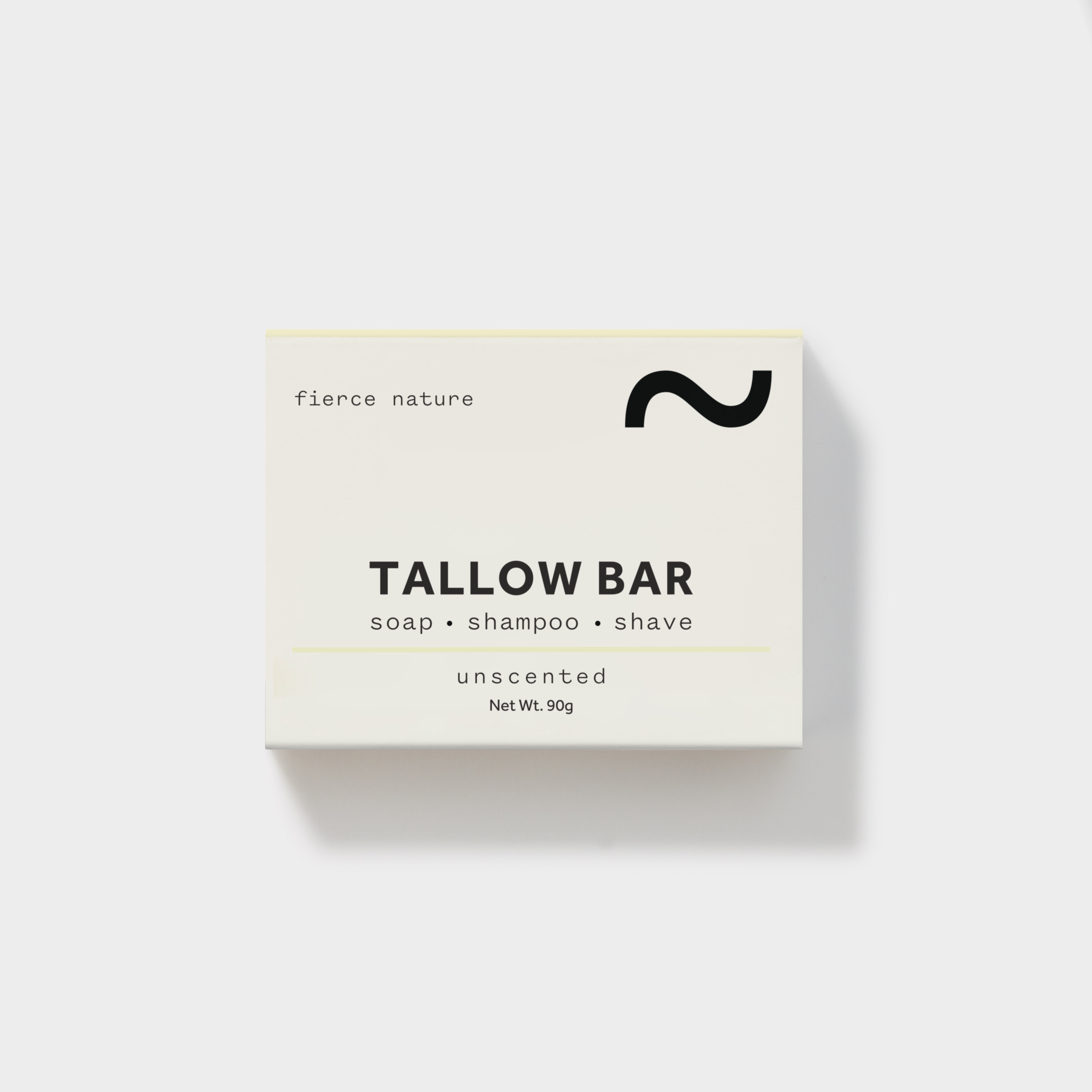
At Fiercenature, every product starts with the same foundation: pure organic tallow, sourced with care and crafted by hand in the UK. The New Tallow Bar is where we recommend most people begin. It delivers the lipid nourishment and skin-compatible fatty acids discussed throughout this article in a clean, minimal formulation with no synthetic additives. For those building a complete natural routine, the natural skincare routine guide walks you through each step with product recommendations tailored to your skin type. If you are ready to see what a genuinely nourishing, non-toxic skincare routine looks like, this is the place to start.
Tallow balm delivers fatty acids and fat-soluble vitamins that support the skin’s own lipid structure, while petroleum jelly is a pure occlusive that seals moisture at the surface without contributing any nutrients. The two products work through entirely different mechanisms.
Tallow balm is not currently recommended as a first-line eczema treatment by AAD or NICE guidelines, and some model studies suggest certain fatty acids may worsen barrier disruption. Patch testing on a small area for several days before wider use is the safest approach.
Yes. Apply a water-based serum or tallow balm first to deliver lipid nourishment, then use petroleum jelly as a final occlusive layer if you need maximum moisture sealing. This approach is particularly useful for very dry or post-procedure skin.
Most users notice improved skin texture and a more radiant appearance within one to two weeks of consistent daily use. The skin requires time to adjust to lipid-rich formulations, particularly if you are transitioning from synthetic moisturisers.
Choose a balm made from grass-fed, organic tallow with minimal additional ingredients and no synthetic fragrances. Small-batch, handmade production preserves the quality of the tallow and reduces the risk of irritation from processing additives.