Cart
0
80% Also Added this
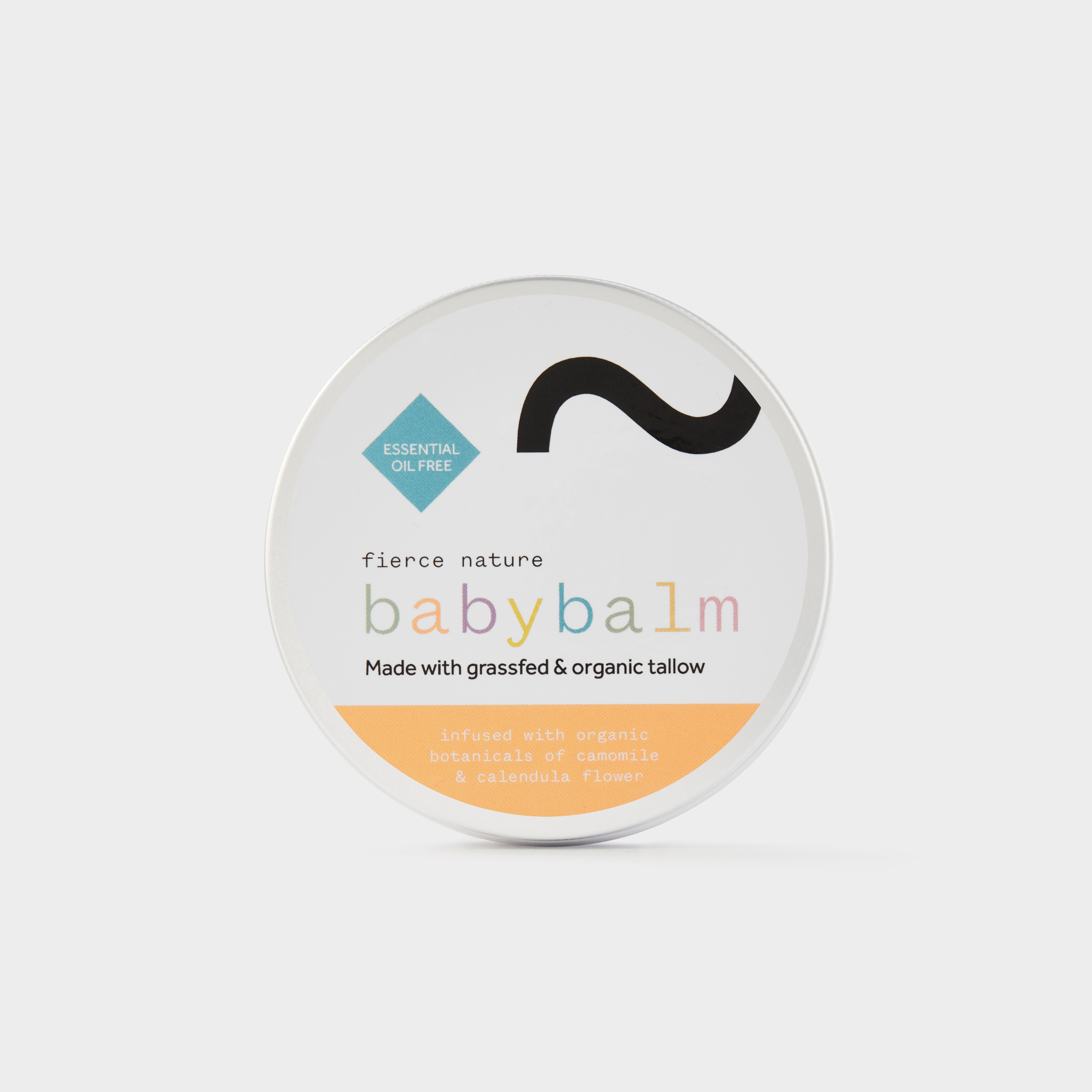
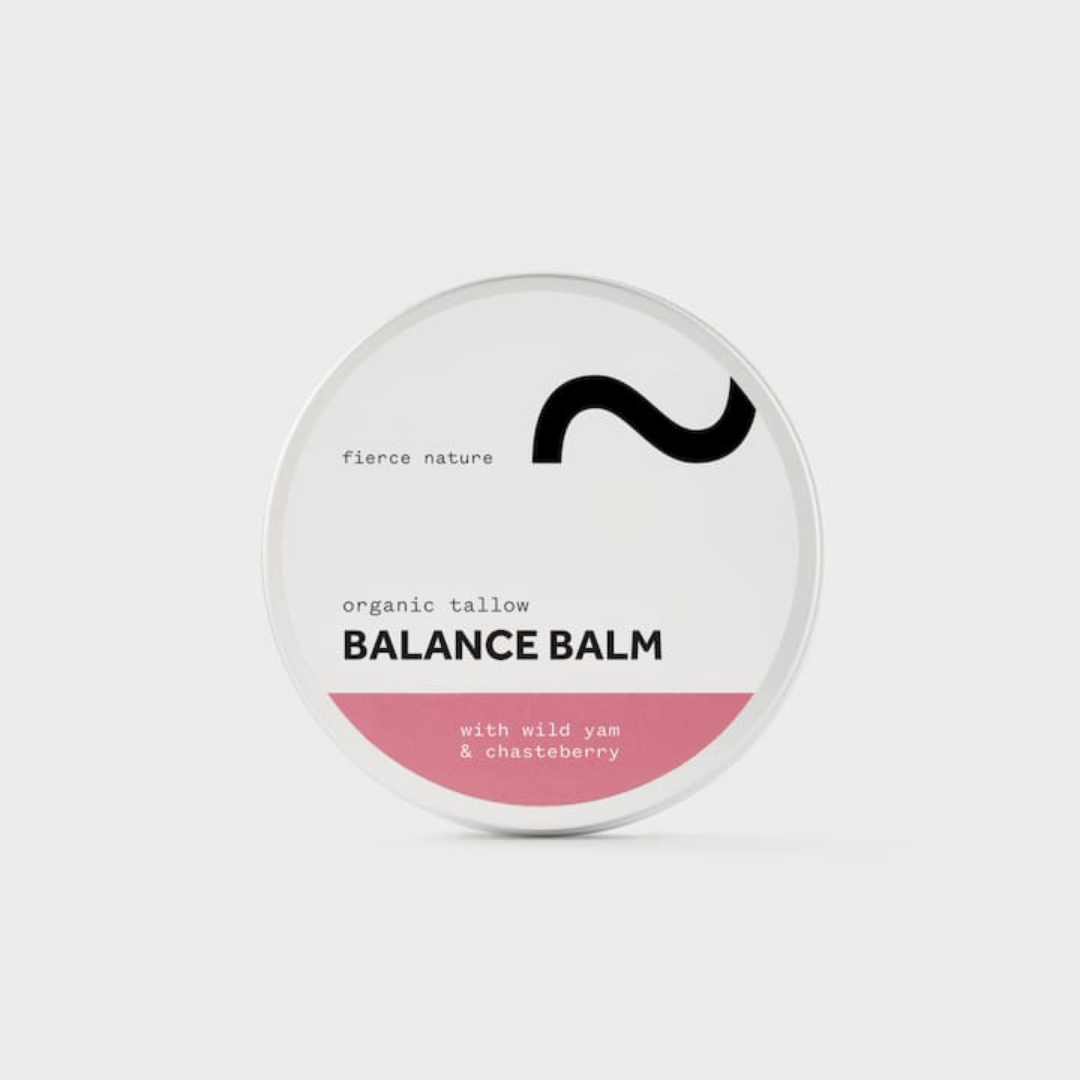
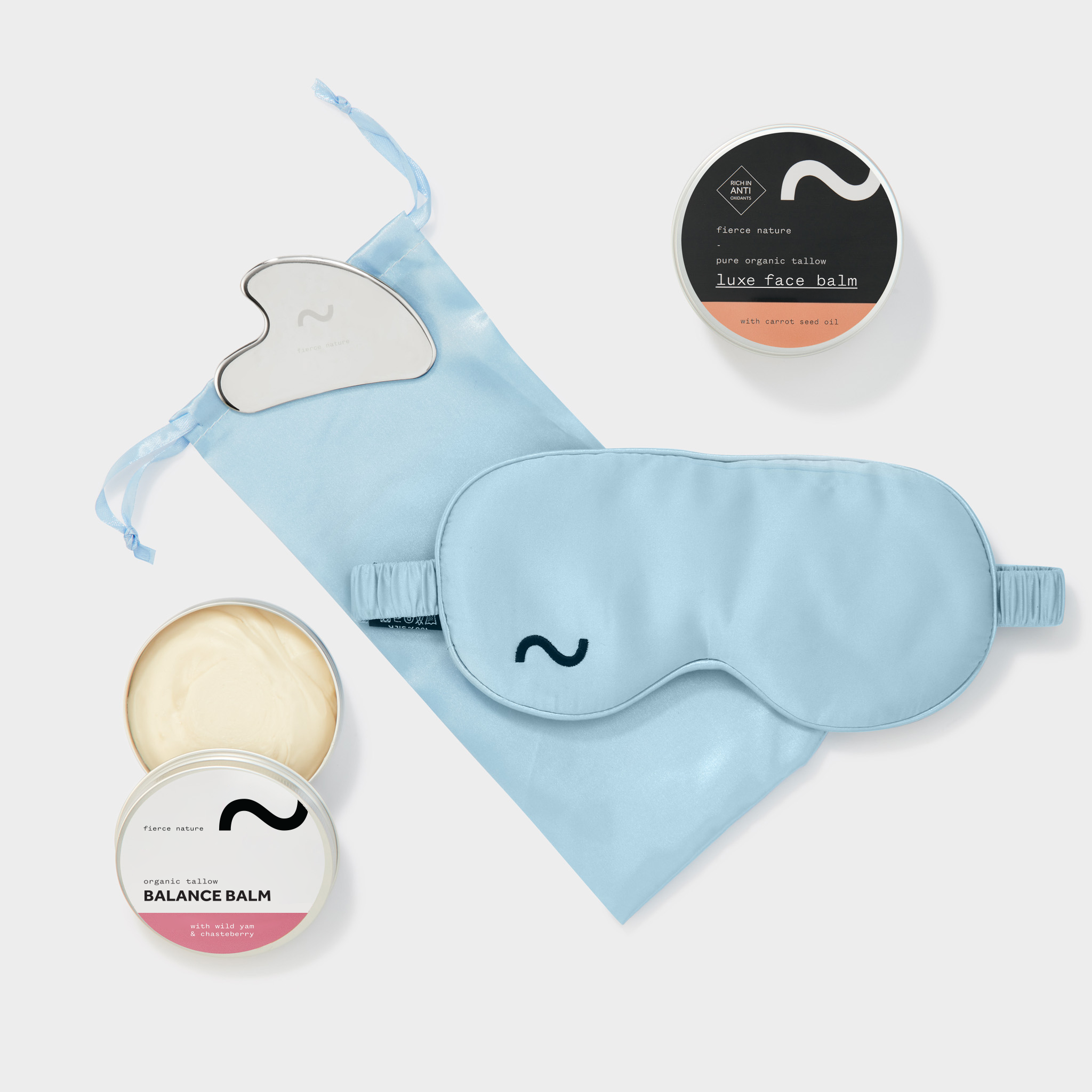
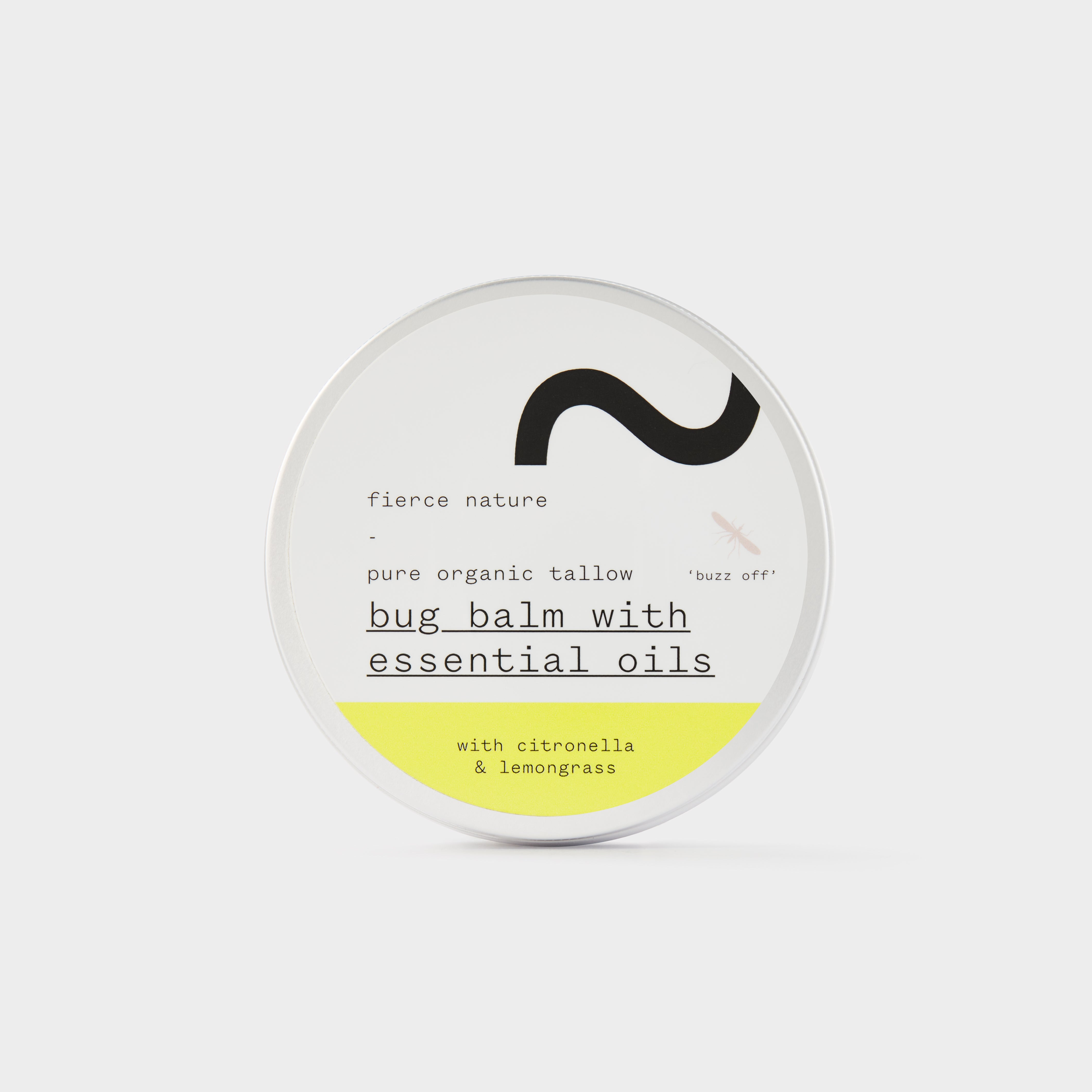

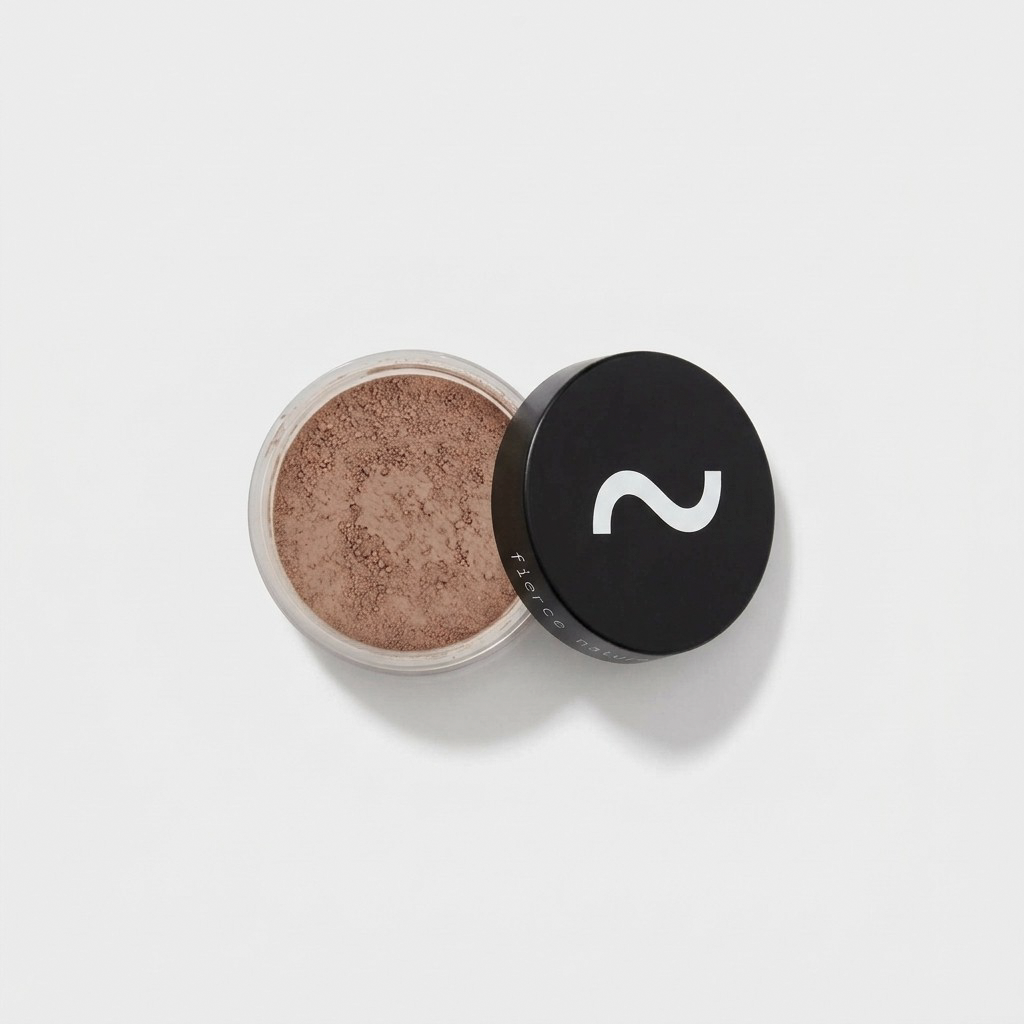
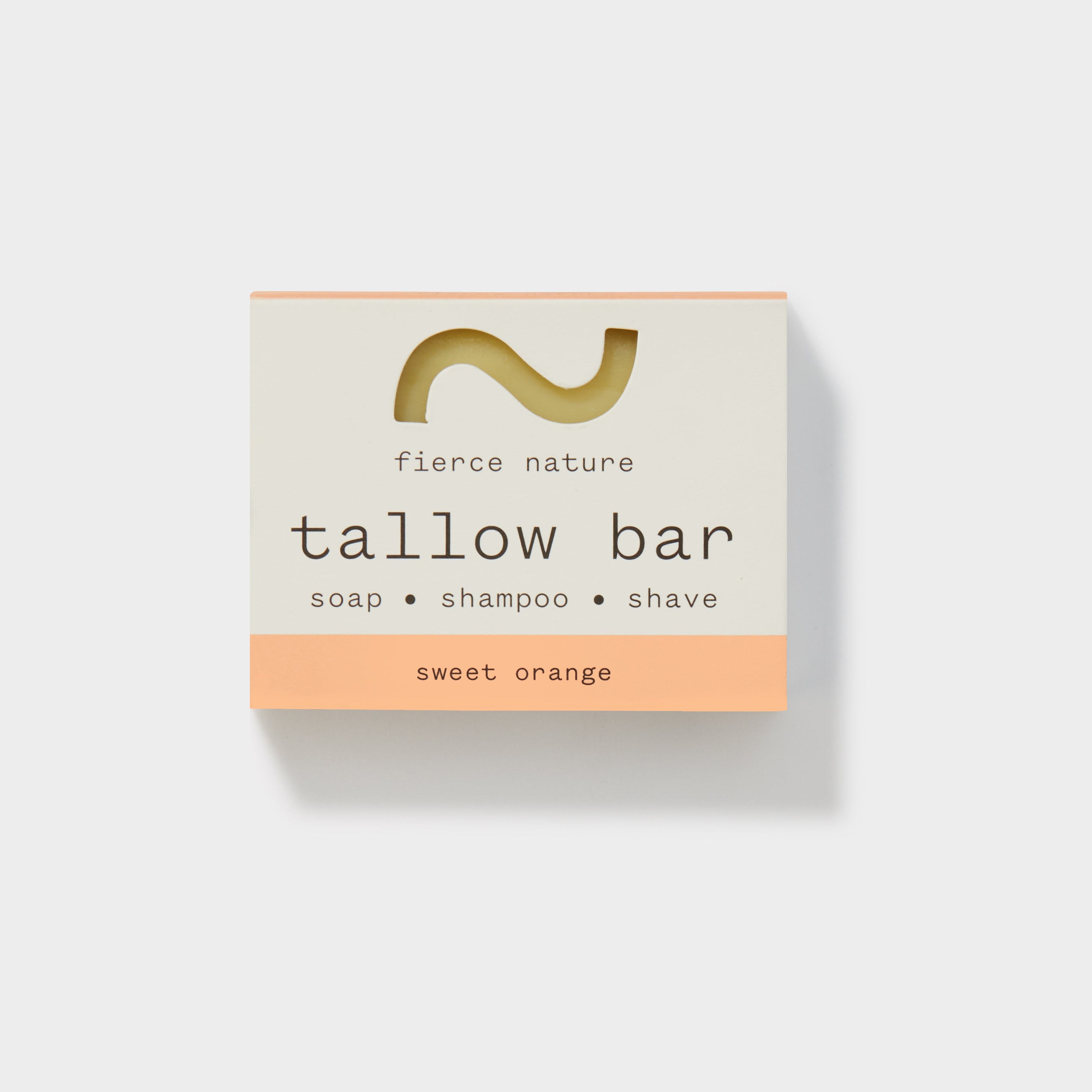
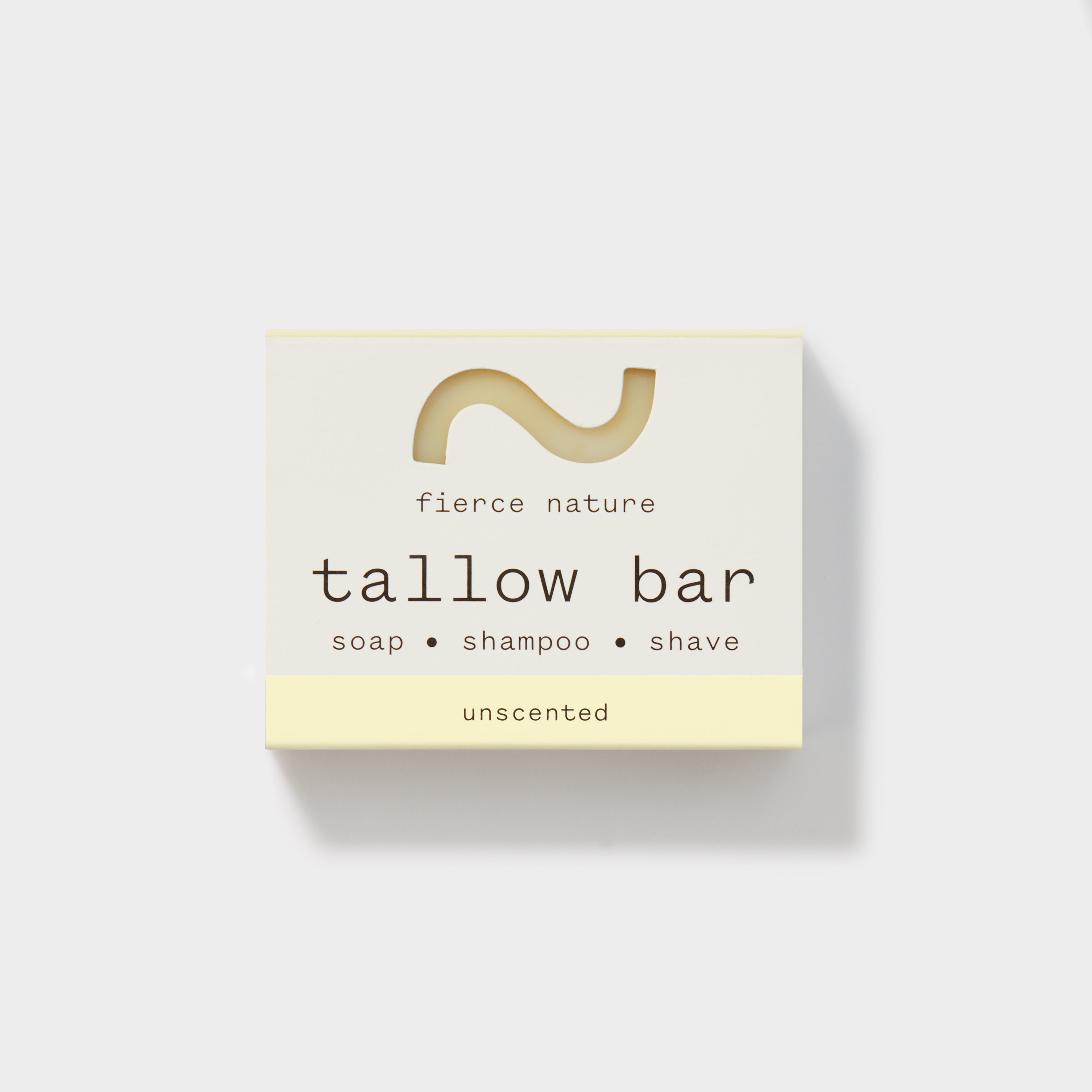
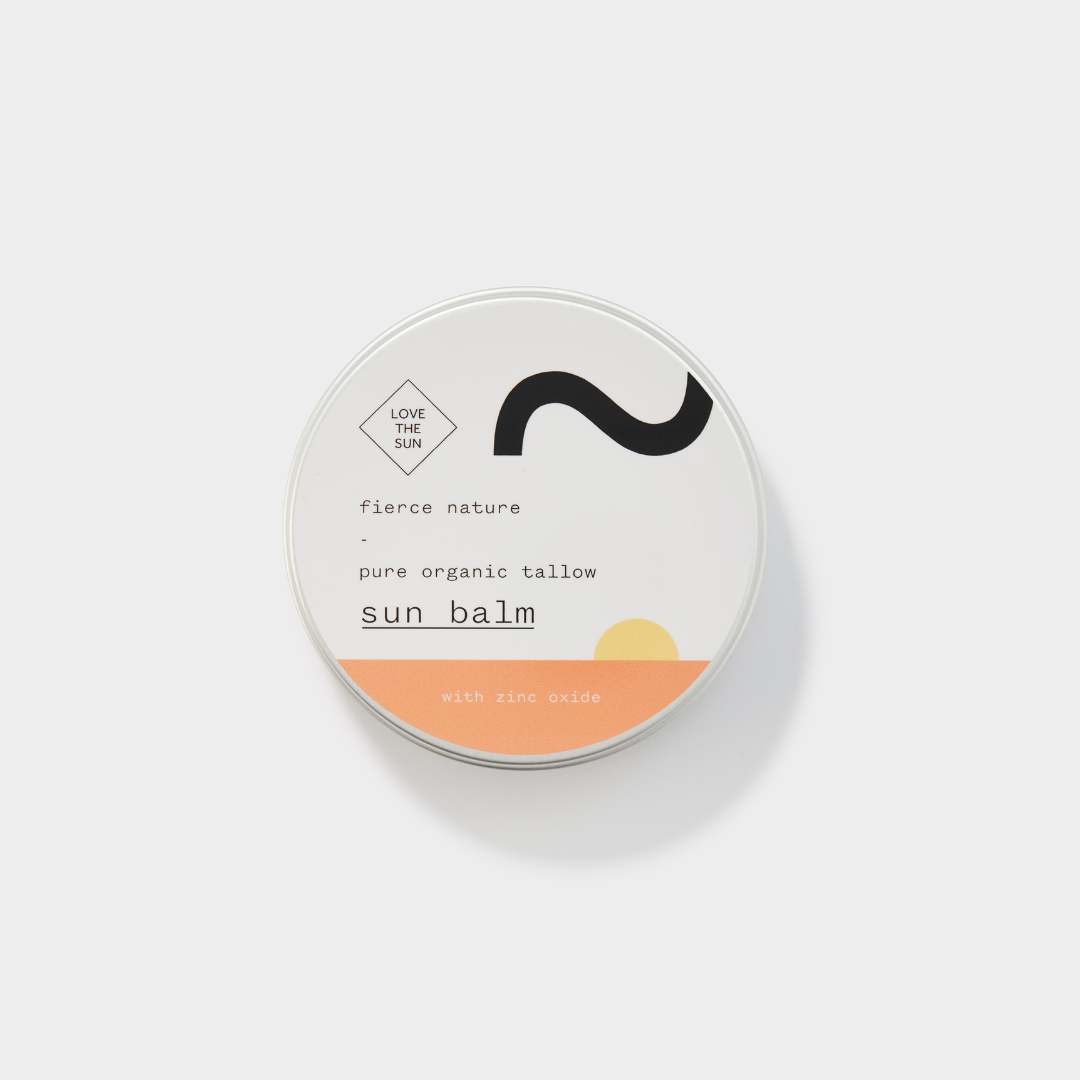
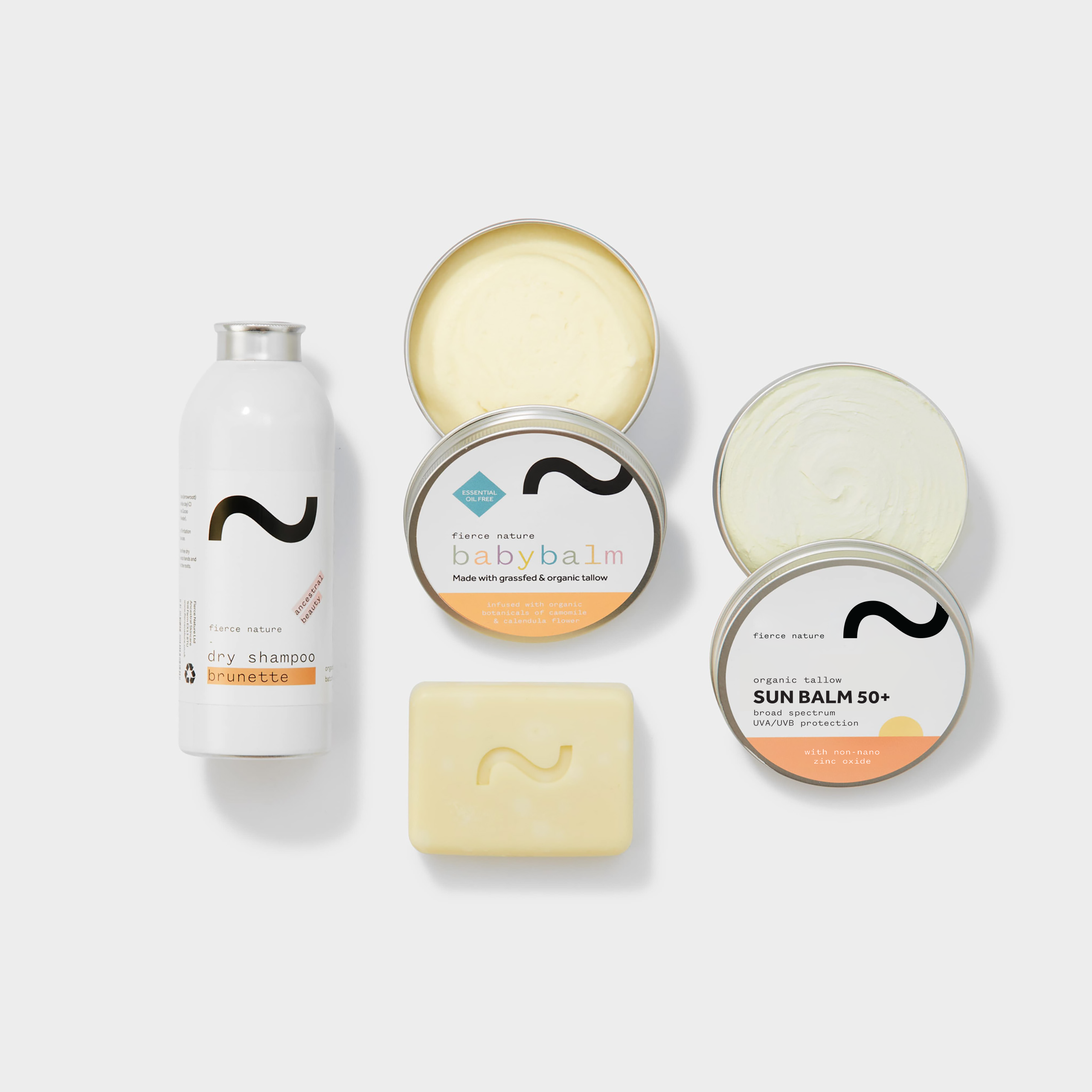
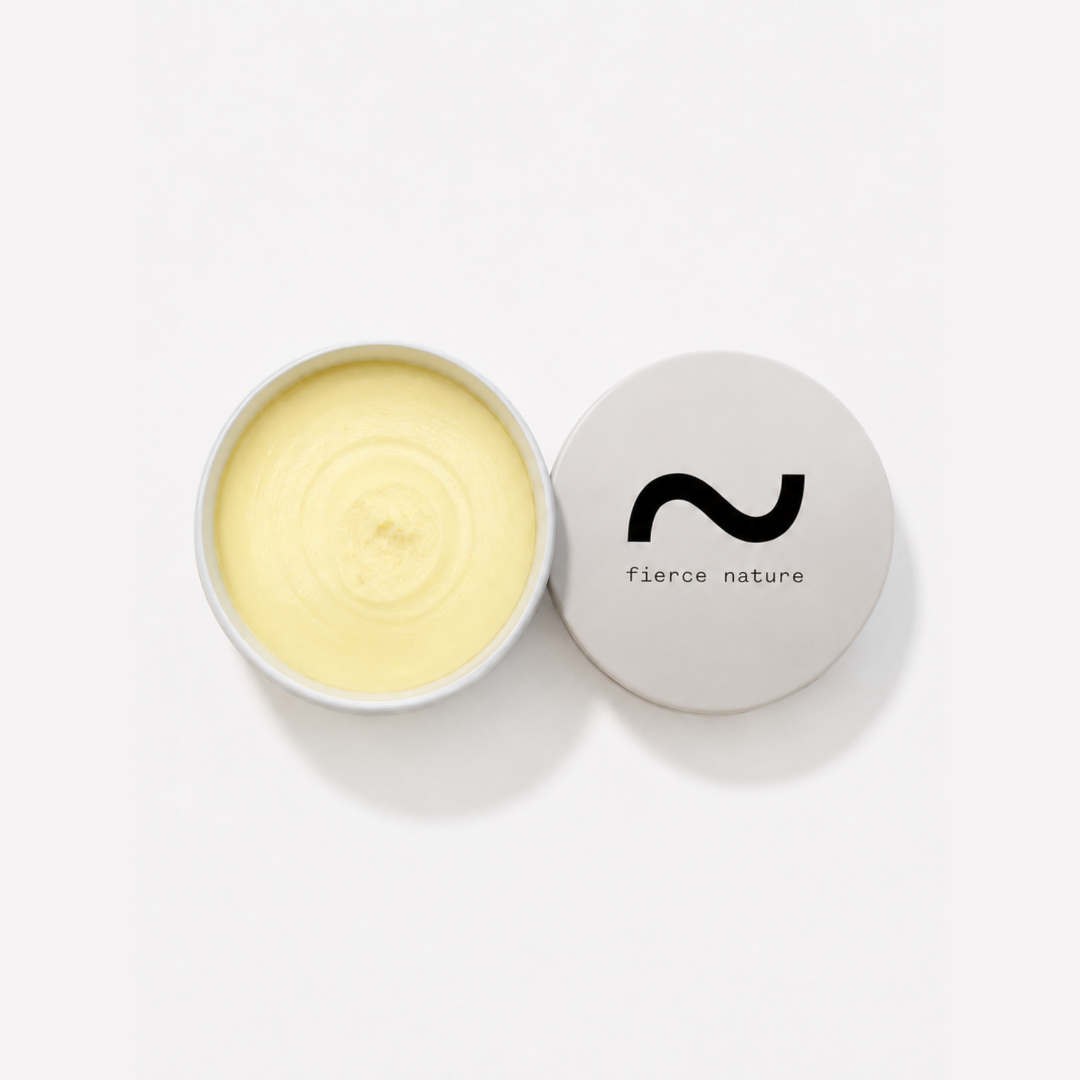
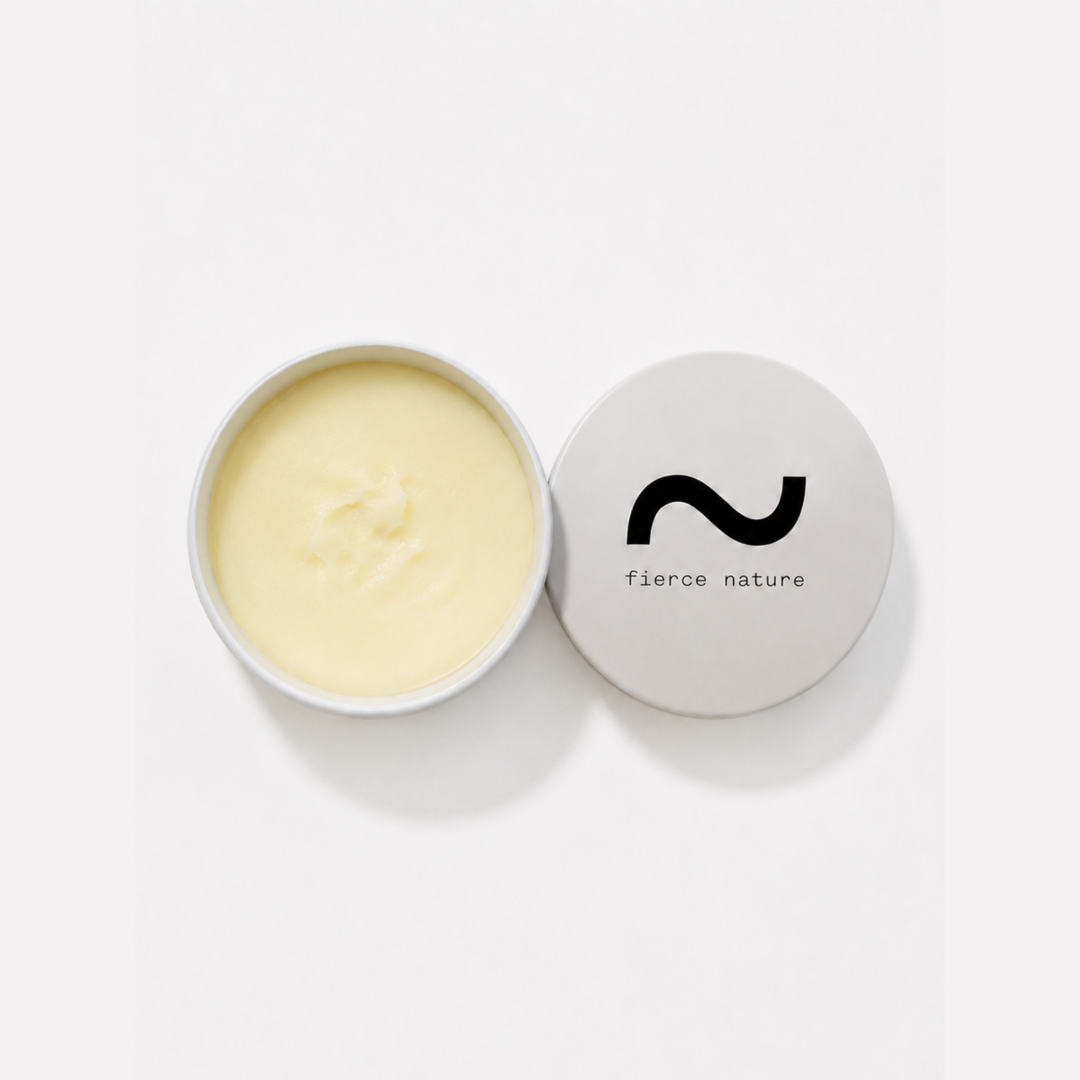
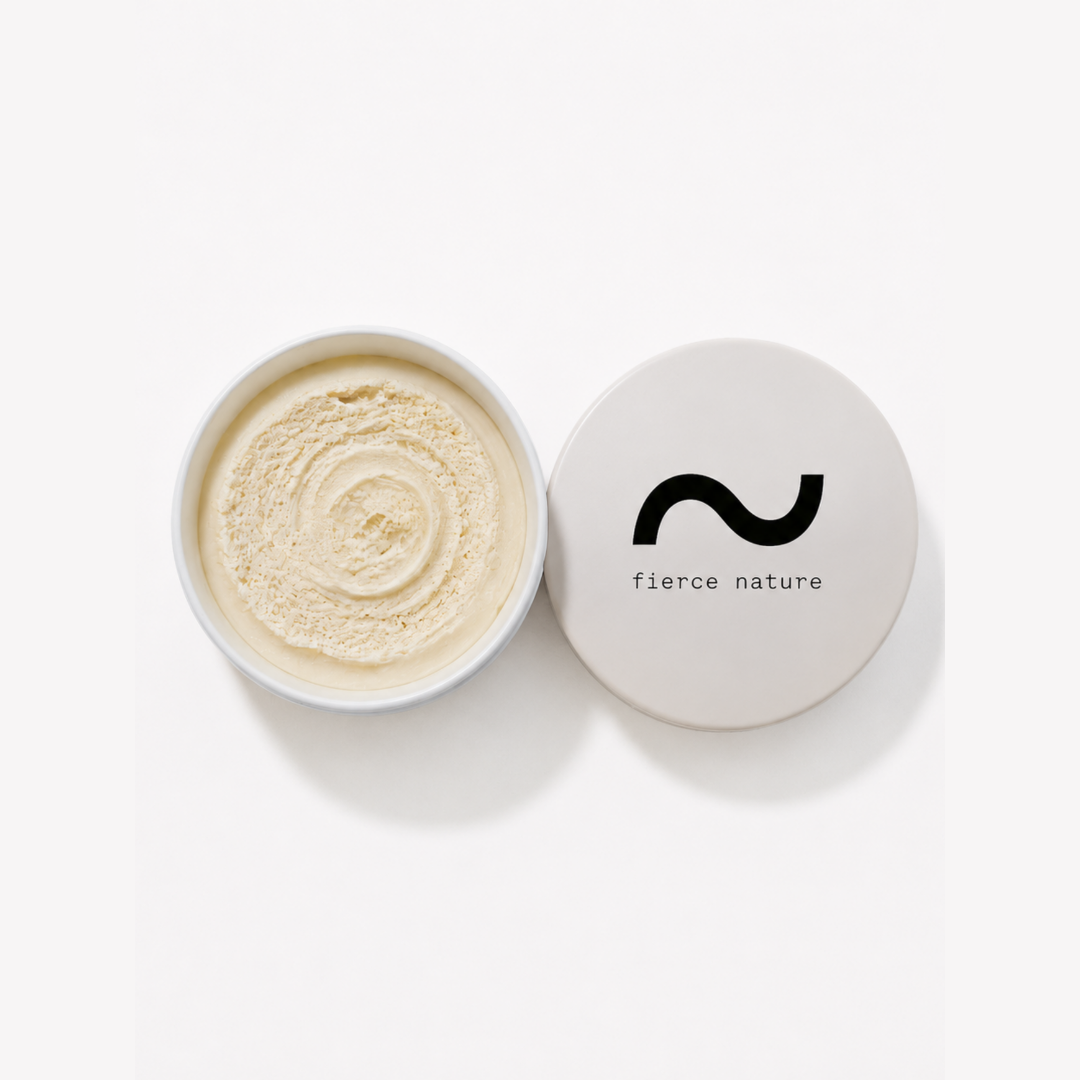

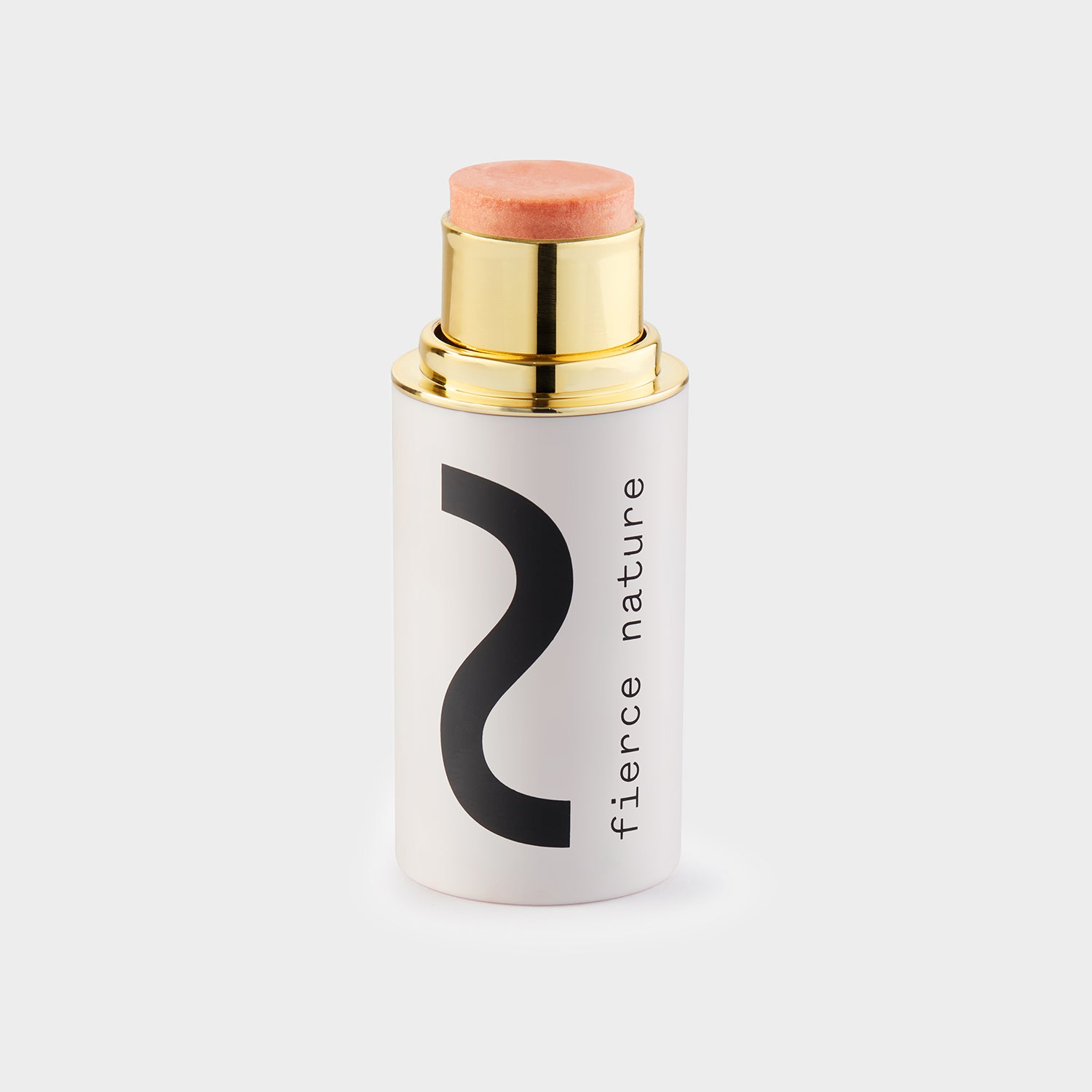
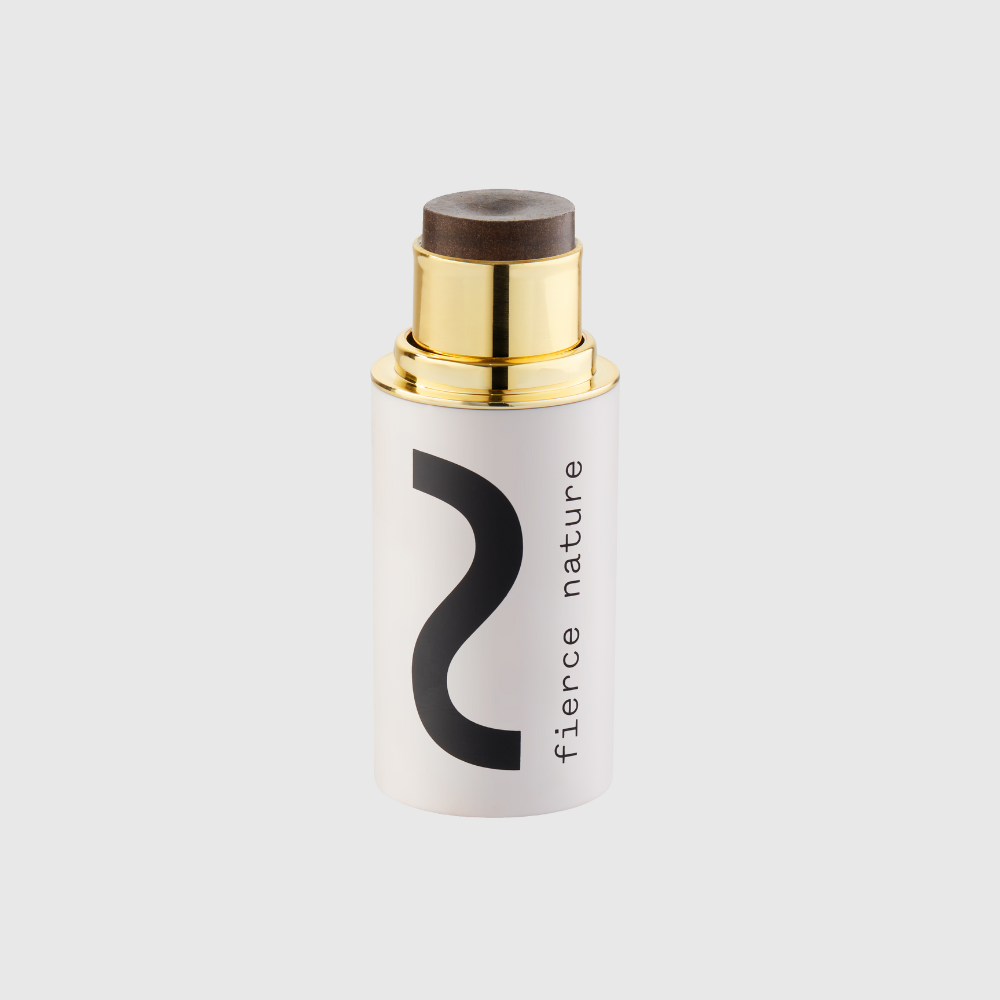
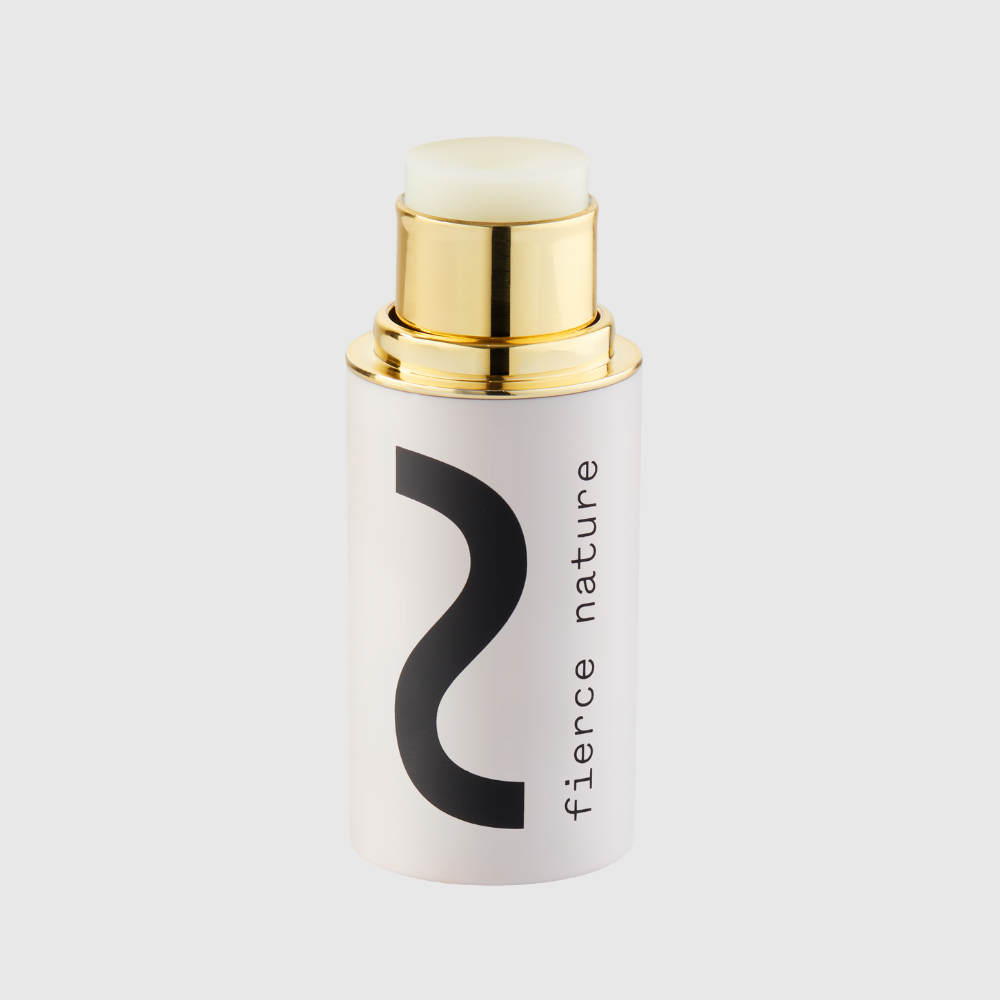
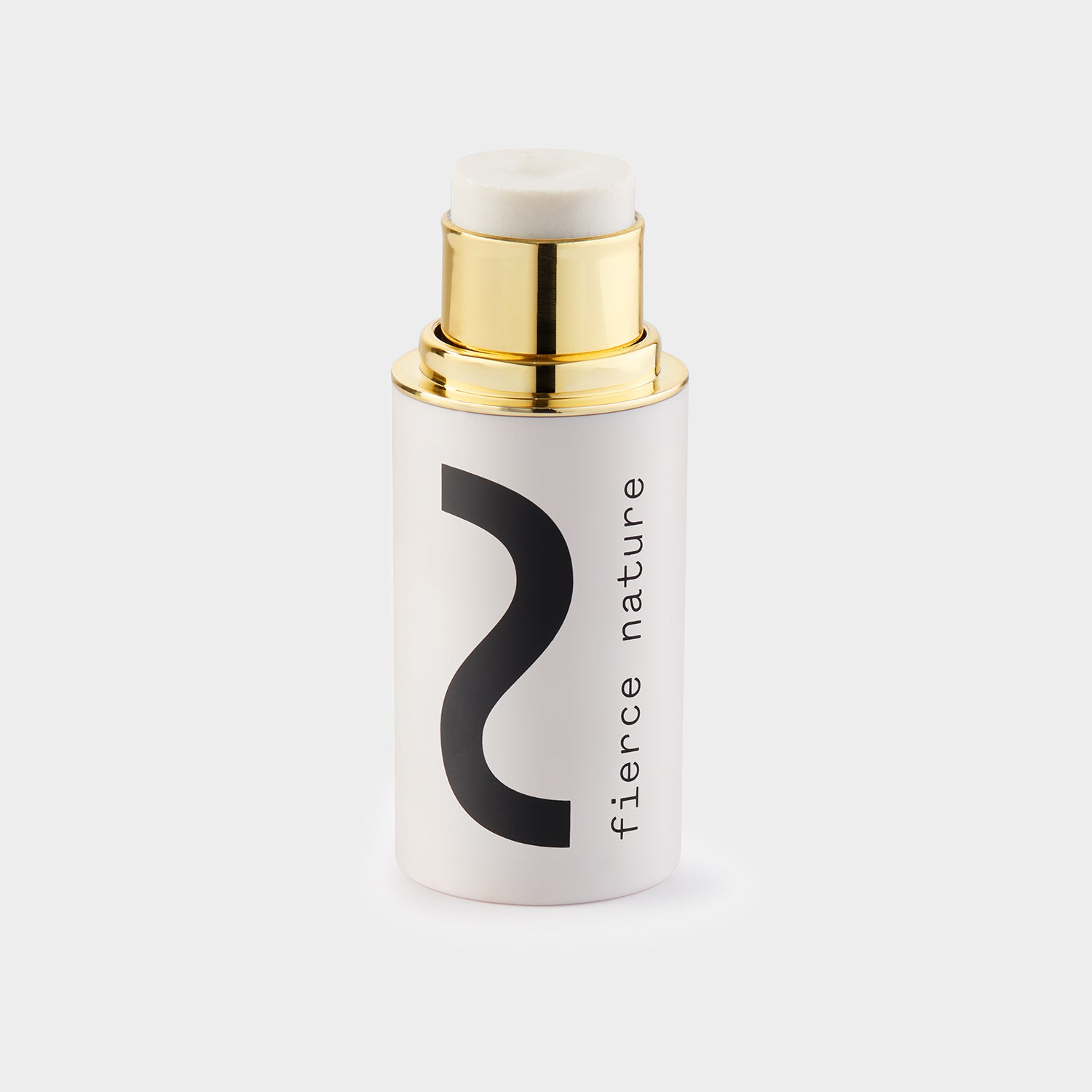
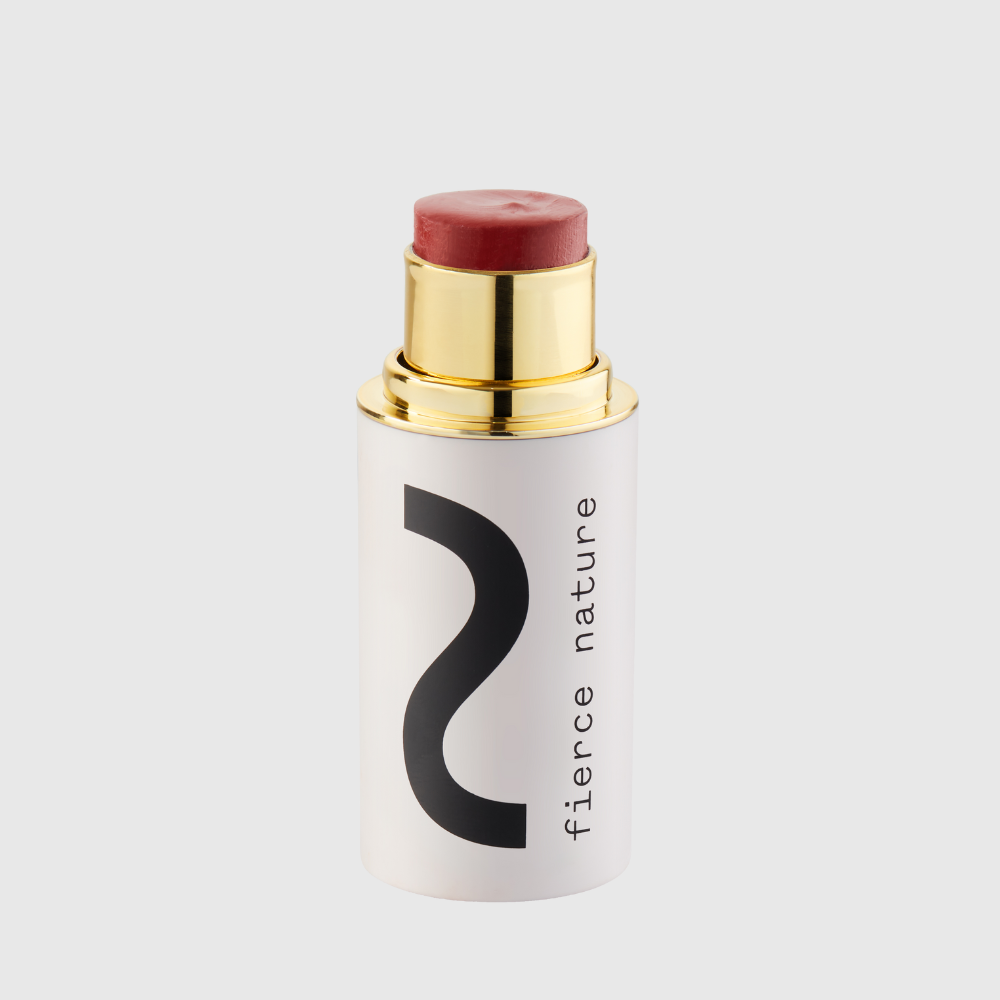
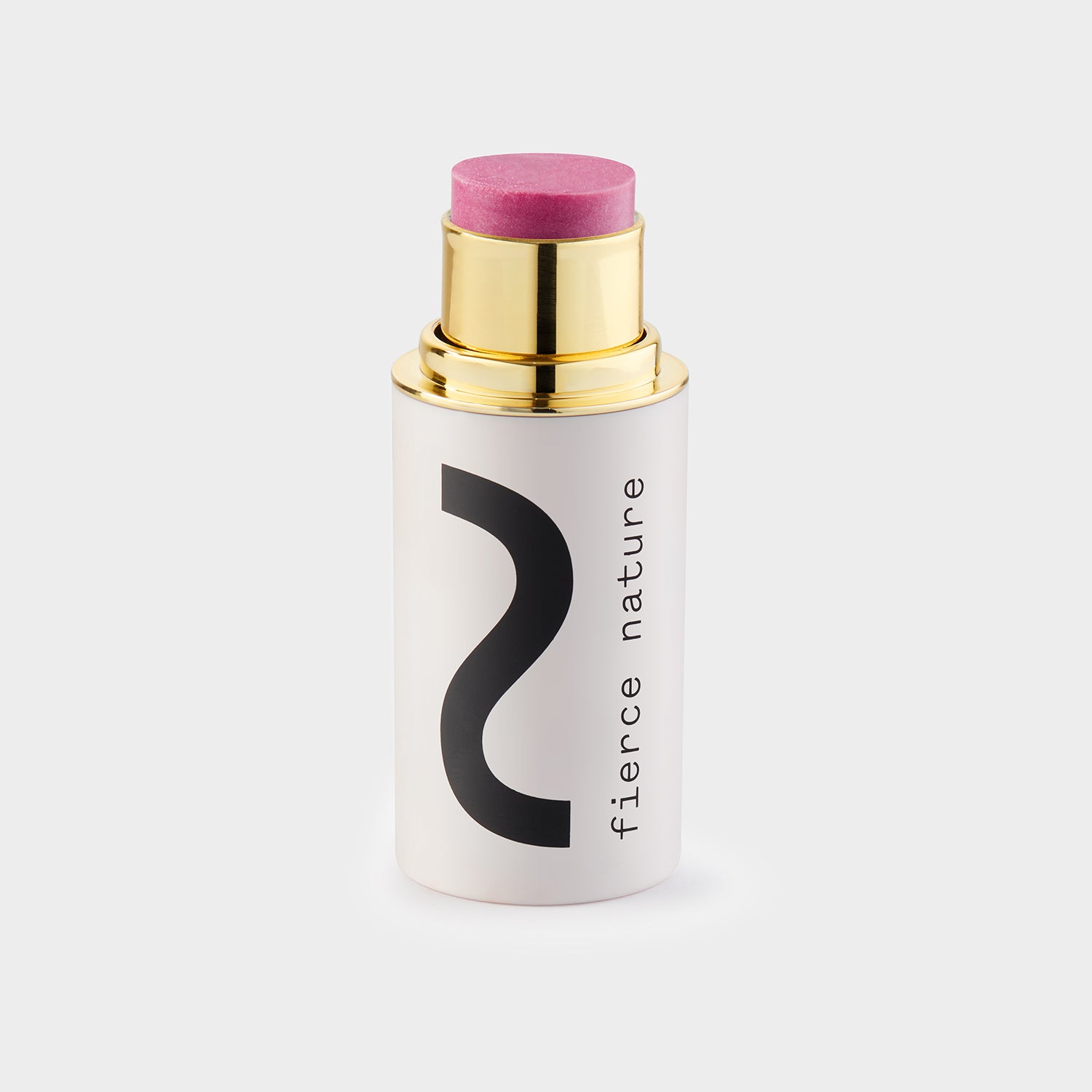
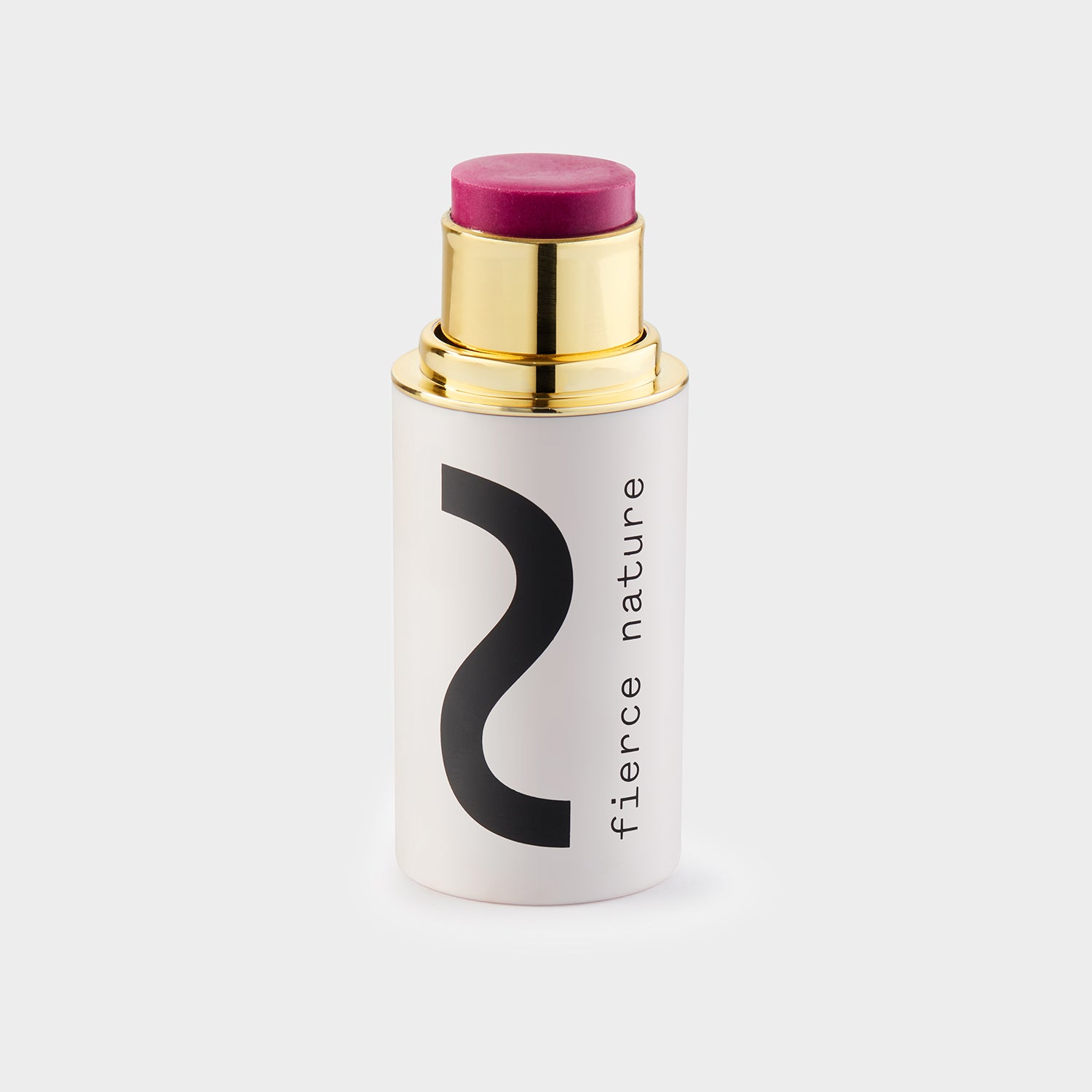
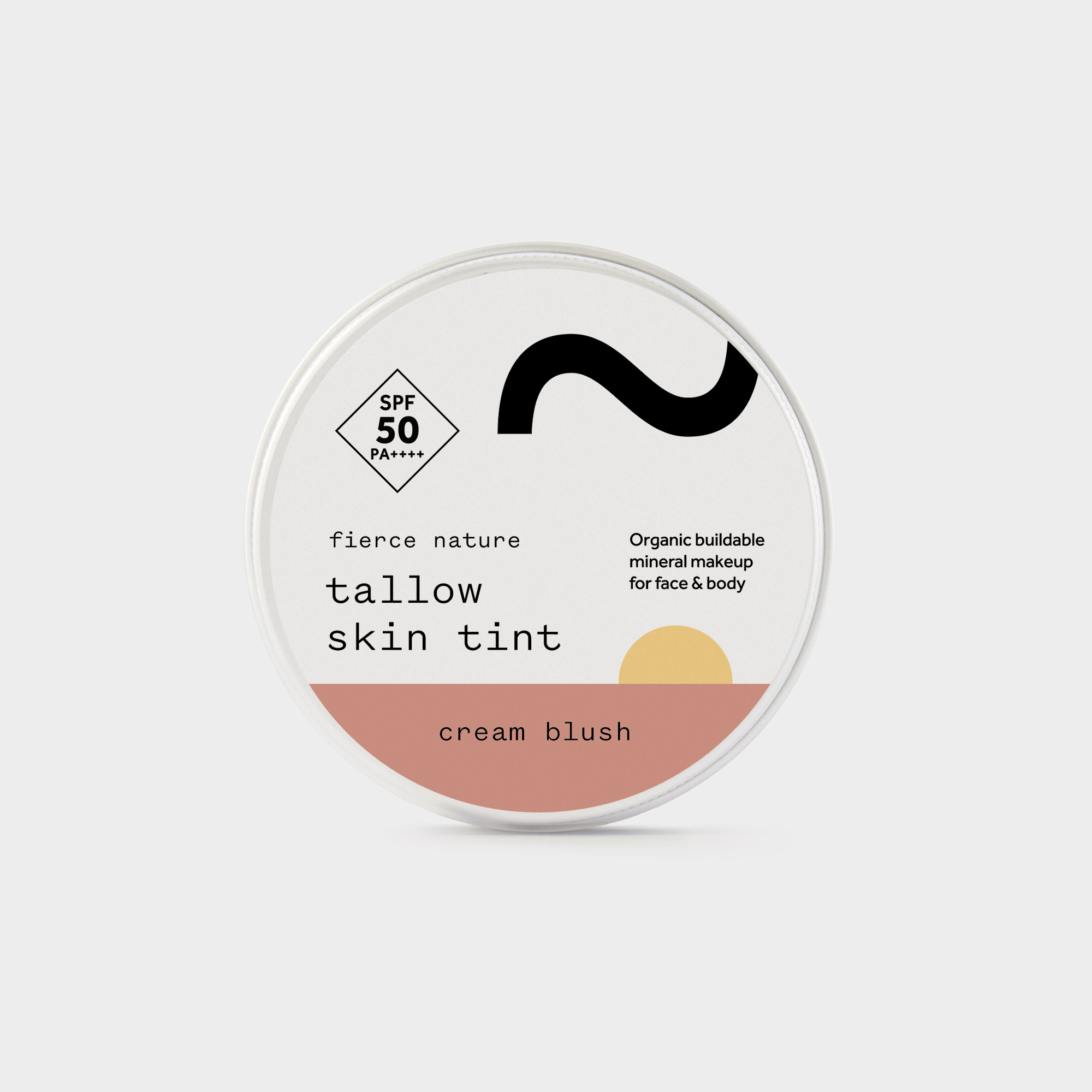



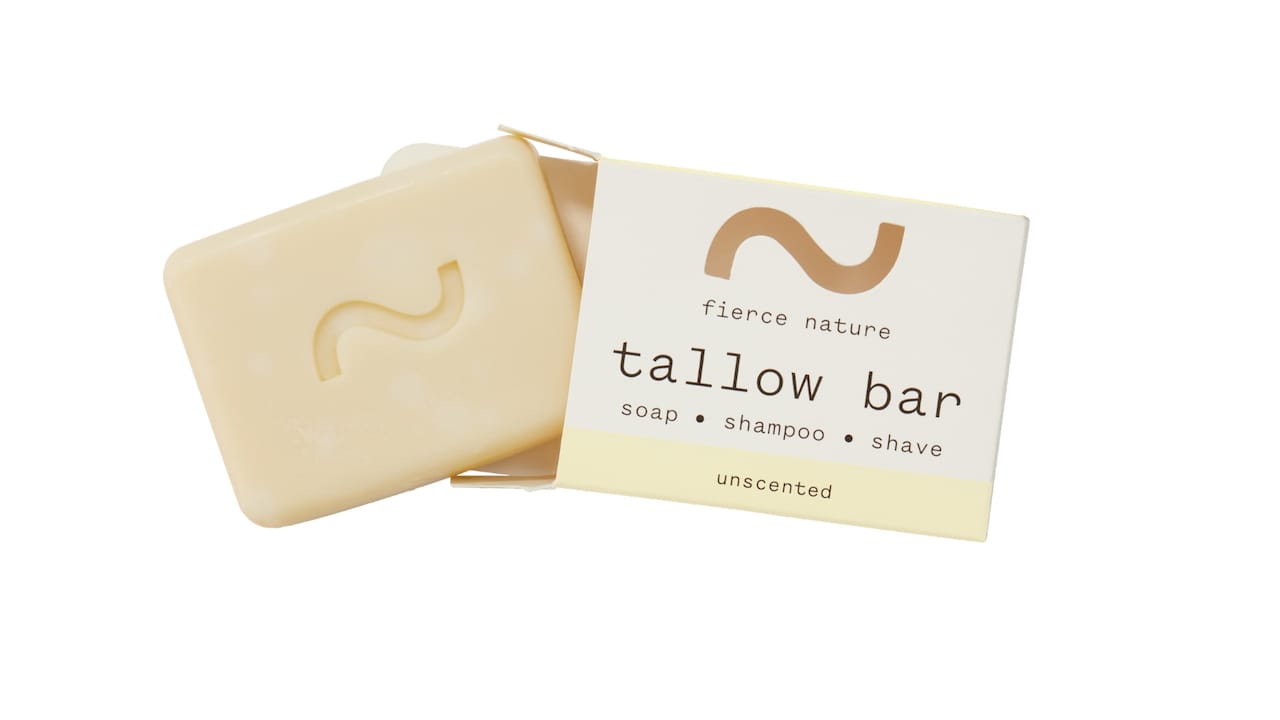
Animal fats nourish skin because their fatty acid composition closely mirrors human sebum, the skin’s own natural oil. That biological similarity means your skin recognises and absorbs these fats readily, rather than treating them as foreign substances to resist.
The key reasons tallow works so well for skin:
Sebum-compatible lipids: Beef tallow contains oleic, palmitic, and stearic acids, the same fatty acids your skin produces naturally, supporting barrier function and moisture retention.
Occlusive protection: Palmitic and stearic acids form a light occlusive layer that reduces transepidermal water loss without a heavy, greasy feel.
Fat-soluble vitamins: Tallow carries fat-soluble vitamins, which are hypothesised to provide antioxidant support and aid skin nourishment.
Two distinct forms: Saponified tallow (in soaps) cleanses without stripping skin lipids aggressively; unsaponified tallow (in balms) acts as an emollient, retaining moisture and nourishing the skin surface.
Skin type caution: Dermatologists advise that those with acne-prone, oily, or combination skin should use tallow cautiously, as its thickness can clog pores.
Oleic acid is the standout performer. It helps lock moisture into the skin, keeping your barrier supple and reducing the tightness that comes with dehydration. Palmitic and stearic acids complement this by sitting on the skin’s surface and slowing water evaporation, a process dermatologists call reducing transepidermal water loss.
Vitamins A, D, E, and K add another layer of benefit. Vitamin A supports cell turnover; vitamin E is a well-regarded antioxidant; vitamins D and K contribute to barrier health. Clinical proof of their effectiveness when delivered topically via tallow is still limited, and dermatologist Dr. Rajani Katta notes that tallow’s popularity has outpaced its scientific validation. That said, the biochemical rationale is genuinely sound.
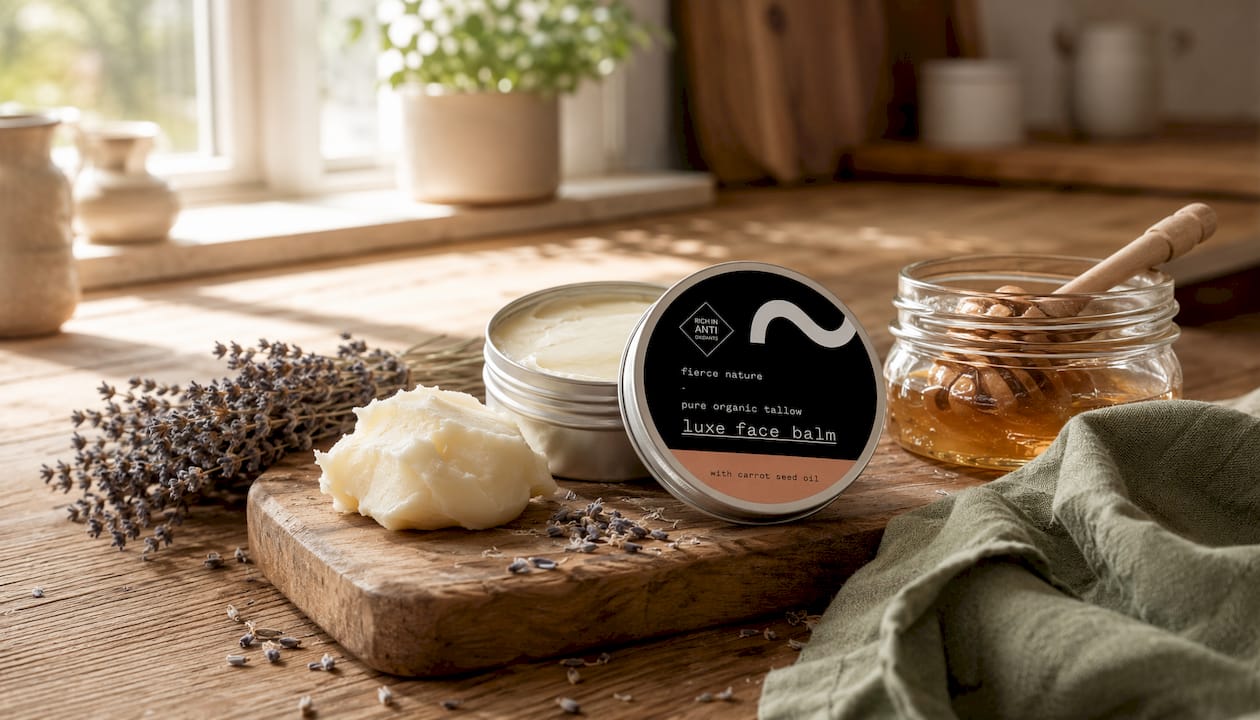
Pro Tip: Grass-fed tallow contains different fatty acid profiles that may offer greater skin benefits than grain-fed versions, so sourcing matters. Always look for products made from grass-fed, organically raised animals for the best skin benefits.
Tallow has been used in soaps and skin emollients for centuries, long before synthetic moisturisers existed. That historical use in skincare reflects a practical wisdom that modern biochemistry is now beginning to explain. When compared with many plant-based oils, tallow’s saturated fat content gives it greater shelf stability and a fatty acid profile that sits closer to skin’s own sebum than most botanical alternatives.
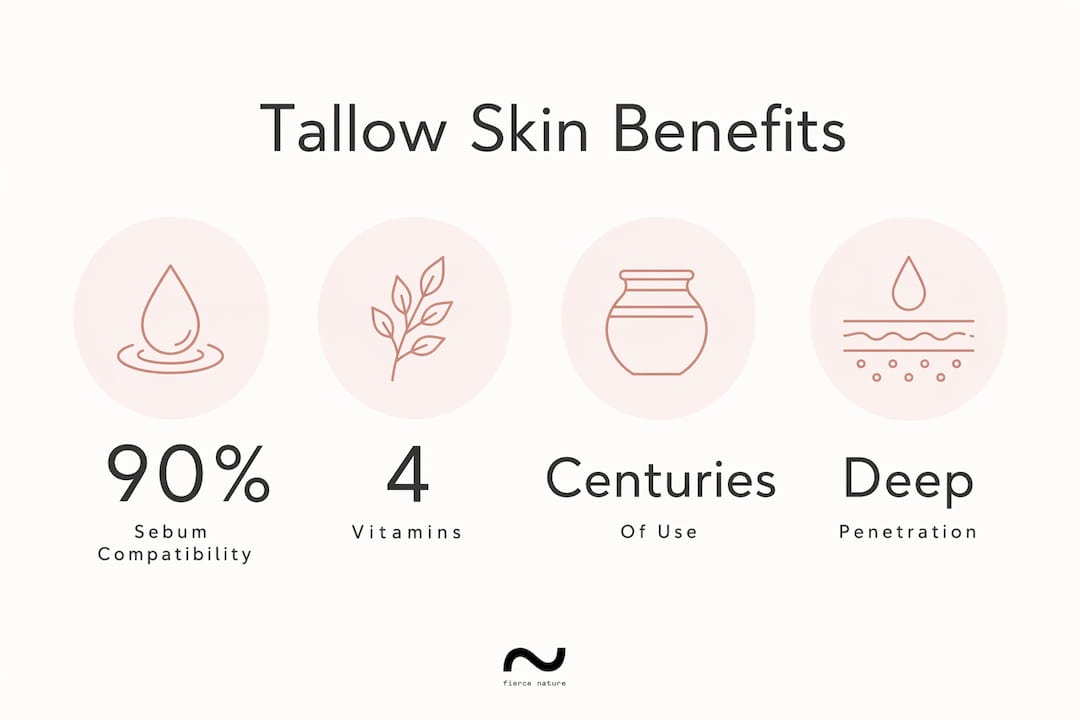
Quality and sourcing shape the outcome significantly. Artisanal tallow products often lack the standardised testing found in dermatologist-recommended moisturisers, so choosing a brand that prioritises purity and traceability matters. Effective use of unsaponified tallow balms also depends on clean formulation and microbial safety, not just natural origin.
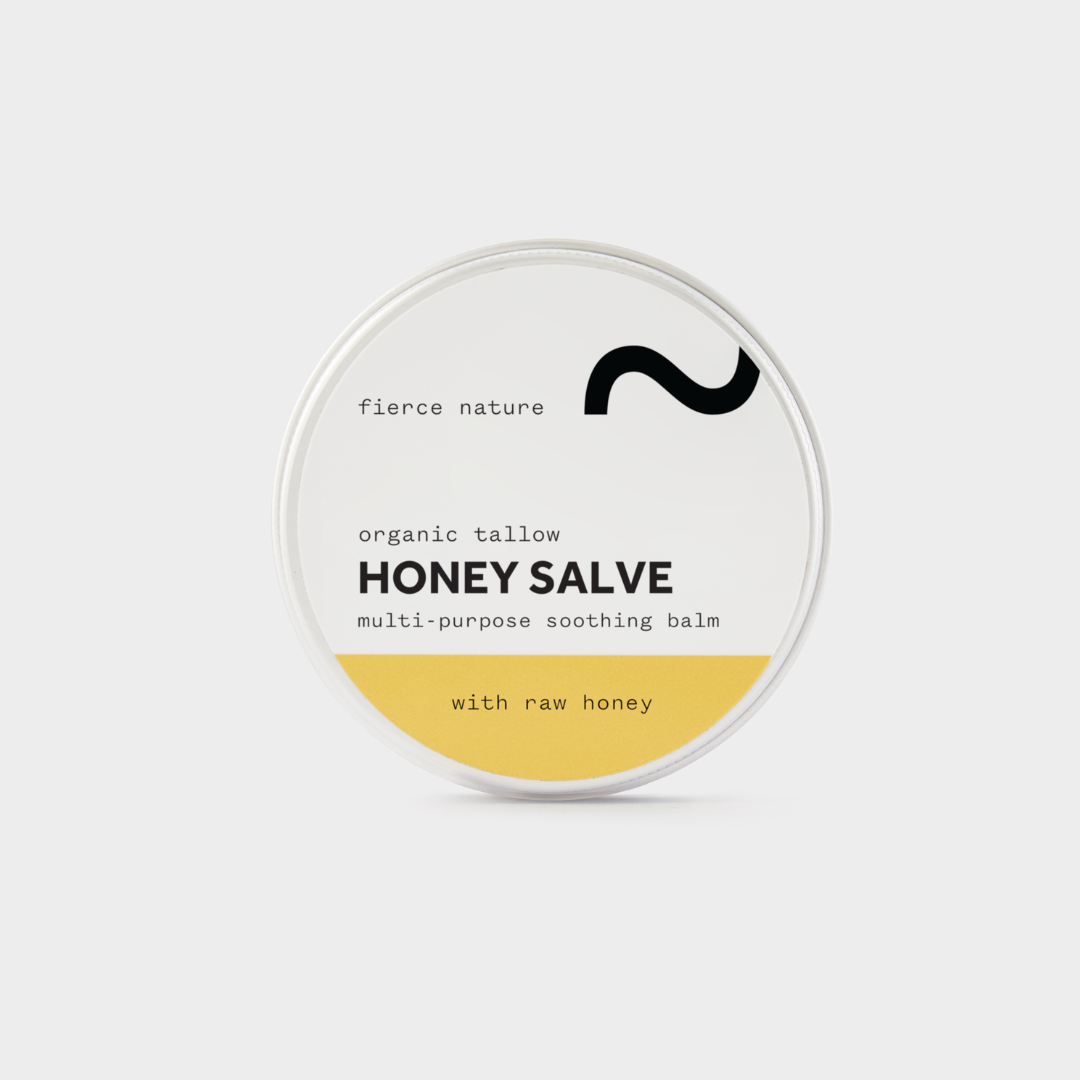
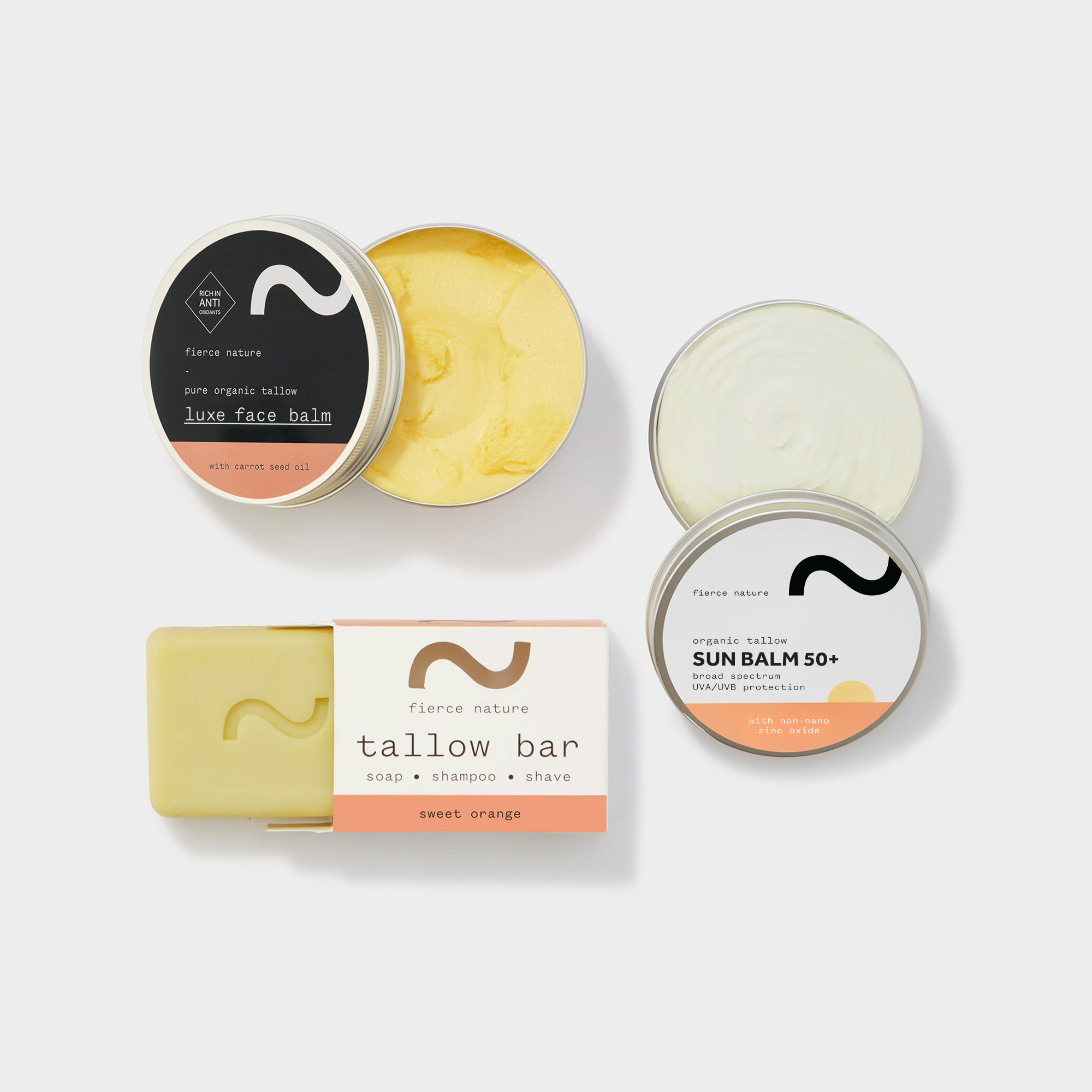
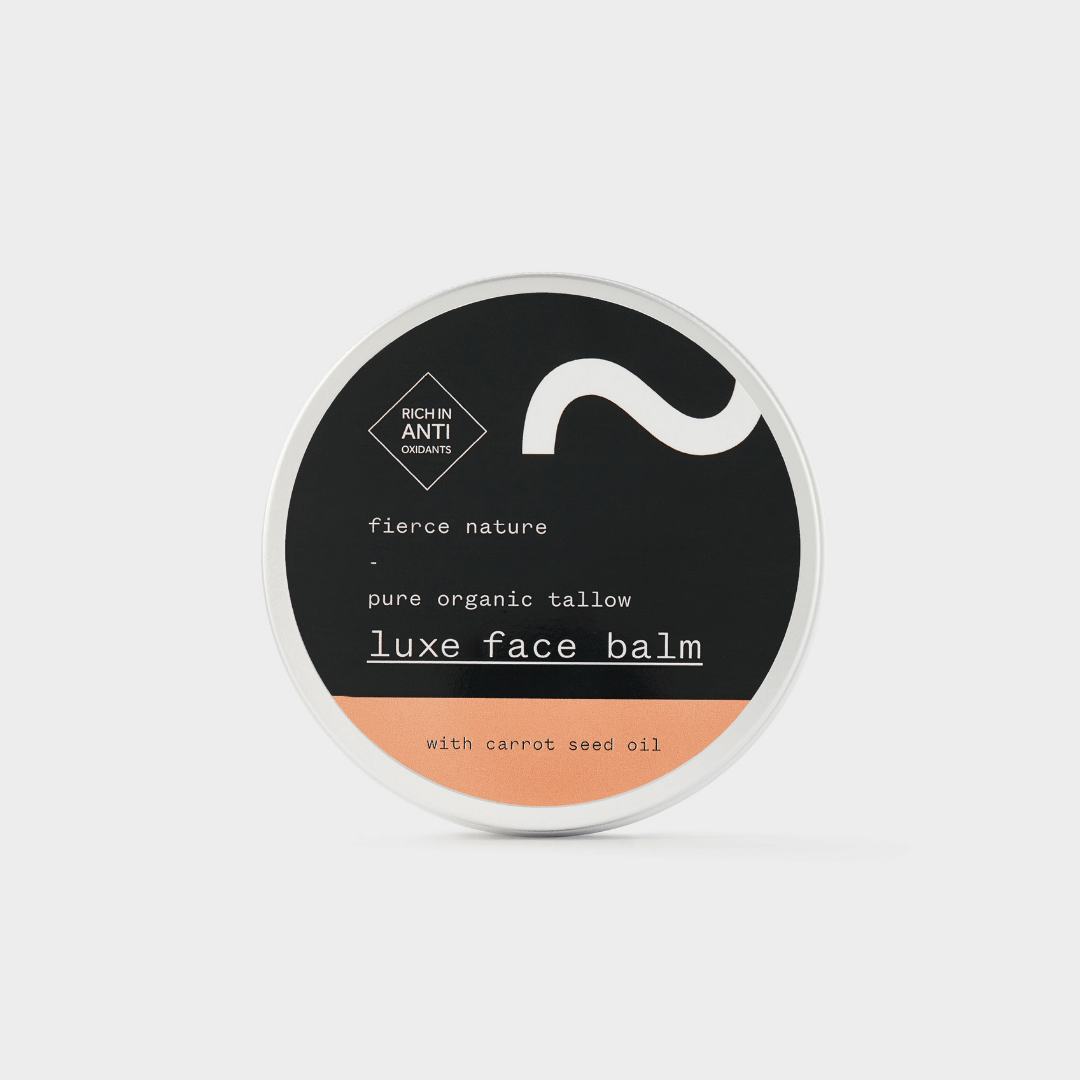
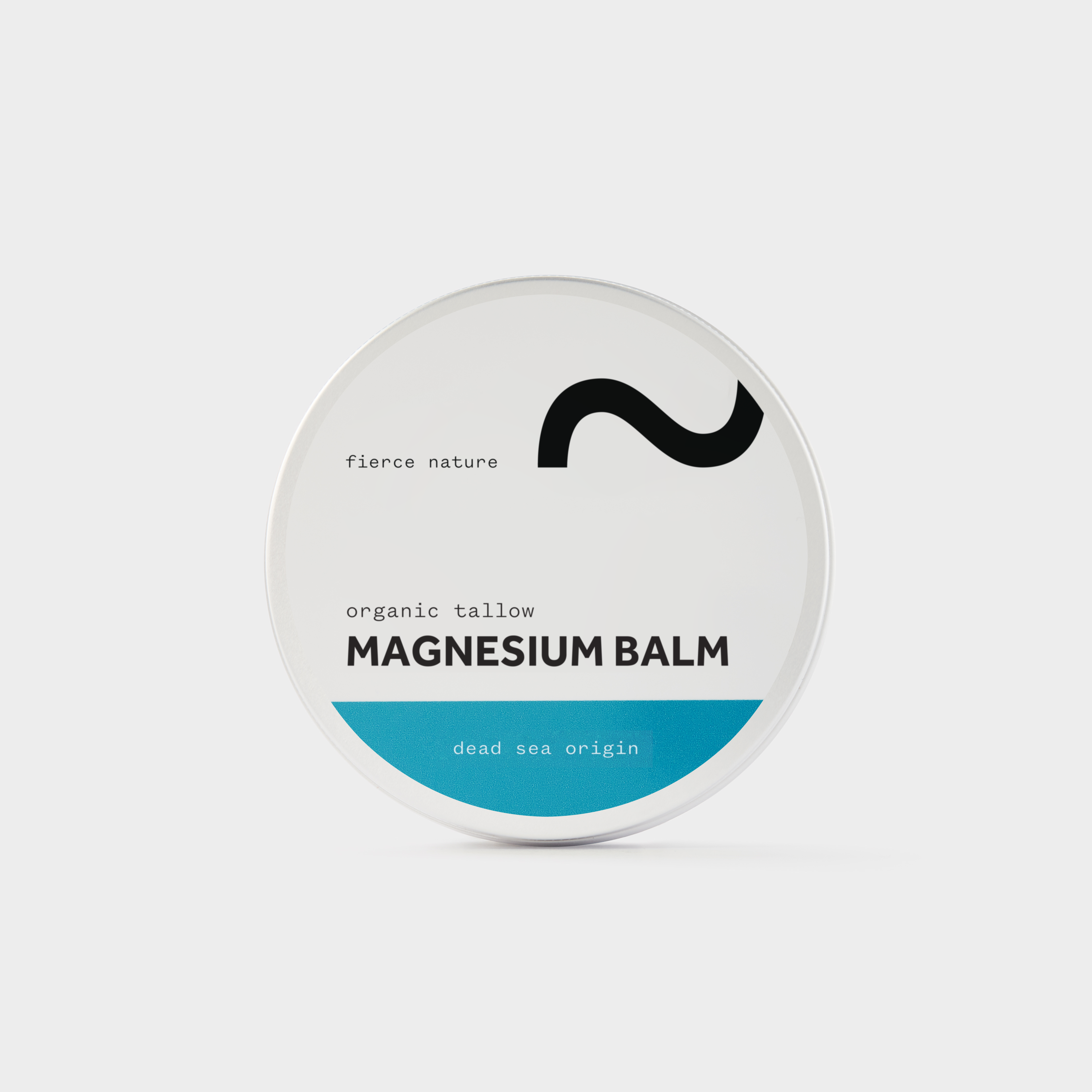
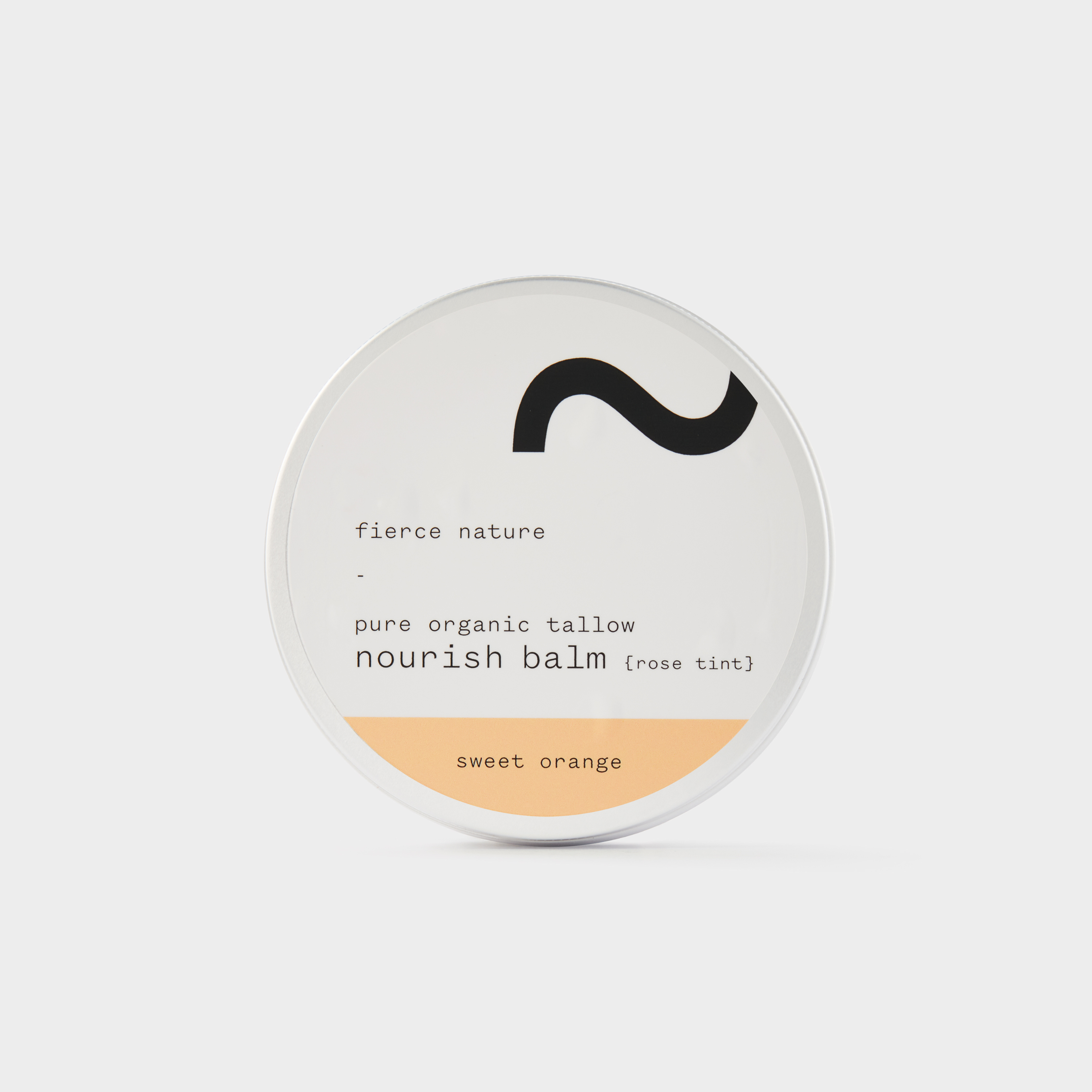
Fierce Nature handcrafts every product in the UK using pure organic tallow as the foundation, sourced with care and formulated without synthetic additives. If you are drawn to animal fat skincare for its biocompatibility and natural nourishing properties, our Luxe Balm delivers deep, restorative moisture for the face. For daily body nourishment, the Nourish Balm (Unscented) suits sensitive skin beautifully. Those wanting a touch of colour alongside nourishment will love the Nourish Balm with Rose Tint. Browse the full range and find the right fit for your skin.
Animal fats nourish skin because their fatty acid profile mirrors human sebum, supporting the moisture barrier, reducing water loss, and delivering fat-soluble vitamins A, D, E, and K.
| Point | Details |
|---|---|
| Sebum compatibility | Tallow’s oleic, palmitic, and stearic acids match the skin’s own lipids, aiding absorption. |
| Moisture retention | Palmitic and stearic acids reduce transepidermal water loss with a light occlusive effect. |
| Vitamin content | Fat-soluble vitamins A, D, E, and K in tallow are hypothesised to support antioxidant and barrier health. |
| Skin type caution | Acne-prone and oily skin types should use tallow carefully due to its comedogenic potential. |
| Fierce Nature | Fierce Nature’s organic tallow balms are handcrafted in the UK for deep, clean skin nourishment. |
Not universally. Dermatologists advise that acne-prone, oily, or combination skin types should avoid tallow or use it with caution, as its thickness can clog pores and trigger breakouts.
Saponified tallow is used in soaps and cleanses without stripping the skin’s natural lipids. Unsaponified tallow remains in balm form, acting as an emollient that retains moisture and nourishes the skin surface.
Grass-fed tallow contains higher levels of conjugated linoleic acid and omega-3 fatty acids than grain-fed versions, which may offer greater skin benefits, making source quality a meaningful consideration.
Tallow’s fatty acid profile sits closer to human sebum than most plant oils, and its saturated fat content gives it better shelf stability. Clinical head-to-head comparisons remain limited, so neither is universally superior.


