Cart
0
80% Also Added this
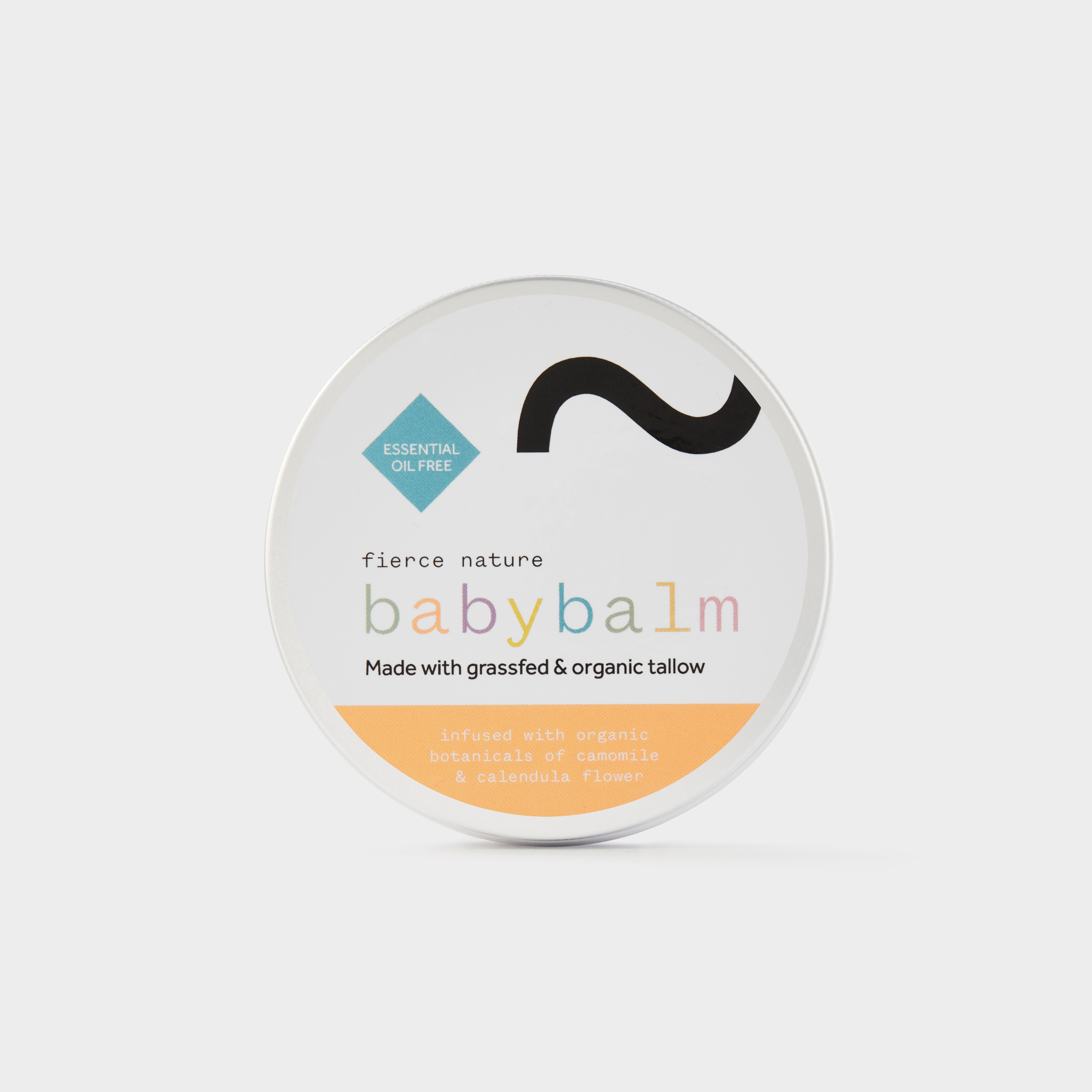
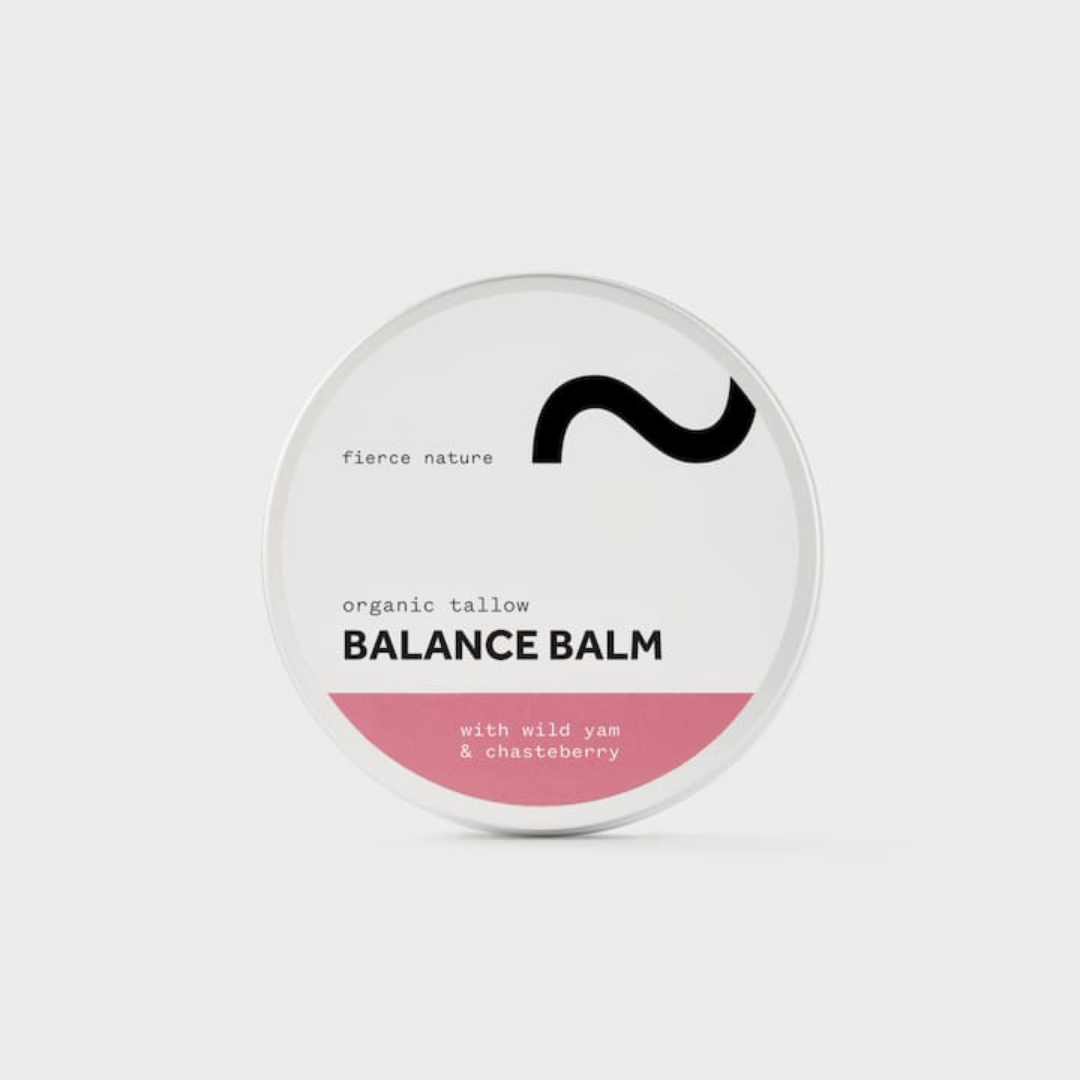
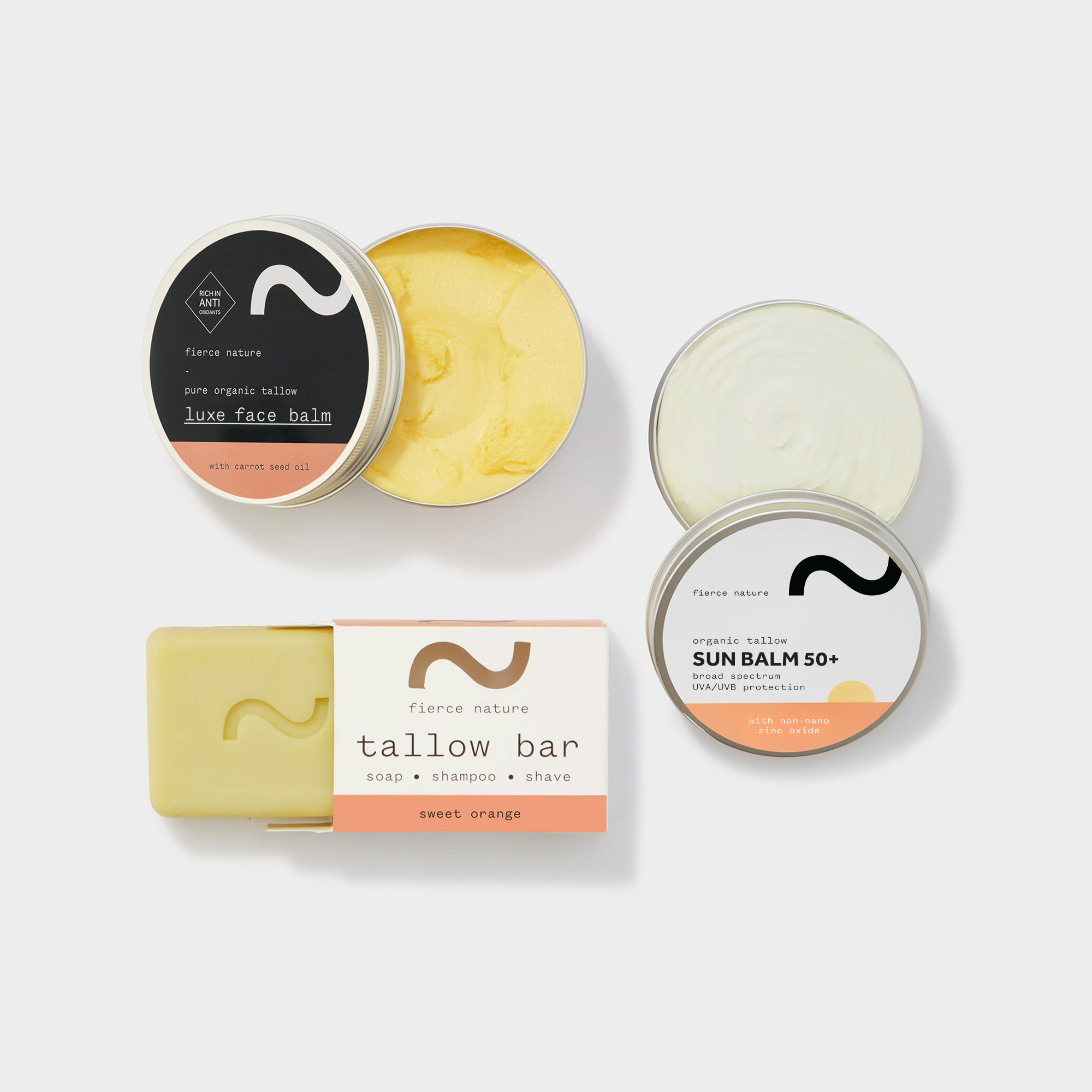
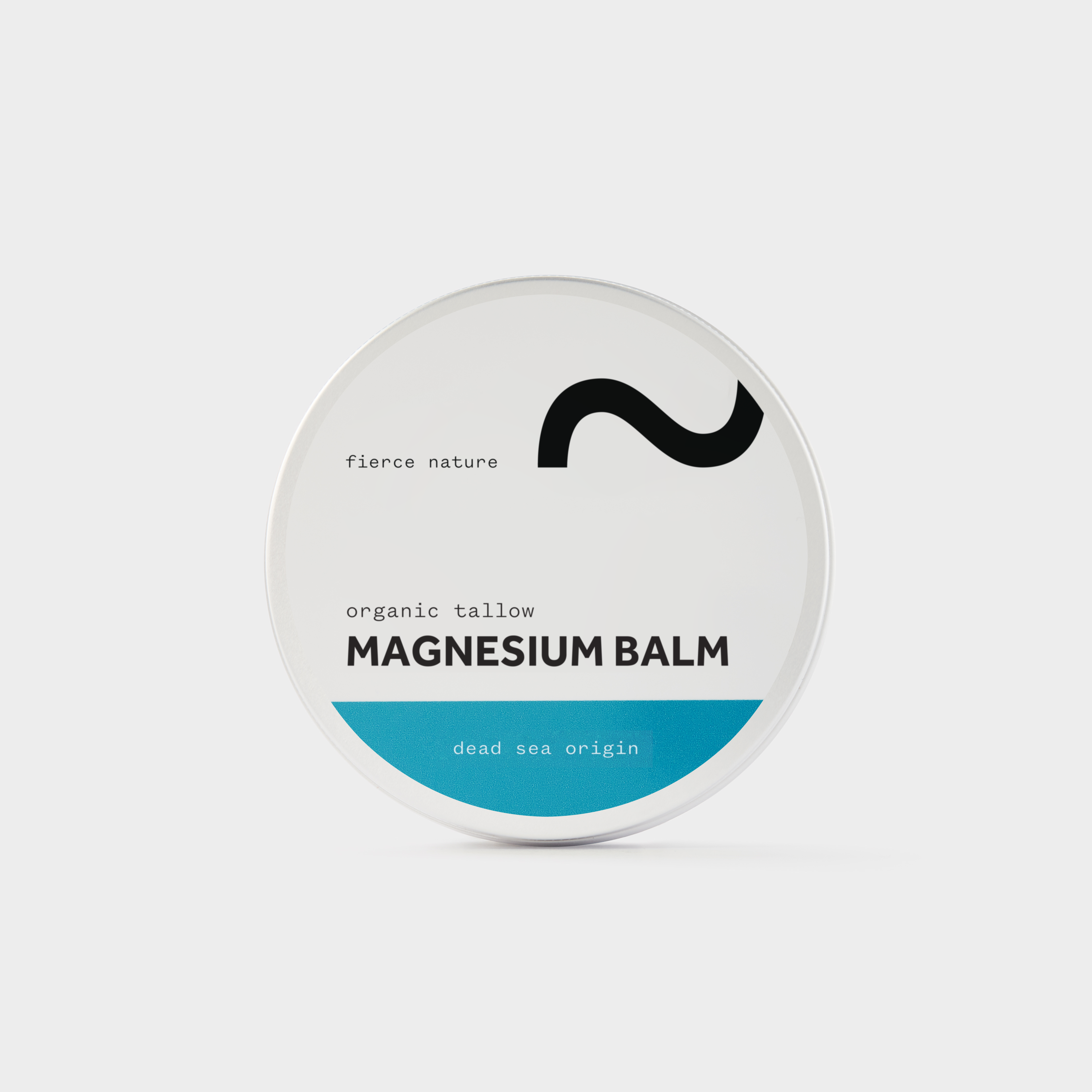
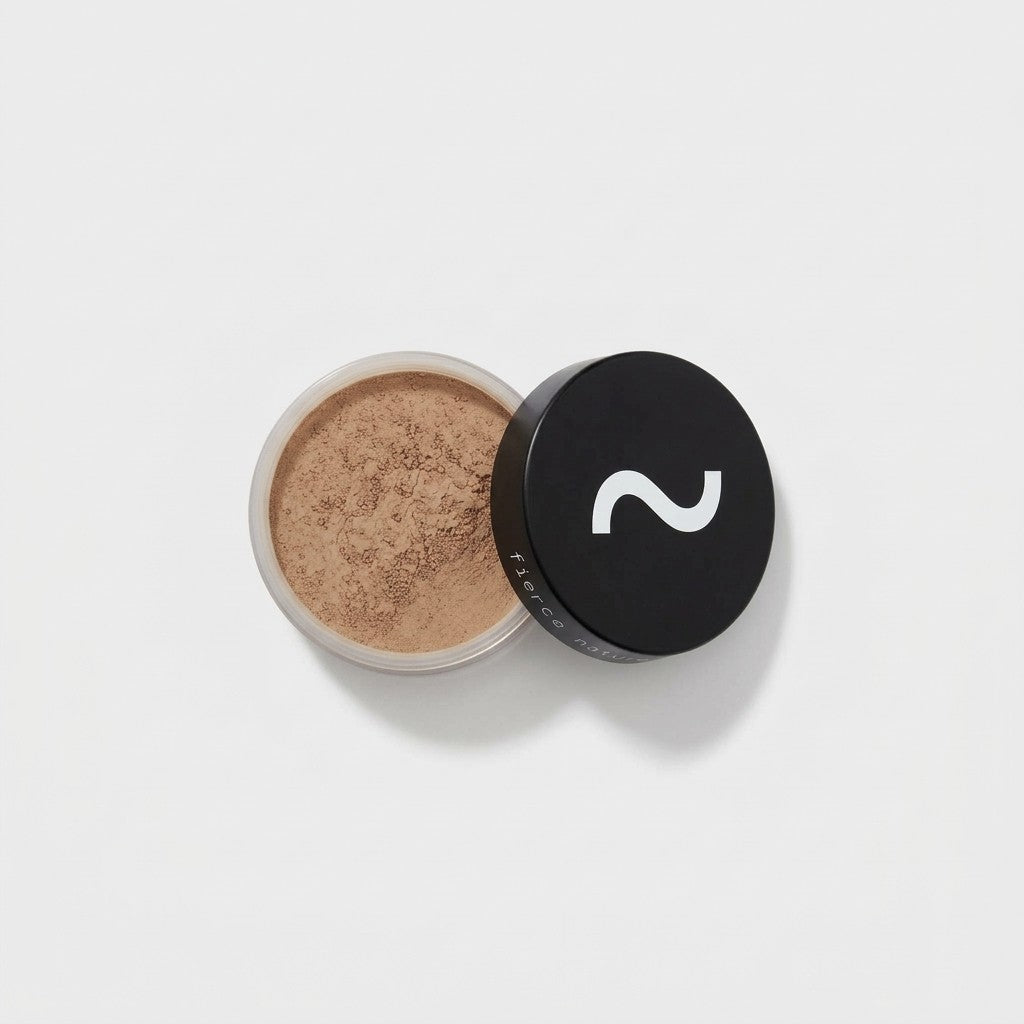
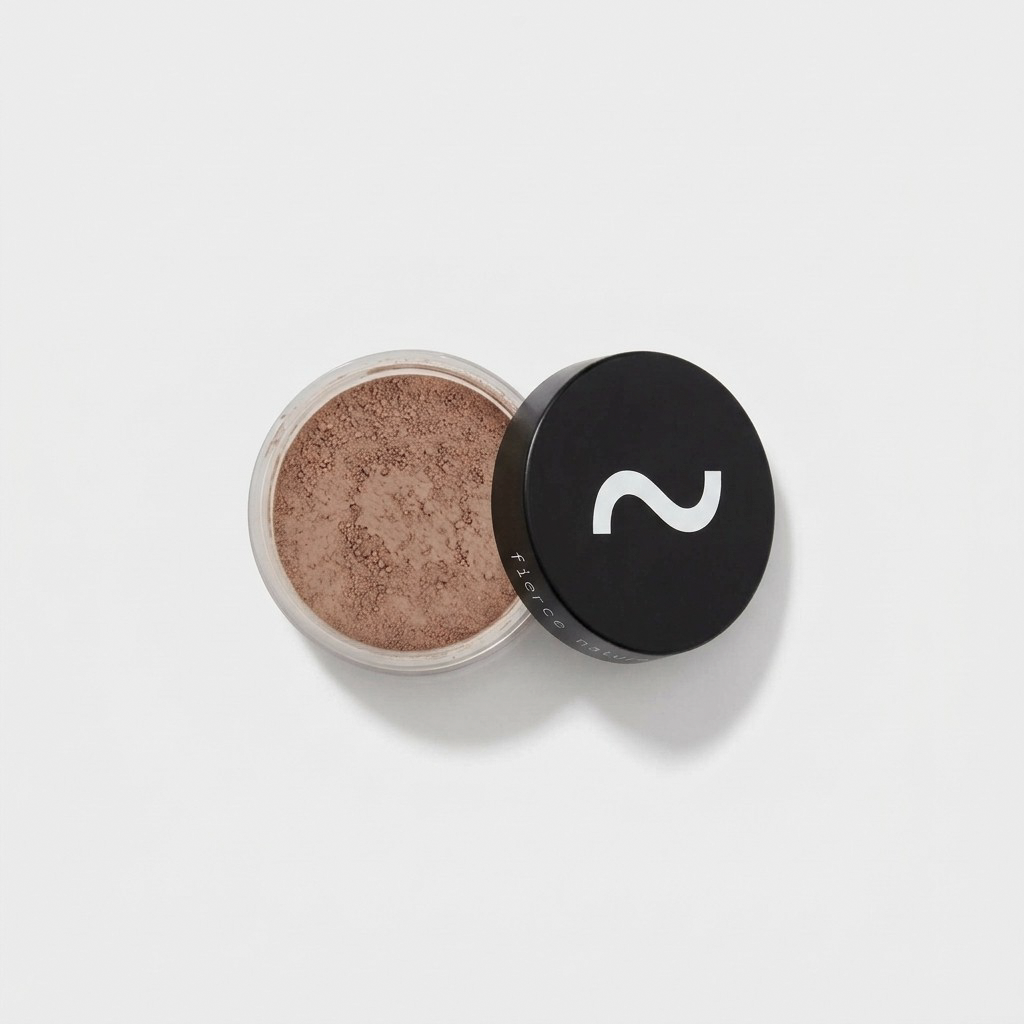
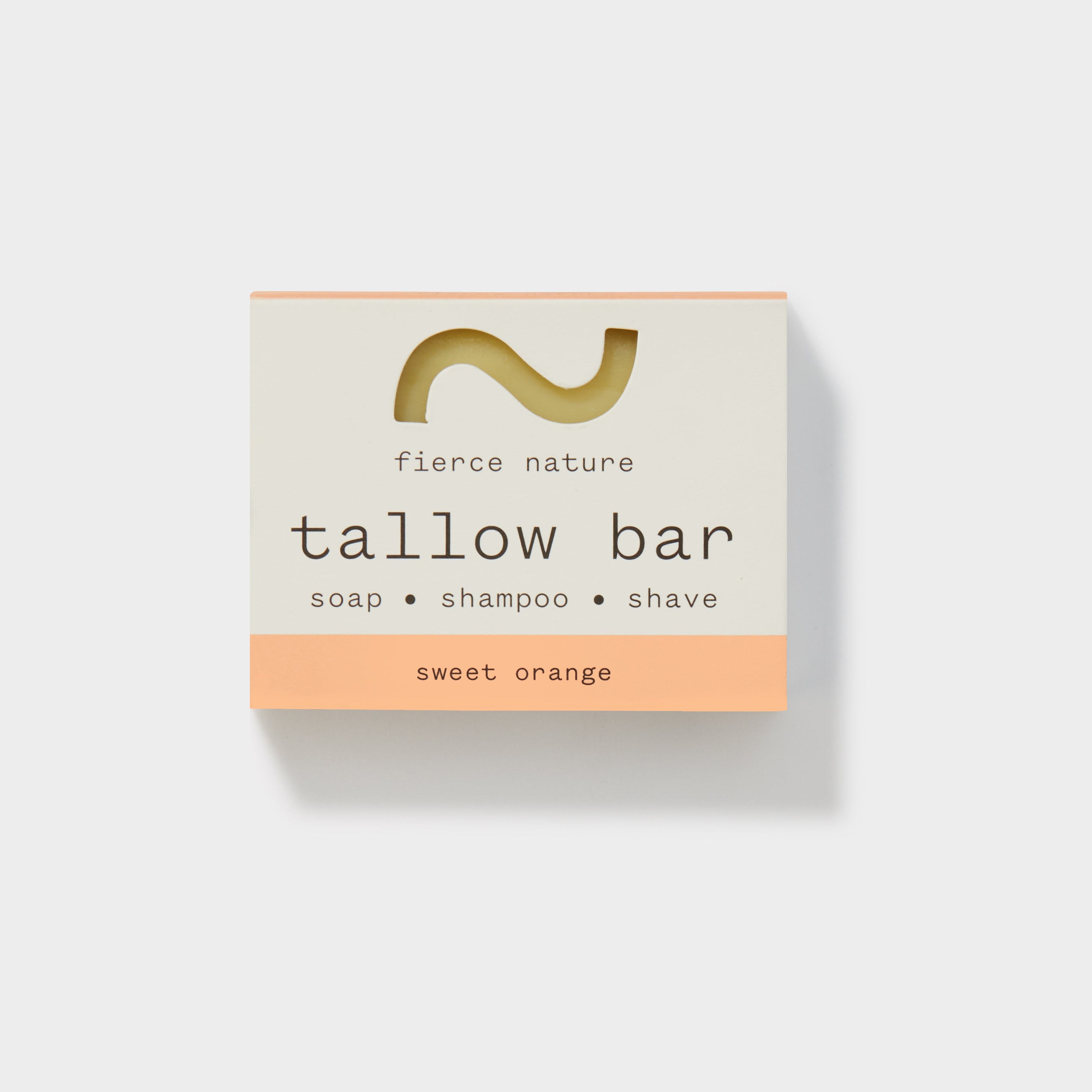
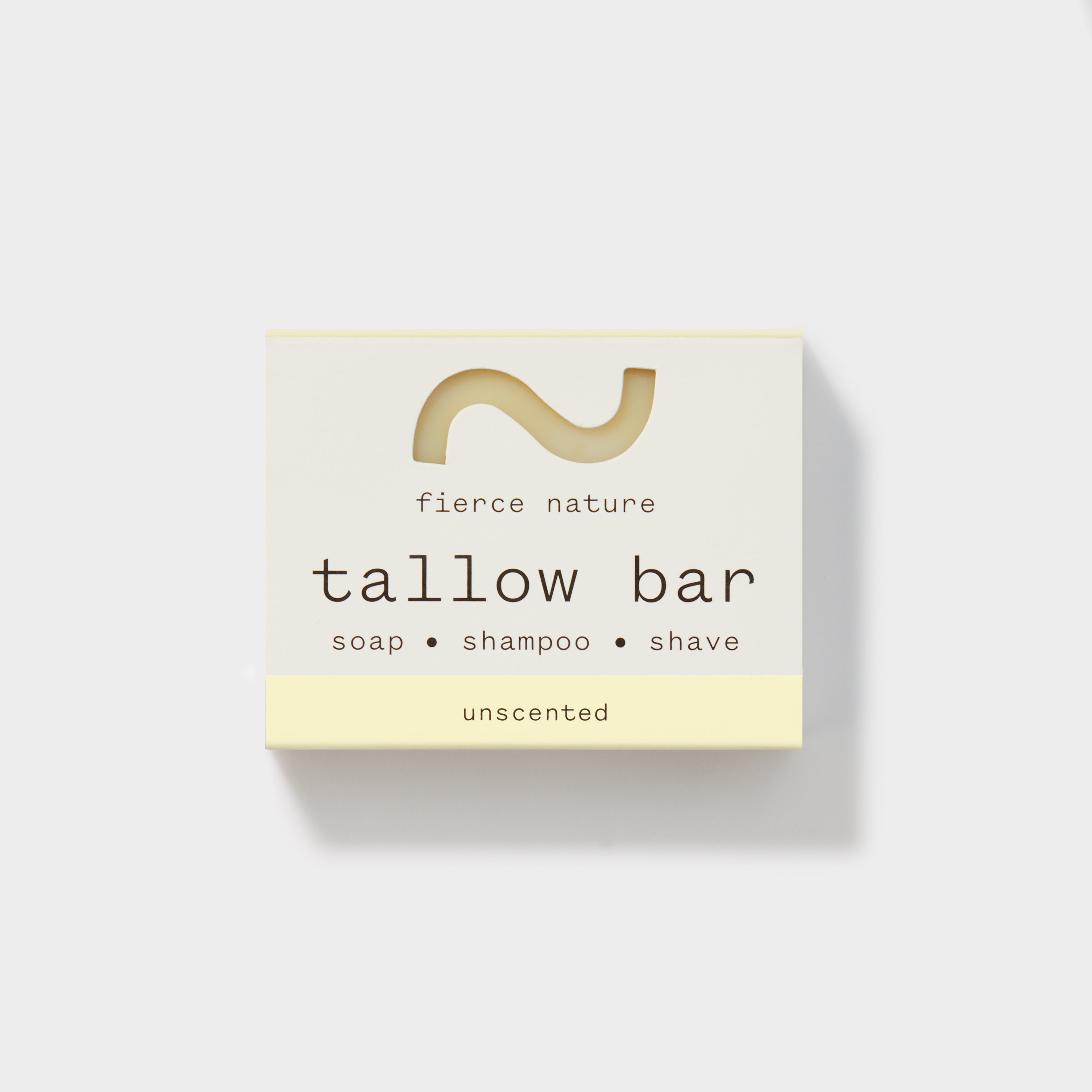
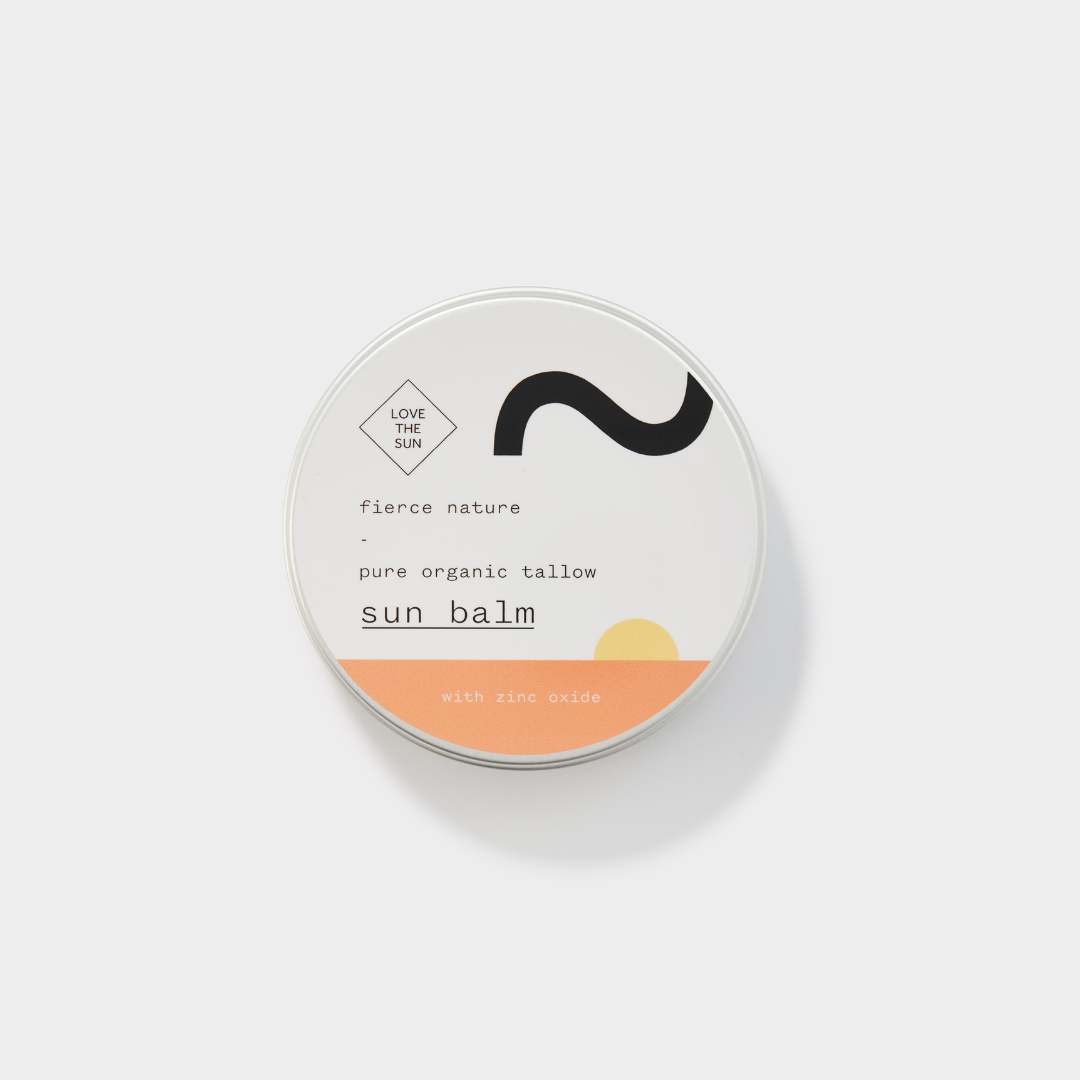
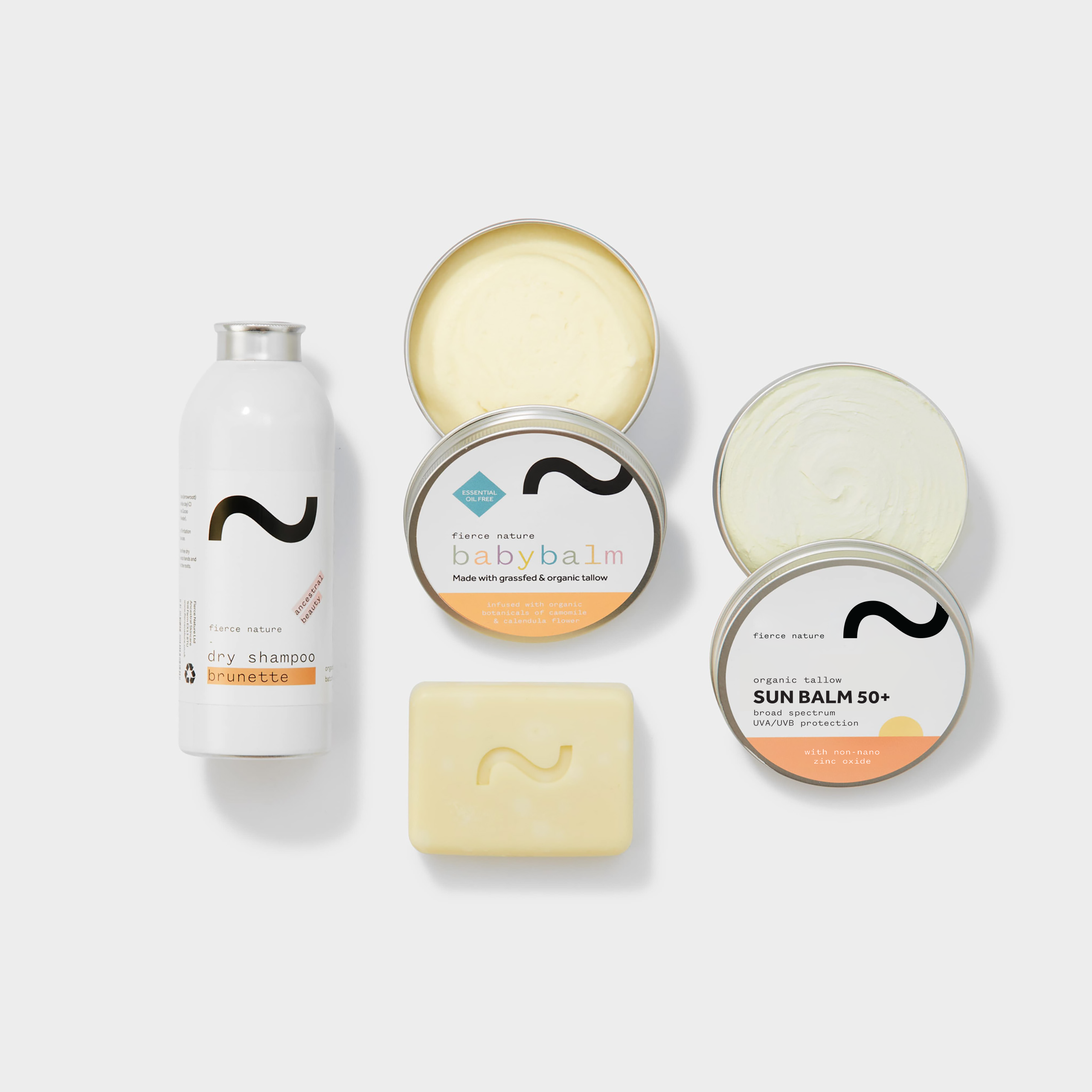
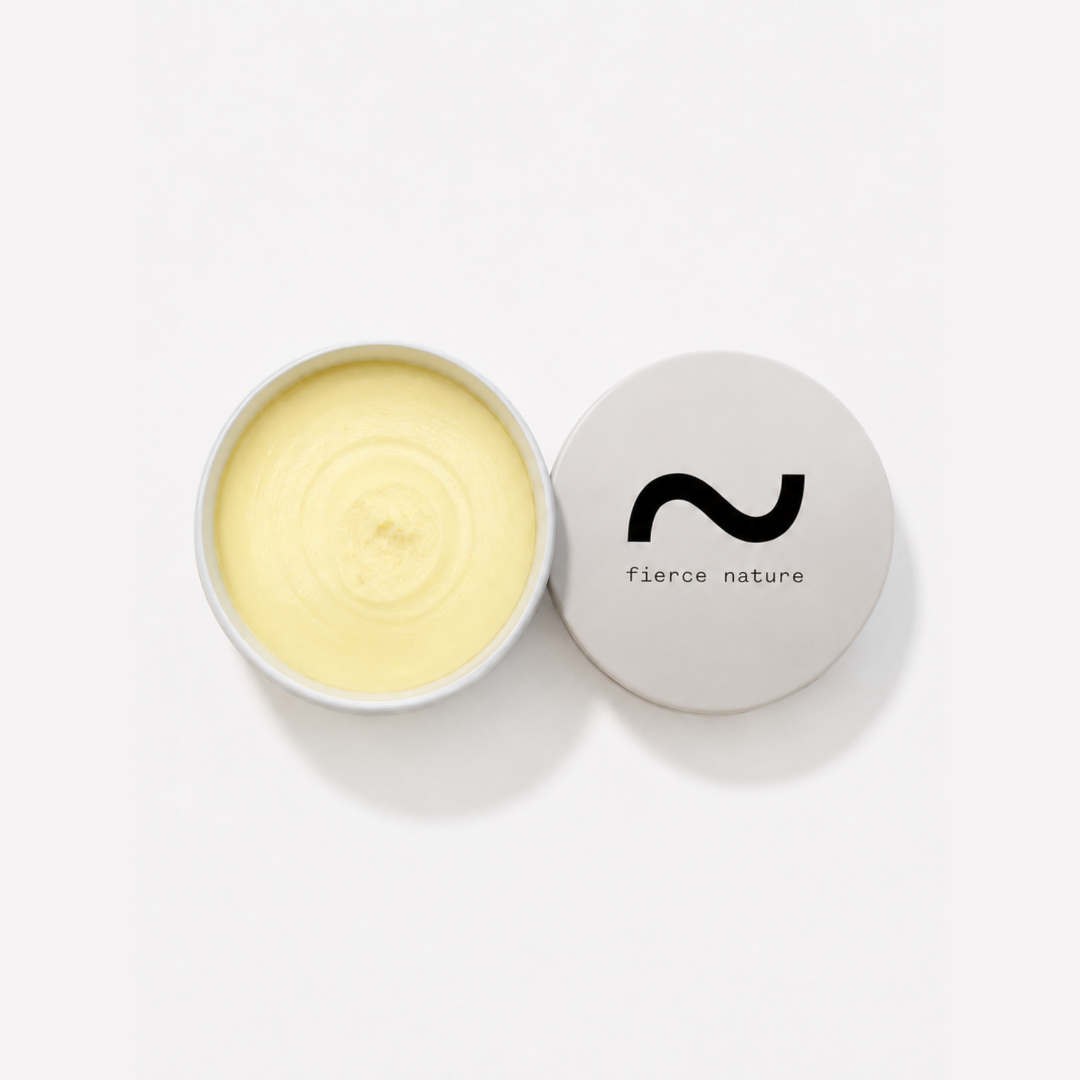
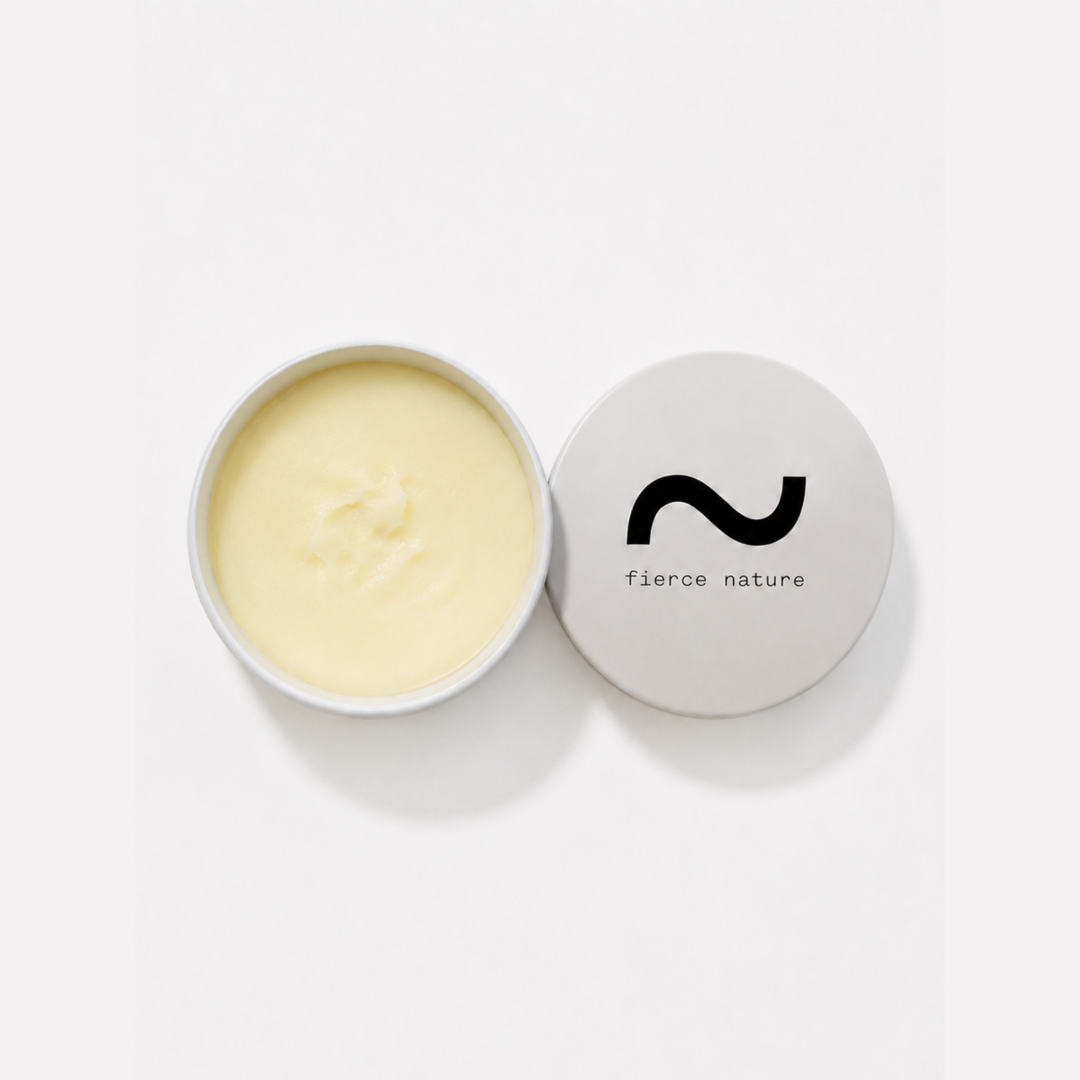
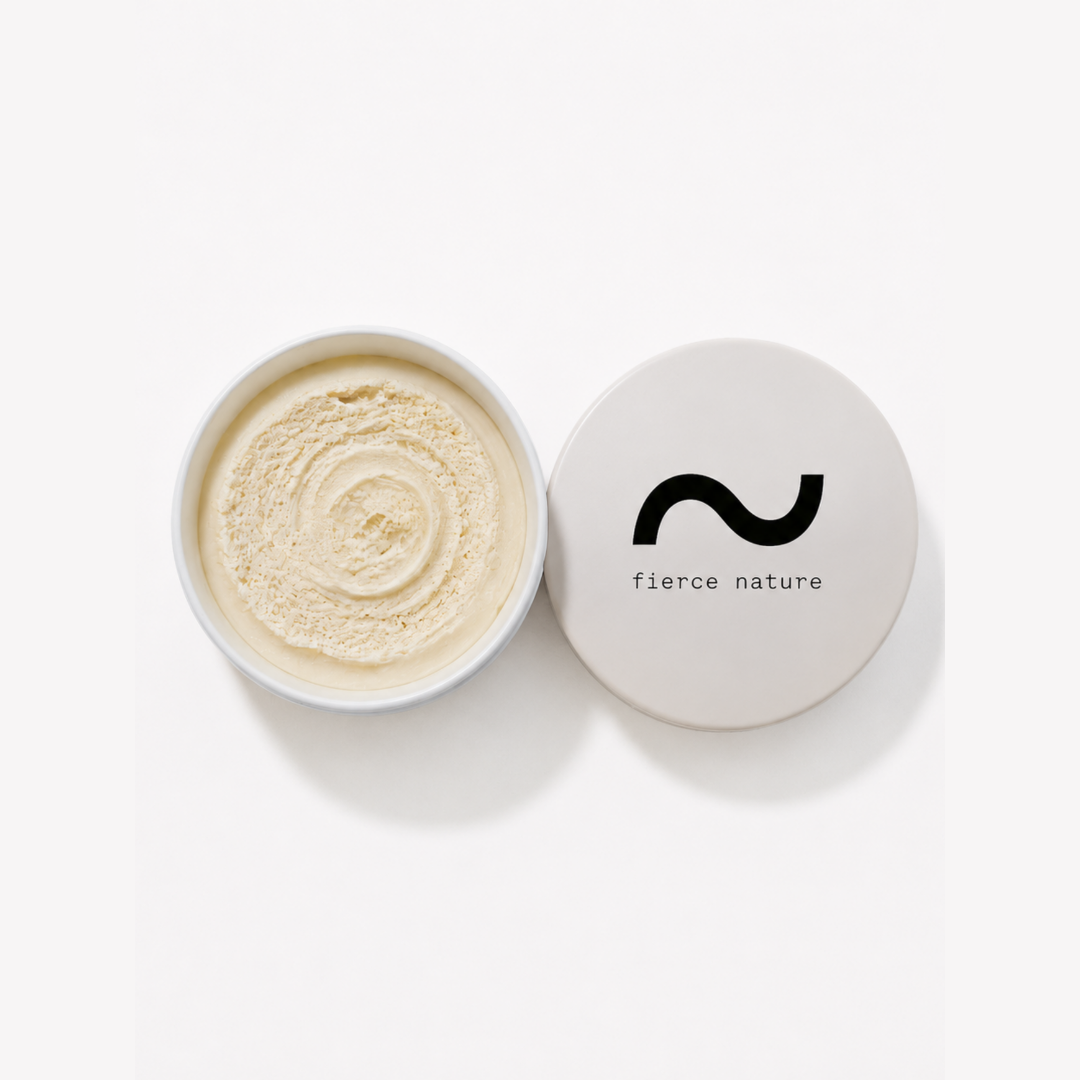

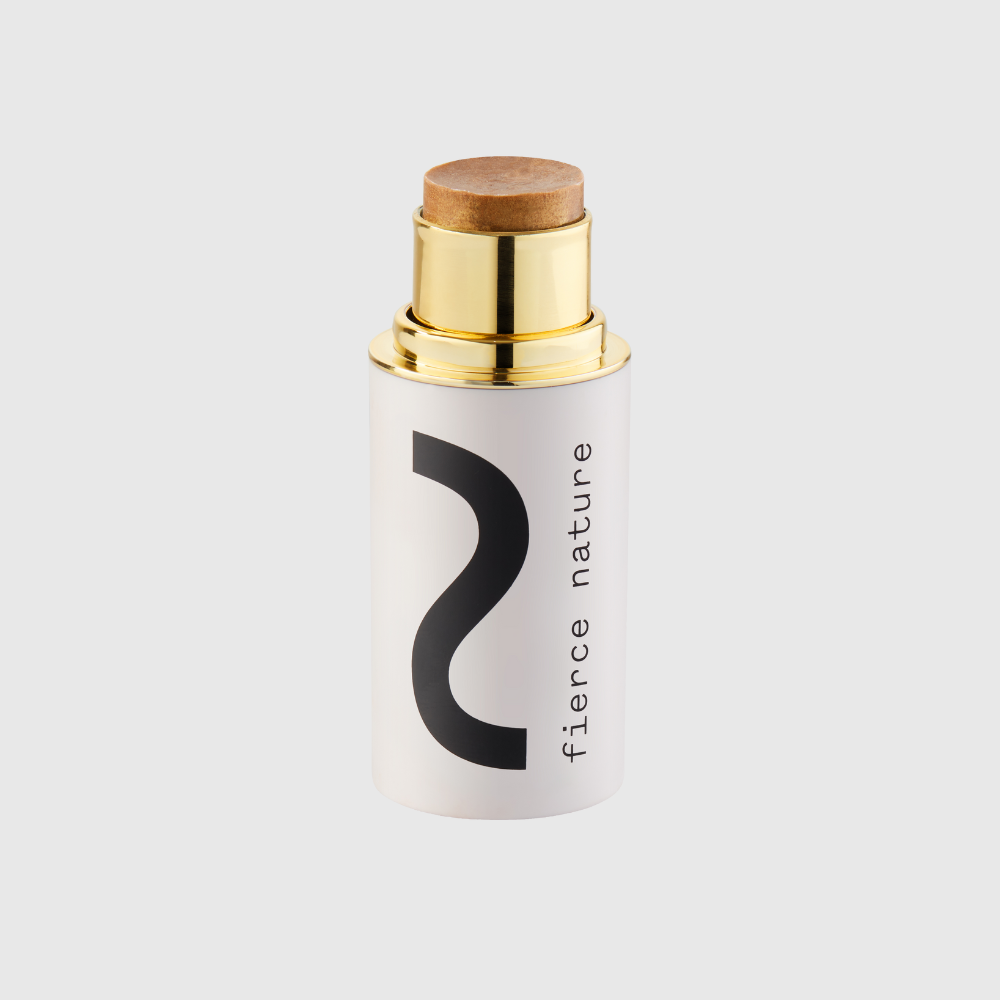
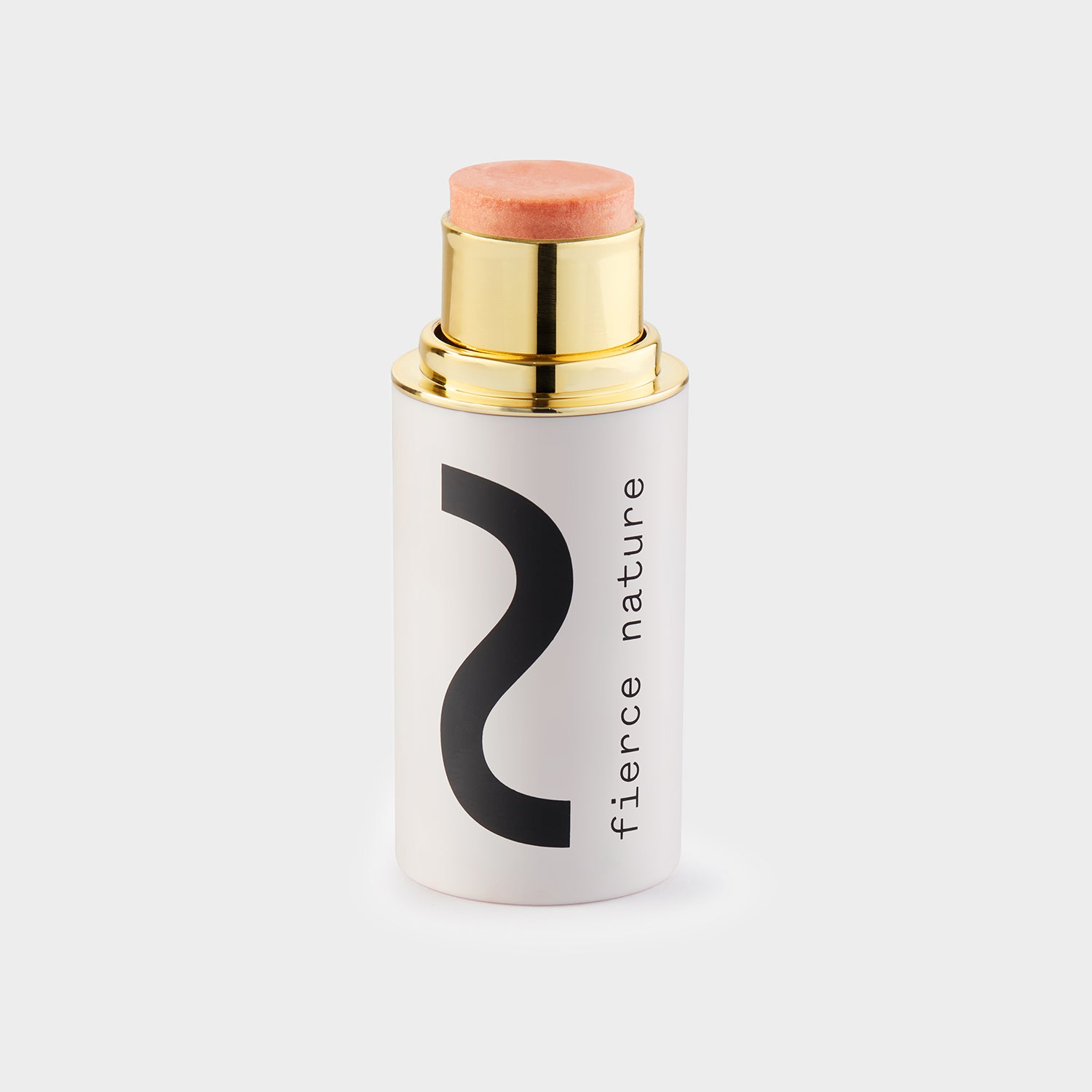
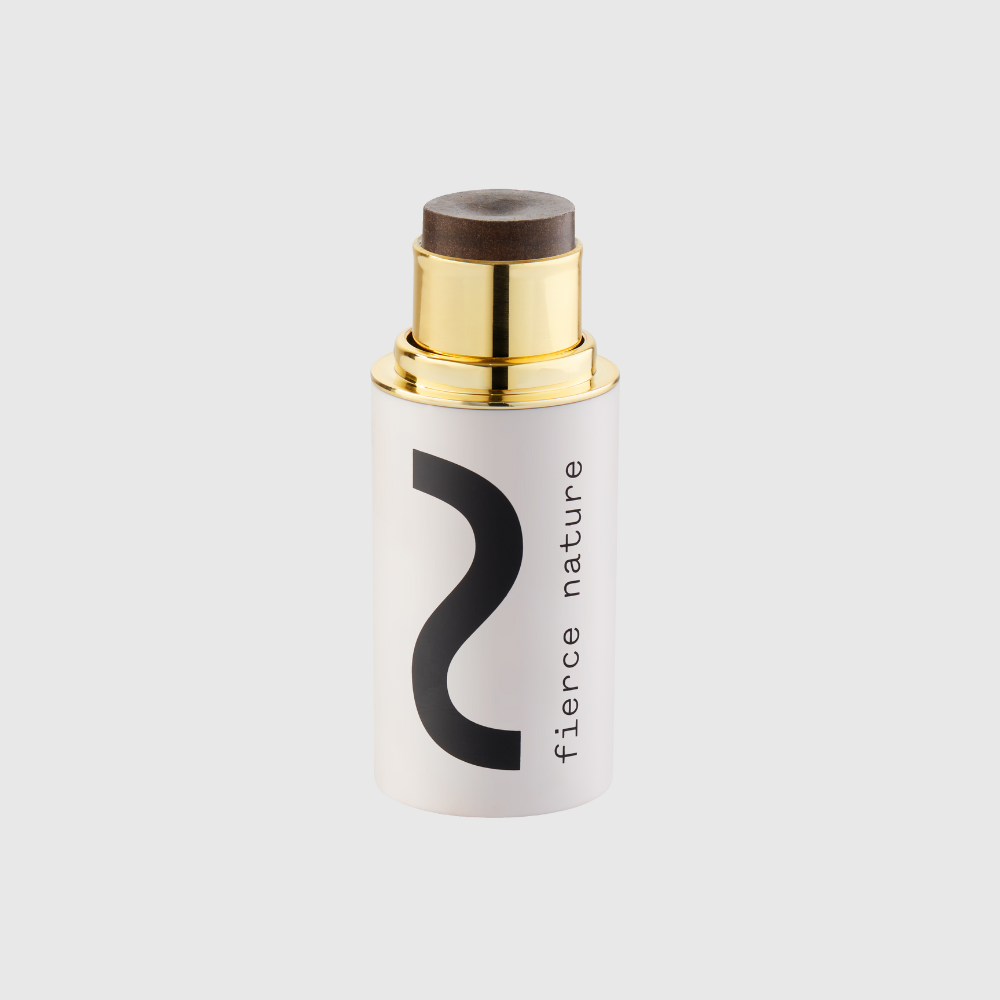
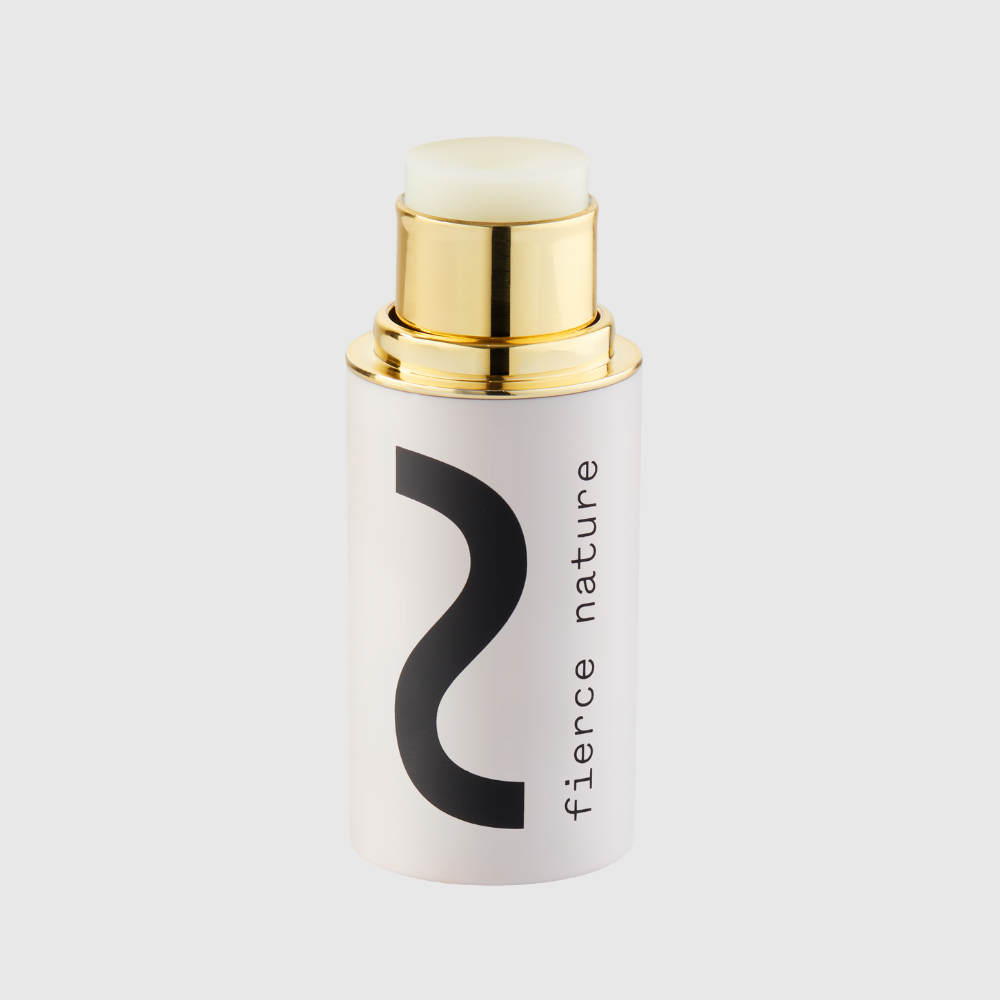
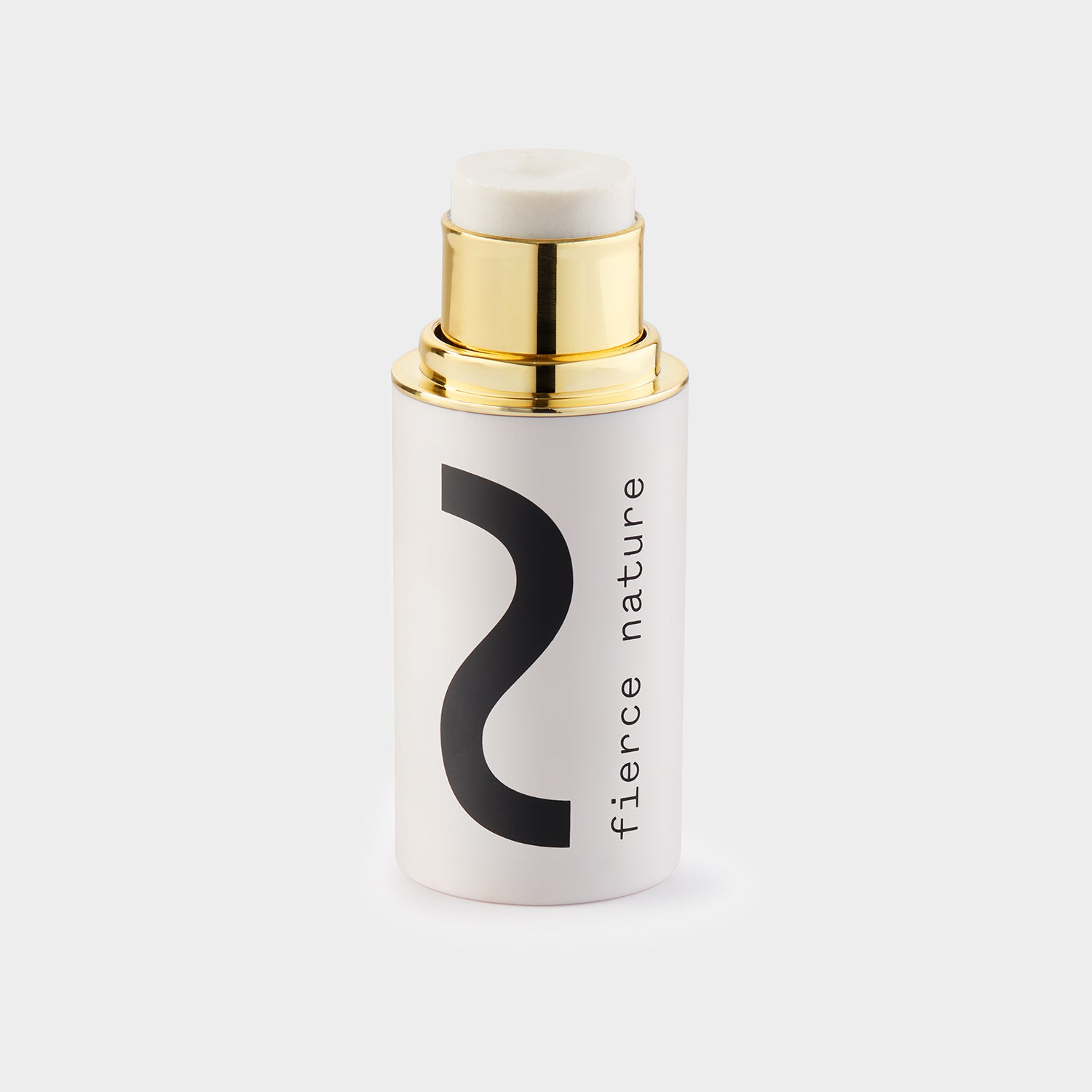
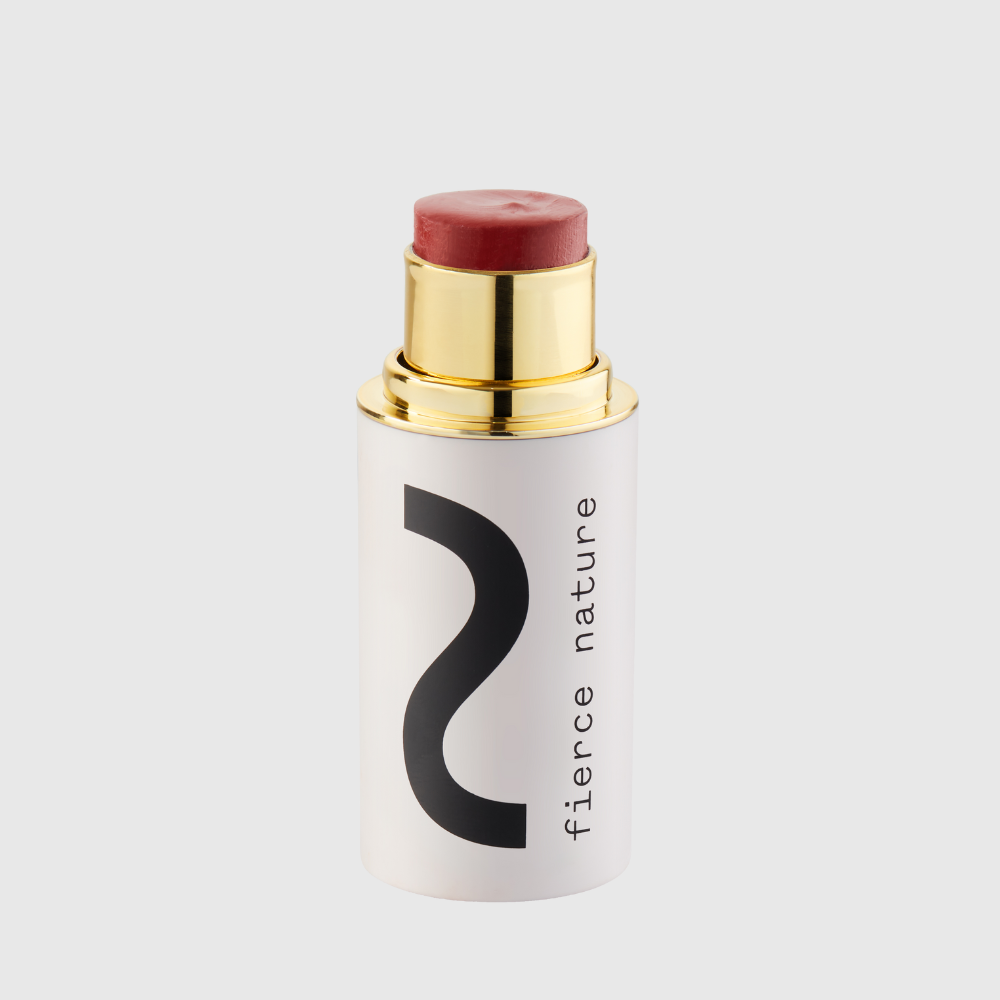
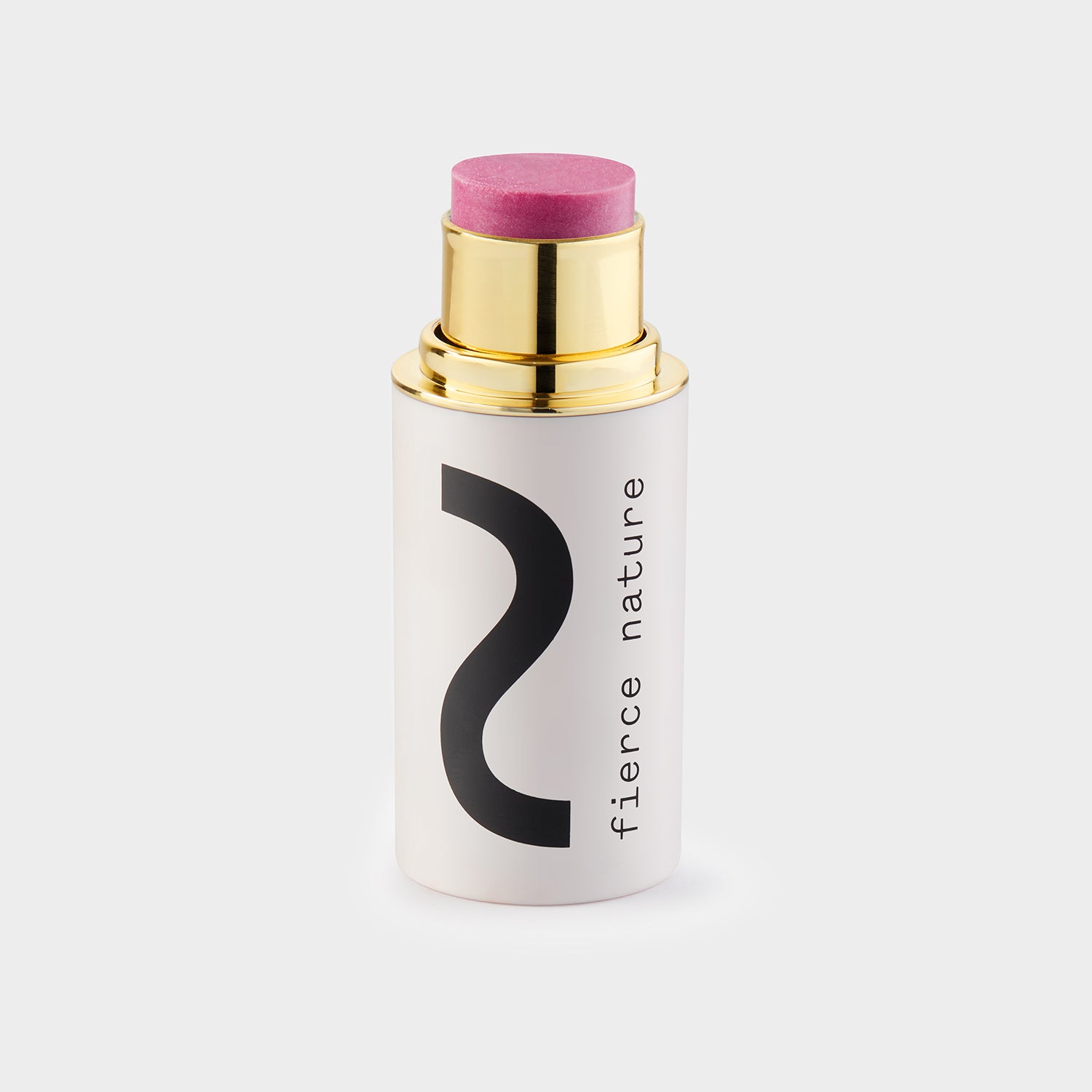
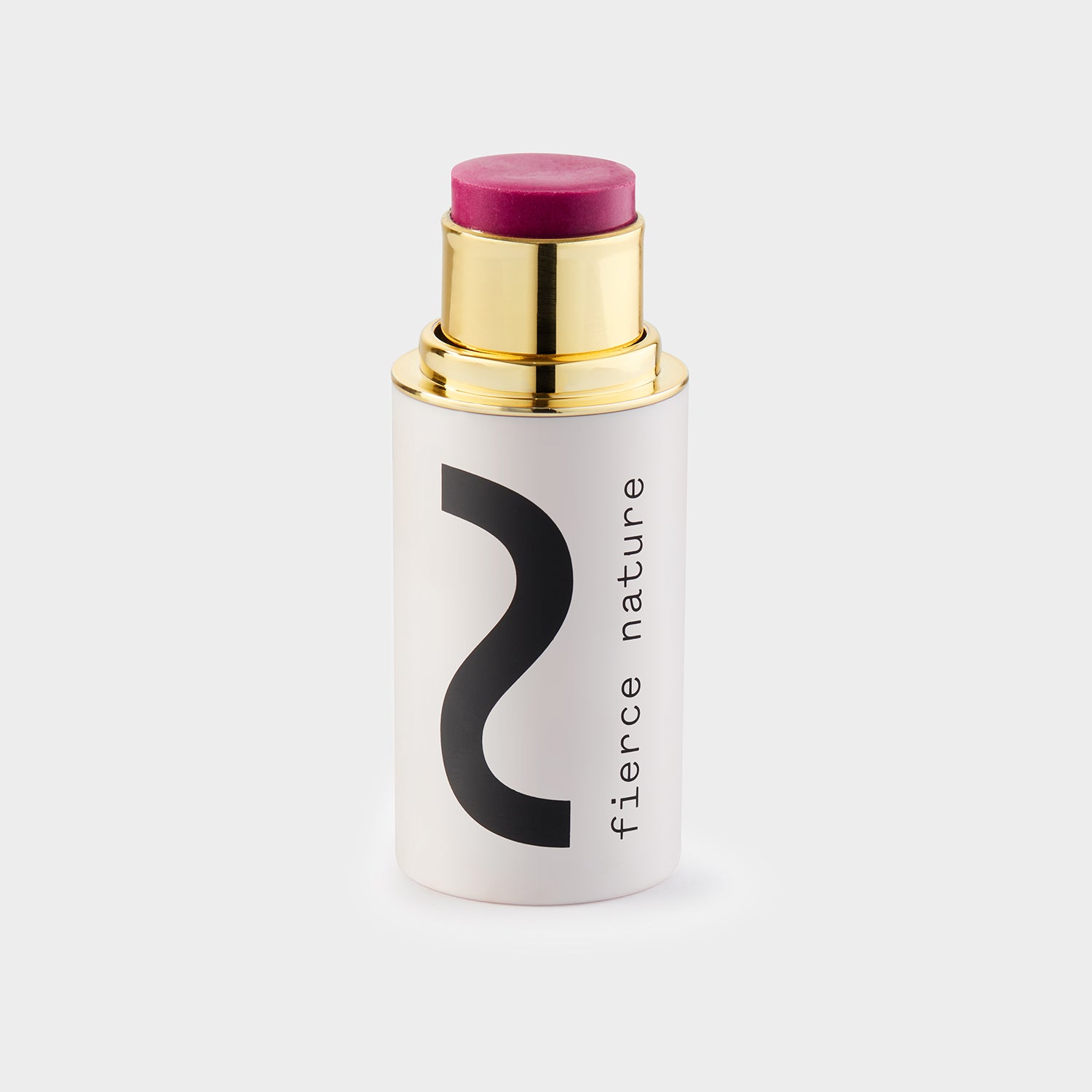
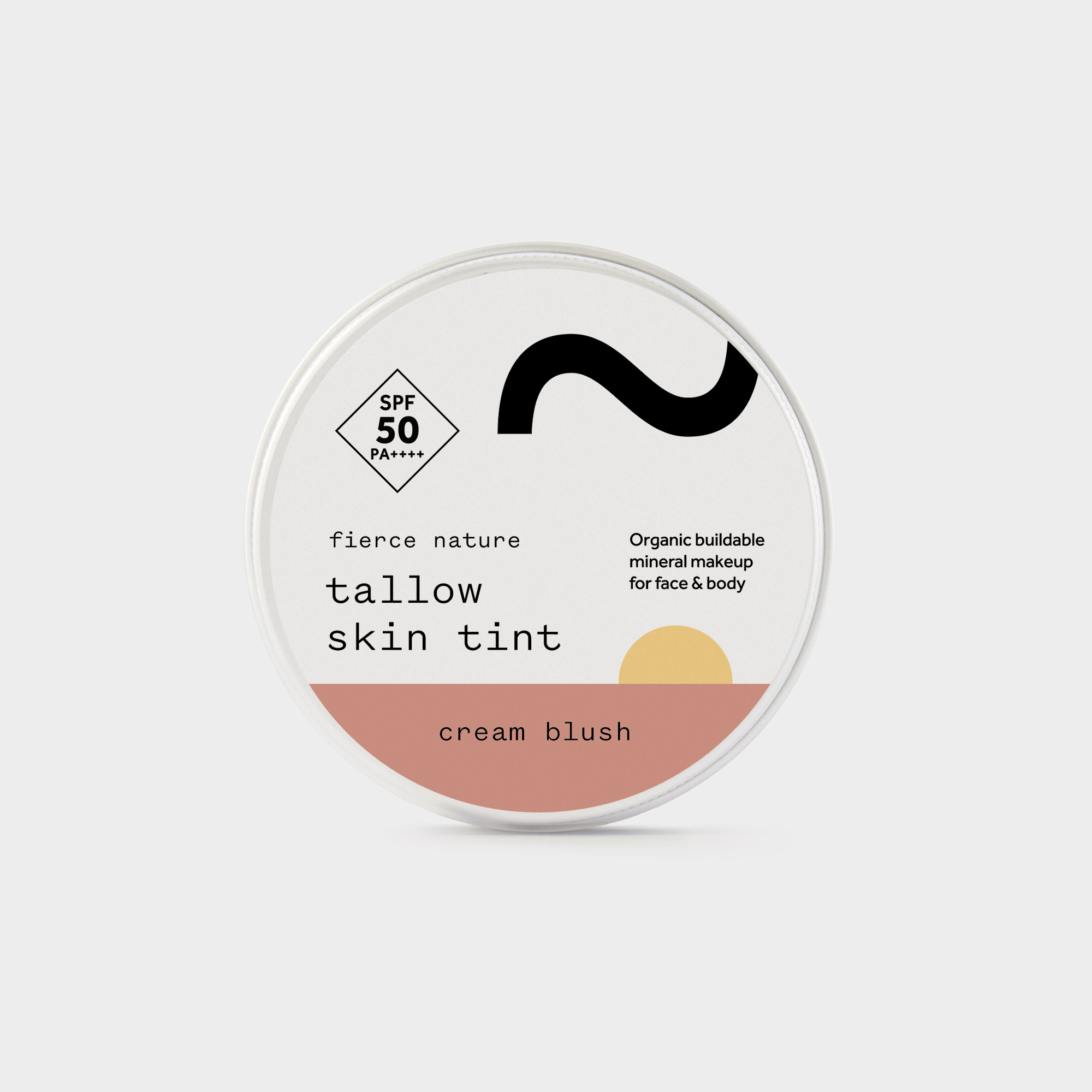
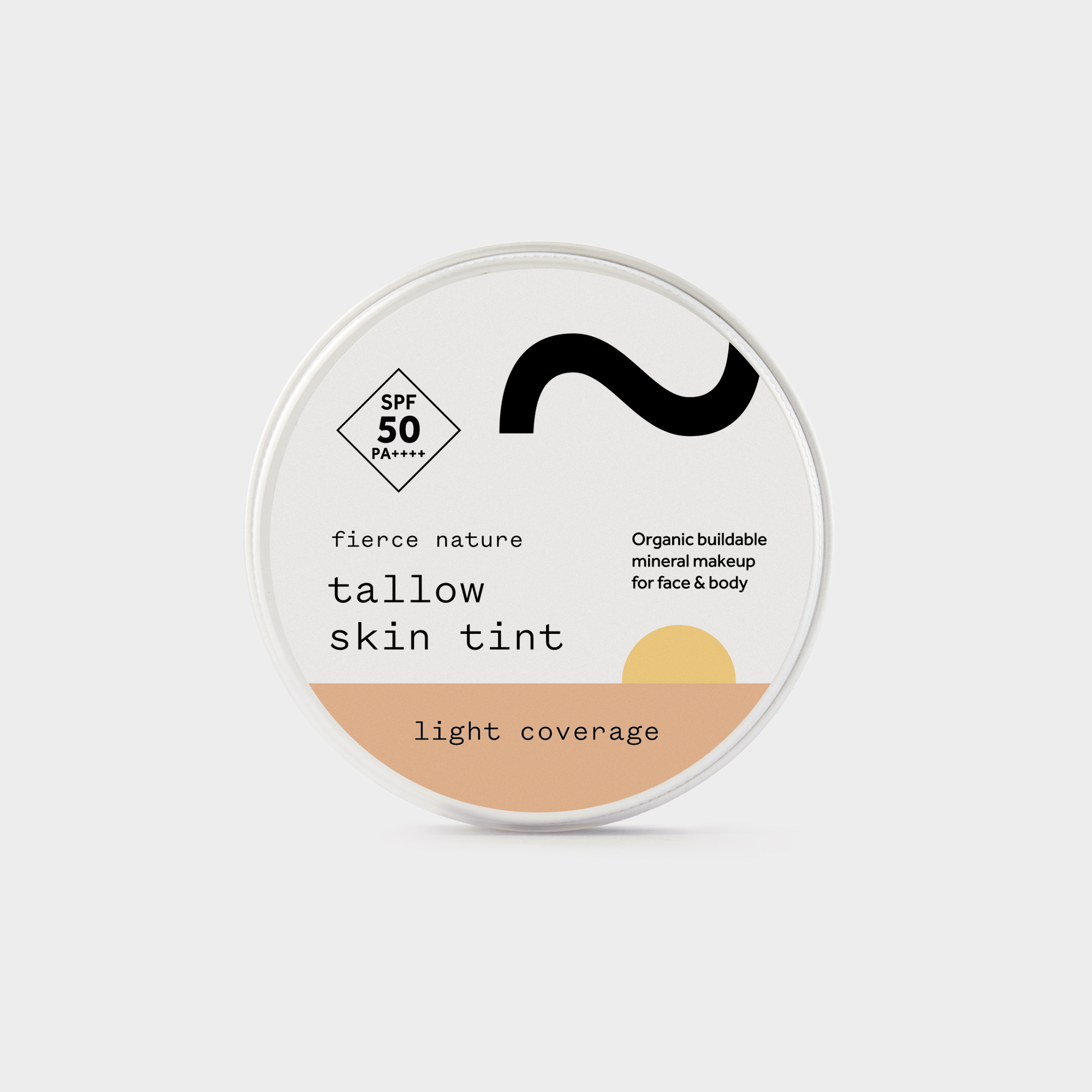
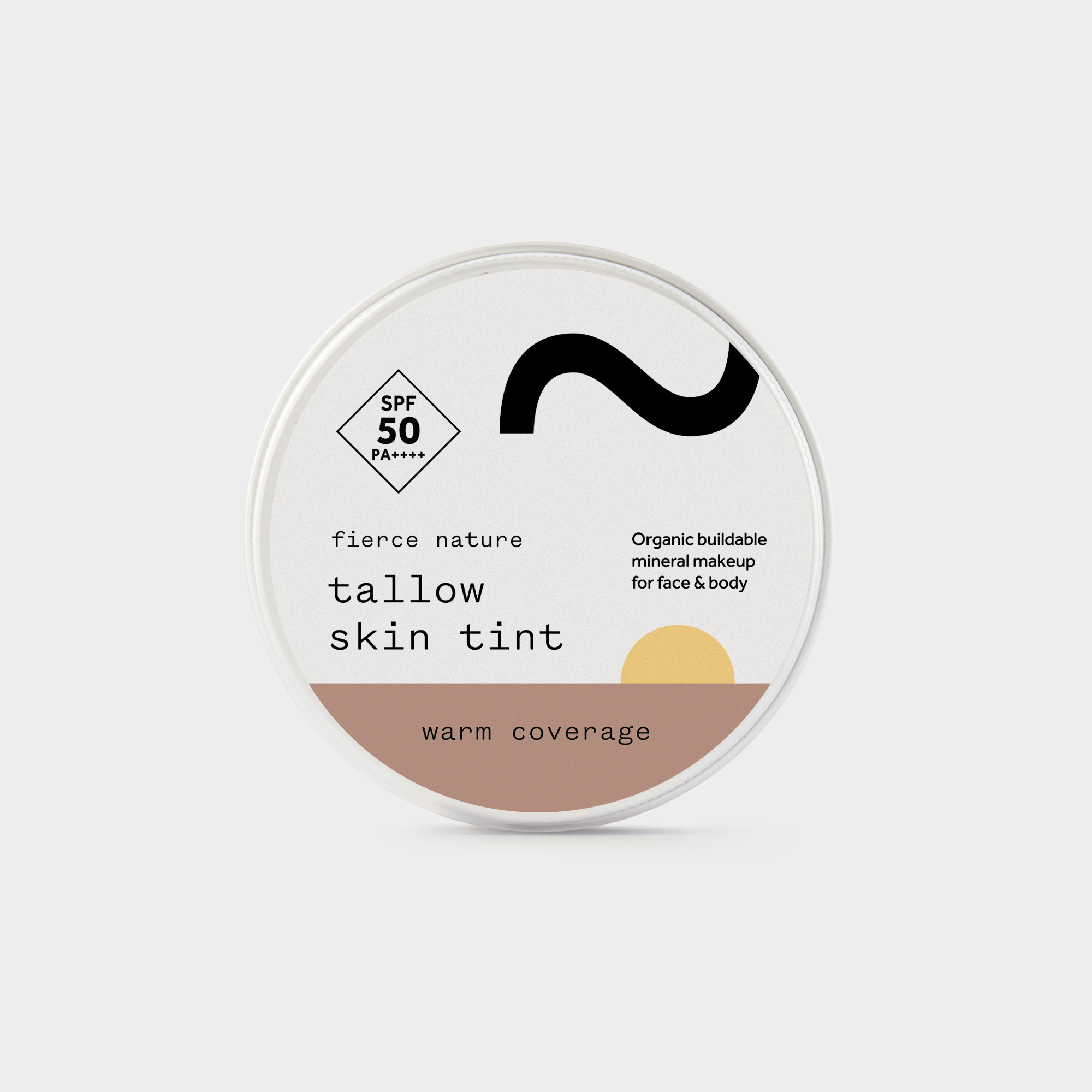
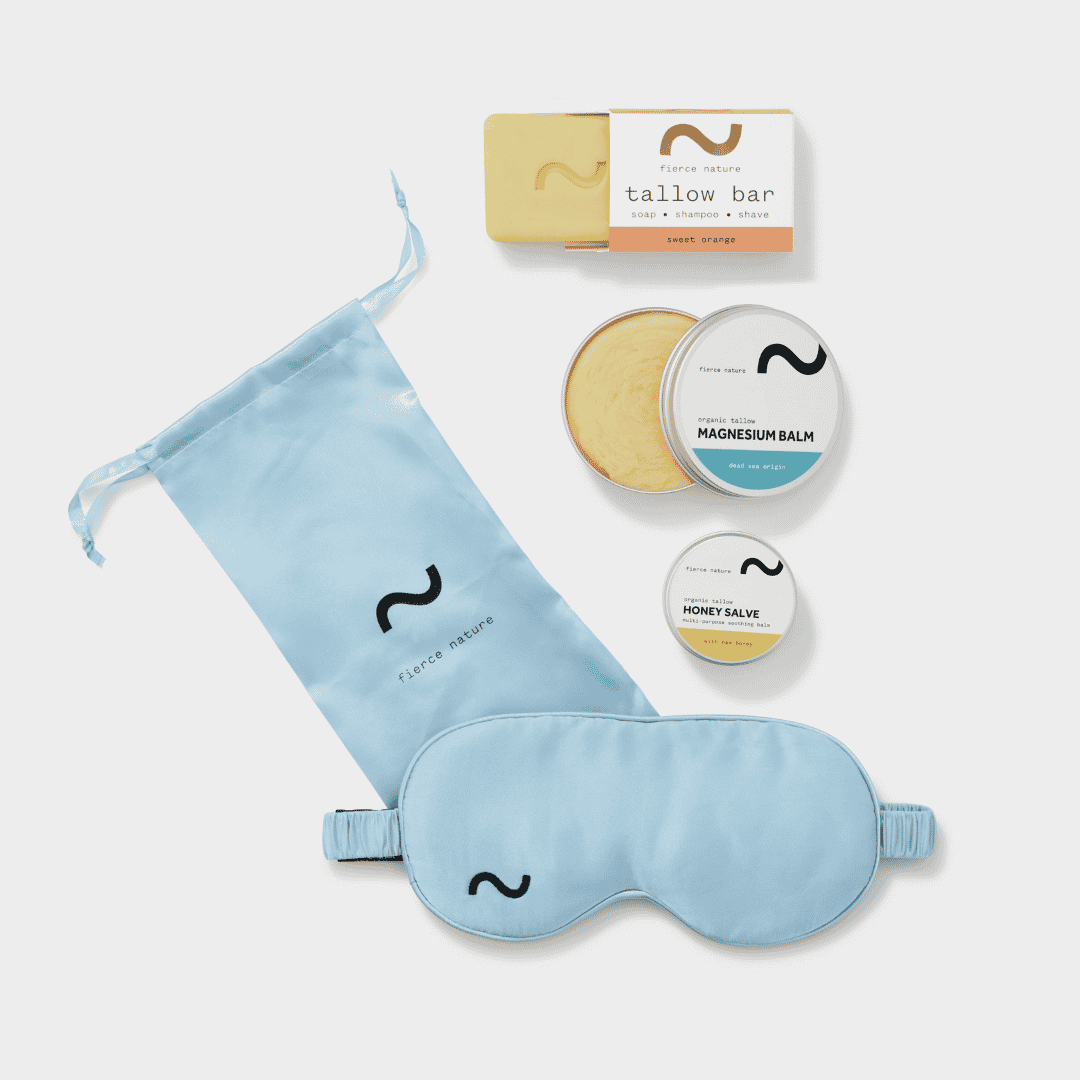



Whipped body balms come in several distinct formulations, each built around a different butter or oil base that shapes how the product feels, absorbs, and nourishes your skin. Unlike traditional solid balms or water-based lotions, whipped balms contain no water. That absence means they deliver occlusive, longer-lasting moisture that sits on the skin’s surface and locks hydration in rather than evaporating quickly. The whipping process aerates the base ingredients into a cloud-soft texture that spreads easily and absorbs faster than a dense, unwhipped butter would.
The most common types you’ll encounter in the UK market are:
Well-regarded UK examples include the Thistle and Rose Whipped Body Balm, a handmade option popular with those seeking artisan, natural formulations, and The Body Shop Mango Body Butter, which has long been a high-street staple for lighter, everyday hydration. Fierce Nature’s tallow-based whipped balms sit in a category of their own, drawing on an ingredient with centuries of use as a skin emollient.
The quality of a whipped body balm comes down almost entirely to its ingredients. Plant butters form the structural base, carrier oils adjust texture and absorption rate, and natural additives bring targeted skin benefits or sensory appeal.
Carrier oils thin the butter base, improve spreadability, and bring their own skin benefits.
Vanilla bean extract adds warmth and a subtle antioxidant quality. Botanicals such as calendula or chamomile bring calming properties. Essential oils like lavender, sweet orange, or frankincense contribute both fragrance and skin-supporting compounds. The best formulations use these purposefully rather than decoratively.
Pro Tip: When reading a product label, ingredients are listed in descending order by concentration. If a beneficial butter or oil appears near the bottom of a long list, it is present in only a trace amount and unlikely to deliver meaningful skin benefit.
Whipped body balms work with your skin rather than sitting on top of it. Because they contain no water, they do not rely on preservatives to prevent bacterial growth, and they deliver concentrated nourishment with every application.
For very dry skin, the occlusive nature of a butter-based balm creates a protective layer that slows transepidermal water loss. This makes whipped balms far more effective than standard lotions for cracked heels, dry elbows, or hands that are frequently washed. Their composition of natural oils and butters offers deep nourishment and protection that lotions, which are largely water, simply cannot match for these areas.
Sensitive and eczema-prone skin responds well to unscented, minimal-ingredient formulations built on shea or tallow. Both are rich in fatty acids that support the skin barrier without triggering reactivity. Fragrance is one of the most common contact allergens in skincare, so choosing a fragrance-free whipped balm removes a significant risk factor.
For ageing skin, avocado and mango butters bring vitamins A and C that support collagen and cell renewal. Cocoa butter’s antioxidants help counter oxidative stress. Applied regularly to the neck, décolletage, or hands, a whipped balm can visibly improve skin texture over time.
Combination and oily skin types often avoid body butters entirely, assuming they will feel greasy. Kokum butter and jojoba-based whipped balms challenge that assumption. Their lightweight, non-comedogenic profiles absorb cleanly, leaving skin nourished without congestion.
Key benefits at a glance:
Making a homemade whipped body butter is genuinely straightforward. The process requires no specialist equipment, and the result is a product you can tailor precisely to your skin’s needs.
Equipment:
Base ingredients (makes approximately 250g):
Store your homemade whipped balm in a cool, dry place away from direct sunlight. In warm weather, refrigeration prevents melting and extends shelf life. Most homemade balms made without water or preservatives remain stable for 3–6 months when stored correctly. Always use clean, dry hands or a spatula to scoop from the jar to avoid introducing moisture or bacteria.
Pro Tip: If your whipped balm feels too greasy on application, you have likely applied too much. A pea-sized amount is enough for most body areas. Warm it between your palms first, then press gently into the skin rather than rubbing vigorously.
The difference between a whipped balm and a solid butter is not just cosmetic. Whipping introduces air into the mixture, fundamentally changing its viscosity and the way it interacts with your skin.
A dense, unwhipped butter requires significant friction to spread, which means you end up applying a thicker, less even layer. Whipped balms spread in a thin, uniform film with minimal effort. Thinner, more uniform layers absorb more efficiently because the skin does not have to work through excess product sitting on the surface.
Skincare experts distinguish between ‘greasiness’ and poor absorption. When a balm feels greasy, it usually means too much product was applied, not that the formula itself is heavy. Whipping body balms improves absorption by enabling thinner, more uniform application, which addresses the ‘oily’ or greasy sensation many people associate with traditional butters. The aerated texture delivers a cloud-soft finish with a softer, faster-absorbing result compared to dense, unwhipped alternatives.
The no-water formulation also plays a role here. Because there is no aqueous phase to evaporate, the nourishing compounds in the butter and oil base remain in contact with the skin for longer, giving them more time to penetrate.
Pro Tip: Apply your whipped balm to slightly damp skin immediately after a shower. The residual moisture helps the balm spread more thinly and absorb even more readily, leaving skin feeling nourished rather than coated.
To understand more about whipped balm absorption, the texture difference goes deeper than feel alone.
Choosing well comes down to knowing your skin type, understanding the ingredient list, and being honest about your sensory preferences. A beautifully formulated balm that you find too heavy or too fragrant will sit unused on a shelf.
For those with reactive skin, the unscented nourish balm from Fierce Nature is formulated specifically with this in mind, using a tallow base with no added fragrance.
The UK market has a growing number of natural and handmade whipped body balm options, ranging from artisan small-batch producers to established high-street names.
Thistle and Rose Whipped Body Balm — a handmade, small-batch UK product with a loyal following among those who prioritise artisan, natural formulations. Typically available through independent online retailers and craft markets.
The Body Shop Mango Body Butter — one of the most recognisable whipped body butters on the UK high street. Built on mango seed butter, it delivers a lighter texture suited to everyday use on normal to dry skin. Widely available in The Body Shop stores and online.
Fierce Nature Nourish Balm (Unscented) — handmade in the UK using organic tallow as the base, this fragrance-free option is particularly well suited to sensitive, eczema-prone, or reactive skin. Tallow’s fatty acid profile closely mirrors the skin’s own lipids, which supports deep absorption and barrier repair. Available directly from Fierce Nature.
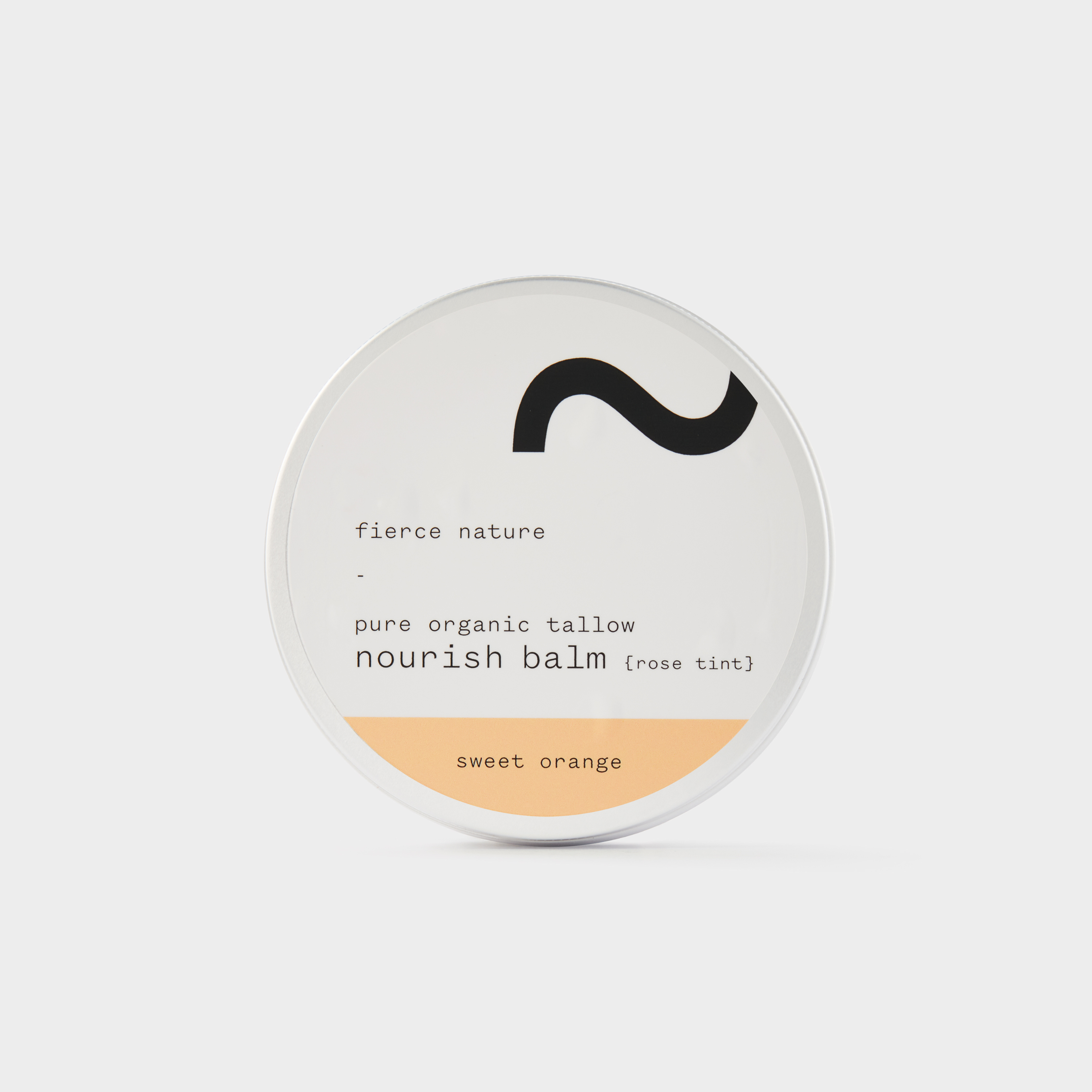
Fierce Nature Nourish Balm (Sweet Orange) — the same tallow-based formula with the addition of sweet orange essential oil for an uplifting, citrus scent. A good choice for those who want the nourishing depth of tallow with a light, natural fragrance. Find it as the organic sweet orange balm on the Fierce Nature website.
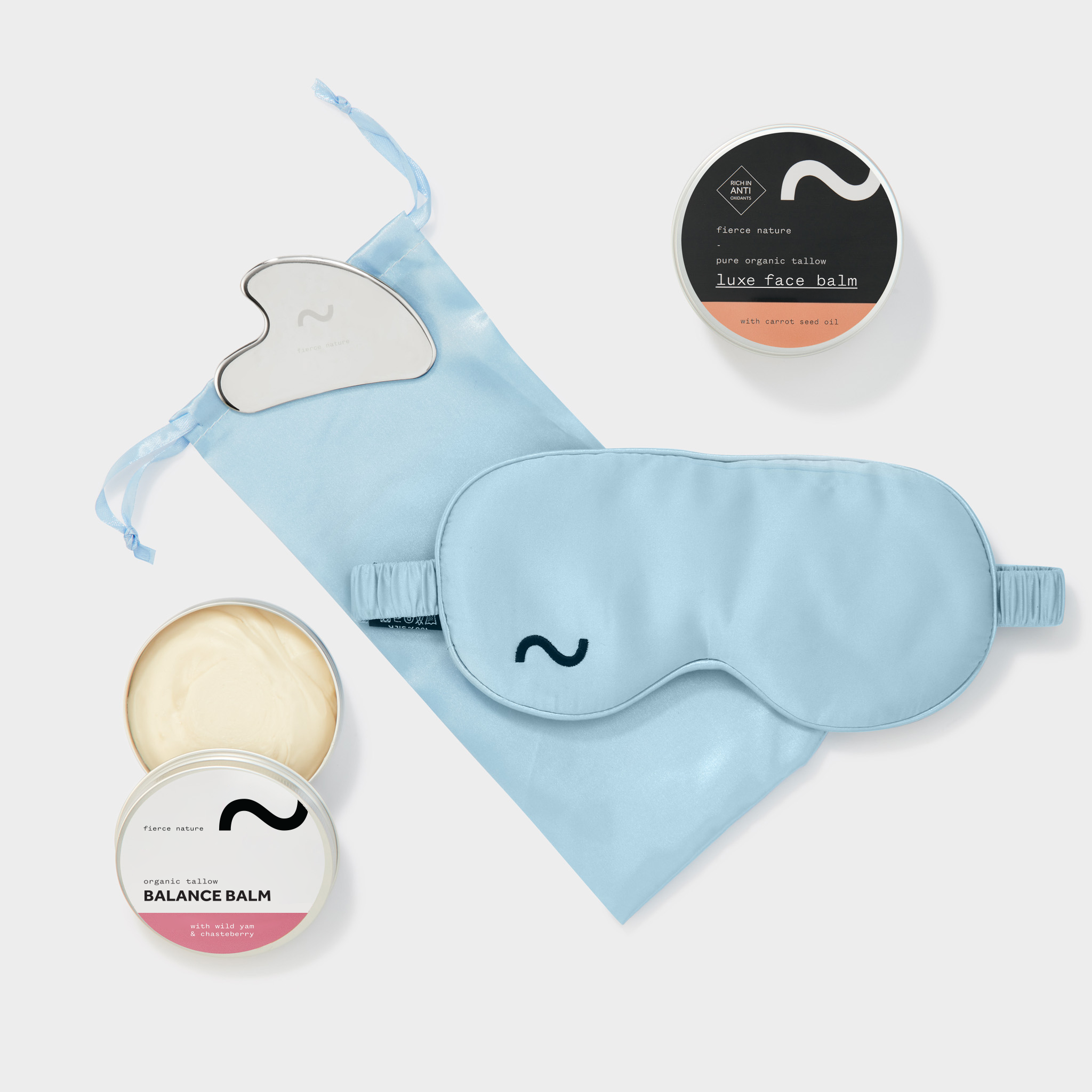
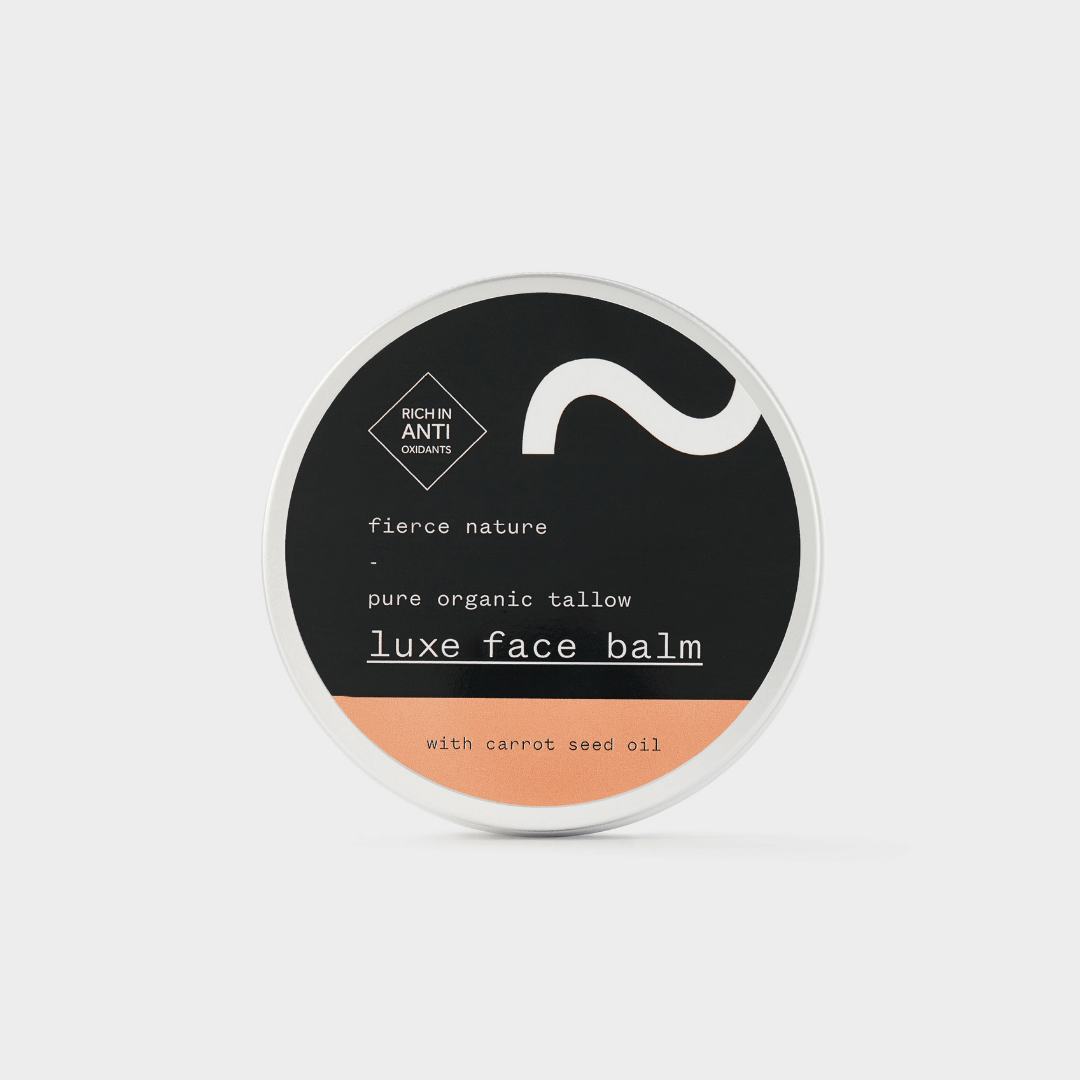
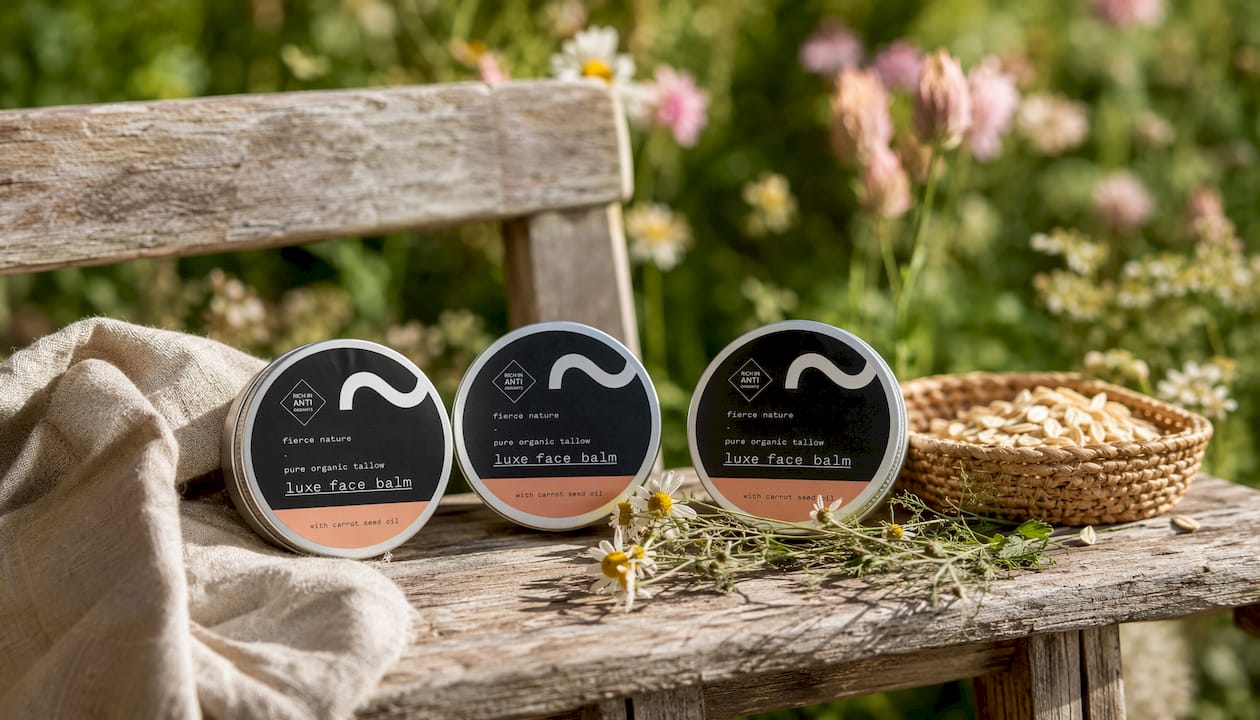
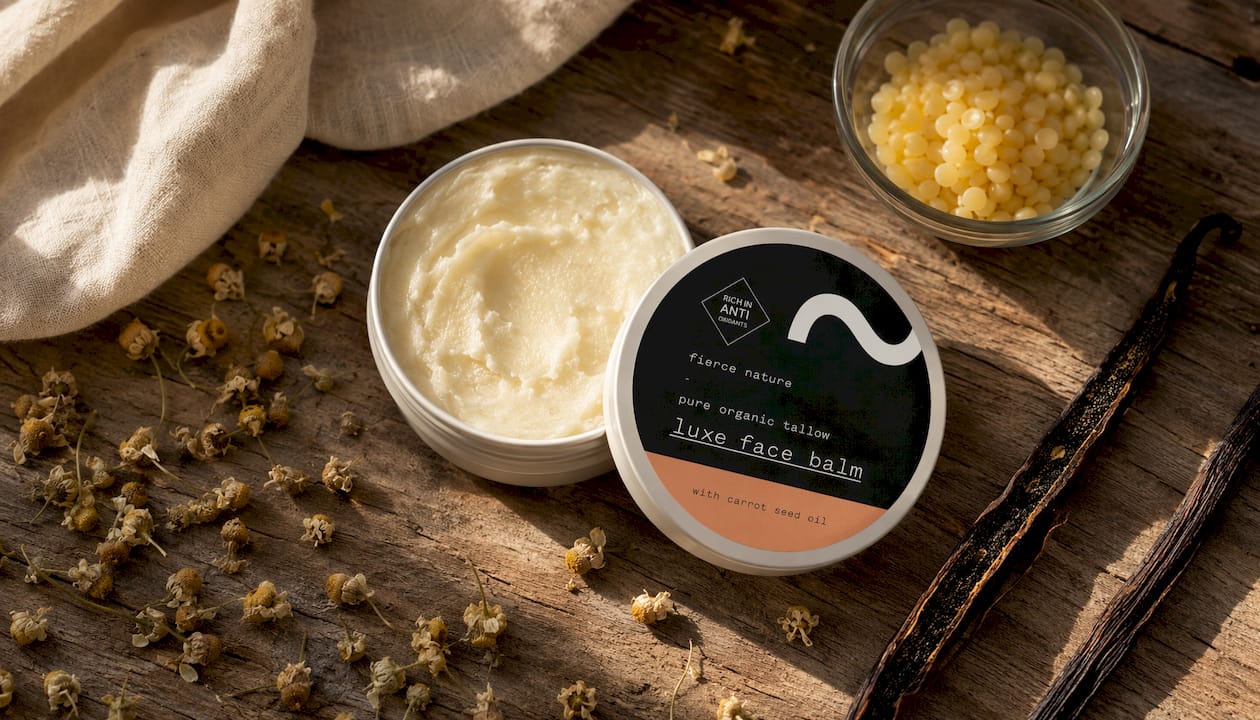
Fierce Nature Luxe Balm — a richer, premium formulation designed primarily for the face but equally effective on dry patches, the neck, and décolletage. The Luxe face balm is a concentrated option for those who want targeted, intensive nourishment.
For those interested in exploring a wider range of natural whipped butters, there are international artisan options worth considering alongside UK-made products.
Pro Tip: When trying a new whipped balm for the first time, patch test on the inner arm for 24 hours before applying to larger areas. This is especially worth doing if you have known sensitivities or are trying a new ingredient.
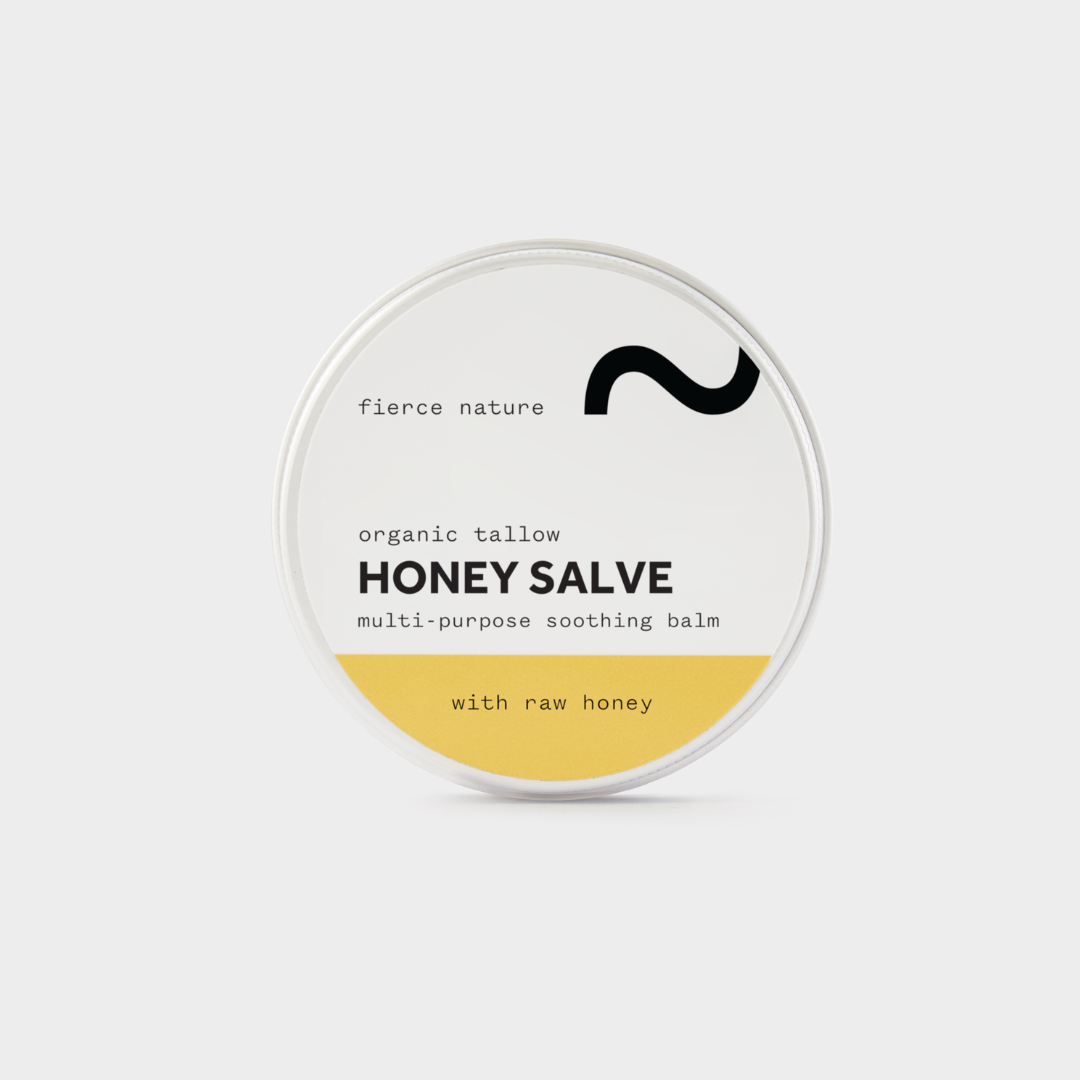
Most commercial body balms rely on synthetic emollients, artificial fragrance, and preservative systems that keep products shelf-stable for years but add to the toxic load your skin absorbs daily. Fierce Nature takes a different route entirely. Every balm is handmade in the UK using organic tallow as the foundation, combined with naturally sourced butters and oils and nothing that your skin does not recognise.
Tallow is not a trend ingredient. It has been used for centuries as a skin emollient, and its bioavailability means it penetrates deeply rather than sitting on the surface. For anyone who has tried balm after balm without finding lasting relief for dry, reactive, or sensitive skin, the tallow difference tends to be felt quickly.
The Nourish Balm range covers both unscented and scented options, and the Luxe Balm offers a richer, more concentrated formula for face and targeted areas. If you are ready to move away from ingredient lists you cannot pronounce, the natural body balm is the clearest starting point. Browse the full range at Fierce Nature and find the formulation that works with your skin.
Whipped body balms outperform water-based lotions for lasting hydration because their water-free formulation locks moisture in rather than evaporating from the skin’s surface.
| Point | Details |
|---|---|
| Texture and absorption | Whipping aerates butters and oils, creating a lighter texture that absorbs faster and more evenly than dense, unwhipped alternatives. |
| Ingredient choice matters | The butter base (shea, cocoa, mango, tallow) determines hydration depth, skin feel, and suitability for different skin types. |
| No-water formula | Water-free balms provide occlusive moisture retention and longer-lasting protection compared to lotions or creams. |
| Homemade is achievable | A basic whipped body butter requires only a butter base, a carrier oil, and an electric mixer, with a shelf life of 3–6 months when stored correctly. |
| Fierce Nature | Fierce Nature’s tallow-based whipped balms are handmade in the UK with organic, naturally sourced ingredients, offering a non-toxic option for sensitive and dry skin. |
The main types are shea butter, cocoa butter, mango butter, avocado butter, kokum butter, and tallow-based whipped balms, each suited to different skin types and hydration needs. Blended formulations and scented or unscented variations expand the range further.
Whipped body balms are generally more effective than lotions for dry, sensitive, or eczema-prone skin because they contain no water and provide occlusive, longer-lasting moisture. Lotions suit lighter, everyday hydration on normal skin types.
Chill the melted butter and oil mixture until semi-solid before whipping, then beat on medium-high speed for 3–5 minutes. The colder the mixture when you start whipping, the lighter and fluffier the final texture will be.
Avoid synthetic fragrance compounds, nut-derived oils if you have nut allergies, and long ingredient lists with unfamiliar chemical names. Unscented, minimal-ingredient formulations built on shea or tallow, such as the Fierce Nature Nourish Balm (Unscented), are the safest starting point for reactive skin.
Most water-free homemade whipped balms remain stable for 3–6 months when stored in a cool, dry place in a sterilised, airtight jar. Refrigeration extends shelf life in warmer months and prevents the balm from melting.


