Cart
0
80% Also Added this





TL;DR:
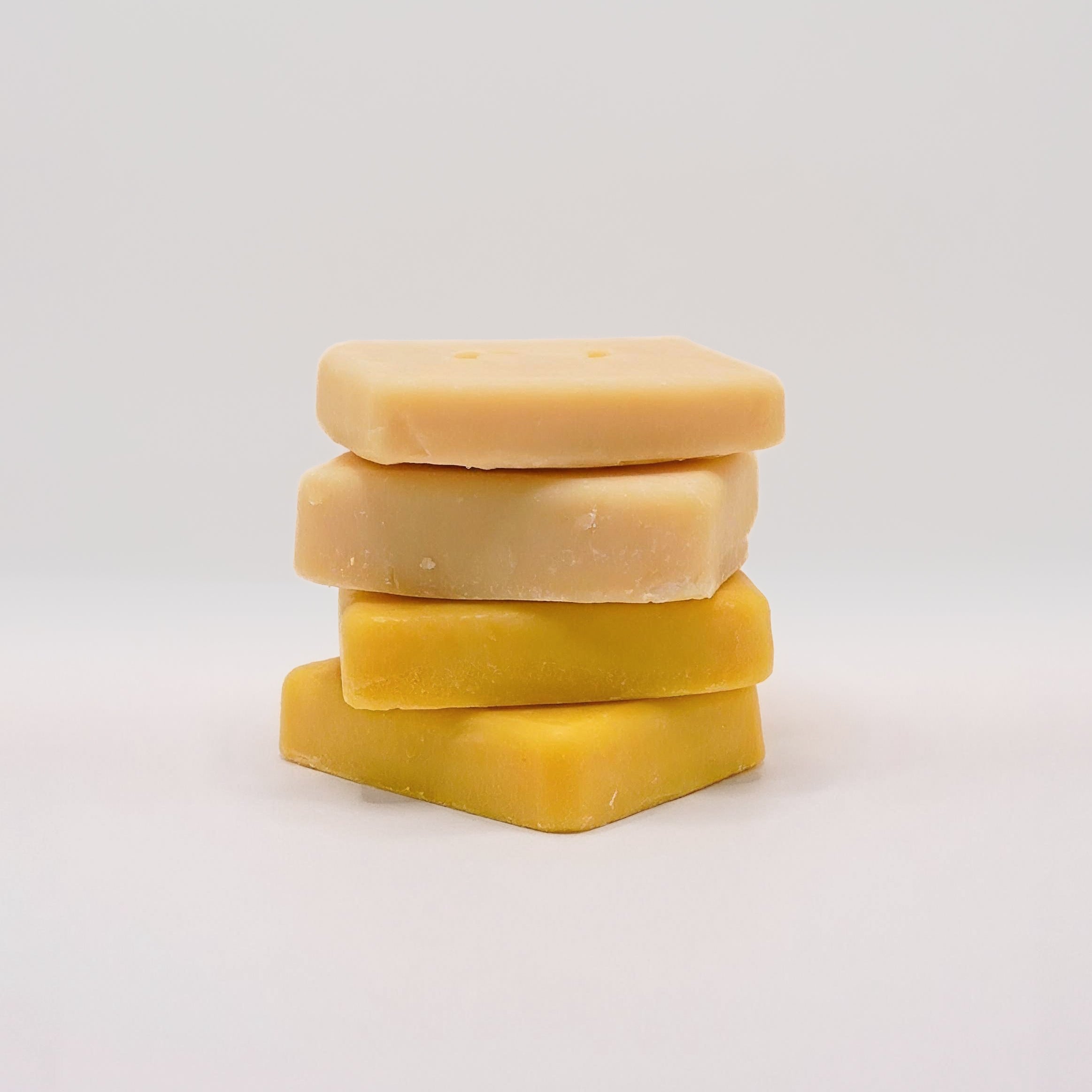
Lanolin is a natural wax that forms a breathable barrier to reduce water loss and moisturize the skin.
It works with tallow by sealing in nourishing fats, creating a protective film that sustains hydration and repair.
Lanolin is a natural wax secreted by the sebaceous glands of sheep, and its chemistry sits remarkably close to human sebum. That biological similarity is precisely why it has earned its place in traditional balms for centuries. Its role in natural skincare is not decorative; it is deeply functional.
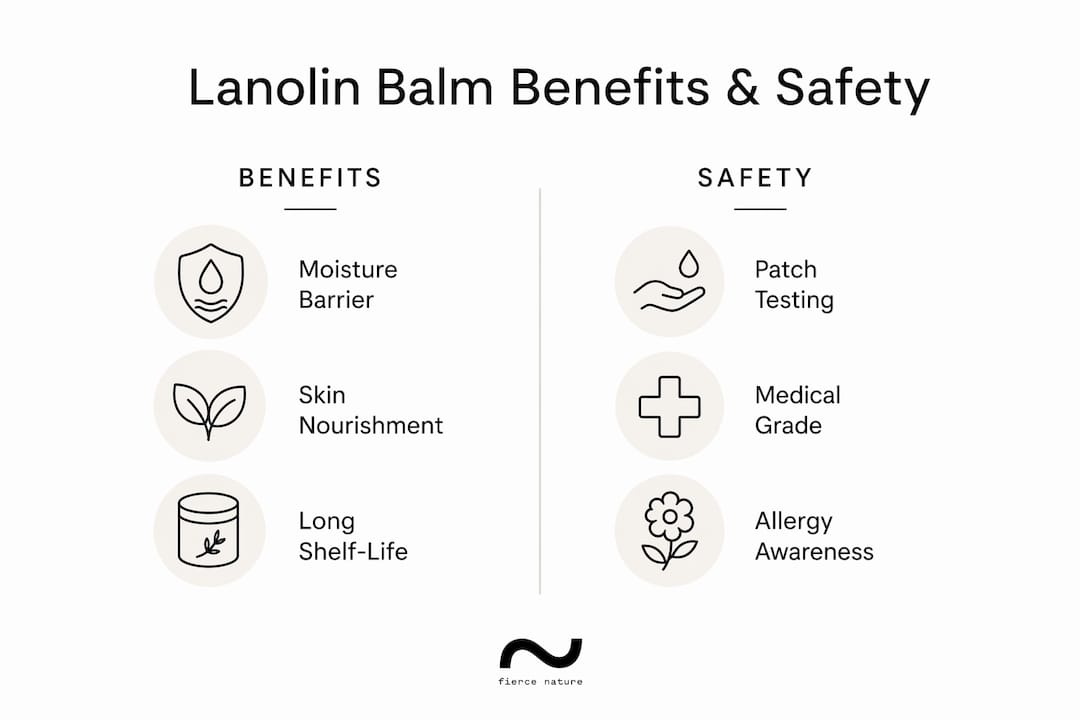
Occlusive moisturiser: Lanolin reduces transepidermal water loss by 20–30%, forming a breathable physical barrier that keeps moisture locked inside the skin.
Water-binding capacity: Its wax esters can absorb up to 200% of their own weight in water, making it one of the most effective moisture-retaining ingredients in any balm.
Barrier repair: It softens and restores dry, cracked areas, particularly lips, cuticles, and hands, where skin faces the most daily wear.
Sebum mimic: Because lanolin’s wax esters closely resemble the skin’s own oils, it works with your skin rather than sitting on top of it.
Protective film: It forms a slow-absorbing layer that shields skin from wind, cold, and environmental stress, qualities that matter especially in the UK’s variable climate.
Together, these properties explain why lanolin has remained a cornerstone of traditional balm ingredients across generations.
Tallow and lanolin are chemically distinct, and that distinction is exactly what makes them so effective as a pair. Tallow is rich in triglycerides and fatty acids that mirror the lipid profile of healthy skin cells, delivering genuine nourishment at a cellular level. Lanolin, composed primarily of wax esters and sterol esters, excels at occlusion and moisture retention rather than deep feeding.
Tallow nourishes: Its bioavailable fatty acids penetrate the skin barrier to rebuild and strengthen from within. You can read more about this in our guide to tallow as a skin superfood.
Lanolin seals: It lays a protective film over the skin, locking in the nourishment tallow delivers and preventing moisture from escaping.
Together, they last: The combination creates a balm that both feeds and protects, sustaining hydration far longer than either ingredient alone.
Formulation practice: Formulators typically use anhydrous lanolin layered over lighter oils or humectants, so the occlusive layer works at its best without overwhelming the skin.
Pro Tip: Use lanolin sparingly in your balm formulations. A small amount goes a long way, and keeping the ratio modest avoids any tackiness while still delivering its full barrier benefit.
Lanolin is well tolerated by most people, but it is worth knowing where the risks lie before you start using it daily. Contact dermatitis is the most commonly reported reaction, and it tends to affect those with wool allergies or compromised skin barriers. Patch testing before first use is a simple, sensible step.
Allergy risk: People with wool sensitivity or broken skin should patch test on the inner arm for 24 hours before applying a lanolin balm more widely. For broader guidance on avoiding skin irritation from topical products, choosing products for sensitive skin offers useful context.
Purity matters: Medical-grade lanolin is purified to reduce pesticide residues and free alcohols, the compounds most likely to trigger irritation. Lower-grade lanolin carries a meaningfully higher risk.
Avoid overuse: Layering multiple lanolin-containing products simultaneously increases the likelihood of sensitivity reactions.
Transparent labelling: Choose balms from UK suppliers who clearly list their lanolin grade and sourcing. Single-ingredient or minimal-formula products leave less room for hidden irritants.
Pro Tip: If you have extremely dry or eczema-prone skin, opt for a medical-grade or highly purified lanolin product and introduce it gradually rather than applying it to large areas straight away.
Lanolin’s story in skincare stretches back to antiquity. Romans, Greeks, and Egyptians all recognised its protective and restorative qualities, using it to shield skin from harsh conditions. In Britain, that tradition carried forward naturally, shaped by a climate that demands real protection from wind, rain, and cold.
Traditional UK formulations: British balm makers have long combined lanolin with local tallow, creating deeply nourishing preparations suited to the demands of outdoor and agricultural life.
Climate-driven relevance: The UK’s damp, cold winters and variable summers make an occlusive, moisture-retaining ingredient like lanolin particularly valuable in any tallow balm for UK skin.
Modern clinical recognition: NHS guidance acknowledges lanolin’s role in soothing nipple discomfort during breastfeeding, and dermatologists continue to recommend it for lip care and dry skin repair.
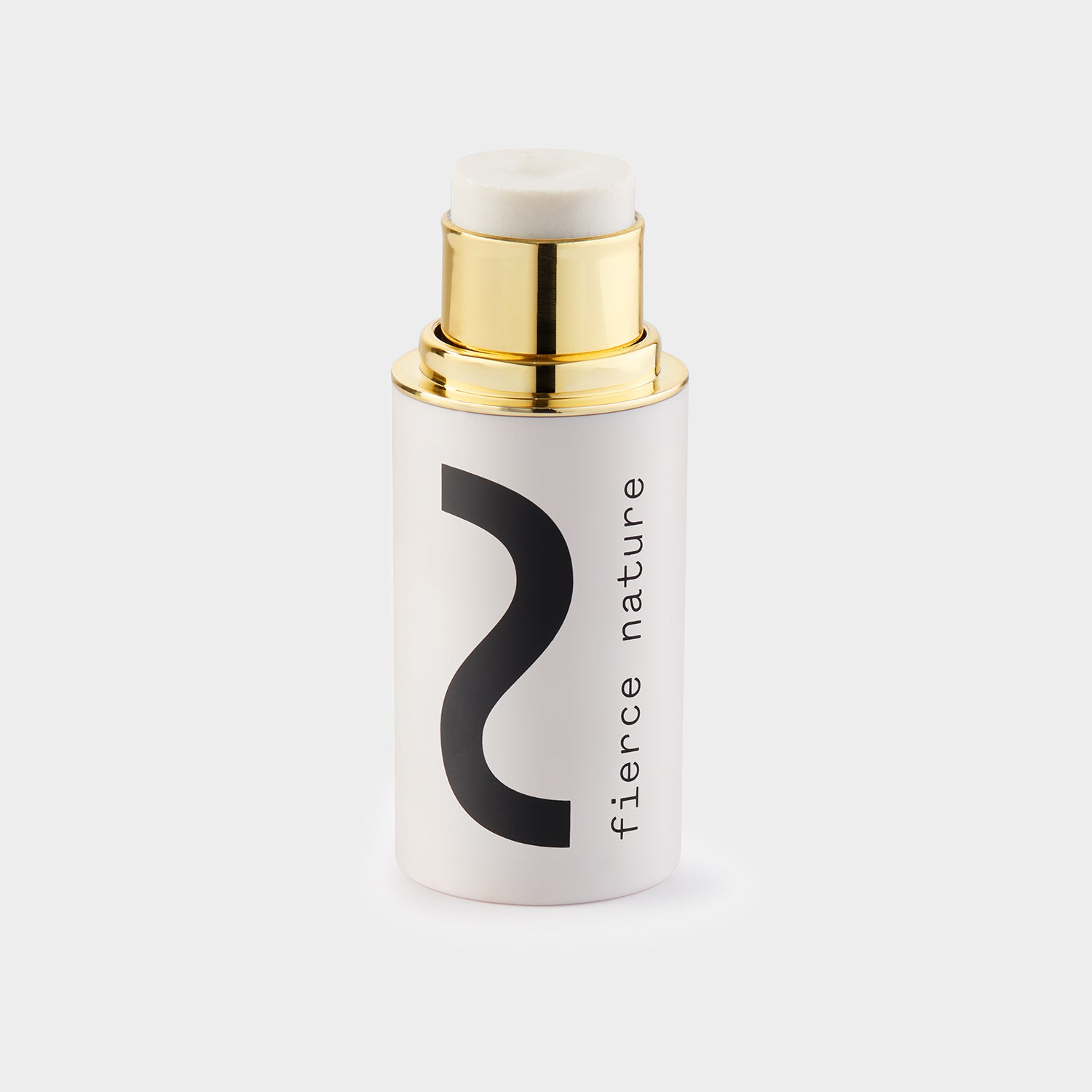
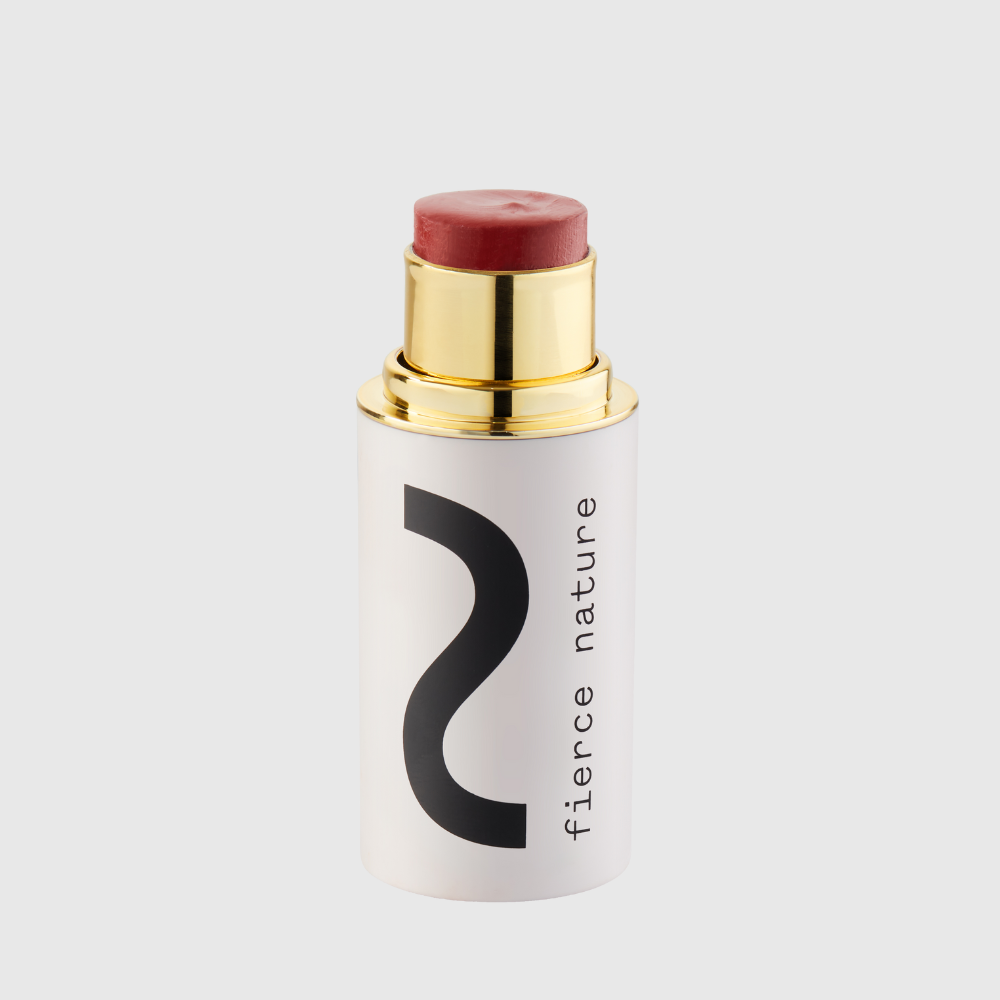
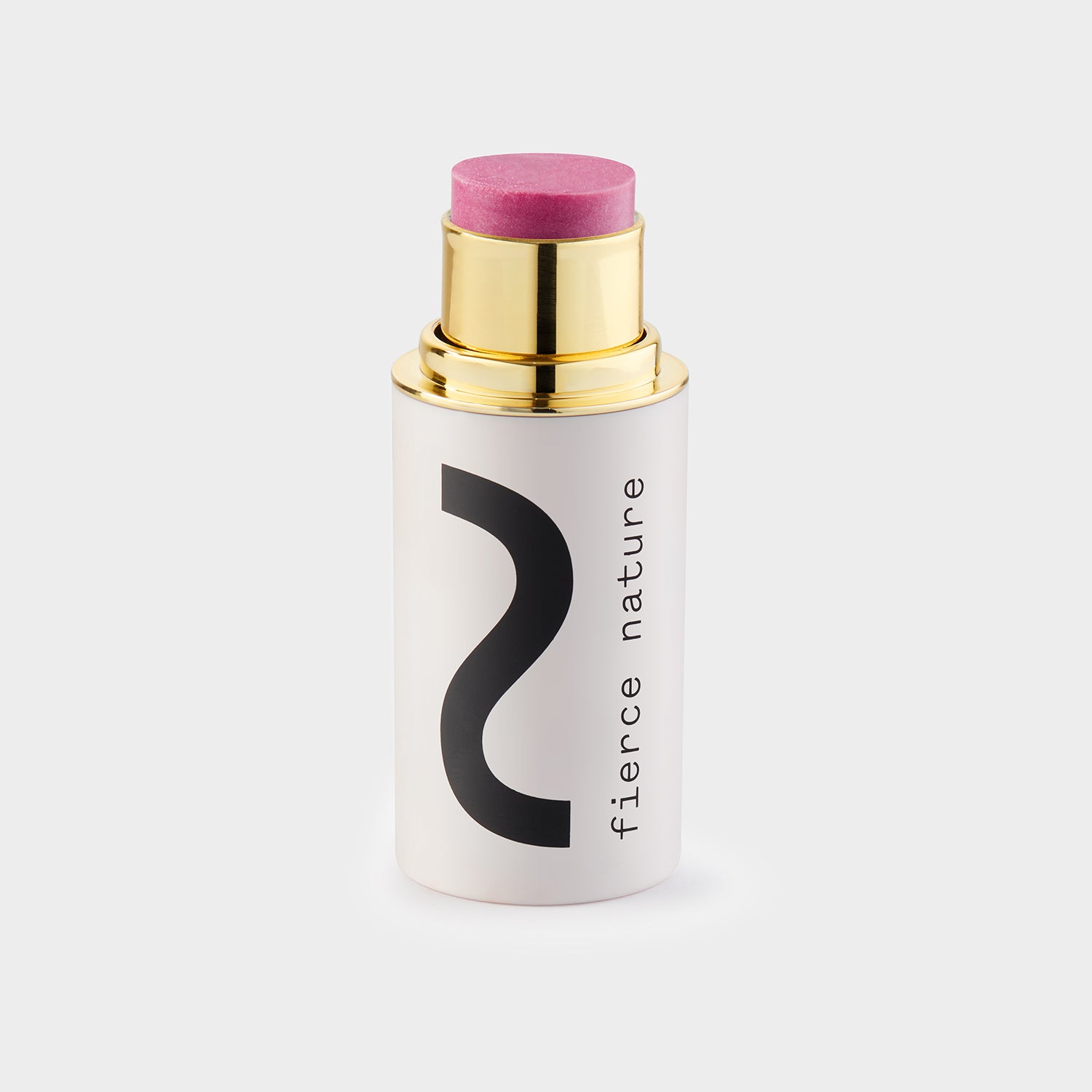
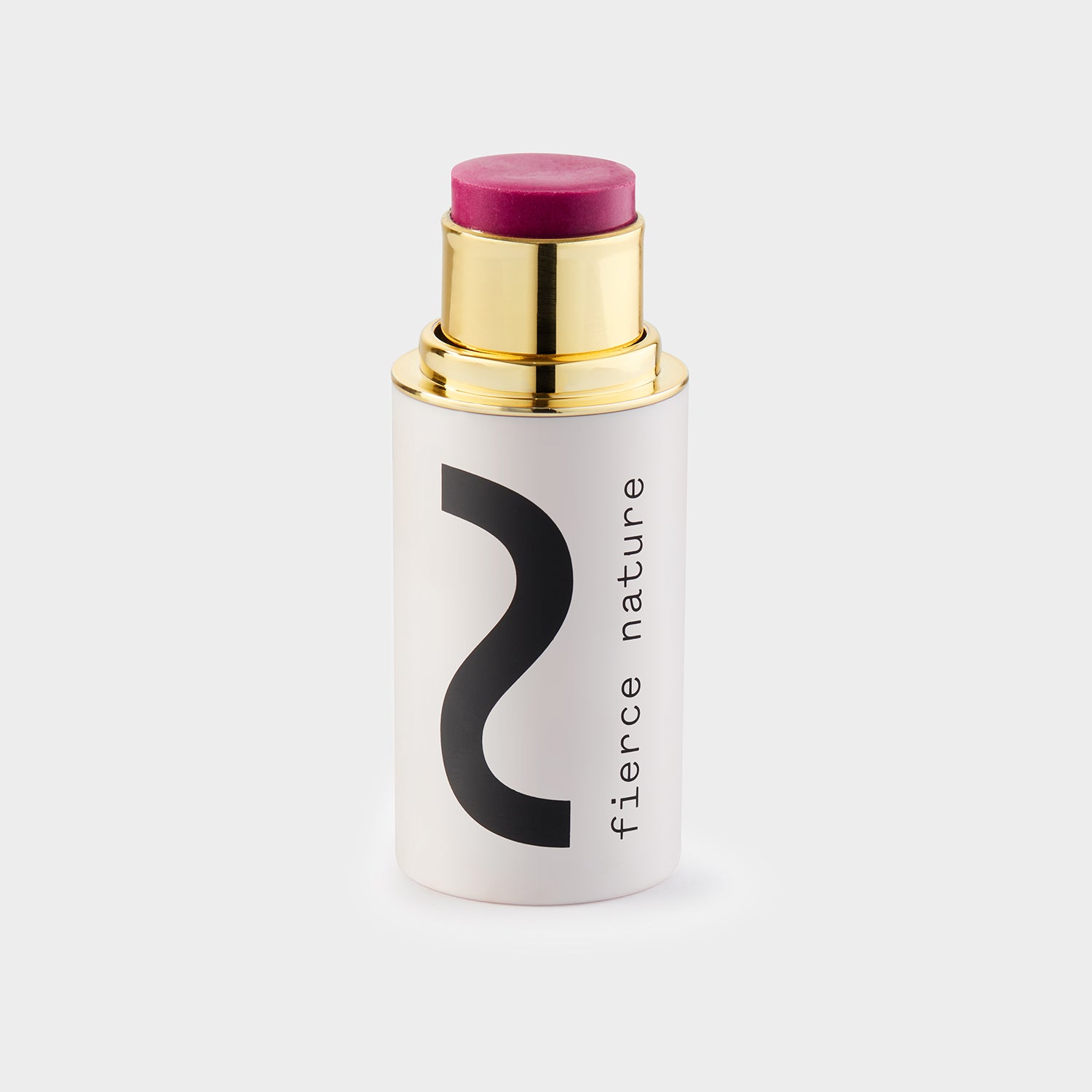
Contemporary natural brands: Fierce Nature carries this heritage forward, combining ethically sourced lanolin with organic tallow in handcrafted formulations made in the UK.
The continuity from ancient use to modern dermatological recognition speaks to something genuine. Lanolin has not survived this long because of clever marketing.
Natural UK brands working with tallow and lanolin offer something that mass-market skincare rarely can: full transparency over what goes into the tin and where it came from.
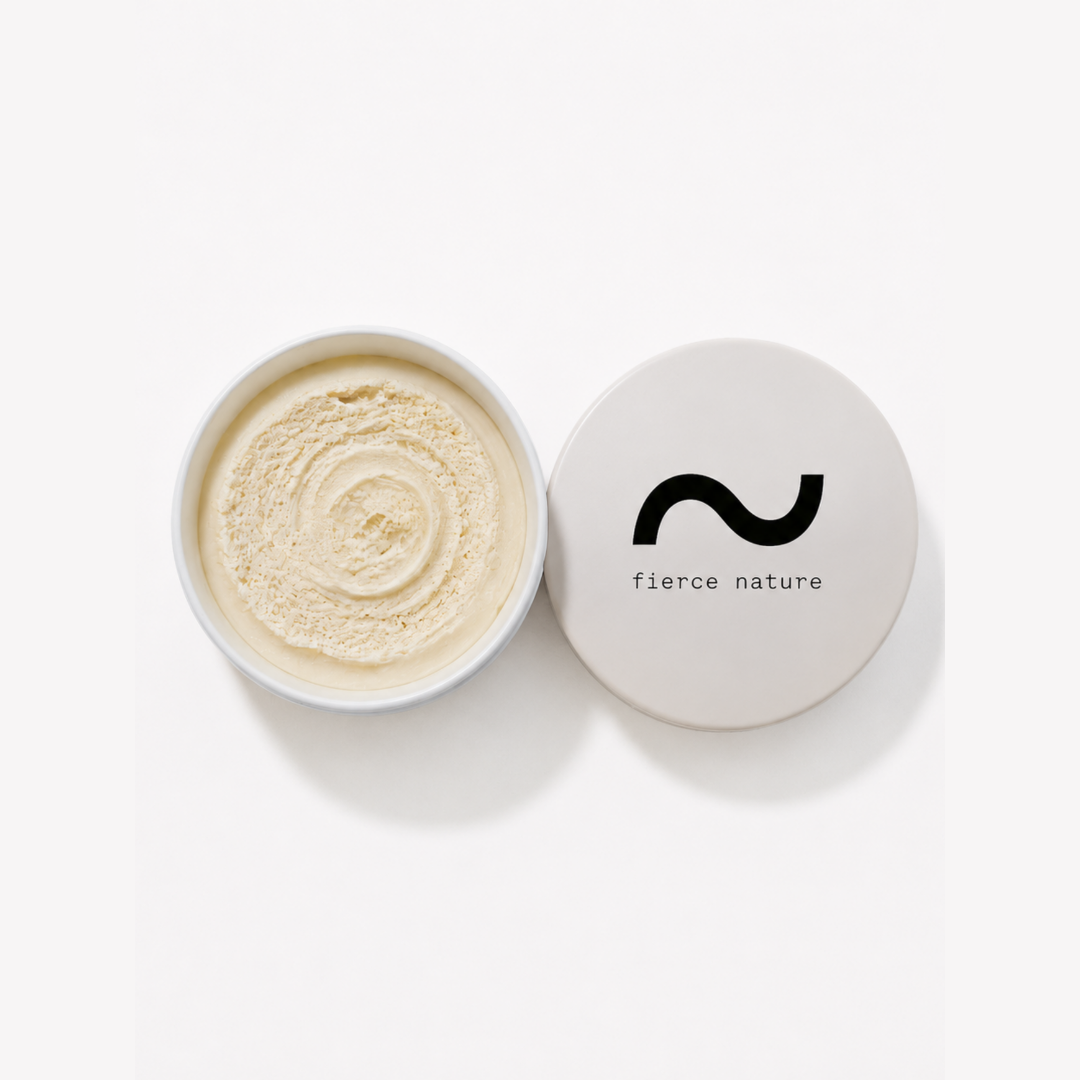
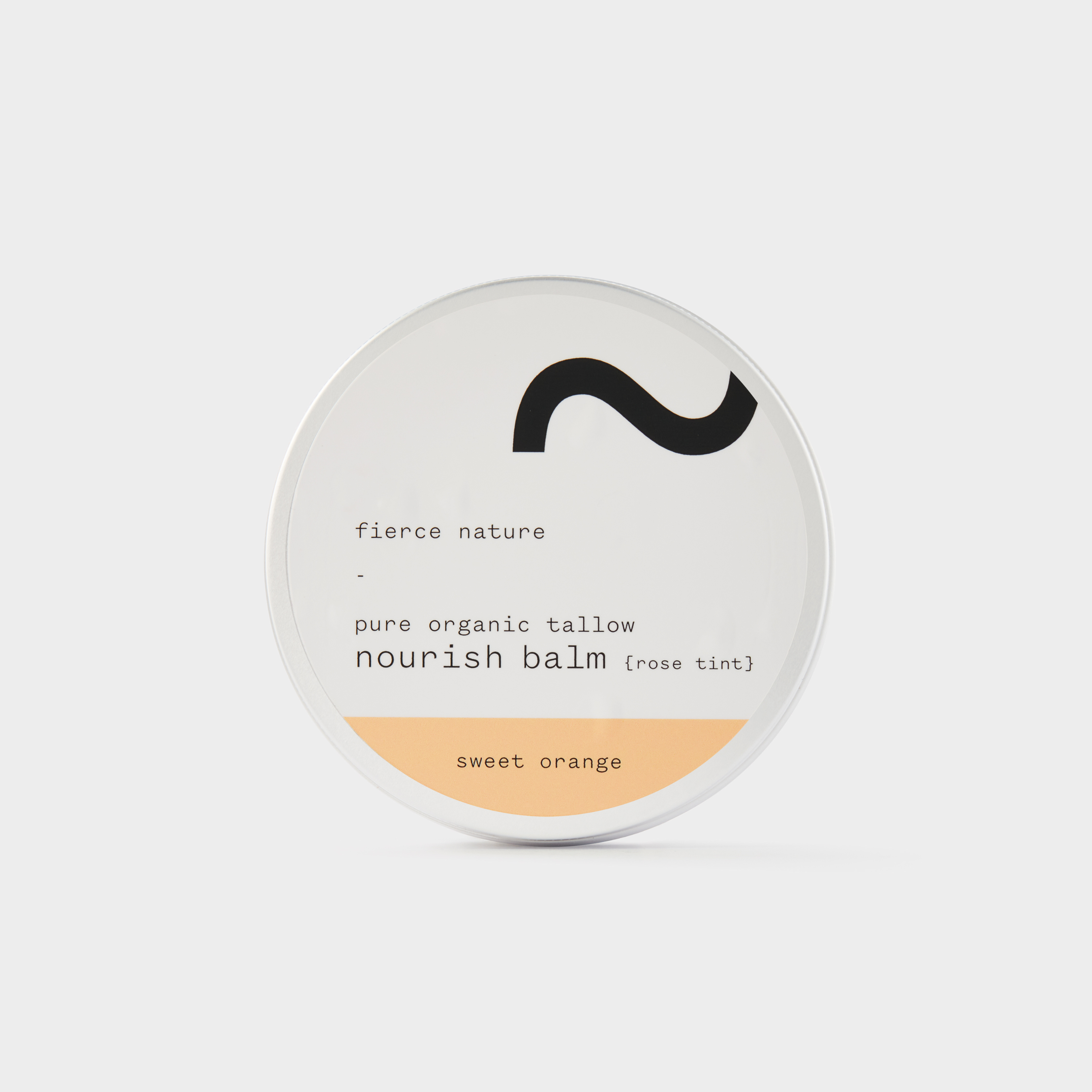
Organic, ethically sourced ingredients: Handcrafted balms using grass-fed tallow and medical-grade lanolin deliver both purity and potency. The nourish balm made with grass-fed tallow is a good example of this approach in practice.
Bioavailable nourishment: Tallow’s fatty acid profile closely matches human skin lipids, meaning the skin absorbs it readily rather than treating it as a foreign substance.
Suited to UK conditions: Balms formulated with both lanolin and tallow perform particularly well in the UK’s cooler, wetter climate, where the skin’s barrier faces consistent stress.
Founder expertise: Fierce Nature was built on a decade of research into gut health, toxic load, and the skin’s relationship with natural fats, giving its formulations a grounding in real science rather than trend-following.
Tradition meets validation: Combining centuries-old ingredients with modern quality standards produces balms that are both safe and genuinely effective.
Lanolin is recovered during the wool-scouring process, the industrial washing of raw fleece before it is spun. The raw lanolin extracted at this stage is called wool grease or crude lanolin, and it contains impurities including pesticide residues, free fatty acids, and oxidised compounds that can irritate skin.
Purification transforms crude lanolin into the ingredient you want in a balm. The process involves degumming, bleaching, and deodorising, with medical-grade purification going further to remove free alcohols and reduce pesticide traces to negligible levels. The grade of lanolin that results from this process directly determines how safe and effective it will be on skin. For sensitive skin applications, medical-grade is the only grade worth using.
Lanolin is a generous collaborator in a balm formula. Its semi-solid, waxy texture blends smoothly with tallow, beeswax, and plant-based oils, and it does not destabilise anhydrous formulations. With tallow, it creates the nourish-and-seal pairing described earlier. With beeswax, it adds slip and reduces the stiffness that beeswax alone can produce.
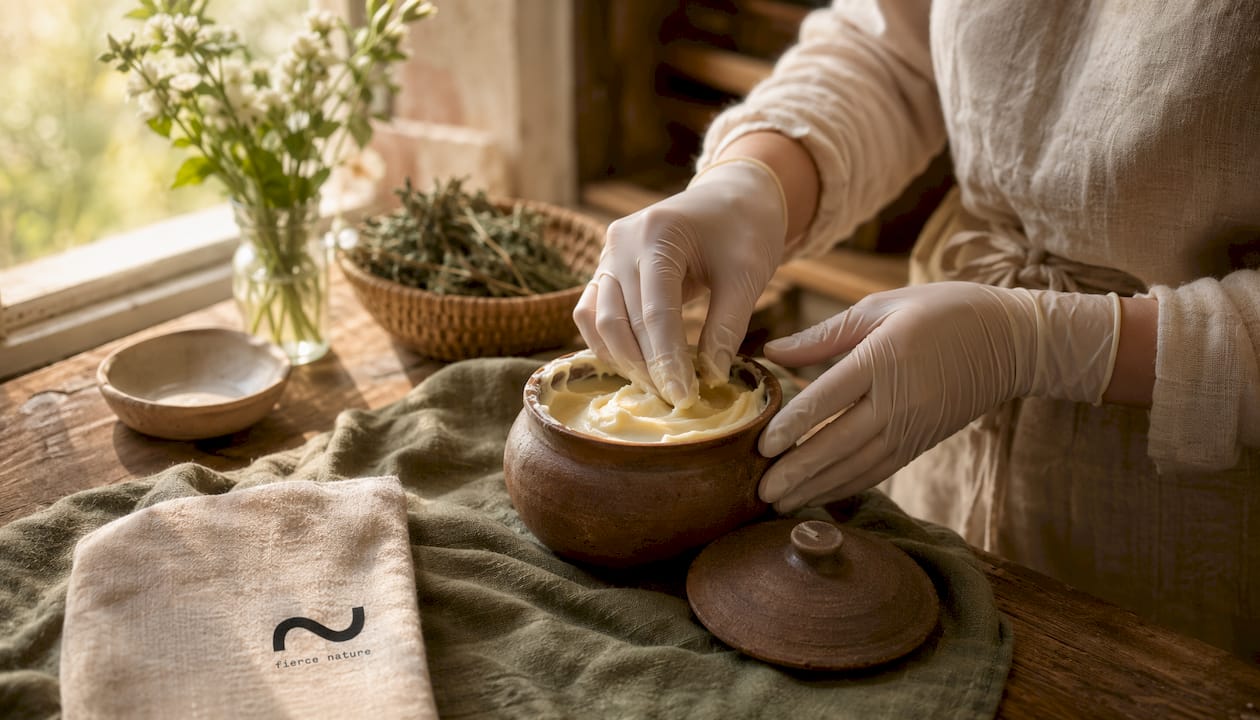
Essential oils disperse evenly through lanolin, though high concentrations of certain oils (particularly citrus or cinnamon) can increase sensitisation risk in an already occlusive formula. Herbal infusions in a carrier oil blend well with lanolin, and the occlusive layer lanolin provides actually helps the active compounds in those herbs stay in contact with the skin for longer. The key formulation principle is balance: lanolin works best as a supporting player, enhancing the performance of every other ingredient around it.
Lanolin is naturally resistant to oxidation, which gives lanolin-containing balms a meaningful shelf-life advantage over those relying solely on plant oils. Anhydrous lanolin, in particular, is stable at room temperature and does not require refrigeration under normal conditions.
That said, heat and direct sunlight will degrade any balm over time. Store lanolin balms in a cool, dark place, ideally below 25°C, and keep the lid tightly closed to prevent contamination. When combined with tallow, the balm’s stability remains strong, as tallow is also naturally resistant to rancidity compared with most seed oils. A well-formulated tallow and lanolin balm, stored correctly, typically remains effective for 12–18 months.
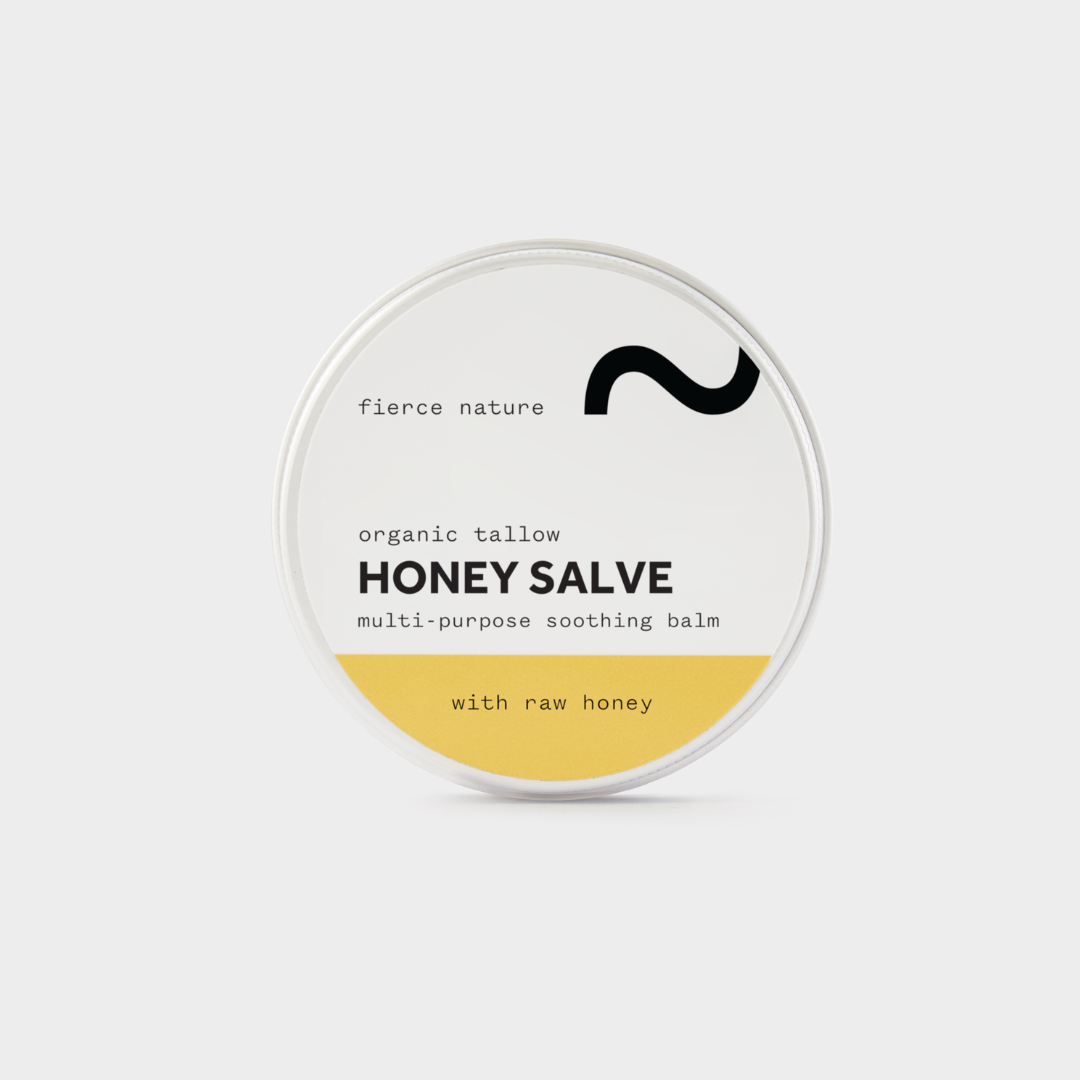
Fierce Nature handcrafts every product in the UK using organic tallow and naturally sourced ingredients, with no synthetic fillers or hidden chemicals. If you have been reading about the nourishing and protective power of lanolin and tallow, these products are where that knowledge becomes something you can actually use.
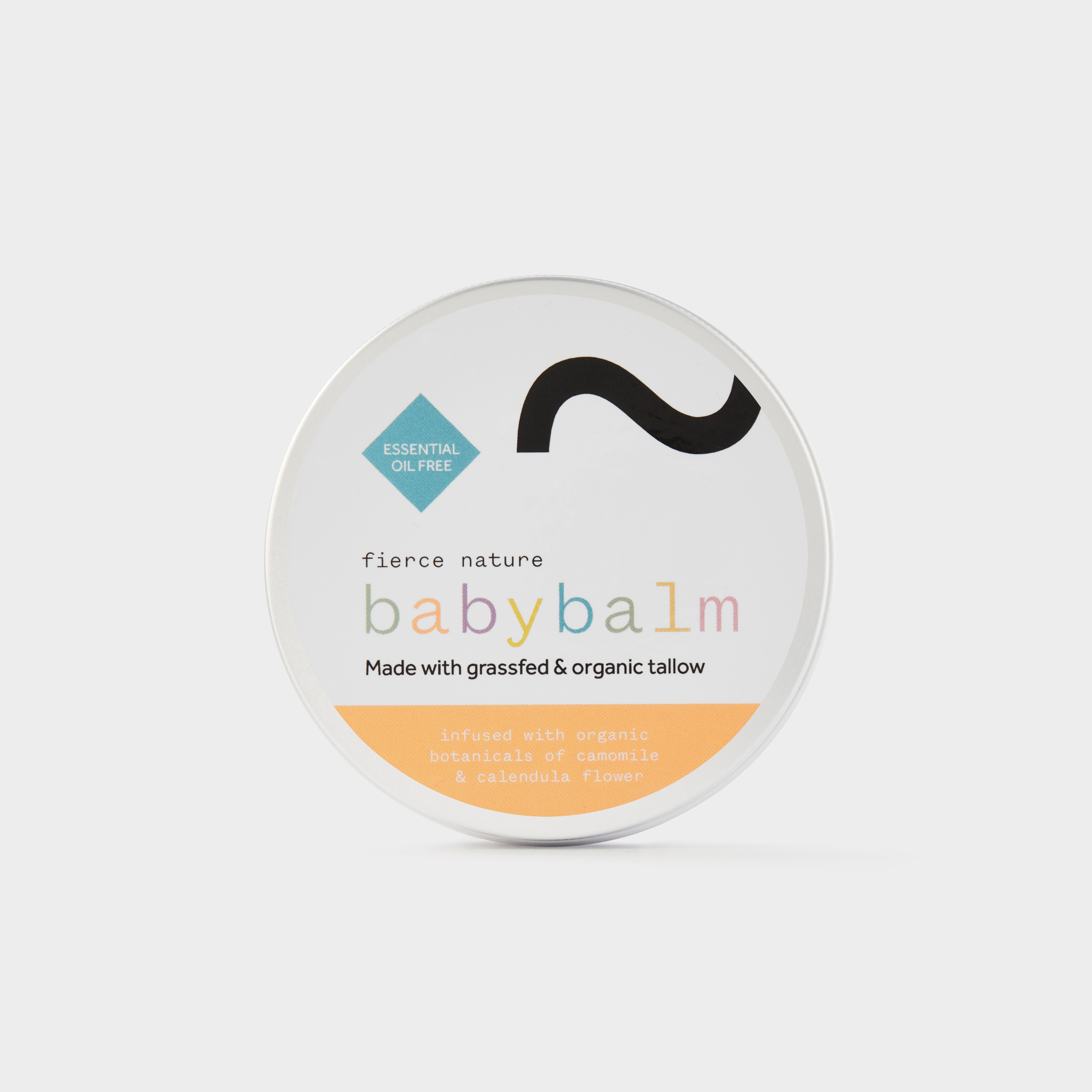
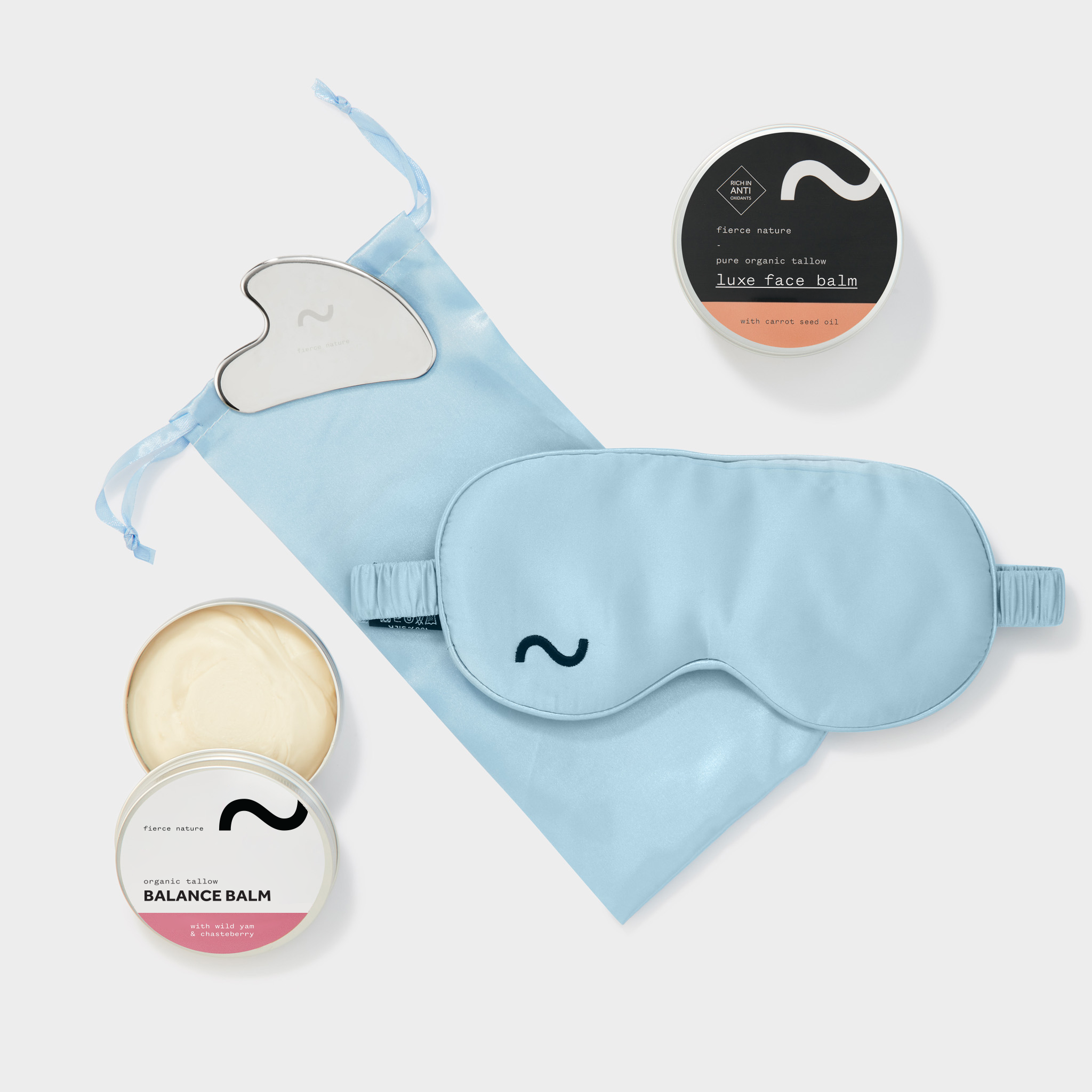
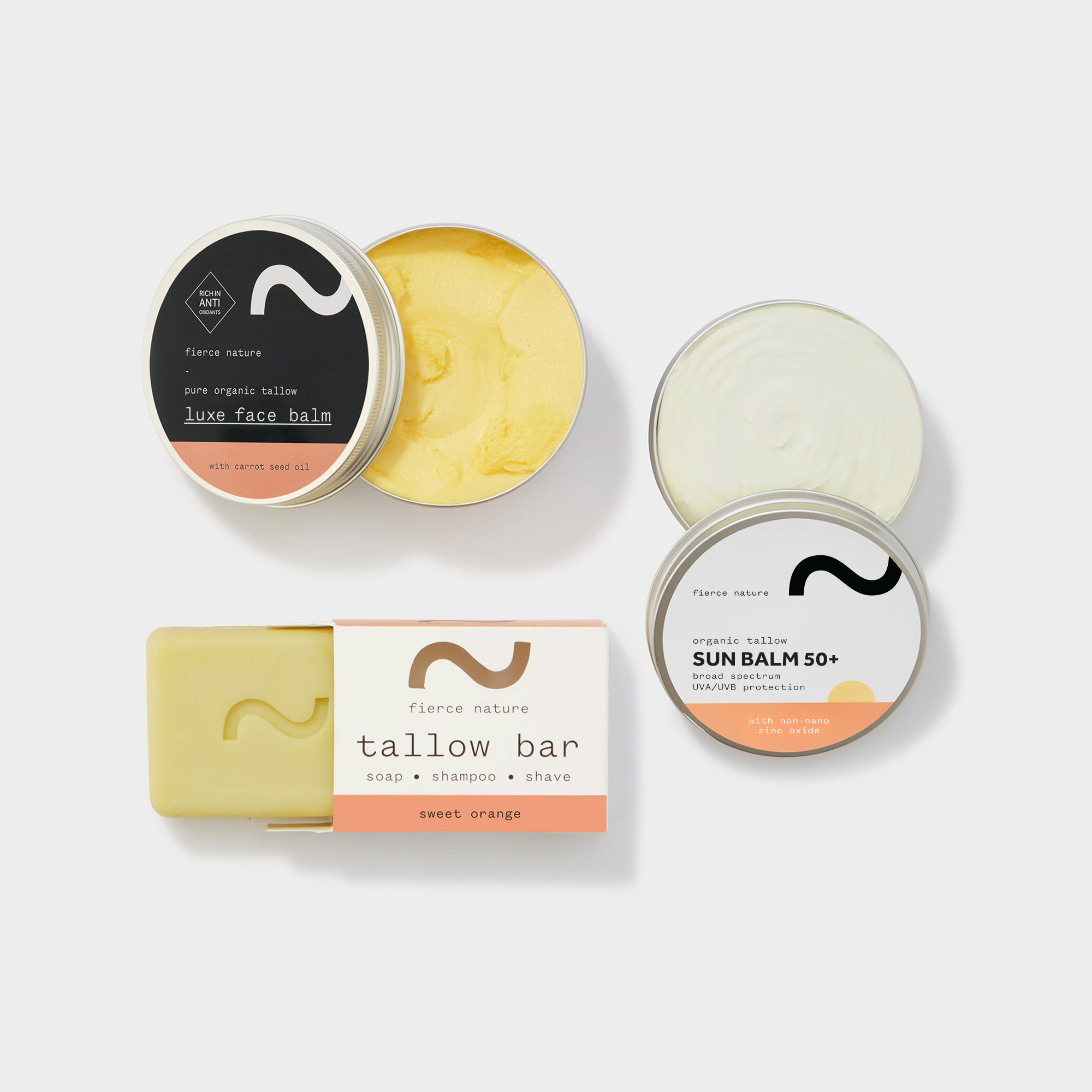
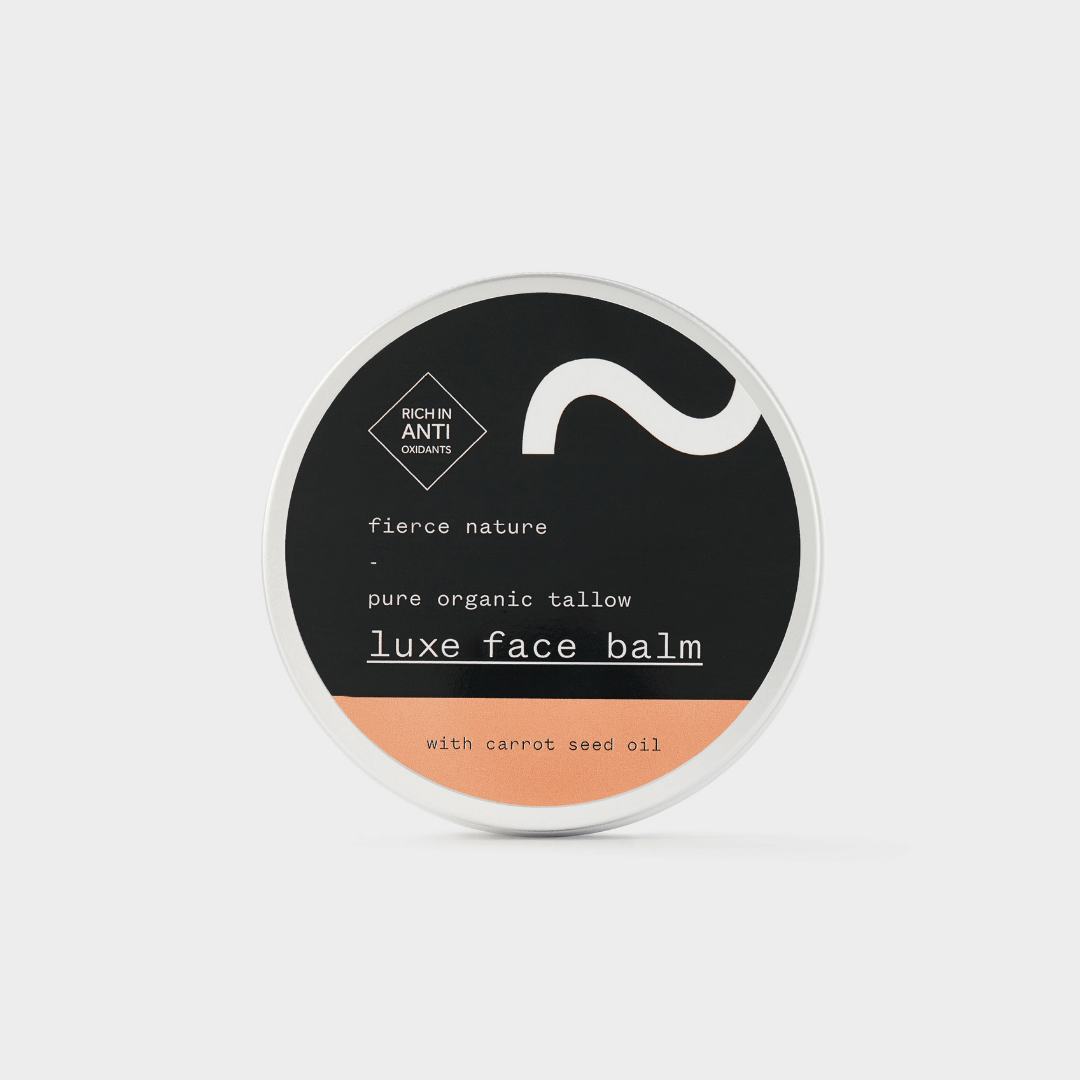
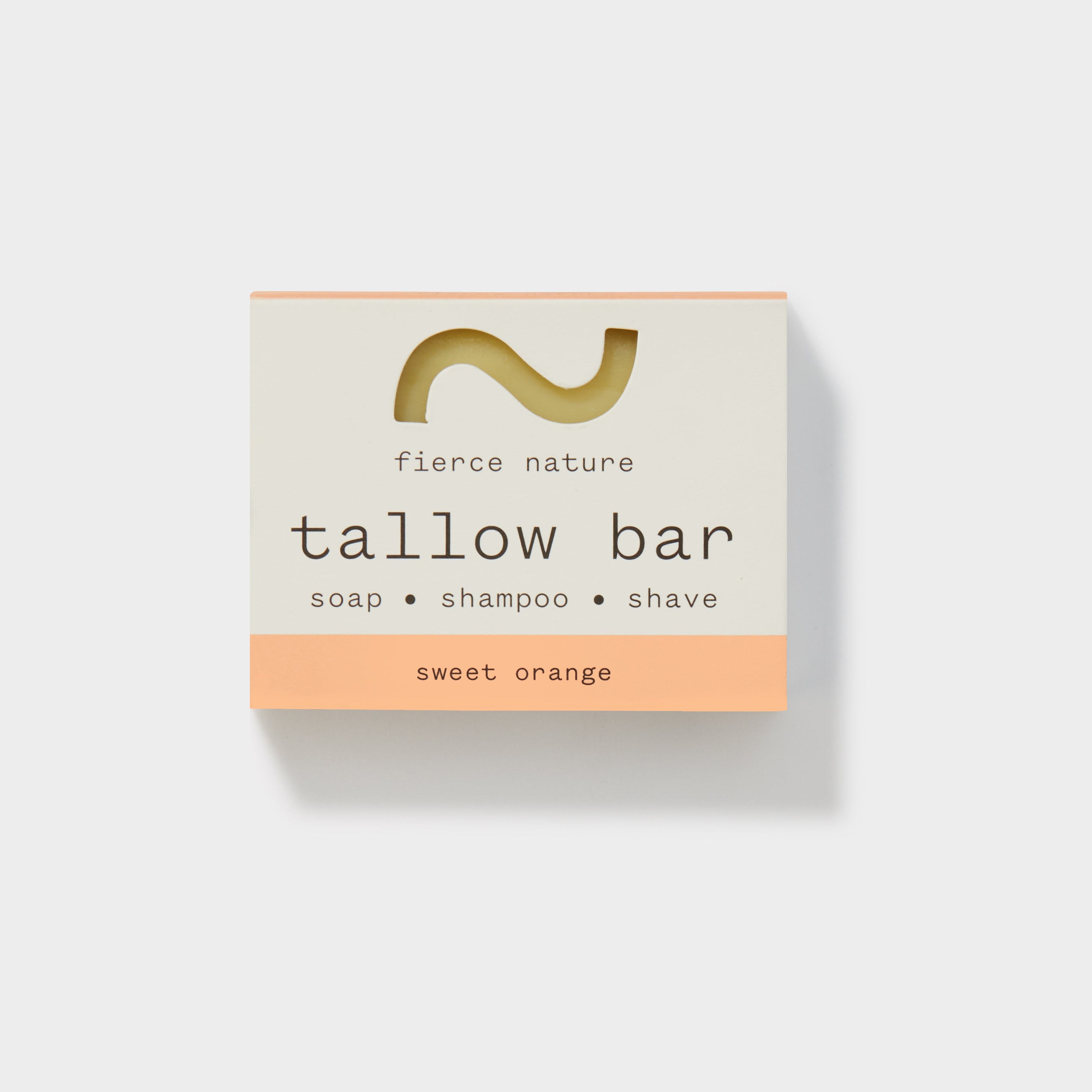
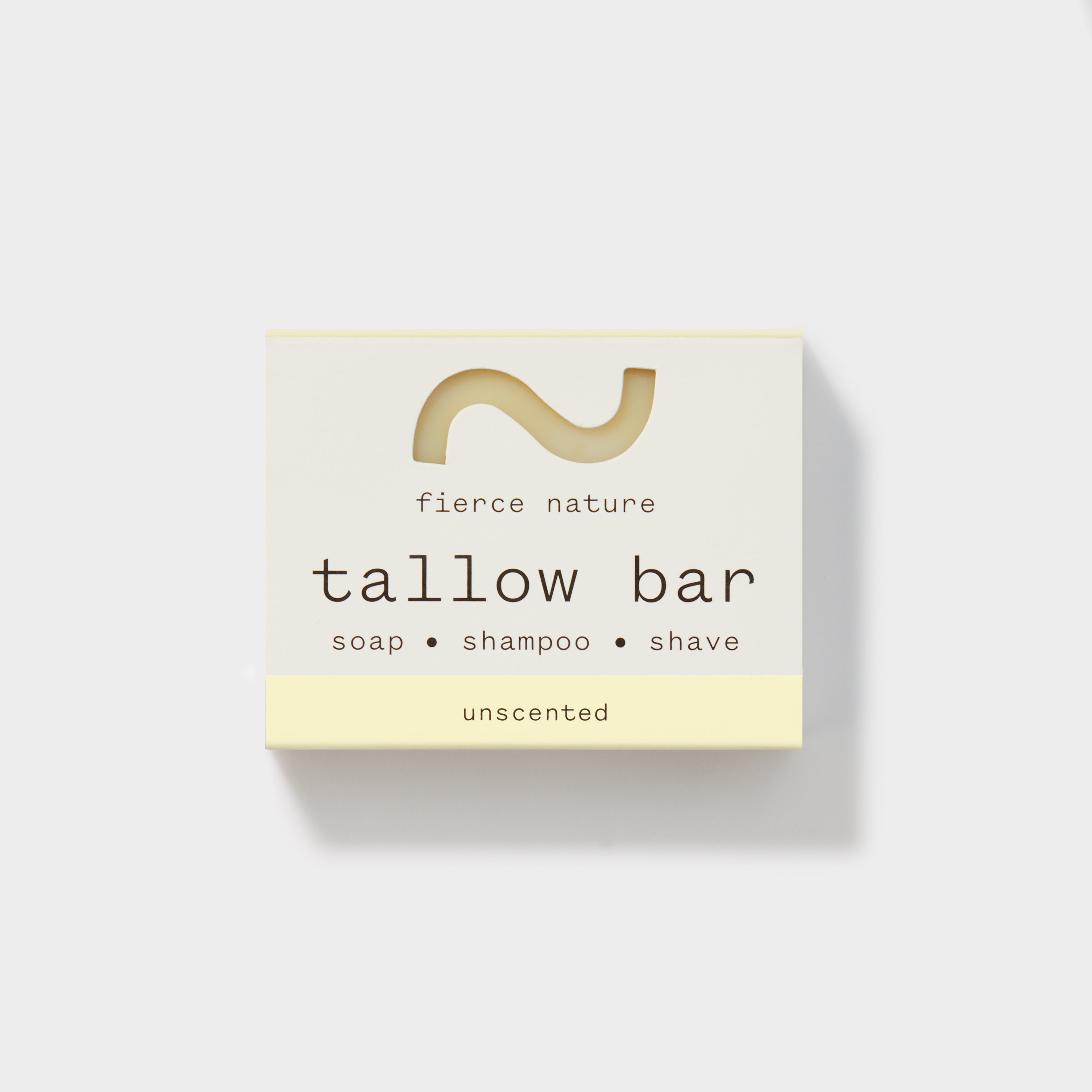
The Non-toxic Baby Skin Essentials range is formulated for the most sensitive skin, making it a natural choice for anyone who wants the gentlest possible introduction to tallow-based care. The Multi-Use Tallow Bar (Unscented) delivers pure, deep nourishment without fragrance, while the Selfie Stick Natural offers a portable, multipurpose balm for lips, cuticles, and dry patches. For a richer facial experience, the Luxe Balm combines tallow with premium ingredients for advanced barrier protection. The Biohacking bundle brings several of these together for those ready to commit to a fully natural routine. Browse the full organic body balms collection to find the right fit for your skin.
Most people tolerate lanolin well, but those with wool allergies or broken skin should patch test first. Medical-grade, highly purified lanolin carries the lowest risk of irritation.
Lanolin acts as an occlusive moisturiser, reducing transepidermal water loss by 20–30% and forming a protective barrier that keeps skin hydrated and shielded from environmental stress.
Tallow provides nourishing fatty acids that feed skin cells, while lanolin creates a moisture-retaining occlusive film. Together, they nourish and seal, making the combination more effective than either ingredient alone.
A well-formulated tallow and lanolin balm, stored in a cool, dark place below 25°C, typically remains effective for 12–18 months.
Fierce Nature formulates its handcrafted UK balms with naturally sourced ingredients including tallow, and its product range is built around the same nourish-and-protect principles that make lanolin and tallow such an effective pairing.
Lanolin’s role in traditional balms is to act as a highly effective occlusive layer that reduces moisture loss significantly, working in direct synergy with tallow’s nourishing fatty acids to protect and repair the skin.
| Point | Details |
|---|---|
| Lanolin reduces moisture loss | It cuts transepidermal water loss by 20–30%, keeping skin hydrated in harsh conditions. |
| Wax esters absorb water | Lanolin can absorb up to 200% of its own weight in water, making it exceptionally effective for moisture retention. |
| Tallow and lanolin complement each other | Tallow nourishes skin cells; lanolin seals in that nourishment with a protective barrier. |
| Medical-grade purity matters | Purified lanolin reduces pesticide residues and free alcohols, lowering the risk of irritation significantly. |
| Fierce Nature applies this tradition | Fierce Nature handcrafts tallow-based balms in the UK, combining traditional ingredients with transparent, natural sourcing. |


