Cart
0
80% Also Added this




TL;DR:
- A sleeping face balm is a water-free, overnight treatment made from oils and waxes that forms an occlusive barrier to lock in moisture. It supports skin hydration, barrier repair, and softening, especially in dry or sensitive skin. Proper application involves sealing in serums and oils as the final step of a nighttime routine for maximum benefits.
A sleeping face balm is a water-free, leave-on overnight treatment made from concentrated oils and waxes that form an occlusive seal on the skin while you sleep. Unlike a regular moisturiser, it contains no water phase — just pure emollients, occlusives, and nourishing actives working quietly through the night. The benefits are immediate and cumulative:
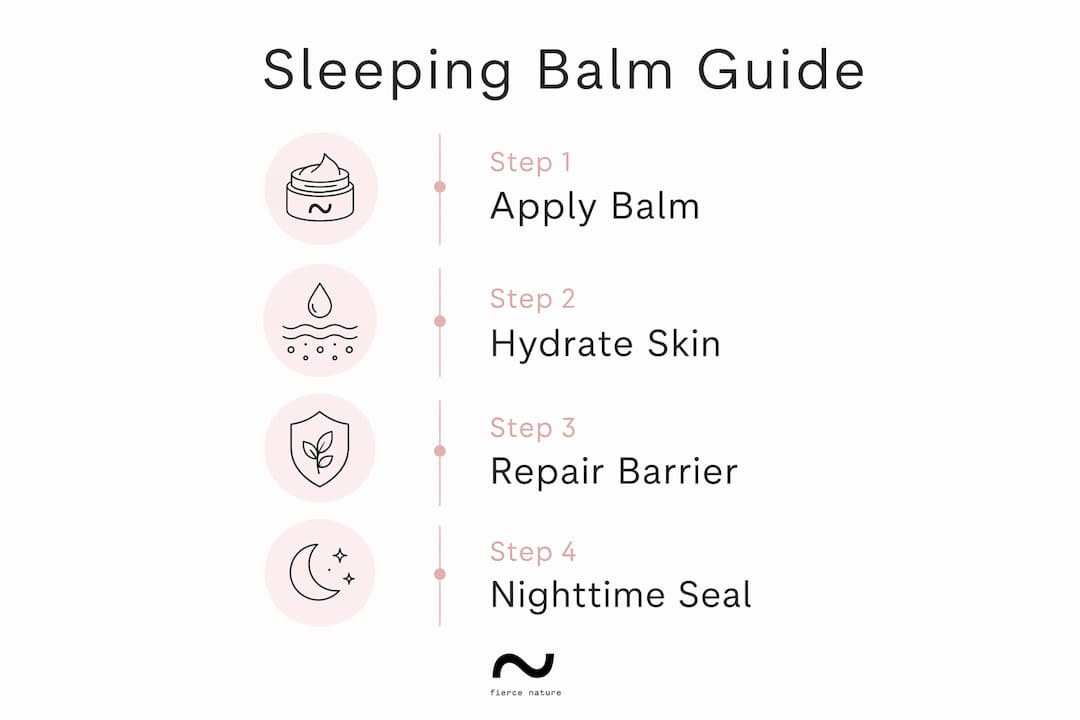
Apply it as the final step in your evening routine, after serums and any face oil, so it locks everything in.
The name “sleep balm” covers at least three distinct product types, and mixing them up leads to disappointment.
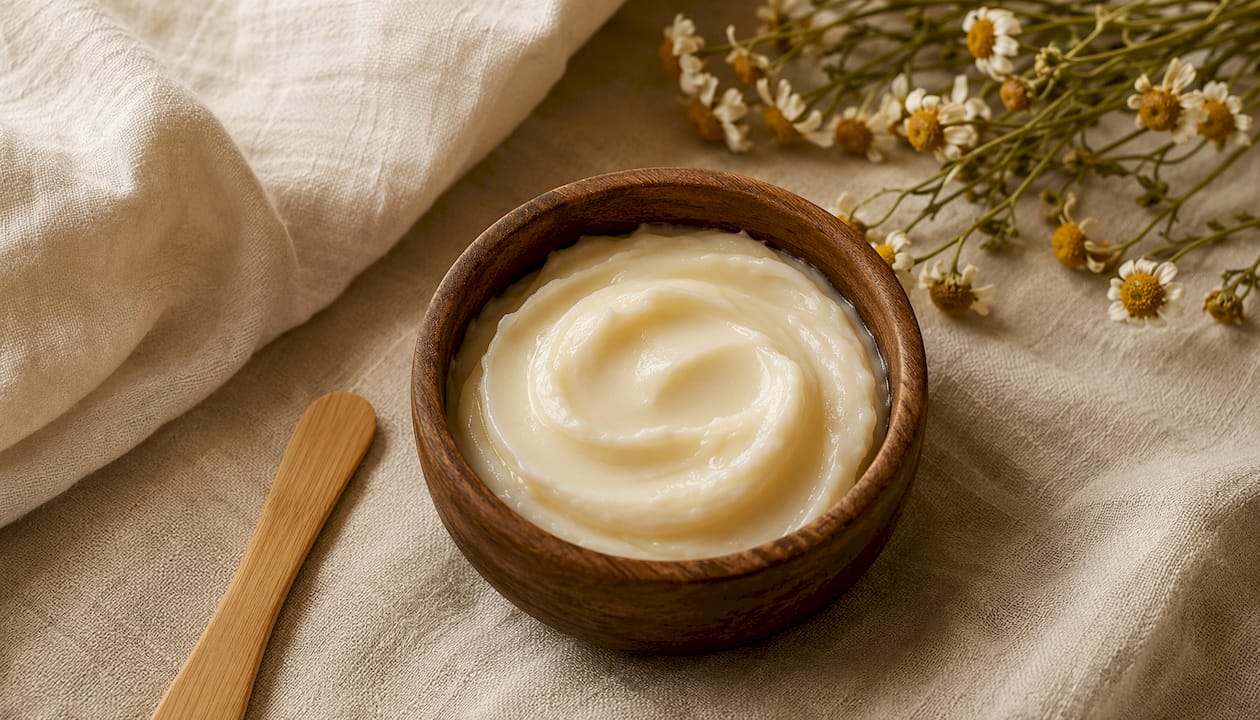
Night cream vs sleeping face balm. A night cream is a water-based emulsion, typically 60–80% water, thickened with emulsifiers and often containing humectants such as glycerin or hyaluronic acid. A sleeping face balm is entirely water-free. That difference in structure means the balm sits on the skin as a true occlusive film rather than absorbing quickly, making it far more effective at preventing moisture loss in cold or dry conditions.
Face oil vs sleeping face balm. A face oil is lighter and non-occlusive. It absorbs into the skin readily but does not create a physical barrier. A balm’s wax component is what gives it that sealing quality. You can layer an oil beneath a balm, but the two are not interchangeable.
Aromatherapy “sleep balm” vs skincare sleeping balm. Products marketed as “sleep balms” are often pulse-point products formulated with lavender and topical magnesium to support relaxation and sleep onset through scent conditioning. They are not primarily skin treatments. A sleeping face balm, by contrast, is applied across the face to nourish and protect skin overnight.
Pro Tip: If your skin feels tight after cleansing, or you live somewhere with cold, dry winters, a balm will outperform both an oil and a night cream. Oily or combination skin in a humid climate may find a face oil sufficient.
Most sleeping face balms draw from the same core ingredient families, though the specific choices shape texture, performance, and suitability.
| Ingredient class | Examples | Function | Suitability note |
|---|---|---|---|
| Occlusives | Beeswax, candelilla wax, tallow | Seal the skin surface to prevent moisture loss | Tallow suits very dry or barrier-compromised skin; candelilla is vegan |
| Emollients | Shea butter, rosehip oil, jojoba oil | Soften and smooth the skin by filling gaps in the lipid layer | Rosehip may not suit acne-prone skin |
| Humectants | Glycerin, hyaluronic acid | Draw moisture into the skin (where included in balm formulas) | Generally well tolerated; rare in purely anhydrous balms |
| Active minerals | Topical magnesium | Local relaxation support; lower systemic absorption than oral routes | Avoid broken skin; not a substitute for dietary magnesium |
| Botanical extracts | Chamomile, calendula | Calming and anti-inflammatory properties | Patch-test if sensitive to the Asteraceae plant family |
| Essential oils | Lavender, frankincense | Aromatherapeutic and mild skin-calming effects | Avoid undiluted; caution during pregnancy |
When reading a label, look for these additional signals:
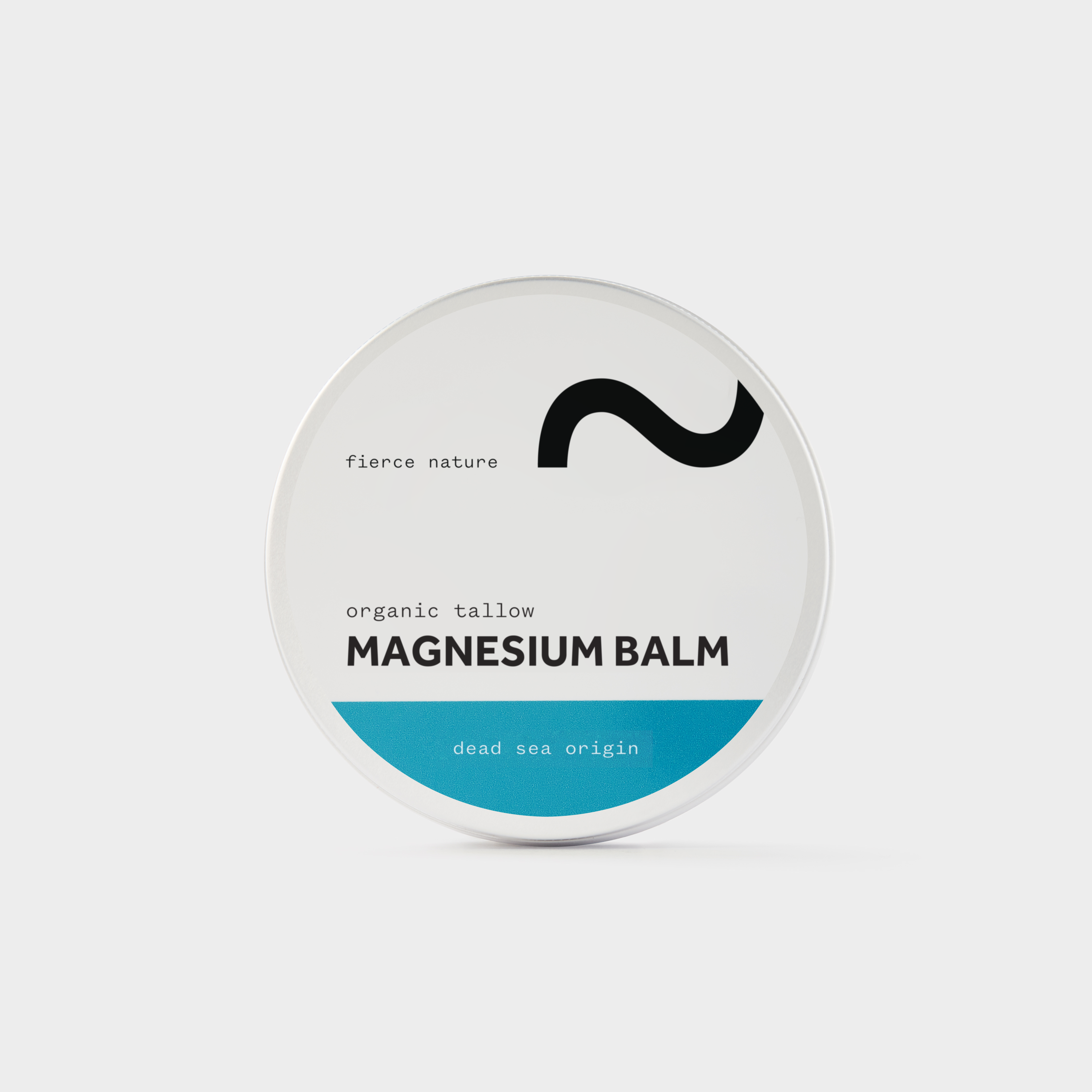
For a deeper look at how topical magnesium works in balm formulations, Fierce Nature’s Mag Balm page walks through the ingredient rationale clearly.
The honest answer is: meaningful ones, with some important caveats about the evidence.
The clearest, best-supported benefit is overnight hydration and reduced transepidermal water loss. Occlusive ingredients physically slow the rate at which water escapes through the skin surface, and this effect is measurable and consistent. Skin feels noticeably softer and more supple by morning, particularly in dry or heated indoor environments common across the UK in winter.
Barrier repair is the second well-supported claim. Concentrated emollients such as shea butter and tallow supply lipids that complement the skin’s own barrier structure. Consistent nightly use over several weeks tends to produce a calmer, less reactive complexion, especially for those with dry or sensitive skin.
The evidence for aromatherapeutic benefits is more nuanced. Lavender engages relaxation pathways, and a consistent bedtime routine that includes an olfactory cue, such as a familiar scent, can shorten sleep onset time through behavioural conditioning. The link between sleep and skin health is well established: the skin’s peak repair window runs roughly from 11pm to 4am, so anything that supports deeper, longer sleep indirectly supports skin recovery too.
Topical magnesium, where included, delivers a lower systemic dose than oral supplementation, but may support local muscle relaxation and complement other sleep-support habits without the gastrointestinal side effects of oral magnesium.
A note on evidence: most published results for branded sleep balms come from manufacturer-commissioned self-report studies. Subjective improvements in hydration after a single use are commonly reported, but these figures reflect brand data rather than independent clinical trials. Treat them as directional rather than definitive.
Pro Tip: Give yourself at least four weeks of consistent nightly use before judging results. The ritual itself, the act of applying something calming before bed, contributes to perceived improvement. That is not a placebo to dismiss; it is a genuine mechanism. But ingredient action on the skin barrier takes time, and a single application tells you very little.
A sleeping face balm works best when it is the final layer in your routine, sealing everything applied before it.
For a full nighttime routine guide, Fierce Nature’s blog covers sequencing in detail.
Dos and don’ts:
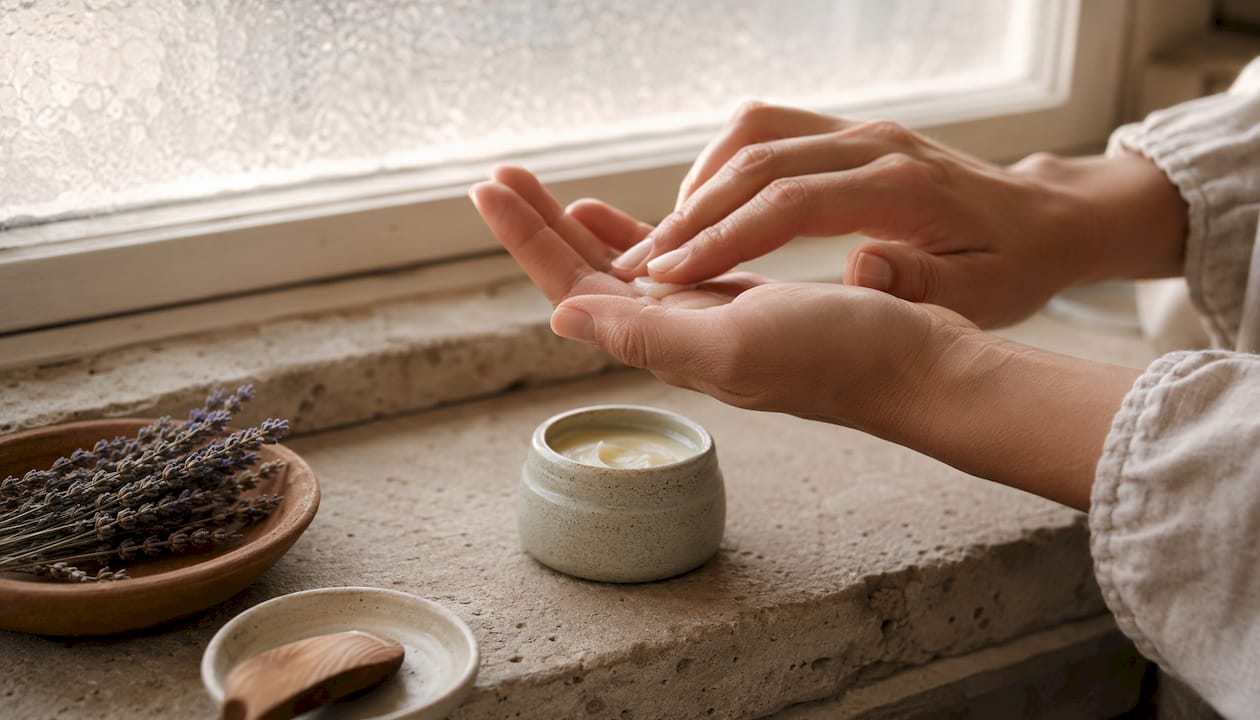
Pro Tip: Warming the balm between your palms and pressing it into the skin rather than rubbing it on improves contact and encourages the emollients to penetrate more effectively. Pair this with a calming bedroom environment and the routine becomes a genuine wind-down ritual.
Ideal candidates:
Those who should proceed carefully:
Pregnancy and medication notes: several essential oils commonly used in sleeping balms, including rosemary, clary sage, and high-dose lavender, are not recommended during pregnancy. If you are pregnant or on topical prescription treatments such as retinoids or antibiotics, speak to your GP or dermatologist before adding a new balm.
How to patch-test:
Important: photo-sensitising botanicals such as bergamot and some citrus oils should not be applied before sun exposure. For a leave-on overnight product this is rarely an issue, but avoid applying to areas exposed to morning sunlight before the balm has been cleansed away. If you are using retinoids or exfoliating acids, introduce a balm on alternate nights first to assess tolerance.
Not all balms are equal. These are the things worth checking before you buy.
Timeline for visible changes:
Longer-term improvements depend on complementary habits too: gentle cleansing, appropriate serums, and, crucially, good sleep. A morning skincare routine that does not strip the barrier you built overnight makes a real difference to cumulative results.
Storage guidance:
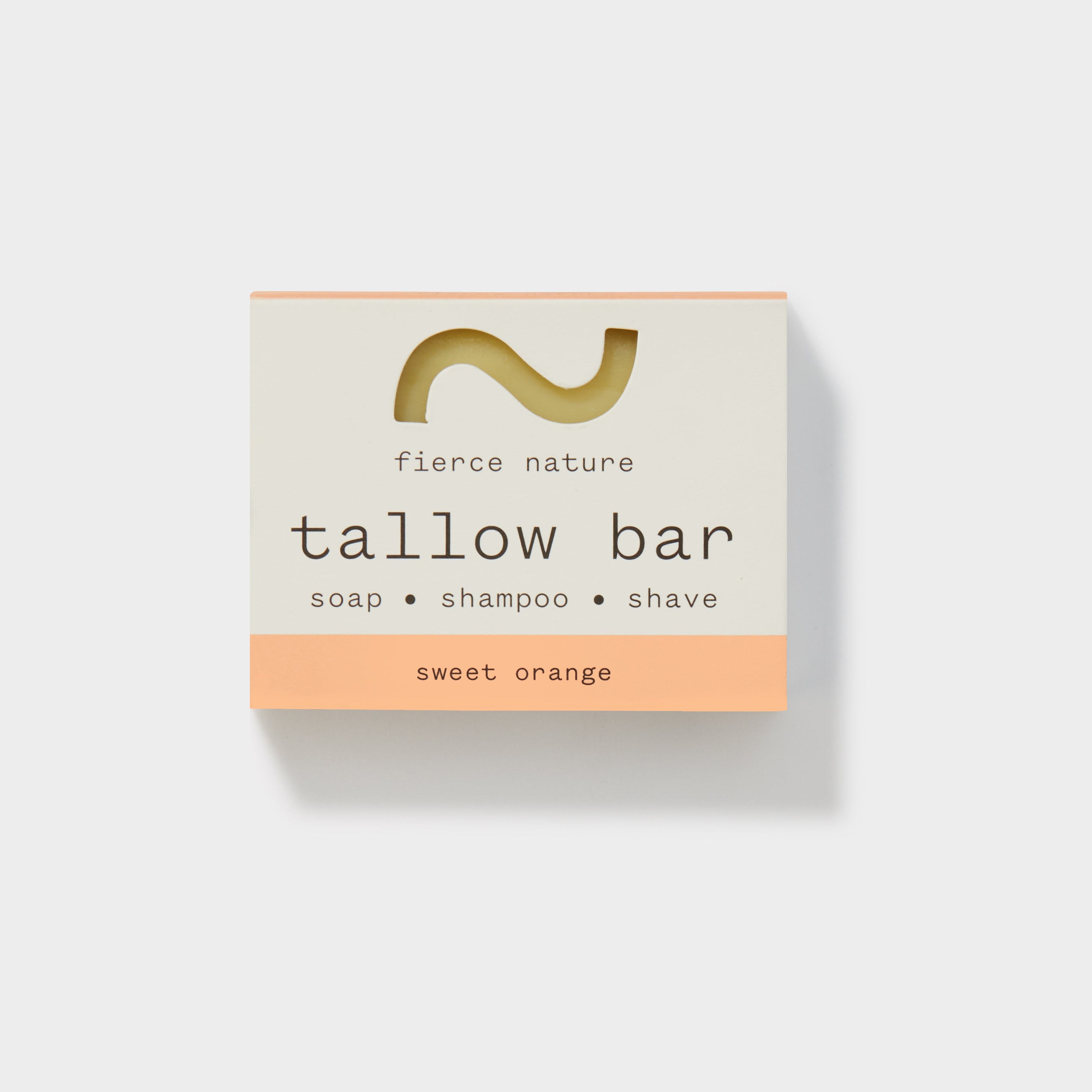
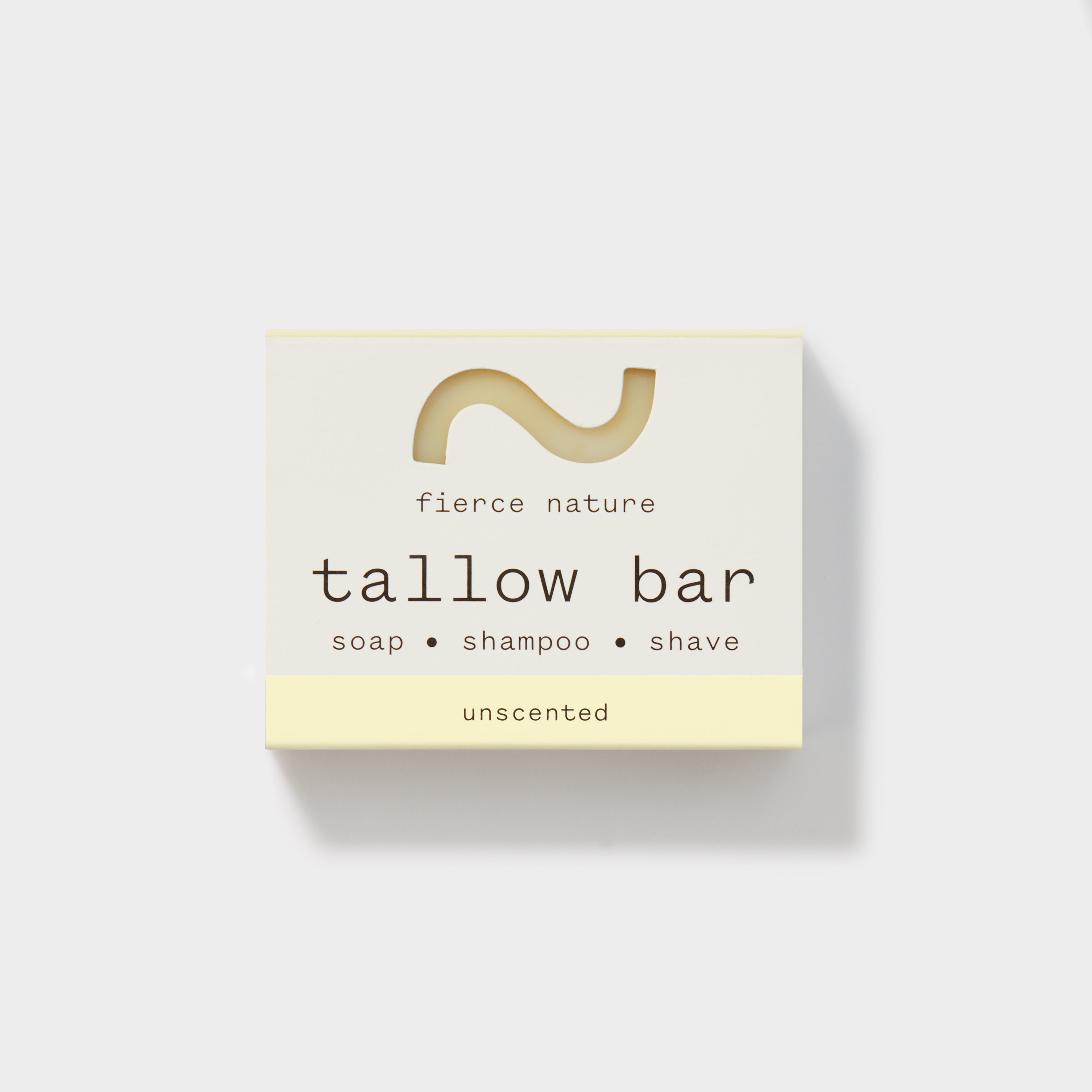
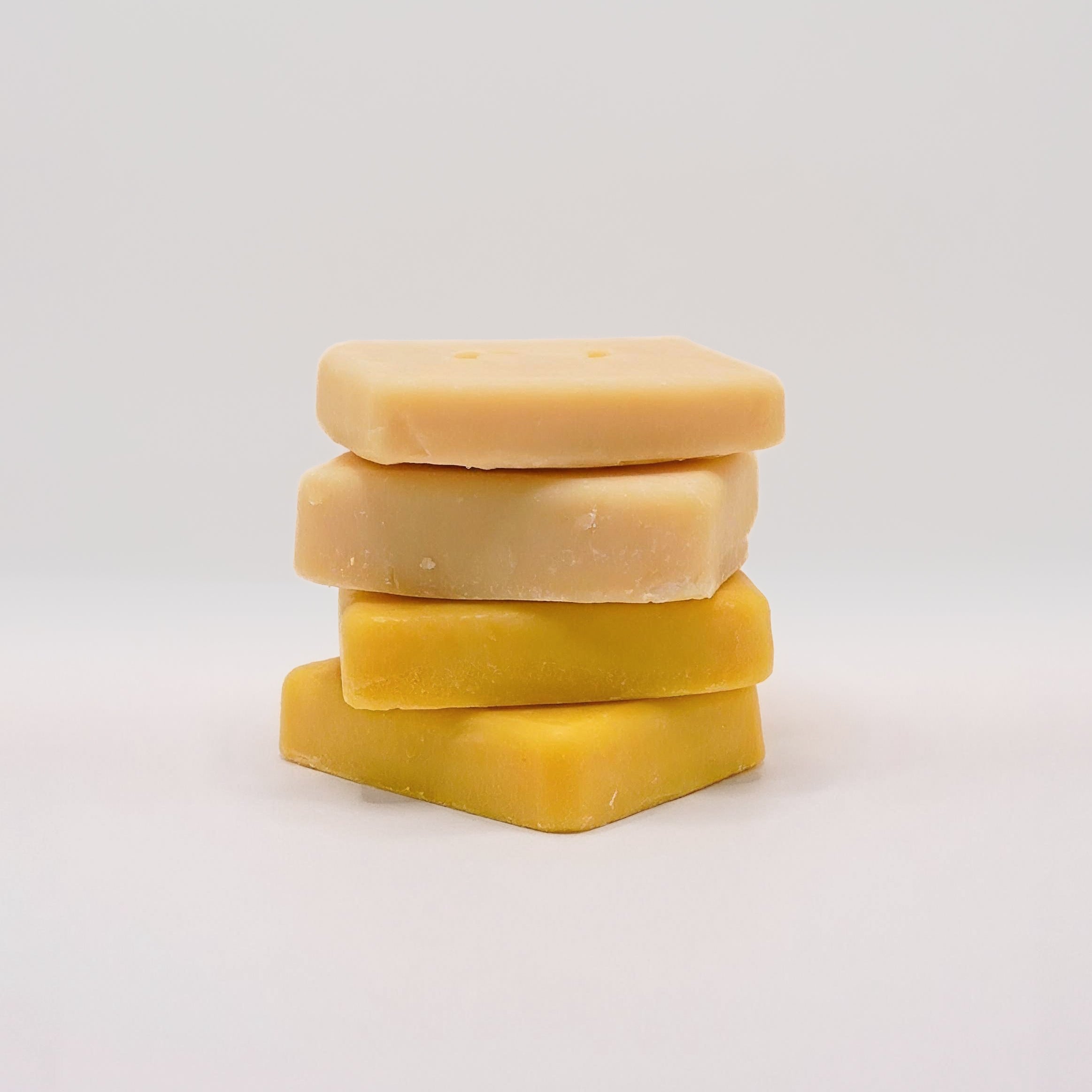
Tallow has been used as a skin emollient for centuries, long before synthetic cosmetics existed. Its composition, rich in oleic, palmitic, and stearic fatty acids, mirrors the lipid profile of human sebum more closely than most plant oils. That structural similarity is what makes it a deep-penetrating skin food rather than a surface-sitting film.
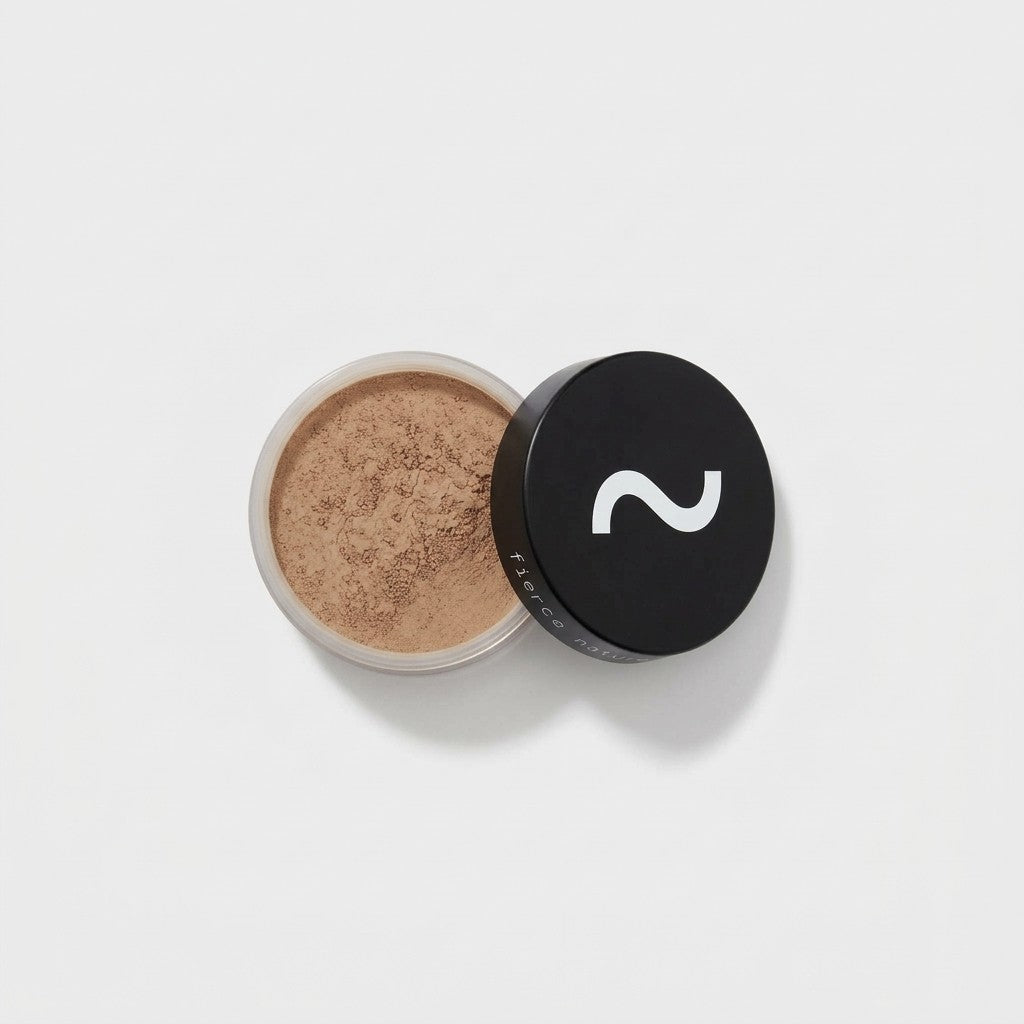
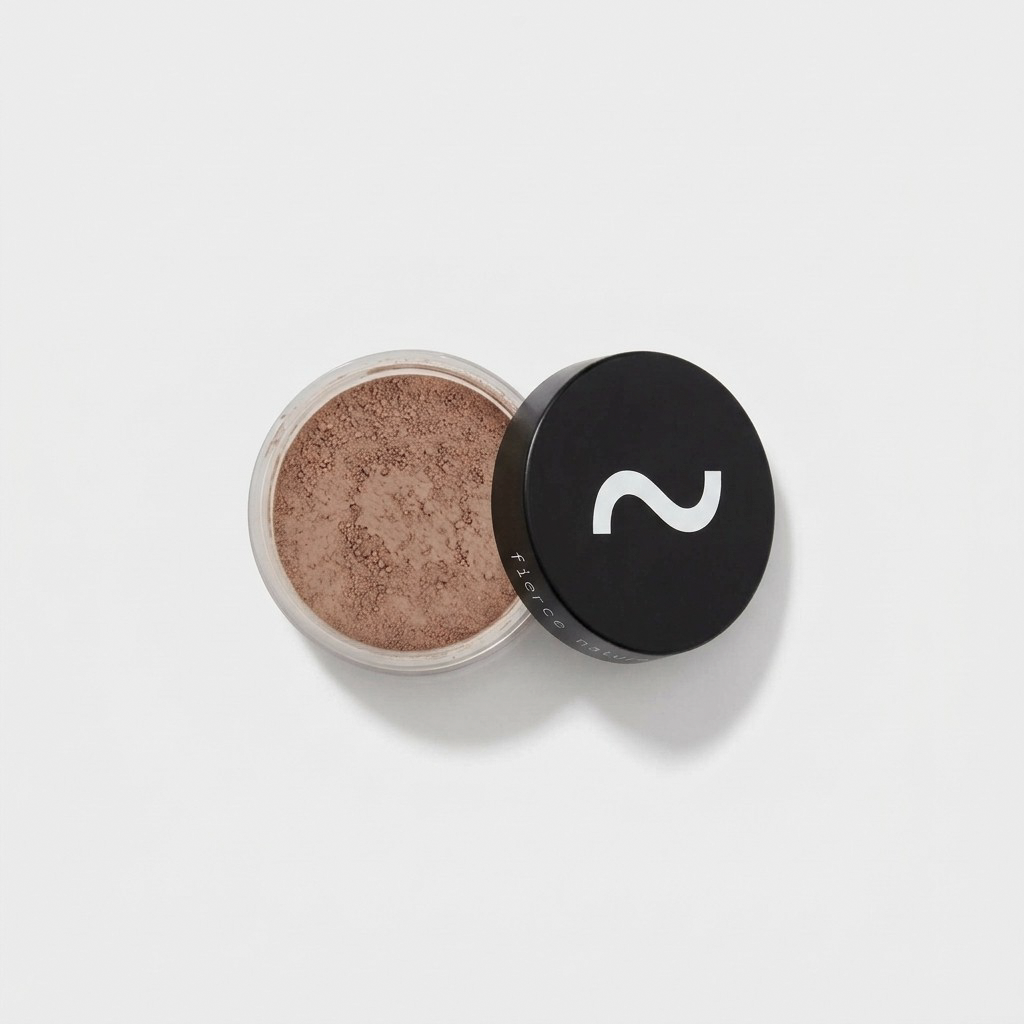
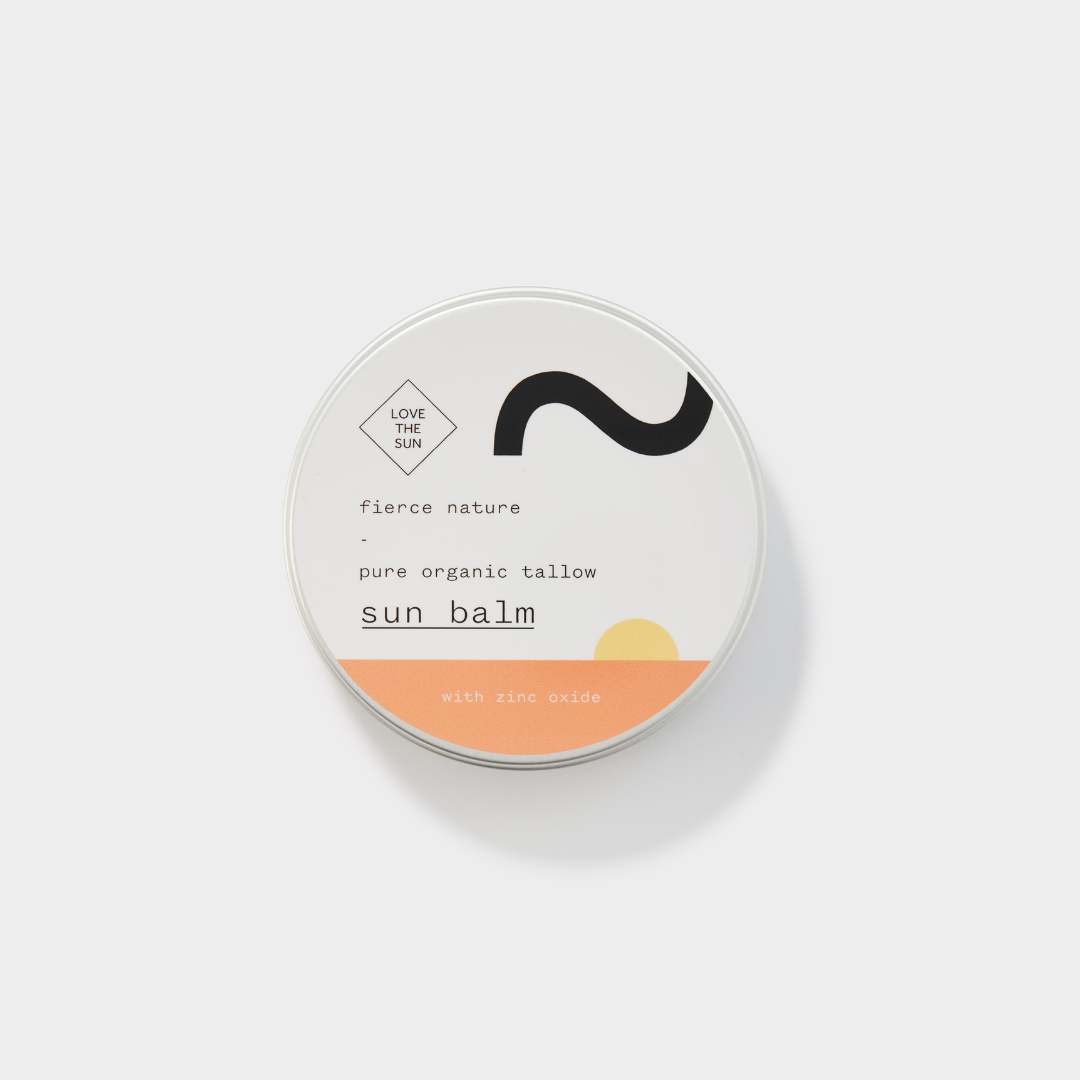
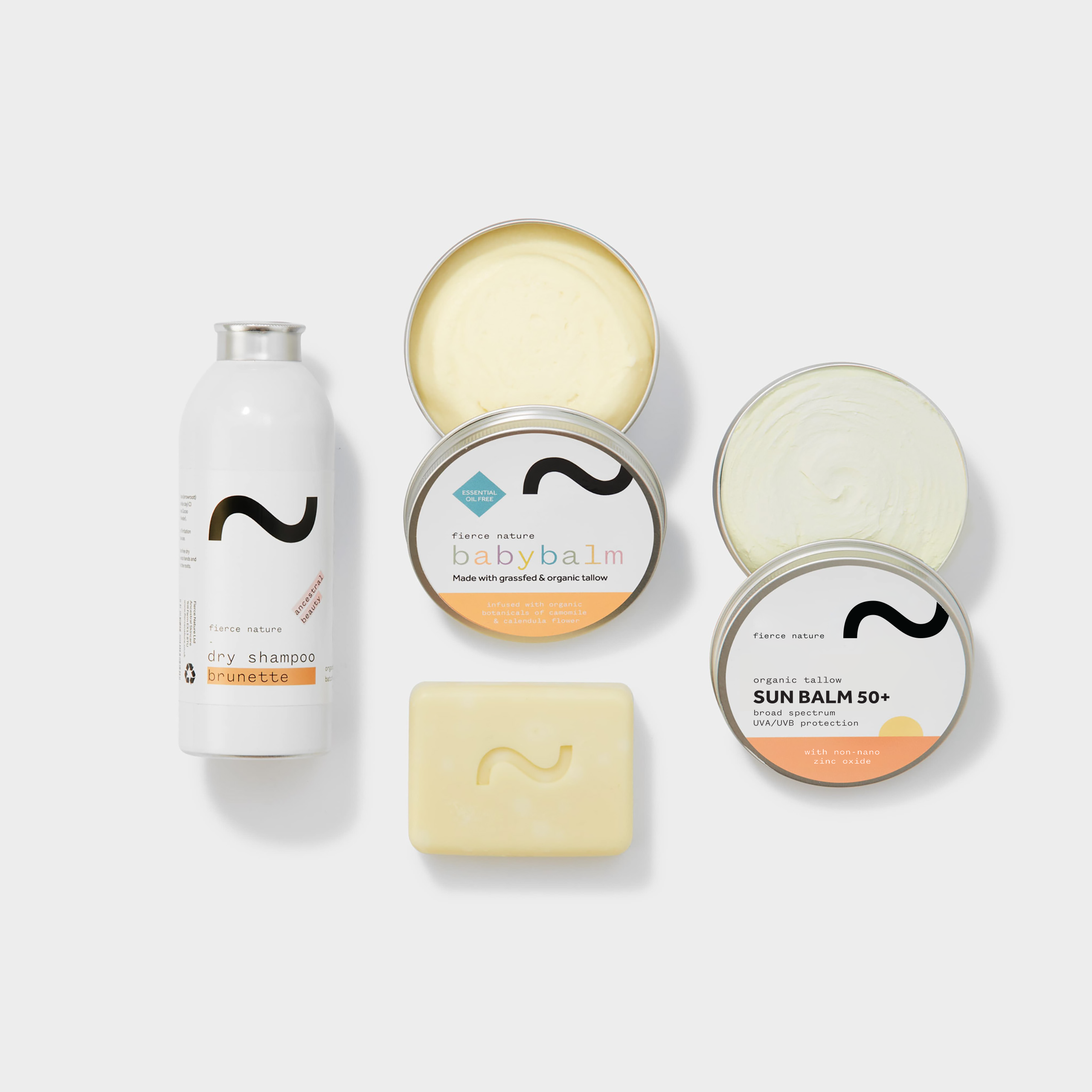
Fierce Nature uses pure organic tallow as the foundation of its balms, sourced responsibly and combined with premium botanical ingredients. The result is a texture that feels rich without being greasy, and a depth of nourishment that lighter plant-only formulas often cannot match.
When choosing a tallow-based product, look for:
A sleeping face balm is one of the most effective nighttime skincare products for dry, sensitive, or barrier-compromised skin because its water-free, occlusive base works with the skin’s natural repair cycle rather than against it.
| Point | Details |
|---|---|
| What it is | A water-free, leave-on overnight balm that seals moisture and delivers concentrated emollients while you sleep. |
| Primary benefits | Overnight hydration, reduced transepidermal water loss, and barrier repair with consistent nightly use. |
| How to use it | Apply as the final step after serums and oils; warm between fingertips and press gently across the face. |
| Who it suits best | Dry, sensitive, and mature skin; those in cold or low-humidity environments such as centrally heated UK homes. |
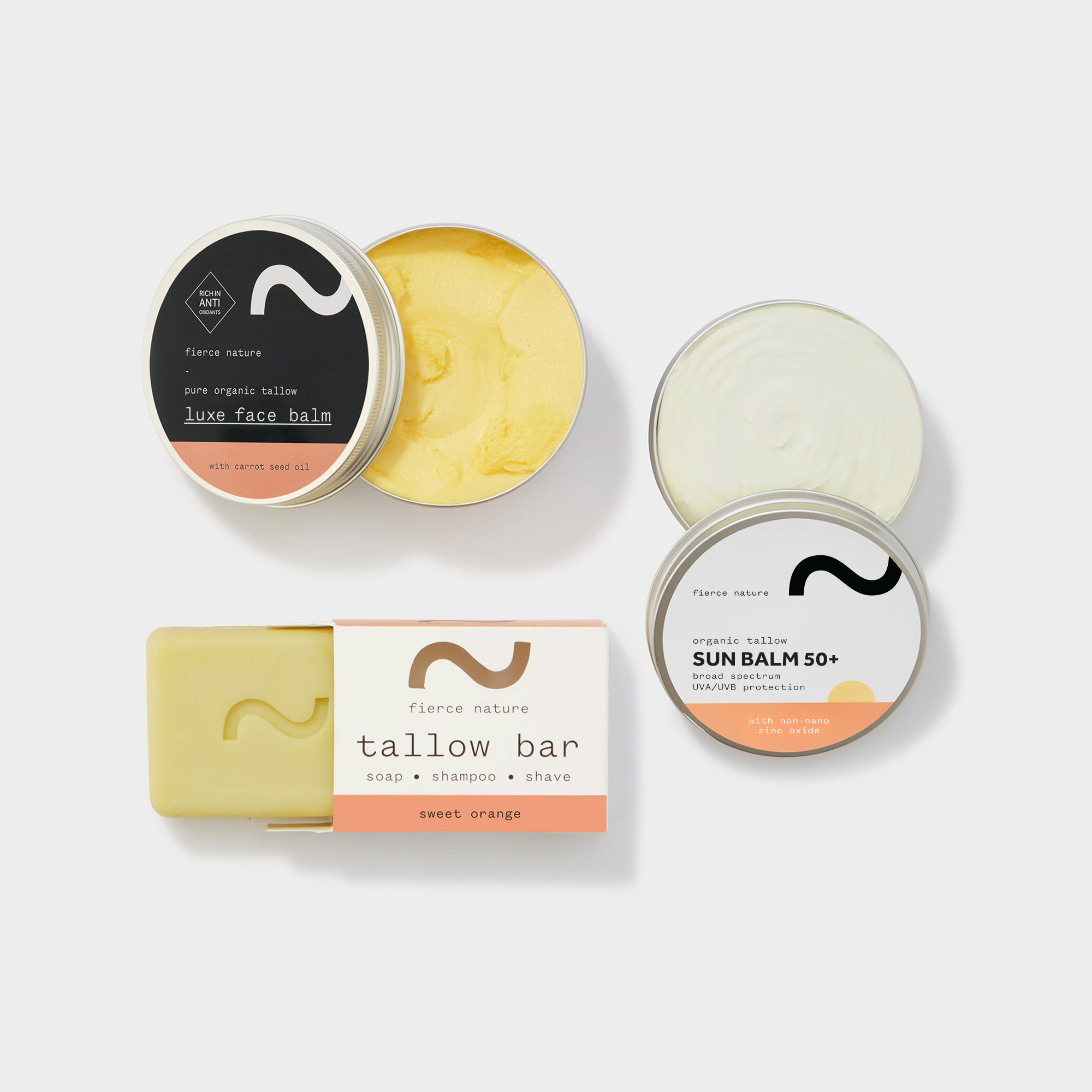
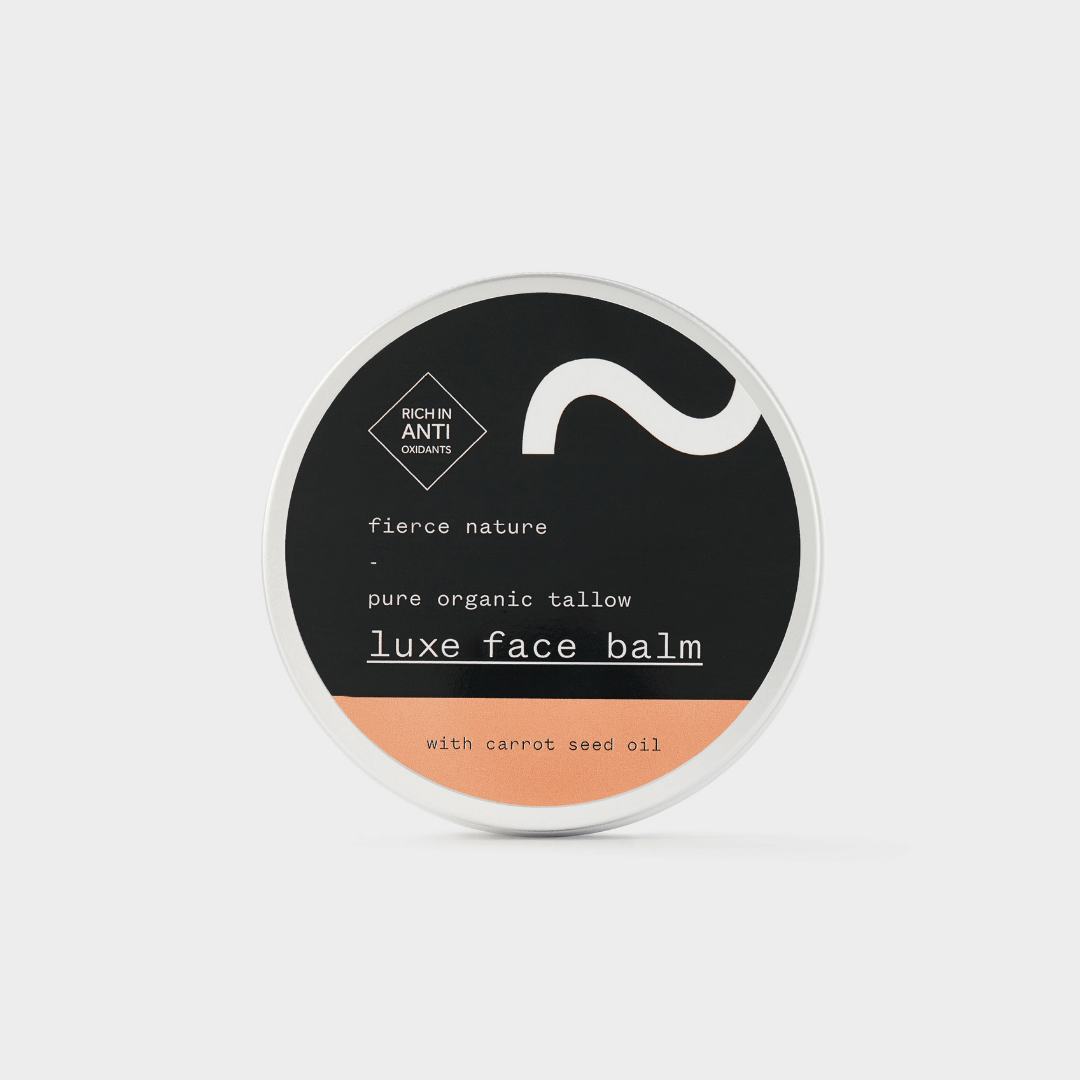
| Fierce Nature’s approach | The Luxe Balm uses a tallow-and-botanical base for deep nourishment, designed specifically for overnight use. |
There is a tendency in skincare to chase the newest active ingredient and overlook the basics. A sleeping face balm is, in many ways, the opposite of that impulse. It is slow, simple, and deeply nourishing. At Fierce Nature, we came to tallow-based formulations not through trend-chasing but through a genuine reckoning with what skin actually needs: lipids that speak its language, ingredients with centuries of use behind them, and a routine that feels like care rather than a chore.
The bedtime ritual matters as much as the formula. Applying a balm with intention, taking a moment to breathe in a calming scent and let the day settle, is not a marketing story. It is a real mechanism. Scent conditioning, consistent routine, and the simple act of tending to yourself before sleep all contribute to how well you rest and, by extension, how well your skin recovers. We think that connection between sleep quality and skin health is one of the most underappreciated ideas in everyday skincare, and it is why the overnight balm sits at the heart of what we do.
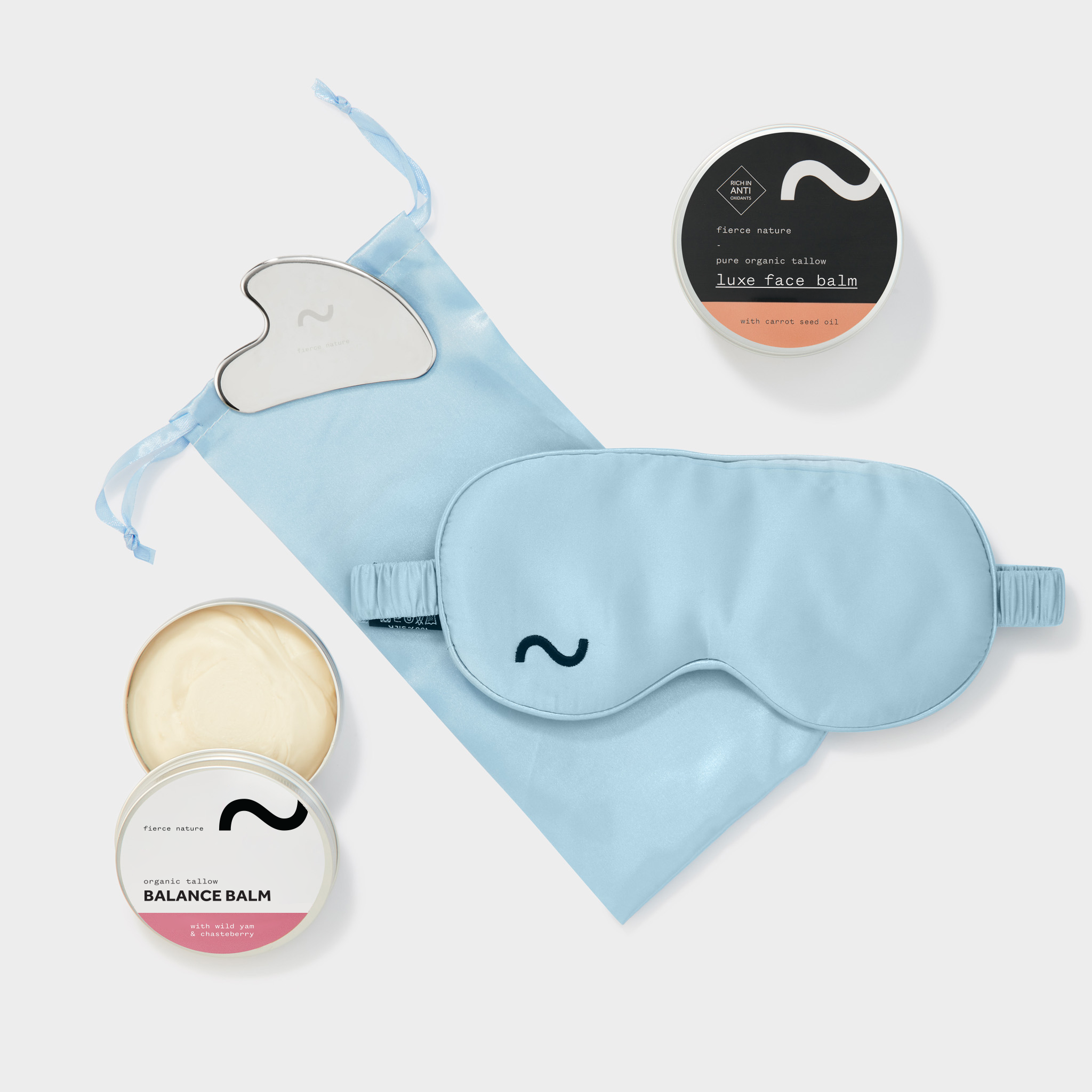
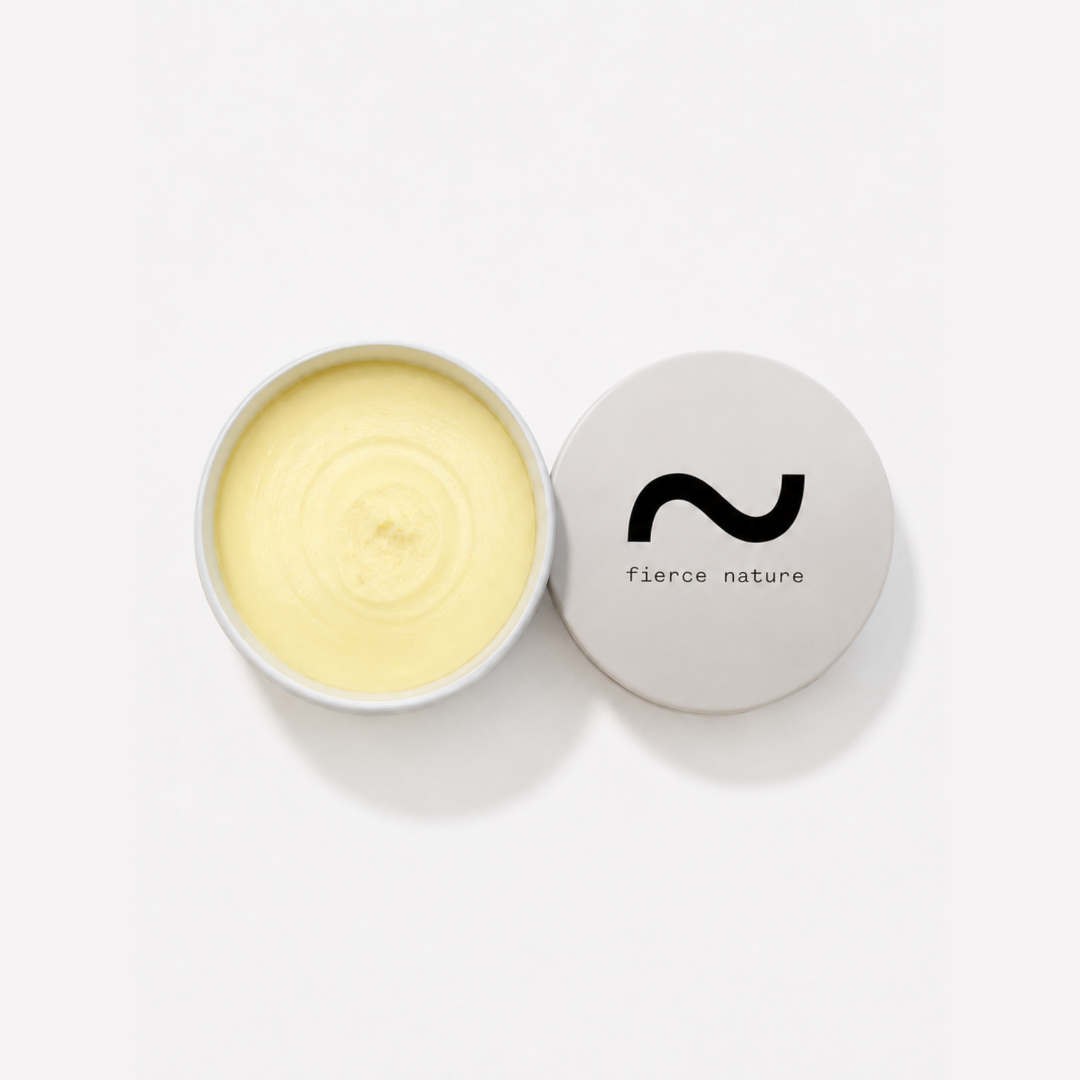
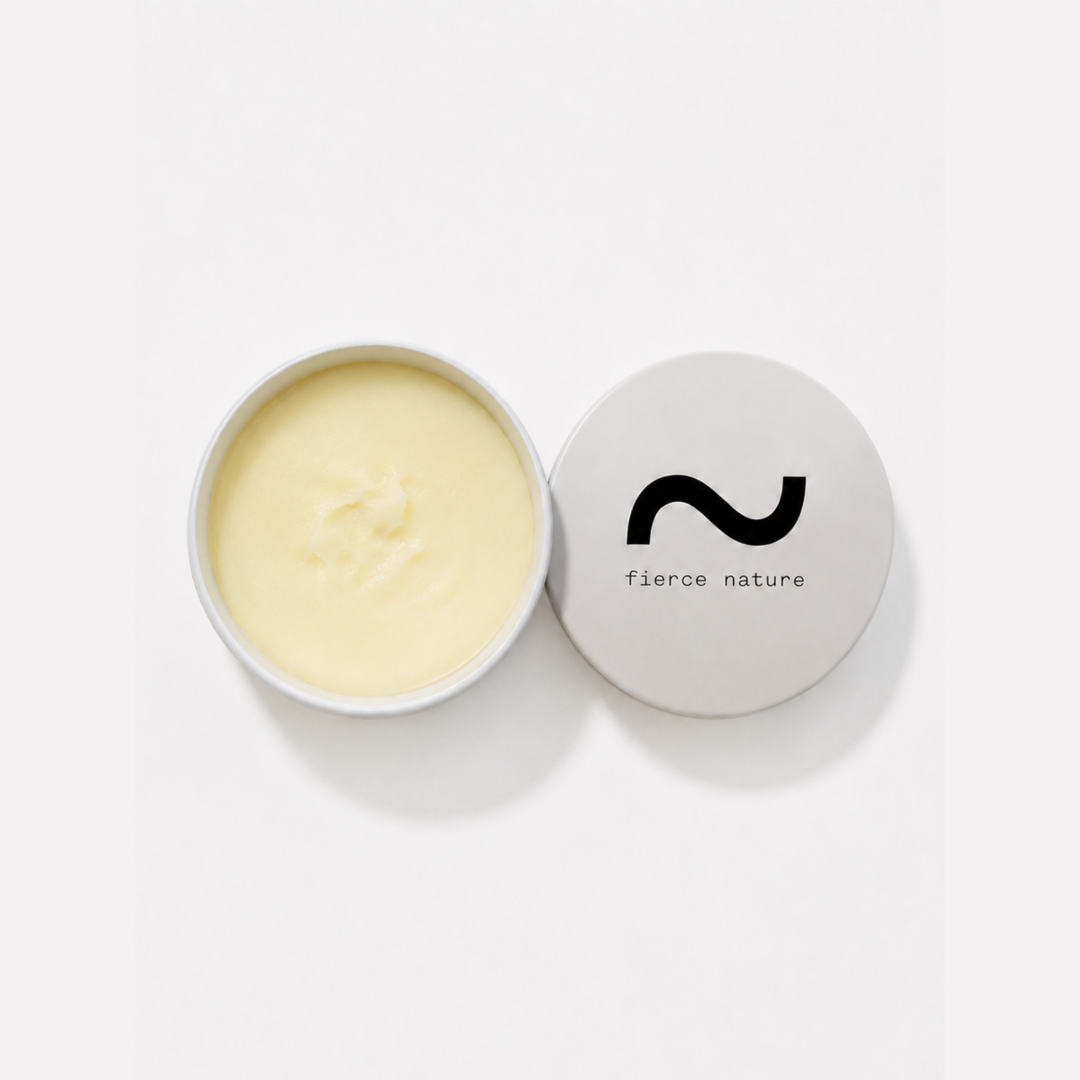
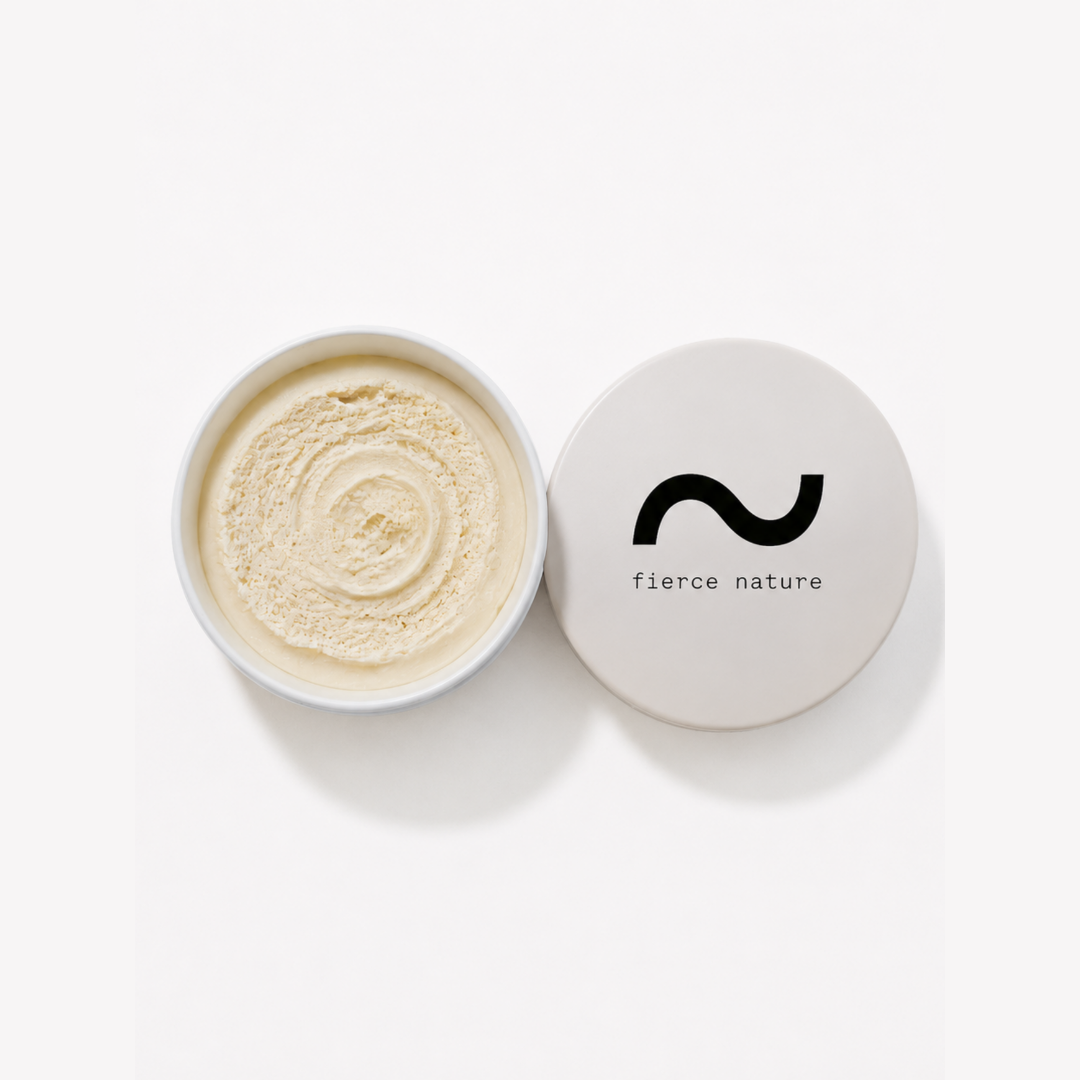
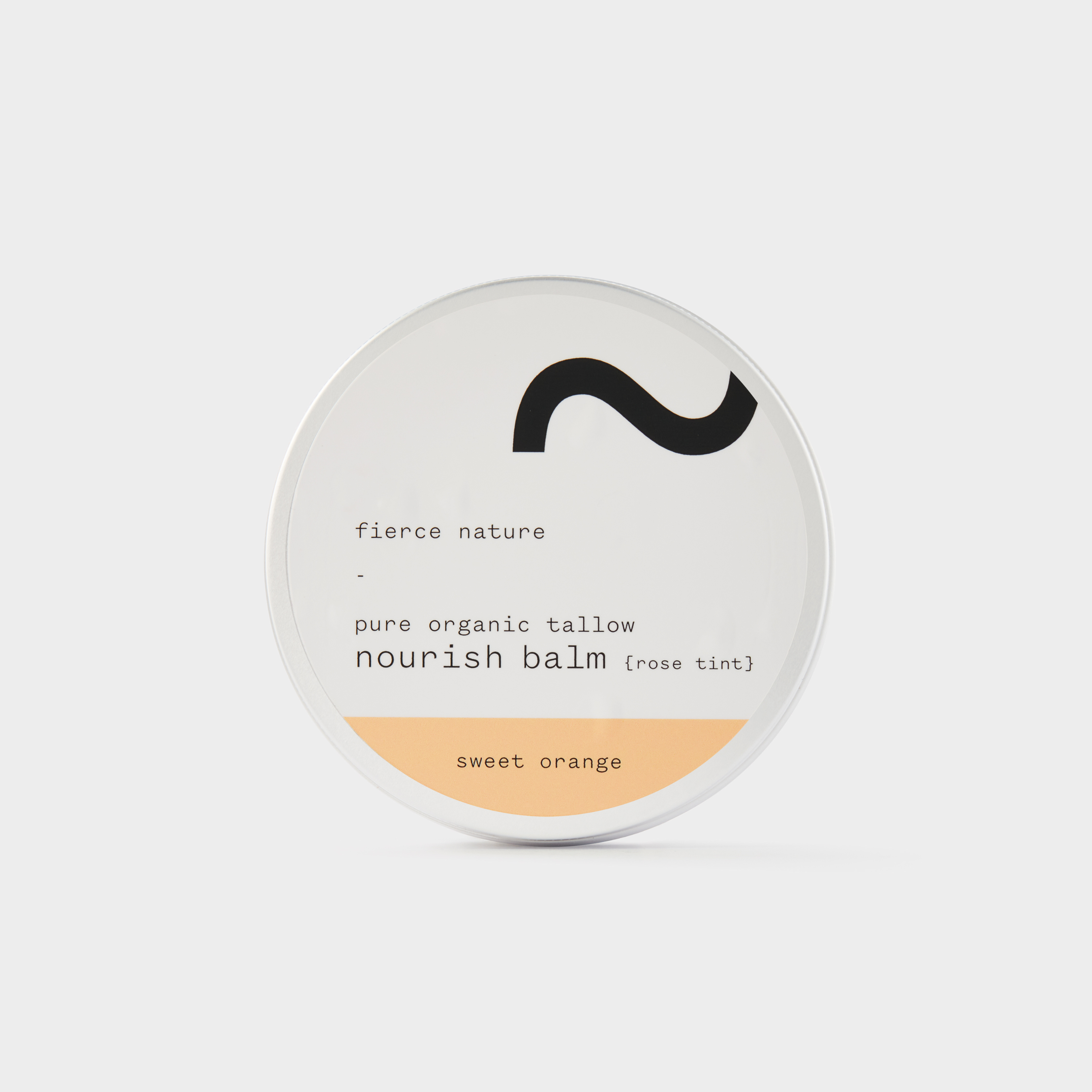
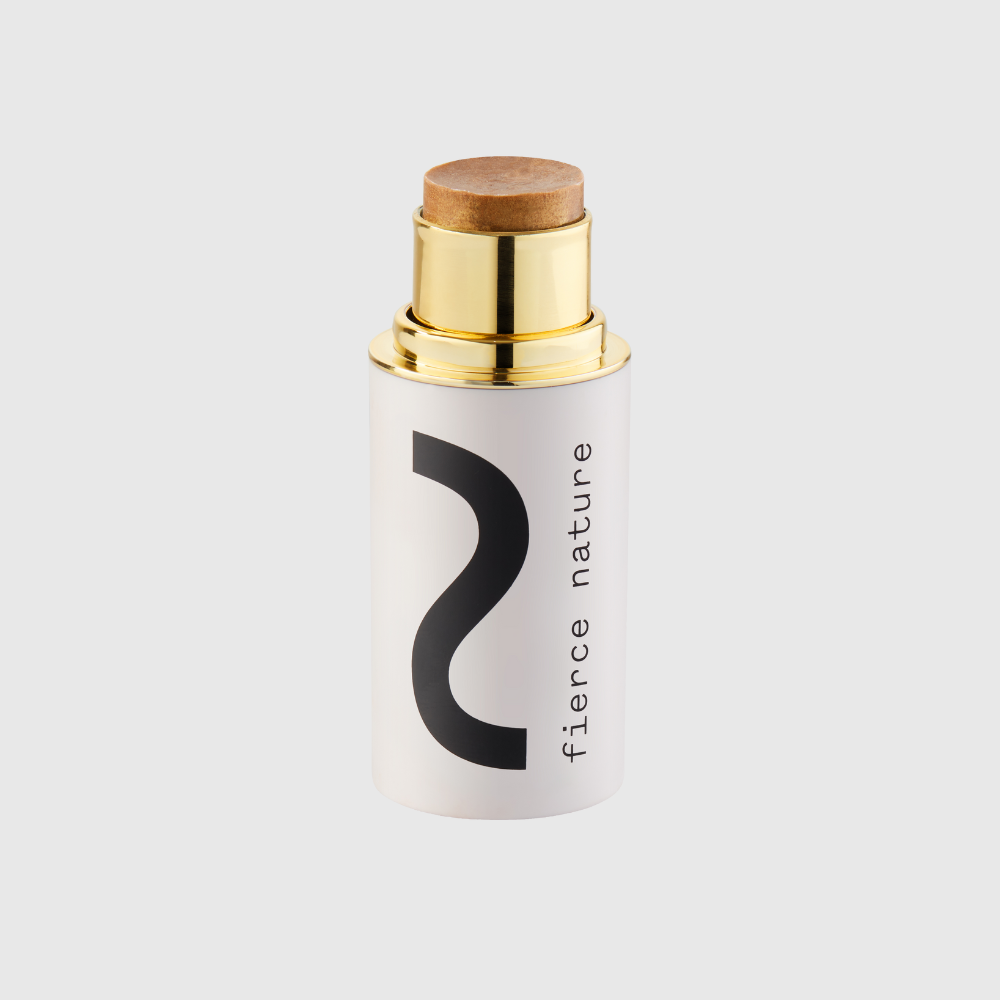
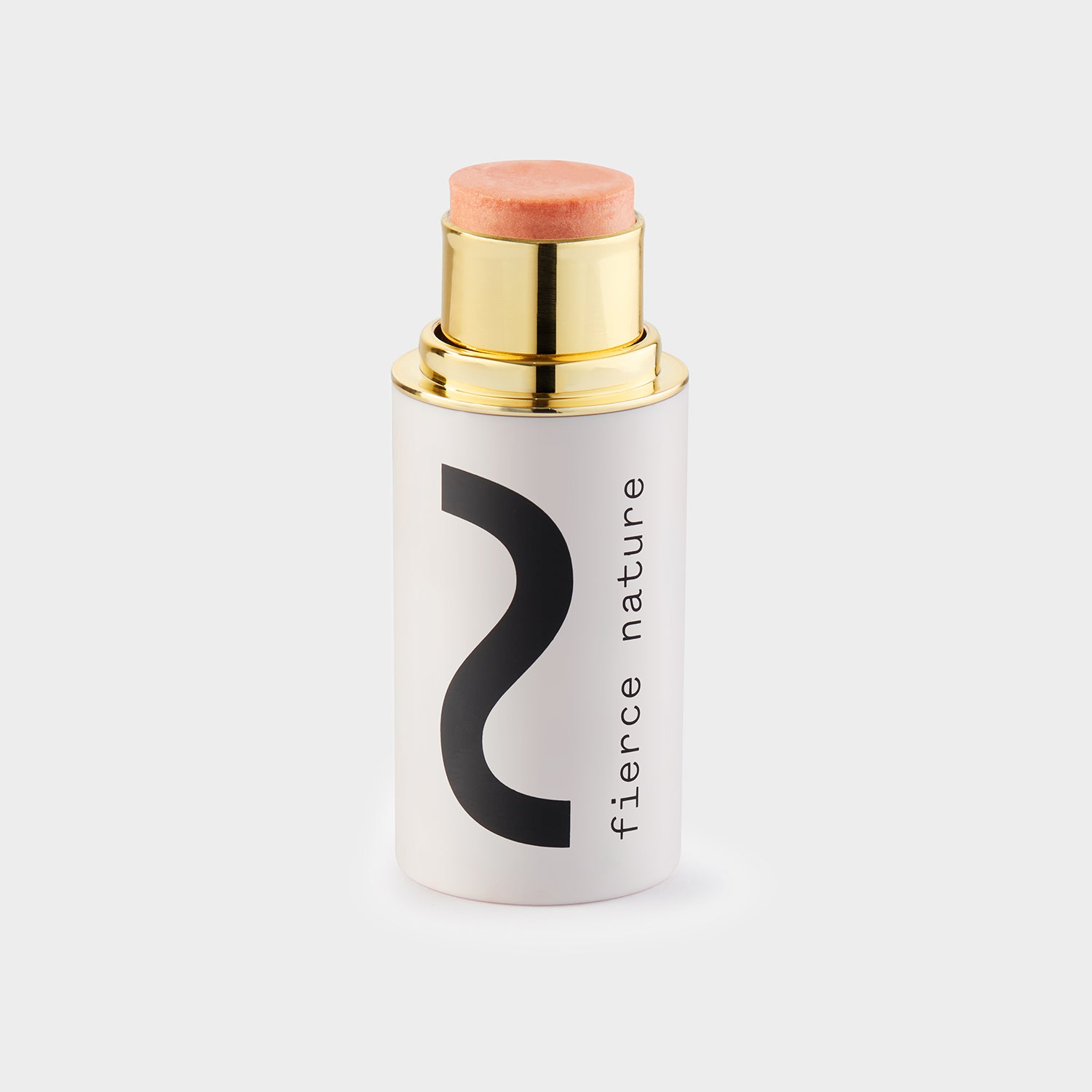
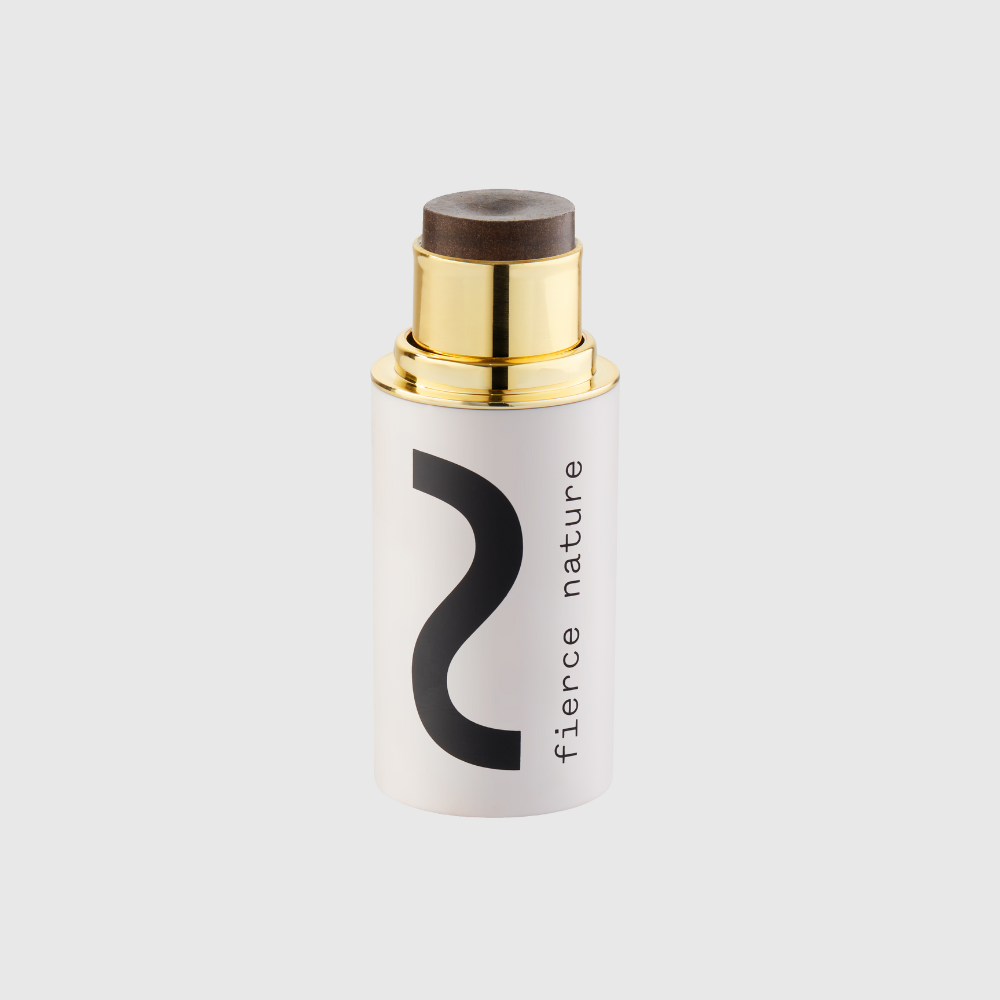
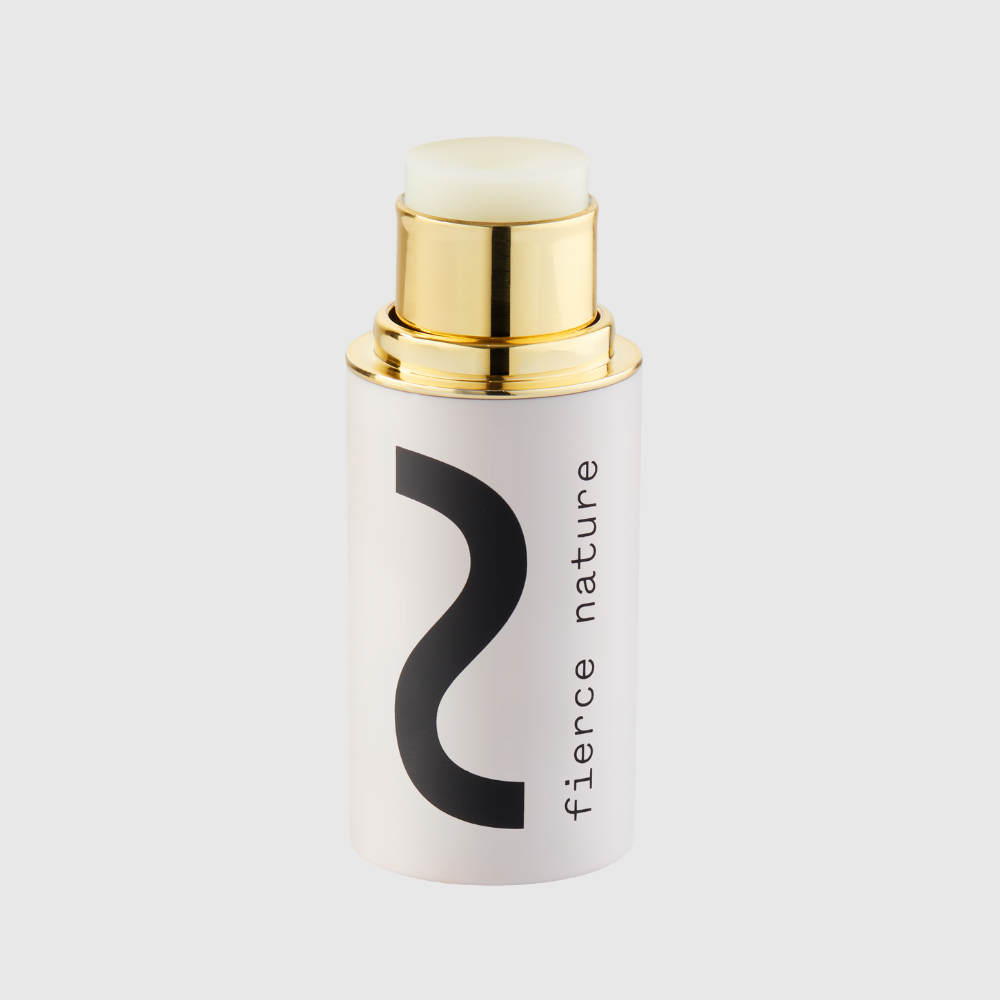
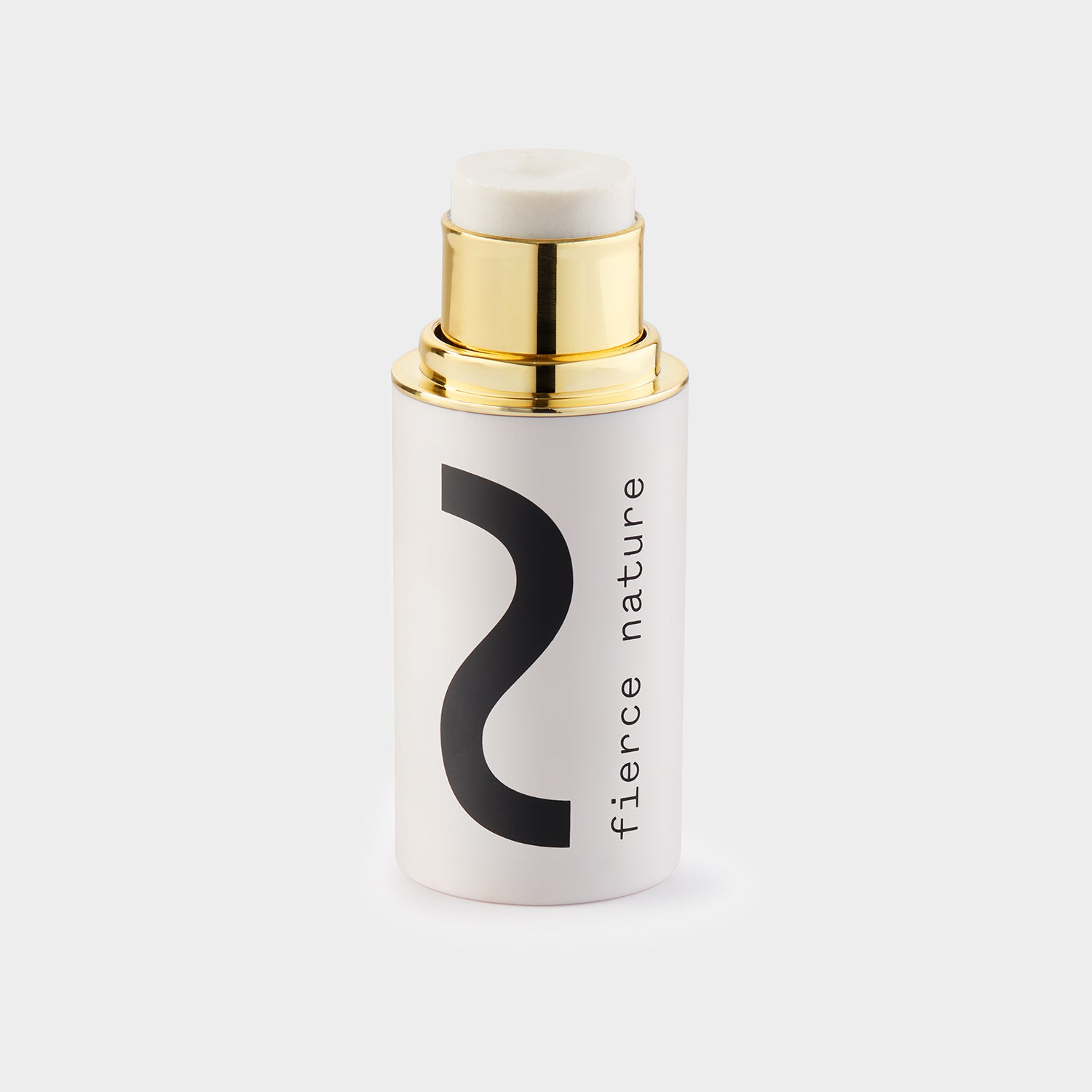
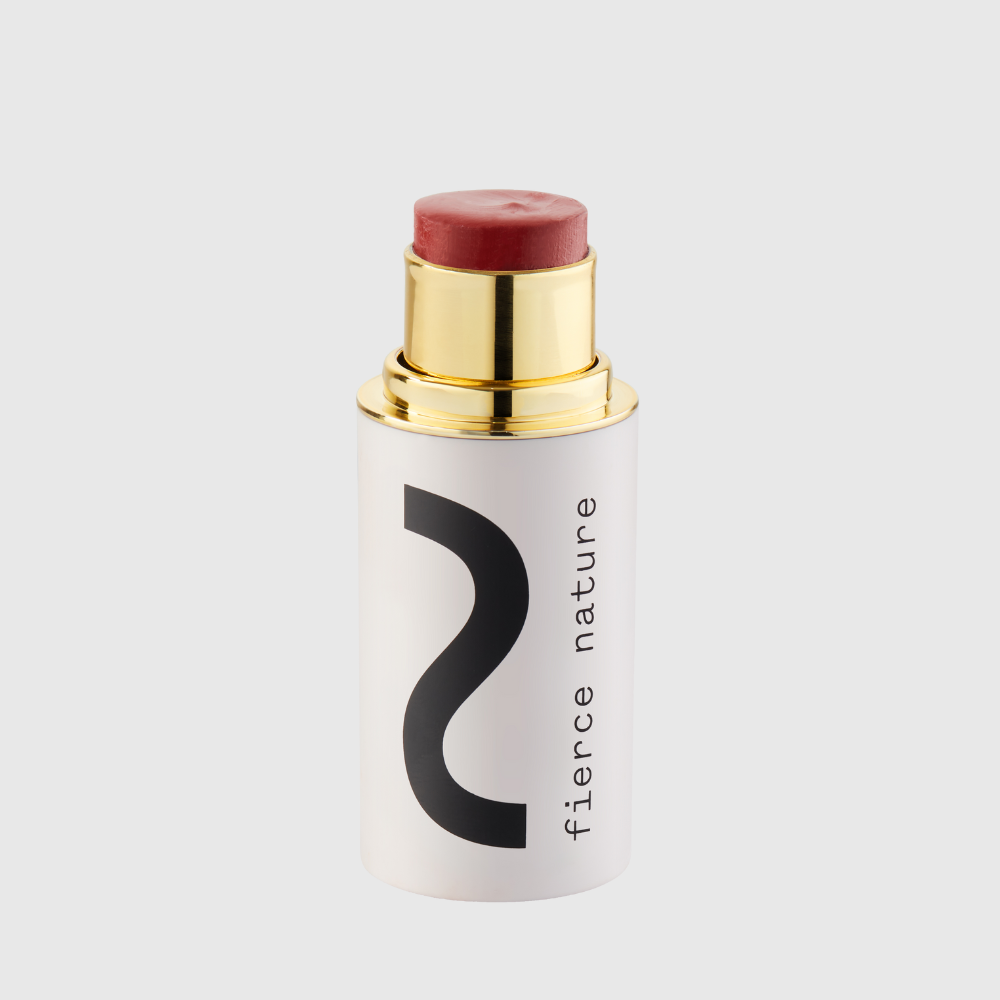
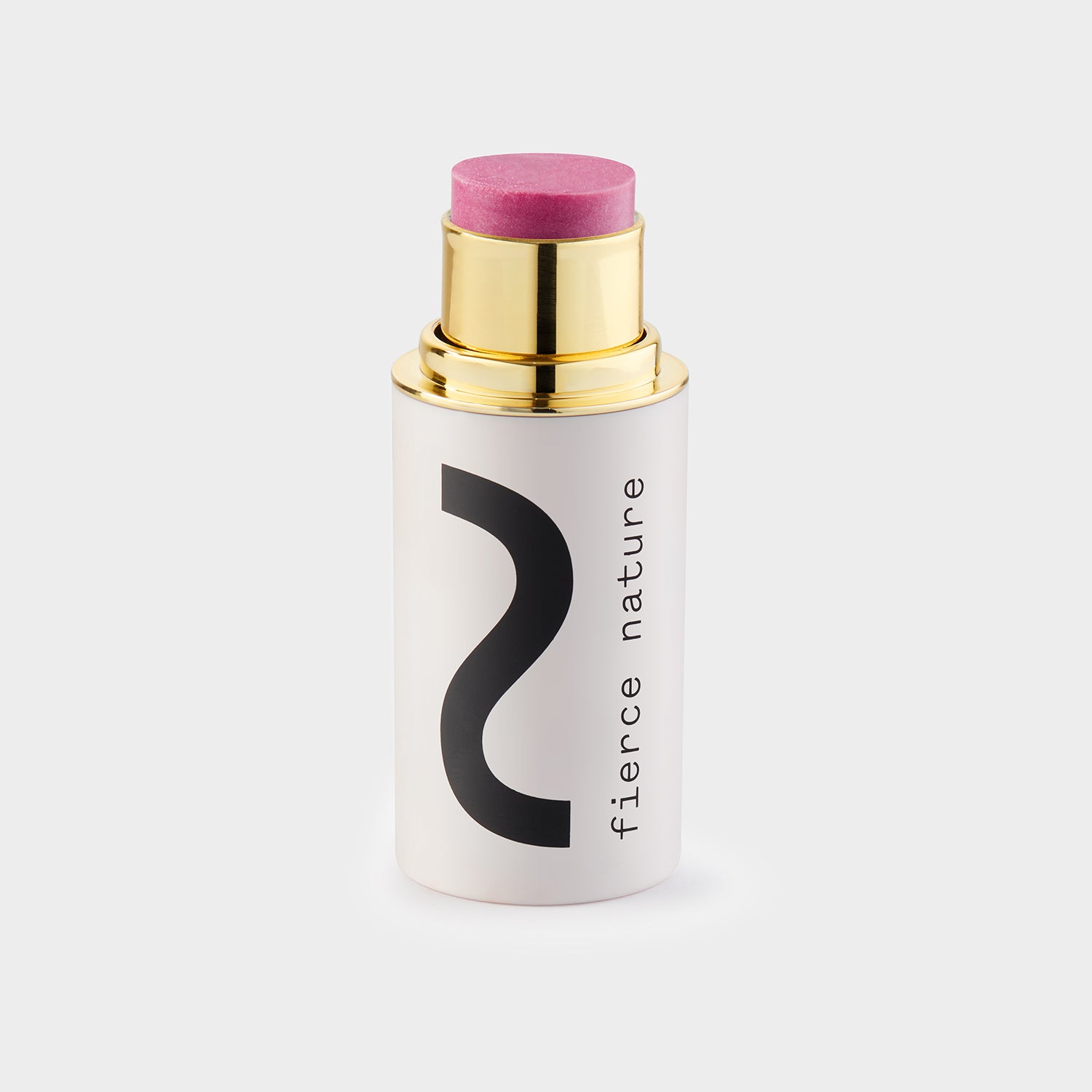
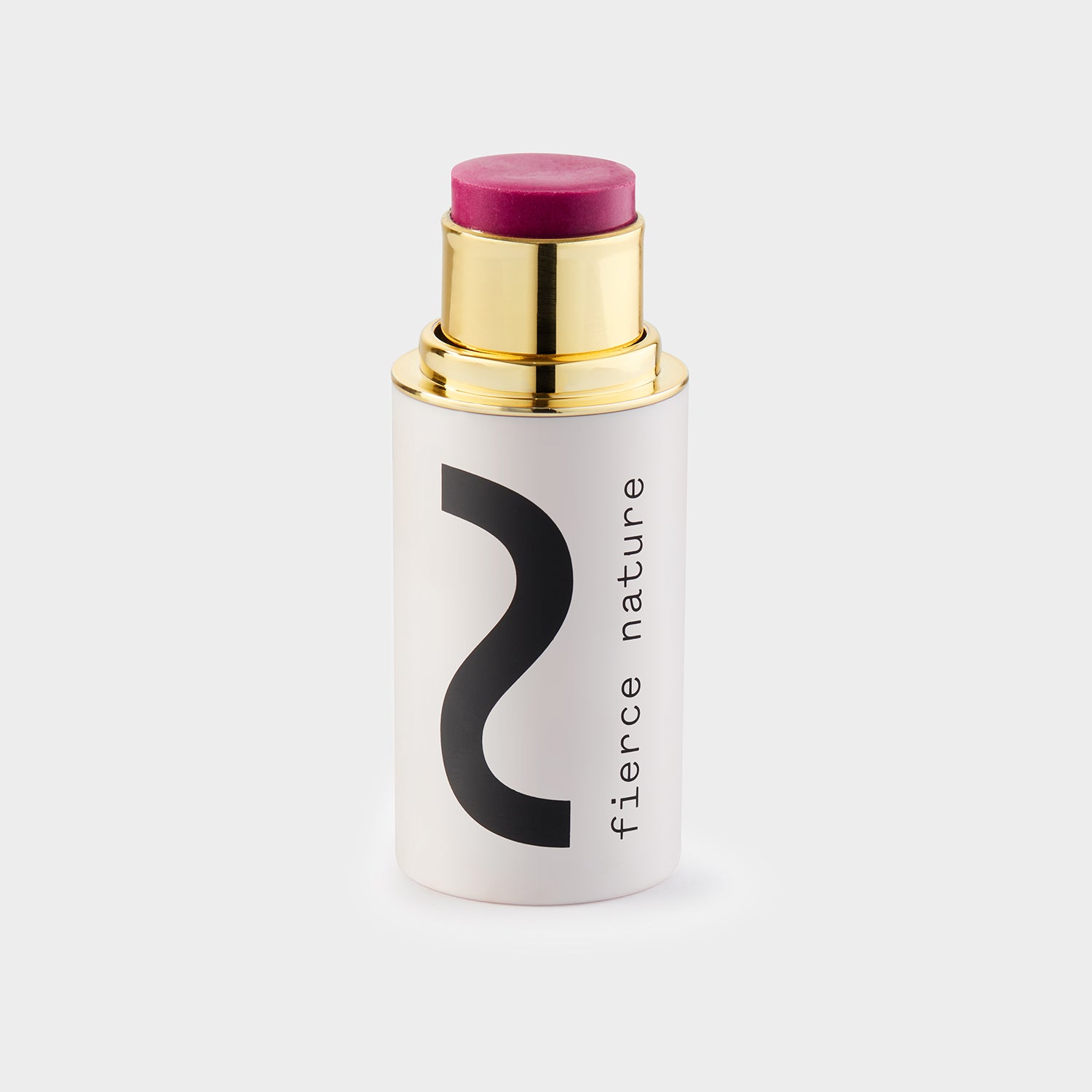
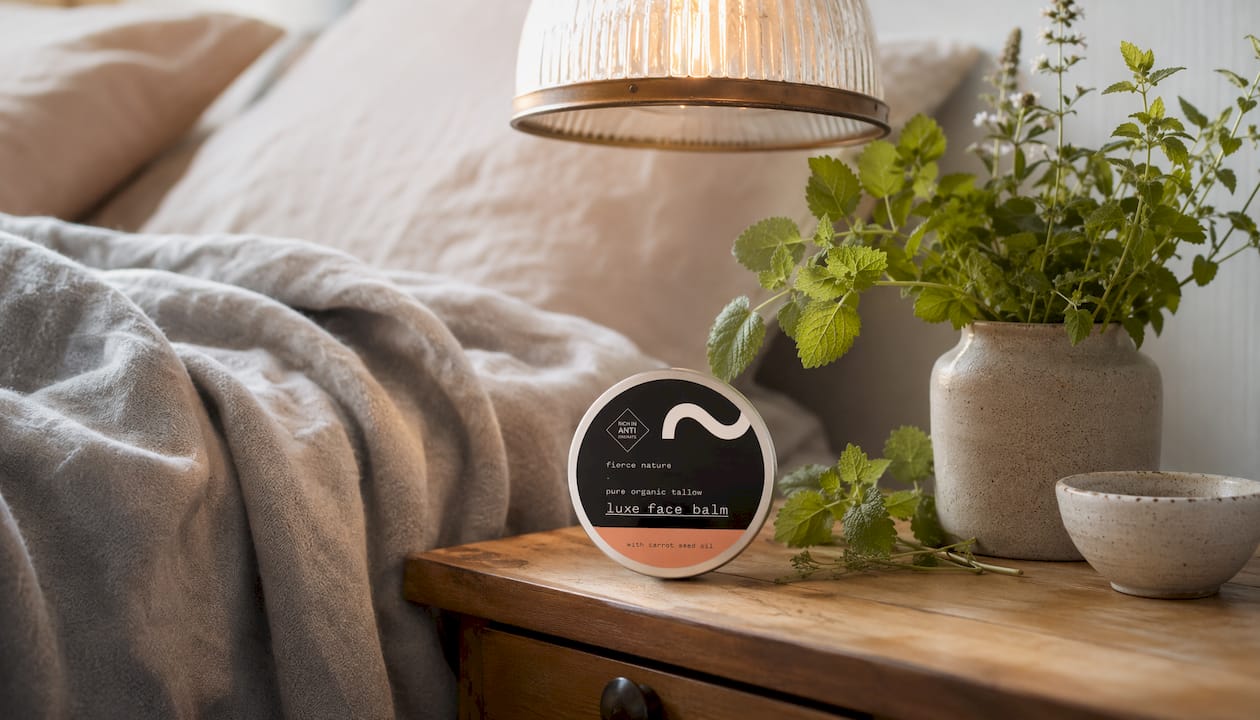
If you are ready to put this into practice, the Luxe Balm from Fierce Nature is handcrafted in the UK with a pure organic tallow base, botanical oils, and calming botanicals chosen specifically for overnight use. Its rich, melt-on-skin texture makes it ideal as the final step in your evening routine, sealing in serums and delivering deep nourishment through the night.
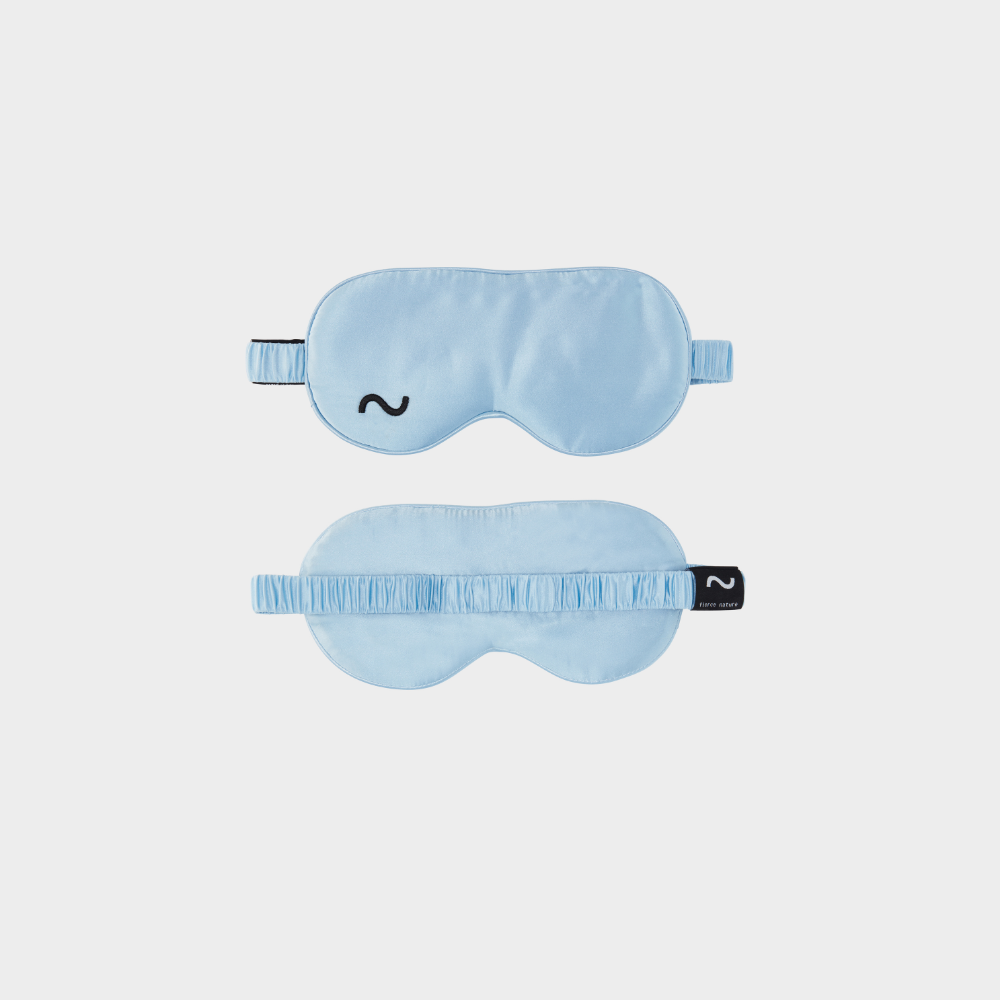
For a complete overnight ritual, pair it with the Pure Silk Eye Mask to block light and support deeper, more restorative sleep. Together, they form the kind of simple, intentional routine that your skin will thank you for come morning. Visit the Fierce Nature shop to find the right combination for your skin.
A sleeping face balm is a water-free, leave-on overnight skincare product made from concentrated oils and waxes. It forms an occlusive seal on the skin to lock in moisture and deliver emollients while you sleep.
Yes, for hydration and barrier support, the evidence is solid. Occlusive ingredients measurably reduce transepidermal water loss overnight, and consistent use over four to twelve weeks produces smoother, calmer skin. Aromatherapeutic benefits from scents like lavender are real but work through conditioning and relaxation rather than direct skin repair.
Apply it across the whole face as the final layer in your evening routine, after serums and any face oil. You can also apply it to the neck, décolletage, or dry patches elsewhere on the body.
A face balm’s primary purpose is to nourish and protect the skin by delivering concentrated emollients and forming an occlusive barrier that prevents moisture loss. Used overnight, it supports the skin’s natural repair cycle during its peak recovery window.
Generally yes, particularly fragrance-free or lightly scented versions with simple ingredient lists. Fierce Nature’s tallow-based Luxe Balm suits very dry and sensitive skin well. Always patch-test first and avoid products with complex “natural fragrance” blends if your skin is highly reactive.


💲 + 169.33 USDC > graph.org/BALANCE-3682444-USD-04-21-3?hs=c026ed5809f8217e9b2f2c86563d1e64& 💲 —
53v08x