Cart
0
You may also like
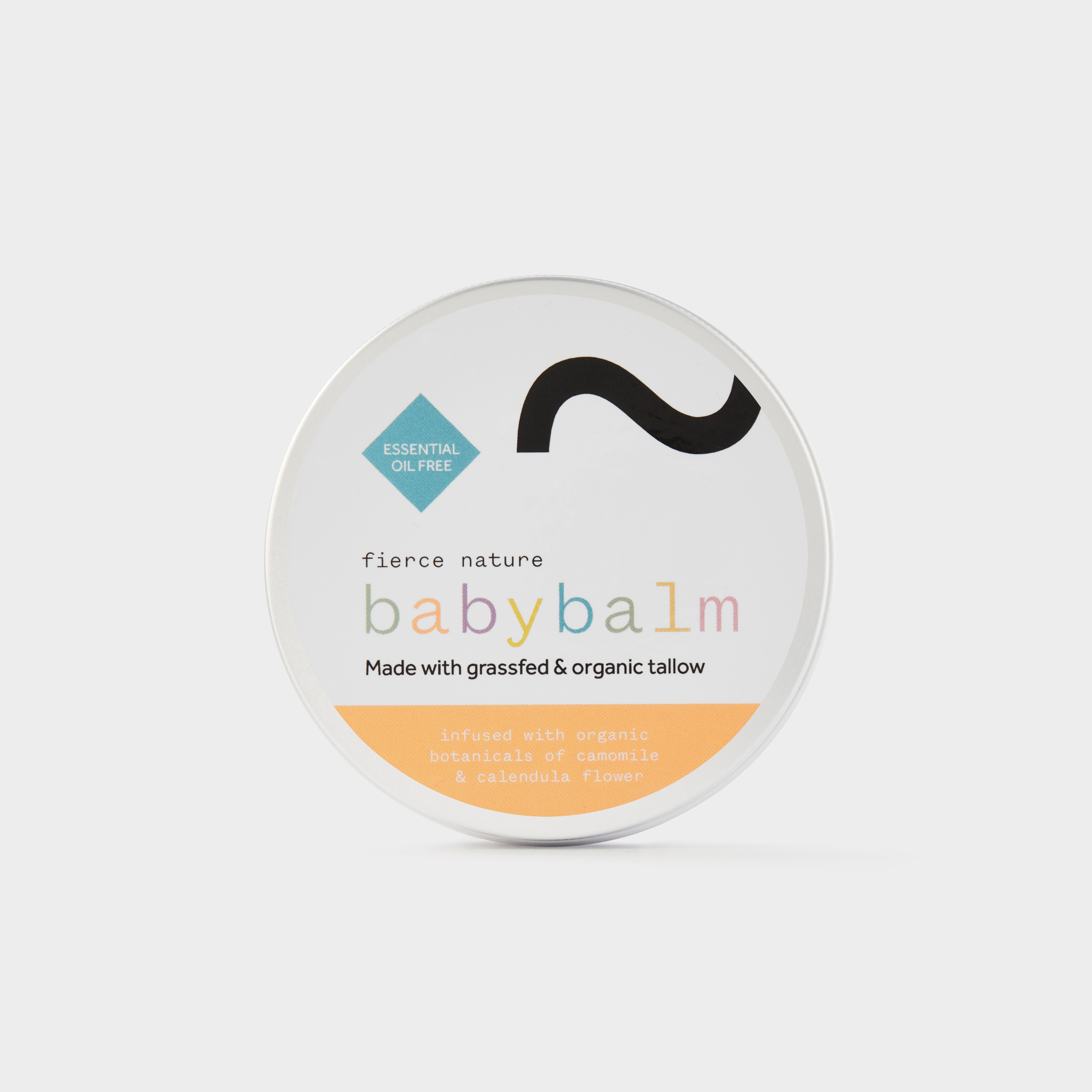
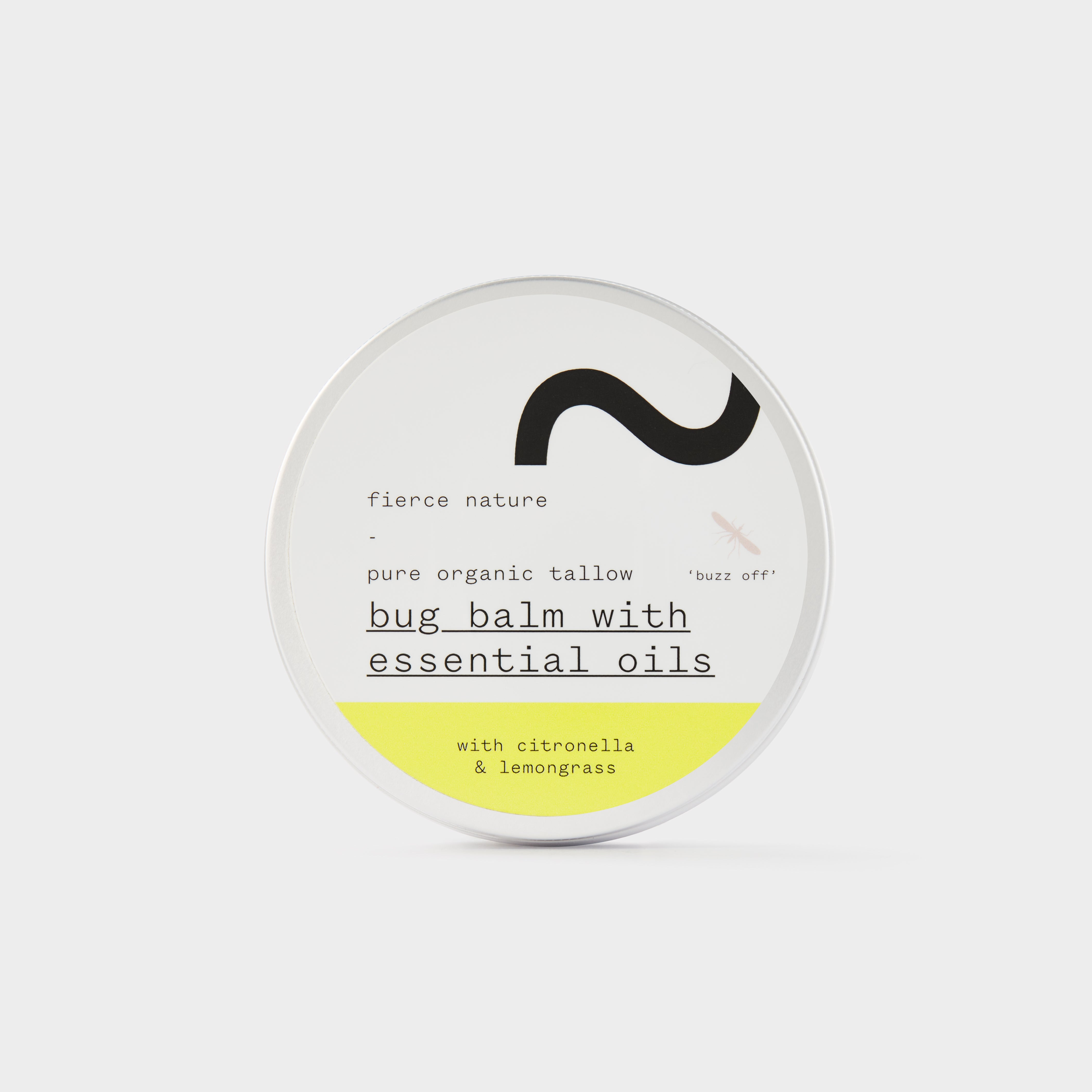
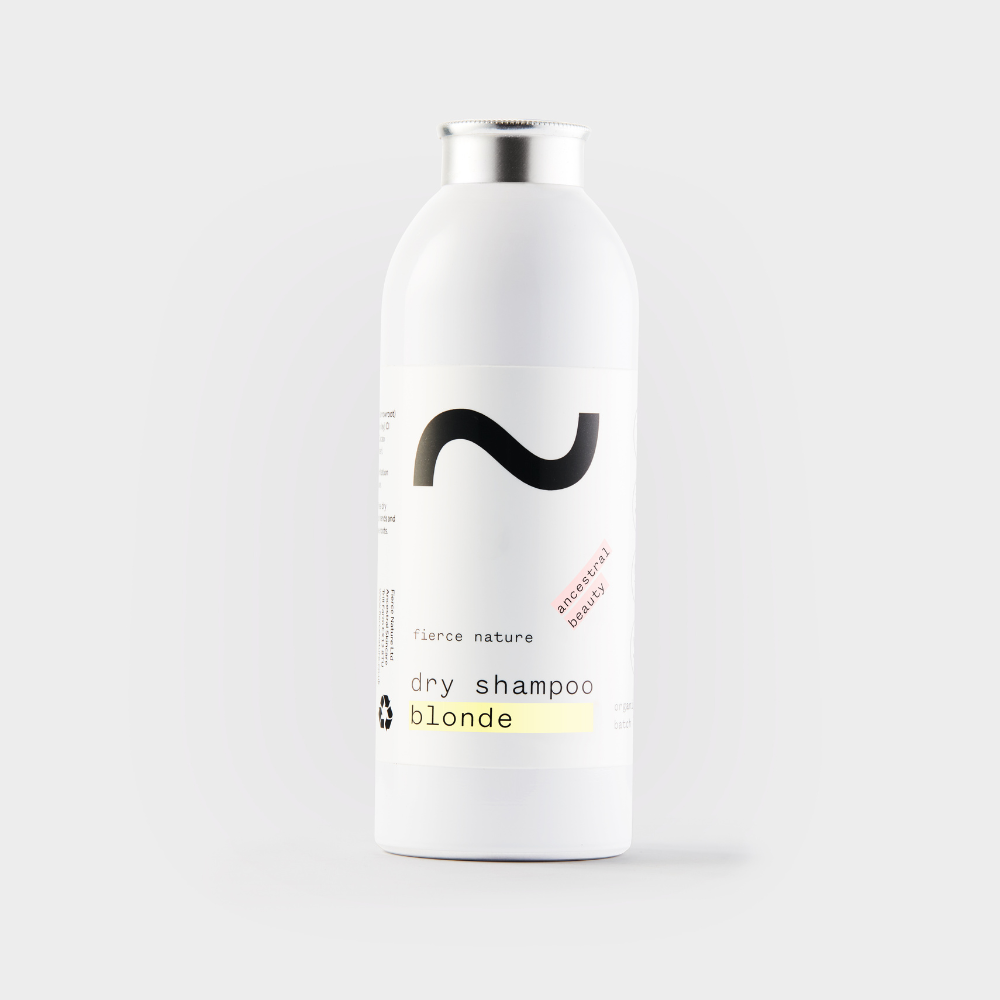
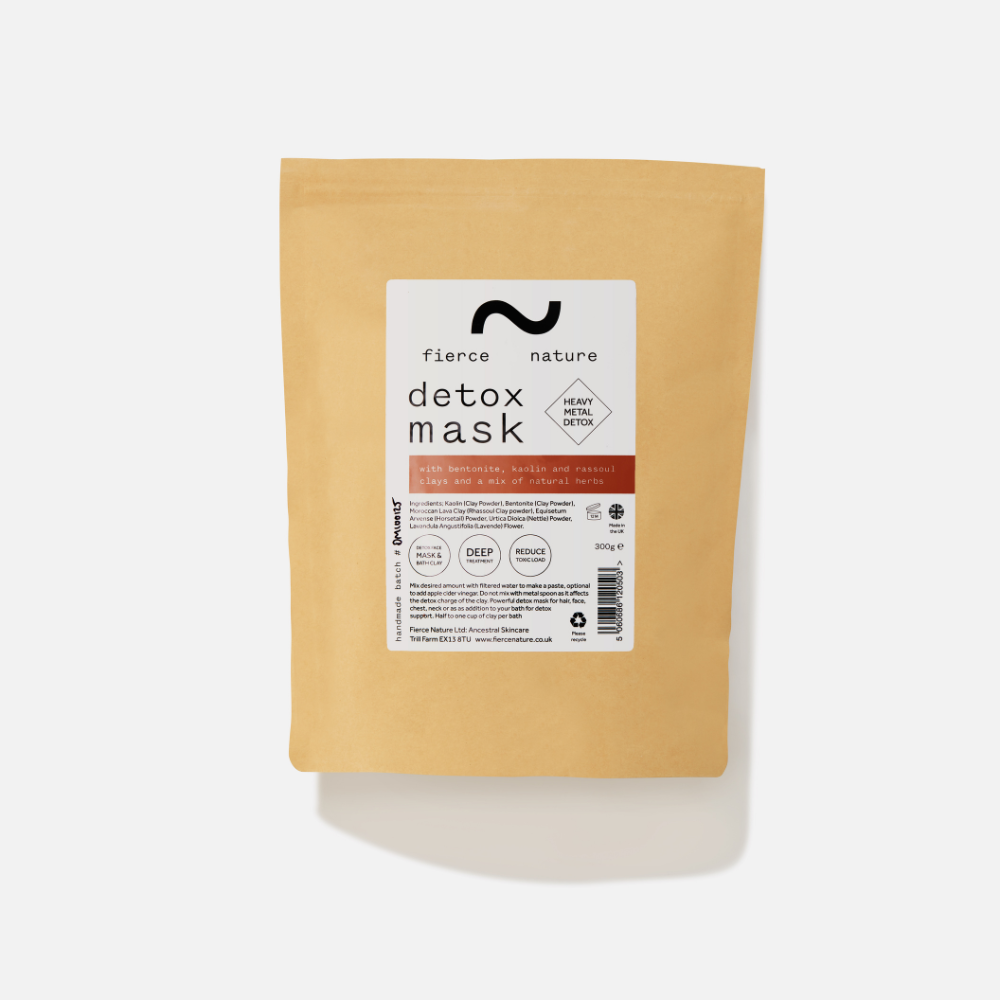




Reading a UK skincare label correctly means knowing exactly what the law requires to appear on every product, and what each element tells you about safety, quality, and transparency. Under the UK Cosmetic Products Regulation, every compliant label must carry the product name, net contents, a batch code, the Responsible Person’s details, a country of origin, an expiry indicator, and a full ingredient list following the INCI naming system. Once you know what to look for, a label stops being a wall of small print and becomes one of the most useful tools you have for protecting your skin.
Every UK skincare product sold legally must display a specific set of details. Missing even one of these is a compliance failure, and a signal worth noticing.
Product name and function: The label must clearly identify what the product is and what it does.
Net contents: The weight or volume of product inside, usually followed by a small ‘e’ mark confirming compliance with average fill regulations.
Batch code: A code allowing the product to be traced back through manufacture. Typically a short alphanumeric string, often near the base of the packaging.
Best Before date or PAO symbol: Products with a shorter shelf life carry a Best Before date, while those expected to last longer include a Period After Opening (PAO) symbol instead.
Responsible Person details: A named individual or company with a UK or EU address, legally accountable for the product’s safety.
Country of origin: Required when omitting it would mislead the consumer.
Ingredient list: Listed using the INCI system, in descending order by weight.
Warnings and precautions: Any specific safety instructions required by regulation.
These elements are not optional extras. They are the baseline for any product you should trust on your skin.
The INCI system, which stands for International Nomenclature of Cosmetic Ingredients, is the standardised naming framework used on all UK skincare labels. It uses Latin or scientific names for botanical ingredients and English names for synthetic ones, which is why “Butyrospermum Parkii” appears on a label instead of “shea butter.” Knowing this removes a lot of the confusion when reading beauty product labels.
Ingredients are listed in descending order by weight for everything present at above 1% concentration. This means the first ingredient on the list makes up the largest proportion of the formula. Water, or “Aqua,” often leads the list in many conventional products. In a tallow-based product like those from Fierce Nature, you will see “Sebum” or the Latin name for tallow near the top, reflecting its dominant role as the base.
Above 1%: Listed strictly by descending weight.
Below 1%: Can appear in any order after the main ingredients, which is why preservatives and fragrance components often cluster near the end.
Colourants: Listed at the very end using CI (Colour Index) numbers, regardless of concentration.
Pro Tip: Look for the small ‘e’ mark next to the net content figure. It confirms the product meets UK average fill requirements, meaning you are getting the amount stated on the pack.
For very small products, under 5g or 5ml, the full ingredient list may not fit on the packaging. In these cases, the information must be made available on an attached leaflet or packaging insert. If you pick up a small sample or a compact product and see no ingredient list, check for a folded leaflet inside the box.

Ingredient order is one of the most practical skincare label decoding tools available to you. Because UK law requires ingredients above 1% to appear in descending concentration, the first five or six entries usually account for the bulk of what you are actually applying to your skin.
Top of the list: The primary carriers, bases, and active ingredients. These are present in the highest amounts.
Middle of the list: Supporting ingredients, emulsifiers, and texture agents.
Below 1% zone: Preservatives, fragrance components, and minor actives. These can appear in any order, so their position here tells you nothing about their relative amounts.
Very end: CI colour numbers, always listed last.
A product that lists a celebrated active ingredient like hyaluronic acid or vitamin C near the bottom of a long list contains very little of it. The marketing on the front of the pack may shout about it, but the ingredient list tells the real story. This is why reading beauty product labels from top to bottom, rather than just scanning the front, gives you a far more accurate picture of what you are buying.
Allergen labelling on UK skincare products exists to protect people with sensitivities, and understanding it can prevent real harm. Fragrance is the most common contact allergen in skincare, and it appears on labels as “Parfum” (or “Aroma” for flavoured products). Under UK cosmetic regulations, certain allergenic fragrance components must be declared individually in the ingredient list when they are present above specific thresholds.
Parfum / Aroma: The collective term for fragrance blends. If you react to fragrance, this entry alone is a flag.
Named fragrance allergens: Ingredients such as Linalool, Limonene, Citronellol, Geraniol, and Eugenol must be listed separately when present above threshold concentrations.
Preservatives: Some, like methylisothiazolinone, are known sensitisers and must be declared by their INCI name.
Protein-based ingredients: Hydrolysed wheat protein, for example, can trigger reactions in those with gluten sensitivities.
All allergenic ingredients must be clearly visible in the ingredient list. If you have known sensitivities, scanning for these specific INCI names is the most reliable way to check a product before purchase. A brand that lists every ingredient transparently, without hiding allergens behind vague collective terms, is one you can trust.
Some ingredient names on UK skincare labels look like codes rather than words. These abbreviations are legally acceptable and follow standardised conventions, so once you know the key ones, they are easy to read.
CI numbers (e.g., CI 77491): Colour Index numbers identify pigments and dyes. CI 77491 is iron oxide red, CI 77742 is manganese violet. These always appear at the end of the ingredient list.
Parfum: The collective INCI term for any fragrance blend, whether synthetic or natural. A single entry can represent dozens of individual aromatic compounds.
PEG compounds (e.g., PEG-40 Hydrogenated Castor Oil): Polyethylene glycol derivatives used as emulsifiers or surfactants. The number indicates the chain length.
Aqua: Simply water, listed by its Latin INCI name.
If a label seems unusually short or vague, it may be relying on collective terms where individual disclosure would be more transparent. Under UK regulation, collective terms like “Parfum” are permitted, but a brand committed to full transparency will often go further and list individual fragrance components voluntarily. When in doubt about a truncated list, check the brand’s website or contact them directly for the full formulation.
Two symbols tell you how long a product remains safe to use, and confusing them can lead to applying something past its best.
Best Before date (hourglass symbol): Required on products with a shelf life of less than 30 months. Shown as a date, often preceded by a small hourglass icon. Using a product after this date is not recommended, as the preservative system may have degraded.
PAO symbol (open jar icon): Used on products with a shelf life of 30 months or more. Shows a number followed by “M” inside or beside an open jar, indicating how many months the product remains safe after you first open it. A “12M” marking means 12 months after opening.
Exemptions: Some products, including certain aerosols and single-use items, are exempt from these requirements.
Key fact: Products with a shelf life under 30 months must display a Best Before date. Those lasting longer use the PAO symbol instead, which starts counting only from the moment you open the product.
Once you open a product, the PAO clock starts. Writing the opening date on the base of a jar with a marker pen is a simple habit that prevents you from guessing later. Natural and preservative-free formulations, like those from Fierce Nature, often have shorter PAO periods precisely because they do not rely on synthetic preservatives to extend shelf life.
A compliant UK skincare label carries a named Responsible Person with a full UK or EU street address. This individual or company is legally accountable for the product’s safety assessment and regulatory compliance. The absence of a proper address, or the use of a PO Box or mail forwarding service, is a red flag that the product may not meet UK standards.
Full street address: Required. A PO Box is not sufficient.
Responsible Person name: Must be a real, traceable entity.
Batch code: Allows the product to be recalled if a safety issue arises.
English language labelling: All mandatory information must appear in English for UK market products.
Net contents with ‘e’ mark: Confirms quantity compliance.
Claims like “dermatologist-tested” or “hypoallergenic” carry no legal definition under UK cosmetic regulations. A brand can print either phrase without any certification or clinical evidence to support it. Treat these claims with healthy scepticism unless the label or brand website points to specific testing data. Fierce Nature lists every ingredient openly, without relying on unverifiable marketing claims, because we believe your skin deserves that level of honesty.
Pro Tip: When evaluating a new brand, search for their Responsible Person details online. A legitimate UK brand will have a traceable address and a safety assessment on file. If you cannot find either, shop elsewhere.
Marketing language on skincare packaging is largely unregulated in terms of the specific words used, which means claims can sound authoritative without being meaningful. Knowing the difference between a regulated claim and a marketing phrase protects you from spending money on products that cannot deliver what they promise.
“Natural” has no legal definition in UK cosmetic regulation. A product can call itself natural while containing synthetic preservatives, petrochemical emulsifiers, or artificial fragrance. “Organic” is similarly unprotected unless the product carries a certification from a recognised body such as the Soil Association or COSMOS. “Clinically proven” sounds rigorous, but without knowing the study size, methodology, or who funded the research, the phrase is essentially decorative.
The front of a pack is marketing. The ingredient list is fact. When a claim on the front conflicts with what you see in the ingredient list, trust the list. A product that claims to be “fragrance-free” but lists “Parfum” in the ingredients is not fragrance-free. A product marketed as “pure” that lists parabens or synthetic polymers near the top of its INCI list is telling you something the front panel is not. For more on greenwashed beauty claims, it is worth understanding how common this practice is across the industry.
Since the UK left the EU single market, the regulatory framework for cosmetics has been maintained under the UK Cosmetic Products Regulation, which closely mirrors the EU Cosmetics Regulation 1223/2009. Products placed on the UK market must comply with this framework, and the label should reflect that compliance.
The UKCA (UK Conformity Assessed) mark applies primarily to certain goods categories such as electrical equipment and medical devices. For cosmetics specifically, the key compliance signal is not a single mark but the combination of a named Responsible Person with a UK address, a valid batch code, a safety assessment on file, and correct INCI labelling. A product that carries all of these is demonstrably compliant. One that omits the Responsible Person address or uses a non-INCI ingredient list is not.
If you are buying skincare online from a marketplace rather than directly from a brand, check whether the listing clearly names the Responsible Person and provides a UK address. Products imported from outside the UK and sold without a UK-based Responsible Person are not legally compliant for the UK market, regardless of how they are presented.
Counterfeit skincare is a genuine risk, particularly when buying through third-party marketplaces or unofficial resellers. The label is your first line of defence.
Spelling errors or inconsistent fonts: Legitimate brands invest in professional packaging. Typos or mismatched typography are a warning sign.
Missing or vague Responsible Person details: A genuine product will always carry a traceable name and address.
No batch code: Without a batch code, the product cannot be recalled. Its absence suggests the product bypassed normal manufacturing controls.
Unusually low price: A product priced far below its normal retail value may be counterfeit, diluted, or past its expiry date.
Ingredient list in a foreign language only: UK market products must carry English-language mandatory information.
No PAO or Best Before indication: Every compliant product carries one or the other.
Buying directly from a brand’s own website or from authorised retailers removes most of this risk. If a deal looks too good to be true, the label will usually tell you why.
Fragrance and preservatives are the two ingredient categories most likely to cause skin reactions, and UK regulations treat both with specific requirements. Fragrance, declared as “Parfum” or “Aroma,” is a collective term that can cover a blend of many individual compounds. However, 26 fragrance allergens identified by the Scientific Committee on Consumer Safety must be listed individually in the ingredient list when present above defined concentration thresholds in leave-on or rinse-off products.
Preservatives must always be declared by their individual INCI names, with no collective term permitted. This means you will see entries like Phenoxyethanol, Sodium Benzoate, or Potassium Sorbate listed out in full. Some preservatives, such as methylisothiazolinone, are restricted or banned in leave-on products under UK regulation due to their sensitising potential.
For those with reactive or sensitive skin, a product that lists no “Parfum” and no synthetic preservatives is genuinely different from one that does, not just in marketing terms but in formulation reality. Fierce Nature’s unscented products, for example, carry no fragrance entry at all, which is verifiable directly from the ingredient list. That transparency is what clean beauty in the UK should look like.
At Fierce Nature, every product we make is handcrafted in the UK with a short, honest ingredient list you can read and understand. Our non-toxic baby skin essentials carry full INCI labelling, a named Responsible Person, and no synthetic fragrances or preservatives, because the smallest, most sensitive skin deserves nothing less. If you want skincare where the label matches the promise, explore the full Fierce Nature range.
UK skincare labels must carry a named Responsible Person with a full UK or EU address, a complete INCI ingredient list in descending order by weight, and either a Best Before date or a PAO symbol depending on shelf life.
| Point | Details |
|---|---|
| INCI ingredient order | Ingredients above 1% are listed by descending weight; those below 1% can appear in any order. |
| Best Before vs PAO | Products with a shelf life under 30 months display a Best Before date; those lasting longer use the PAO symbol. |
| Responsible Person | Must carry a full UK or EU street address. A PO Box is not compliant. |
| Allergen disclosure | Fragrance allergens above threshold concentrations must be listed individually, not hidden under “Parfum.” |
| Unverified claims | Terms like “natural,” “hypoallergenic,” and “dermatologist-tested” have no legal definition and require no proof. |
Every UK skincare product must carry the product name, net contents, batch code, Responsible Person details with a UK or EU address, country of origin where relevant, an expiry indicator (Best Before date or PAO symbol), and a full INCI ingredient list.
The PAO (Period After Opening) symbol shows an open jar with a number followed by “M,” indicating how many months the product remains safe after you first open it. It applies to products with a shelf life of 30 months or more.
No. Neither term has a legal definition under UK cosmetic regulations, so brands can use them without providing clinical evidence or certification. Always check the ingredient list rather than relying on front-of-pack claims.
Ingredients above 1% are listed in descending order by weight, so those appearing near the top of the INCI list are present in the greatest amounts. An active ingredient listed near the bottom is present at below 1%.
Key signs include missing or vague Responsible Person details, no batch code, spelling errors on the packaging, ingredient lists not in English, and no Best Before date or PAO symbol. Buying directly from a brand’s own website is the safest approach.