Cart
0
80% Also Added this

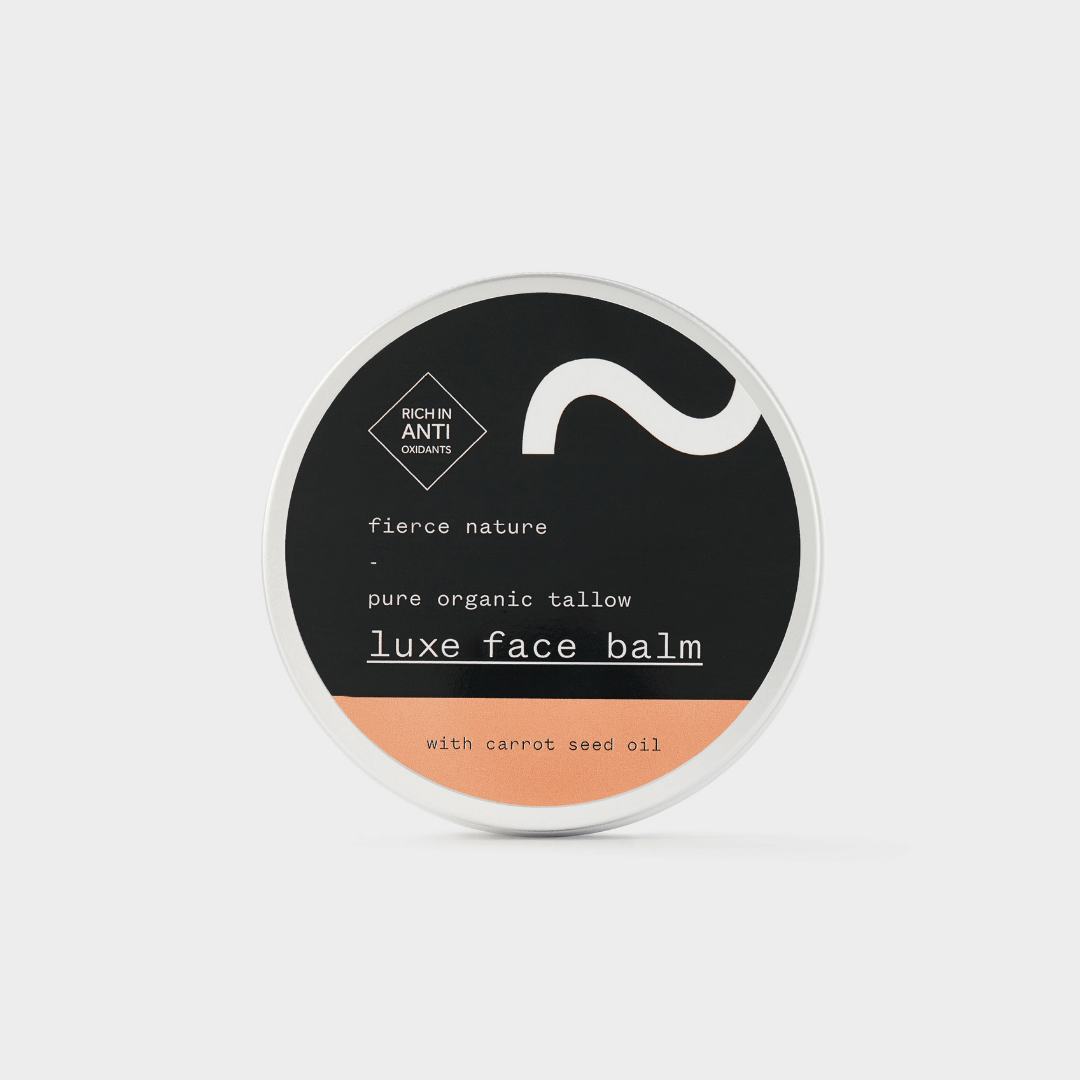
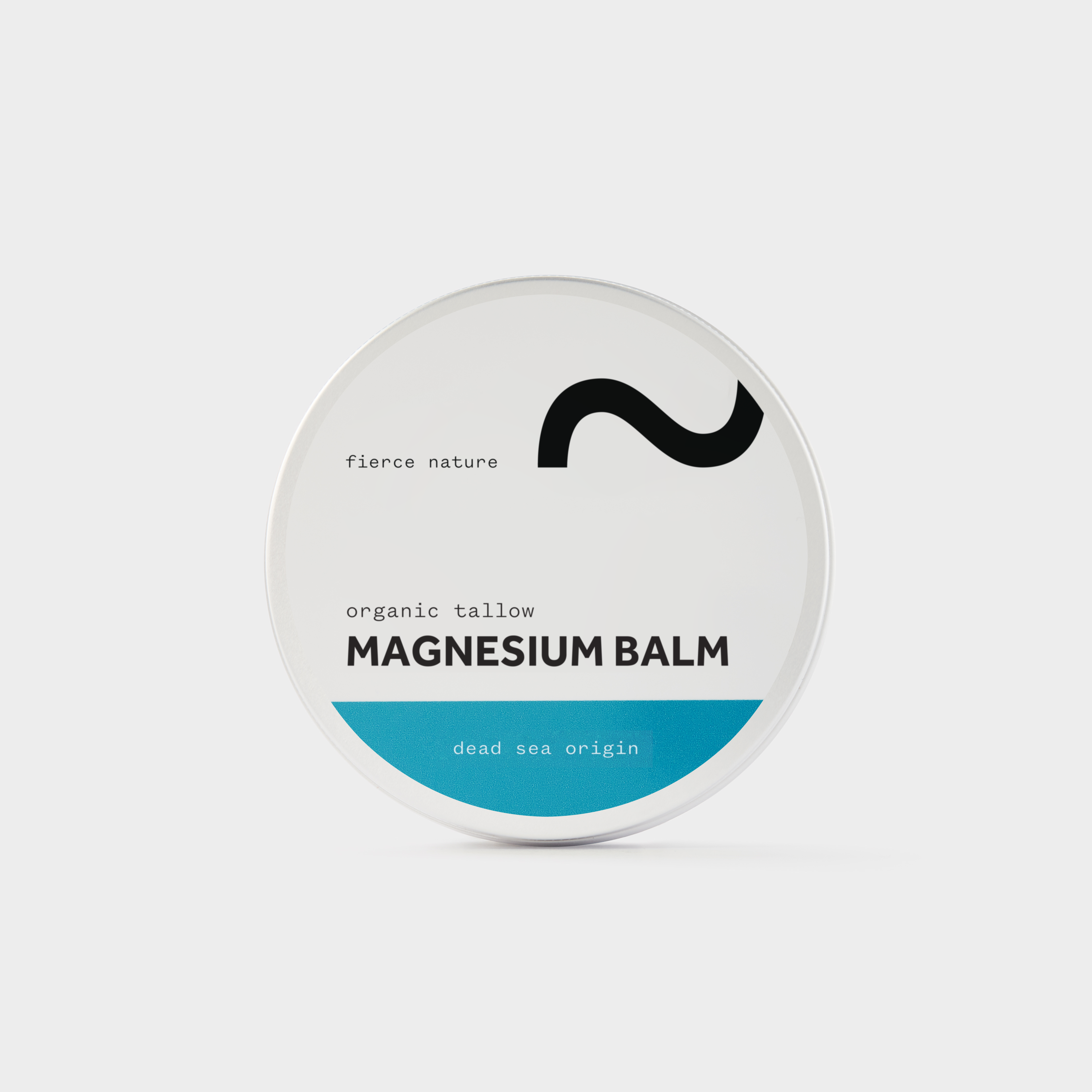
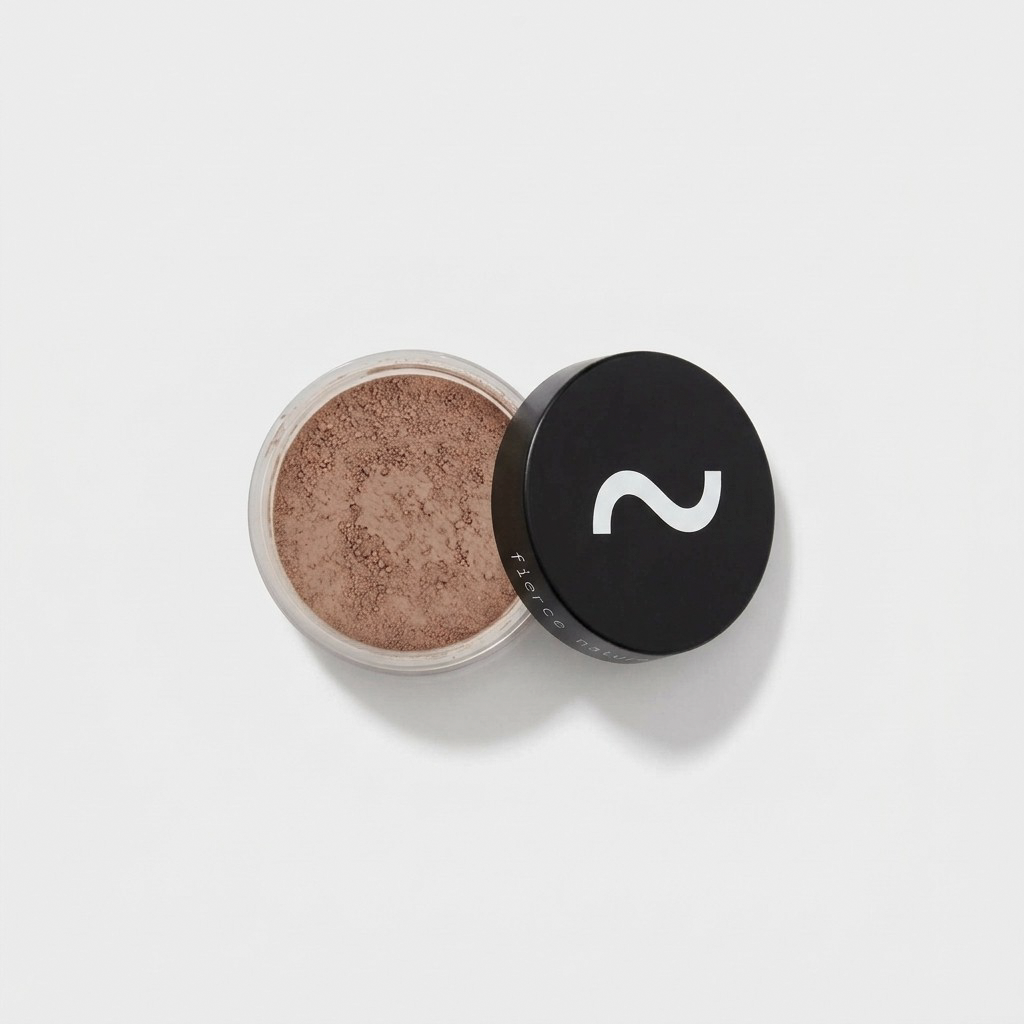
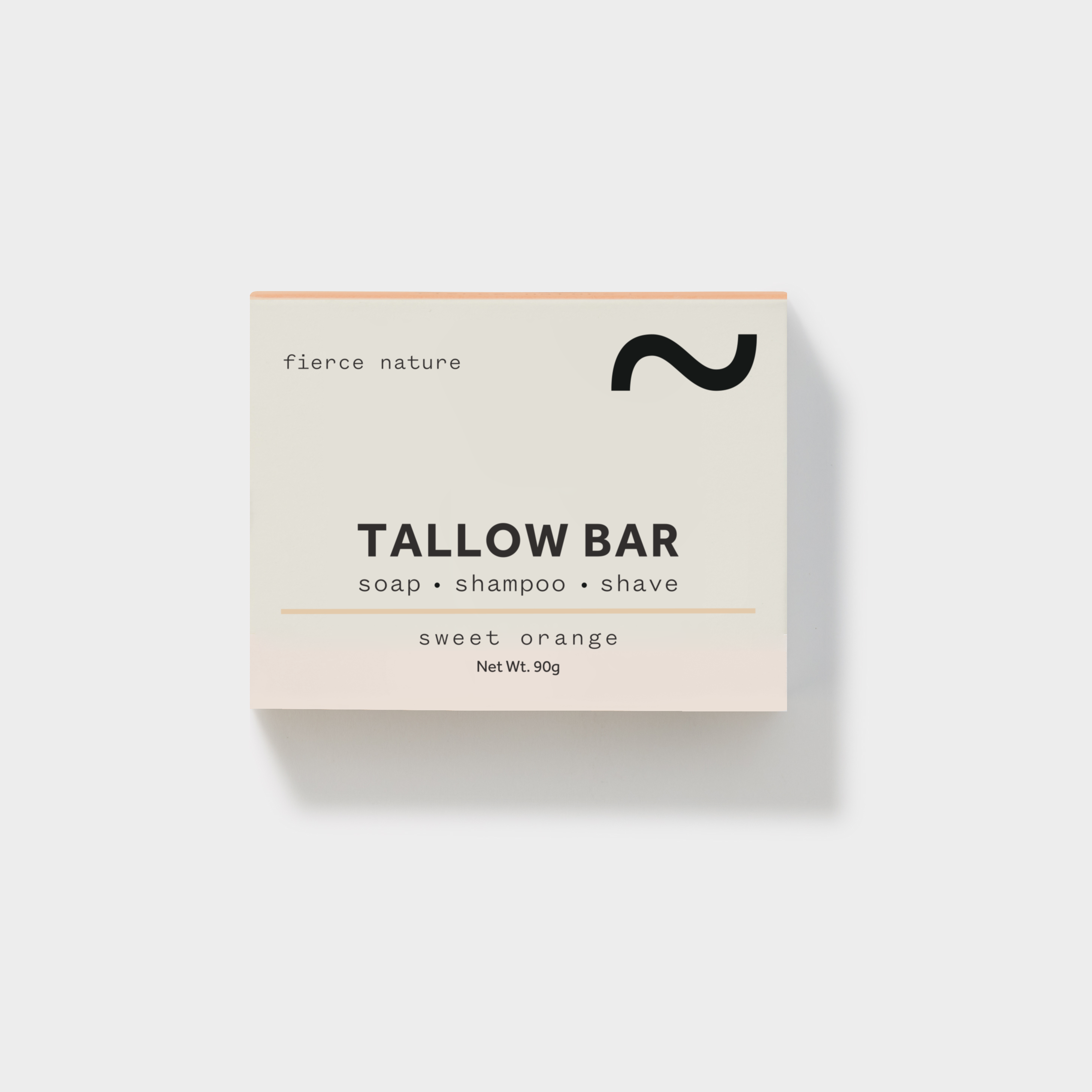
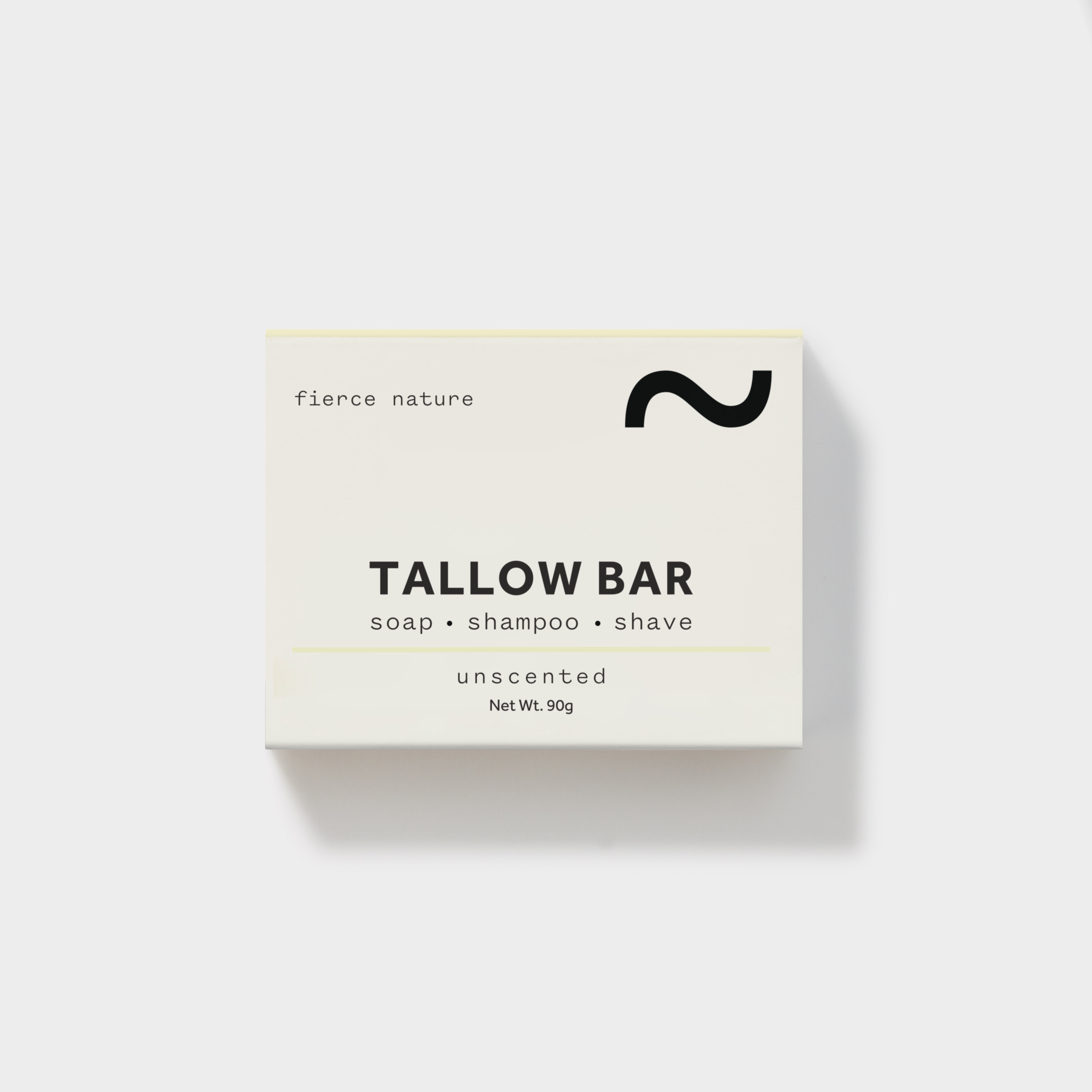
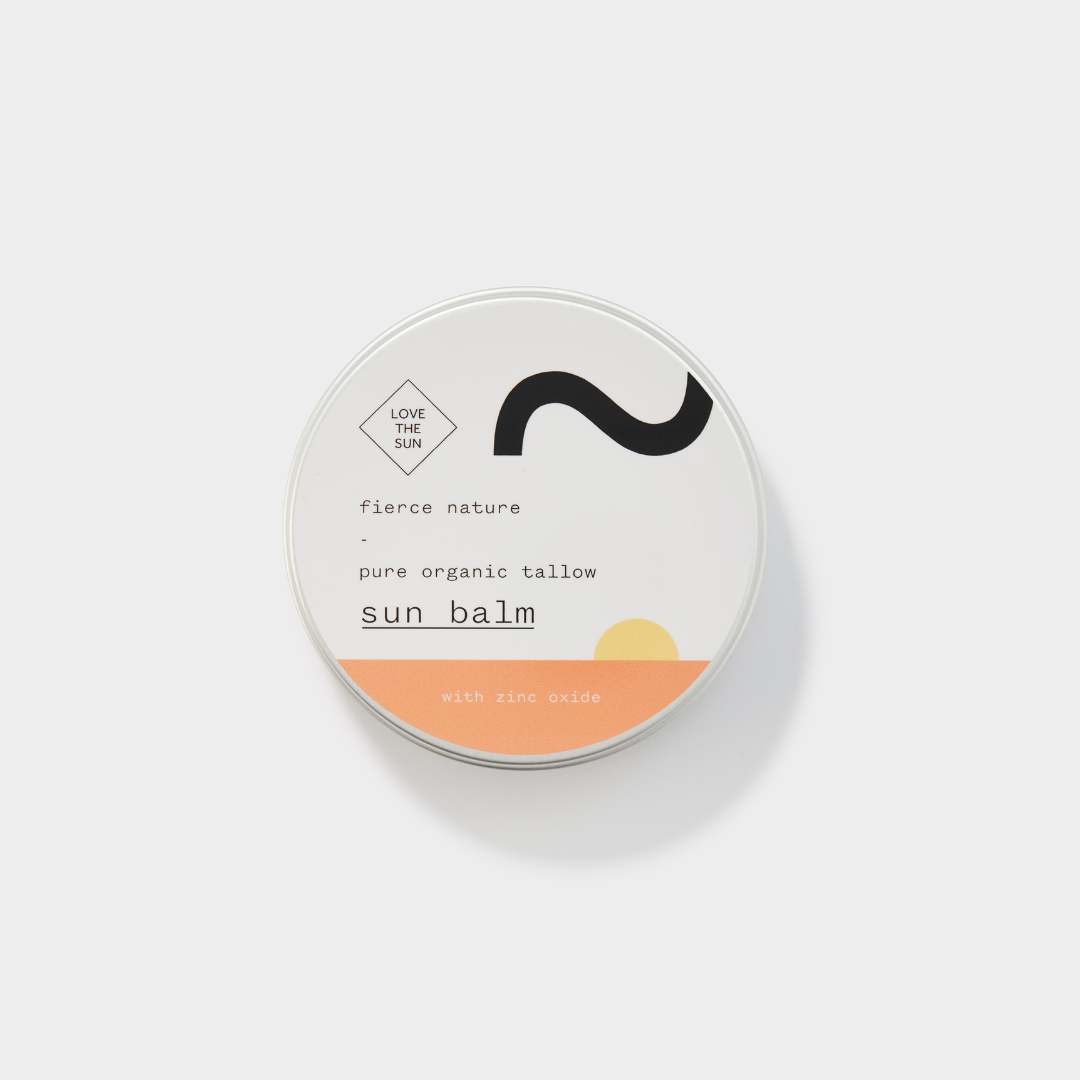
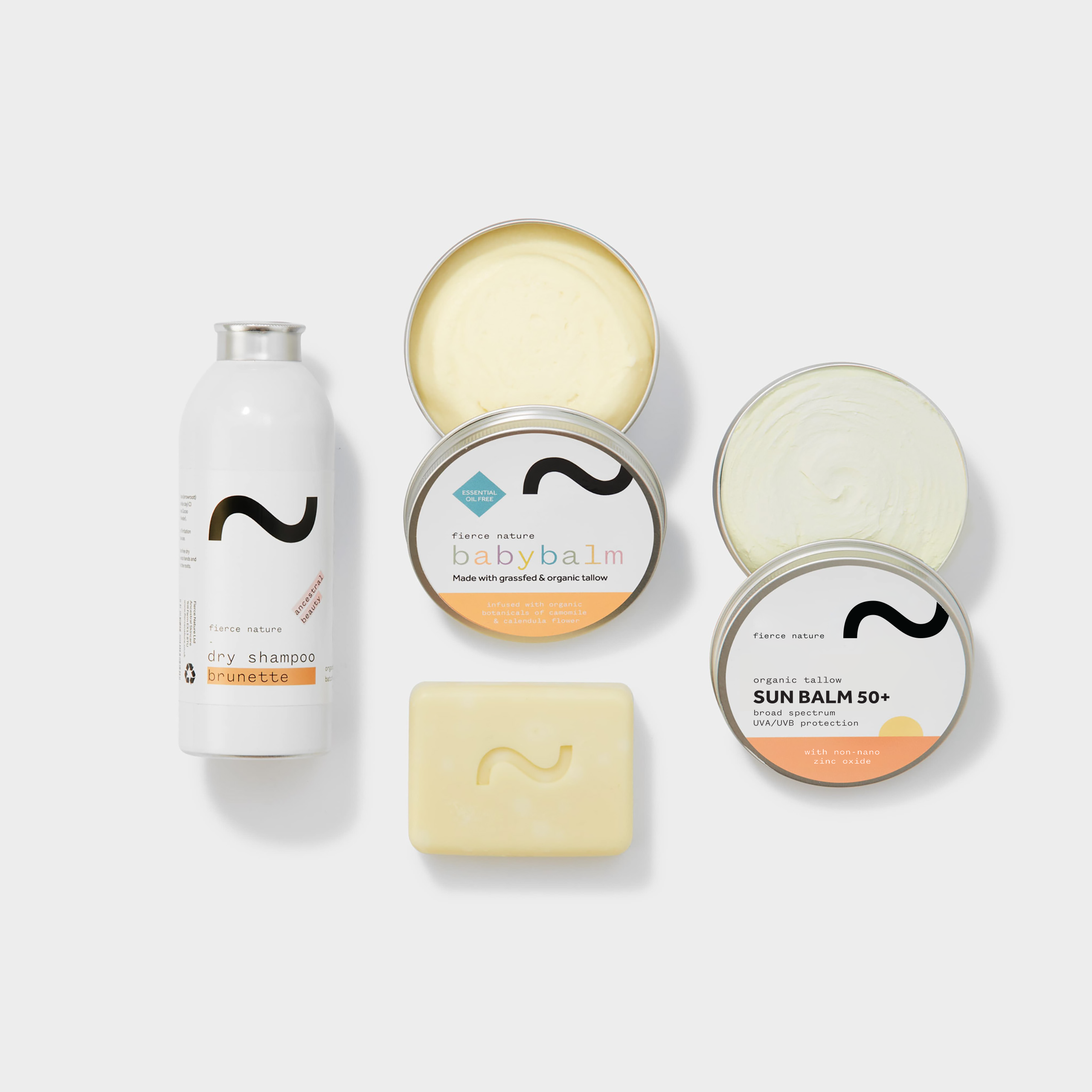
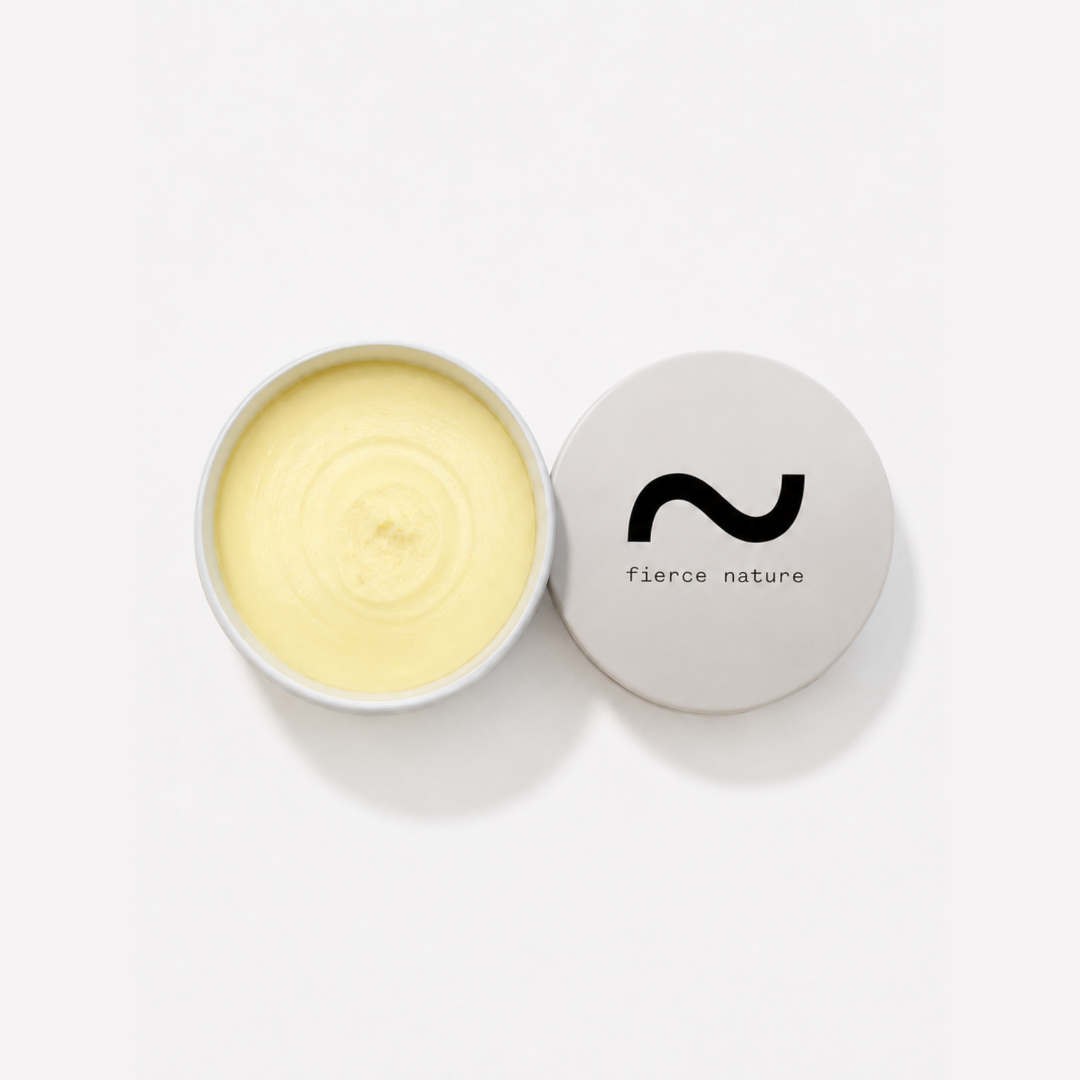
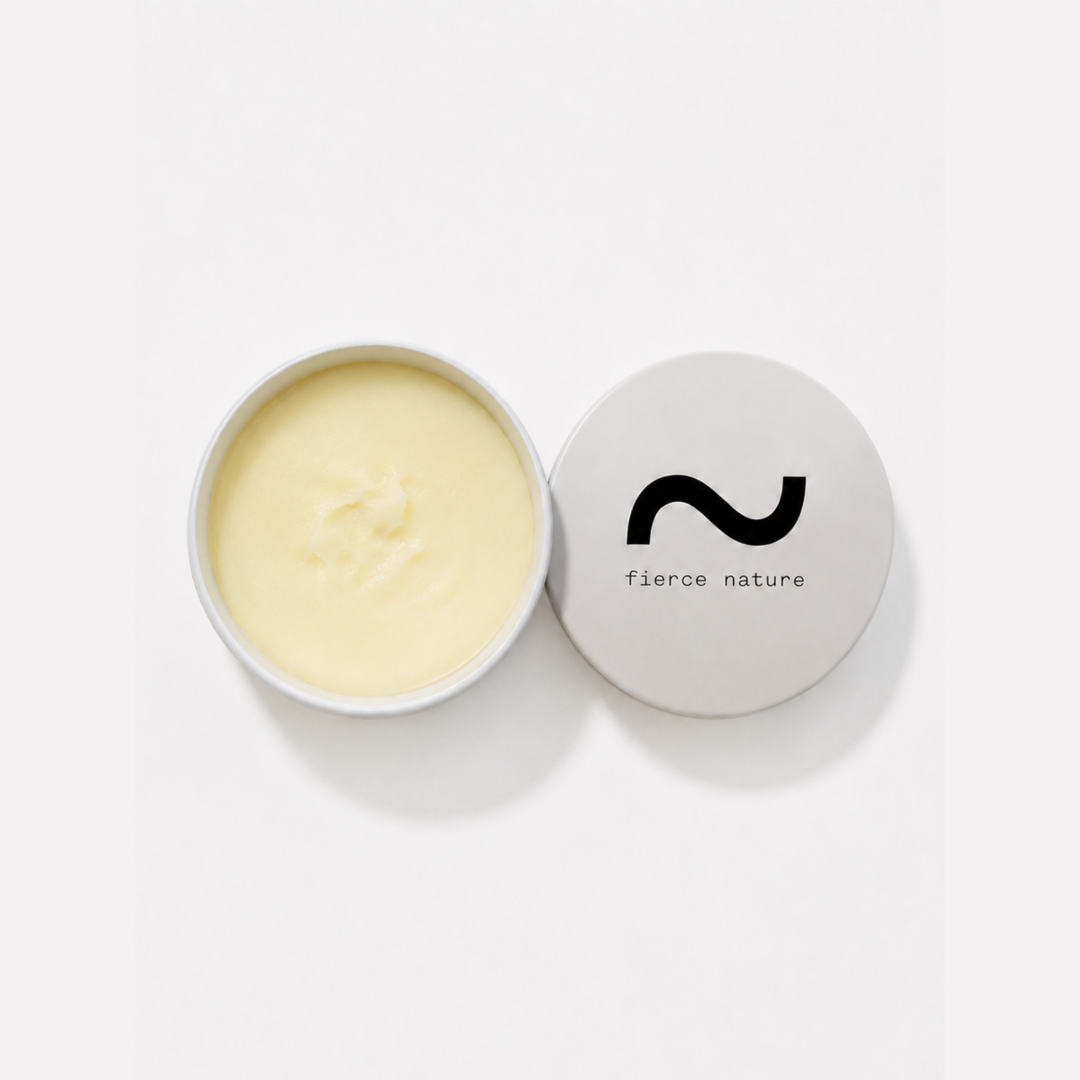
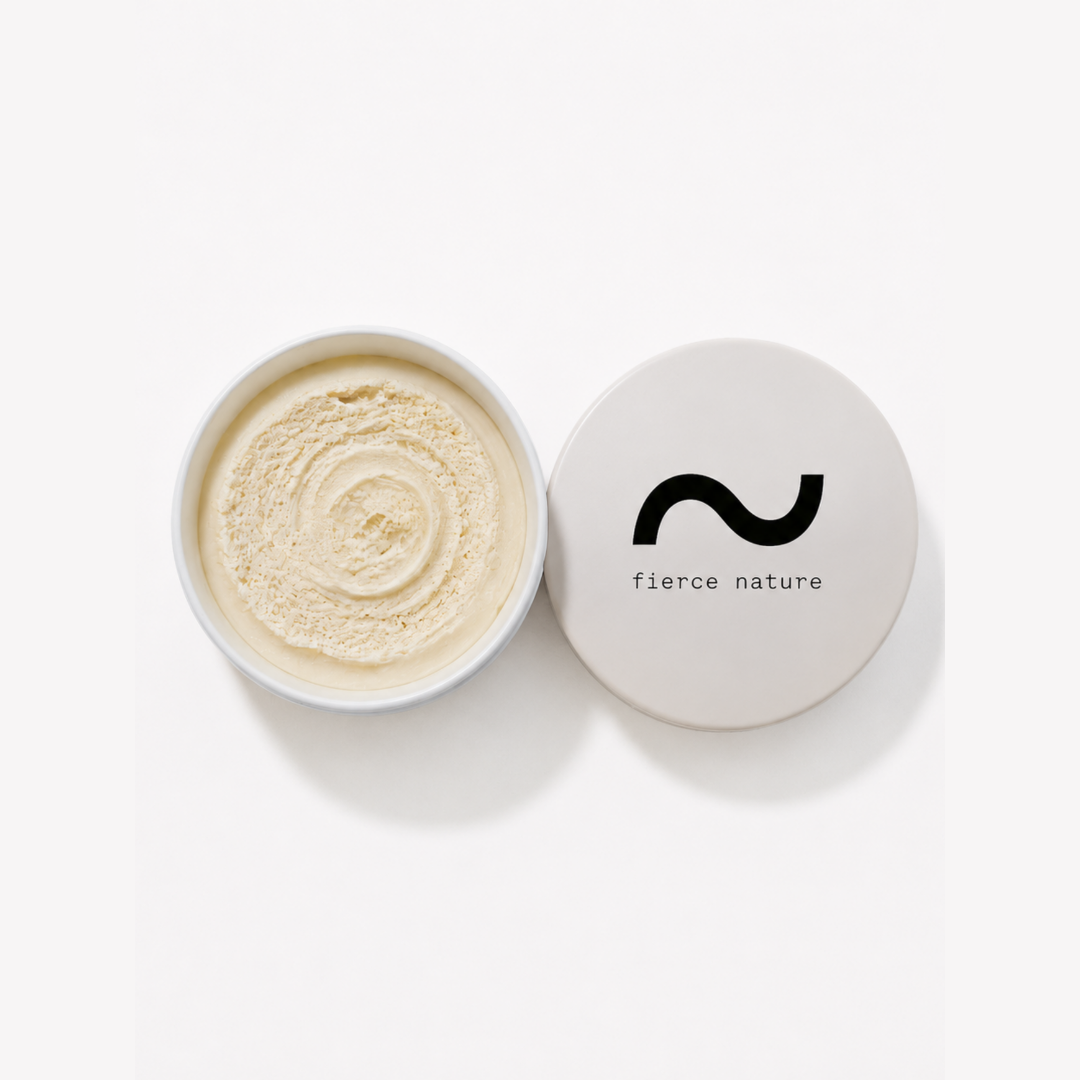

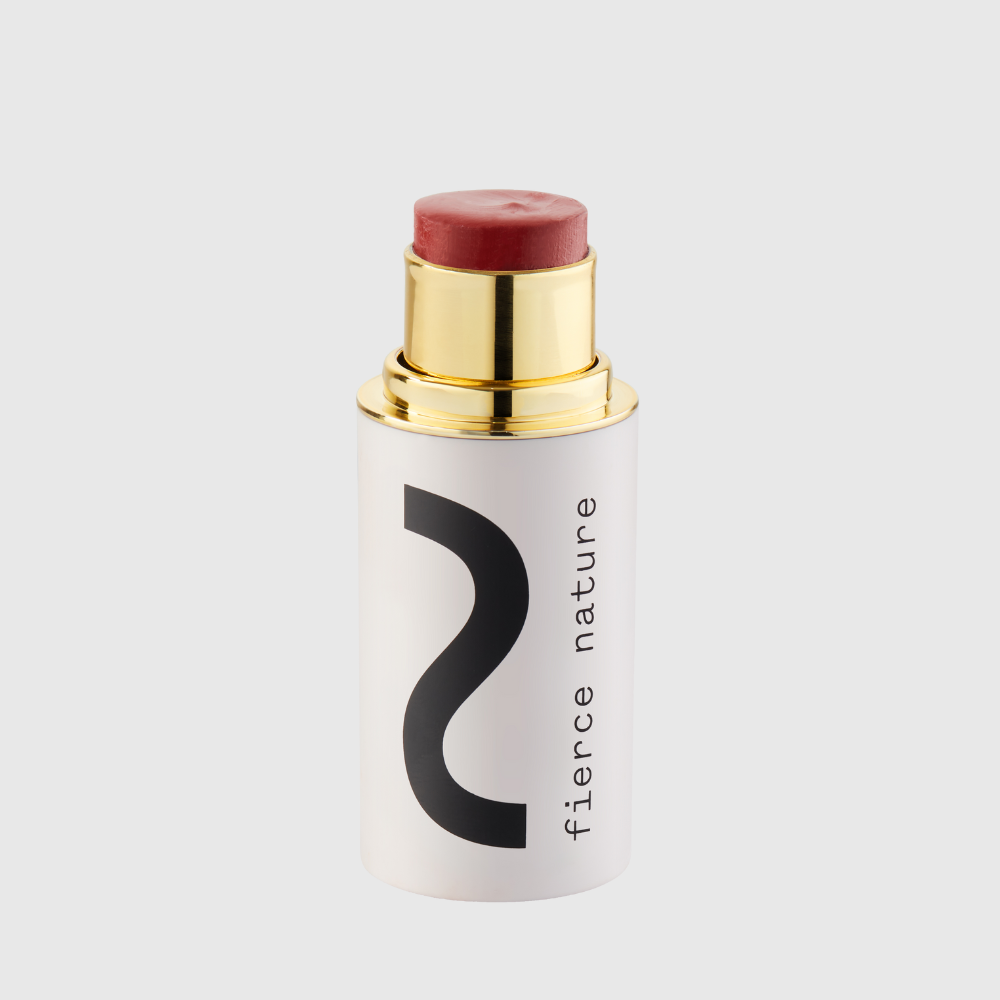
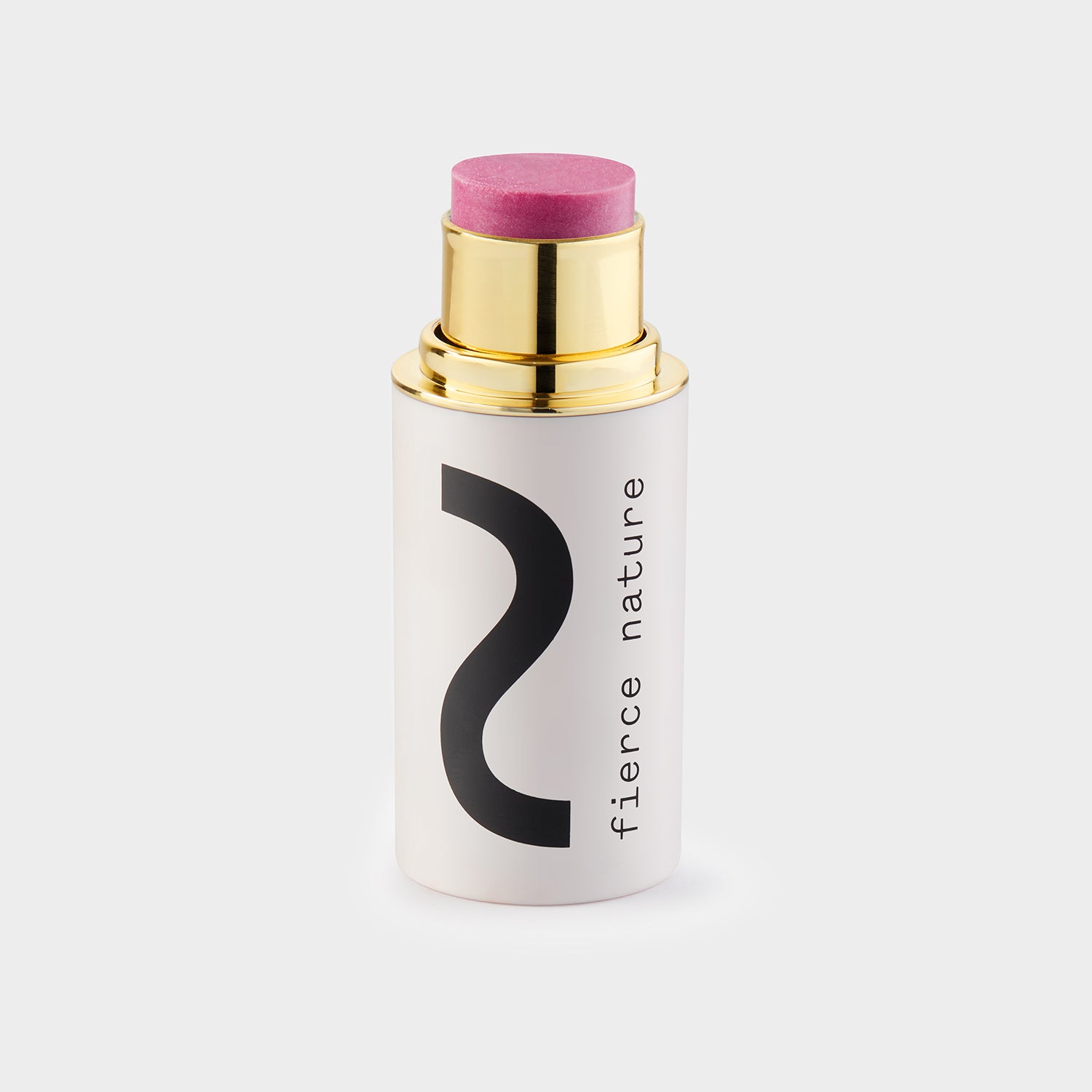
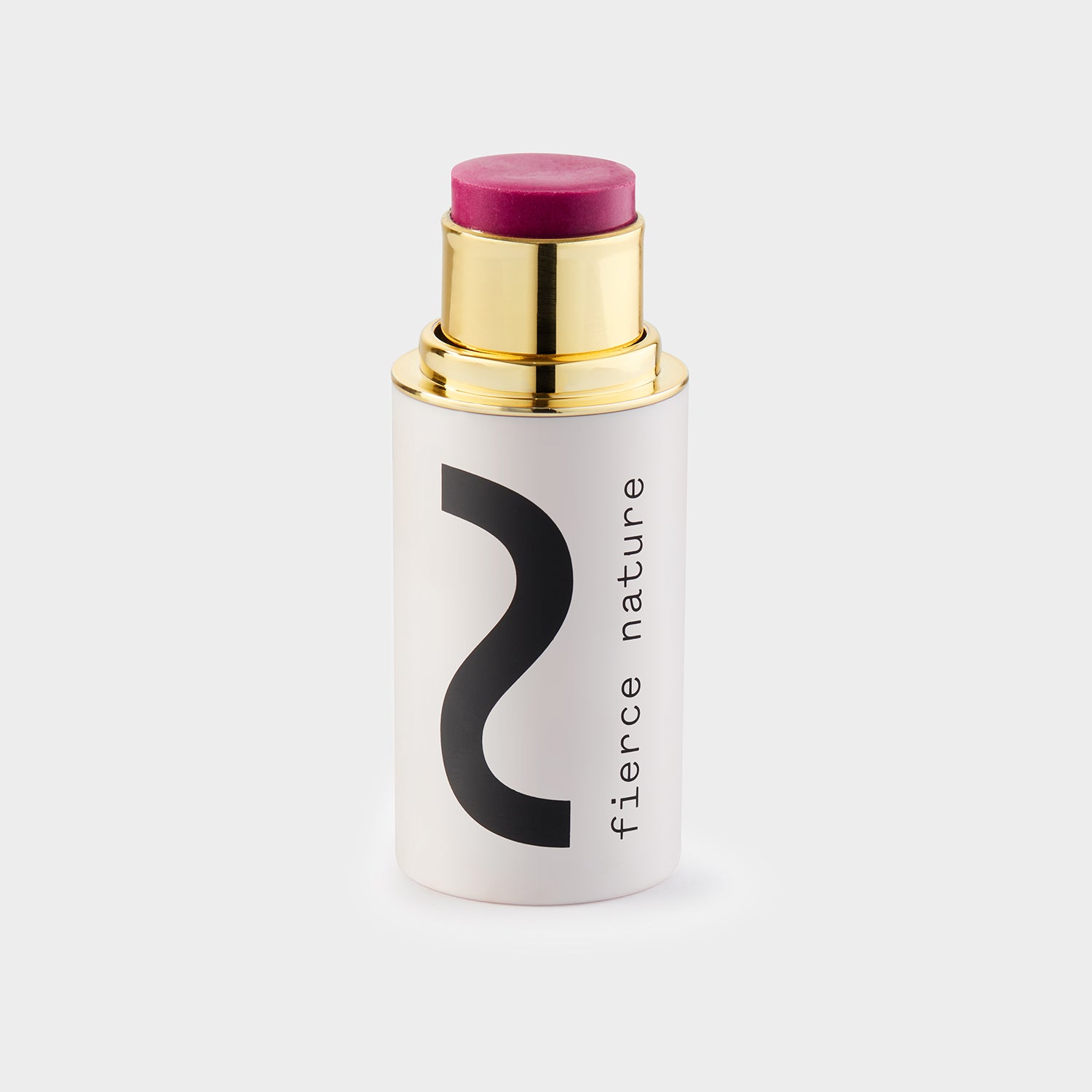
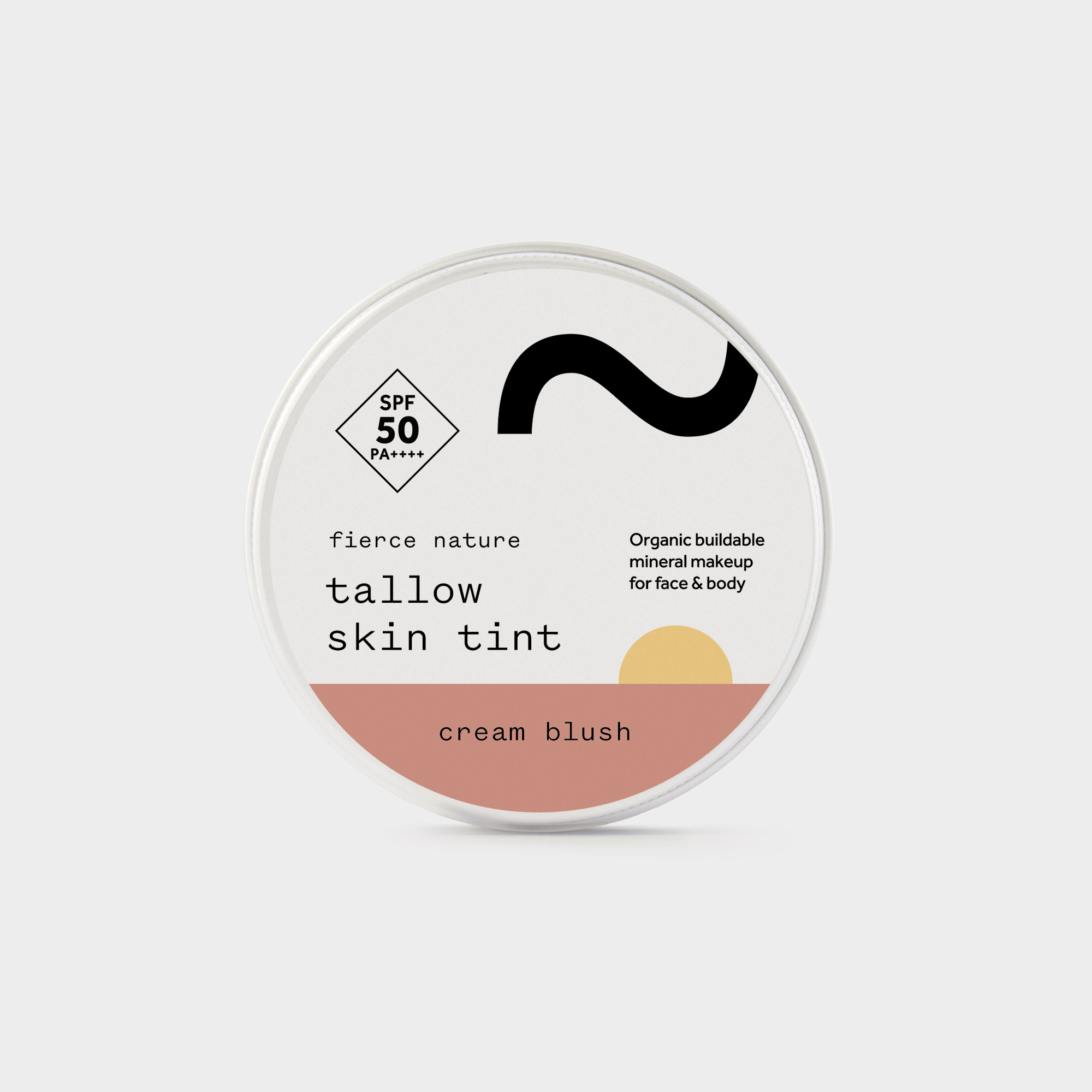




Tallow can genuinely help hydrate and soften a dry, compromised skin barrier, but that isn’t the same as helping rosacea. Dermatologists caution against its thick, occlusive texture on flushed or breakout-prone skin, and a scoping review covering nearly 150 studies found no clear evidence it treats rosacea itself. Read on for the risks, the patch-test protocol, and how Fierce Nature formulates to reduce that risk if you decide to try it.
TL;DR:
Tallow may hydrate dry, compromised skin but lacks evidence as a treatment for rosacea or its inflammation.
Its occlusive, thick texture can trap heat and clog pores, potentially worsening rosacea symptoms or flare-ups.
Only mild, barrier-weak skin without active bumps or flare symptoms might tolerate tallow if patch-tested carefully first.
Many successful formulations are unscented and minimal, with clear sourcing practices to reduce risks for sensitive skin.
Clinically proven rosacea treatments like ceramides, niacinamide, and azelaic acid remain the best options for active redness and flare control.
Tallow’s appeal comes down to its fat profile. It’s rich in oleic, stearic, and palmitic acids, the same fatty acids your skin already produces as part of its natural barrier, plus fat-soluble vitamins that have some biochemical plausibility for skin nourishment. That’s the theory behind why tallow feels so rich and why it’s been used as an emollient for centuries, long before “skinfluencers” discovered it.
The catch is that plausible and proven aren’t the same thing. A scoping review that screened 147 studies and selected 19 for closer analysis found tallow does offer real hydrating and moisturising properties in some settings, but the researchers also flagged significant gaps and inconsistent side-effect reporting across the available literature.
Pro Tip: Moisturising well-hydrated skin barrier and calming an active rosacea flare are two different jobs. Tallow may help with the first. It hasn’t been shown to do the second.
Where a well-formulated tallow balm may offer short-term comfort:
Softening visibly dry, flaking patches around the cheeks or jawline
Reinforcing a compromised barrier after over-exfoliation or harsh cleansing
Sealing in water-based humectants on cold, wind-exposed days
Providing a fragrance-light alternative to synthetic-heavy body lotions
The evidence gap, in numbers: of many studies screened for that scoping review, a small number met the bar for inclusion, and even those didn’t offer enough human trial data to support therapeutic claims for inflammatory skin conditions like rosacea. That’s a thin foundation for the confident claims you’ll see online.
Fat-soluble vitamins present in tallow are often cited as an added benefit, and they are genuinely there. However, clinical proof that they are delivered topically in meaningful amounts is lacking, or that they do anything measurable for inflamed, rosacea-prone skin once applied.
This is where enthusiasm for tallow runs into clinical reality. Dermatologists generally advise against using beef tallow on rosacea-prone, oily, or acne-prone skin, largely because of its texture rather than its origin. It’s a thick, occlusive moisturiser, and occlusive products can trap heat against the skin and clog pores, both of which tend to aggravate flushing and can trigger breakouts or heightened sensitivity.
“Beef tallow as skin care? Experts explain what’s truth, and myth.” That’s the framing Scripps Health uses, and it captures the core tension: tallow has genuine emollient properties, but that doesn’t make it suitable for every skin type, and rosacea-prone skin is precisely the type most likely to react badly to heavy occlusion.
The clinical evidence gap compounds the caution. A literature search did not identify any high-quality human clinical trial testing plain beef tallow as an everyday facial moisturiser, let alone as a rosacea treatment. Major patient-facing sources, including Cleveland Clinic, echo this: there simply isn’t enough research to support tallow as a rosacea treatment, and they point people toward moisturisers with established tolerability profiles instead.
There’s also a social media problem worth naming. Cross-sectional research into tallow skincare claims online found that many posts promoting it lack cited evidence and carry a financial bias from people selling the product. Rosacea-specific claims are less common than acne or eczema claims, but where they exist, they’re largely anecdotal rather than clinically supported.
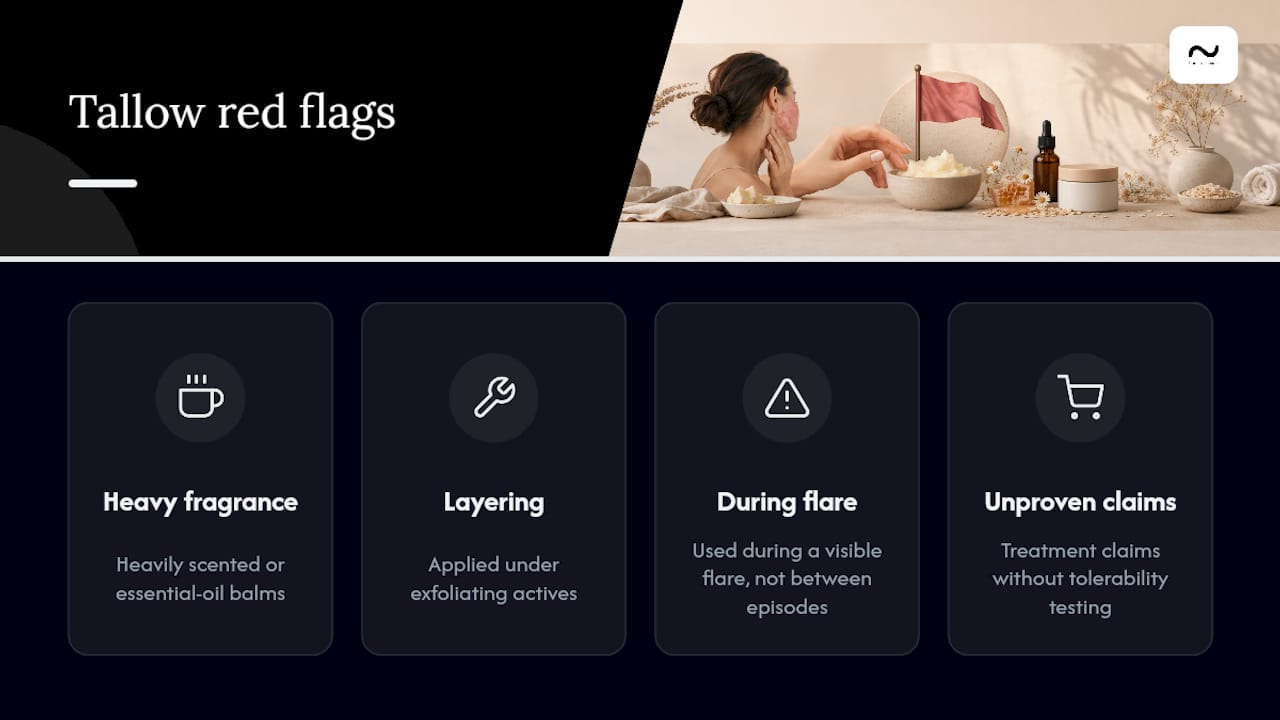
Practical red flags to watch for include heavily scented or essential-oil-laden tallow balms applied directly to active flushing, layering tallow under exfoliating actives rather than over them, using tallow during a visible flare rather than between episodes, and buying from sellers who make treatment claims without tolerability testing.
Rosacea isn’t one condition. It’s several overlapping presentations, and that matters enormously for how your skin might respond to a rich, occlusive balm.
If you have milder rosacea symptoms with persistent flushing and visible blood vessels but minimal bumps, your skin may tolerate a light layer of tallow better than if you have inflamed bumps and breakouts. Occlusion tends to be less tolerable on already inflamed, pustule-prone skin.
Consider trying with caution: mild flushing only, no active pustules, generally dry or barrier-compromised skin, no known lanolin or animal-fat sensitivities.
Avoid, or speak to a clinician first: active papules or pustules, oily or combination skin that breaks out easily, ocular rosacea symptoms, or any flare currently being managed with prescription treatment.
If you’re unsure which category you fall into, that’s a genuine reason to see a dermatologist before experimenting. Bring a note of your triggers, current products, and how your skin has responded to occlusive creams in the past. This helps them assess whether trying a natural remedy for rosacea alongside your existing routine makes sense.
If you’ve decided your skin fits the “consider trying with caution” profile, the way you introduce tallow matters more than the tallow itself.
Patch-test first, always. Apply a small amount, about the size of a grain of rice, to your inner forearm or behind the ear. Leave it undisturbed for 24 to 48 hours and watch for redness, itching, or bumps.
Choose the plainest formulation available. Start with an unscented, minimal-ingredient balm rather than anything with essential oils or fragrance, which are common irritant triggers on reactive skin.
Apply sparingly and layer correctly. Use tallow as a sealing final step over water-based humectants like a hyaluronic acid serum, never underneath active exfoliants or prescription retinoids.
Trial on a small facial area first. Try one cheek or a small patch near the jaw for five to seven days before committing to full-face use.
Keep a simple symptom log. Note flushing intensity, any new bumps, and how your skin feels by day, morning and night.
Pro Tip: Give any new moisturiser at least a week before judging it. Skin needs time to show whether it’s adjusting or reacting, and snap judgements after one application rarely tell the true story.
Stop immediately and speak to a dermatologist if you notice increasing papules, burning that doesn’t settle within minutes, or redness spreading beyond where you applied the product. Those are signs your skin is telling you this particular formulation isn’t the right fit, not a reason to push through.
Not all tallow is equal, and the difference between a well-rendered, cosmetic-grade tallow and something rougher can be the difference between a soothing balm and an irritating one.
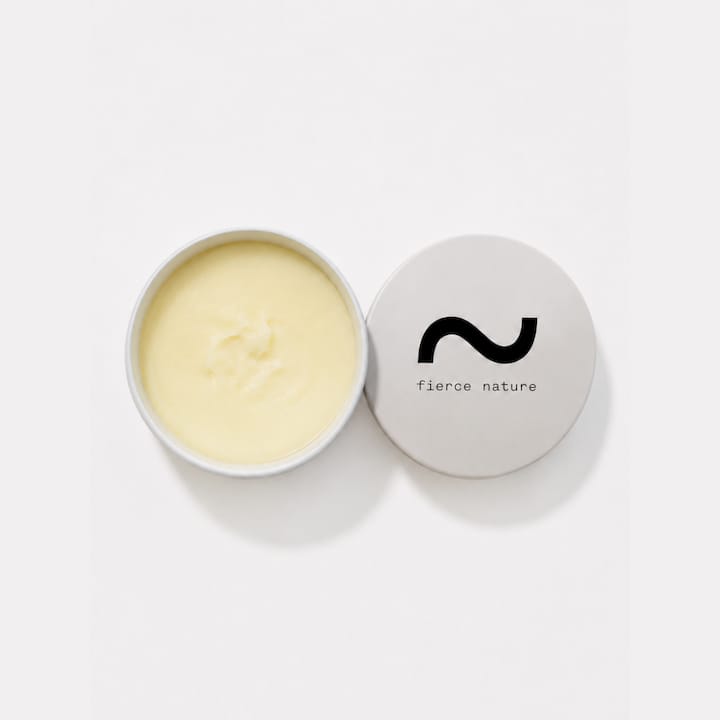
Look for products that state they are rendered specifically for cosmetic or skincare use, not repurposed cooking tallow. Prefer unscented options or those using minimal, named additives, since fragrance is a common irritant for sensitive and rosacea-prone skin. Transparency matters too: a maker who tells you exactly how the tallow was sourced and rendered is one worth trusting more than one hiding behind vague “natural” branding.
Terms like “grass-fed” and “organic” describe how the animal was raised, not how gently the final balm will behave on inflamed skin. They’re worth looking for as quality signals, but they don’t guarantee tolerability on their own.
Questions worth asking any brand before you buy:
How is the tallow rendered, and is it done specifically for skincare use?
Are batches tested for contamination or oxidation?
What preservatives or stabilisers, if any, are added?
Is there an unscented version available for sensitive or reactive skin?
If you want to understand comedogenic risk in more depth before choosing a product, our guide on whether tallow is comedogenic breaks down which formulations are more likely to clog pores.
Moisturising helps you feel more comfortable day to day, but it isn’t a substitute for treatments with an established evidence base when rosacea is active and disruptive.
Ingredient classes with considerably stronger clinical backing for sensitive, rosacea-prone skin include:
Ceramides, which rebuild the same barrier lipids rosacea-prone skin often lacks, without the heavy occlusion of tallow
Niacinamide, shown to calm visible redness and support barrier function at concentrations most sensitive skin tolerates well
Azelaic acid, a prescription-strength and over-the-counter option with genuine evidence behind it for both flushing and papulopustular rosacea
Clinical experts consistently steer rosacea care toward trigger avoidance and moisturisers with known tolerability profiles, rather than novel, largely untested natural ingredients. That’s not a dismissal of tallow. It’s a recognition that when your skin is actively flaring, you want tools with a track record, not just a plausible theory.
If your rosacea includes visible bumps, persistent redness, or is affecting your eyes, a prescription topical or oral treatment from a dermatologist may be appropriate. Moisturising, whatever you choose, works alongside that care. It doesn’t replace it.
The brand was created out of personal experience with reactive, rash-prone skin and this perspective shapes the approach to making their balms. Tallow sits at the centre of the range because its fat profile mirrors skin’s own, but that’s exactly why formulation choices matter so much for reactive skin.
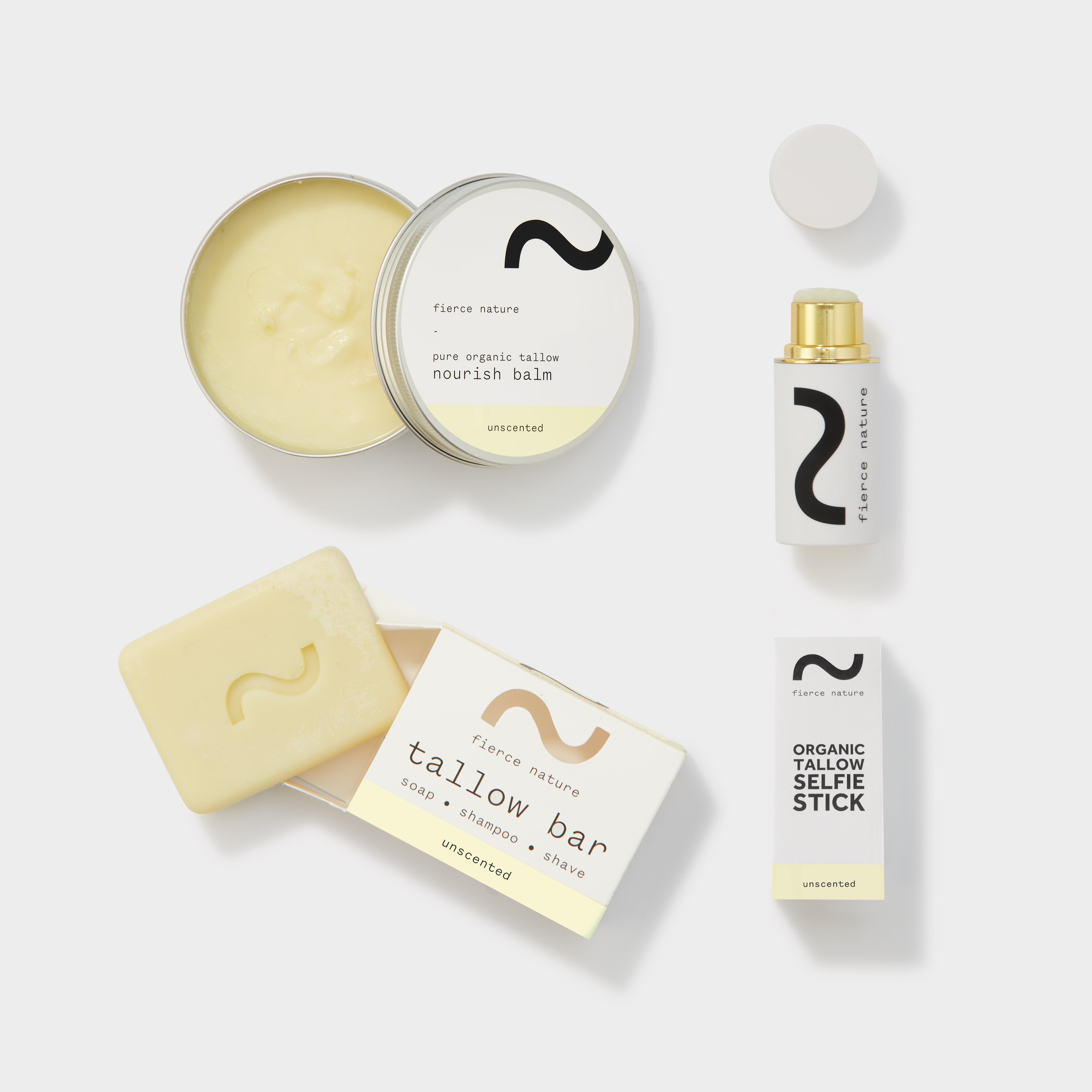
That’s why there is an unscented Nourish Balm as a dedicated option, and the products are crafted with short, named ingredient lists.
Being honest about limits matters as much as being proud of the ingredients. Clinical evidence for tallow and rosacea specifically is still limited, which is precisely why we recommend patch testing every time and speaking to a clinician if your rosacea is active.
I grew up battling skin reactions I couldn’t explain, cycling through mainstream products that promised everything and delivered irritation instead. That’s what eventually pulled me towards traditional, minimally processed ingredients like tallow, not because they’re trendy, but because fewer ingredients meant fewer chances for my skin to revolt.
What I’d want any reader with rosacea to take from this: test in small amounts, watch your skin honestly rather than hoping it’ll adjust, and don’t let a beautifully packaged jar override what your own face is telling you. If you want a broader look at calming routines beyond a single ingredient, our piece on gentler approaches for rosacea-prone skin is a good next stop.
— Fierce Nature
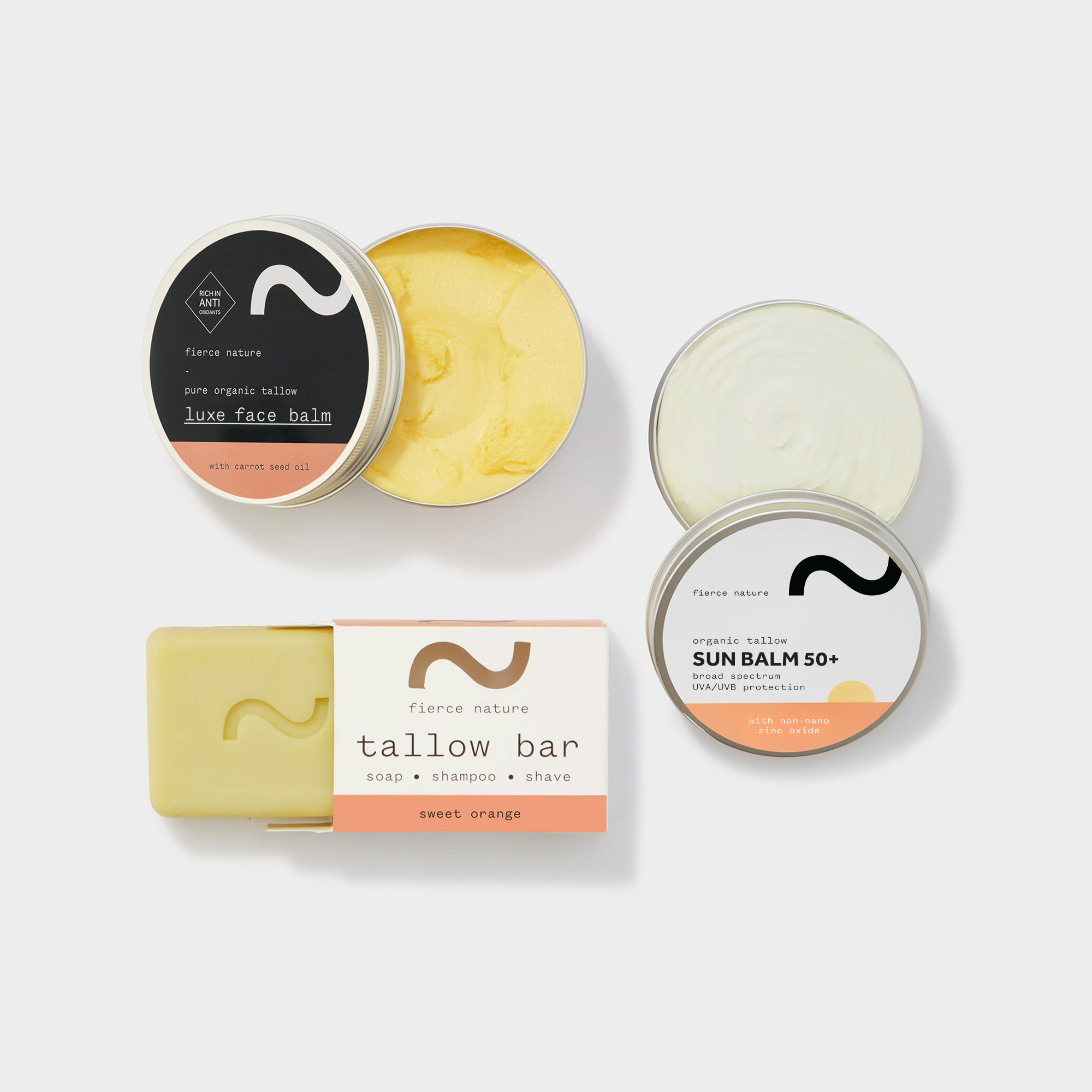
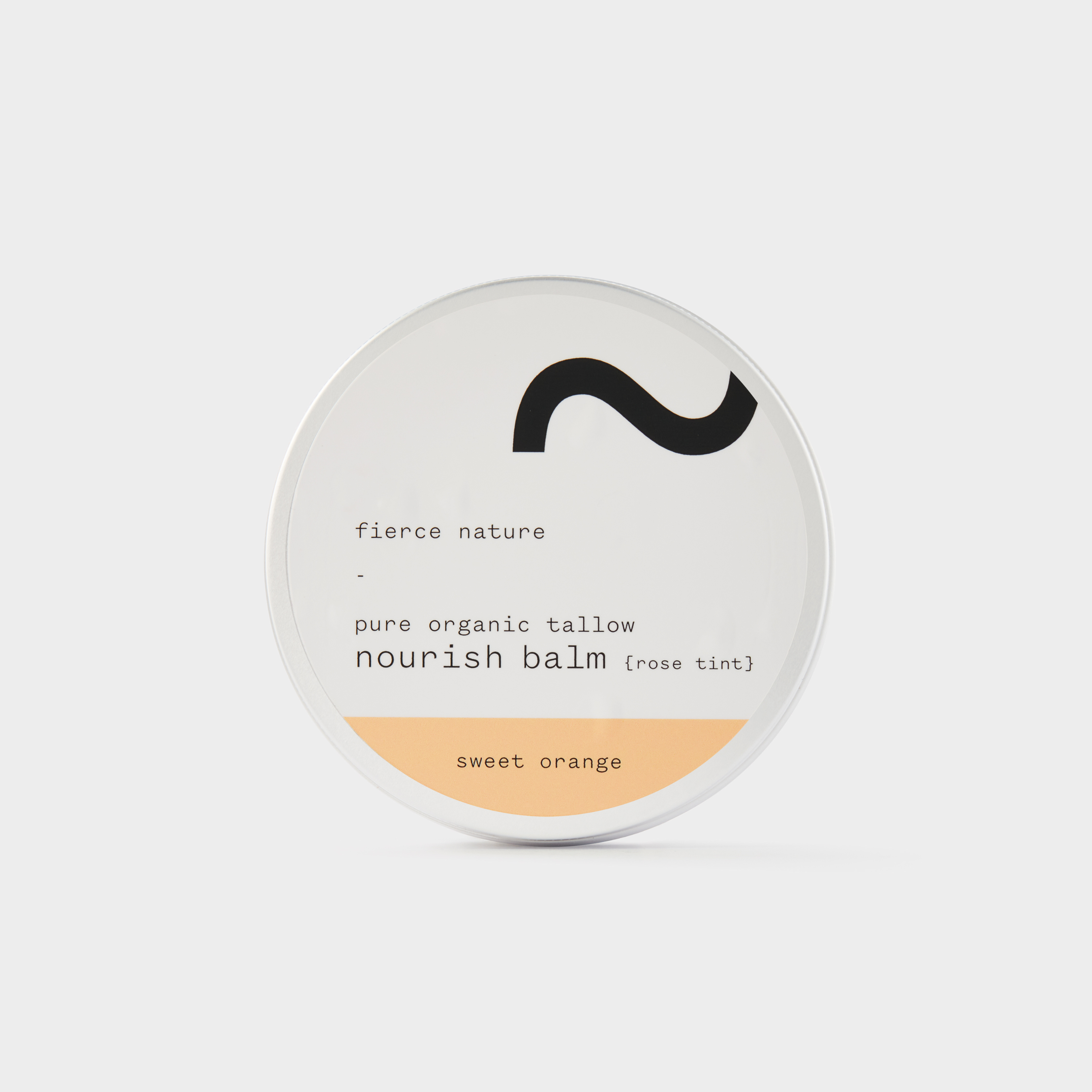
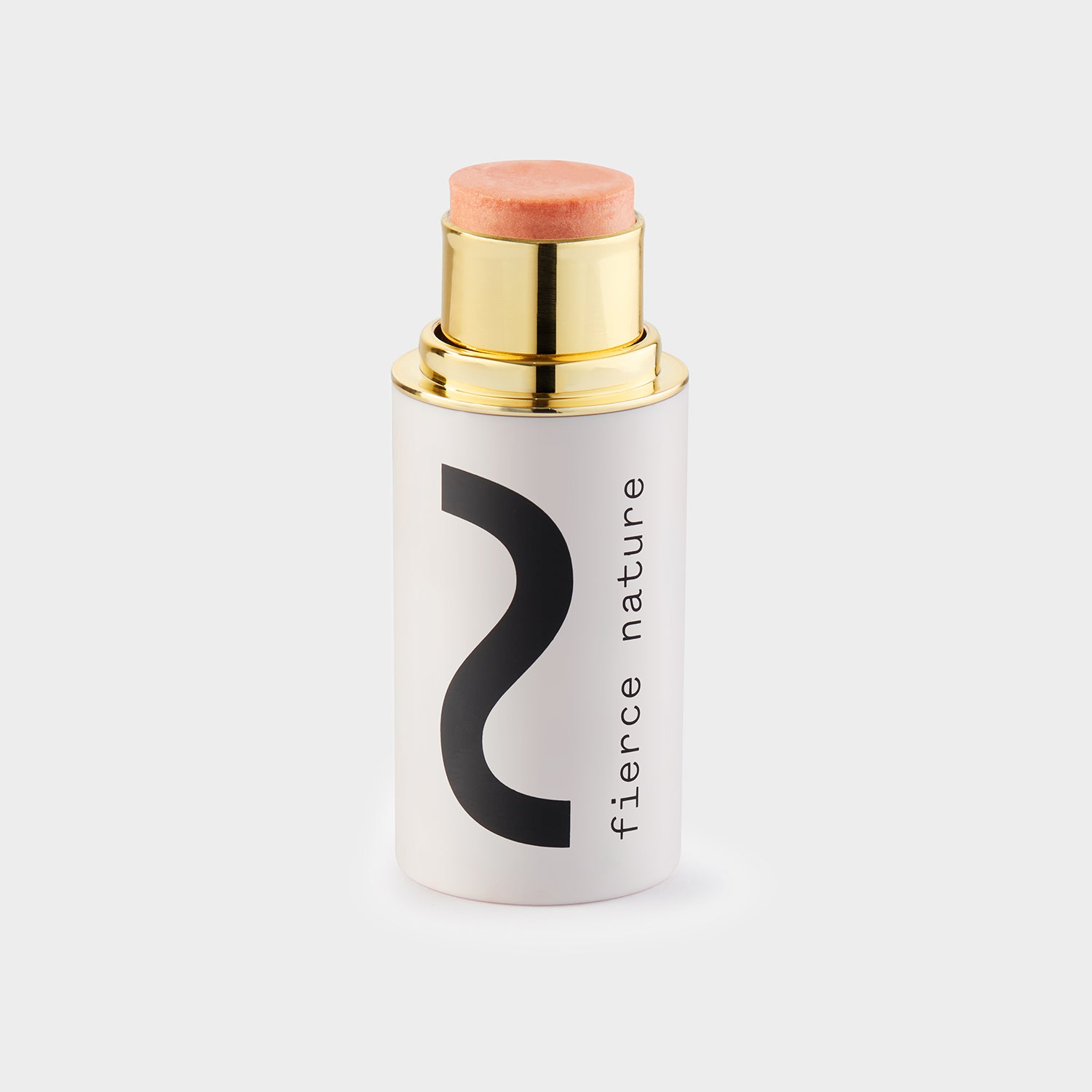
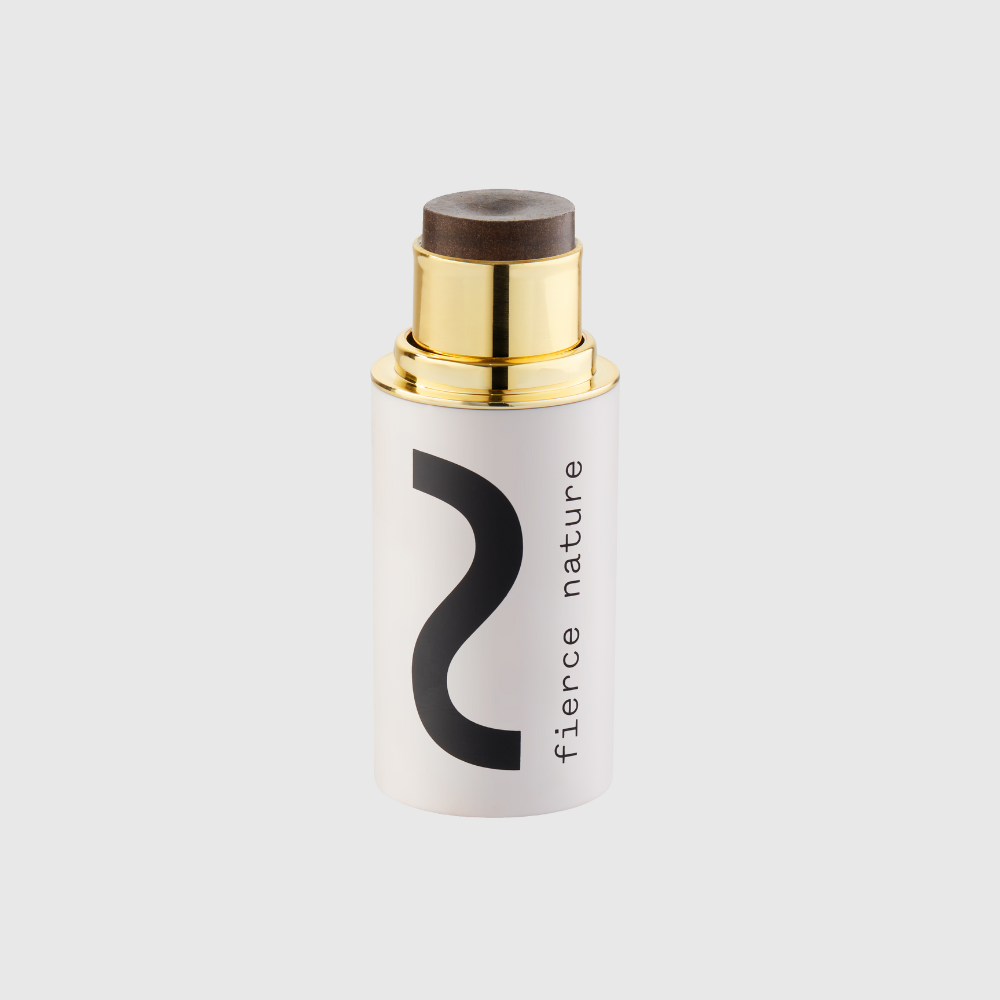
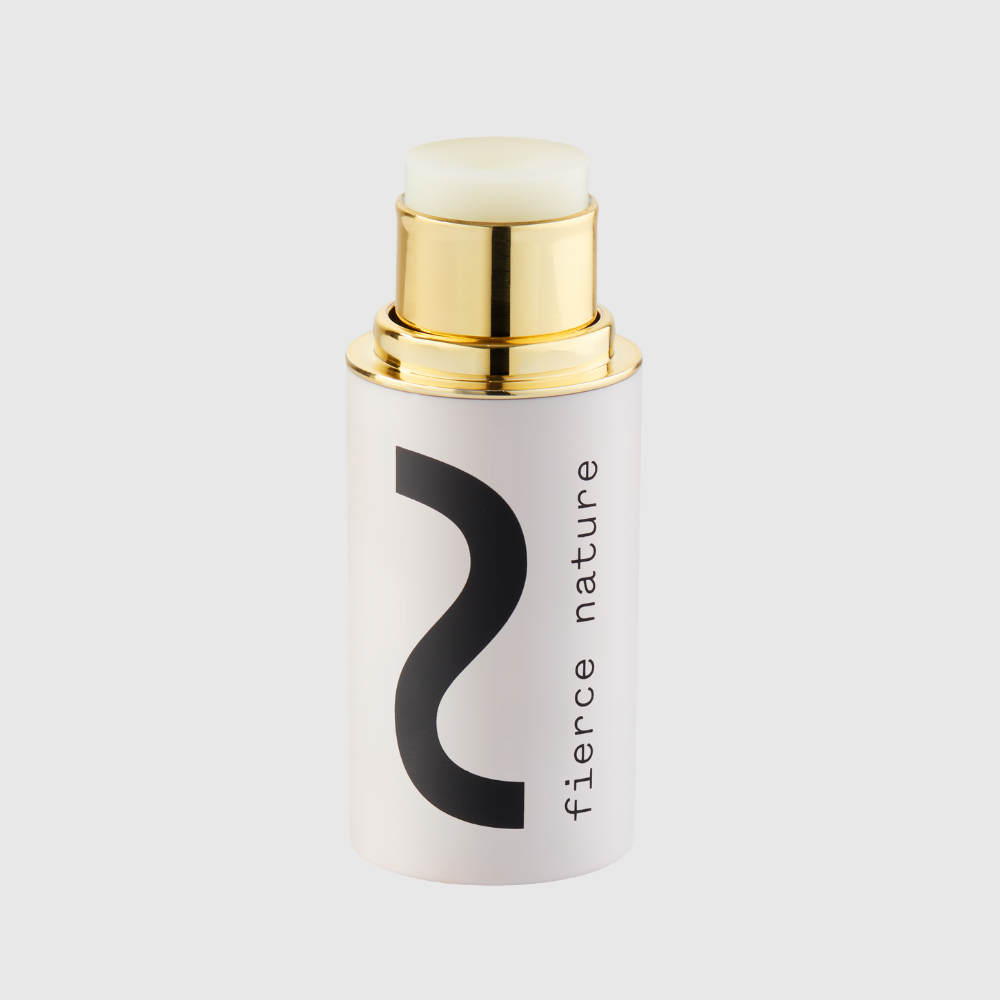
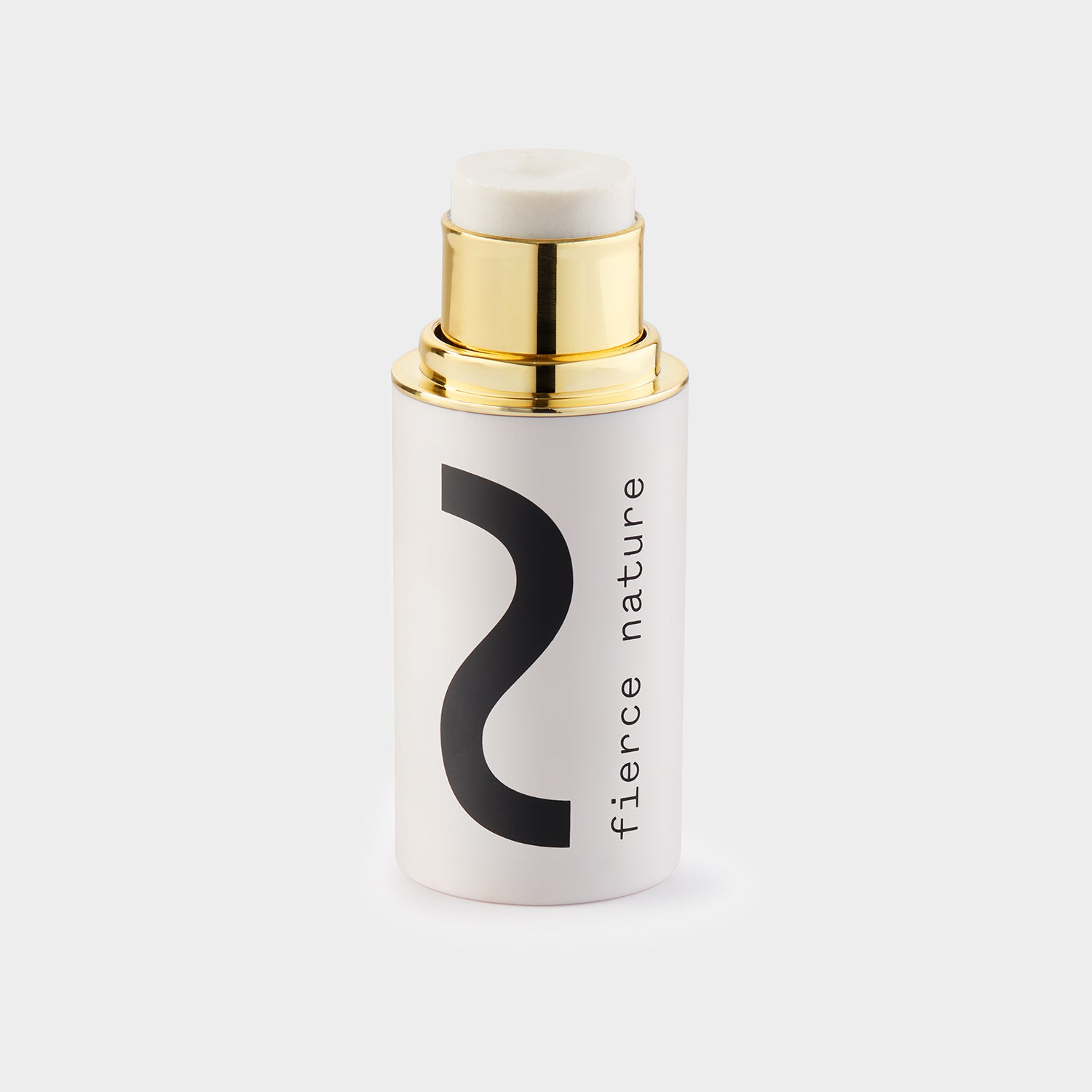
If you’ve read this far and decided a cautious trial makes sense for your skin, the range is kept genuinely simple rather than overwhelming with variants. The Nourish Balm (Unscented) is the sensible starting point for reactive or rosacea-prone skin, since it carries no added fragrance to complicate your patch test. If your skin tolerates that well over several weeks, the Nourish Balm (Sweet Orange) offers a lightly scented option worth testing separately, and the Nourish Balm with Rose Tint (Sweet Orange) adds a soft cosmetic tint for days you want light coverage alongside the same base formula. Patch-test each one individually rather than switching between them. If your rosacea is currently active, see a dermatologist before starting any new balm, then browse the full range on the Fierce Nature site when you’re ready.
The tallow literature scoping review (PMC), which screened 147 studies for evidence on tallow’s skin effects
Clinical guidance from Scripps Health and Cleveland Clinic on tallow’s occlusive properties and rosacea suitability
None of these sources identify a high-quality clinical trial proving tallow treats rosacea, and that gap is the single most important fact to carry forward from this guide.
This article is general information, not a substitute for advice from a qualified doctor. Consult a qualified healthcare professional about your own circumstances before acting on anything here.
It may help hydrate dry, barrier-compromised skin, but there’s no clinical evidence it treats rosacea itself, and its thick texture can worsen flushing or breakouts in some people.
A well-formulated, unscented tallow balm may be tolerated by some mild, dry-dominant rosacea presentations, but papulopustular or actively flaring rosacea generally reacts poorly to its occlusive texture.
Dermatologists caution against it mainly because it’s a thick, occlusive moisturiser that can clog pores and trap heat, both of which tend to aggravate flushing, breakouts, and skin sensitivity on reactive skin.
No study to date shows tallow reduces rosacea-related redness. Ingredients like azelaic acid and niacinamide have considerably stronger evidence for calming visible flushing.