Cart
0
80% Also Added this





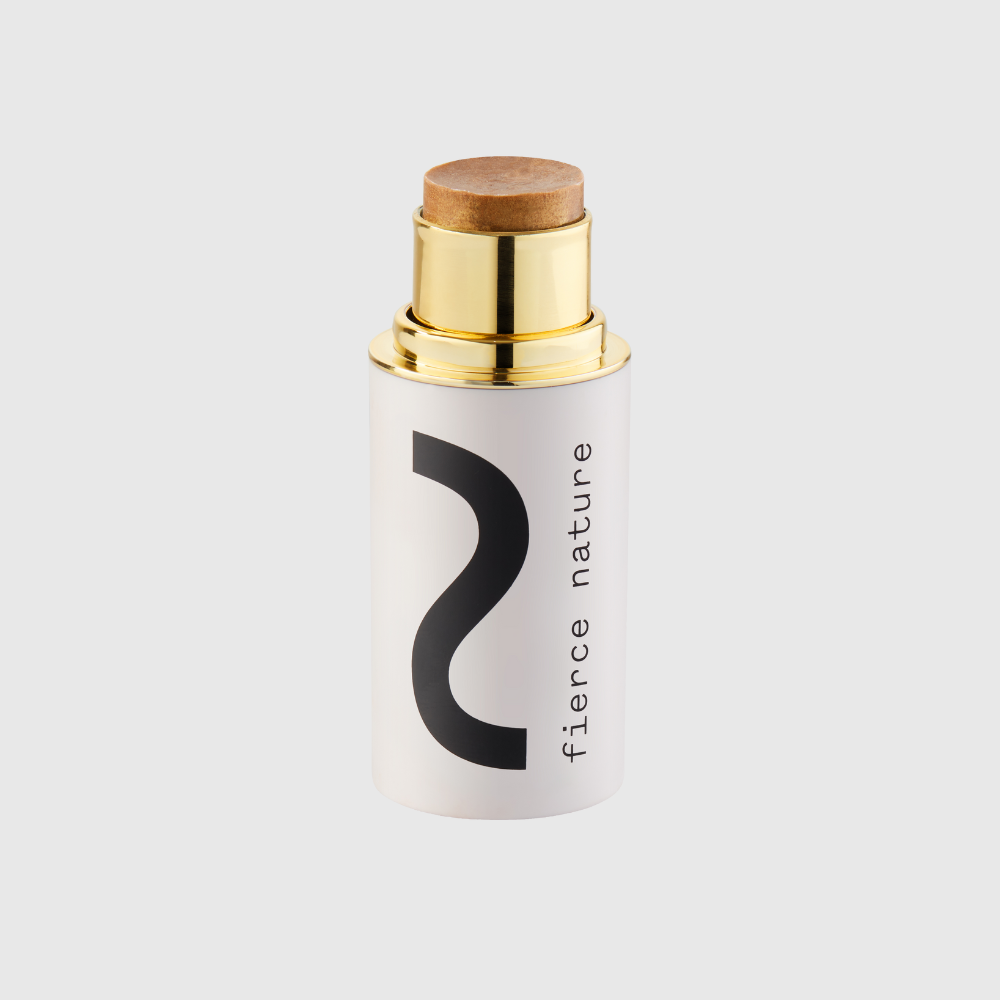
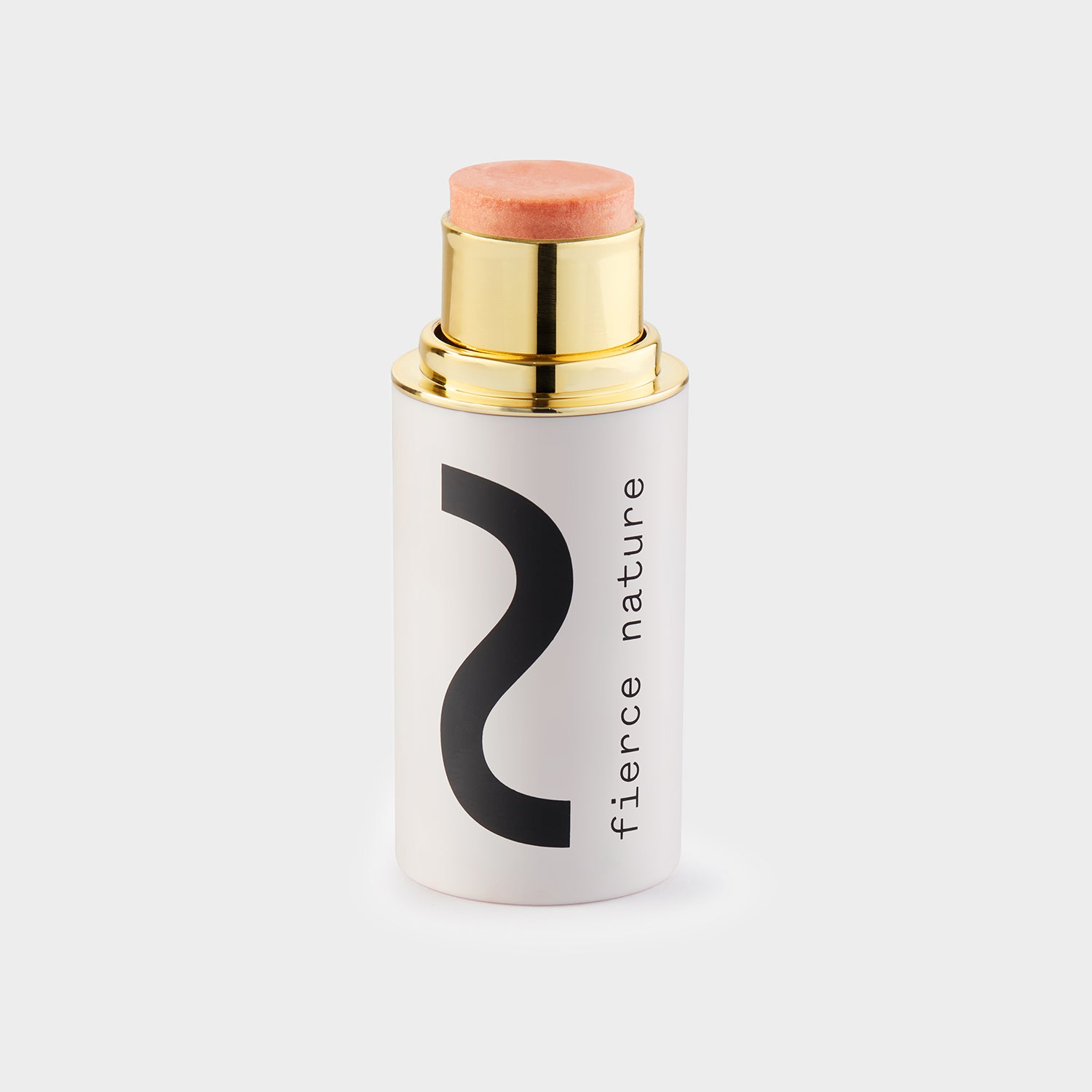
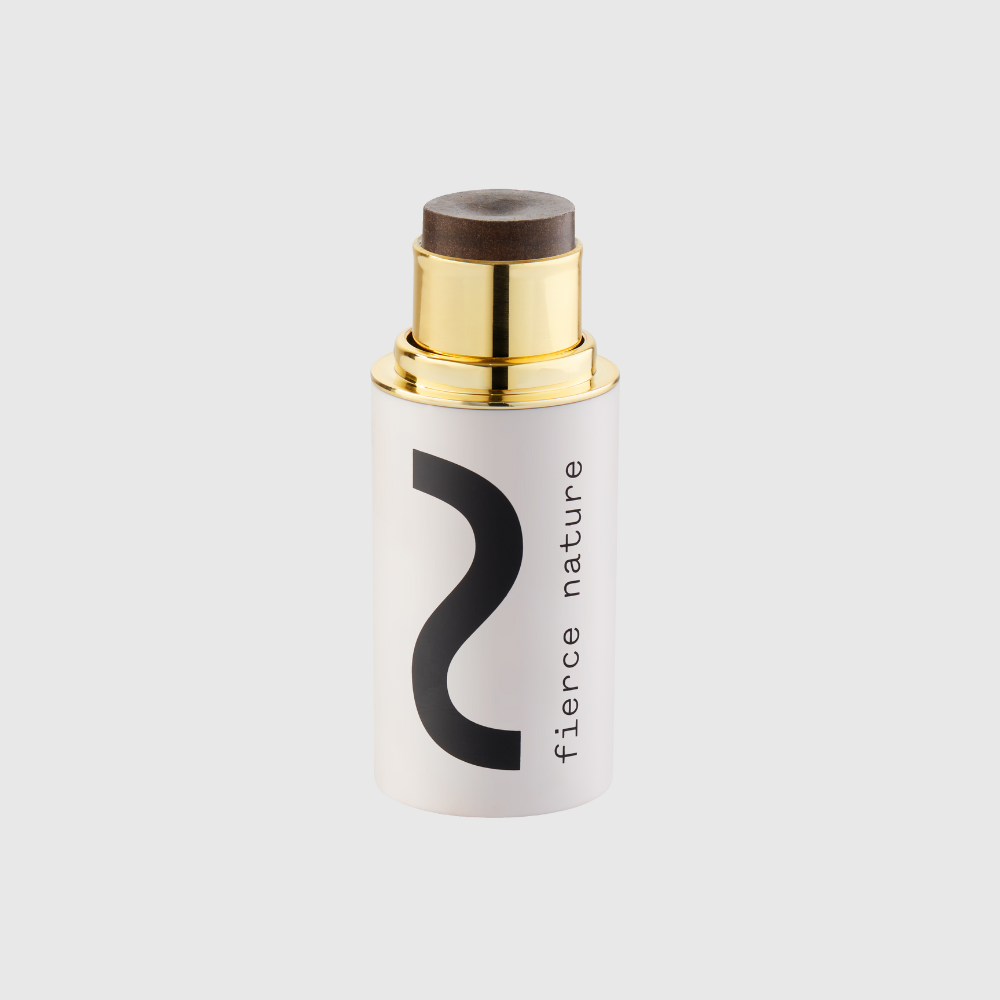
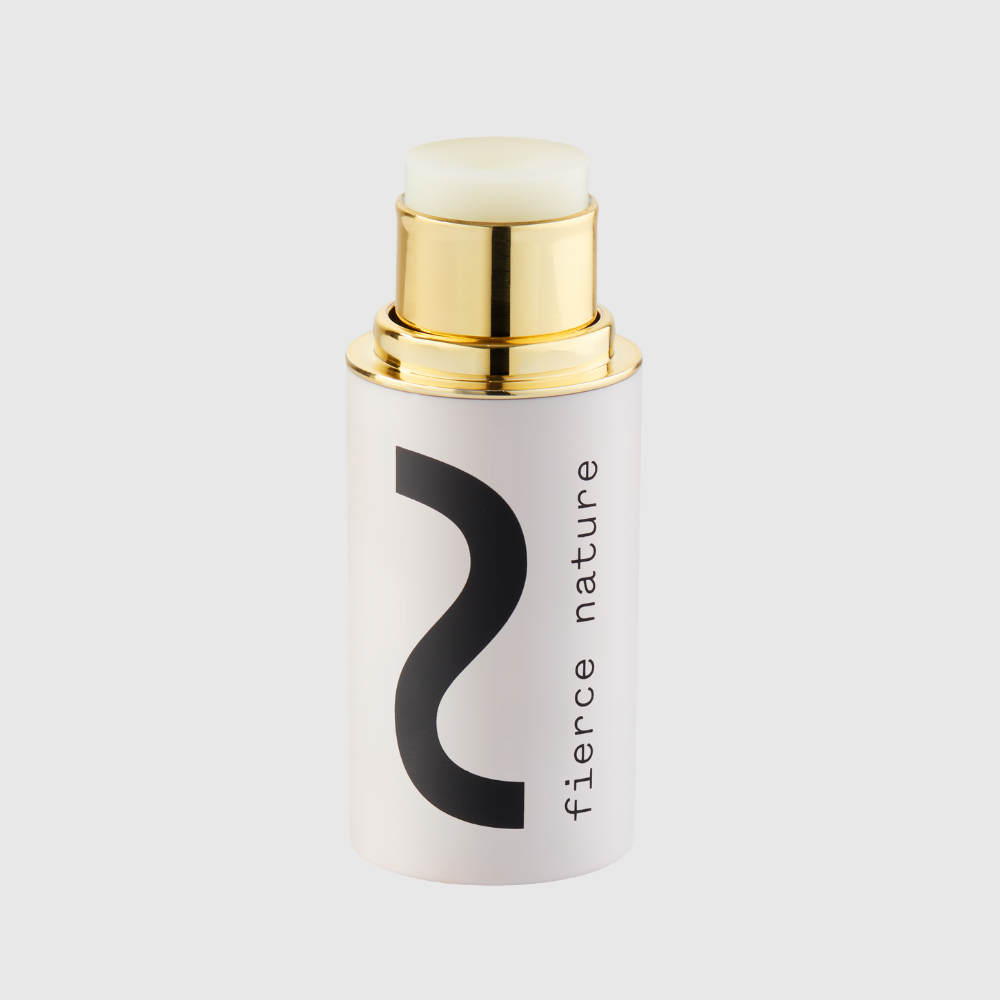
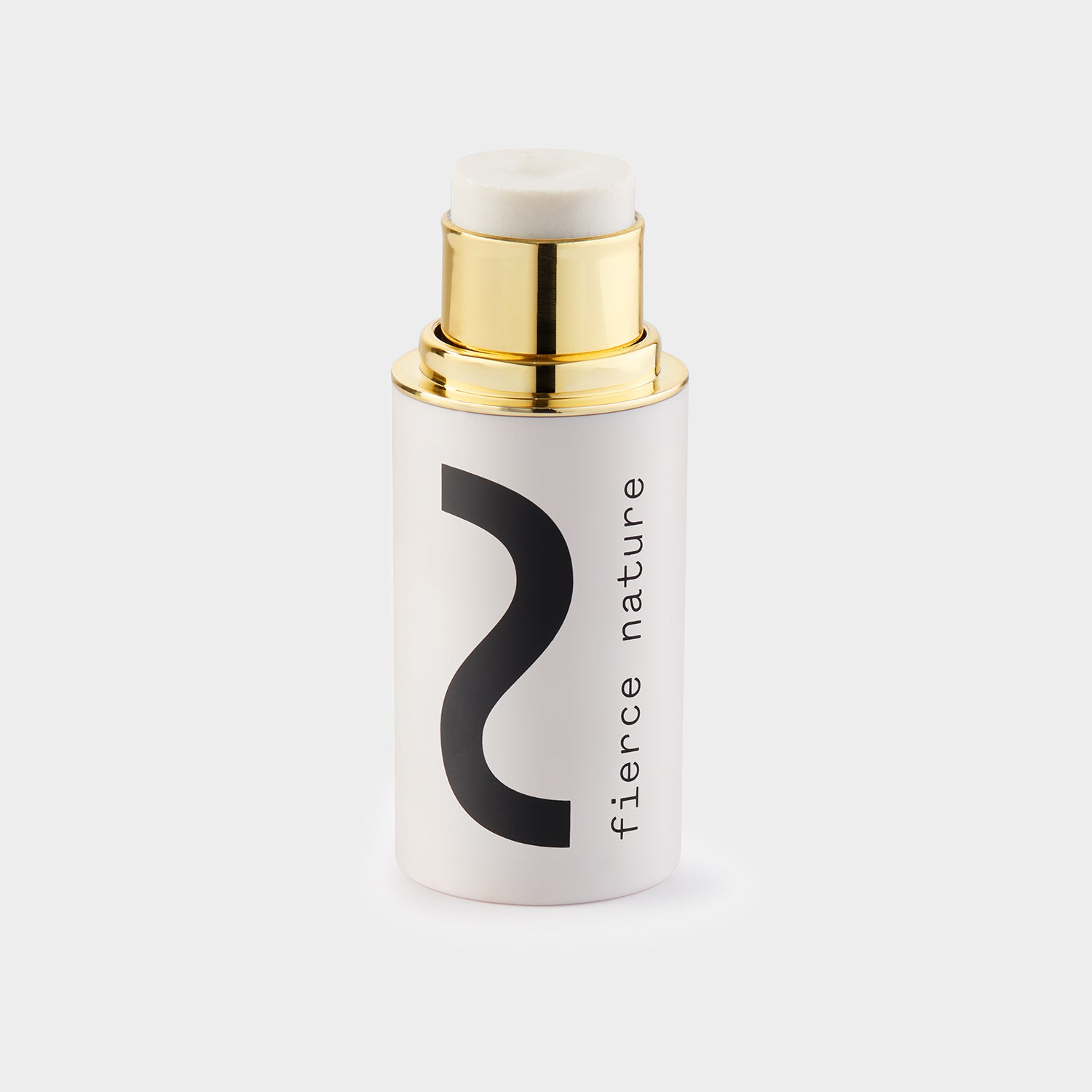
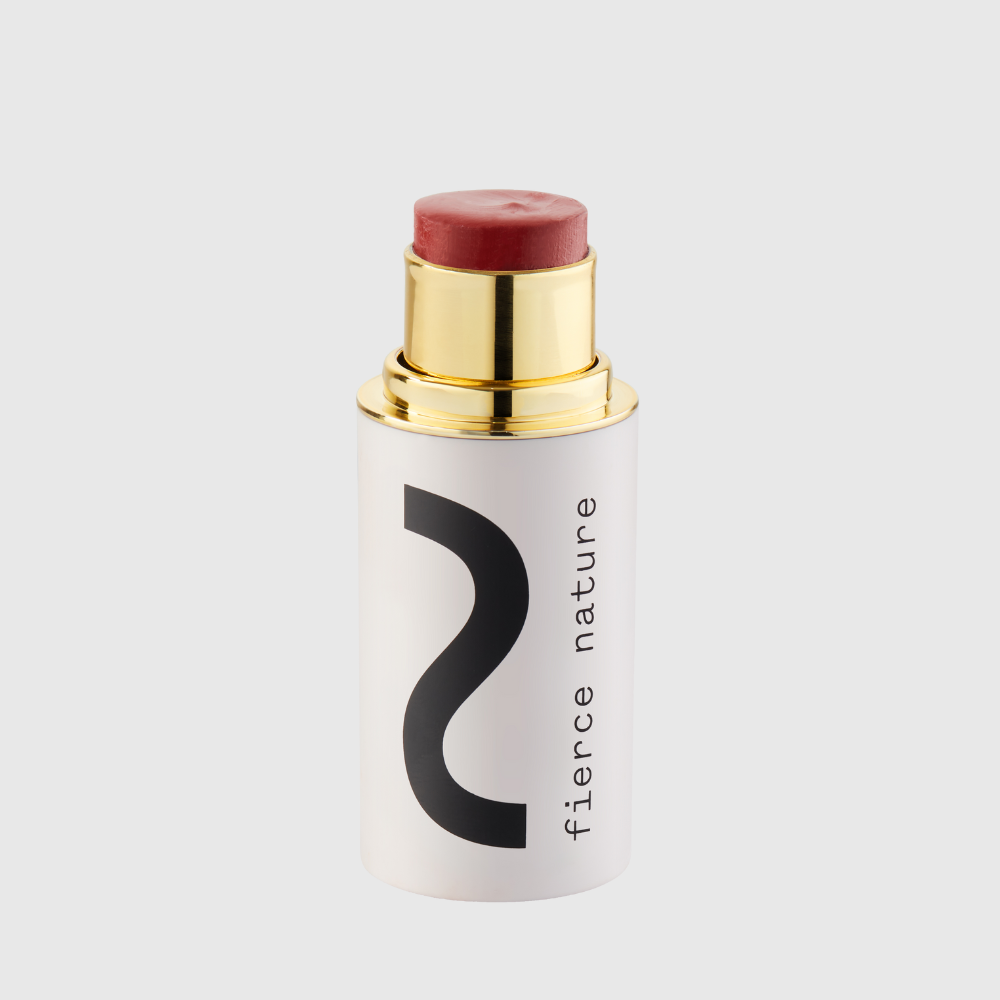
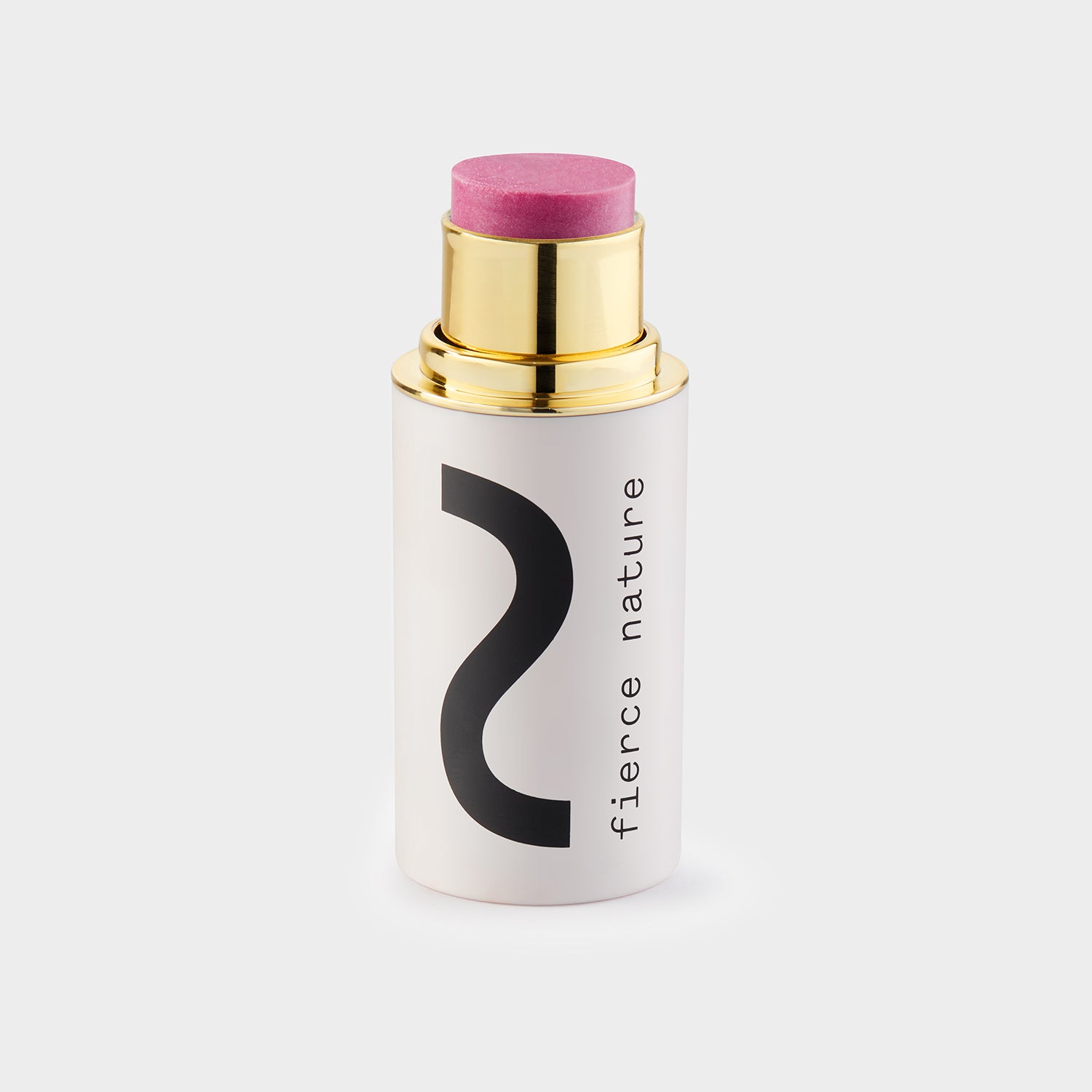
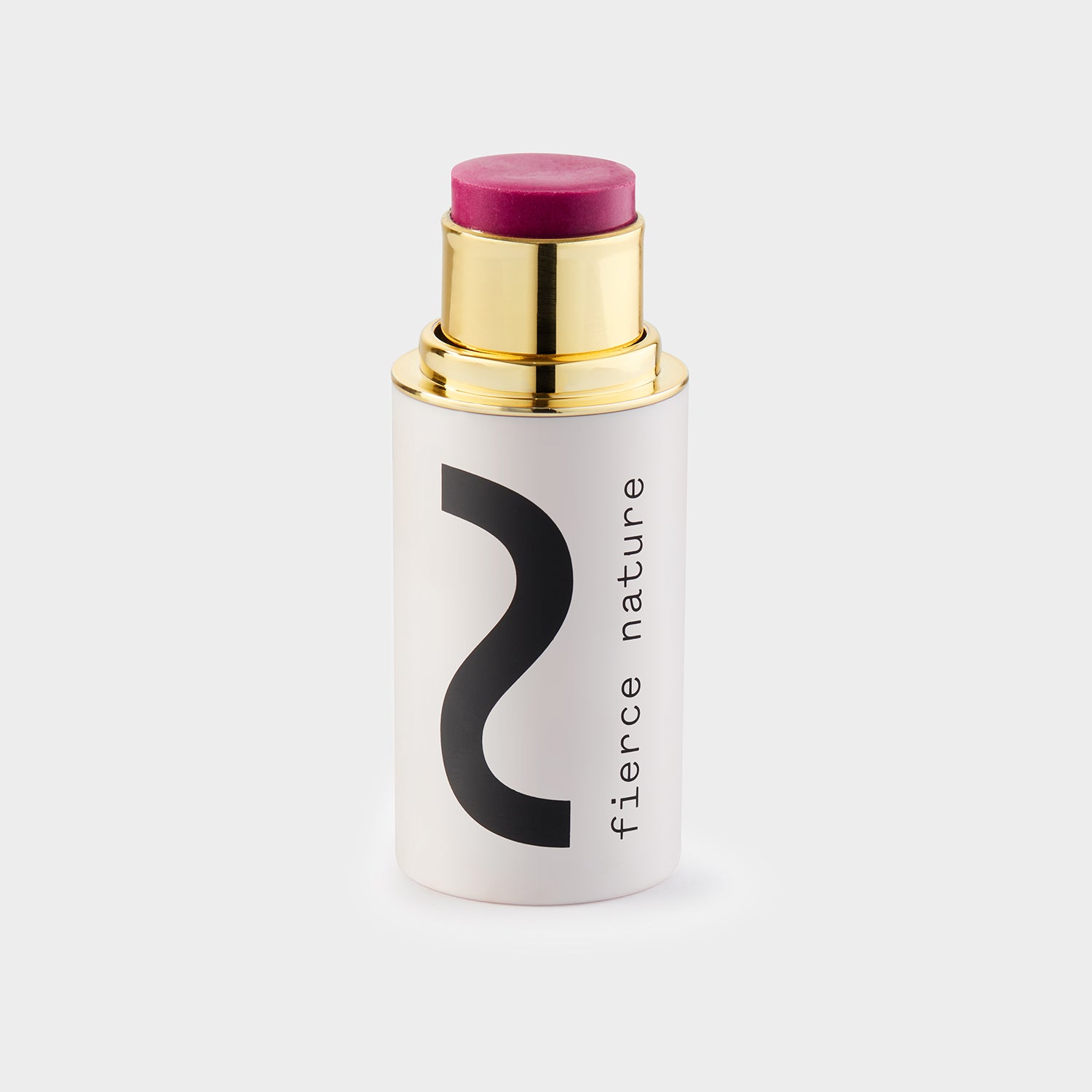
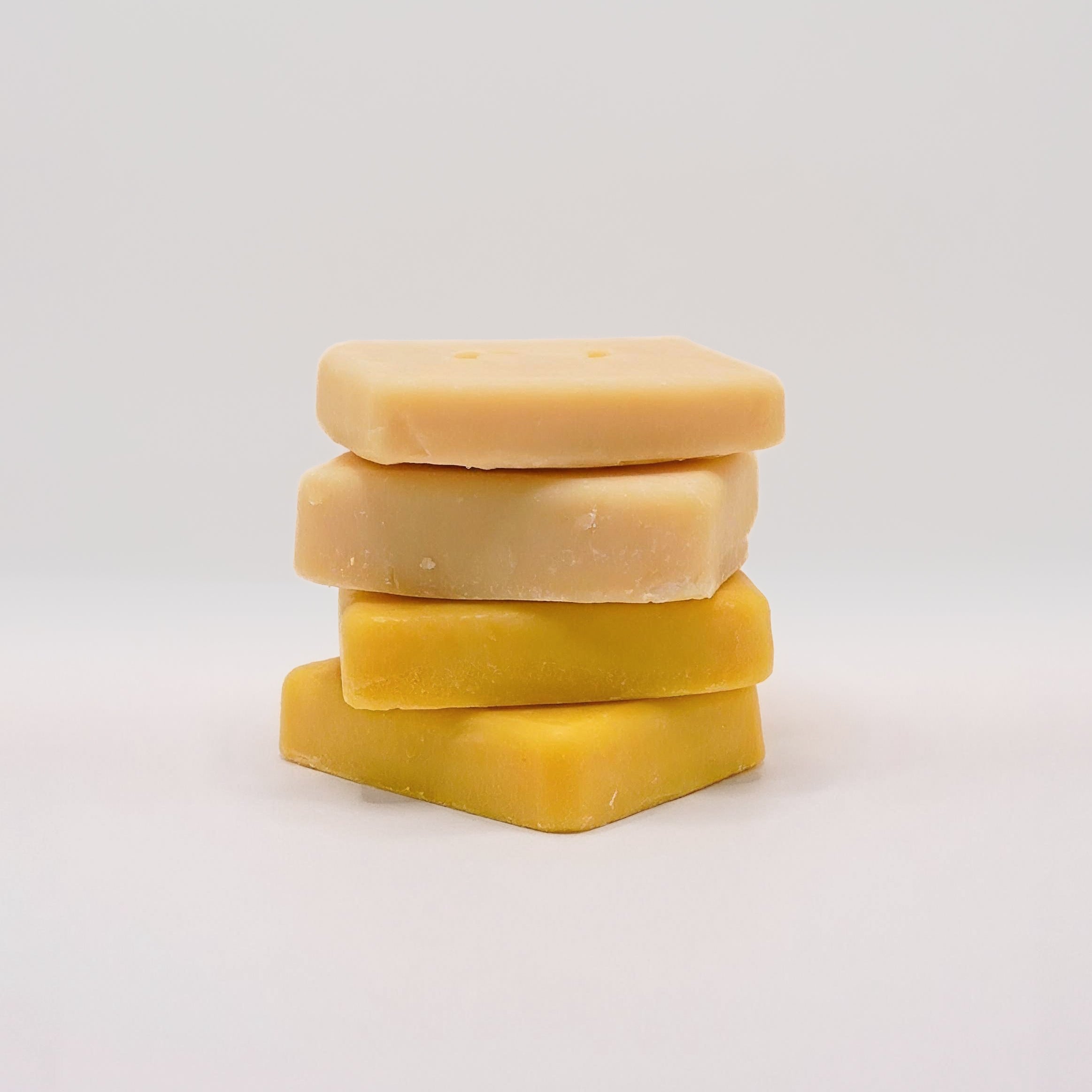




There is no single winner between mineral vs chemical sunscreen. Both, when used correctly and reapplied often, meet the same broad-spectrum SPF standards. What matters more than the filter type is whether you will actually wear it every day. For sensitive, reactive, or younger skin, non-nano zinc oxide mineral sun balms are a genuinely sensible starting point.
TL;DR:
Both mineral and chemical sunscreens can meet broad-spectrum SPF standards if applied and reapplication are consistent, regardless of filter type.
Modern mineral filters absorb more UV radiation than historically believed, making particle size and formulation more critical than the active ingredients alone.
Non-nano zinc oxide is preferred for sensitive or reactive skin and avoids systemic absorption concerns associated with some chemical filters.
Mineral sunscreens tend to perform better for those with delicate, eczema-prone, or post-procedure skin, while chemical sunscreens are often favored for lighter textures and better cosmetic appeal.
Reapplication every two hours and using sufficient amounts remain the most important factors for effective sun protection, regardless of filter choice.
Mineral vs chemical sunscreen: how each filter actually works
How to choose the right sunscreen for your skin and lifestyle
Our take on mineral sun protection: the New Sun Balm SPF 50+ PA++++
Chemical sunscreens (often called organic filters, nothing to do with organic farming) use carbon-based compounds such as avobenzone, octinoxate, and oxybenzone to absorb UV radiation and convert it into a small amount of heat. Mineral sunscreens, also called physical or inorganic filters, rely on zinc oxide and titanium dioxide sitting on the skin’s surface.
For decades, the accepted story was simple: chemical filters absorb UV, mineral filters reflect it like tiny mirrors. That story is outdated. Research from the University of New South Wales shows that modern mineral filters absorb the majority of UV radiation and only scatter a small fraction. In practice, zinc oxide and titanium dioxide behave far more like their chemical counterparts than the “reflective shield” marketing suggests.
That single fact reframes the whole mineral vs chemical sunscreen debate. If both filter types are doing similar chemistry in the skin’s upper layers, the real differences lie elsewhere: texture, formulation, irritation potential, and how willing you are to reapply.
Particle size is where things do genuinely diverge. Non-nano zinc oxide uses larger mineral particles that sit above the stratum corneum rather than settling into finer gaps in the skin barrier. This is why non-nano zinc oxide sunscreen has become the preferred choice among people avoiding nanoparticles, even though regulatory definitions of “non-nano” vary between markets. Clinical reviews on systemic absorption have not found evidence of concrete harm from topical use of most approved organic filters, though some chemical filters are detectable in the bloodstream at low levels after repeated use. Nobody has demonstrated that this detection translates into actual health harm, but it is also why many people, especially parents, choose to sidestep the question altogether with mineral formulas.
A few things worth knowing before you shop:
Zinc oxide protects against both UVA and UVB; titanium dioxide leans more towards UVB and shorter UVA rays.
“Mineral” on a label does not always mean 100% mineral actives. Some formulas add non-mineral ingredients like butyloctyl salicylate purely to improve spreadability.
Oxybenzone and octinoxate are the two organic filters most frequently linked to reef and hormone-disruption concerns, which is why sunscreen without oxybenzone and sunscreen without octinoxate have become common search terms among environmentally minded buyers.
Non-nano mineral formulas are generally considered the gentler option for eczema-prone or reactive skin, though “gentler” is a tendency, not a guarantee for every individual.
Choosing between physical vs chemical sunscreen usually comes down to how the product feels and looks on your skin, not the underlying chemistry.
Mineral sunscreen advantages:
Starts working the moment it is applied, since there is no waiting for chemical absorption.
Tends to be better tolerated by sensitive, rosacea-prone, or eczema-affected skin.
Widely recommended for children, since fewer active ingredients means fewer chances of irritation.
Sits on top of the skin, making it a common non-toxic sunscreen choice for people avoiding synthetic penetration entirely.
Chemical sunscreen advantages:
Generally lighter and less greasy, which many people find easier to layer under makeup.
Leaves little to no white cast, a real advantage for deeper skin tones.
Often performs better in water and sweat resistance testing.
Blends invisibly, which matters more than it sounds.
Pro Tip: If you have ever abandoned a sunscreen halfway through summer because you hated how it looked, that matters more for your actual sun protection than any ingredient list. The best filter is the one still in your bathroom cabinet in August.
That last point is not just an opinion. Consumer testing by the Good Housekeeping Institute across dozens of formulations found chemical sunscreens consistently scored higher than mineral ones on cosmetic attributes, including white cast, texture, and ease of application. That gap in user preference is precisely why dermatologists keep repeating the same advice: consistent use beats theoretical superiority. A sunscreen sitting unused in a drawer offers zero protection, regardless of its filter type.
Work through these questions before you buy, and the mineral vs chemical sunscreen decision becomes far less confusing.
Is your skin reactive, sensitised, or prone to breakouts? Lean mineral. Zinc oxide and titanium dioxide have a long track record of good tolerance, particularly for rosacea, eczema, and post-procedure skin.
Do you need a product that disappears under makeup or matches darker skin tones? Chemical formulas, or tinted mineral options using iron oxides, will serve you better than an untinted mineral balm.
Will you be swimming, sweating, or spending hours outdoors? Check the water-resistance rating on the label rather than assuming either filter category performs better by default.
Are you buying for a baby or young child? Non-nano zinc oxide sunscreen is the option most commonly recommended for this age group, given the more limited ingredient list.
When you flip the bottle over, read past the SPF number. Confirm it says “broad-spectrum,” which means it protects against both UVA and UVB, not just the UVB rays that cause sunburn. Check the active ingredient list for zinc oxide or titanium dioxide if you want a genuinely mineral formula, since some “mineral” marketing hides added chemical actives. Look for “non-nano” on the label if particle size is a priority for you.
Two things to treat as red flags: PABA, an old-generation filter now rarely used because of high irritation rates, and any product making vague “all-natural protection” claims without stating an SPF number or broad-spectrum status at all. Products that clearly state their filters, whether mineral or chemical, are simply easier to trust.
The SPF on the label only holds true if you apply enough product and reapply on schedule. Most people apply far less than the amount used in laboratory testing, which quietly cuts their real-world protection well below the number on the bottle.
Use roughly a teaspoon for your face and neck, and about a shot glass’ worth for your whole body. This sounds generous. It is roughly what testing labs use to achieve the labelled SPF.
Apply mineral sunscreen right before sun exposure, since it starts working on contact. Chemical formulas generally need around fifteen to twenty minutes to bind properly to the skin before you step outside.
Reapply every two hours, and immediately after swimming or heavy sweating, regardless of which filter type you chose. Water resistance ratings buy you time, not immunity.
Layer sunscreen before makeup, not after. If white cast is your concern, a tinted mineral formula using iron oxides can give you both protection and a more even finish without switching to chemical filters entirely.
Some sun balms are formulated around non-nano zinc oxide because it is one of the mineral options with a long history of skin tolerance, and because it fits the philosophy of using fewer, better-understood ingredients rather than a long list of synthetics.
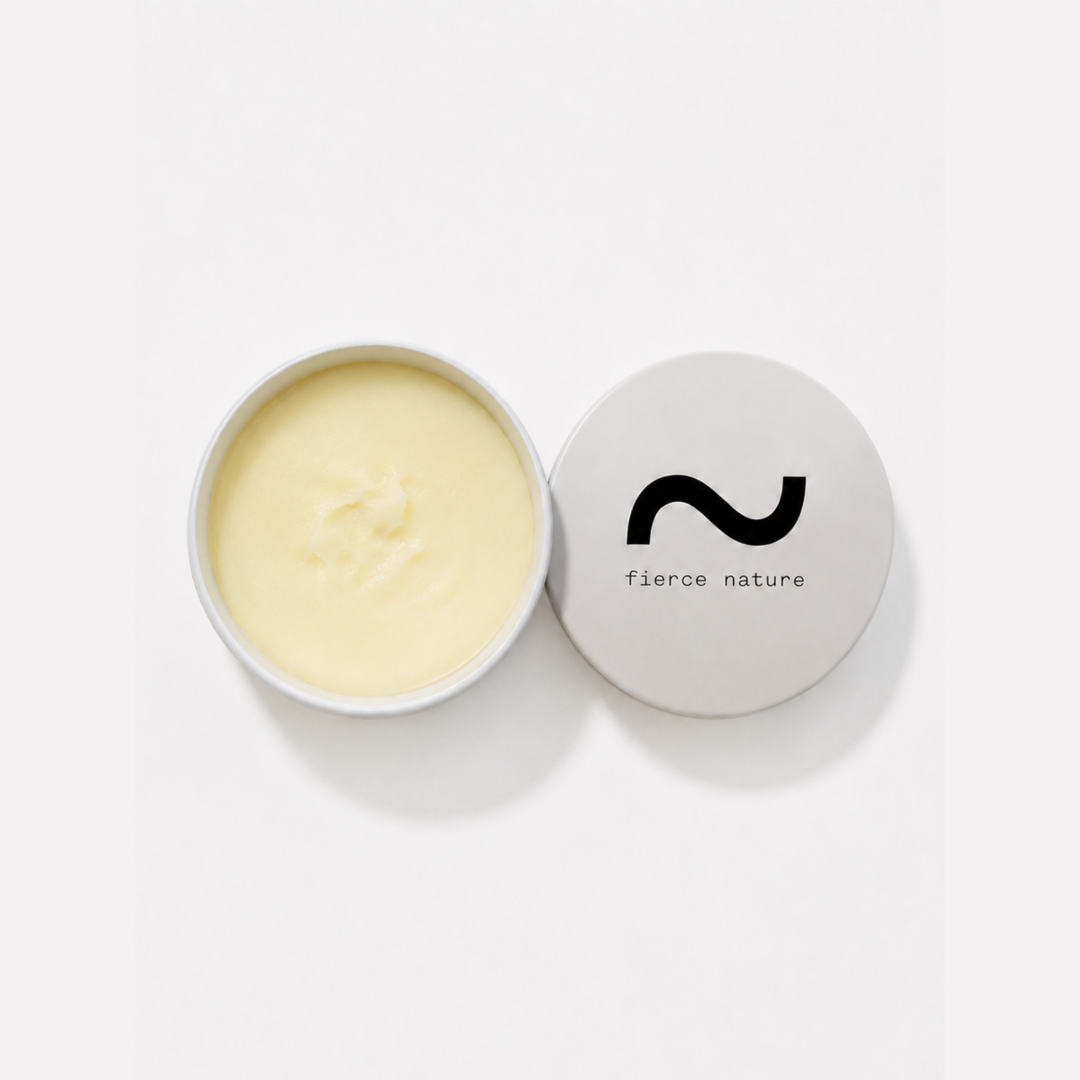
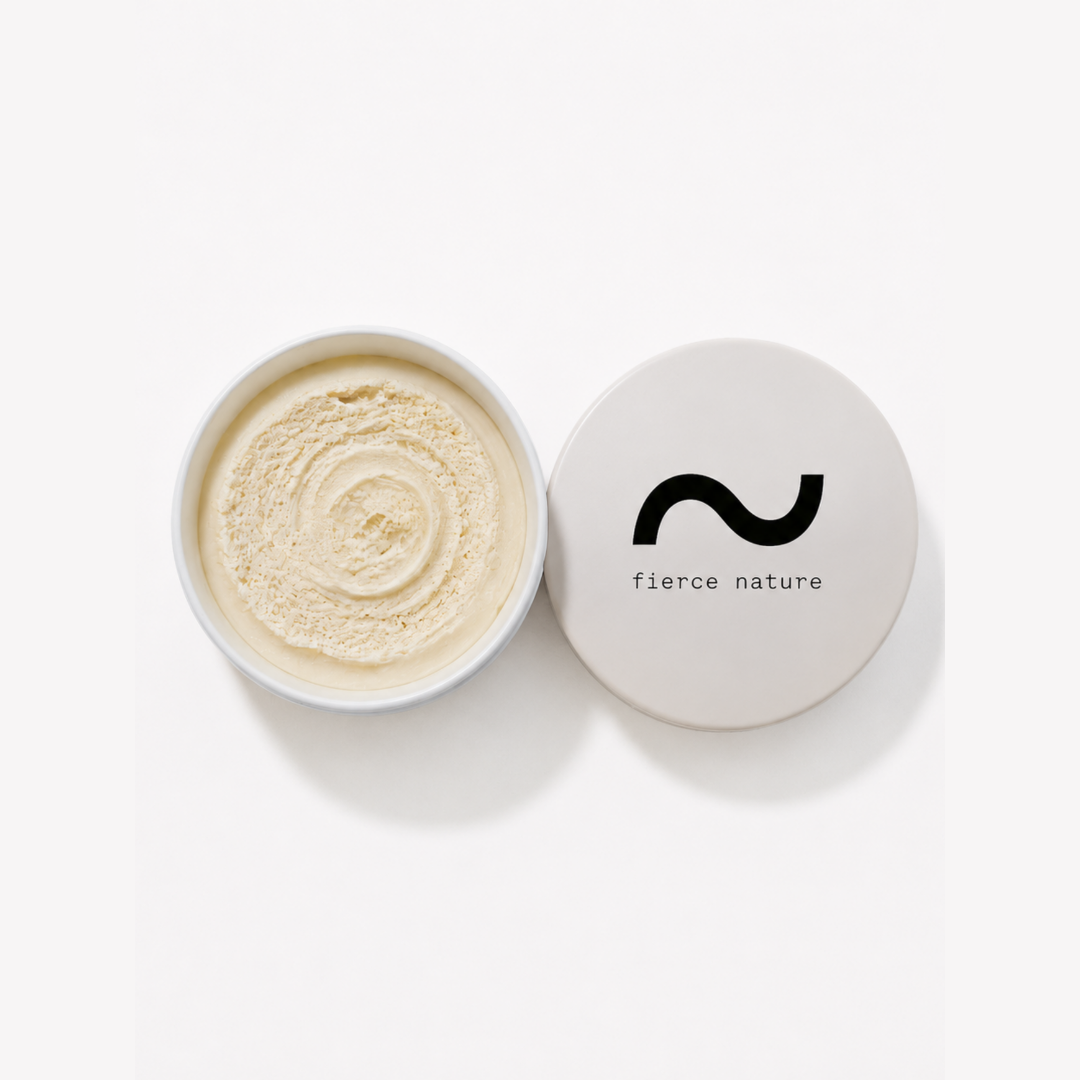
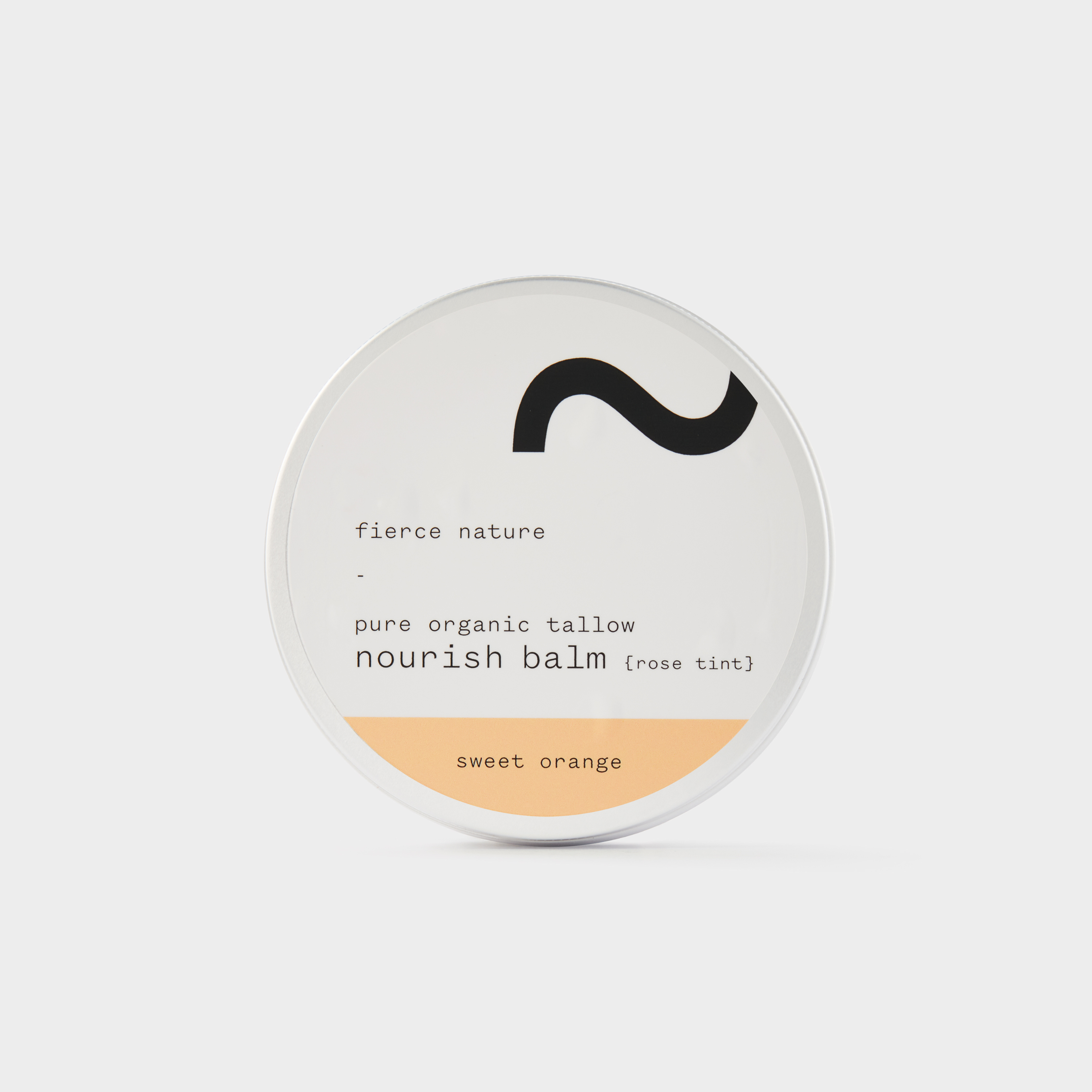
Getting a mineral formula to feel good on skin is genuinely difficult. Zinc oxide alone can feel thick and chalky, so some formulations use an organic tallow base for its compatibility with skin, to improve spreadability and comfort without diluting the mineral protection itself.
Not every question is settled. Independent, large-scale clinical trials specifically on tallow-based carrier systems remain limited, and formulation choices are often grounded in traditional use and ingredient-level research rather than dedicated clinical trials. Plain facts include:
Non-nano zinc oxide is used as the active filter for its tolerance profile.
A tallow base can be included to solve the texture problem mineral sunscreens are known for.
Transparency is favoured about what is proven versus what is reasoned from ingredient science, rather than overstating either.
Most of the online debate over mineral vs chemical sunscreen treats it like a battle with a correct side. That framing does not hold up well against the evidence. The UNSW findings on absorption versus reflection quietly dismantle the biggest myth propping up “mineral is fundamentally different” marketing, and the Good Housekeeping testing dismantles the opposite myth, that mineral formulas are simply the responsible choice regardless of whether anyone wants to wear them.
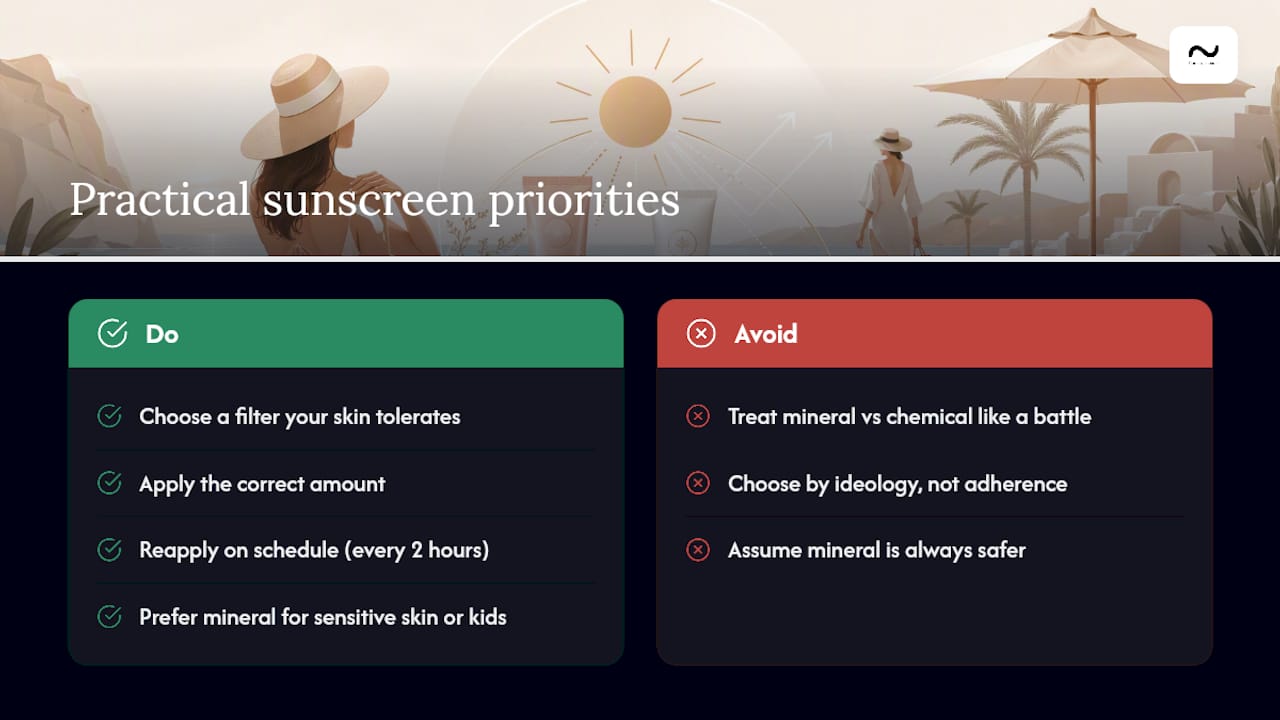
What the research actually supports is duller but more useful: pick the filter type your skin tolerates and your habits will sustain, then apply the correct amount and reapply on schedule. Conventional advice spends too much energy on filter ideology and too little on adherence, which is the factor dermatologists keep flagging as decisive.
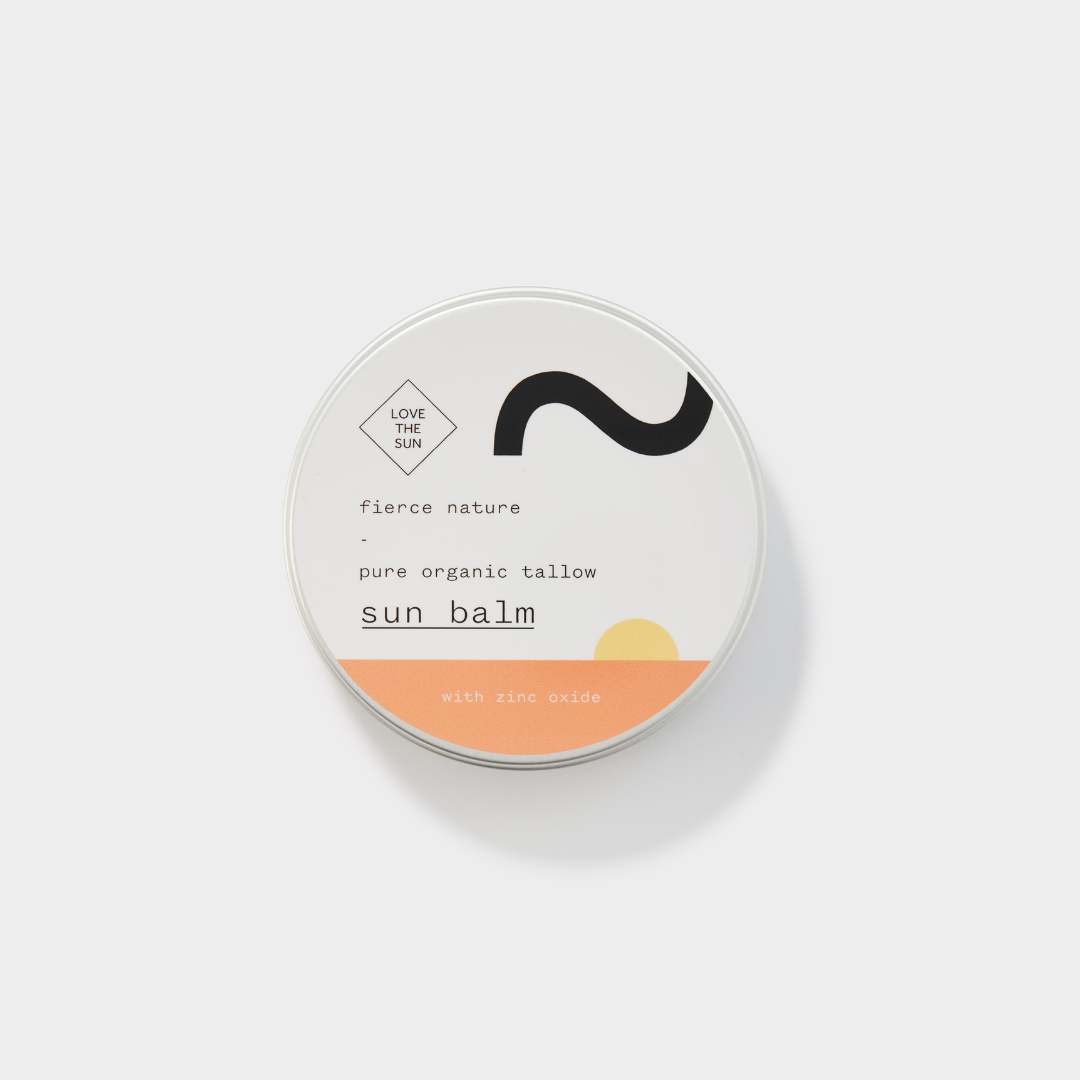
If you are shopping with sensitive skin, young children, or a preference for fewer synthetic actives, a well-formulated mineral balm, such as our New Sun Balm SPF 50+ PA++++, deserves a serious look rather than an automatic ranking below chemical alternatives.
— Fierce Nature
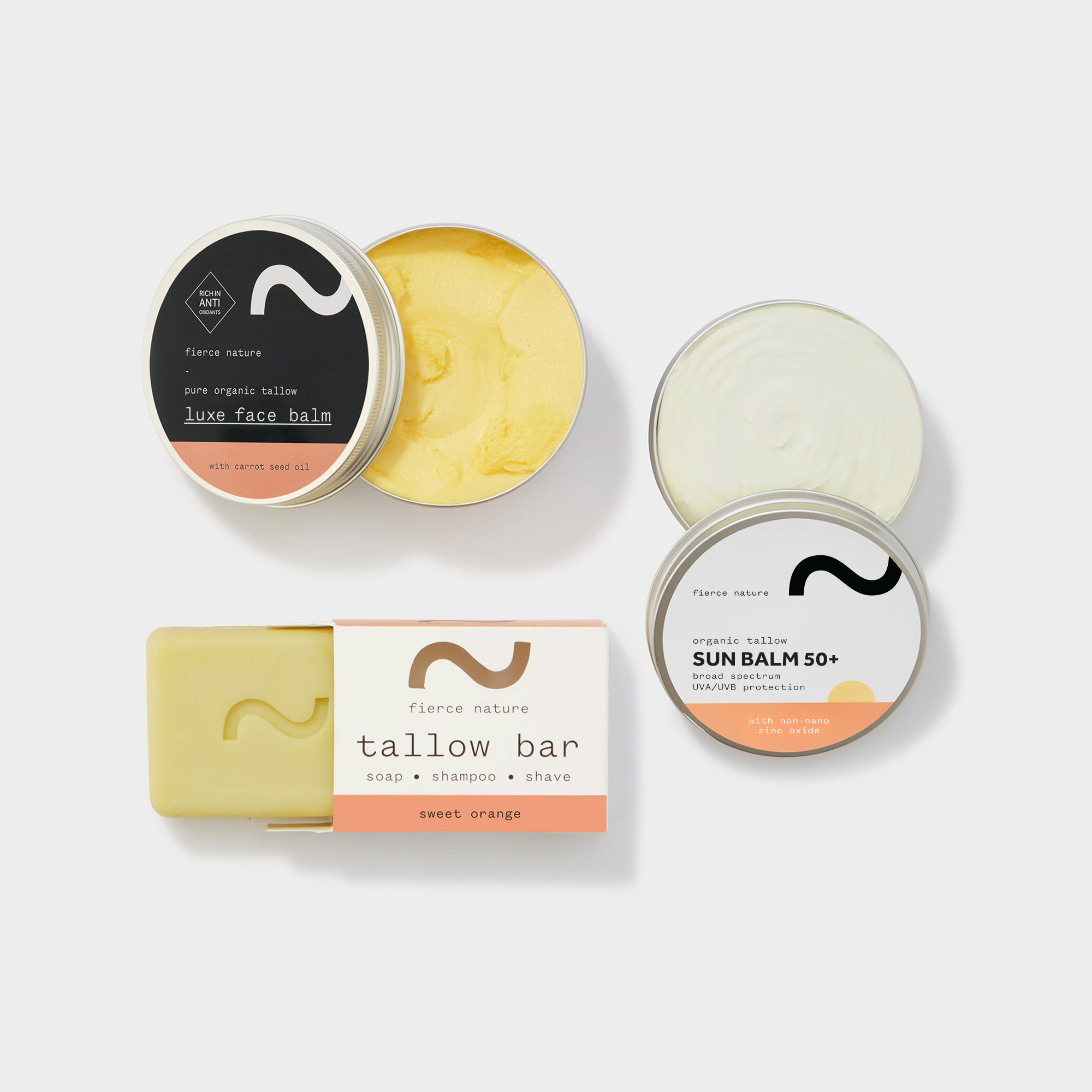
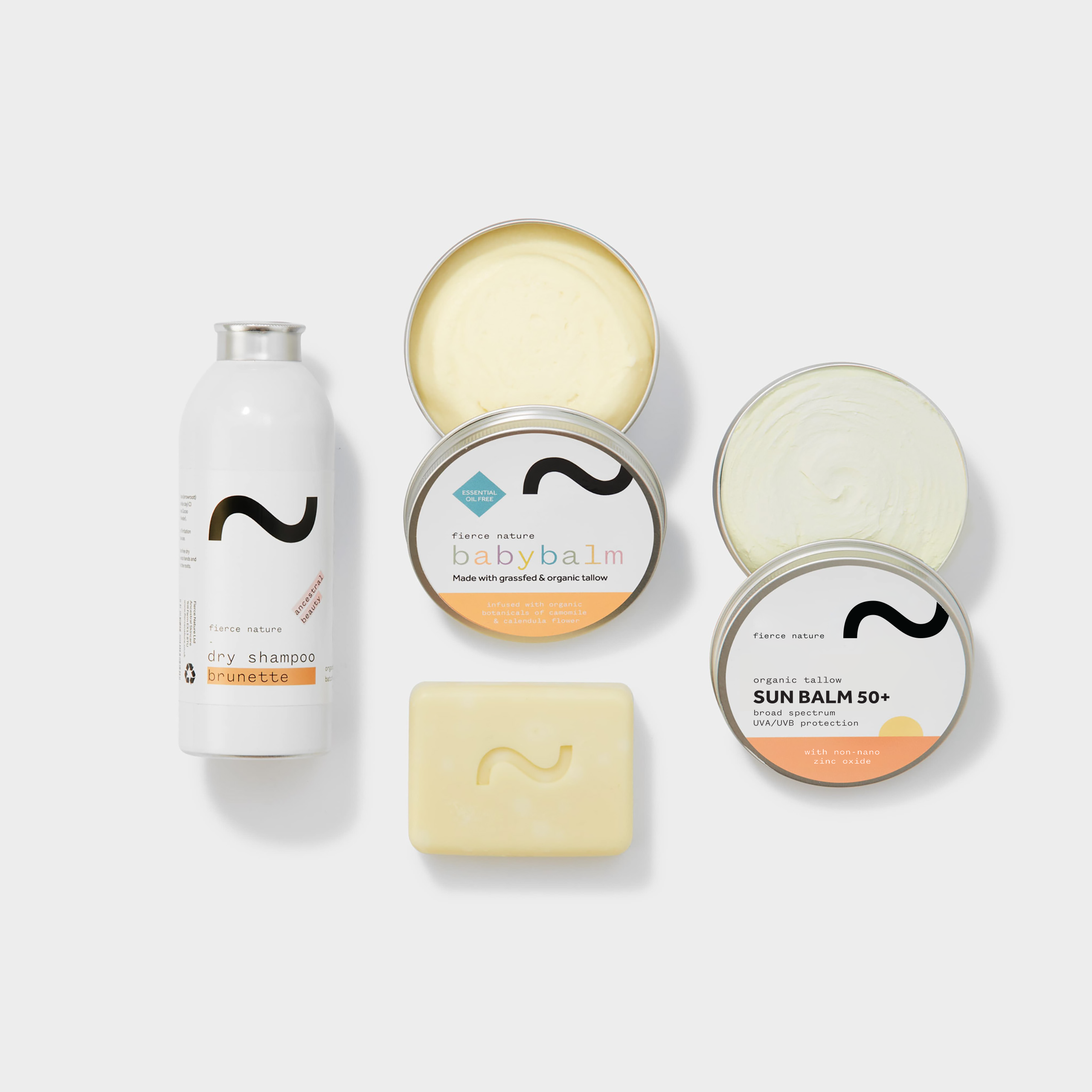
If sensitive skin, a preference for fewer synthetic ingredients, or a family with young children has you leaning mineral, our New Sun Balm SPF 50+ PA++++ is built specifically for that reader. It combines non-nano zinc oxide with our organic tallow base, giving you SPF 50+ and PA++++ broad-spectrum protection in a balm designed to spread more comfortably than a typical mineral formula. There is no long ingredient list to decode and no guessing about what is doing the work. It suits daily wear on face and body, and it fits naturally alongside the rest of a non-toxic skincare routine, including natural skincare for sensitive skin. If you have been putting off switching from a chemical formula you do not fully trust, this is a straightforward place to start. Have a look at the sun balm product page and see whether it fits your skin and your summer.
For readers who want to go deeper on the science and the environmental angle, our related guides cover what “reef safe” actually means for UK shoppers, and how a natural sun balm compares to conventional sunscreen more broadly across daily wear.
Most dermatologists do not universally favour one type. Consensus guidance points to broad-spectrum SPF worn consistently as the deciding factor, with mineral often recommended specifically for sensitive or reactive skin.
Choose mineral if you have sensitive, reactive, or very young skin, or want to avoid oxybenzone and octinoxate. Choose chemical if you prioritise a lightweight, invisible finish and will use it more consistently as a result.
There is no single “healthiest” filter proven superior. Non-nano zinc oxide sunscreen is often favoured for its long tolerance record and lower theoretical penetration risk, while broad-spectrum protection worn daily matters more than the filter category chosen.
Mineral formulas can leave a white cast, feel thicker on the skin, and be harder to blend under makeup than chemical alternatives. Tinted mineral formulas using iron oxides largely solve the white cast issue for darker skin tones.