Cart
0
80% Also Added this




TL;DR:
- Natural skin balms are organic, plant-based products that moisturize, protect, and soothe skin without synthetic chemicals. Consistent use over weeks, especially those with shea butter and calendula, effectively repairs the skin barrier and alleviates dryness safely. From July 2026, EU allergen labelling rules will require transparent disclosure of fragrance allergens in natural balms, aiding consumers in making safer choices.
A natural skin balm is defined as a non-toxic, organic topical product that moisturises, protects, and soothes the skin using plant-based butters, oils, and waxes without synthetic chemicals. Unlike conventional moisturisers, these balms work with your skin’s biology rather than coating it with petrochemicals or artificial fragrances. At Fierce Nature, we’ve built our entire range on this principle: that the land provides everything your skin genuinely needs. Whether you’re managing dry, sensitive, or eczema-prone skin, understanding what makes a balm truly natural, and how to use it well, is the difference between real results and expensive disappointment.
The best plant-based skin salve starts with a short, recognisable ingredient list. Every ingredient should have a clear purpose, and you should be able to trace its origin. Here are the most effective and widely trusted natural ingredients:
Shea butter: Rich in fatty acids and vitamins A, E, and F, shea butter moisturises and forms a protective barrier that reduces inflammation. It is the backbone of many high-quality dry skin balms.
Olive oil: A deeply penetrating emollient that mirrors the skin’s own lipid structure, making it particularly nourishing for mature or very dry skin.
Calendula: A botanical with well-documented anti-inflammatory properties, calendula is a staple in herbal skin creams designed for irritated or reactive skin.
Blue tansy: An anti-inflammatory botanical used in soothing formulations for sensitive skin, often paired with calendula in waterless balm products.
Beeswax: A natural emulsifier and protective agent that locks moisture in without clogging pores, commonly found in organic skin moisturisers and lip balms.
These two terms are not interchangeable. Organic and non-toxic are distinct quality standards. Organic certification, such as those granted by the Soil Association in the UK or COSMOS, means ingredients are sourced and processed to strict organic farming standards. “Natural” is an unregulated marketing term. A product can call itself natural while still containing synthetic preservatives or petrochemical derivatives.
Non-toxic means free from ingredients known to cause harm, such as parabens, phthalates, and synthetic fragrances. The safest approach is to look for products that meet both criteria: organically sourced and formulated without harmful chemicals.
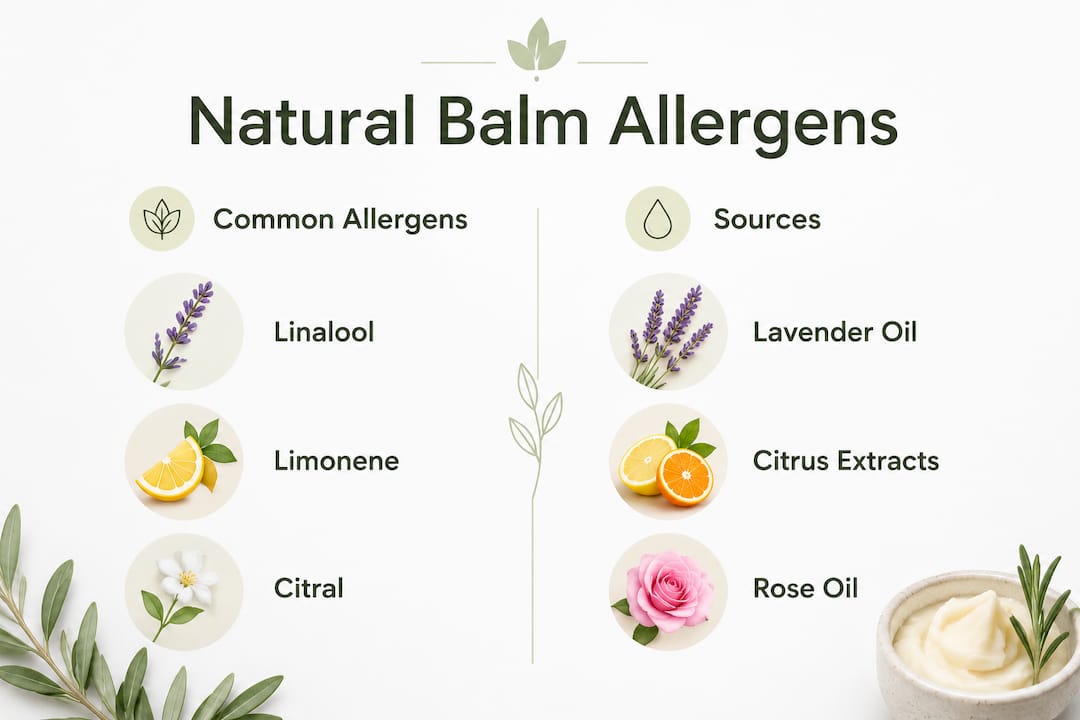
Natural does not mean hypoallergenic. Essential oils derived from plants, including lavender, citrus, and rose, contain compounds such as linalool, limonene, and citral. These are recognised fragrance allergens. Even in a genuinely organic skin moisturiser, these components can trigger reactions in sensitive individuals. Reading the INCI (International Nomenclature of Cosmetic Ingredients) list carefully is the most reliable way to identify potential irritants before they reach your skin.
Pro Tip: If you have reactive or allergy-prone skin, choose a fragrance-free balm for dry skin as your first introduction to natural skincare. Fragrance-free formulations remove the most common trigger while still delivering full nourishment.
From july 2026, Regulation (EU) 2023/1545 requires individual labelling of 81 fragrance allergens in leave-on products, with disclosure thresholds set at 0.001%. This is a significant tightening of previous rules. It means that even trace amounts of naturally derived fragrance components must now be listed by name on the packaging.

This matters enormously for anyone choosing a natural body balm in the UK. Many brands have historically relied on the umbrella term “parfum” or “fragrance” to cover dozens of individual compounds. That practice is no longer compliant for products sold in the EU, and UK brands selling into European markets are aligning with these standards as well.
Essential oil allergens like linalool, limonene, and citral must now be disclosed even when they occur naturally within a botanical extract. A lavender essential oil, for example, naturally contains linalool. Under the new rules, linalool must appear on the label if it exceeds the 0.001% threshold in a leave-on product. This closes a loophole that allowed “natural” balms to appear allergen-free while still containing reactive compounds.
| Allergen | Common Source in Natural Balms | Required Disclosure Threshold |
|---|---|---|
| Linalool | Lavender, rosewood essential oils | 0.001% in leave-on products |
| Limonene | Citrus oils, tea tree | 0.001% in leave-on products |
| Citral | Lemon myrtle, lemongrass | 0.001% in leave-on products |
| Geraniol | Rose, palmarosa, geranium oils | 0.001% in leave-on products |
The INCI list is your most reliable tool. Allergens will appear as their standardised chemical names, not their common names. Linalool will be listed as “Linalool,” not “lavender extract.” If you see any of the 81 regulated allergens listed individually, that product contains a disclosed fragrance allergen. A truly fragrance-free balm will contain none of them.
Pro Tip: Search the full INCI list on the EU Cosmetic Ingredient Database (CosIng) if you are unsure whether a listed ingredient is a fragrance allergen. It takes two minutes and can save weeks of skin irritation.
Clinical research on natural emollients is more robust than many people realise. A randomised controlled trial involving 30 patients with atopic dermatitis found that a shea butter-based emollient cream produced a 68.2% reduction in SCORAD scores (a validated measure of eczema severity). That is a substantial clinical result. It places shea-based natural balms in the same efficacy territory as many conventional emollient prescriptions.
“93% of patients reported improvement in their atopic dermatitis symptoms, with 96.7% rating the shea butter-based emollient as having excellent tolerability.” — Clinical trial, shea butter emollient efficacy
The tolerability finding is particularly significant. Conventional emollients sometimes contain preservatives or emulsifiers that cause secondary reactions in already-compromised skin. The high tolerability rate in this trial suggests that a well-formulated natural balm can deliver results without adding new irritants to the equation.
Skin barrier repair is not an overnight process. Clinical data show progressive SCORAD score declines over four weeks of regular balm application. The skin barrier, which is the outermost layer responsible for retaining moisture and blocking irritants, rebuilds gradually with consistent nourishment. Applying a soothing skin ointment once and expecting immediate transformation is unrealistic. Daily use over several weeks is where the real change happens.
Shea butter’s fatty acid profile closely mirrors the skin’s natural sebum. This biocompatibility means it absorbs readily rather than sitting on the surface. Tallow, the foundation of Fierce Nature’s formulations, shares this same bioavailability advantage. Both ingredients work with the skin’s own chemistry to restore rather than simply coat.
Conventional moisturisers often rely on water as their primary ingredient, with emulsifiers and preservatives to hold the formula together. A waterless organic skin moisturiser, by contrast, delivers concentrated nourishment without dilution. There is no water to evaporate, no preservatives to prevent microbial growth in water-based formulas, and no emulsifiers that can disrupt the skin barrier. For dry and sensitive skin, this concentrated approach consistently outperforms water-heavy creams in clinical and real-world settings.
Application technique matters as much as the formula itself. A thin, warmed layer applied consistently outperforms heavy, cold application every time. Follow these steps for the best results:
Warm the balm first. Scoop a small amount, roughly the size of a pea, onto your fingertip. Press your fingertips together and hold for 10–15 seconds. The warmth from your hands softens the balm and prepares it for smooth, even application.
Apply to slightly damp skin. After washing your face or stepping out of the shower, pat skin until just barely dry. Applying balm to slightly damp skin seals in residual moisture and improves absorption.
Use thin layers. Press the warmed balm gently into the skin rather than rubbing vigorously. A thin layer is enough. Over-application leads to a greasy finish and can block the skin from breathing.
Layer thoughtfully. If you use a serum, apply it first and allow it to absorb for 60 seconds. Follow with the balm as your final sealing step. On days when your skin needs extra nourishment, the balm works beautifully as a standalone product.
Target dry patches directly. Elbows, knuckles, lips, and the sides of the nose respond particularly well to a small, concentrated application. These areas lose moisture faster and benefit from the occlusive protection a good balm provides.
A quality multi-use balm is genuinely versatile. Face, hands, lips, elbows, cuticles, and dry patches on the body all respond well. Some people use a fragrance-free balm as a nappy barrier cream for babies, a heel treatment overnight, or a conditioning treatment for dry eyebrows. The key is to avoid applying any balm to broken, weeping, or infected skin without first consulting a GP or dermatologist.
Pro Tip: Apply your balm as the last step in your evening routine. Overnight is when the skin does its most active repair work, and a nourishing balm applied before sleep gives it the best possible conditions to restore itself.
Choosing the best natural balm for skin comes down to three factors: your skin’s specific concerns, your sensitivity level, and your values around sustainability and packaging.
Dry or very dry skin: Look for a balm with a high concentration of shea butter, tallow, or coconut oil. These provide the deepest occlusive nourishment and are ideal as a balm for dry skin.
Sensitive or allergy-prone skin: Choose a fragrance-free, waterless formula with a minimal ingredient list. Fewer ingredients means fewer potential triggers.
Eczema-prone skin: Prioritise balms with clinical backing, such as those featuring shea butter or calendula, and avoid anything containing essential oils until you know your specific triggers.
Normal to combination skin: A lighter balm or one used only on dry patches works well. You do not need heavy occlusion across the whole face.
Plastic-free and zero-waste packaging is increasingly available from UK natural skincare brands. Tin, glass, and compostable card are the most common alternatives. If sustainability is a priority for you, check whether the brand uses post-consumer recycled materials and whether the packaging is genuinely recyclable in UK local authority collections.
Reading customer reviews for natural balms is useful, but focus on reviews from people with a similar skin type and concern to yours. A five-star review from someone with oily skin tells you little if you have chronic dry skin.
A well-formulated natural skin balm, used consistently over several weeks, delivers clinically supported improvements in skin hydration, barrier repair, and comfort for dry and sensitive skin.
| Point | Details |
|---|---|
| Ingredients define quality | Look for shea butter, calendula, and beeswax; avoid unregulated “natural” labels without organic certification. |
| Natural is not hypoallergenic | Essential oil allergens like linalool and limonene require disclosure from july 2026 under EU Regulation 2023/1545. |
| Clinical evidence is strong | Shea butter-based balms produced a 68.2% SCORAD reduction and 93% patient-reported improvement in atopic dermatitis trials. |
| Application technique matters | Warm a small amount between fingertips and apply in thin layers to slightly damp skin for best absorption. |
| Consistency drives results | Skin barrier repair requires daily use over four or more weeks; single applications do not rebuild compromised skin. |
At Fierce Nature, we started from a place of frustration. Growing up with unexplained skin rashes and reactions, and spending years not understanding why, taught us something that no marketing brochure ever will: the ingredient list is the only honest part of a skincare product. Everything else is packaging and promises.
What we’ve found, both through formulating and through hearing from our customers, is that the biggest barrier to choosing a genuinely natural balm is not the price or the availability. It is the confusion created by unregulated language. “Natural,” “clean,” “green” — these words mean nothing without transparency. The 2026 allergen labelling changes are a step in the right direction, but they only work if you know how to read the label.
We’ve also learned that patience is part of the process. Customers who see the most profound results are those who commit to daily use for at least a month. The skin does not transform in a week. It rebuilds slowly, layer by layer, when given the right nourishment consistently. That is not a limitation of natural skincare. It is simply how skin biology works.
One thing we feel strongly about: do not let the allergen conversation put you off natural balms entirely. For most people, a fragrance-free, well-formulated balm is the safest and most nourishing option available. The goal is not to avoid nature. It is to understand it well enough to use it wisely.
— Fierce Nature
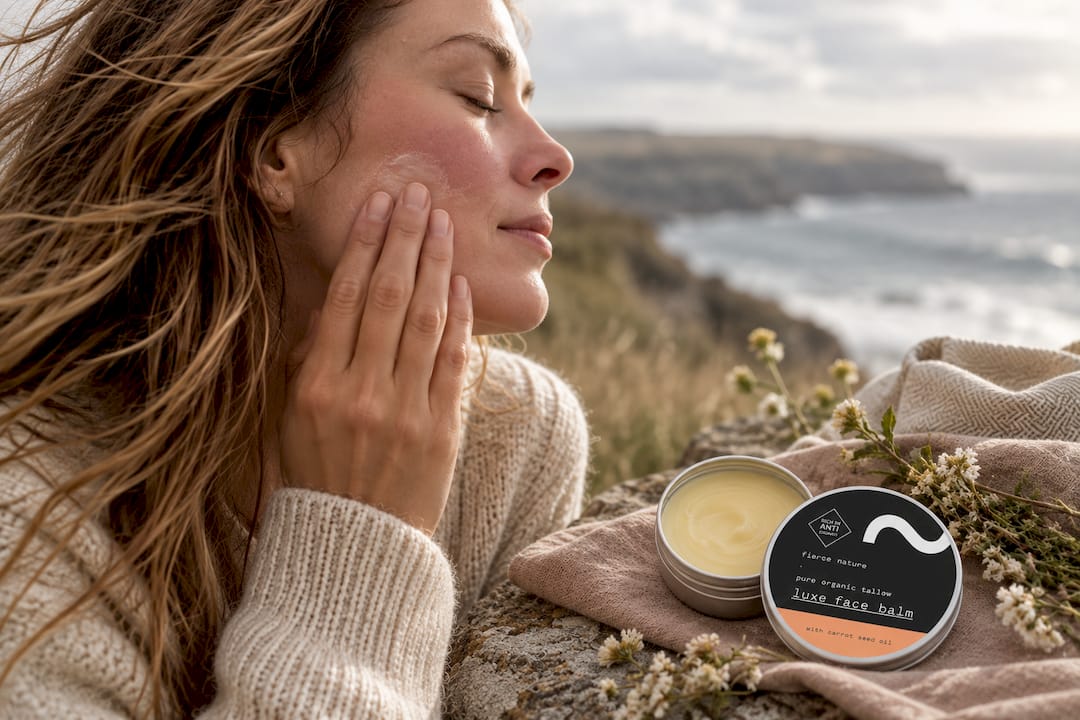
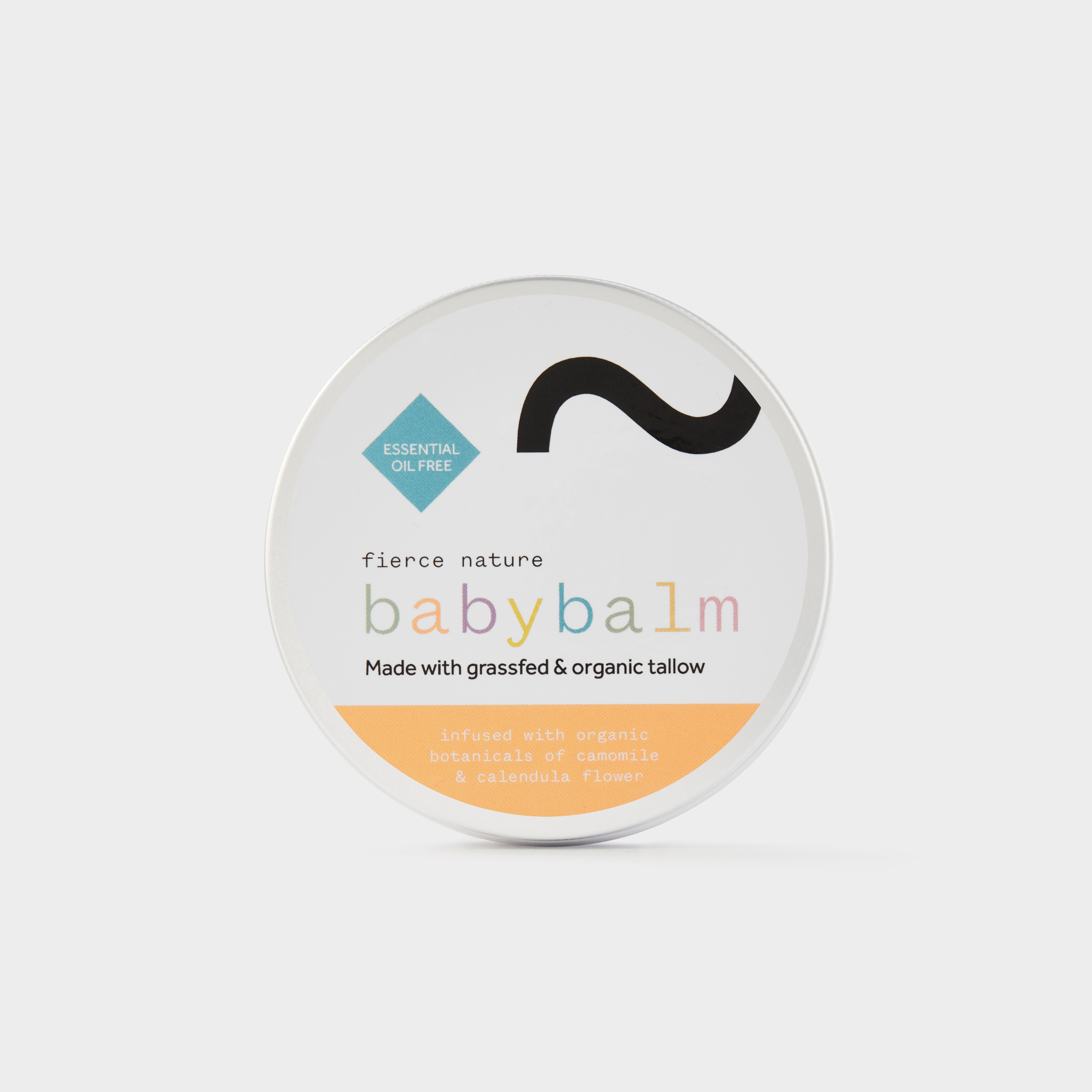
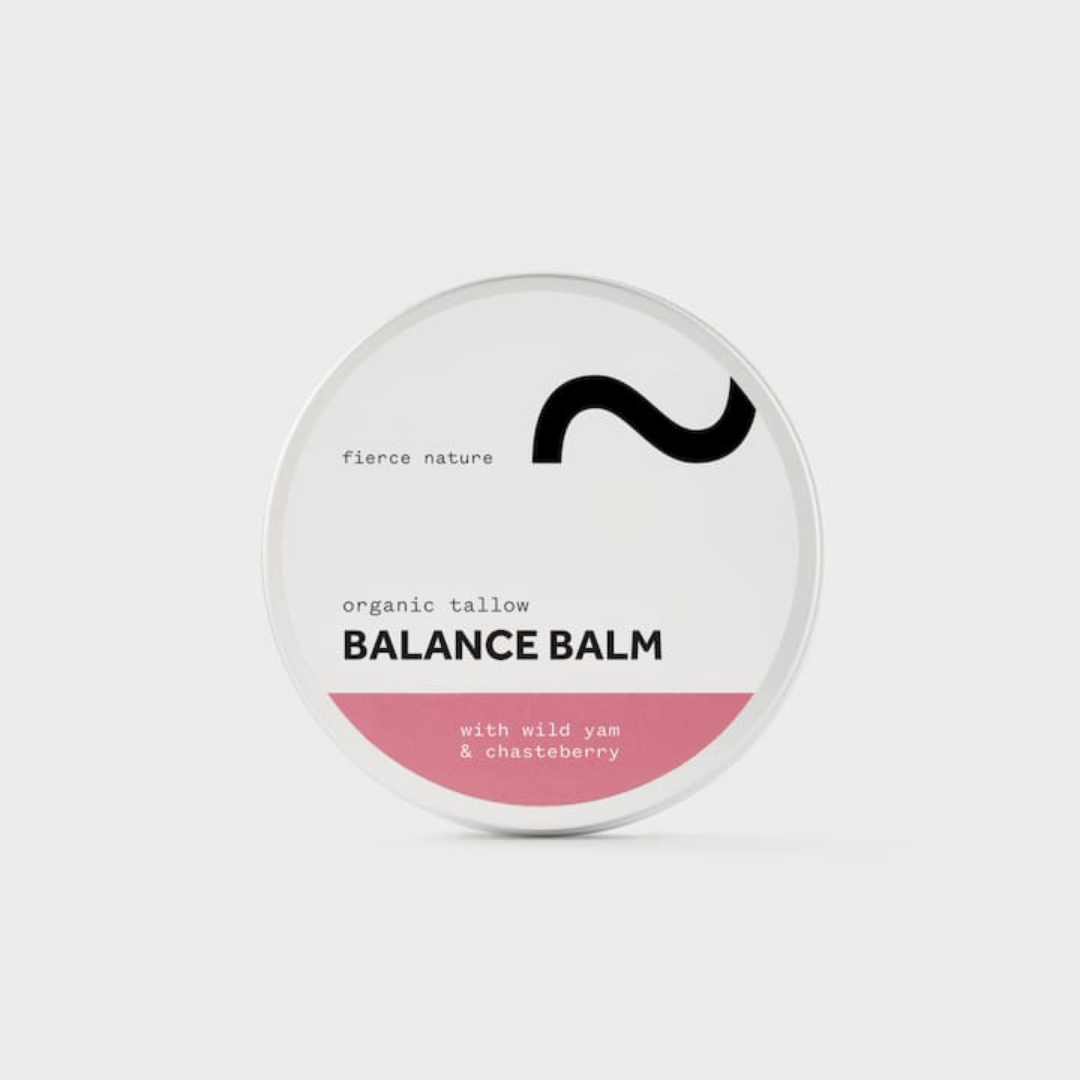
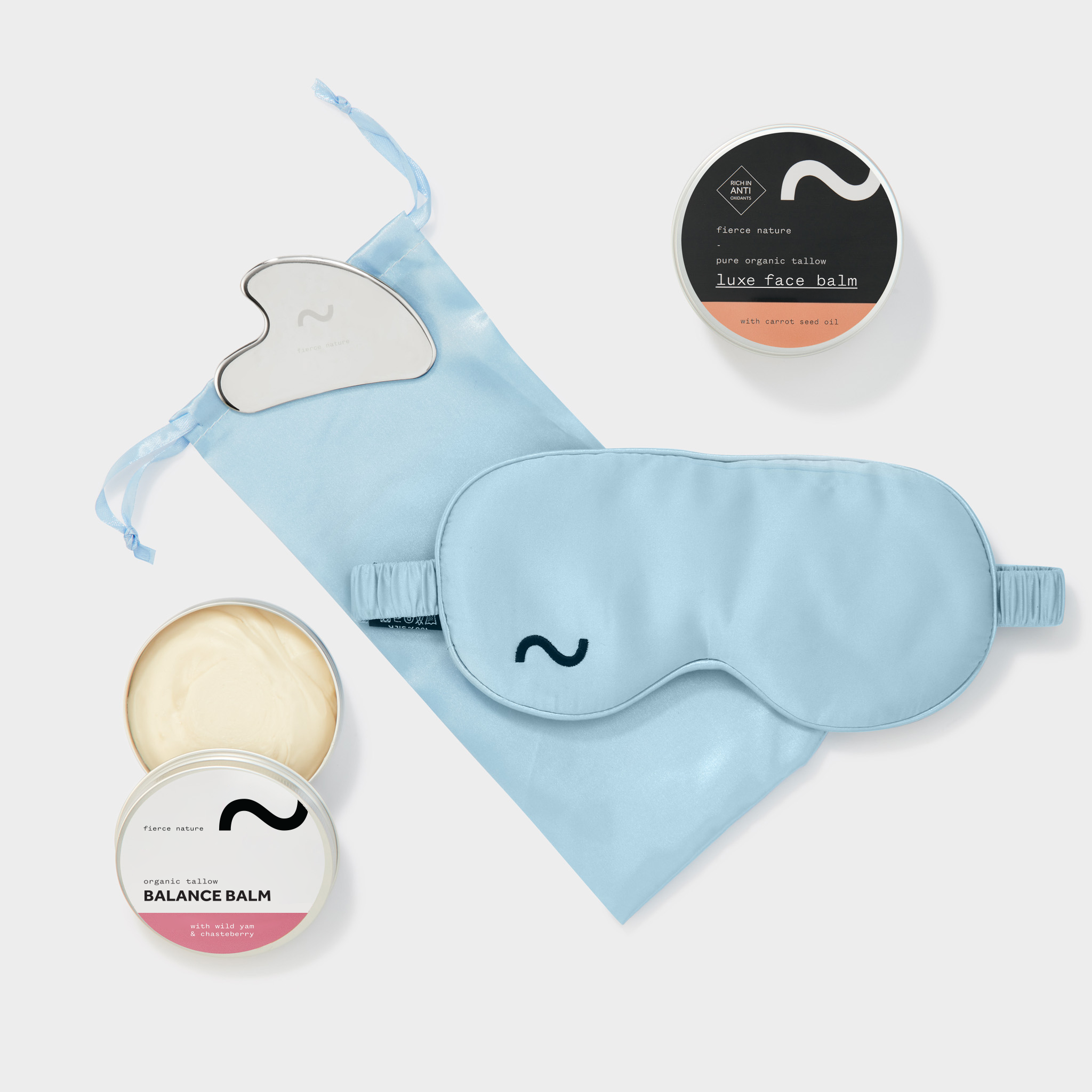
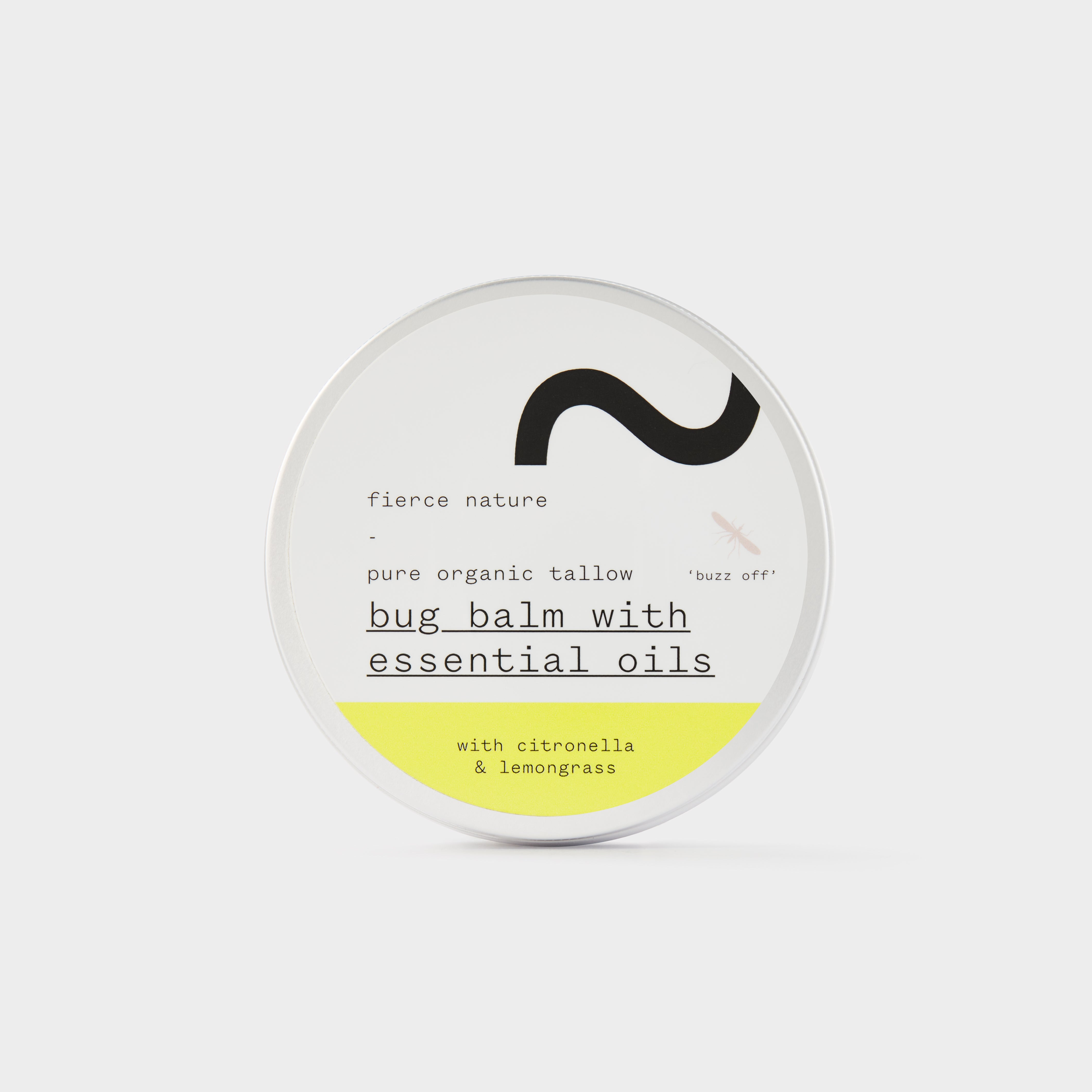
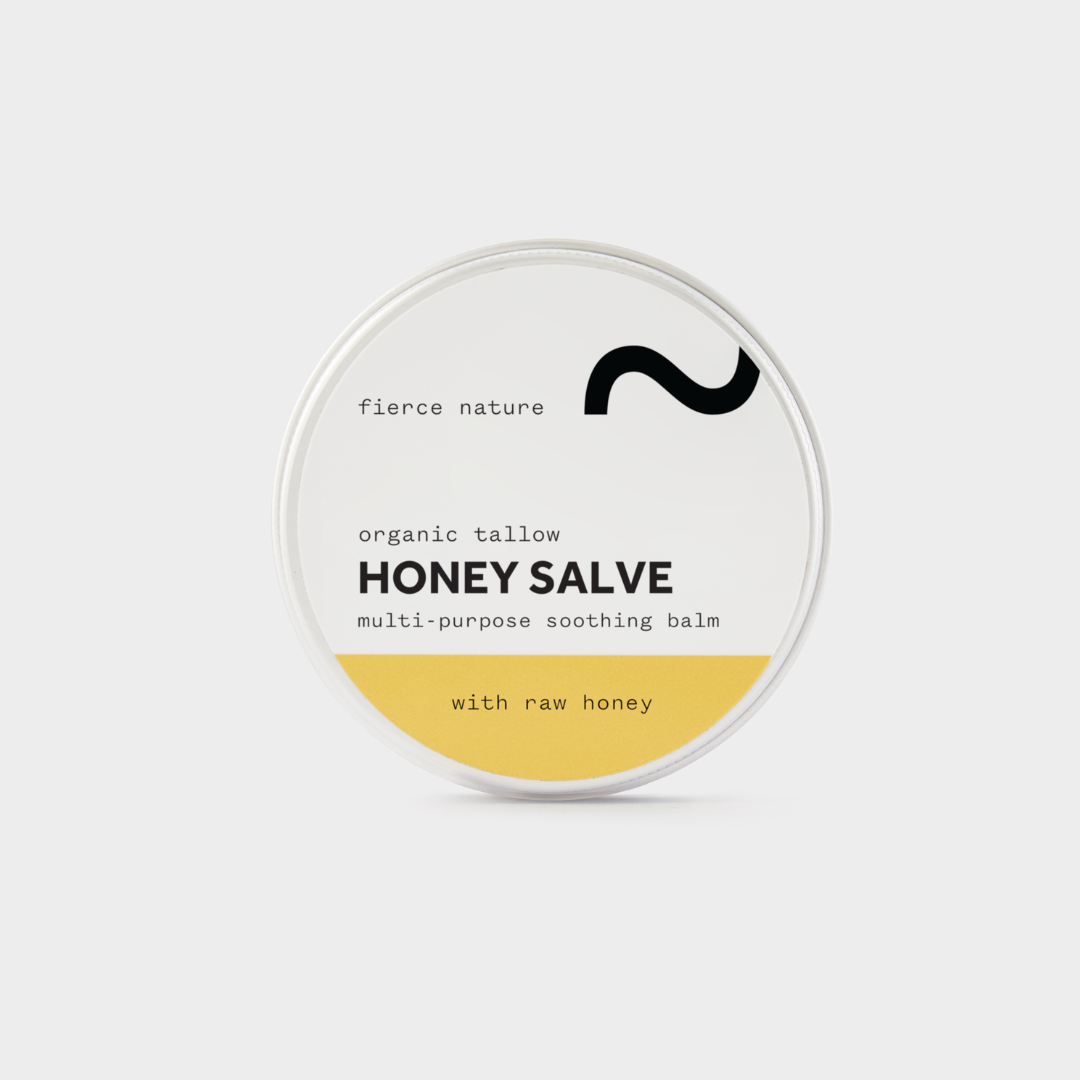
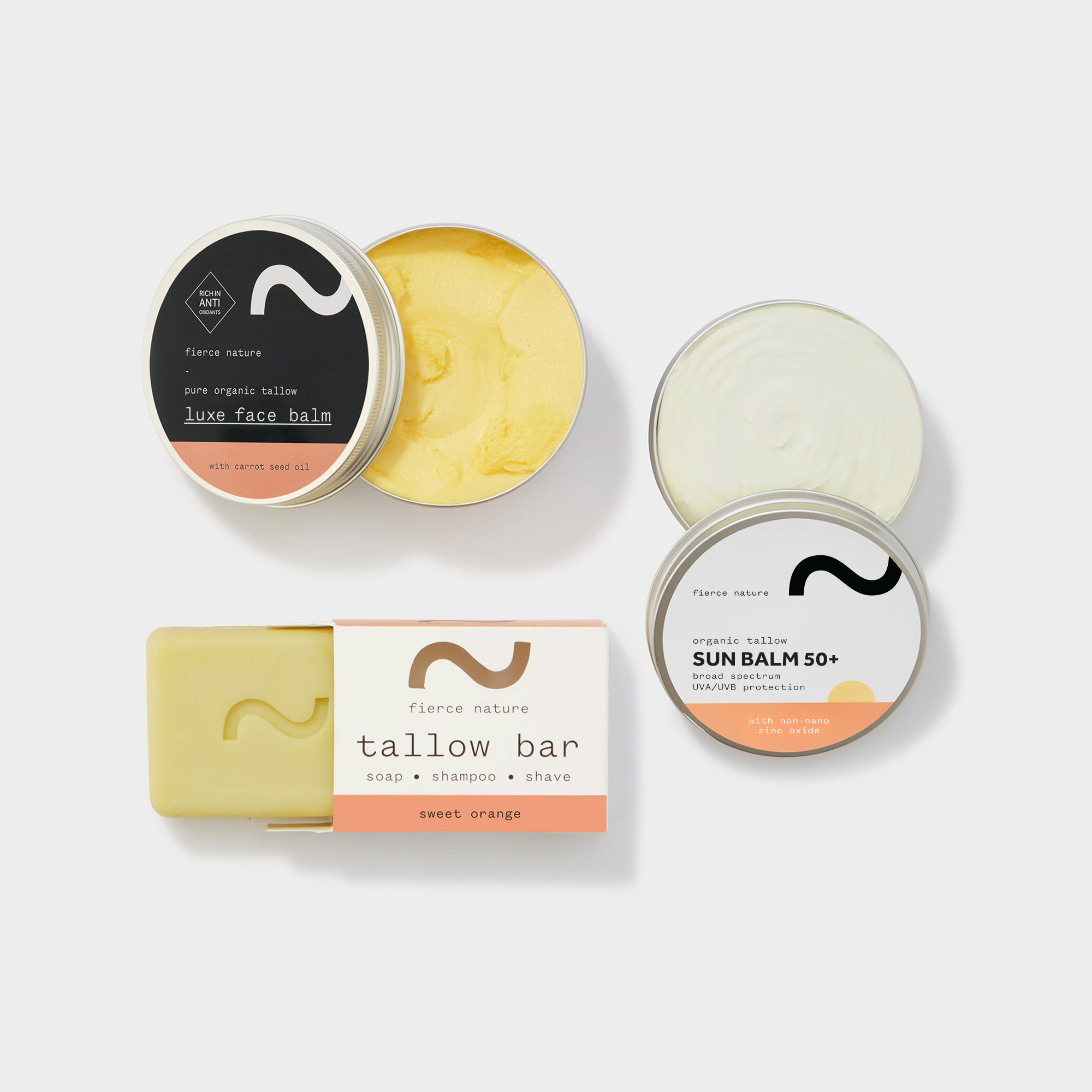
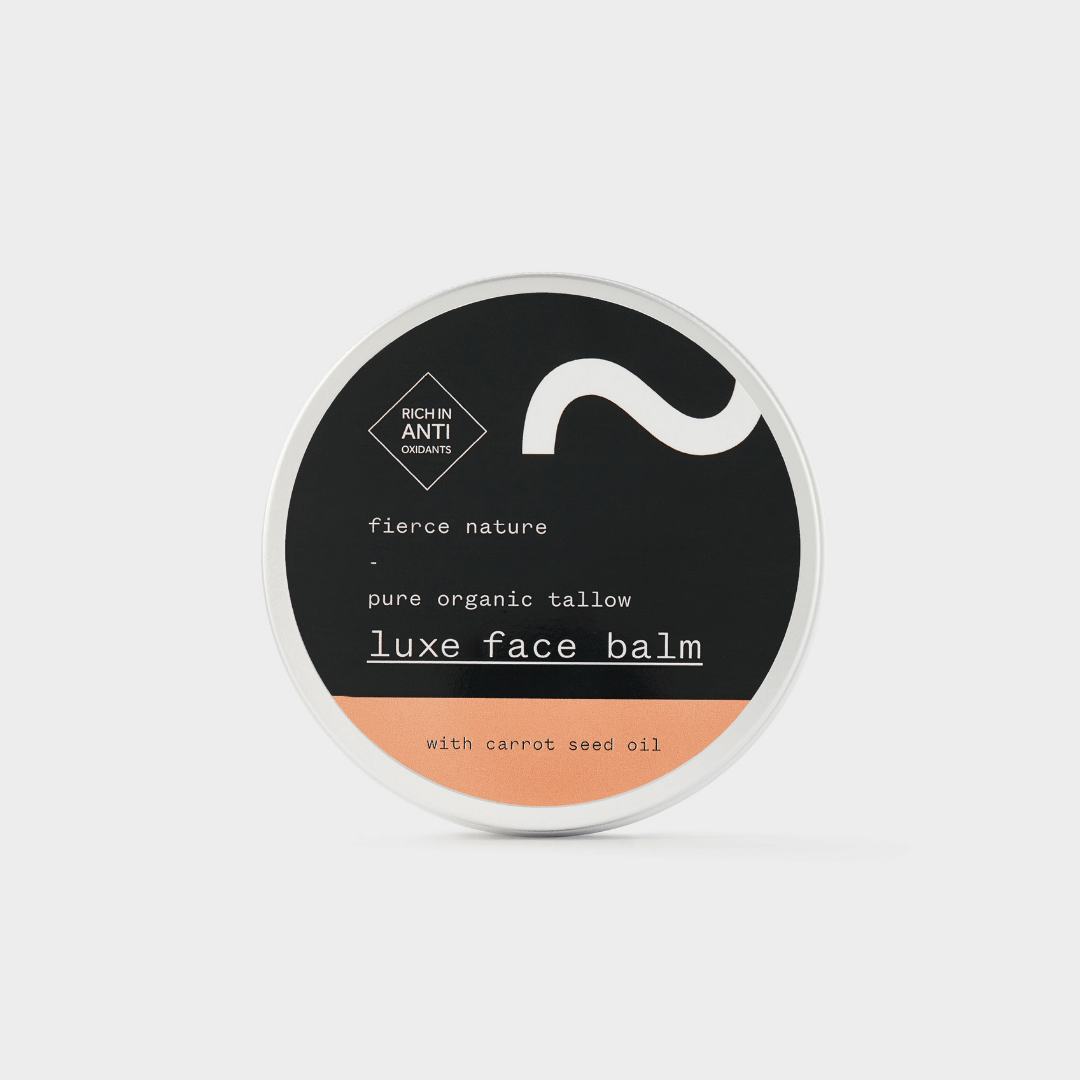
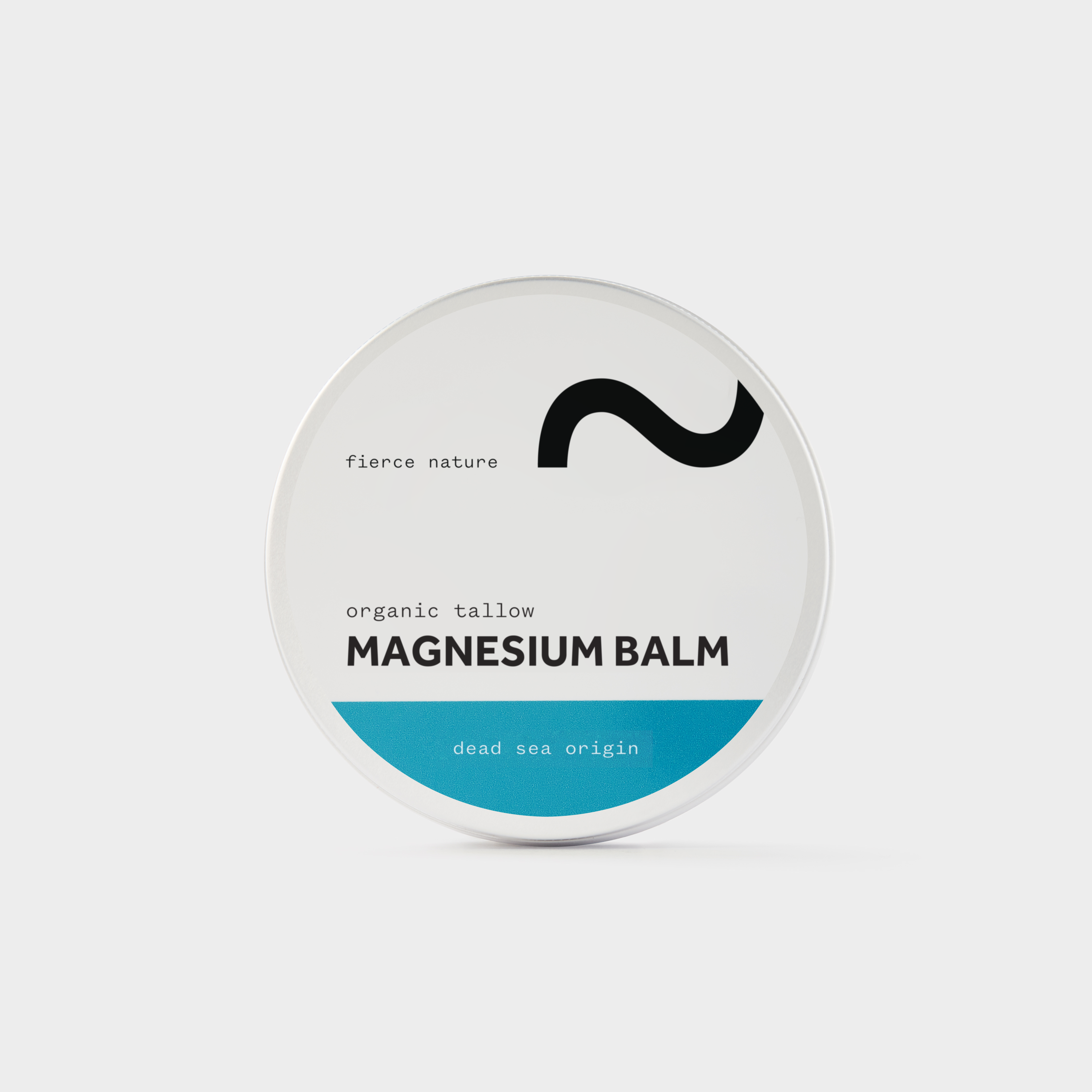
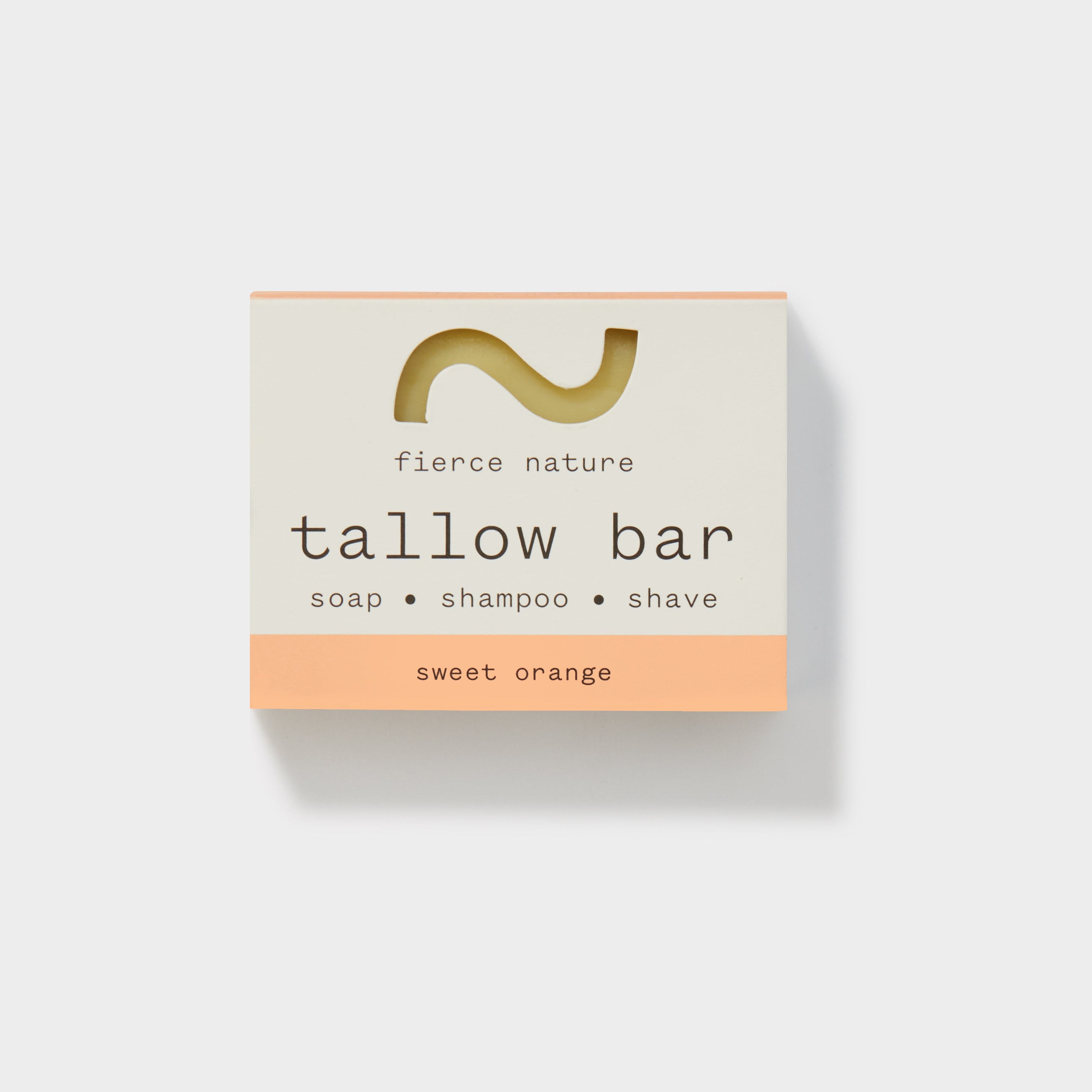
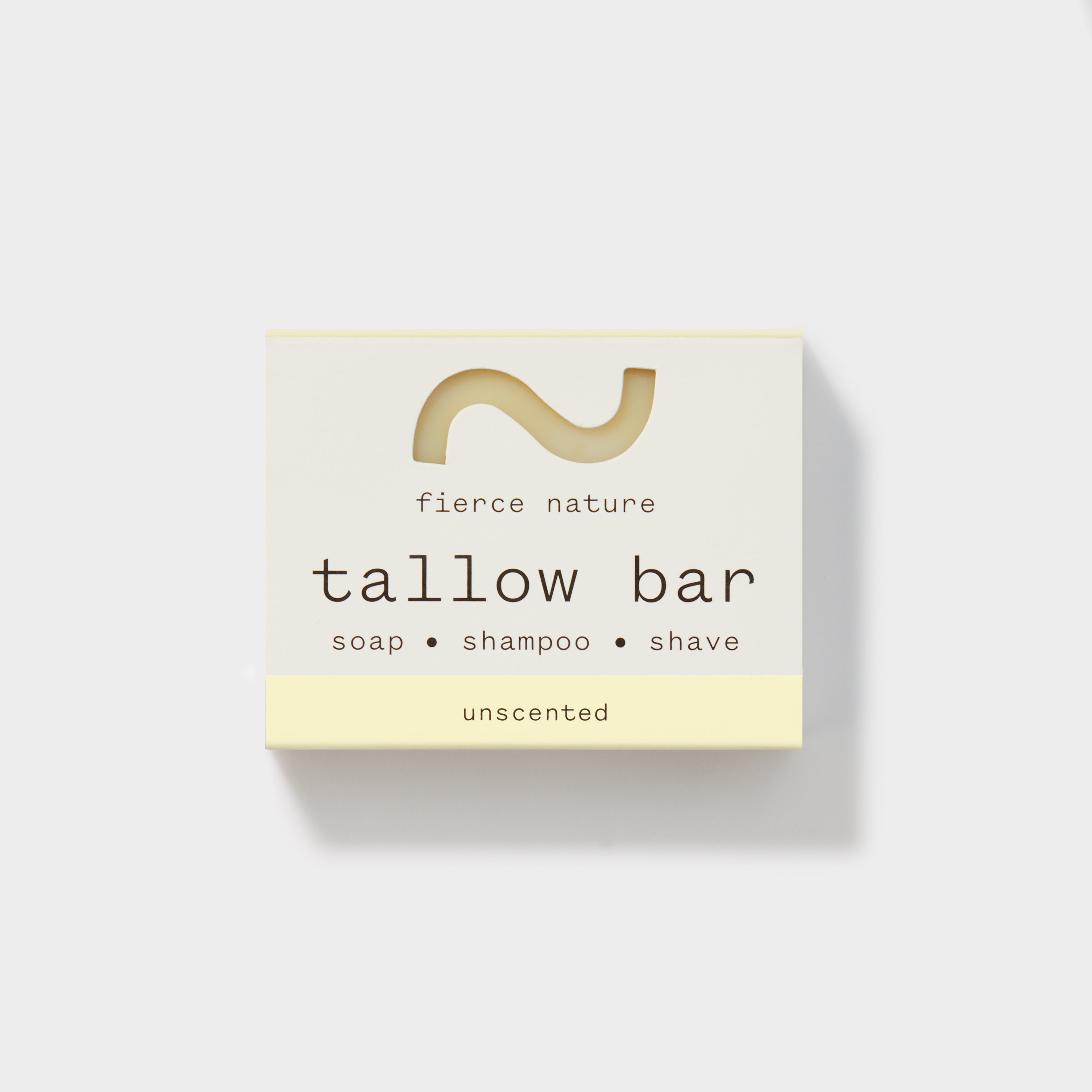
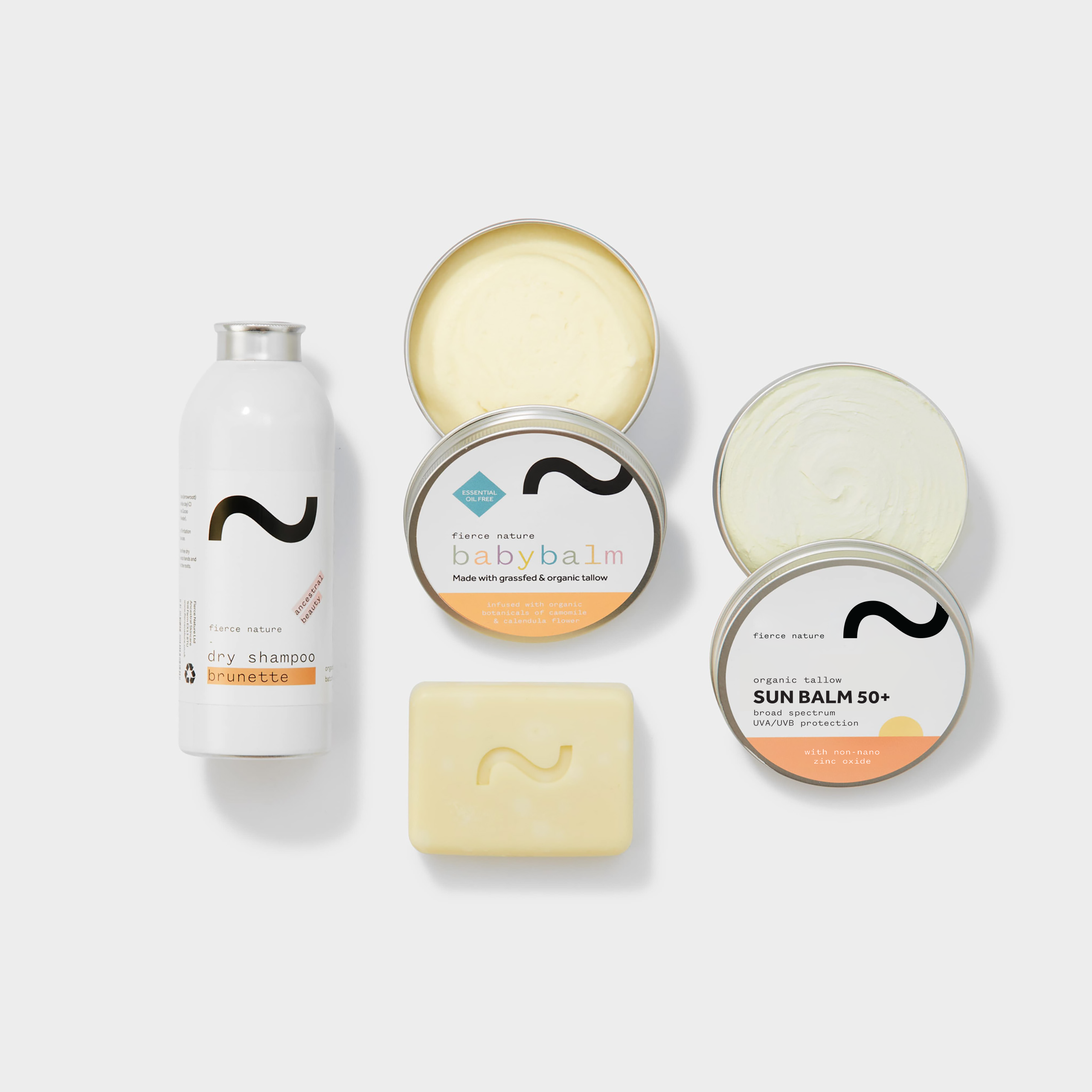
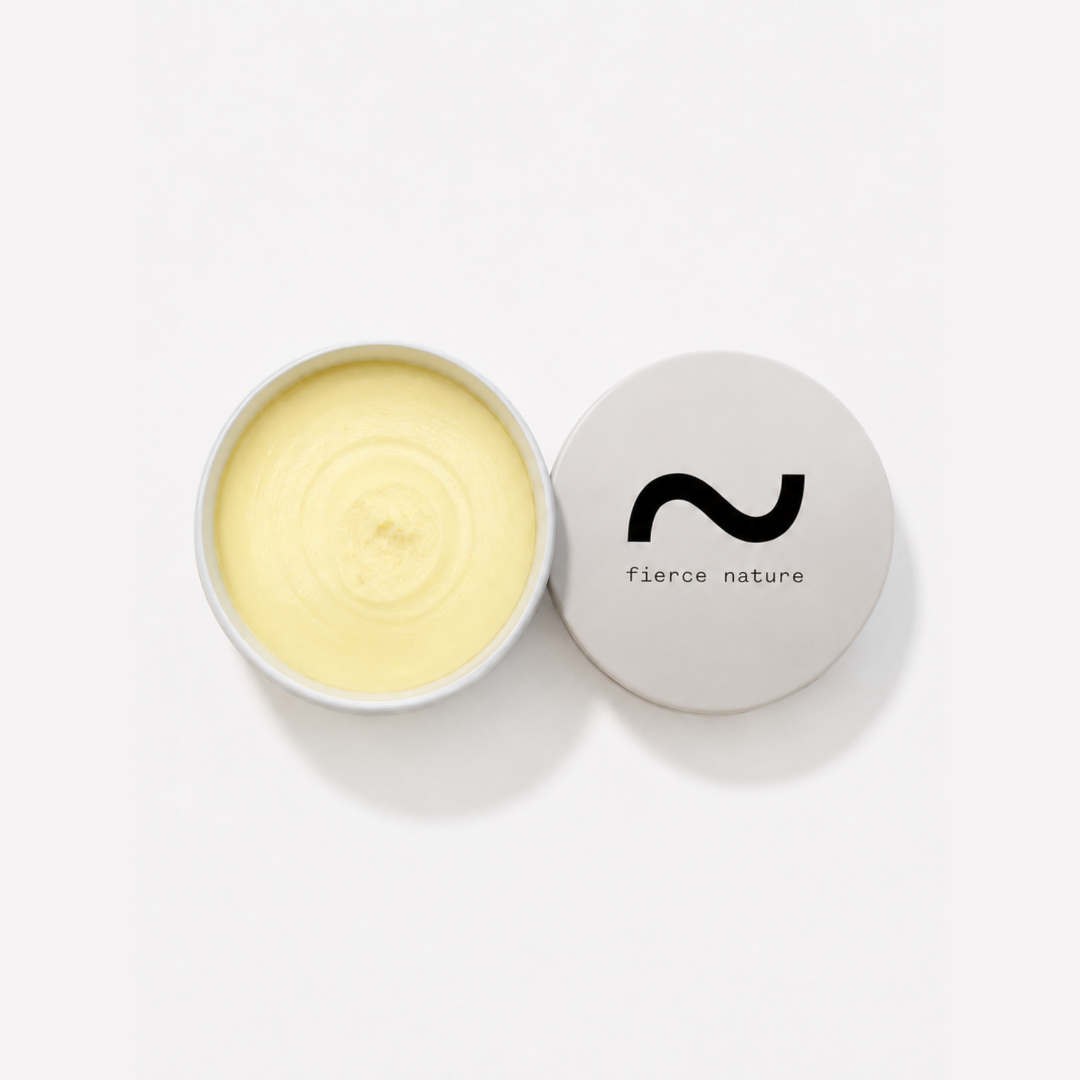
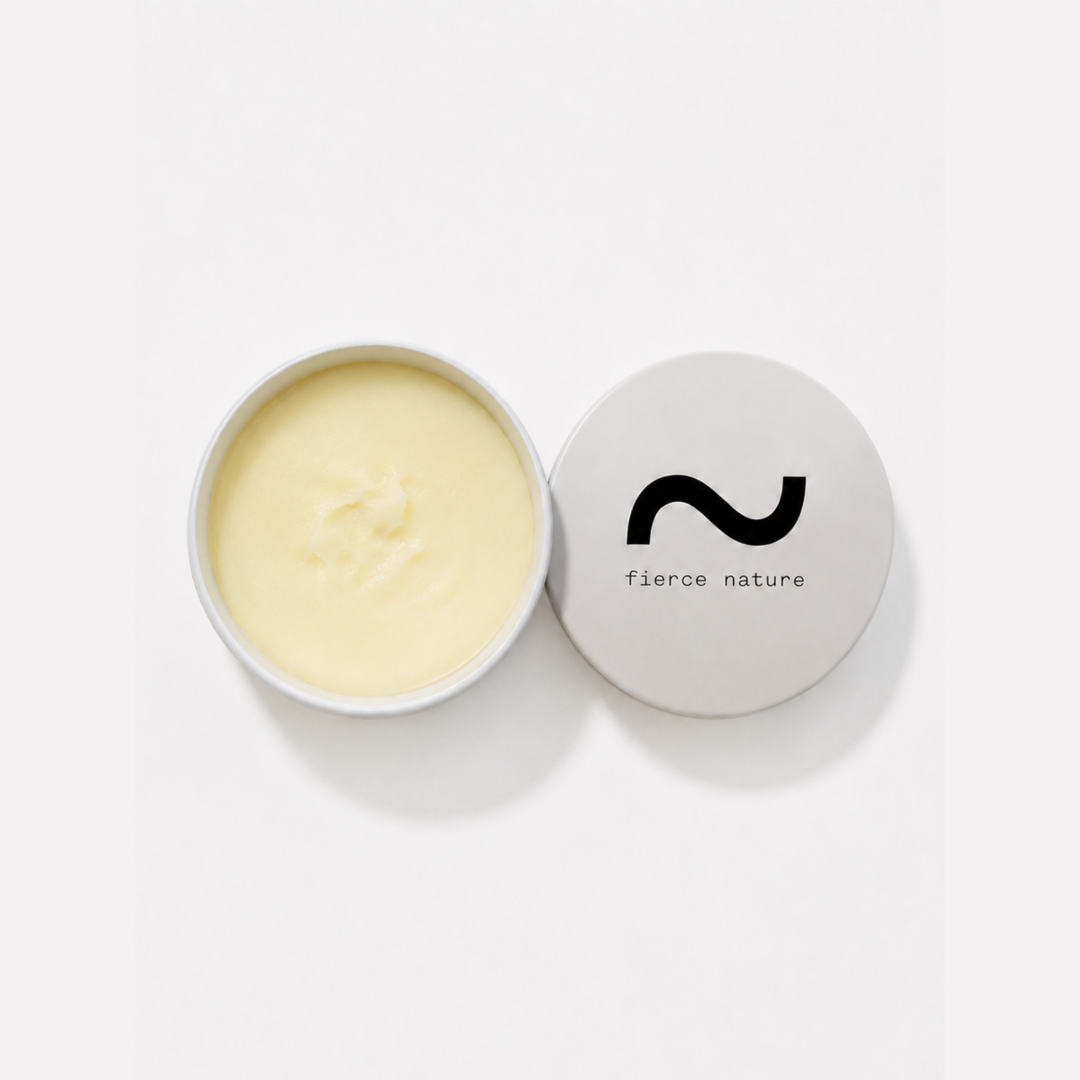
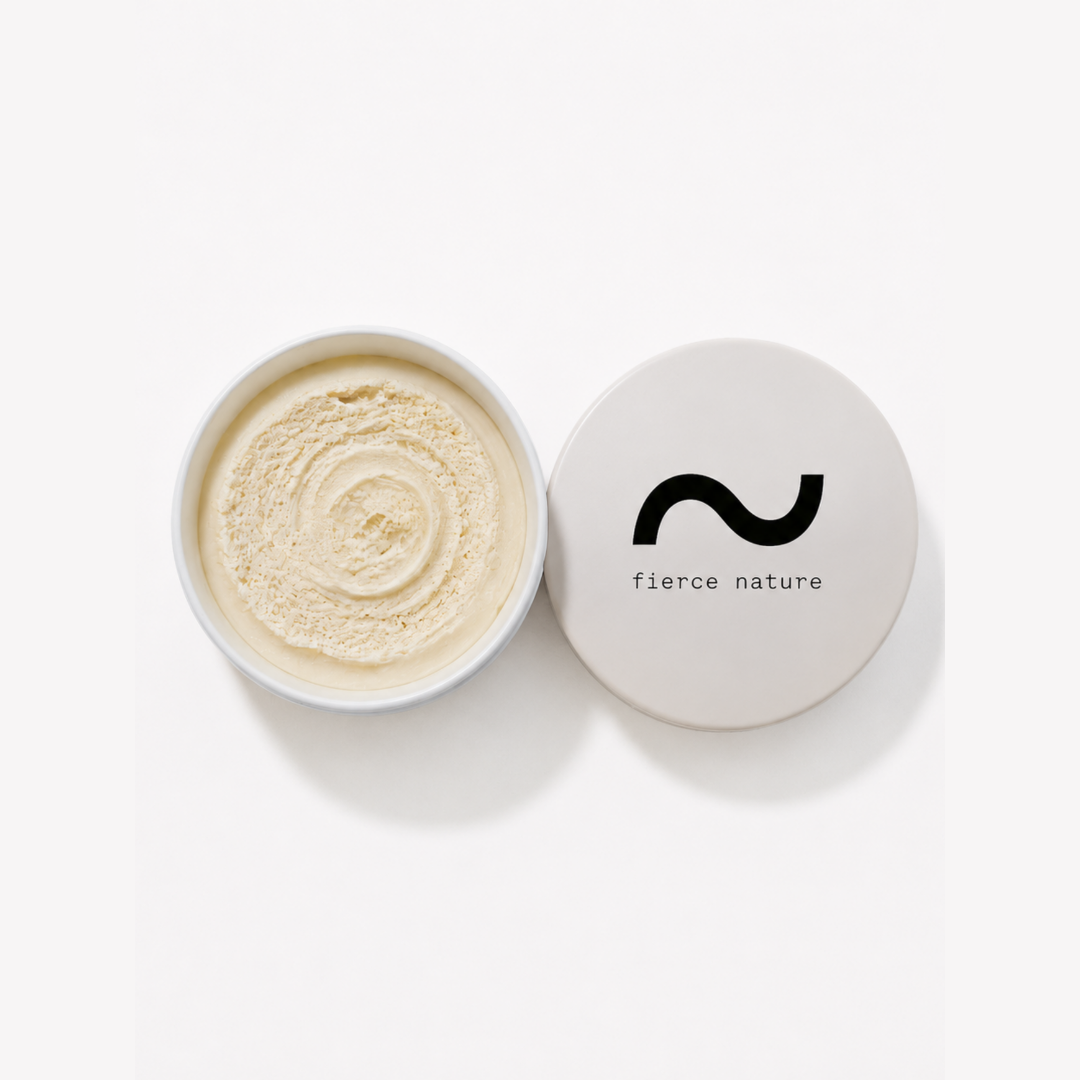
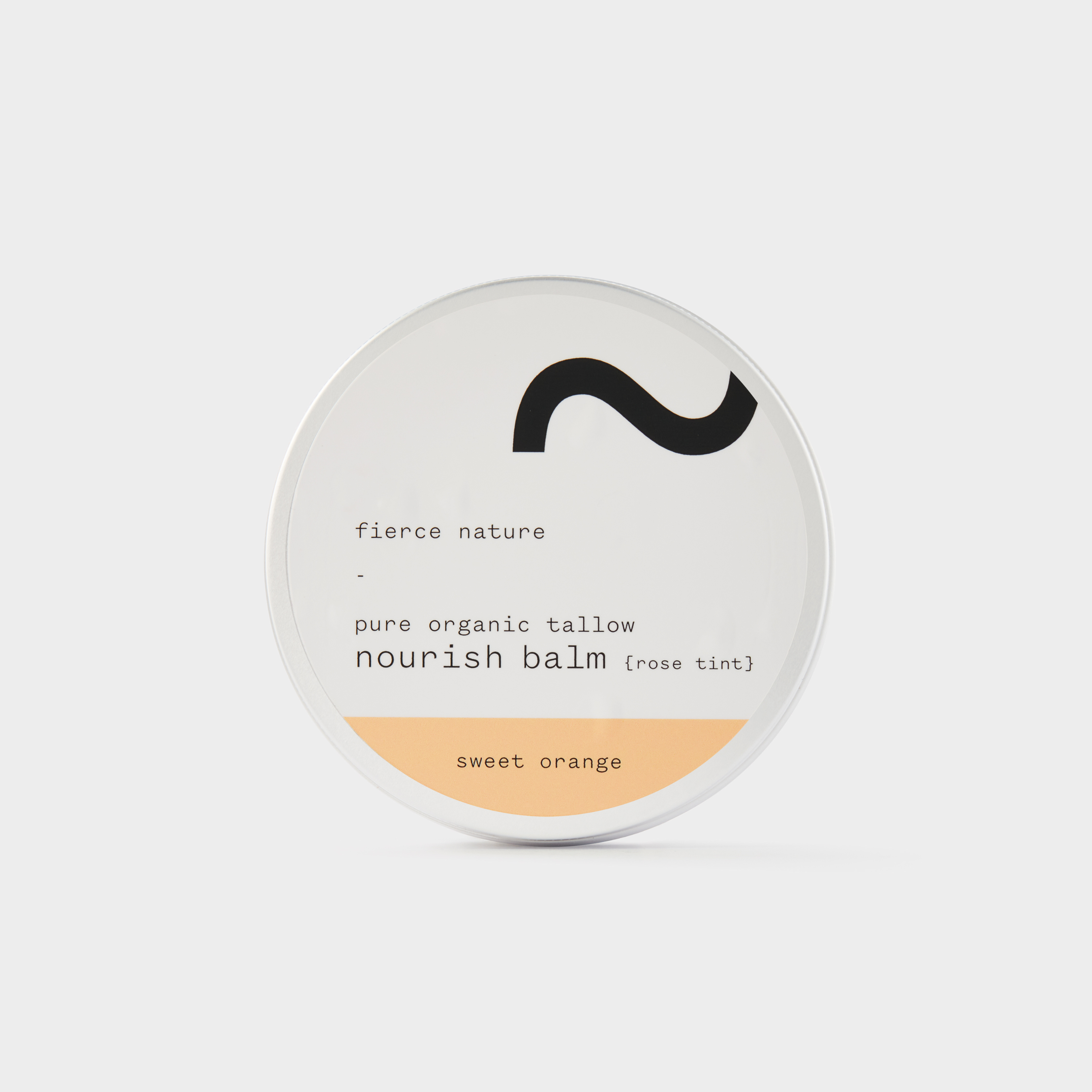
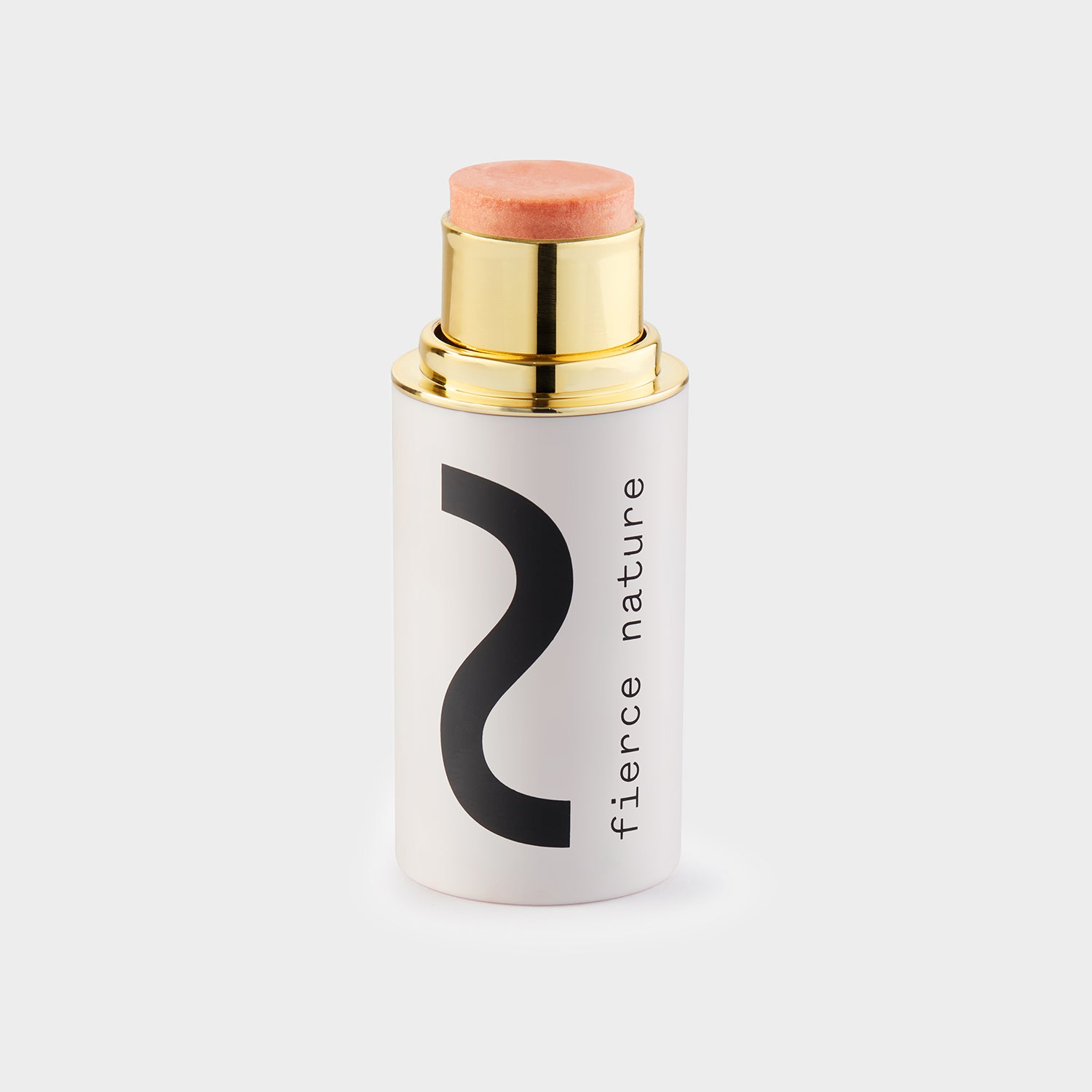
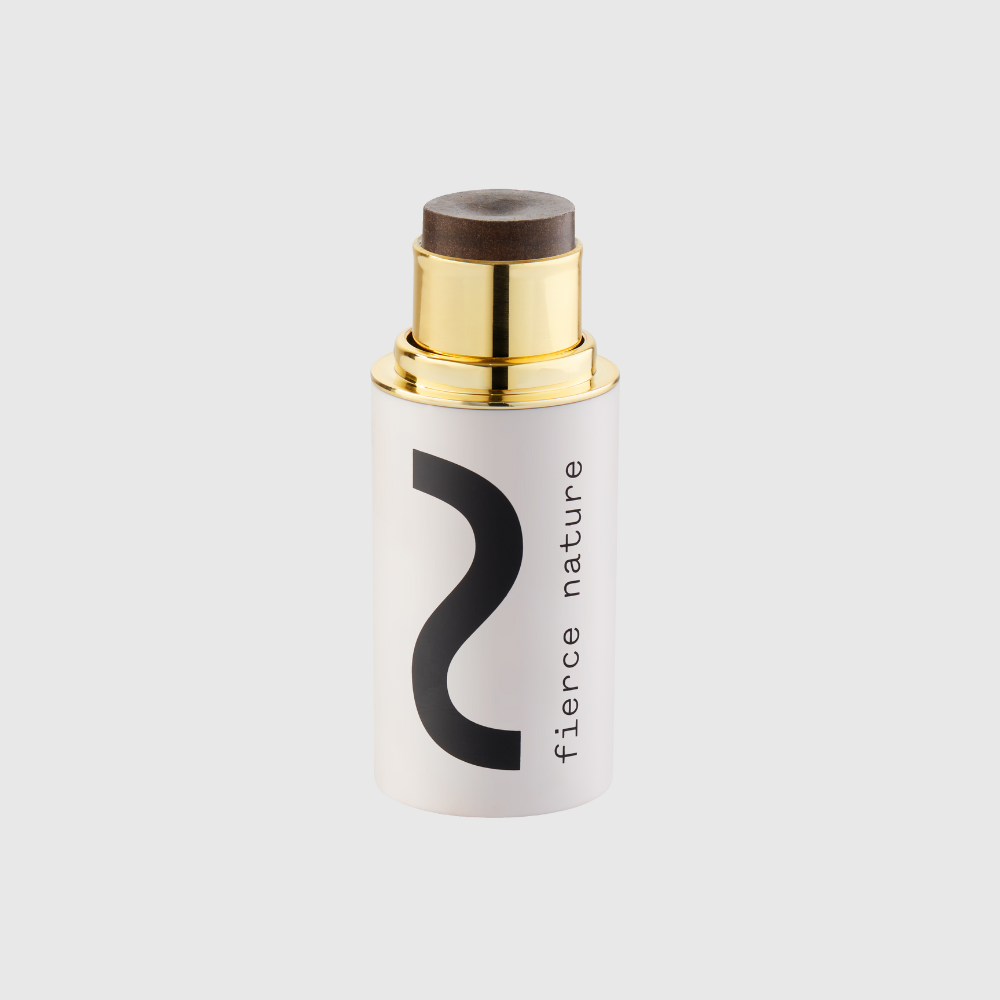
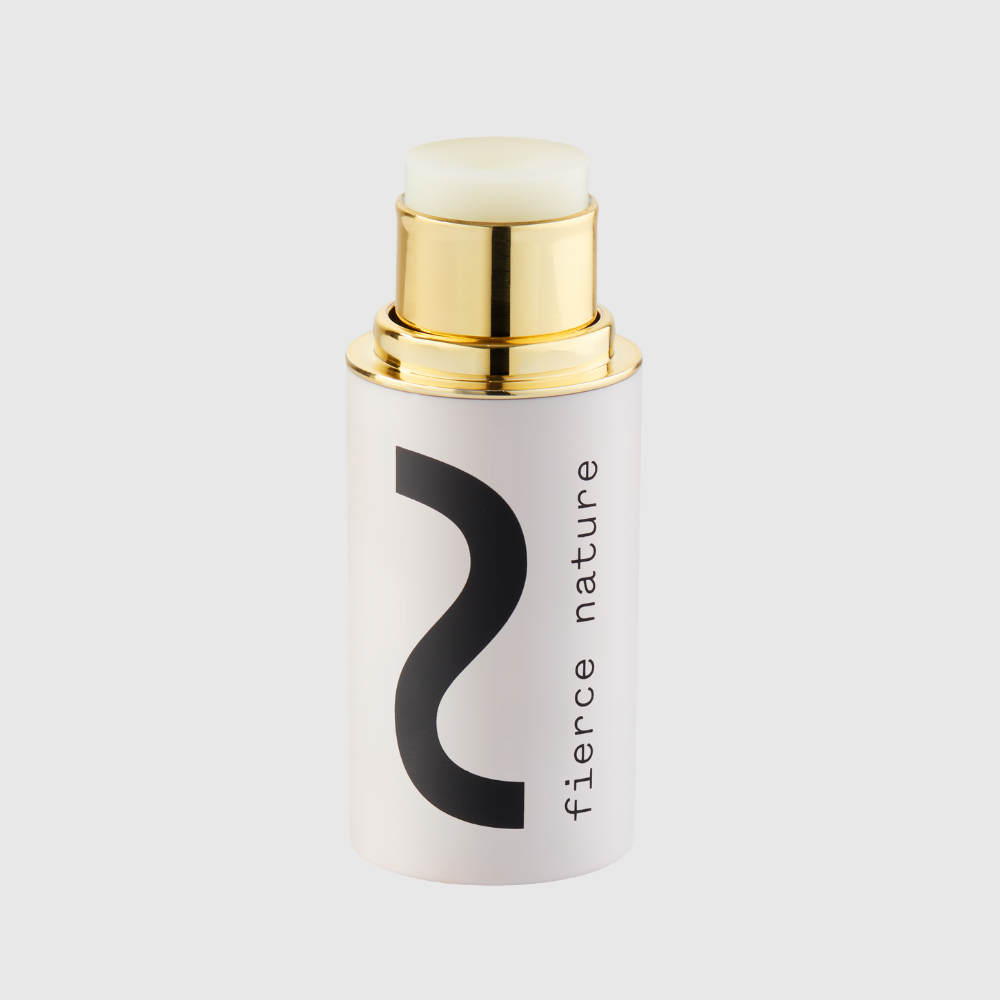
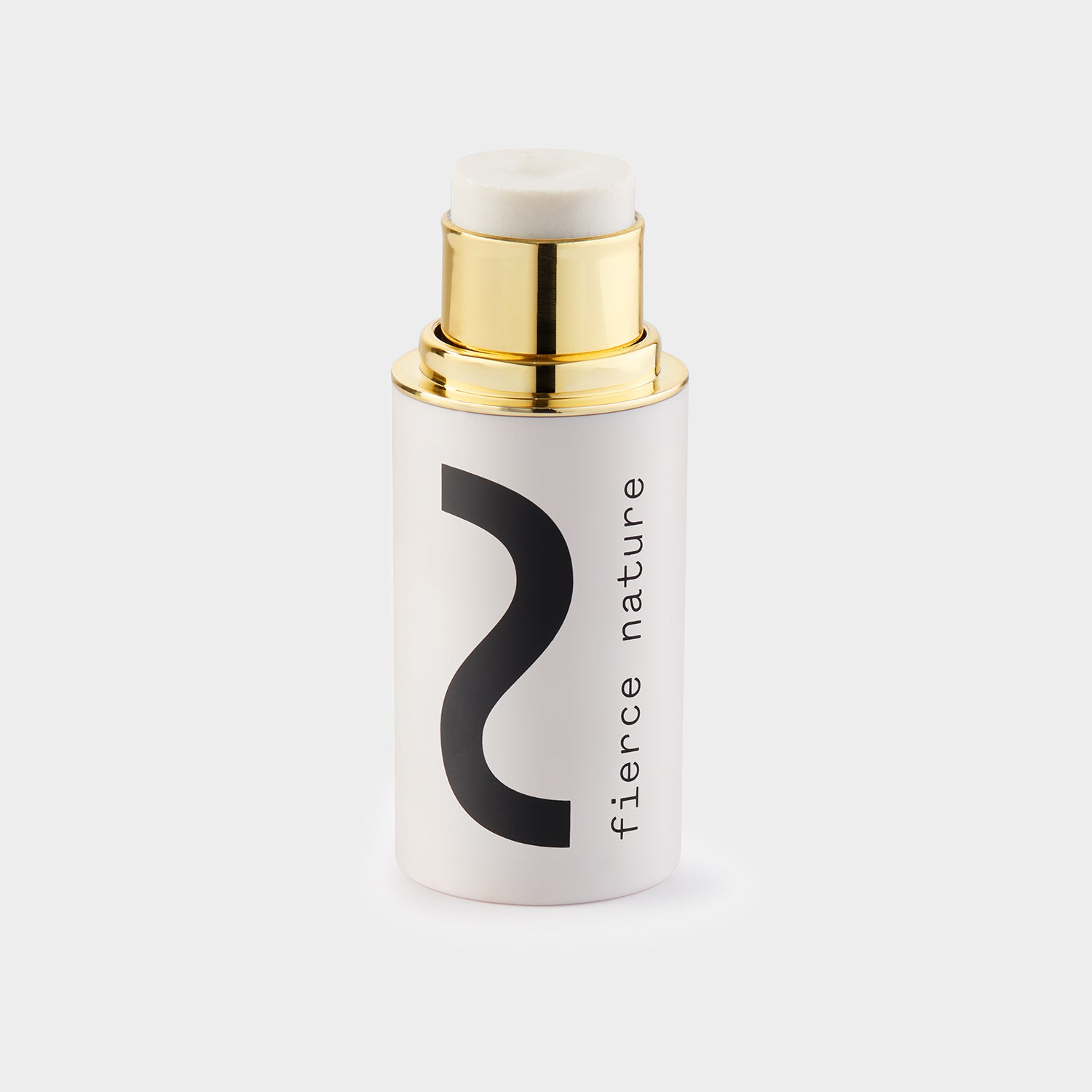
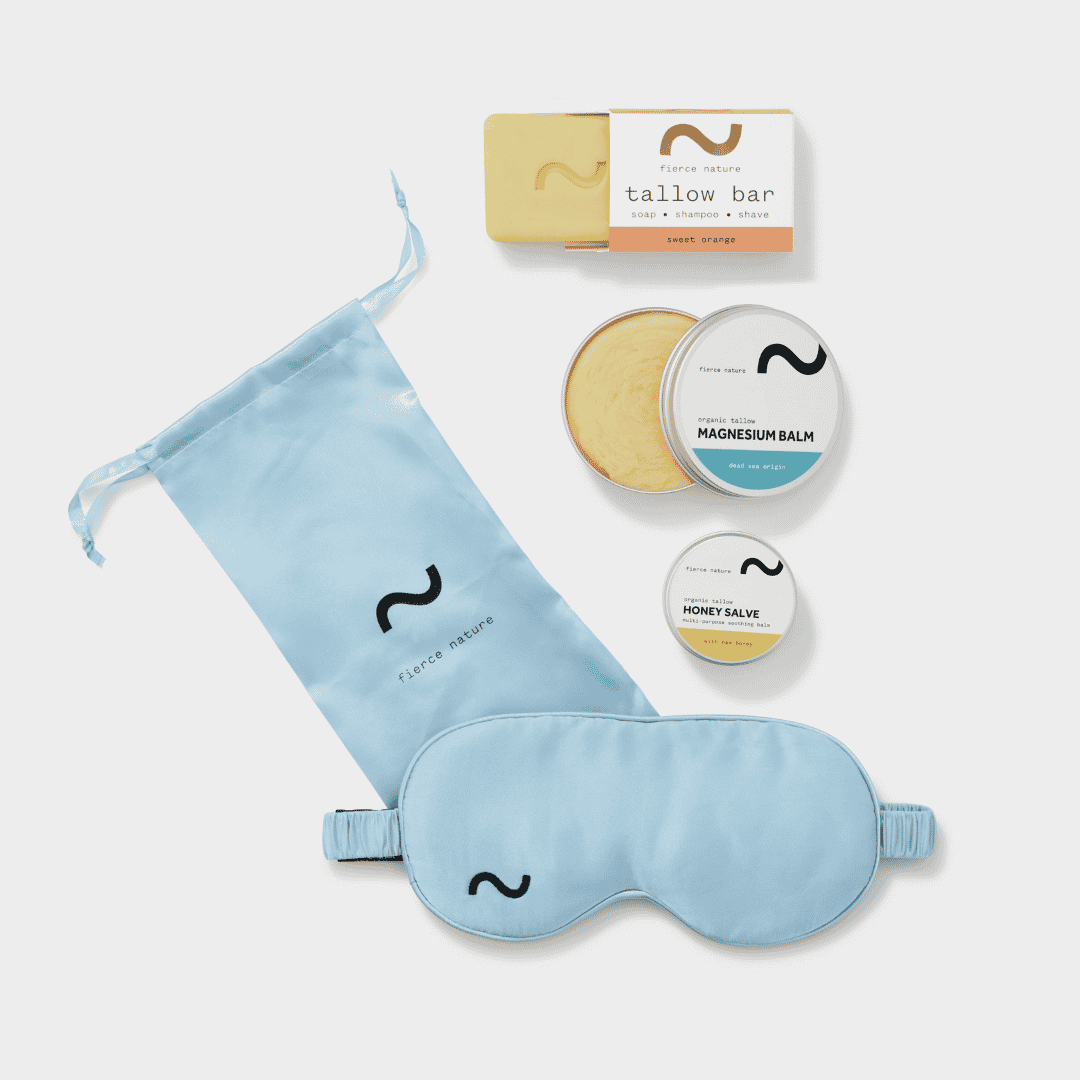
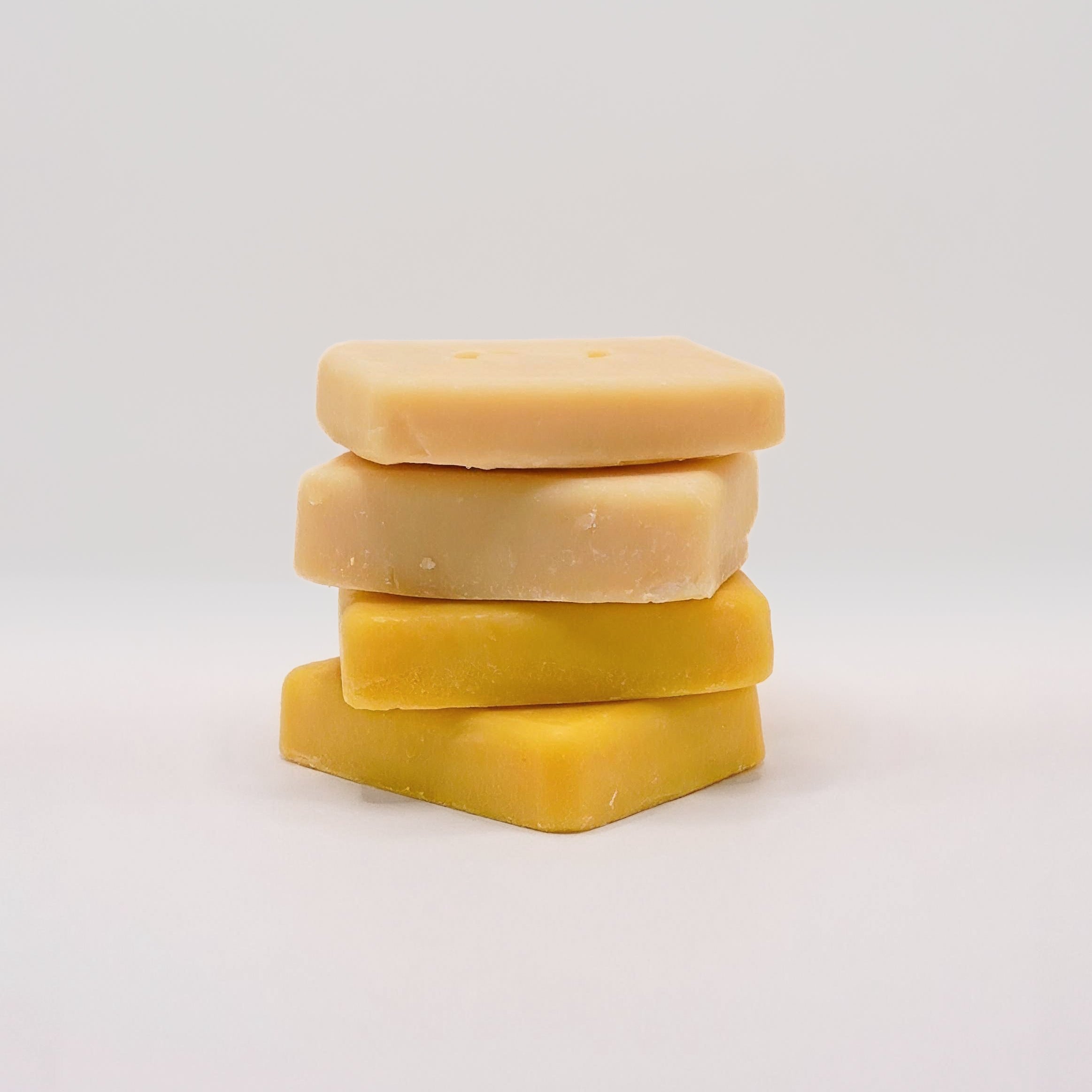
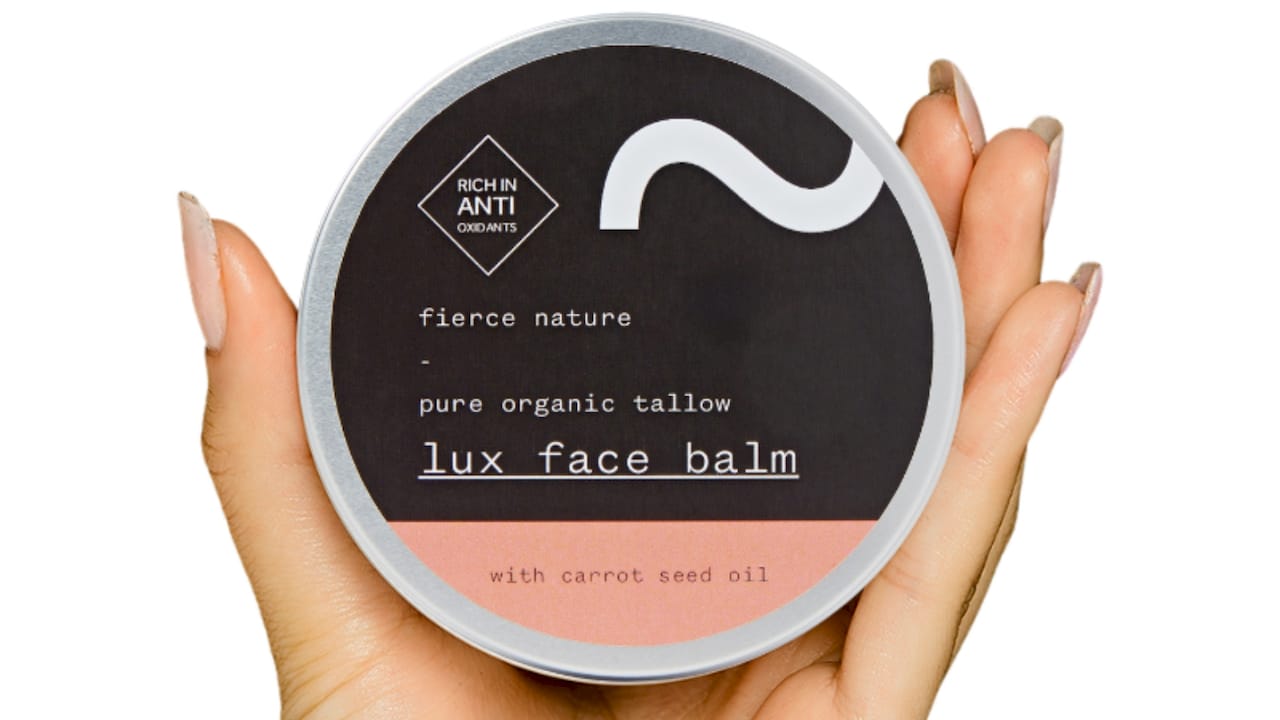
If this guide has helped you understand what to look for, the next step is finding a product that actually delivers. Fierce Nature’s organic body balm collection is handcrafted in the UK using pure organic tallow as its foundation, paired with carefully selected botanicals and zero synthetic fragrance. Every product is formulated with allergen-conscious transparency and non-toxic standards at the core. For those new to tallow-based skincare, the Luxe Face Balm is a beautiful starting point, and the unscented Tallow Bar offers a fragrance-free option for the most sensitive skin. Your skin deserves food from the land, not a laboratory.
A natural skin balm is a topical skincare product formulated with plant-based butters, oils, and waxes to moisturise, protect, and soothe the skin without synthetic chemicals or artificial fragrances.
Most fragrance-free natural balms are well-tolerated by sensitive skin, but natural does not mean hypoallergenic. Essential oil components like linalool and limonene can trigger reactions, so always check the INCI list before use.
Clinical data show progressive improvement over four weeks of consistent daily use. A single application provides temporary relief, but lasting skin barrier repair requires regular application over several weeks.
From july 2026, Regulation (EU) 2023/1545 requires brands to individually list 81 fragrance allergens on leave-on products at concentrations above 0.001%, giving UK consumers far greater transparency about what is in their balm.
Yes, provided the formula is suitable for facial skin. Choose a non-comedogenic, fragrance-free option and apply in thin layers. Many multi-use balms work well on both face and body, particularly for dry or sensitive skin types.