Cart
0
80% Also Added this





TL;DR:
- Handmade skincare delivers fresher and more stable active ingredients because it is produced in small batches and dispatched quickly. This approach preserves ingredient potency and allows for formulation flexibility, unlike mass-produced products that may degrade over time. Regulatory standards also require proper preservation to ensure safety, regardless of whether a product is handmade or commercial.
Handmade skincare works better because it delivers fresher, more potent active ingredients than mass-produced alternatives can consistently achieve. Commercial products sit in warehouses and on shelves for months, sometimes years, while sensitive actives like vitamin C degrade quietly inside the bottle. Artisan skincare, produced in small batches and shipped quickly, keeps those ingredients closer to their peak. At Fierce Nature, we built our entire formulation philosophy around this principle: that what goes on your skin should be as close to its natural, nourishing state as possible.
Ingredient stability is the single most important factor separating effective skincare from expensive disappointment. Vitamin C, or L-ascorbic acid, is the clearest example. Formulators must target pH 2.5–3.5 for vitamin C to remain stable and penetrate the skin properly. Stray outside that window and the active simply does not work.
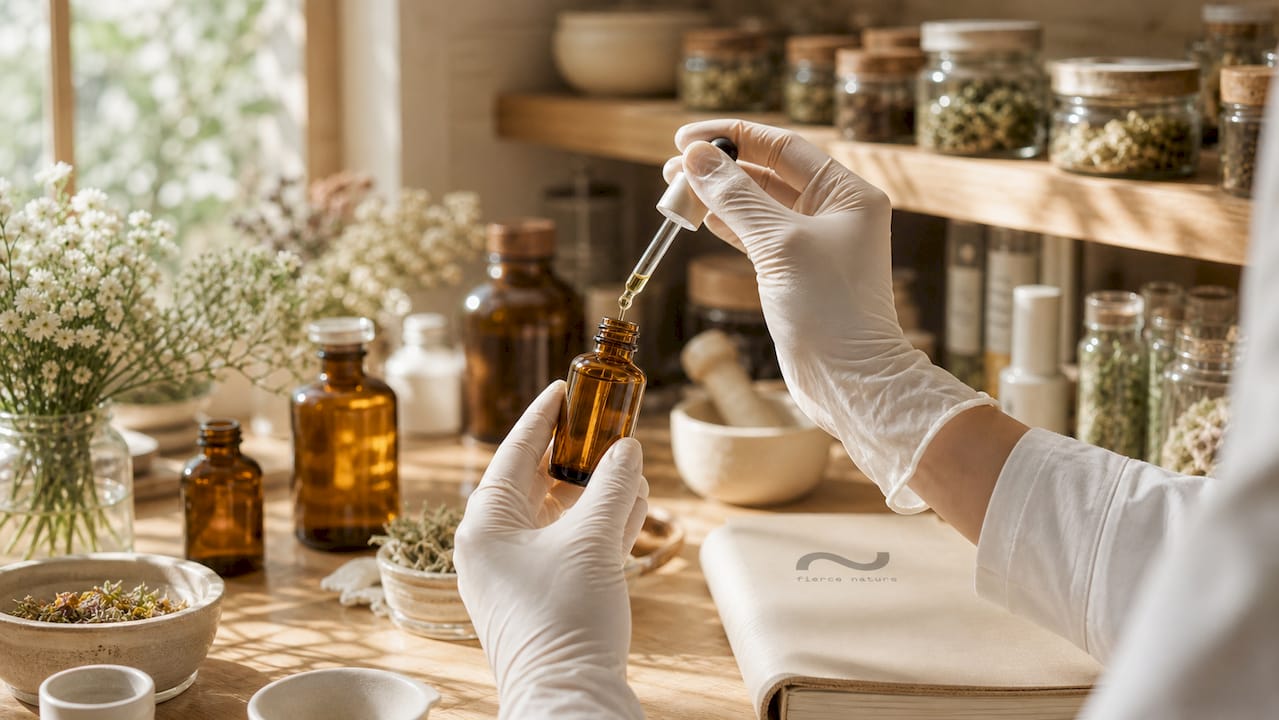
The enemies of vitamin C stability are oxygen, light, heat, and metal ions. Each one accelerates oxidation, turning your serum from a skin-brightening treatment into a jar of orange-tinted water. Manufacturing conditions like nitrogen blanketing and heavy metal testing are what separate a genuinely effective formulation from a marketing claim. Small-batch producers who understand this science can apply these controls at every stage, from mixing to bottling to dispatch.
Mass production introduces a different set of problems. Large manufacturers blend enormous volumes, then store finished goods for weeks before distribution. By the time a product reaches your bathroom shelf, the most reactive ingredients may already be compromised. Small-batch handmade production shortens that timeline considerably. Fresher product means more active ingredient reaching your skin.
Here is what to look for when assessing freshness and stability in any handmade product:
Batch date or manufacture date printed on the packaging, not just a best-before date
Opaque or airless packaging that limits light and oxygen exposure
pH-appropriate formulations for actives like vitamin C or AHAs, with the pH range stated or available on request
Rapid dispatch from maker to customer, reducing shelf degradation time
Absence of metal contamination controls is a red flag; ask brands how they manage this
Pro Tip: Ask your handmade skincare brand directly about their batch size and average time from production to dispatch. A brand that cannot answer this question clearly is one worth reconsidering.
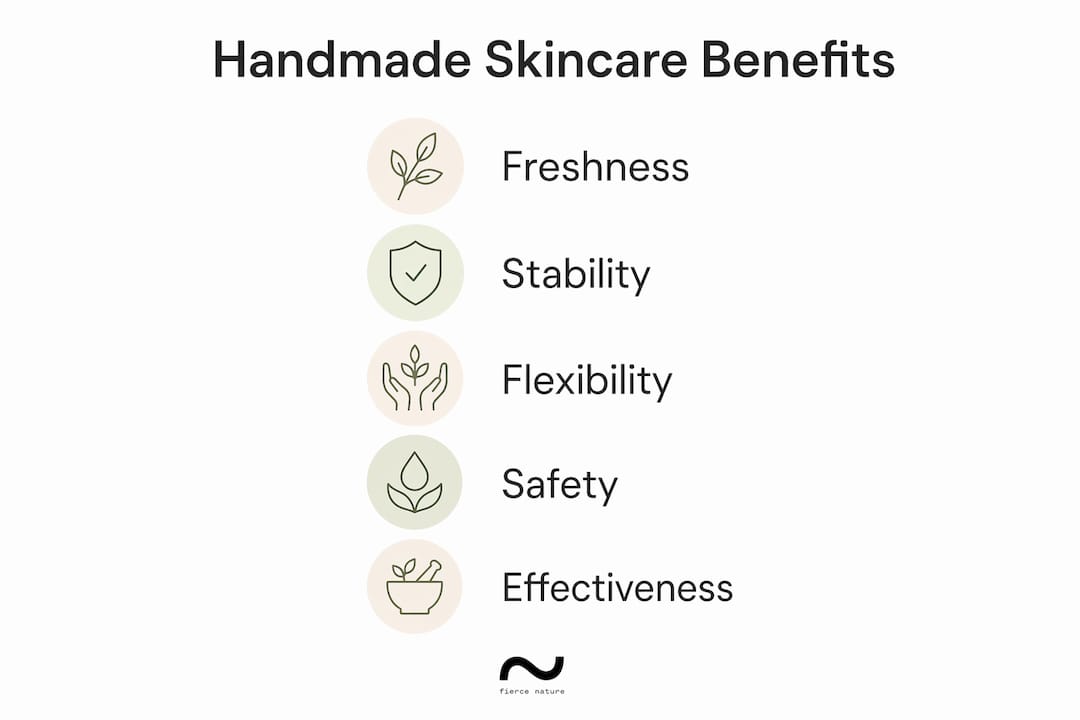
Formulation flexibility is one of the most underappreciated advantages of artisan skincare. Industrial manufacturers work with fixed supply chains, locked-in ingredient contracts, and production runs that can number in the tens of thousands of units. Changing a single ingredient requires months of reformulation, regulatory review, and packaging updates. A small-batch maker can adapt in days.
This matters practically. Seasonal ingredient availability affects quality. Cold-pressed rosehip oil harvested in autumn carries a different fatty acid profile than oil pressed from older stock. A handmade producer sourcing directly from a trusted supplier can switch batches, adjust concentrations, or substitute a fresher equivalent without disrupting the entire product line. Industrial inertia makes that kind of responsiveness impossible at scale.
Traceability is the other side of this coin. When you buy from a handmade brand, you can often trace ingredients back to their source. That transparency builds genuine trust, not the kind manufactured by a marketing department. At Fierce Nature, we know where our organic tallow comes from and why that sourcing matters for bioavailability and skin nourishment.
The benefits of this flexibility include:
Seasonal sourcing of botanicals and oils at peak potency
Direct supplier relationships that allow quality verification at origin
Customisation of formulations for specific skin types, sensitivities, or preferences
Smaller minimum order quantities that prevent ingredient degradation from long storage
Faster response to new research or customer feedback without regulatory delays
This level of control simply does not exist in mass production. The factory model prioritises consistency at volume. The handmade model prioritises quality at every batch.
Preservatives are one of the most misunderstood topics in natural skincare. Many people assume that handmade or natural products do not need them, or that preservative-free is automatically safer. Both assumptions are wrong, and believing them can put your skin at risk.
EU cosmetic regulations require all cosmetic products, regardless of batch size or production method, to be microbiologically safe and adequately preserved. This applies equally to a large factory and a kitchen-based maker. Safety assessment and preservation efficacy testing per ISO 11930 methodology are mandatory. There are no exemptions for handmade or artisan products.
Broad-spectrum preservation requires multi-agent systems tailored to the specific formulation chemistry, pH, water activity, and microbial threats present in each product. A single preservative rarely covers all bases. Well-designed handmade skincare uses combinations that meet Annex V regulations and are verified through challenge testing.
Here is the good news about preservatives and your skin microbiome:
Clinical studies show no significant disruption. Randomised, double-blind trials found no meaningful difference in skin microbiome composition between preservative-containing and preservative-free products.
Inadequate preservation is the real risk. An under-preserved product can harbour bacteria, mould, and yeast that cause irritation, infection, and barrier damage.
Challenge testing is the gold standard. Reputable handmade brands submit formulations to ISO 11930 challenge testing to confirm microbial safety before sale.
Regulatory compliance is a quality signal. Cosmetic safety documentation and preservation validation are marks of a brand that takes your skin seriously.
“Adequate preservation prevents spoilage and irritation. Regulatory compliance documentation is a mark of quality, not a compromise of natural values.”
The takeaway is straightforward. Do not choose a handmade product because it claims to be preservative-free. Choose it because the brand can demonstrate that its preservation strategy is safe, tested, and compliant.
The belief that natural ingredients are automatically safer or more effective than synthetic ones is one of the most persistent myths in skincare. Natural ingredients can cause irritation or allergic reactions just as readily as synthetic ones. Essential oils, botanical extracts, and plant proteins all carry sensitisation potential. The origin of an ingredient does not determine its safety profile.
What actually determines whether an ingredient works is a combination of three factors: bioavailability, stability, and concentration. Bioavailability describes how well an ingredient penetrates the skin barrier and reaches the target tissue. Stability describes how long it remains active and intact in the formulation. Concentration describes whether enough of the active is present to produce a measurable effect.
| Factor | Natural Ingredient Challenge | How Handmade Addresses It |
|---|---|---|
| Bioavailability | Variable; depends on extraction method and carrier | Tailored carriers like tallow improve skin penetration |
| Stability | Many plant actives degrade quickly | Small batches and rapid dispatch preserve potency |
| Concentration | Difficult to standardise in raw botanicals | Direct sourcing allows consistent quality control |
| Skin compatibility | Allergenic potential exists in natural extracts | Formulations can be adjusted for sensitive skin types |
| Clinical evidence | Few natural remedies have controlled studies | Transparency about ingredients supports informed choice |
Tallow is a strong example of a natural ingredient with genuine bioavailability. Its fatty acid profile closely mirrors human sebum, which means it penetrates the skin barrier rather than sitting on the surface. That is not a marketing claim. It is the reason tallow has been used as a skin emollient for centuries, long before the cosmetics industry existed.
Pro Tip: When evaluating any skincare product, natural or otherwise, look for the concentration of the active ingredient and the delivery system used. A 0.1% concentration of a botanical in a water-based formula will rarely produce the results you are hoping for.
Skin improvements develop in stages over weeks to months when you use natural skincare formulated with genuine integrity. This is not a weakness of natural products. It is how skin biology actually works. The skin barrier does not rebuild overnight, and lasting hydration comes from structural support, not surface coating.
The stages of improvement you can expect from consistent use of quality handmade skincare follow a recognisable pattern:
Weeks 1–2: Hydration. The skin surface begins to retain moisture more effectively as barrier function improves. You notice less tightness and flaking.
Weeks 3–6: Texture. Cell turnover normalises and the skin surface becomes smoother and more even. Rough patches soften.
Months 2–3: Tone. Redness and uneven pigmentation begin to settle as inflammation reduces and the skin microbiome stabilises.
Months 3 and beyond: Firmness and resilience. Deeper structural support from nourishing ingredients like tallow, rich in fat-soluble vitamins A, D, E, and K, contributes to a more resilient, radiant complexion.
These results depend entirely on ingredient integrity. A product that has degraded on a warehouse shelf cannot deliver the structural nourishment your skin needs. This is precisely where the benefits of handmade skincare show up most clearly over time. Freshness and formulation care translate directly into the results you see and feel. You can explore real skin transformations on the Fierce Nature before and after results page to see what consistent, quality-led skincare can achieve.
Handmade skincare works better because it delivers fresher, more stable active ingredients through formulation control that mass production cannot replicate at scale.
| Point | Details |
|---|---|
| Ingredient freshness matters most | Small-batch production and rapid dispatch preserve active ingredient potency before it reaches your skin. |
| Formulation flexibility is a real advantage | Handmade producers can adapt ingredients seasonally and source directly, maintaining quality that fixed industrial supply chains cannot. |
| Preservatives are non-negotiable | EU regulations require all cosmetic products to be adequately preserved; choose brands that demonstrate ISO 11930 challenge testing. |
| Natural does not mean automatically safer | Effectiveness depends on bioavailability, stability, and concentration, not whether an ingredient is natural or synthetic. |
| Long-term results require ingredient integrity | Skin improvements in hydration, texture, and tone develop over months and depend on formulations that remain potent from production to use. |
The question we hear most often is: “Is handmade skincare actually better, or is it just a story?” After years of formulating at Fierce Nature, the honest answer is that handmade skincare is better when it is done properly. And that qualification matters enormously.
We have seen too many products labelled “handmade” or “natural” that are neither fresh nor safe. Some lack any preservation strategy. Others use natural-sounding ingredient lists that hide low concentrations of actives that could never produce a real result. The word “handmade” on a label tells you nothing about formulation quality on its own.
What we look for, and what we build into every Fierce Nature product, is a combination of traceable sourcing, appropriate preservation, and genuine bioavailability. Tallow is our foundation because it works with your skin, not against it. Its compatibility with human sebum means it nourishes at a structural level, not just on the surface. That is the kind of ingredient integrity that produces the radiant, well-nourished skin our customers describe after consistent use.
Our advice when choosing any handmade brand is to ask three questions. Can they tell you where their ingredients come from? Can they confirm their products have been safety assessed and preservation tested? And can they explain why their formulation choices support your specific skin needs? A brand that answers all three with confidence is one worth trusting. You can deepen your understanding of skincare science and ingredient choices through the Fierce Nature educational hub, where we share the research and reasoning behind everything we make.
— Fierce Nature
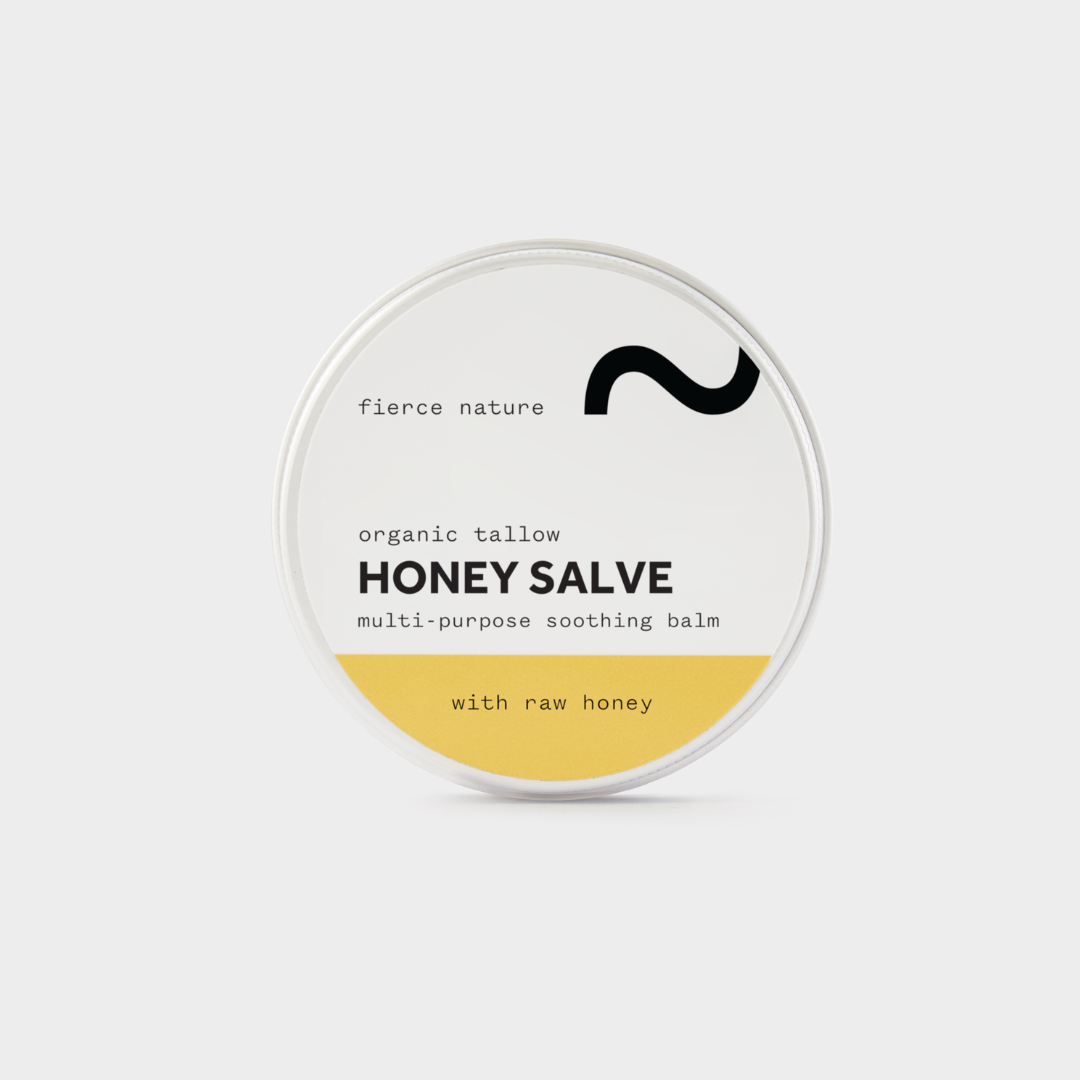
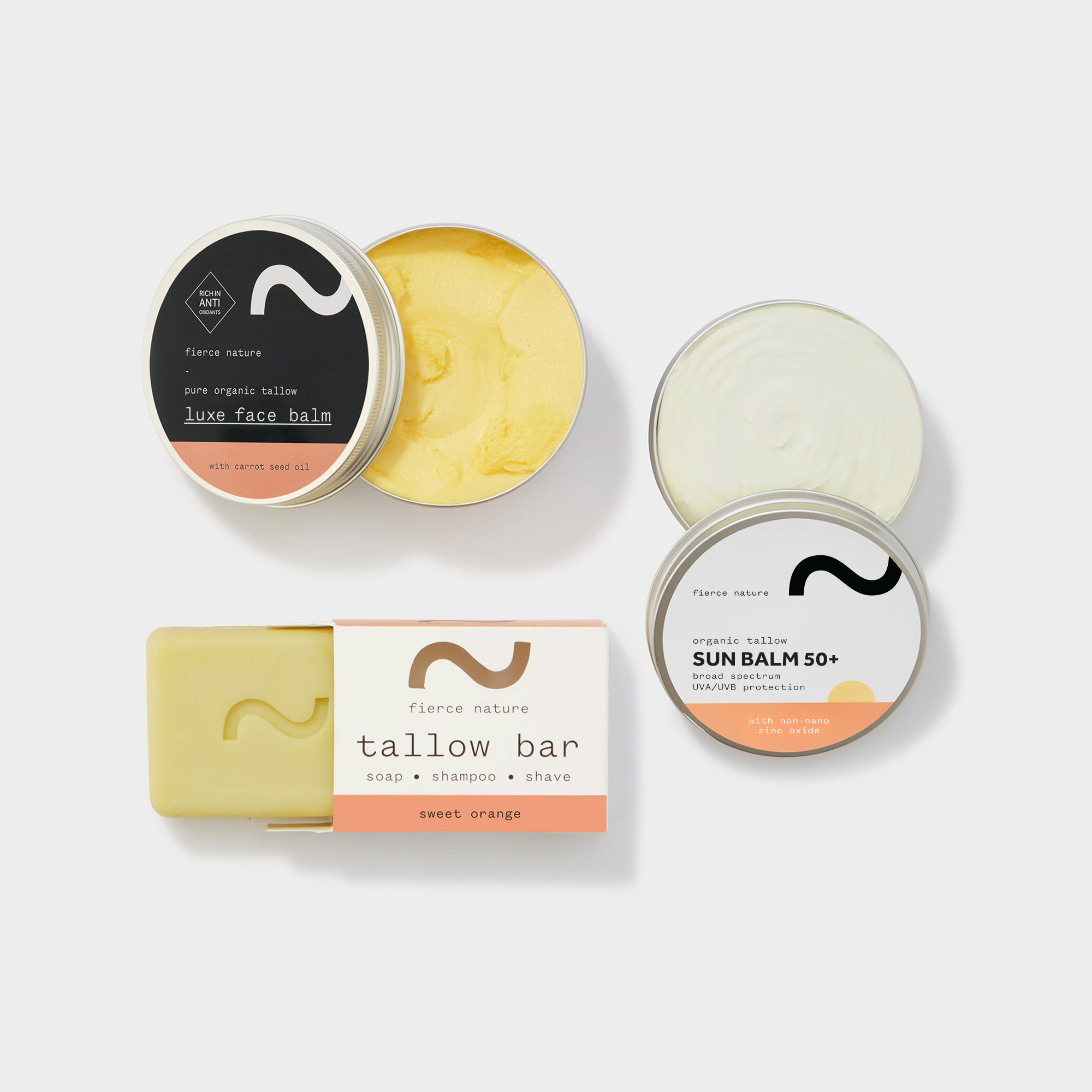
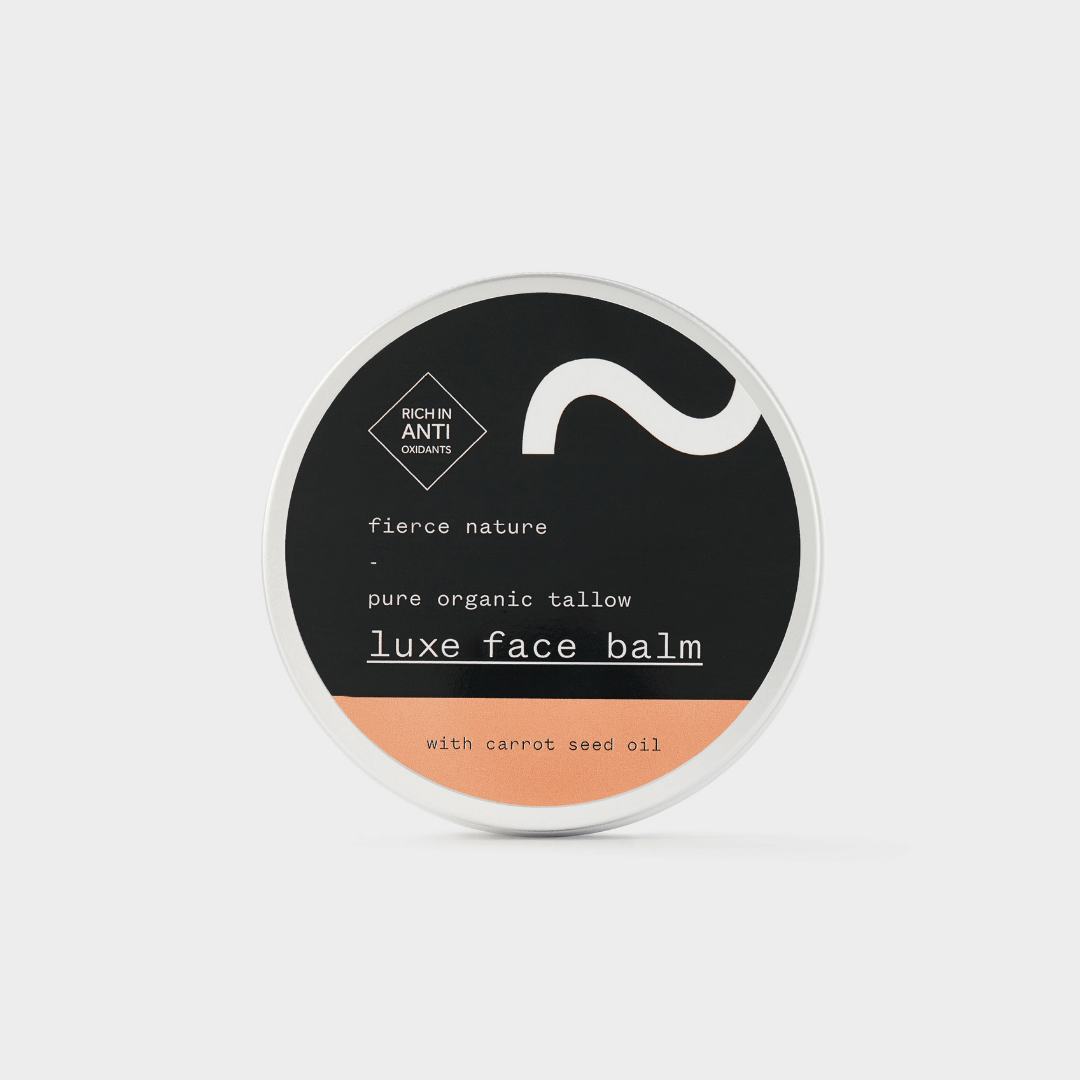
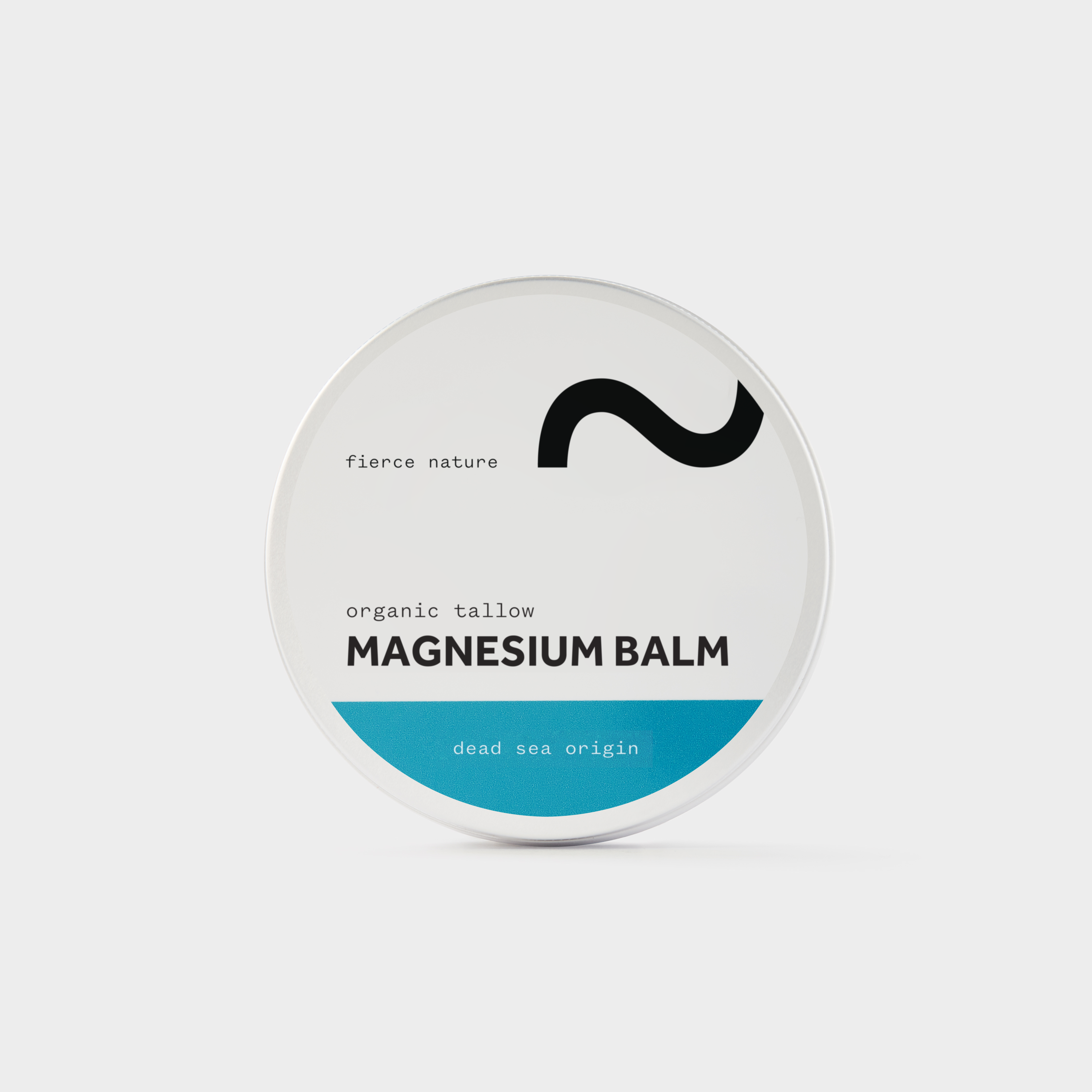
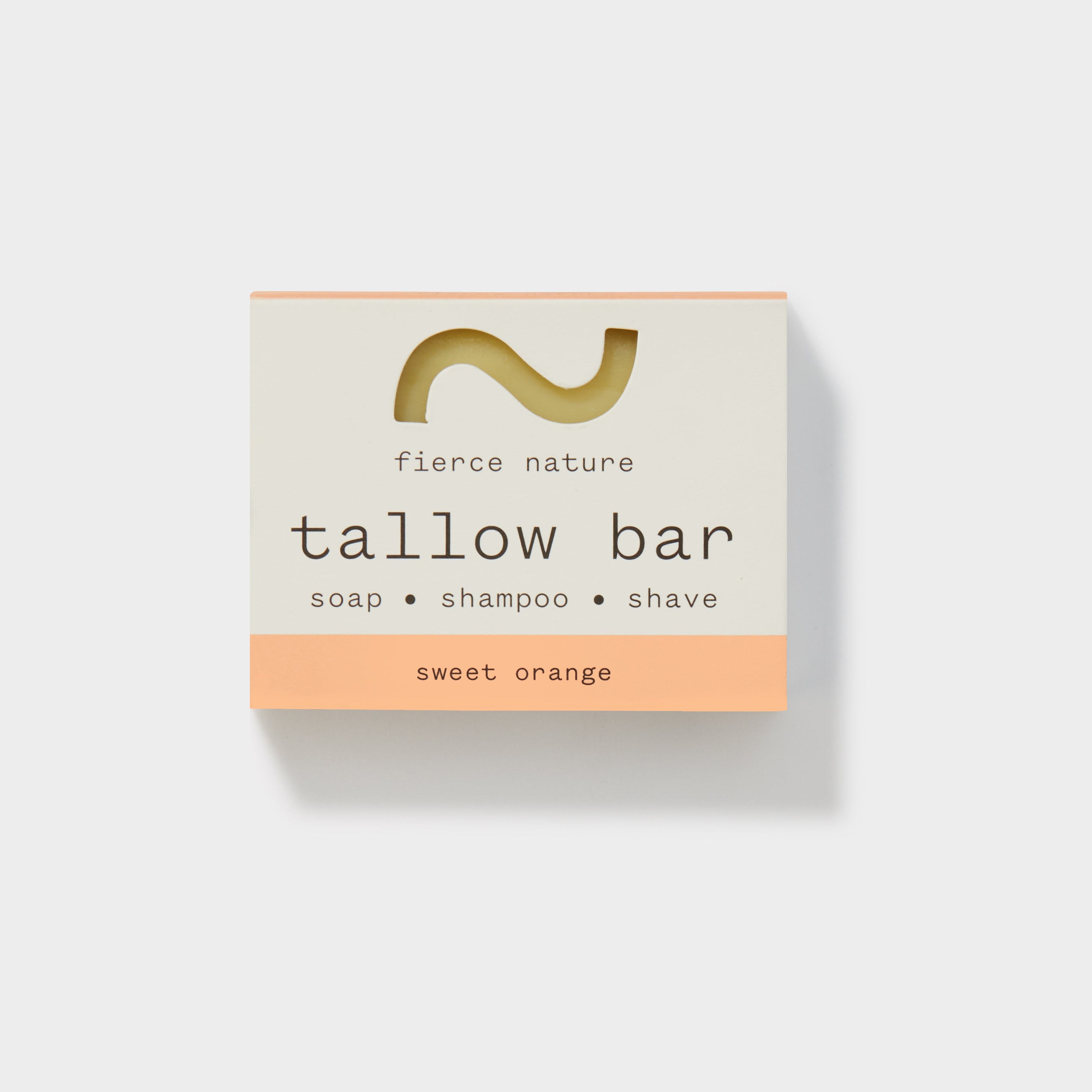
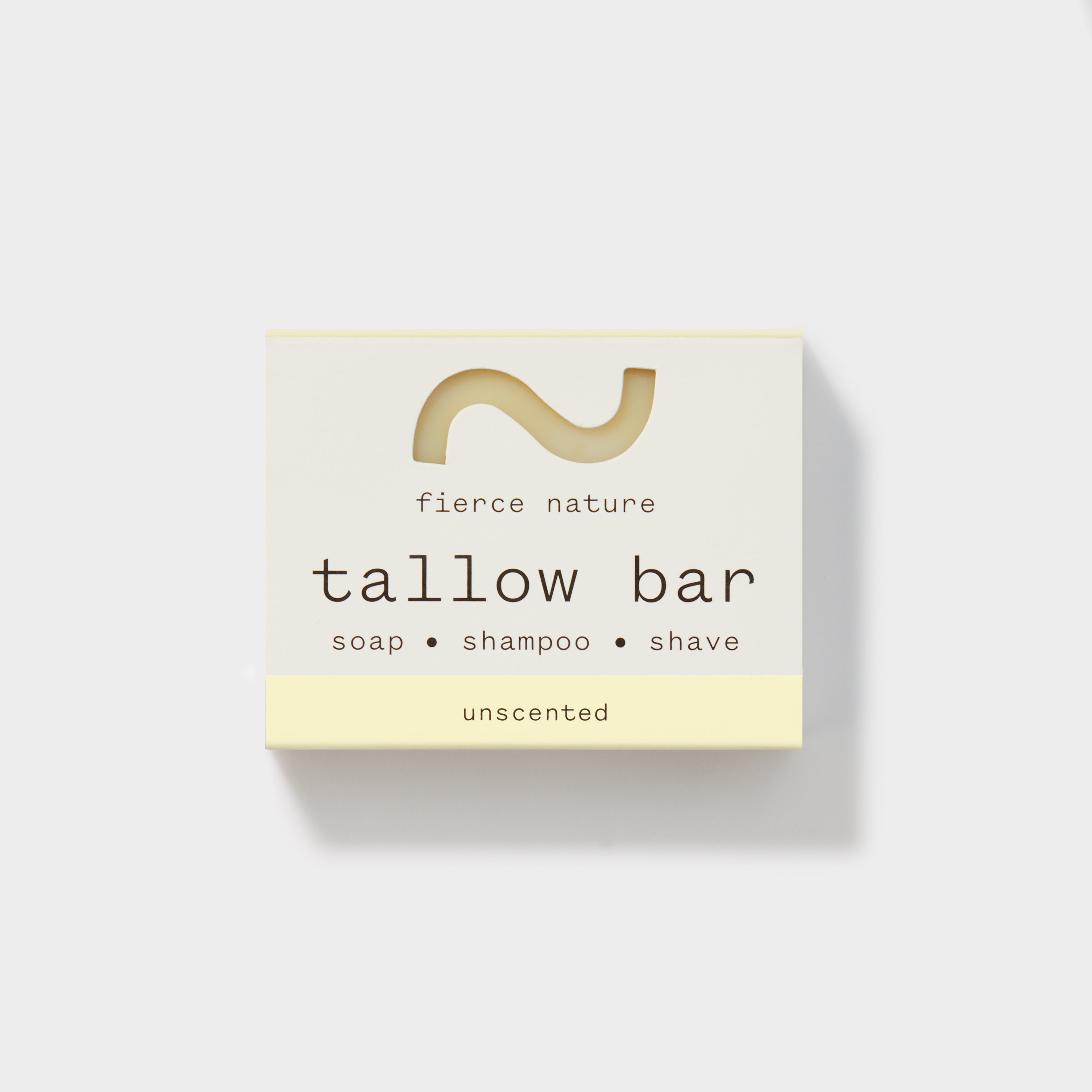
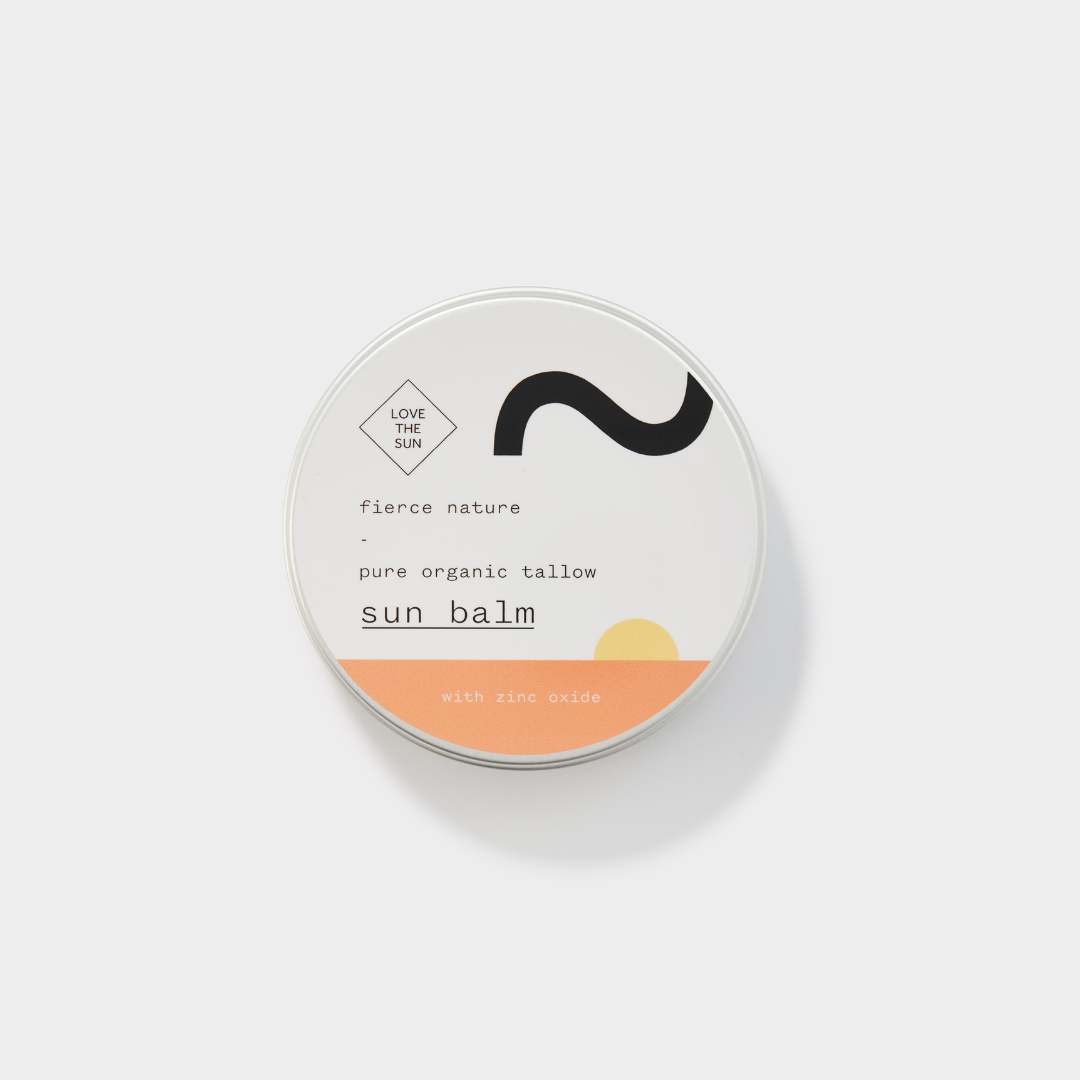
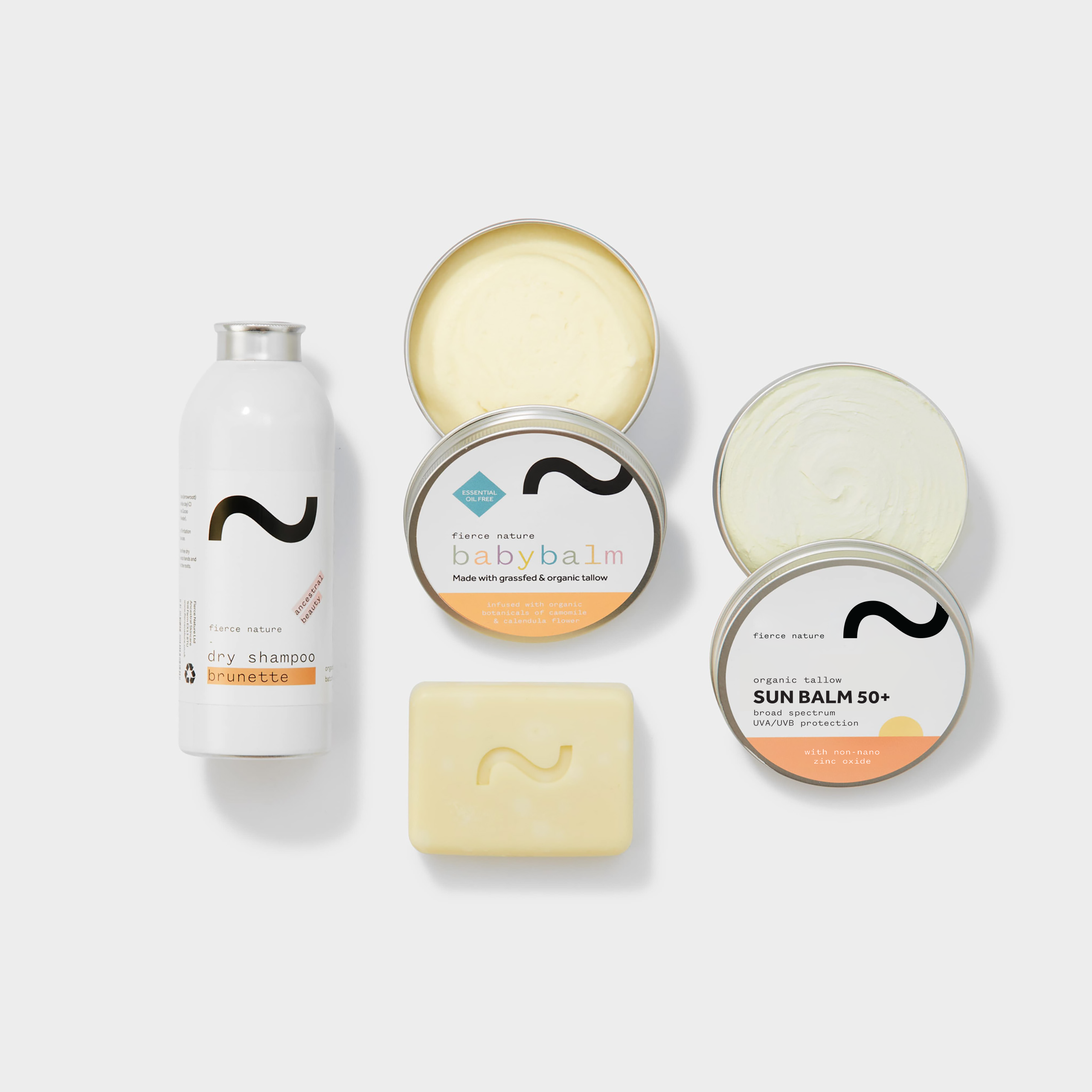
At Fierce Nature, every product is handcrafted in the UK using premium, naturally sourced ingredients with pure organic tallow as the foundation. Our formulations are safety assessed, preservation tested, and made in small batches to keep every ingredient as fresh and potent as possible. Whether you are new to natural skincare or ready to go deeper, our tallow skincare range offers a nourishing, non-toxic alternative to commercial products. For a versatile everyday option, the Multi-Use Tallow Bar is a wonderful place to start. Explore the full range and find the formulation that works with your skin.
Handmade skincare is produced in small batches and dispatched quickly, which preserves the potency of sensitive active ingredients that degrade during long commercial storage. Formulation flexibility also allows handmade producers to source fresher, higher-quality ingredients and adapt recipes to specific skin needs.
Yes. EU cosmetic regulations require all products, including handmade ones, to be microbiologically safe and adequately preserved under ISO 11930 standards. An unpreserved water-containing product is a microbial risk, not a cleaner choice.
Natural ingredients can cause irritation or allergic reactions just as synthetic ones can. Effectiveness and safety depend on formulation quality, concentration, and individual skin compatibility rather than whether an ingredient is natural or synthetic.
Skin improvements typically develop in stages over weeks to months. Hydration and texture improvements often appear within the first four to six weeks, while changes in tone and firmness develop over two to three months of consistent use.
Look for brands that provide batch dates, disclose their preservation strategy, and can confirm their products have undergone safety assessment and challenge testing. Transparent sourcing and regulatory compliance documentation are reliable indicators of quality.