Cart
0
80% Also Added this


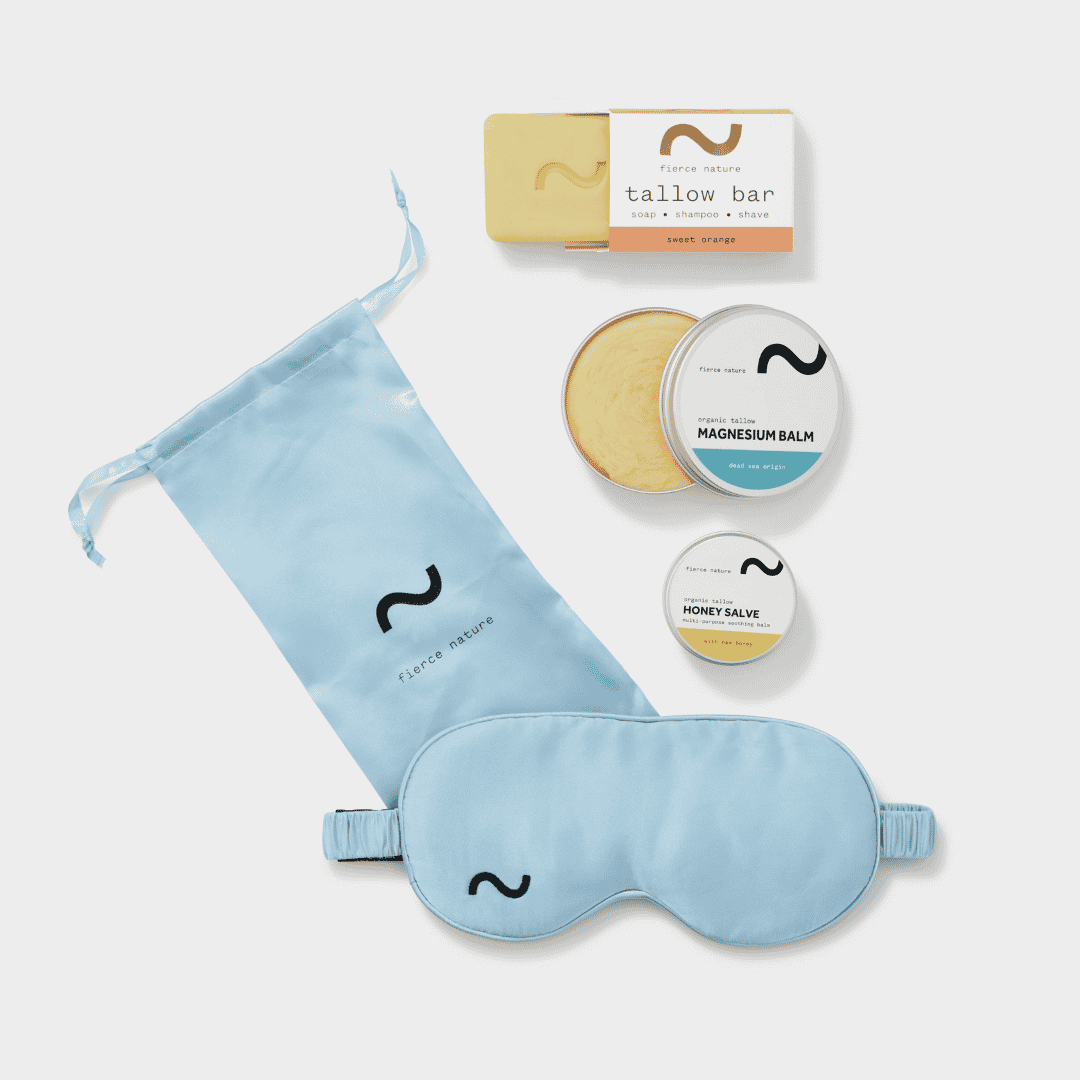
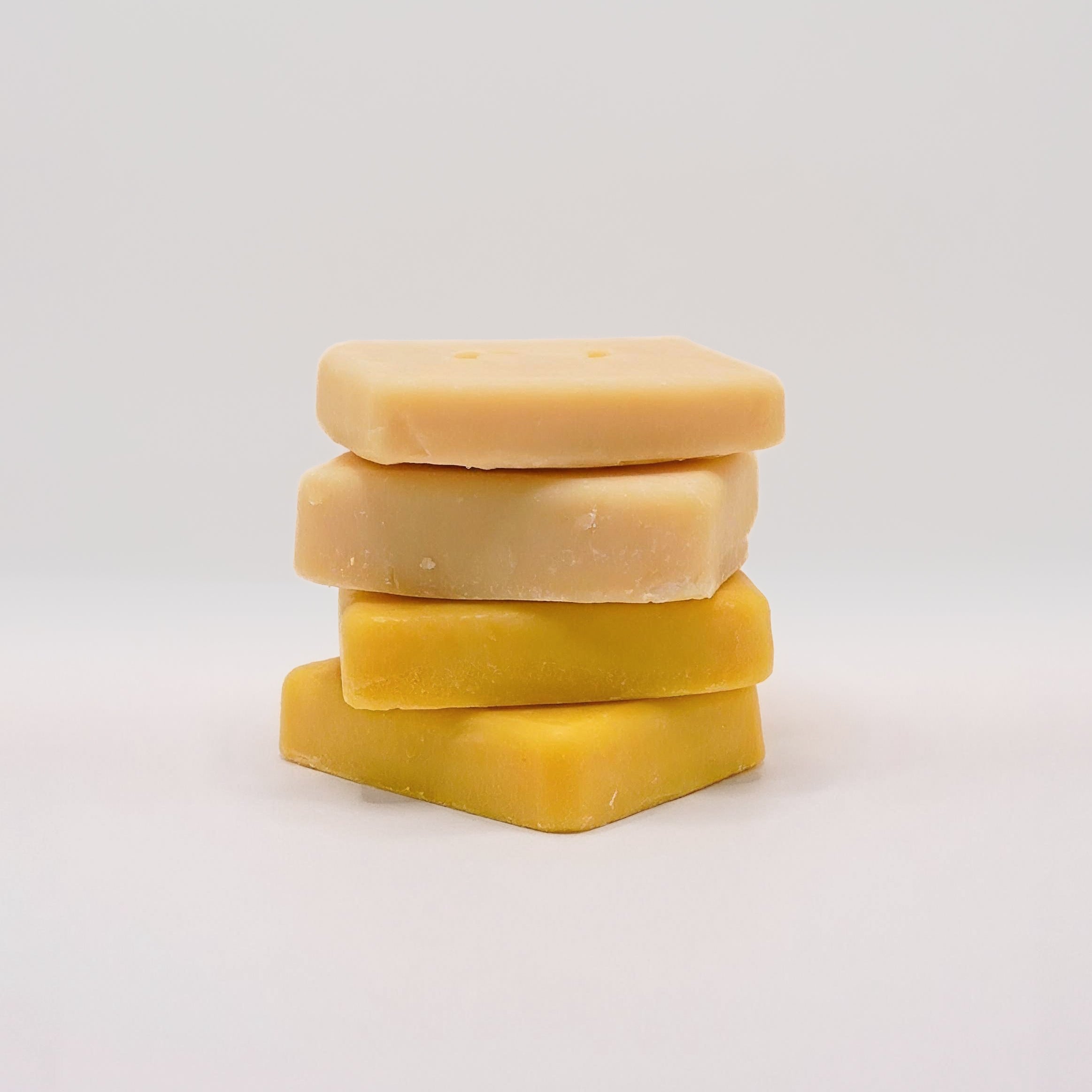



TL;DR:
- A structured natural skincare routine uses plant-based ingredients to nourish and protect skin without synthetic chemicals. Transitioning gradually and syncing product use with your menstrual cycle enhances results and reduces irritation. Consistency with core steps and choosing high-quality, bioavailable ingredients yield lasting improvements and healthier skin.
A natural skincare routine checklist is a structured set of plant-based steps designed to nourish, protect, and rebalance your skin without synthetic chemicals or harsh actives. Unlike a random collection of “clean” products, a proper checklist gives you a framework. It covers ingredient quality, application order, transition timing, and phase-specific adjustments for hormonal skin. Brands like Fierce Nature and Utama Spice have built their entire approach around this kind of systematic, evidence-based natural care. Whether you are starting fresh or switching from synthetic products, a checklist keeps you consistent, and consistency is what actually changes your skin.
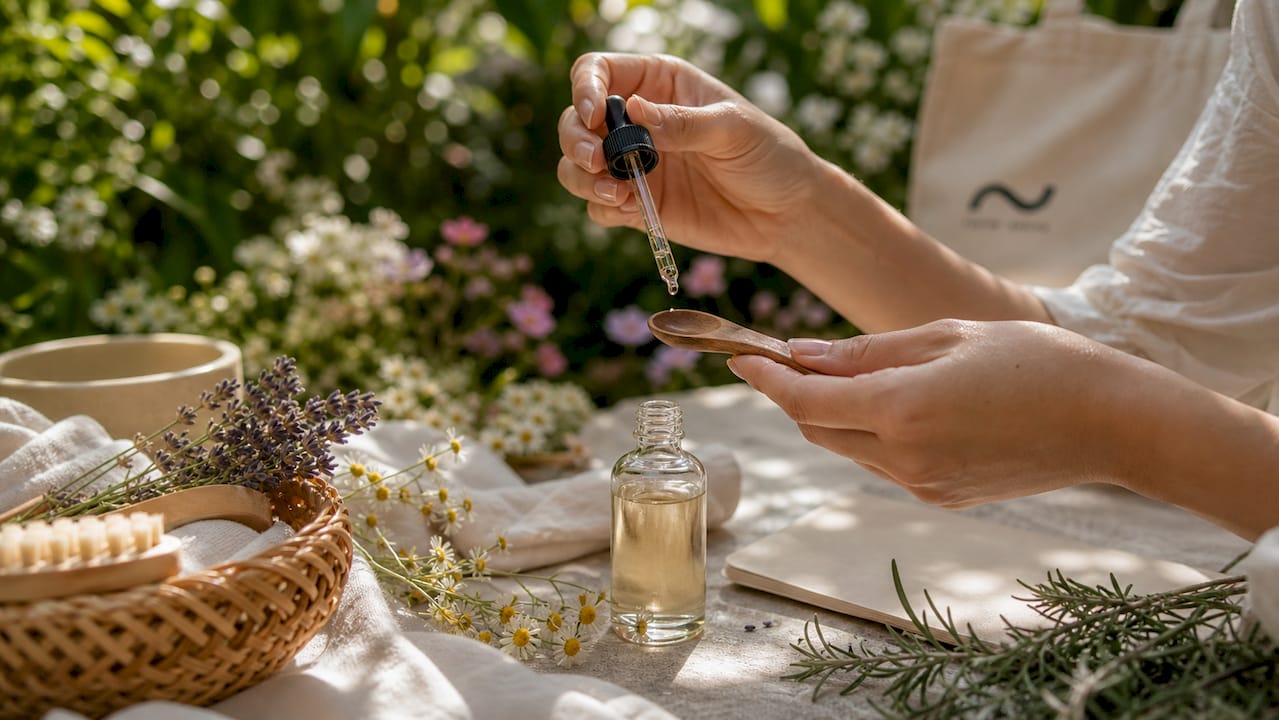
A complete daily routine follows five core botanical steps: gentle cleansing, toning with a hydrosol, applying a serum or face oil, moisturising with a plant-based cream or balm, and sun protection. This sequence works with your skin’s natural biology rather than stripping or overloading it.
Gentle cleanse. Use a mild, sulphate-free cleanser or a tallow-based bar. Avoid foaming detergents that disrupt your skin’s acid mantle.
Tone. Apply a botanical hydrosol such as rose water or neroli water. These replace alcohol-heavy toners and support your skin’s microbiome.
Serum or face oil. Rosehip oil delivers vitamin A and essential fatty acids. Jojoba closely mimics sebum and suits most skin types. Squalane is lightweight and non-comedogenic, making it ideal for oily or combination skin.
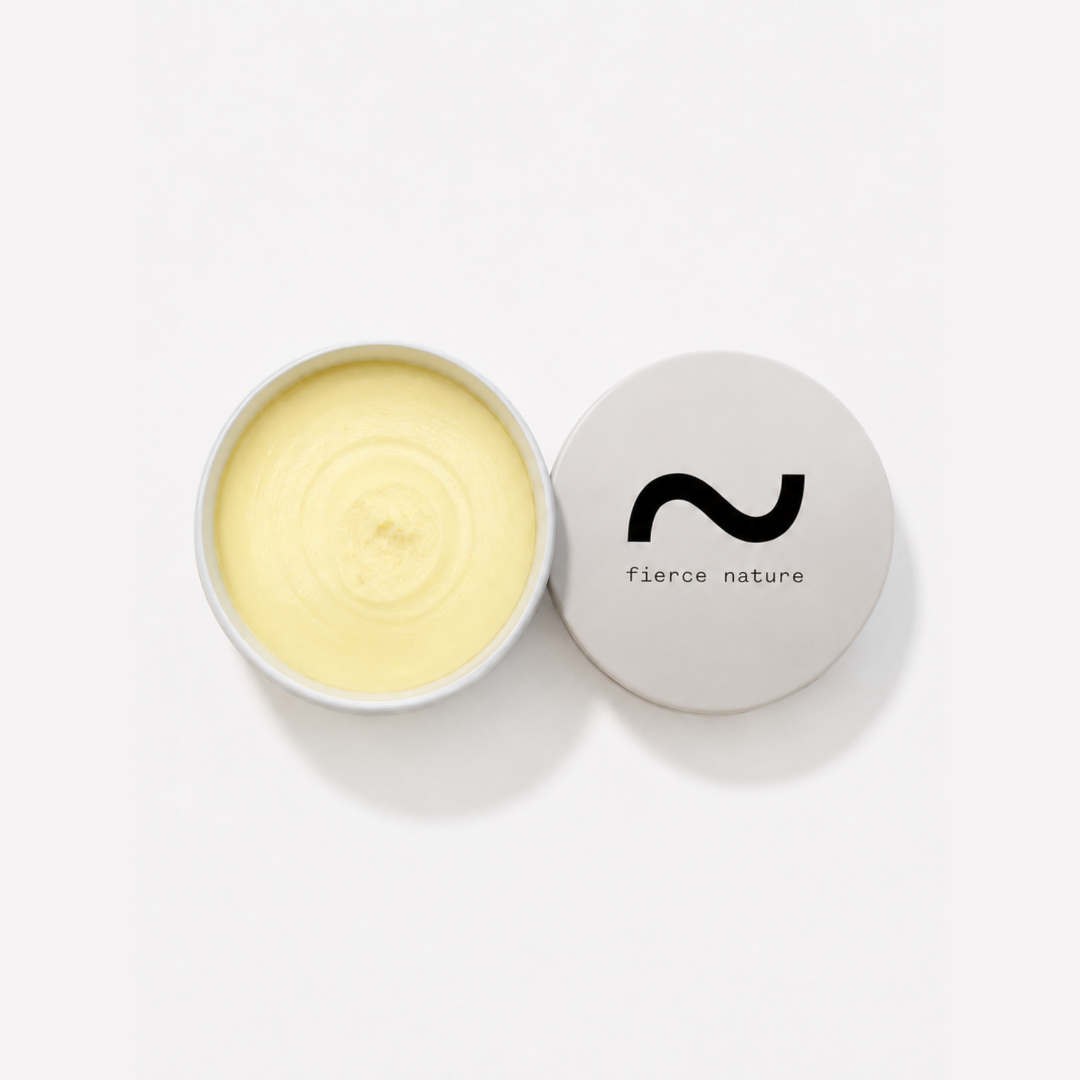
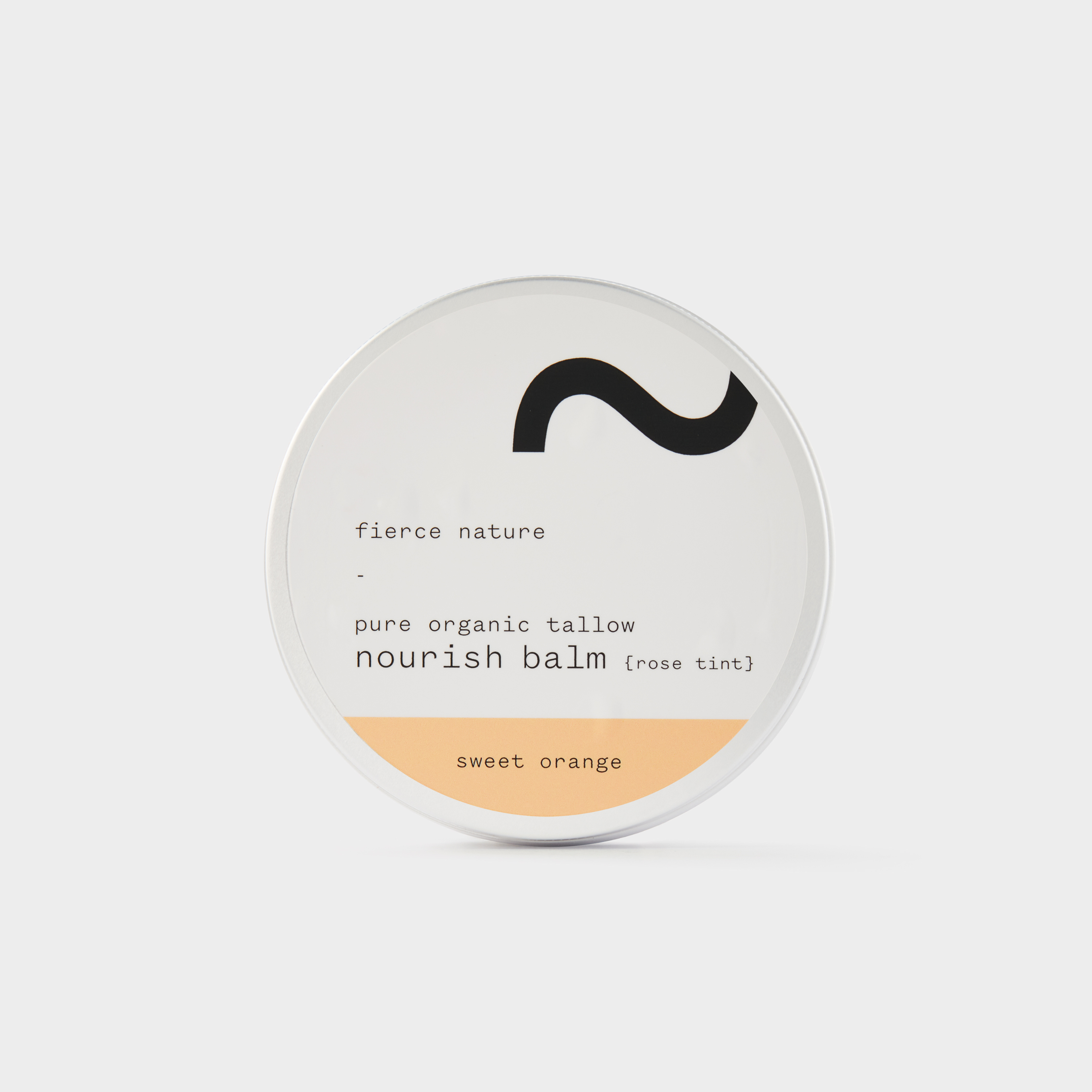
Moisturise. A plant-based cream, tallow balm, or nourishing balm seals in hydration and supports your skin barrier. Tallow’s bioavailability means it penetrates deeply rather than sitting on the surface.
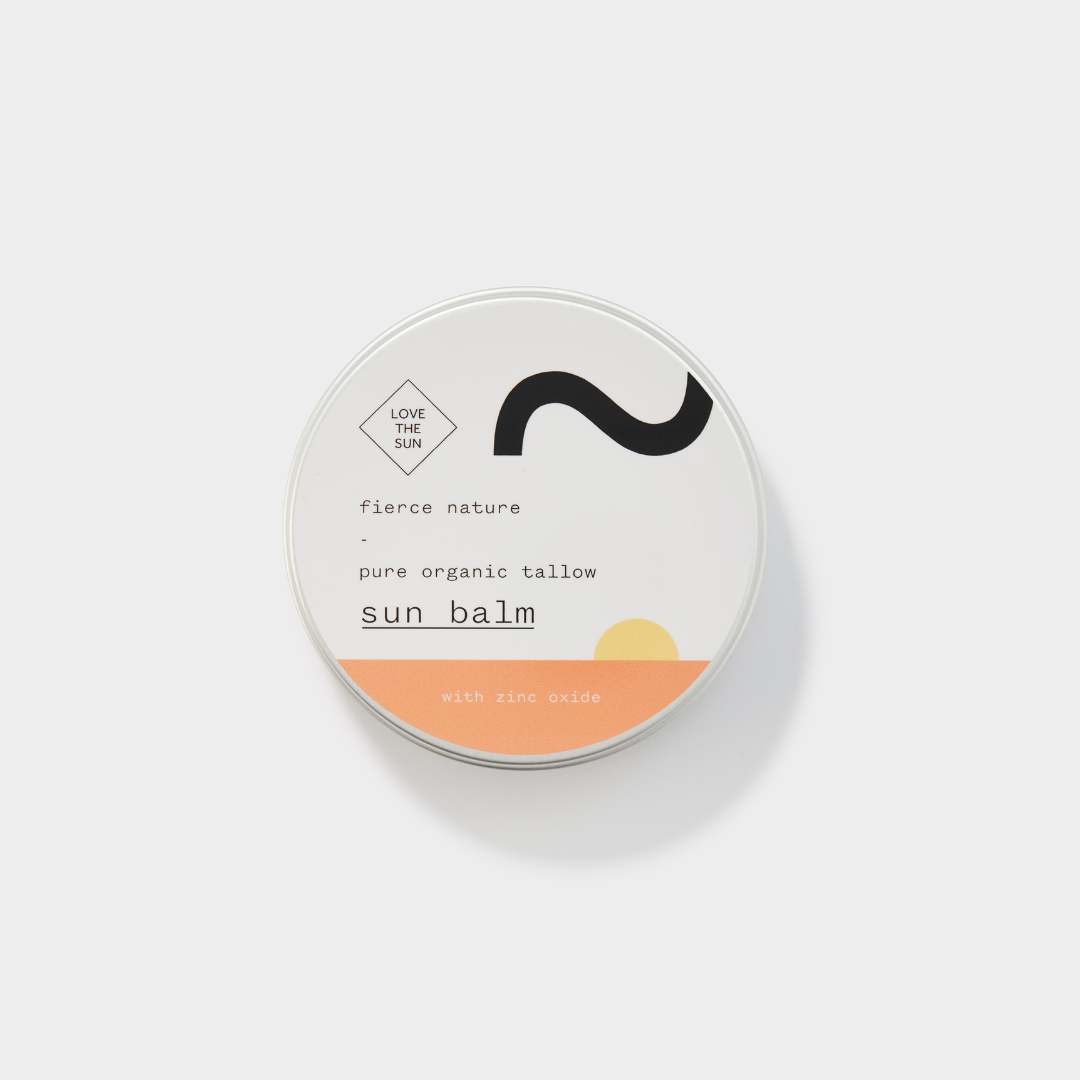
SPF. A mineral sunscreen with zinc oxide is the preferred natural option. This step is non-negotiable, particularly for hormonal skin that is more vulnerable to UV damage.
Your evening routine can follow the same sequence, with two additions. First, consider oil cleansing to remove the day’s buildup before your regular cleanse. A blend of castor oil and jojoba works well for most skin types. Second, introduce gentle exfoliation two to three times per week using a mild enzyme exfoliant or a soft muslin cloth rather than abrasive scrubs.
Pro Tip: Always patch test new products on your inner forearm or behind your ear for 24–48 hours before applying to your face. This single step prevents the majority of adverse reactions.
The difference between rosehip, jojoba, and squalane matters. Rosehip is rich in linoleic acid and suits dry or ageing skin. Jojoba is technically a liquid wax and is excellent for balancing oilier skin types. Squalane is the most stable of the three and rarely causes reactions, making it a good starting point for sensitive skin.
The most common mistake people make is replacing their entire routine at once. Overhauling your routine overnight causes irritation, breakouts, and confusion about which product is causing which reaction. A capsule approach is safer and more effective.
Start with your cleanser. This is the product that touches your skin most and rinses off, making it the lowest-risk swap. Replace your synthetic cleanser with a gentle, natural alternative first.
Wait 2–4 weeks before introducing anything new. Replacing one product at a time and monitoring your skin’s response is the single most reliable way to avoid irritation.
Expect an adjustment period. Your sebaceous glands take 2–8 weeks to recalibrate when you switch from synthetic to natural products. Mild purging or temporary dryness is a recalibration, not a failure.
Document your progress. Take weekly photos in the same lighting. This removes the guesswork and helps you distinguish normal adjustment from a genuine reaction.
Patch test every new product. Apply a small amount to your inner forearm or behind your ear and wait 24–48 hours before full-face use.
Simplify before you add. Get your base routine stable with three to four products before introducing serums, masks, or specialty treatments.
| Synthetic Active | Natural Alternative | Key Benefit |
|---|---|---|
| Retinoids | Bakuchiol or rosehip oil | Gentle cell turnover without irritation |
| Hydroquinone | Rooibos extract or vitamin C | Brightening without bleaching |
| Benzoyl peroxide | Tea tree oil or niacinamide | Antimicrobial and sebum-regulating |
| Synthetic fragrance | Essential oils (patch tested) | Scent without petrochemical load |
Pro Tip: Keep a simple skincare journal. Note the date, product introduced, and any skin changes. After three months, you will have a clear picture of what your skin genuinely responds well to.
The skin’s microbiome and barrier function thrive when you stop bombarding them with synthetic preservatives and surfactants. Natural skincare supports this biology rather than fighting it.
Cycle syncing skincare is the practice of adapting your product choices to each phase of your menstrual cycle to work with your hormonal shifts rather than against them. Cycle-syncing skincare prioritises barrier repair during menstruation, vitamin C during the follicular and ovulatory phases, and niacinamide at 5–10% during the luteal phase for sebum regulation. This is the foundation of any natural skincare for hormonal skin checklist.
Phase 1: Menstrual (Days 1–5) Your skin is at its most sensitive during this phase. Oestrogen and progesterone are at their lowest, which weakens your skin barrier.
Use a fragrance-free, gentle cleanser.
Apply a ceramide-rich or tallow-based moisturiser morning and evening.
Skip active ingredients like vitamin C or exfoliants entirely.
Use mineral SPF daily. Hormonal skin is more vulnerable to UV damage, and barrier repair is the priority.
Phase 2: Follicular (Days 6–13) Rising oestrogen improves skin texture and resilience. This is the best time to introduce brightening and mild exfoliating steps.
Introduce vitamin C serum in the morning.
Add gentle enzyme exfoliation two to three times per week.
Continue hydrating moisturiser and SPF.
Phase 3: Ovulatory (Days 14–17) Oestrogen peaks and skin often looks its most radiant. Focus on protection and antioxidant support.
Apply an antioxidant serum such as vitamin C or rosehip oil.
Prioritise mineral SPF, as UV sensitivity can increase around ovulation.
Keep the routine light. Your skin does not need heavy products right now.
Phase 4: Luteal (Days 18–28) Progesterone rises and sebum production increases, which can trigger congestion and sensitivity.
Introduce niacinamide (5–10%) to regulate sebum and calm redness.
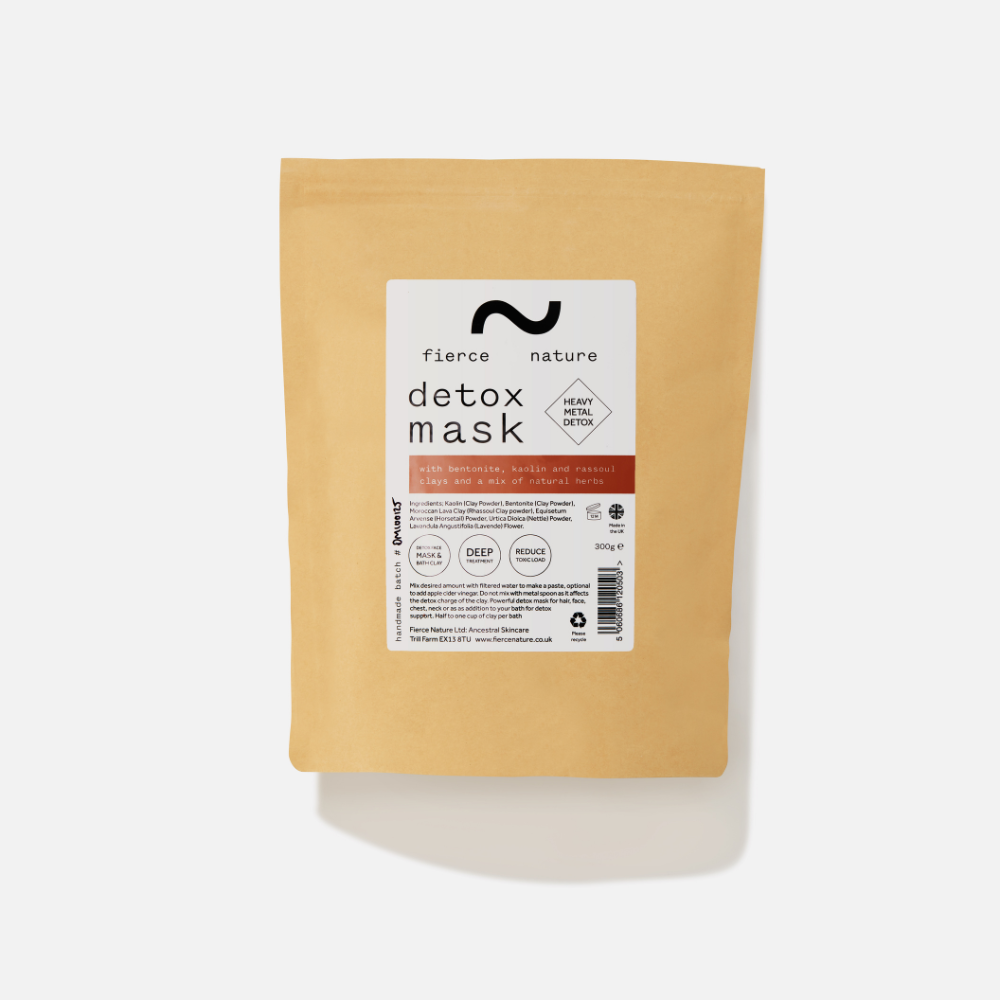
Use a calming clay or kaolin mask once per week.
Avoid introducing new products during this phase.
Stick to your barrier-supporting moisturiser and SPF.
Creating four mini-routines of under five minutes each, supported by app reminders and photo journaling, makes cycle syncing genuinely sustainable rather than overwhelming. You can explore more about how lifestyle and nutrition interact with hormonal skin on the Fierce Nature skin blog.
Consistency outperforms novelty in every natural beauty routine. Bioavailable ingredients and consistent application deliver better results than constantly switching products in search of a trend. Give any new routine at least eight weeks before judging its effectiveness.
Identify your skin type and primary concern. Dry skin benefits from tallow-based balms and facial oils. Oily skin responds well to jojoba and niacinamide. Sensitive skin needs fragrance-free, minimal-ingredient formulas.
Keep your base routine to four or five products. Cleanser, toner, moisturiser, and SPF cover the fundamentals. Add a serum only once your base routine is stable.
Track progress with photos. Take a photo in natural light every two weeks. Skin changes are gradual and easy to miss without a visual record.
Address lifestyle factors. Hydration, sleep quality, and nutrition directly affect skin health. The connection between nutrition and skin is well documented, and no topical routine fully compensates for a poor diet.
Introduce multitasking products. A tallow balm can serve as a moisturiser, lip treatment, and cuticle care in one. Fewer products mean less risk of irritation and a more manageable routine.
Review and adjust seasonally. Your skin’s needs shift with the weather. A richer moisturiser in winter and a lighter formula in summer is a simple, effective adjustment.
The goal is a routine you will actually follow every day, not a ten-step programme that collapses after a week. Simplicity and quality of ingredients matter far more than the number of products on your shelf.
Not all natural ingredients are equal, and the label “natural” carries no strict regulatory definition. Natural skincare labelling is not strictly regulated, which means efficacy depends on ingredient concentration and routine consistency rather than marketing claims. This is why reading ingredient lists matters as much as choosing the right product category.
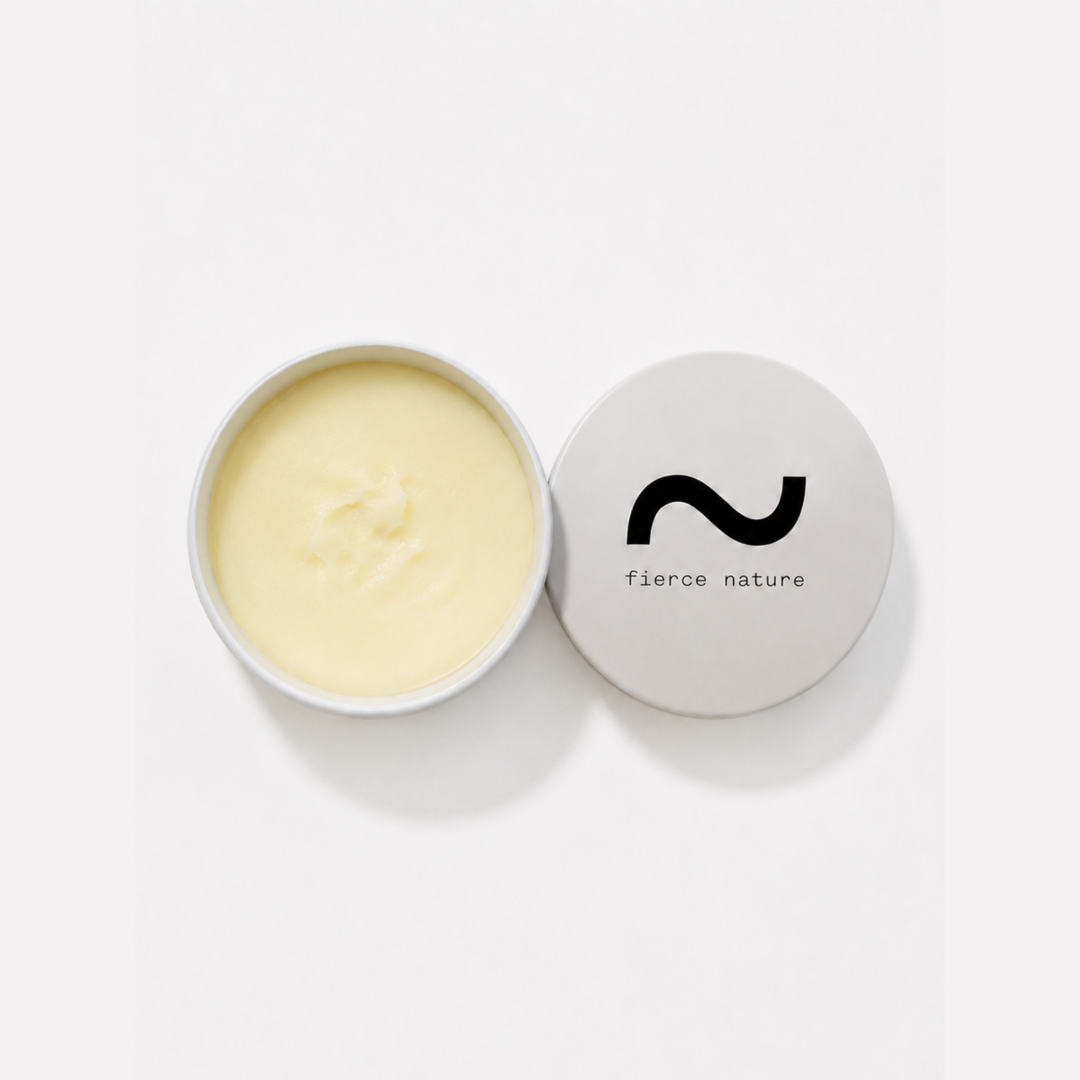
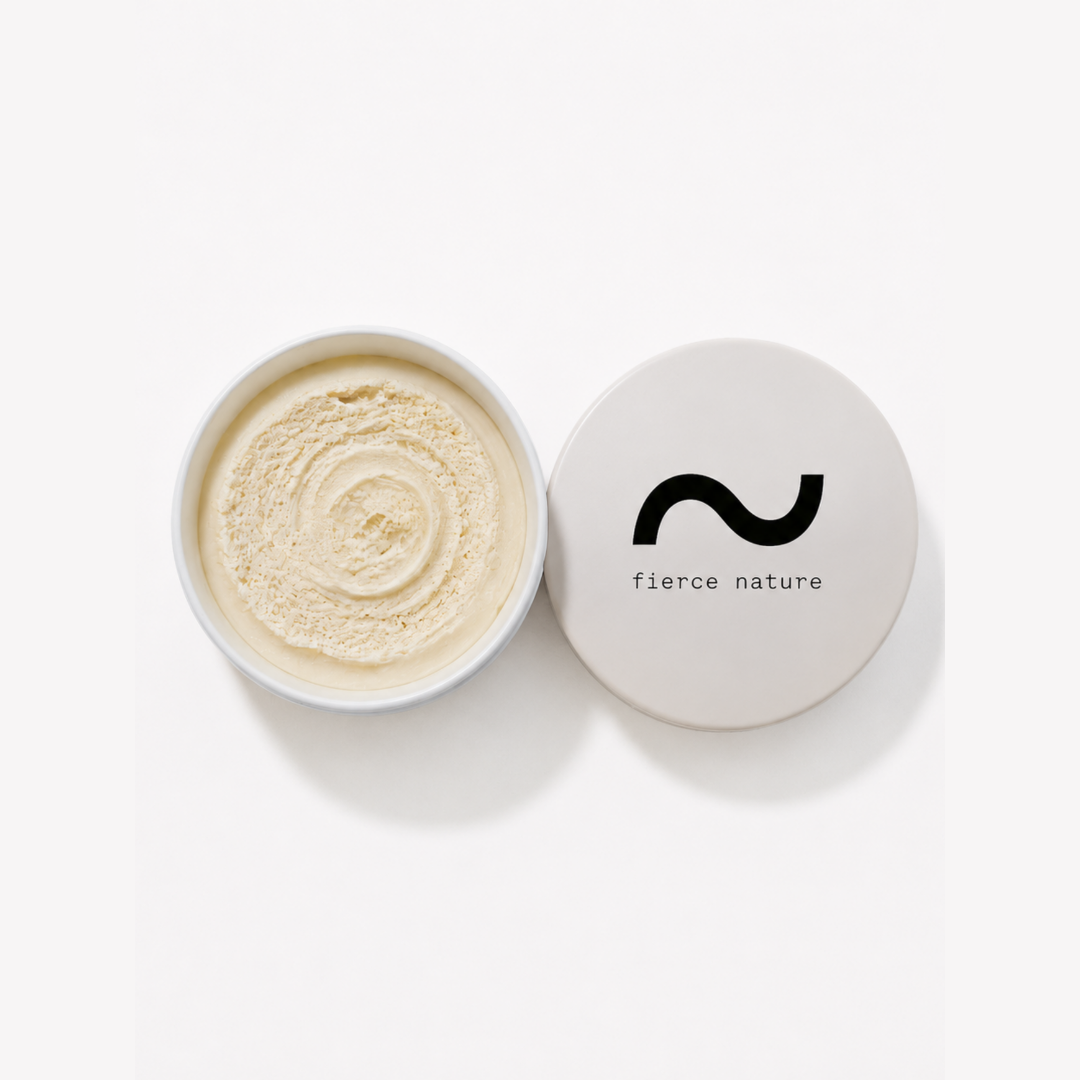
Tallow. Rendered from grass-fed beef fat, tallow shares a fatty acid profile remarkably close to human sebum. Its bioavailability means it absorbs deeply rather than forming a superficial barrier. Fierce Nature uses pure organic tallow as the foundation of its formulas for exactly this reason.
Rosehip oil. Cold-pressed rosehip seed oil is rich in linoleic acid and trans-retinoic acid, making it one of the most effective plant-based options for supporting cell turnover and reducing hyperpigmentation.
Bakuchiol. Derived from the Psoralea corylifolia plant, bakuchiol delivers retinol-like results without the irritation. It is suitable for use during pregnancy and for sensitive skin types that cannot tolerate conventional retinoids.
Ceramides. Found naturally in the skin, ceramides are lipid molecules that hold skin cells together and maintain barrier integrity. Ceramide-based moisturisers are particularly valuable for hormonal skin, which is prone to barrier disruption.
Rooibos extract. Rich in antioxidants and anti-inflammatory compounds, rooibos is a South African botanical that calms reactive skin and supports an even complexion. At Fierce Nature, rooibos holds a special place given the brand’s South African roots.
Understanding what each ingredient does allows you to build a routine with purpose rather than guesswork. Every product in your checklist should have a clear role.
An eco-friendly skincare approach extends beyond ingredients to packaging, sourcing, and consumption habits. Choosing products with minimal, recyclable packaging reduces your environmental footprint without compromising on quality.
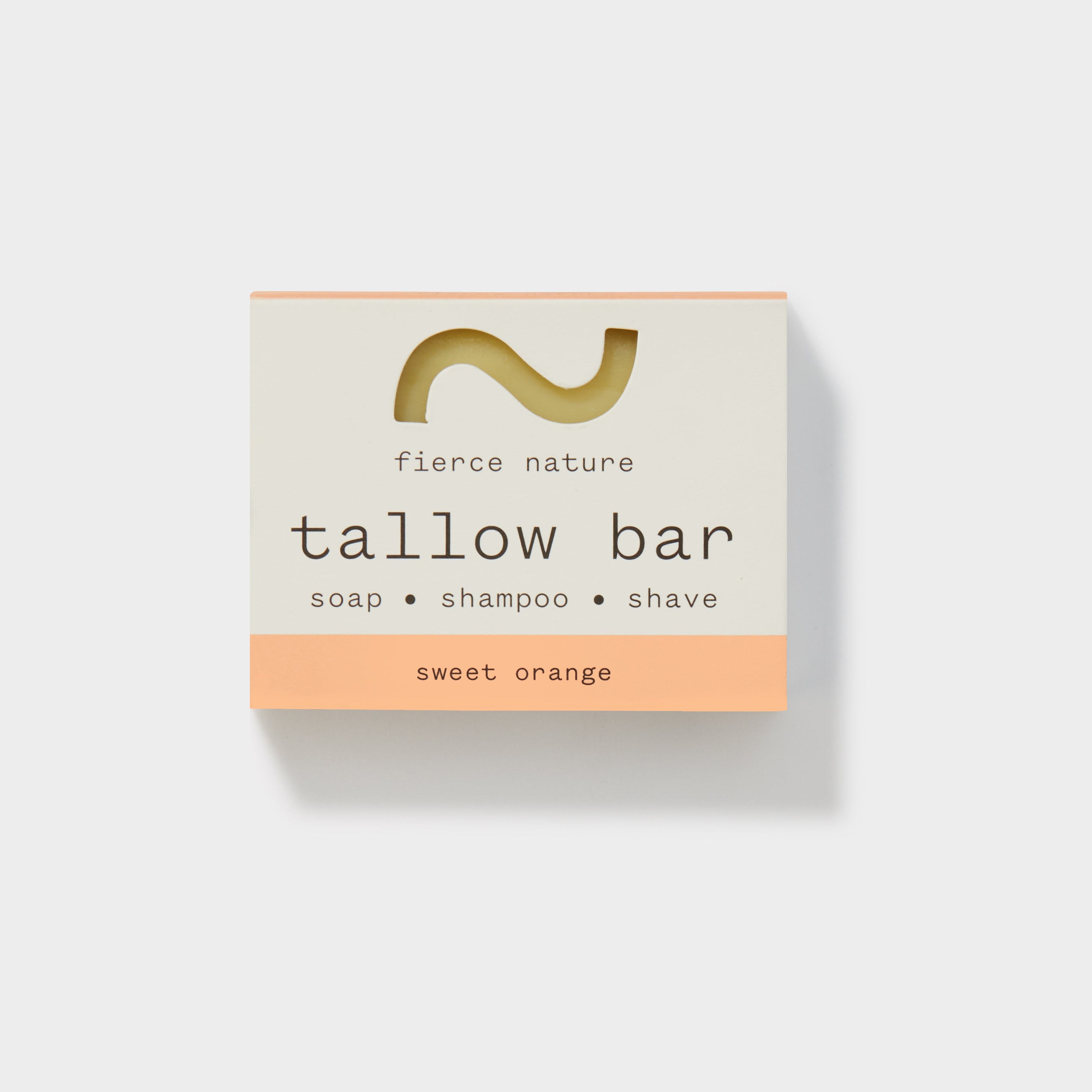
Concentrated, multi-use products are the most sustainable choice. A single tallow bar that functions as a cleanser, moisturiser, and shave bar replaces three separate products. This reduces both cost and waste. Fierce Nature’s tallow bars are handmade in the UK using ethically sourced ingredients, which keeps the supply chain short and transparent.
Refillable containers and glass packaging are worth seeking out when available. Plastic-free alternatives for cleansers, such as solid bars, eliminate single-use plastic entirely. Buying in slightly larger quantities also reduces packaging waste per use.
Finally, supporting brands that are transparent about their ingredient sourcing and manufacturing process is itself an eco-friendly act. Transparency in the supply chain is one of the clearest signals of genuine commitment to natural and sustainable practice.
The most frequent error is treating a natural routine as an all-or-nothing overhaul. Switching every product at once makes it impossible to identify what is helping or causing a reaction. A phased, patient approach is always more effective.
A second common mistake is expecting immediate results. Natural ingredients work by supporting your skin’s own biology rather than forcing a rapid surface change. This means results are often more gradual but also more lasting.
Over-exfoliating is another pitfall. Many people coming from synthetic routines are accustomed to strong chemical exfoliants. Natural routines call for gentler, less frequent exfoliation. Two to three times per week with a mild enzyme exfoliant or muslin cloth is sufficient for most skin types.
Finally, neglecting SPF is a mistake that undermines every other step. Mineral zinc oxide sunscreen is the most compatible option for a natural routine and provides broad-spectrum protection without the hormone-disrupting chemicals found in many chemical sunscreens.
A natural skincare routine checklist works because it combines ingredient quality, consistent application, and phase-specific adjustments to support your skin’s biology rather than override it.
| Point | Details |
|---|---|
| Follow five core steps | Cleanse, tone, treat, moisturise, and protect with SPF every morning. |
| Transition gradually | Replace one product at a time and wait 2–4 weeks before introducing anything new. |
| Sync with your cycle | Adapt your routine to each menstrual phase to manage hormonal skin changes effectively. |
| Prioritise bioavailable ingredients | Choose tallow, rosehip oil, bakuchiol, and ceramides over trend-driven formulas. |
| Consistency over novelty | Give any new routine at least eight weeks before assessing results. |
The checklist approach changed everything for us at Fierce Nature. Not because it made skincare more complicated, but because it made it more intentional.
When I first started formulating with tallow and botanical oils, the most striking thing was how quickly skin responded when you simply stopped assaulting it. No stripping cleansers. No synthetic fragrance. No preservatives that the body has to work to process. Just ingredients that the skin recognises and knows how to use.
What I have seen, time and again, is that the transition period is where most people give up. The 2–8 week recalibration phase feels like failure when it is actually the opposite. Your skin is relearning how to regulate itself after years of synthetic intervention. Patience during this window is the single most important factor in whether someone succeeds with a natural routine.
Cycle syncing was the second revelation. Once you start paying attention to how your skin shifts across your cycle, the idea of using the same products every single day starts to feel oddly blunt. Your skin is not static. Your routine should not be either.
The simplest routines tend to produce the best results. Three to four well-chosen products, applied consistently, will outperform a ten-step routine built on trend-chasing every time. We built Fierce Nature around this principle. Fewer ingredients, higher quality, deeper nourishment. That is the whole philosophy.
The habits and lifestyle factors that support skin health from the inside are just as important as what you apply topically. Skincare is not separate from how you live. It is part of it.
— Fierce Nature
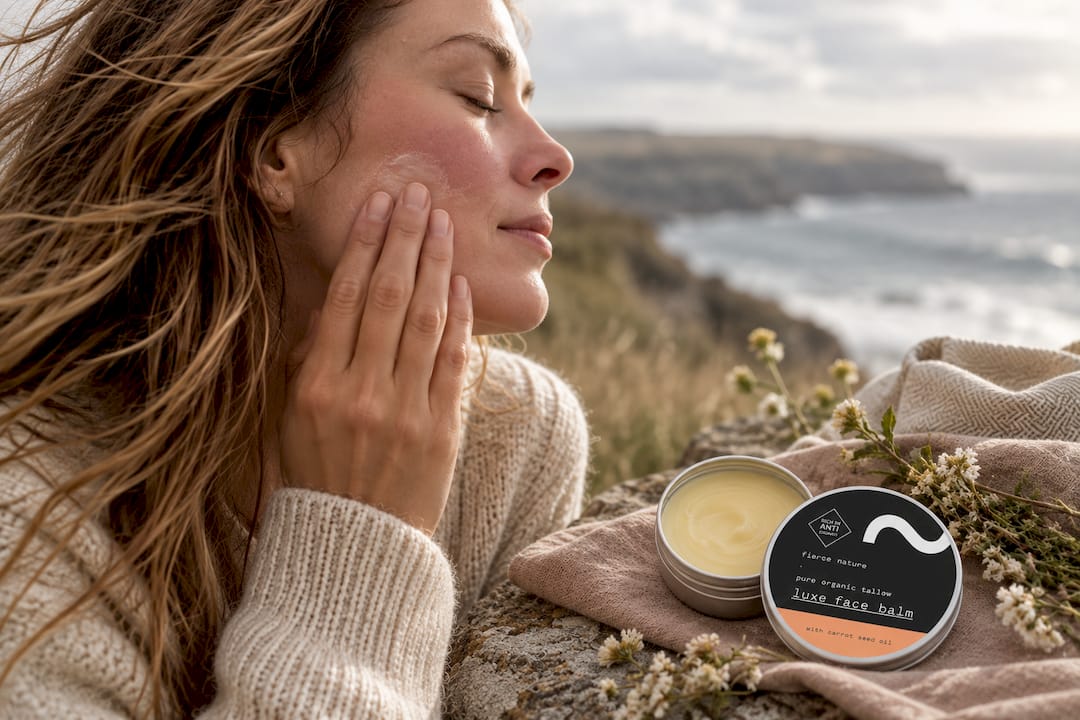
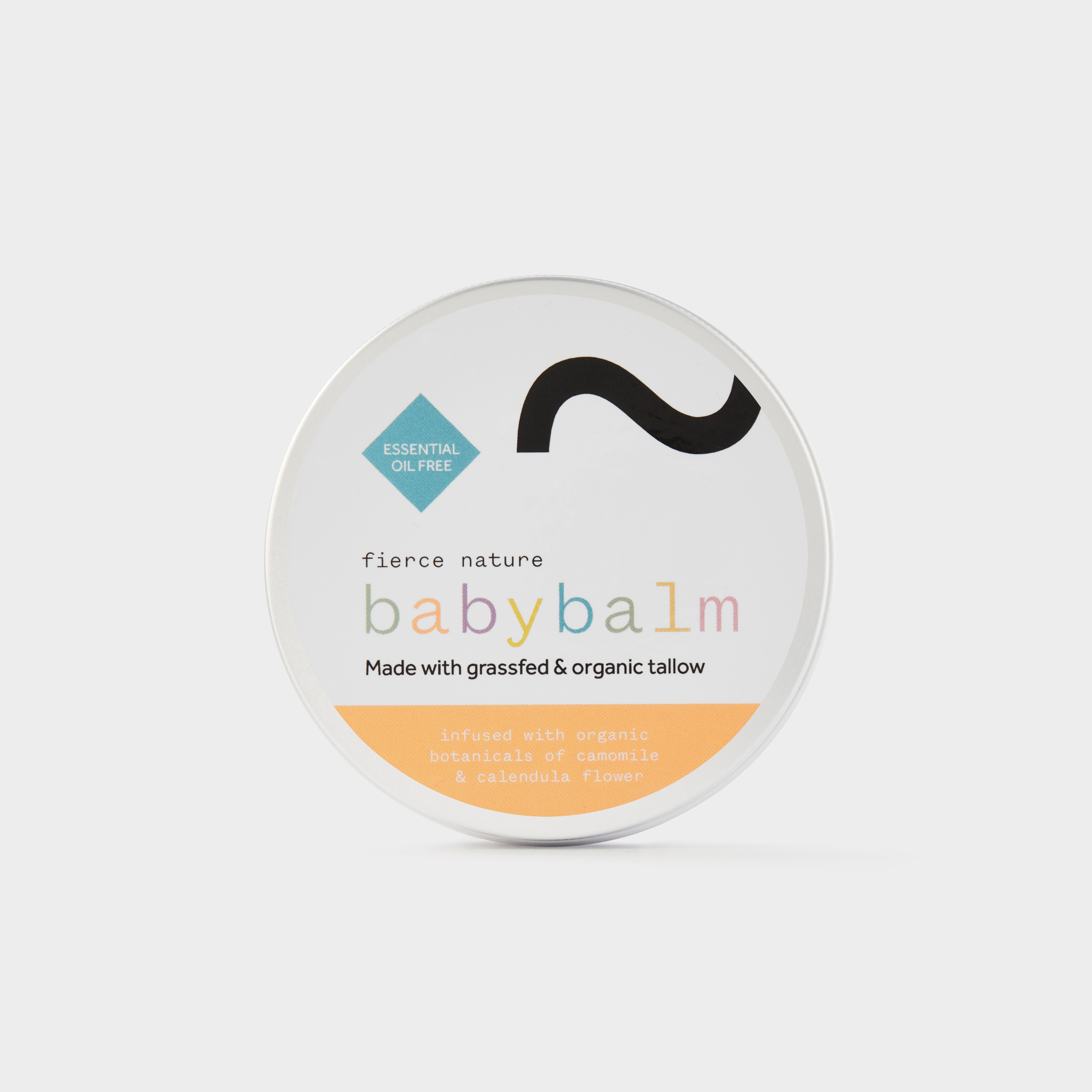
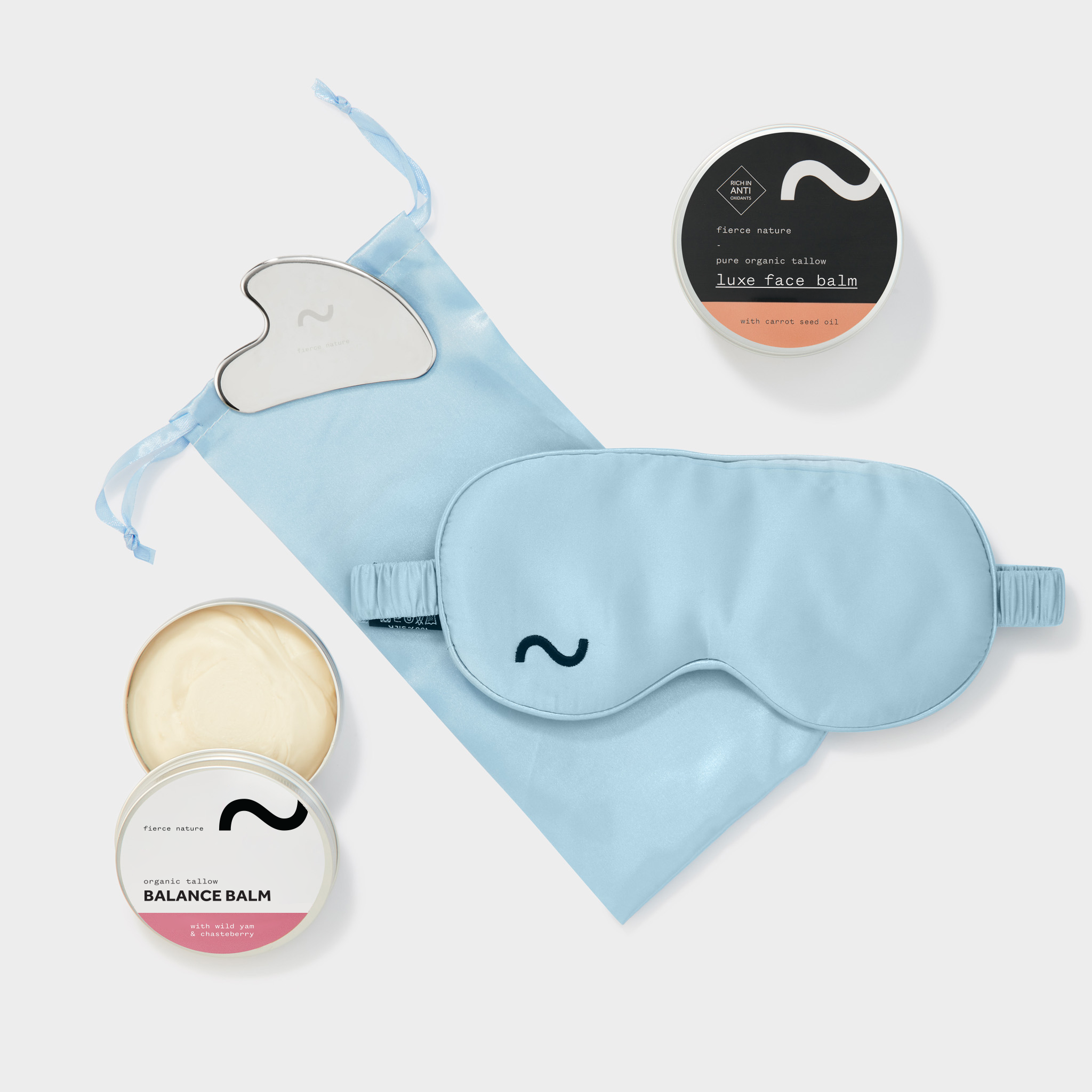
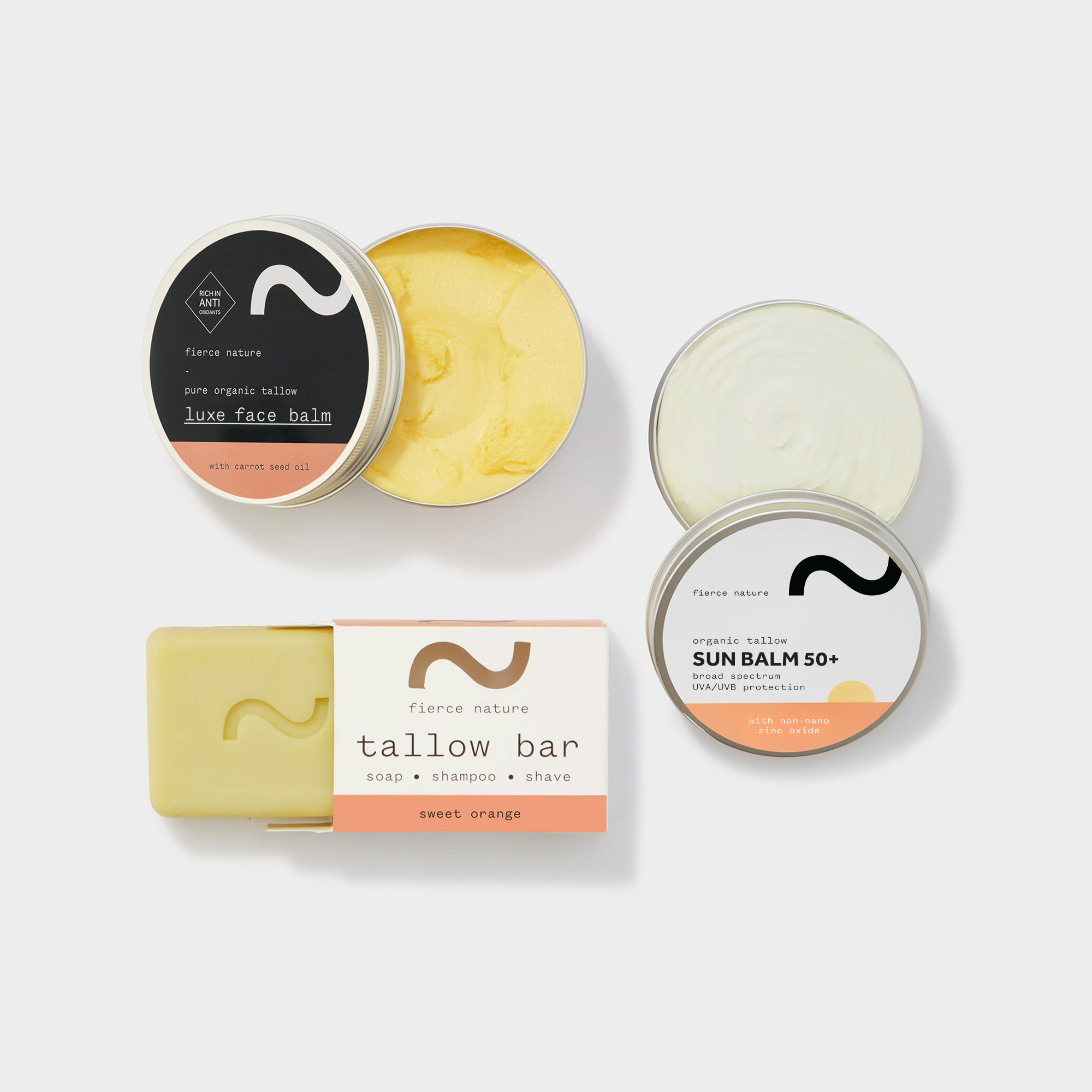
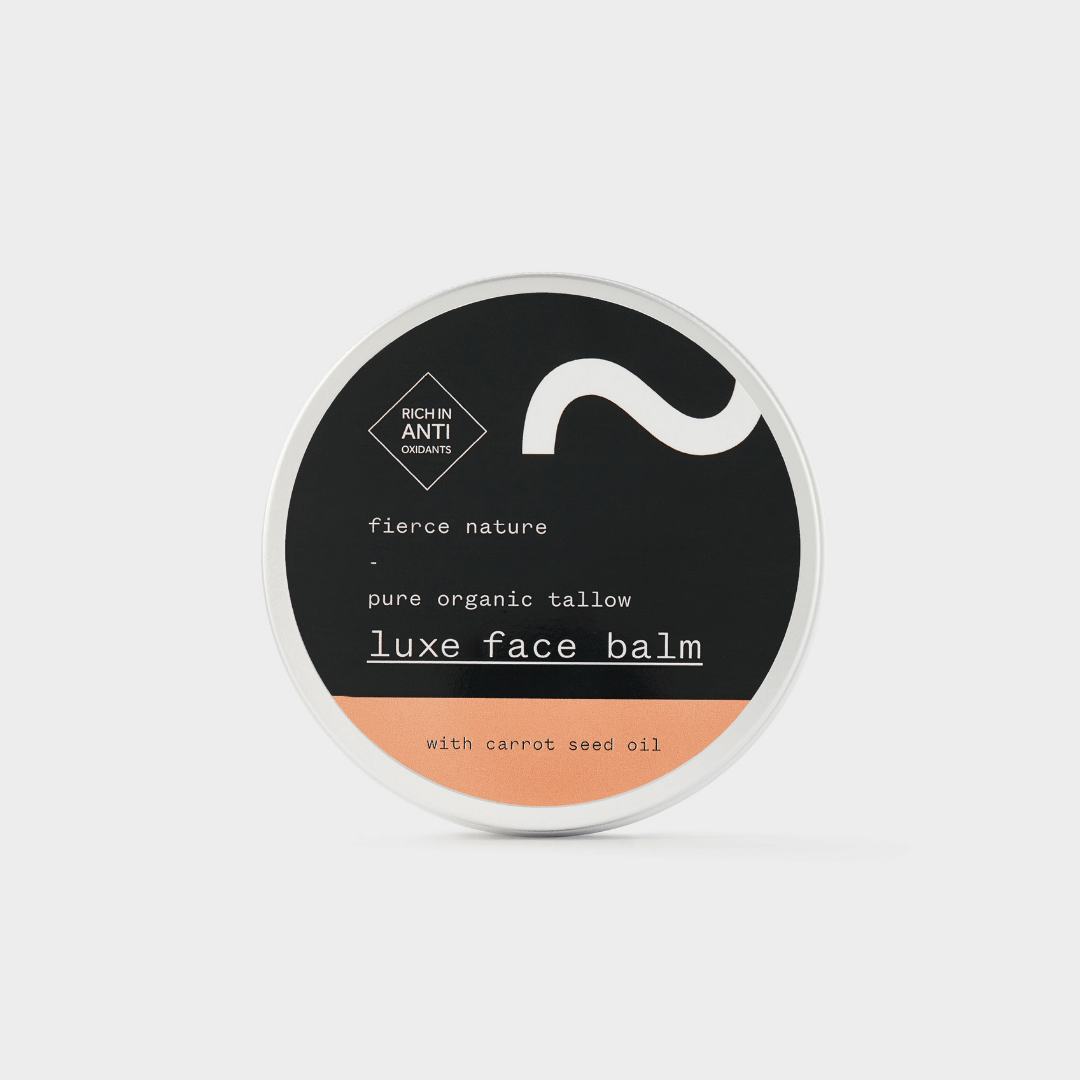
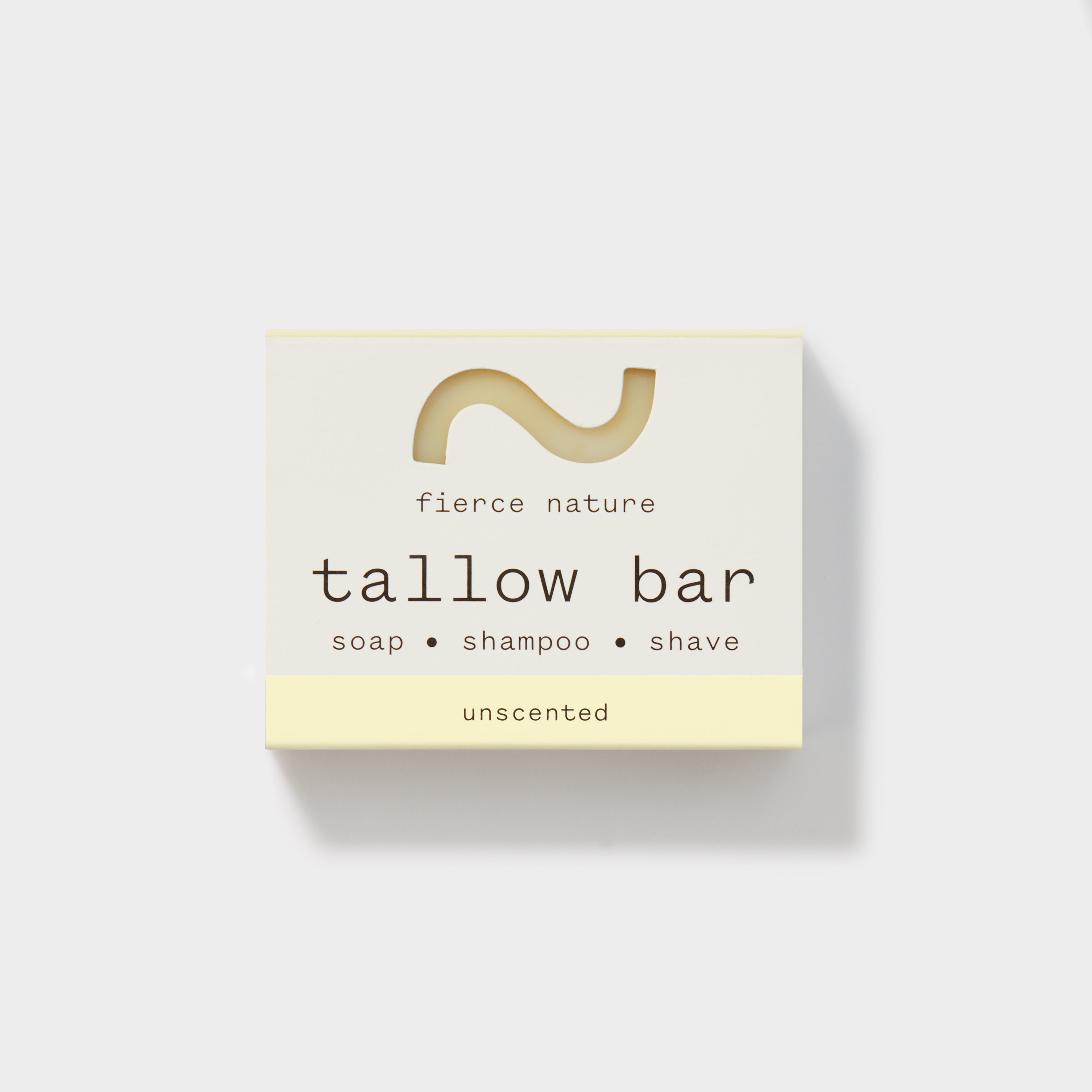
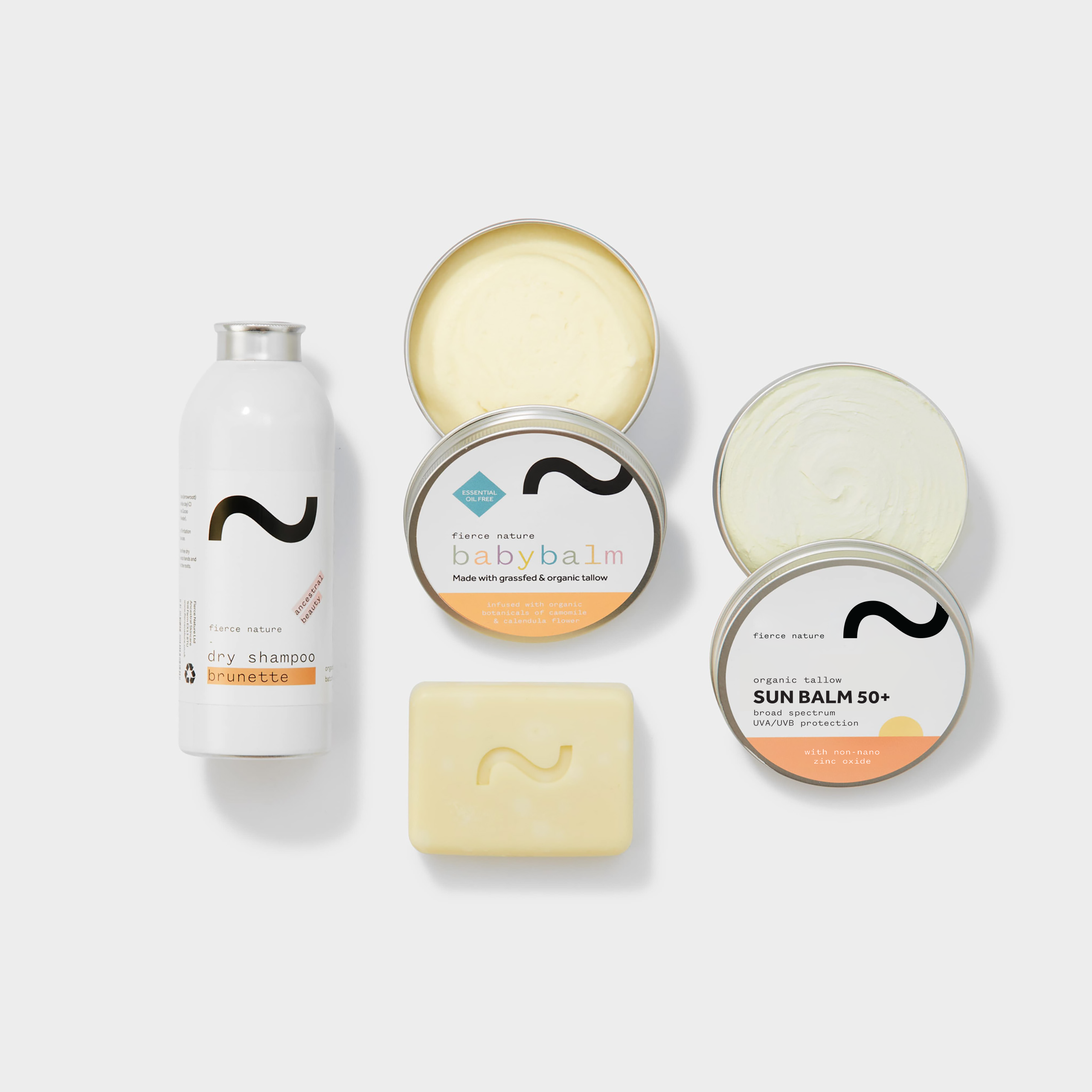
If this checklist has given you a clear direction, Fierce Nature’s handmade, non-toxic range is built to support every step of it. Our tallow-based skincare collection covers cleansing, moisturising, and barrier repair using pure organic tallow and ethically sourced botanicals. The Luxe Face Balm is a firm favourite for barrier repair during the menstrual phase, while our unscented tallow bar is a multi-use essential for anyone mid-transition. For those with sensitive or reactive skin, our non-toxic baby skin essentials offer the gentlest possible introduction to natural care. Every product is crafted in the UK, free from synthetic chemicals, and designed to work with your skin’s biology.
A natural skincare routine checklist is a structured guide of plant-based steps covering cleansing, toning, treating, moisturising, and sun protection using non-toxic, naturally sourced ingredients. It provides a repeatable framework that supports skin barrier health and ingredient consistency.
Most people see meaningful results after 6–8 weeks of consistent use, as the skin needs time to recalibrate after transitioning from synthetic products. The sebaceous gland adjustment period alone can last 2–8 weeks.
Niacinamide at 5–10% regulates sebum during the luteal phase, ceramides support barrier repair during menstruation, and vitamin C brightens during the follicular phase. Barrier repair and daily SPF are the two non-negotiable steps for hormonally sensitive skin.
Yes. Tallow’s fatty acid profile closely mirrors human sebum, which means it signals to the skin that it does not need to overproduce oil. Many people with oily or acne-prone skin find that tallow-based products actually reduce congestion over time rather than worsening it.
Purging typically appears as small, short-lived breakouts in areas where you already experience congestion, and it resolves within 4–6 weeks. A genuine adverse reaction causes redness, swelling, or persistent irritation in new areas. Documenting progress with weekly photos is the most reliable way to distinguish between the two.