Cart
0
80% Also Added this






TL;DR:
- A face balm forms an oil-rich film that reduces water loss and supports skin barrier repair. It works through occlusion and lipid replenishment, especially when applied on damp skin to trap moisture. Tallow-based balms closely mimic skin’s natural lipids, making them effective for sensitive or compromised skin.
A face balm prevents moisture loss by forming an oil-rich, occlusive film over the skin that slows transepidermal water loss (TEWL) and supplies barrier-compatible lipids that integrate with the stratum corneum. The result is twofold: immediate protection against evaporation and longer-term support for barrier repair.
Here is what a well-formulated balm does in practice:
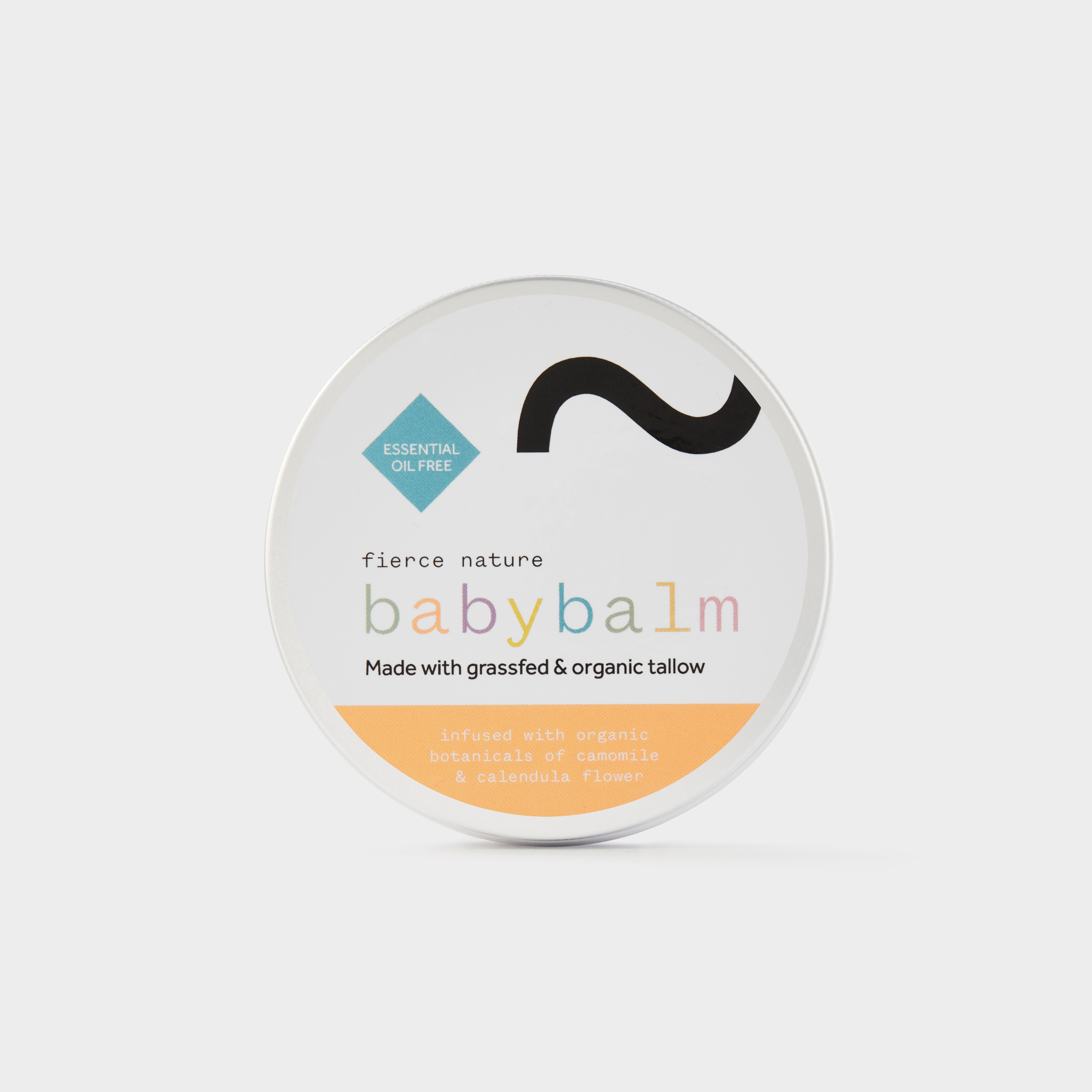
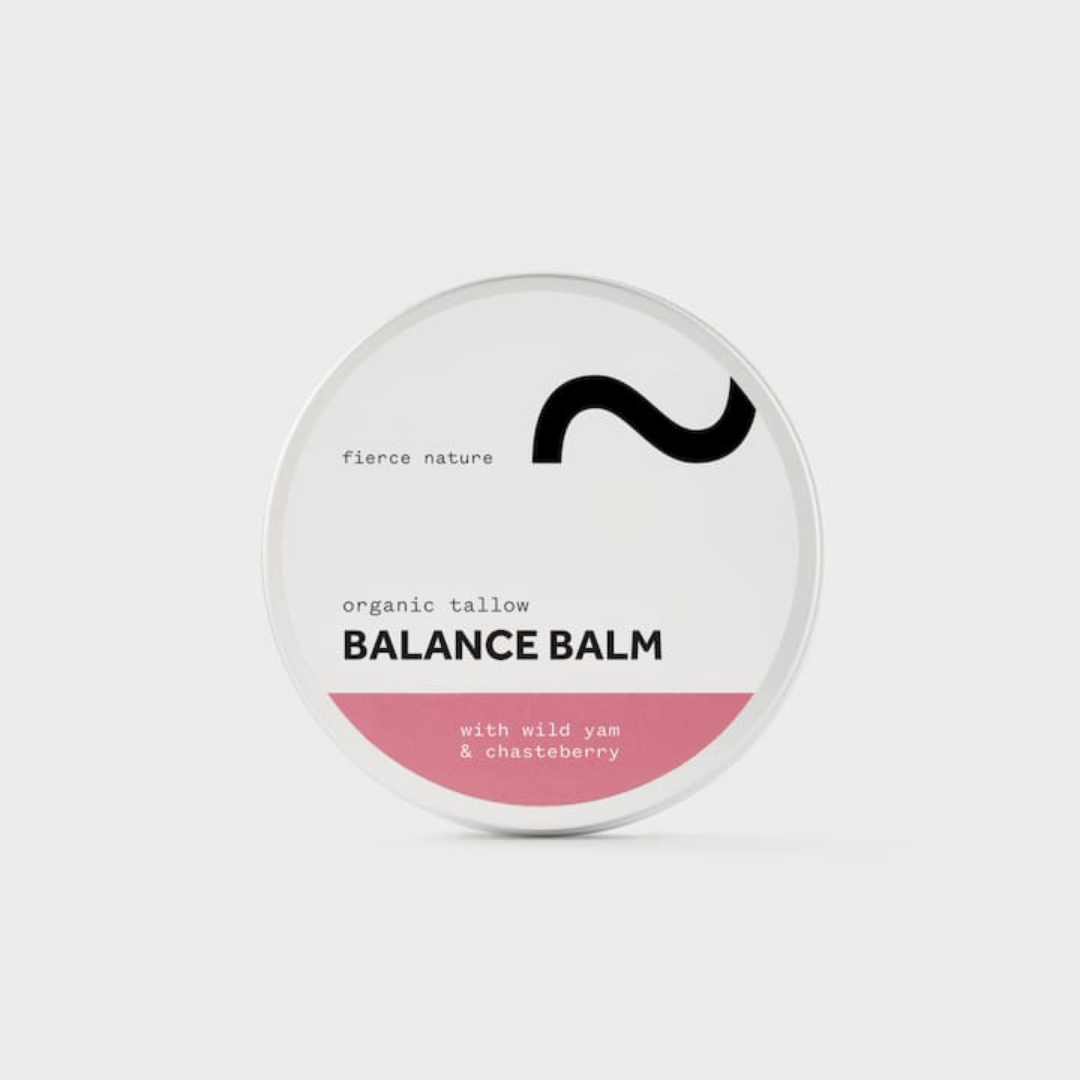
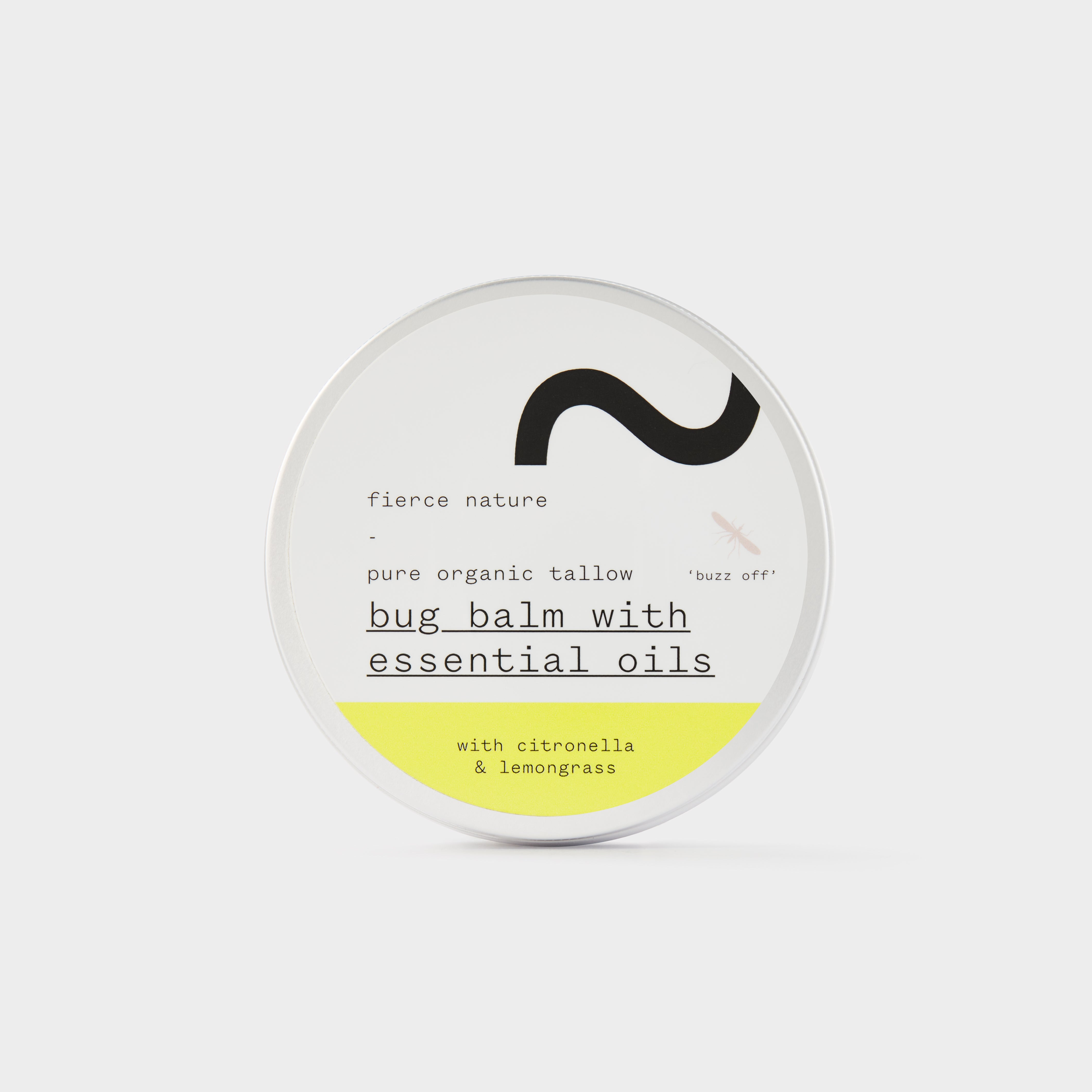
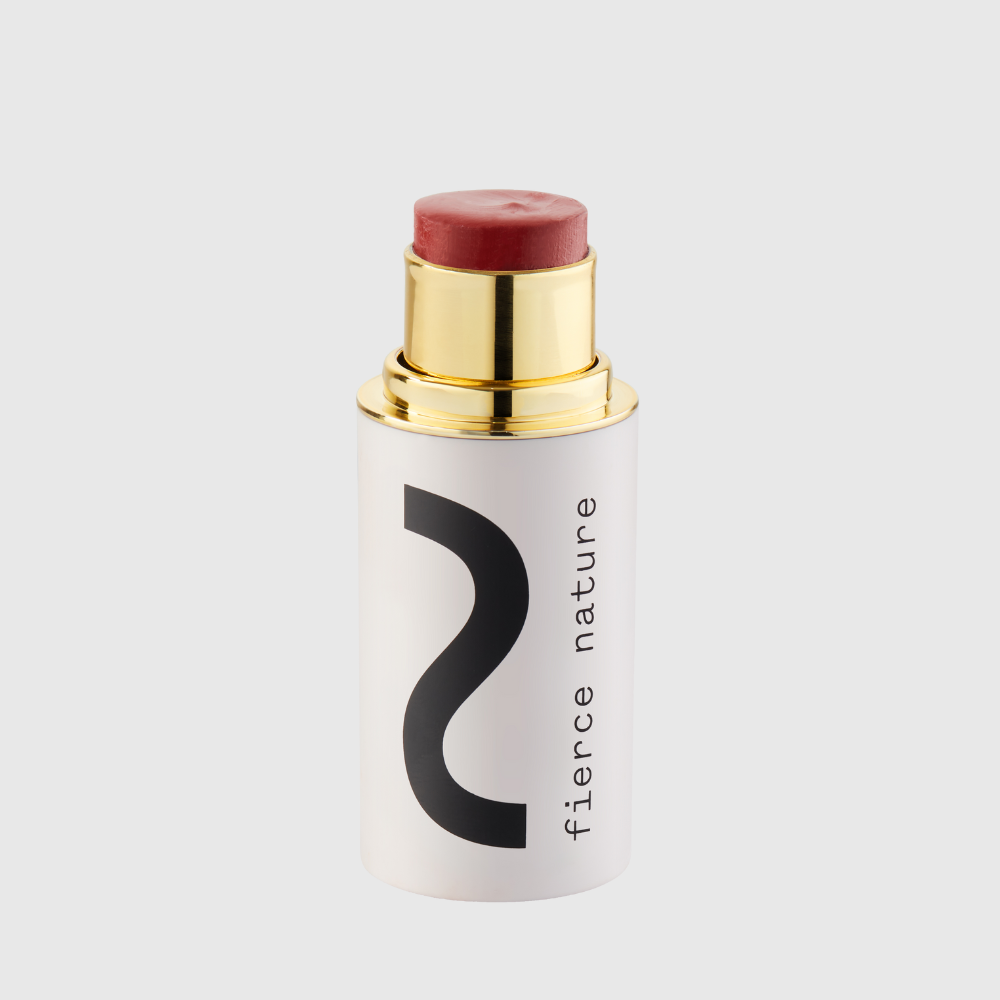
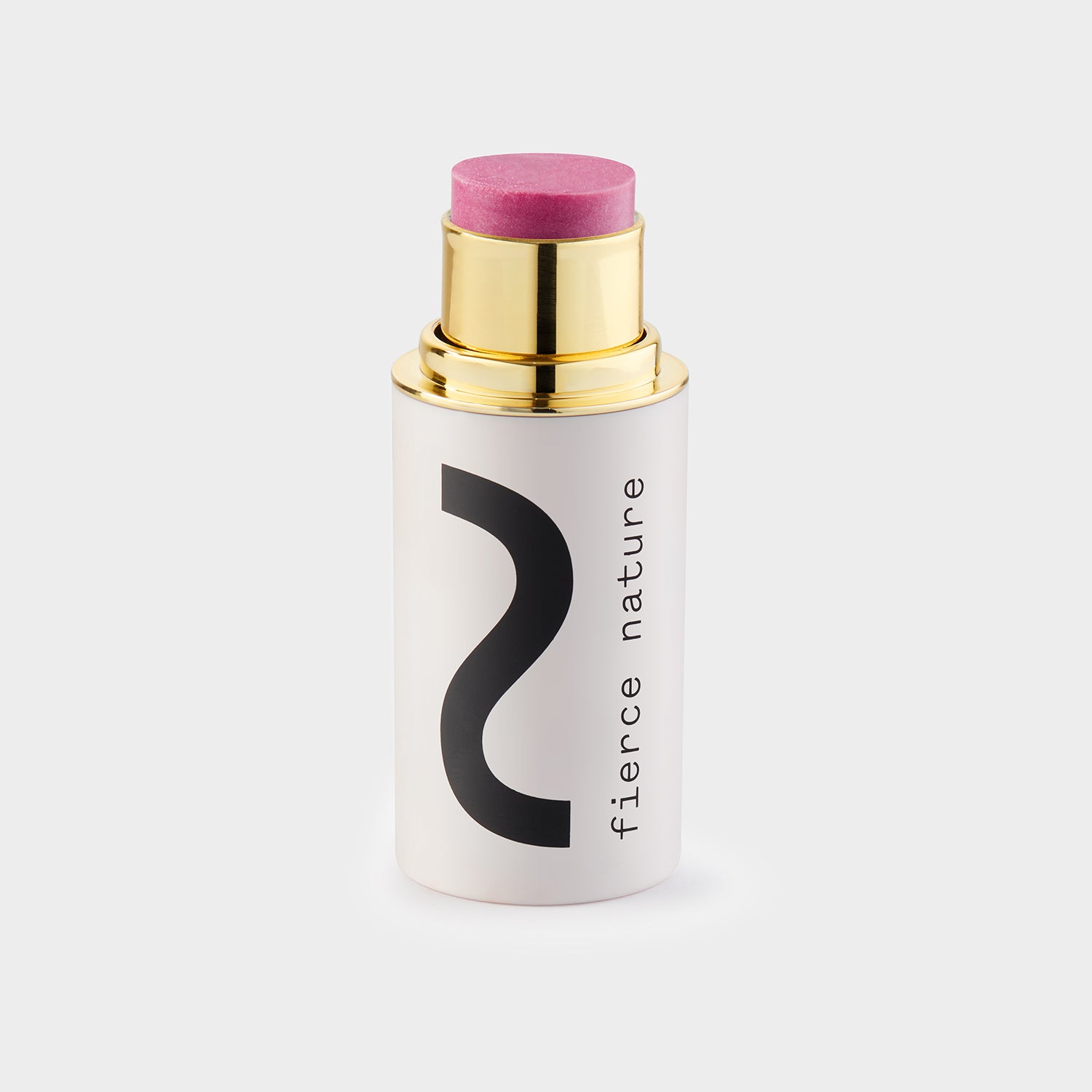
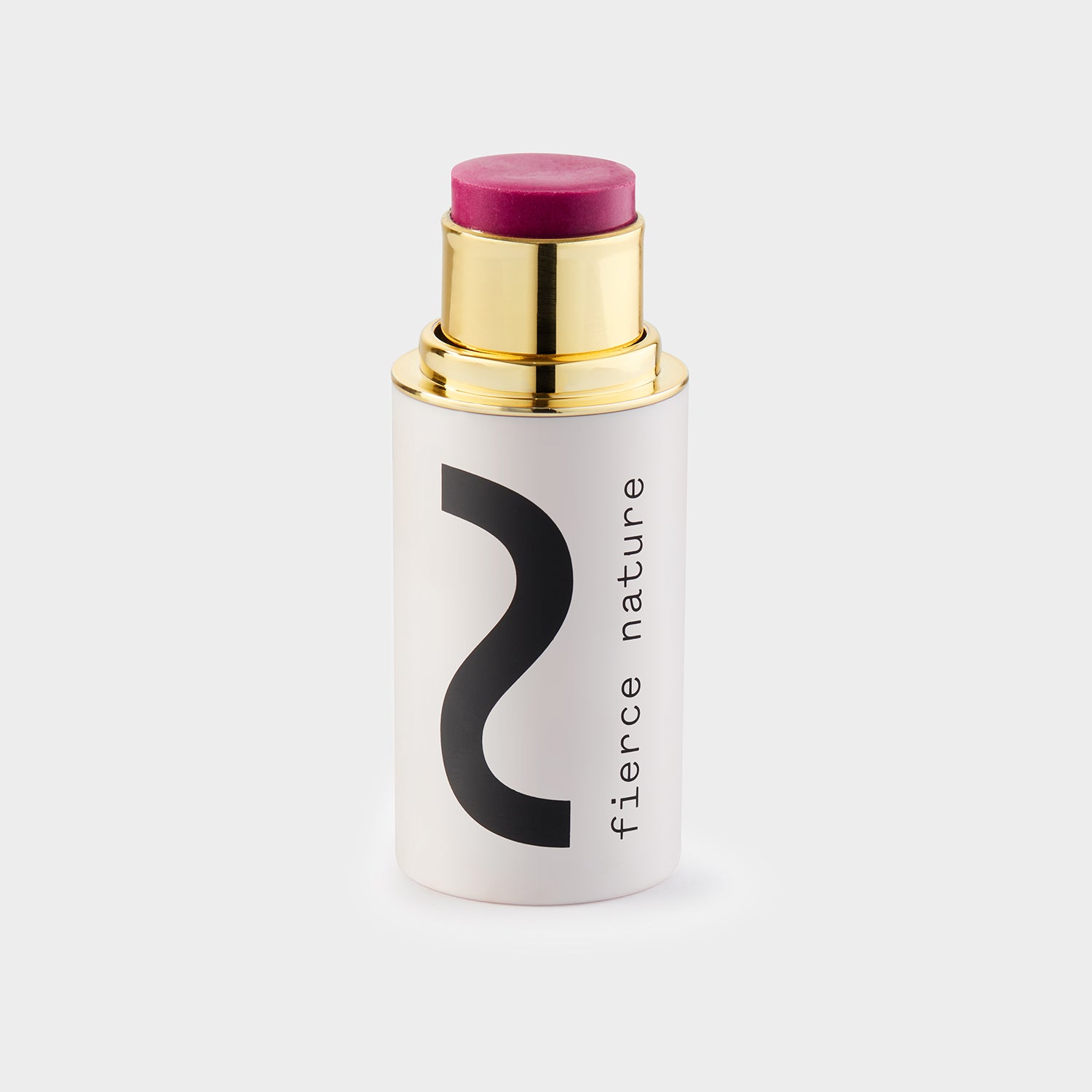
Fierce Nature’s tallow-based balms are formulated around exactly this mechanism, using a lipid profile that closely mirrors the skin’s own fatty acid composition.
A face balm is an anhydrous product, meaning it contains no water at all. The base is built entirely from oils, butters, waxes, and sometimes tallow, giving it a richer, denser texture than a cream or lotion. You will find balms in several forms: a firm solid balm that melts on contact with skin, a softer whipped balm, and a cleansing balm designed to dissolve makeup and impurities.
Because there is no water in the formula, there is no need for preservatives to prevent microbial growth. That also means no fillers, no emulsifiers to bind oil and water together, and no dilution of the active ingredients. Every component is there to nourish or protect.
The three functional categories in a balm are:
Creams, by contrast, are emulsions of water and oil. They deliver hydration quickly but their occlusive strength is lower. Serums are water-based and penetrate deeply, but they do not seal anything in. A balm is the final, protective layer in a well-considered routine.
Transepidermal water loss (TEWL) is the continuous, passive movement of water through the skin and out into the air. A healthy skin barrier keeps TEWL low. When the barrier is compromised, whether by harsh cleansers, cold weather, or chronic dryness, TEWL rises and skin loses its suppleness.
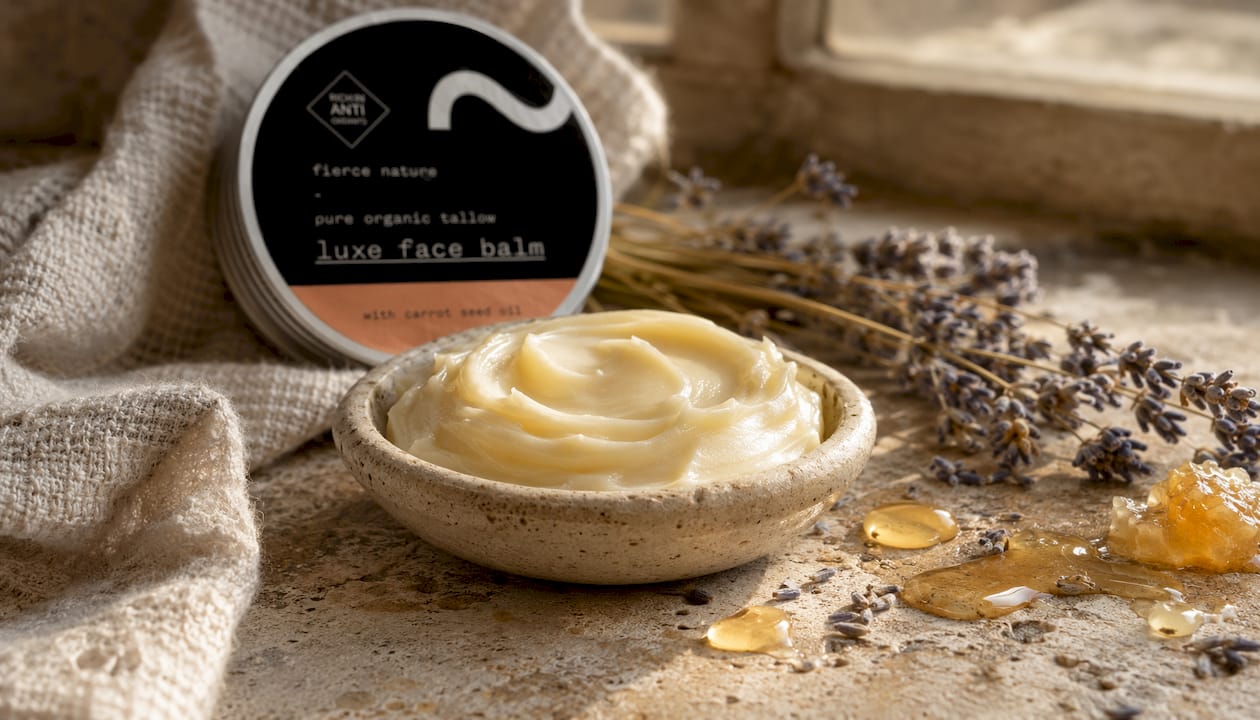
The outermost layer of skin, the stratum corneum, is structured like a brick wall. The “bricks” are dead skin cells (corneocytes) and the “mortar” is a lipid matrix made up of ceramides, cholesterol, and free fatty acids. When this mortar is depleted, gaps form and water escapes more freely. Dry skin is essentially a barrier that can no longer retain sufficient moisture.
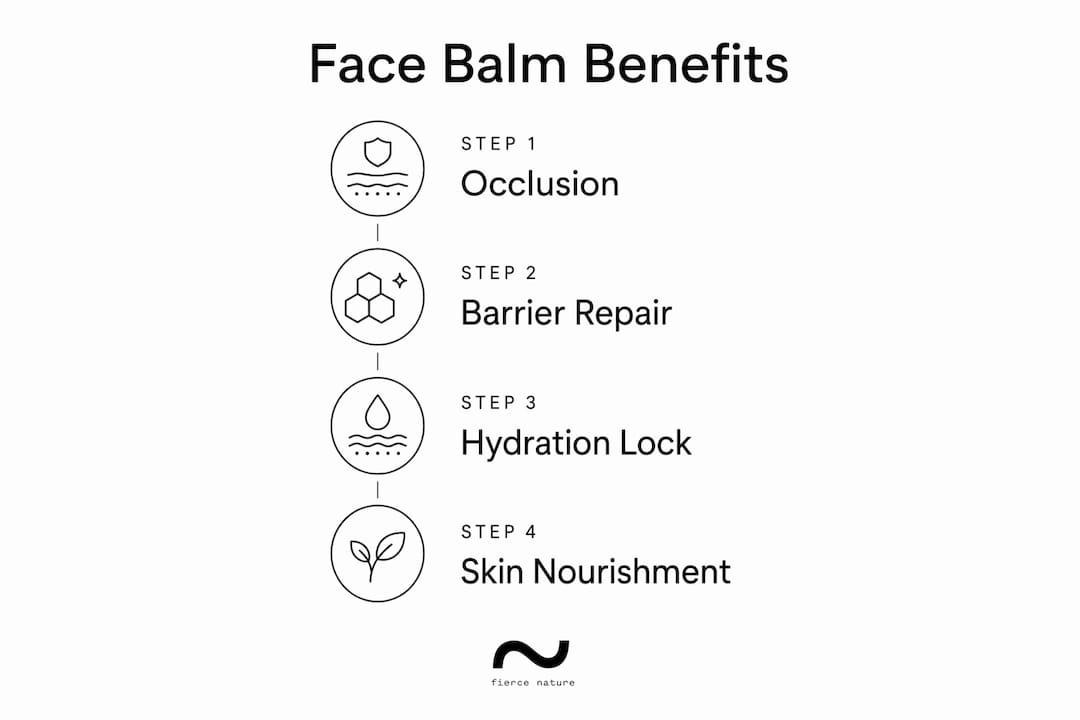
A face balm acts at two levels. First, occlusion: the oily film sits on the surface and physically reduces the rate of evaporation, giving the barrier time to recover. Occlusives deliver their greatest benefit when applied immediately after washing, because they trap the residual surface moisture and rapidly lower TEWL. Second, lipid replenishment: the fatty acids and wax esters in the balm integrate with the intercellular lipid matrix, supporting the structural repair that the skin needs to maintain homeostasis long-term. Research confirms that a physiological lipid mixture (ceramides, cholesterol, and fatty acids in skin-like ratios) used alongside an occlusive speeds barrier restoration more effectively than occlusion alone.
Moisturisers suppress moisture loss and can restore barrier function by forming an oily film, providing humectants, and supplying lipid components that integrate with stratum corneum lipids. Balms, being entirely anhydrous, concentrate this effect without dilution.
Pro Tip: Apply your balm while skin is still slightly damp after cleansing. The occlusive layer traps that surface water immediately, giving you the combined benefit of hydration and barrier sealing in one step.
Knowing what is in your balm matters. Not every oil or butter behaves the same way, and a few common additions can undo the benefit for sensitive or reactive skin.
Ingredients that support moisture retention:
Ingredients to approach with caution:
Pro Tip: If you use a hyaluronic acid or glycerin serum, apply it first on damp skin, then press your balm on top. The humectant draws water in; the balm seals it there. This combination is particularly effective for moisture retention skincare in the cold, dry conditions of a UK winter.
Each format has a distinct role, and choosing the right one depends on your skin’s current state and the conditions you are dealing with.
Core differences at a glance:
Balms are heavier and leave a more substantial film than creams, which makes them especially useful overnight or in dry climates. Creams tend to suit everyday hydration when lightweight wear is needed.
When to choose a balm:
Layering order for best results:
For daytime use, a thin layer of balm works well under SPF. At night, you can be more generous. If you find a balm too rich for daily use in summer, reserve it for your evening routine or for targeted dry patches.
This is one of the most common concerns, and the answer depends on formulation and individual skin response rather than a blanket rule. Comedogenicity ratings for individual oils are a useful guide, but they do not tell the whole story. A well-formulated balm with non-comedogenic emollients (squalane, jojoba) and a breathable wax base is unlikely to block pores for most people.
By skin type:
Can you use a face balm every day? Yes, for most skin types. Daily use is appropriate when the formula suits your skin and you are not experiencing breakouts. Scale back if you notice congestion, and consider using a richer balm only at night during warmer months.
Signs to stop and reassess: persistent breakouts in new areas, redness that does not settle within 24 hours, or a stinging sensation on application. These point to a sensitivity, not a category-wide problem with balms.
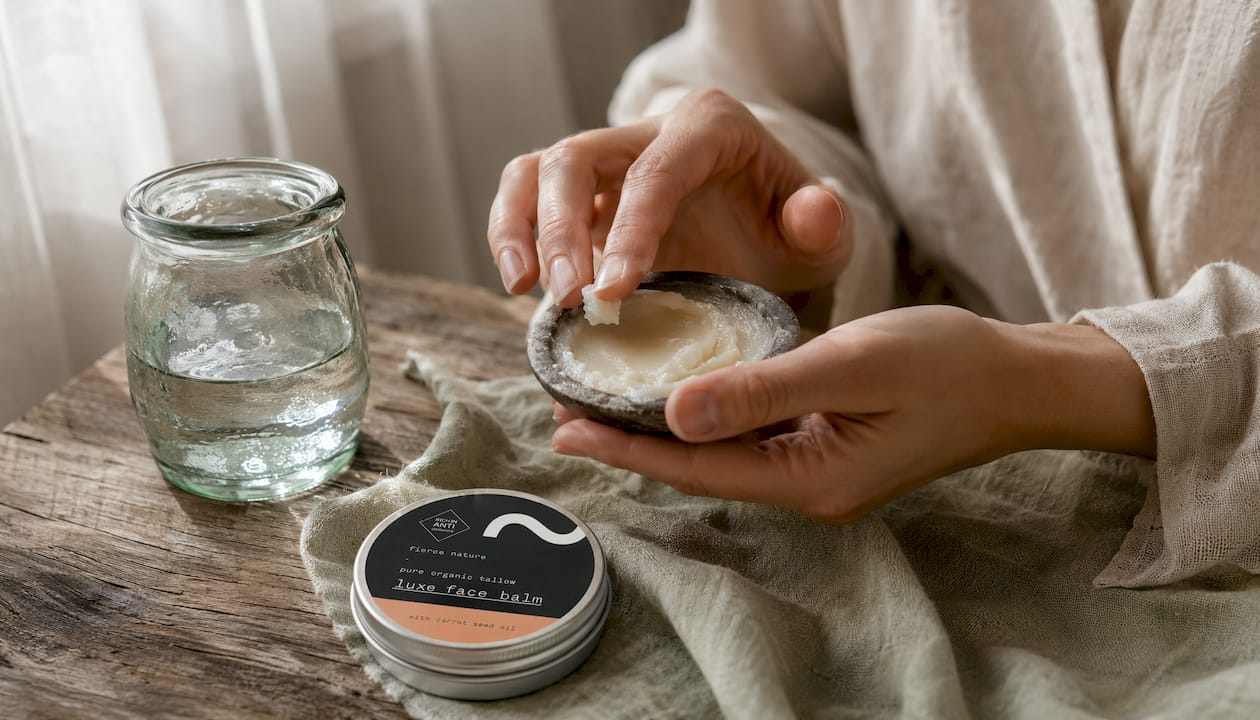
Getting the application right makes a genuine difference to how well a balm performs. These steps work for both morning and evening routines.
For night use: be slightly more generous with the amount and focus on areas that tend to feel tight by morning, such as the cheeks, around the eyes, and the lip area.
For day use under makeup: use the thinnest possible layer and allow it to absorb fully before applying SPF or foundation. A tallow face balm makes an excellent primer for dry skin because it smooths the surface without leaving a greasy residue.
Pro Tip: Keep a small tin of balm in your bag for cold or windy days. A light press over the cheekbones and nose before going outside acts as a physical shield against wind-driven moisture loss, particularly useful during a British winter.
Tallow’s effectiveness as a skincare ingredient comes down to its fatty acid composition. It is rich in oleic acid (omega-9), palmitic acid, and stearic acid, the same fatty acids that dominate human skin sebum. This structural similarity is why tallow is described as bioavailable: its lipids are recognised by the skin and integrate readily with the intercellular lipid matrix rather than sitting inertly on the surface.
Research confirms that anhydrous balms reinforce the stratum corneum and help restore barrier homeostasis, reducing moisture loss when applied to damaged or reactive skin. Barrier repair follows a multi-step process: the oily film begins the repair, moisture distribution normalises, and lipid synthesis within the skin helps restore the barrier over time.
Fierce Nature’s approach is grounded in this evidence. Every balm is handmade in the UK using organic tallow as the foundation, with no synthetic fragrances, no harsh preservatives, and full ingredient transparency. The founder’s own experience with skin rashes and reactions to mainstream cosmetics shaped the decision to work with ingredients that support the skin rather than challenge it.
Trust signals to note:
A face balm prevents moisture loss by combining occlusive protection with barrier-compatible lipids, making it the most effective format for dry, compromised, or wind-stressed skin.
| Point | Details |
|---|---|
| Occlusion reduces TEWL | The waxy film slows water evaporation from the skin surface, giving the barrier time to recover. |
| Lipid replenishment repairs the barrier | Fatty acids and ceramide-like compounds integrate with the stratum corneum’s lipid matrix for longer-term repair. |
| Apply over damp skin or a humectant | Trapping surface moisture under the balm maximises hydration and speeds barrier restoration. |
| Patch-test for sensitive skin | Choose unscented formulas and test on a small area first, especially if you have reactive or acne-prone skin. |
| Fierce Nature tallow balms | Organic tallow’s skin-matching lipid profile makes Fierce Nature balms a well-aligned choice for barrier support and daily nourishment. |
Growing up with skin that reacted to almost every mainstream product taught us something the beauty industry rarely admits: most formulas are built around marketing claims, not skin biology. The rashes, the redness, the constant trial and error — it all pointed to the same problem. The ingredients were working against the skin, not with it.
Tallow changed that. Its fatty acid profile is so close to the skin’s own sebum that it absorbs without resistance, nourishing at a cellular level rather than sitting on the surface. We make every balm by hand in the UK, using organic tallow and ingredients we would be comfortable reading aloud from the label. No hidden chemicals, no synthetic fragrance, no compromise.
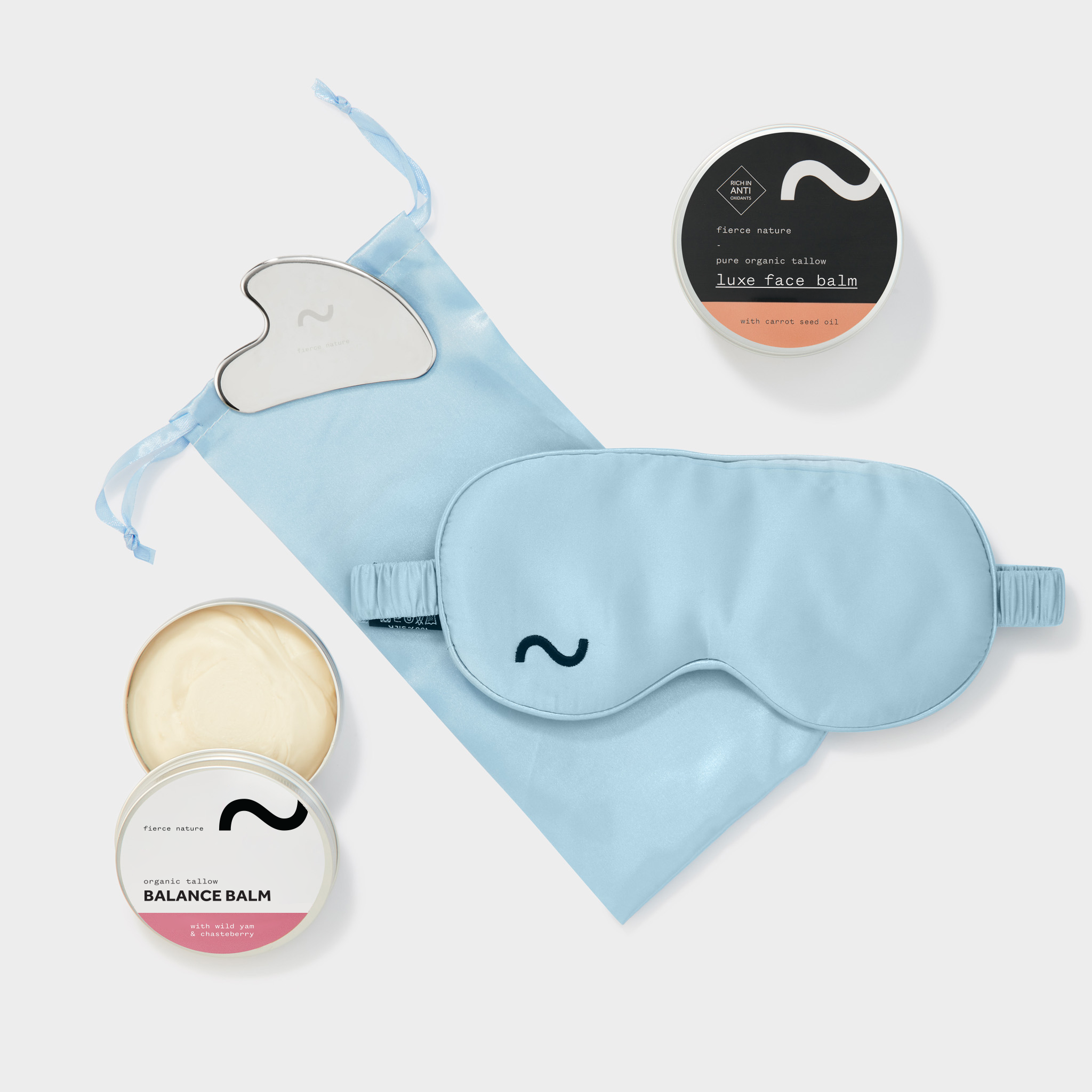
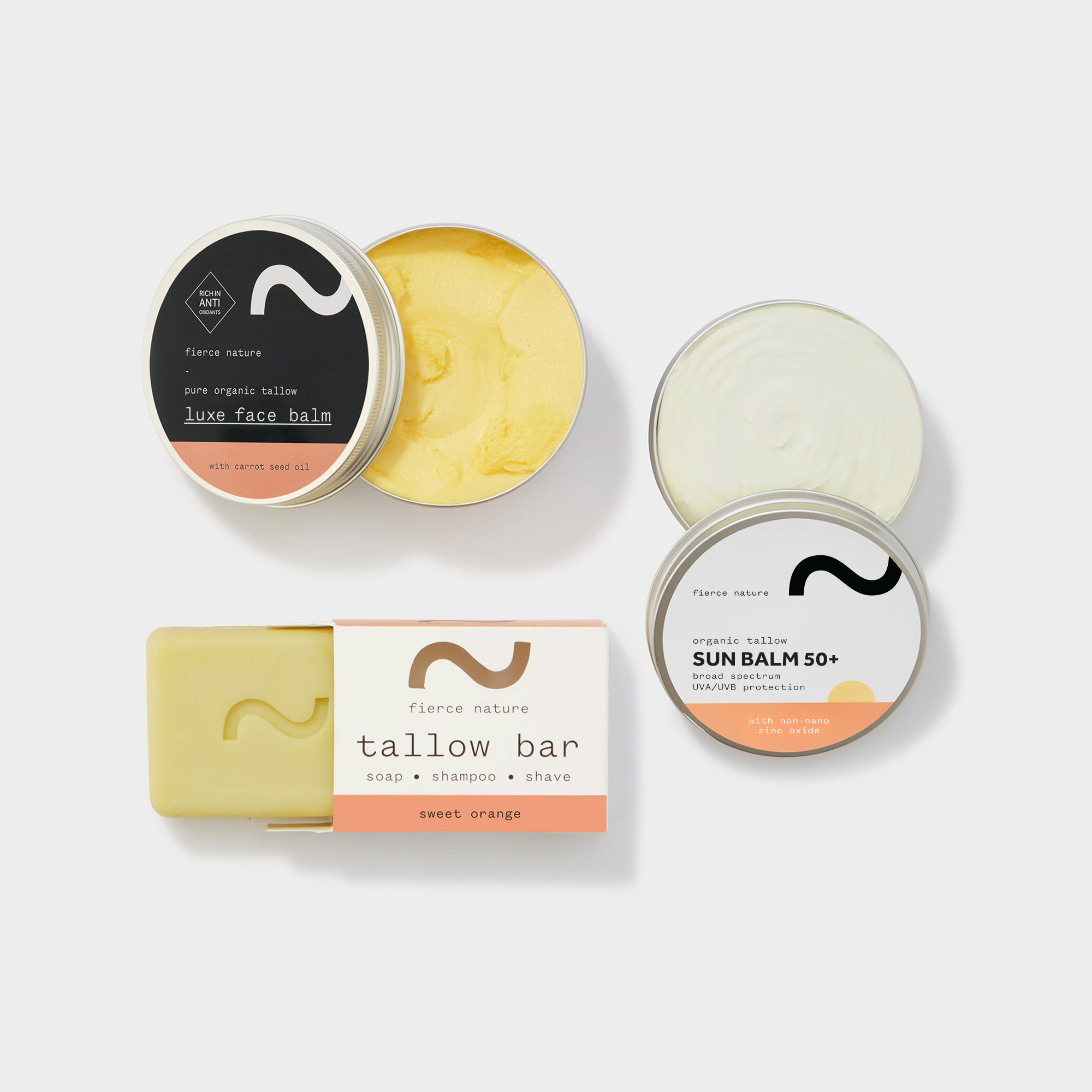
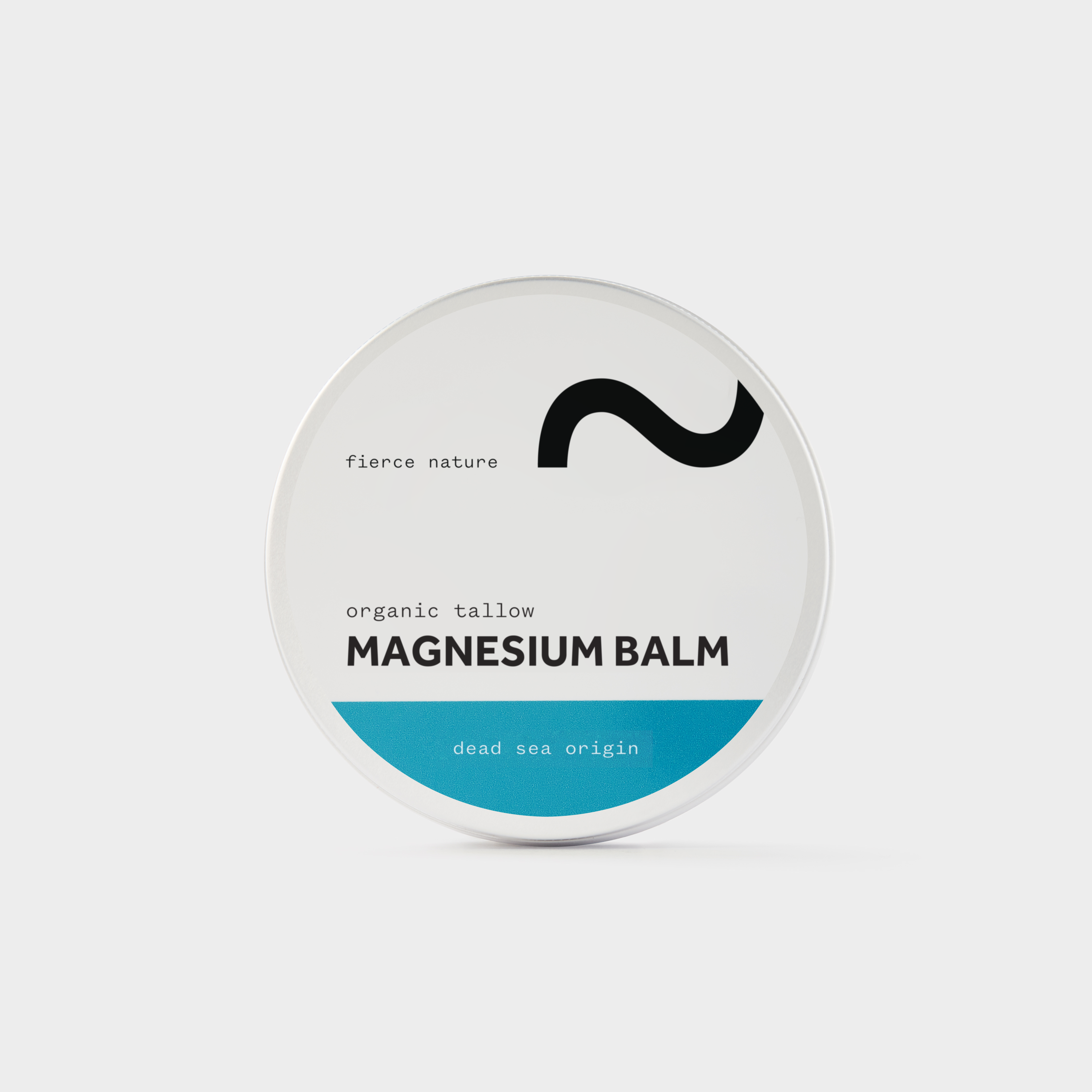
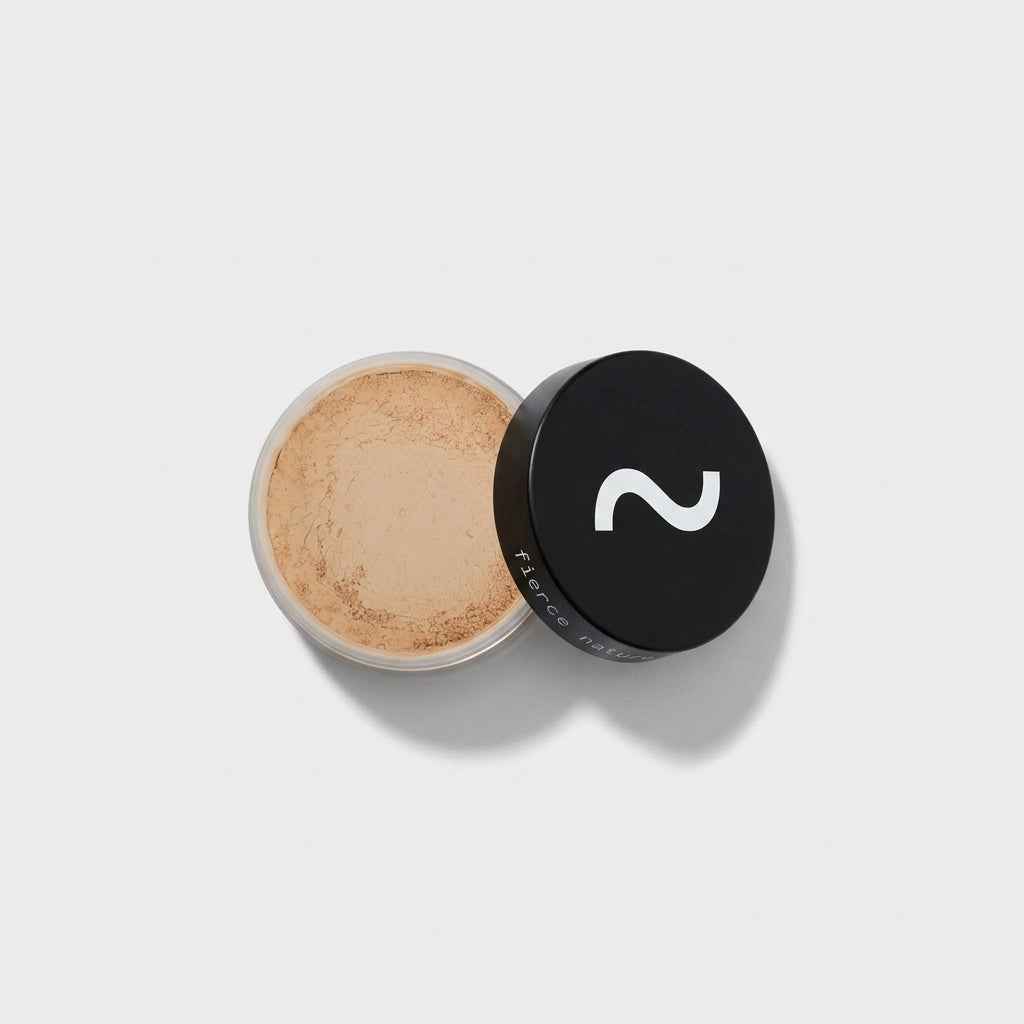
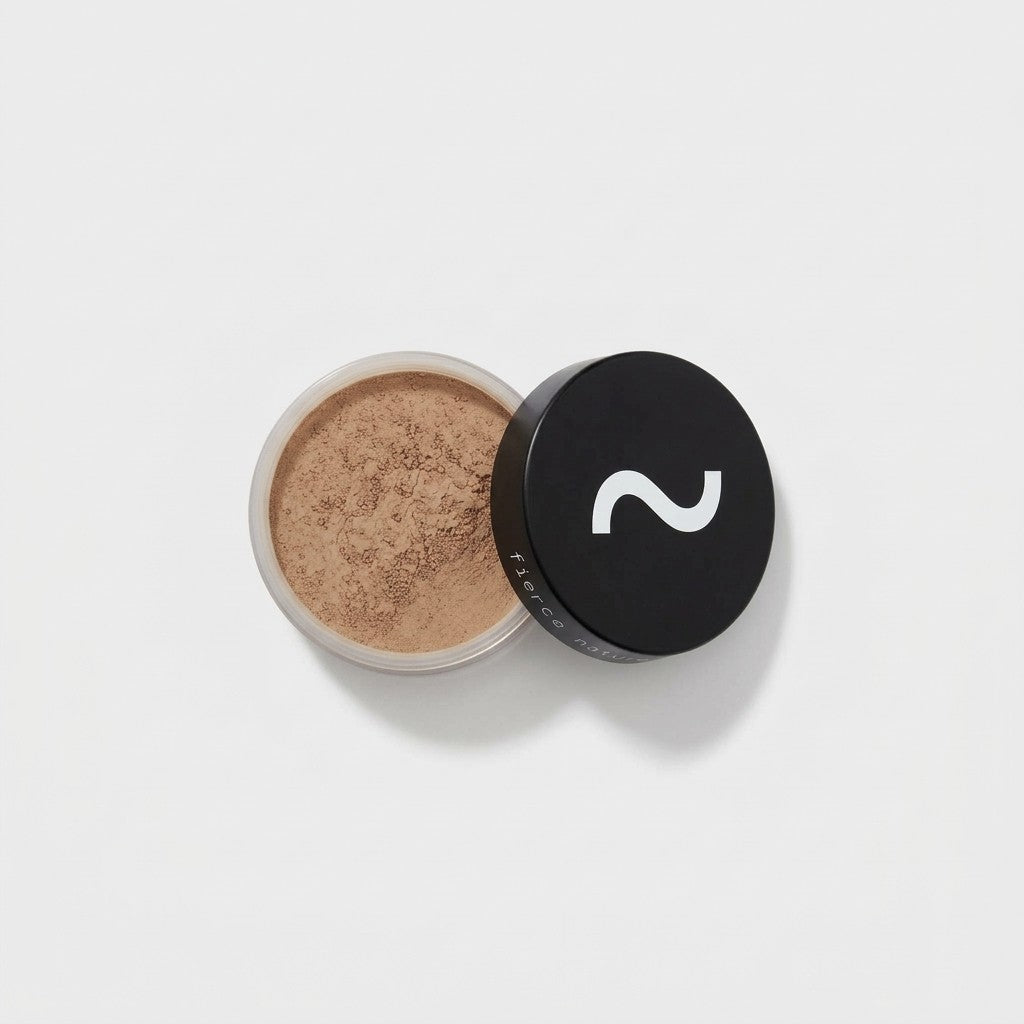
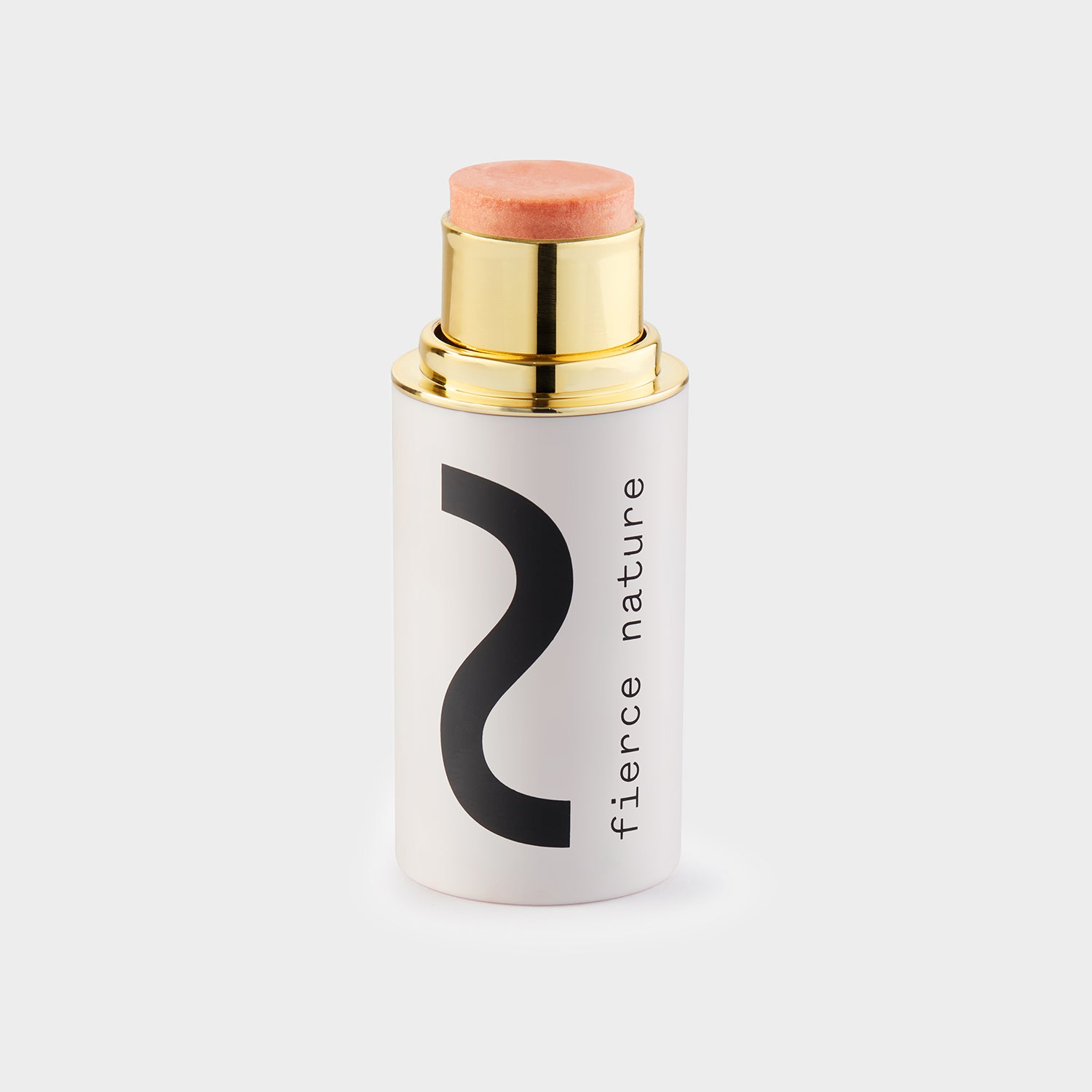
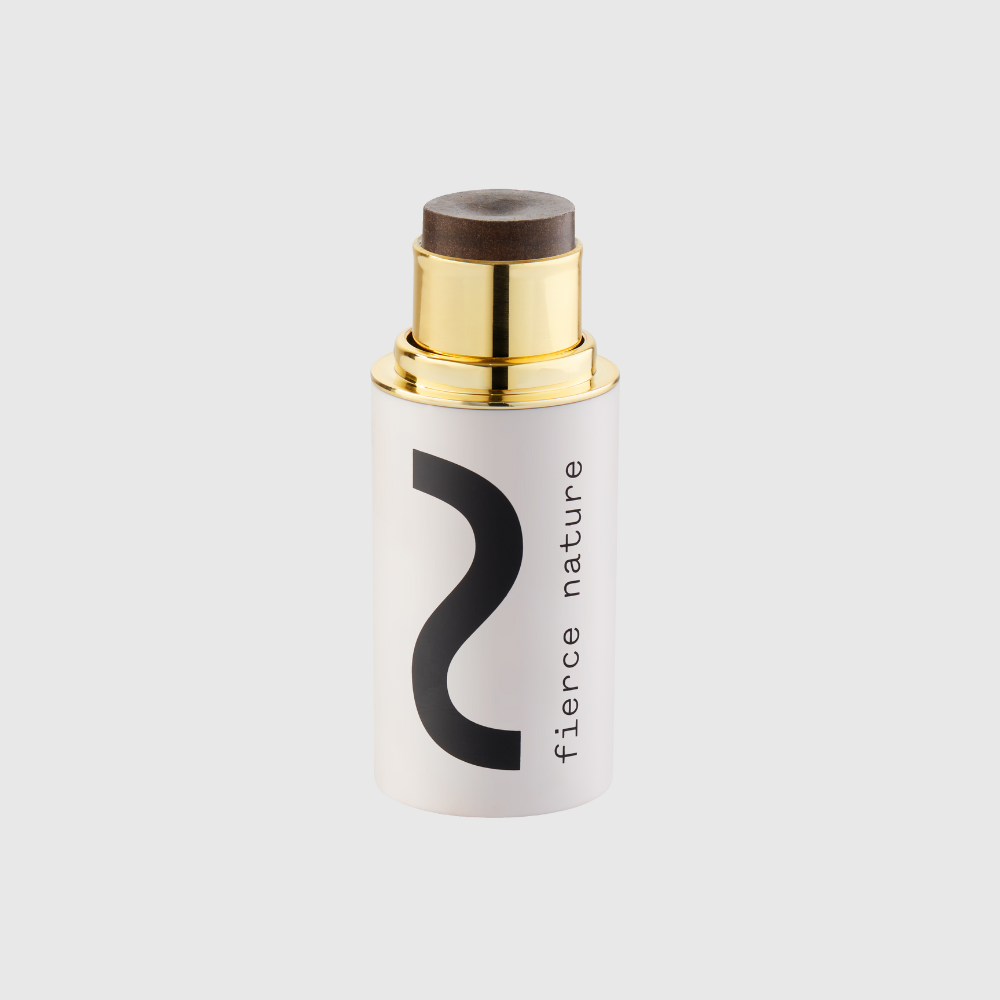
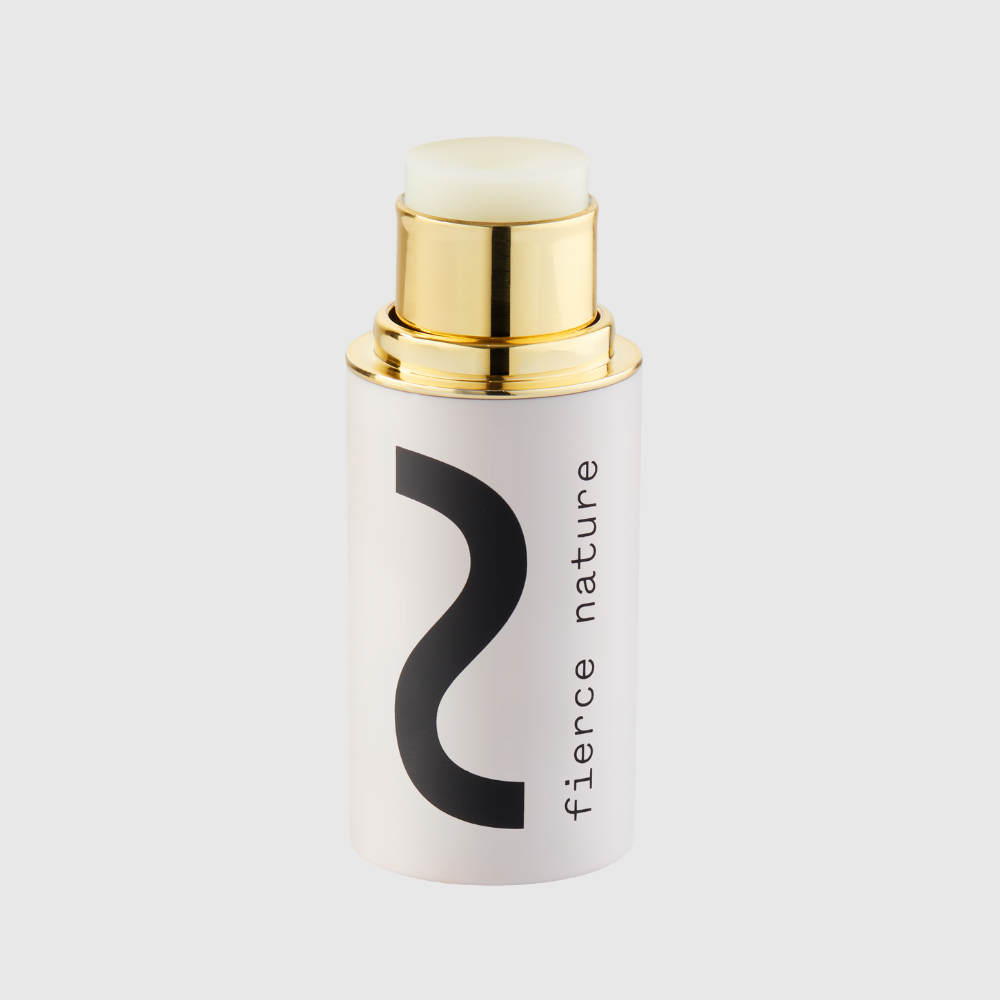
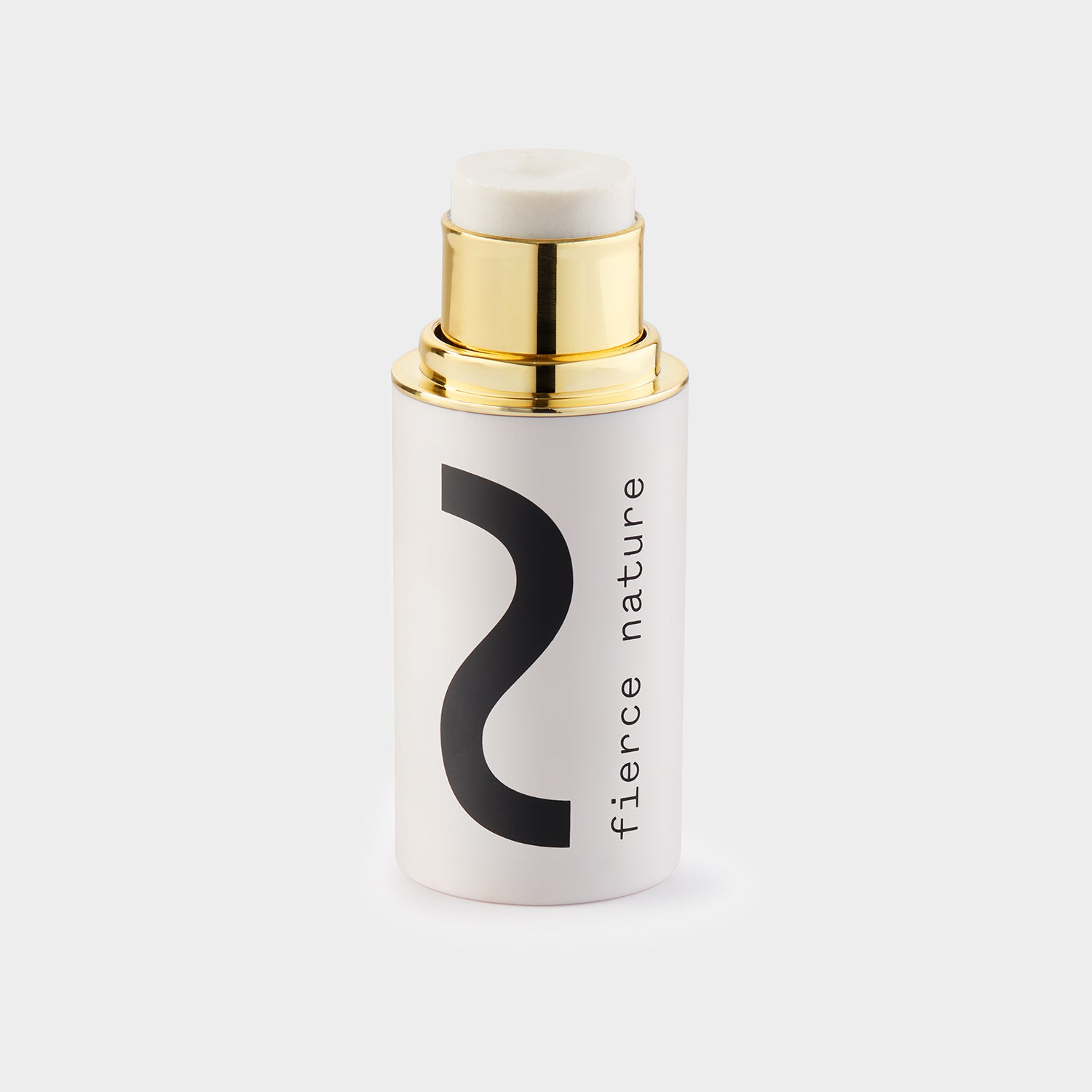
If you are ready to put the science into practice, Fierce Nature offers three balms designed around barrier support and moisture retention, each suited to a slightly different need.
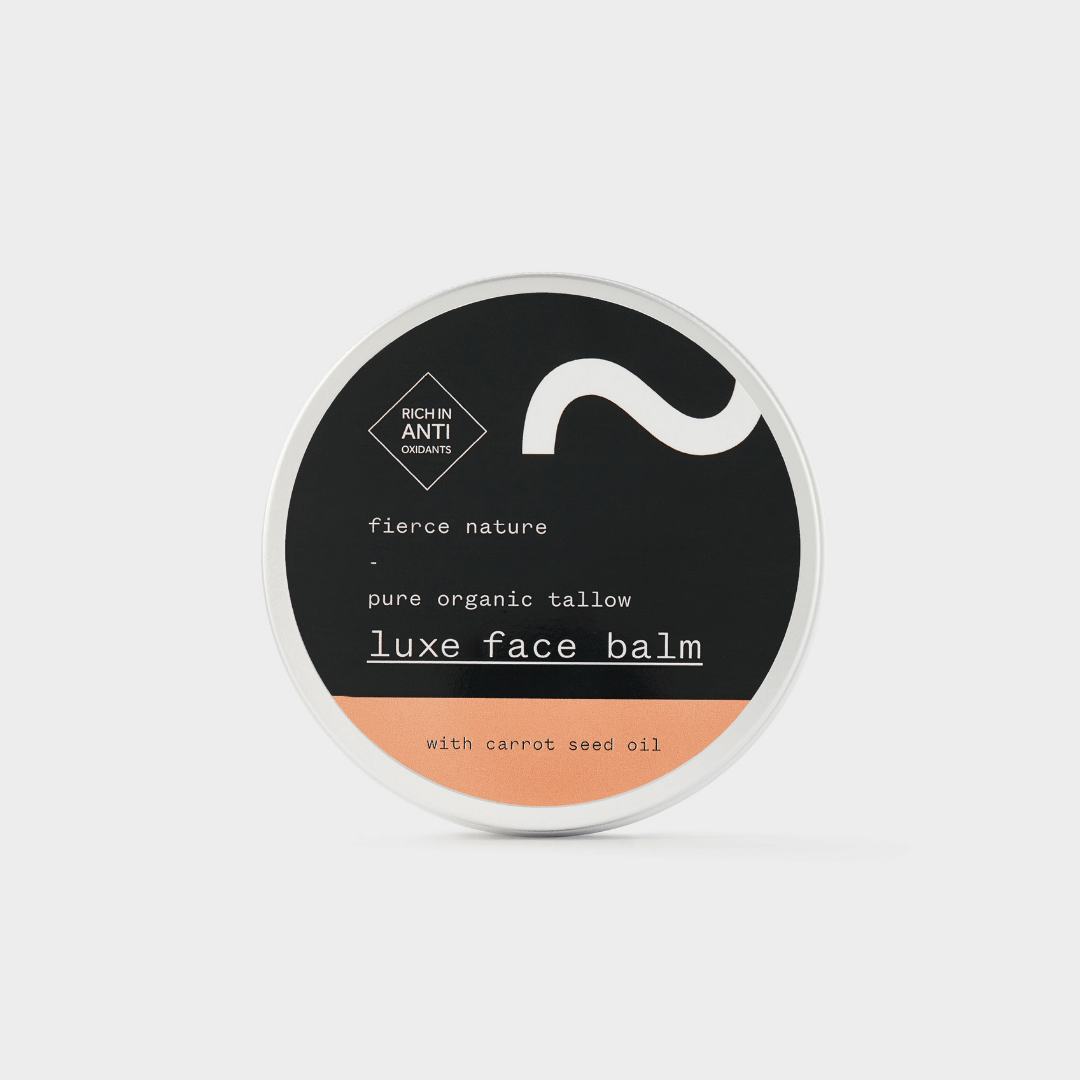
The Luxe Balm is the richest option, formulated for deep nourishment and overnight repair. It suits dry, dehydrated, or mature skin that needs serious barrier support.
For sensitive skin or those who prefer a fragrance-free formula, the Nourish Balm (Unscented) is a gentle, minimal-ingredient choice that works well for daily use on the face and body.
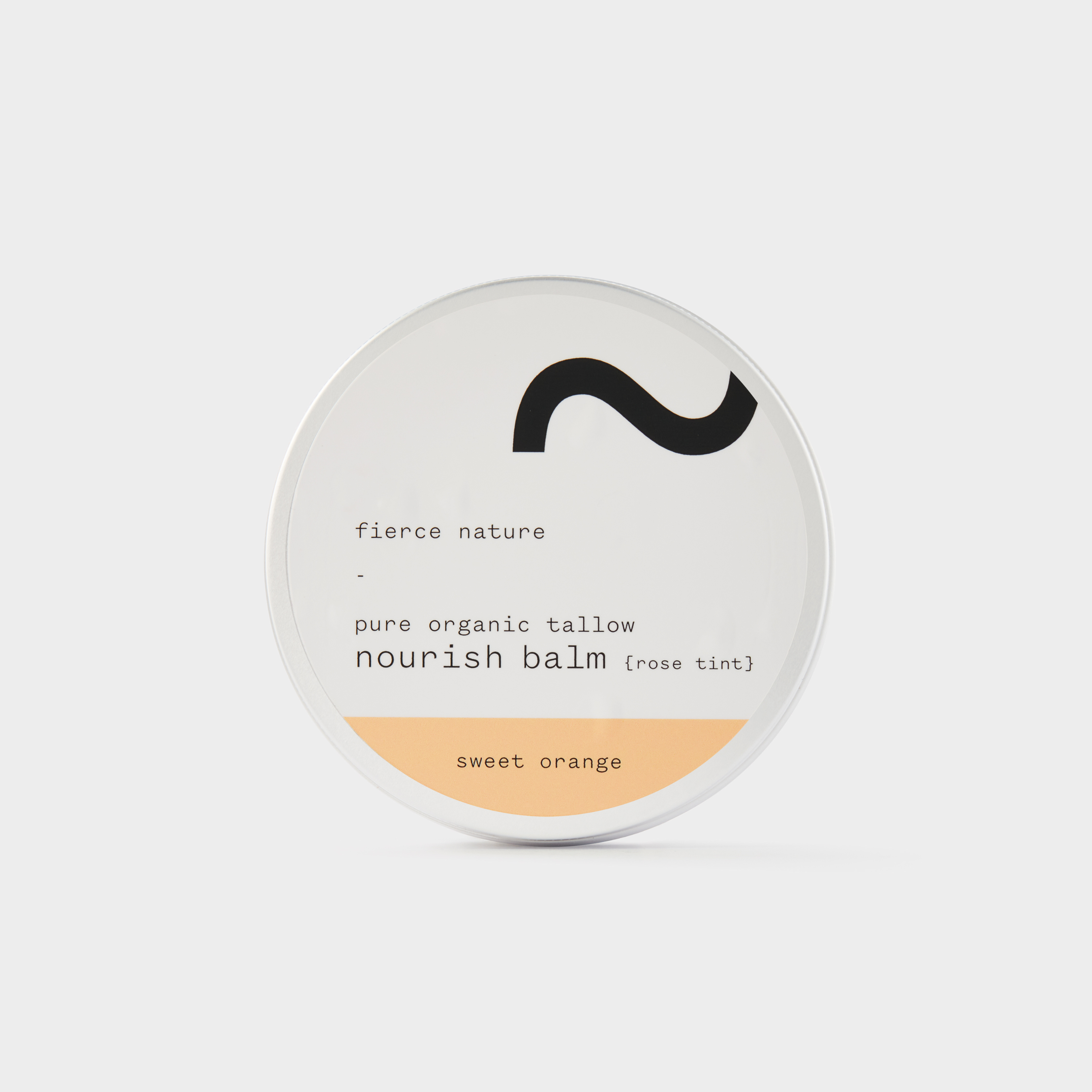
If you want a little radiance alongside your hydration, the Nourish Balm with Rose Tint (Sweet Orange) gives a soft, natural glow with the same barrier-supporting tallow base. It is a lovely everyday option for those who want their skincare to do double duty.
All three are handmade in the UK from organic, naturally sourced ingredients. Browse the full range and find the balm that fits your skin’s needs.
These are the primary sources that informed the science in this article. They are the best starting points if you want to go deeper on TEWL, barrier lipids, and how moisturisers work.
For a deeper look at how tallow specifically supports barrier repair, the cellular healing with tallow article on the Fierce Nature blog is a good next read.
Yes, for dry or dehydrated skin a face balm can replace a traditional moisturiser, particularly as the final sealing step in your routine. For best results, apply it over a humectant serum or on damp skin so it traps water as well as supplying lipids.
A compromised skin barrier, often caused by harsh cleansers, environmental stressors, or over-exfoliation, allows water to escape more freely through increased TEWL. Restoring the barrier with a combination of humectants and an occlusive balm helps the skin hold onto moisture again.
Daily use is appropriate for most skin types, especially dry, normal, and combination skin. If you have acne-prone skin, patch-test first and consider using a lighter, non-comedogenic formula such as the Fierce Nature Nourish Balm (Unscented) to reduce the risk of congestion.
Cleansing balms can be gentle and non-drying, and many dermatologists consider them suitable for daily cleansing, particularly for dry or sensitive skin. They are not universally recommended for active acne, where other cleansing agents may be more appropriate.
A balm is anhydrous (water-free), so its occlusive strength is higher than a cream’s. It forms a denser lipid film that slows evaporation more effectively, making it particularly useful overnight or in cold, dry conditions such as a British winter.


