Cart
0
80% Also Added this

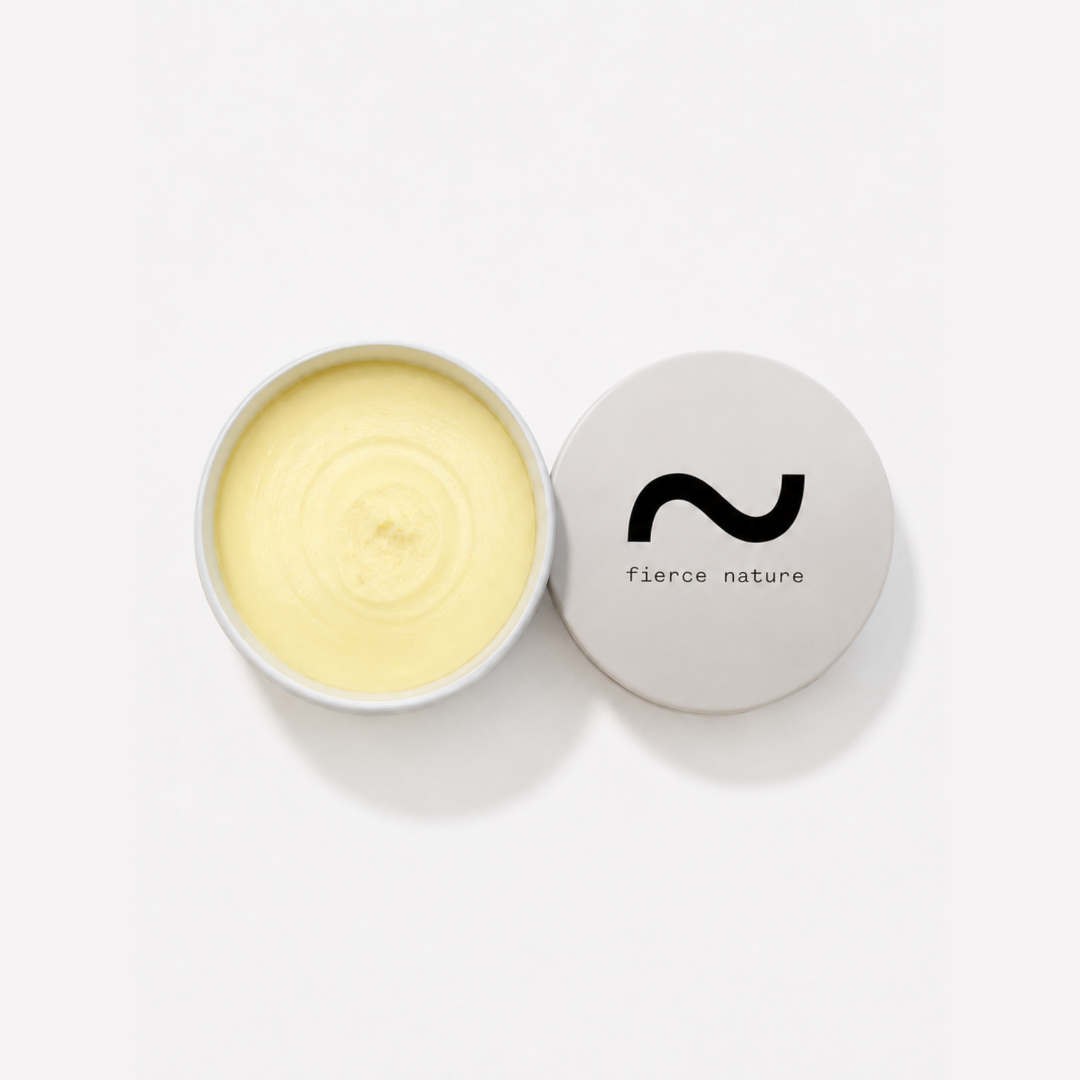
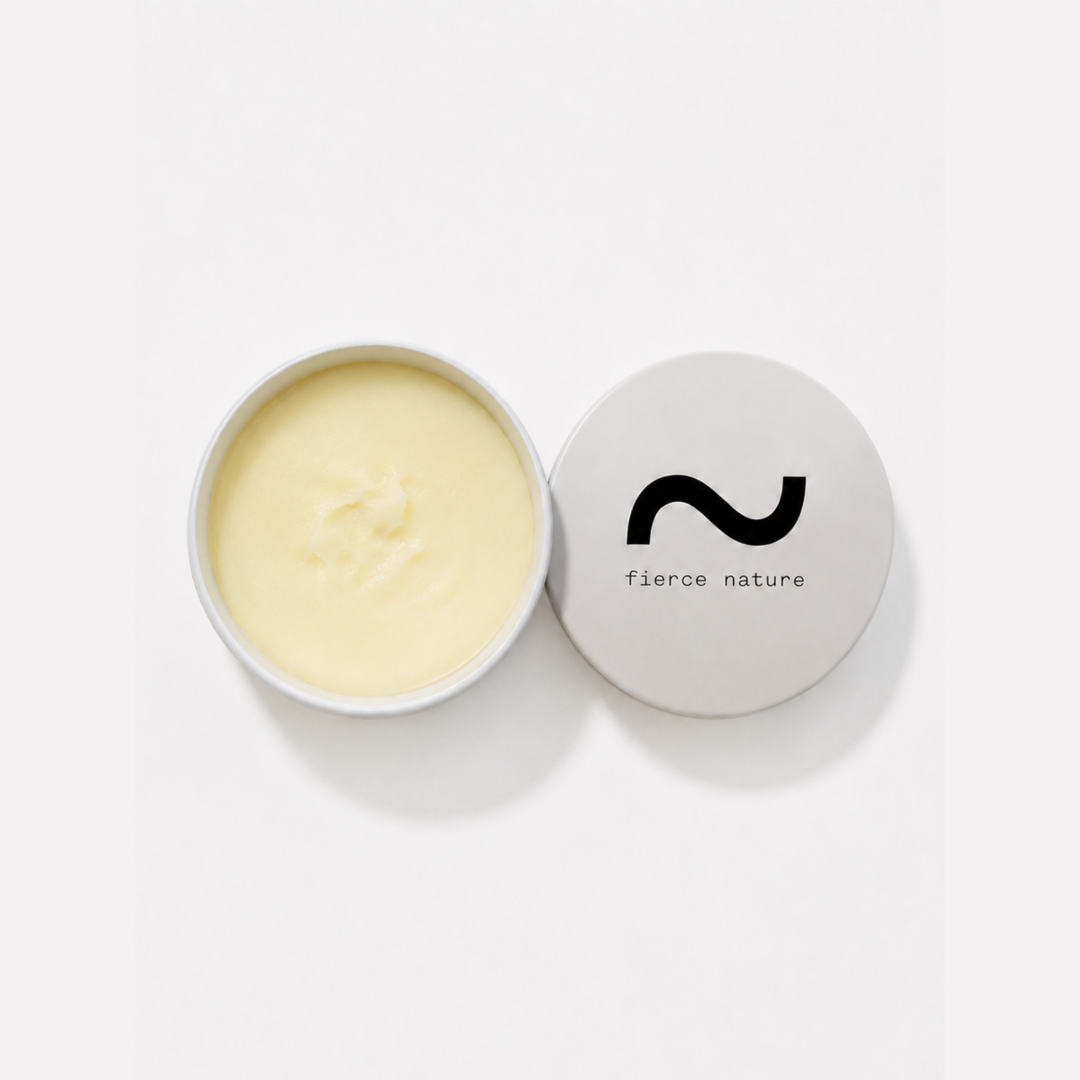
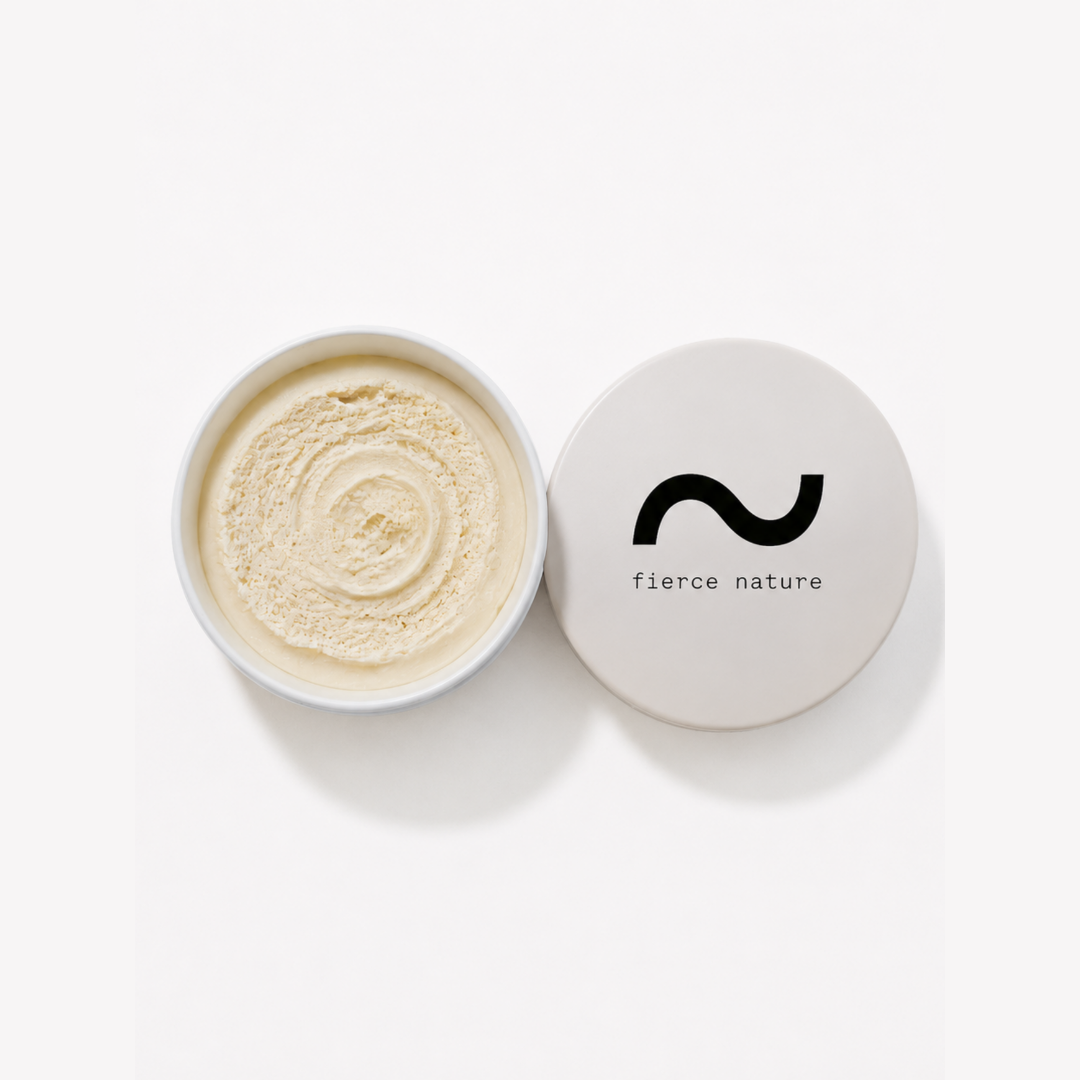




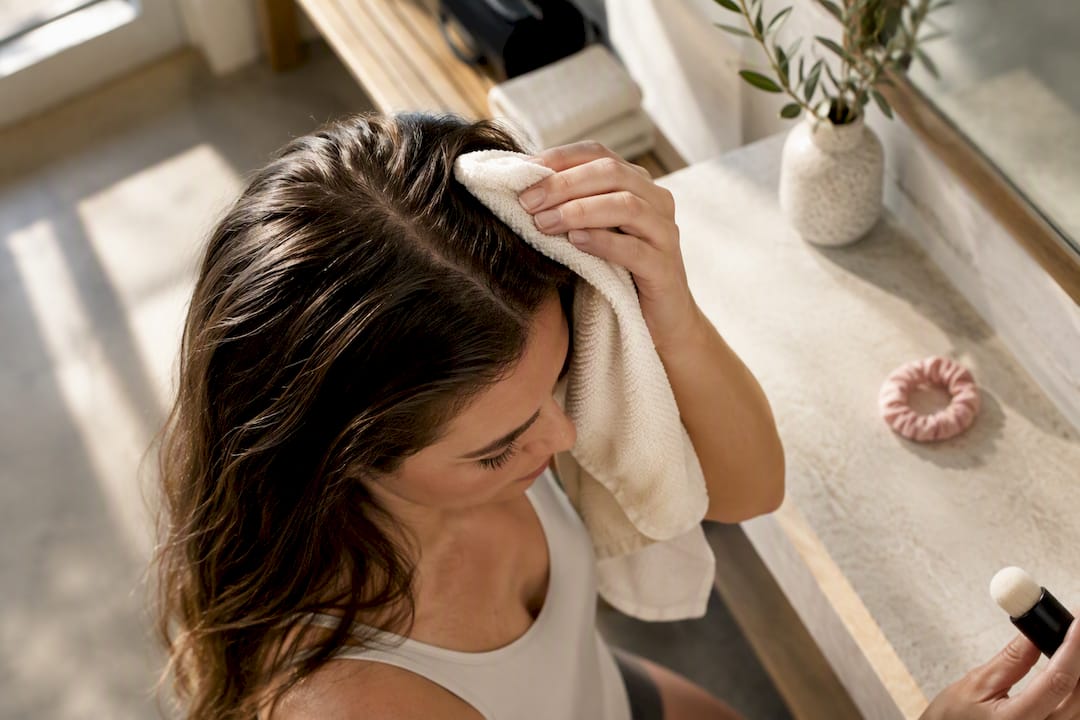
Yes, dry shampoo works after a workout, and it can genuinely rescue sweaty, flat hair between washes. A non-aerosol mist or a tinted powder formula built for sweat performs best, absorbing oil at the roots without leaving a chalky cast. Treat it as a refresher, not a replacement for washing; give your scalp a proper wash after one or two dry-shampoo sessions to keep it happy.
TL;DR:
- Dry shampoo works best on damp roots and should be applied after towel blotting and cool-down to prevent clumping and uneven absorption.
- Non-aerosol mist formulations, especially tinted powders, handle sweat better and leave less visible residue on darker hair compared to aerosol powders.
- Using dry shampoo after workout should be limited to one or two sessions before washing to prevent buildup that can cause scalp irritation or hair shedding.
- For frequent workouts, pair dry shampoo with weekly clarifying masks to keep scalp buildup and irritation under control.
- Gentle application and proper technique, including sectioning hair and avoiding vigorous rubbing, maximize freshening and minimize scalp irritation.
Sweaty hair needs a slightly different approach to your usual morning touch-up, because there’s more moisture and salt sitting on the scalp. Rushing straight in with product on soaking wet roots just gives you clumps rather than a refresh.
Here’s the routine we recommend for the changing room or straight after a home workout:
If your roots are still properly wet rather than damp, skip the product and blot again first. Applying dry shampoo to soaked hair almost never absorbs well; it just sits on top.
Pro Tip: Apply product to the nape and behind the ears before the crown. Those areas sweat first and dry last, so they need the extra head start.
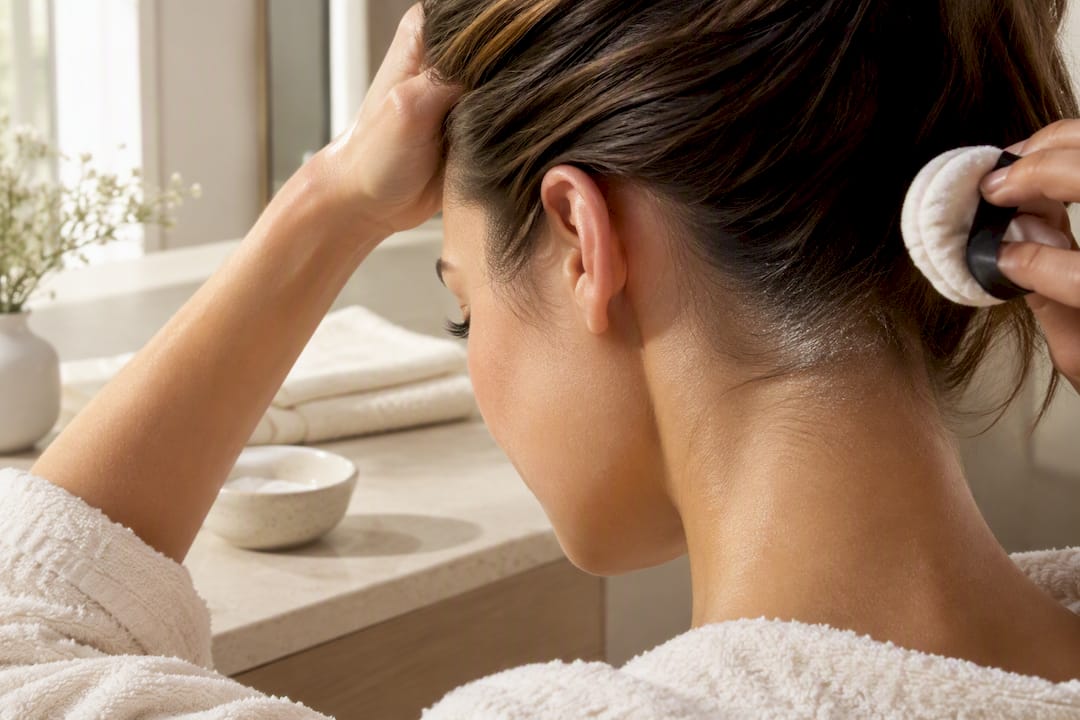
Not every format handles sweat the same way, and this is where a lot of people get frustrated with products that worked fine on “normal” greasy roots but fail after a proper session.
Non-aerosol mists tend to perform best on damp, sweaty scalps. Dual-phase formulas that combine a light liquid carrier with an oil-absorbing powder are designed specifically to work on hair that isn’t bone dry, which is exactly the state your roots are in post workout. They distribute more evenly than a straight powder spray and are far less likely to leave the white cast that plagues traditional aerosols.
Aerosol powder sprays, by contrast, can struggle in humid or heavily sweaty conditions. The propellant and powder combination was built for dry oil, not moisture, so on wet roots it often turns gritty or sits as a visible white residue, particularly noticeable on darker hair.
Tinted and powder formulas solve the residue problem for brunettes specifically. A tinted dry shampoo matched to your hair colour blends in rather than sitting on top as pale dust, which matters far more after a sweaty session than on a normal “skip wash day” morning.
If your scalp reacts easily, the ingredient list matters as much as the format. Fragrance-heavy aerosols and harsh absorbents can aggravate a scalp that’s already slightly irritated from sweat and friction.
Dry shampoo is a bridge to your next wash, not a substitute for it. Dermatology guidance is consistent on this point: dry shampoo soaks up surface oil, but it doesn’t remove dead skin cells, sweat residue, or the microorganisms that build up on an active scalp. Most dermatologists suggest washing after one or two dry-shampoo uses rather than stringing several days together.
Train four or five times a week and reach for dry shampoo after every single session, and you’re asking a lot of your scalp. Clinical commentary on frequent use points to a real risk: repeated buildup without washing can contribute to follicular occlusion, itching, and in some cases a temporary increase in shedding for people who are already prone to scalp sensitivity.
Watch for these warning signs that it’s time to wash, not spray again:
If you notice ongoing flaking alongside redness, that can point towards seborrhoeic dermatitis. NHS guidance for that condition recommends medicated anti-yeast shampoos used once or twice weekly alongside regular washing, rather than masking symptoms with dry shampoo. Anyone with thinning hair or a diagnosed scalp condition should wash more frequently and speak to a clinician if irritation persists, rather than leaning on dry shampoo as a workaround. A clarifying or detox wash every week or two also helps reset the scalp between routine washes.
Once your roots are refreshed, the right style hides any remaining dampness and gets the most out of the texture dry shampoo leaves behind.
Avoid brushing hard through freshly sprayed roots. A gentle finger comb keeps the oil-absorbing layer intact where you need it most.
The founder of the brand grew up battling unexplained skin rashes and reactions from mainstream cosmetics, which is what set the company on the path towards non-toxic, naturally sourced formulations. That background shapes how we think about anything applied close to the scalp, including a quick post-workout fix.
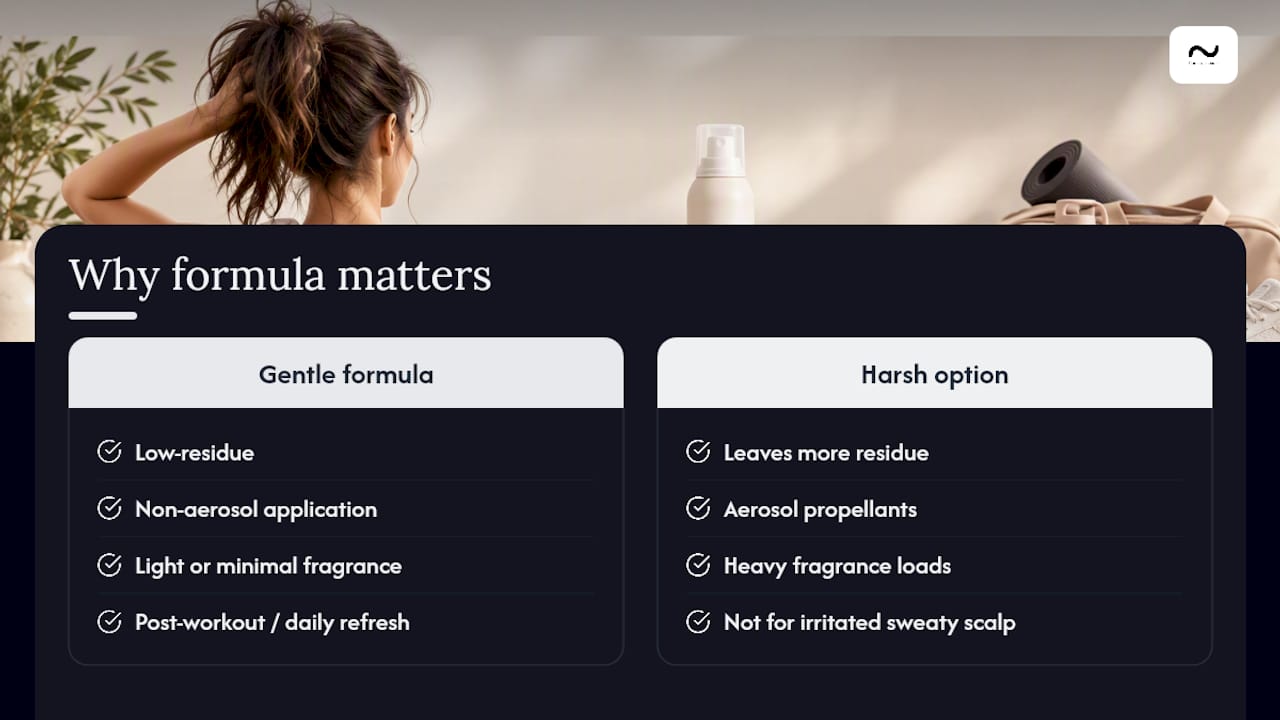
A sweaty, slightly irritated scalp is not the moment for harsh aerosol propellants or heavy fragrance loads. Low-residue formulas matter more after exercise than on an ordinary greasy day, because the scalp barrier is already working harder from heat, friction, and salt. That’s the thinking behind keeping the dry shampoo range non-aerosol and gently formulated rather than chasing instant, powder-heavy results.
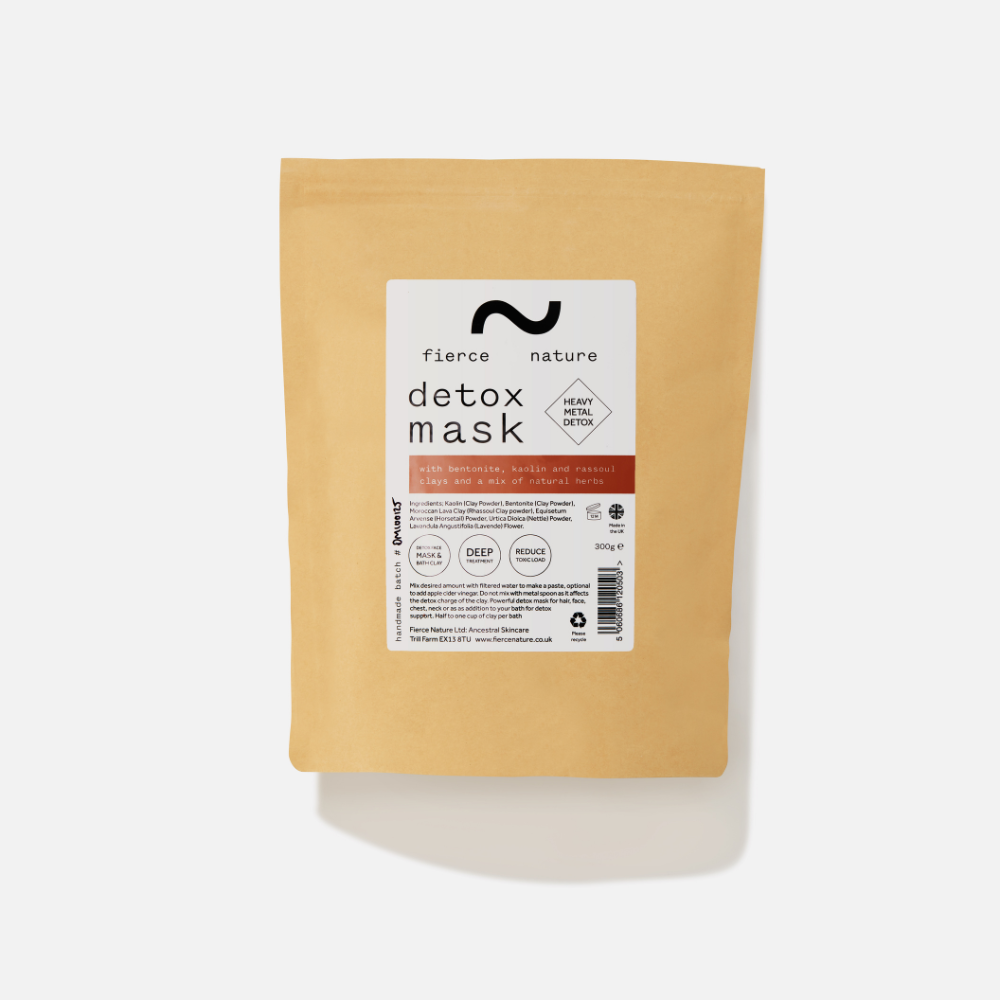
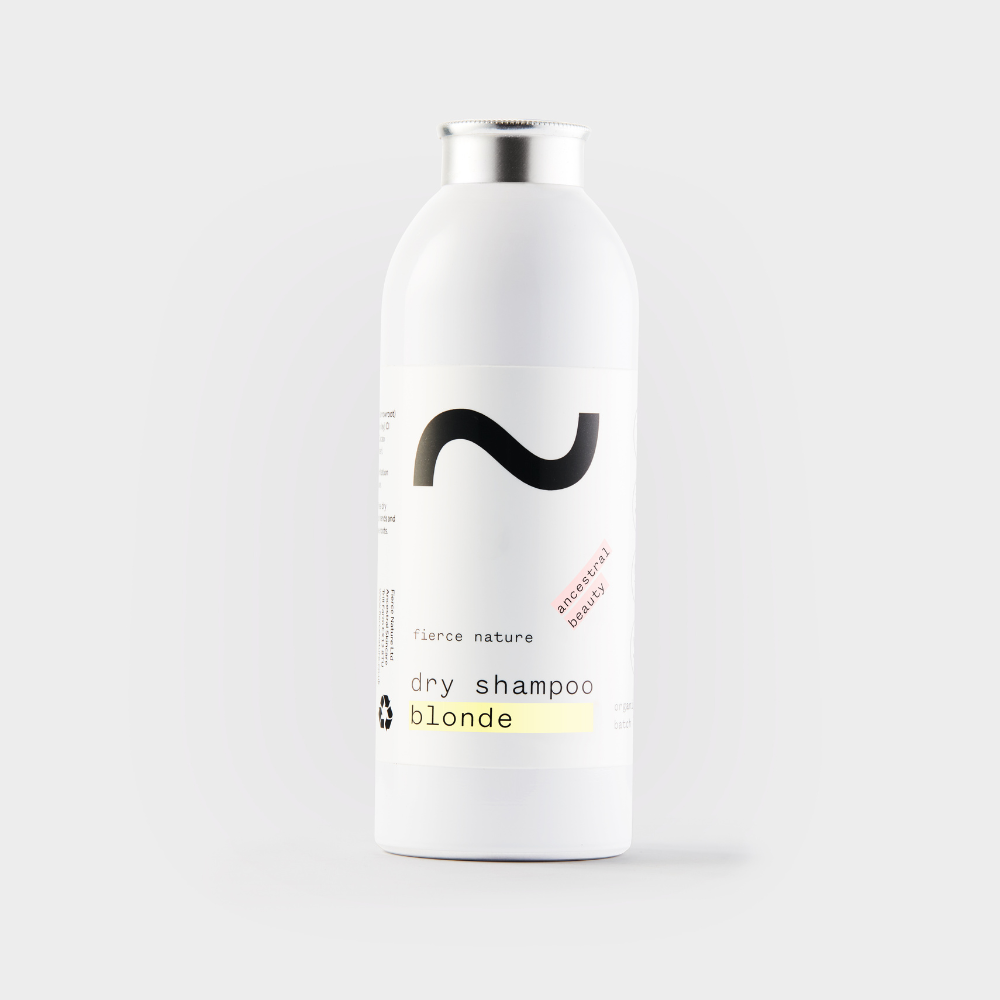
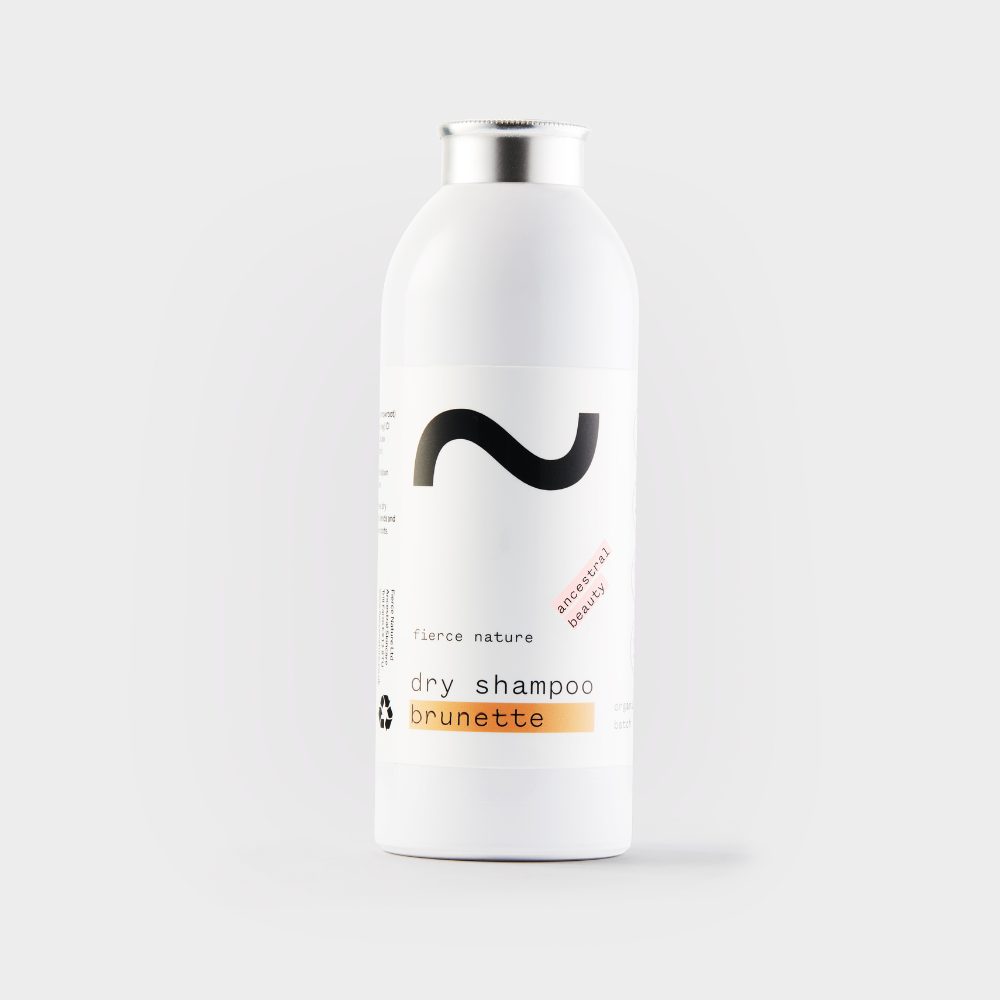
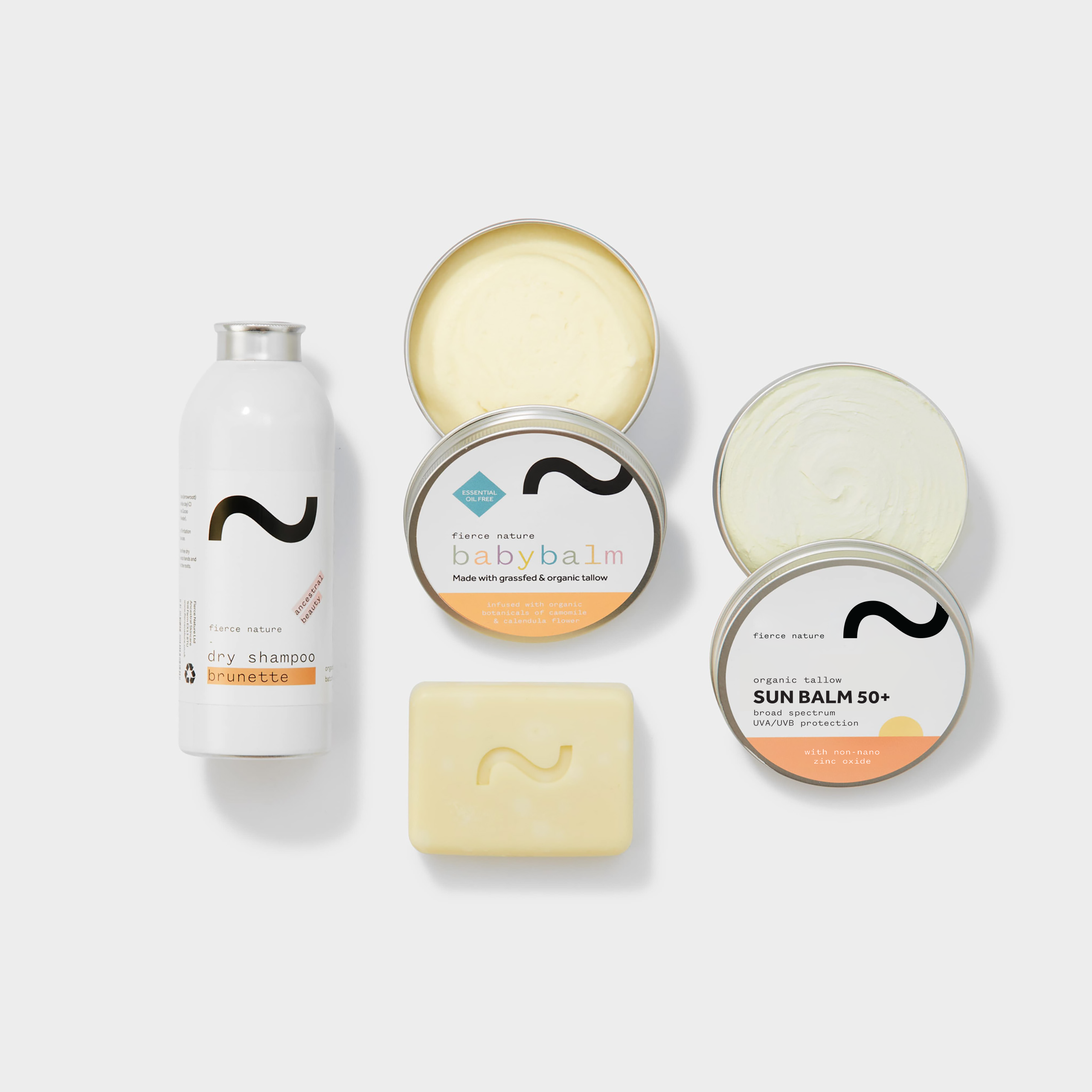
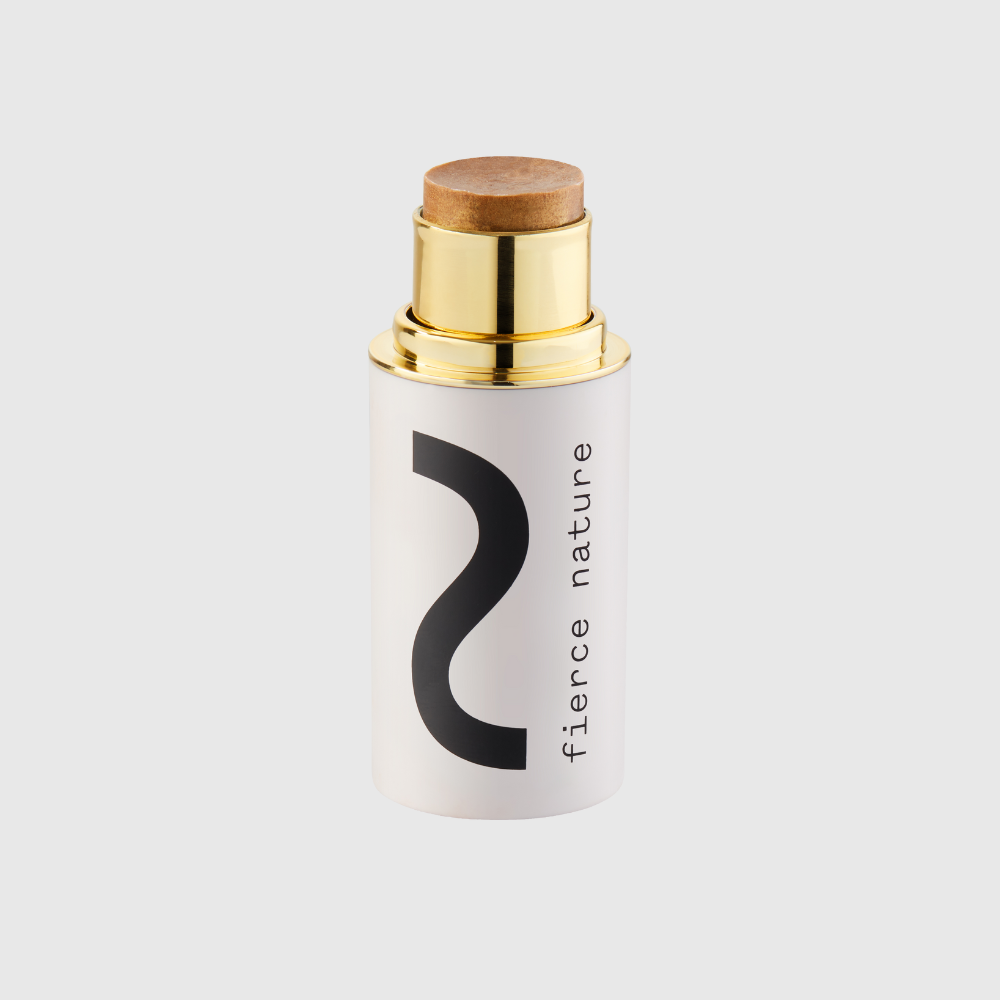
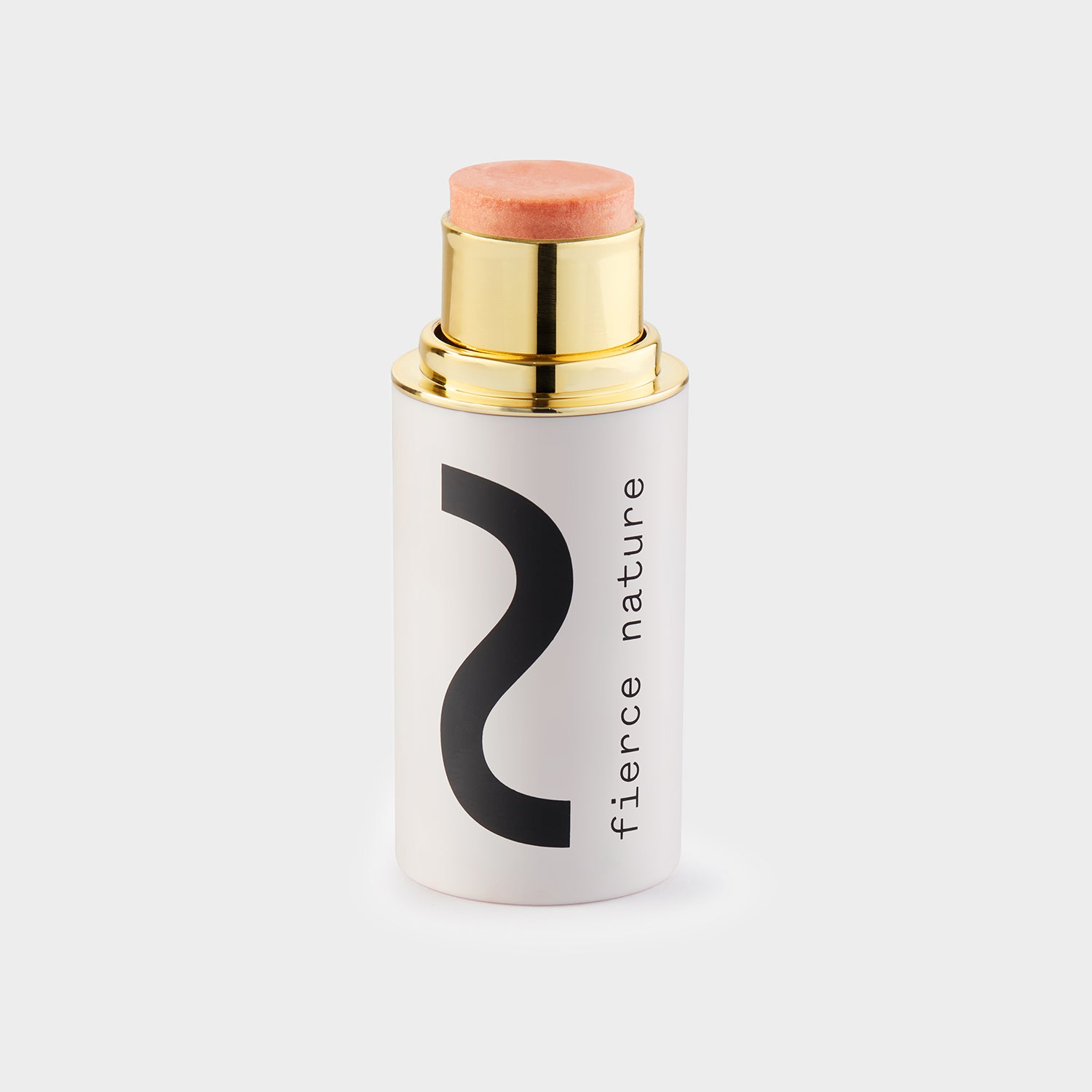
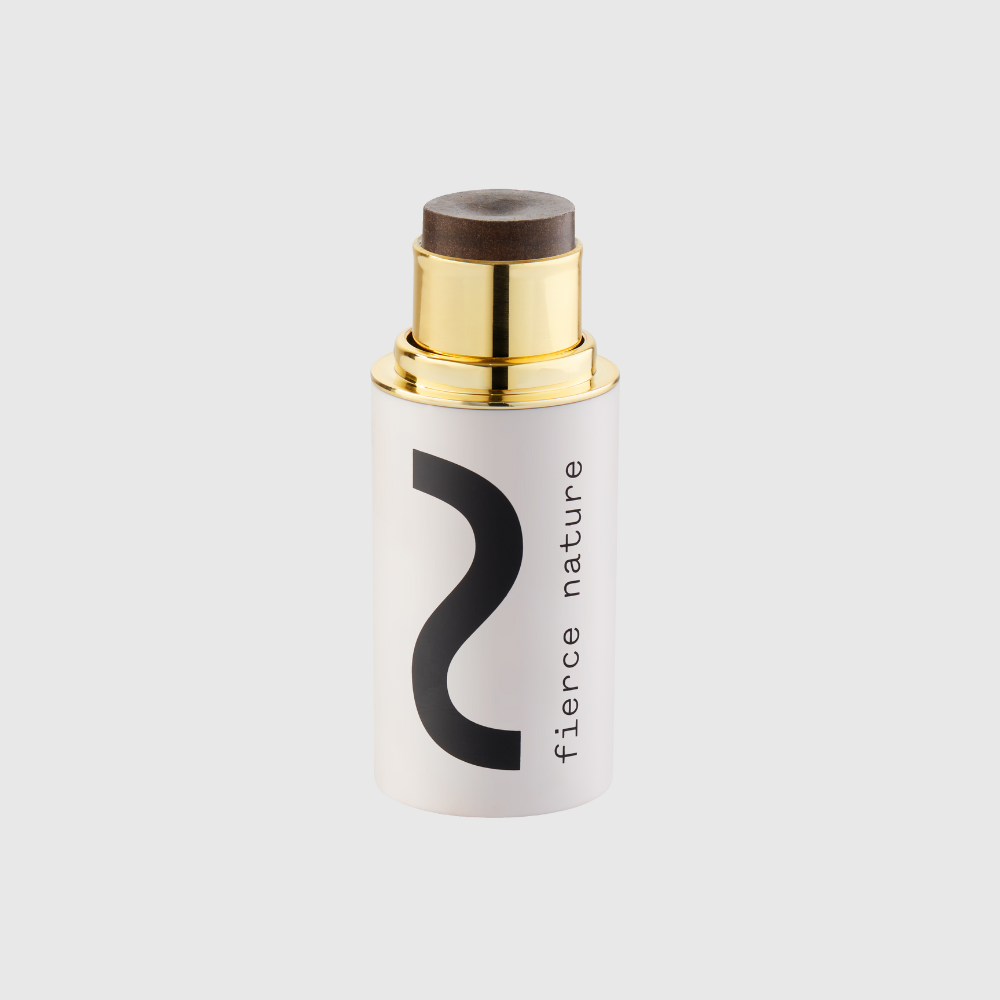
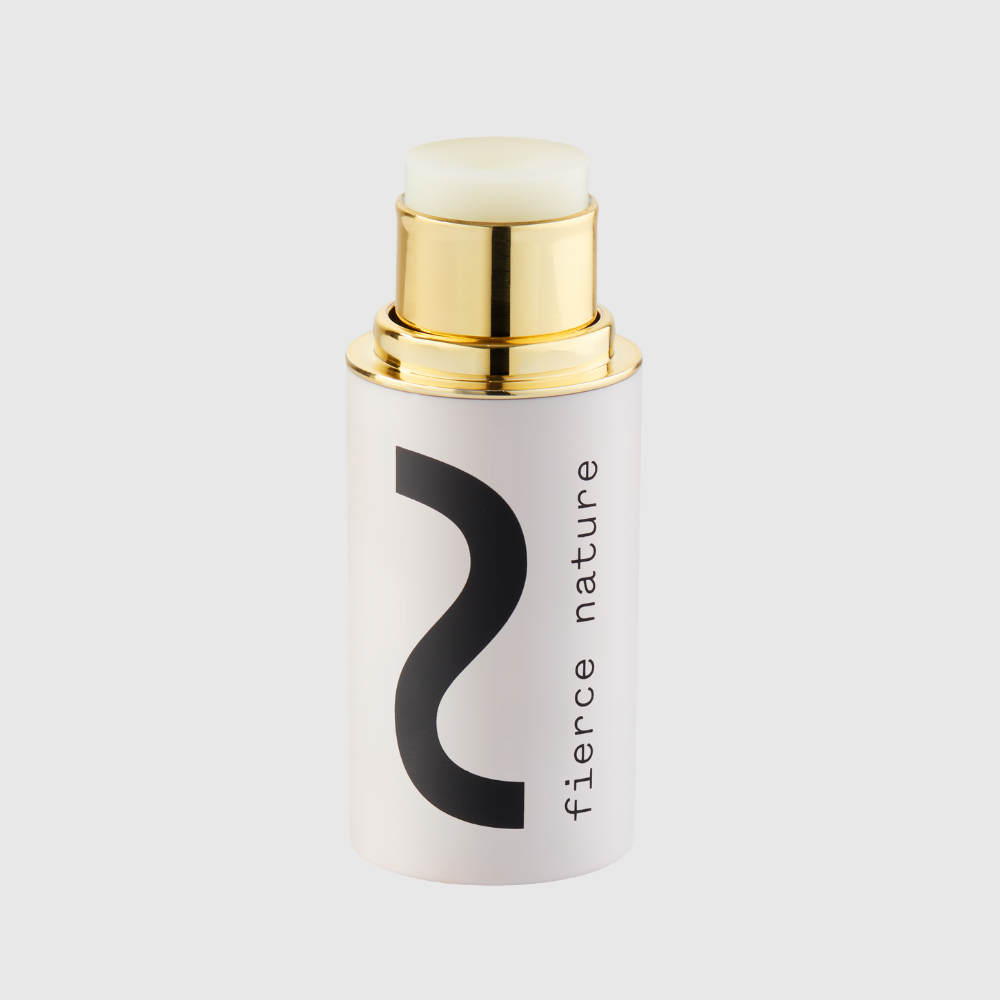
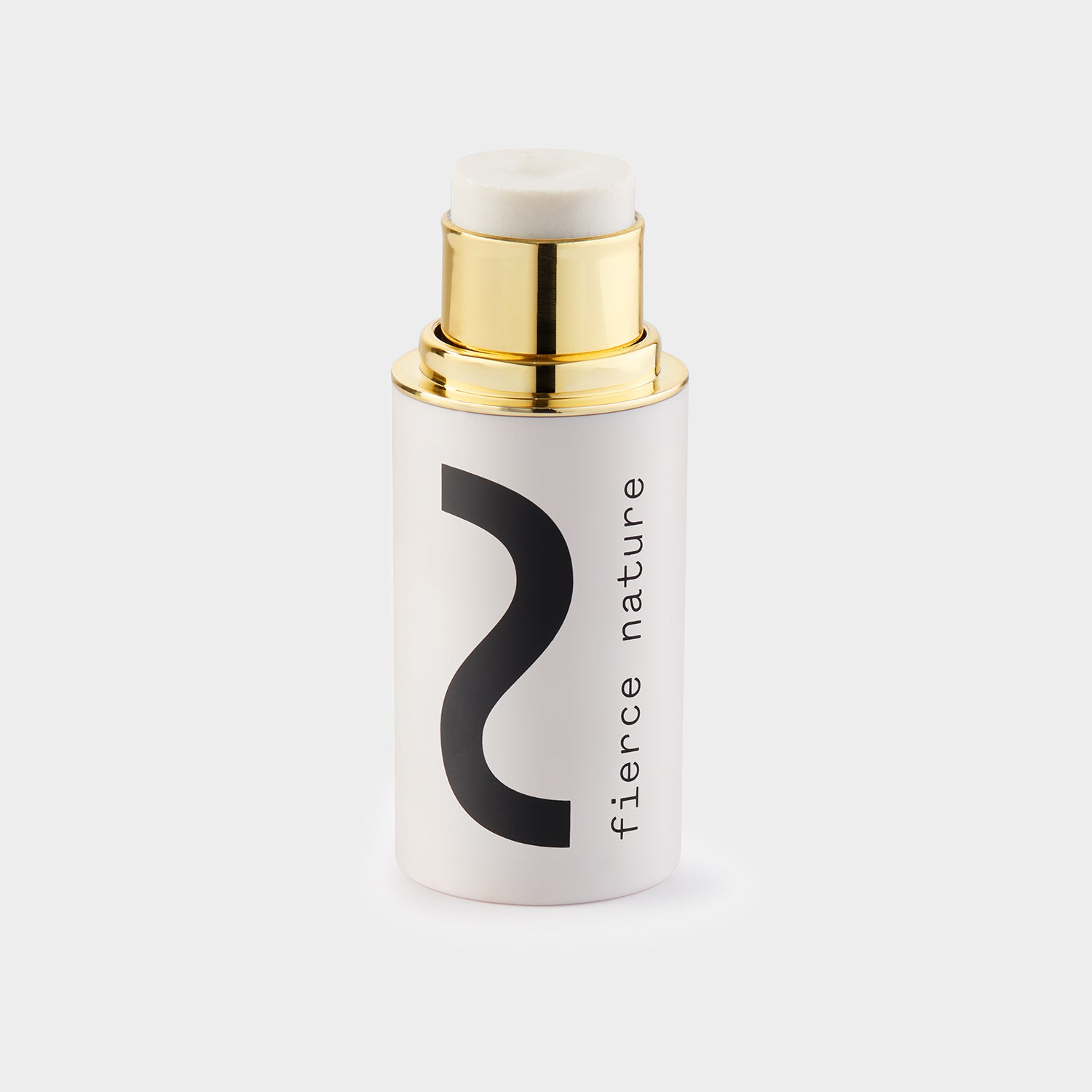
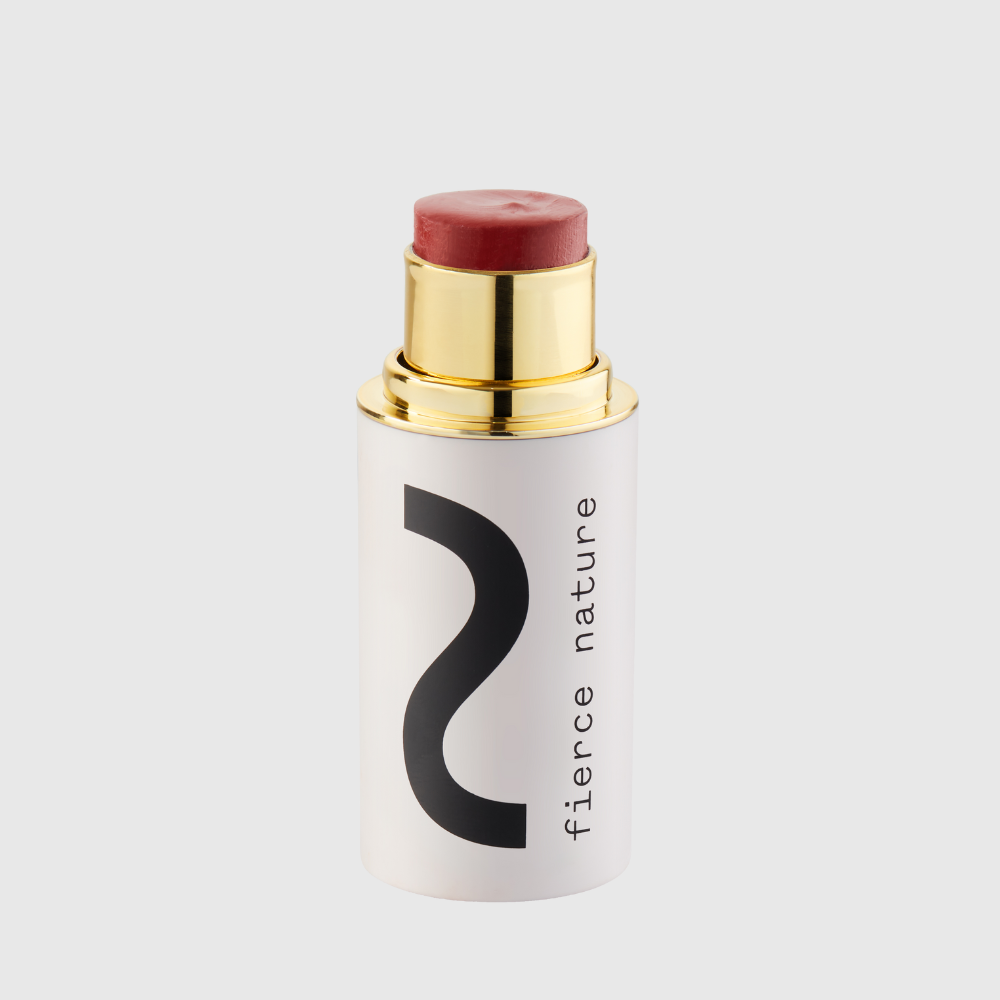
Within our own range, the Dry Shampoo (Brunette) and Dry Shampoo (Blonde) formulas handle the daily post-workout refresh, while the Detox Mask is built for the deeper, less frequent clean your scalp still needs.
— Fierce Nature
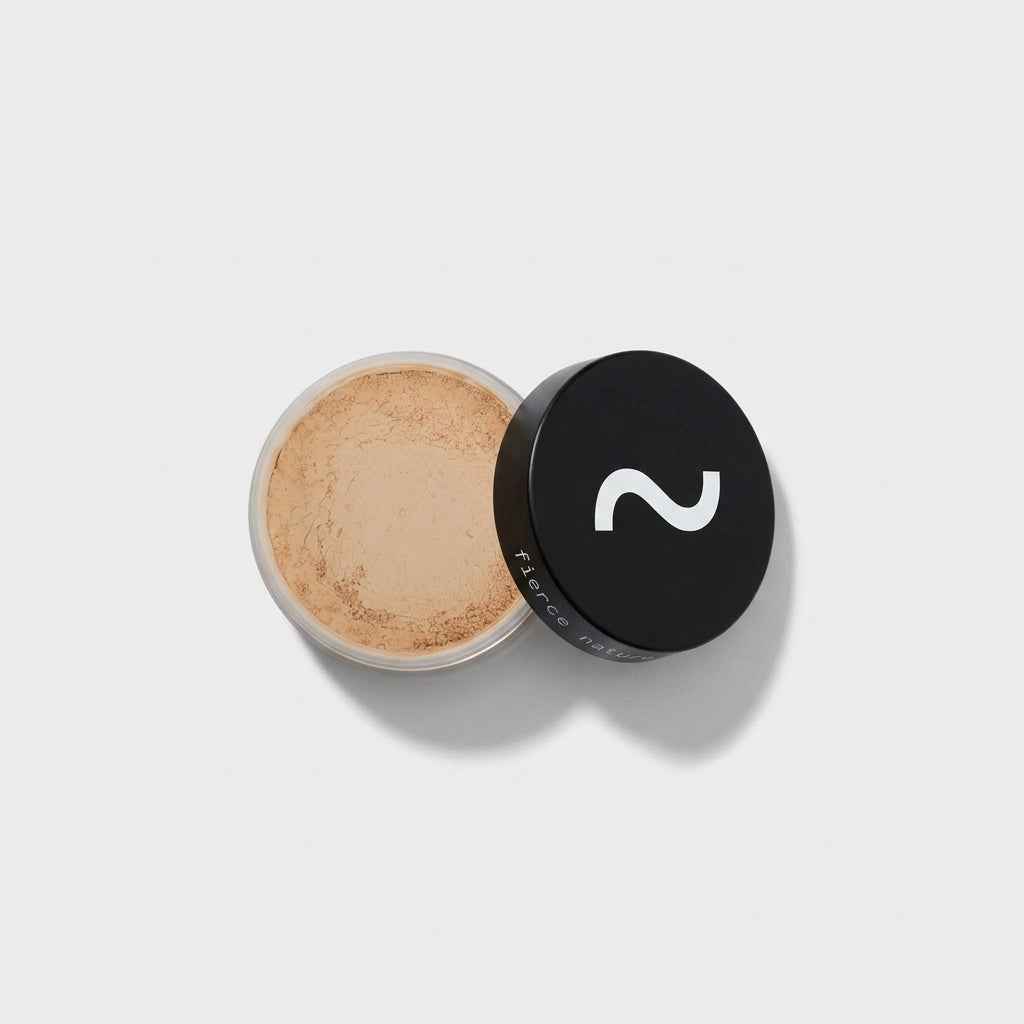
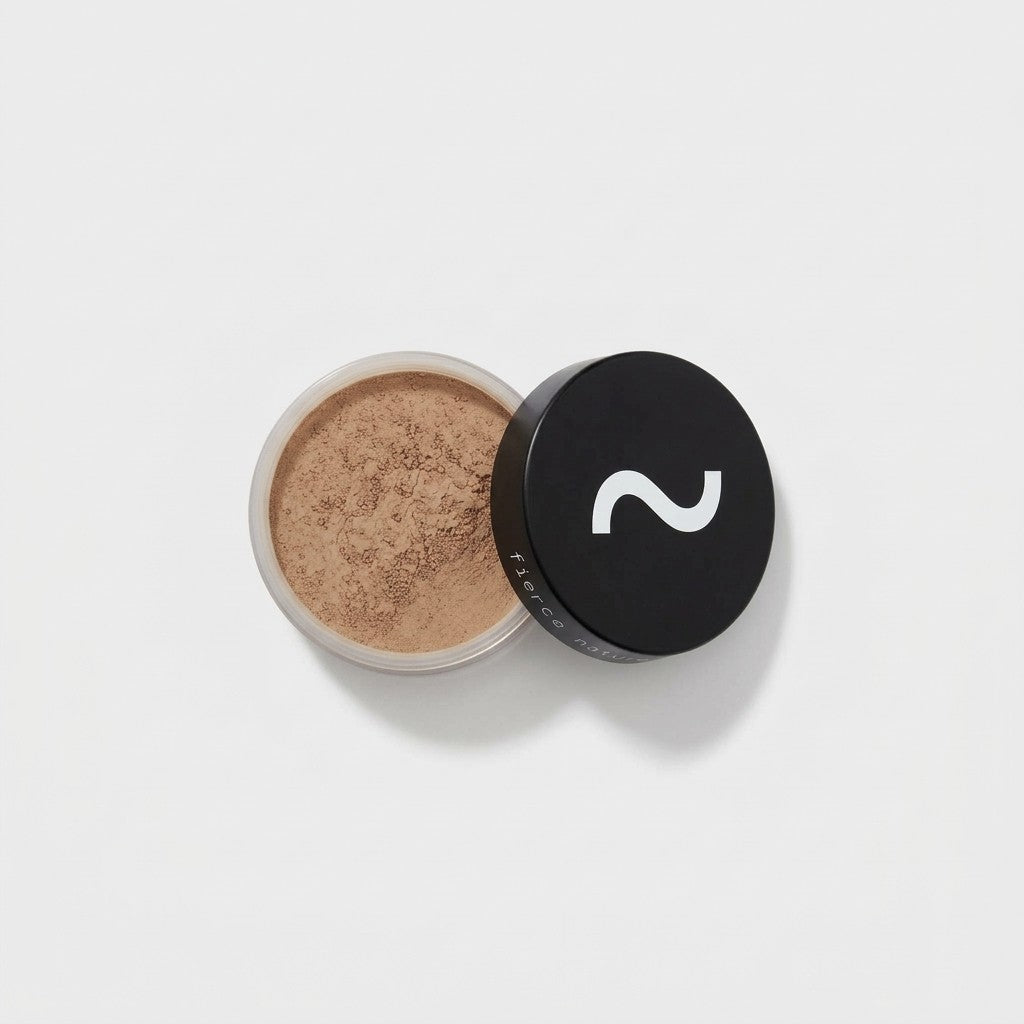
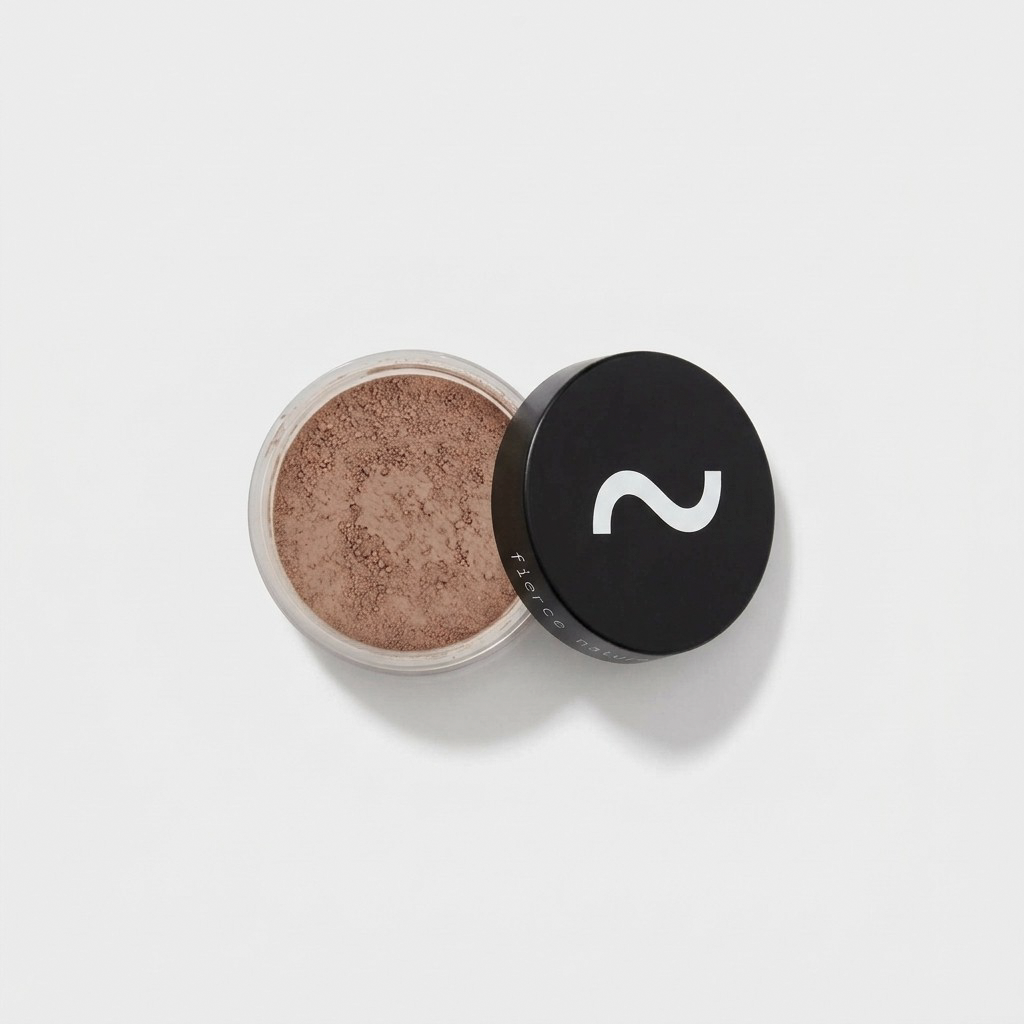
There are plenty of aerosol powders on the shelf, but most weren’t built for a scalp that’s just finished a hard session. Fierce Nature’s Dry Shampoo (Brunette) and Dry Shampoo (Blonde) are formulated to work with your natural tone rather than dust it grey, using the sectioning and short sit time covered earlier in this guide. Keep one in your gym bag and apply it to damp, blotted roots straight after cooling down, rather than immediately after exercising.
For the days your scalp needs more than a refresh, the Detox Mask for Hair and Skin clears the buildup that dry shampoo alone can’t touch, ideal once a week if you train often. Pair it with the wider Hair Care range for a routine that supports your scalp between full washes rather than just masking the sweat.
Ready to build your kit? Browse the Dry Shampoo (Brunette) and Dry Shampoo (Blonde) pages now and add the Detox Mask to your next order for a proper reset.
Yes, dry shampoo is a genuinely good option straight after the gym, provided you use a low-residue, non-aerosol format on properly blotted roots. It absorbs sweat and oil quickly, but it should sit alongside regular washing rather than replace it entirely.
Avoid piling product straight onto soaking wet hair, since it won’t absorb properly and tends to clump. Skip vigorous towel rubbing at the scalp too; a gentle blot works far better and avoids irritating skin that’s already warm and sensitive from exercise.
Blot the scalp with a towel, section the hair, and apply a non-aerosol dry shampoo mist or tinted powder to the roots, letting it sit for 15 to 30 seconds before massaging or brushing through. Finish with cool air to help the product set without going gritty.
A quick roots refresh with dry shampoo, combined with a cooling face mist or wipe and a fast style like a low bun, covers most of what a shower would do for your appearance. Dermatology guidance still recommends washing after one or two of these quick refreshes to keep the scalp genuinely clean.