Cart
0
80% Also Added this
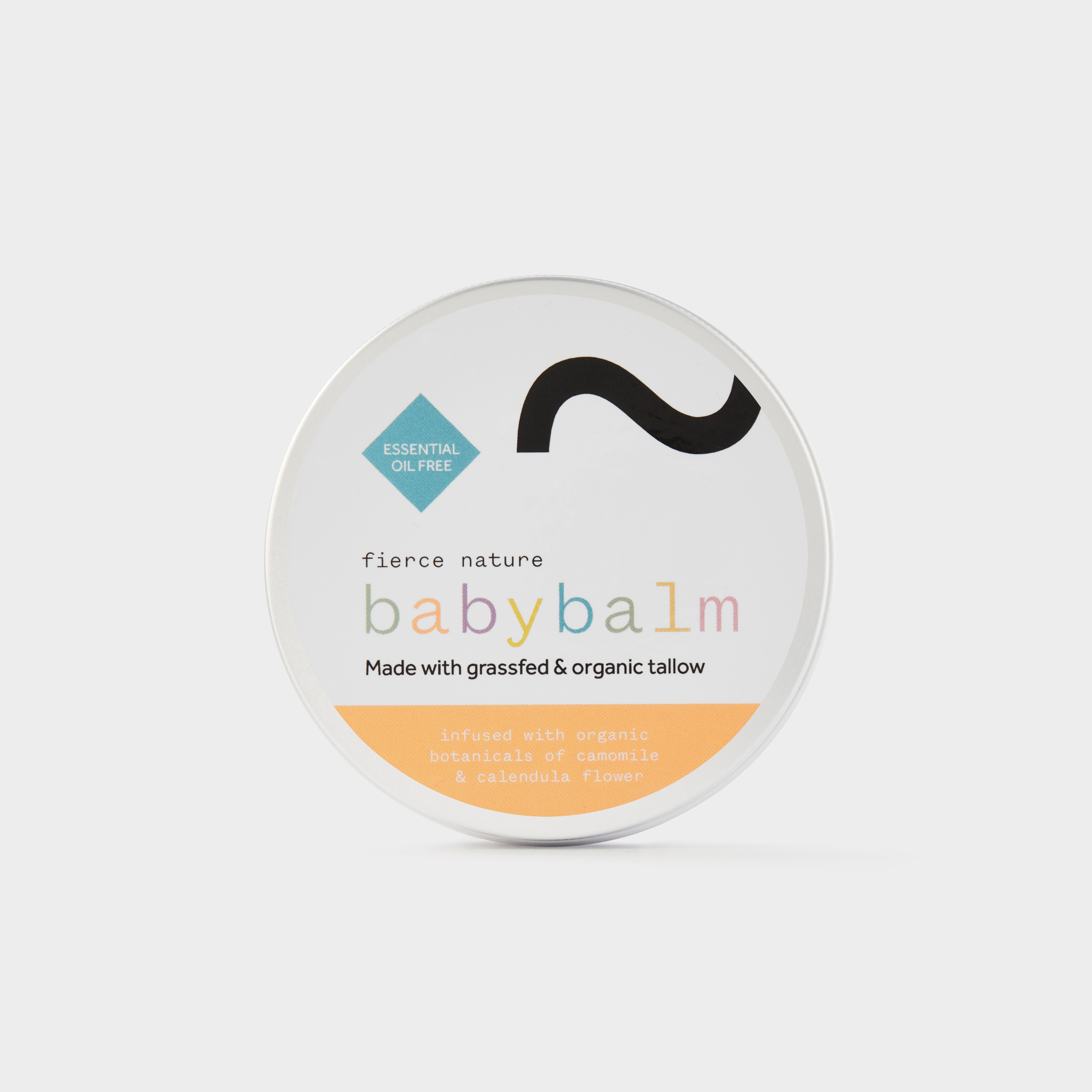
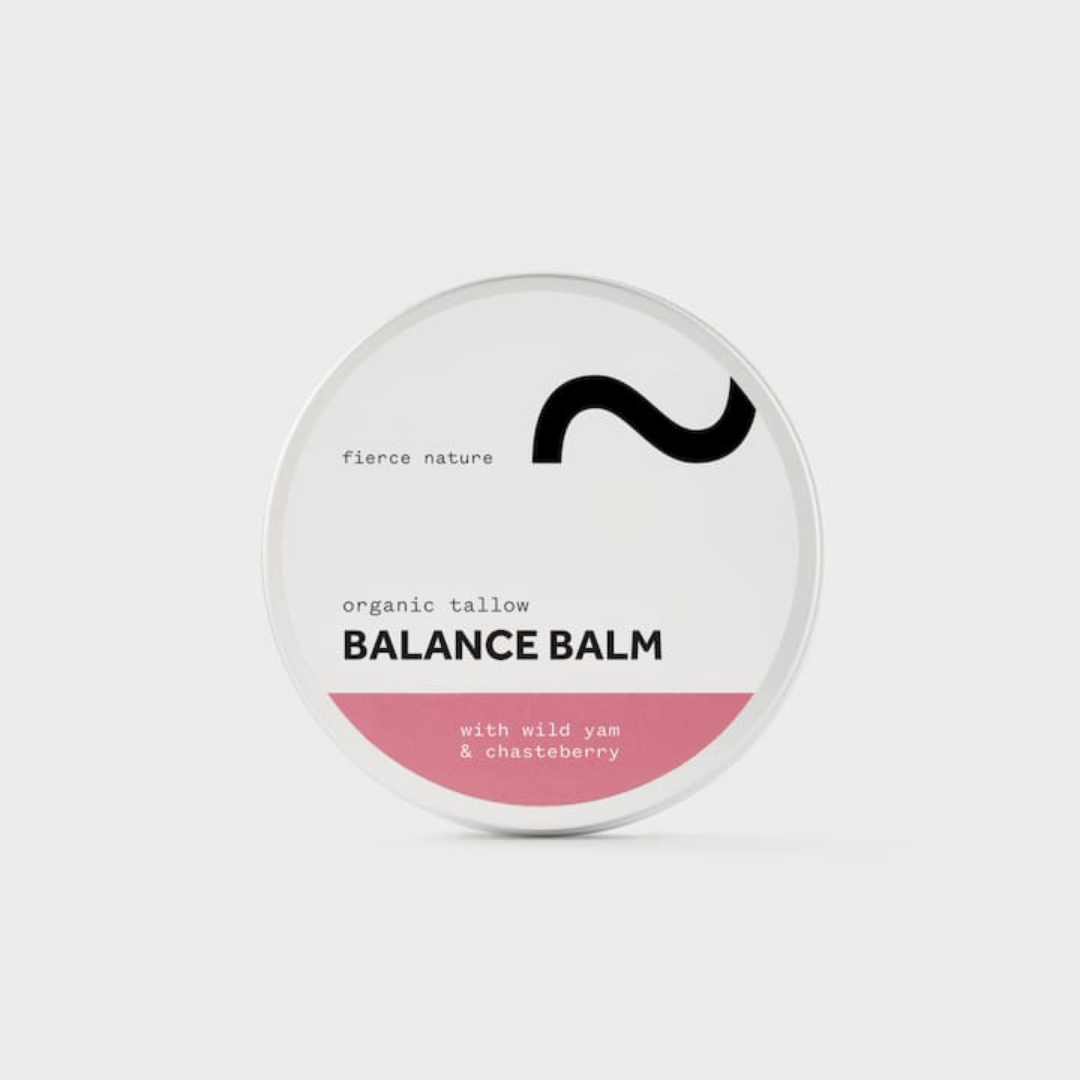

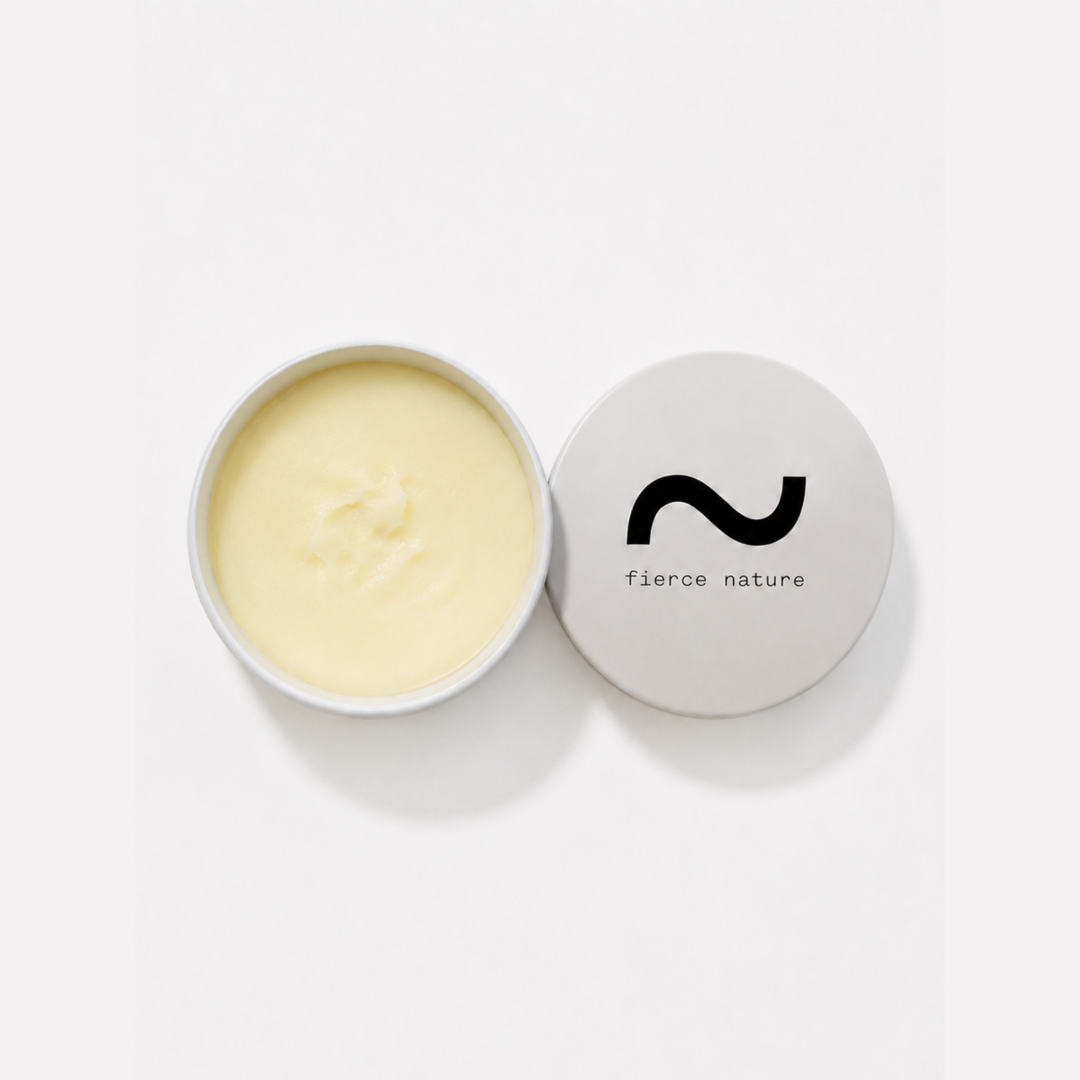
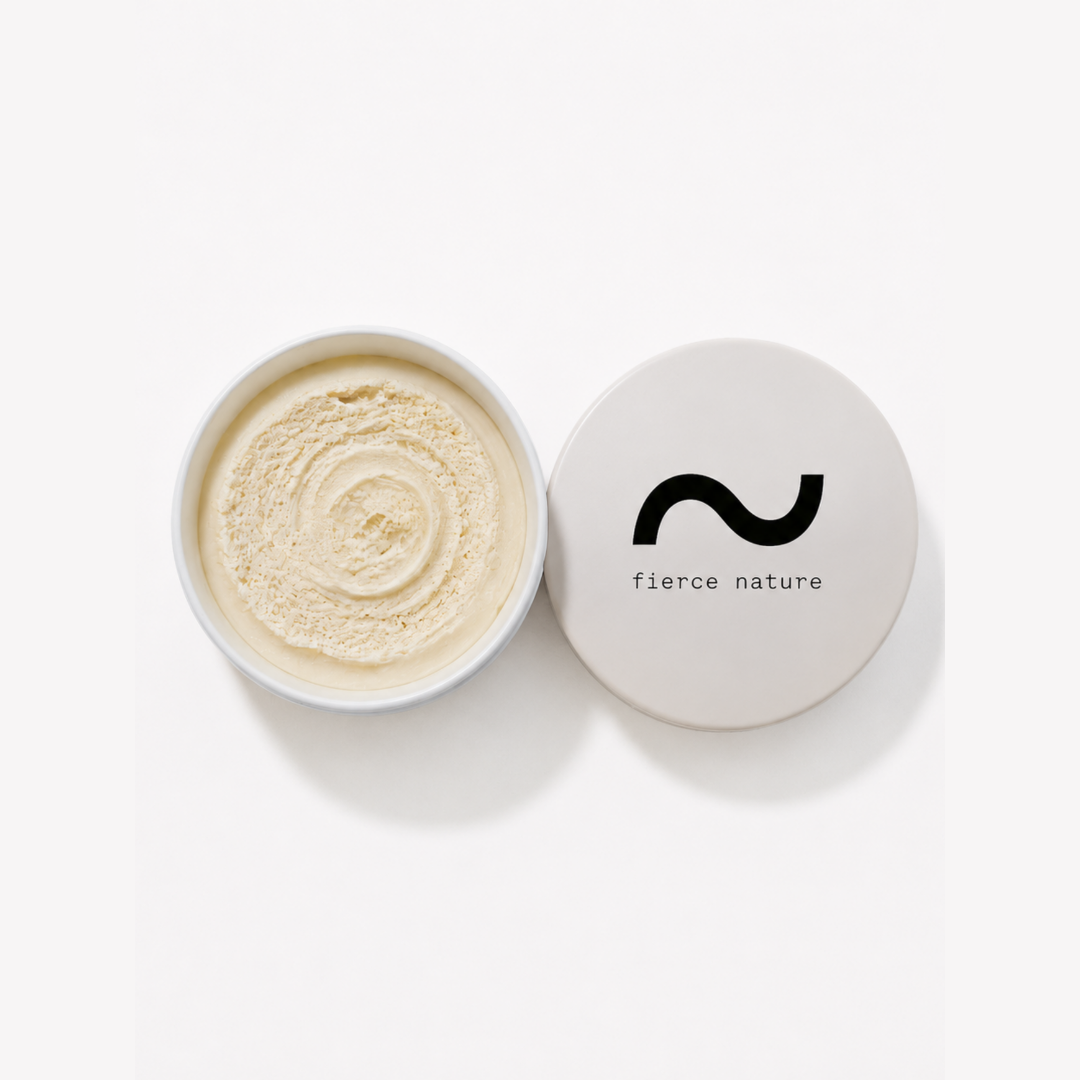
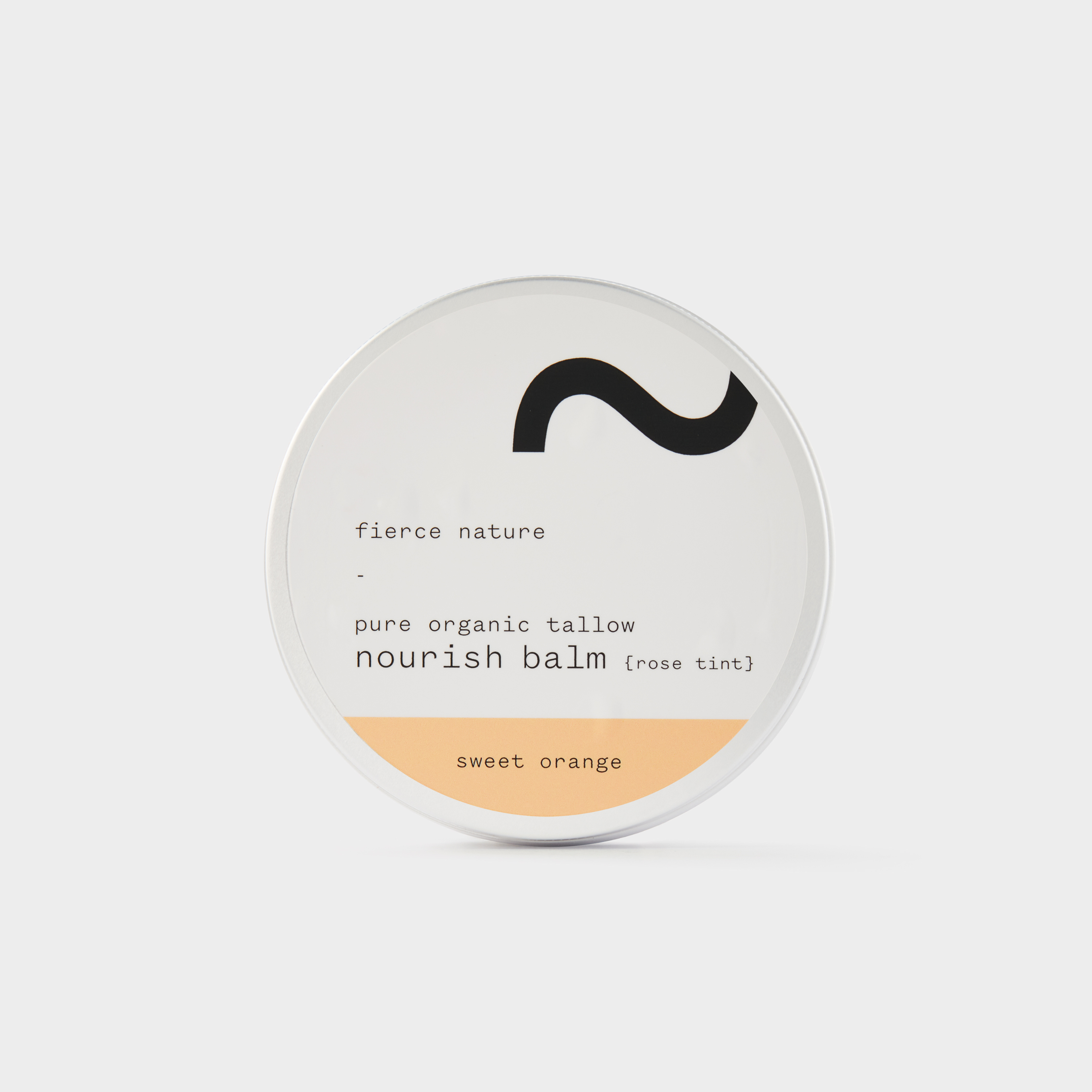

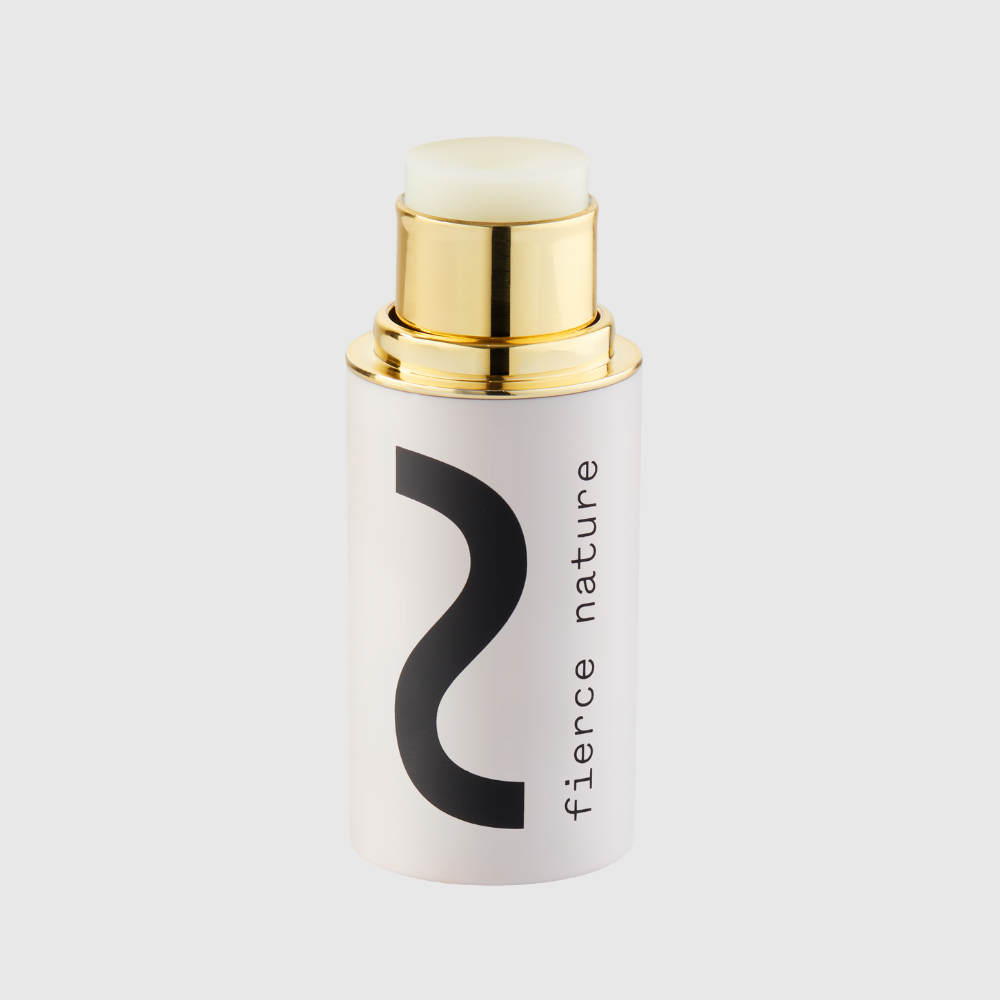
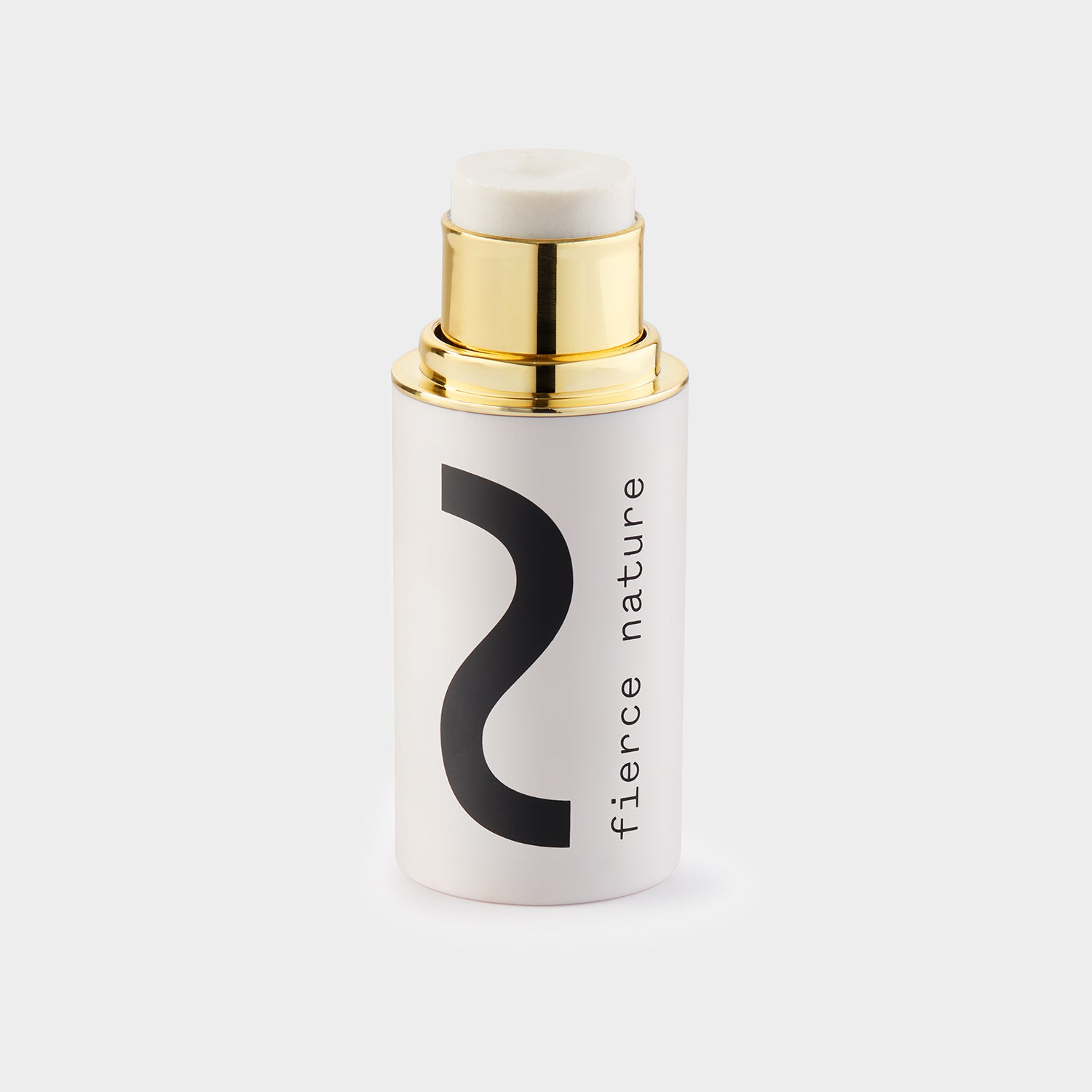
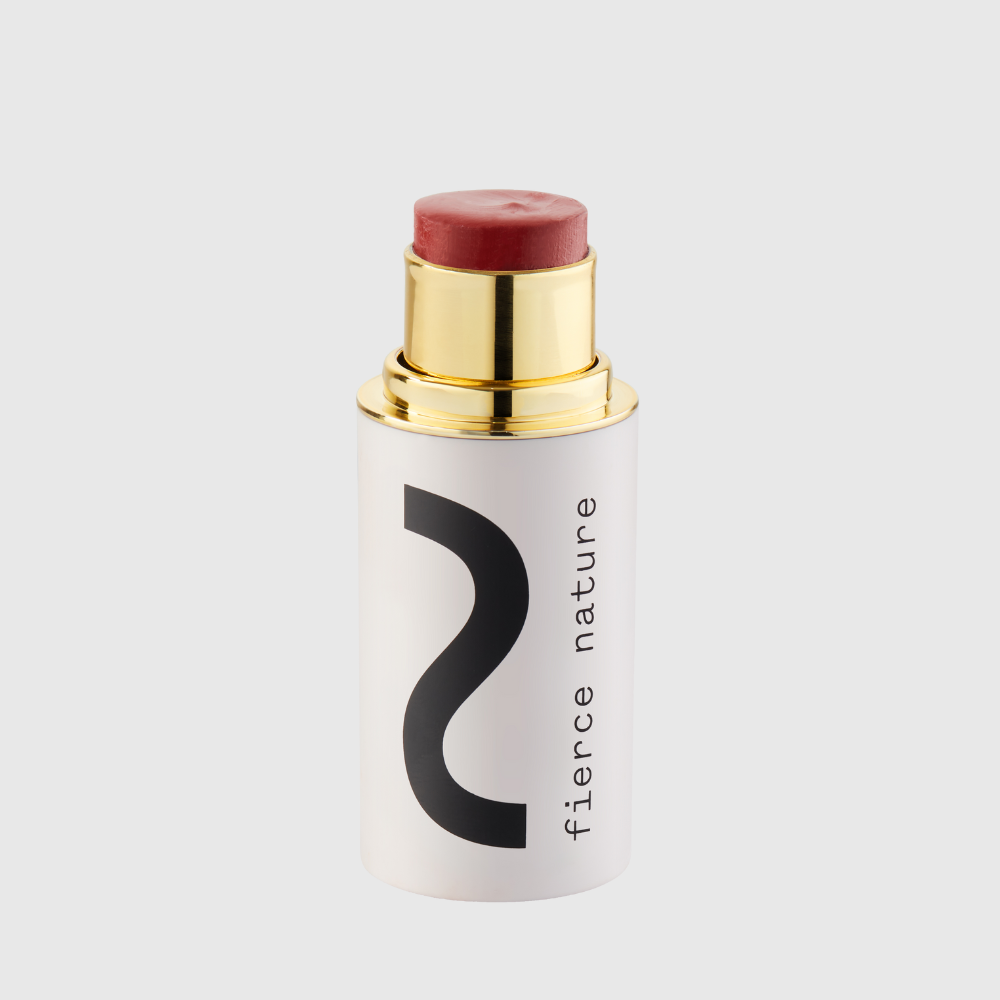
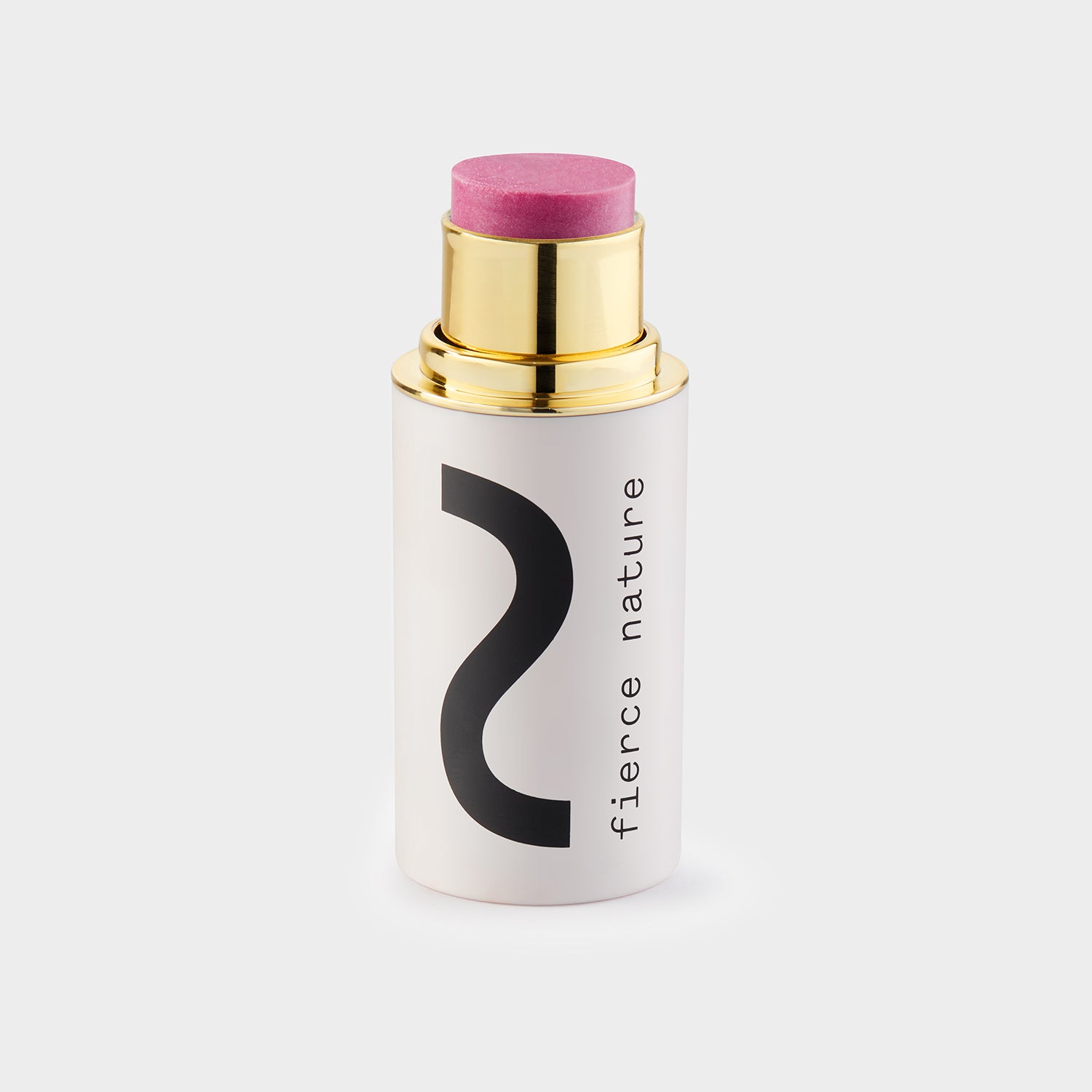
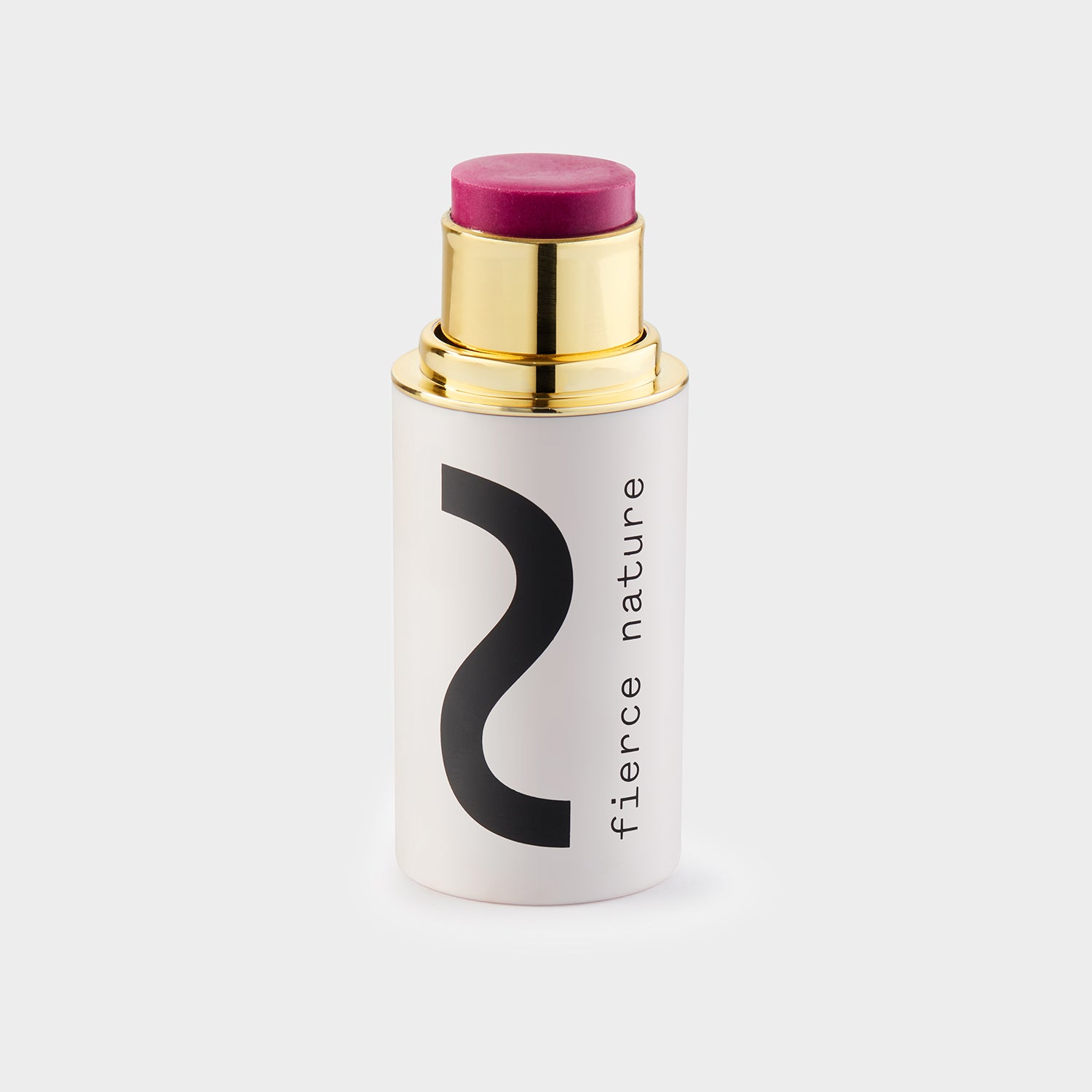



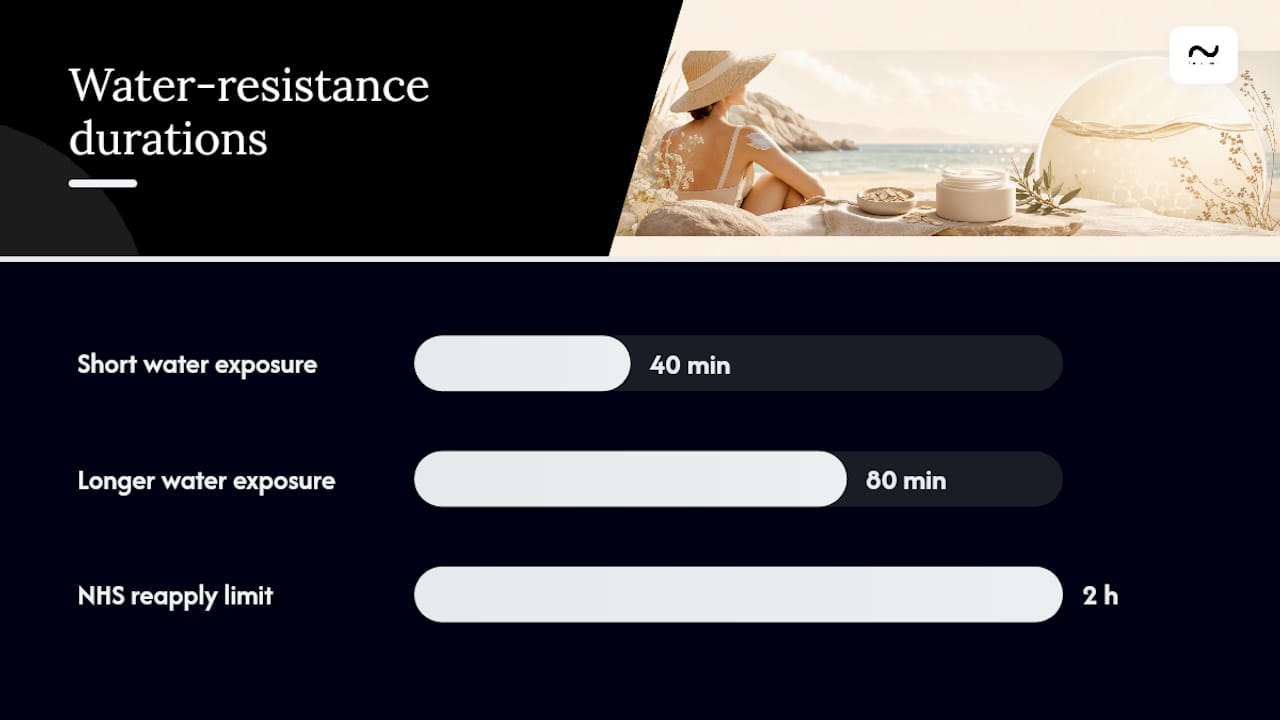
Yes, mineral sunscreen can be water resistant. Formulas are tested to hold their SPF for either 40 or 80 minutes in water or sweat, and a suitable mineral sun balm option is designed for active days like this. Whichever product you choose, reapply every 2 hours, straight after that 40 or 80 minute water window, and immediately after towelling.
TL;DR:
- Water-resistant mineral sunscreens are tested for 40 or 80 minutes of SPF retention during water or sweat exposure, but require reapplication afterward.
- Formulation ingredients such as film-forming polymers and skin oils are crucial in keeping mineral filters like zinc oxide attached during water activities.
- Balms and sticks generally offer better adhesion on high-point areas like the nose and shoulders, while lotions spread faster but may need more effort to blend.
- Mineral sunscreens are suitable for sensitive or reactive skin because they sit on the surface rather than being absorbed, reducing irritation risk.
- Reapplication is essential every two hours, immediately after water exposure, and after towel drying, regardless of the water-resistance rating.
No sunscreen is waterproof. That phrase gets repeated across the industry for good reason: it stops people relying on a single application to see them through an entire day of swimming, paddle boarding, or a sweaty hike. What “water resistant” actually describes is a laboratory test, not a permanent shield.
Sunscreens are tested to maintain their SPF while swimming or sweating for either 40 or 80 minutes. Those two numbers are the only standard ratings you will see, and the difference matters when you are planning your day.
Water-resistance ratings apply for a fixed window only. Once that 40 or 80 minutes has passed, or you have towelled dry, your protection needs topping up. There is no version of mineral SPF, or any SPF, that lasts indefinitely in water.
Treat the rating as a countdown timer that starts the moment you get wet, not a badge that lasts the whole afternoon.
Zinc oxide and titanium dioxide are the two active ingredients behind every mineral sunscreen. Unlike chemical filters, which absorb UV rays and convert them to heat, mineral actives sit on the surface of the skin and physically deflect and scatter light. That sitting-on-top action is precisely why formulation is so important for water resistance.
A mineral filter alone will not survive a swim. What keeps zinc oxide clinging to your shoulders through 80 minutes of breaststroke is everything else in the formula: film-forming polymers, plant waxes, clays, and skin-loving oils like squalane that help the actives bond to skin rather than sliding off with sweat or pool water. Many premium formulas now combine these film-forming ingredients with barrier-supporting oils specifically to balance adhesion with comfort.
This is also why format changes everything:
The trade-off with any mineral formula is texture. Because the filters sit on top of skin rather than absorbing in, mineral sunscreen can take a little more work to blend, and some people notice a lingering white cast, particularly on deeper skin tones. That extra thirty seconds of rubbing in is the price of a filter that does not need to be absorbed to work.
Pro Tip: For swimming, watersports, or anything involving a towel, reach for a balm or stick over the nose, ears, and shoulders even if you are using a lotion everywhere else. Those areas dry fastest and lose protection first.
Sensitive and reactive skin tends to get on far better with mineral formulas than with chemical ones, and there is a straightforward reason for it. Because zinc oxide and titanium dioxide sit on the skin’s surface rather than being absorbed, they are far less likely to trigger the stinging, redness, or breakouts that some chemical filters cause. Dermatological brands routinely position mineral formulas as the better-tolerated choice for allergy-prone or intolerant skin, which is why so many parents default to mineral SPF for young children too.
That does not mean mineral sunscreen suits everyone without a second thought. A few things worth knowing before you commit to a product:
Our own breakdown of mineral vs chemical sunscreen goes deeper into which filter type suits which skin concern, if you are still weighing up the two.
Getting the timing right matters more for water days than for an ordinary day at your desk. Follow this rough order and you will not be caught out by a lapsed rating halfway through your swim.
Pro Tip: Keep a stick or balm in your beach bag specifically for reapplication. Lotions are brilliant for the first, generous application, but a solid format is far easier to reapply one-handed while sandy, wet, and trying to keep an eye on the kids.
A quick checklist saves you from buying on packaging alone. Before adding a product to your basket, run through the following:
| What to check | Why it matters | What to look for |
|---|---|---|
| Water-resistance rating | Determines how long SPF holds during swimming or sweating | 40 minutes for short dips, 80 minutes for extended watersports |
| Active filter | Affects gentleness on sensitive or reactive skin | Zinc oxide, titanium dioxide, or a blend of both |
| Format | Affects adhesion and ease of reapplication | Balm or stick for high-point areas, lotion for larger areas |
| Finish | Affects comfort and cosmetic wearability | Tinted or sheer formula to reduce white cast |
| Label clarity | Ensures correct reapplication behaviour | Clear timing for reapplying after water exposure and towelling |
Cost is worth a mention here too. Water-resistant mineral formulas with film-forming ingredients and skin-supporting oils generally sit at a higher price point than basic lotions, largely because those adhesion ingredients and higher-grade actives cost more to source and formulate well. Paying a little more for a formula that genuinely survives 80 minutes in the sea, rather than washing off in ten, tends to work out cheaper over a season than constantly reapplying a product that never held up in the first place.
Most water-resistant formulas chase adhesion and stop there. We think that is only half the job. Skin spends a whole summer being asked to cope with sun, salt water, chlorine, sand, and constant reapplication, and a sunscreen that ignores what all of that does to the skin barrier is solving one problem while quietly creating another.
Our approach starts from the same place as our entire range: nourish the skin while you protect it. Tallow-based formulations bring bioavailable nutrients that support the skin barrier, which matters more, not less, when that barrier is being reapplied five times a day at the beach. Barrier-supporting ingredients will not stop water washing sunscreen off eventually, nothing does, but they can make regular reapplication feel restorative rather than drying. For more on the thinking behind our formulas, our piece on why you need a natural sun balm covers the detail.
— Fierce Nature
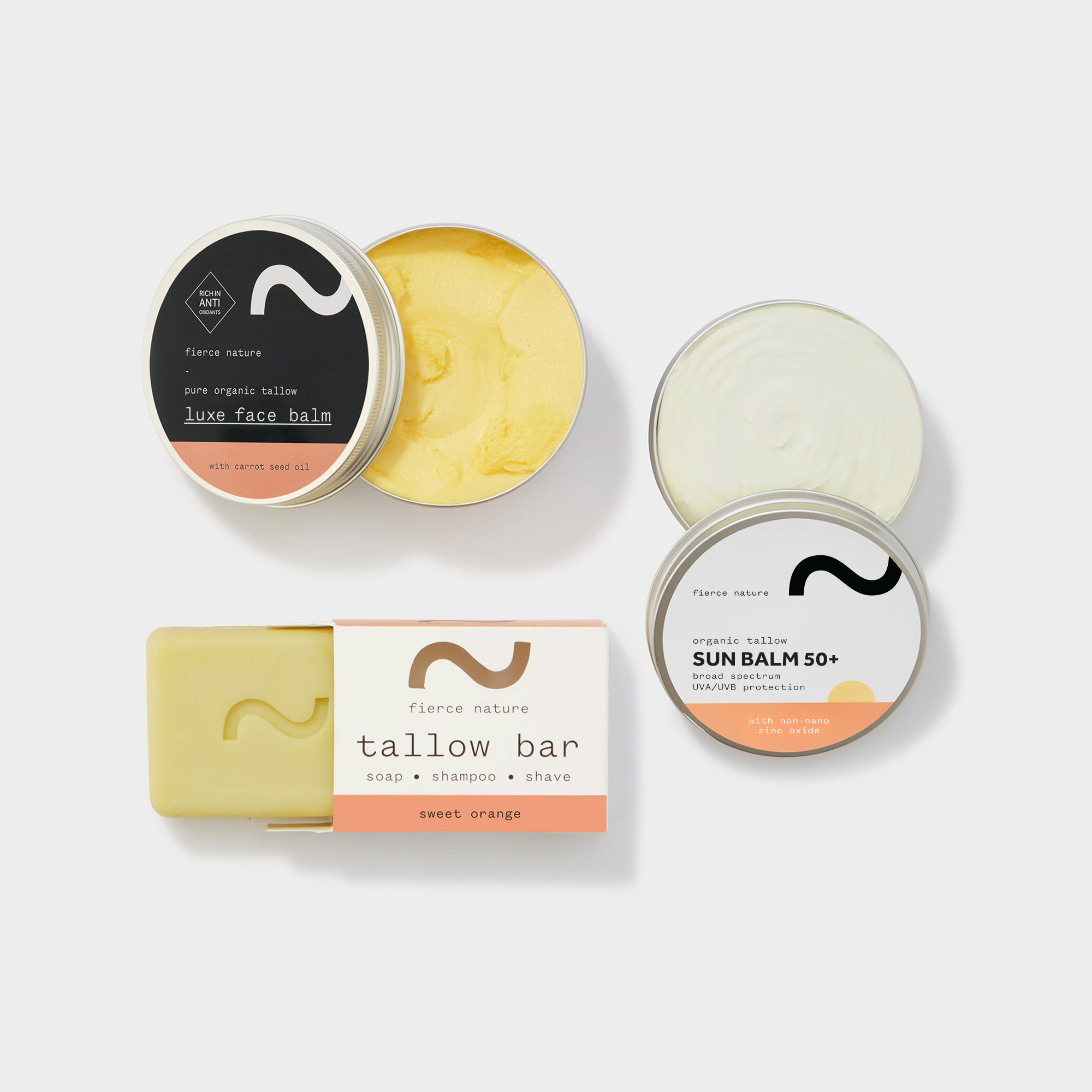
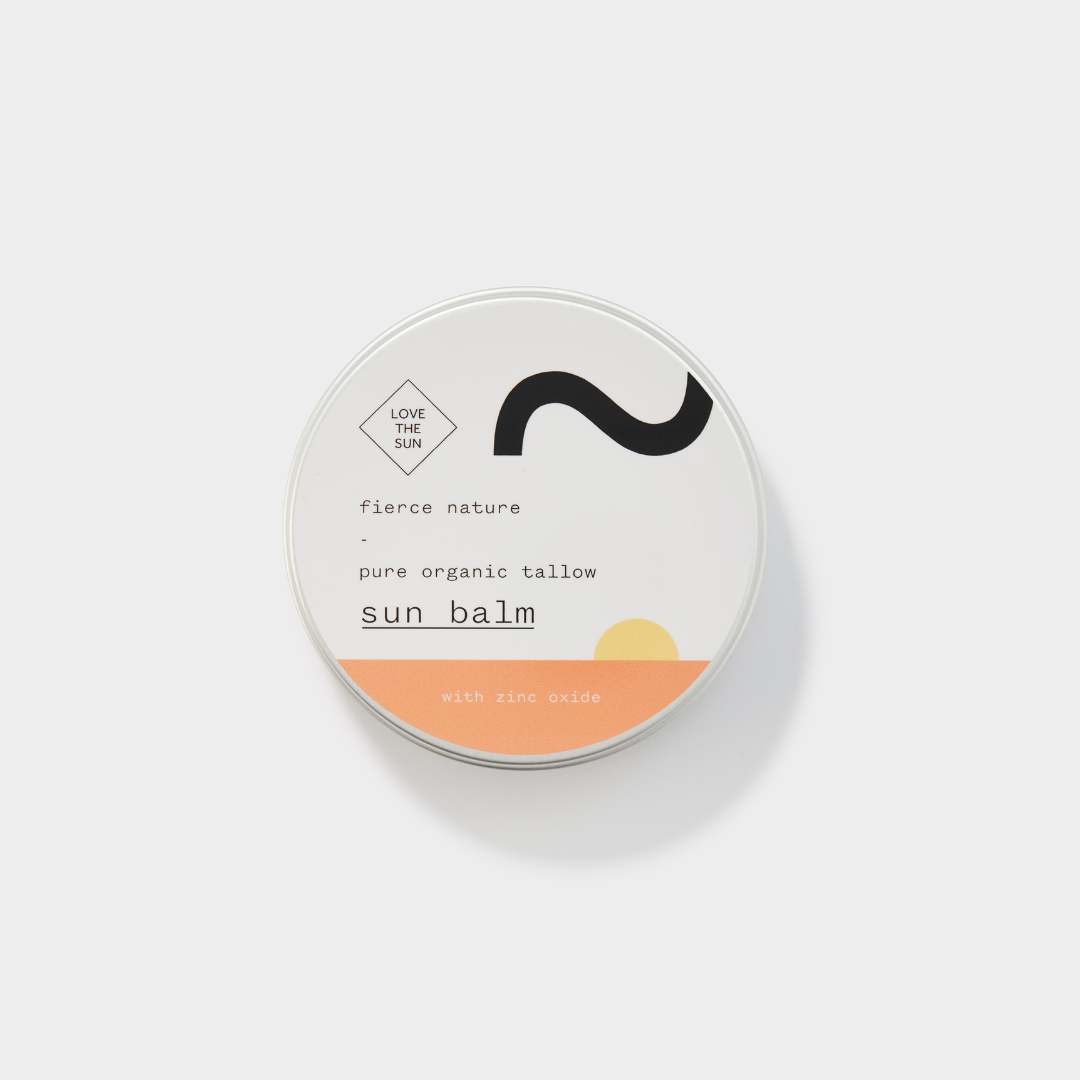
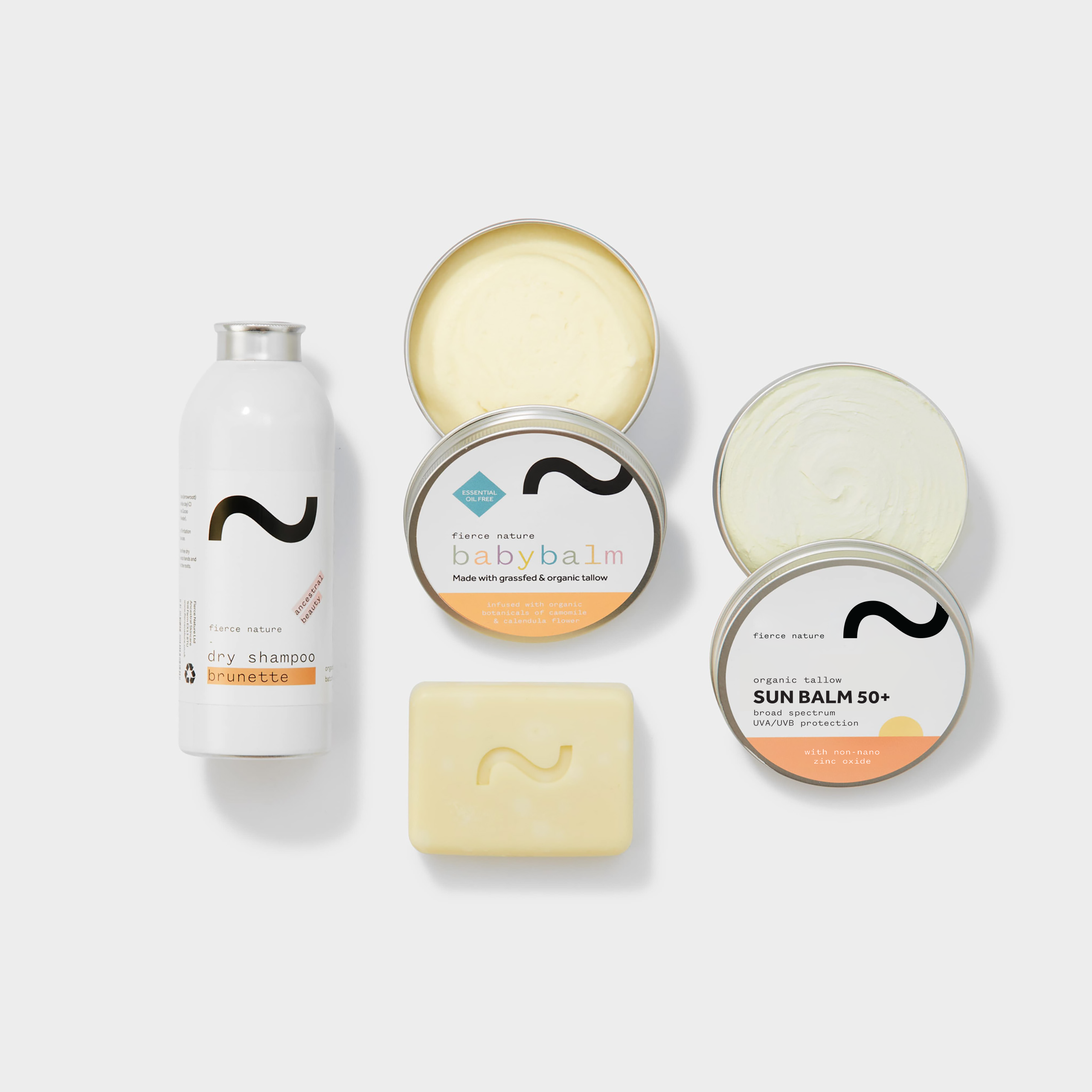
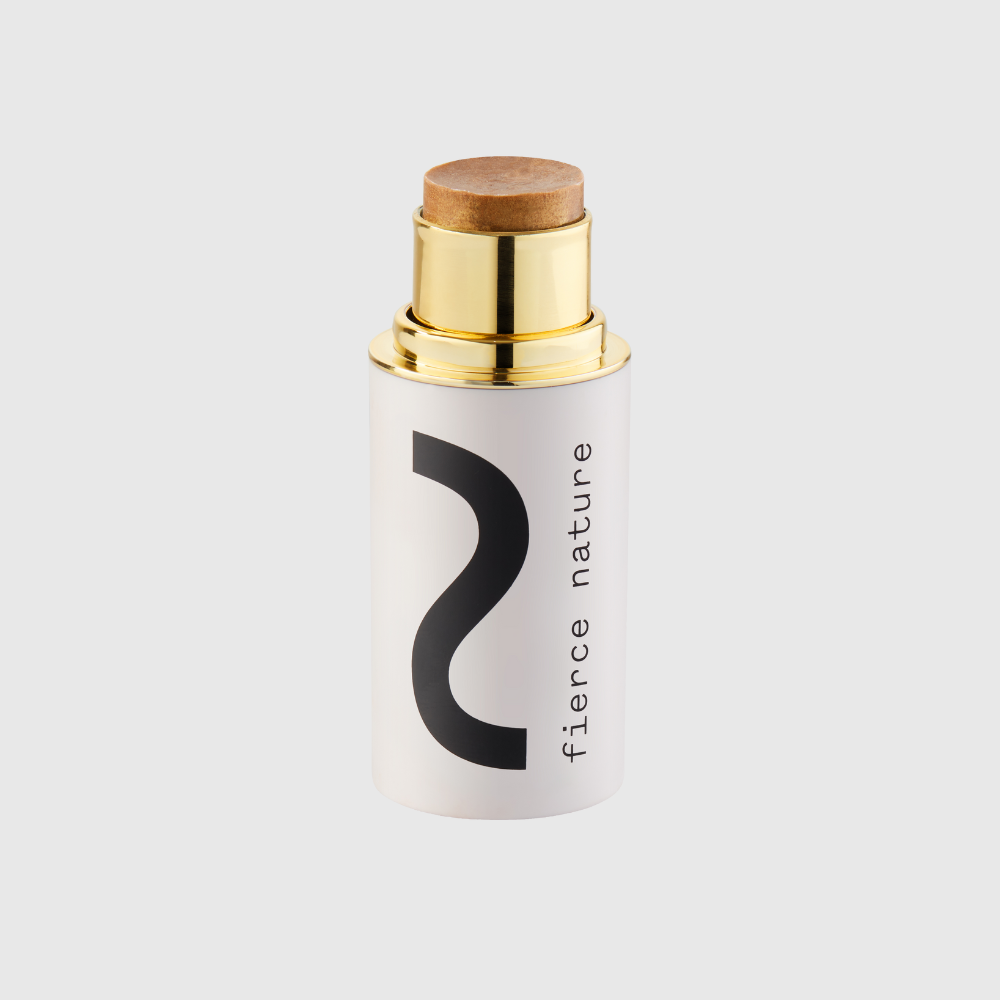
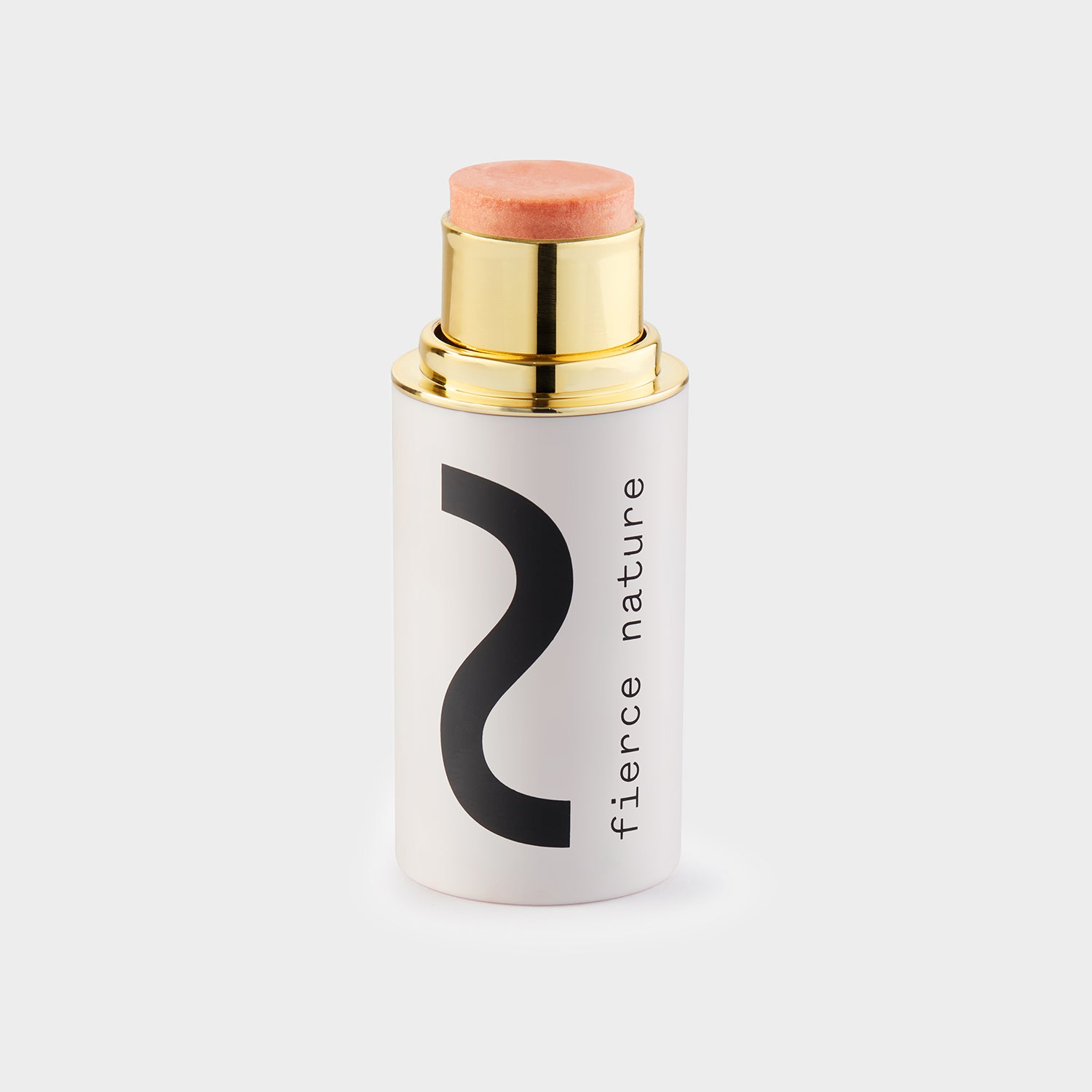
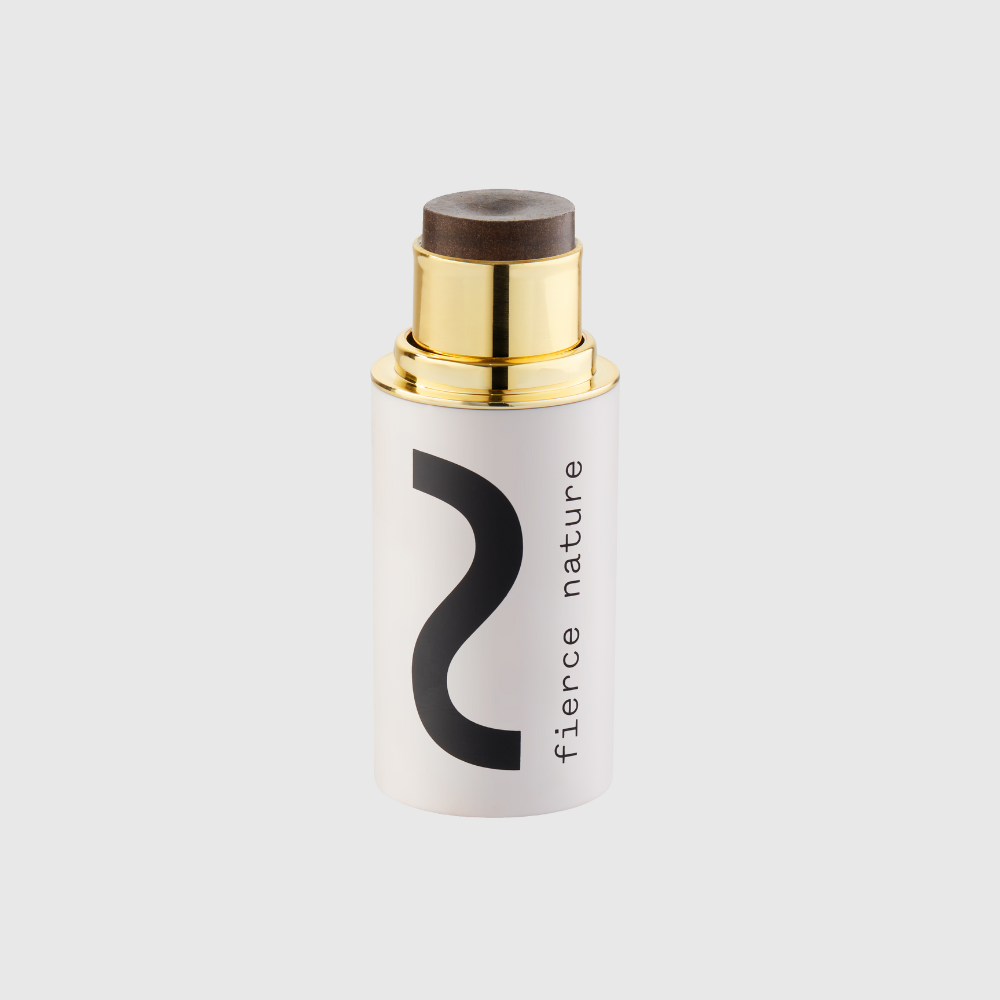
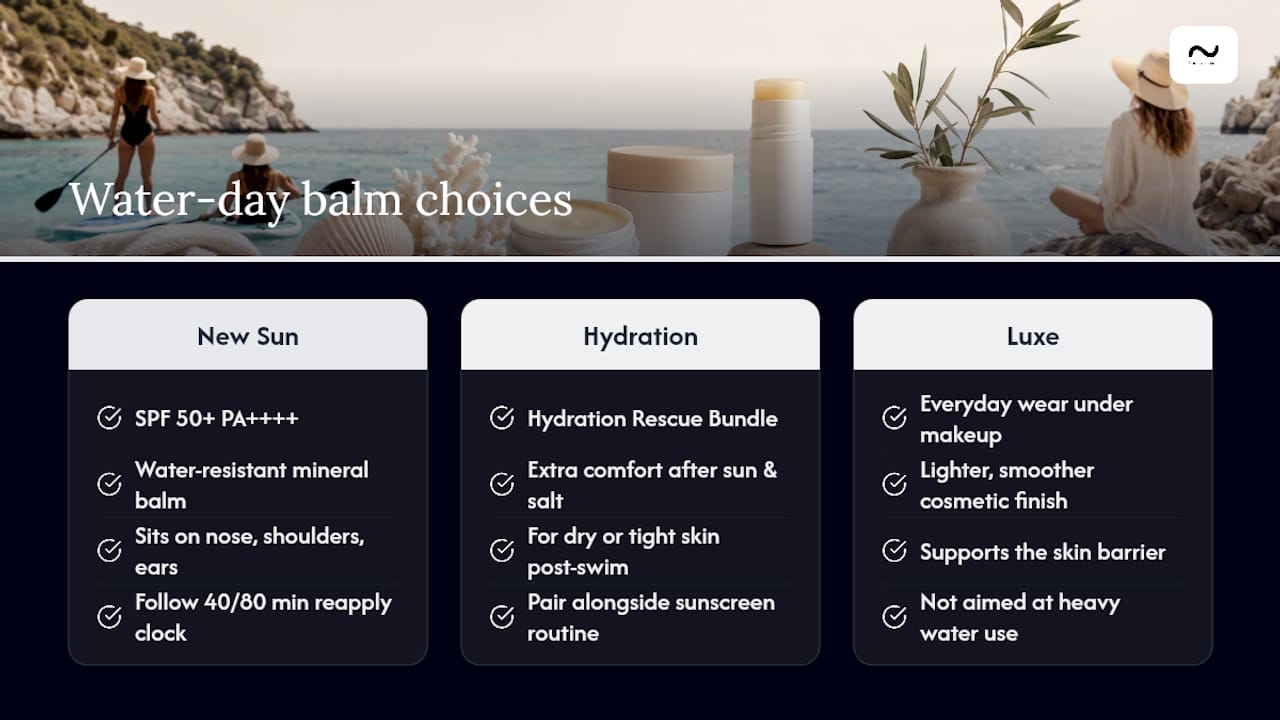
For active, water-heavy days, our New Sun Balm SPF 50+ PA++++ is the option to reach for first. It is formulated as a skin-nourishing, water-resistant mineral balm, built to sit on high-point areas like the nose, shoulders, and ears without slipping off at the first splash. Check the New Sun Balm SPF 50+ PA++++ product page for the full reapplication instructions before you head out, and follow them closely, since even the best-formulated balm still runs on the 40/80 minute clock.
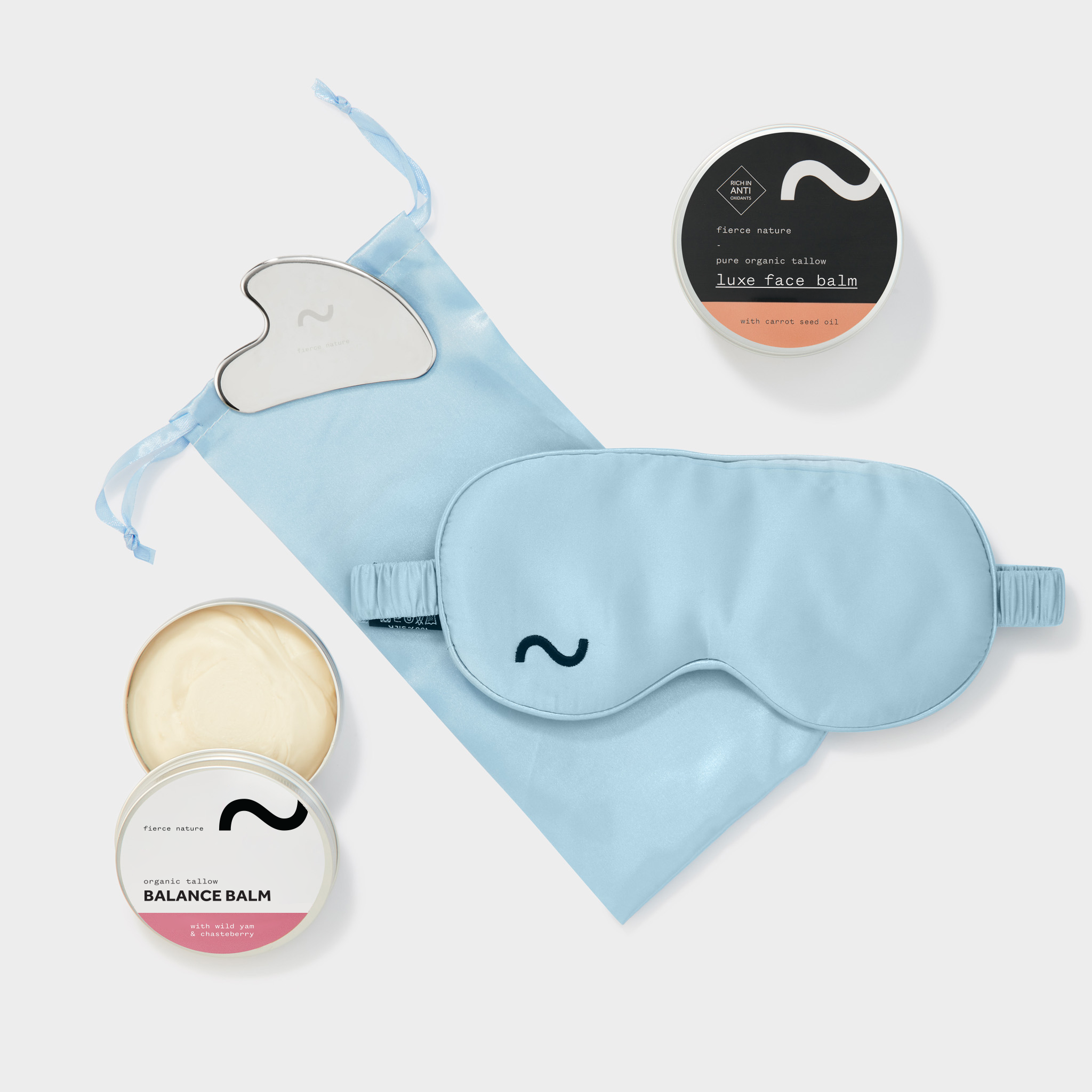
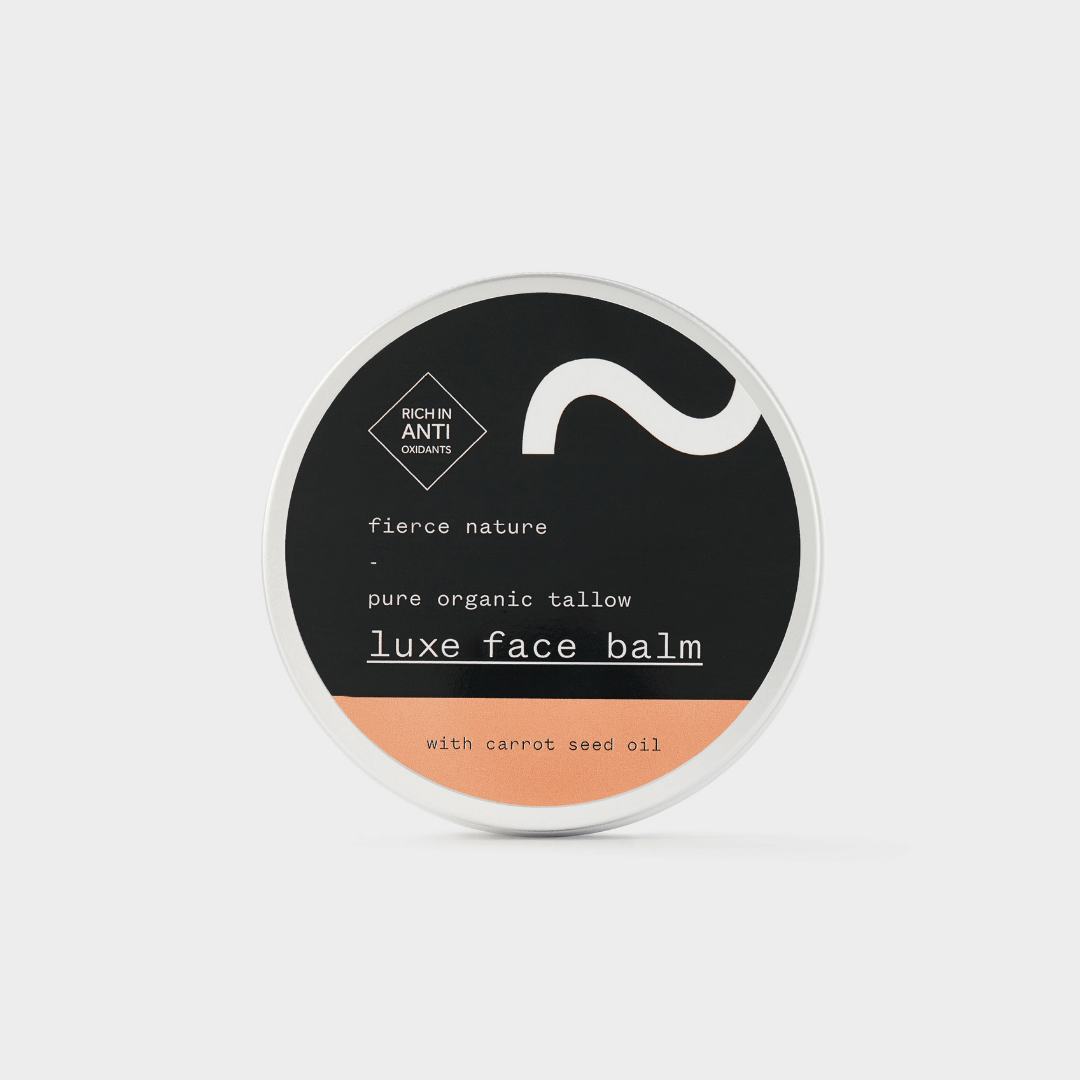
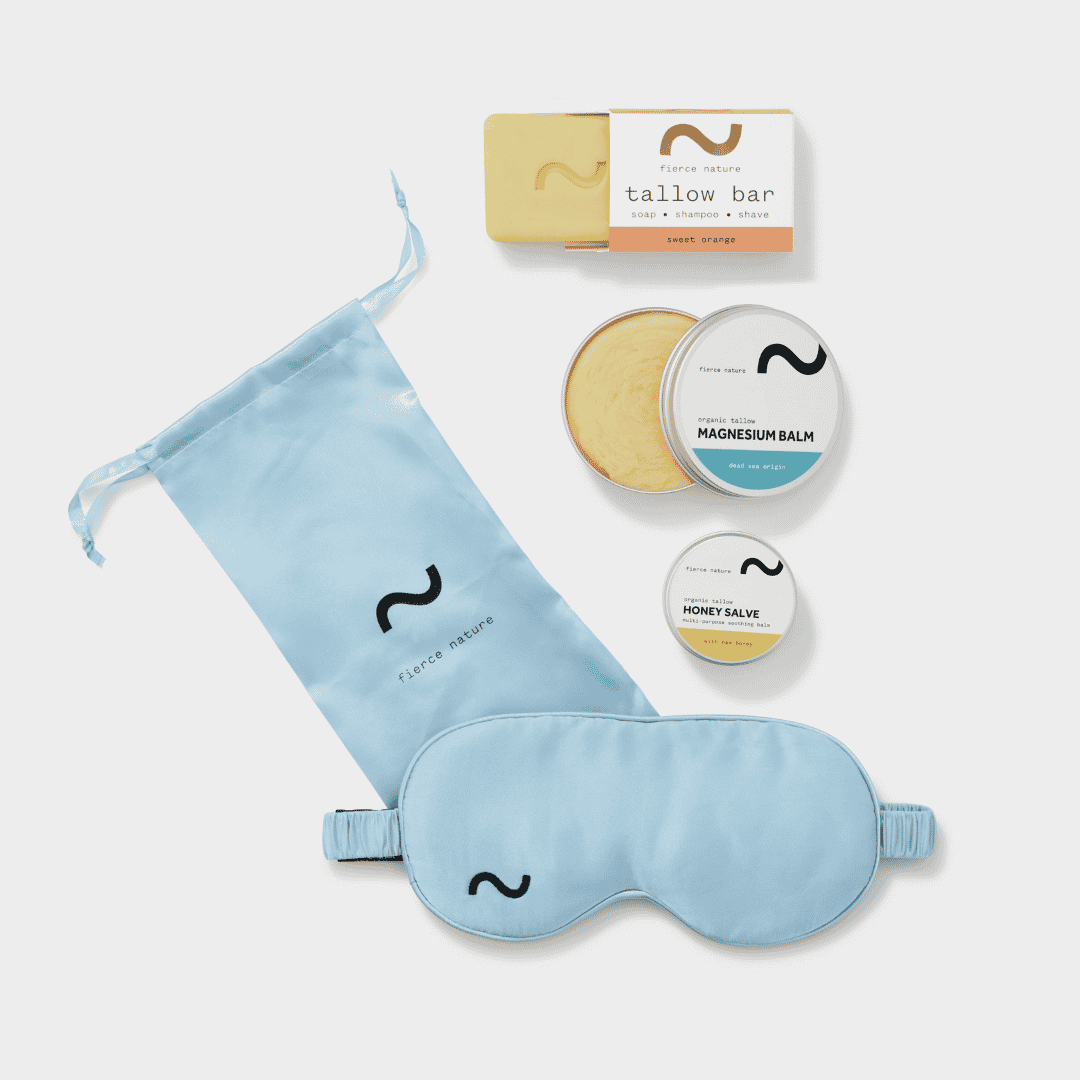
If your skin needs extra comfort after a day of sun and salt water, the Hydration Rescue Bundle is worth pairing alongside your sunscreen routine, particularly for skin that runs dry or tight after swimming. For everyday wear under makeup, or for days when you want a lighter finish without heading into the water, our Luxe Balm gives a smoother, more cosmetic feel while still supporting the skin barrier. Between the three, most water-day wardrobes are covered, but do browse our full organic body balms collection if you want to build out the rest of your routine.
Guidance on water-resistance timing and reapplication in this article draws on NHS advice on sunscreen and sun safety. For product comparisons and cosmetic finish trade-offs, Byrdie’s roundup of mineral sunscreens, Allure’s guide to formulas that avoid white cast, and InStyle’s product coverage all offer useful further reading. These are included as background reading, not endorsements of any specific product.
Yes. Mineral sunscreens are tested to the same 40 or 80 minute water-resistance ratings as chemical formulas, thanks to film-forming ingredients that help zinc oxide and titanium dioxide adhere to skin. Reapply immediately once the water-resistance period ends or after towelling.
Look for a product that states its rating clearly on the label, either 40 or 80 minutes, alongside its SPF. Our New Sun Balm SPF 50+ PA++++ is formulated as a water-resistant mineral option for active, outdoor use.
The main downsides are white cast, particularly with higher zinc oxide concentrations, and a slightly heavier feel that takes more effort to rub in evenly. Tinted or balm-based formulas largely solve the cast issue while keeping the physical filter’s benefits for sensitive skin.
Any sunscreen, mineral or chemical, can carry a water-resistance rating of 40 or 80 minutes, but the rating always describes a tested time limit, not a permanent property. Whichever you choose, NHS guidance recommends reapplying at least every 2 hours and immediately after water exposure or towelling.