Cart
0
80% Also Added this

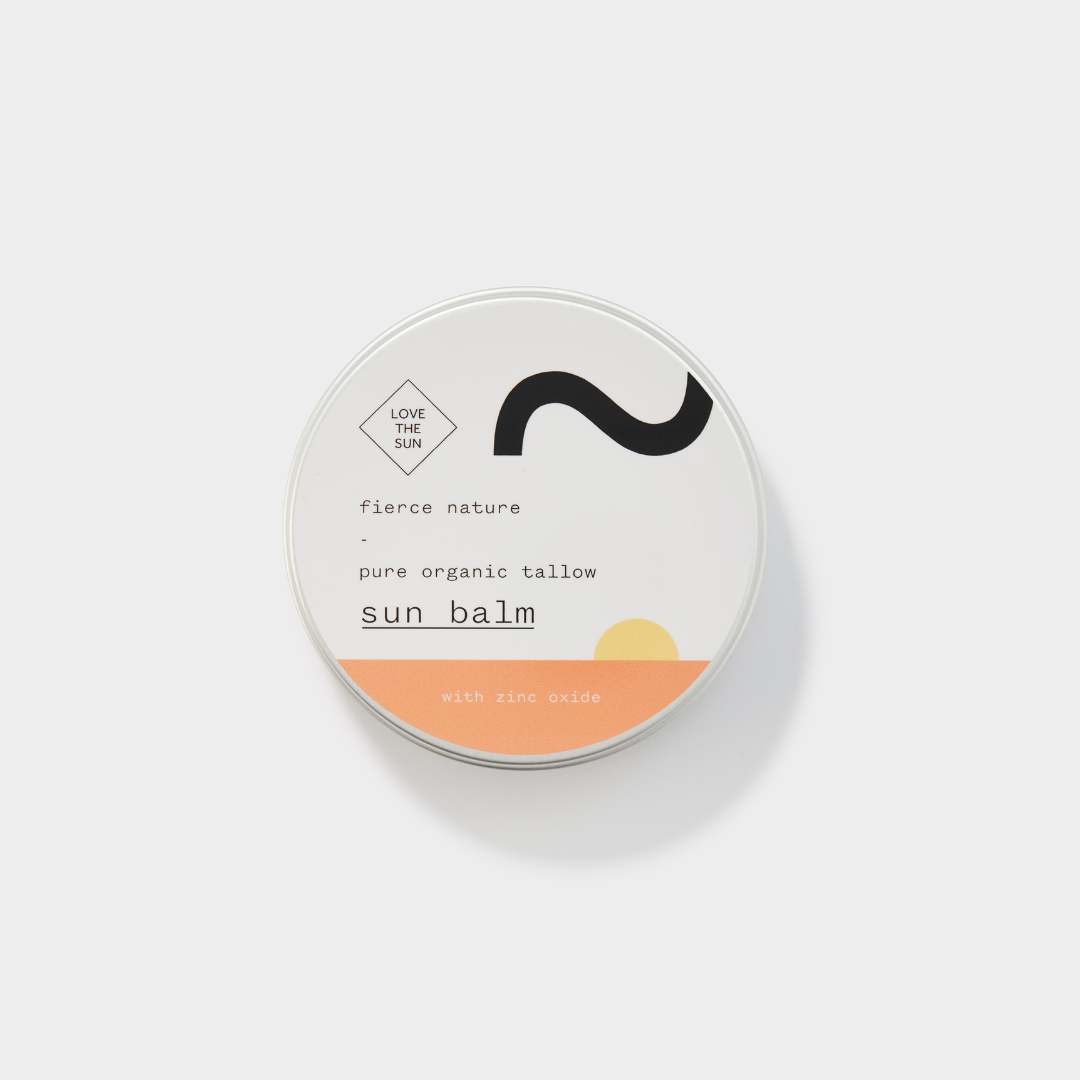
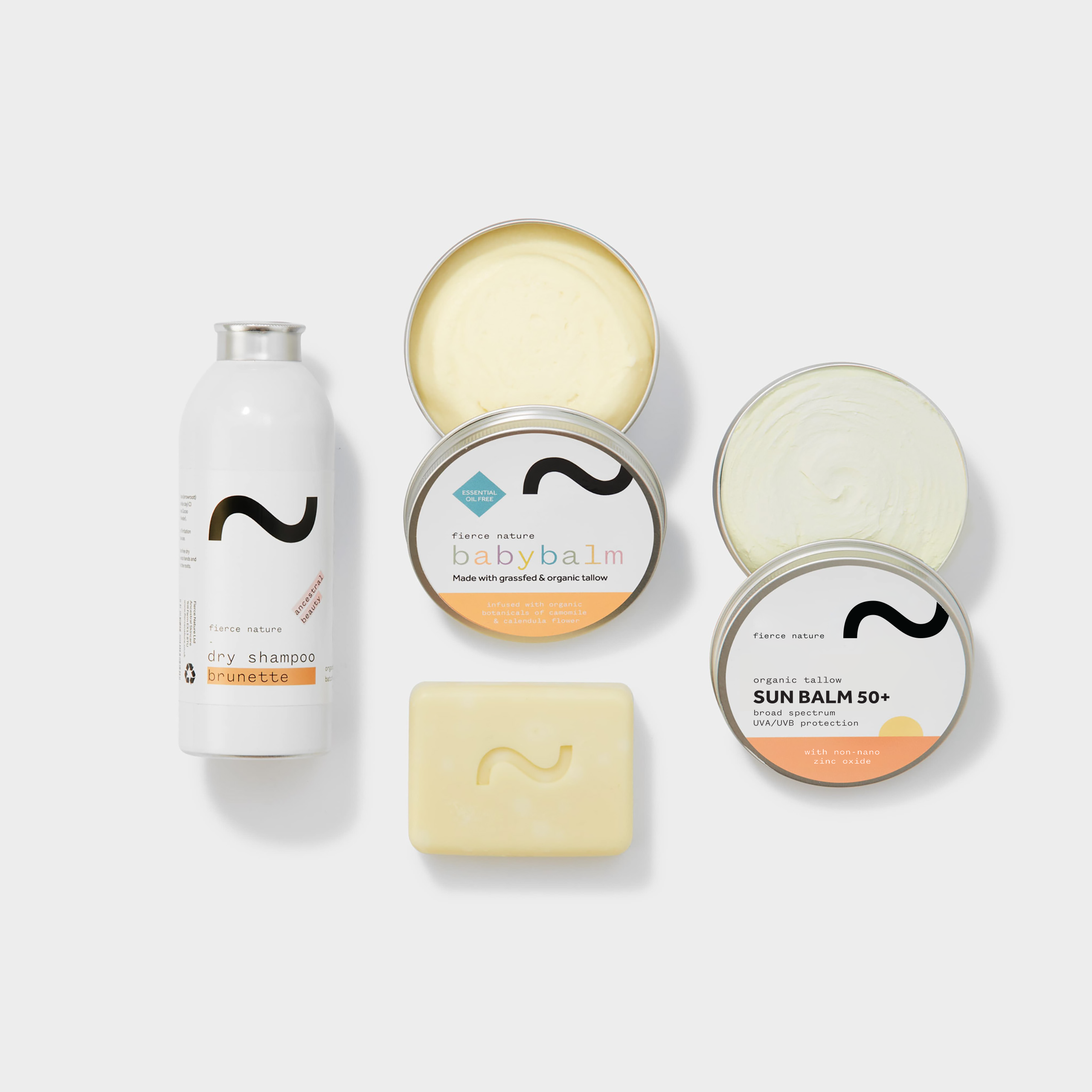

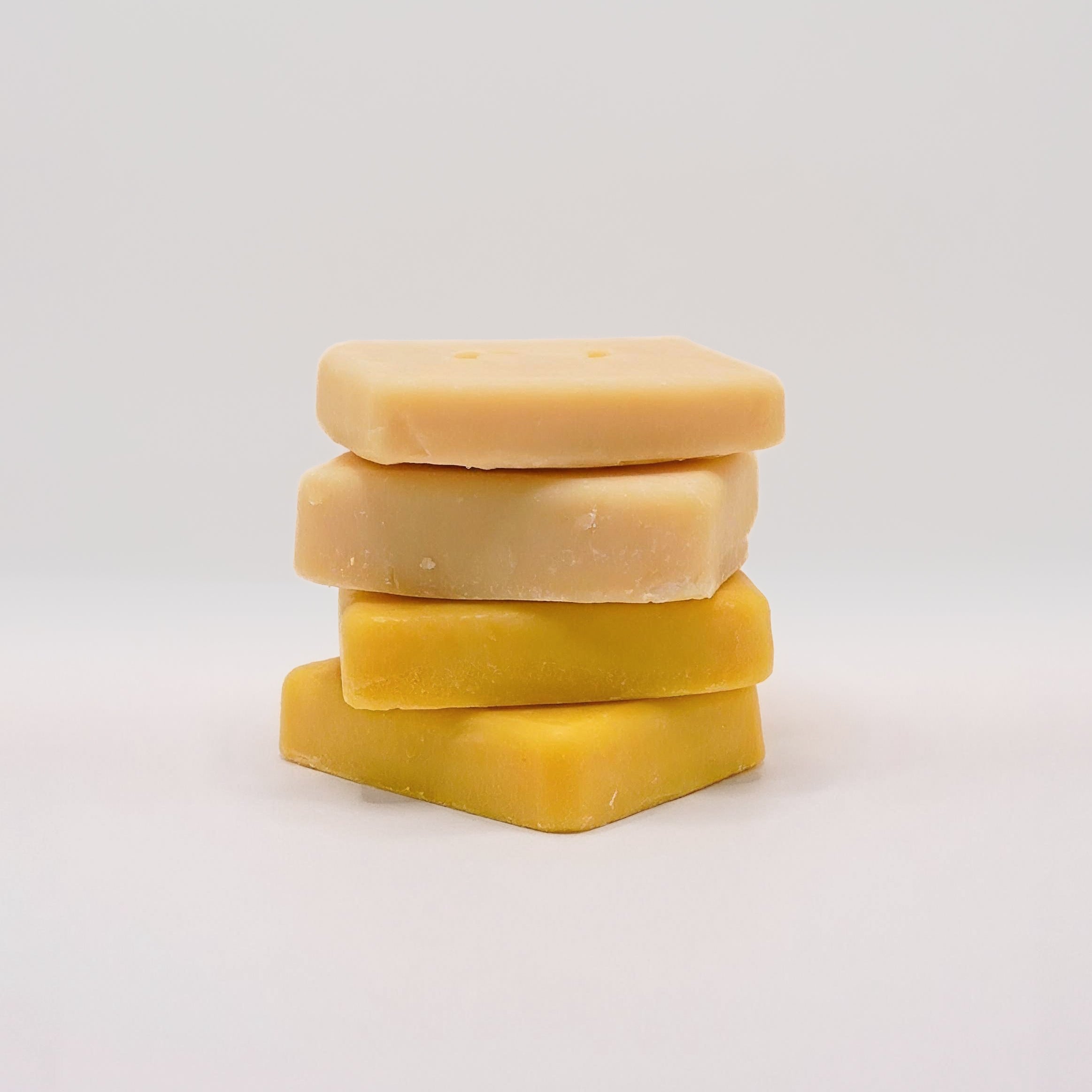



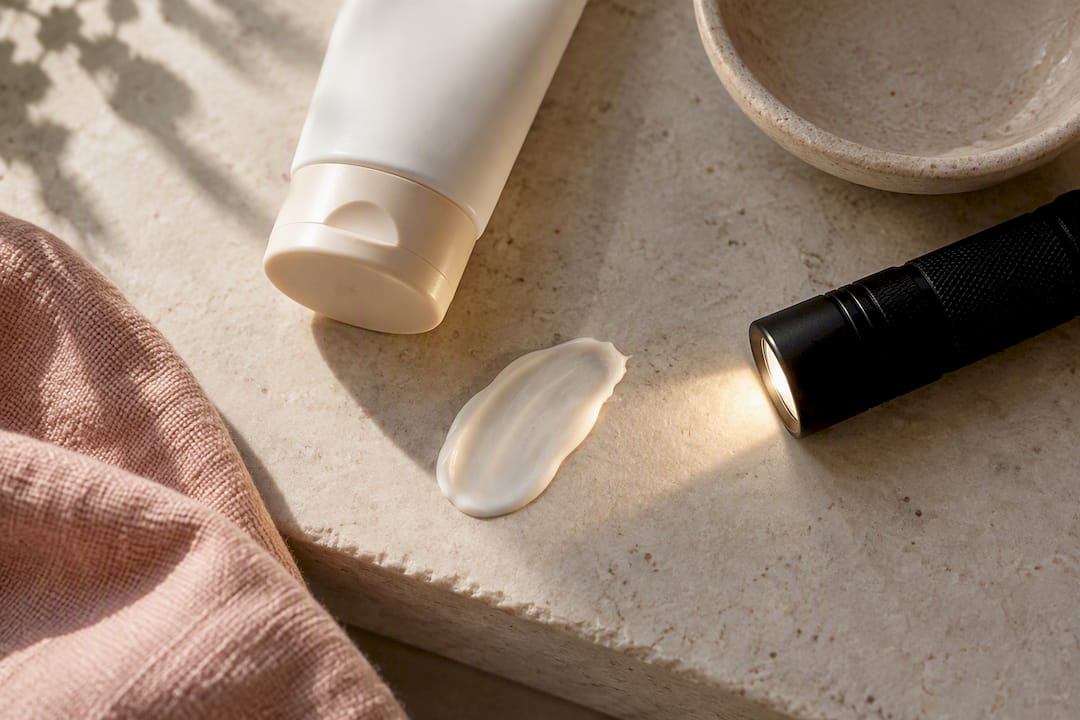
Yes, sunscreen expires. If the bottle has a printed date, follow it without argument. If it doesn’t, the safe default is a few years from the day you bought it, provided it’s been stored properly. When you’re genuinely unsure, or the texture, colour or smell has changed, throw it away and start a fresh bottle.
TL;DR:
- Sunscreen stored in a cool, dark place typically remains effective for up to three years from purchase unless the product shows physical changes or smells off.
- Once opened, sunscreens should be used within the PAO period specified on the label, generally between six months and two years, depending on the formula.
- Applying too little sunscreen or reusing expired bottles increases the risk of sunburn, as degraded filters no longer provide the labeled SPF.
- Physical signs like separation, lumps, or colour shifts indicate the formula has broken down and the product should be discarded immediately.
- Regularly replacing bottles at the start of each season and updating storage habits extend the product’s effectiveness and ensure reliable sun protection.
Most sunscreen is formulated to hold its strength for a few years unopened. That figure isn’t a marketing guess. It comes from stability testing manufacturers run to prove the active filters still deliver the labelled SPF at the end of that window, which is also why the FDA expects sunscreens to remain at full strength for three years after manufacture.
Once opened, air and light start working against the formula faster, which is where the period-after-opening (PAO) symbol earns its place on the label. Look for a small open-jar icon with a number and an “M” inside or beside it, such as:
If your bottle has no printed expiry date and no PAO symbol, treat the purchase date as day one and give it three years, assuming it’s lived somewhere cool and dark. Beyond that, checking sunscreen dates becomes guesswork, and guesswork isn’t a strategy for sun protection.
Dates are useful, but your senses catch problems a calendar can’t. Expired sunscreen safety really comes down to three quick checks:
Mineral formulas built on zinc oxide or titanium dioxide tend to separate visibly before they smell off, while chemical filters are more likely to develop an odd odour first as they oxidise. If a bottle is only weeks past its date and looks and smells completely normal, a small patch test on your inner arm before full use is a reasonable middle ground.
Pro Tip: Keep a torch handy when you check a balm or cream in a dim bathroom cabinet. Colour shifts are easy to miss under yellow light and much easier to catch under a white LED.
Where you keep your sunscreen matters almost as much as when you bought it. Heat and light both accelerate the breakdown of active ingredients, so the goal is simple: cool, dry, dark, every time.
Consumer advice consistently flags repeated heat exposure, not just calendar age, as the thing that quietly kills a bottle’s effectiveness.
The active filters in sunscreen, whether mineral or chemical, break down chemically over time. Once that happens, the product on your skin may no longer deliver anywhere near its labelled SPF, even though the bottle still says “50” on the front.
The real risk isn’t cosmetic, it’s sunburn. Degraded filters mean UV rays reach your skin more easily than the label promises, and for people with sensitive or reactive skin, oxidised chemical filters can also cause irritation that a fresh formula wouldn’t. NHS guidance is direct on this point: expired sunscreen cannot guarantee the protection printed on the bottle, which is precisely why relying on an old tube on a hot day is a gamble, not a safeguard.
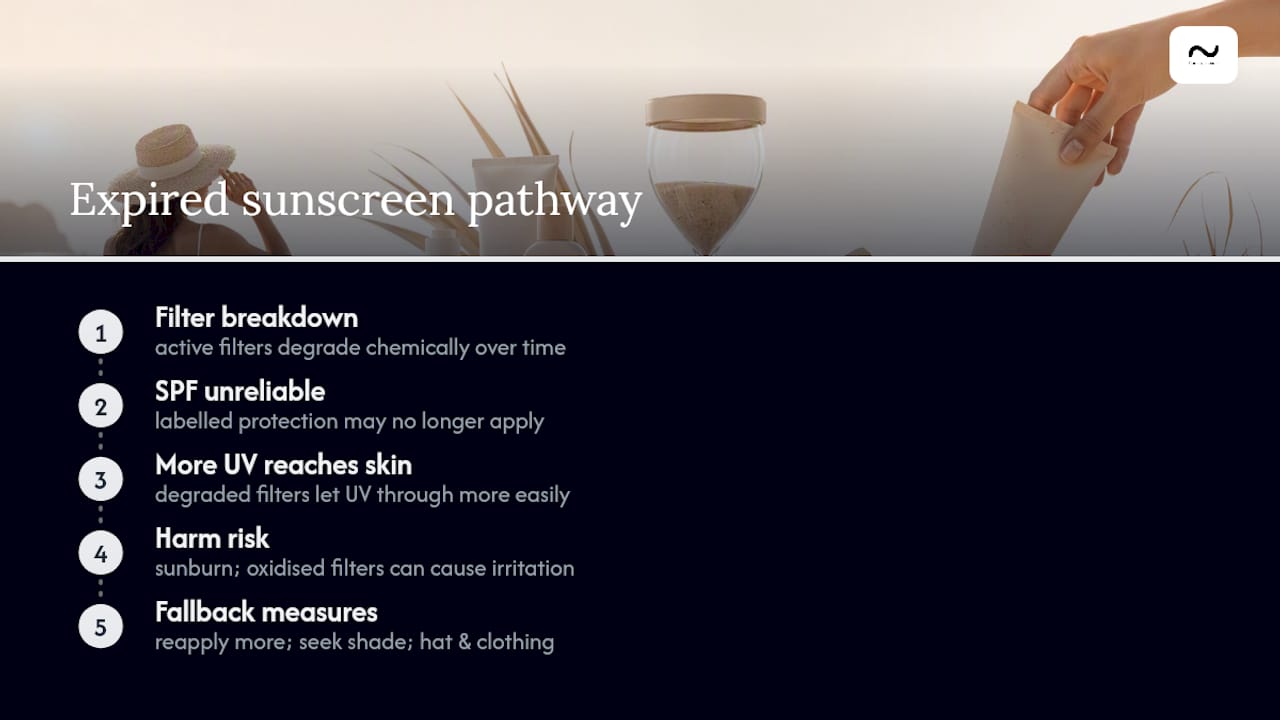
If a fresh bottle genuinely isn’t available and an old one is all you’ve got, don’t rely on it alone. Reapply far more often than the usual two hours, stick to shade wherever possible, and cover up with a hat and clothing as your actual first line of defence.
Here’s the detail most people miss: if you’re applying sunscreen correctly, you shouldn’t have three-year-old bottles kicking around in the first place. A full-body application takes roughly 30 ml, about a shot glass. Used properly across a sunny week or a beach holiday, a standard 200ml bottle empties fast.
Before you squeeze out sunscreen you’re not sure about, run through this in under a minute:
We work with mineral sun protection because zinc oxide and titanium dioxide sit more stably in a formula than many chemical filters, which are prone to oxidising and changing consistency sooner. That stability is one reason our approach favours mineral-first sun balms over chemical alternatives.
Sun protection isn’t a single product doing all the work. It’s a routine, tallow balm as your skin’s foundation, sunscreen as your shield, and a light reapplication on top when you’re out for hours.
Layering matters too. Applying a nourishing balm underneath sunscreen gives your skin a smoother base, and if you’re reapplying over makeup, a fresh dab of tint or balm on top can refresh coverage without needing to strip everything back to bare skin. All products are handmade in the UK with openly listed ingredients, with no hidden blends or vague “fragrance” catch-alls.
The conventional advice on sunscreen expiration treats the printed date as gospel and stops there. That’s not wrong, but it’s incomplete. A date tells you the outer limit of a manufacturer’s testing, not the day the product actually failed. Plenty of bottles go bad before their date if they’ve lived in a hot car all June. Plenty of others are perfectly fine a few weeks past it if they’ve been stored well and show no physical change.
What the evidence actually supports is a two-step habit: respect the date or the three-year default as your baseline, then let your senses have the final word. Colour, smell, and texture are the tell, not the calendar alone.
Where most people genuinely go wrong isn’t expiry at all, it’s application volume. A bottle that lasts three summers almost certainly means someone has been applying far too little sunscreen for far too long, not that the formula is unusually durable. Fix the application habit first. The expiry question becomes much simpler once you’re using sunscreen at the rate it was actually designed for.
— Fierce Nature
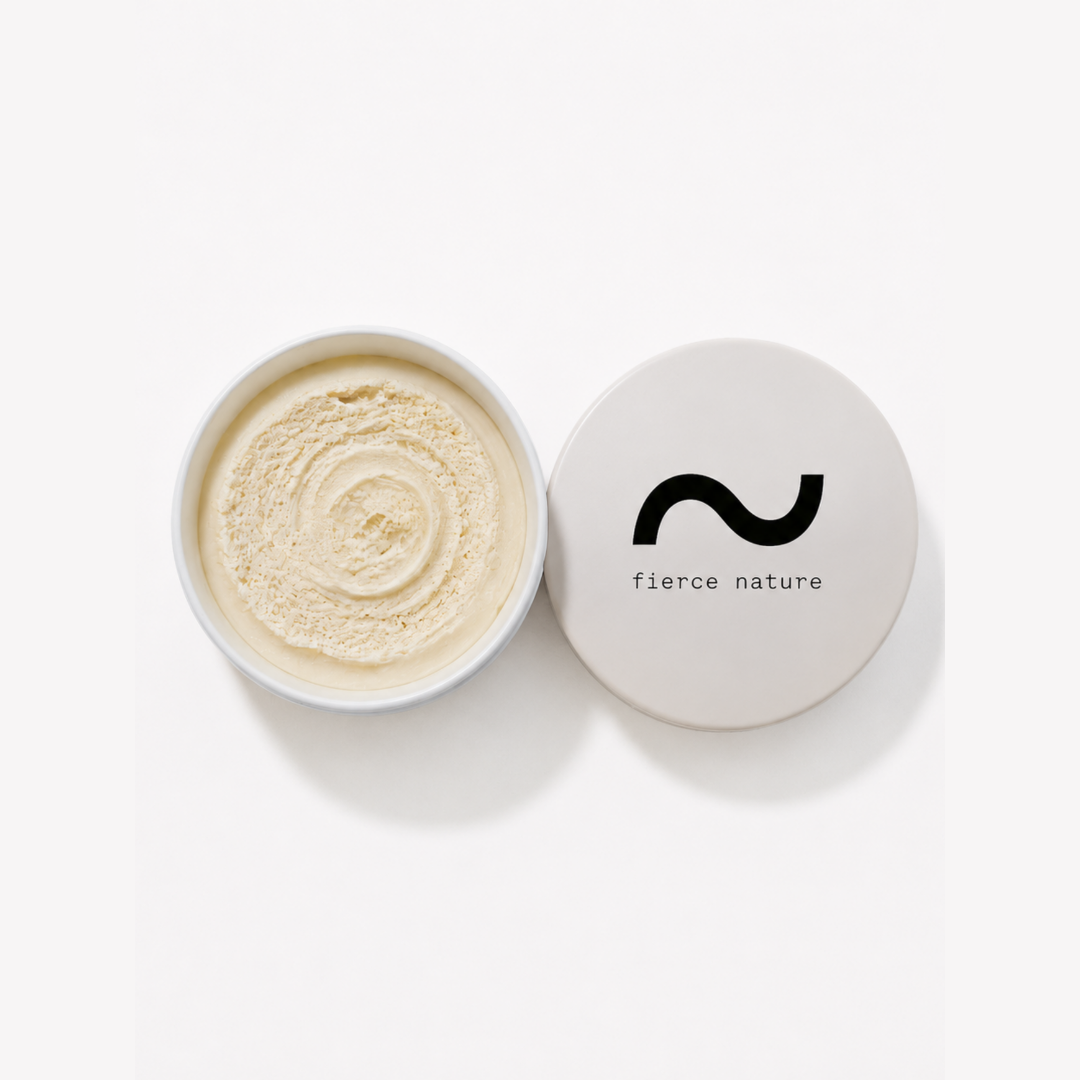
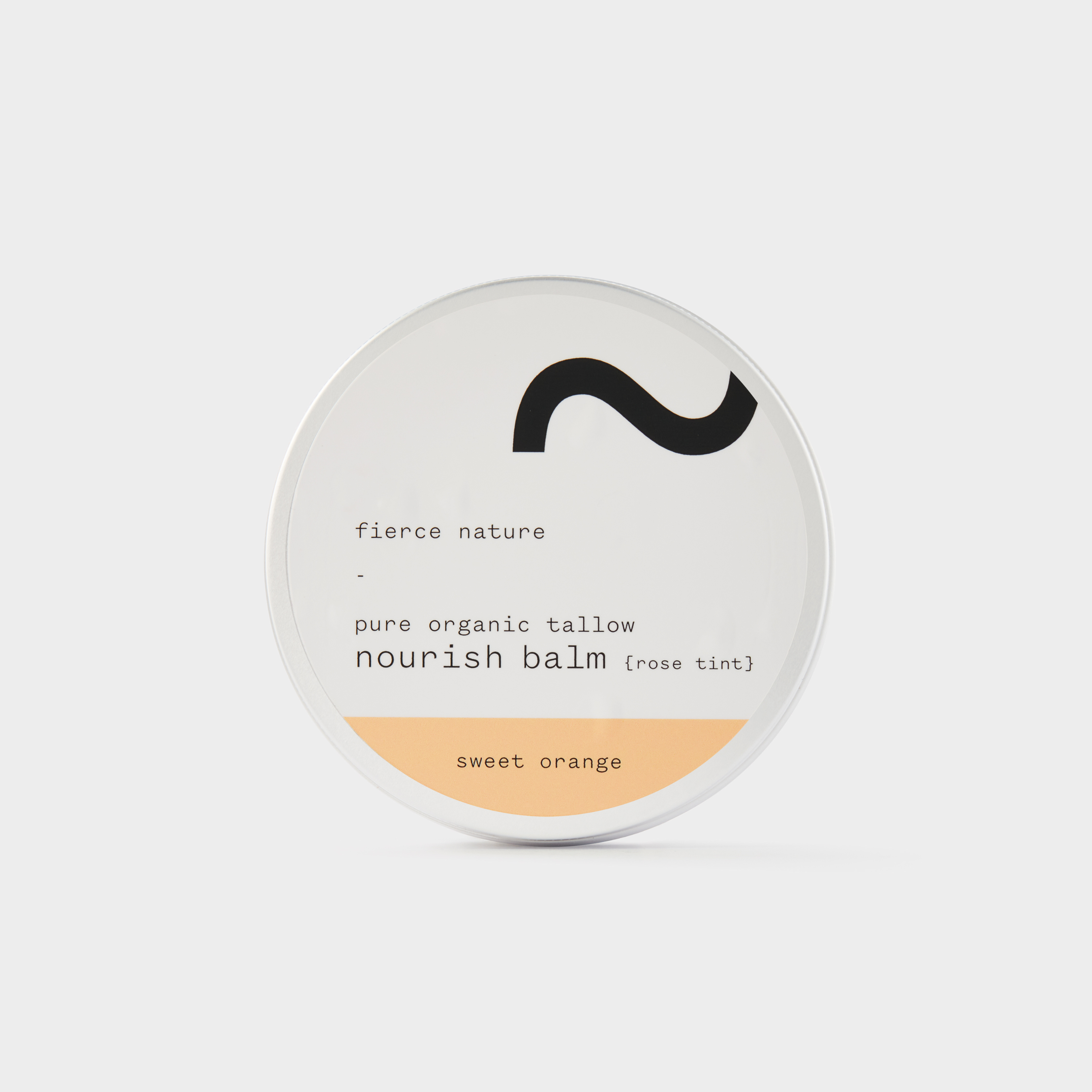
Sunscreen does one job well, but it works best as part of a wider routine rather than standing alone. A tallow-based balm underneath gives your skin a nourished base before SPF goes on, and a tinted balm on top makes midday reapplication over makeup far less of a chore. This is where Fierce Nature earns its place, not as a replacement for sunscreen, but as the layer either side of it that keeps skin comfortable through a long day outdoors.
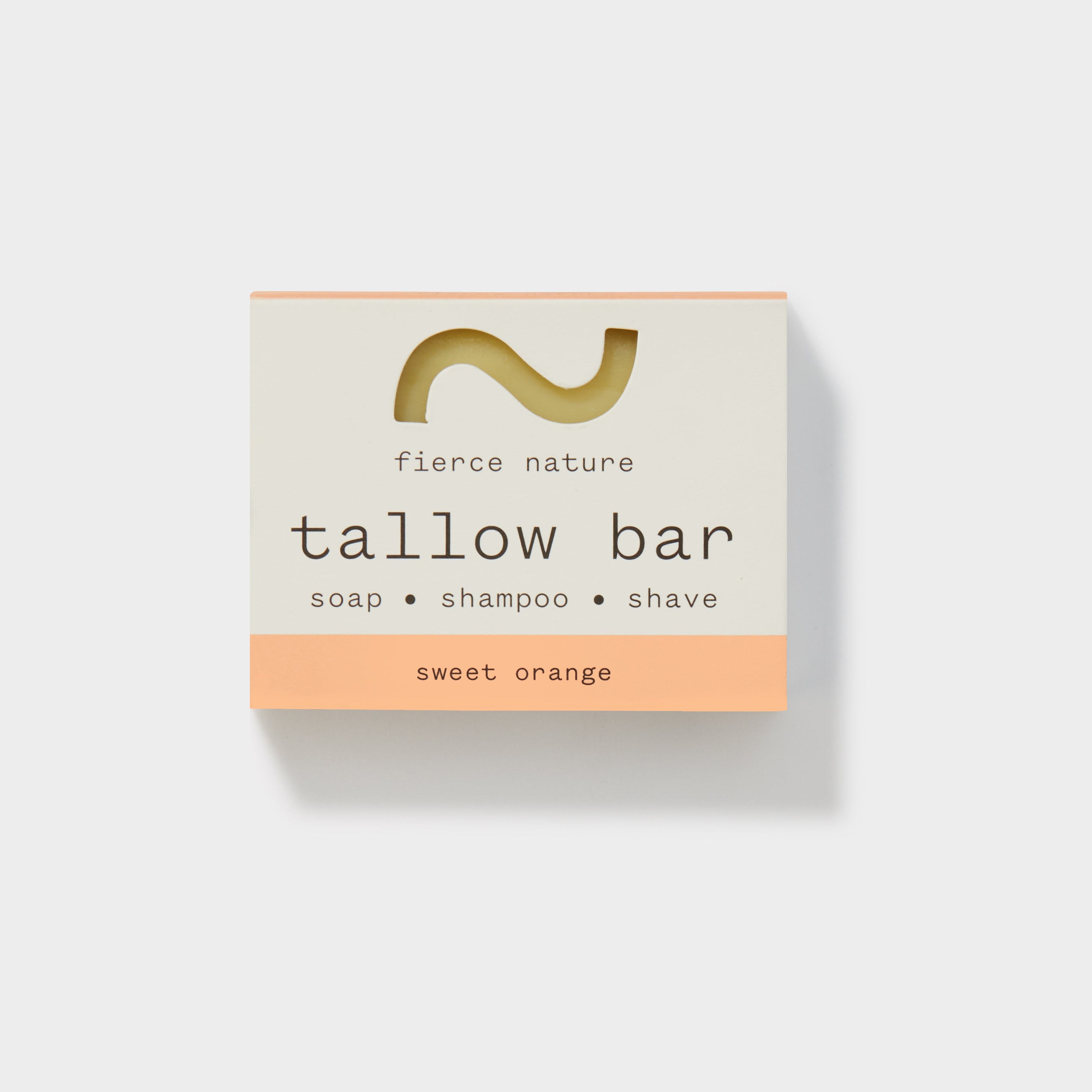
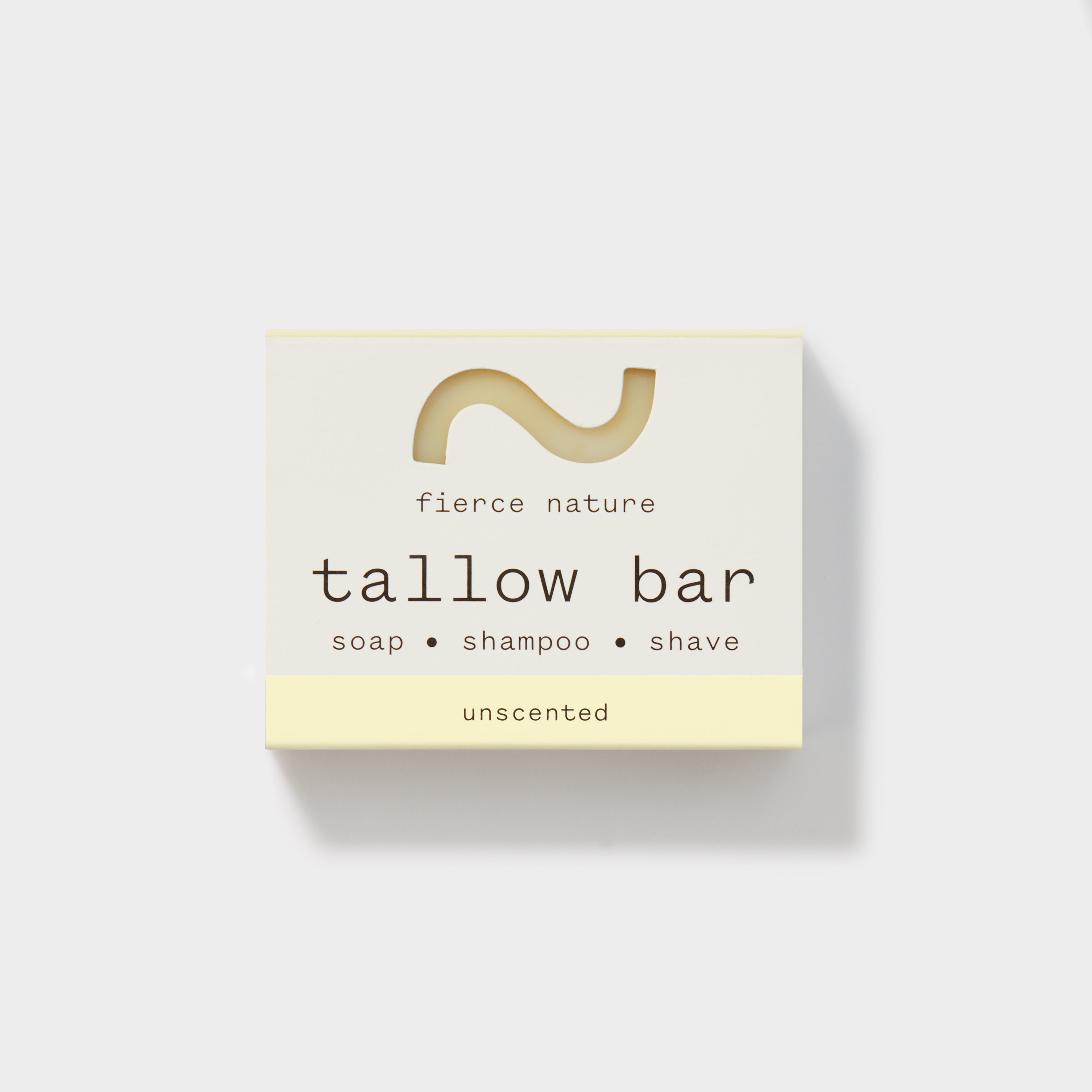
If you’re building that routine, the Nourish Balm (Unscented) works well as a base layer before SPF, while a Nourish Balm with Rose Tint (Sweet Orange) is handy for touch-ups over makeup without disturbing your sun protection underneath. For aftercare once you’re home, the Multi-Use Tallow Bar (Unscented) doubles as a gentle cleanser that won’t strip skin that’s had a full day of sun. Products are made in the UK from naturally sourced tallow, with ingredients clearly listed rather than buried under vague marketing terms. Have a look at the full Nourish Balms Collection to build a routine that supports your skin before and after sunscreen does its job.
This article is general information, not a substitute for advice from a qualified doctor. Consult a qualified healthcare professional about your own circumstances before acting on anything here.
No, using sunscreen past its printed expiry date isn’t recommended because the active filters break down and can no longer guarantee the labelled SPF. If there’s physical change too, separation, smell, altered texture, the answer is a firm no regardless of how close the date is.
It depends entirely on the PAO symbol on the bottle. Many formulas are rated for 12 months (marked “12M”) after opening, but some heavier creams stretch to 24 months, so check the symbol rather than assuming a blanket rule.
If it’s within the manufacturer’s printed date, or within the three year default when no date is given, a two year old bottle is generally fine provided it’s been stored in a cool, dry place. Check for separation, odd colour or a chemical smell before applying, since storage conditions matter as much as age.
Five years is beyond the standard shelf life most manufacturers test for and beyond the three year default used when no expiry date is printed. At that age, the safest move is to replace the bottle rather than risk reduced protection on your skin.