Cart
0
80% Also Added this
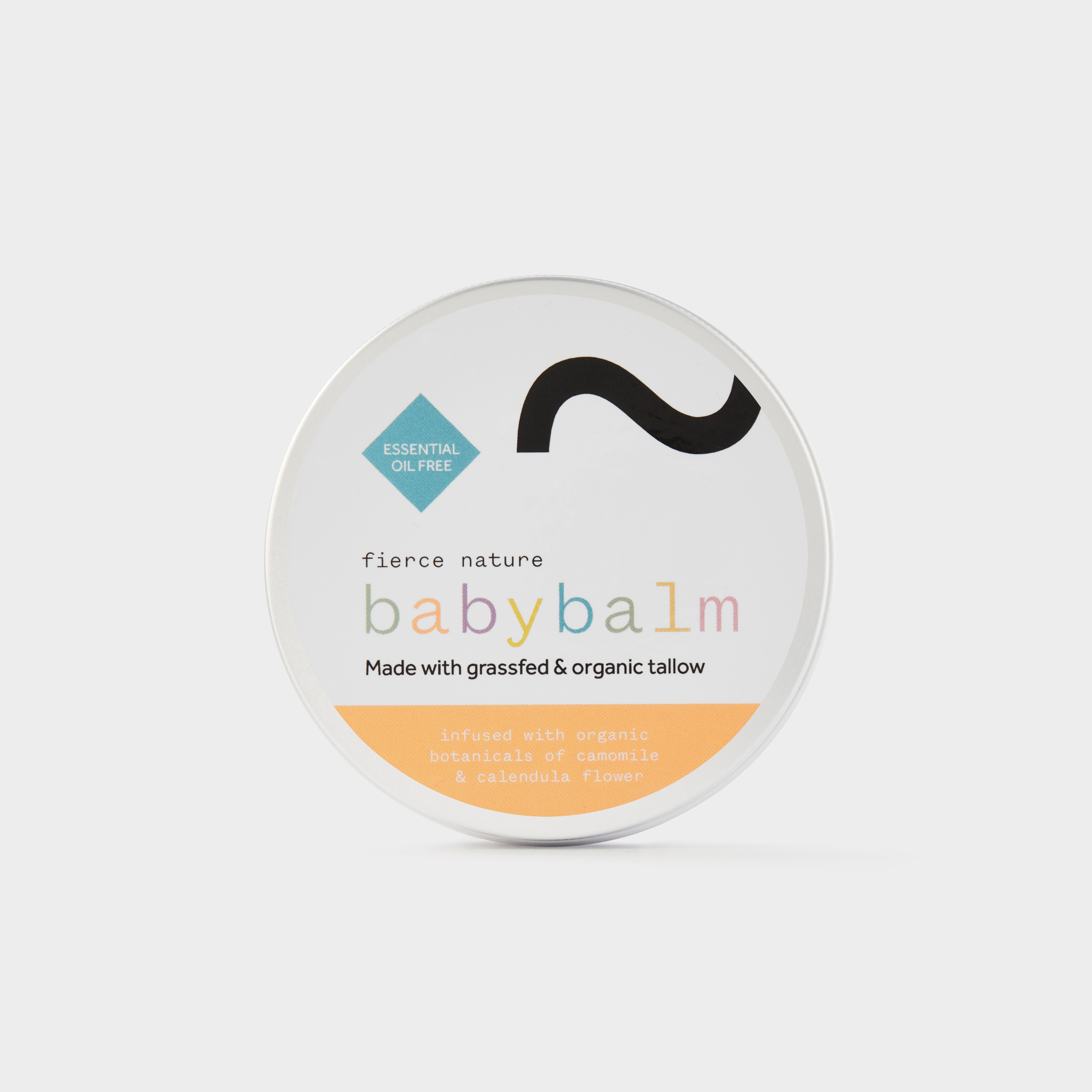
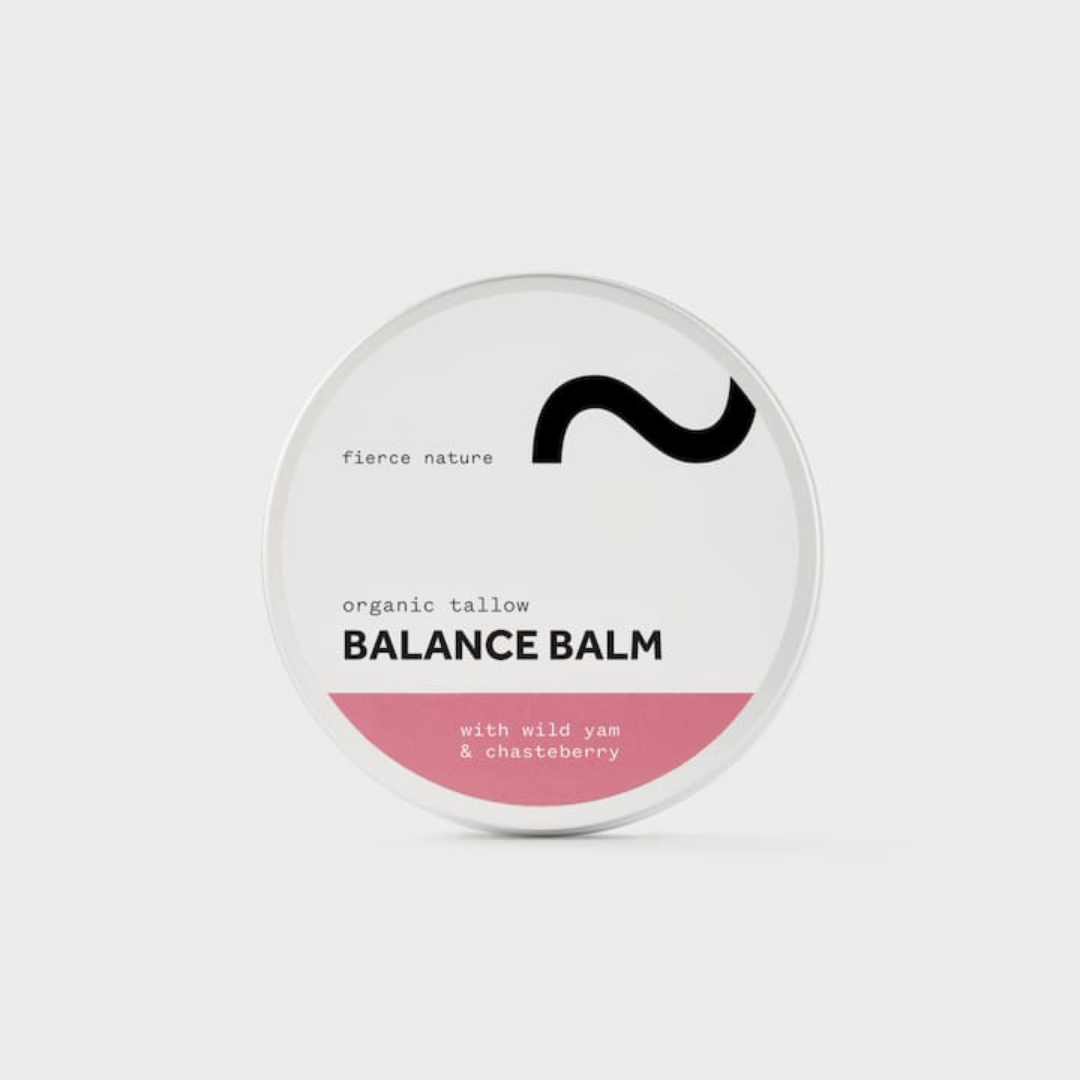
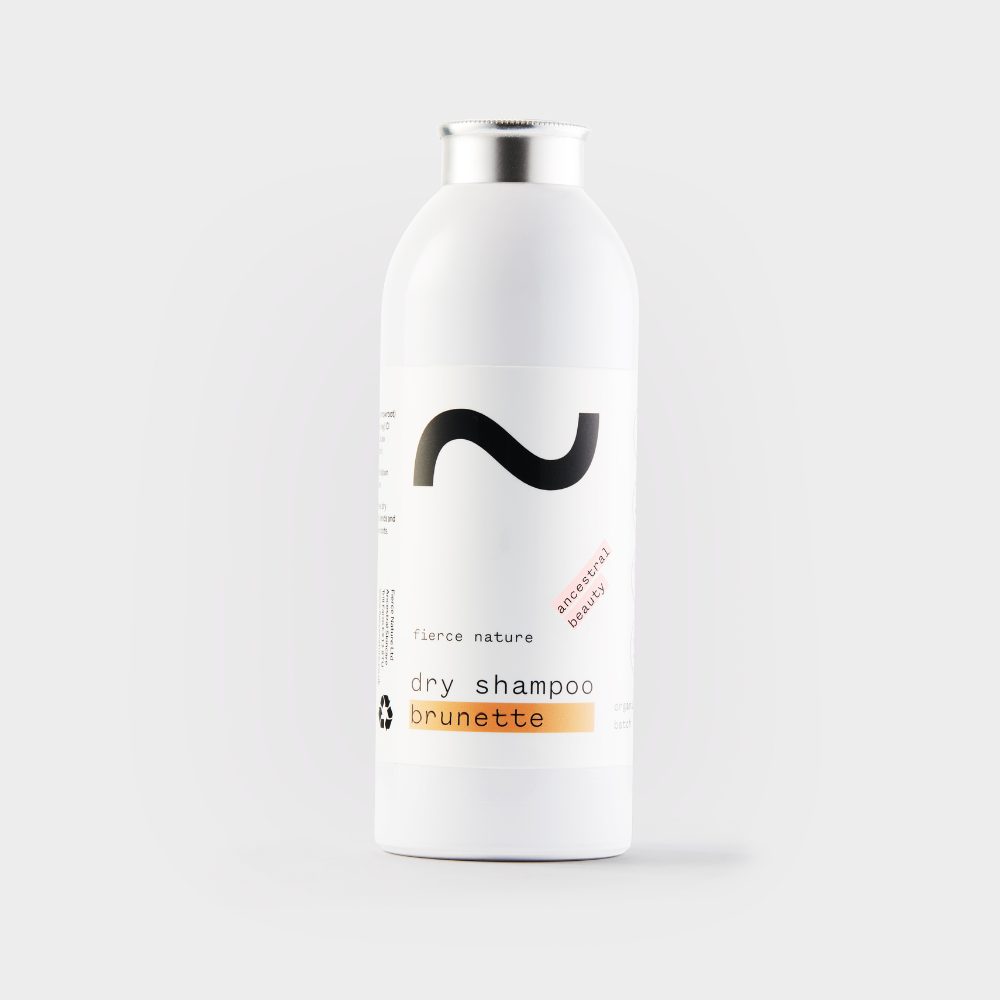
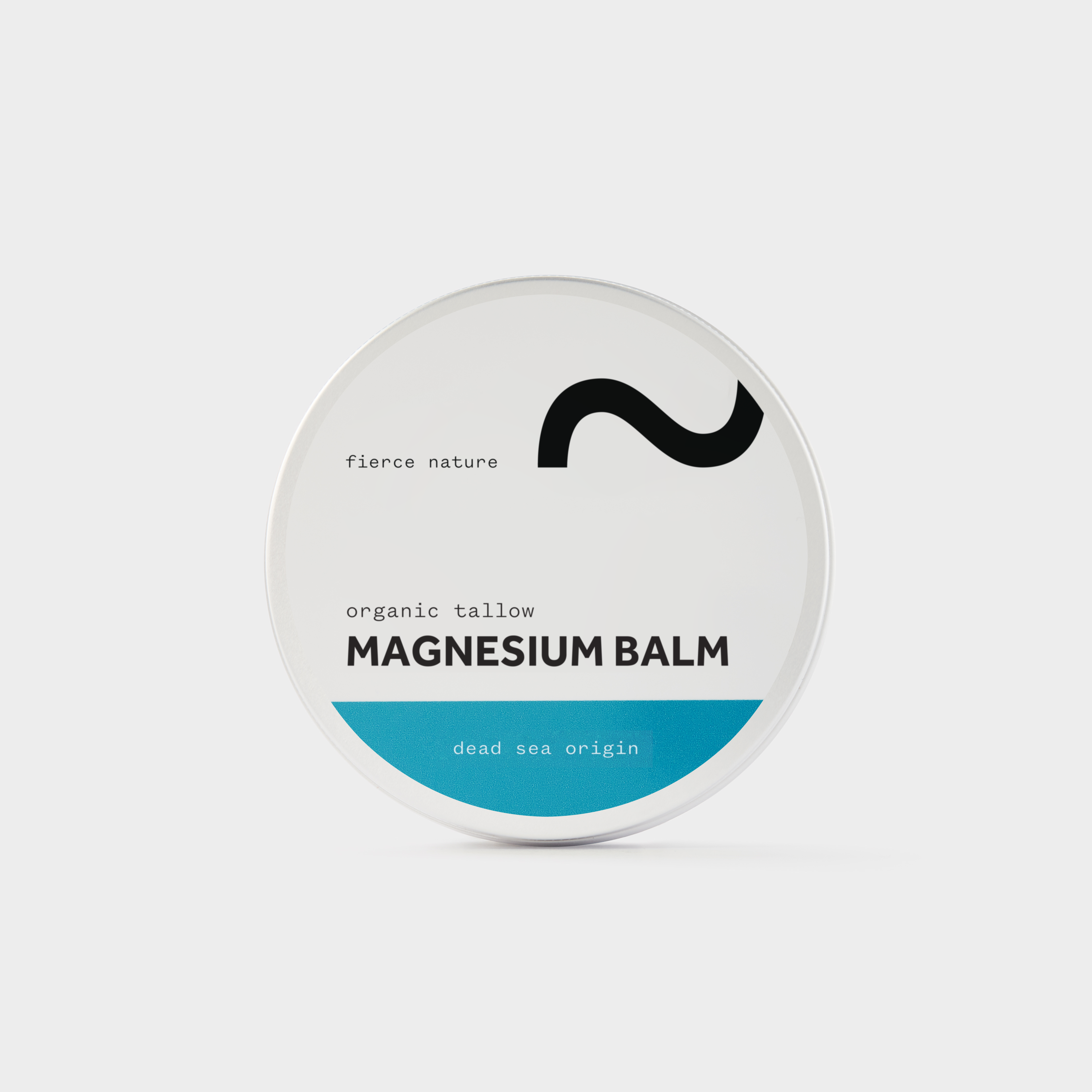
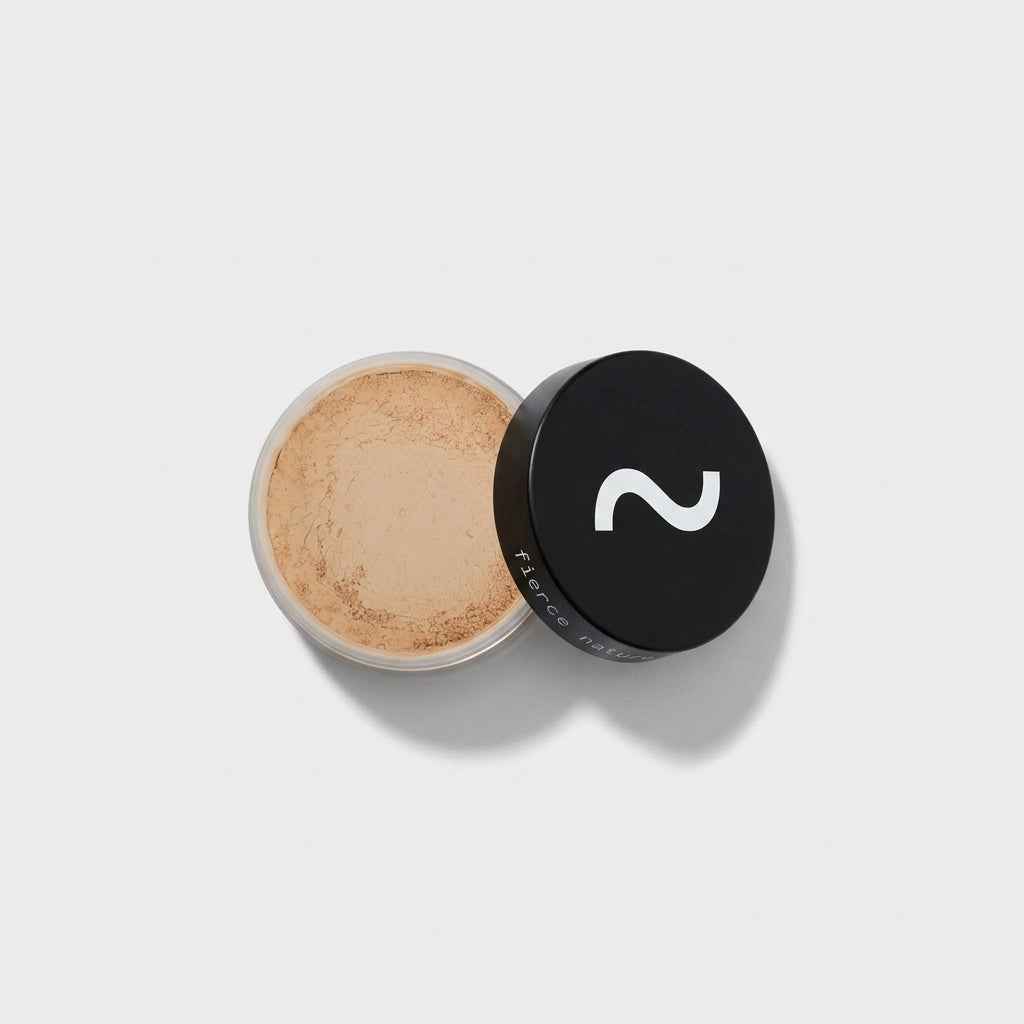
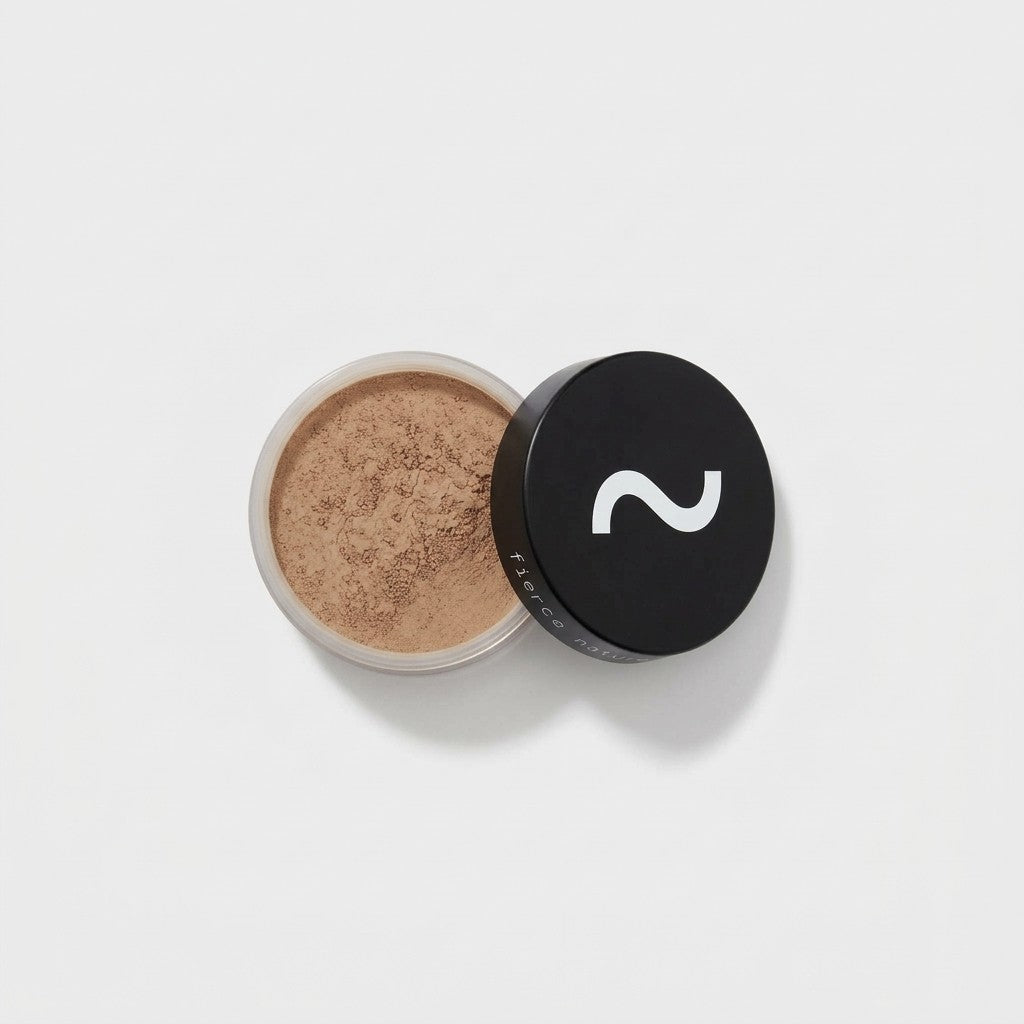
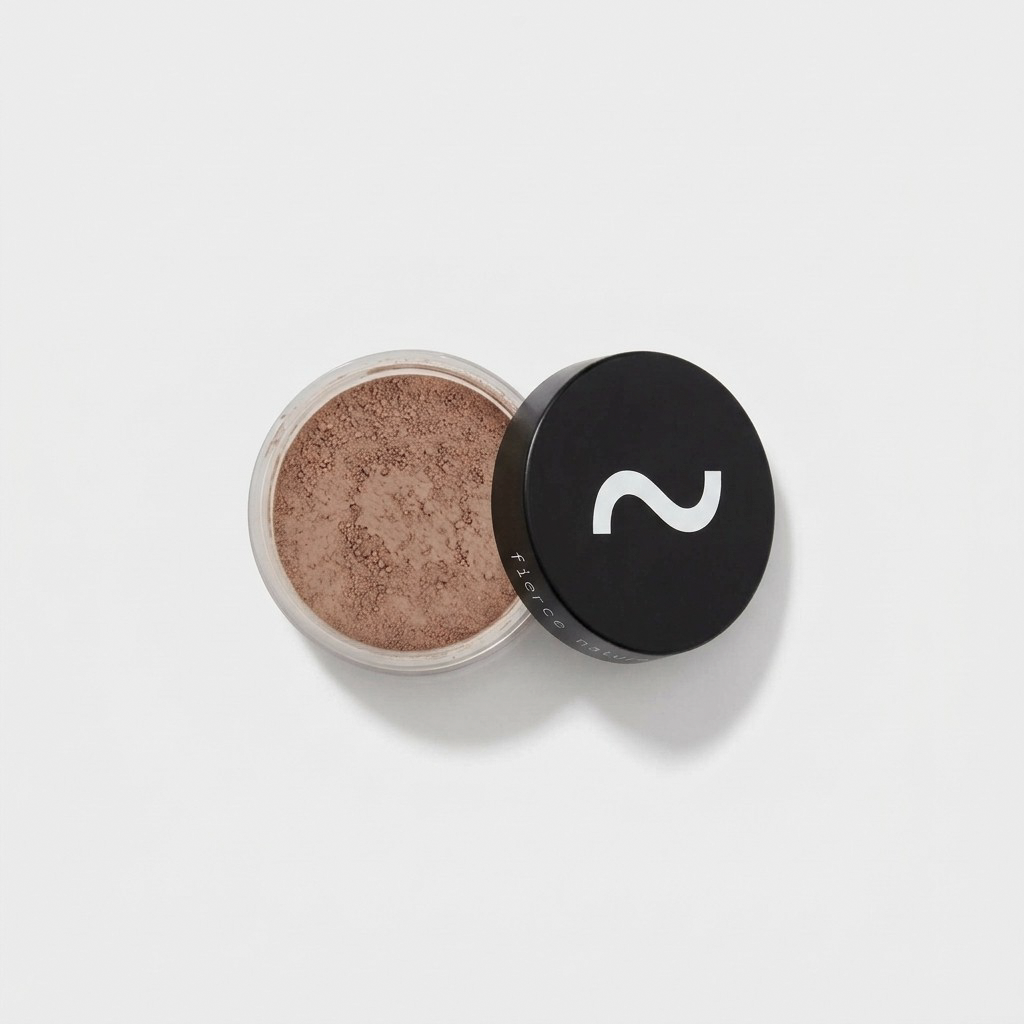
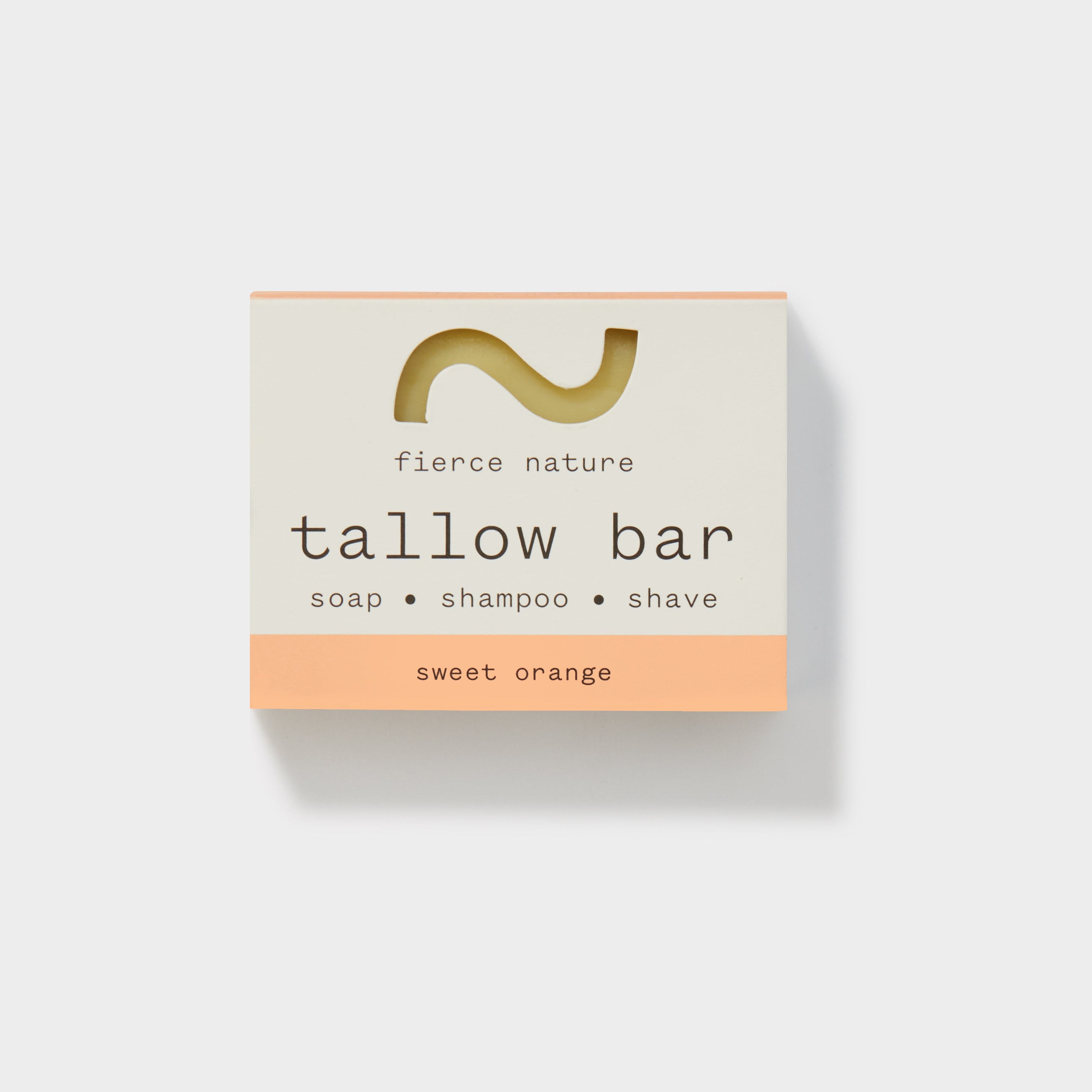
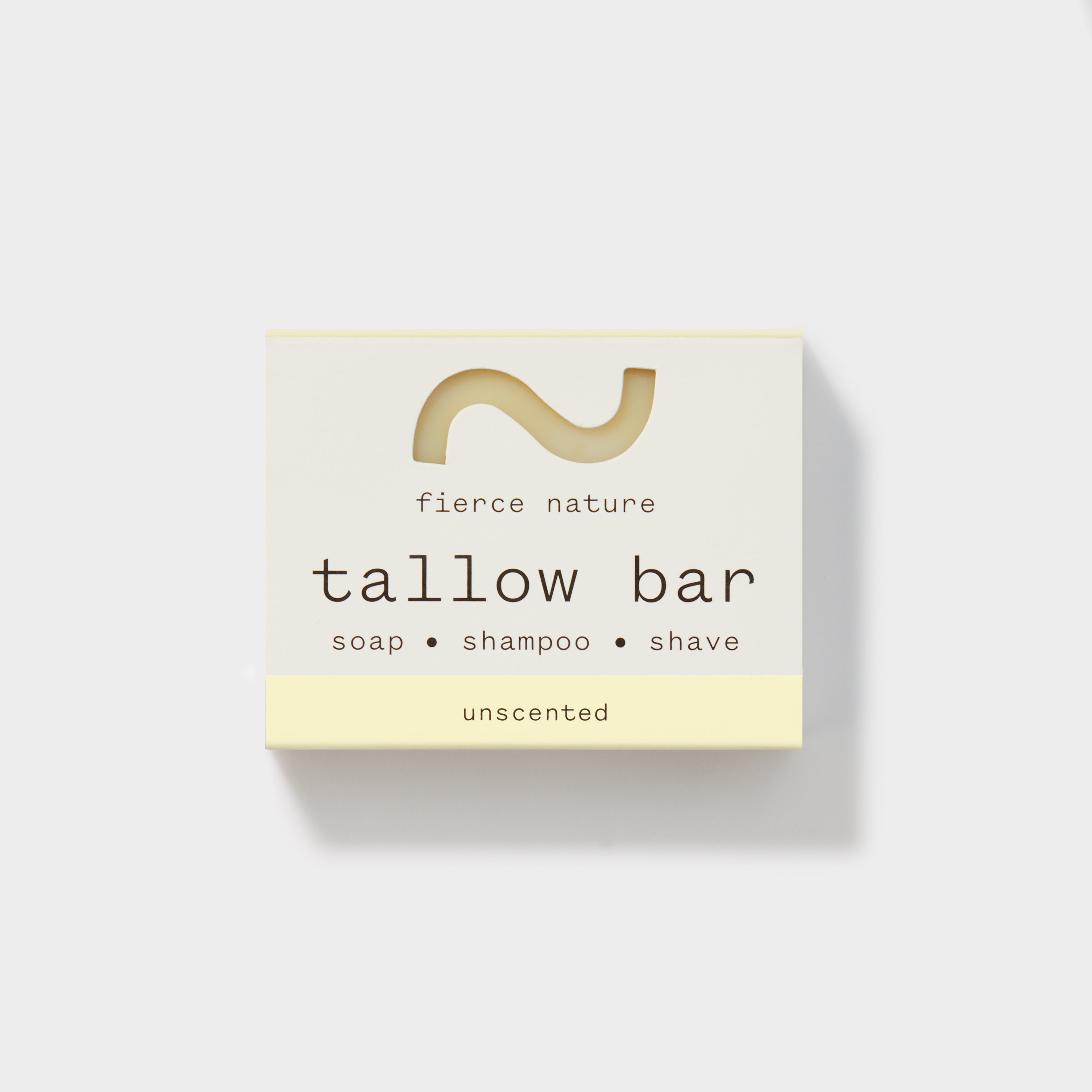
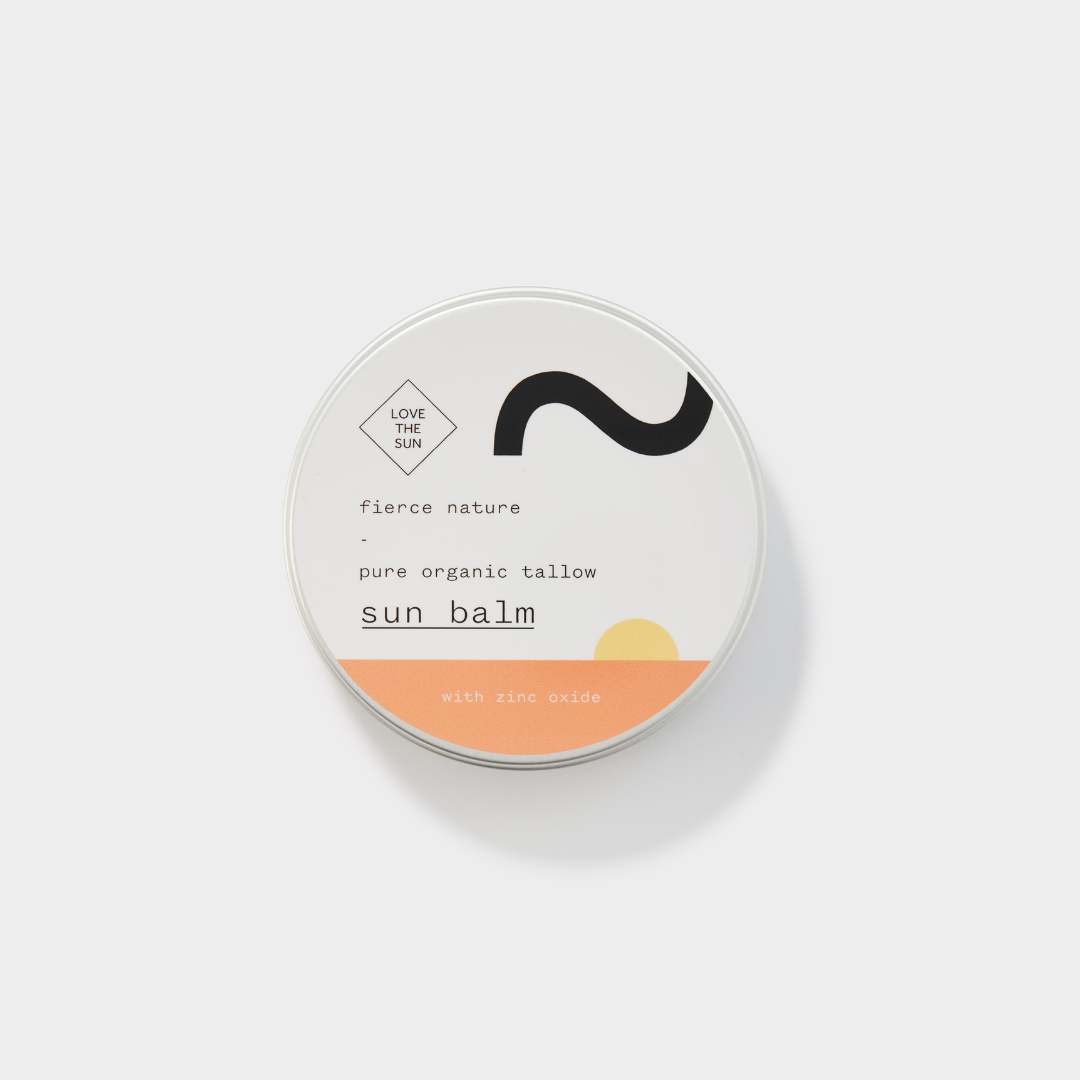
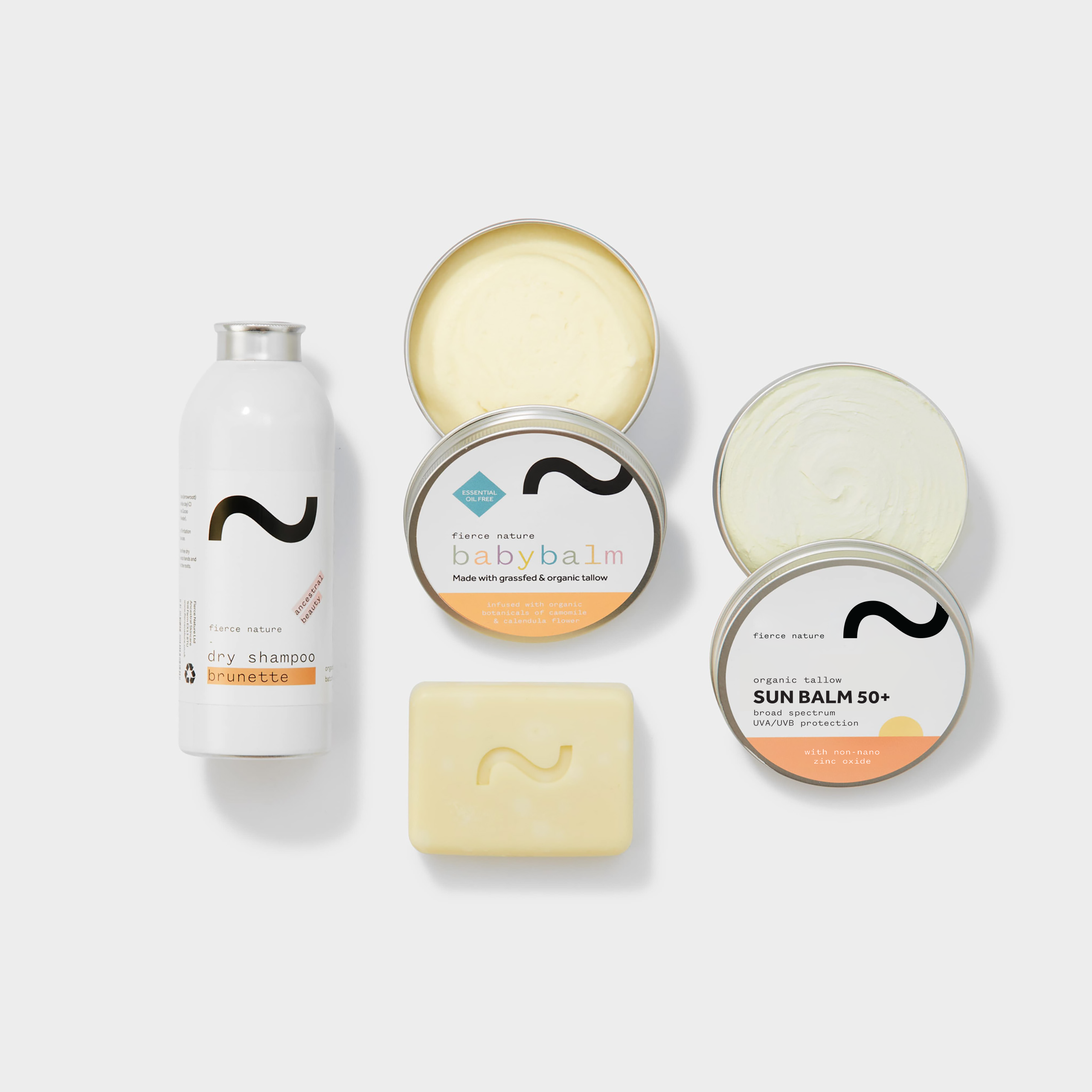
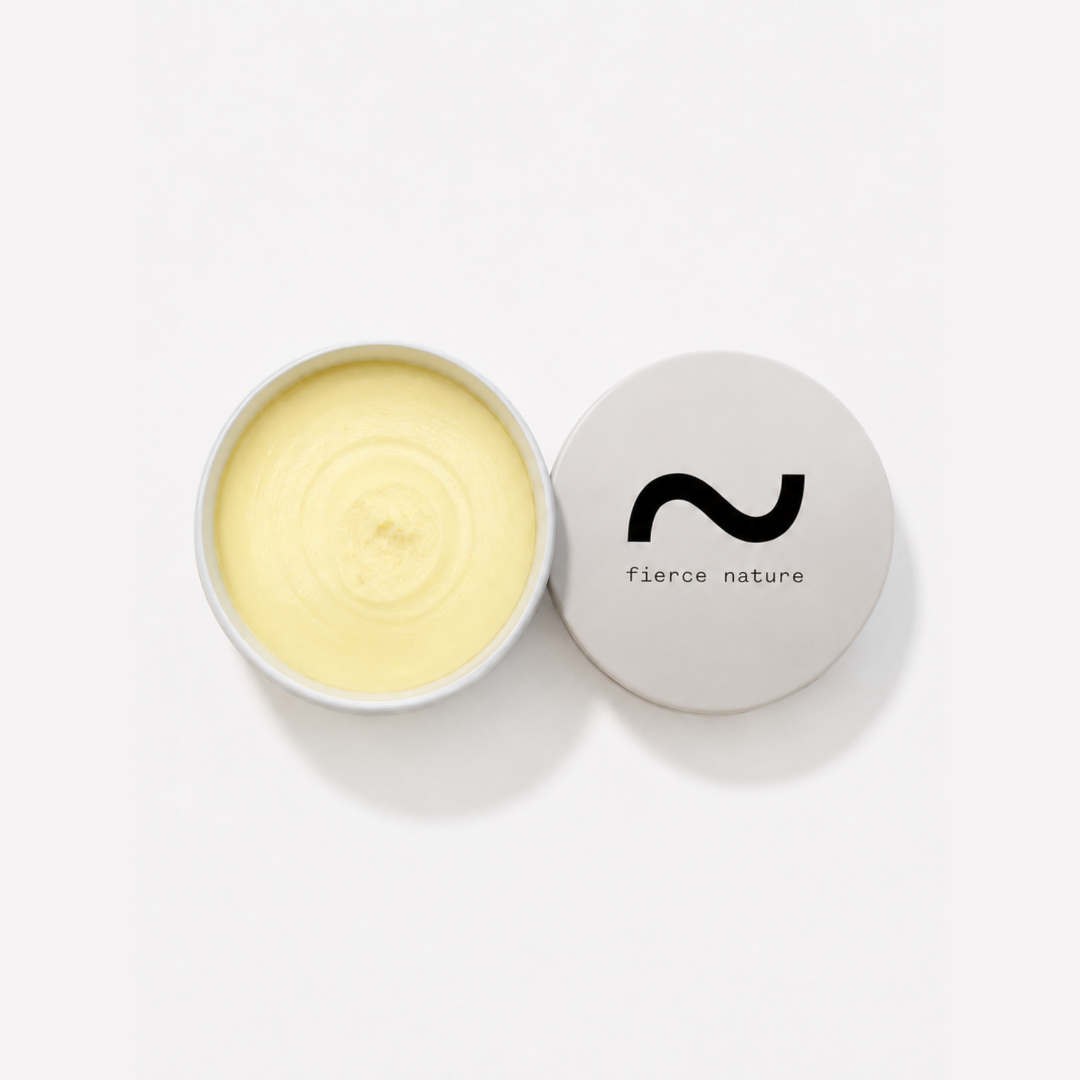
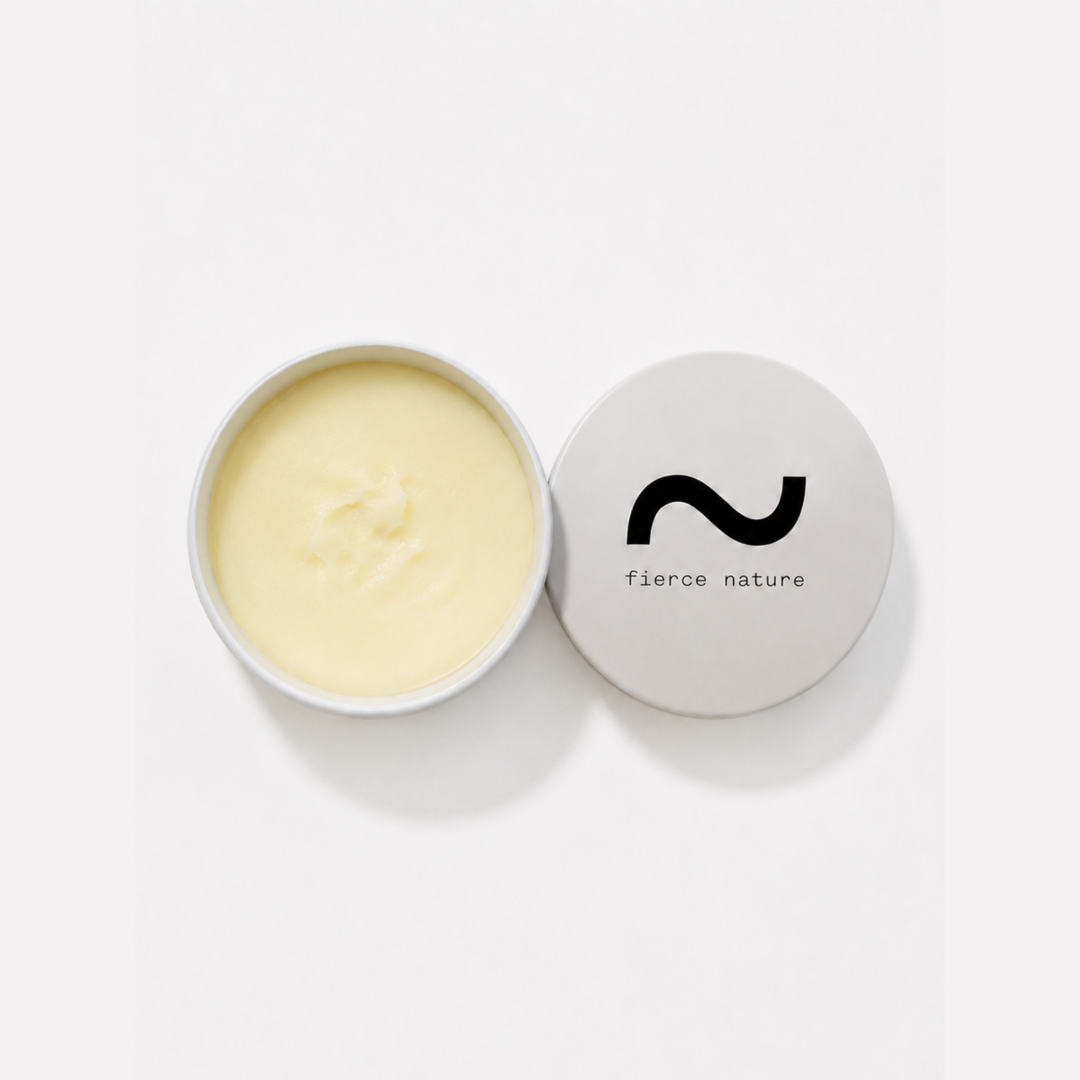
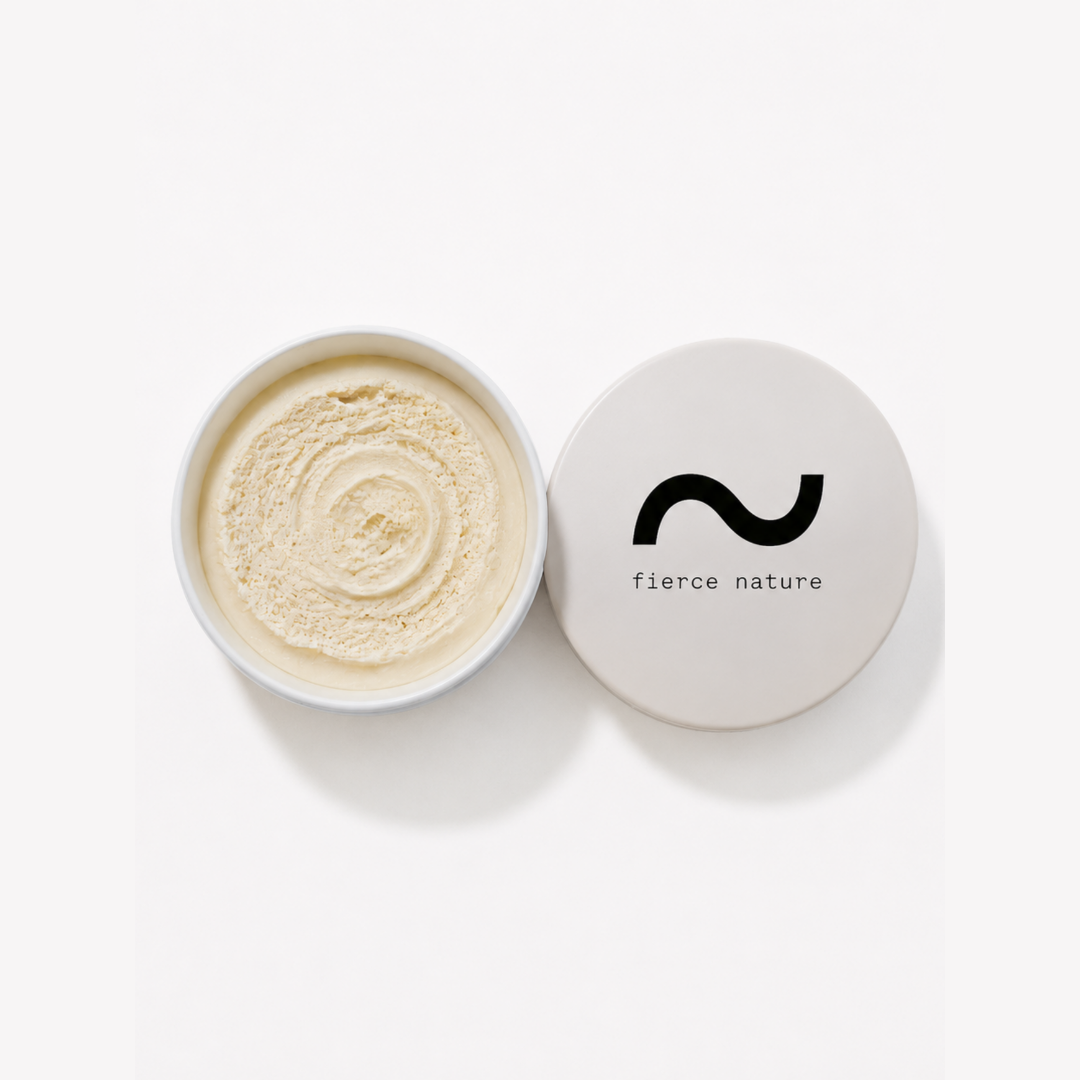
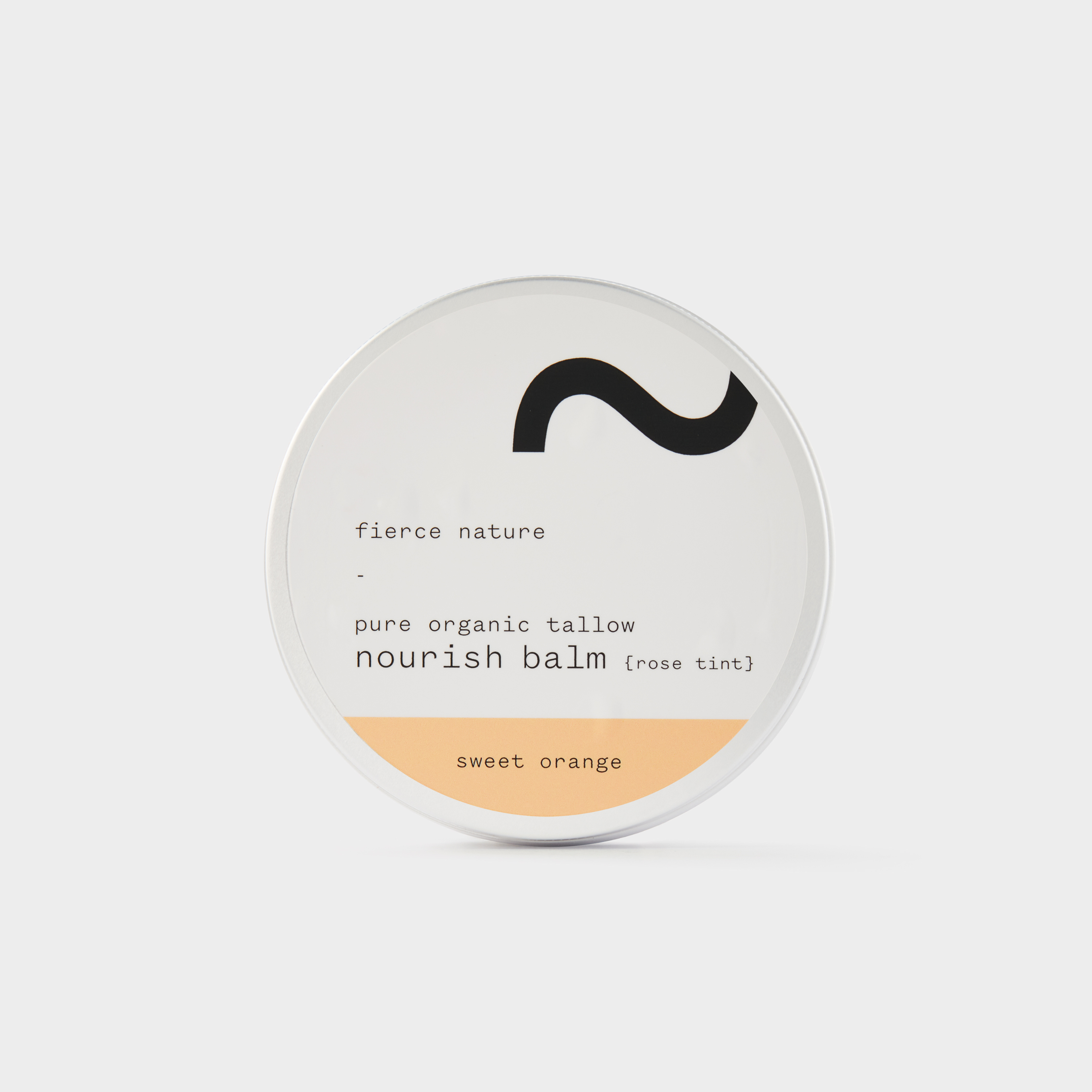

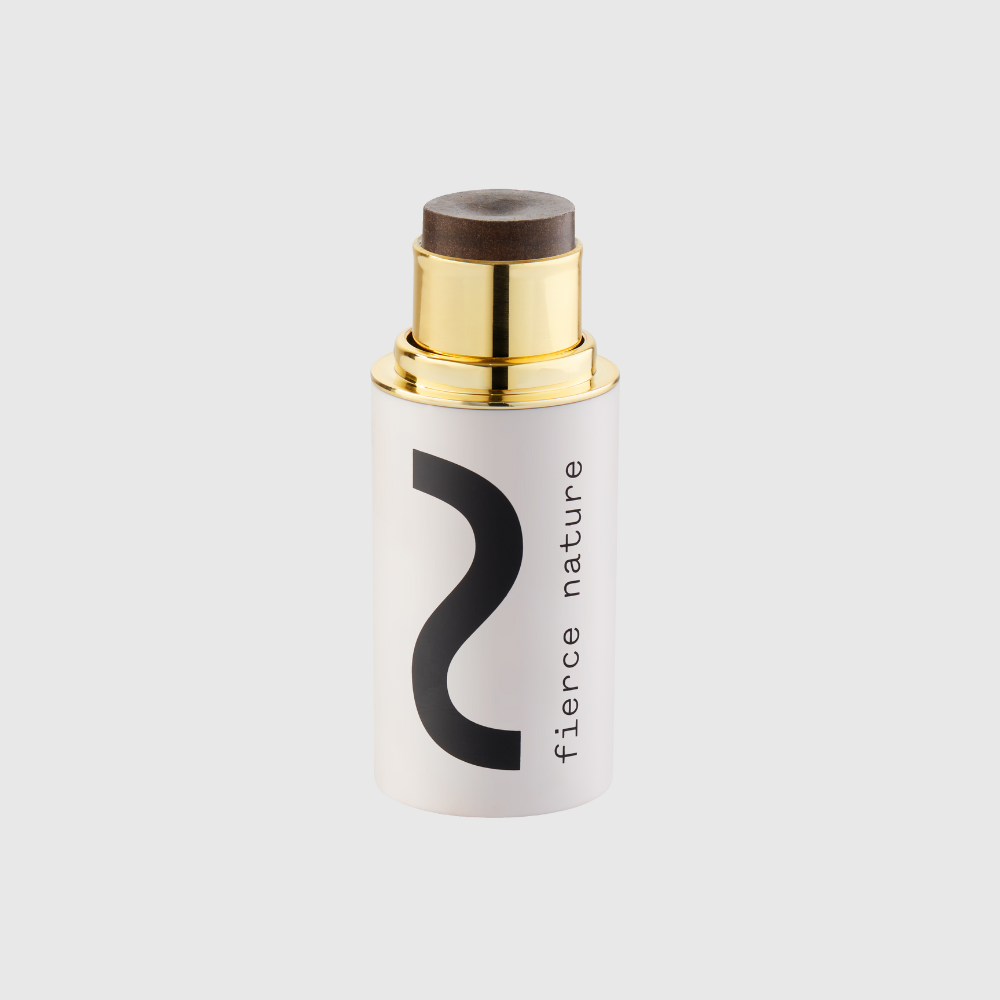
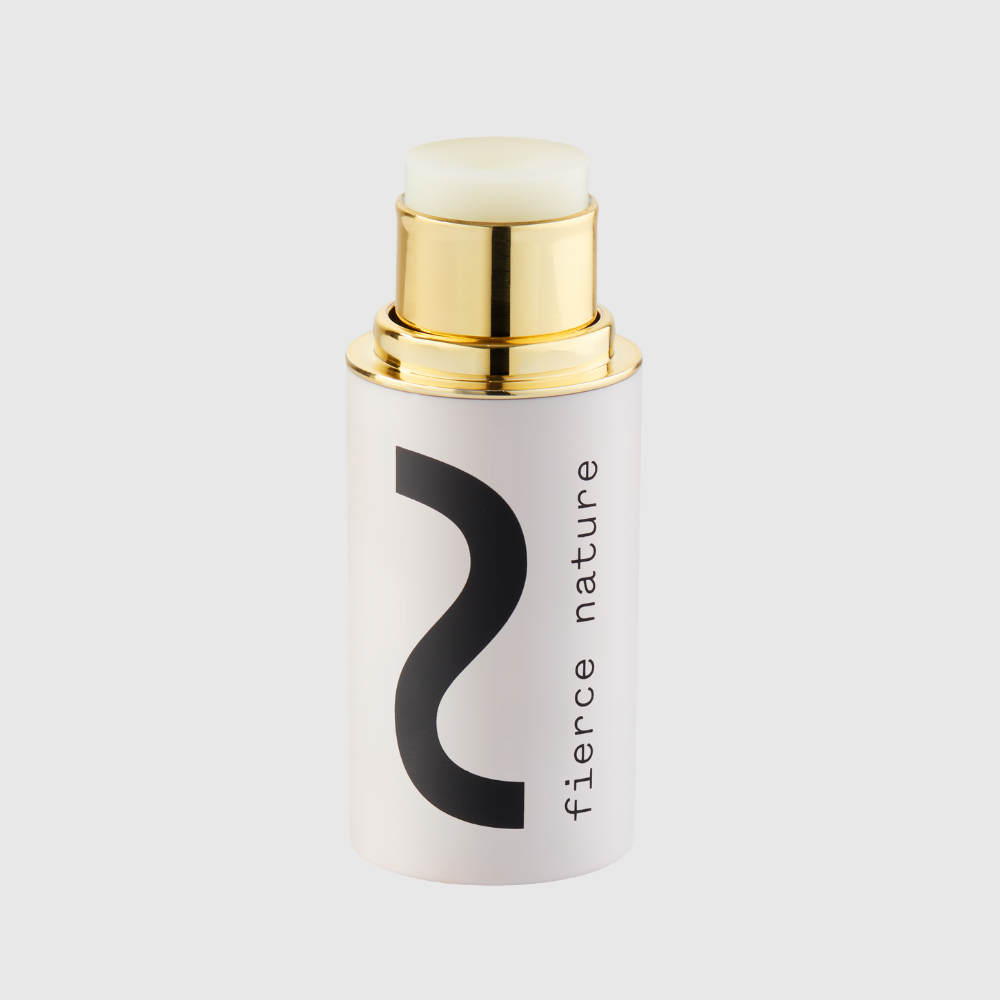
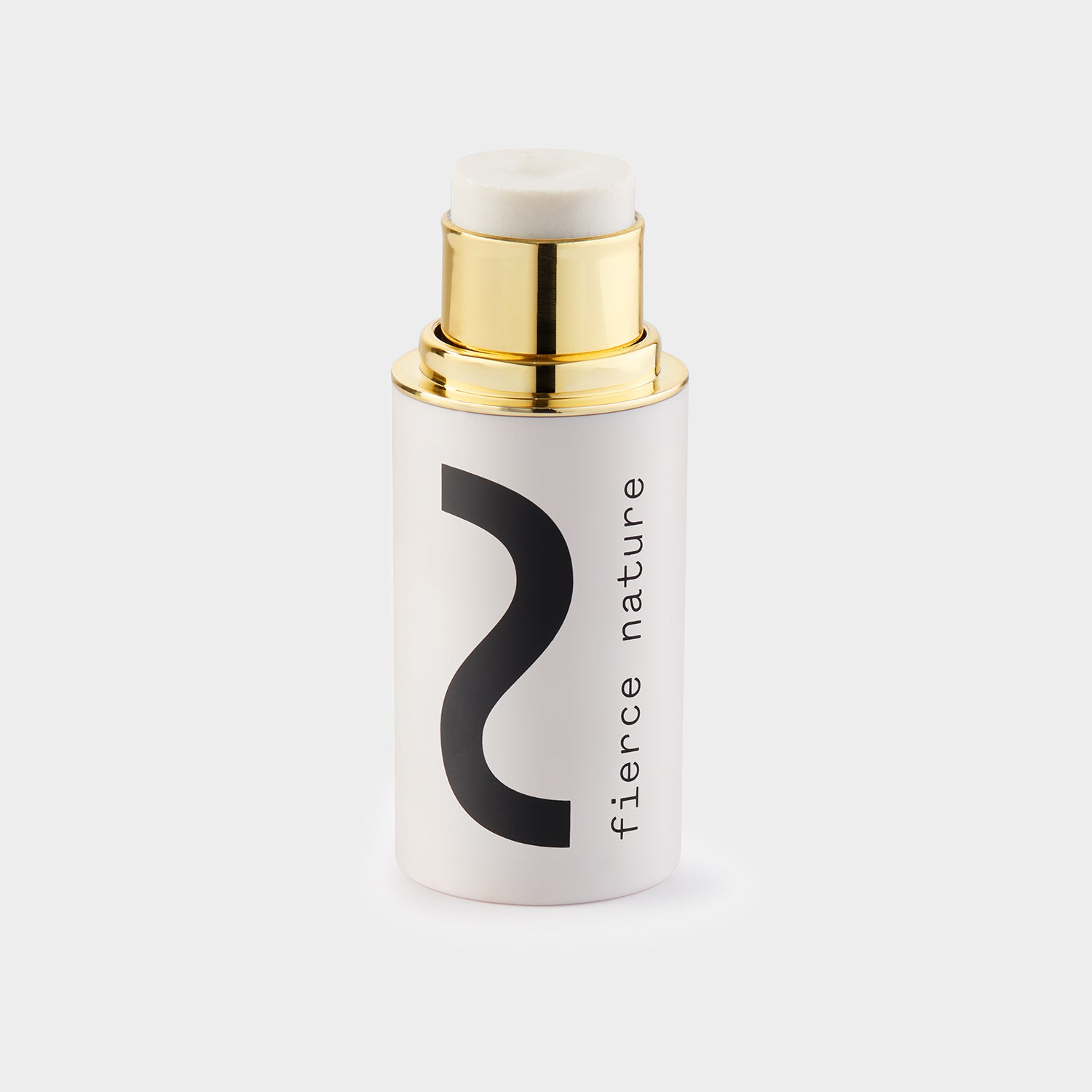
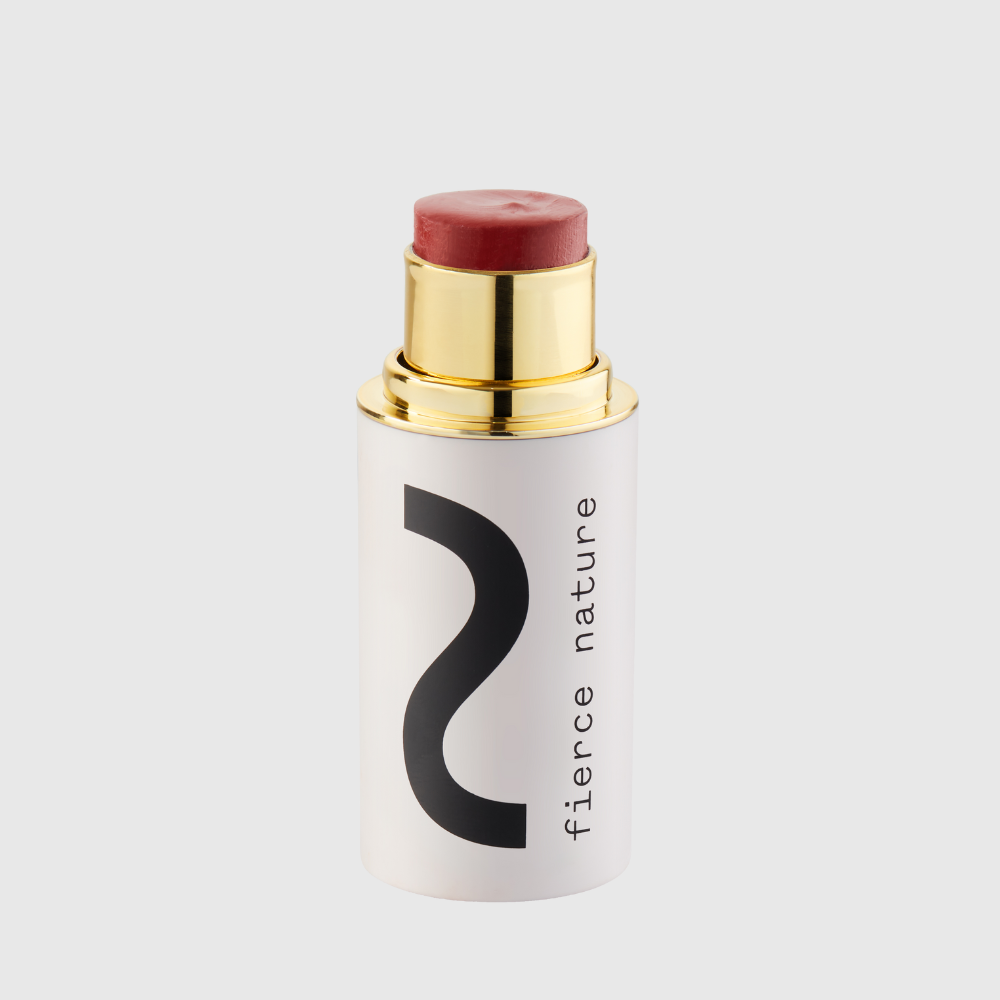
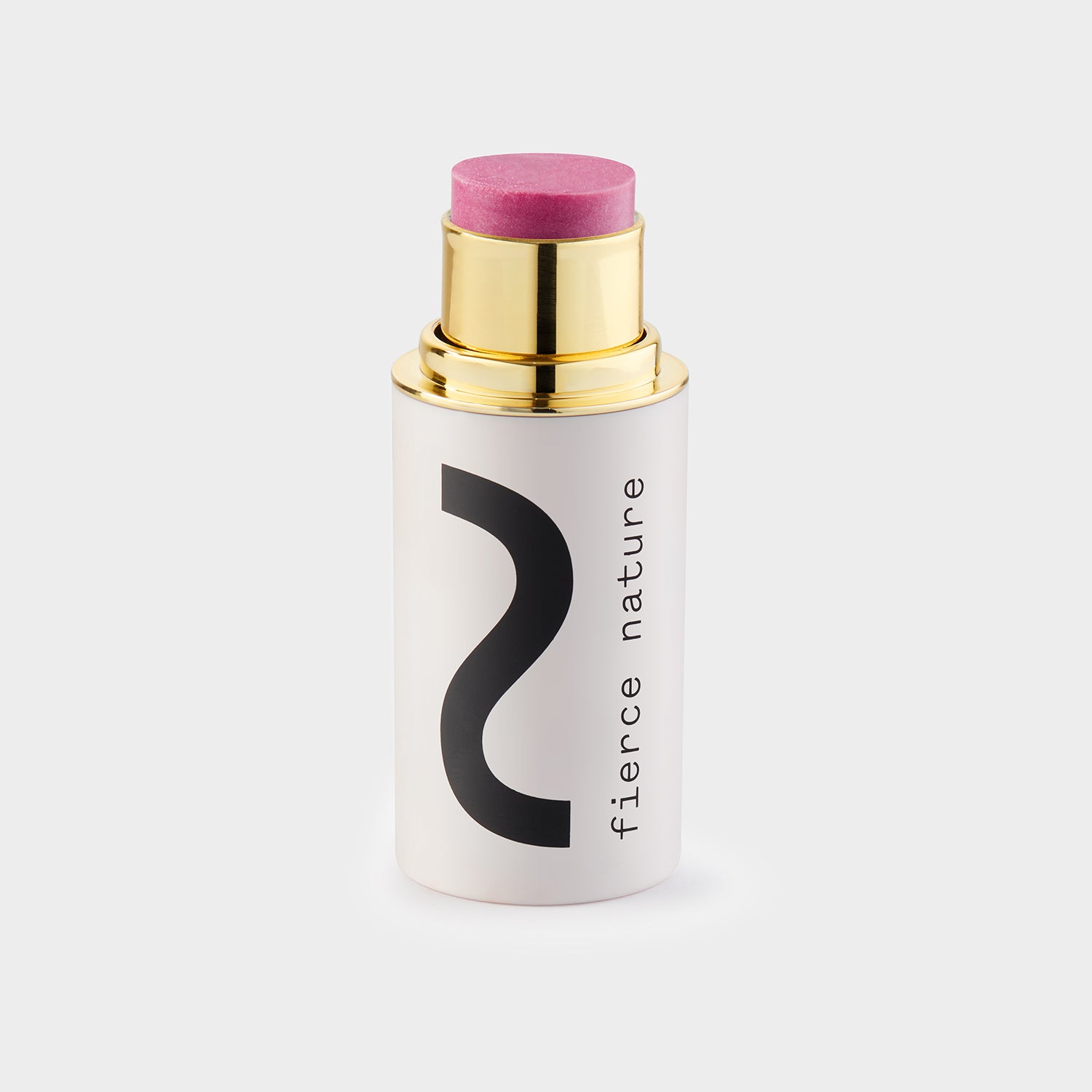
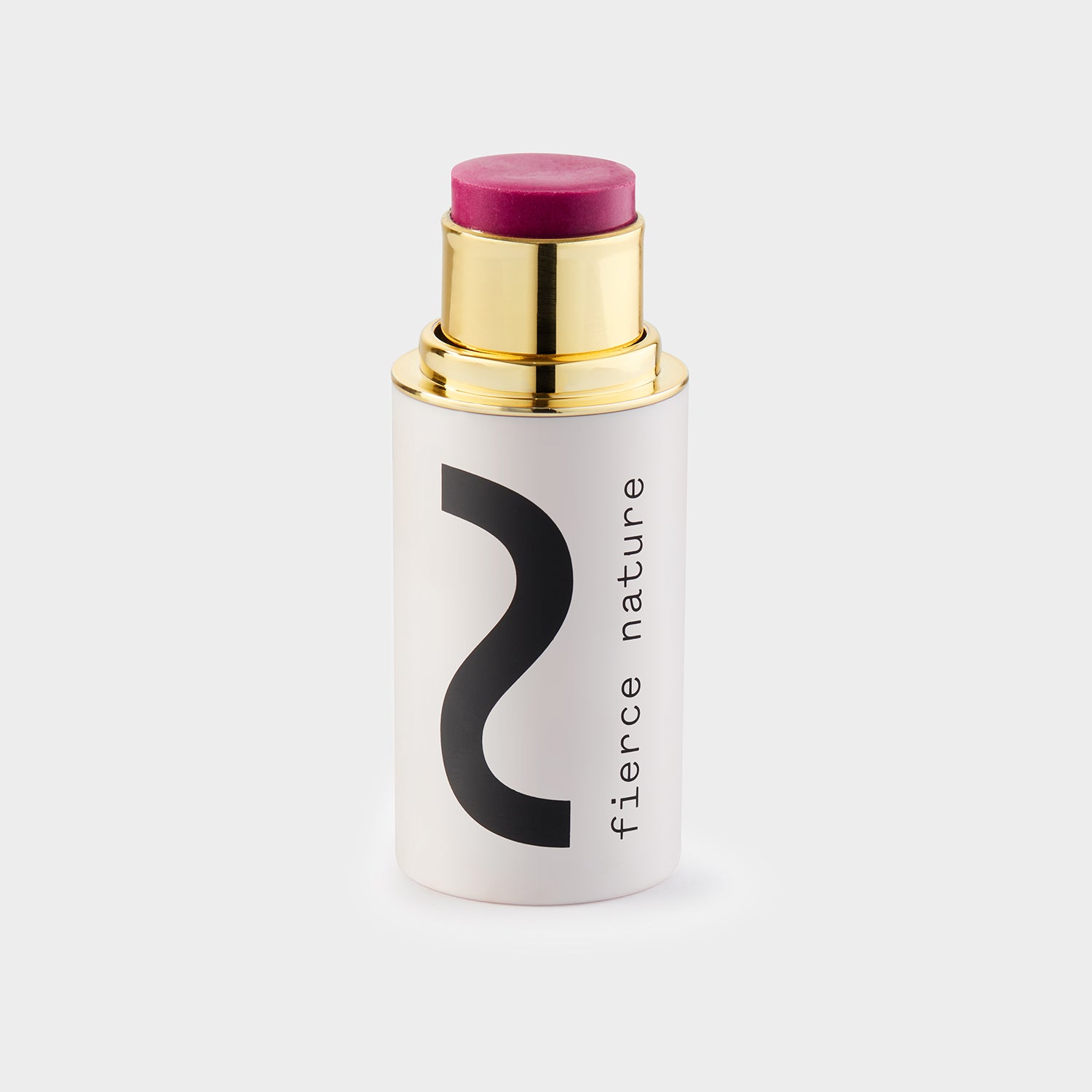



Tallow lip balm rebuilds the lip barrier rather than just sitting on top of it, which makes it especially good for lips that are dry, wind burnt or prone to cheilitis. Both ready-made small-batch balms and a simple homemade version work well, and Handmade UK balms are a straightforward place to start if you’d rather not melt your own.
TL;DR:
- Tallow lip balm repairs the lip barrier by integrating with skin lipids, offering longer-lasting protection compared to petroleum-based balms.
- Look for balms made from grass-fed, unrefined tallow, beeswax, and natural carrier oils, avoiding synthetic fragrances and mineral oils.
- Homemade tallow balm requires balancing beeswax and carrier oils to achieve a smooth, pliable texture, with shelf life around one year if stored properly.
- Ready-made tallow balms should have transparent ingredient lists, batch dating, and source information, with packaging suited for portability and durability.
- Tallow is suitable for most people with dry or chapped lips, but not vegan or religiously restricted diets, and patch testing is recommended, especially for sensitive skin.
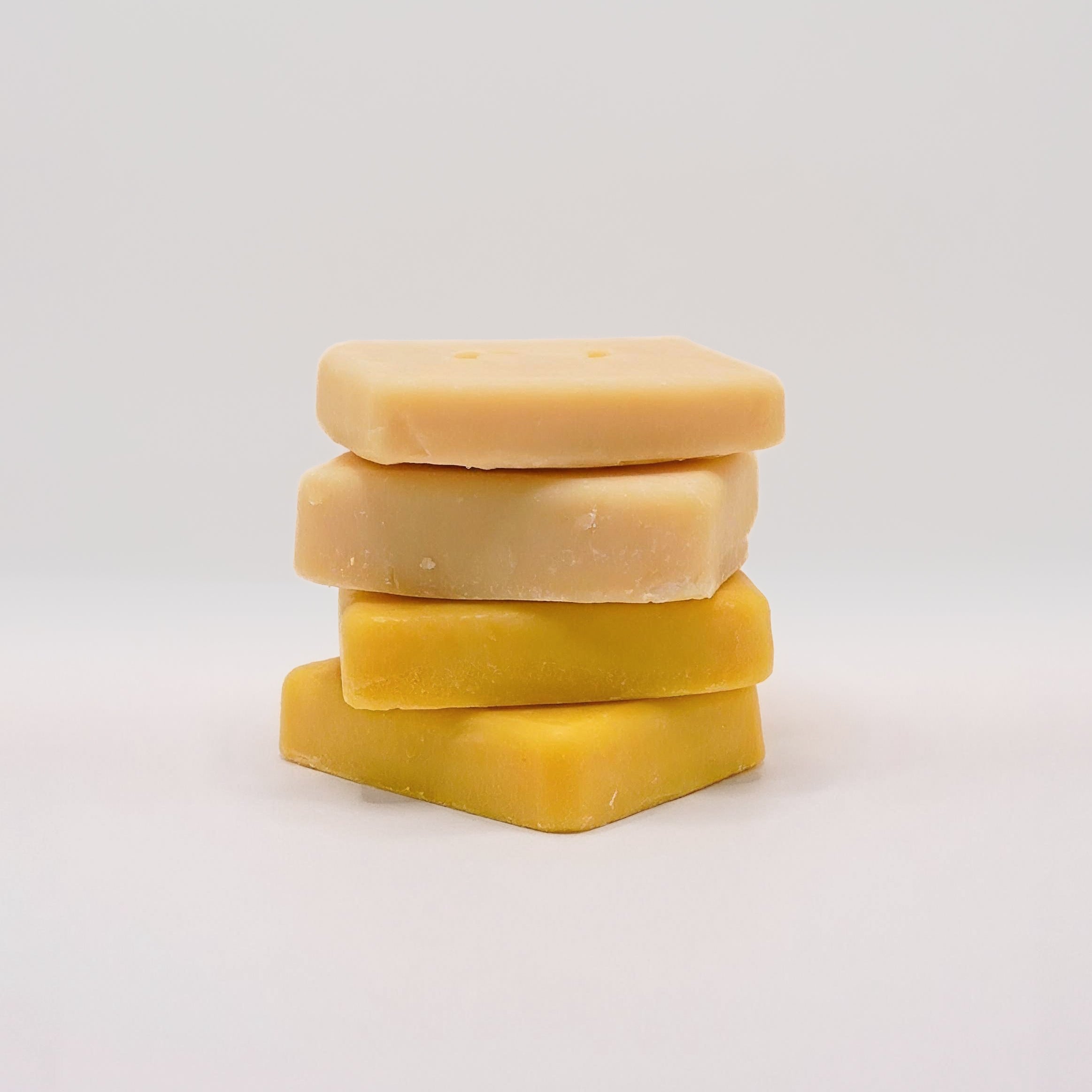
Tallow lip balm is a lip salve made primarily from rendered animal fat (usually beef tallow) rather than mineral oil, plant butter, or petroleum jelly. What sets it apart is chemistry, not marketing: tallow’s fatty acid profile closely resembles the lipids naturally found in human skin, including palmitic, oleic and stearic acids. That similarity matters because your lips have no oil glands of their own and rely on the surrounding skin barrier to hold moisture in.
A peer-reviewed review of skin lipids on PubMed Central supports the idea that lipid-compatible ingredients help rebuild that barrier rather than simply coating it. Practitioners sometimes describe tallow’s role as “lipid-rebuilding” rather than moisturising, because it integrates with the skin instead of sitting on the surface like petroleum jelly does.
Where tallow tends to outperform petroleum-based balms:
Fierce Nature note: many people using tallow lip balm for chapped lips during winter or after wind exposure notice a difference within a few days, particularly around the corners of the mouth where cheilitis tends to flare.
The best tallow lip balms are short, recognisable ingredient lists. Anything you can’t picture in your kitchen is worth questioning.
Look for these on the label:
Terms like “unrefined” or “grass-fed” aren’t just buzzwords. Unrefined tallow retains more of its natural vitamin content because it hasn’t been bleached or deodorised, while grass-fed sourcing speaks to how the animal was raised, not just what the fat is called on the tub.
What to avoid: paraffin or mineral oil dressed up as “moisturising wax,” synthetic fragrance blends that can irritate already-compromised lips, and high doses of camphor or menthol, which cool the lips temporarily but can dry them out further with repeated use.
Pro Tip: If a tallow balm feels waxy and stiff rather than glide-on smooth, it likely has too little carrier oil relative to beeswax. A well-balanced stick should soften almost instantly against body heat.
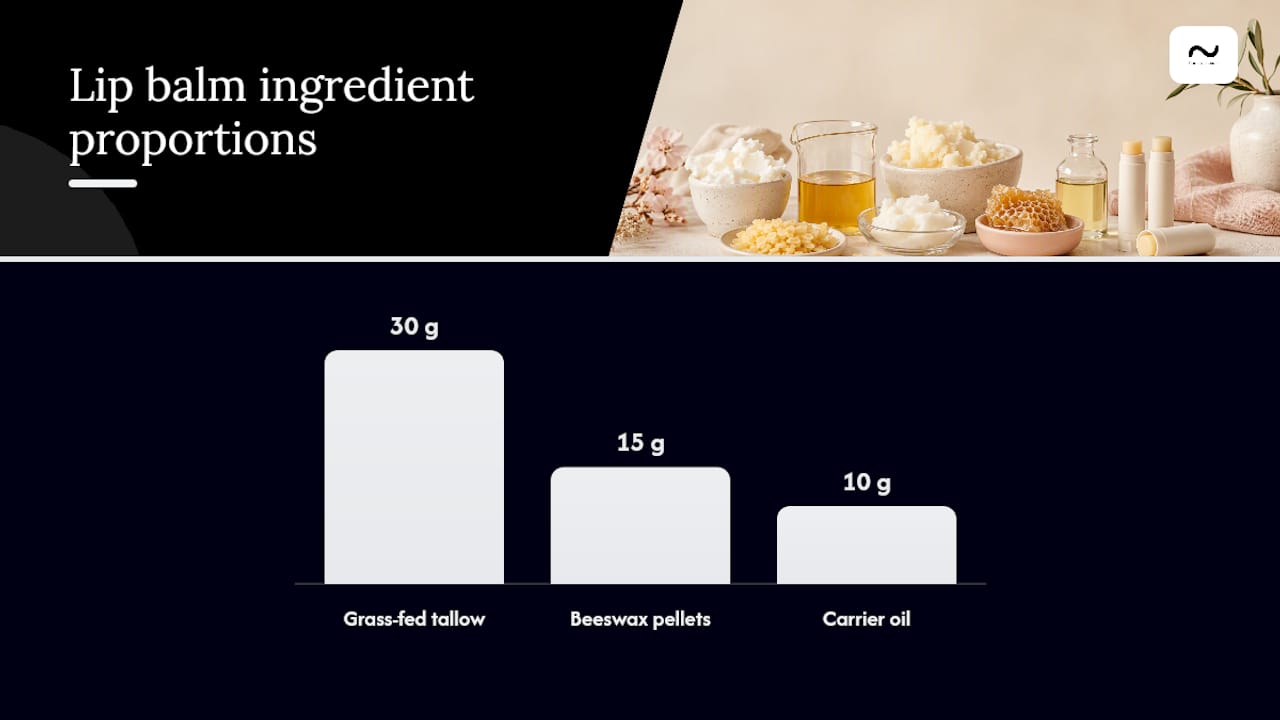
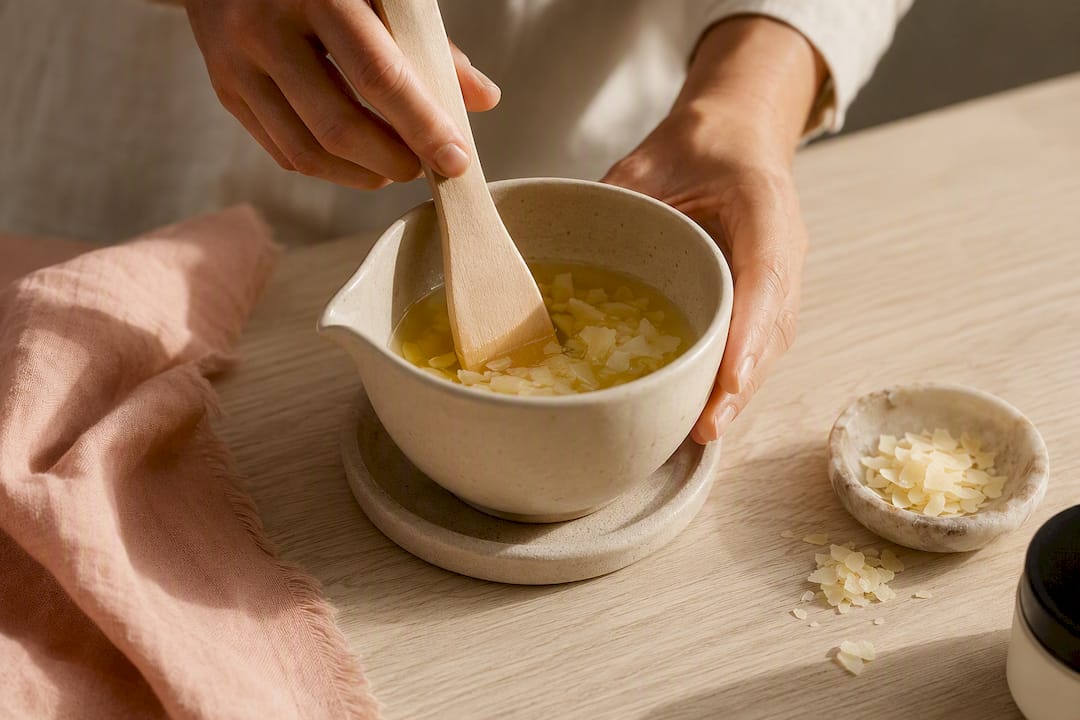
Making your own tallow lip balm at home takes under thirty minutes and costs a fraction of what small-batch balms sell for. Here’s a reliable ratio for standard lip balm tubes or small tins.
Basic recipe (makes roughly 8 to 10 standard lip balm tubes):
Method:
Expect a shelf life of about a year when vitamin E is included, stored somewhere cool and dark.
Troubleshooting:
Pro Tip: Weigh your ingredients rather than measuring by volume. Tallow and beeswax behave differently by weight than by scoop, and small ratio errors are the most common reason home-made balm turns out too greasy or too firm.
If melting your own isn’t appealing, the checklist below separates a well-made tallow balm from a mediocre one on the shelf.
Packaging matters more than people expect. Tubes are easiest for daily lip use and pocket carry; tins suit multi-use balms you’ll also dab onto cuticles or dry patches; sticks sit somewhere between the two. Price should reflect genuine small-batch craft, not just pretty branding, so weigh the ingredient quality against the cost per gram rather than the price tag alone.
Worth asking any brand directly: where does the tallow come from, how is it batch dated, and is the formula suitable for babies or reactive skin? A brand confident in its sourcing will answer all three without hesitation.
Tallow itself is generally well tolerated, since it closely matches the skin’s own lipid makeup, but a few precautions matter.
Stop using any balm immediately if you notice redness, swelling or persistent itching, and speak to a pharmacist or doctor if symptoms don’t settle.
Vitamin E extends shelf life meaningfully, and most tallow balms formulated with it stay fresh for about a year when stored at room temperature, away from direct sunlight and heat.
Every balm starts with the same question: does this ingredient actually nourish the skin, or is it just there to look good on a label? That question comes from firsthand frustration with mainstream skincare that promises everything and explains nothing.
Key sourcing and formulation criteria include:
Readers wanting more on the science behind this can explore Fierce Nature’s own writing on why tallow is biocompatible with human skin cells and the broader tallow fatty acid profile and what it means for skin and nutrition.
Tallow balm suits anyone dealing with genuinely dry, wind-exposed or cheilitis-prone lips, since its fatty acid profile does more structural repair work than most plant oils manage alone. If you’re strictly vegan or avoid animal-derived skincare on principle, plant butters such as shea or cocoa butter are a reasonable substitute, though they work differently and don’t match human skin lipids in quite the same way. As for buying versus making your own: reach for a ready-made balm if you want consistency and convenience, and mix a batch at home if you enjoy the process and want to control every ingredient yourself.
If you’d rather skip the double boiler, their range covers most of what the checklist above asks for, with full ingredient transparency and small-batch production behind every product.
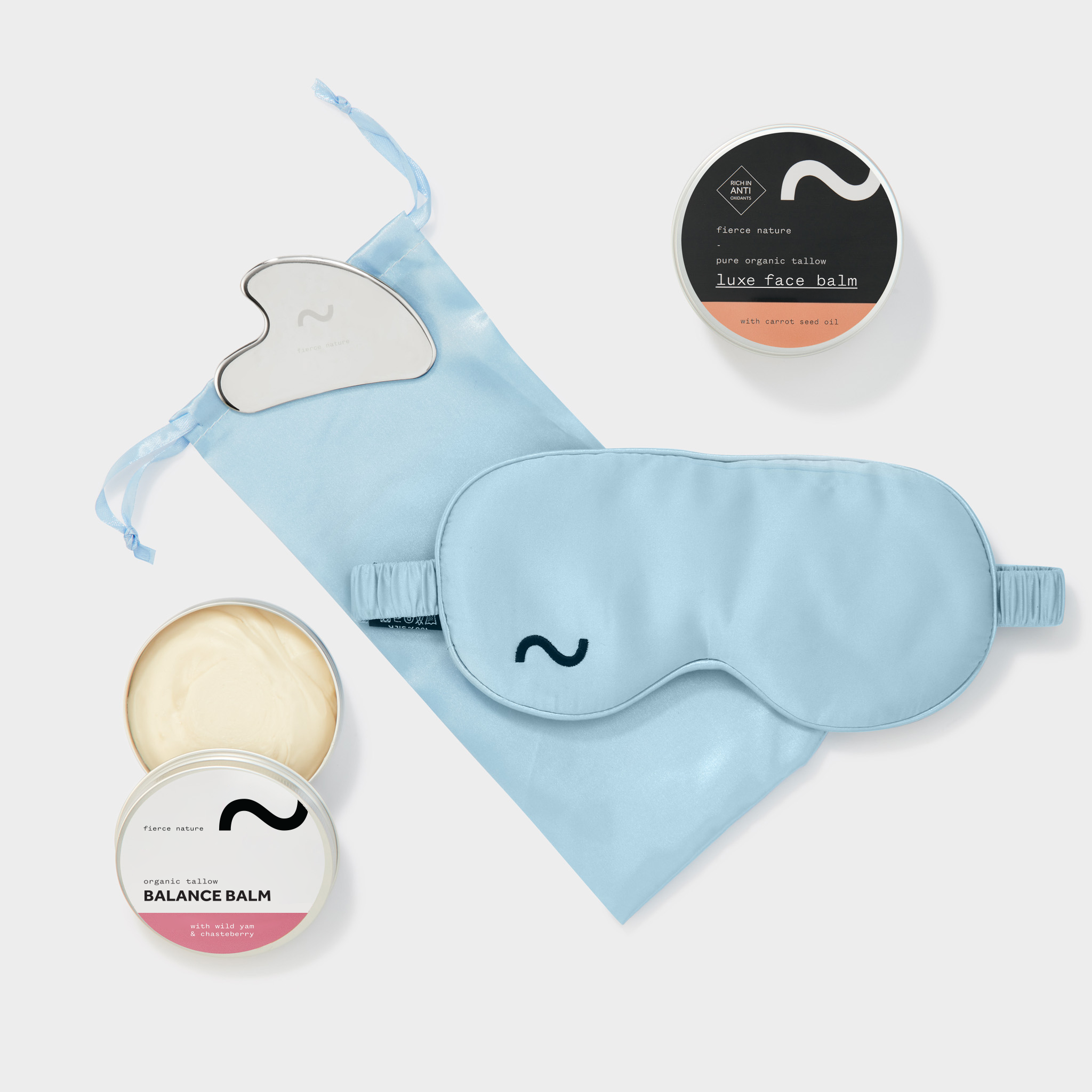
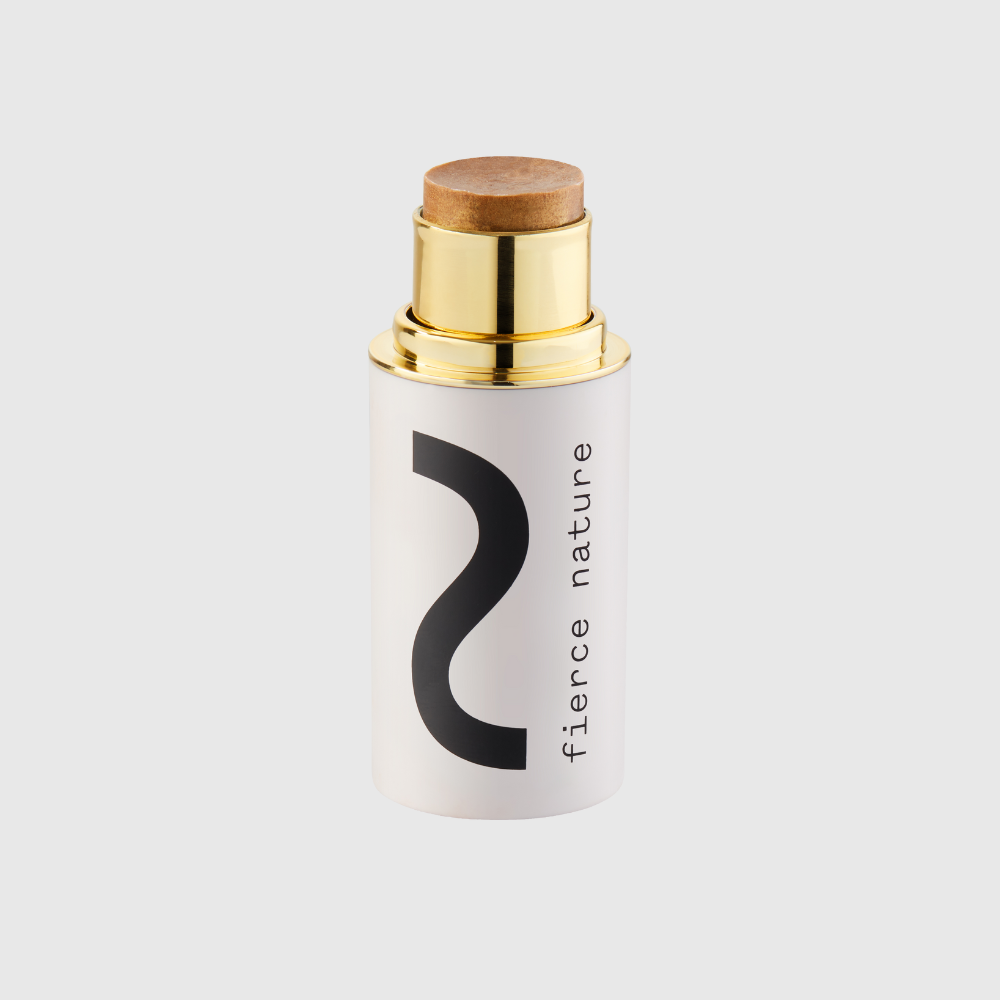
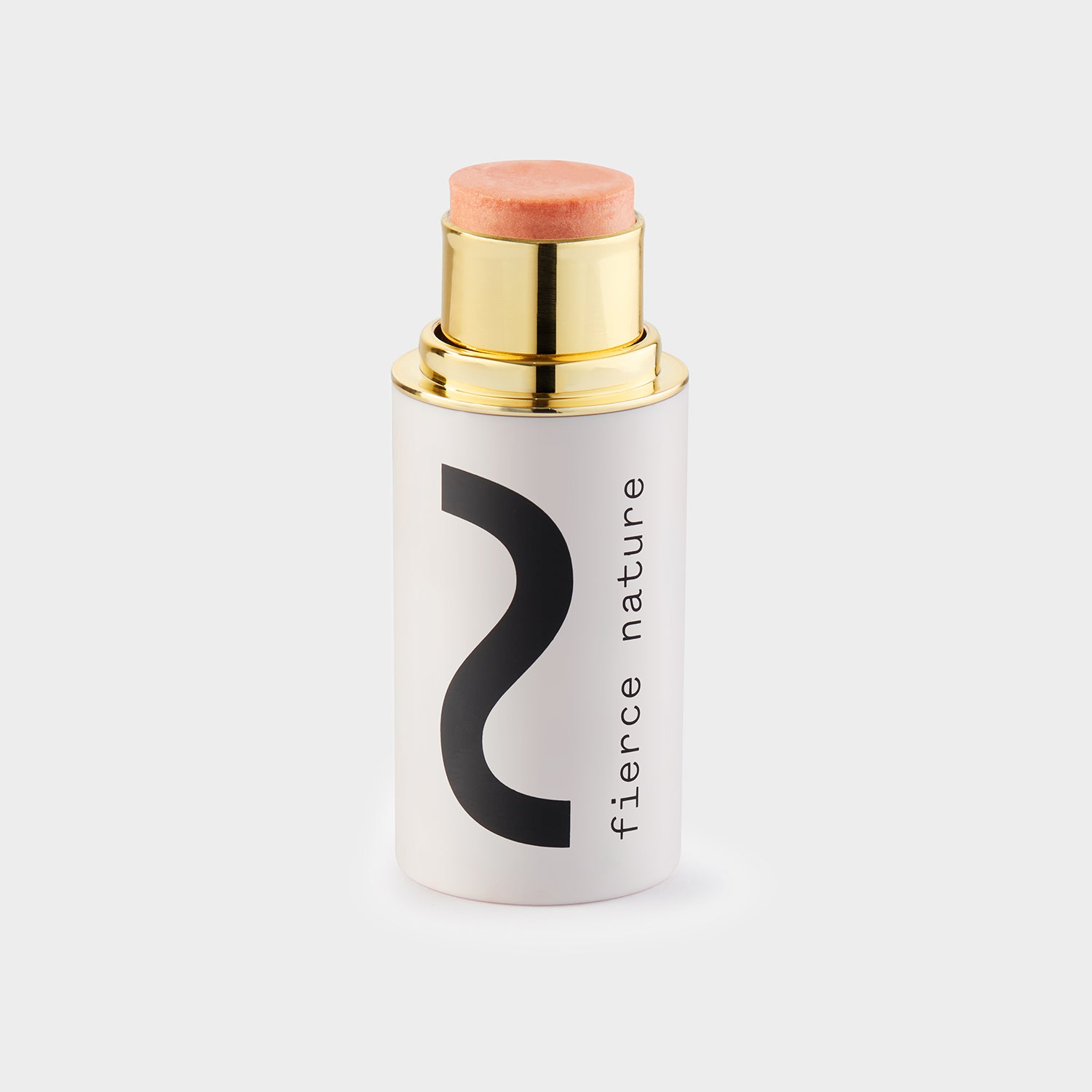
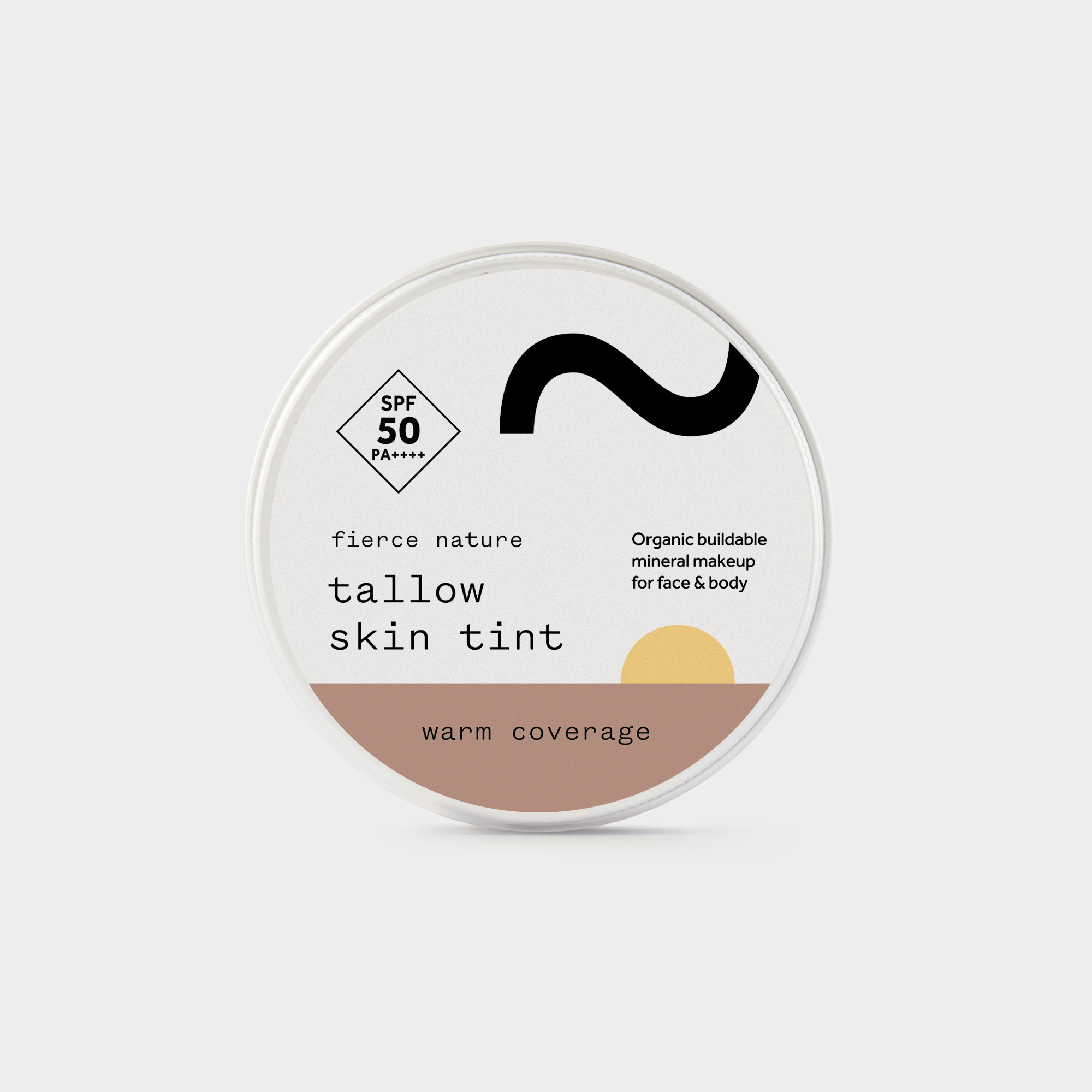
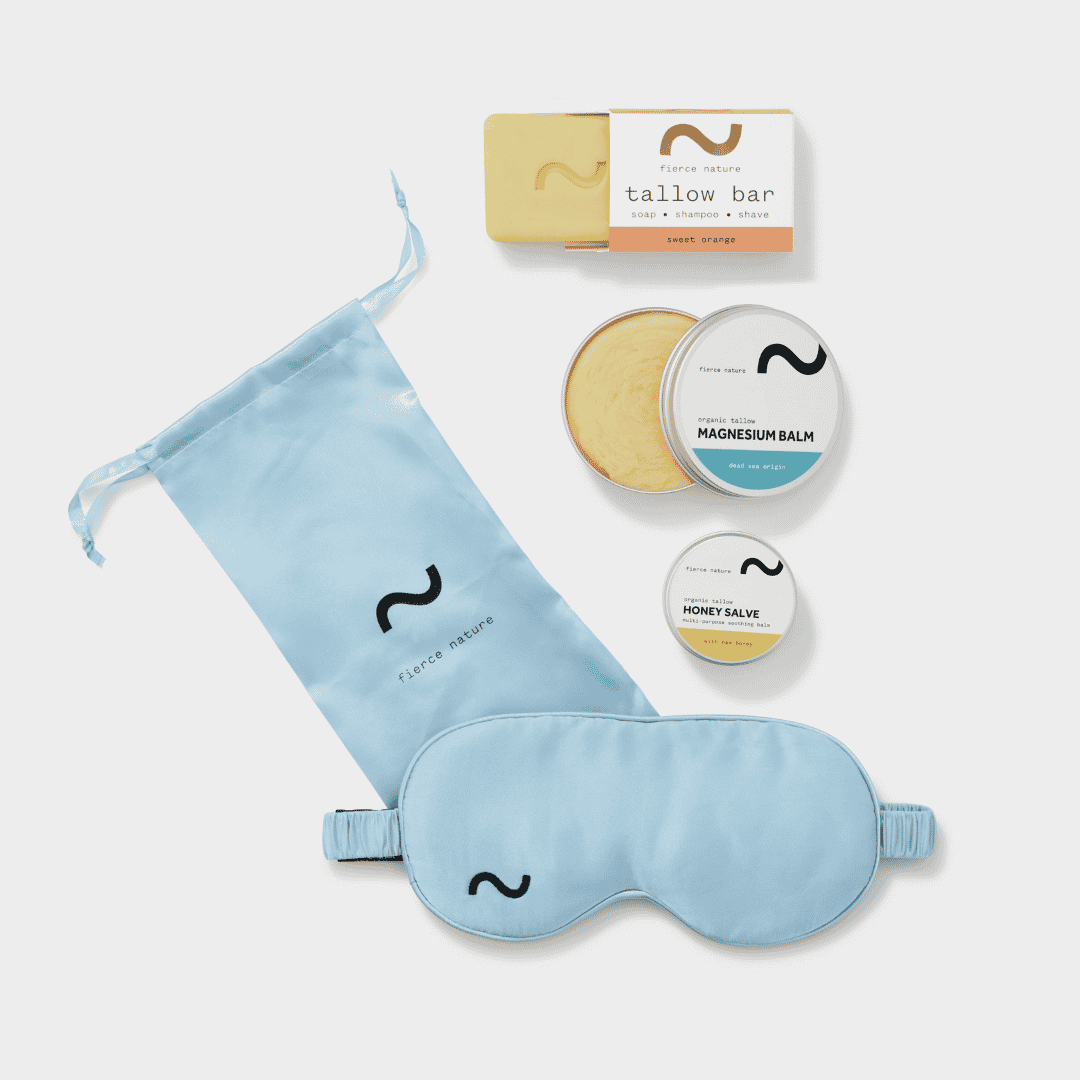
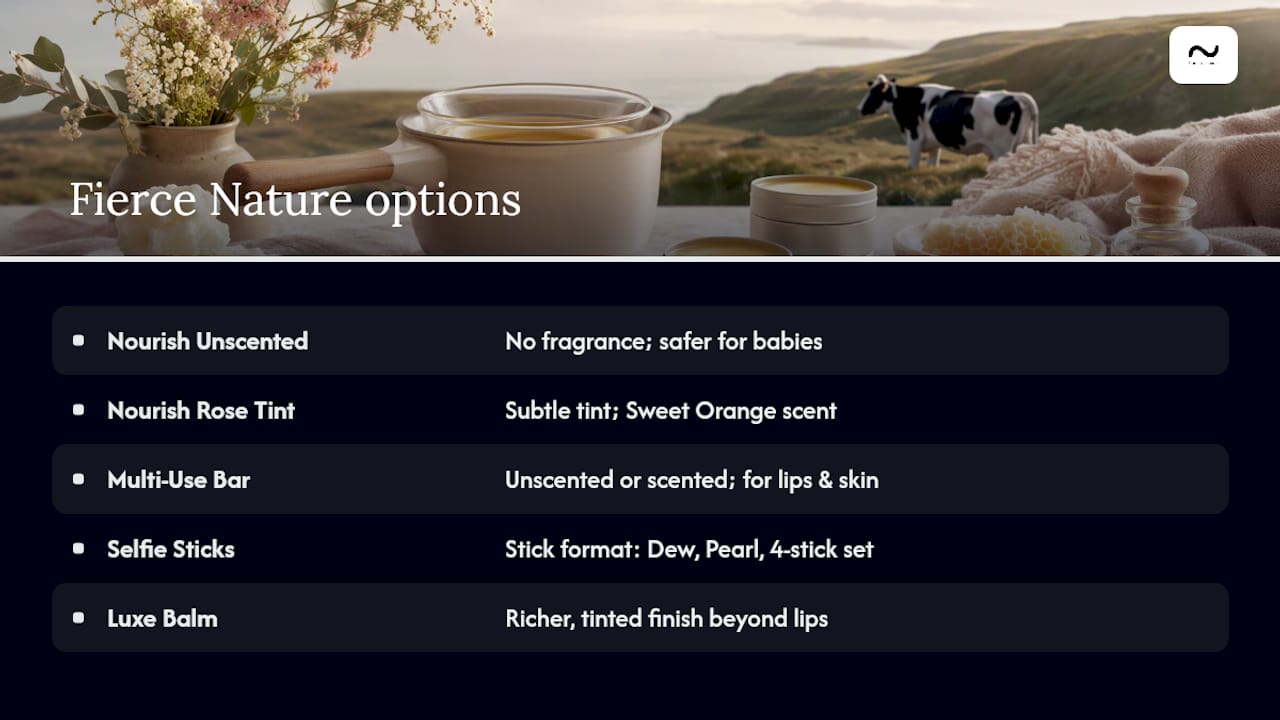
For sensitive skin or babies, the Nourish Balm (Unscented) is the safer starting point, since it skips fragrance and essential oils entirely. If you want a touch of colour for daily wear, the Nourish Balm with Rose Tint (Sweet Orange) adds a subtle tint alongside the same tallow base. Want something that works on lips, cuticles and rough patches alike? The Multi-Use Tallow Bar (Unscented) and its scented counterpart are built for exactly that kind of everyday flexibility. If you prefer a stick format for on-the-go application, the Selfie Stick Dew, Selfie Stick Pearl Shimmer, or the full Selfie Sticks 4 Stick Set let you build a small routine around one core ingredient. For a richer, tinted finish beyond lips alone, the Luxe Balm rounds out the collection.
Every order ships as small-batch handmade stock, so expect a formula that hasn’t sat in a warehouse for months. Browse the full Nourish Balms Collection to compare finishes and pick the one that matches your skin’s current needs.
Yes. Tallow’s fatty acid profile closely matches the lipids naturally found in human skin, which helps it integrate with and repair the lip barrier rather than just coating the surface. It’s particularly effective for chapped, wind-burnt or cheilitis-prone lips.
It’s animal-derived, so it isn’t suitable for vegans or anyone avoiding beef products for dietary or religious reasons. It also has a shorter realistic shelf life than synthetic balms unless an antioxidant like vitamin E is added, and quality varies significantly depending on whether the tallow is grass-fed and unrefined.
Tallow is simply called “tallow” in the UK, referring to rendered animal fat, usually from beef. You may also see it labelled “beef tallow” specifically, particularly on skincare products that want to be clear about the source.
The healthiest option is generally a short-ingredient balm built around skin-compatible lipids, such as grass-fed tallow, beeswax and a stabilising antioxidant like vitamin E, with no petrolatum or synthetic fragrance. Fierce Nature’s Nourish Balm (Unscented) follows this exact formula, making it a straightforward choice for sensitive lips.