Cart
0
You may also like
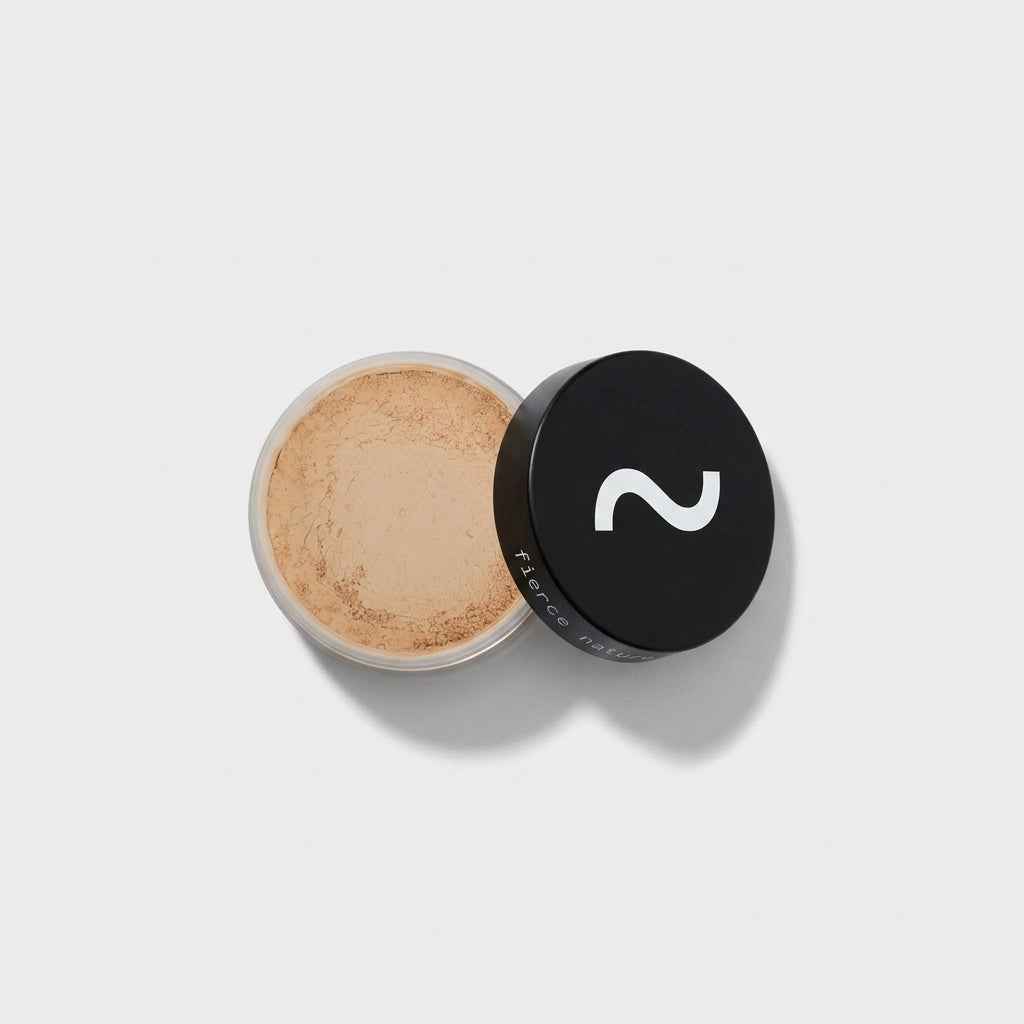
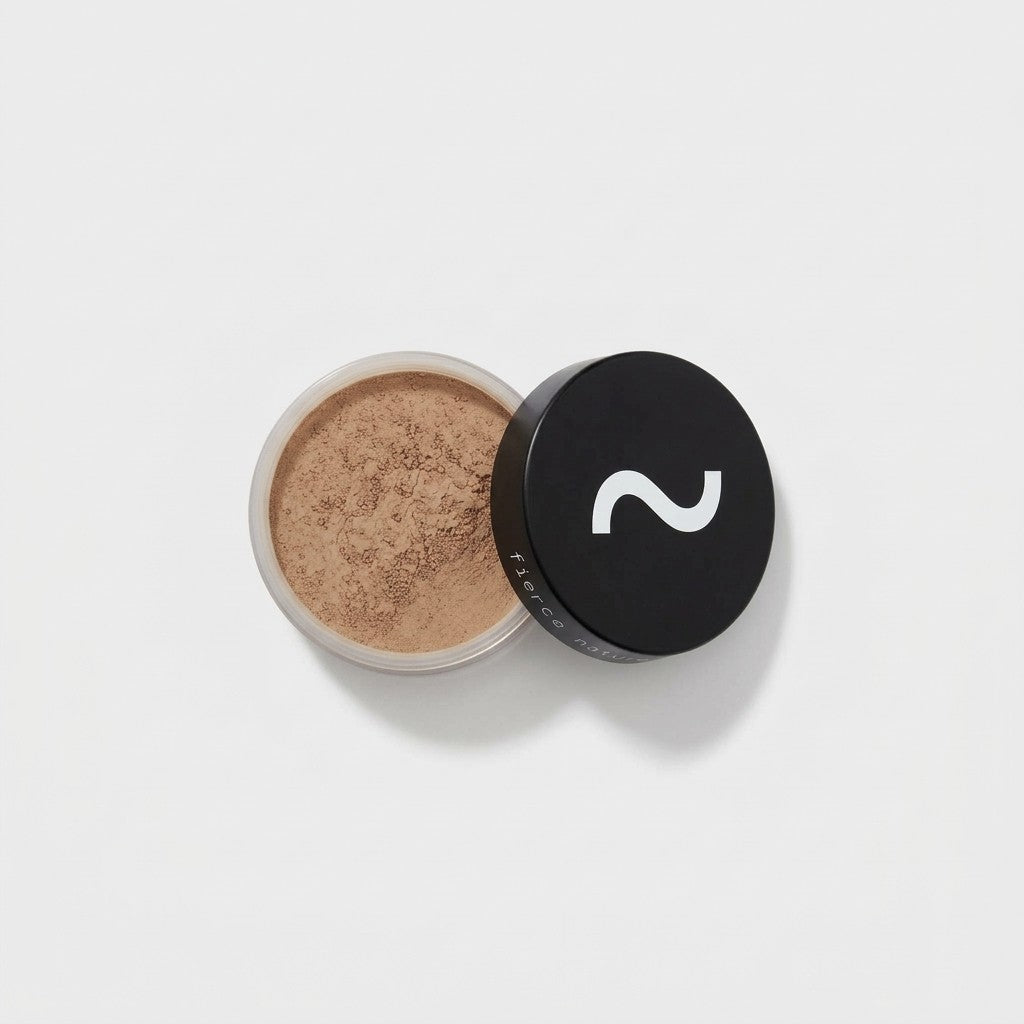
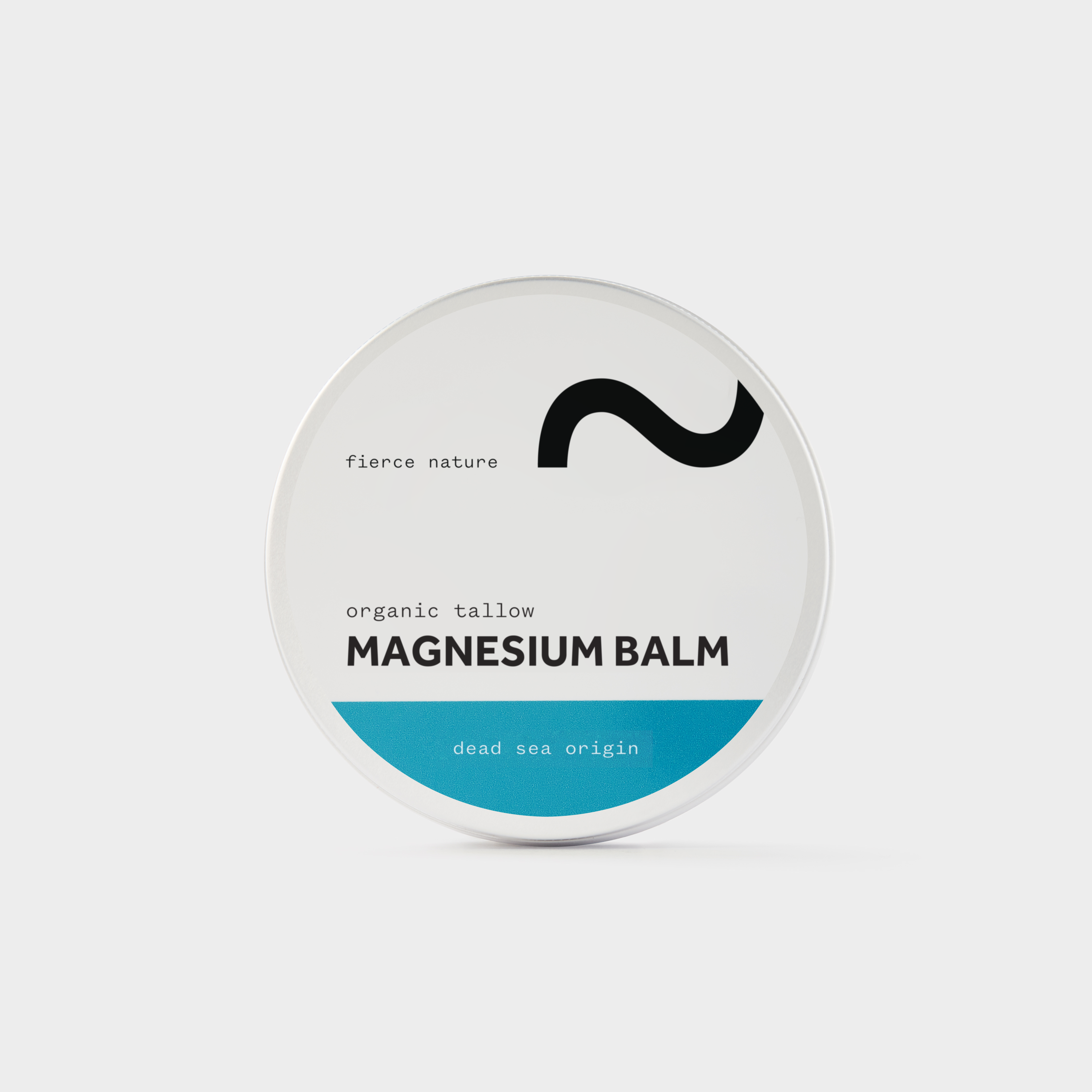
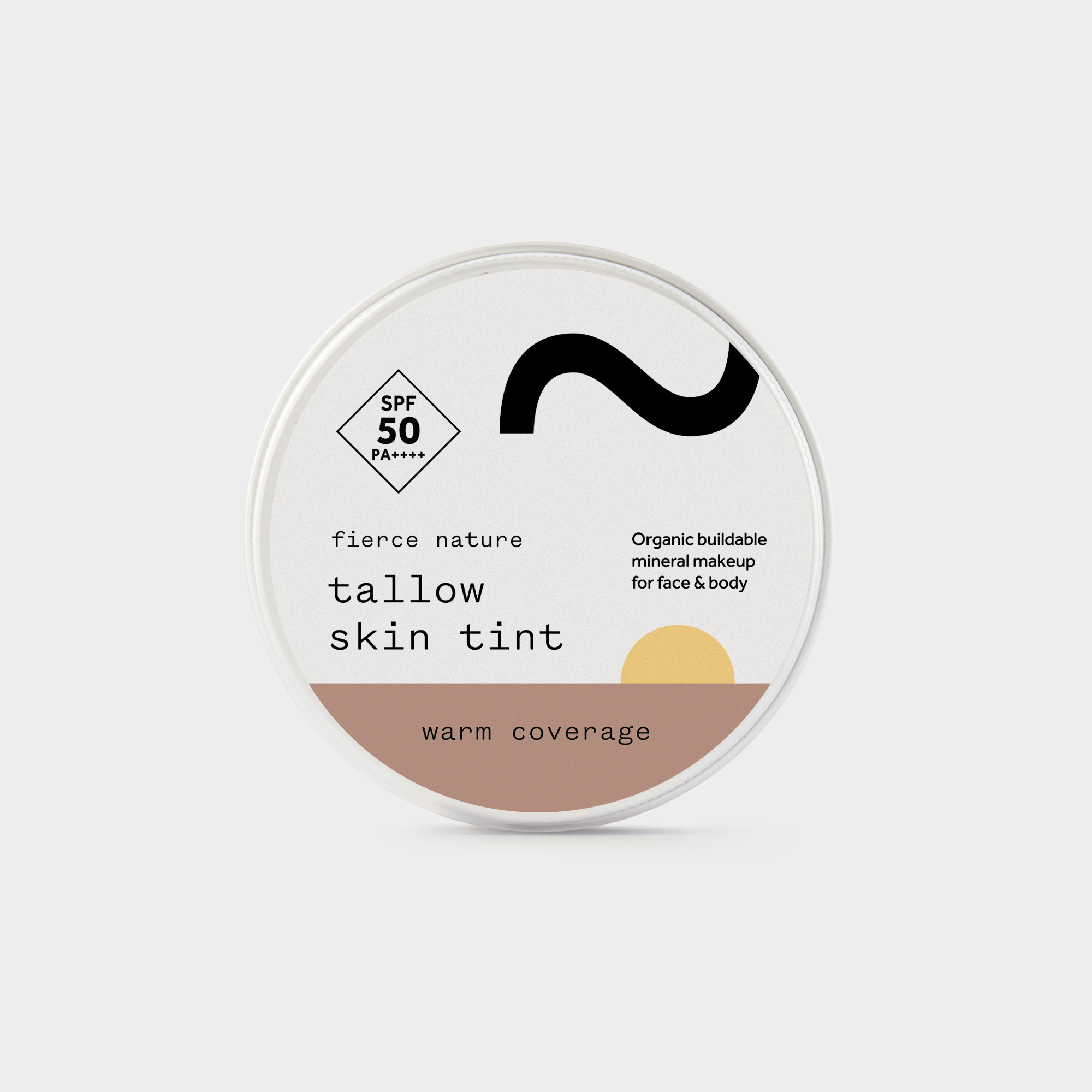



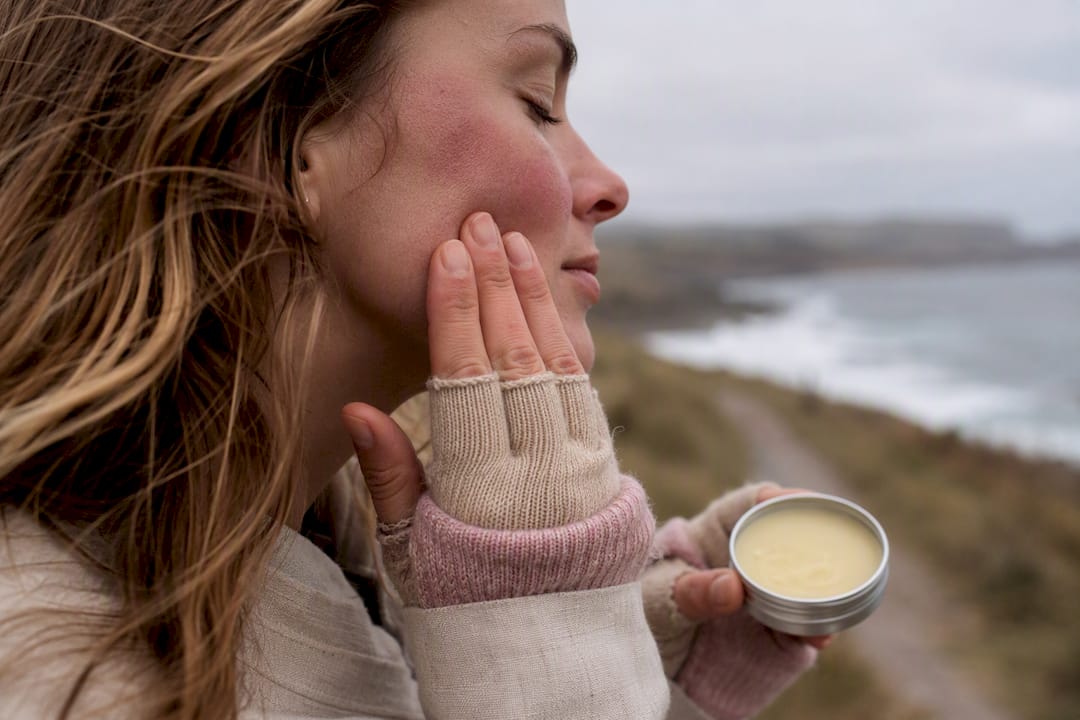
Reach for a fragrance-free, lipid-rich balm the moment your skin feels tight or raw. Press it gently into your cheeks and lips, stay out of the wind if you can, and keep your sunscreen on underneath because wind rarely arrives without UV in tow. Skip anything active or exfoliating until the sting has settled.
TL;DR:
- Using a lipid-rich, fragrance-free balm containing petrolatum, ceramides, or tallow helps rebuild the skin’s barrier and provides long-lasting moisture retention.
- Thick, occlusive products work better than thin creams for windburn treatment to create a protective seal that reduces water loss.
- Reapplication of balm every three to four hours, especially on lips and cheeks, accelerates healing and prevents further damage.
- Combining balm with a broad-spectrum sunscreen of at least SPF 15 and reapplying regularly protects skin from UV damage often masked by windburn.
- Avoid hot showers, exfoliants, and irritants during recovery to prevent further barrier compromise and support deep healing.
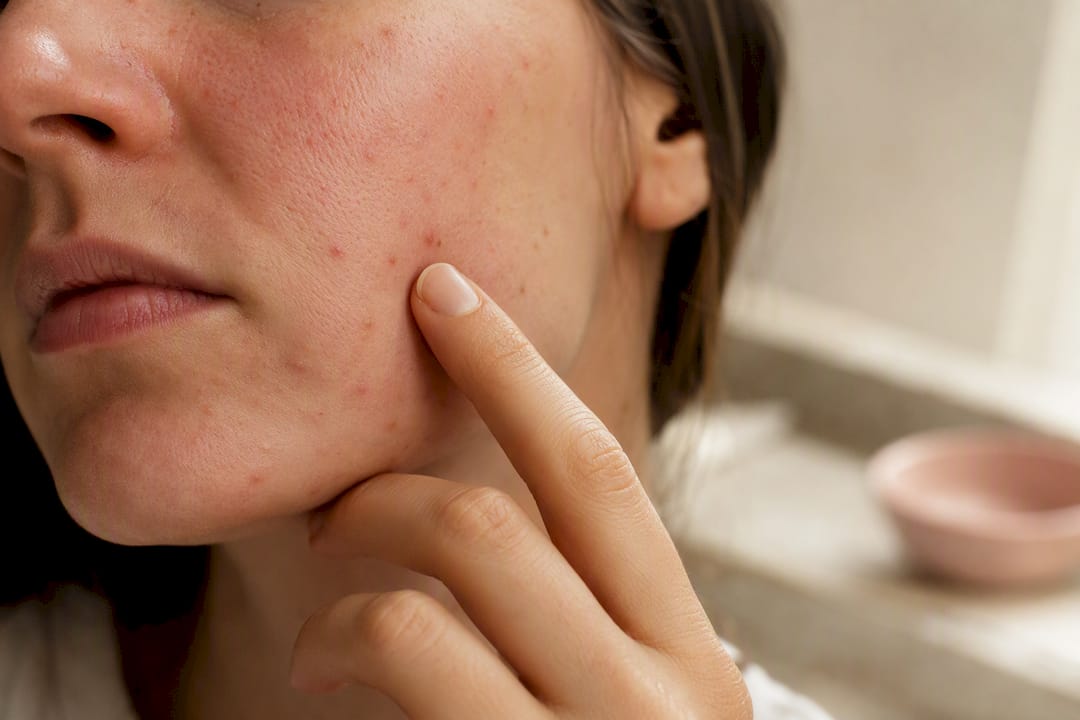
Windburn happens when cold, dry air strips away the lipids that keep your skin’s barrier intact. Without that protective layer, moisture escapes faster than your skin can replace it, leaving cheeks, nose and lips feeling tight, raw and often flushed. You’ll usually notice tightness first, then redness, stinging, and eventually flaking as the outer layer struggles to hold on to water.
It’s easy to confuse windburn with sunburn, and dermatological consensus treats them as separate but frequently overlapping problems. Wind can mask how much UV you’ve actually absorbed, especially on overcast or snowy days, so you might come in thinking you’ve only had windburn when your skin has taken a UV hit too. Both call for the same first move: repair the barrier, then protect it.
Most cases settle within a few days with basic care. Watch for signs that point to something beyond simple windburn:
If any of those show up, it’s worth speaking to a pharmacist or GP rather than waiting it out.
Prevention is far easier than repair, and it starts before you even open the front door. A thin layer of emollient balm acts as your base coat, and if you’re heading outdoors for any length of time, an emollient-rich sunscreen with appropriate SPF goes on top, reapplied regularly. Using a balm underneath sunscreen also means you need to top up the heavier layer less often, since the balm is already doing some of the moisture-locking work.
Try this simple pre-outdoor routine:
Indoors, a humidifier helps counter the drying effect of central heating after you’ve been out in the cold, and it’s worth resisting the urge for a scalding shower straight after a windy walk. Hot water strips lipids just as effectively as wind does.
Pro Tip: Keep a small balm tin in your coat pocket or car door. The moment your face starts to feel tight outdoors, that’s your cue to reapply, not wait until you’re back inside.
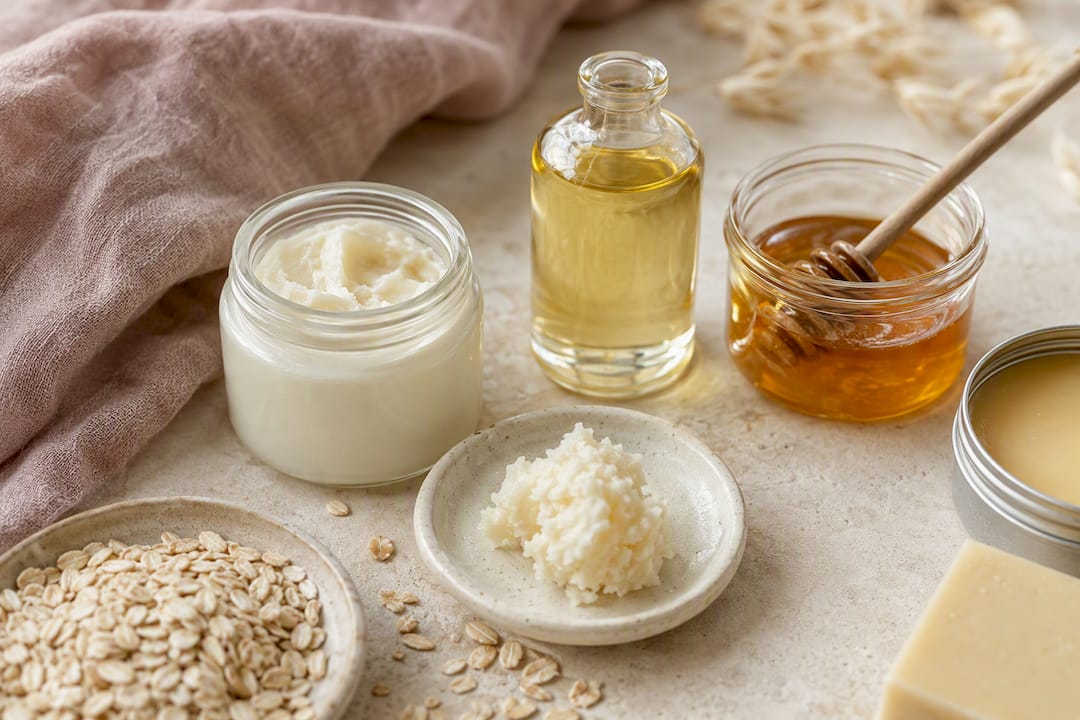
The best windburn treatment for the face is built around ingredients that replace lost lipids rather than ones that promise a quick cosmetic fix. Look for:
While your skin is healing, steer clear of fragrances, alcohols, exfoliating acids, and retinoids. These ingredients either irritate compromised skin further or actively strip the layer you’re trying to rebuild, and dermatological guidance consistently flags them as ones to avoid until the barrier has recovered.
Texture matters more than people expect. A thicker balm or ointment tends to outperform a thin cream on actively wind-damaged skin, simply because it forms a heavier, longer-lasting seal. Fresh aloe vera can offer genuine cooling relief, and interestingly, some research suggests it performs better than many shop-bought aloe gels, though it can feel too light on its own for severe dryness. A tallow-based balm sits somewhere between the two: rich enough to seal, light enough not to feel greasy for most people. Multi-use balms that work on both lips and patches of flaking skin save you carrying two separate products in a coat pocket.
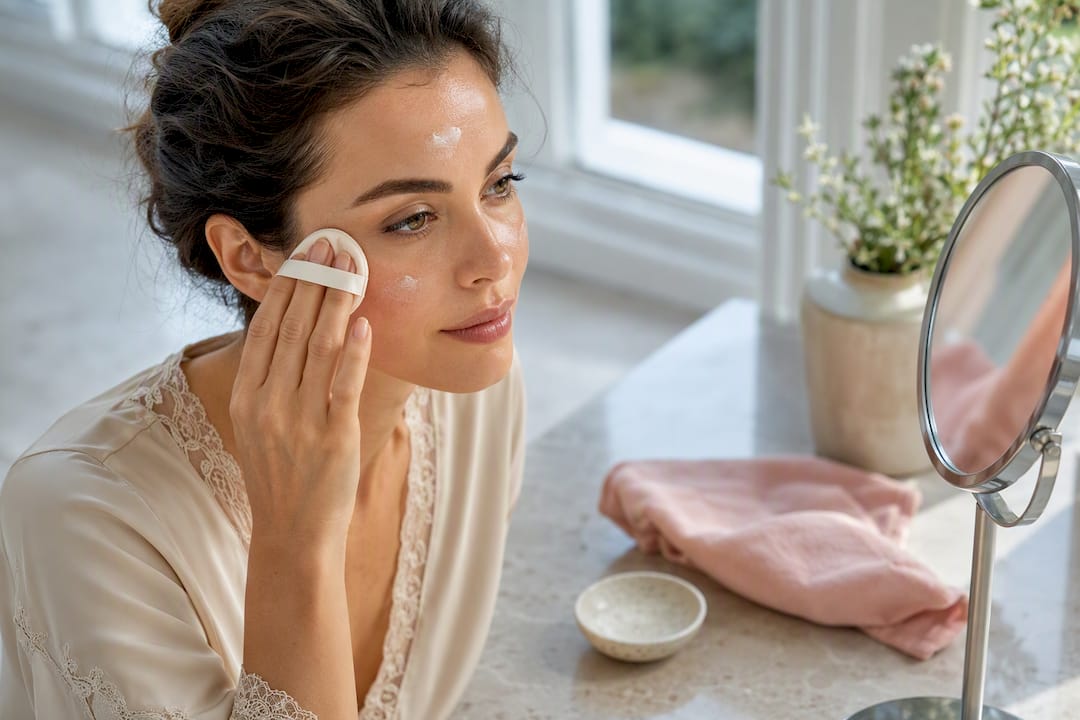
Technique matters almost as much as the balm itself. Follow these steps for the best results:
While you’re healing, cut back on spicy food and very hot drinks, both of which can aggravate cracked or peeling lips from the inside. If redness, pain or flaking hasn’t improved noticeably after three or four days of consistent care, that’s a reasonable point to check in with a pharmacist.
Fierce Nature exists because mainstream skincare never solved the problem it promised to fix. Growing up in South Africa with a cabinet full of conventional creams and gels, unexplained skin rashes were a constant, and the ingredient lists offered no answers, only more chemicals dressed up in prettier packaging.
Tallow’s structure closely mirrors the lipids your own skin produces, which is why it’s been used as an emollient for centuries in soap making and skin repair. For windburned skin, that bioavailability matters: the fats penetrate rather than sit on the surface, replenishing what the wind has stripped away rather than just masking the dryness temporarily.
Different formats suit different stages of recovery:
On genuinely wild, windy days, we keep it simple: balm first, sunscreen layered over the top, then reapply both every couple of hours if you’re out for long. Always patch-test a new balm on your inner arm first, and if your skin reacts easily, go unscented every time. If soreness or redness hasn’t eased within a few days, please see a pharmacist or GP rather than pushing through it alone.
— Fierce Nature
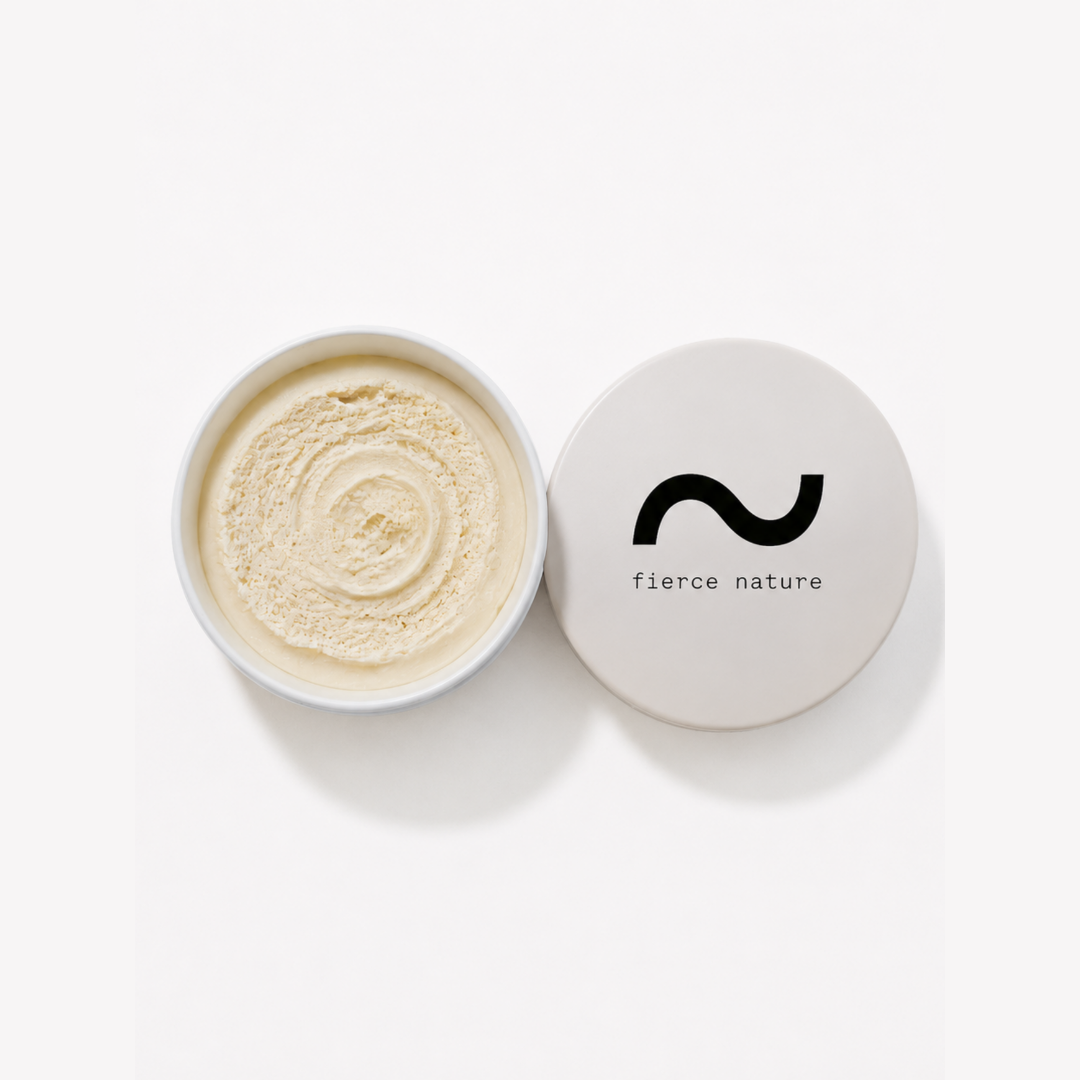
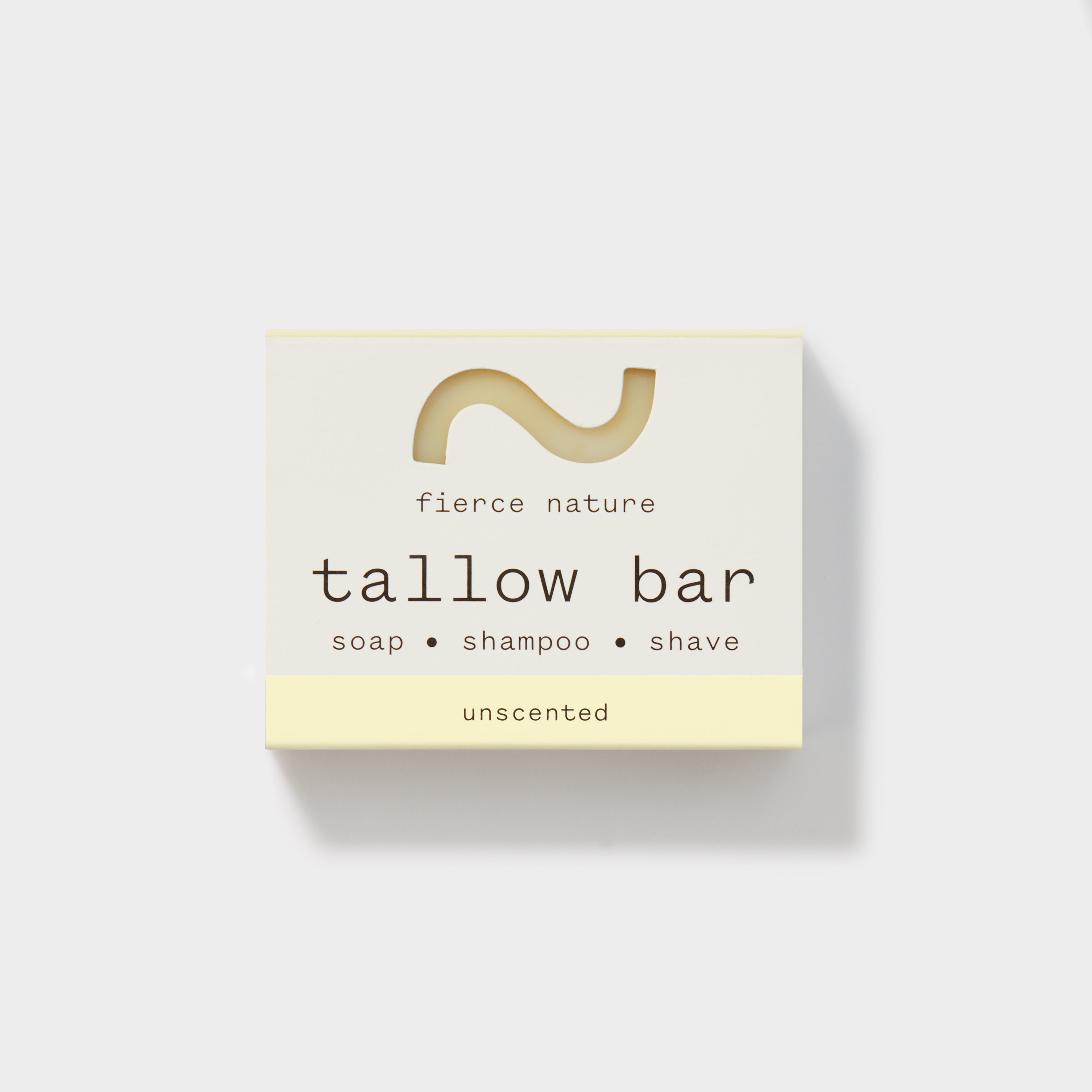
There’s no single hero product for windburn, because prevention and recovery ask different things of your skin. For active recovery, when your face is raw and reactive, the Nourish Balm (Unscented) or the Multi-Use Tallow Bar (Unscented) give you a fragrance-free, lipid-rich layer without anything to aggravate compromised skin. Warm a small amount between your fingers and press it into cheeks, nose and lips three to four times a day.
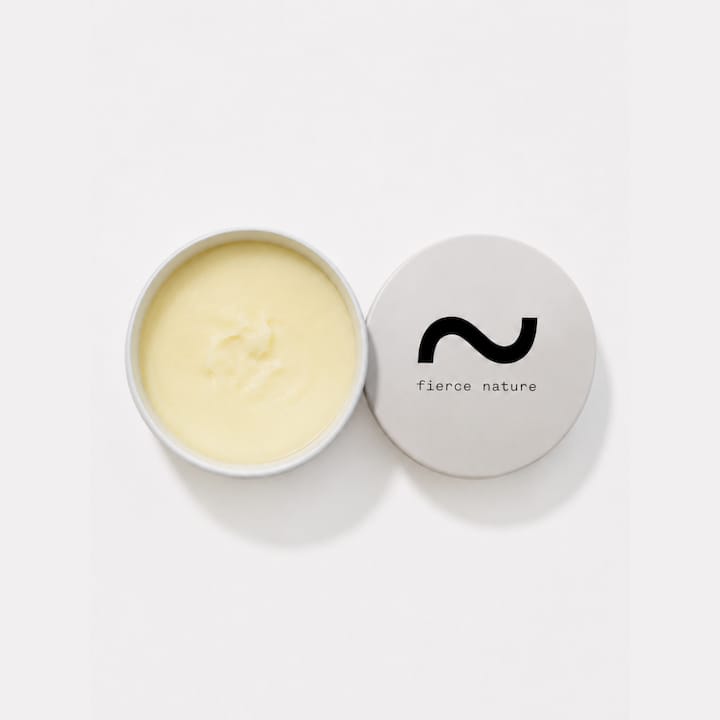
Once the worst has passed and you’re back to daily protection, Luxe Balm is designed for exactly this stage, dry, stressed skin that needs consistent nourishment rather than emergency repair. If you want a touch of natural colour on milder days, the Nourish Balm with Rose Tint (Sweet Orange) does double duty as a light tint and a barrier balm.
This brand positions itself as an alternative to mass-produced balms padded with synthetic fillers and fragrance you can’t pronounce. Its products are handmade in the UK from natural tallow, with ingredient transparency to inform what is applied to stressed skin. Browse the full organic face and body balms collection and pick the format that matches where your skin is right now.
This guide draws on established medical and dermatological guidance covering windburn treatment, ingredient recommendations, and sunscreen reapplication in windy, cold-weather conditions. Readers wanting deeper clinical detail should consult a pharmacist or GP for advice specific to their skin.
A fragrance-free, lipid-rich balm or ointment containing petrolatum, ceramides, shea butter, or tallow is the most reliable choice. Apply it three to four times daily, and follow up with a cool compress if stinging flares.
Look for thick, occlusive formulas over thin lotions, since windburn responds best to products that form a lasting seal. Ingredients like colloidal oatmeal and hyaluronic acid help calm irritation and draw in moisture, while fragrances and alcohols should be avoided until skin has healed.
Apply an emollient balm as a base layer, then add sunscreen of at least SPF 15 on top, reapplying every two hours outdoors. Physical barriers like scarves and balaclavas, along with avoiding hot showers straight after exposure, round out effective prevention.
Treat lips the same way as the rest of your face: reapply a rich, unscented balm frequently, since lips have no oil glands to protect themselves. Avoid spicy food, very hot drinks, and licking your lips, all of which slow healing and can deepen cracking.