Cart
0
You may also like
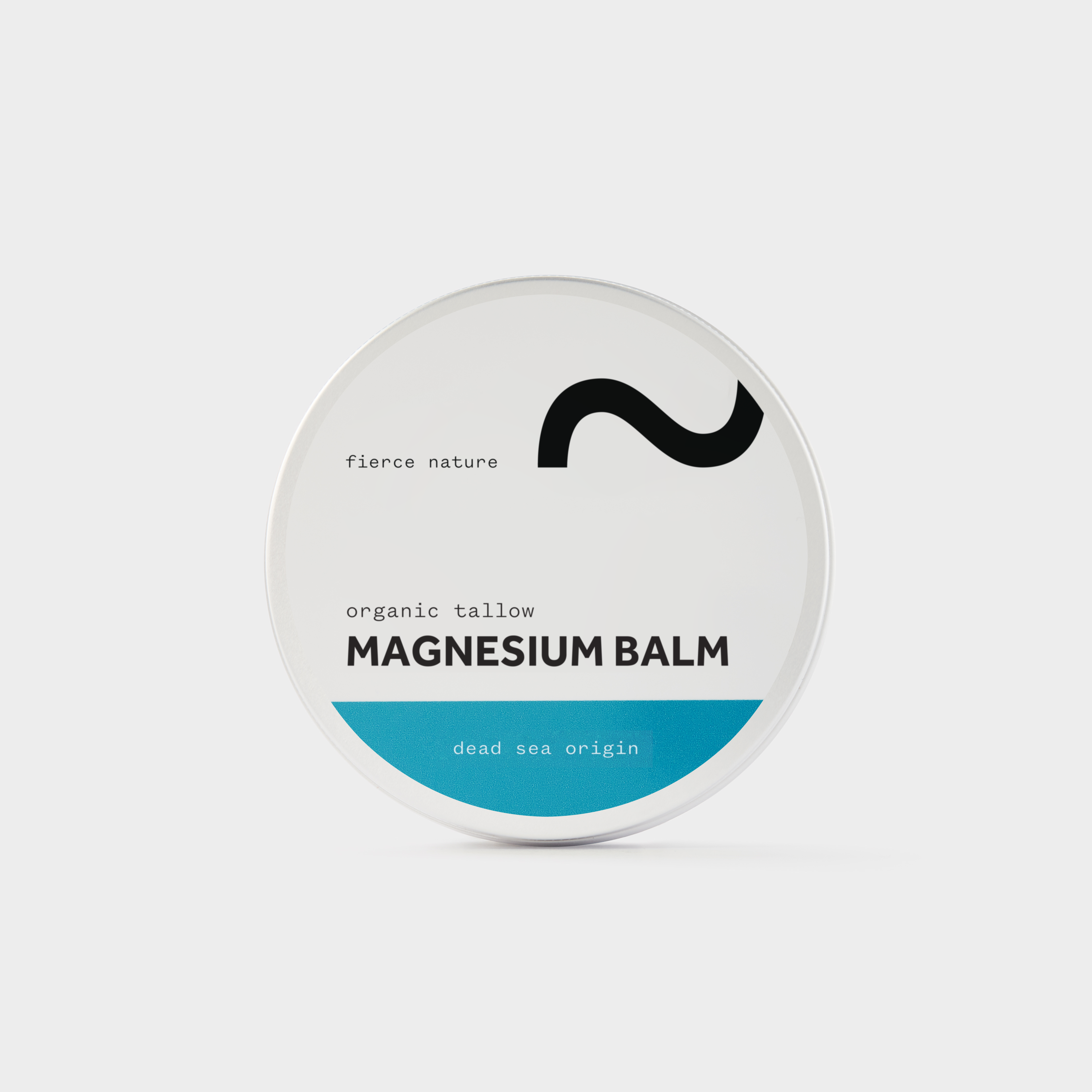
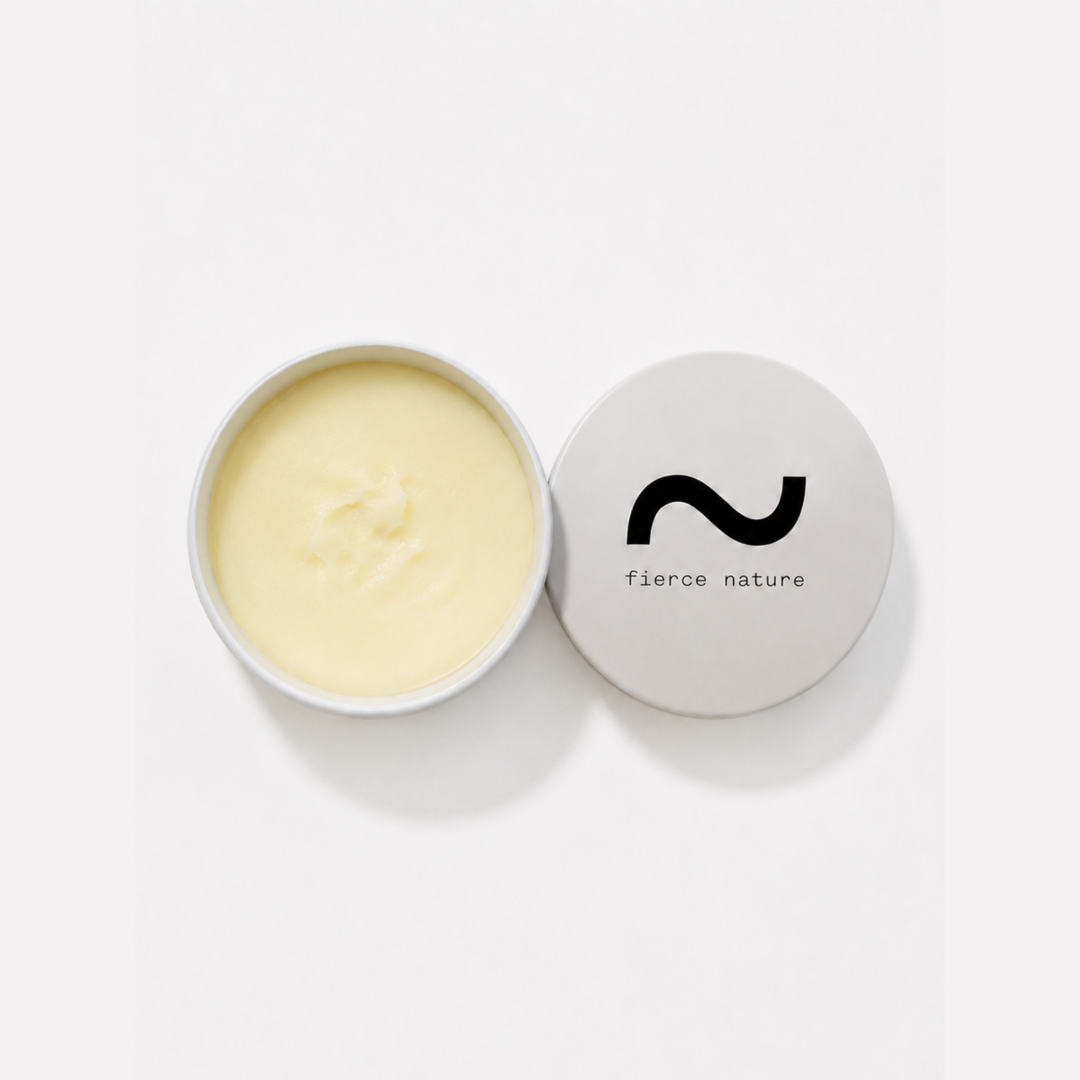
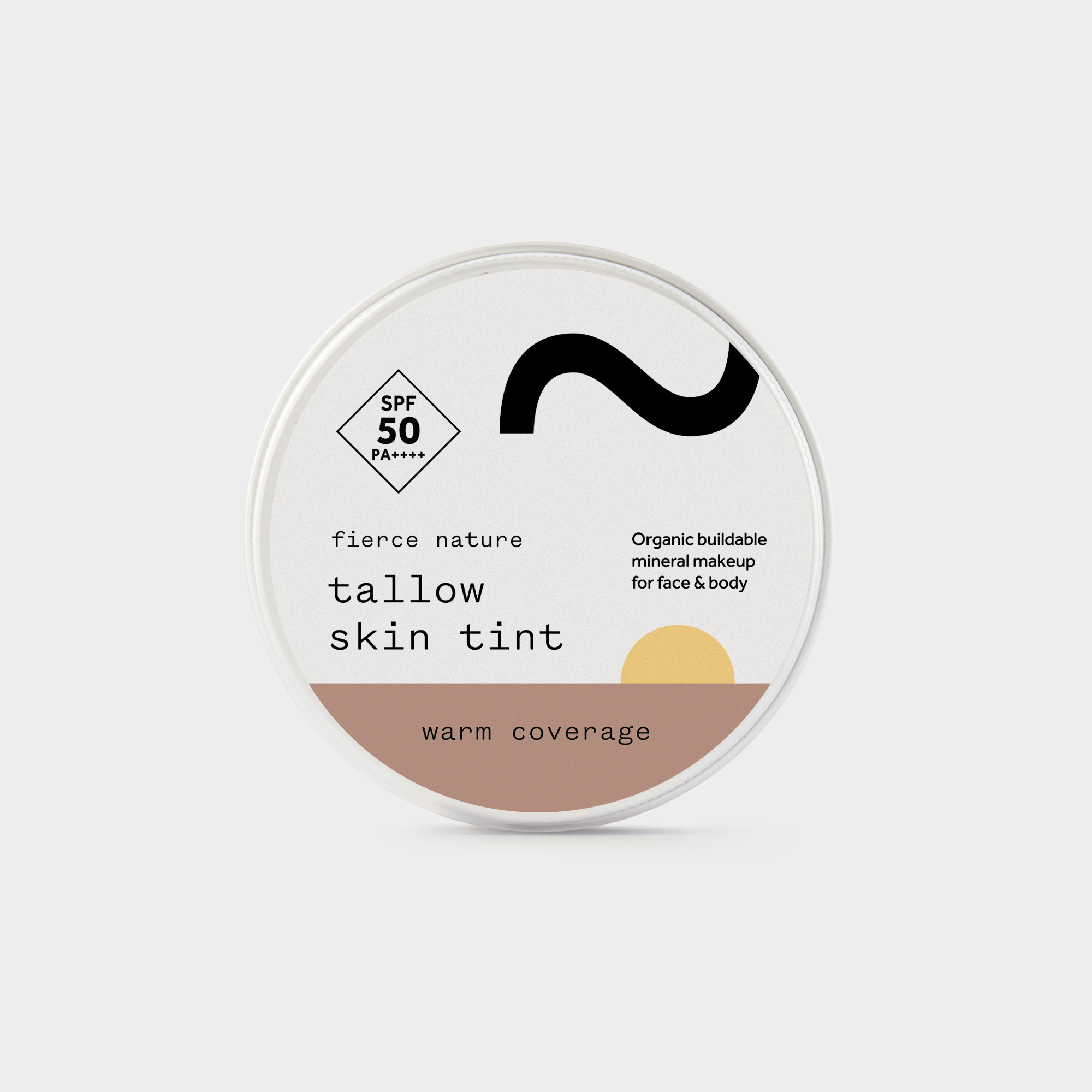
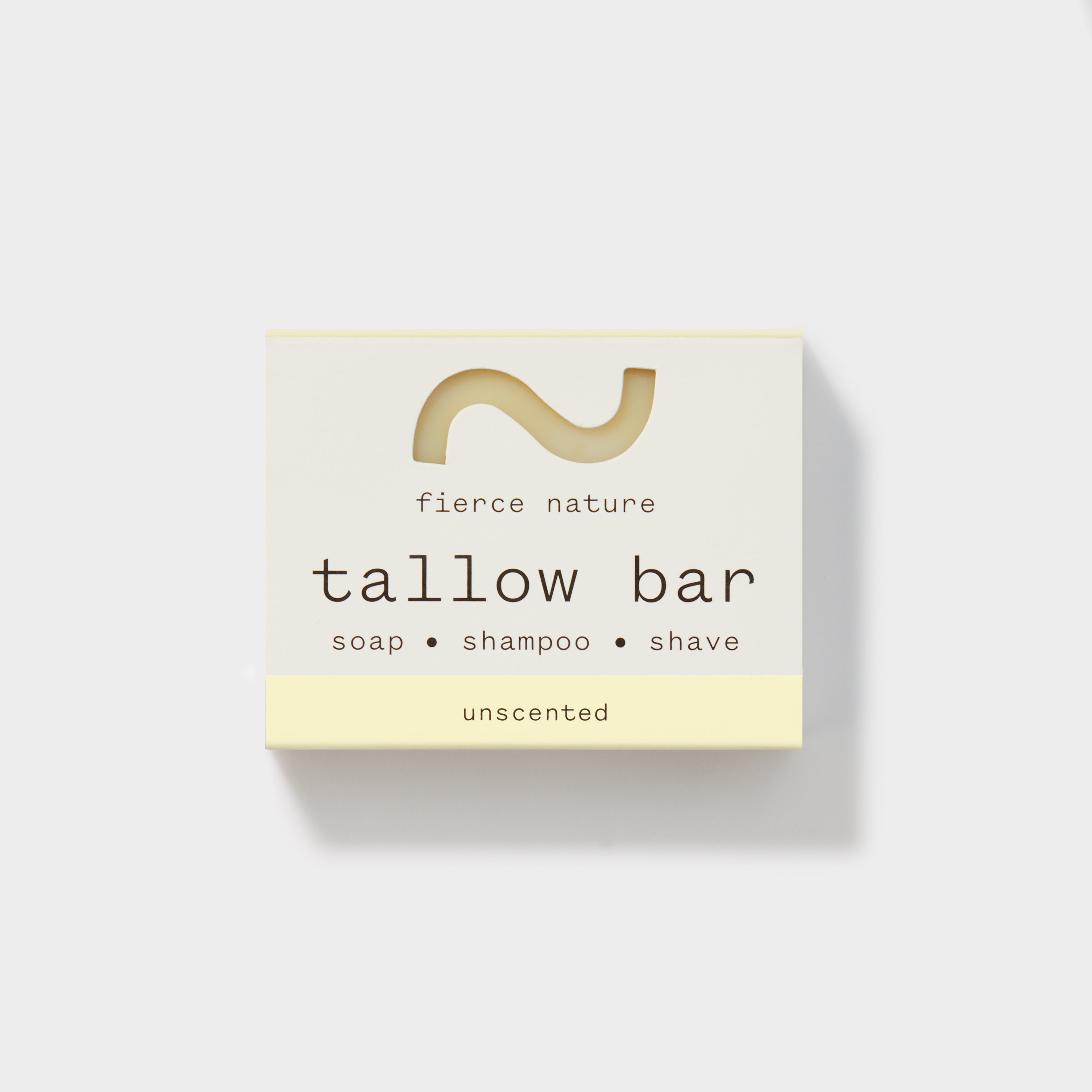



The fastest route away from Lush is three product types: small-batch bath fizzies for the sensory ritual, low-waste bars for shower gel and shampoo, and a nourishing balm for everyday moisture. We offer two products designed as trial-size, ingredient-transparent options for your consideration. Start with one small item before switching your whole routine over.
TL;DR:
- Most small-batch skincare brands focus on transparency by listing full ingredients, named preservatives, and clear packaging disclosures, rather than relying on marketing claims.
- Transitioning from Lush involves matching products category by category, such as replacing bath bombs with bath fizzies, shower gels with solid bars, and multipurpose balms with nourishing creams.
- Buy trial sizes first and switch gradually to assess whether natural formulas and packaging meet your needs without risking waste or skin reactions.
- Community feedback favors long-lasting bar soaps and syndet shampoo bars, though scent strength and texture adjustments may require trial and error.
- Certification logos are helpful but not definitive; verify product safety, ingredient transparency, and packaging sustainability independently for genuinely eco-friendly choices.
‘Clean’ has no legal definition in cosmetics. Any brand can print it on a label whether or not the formula backs it up. Experts researching clean beauty note that the real difference between brands lies in testing rigour and transparency, not in whether the packaging uses the word “clean” at all. That single fact should reshape how you shop.
Treat every product page as a claim to verify, not a promise to trust. Here’s the checklist we’d use ourselves.
Pro Tip: Before buying full size, search the brand name plus “sample” or “discovery set.” Most credible small makers offer trial sizes precisely because they know switching from a familiar brand feels risky.
Certification logos are a genuine shortcut, but they’re not the whole story. A brand can be excellent without any certification at all, particularly small UK makers who haven’t yet paid for the audit. Absence of a logo isn’t proof of a problem. Presence of a vague word like “clean” or “natural” with nothing else to back it up is a bigger warning sign than a missing badge.
Matching categories rather than brands makes the switch far less stressful. Here’s how the main Lush product types map onto alternatives you’ll find from independent and UK-based makers.
Budget matters here as much as ethics. At the lower end (roughly £3 to £6), you’re often buying a supermarket or high-street dupe: fine for occasional bath treats, less reliable on ingredient transparency. Mid-range makers (£8 to £16) usually publish full INCI lists and disclose sourcing. Artisanal UK brands at the top of the range (£16 and up) tend to formulate in smaller batches with pricier natural actives, and that’s usually where you’ll find the most convincing tallow, botanical oil, or cold-processed soap work. Small forums and community threads regularly surface both ends of this spectrum, from supermarket dupes to indie makers most shoppers have never heard of, which tells you demand exists at every price point, not just the premium one.
Run three quick tests before you trust any “eco” or “clean” claim on a product page. First, does the brand name its preservative system, or does it just say “preservative-free” without explaining what stops the product spoiling? Second, does it quote a specific certification body (NATRUE, COSMOS, Soil Association) rather than a self-invented “eco-verified” badge with no external audit behind it? Third, does the packaging page explain what happens to the container at end of life, recyclable, refillable, or genuinely compostable, rather than just saying “eco-friendly packaging”?
The gap between marketing and evidence is wide enough that a careful five-minute check on a product page beats any amount of green-toned branding. Investigative consumer guidance consistently points buyers toward the same three checks: full ingredient lists, named preservatives, and packaging lifecycle detail, because those are the facts brands can’t fudge without risking a complaint.
Here’s what to watch for on a typical product page:
Certifications such as NATRUE and COSMOS are useful because they define fixed thresholds, like the minimum percentage of natural or organic content a formula must contain, but they don’t certify every ingredient equally and they don’t cover pricing, labour practices, or animal welfare beyond what’s written into their own standard. Read the scope, not just the badge.
If you have sensitive or reactive skin, patch-test any new balm, bar, or fizzy on the inside of your forearm for 24 to 48 hours before full use, particularly with fragranced products or anything containing essential oils. Tallow-based and other rich emollient formulas are generally well tolerated, but “natural” doesn’t automatically mean “hypoallergenic,” and a patch test costs you nothing but a day’s patience.
Fierce Nature was developed from a personal experience with mainstream skincare challenges related to skin reactions. The products are handmade in the UK using naturally sourced ingredients and feature organic tallow as the foundational component. Tallow has been used in soap making and skin care for centuries, and its structure closely matches the fats found in human skin, which is part of why it’s historically valued as a deeply penetrating emollient rather than a surface-sitting one.
In practical terms, here’s what that means for your Lush switch:
If Lush’s balms and multipurpose bars were the products you relied on most, these two are the closest starting point we can genuinely stand behind.
Price bands for Lush-style alternatives follow a fairly predictable pattern once you know what you’re looking at. Bath fizzies from small UK makers typically run £3 to £8 each, cheaper in multi-packs, pricier for hand-poured, botanically dyed versions. Solid shower and shampoo bars sit between £6 and £16, reflecting the fact that one bar often replaces two or three bottles of liquid product. Nourishing balms and multipurpose tins range from £10 to £25 depending on size and how concentrated the actives are.
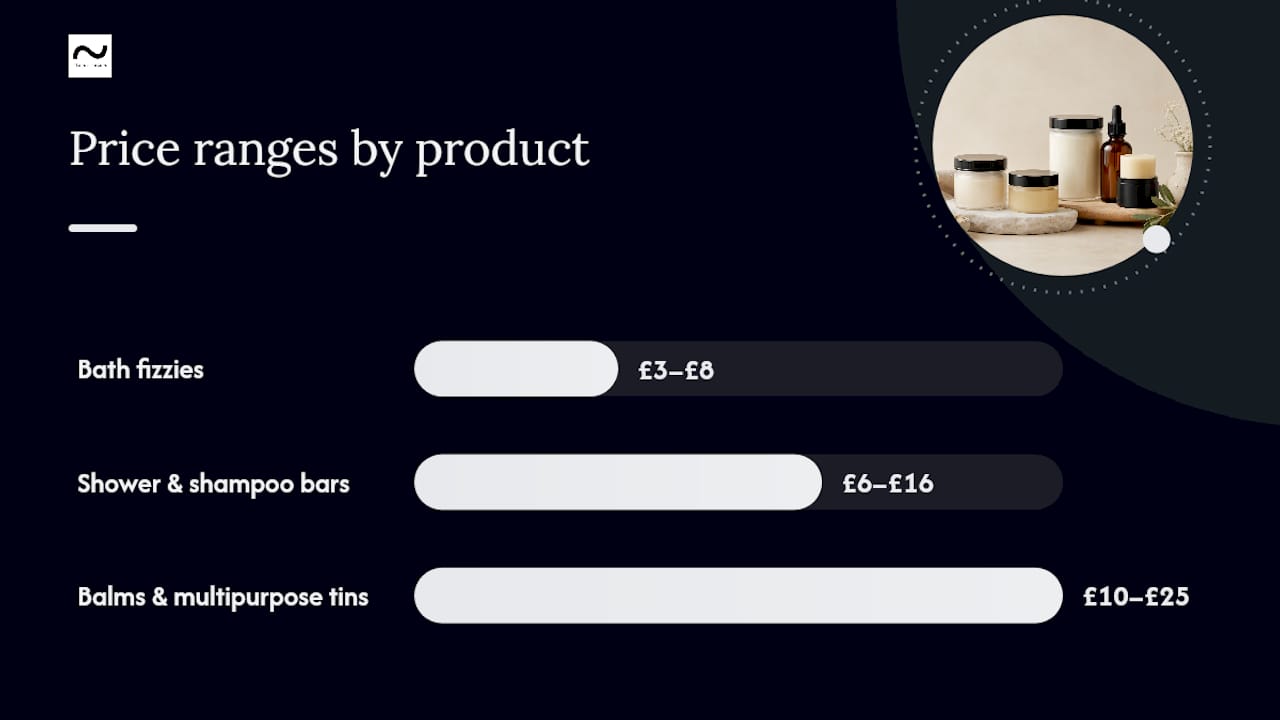
Thinking in price-per-use rather than price-per-pack changes the calculation considerably. A £16 bar lasting 60 to 80 washes works out cheaper than a £5 bottle of shower gel that’s finished in a fortnight.
A few practical habits make the switch smoother:
Solid and small-batch products reward a bit of care that bottled versions don’t need. Get this right and a bar or balm will outlast a liquid equivalent by months, not weeks.
Pro Tip: Keep bars in a small tin or pouch when travelling. It stops them softening against other toiletries and keeps scent from bleeding into your washbag.
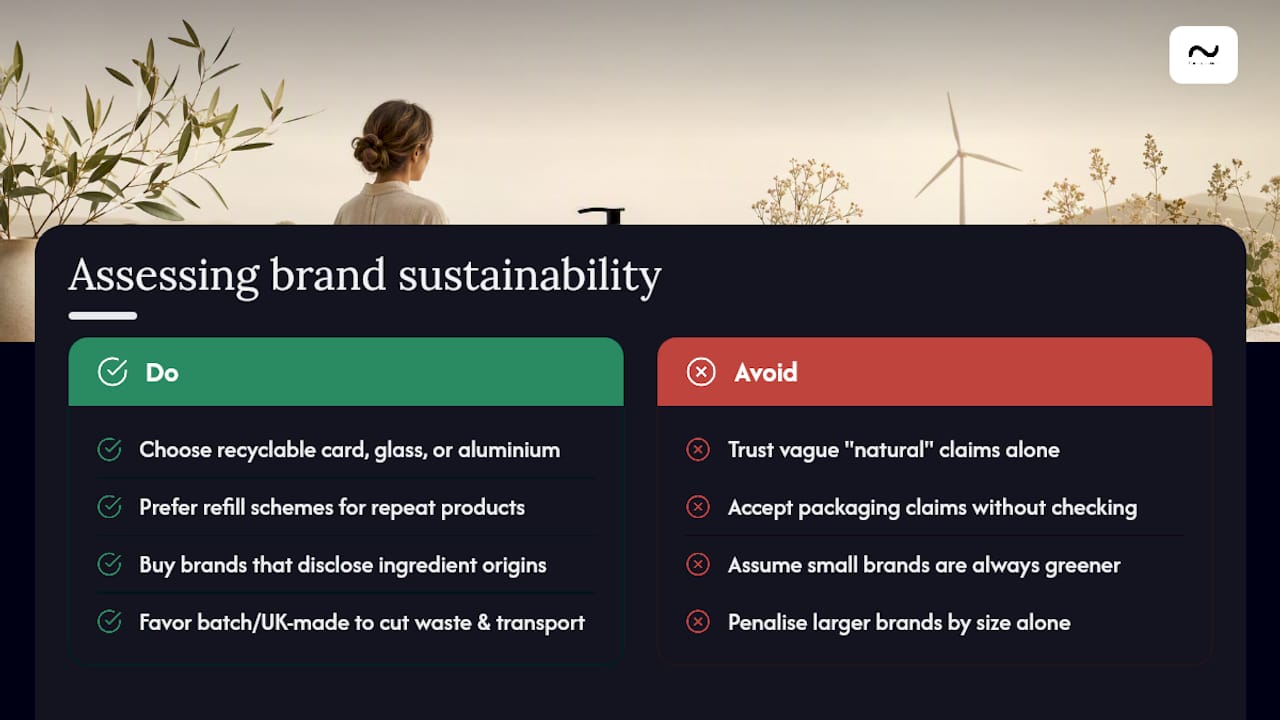
Packaging is the easiest sustainability claim to make and the hardest to verify without reading closely. Genuinely low-impact brands tend to favour recyclable card, glass, or aluminium over mixed-material plastic, and several go further with refill schemes for balms and liquid products that cut packaging waste on repeat purchases.
Carbon footprint is harder to assess from a product page alone, since it depends on where ingredients are sourced, how far they travel before manufacture, and how the finished product reaches you. UK-handmade brands generally have shorter supply chains than products manufactured overseas and shipped in bulk, which tends to reduce transport emissions, though it’s rarely quantified on-site in a way shoppers can independently check.
A useful shortcut: look for brands that disclose where ingredients come from, not just that they’re “natural” or “sustainably sourced.” Specificity is usually a sign the claim is real. Vagueness usually means it isn’t. Batch-based, small-scale production also tends to reduce overproduction and unsold stock waste compared with mass manufacturing, simply because makers produce closer to actual demand rather than forecasting months ahead.
None of this means every small brand is automatically greener than every large one. Scale can bring genuine efficiencies, like better logistics and bulk-sourced recycled packaging, that a tiny maker can’t yet access. Judge each brand on what it discloses, not on its size alone.
Community feedback on Lush-style alternatives is genuinely mixed, and that’s useful information in itself. Reviewers consistently praise bar soaps and syndet shampoo bars for longevity, several noting a single bar outlasting two or three bottles of equivalent liquid product. Complaints cluster around two areas: scent strength (natural fragrance tends to fade faster and smell subtler than synthetic Lush-style perfumery) and initial texture adjustment, particularly with soap-based shampoo bars in hard water regions.
Balms and multipurpose products tend to score well on repeat-purchase intent once someone finds a formula that suits their skin, largely because a good balm solves several problems (dry hands, rough elbows, chapped lips) with one product, which shoppers notice adds up to real savings over buying separate items for each.
The honest takeaway from reading through forum threads and reviews is that no single alternative replicates the Lush experience exactly. What most switchers report instead is a trade: slightly less immediate sensory drama (softer scent, subtler colour) in exchange for a formula they trust more and a bar or balm that lasts considerably longer. Whether that trade is worth it depends entirely on what you valued most about the original product, the ritual or the ingredients.
Don’t empty your bathroom cabinet in one go. Replace a single product first, the one you repurchase most often, and give it a full use cycle (roughly two to four weeks for a bar or balm) before judging whether it works for you.
Keep a small note of what you liked about the Lush version specifically: was it the scent, the lather, the price, or the packaging? That clarity makes it far easier to pick a genuine replacement rather than something superficially similar that misses the actual thing you valued.
Expect a short adjustment period, particularly with shampoo bars, where hair can feel different for the first week or two as it adjusts to a new pH and a lack of silicone-based conditioning agents. This is normal and usually settles. If it doesn’t settle within a month, the bar’s pH may simply not suit your hair type, and it’s worth trying a syndet version instead of a soap-based one.
Finally, buy small the first time, always. A sample or trial size costs less than a full-size product you might not finish, and it gives your skin or hair a fair, low-risk test before you commit to a larger purchase.
Independent and UK-handmade brands are increasingly easy to find online, through direct brand websites, marketplace platforms for independent makers, and social platforms where small-batch producers sell directly. Availability through physical retail is patchier. Some health food shops and independent pharmacies stock a curated selection, but the widest range by far sits online.
For UK shoppers specifically, buying direct from a brand’s own website usually means fresher stock (relevant for bath fizzies, which have a shorter shelf life than bars or balms) and clearer access to ingredient information than a third-party marketplace listing might show. Shipping times and costs vary considerably between small makers, so factor that into your price comparison rather than judging on product price alone.
International availability is more limited for UK-handmade brands specifically, since many small makers ship only within the UK or charge steeply for international shipping. If you’re outside the UK, check a brand’s shipping page before assuming a product is available to you at all.
We built Fierce Nature because mainstream beauty made promises it couldn’t keep, and “clean” marketing too often repeats the same trick with prettier packaging. Our advice is simple: read the ingredient list before you read the claim on the front. Buy small the first time. Learn what preservatives and actives actually do rather than trusting adjectives. We built the Luxe Balm and the Multi-Use Tallow Bar to survive exactly that scrutiny, and we’d rather you check us against the checklist above than take our word for it.
— Fierce Nature
If you’ve read this far, you already know the categories worth trying: a nourishing balm to replace your multipurpose Lush staple, and a fragrance-free bar for anywhere you want a gentler, lower-waste wash. Fierce Nature’s own Luxe Balm covers the moisturising, everyday-use gap, while the Multi-Use Tallow Bar (Unscented) handles face, body, and sensitive skin without any added fragrance to react to. A sensible starter pairing is one bar plus one small balm, giving you a genuine, low-risk trial of both formats before committing to a full routine switch. Every ingredient we use is listed in full on the product page, no vague “natural fragrance” placeholders, so you can run the checklist from this article against our own products directly. Pick one, try it for a full use cycle, and judge for yourself.
For a deeper look at how to separate genuine formulation from marketing spin, our guides on greenwashed beauty products and how to choose clean beauty UK brands walk through real examples. If you want more brand ideas beyond the categories covered here, our roundup of natural skincare brands UK shoppers love is a good next stop.
Lush doesn’t have one single dominant competitor. Instead, it faces a wide field of ethical and botanical beauty brands, alongside a growing number of independent UK makers producing bars, balms, and bath fizzies with similar handmade, natural positioning.
Look for UK-based, handmade brands that publish full ingredient lists and disclose sourcing, spanning everything from bath fizzy makers to balm-focused brands like Fierce Nature, which builds its range around organic tallow rather than the botanical-oil base Lush typically uses.
Lush has made public statements on political and humanitarian issues at various points, which has driven some ethically motivated shoppers to compare its stance against alternative brands. Check the brand’s own current statements directly, as positions and campaigns change over time.
Community forums and indie marketplaces are full of budget bath fizzy and bar dupes that replicate the scent and colour of Lush originals at a lower price. For a longer-lasting, ingredient-transparent option rather than a like-for-like scent match, a tallow-based bar or balm is worth trying instead.