Cart
0
You may also like



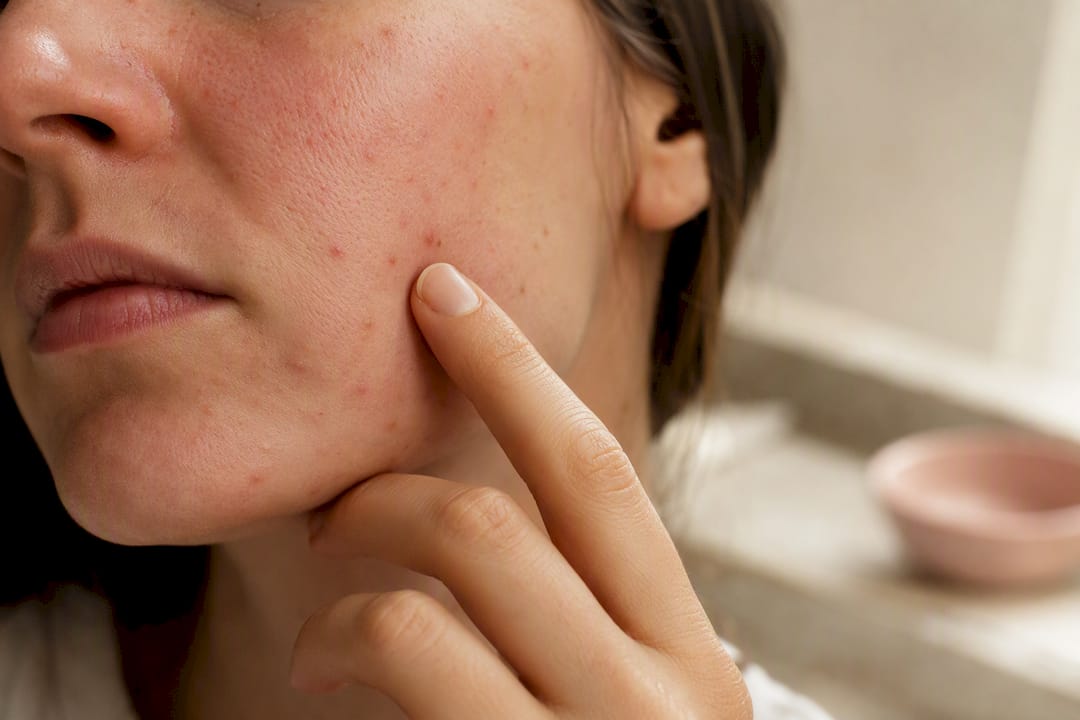
If new spots stay in your usual breakout zones and begin fading within a few weeks of introducing an active, that’s purging. If you see burning, swelling, or bumps in places you’ve never broken out before, that’s irritation, and you should stop the product now. When in doubt, pause the active, simplify your routine, and give your skin a week to tell you which one it is.
TL;DR:
- Purging generally occurs within days of starting an active, appears in known breakout areas, and resolves within a few weeks, but not everyone will experience it.
- Irritation presents with persistent redness, burning, swelling, and is often caused by harsh formulations or an impaired skin barrier, requiring discontinuation of the product.
- Introducing actives gradually, at low strength and frequency, and avoiding layering multiple exfoliants minimizes the risk of irritation and helps distinguish purging from adverse reactions.
- Symptoms lasting beyond six to eight weeks, spreading to new areas, or accompanied by severe burning or swelling indicate a need to stop and consult a dermatologist.
- Supporting the skin with barrier-repair ingredients like ceramides, glycerin, and hyaluronic acid is crucial during purging or recovery, but medical advice remains essential for serious reactions.
Purging happens when an active ingredient speeds up cell turnover and pushes existing microcomedones (the tiny, invisible clogs already sitting under your skin) to the surface faster than they’d normally emerge. It’s not new congestion forming. It’s old congestion arriving early, which is why it clears faster than a typical breakout once the backlog is gone.
Not every ingredient triggers this. The ones that reliably do share a mechanism: they accelerate shedding of dead skin cells or increase exfoliation.
Here’s the bit most product marketing conveniently leaves out: not everyone purges, and purging is not proof a product is “working.” Plenty of people introduce a retinoid and see zero purging, then go on to get excellent results. Absence of purging is not a sign of failure, and presence of it is not a badge of honour. It’s simply a side effect some skin types experience during a specific window.
Irritation looks and behaves differently from purging, and the distinction matters because the correct response is the opposite: stop, don’t push through. Irritant reactions and allergic contact dermatitis both fall under this umbrella, and they tend to bring symptoms that purging simply doesn’t produce.
Irritant reactions usually stem from a product being too harsh, too strong, or used too often for your current skin barrier. Allergic contact dermatitis is different: it’s an immune response to a specific ingredient (a fragrance compound or preservative, for example), and it can appear even from a product you’ve used before without issue, once sensitisation has built up. A compromised or already sensitive barrier makes both more likely, because there’s less of the skin’s natural lipid layer standing between the ingredient and living tissue.
Pro Tip: If a product stings the moment it touches your skin, that’s your barrier talking. Purging doesn’t sting on contact. Irritation often does.
Run through this in order. It takes less time than scrolling three skincare forums looking for someone with your exact symptoms.
Typical purging duration runs for a few weeks. If breakouts persist or spread beyond this period, the cause may be irritation or a product-related breakout rather than purging.
Clinical guidance backs up something worth remembering here: purging lesions tend to heal faster and behave more predictably than regular acne, both in how long they last and where they show up. Unpredictability is itself a clue that you’re not dealing with purging.
Most irritation is avoidable, not inevitable. The skin barrier tolerates active ingredients far better when they’re introduced with restraint rather than enthusiasm.
If you’ve had to stop an active because of irritation, don’t just restart at the same strength once things calm down. Wait until skin looks and feels normal for at least a week, then reintroduce at a lower frequency than before, watching closely for the first few applications.
Pro Tip: Think of your skin barrier like a fence around a garden. Actives are useful tools, but if you take the fence down to use them faster, everything gets in, not just the good stuff.
Small, sequential changes like these are also the backbone of transitioning to natural skincare without overwhelming your skin, where the same “one change at a time” logic applies whether you’re switching to tallow-based formulas or introducing a retinoid.
Some signs don’t need four to six weeks of patience. They need you to stop the product today.
If symptoms hit any of these markers, stop the product and book a dermatology appointment rather than waiting it out. Bring a list of every product you’ve introduced recently, roughly when you started each one, photos taken over the past few weeks, and a note of anything you’ve already tried to calm the reaction. This turns a vague “my skin’s been weird” consultation into one your clinician can actually diagnose quickly. It’s also worth reviewing whether other signs point to needing a routine change rather than a temporary pause.
We exist because of years spent battling unexplained skin rashes and reactions to mainstream products, the kind of trial-and-error frustration that pushes you to question every ingredient list going forward. That’s shaped a founding belief: skin recovers best with fewer, more honest ingredients, not more clever ones.
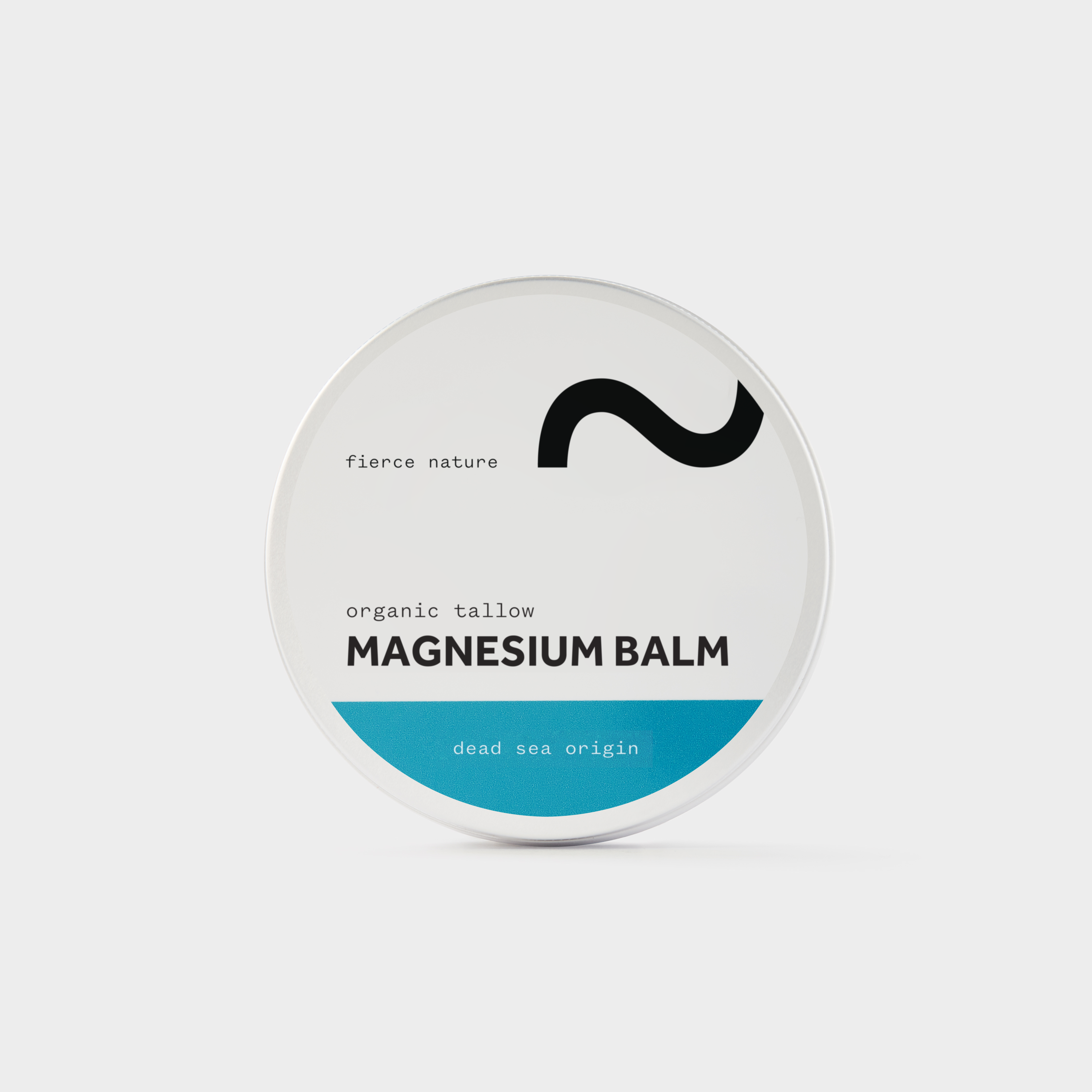
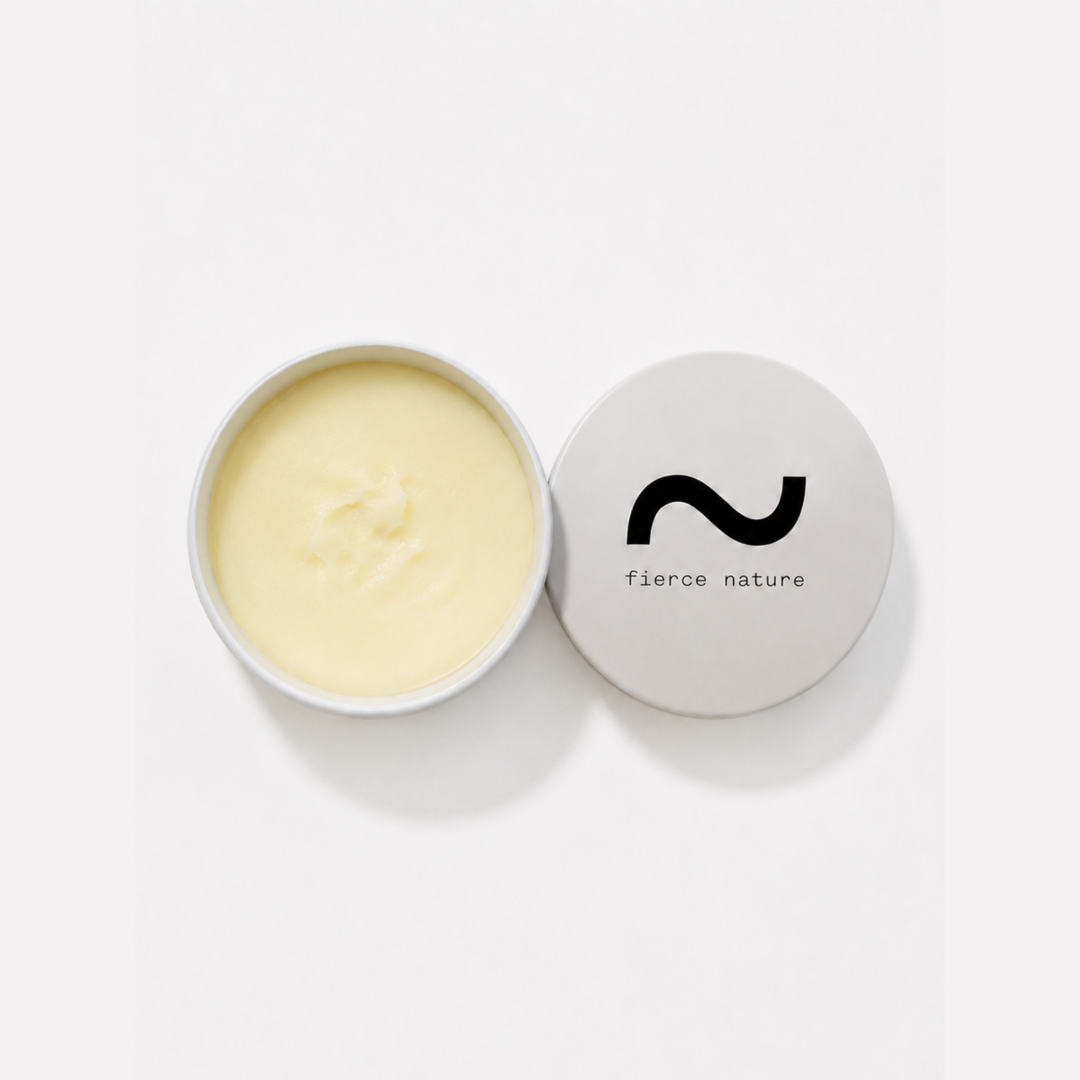
Our tallow-based formulas are built around that principle, using pure organic tallow as the base rather than synthetic emollients. They are formulated for barrier support, aiming to work with your skin’s own lipid structure rather than stripping it. A simple pairing for reactive or eczema-prone skin is an unscented cleansing bar alongside an unscented nourishing balm, layered rather than combined with anything fragranced.
None of this replaces medical care. If you’re seeing the red flags above, a dermatologist appointment comes first. Gentle, minimal formulations are there to support your skin while it settles, not to treat a diagnosed reaction.
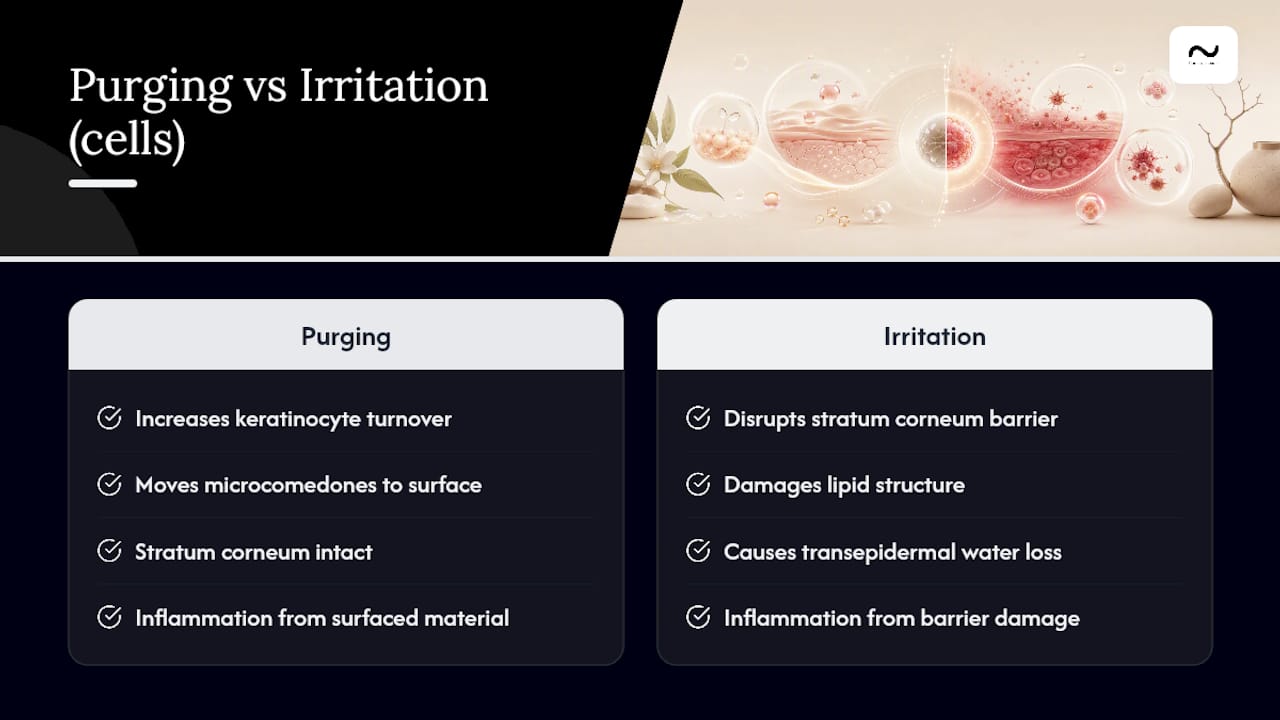
Purging and irritation look similar from the outside, a few new bumps, some redness, but they involve entirely different cellular processes underneath.
During purging, an active ingredient increases the rate of keratinocyte turnover, the speed at which skin cells cycle from the base layer to the surface and shed. This accelerates the movement of material that was already forming a microcomedone (a blocked follicle too small to see) up through the pore. The inflammation you see is a natural consequence of that material surfacing, and it resolves once the existing backlog has worked its way out. There’s a finite supply, which is part of why purging has a natural endpoint.
Irritation works differently. It’s typically a disruption of the stratum corneum, the outermost barrier layer made of corneocytes and lipids that keeps water in and irritants out. When an ingredient is too strong, used too often, or the barrier is already compromised, that lipid structure gets damaged faster than it can rebuild. The result is transepidermal water loss, inflammation, and heightened nerve sensitivity, which is exactly why irritation burns and stings while purging generally doesn’t. Allergic contact dermatitis adds another layer entirely: it’s an immune-mediated response, where the body’s T-cells react to a specific allergen, producing inflammation that can appear even in skin with an intact barrier.
Understanding which process is driving your symptoms is exactly why timing and location matter more than how the skin “feels” in the moment.
When the checklist above still leaves you uncertain, two low-tech methods settle it more reliably than guesswork.
Patch testing means applying the suspected product to a small area (behind the ear or on the inner forearm) once daily for three to five days before judging the result. If that patch stays clear, the product is unlikely to be the allergen or irritant, and any new facial breakouts are more plausibly purging. If the patch reacts, you have your answer without risking a face full of irritation.
Sequential elimination works well when you’ve introduced two or three products around the same time and can’t isolate the cause. Drop back to a bare-bones routine, cleanser, moisturiser, sunscreen, for one to two weeks until skin looks calm. Then reintroduce one product at a time, waiting five to seven days between each addition. Whichever product triggers symptoms upon reintroduction is your answer.
Both methods share the same logic: isolate the variable. Skincare routines with five active ingredients layered together are notoriously hard to diagnose, because a reaction could plausibly be blamed on any of them. Elimination removes the guesswork by testing one thing at a time, the same way you’d debug any process with multiple moving parts.
If you’re not in a position to pause everything, at minimum keep a simple log: product name, date introduced, and any symptoms with a rough severity rating. Patterns become obvious after a week or two that would be invisible from memory alone.
This is where the stakes genuinely diverge, and it’s worth being blunt about it. Purging, uncomfortable as it is, tends to be a temporary cost for a real benefit: clearer pores and, often, a genuinely improved complexion once the initial phase passes. The four to six week window is finite, and skin that comes out the other side is usually in better shape than when it started.
Continued irritation is a different equation entirely. Repeatedly damaging the skin barrier without giving it time to recover doesn’t lead to a “purged” endpoint. It leads to a chronically compromised barrier: ongoing water loss, heightened sensitivity to products that never used to bother you, and a skin surface that struggles to tolerate even gentle formulas. This is how people end up in a spiral where every new product seems to cause a reaction, not because their skin has become unusually delicate, but because the barrier never got the chance to rebuild between insults.
The practical takeaway is asymmetry: pushing through mild, expected purging usually pays off. Pushing through irritation rarely does. If anything, persisting with a product that’s actively irritating tends to extend recovery time far beyond what stopping early would have cost you. When your skin sends a genuine irritation signal, the fastest route back to healthy skin is stopping, not gritting your teeth for another fortnight.
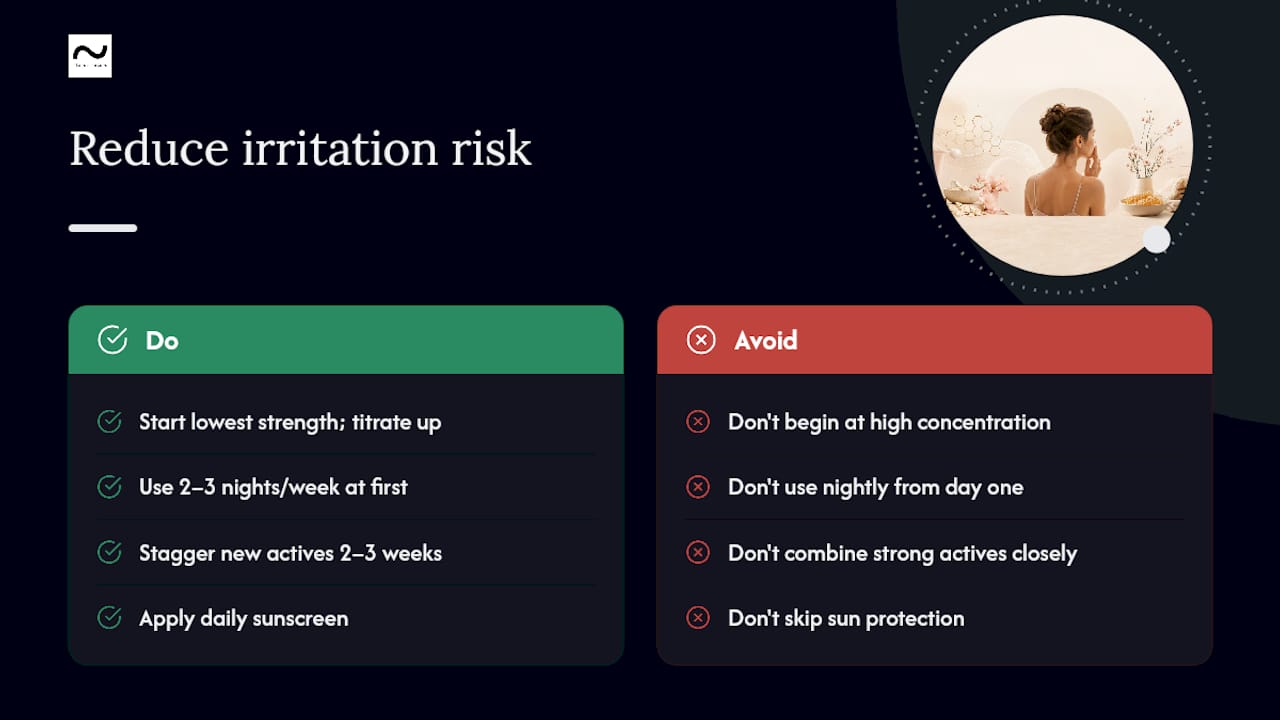
Most of the precautions that prevent irritation cost you nothing except a little patience, and they matter most in the first two to three weeks with any new active.
Concentration matters as much as the ingredient itself. A 0.3% retinol and a 1% retinol are not the same product in practice, even though both get filed under “retinoid” in casual conversation. Starting at the lowest available strength and titrating upward gives your barrier time to build tolerance.
Frequency is the second lever, and it’s the one people most often ignore. Nightly use from day one is rarely necessary and frequently counterproductive. Two to three nights a week for the first fortnight, then increasing gradually, achieves the same long-term result with a fraction of the irritation risk.
Combining actives compounds risk rather than adding to it. A retinoid and a strong acid exfoliant used on the same night, or even alternating nights in week one, is a common cause of irritation that gets mistaken for a bad reaction to one specific product. Stagger new introductions by at least two to three weeks so you can actually attribute cause and effect.
Finally, sun protection isn’t optional context here, it’s a direct precaution. Retinoids and acids increase photosensitivity, and unprotected sun exposure on already-thinning surface skin accelerates irritation and inflammation. Daily sunscreen isn’t a footnote to this advice; it’s part of the safety protocol.
A few beliefs about this topic persist despite not holding up, and they tend to lead people either to quit good products too early or to persist with harmful ones too long.
“If it’s not purging, the product is bad.” Not true. Plenty of excellent, well-formulated products cause irritation on skin that isn’t ready for them, or when introduced too quickly. The product isn’t necessarily flawed; the introduction was.
“Purging means the product is definitely working.” Also, not true. Plenty of people see zero purging and get excellent results from the same active. Purging is a possible side effect of increased cell turnover, not proof of efficacy.
“You have to push through irritation to get results.” This one causes genuine harm. Purging is worth waiting out because it has a natural, predictable endpoint. Irritation doesn’t resolve itself through persistence; it resolves through stopping and letting the barrier recover.
“Purging can happen with any new skincare product.” It can’t. Purging specifically requires an ingredient that increases cell turnover or exfoliation, retinoids, AHAs, BHAs, peels, some vitamin C formulas. A new moisturiser or cleanser causing breakouts is not purging by definition. It’s either irritation, an allergic reaction, or the product itself is comedogenic.
Picture two straightforward scenarios that illustrate how differently these play out.
In the first, someone introduces a 0.3% retinol three nights a week. Around day five, small whiteheads appear along the chin and jawline, areas where they’ve broken out before. There’s no burning, no swelling, just cosmetic annoyance. By week five, the spots have matured and cleared faster than her usual breakouts, and skin texture has visibly improved. That’s a textbook purging pattern: known trigger, usual location, non-inflammatory symptoms, resolution inside the expected window.
In the second, someone introduces a new vitamin C serum. Within two days, there’s stinging on application, followed by red, inflamed bumps spreading across the cheeks, an area that’s never broken out before. The discomfort persists rather than settling, and by day ten it’s spread further. There’s no history of a known purging trigger like a retinoid or acid at that concentration, and the symptoms (burning, spreading, new location) all point away from purging. Stopping the product and returning to a bare routine is the correct call here, not patience.
The pattern across both cases is consistent with what the checklist above predicts: known trigger plus usual location plus non-inflammatory symptoms equals purging. Unfamiliar location plus burning plus spreading equals irritation.
The most persistent bad advice in this entire topic is treating purging and irritation as if they sit on the same spectrum, where enough patience solves both. They don’t. Purging has a biological endpoint because it’s clearing a finite backlog of existing congestion. Irritation has no such endpoint if the trigger keeps being applied; it’s an active injury process, not a queue being worked through.
Where conventional advice falls shortest is in underselling how much control you actually have over the outcome. Most of the skincare content built around this topic frames purging and irritation as something that simply happens to you, a roll of the dice based on your skin type. In practice, concentration, frequency, and sequencing decisions made in the first two weeks determine most of what follows. Slower introduction doesn’t just reduce discomfort; it often removes the ambiguity altogether, because a barrier that’s never pushed past its limit rarely produces symptoms confusing enough to need a checklist.
If there’s one priority worth taking from all of this, it’s sequencing over speed. Introduce one active, wait, watch the pattern, and only then decide what comes next. That single habit resolves more purging-versus-irritation confusion than any diagnostic checklist ever will.
— Fierce Nature
Whether you’re riding out a purging phase or recovering from irritation, your skin needs the same basic support: hydration, barrier lipids, and nothing that adds fragrance or friction to an already sensitised surface.
The Nourish Balm (Unscented) was formulated with exactly this in mind. Built on pure organic tallow, it’s designed to support barrier hydration without introducing fragrance or synthetic emollients that could complicate a reaction you’re still trying to diagnose. For cleansing, the Multi-Use Tallow Bar (Unscented) offers a gentler alternative to detergent-based washes, which strip the same lipids your barrier is trying to rebuild. If you want richer, deep-nourishment support for drier or more reactive patches, the Luxe Balm is worth exploring too.
None of these are marketed as a fix for diagnosed irritation or allergic reactions. Fierce Nature has never claimed to replace a dermatologist, and if you’re seeing the red flags covered earlier, that appointment still comes first. What handmade, tallow-based formulas can offer is a simpler routine while your skin decides which signal it’s actually sending you. Browse the full Nourish Balms Collection to find the right match for your skin’s current needs.
If your symptoms are severe or persist beyond the timelines discussed here, see a dermatologist rather than relying on general guidance alone.
This article is general information, not a substitute for advice from a qualified doctor. Consult a qualified healthcare professional about your own circumstances before acting on anything here.
Check location and symptoms first: purging appears in your usual breakout zones without burning or swelling, while irritation often shows up in new areas with stinging, redness, or intense itching.
Barrier damage typically brings persistent burning, tightness, flaking, and sensitivity that worsens over time, while purging causes mild, non-inflammatory bumps that clear within four to six weeks. If symptoms are worsening or lasting beyond eight weeks, suspect barrier damage rather than purging.
Not necessarily. Purging is a possible side effect of ingredients that speed up cell turnover, but plenty of people get excellent results without ever purging, so its absence doesn’t mean a product has failed.
Look for three things together: a known trigger ingredient like a retinoid or acid, breakouts confined to your usual acne-prone areas, and lesions that mature and clear faster than typical, within roughly four to six weeks.