Cart
0
80% Also Added this


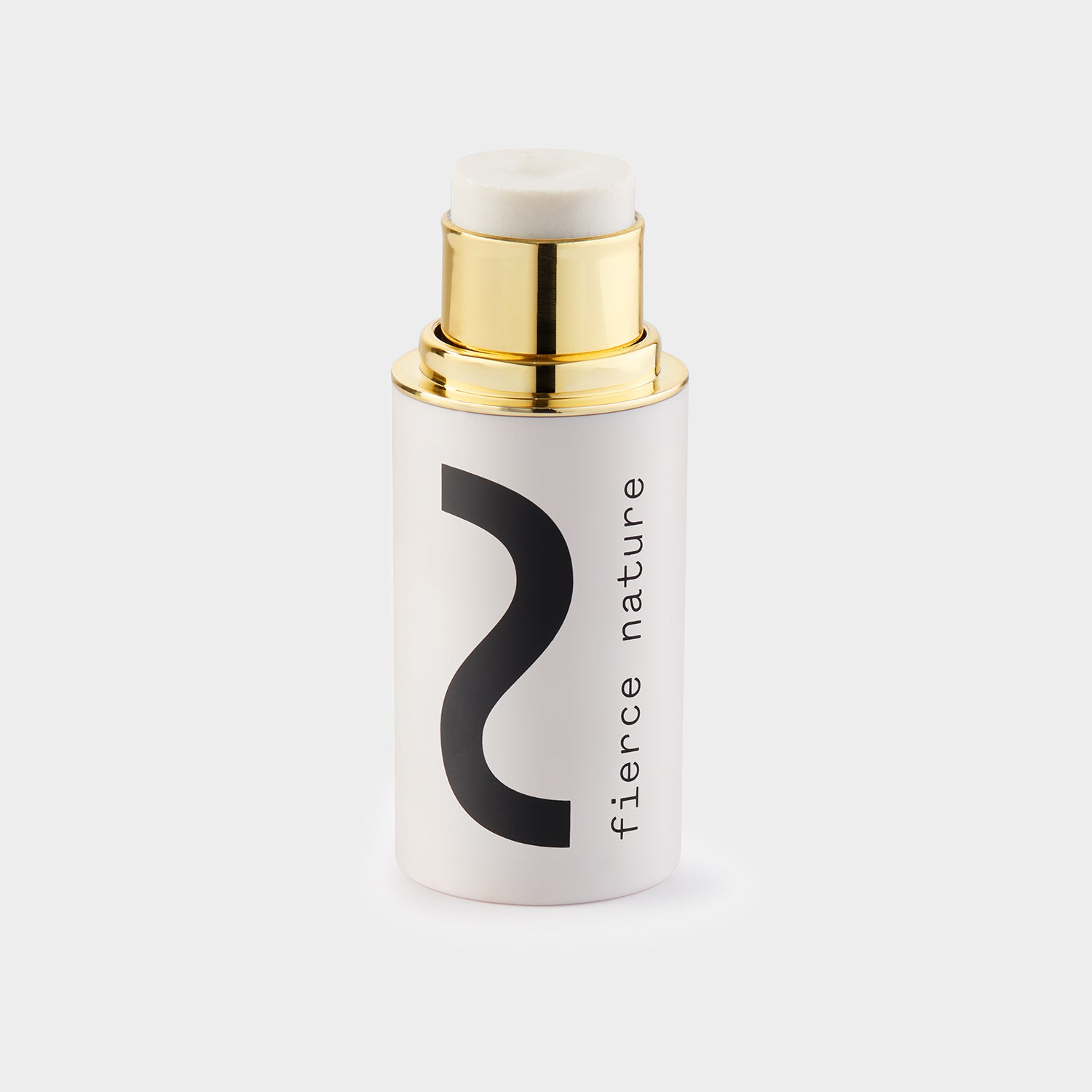
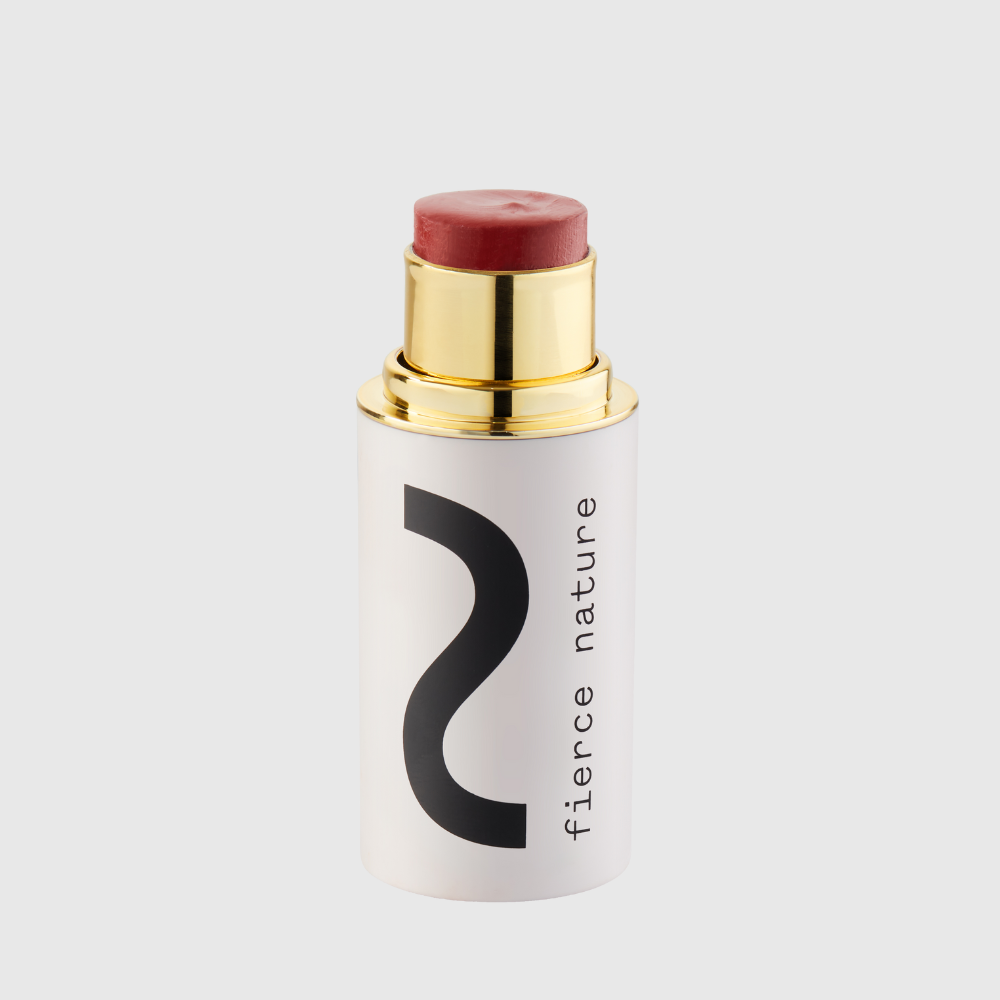
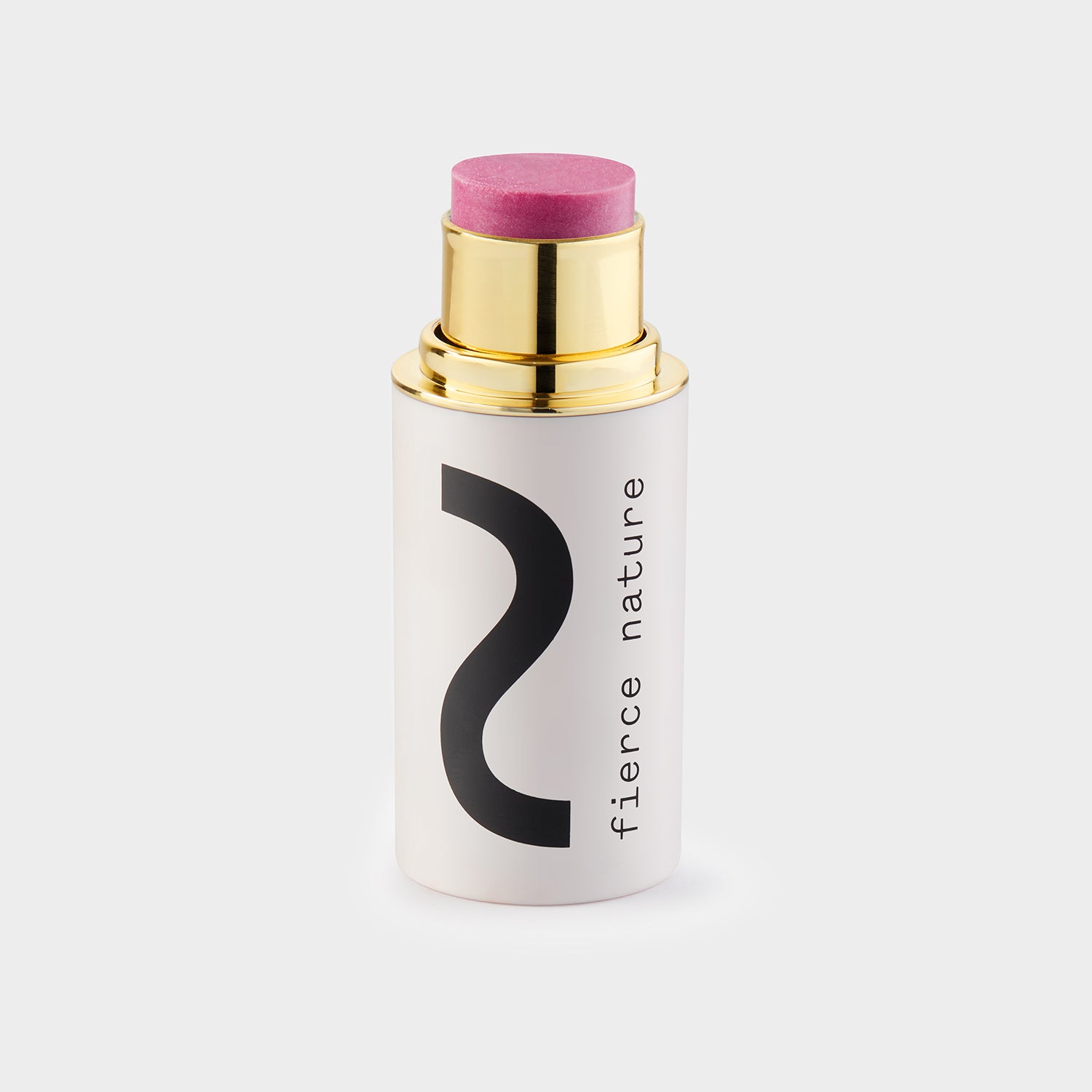
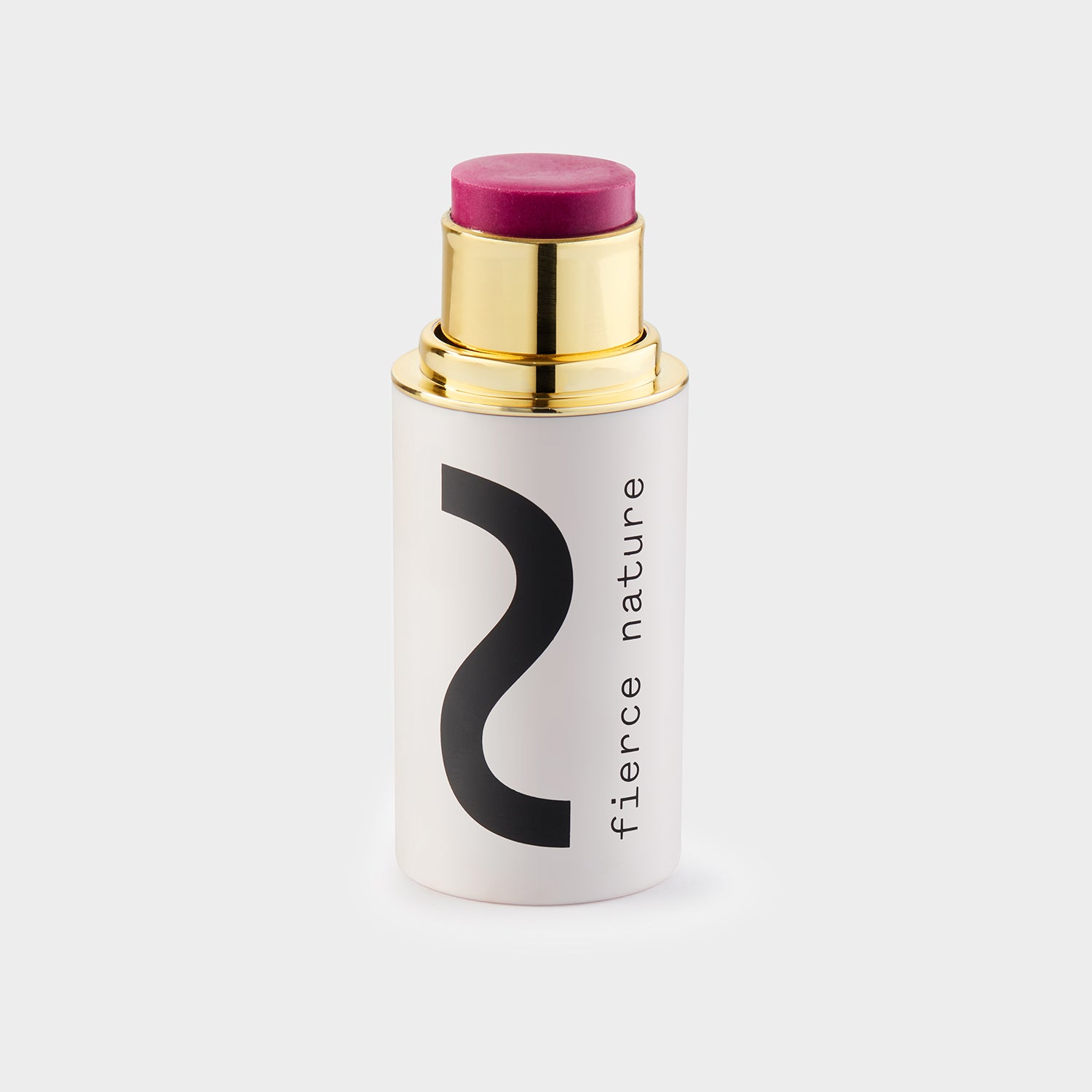
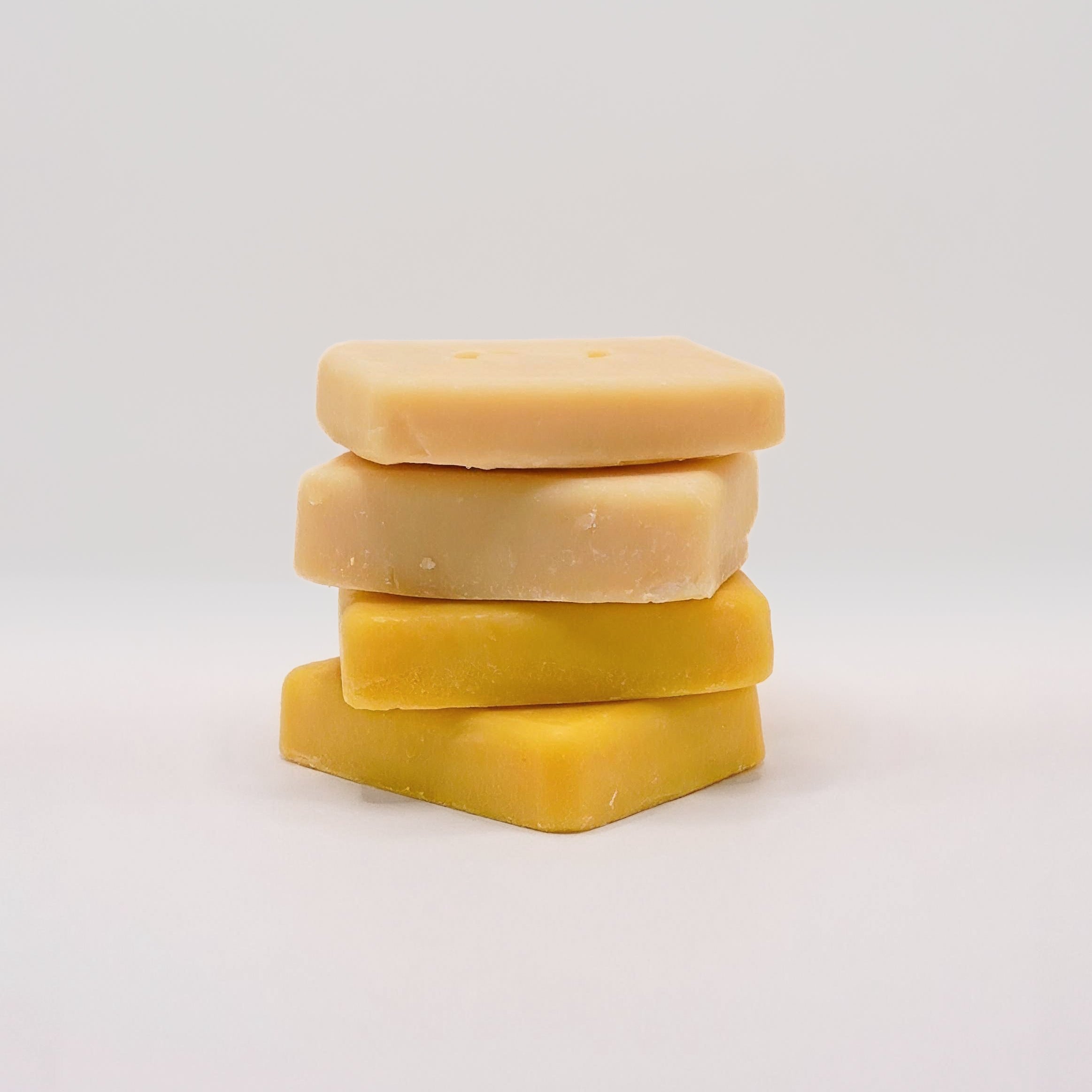




This guide lists reputable skincare brands whose products are genuinely made in the UK, from scientist-founded lab labels to meadow-grown botanical ranges. It explains what “made in Britain” should mean on a product page, how small-batch and waterless formulas differ from mass-market ones, and how to pick a UK-made brand that suits sensitive or ingredient-conscious skin. Fierce Nature’s own handmade tallow range sits within this landscape too.
TL;DR:
- Most UK-made skincare brands include clear manufacturing locations and full ingredient lists to verify their local production claims.
- Waterless formulas lead to higher active ingredient concentrations, requiring less product per use but demanding careful storage and shorter shelf lives.
- Provenance details like named farms or certifications are essential to confirm natural and botanical claims, avoiding vague marketing language.
- Brands focusing on sensitive skin often explain their formulations’ benefits, such as barrier repair, rather than relying solely on “gentle” labels.
- Small-batch artisan brands, like Fierce Nature, prioritize transparency about sourcing and formulation, making them suitable for ingredient-conscious or reactive skin.
The UK’s independent skincare scene has quietly become one of the most interesting in the world, built on scientist-founders, meadow-grown botanicals, and small kitchens turning out small batches rather than mass production. Below is a curated shortlist worth researching further, drawn from brands with genuine UK manufacturing credentials rather than a Union Jack sticker on an imported formula.
Born of Necessity — Formulated by a registered biomedical scientist and handcrafted in small batches in West Yorkshire, this label built its reputation on skin-barrier repair for eczema and psoriasis-prone skin. Its founder’s clinical background shows up in ingredient choices that read more like a dermatology brief than a marketing deck. Available direct from the brand’s website.
Klara Skincare — Handcrafted in a UK laboratory under pharmaceutical-grade controls, Klara focuses on science-led anti-ageing formulas for mature skin. The lab-based small-batch model means formulations are refined the way a compounding pharmacist would work, not a factory line. Sold direct-to-consumer online.
Skin Elixir — Based in Nottingham since 2016, this brand hand-crafts waterless, botanical formulations specifically for sensitive, reactive and rosacea-prone skin. Waterless formulas concentrate active ingredients rather than diluting them, which matters if your skin barrier is already compromised. Available through the brand’s own online shop.
Seilich — Grows its own wildflower meadow in the Lothians and holds wildlife-friendly certification, tying its skincare directly to the land it comes from. This is provenance you can actually verify, rather than a vague “natural” claim. Sold direct and through select Scottish stockists.
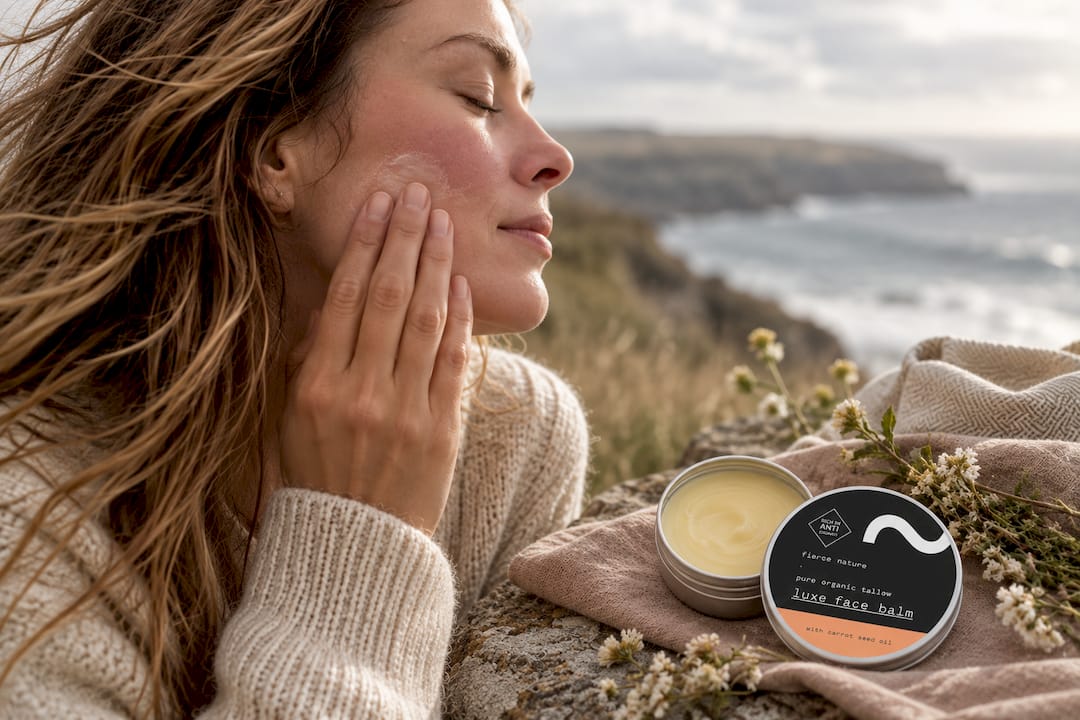
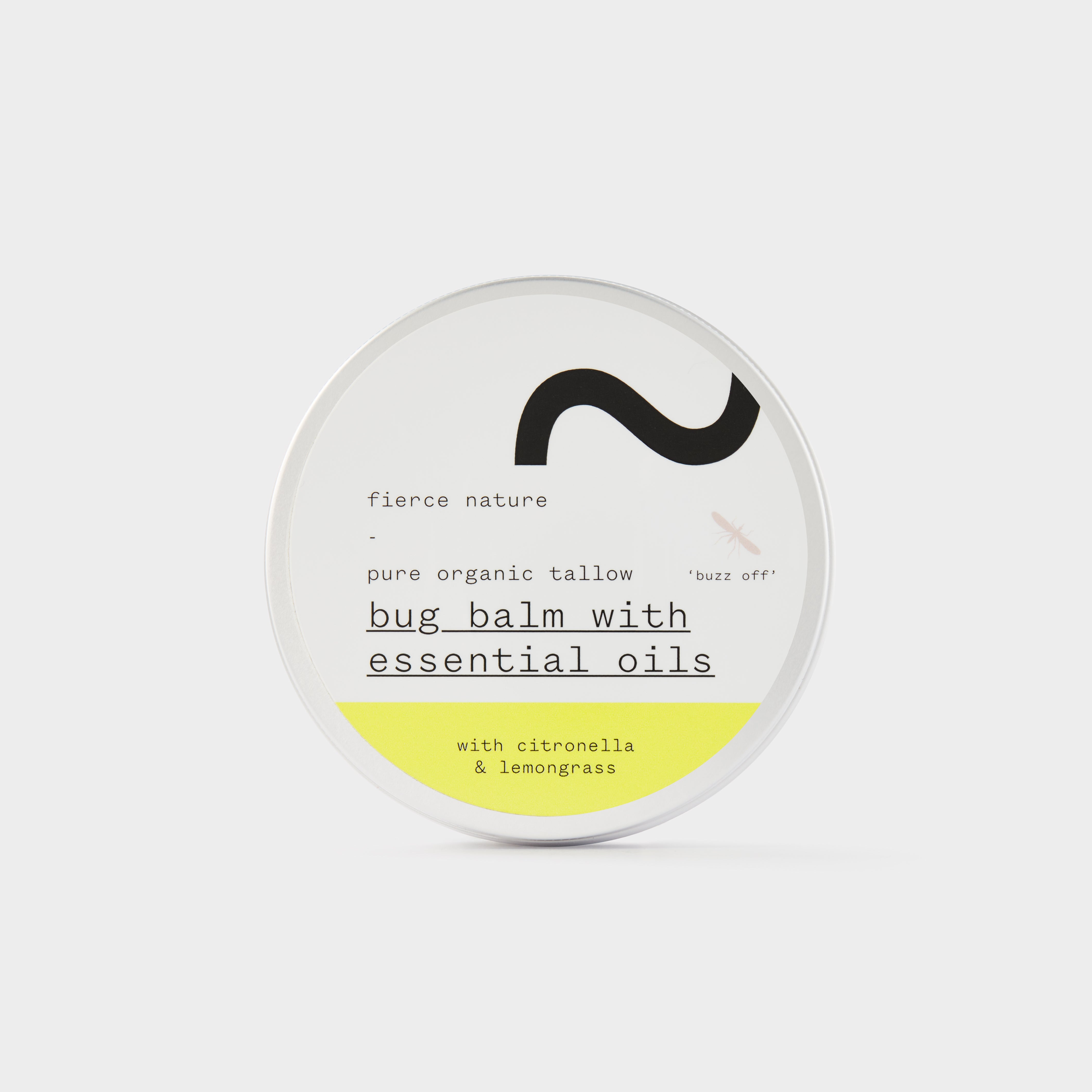
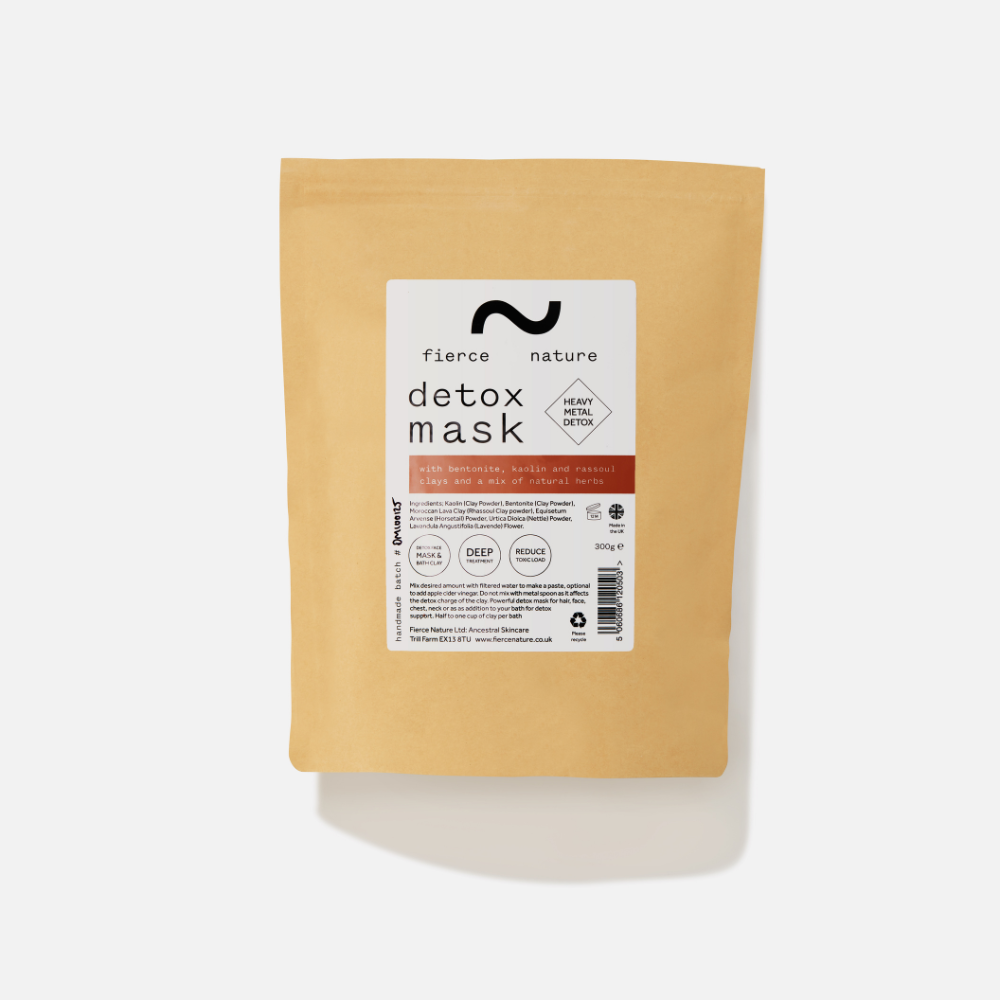
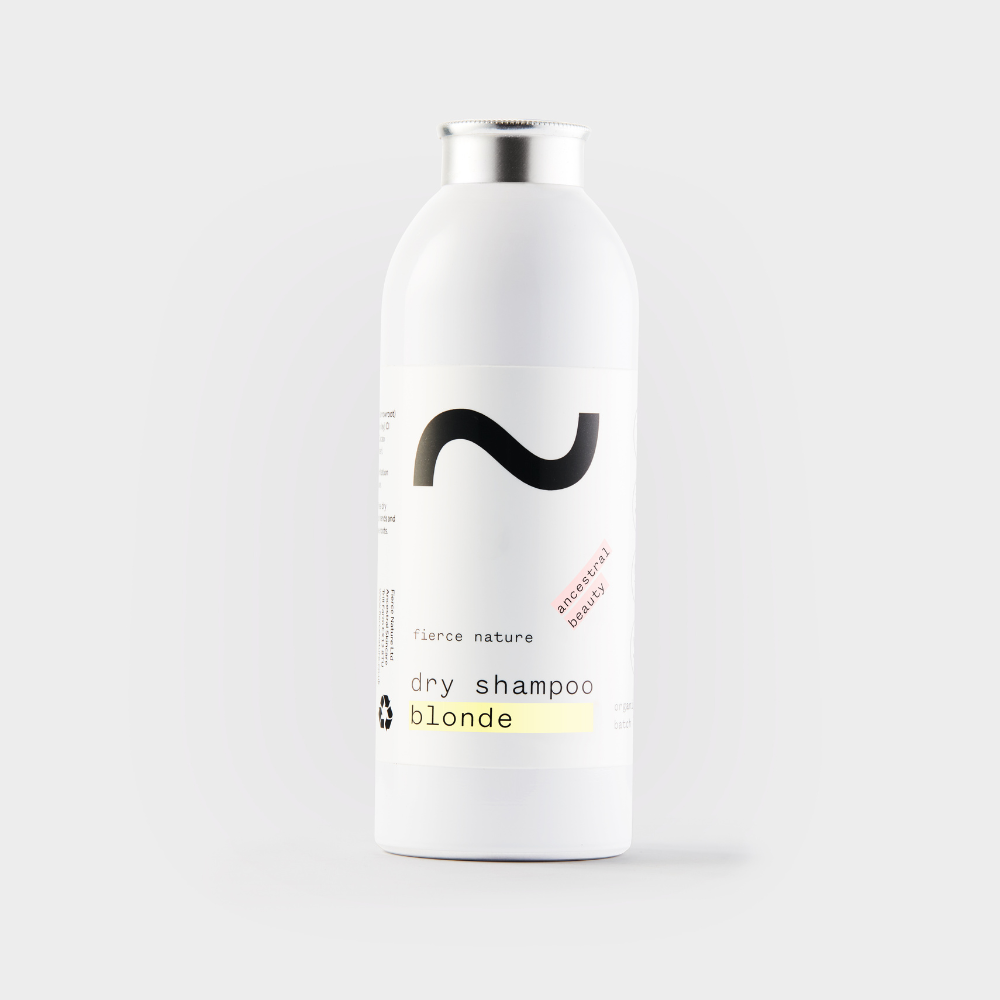
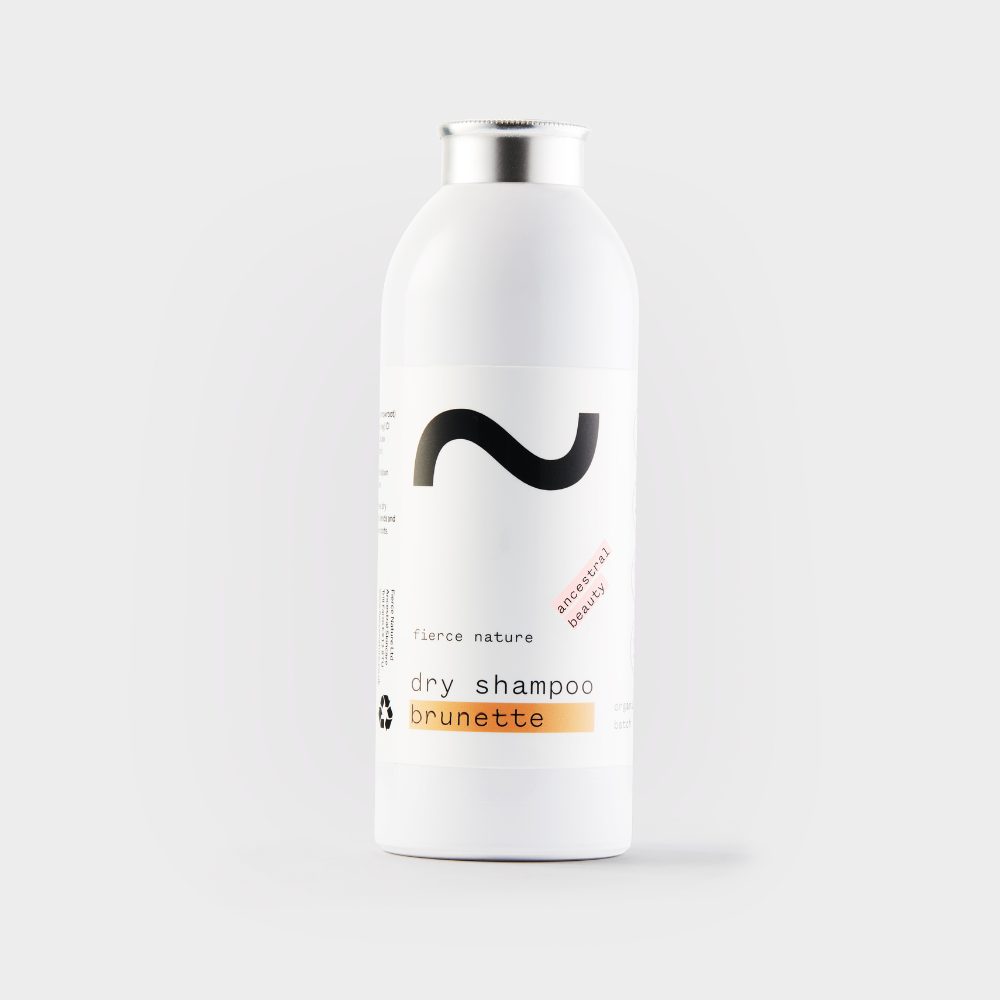
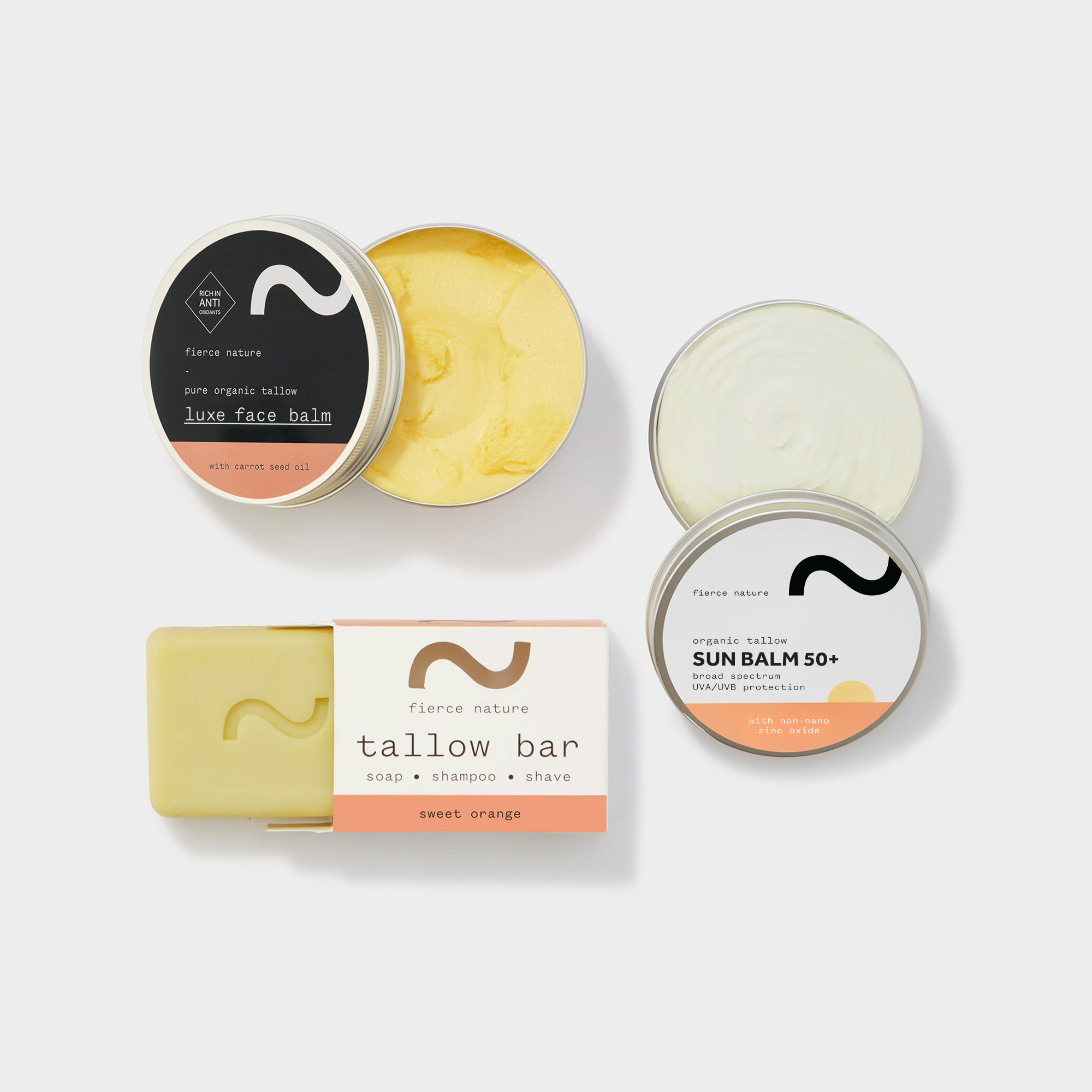
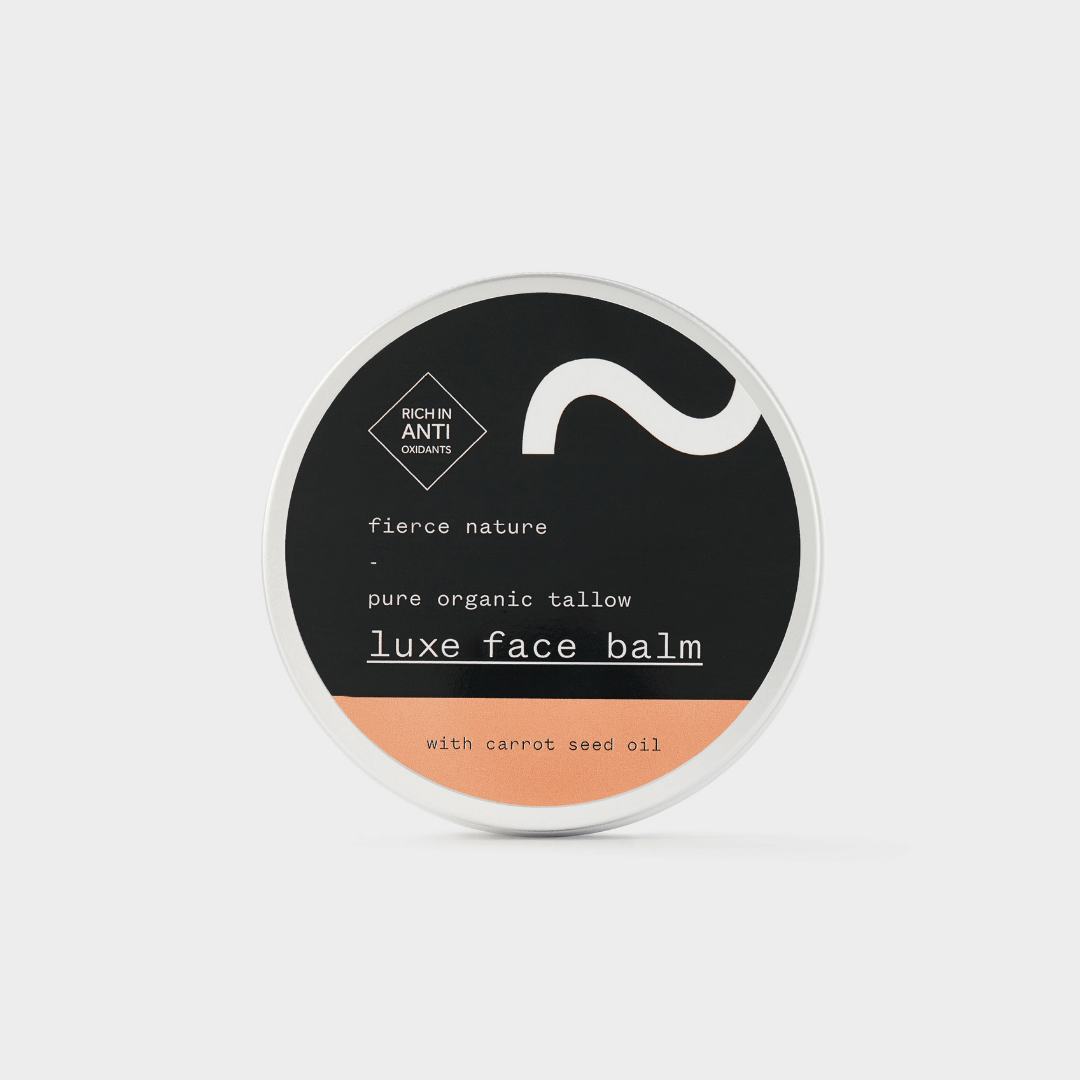
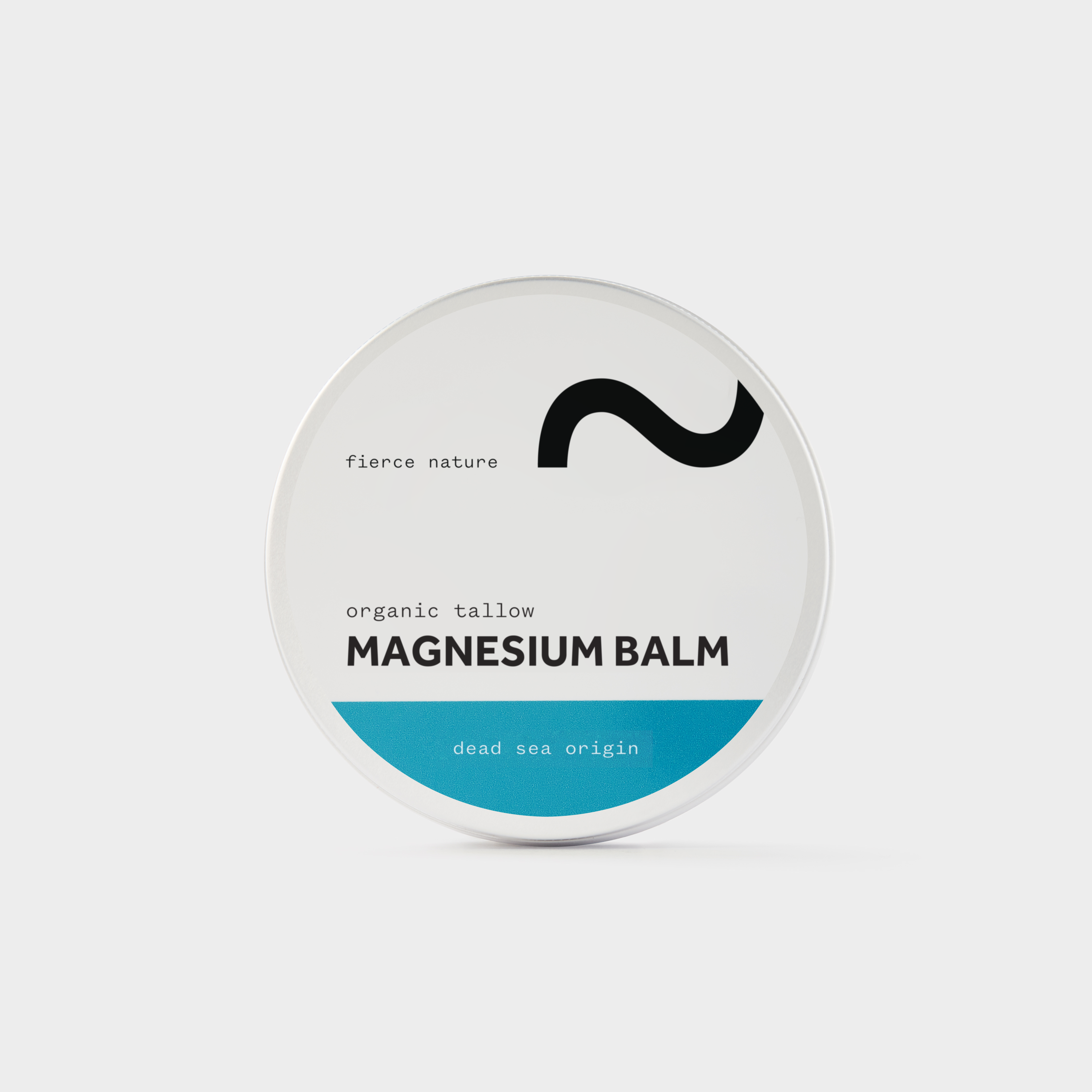
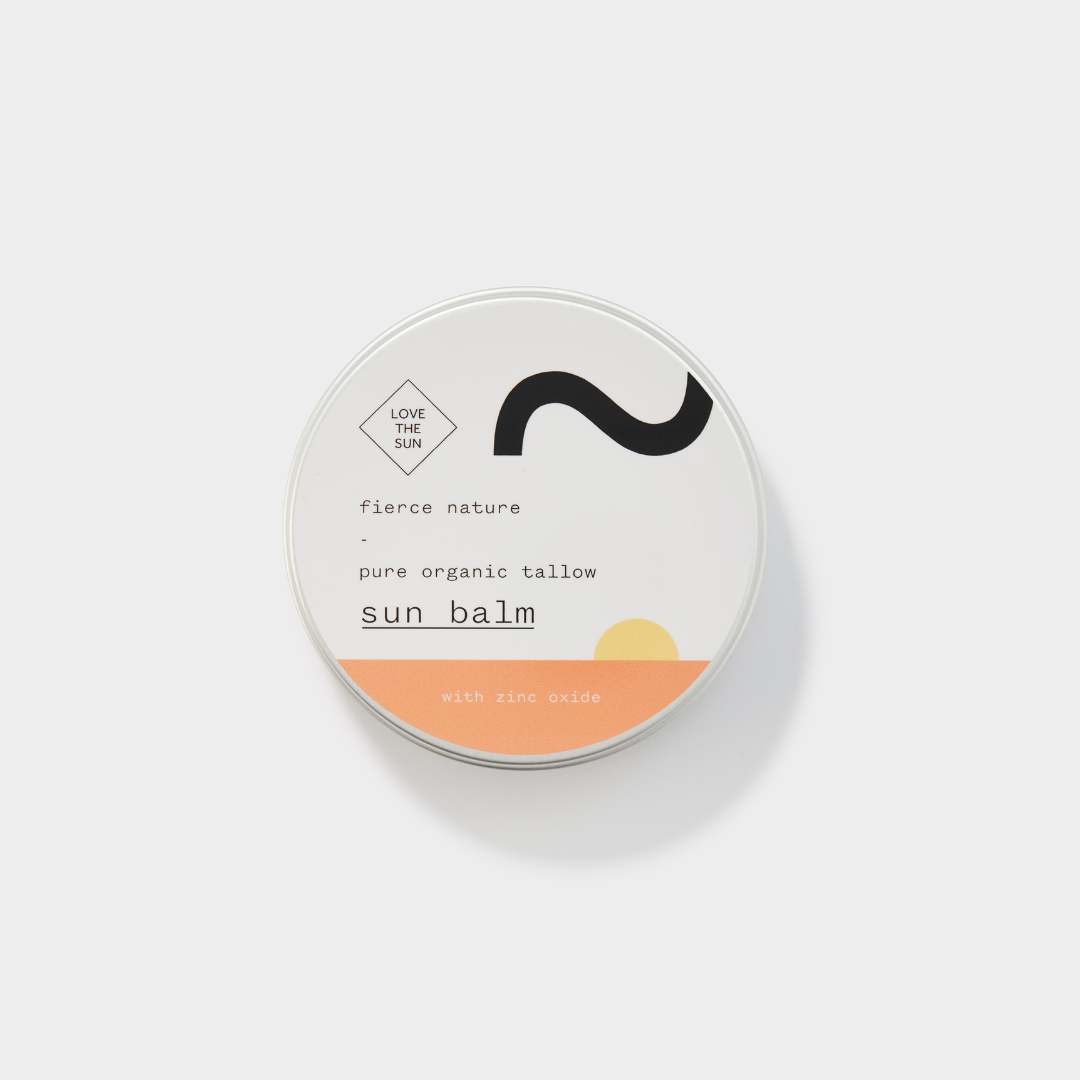
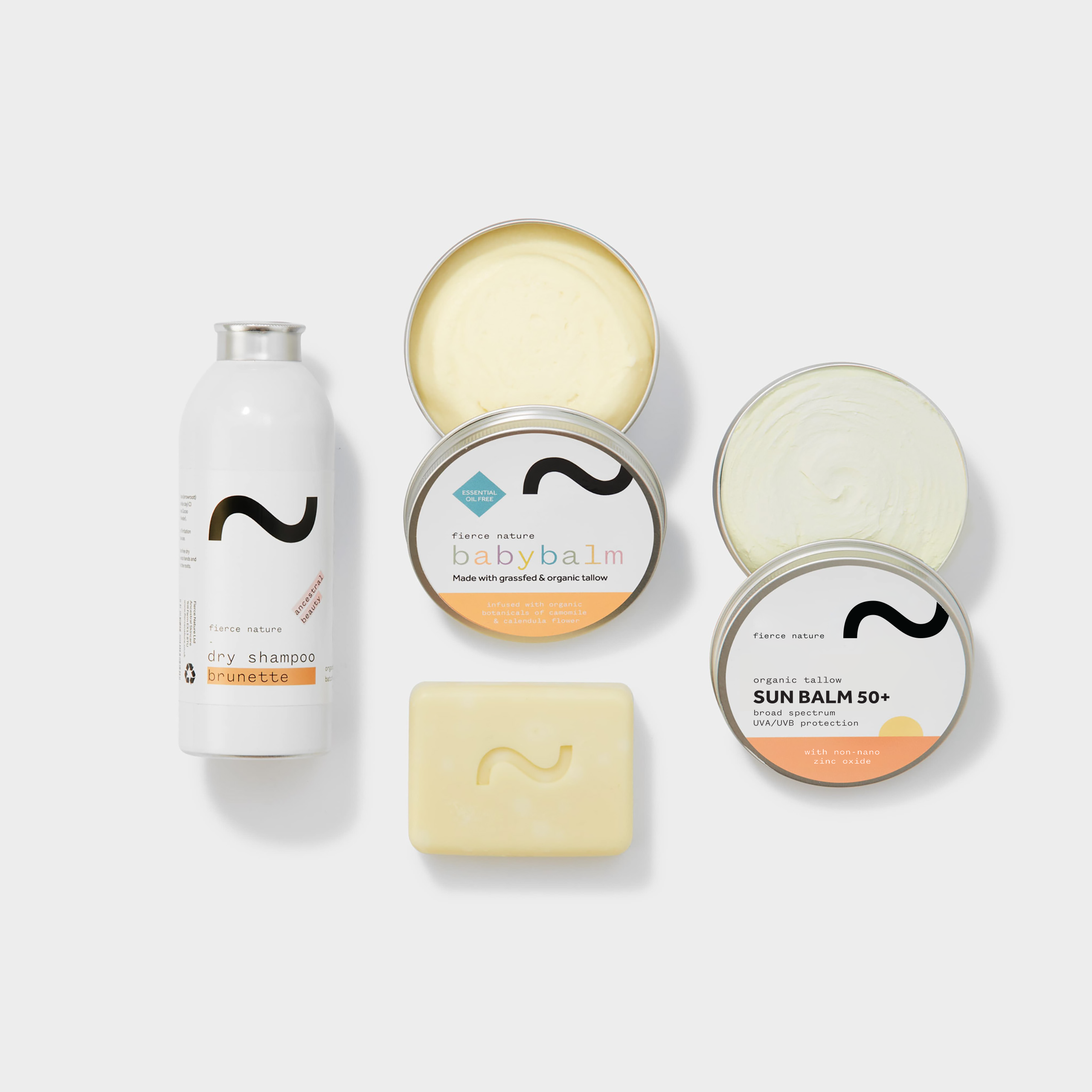
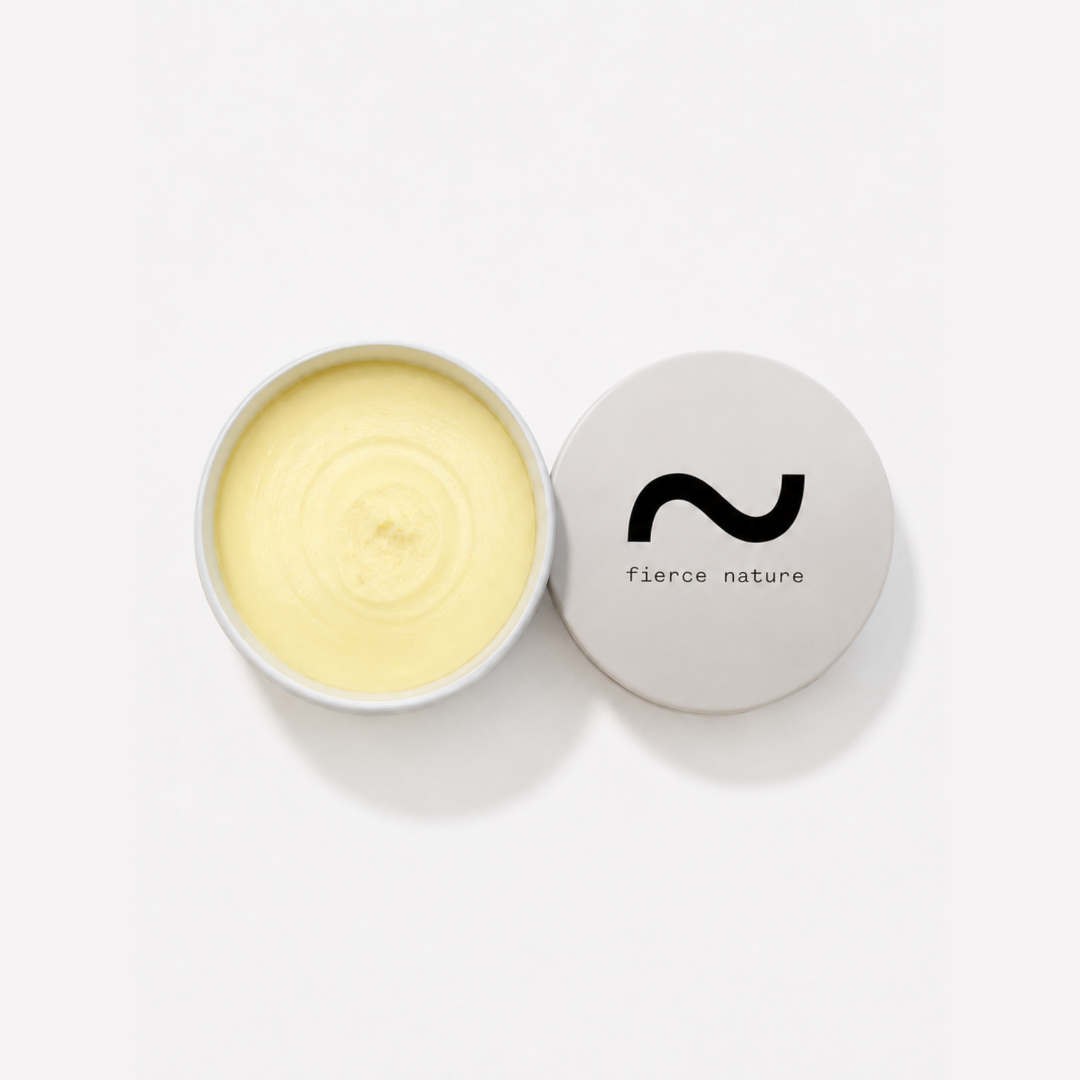
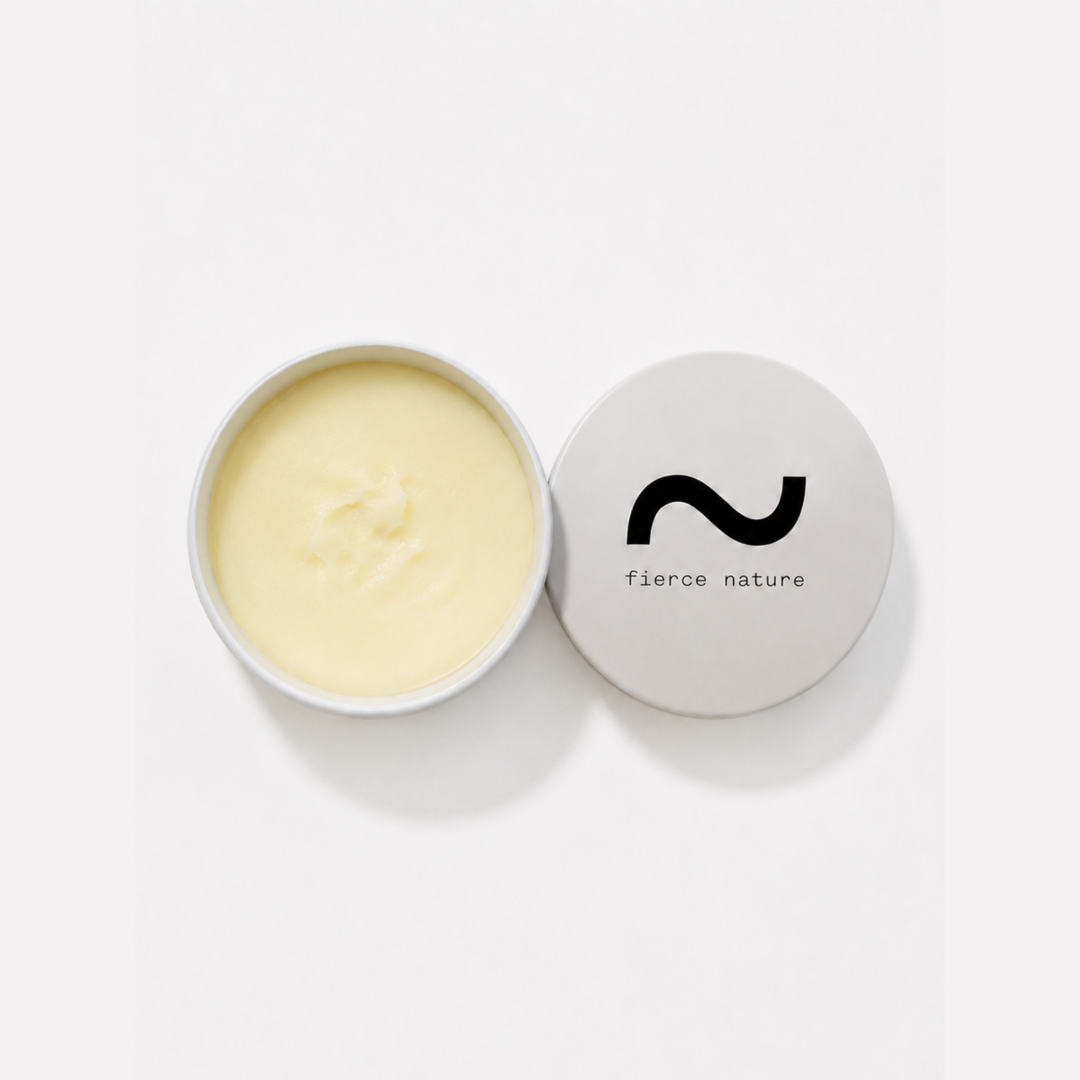
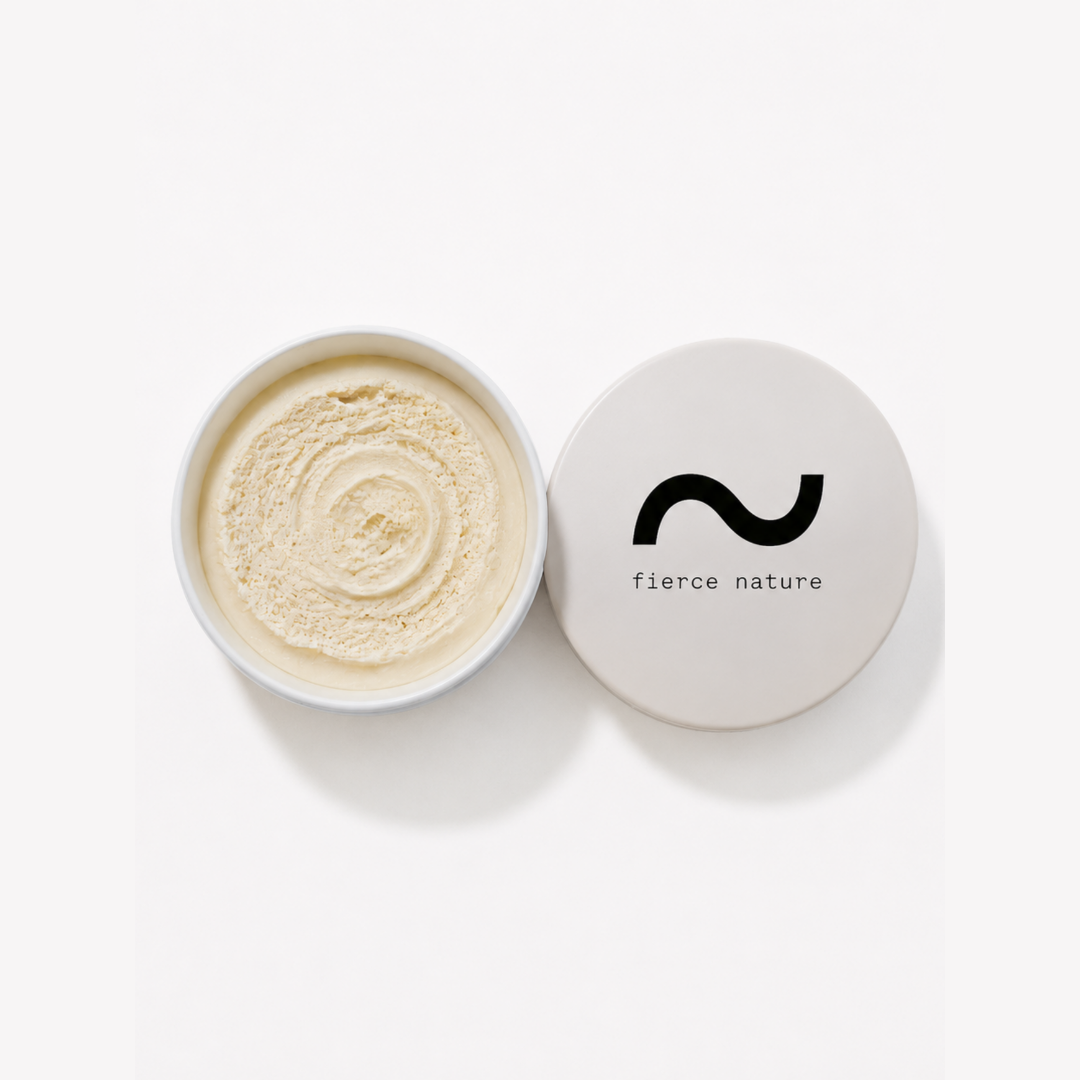
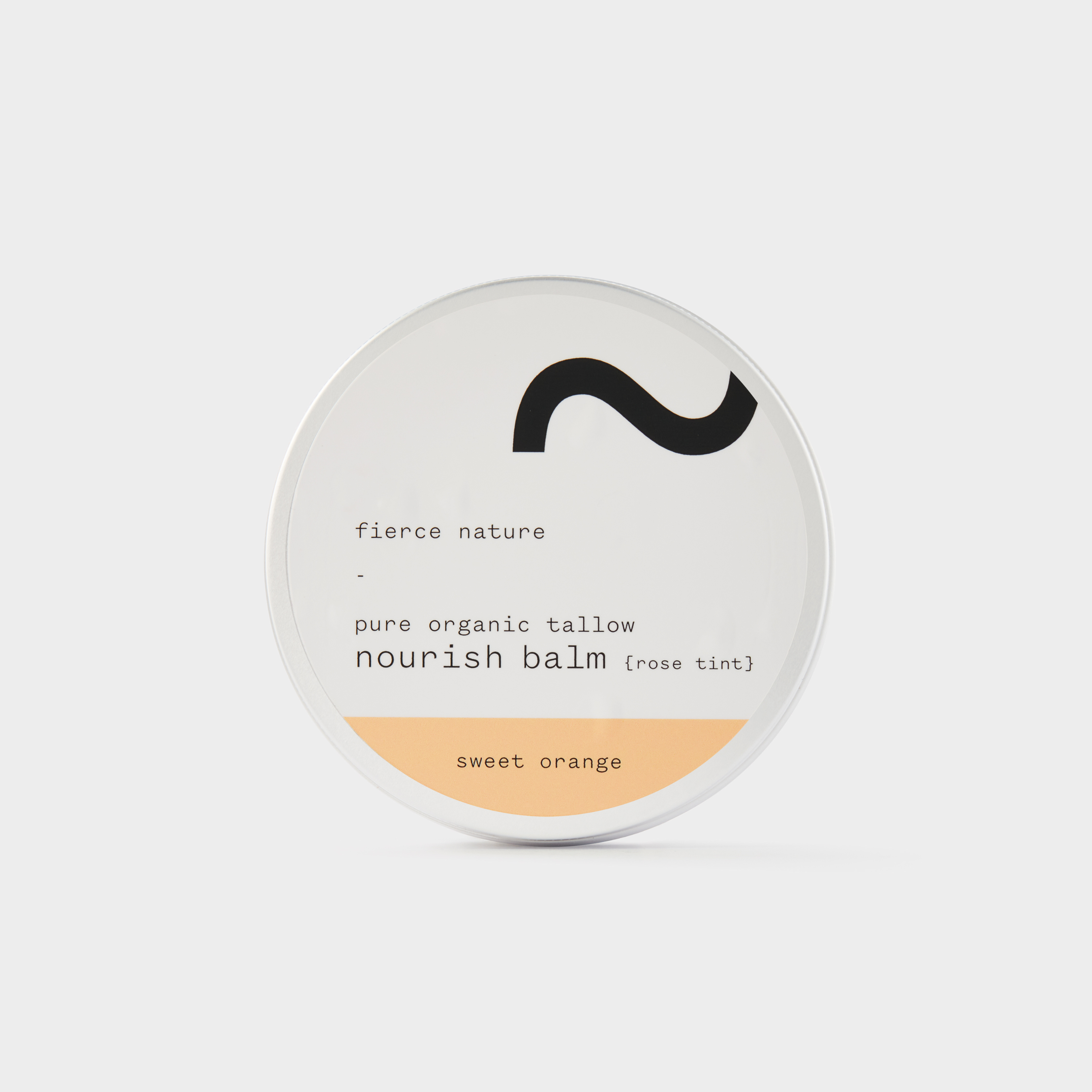
Fierce Nature — Handmade across the UK using organic, grass-fed tallow as the base ingredient, with short ingredient lists and full transparency on sourcing. The founder’s own history of skin reactions and later research into gut health and toxic load shaped a range built around bioavailable nourishment rather than synthetic promises. Available direct from the Fierce Nature online store.
111SKIN — A clinic-born, science-forward brand developed alongside cosmetic surgeons, known for peptide and retinol-based formulas manufactured in the UK. Positioned at the luxury end, with treatments designed to address visible signs of ageing.
Aurelia London — Combines probiotic technology with UK manufacturing, targeting skin barrier and microbiome health rather than just surface hydration. A good example of the “biological skin health” framing gaining ground across independent British labels.
Bamford — An organic, Cotswolds-rooted brand with a farm-to-skincare ethos, producing body and skincare ranges that lean into rural provenance and slow production.
Elemis — One of the longer-established names in British skincare, still manufacturing core ranges domestically while operating at a much larger scale than the artisan brands on this list.
Ren Clean Skincare — Built around a “zero waste” formulation ethos and clean ingredient sourcing, with a long-standing UK manufacturing base behind its bestselling ranges.
Pai Skincare — Formulated specifically for sensitive and allergy-prone skin, developed by a founder who struggled with her own reactive skin, echoing a pattern seen across several brands on this list.
Balance Me — A British organic skincare brand built on plant extracts and essential oils, manufactured domestically with a focus on gentle, everyday formulas.
Tropic Skincare — Vegan and cruelty-free, manufactured in the UK, with a strong retail and direct-sales presence across British stockists.
Trilogy — Though originally a New Zealand name, its UK-focused ranges are widely stocked through British independents and health stores, often confused with domestic brands, so always check the manufacturing address on the label.
A few things link the strongest entries on this list. Nearly all publish a manufacturing location somewhere on their product pages or packaging. Most keep ingredient lists short enough to read in one breath. And the smaller labels, Born of Necessity, Klara, Skin Elixir, Seilich, and Fierce Nature among them, tend to be far more open about who formulates the product and why, rather than hiding behind a faceless “developed by experts” line.
For a deeper dive into the wider UK-made trend and what’s driving it, natural skincare brands UK customers are loving right now covers the shift in more detail.
Three structural features separate genuine UK-made brands from imported products dressed up in British branding: scientist-led formulation, small-batch production, and traceable provenance.
The scientist-founder pattern is now common enough to count as a movement rather than a coincidence. Born of Necessity was built by an HCPC-registered Specialist Biomedical Scientist. Klara Skincare formulates under pharmaceutical-grade lab controls. This background tends to produce formulas built around skin-barrier function and evidence-led actives, rather than trend-chasing ingredient lists.
Waterless formulation is the other big differentiator. By removing water as a filler, a formula concentrates its active ingredients and often needs far fewer preservatives to stay stable. That is a genuine benefit for potency, but it comes with trade-offs worth knowing before you buy:
Provenance claims deserve genuine scrutiny too. A brand that says its botanicals are “meadow-grown” or “British-grown” should be able to name the farm, region, or certification behind that claim (Seilich, for instance, names its own wildflower meadow in the Lothians and holds wildlife-friendly certification). Vague provenance language without a named source or certificate is a decorative claim, not a verifiable one.
Look for these trust signals directly on a product page: a stated manufacturing location, a batch code or “best before” date, an ingredient list you can actually read, and, ideally, some explanation of why each ingredient is there. For more on how this reshapes buying decisions, see why clean beauty UK matters: your 2026 guide.
Choosing well comes down to reading past the marketing copy and checking a handful of concrete details before you buy.
Before buying, it is worth asking a brand’s customer support team directly where products are manufactured, whether formulas are tested for skin compatibility, and whether they are suitable for eczema-prone or rosacea-prone skin. A brand confident in its process will answer plainly and quickly.
On pricing, expect small-batch UK products to be positioned between supermarket own-brand ranges and high-end luxury products, reflecting the labour and lower volumes involved in handmade production. You will find most of these brands sold direct through their own websites, with a smaller number stocked by specialist independents and health food shops rather than major high street chains.
Pro Tip: Always patch-test a new small-batch product on the inside of your forearm for 48 hours before applying it to your face, especially with waterless or highly concentrated formulas. Because these products often carry higher active concentrations, a reaction will show up faster than it would with a diluted, mass-market equivalent.
For a more detailed walkthrough of vetting criteria, how to choose clean beauty UK brands in 2026 expands on several of these points.
Fierce Nature was created from a personal experience with skin sensitivities and an interest in gut health and the effects of chemicals in cosmetics. That history shapes every formula: short ingredient lists, full sourcing transparency, and a base of pure, organic tallow chosen for its bioavailability and centuries-long history as a skin emollient.
What this looks like in practice:
We think provenance is one of the most under-examined parts of skincare shopping. A jar that says “British skincare” tells you almost nothing; a jar that names its manufacturing town, its ingredient sourcing, and the reasoning behind its formula tells you everything. Tallow’s bioavailability is a good example: it is not a trend ingredient, it is one people have relied on for centuries because it actually works with skin biology rather than sitting on top of it.
If your skin reacts to conventional products, or you simply want to know exactly what you are putting on it, choose an artisan UK-made brand over a mainstream one whenever you can find a formula that suits your needs.
— Fierce Nature
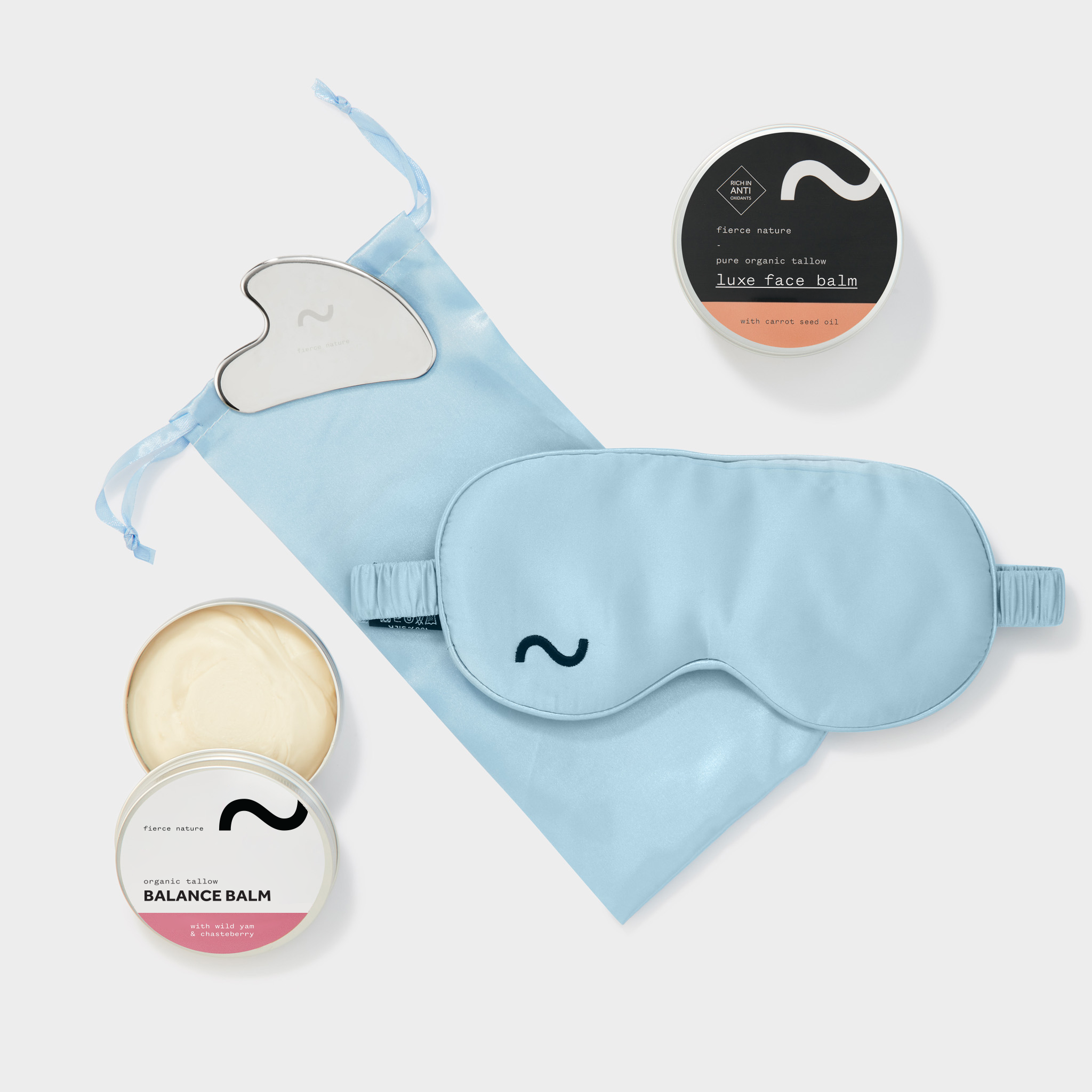
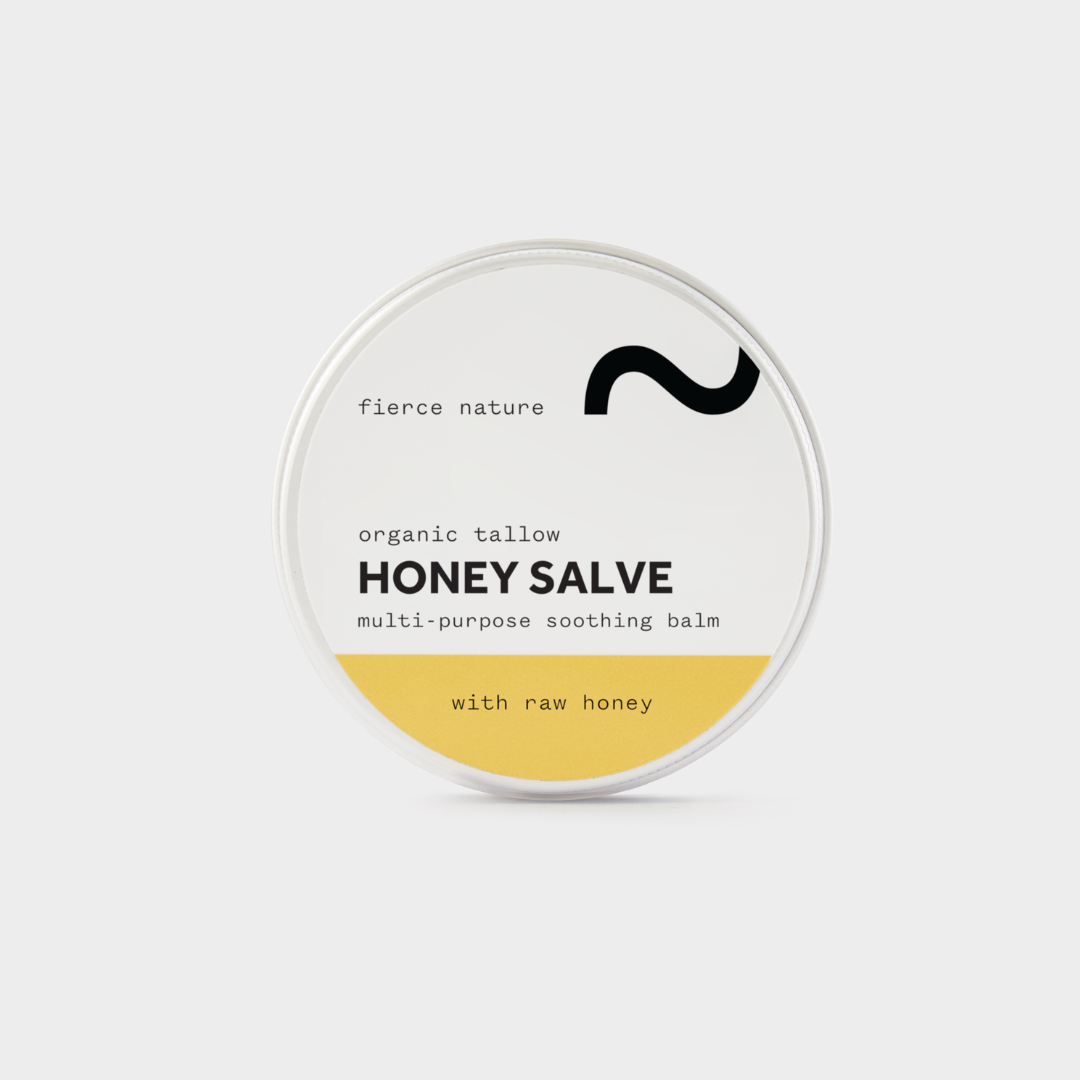
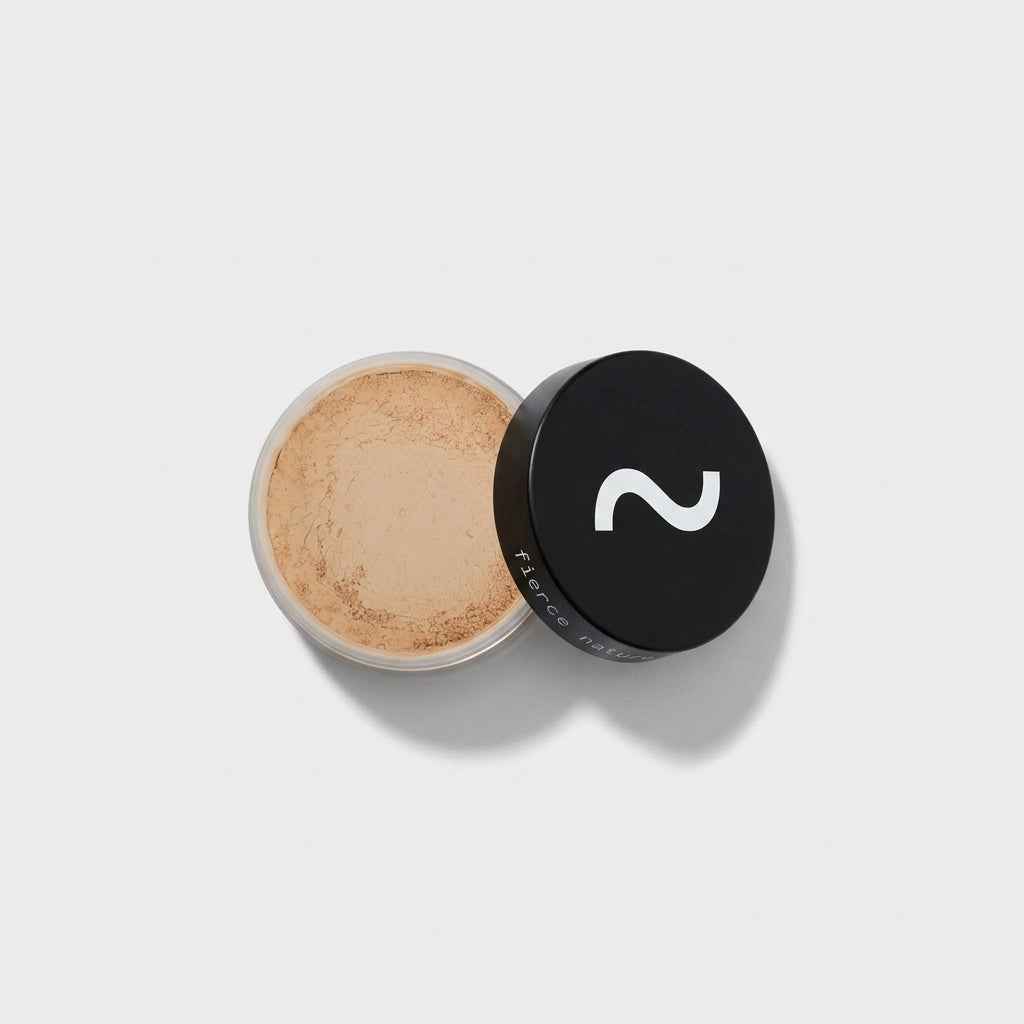
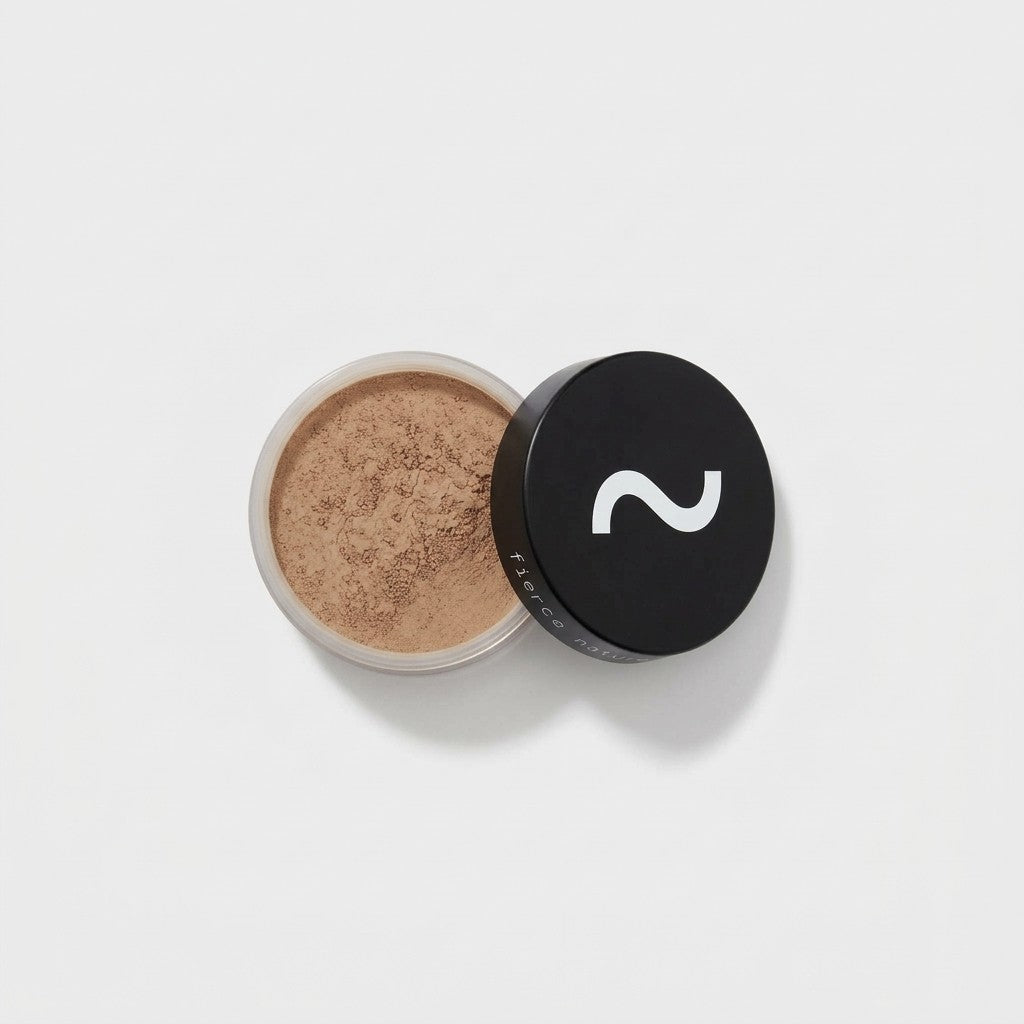
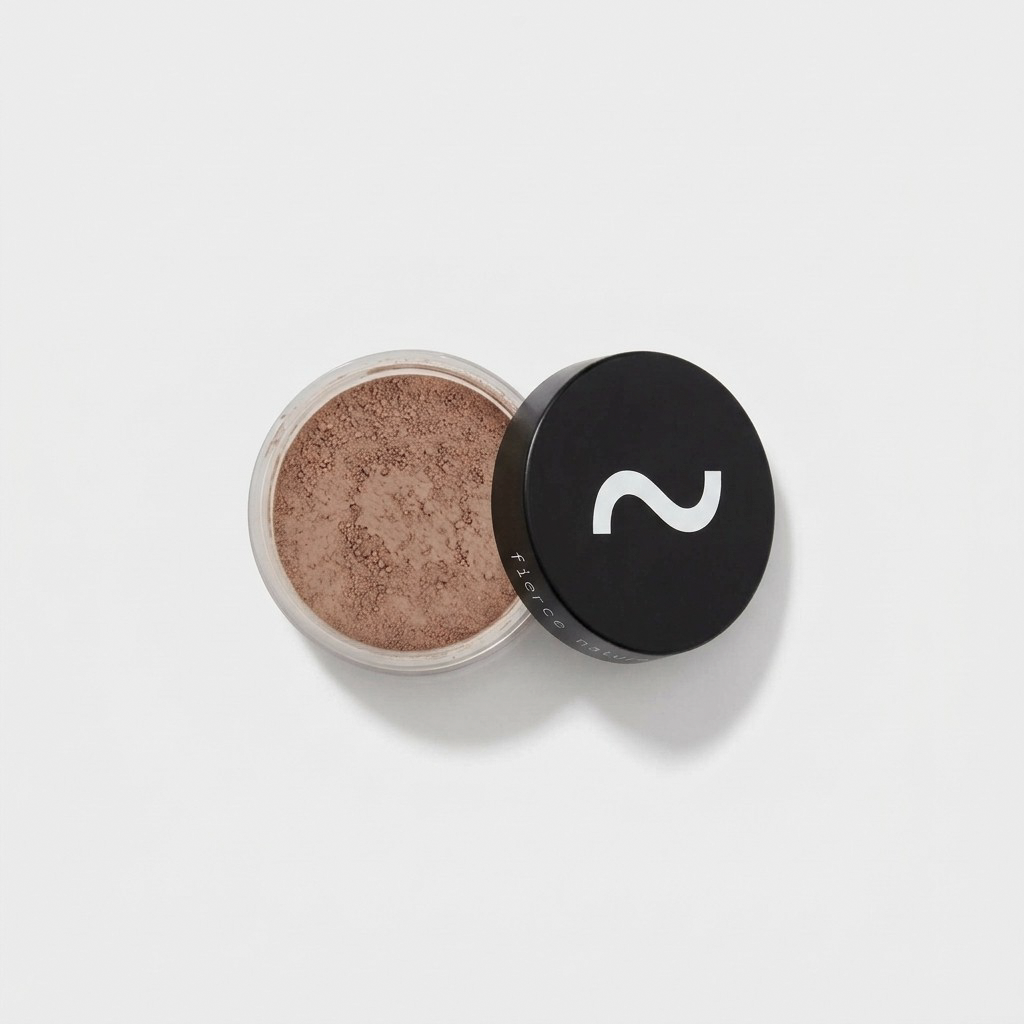
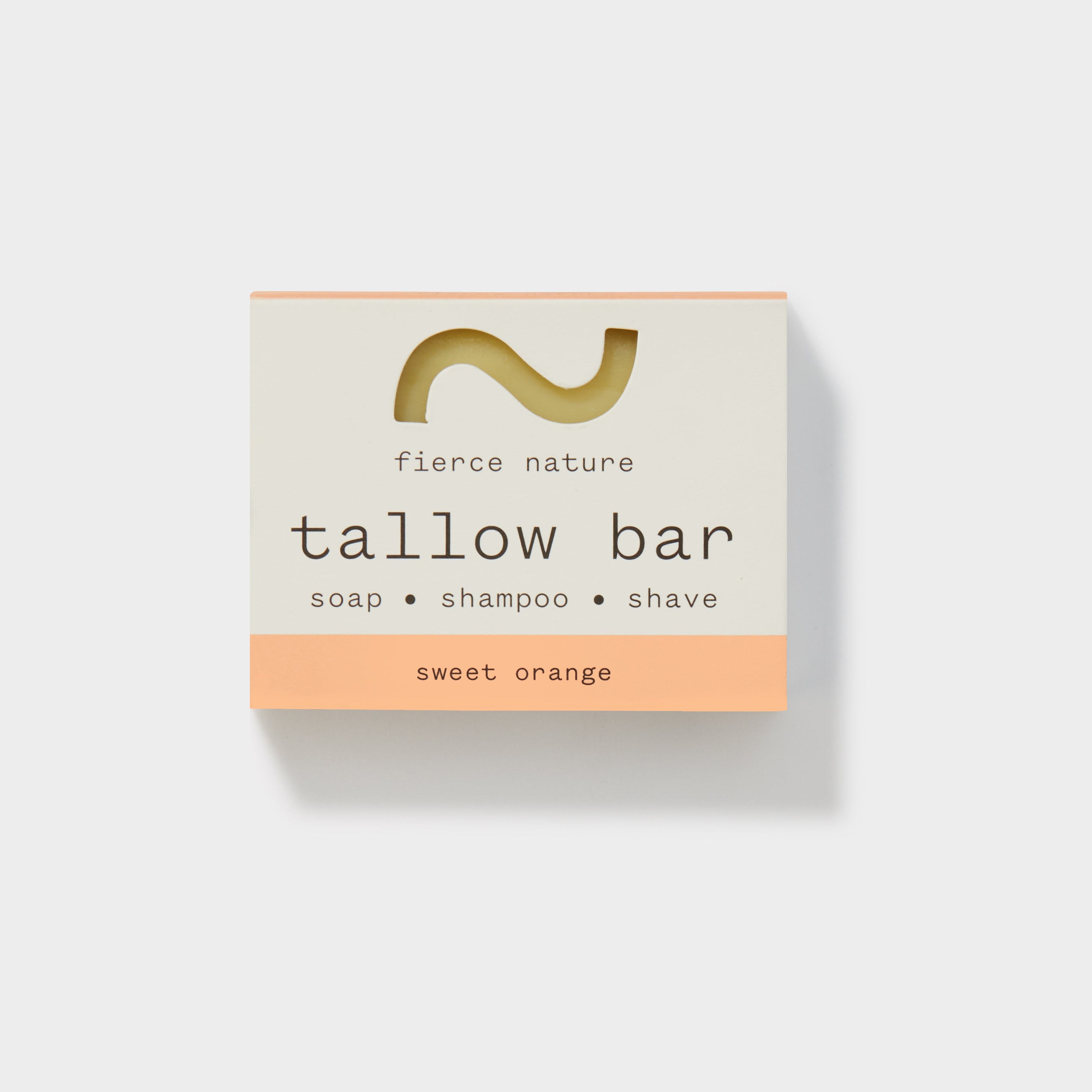
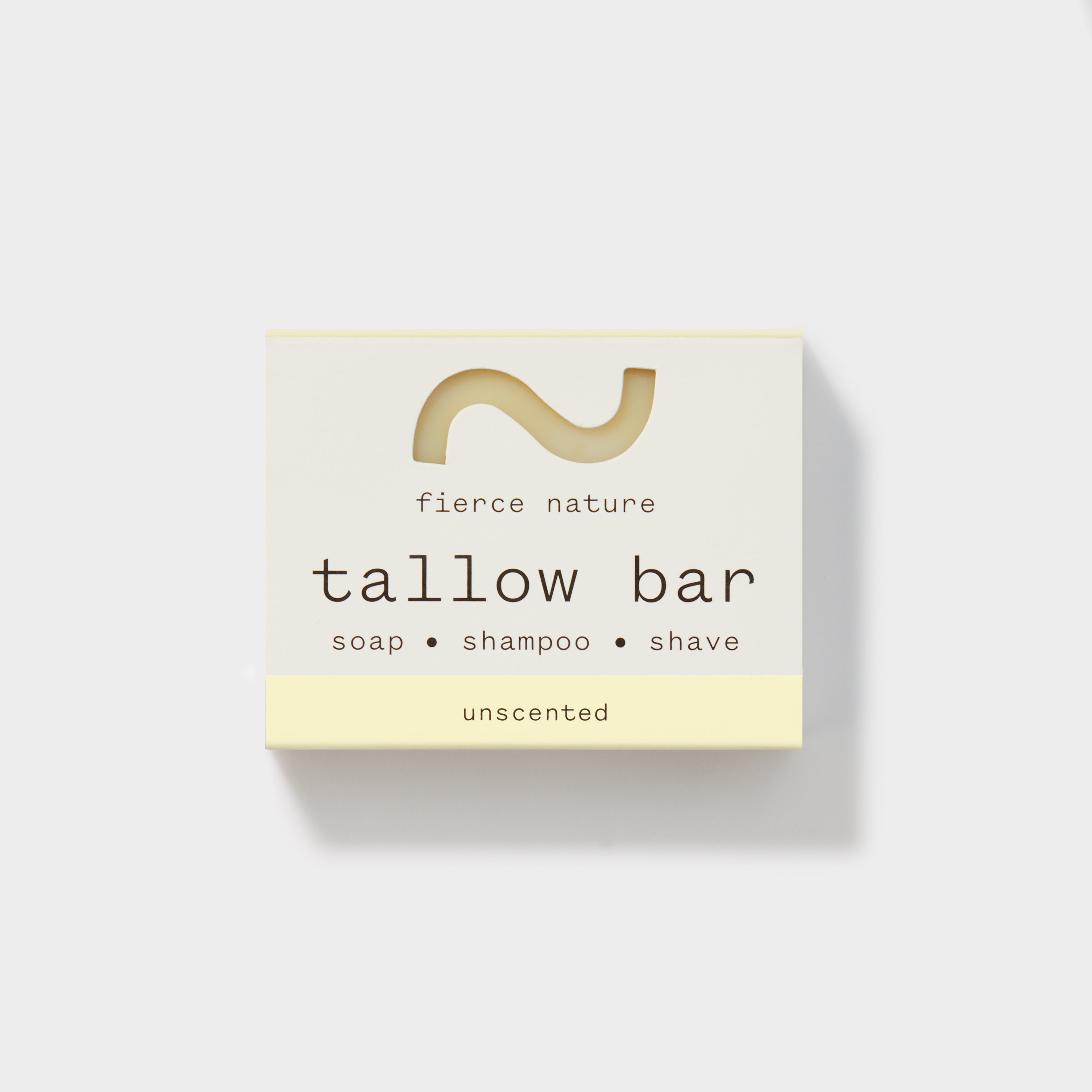
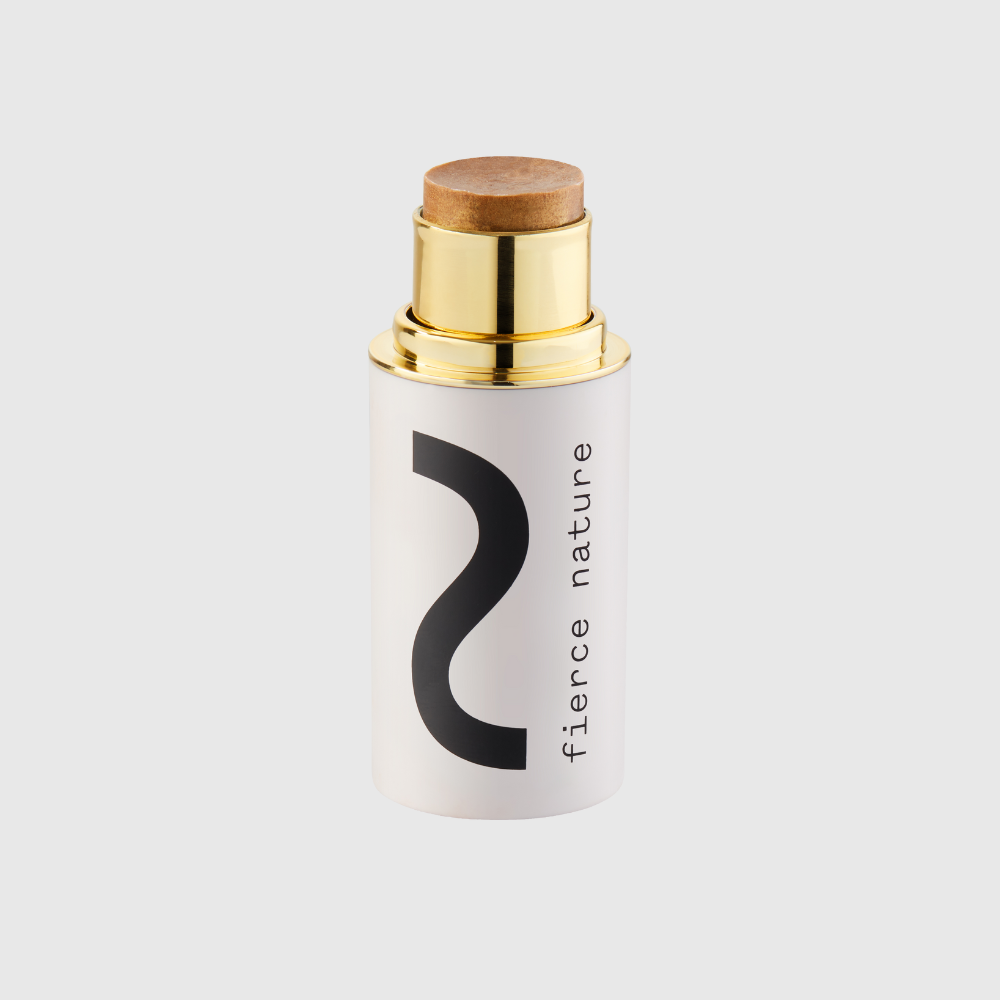
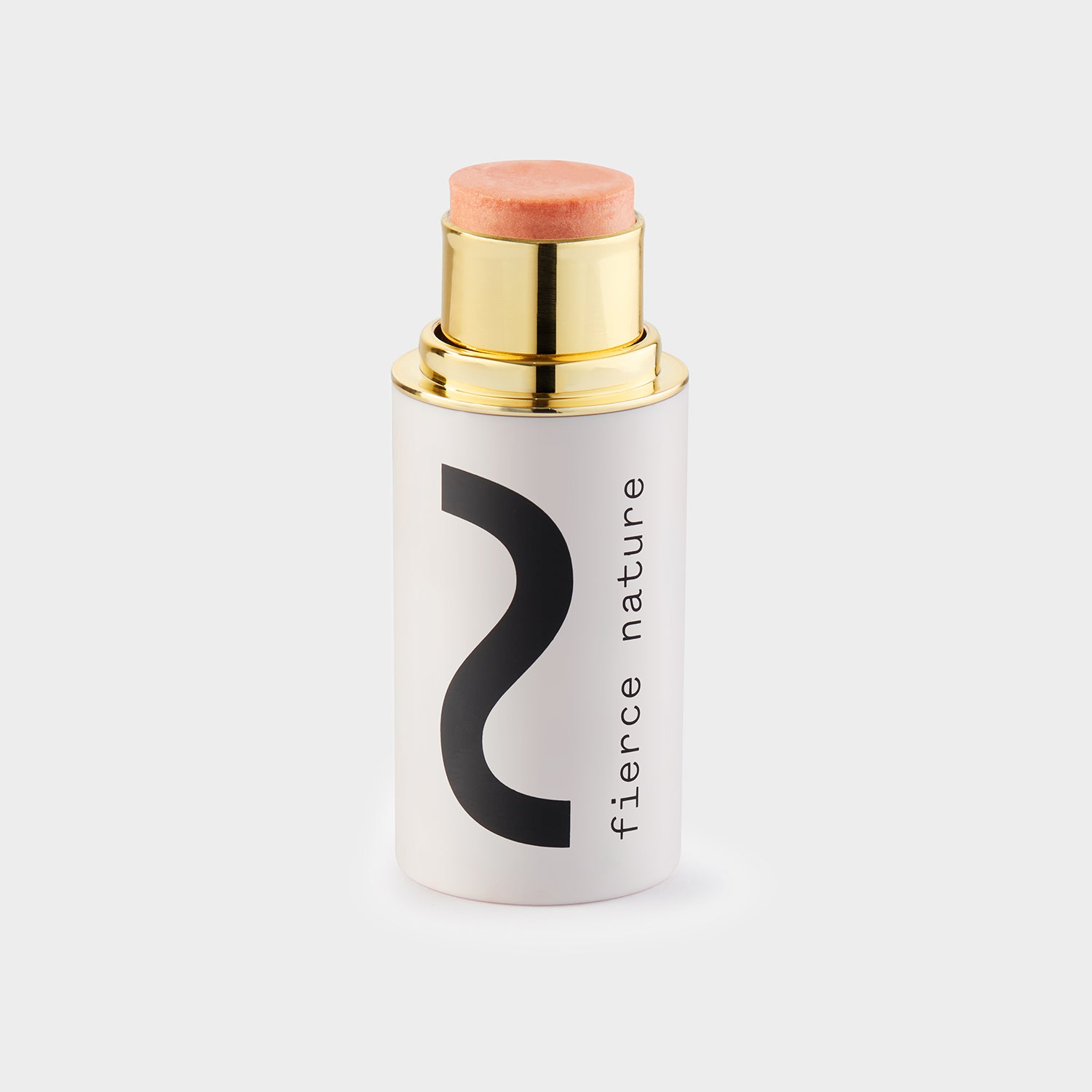
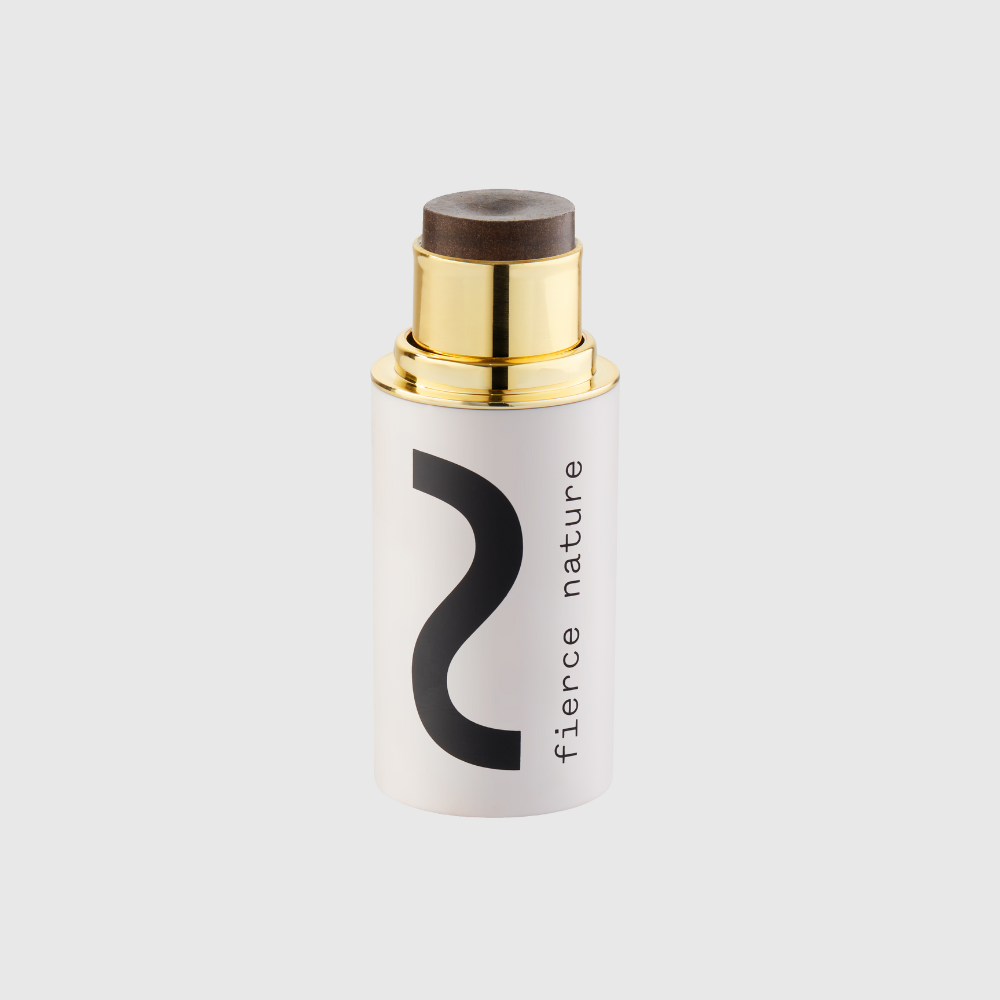
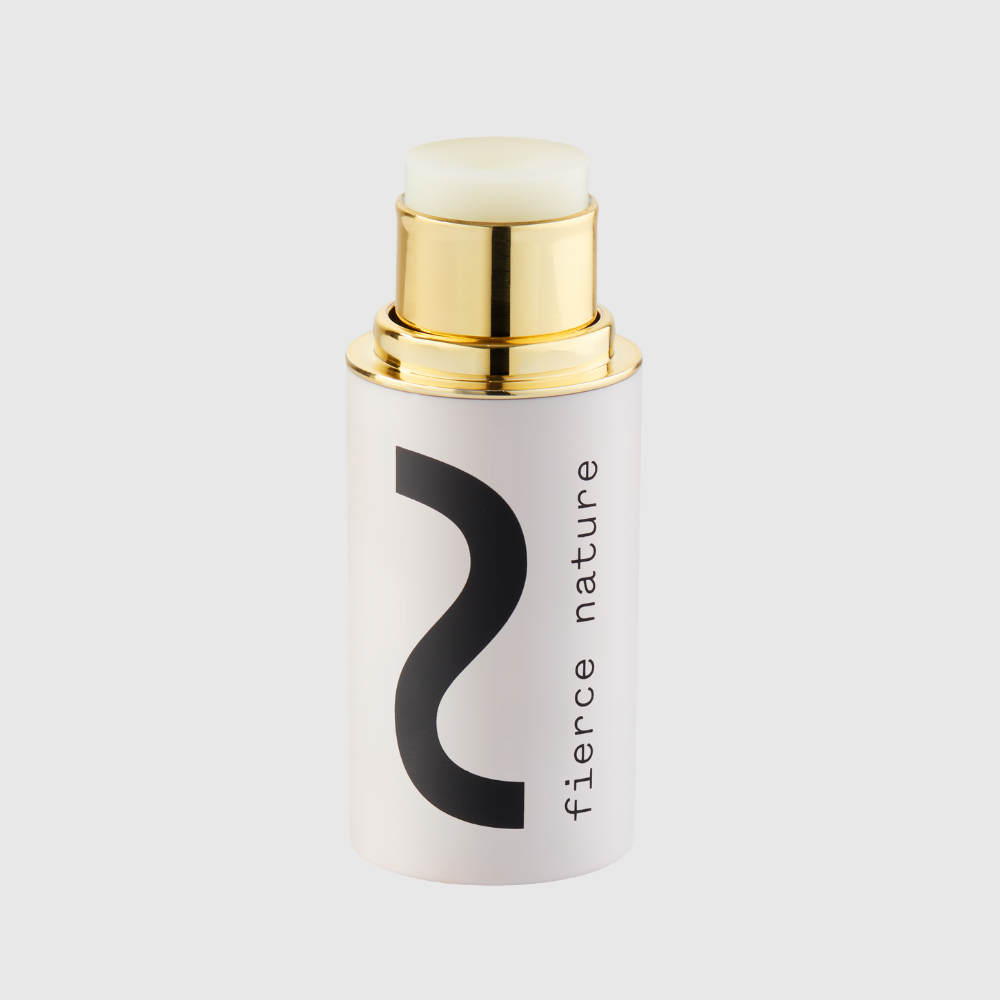
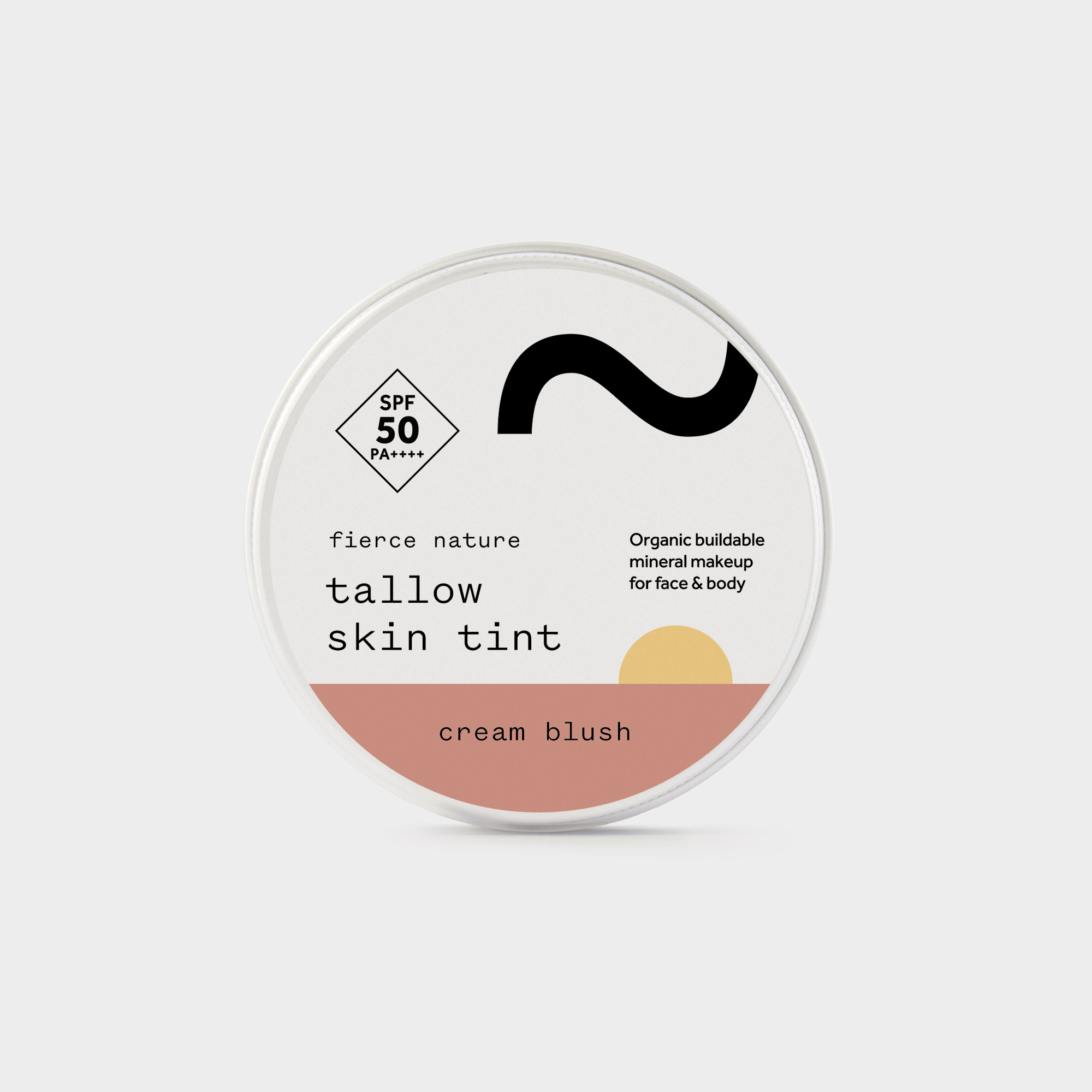
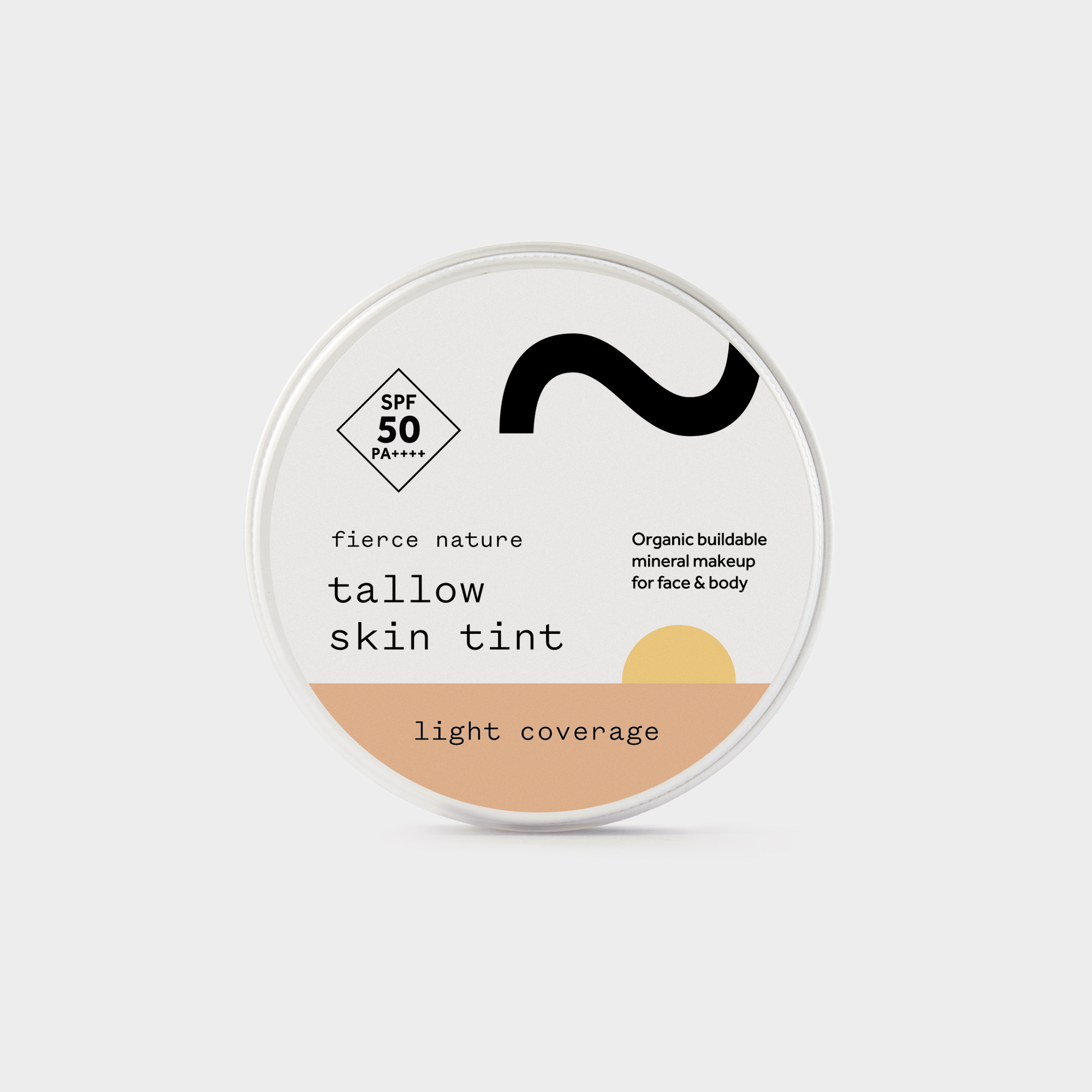
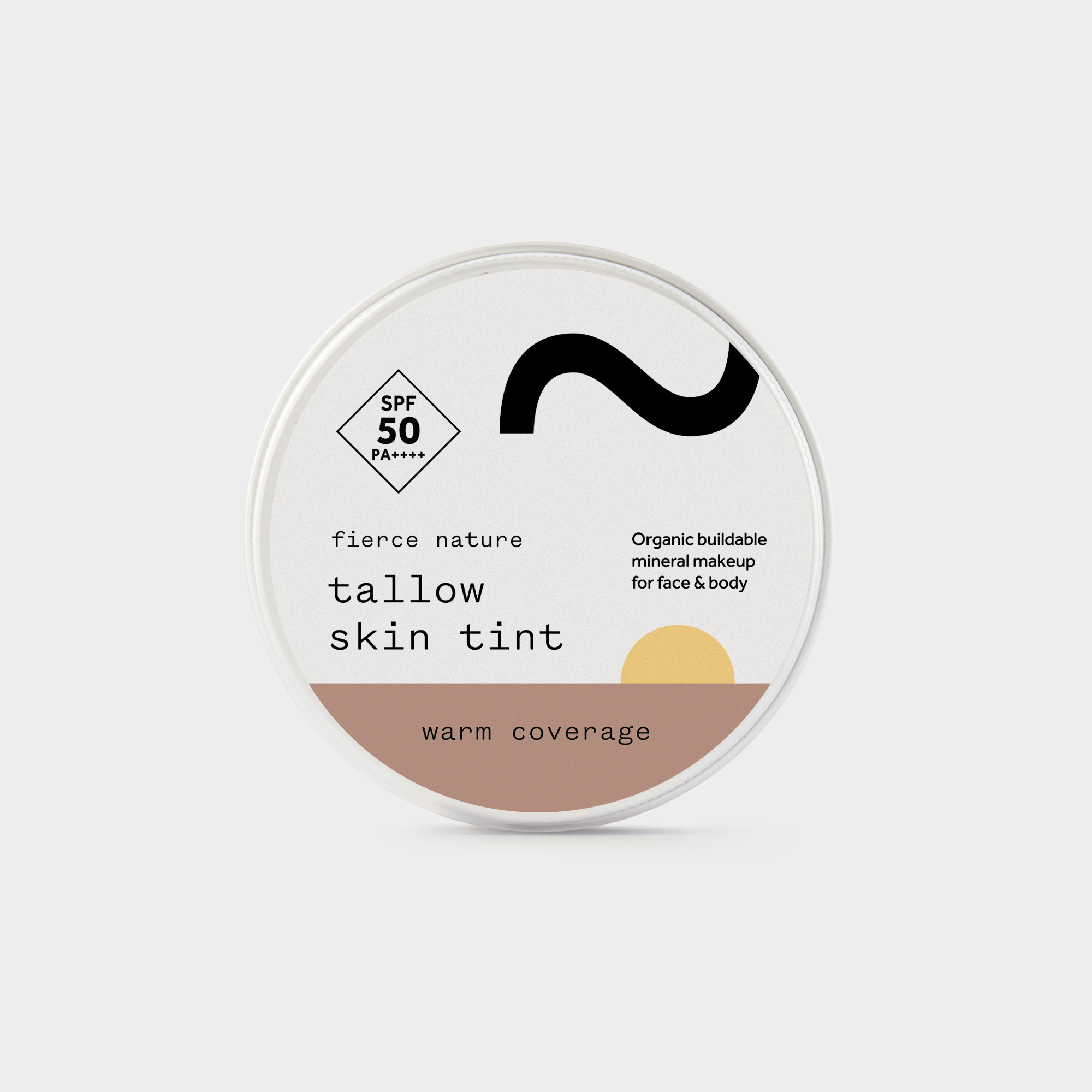
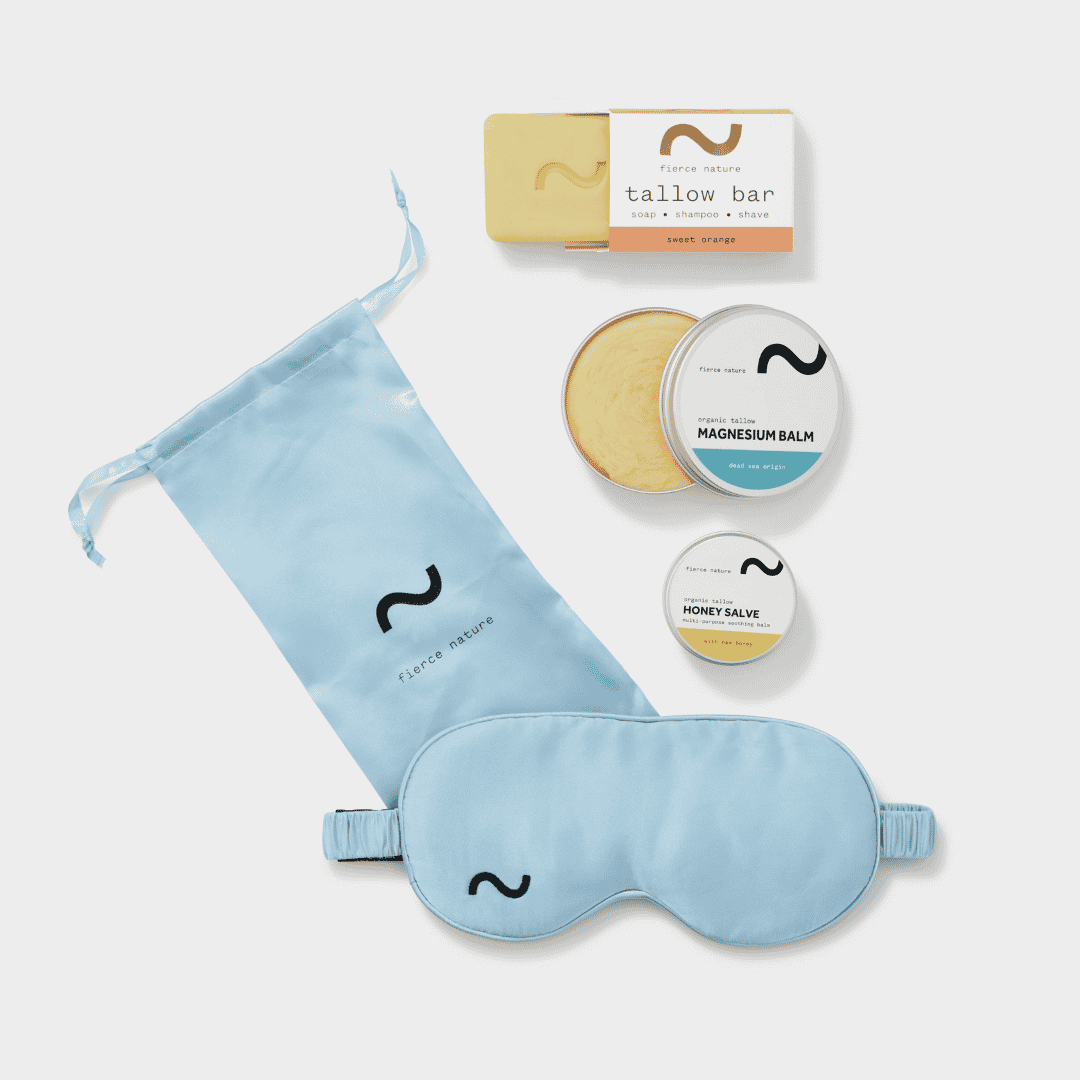
Many brands ask you to trust a label. This brand encourages you to read the ingredient list, which is kept short and understandable, with products handmade in the UK using tallow as a base. If you have sensitive or reactive skin and want a multi-use option to start with, the Multi-Use Tallow Bar (Unscented) covers cleansing and moisturising in one product, with a scented version also available for those who prefer it. For daily nourishment with light, buildable colour, the Skin Tint (Warm Coverage) and Skin Tint (Cream Blush) pair tallow’s bioavailable nourishment with a natural finish, while the Selfie Stick Rose Tint offers a portable, mess-free option for on-the-go top-ups. If you want a broader entry point, the Wonky Soap (Pack of 3) is a low-commitment way to try handmade tallow soap, and the Balance Balm suits those wanting a targeted, everyday skin balm. For readers who want to try several products together, the Biohacking bundle brings a curated set of Fierce Nature’s UK-made essentials into one order. Browse the full range and choose what fits your skin at Fierce Nature.
There is no single “best” UK skincare brand, since the right choice depends on your skin type and priorities. For sensitive or reactive skin, artisan labels such as Skin Elixir, Born of Necessity, and Fierce Nature’s tallow-based range are worth researching first, since each is built specifically around barrier support and short ingredient lists.
No official ranking crowns a single “number one” UK skincare brand, and the market spans everything from long-established names like Elemis to small-batch artisan labels making a handful of jars a week. Established editorial roundups tend to cite brands such as 111SKIN, Aurelia London, and Bamford alongside newer scientist-led and small-batch names.
Marks & Spencer sells skincare under its own retail label, formulated and manufactured through third-party contract manufacturers rather than an in-house artisan lab. This differs from the scientist-founder or small-batch model seen in brands like Born of Necessity or Klara Skincare, where the founder is directly involved in formulation.
Yes, No7 was created in Britain by Boots and remains a British-owned skincare brand, though it is manufactured at industrial scale rather than in small batches. That places it closer to the mass-market end of British skincare, distinct from the artisan, small-batch brands featured throughout this guide.
Current prices for Fierce Nature’s balms, tallow bars, skin tints, and soap ranges are listed directly on the Fierce Nature website, as pricing varies by product and size. Checking the site directly ensures you see the most accurate figure for the specific item you want.