Cart
0
80% Also Added this




TL;DR:
- Balms are ideal for intensive skin repair due to their waterless, occlusive nature. Lotions provide quick hydration for large areas but evaporate easily and offer less barrier protection. Choosing between them depends on skin needs, climate, and area to be treated.
For intensive barrier repair and long-lasting occlusion, balms are the superior choice. If your skin is cracked, chapped, or crying out for nourishment, a balm will outperform a lotion every time. For light, all-over daytime hydration on normal or oily skin, a lotion still makes practical sense. The rule of thumb: reach for a balm when your skin needs to heal, and a lotion when it simply needs a refresh.
Balms are typically anhydrous products containing no water, forming a concentrated occlusive layer that prevents transepidermal water loss (TEWL). Lotions, by contrast, have a high water content by formulation, which means much of what you apply evaporates within minutes.
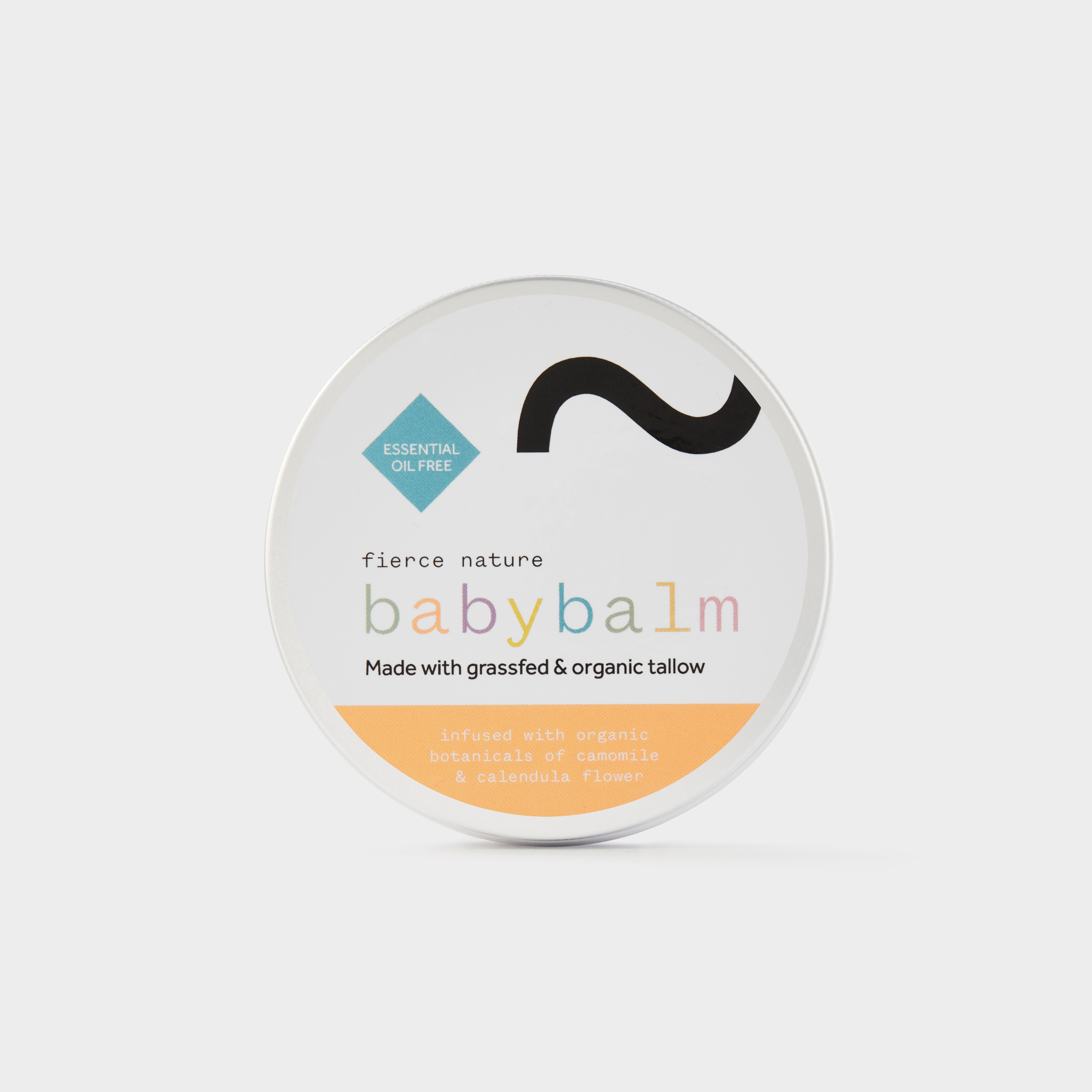
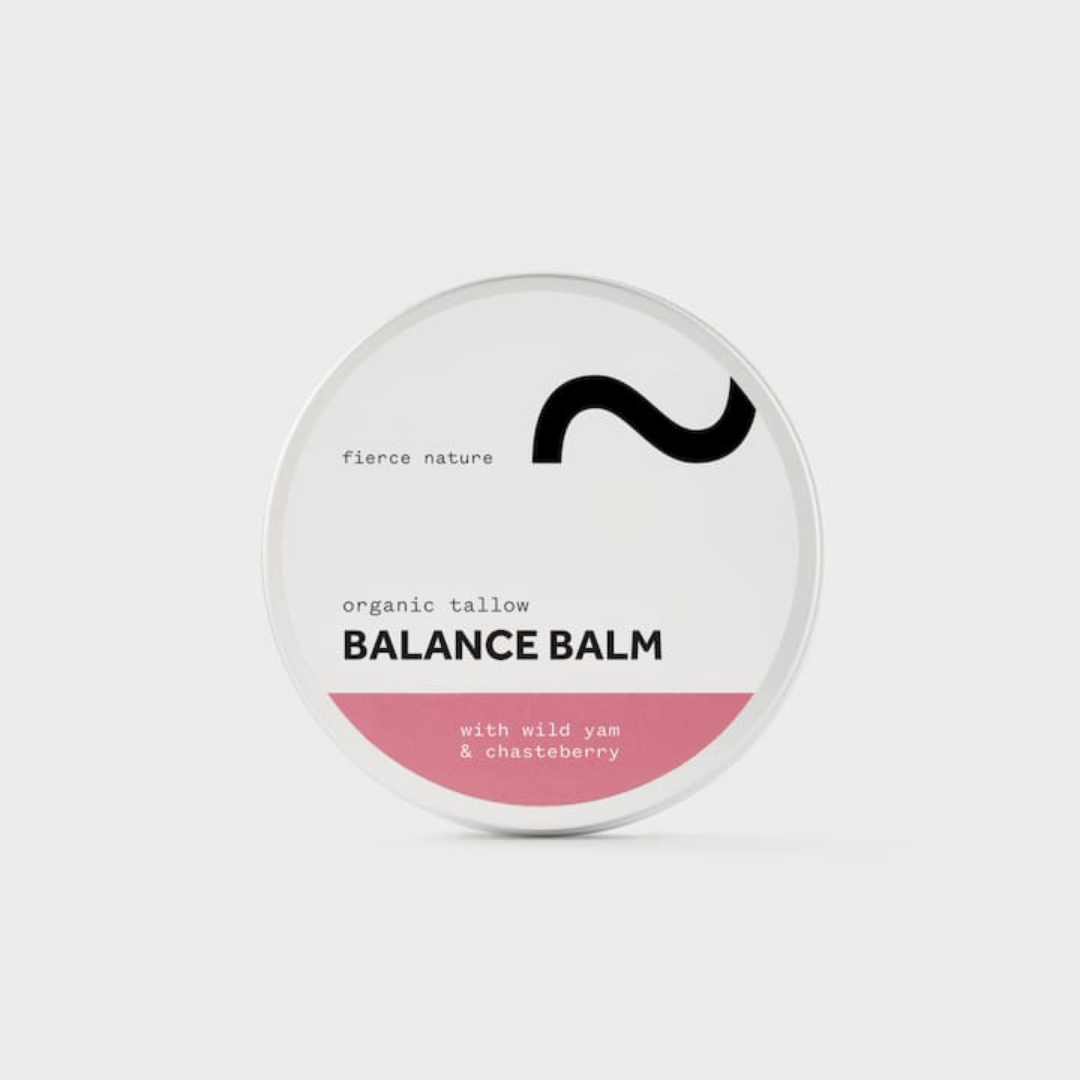
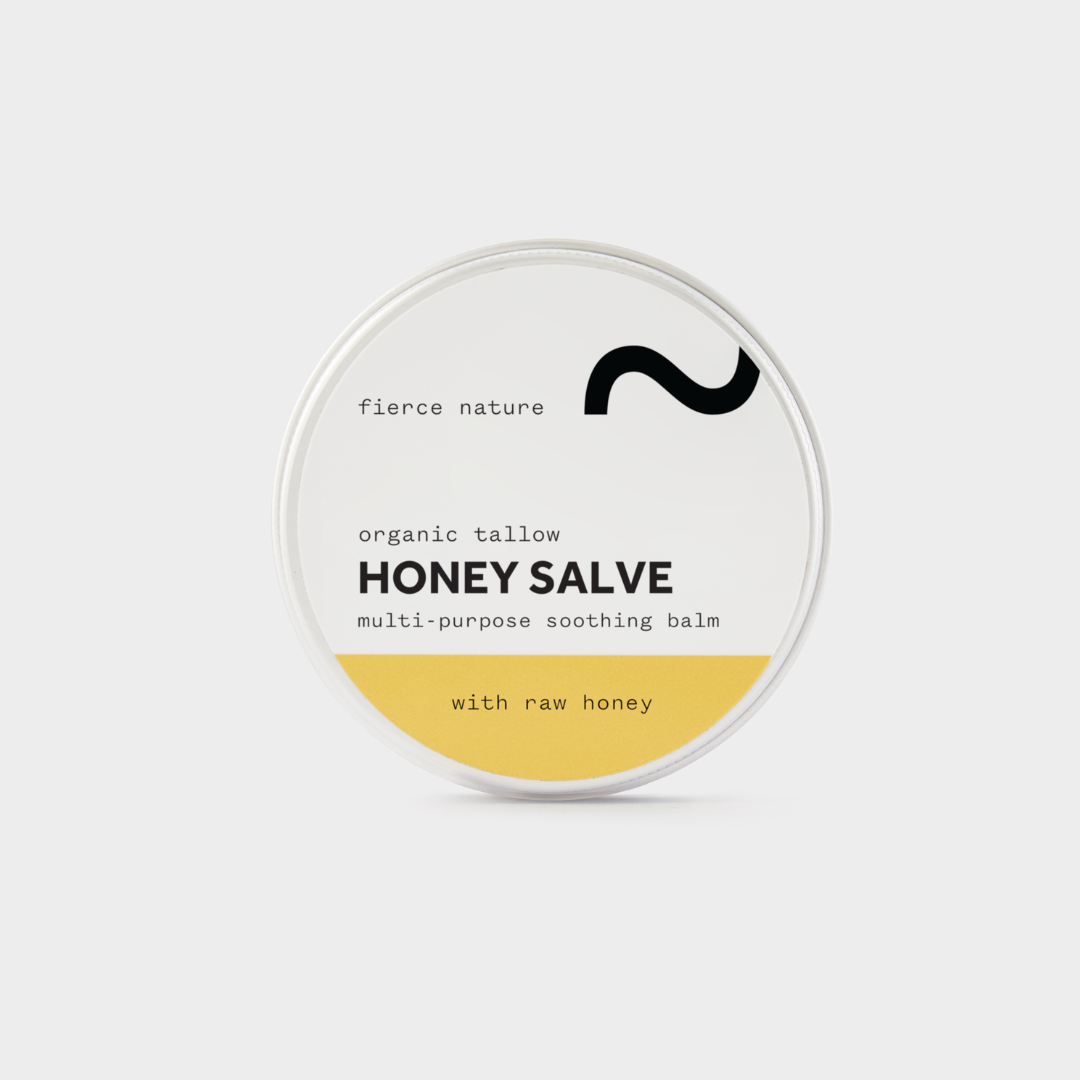
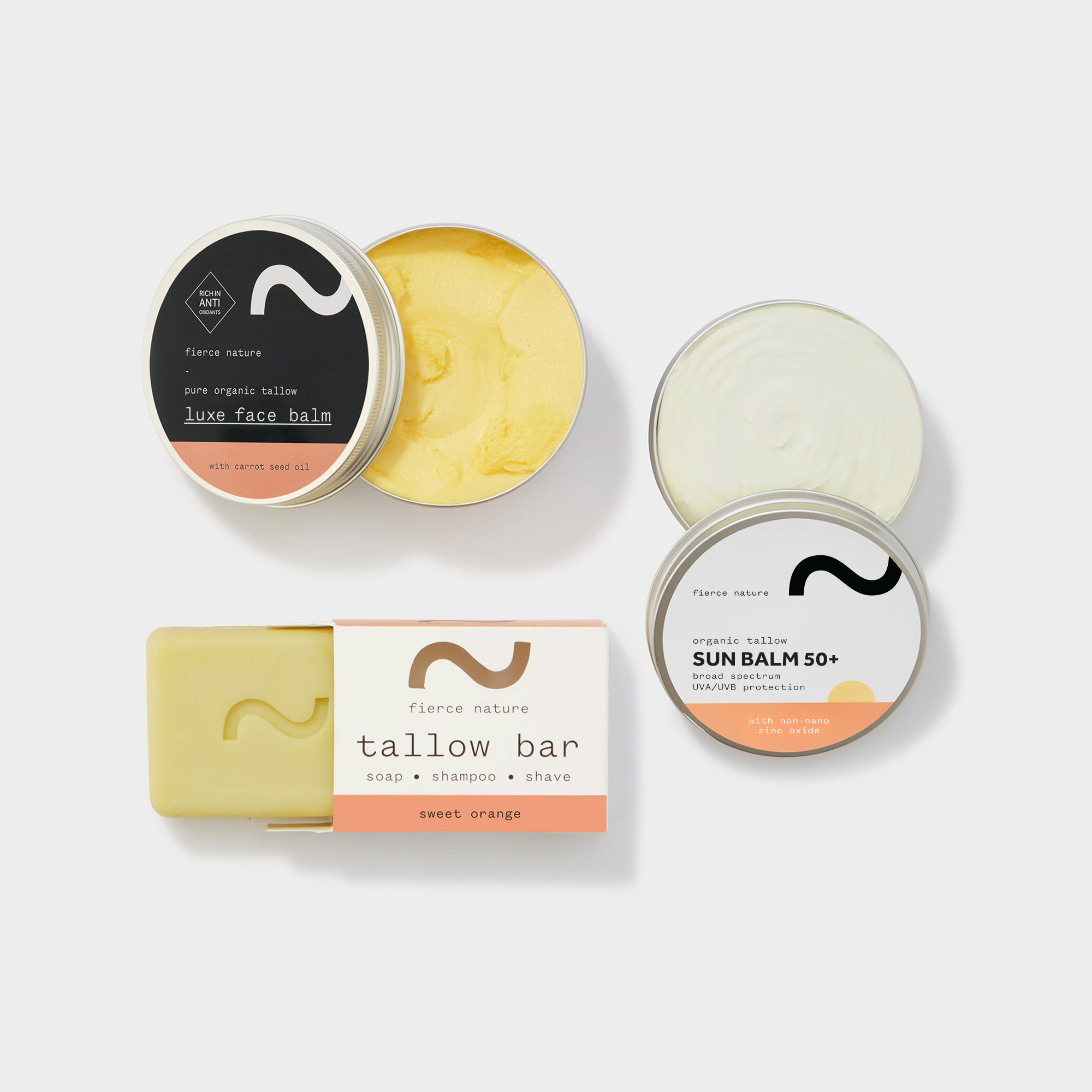
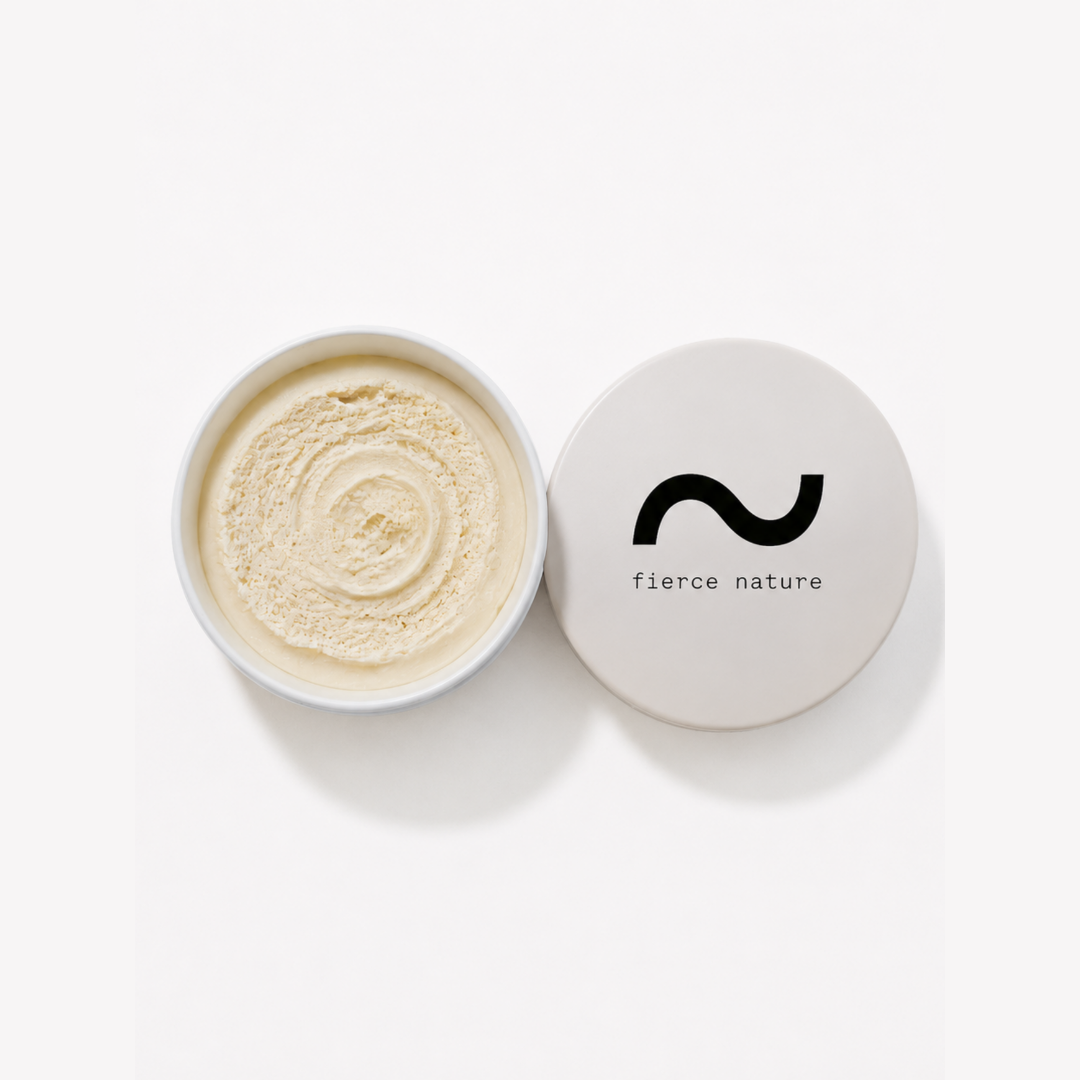
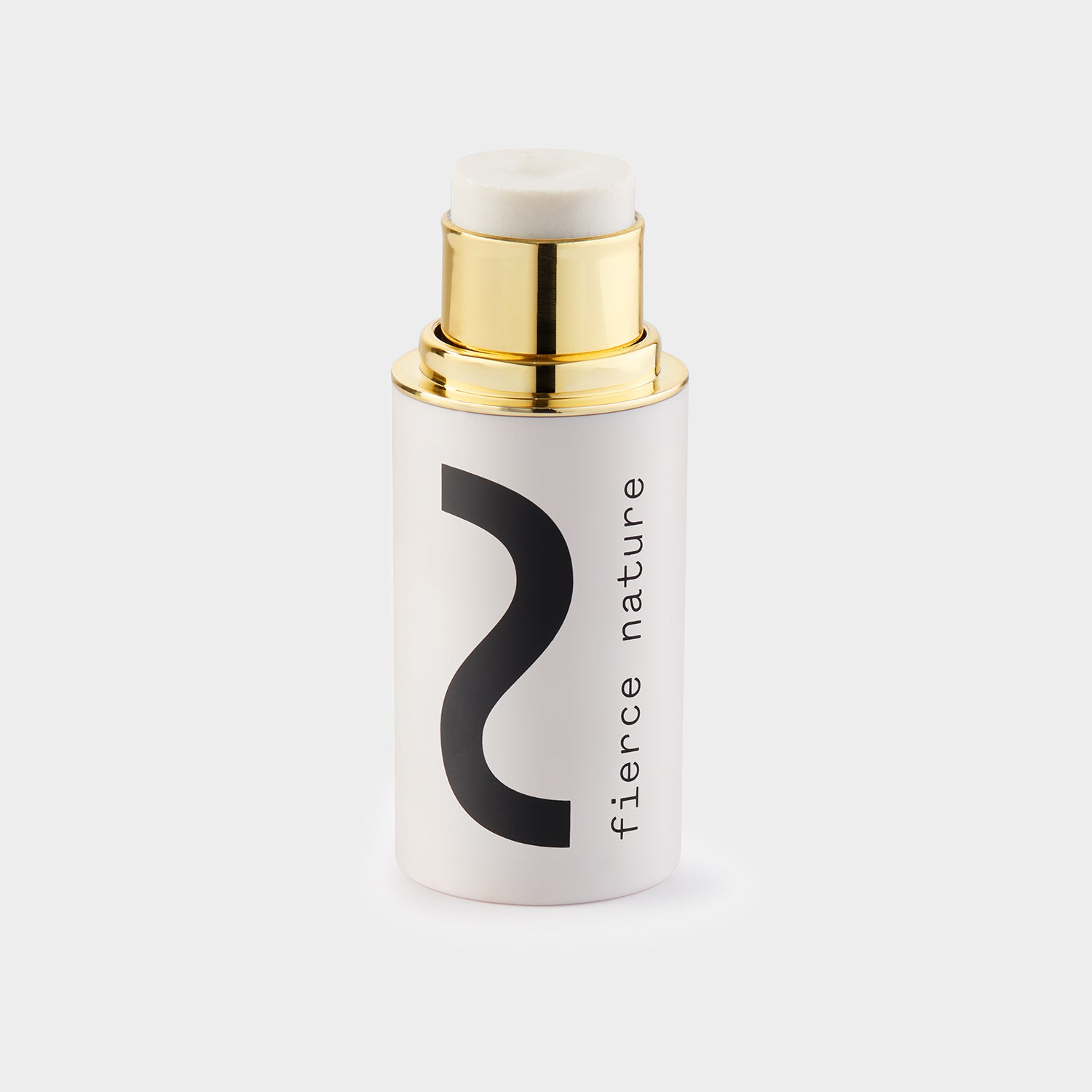
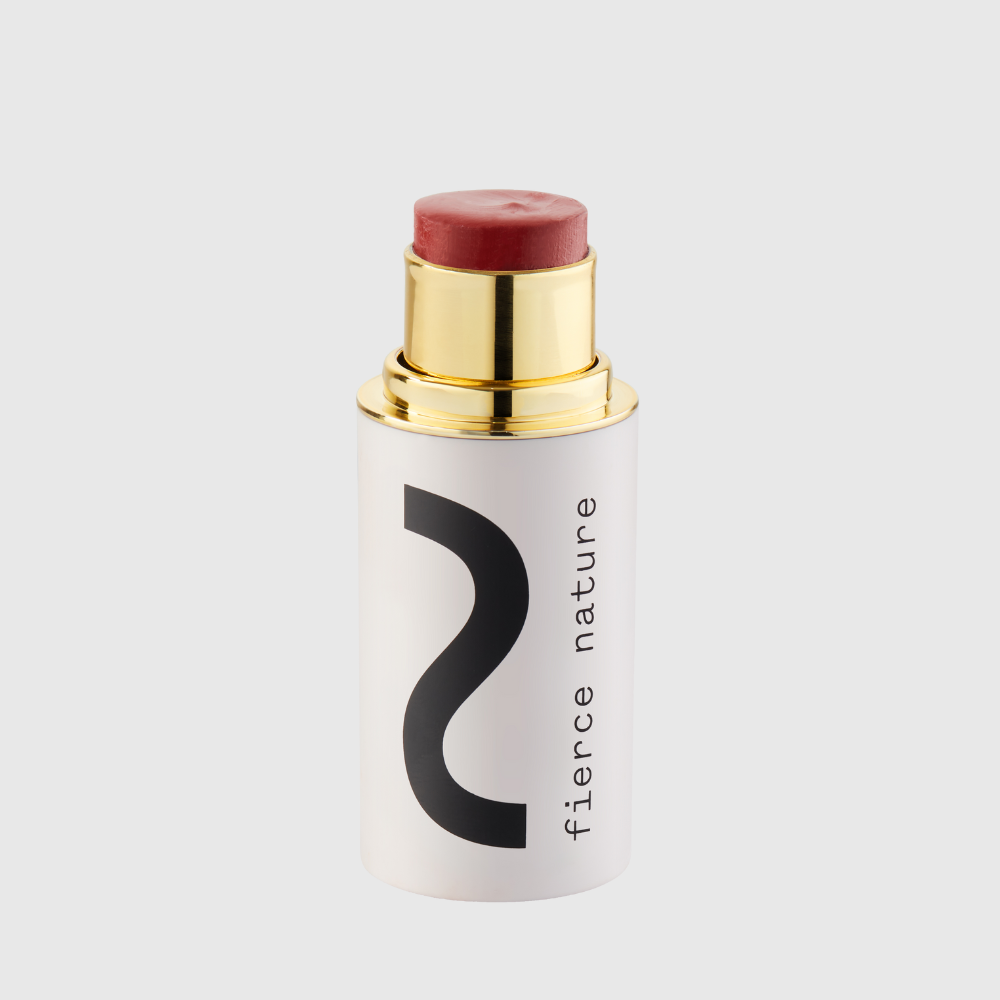
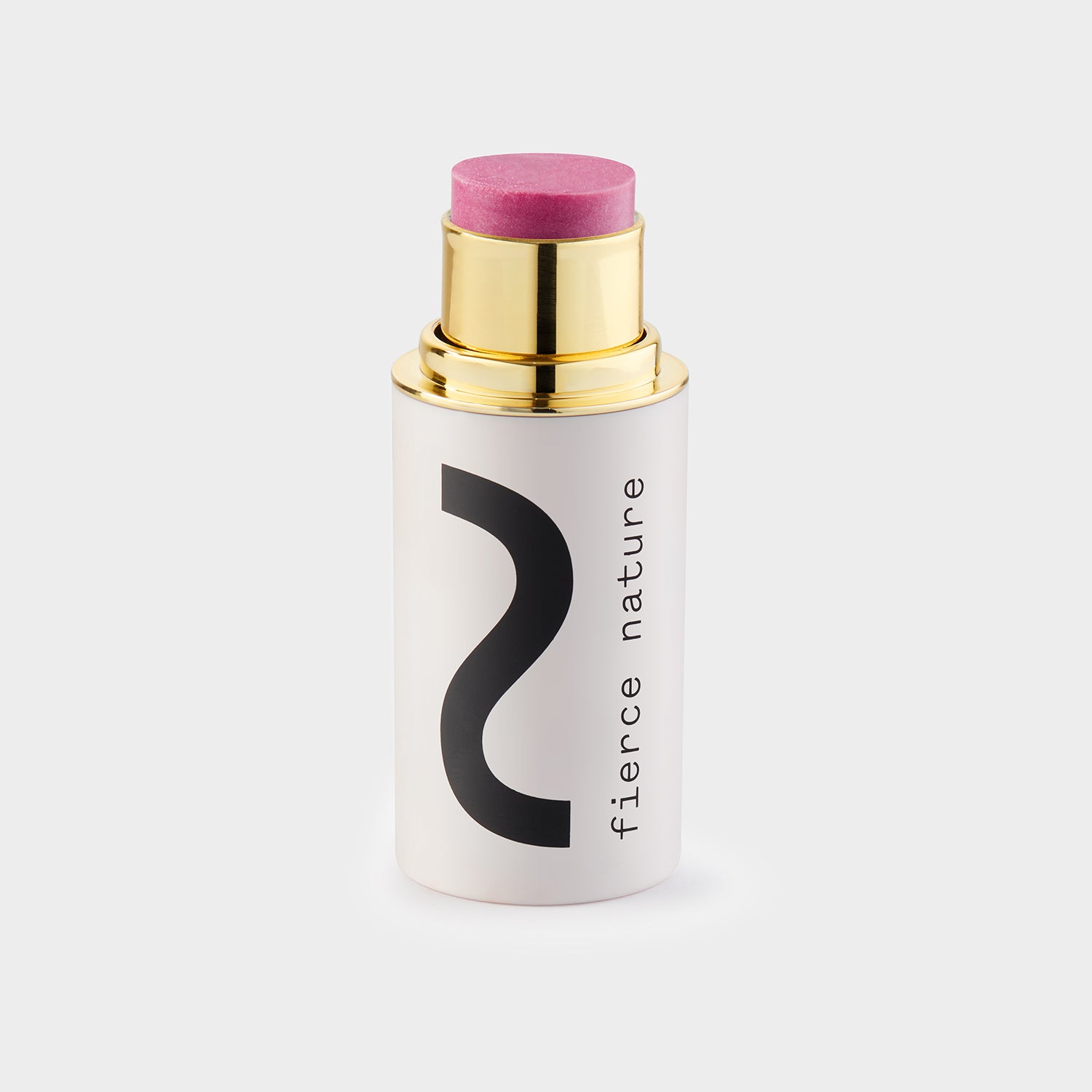
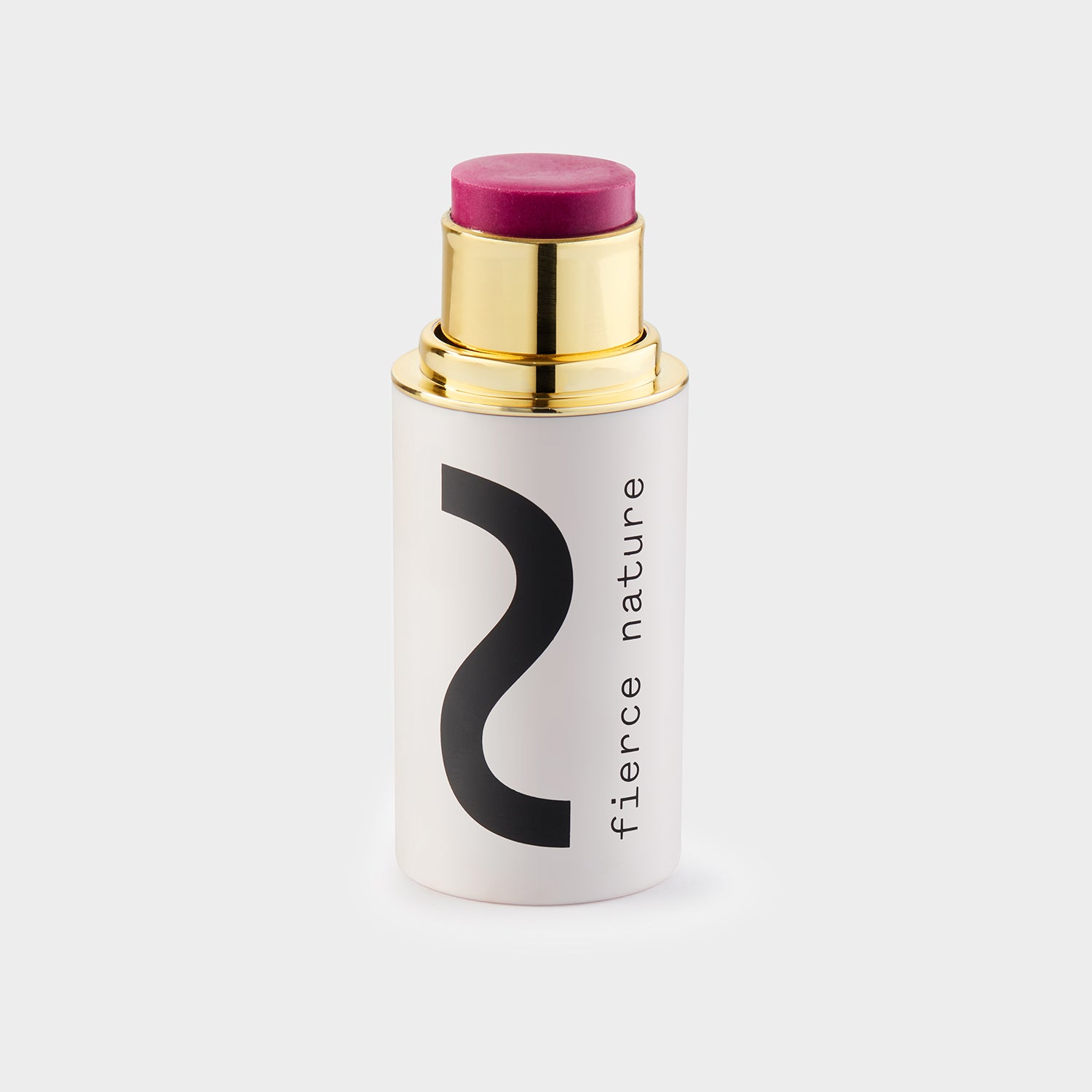
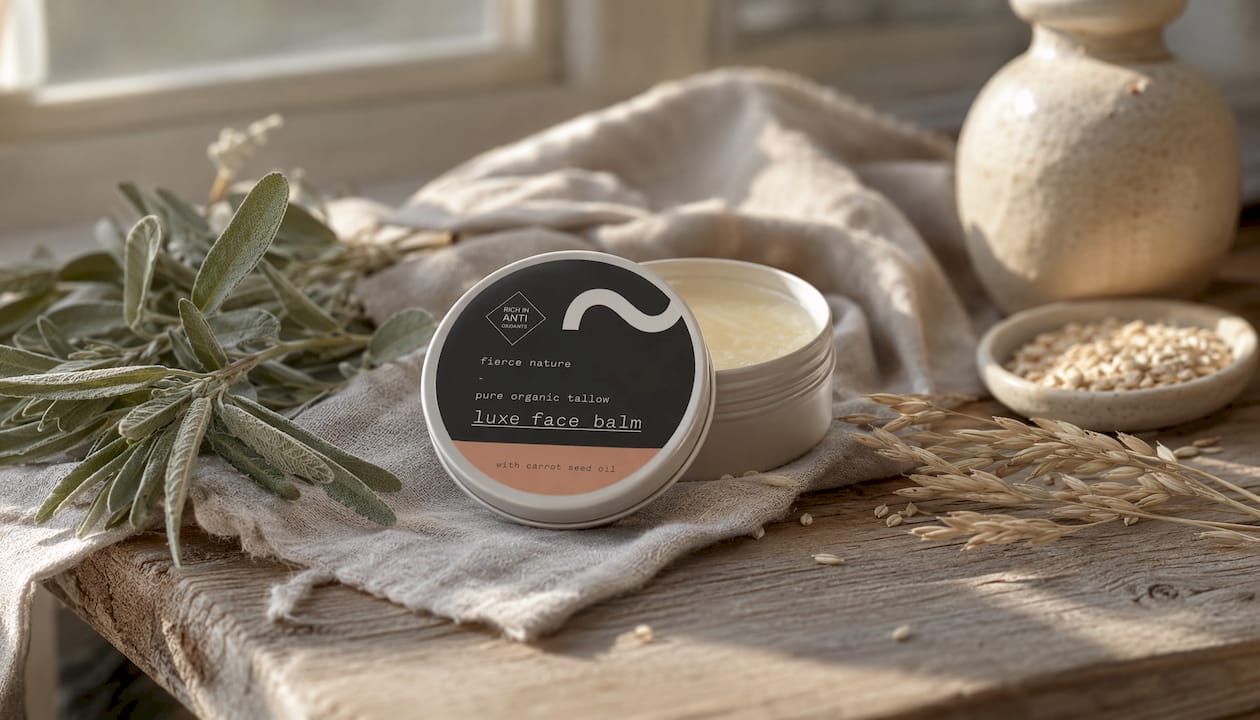
Fierce Nature’s tallow-based balms are built on exactly this principle: concentrated, waterless nourishment that works with your skin’s own lipid structure rather than sitting on top of it.
When to choose each:
The difference comes down to water. A balm is an anhydrous (waterless) formulation made entirely from oils, butters, and waxes. There is no water phase, no emulsifier needed to hold it together, and typically no synthetic preservatives required. Common balm ingredients include beeswax, shea butter, organic tallow, jojoba oil, and plant-based waxes.
A lotion is an oil-in-water emulsion. Research published via NCBI formulation guidance confirms that lotions generally contain about 75–85% water, 10–15% oil, and 5–10% humectant. That water content is what gives lotions their light, fluid texture. Emulsifiers are needed to bind the oil and water phases, and preservatives are required to prevent microbial growth in the water phase.
Key compositional differences at a glance:
Packaging reflects this too. Balms come in tins, pots, or solid sticks. Lotions live in pump bottles or tubes, where the water content keeps them pourable.
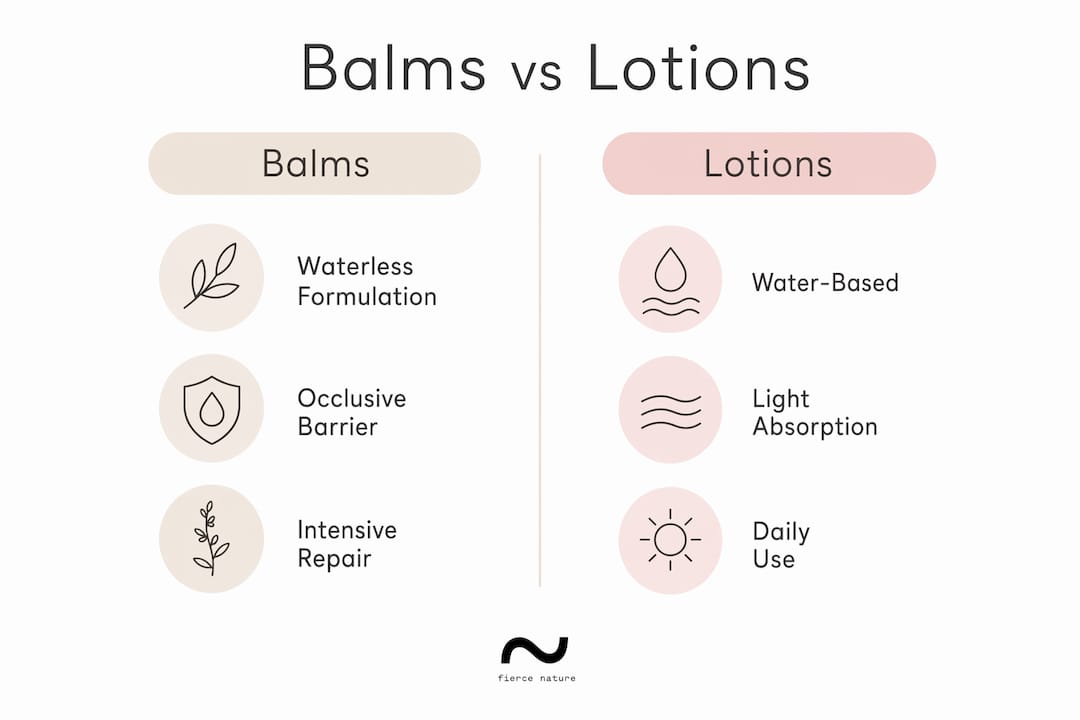
Balms hydrate through occlusion: the oil and wax layer sits on the surface of the stratum corneum (the skin’s outermost layer) and physically slows water from escaping. This reduction in TEWL means your skin retains its own moisture more effectively. A pharmaceutical review published in Pharmaceutics (MDPI) confirms that occlusive vehicles such as balms and ointments are more effective for dry skin conditions precisely because of this barrier action.
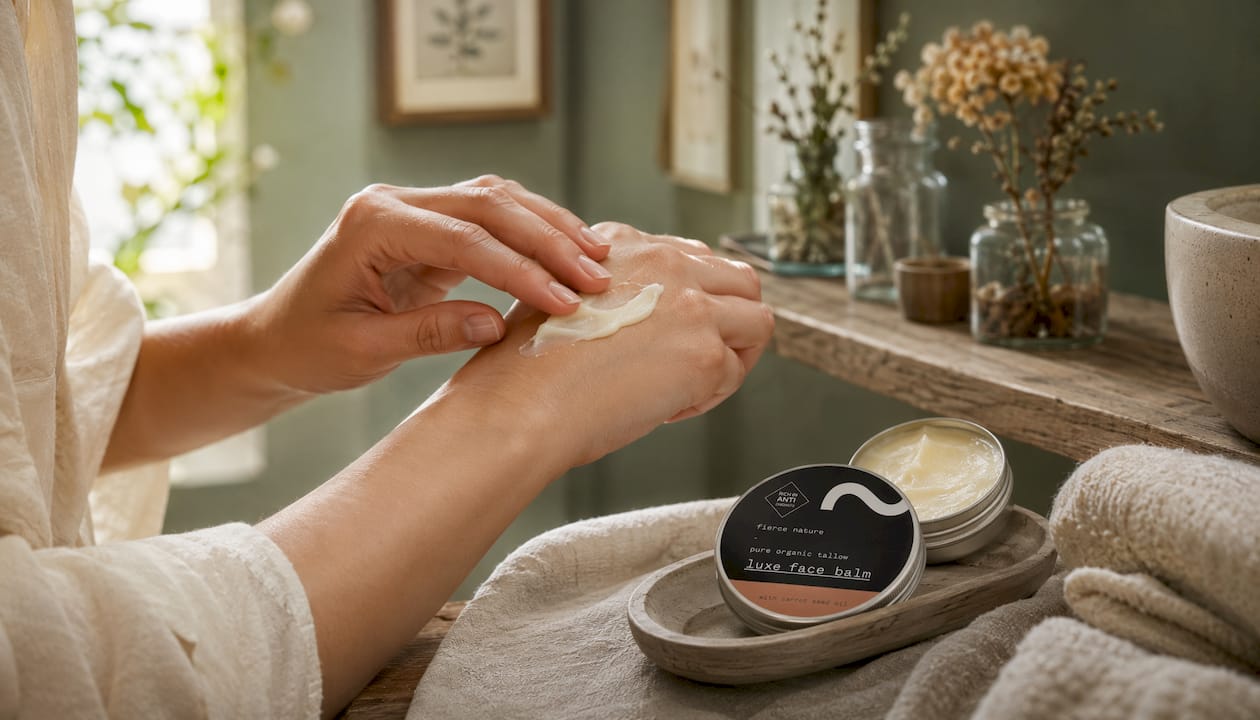
Lotions work differently. The humectants (typically glycerin or hyaluronic acid) draw water to the skin’s surface, and the water content itself provides an immediate sensation of hydration. The problem is that much of this moisture evaporates, particularly in dry or cold environments. Without an occlusive layer on top, a lotion can sometimes leave skin feeling drier than before once the water phase dissipates.
The practical difference:
The balm advantages go beyond simple texture preference. Here is where they genuinely outperform:
For overnight routines, balms are particularly powerful. Apply to problem areas before bed and your skin has hours to absorb the nourishment without environmental interference.
Balms are not the answer to everything. There are situations where a lighter, water-based lotion is genuinely the smarter option.
The spreadability and quick-absorption qualities of lotions make them the preferred choice for everyday whole-body hydration, particularly for oily or acne-prone skin.
Getting the most from a balm is about timing and technique.
Pro Tip: Blend a small amount of balm with a few drops of a hydrating floral water (such as rose water) in your palm before applying. This creates a lighter, more spreadable texture that suits those who find a pure balm too rich for daytime use.
Not all balms are equal. The choice of oils, waxes, and butters strongly affects texture, absorbency, and comedogenic risk, so reading the INCI (International Nomenclature of Cosmetic Ingredients) label matters.
Look for:
Be cautious of:
In the UK, all cosmetic products must list ingredients in INCI order by concentration. If water (aqua) appears first on a balm’s label, it is not truly anhydrous. For a broader overview of what to look for, Fierce Nature’s natural skin balm guide covers UK-specific ingredient considerations in detail. For those exploring plant-based alternatives, whipped body butters offer another format worth considering alongside traditional balms.
Fierce Nature sources organic tallow and handcrafts every product in the UK, keeping the formulation as close to nature as possible. The rationale is straightforward:
For the science behind this approach, Fierce Nature’s blog post on repairing the skin barrier naturally explains the mechanism in depth. The cellular healing with tallow article covers the science-backed benefits for barrier repair specifically.
The research comparing occlusive vehicles with lighter emulsions consistently points in the same direction. The Pharmaceutics review published via MDPI states clearly that occlusive vehicles are more effective for dry skin conditions, while lotions are better suited to exudative or hairy areas and large surfaces. This is not a minor distinction: it reflects a fundamental difference in how each format interacts with the stratum corneum.
Studies on TEWL reduction show that anhydrous, oil-rich formulations maintain a measurably stronger barrier effect over time compared with water-based emulsions. Lotions provide faster initial hydration, but that effect is shorter-lived, particularly in low-humidity environments. For conditions such as eczema, where barrier dysfunction is the core problem, the clinical preference leans towards occlusive formulations for maintenance between flare-ups.
The evidence does not declare one format universally superior. It supports a targeted approach: use the format that matches the skin’s current need.
Both balms and lotions carry allergen risks, but the sources differ.
In balms, the most common sensitivities involve:
In lotions, the allergen landscape is broader because of the water phase:
For eczema-prone or reactive skin, an unscented, preservative-free balm is often the lower-risk option. Always patch-test a new product on the inner arm for 24–48 hours before applying to the face or a large area. If you have a diagnosed skin condition, consult a dermatologist before changing your routine.
Balms outperform lotions for intensive repair and barrier protection; lotions remain the practical choice for light, all-over daily hydration.
| Point | Details |
|---|---|
| Balms for repair | Choose a balm for cracked, dry, or eczema-prone skin where occlusion and concentrated nourishment matter most. |
| Lotions for coverage | Lotions, which generally contain about 75–85% water, 10–15% oil and 5–10% humectant, spread easily and absorb quickly, making them ideal for large areas and everyday use. |
| Season and climate | In cold, dry British winters, a balm’s occlusive barrier protects against wind and TEWL far more effectively than a lotion. |
| Layering tip | Apply a water-based serum or lotion first, then seal with a balm on top for the best of both formats. |
| Fierce Nature option | Fierce Nature’s tallow-based balms are anhydrous, handcrafted in the UK, and formulated without synthetic preservatives for sensitive and repair-focused skin. |
The skincare industry has spent decades convincing us that light and fast-absorbing equals effective. Lotions sell well partly because they feel elegant and disappear quickly. But disappearing quickly is not the same as working deeply.
What we have seen, time and again, is that skin in genuine distress — cracked from cold weather, stripped by harsh cleansers, or compromised by eczema — does not need more water. It needs lipids. It needs an occlusive layer that gives the barrier time and material to repair itself. A lotion applied to cracked hands in January will feel soothing for ten minutes. A balm applied to the same hands before bed, covered with cotton gloves, will show a visible difference by morning.
That said, we are not here to dismiss lotions. For a healthy skin day, a light lotion after your morning shower is perfectly sensible. The mistake is reaching for a lotion when your skin is asking for something richer. Knowing the difference is what separates a reactive skincare routine from a genuinely restorative one.
If the scenarios in this article sound familiar — dry hands after gardening, cracked heels in winter, eczema patches that need something more than a standard moisturiser — Fierce Nature’s range is worth exploring.
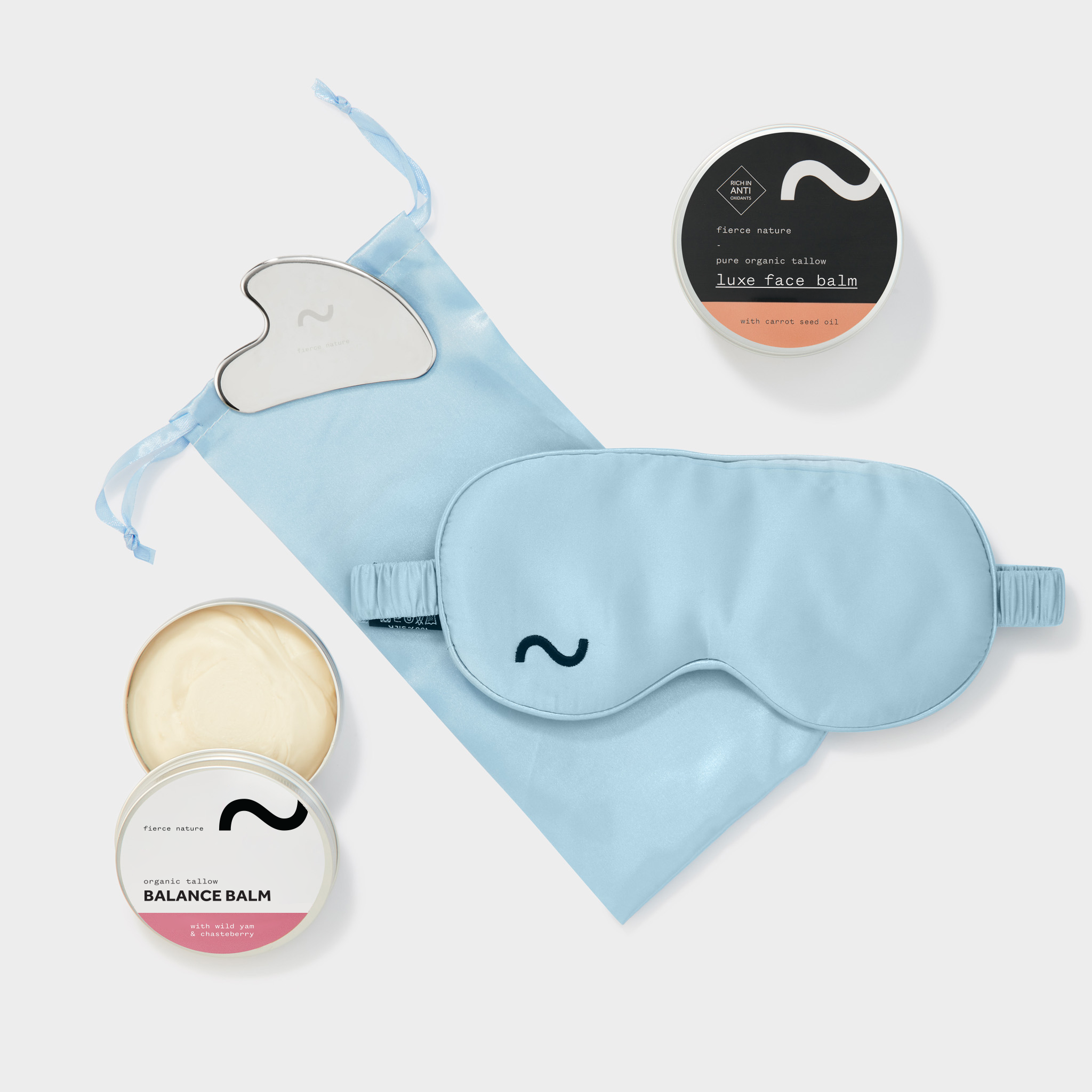
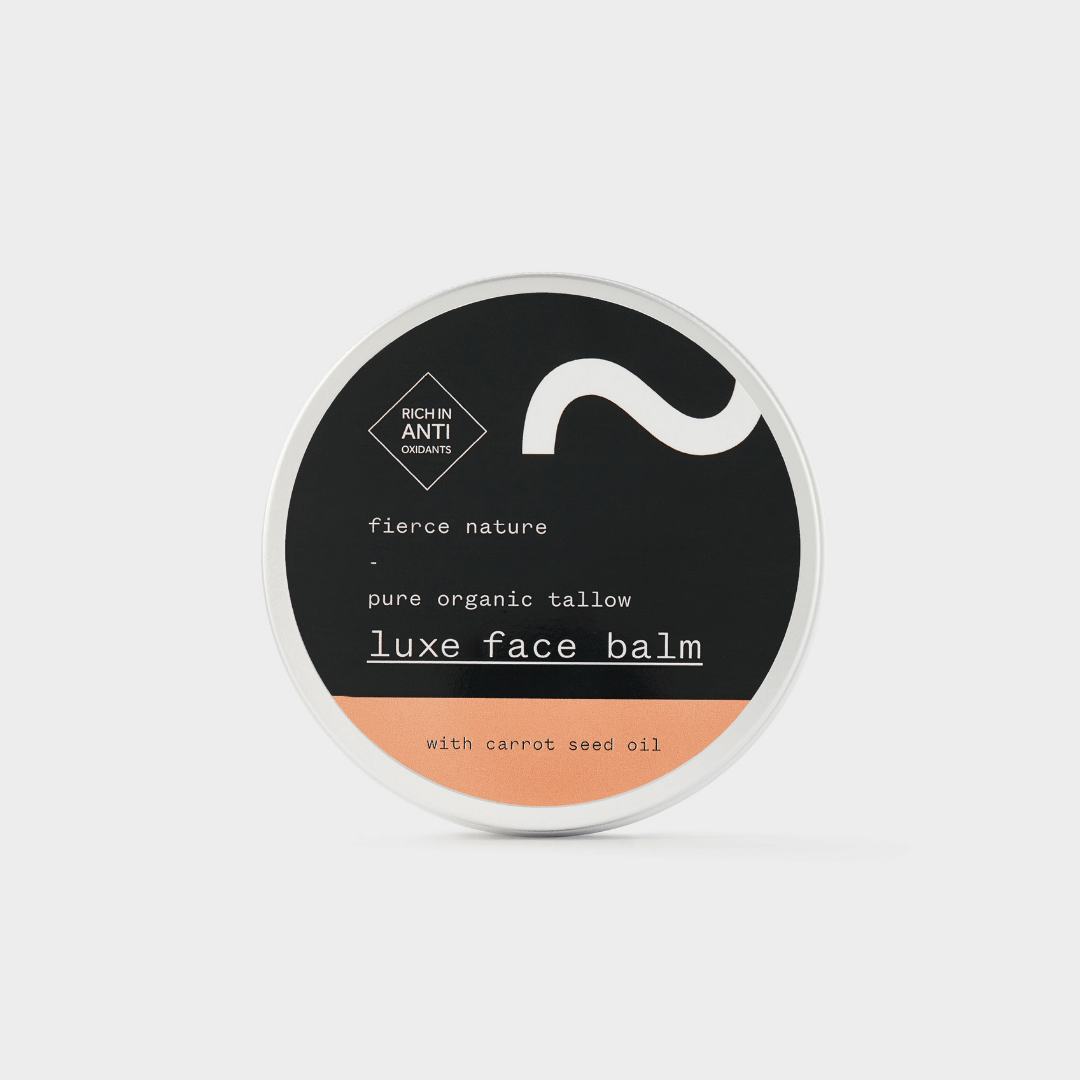
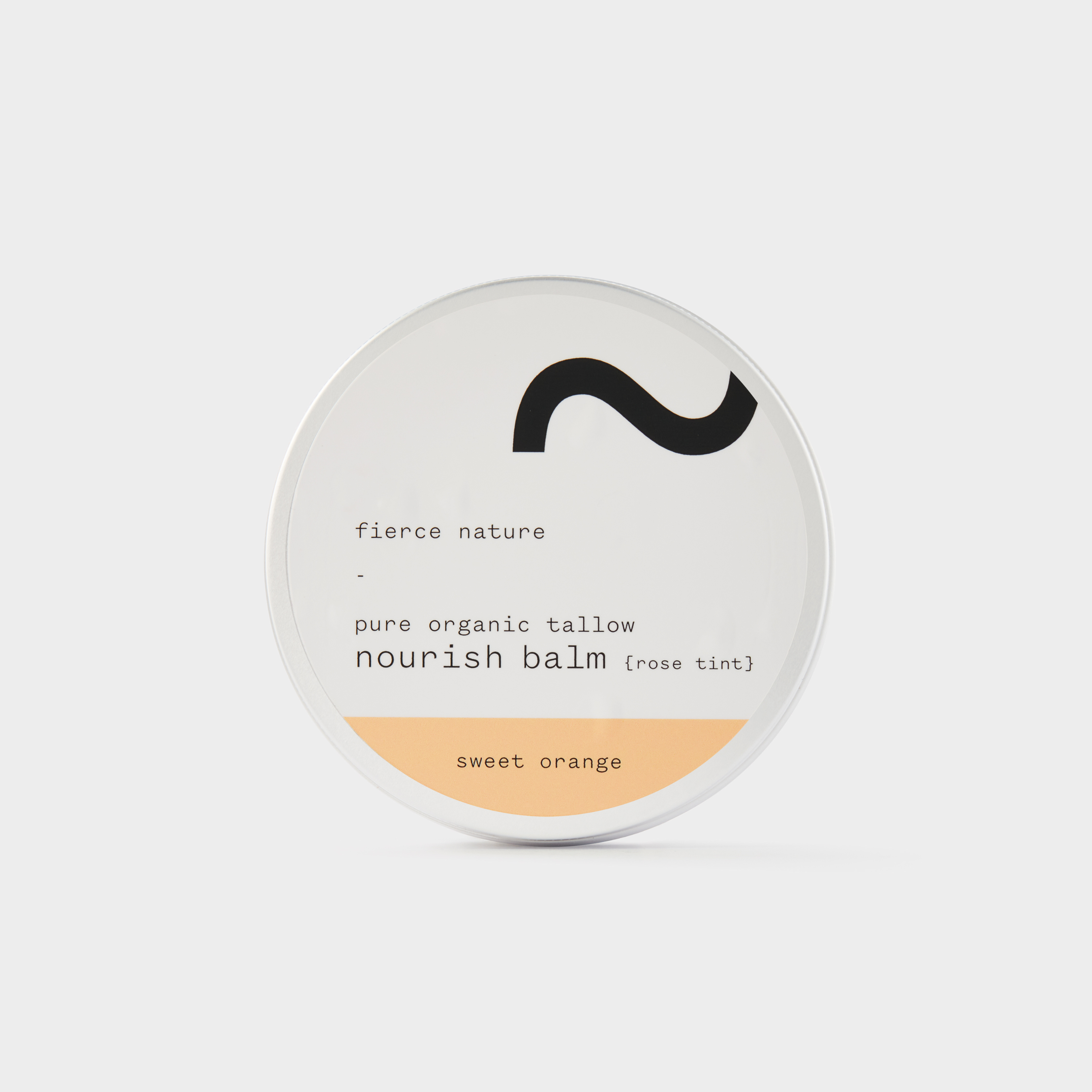
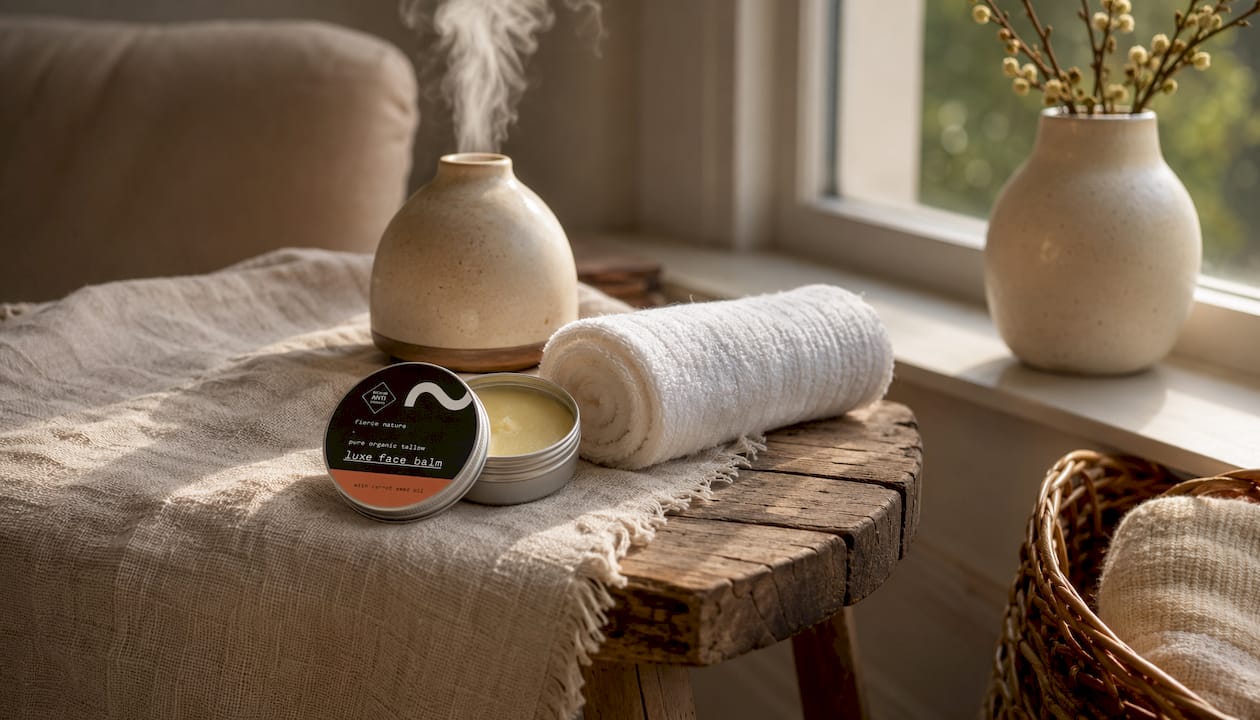
The Luxe Balm is formulated for facial barrier support, using organic tallow alongside carefully chosen non-comedogenic oils. For body use, the Nourish Balm (Unscented) is the go-to for sensitive or eczema-prone skin, free from fragrance and synthetic preservatives. The Nourish Balm (Sweet Orange) offers the same nourishing base with a natural citrus scent for those who enjoy a gentle fragrance (note: not recommended for very reactive skin). All three are handmade in the UK from naturally sourced ingredients. Browse the full range and find the balm that fits your skin’s needs.
For readers who want to go deeper into the science and formulation behind balms versus lotions, these resources are worth your time:
For any persistent skin condition, including eczema, psoriasis, or contact dermatitis, please consult a qualified dermatologist. This article provides general information, not medical advice.
Yes, for severely dry or damaged skin. Balms form an occlusive barrier that reduces TEWL and delivers concentrated lipids, making them more effective than lotions for intensive repair.
You can, particularly on dry or problem areas. For all-over daily use, many people find a lotion more practical and reserve a balm for targeted application or overnight routines.
Most balms are safe for facial use, but choose one formulated with non-comedogenic oils (such as jojoba or squalane) and patch-test first. Fierce Nature’s Luxe Balm is specifically designed for facial barrier support.
Yes. A balm can replace a conventional moisturiser, especially for dry or sensitive skin. It works best applied to slightly damp skin to seal in surface moisture alongside the balm’s own nourishing oils.
Not inherently. The risk depends on the oils used. Heavy comedogenic oils can clog pores on congestion-prone skin, but balms made with non-comedogenic ingredients like jojoba, squalane, or beeswax are generally well-tolerated even on the face.


