Cart
0
80% Also Added this

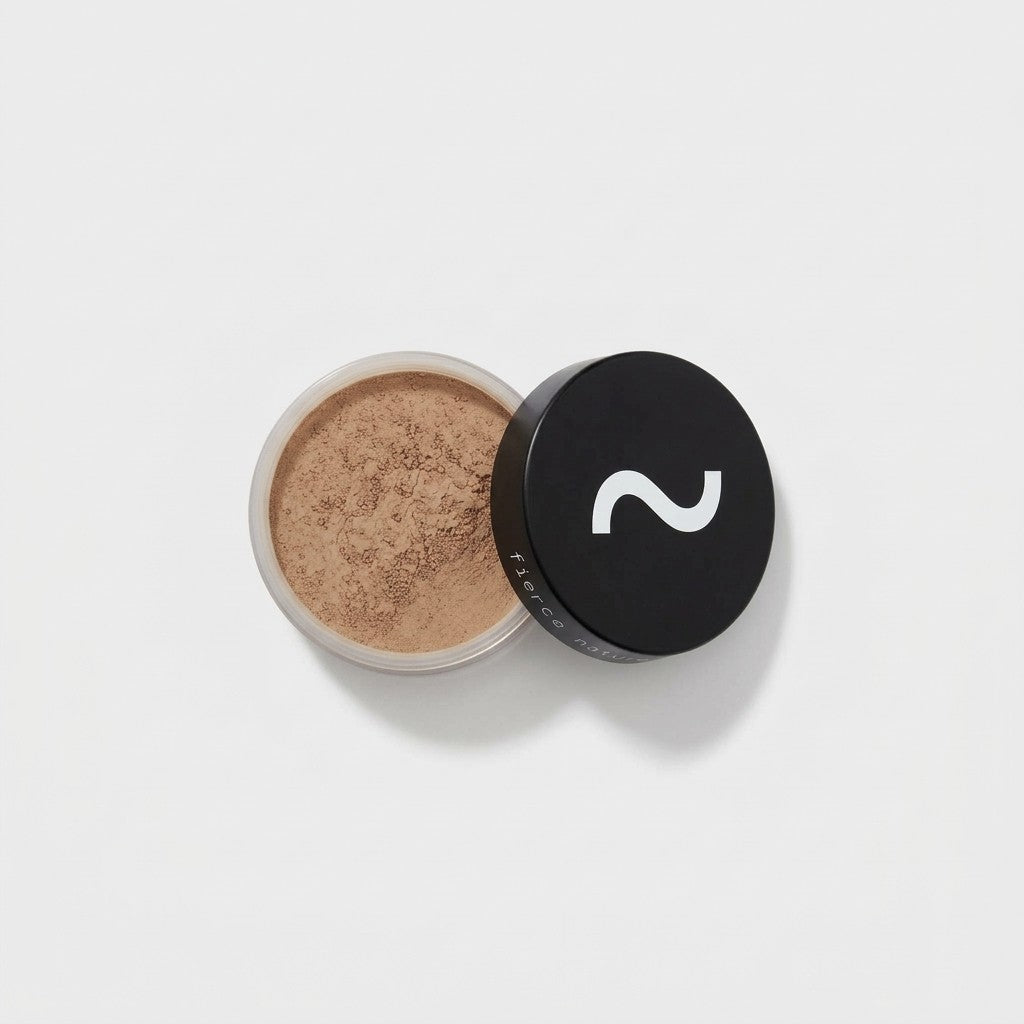
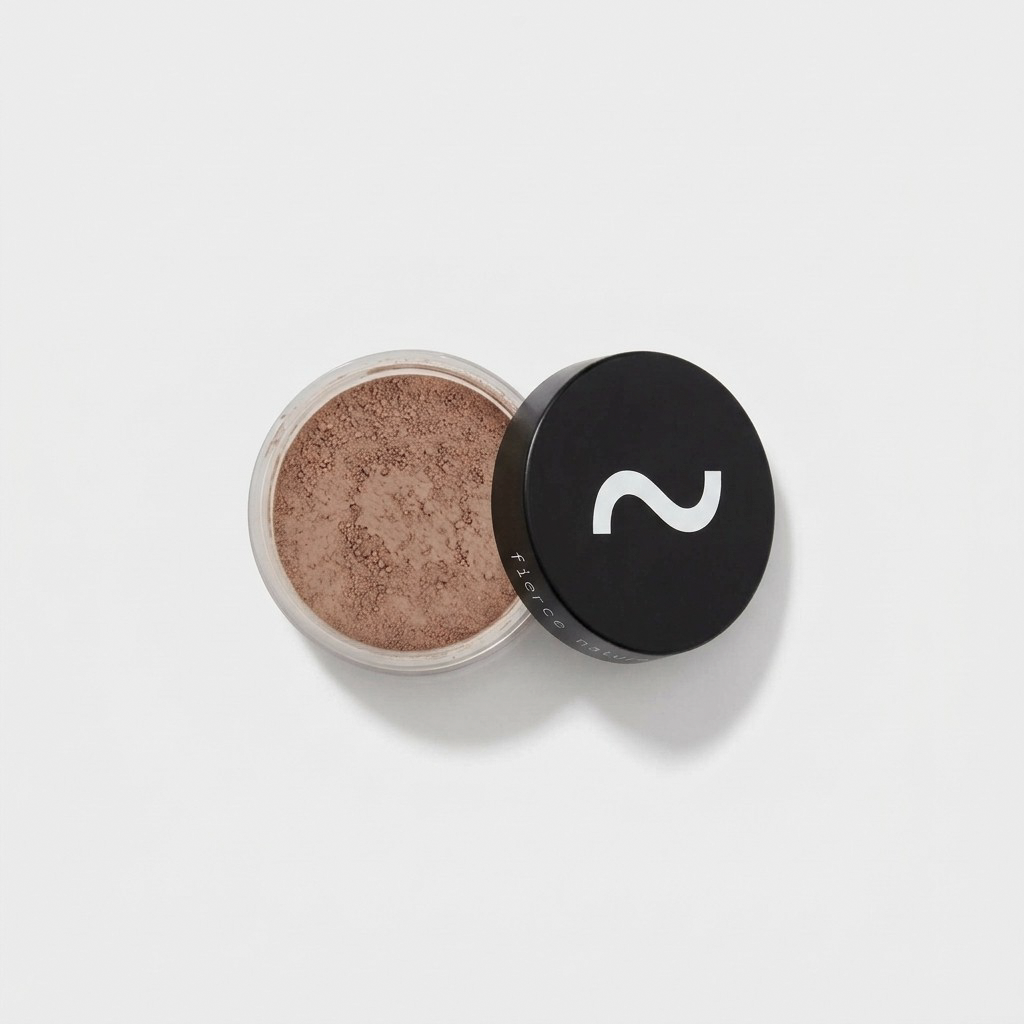
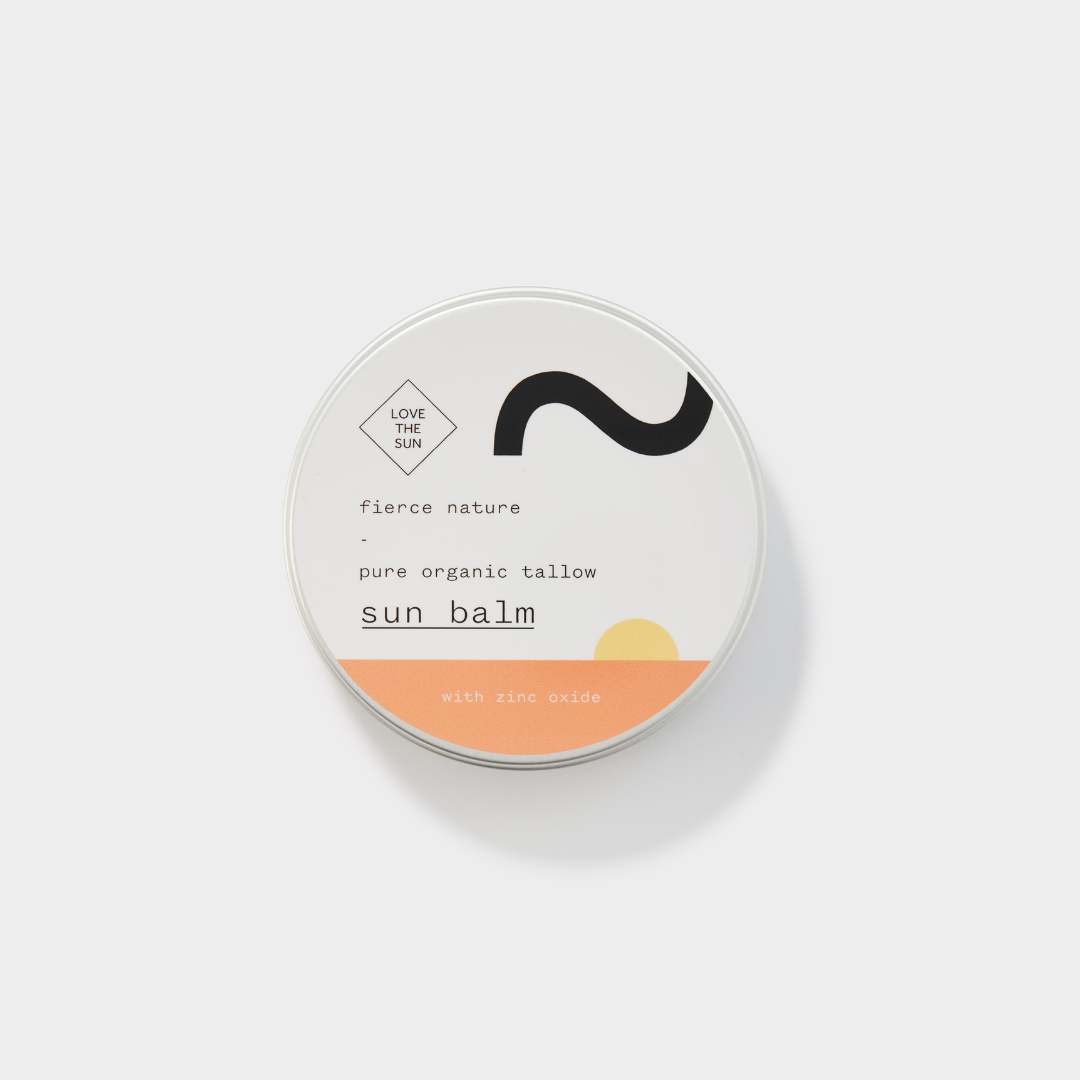
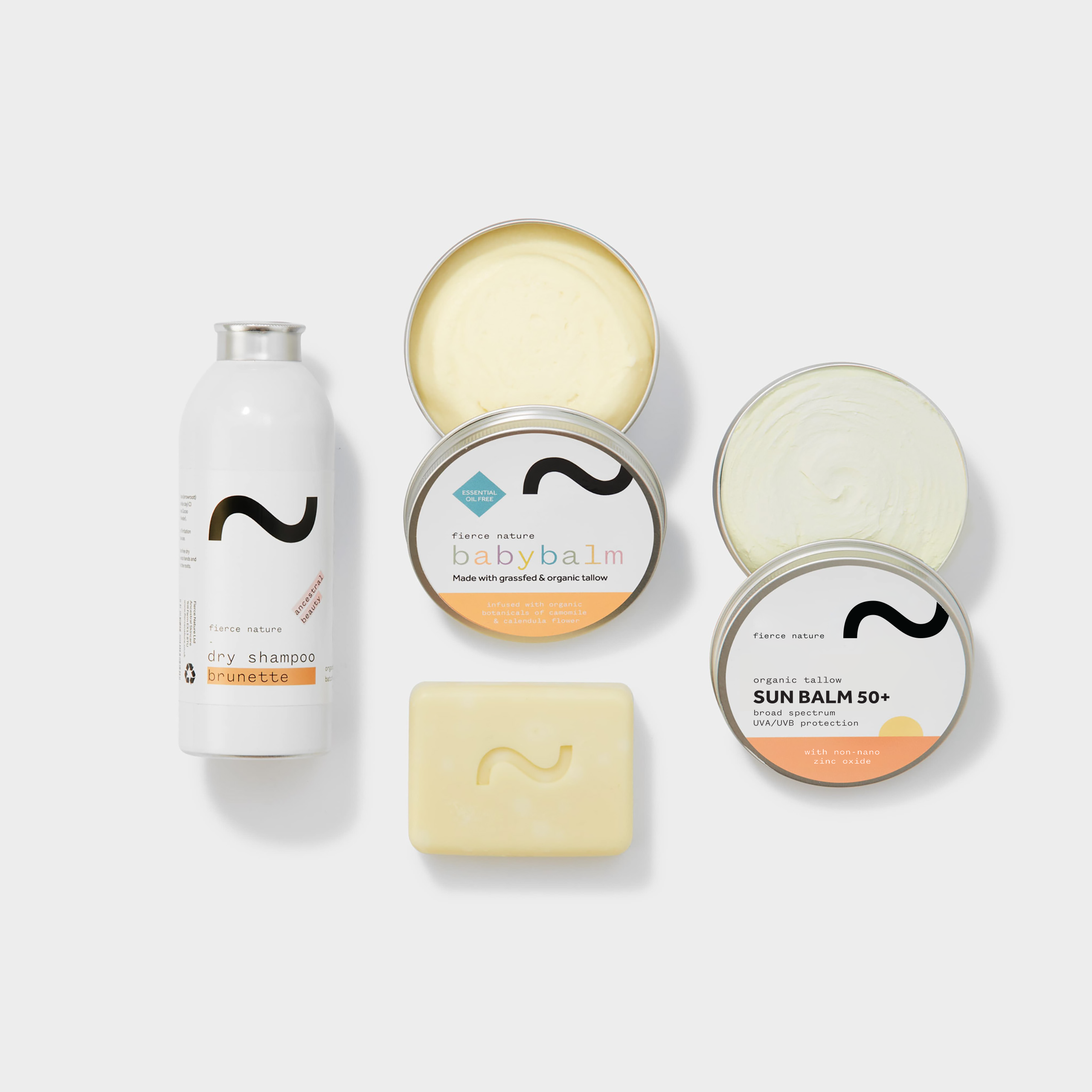
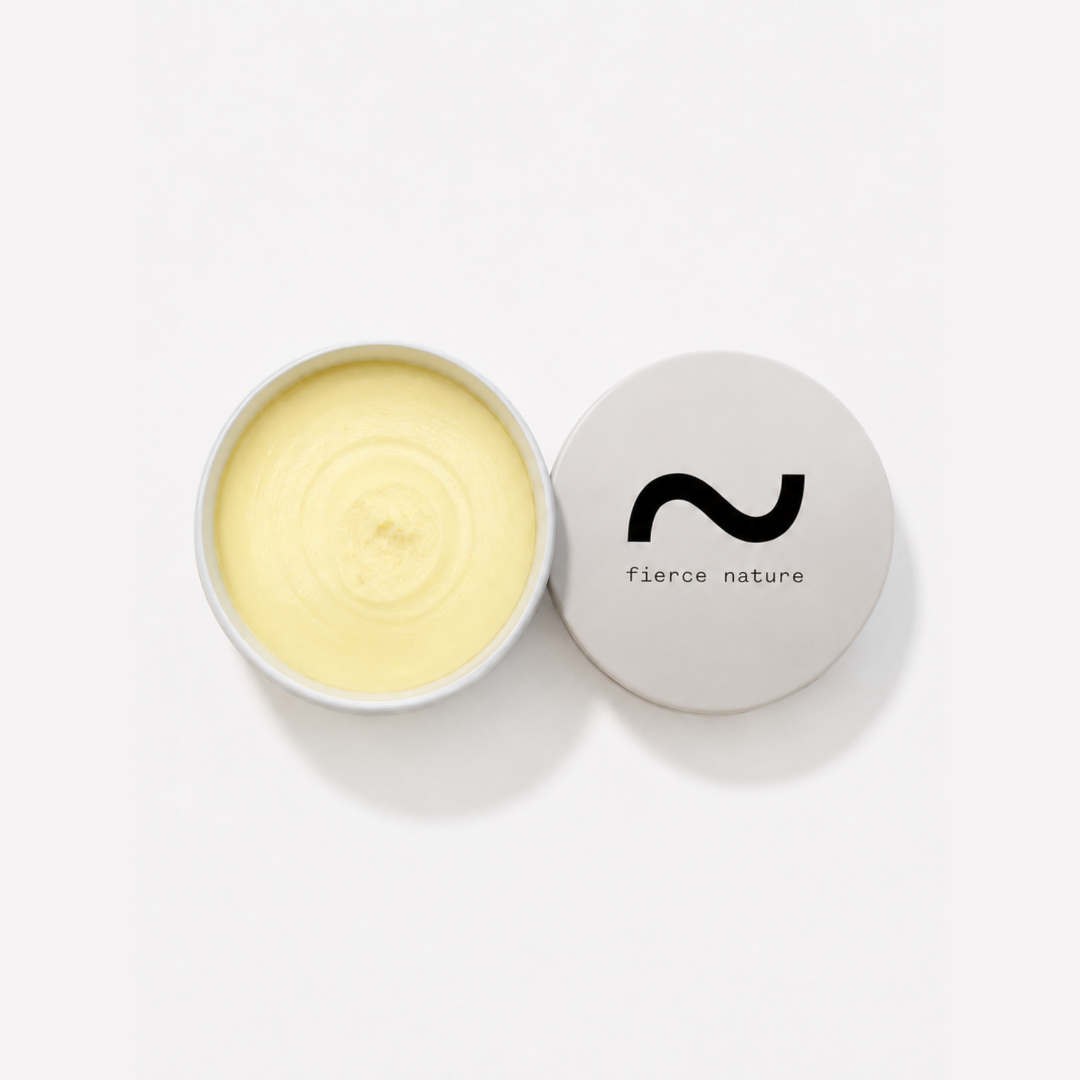
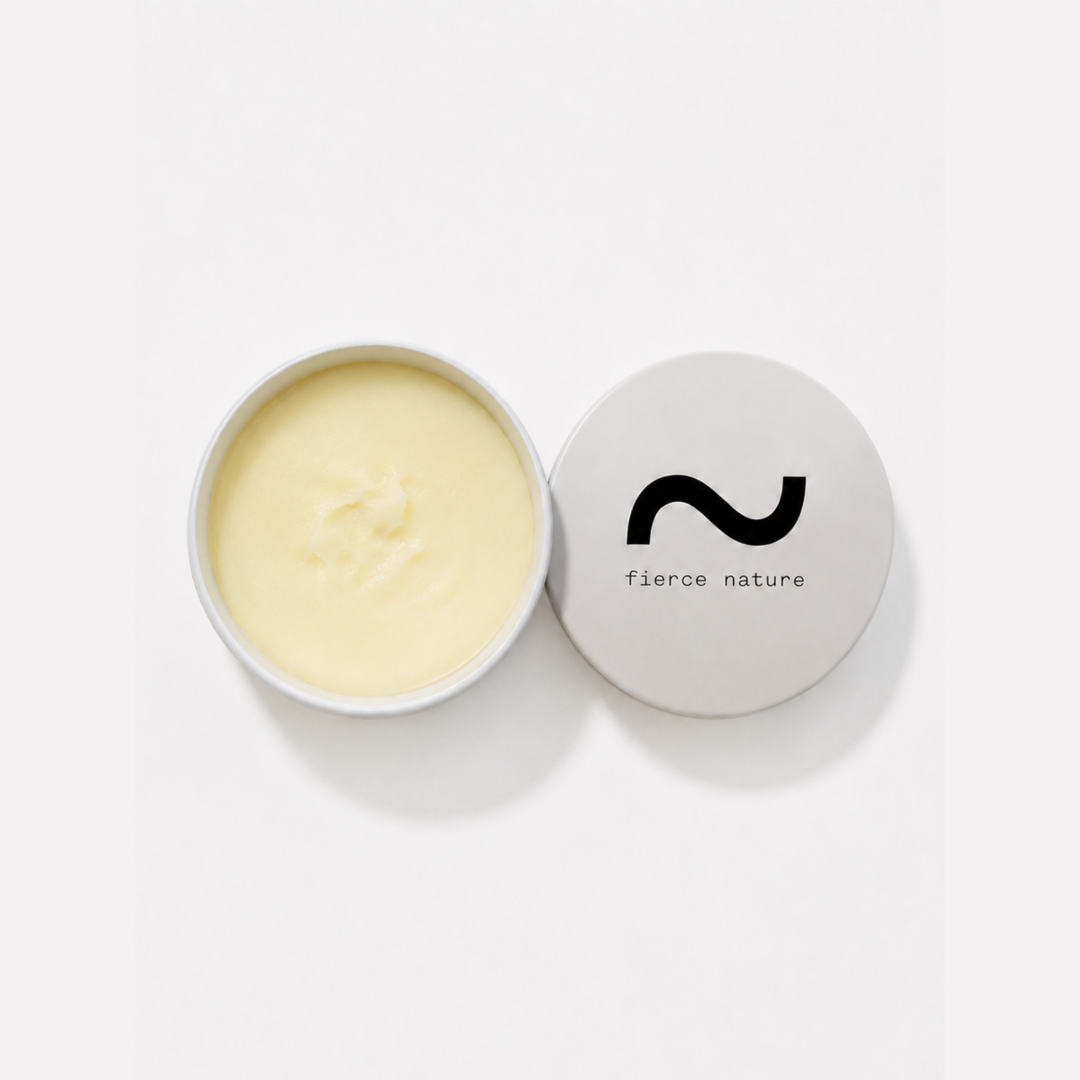
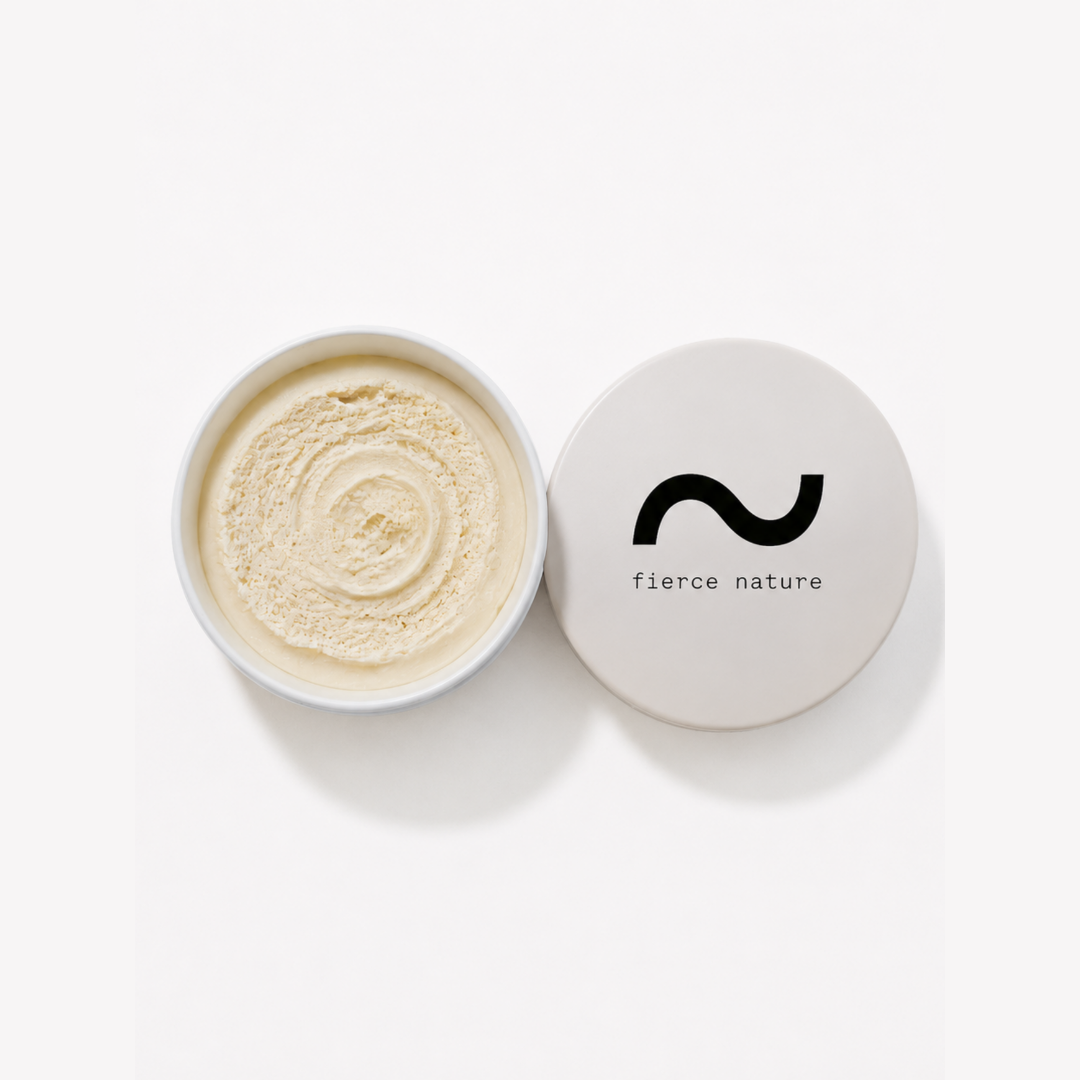
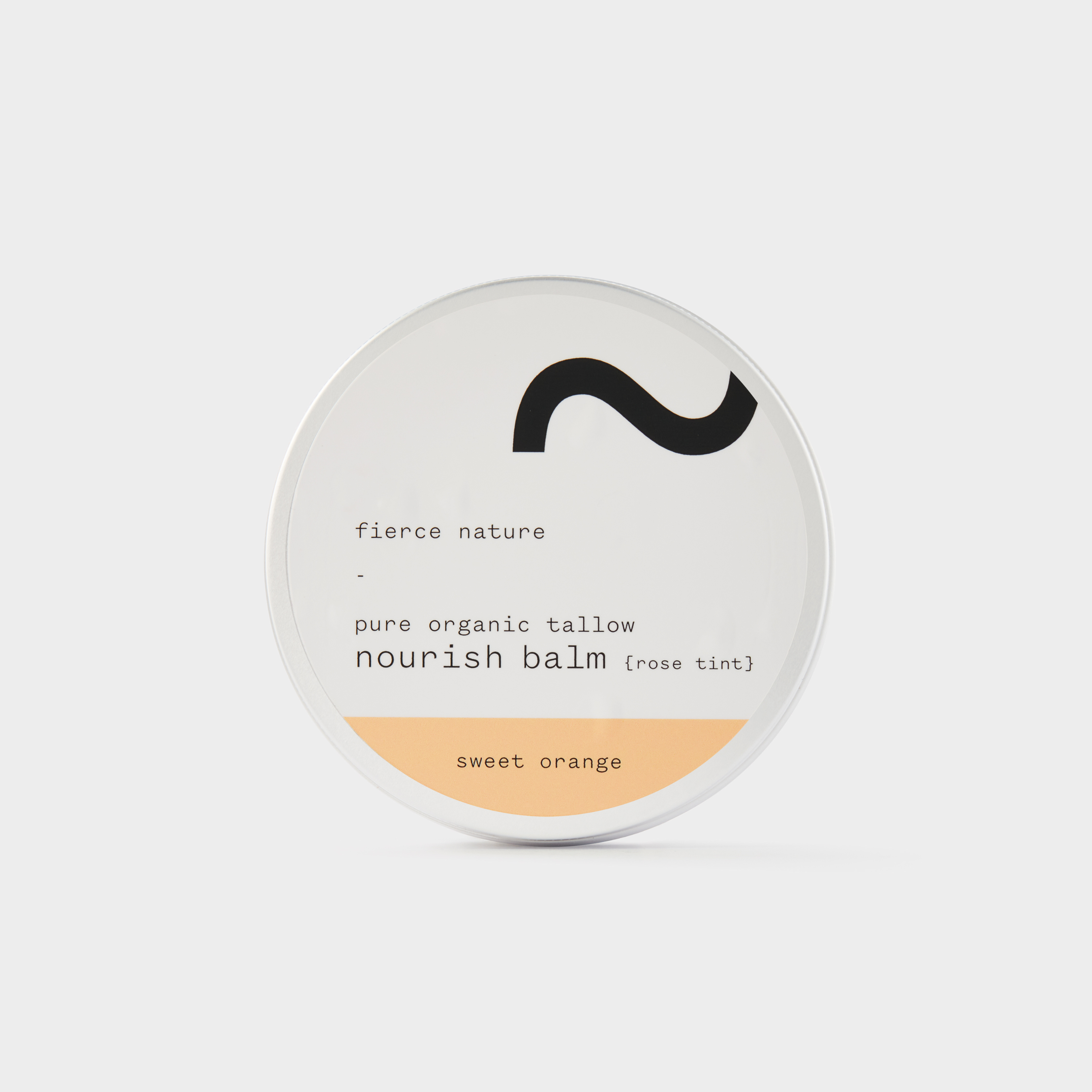

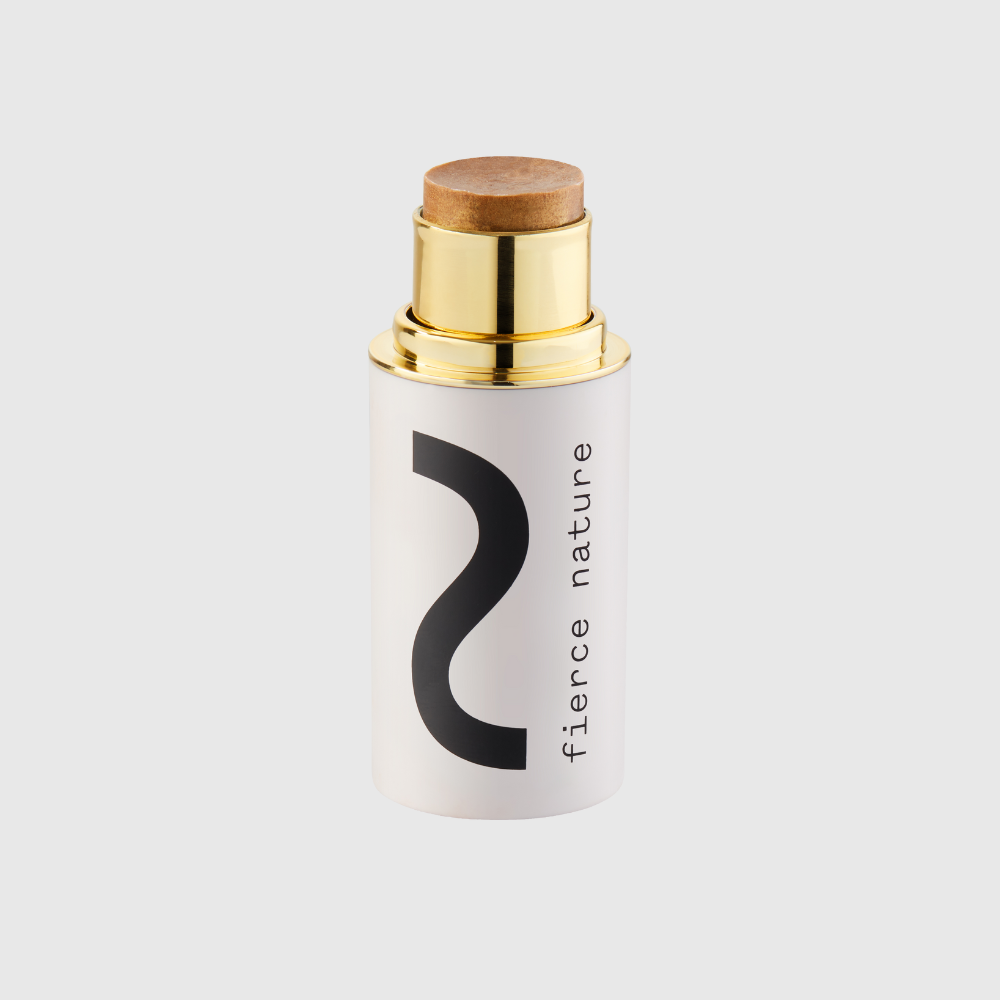
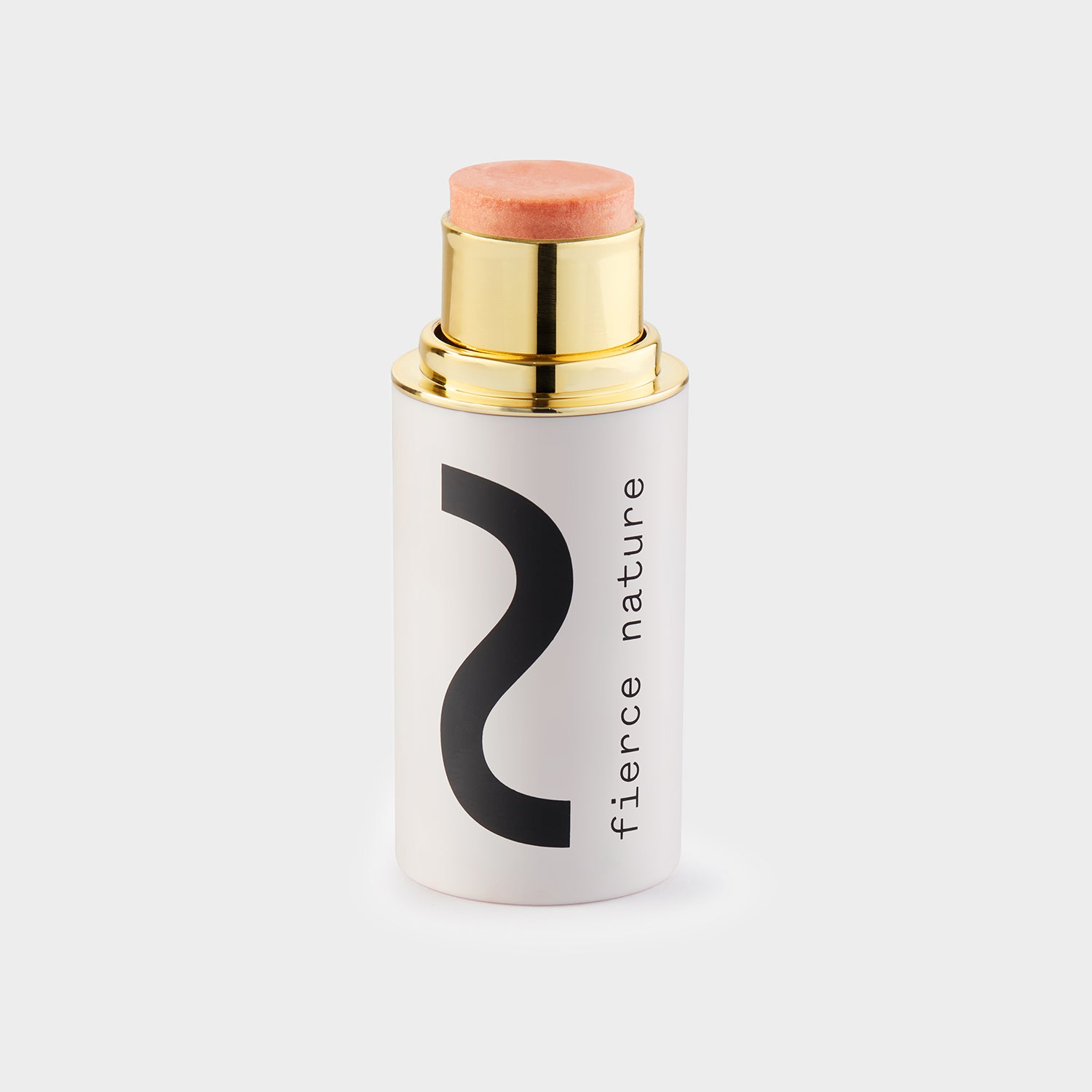
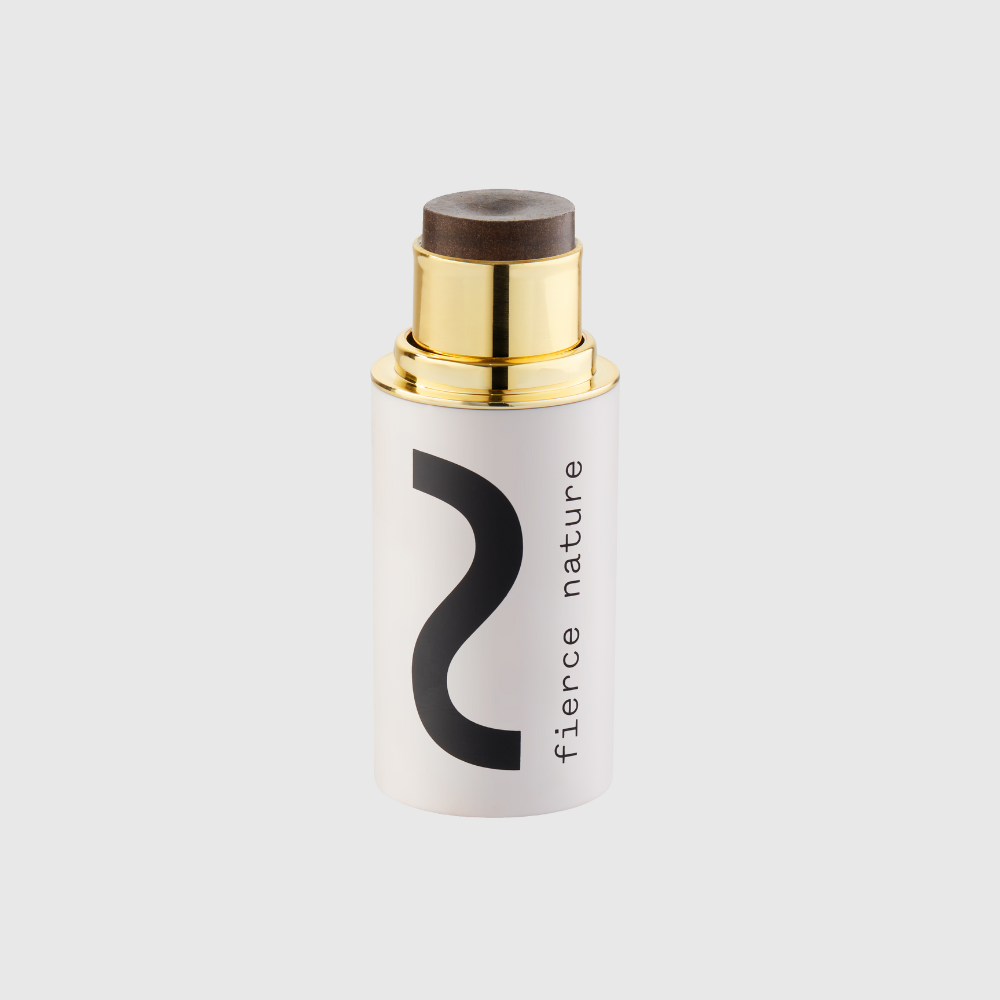
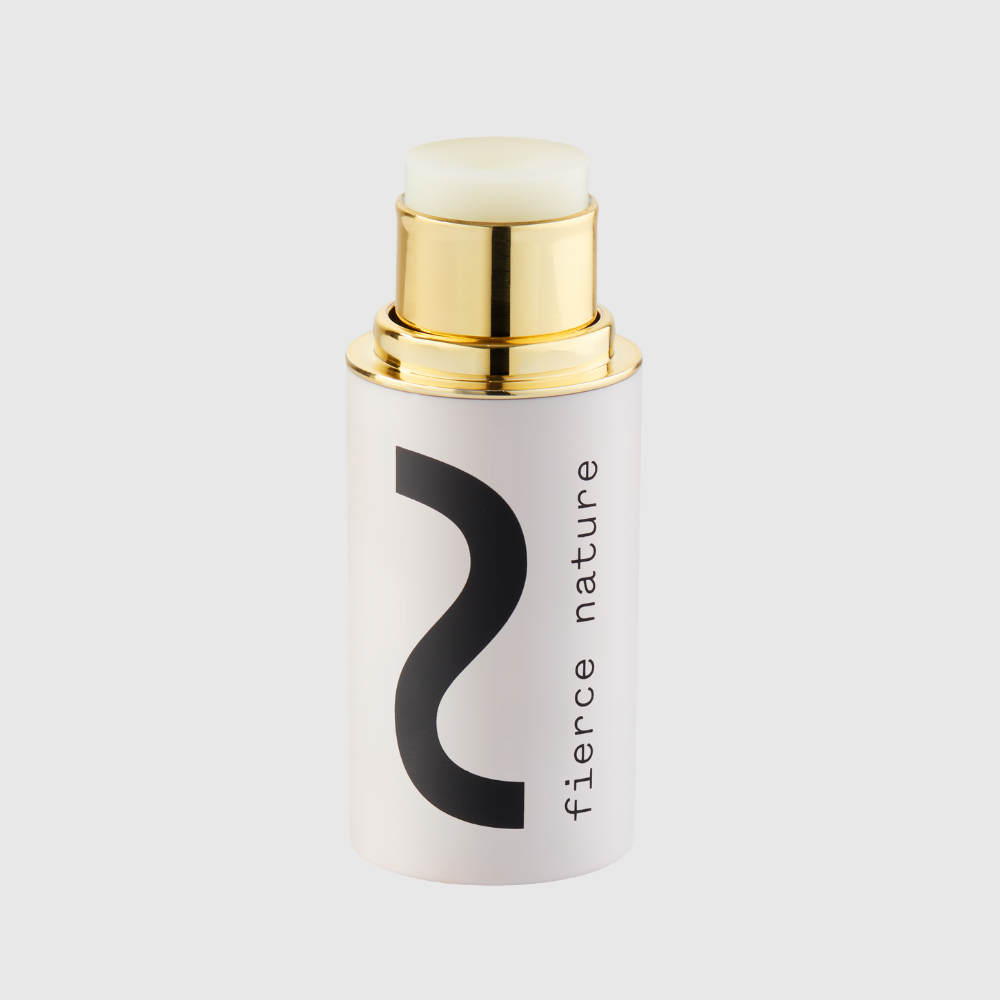
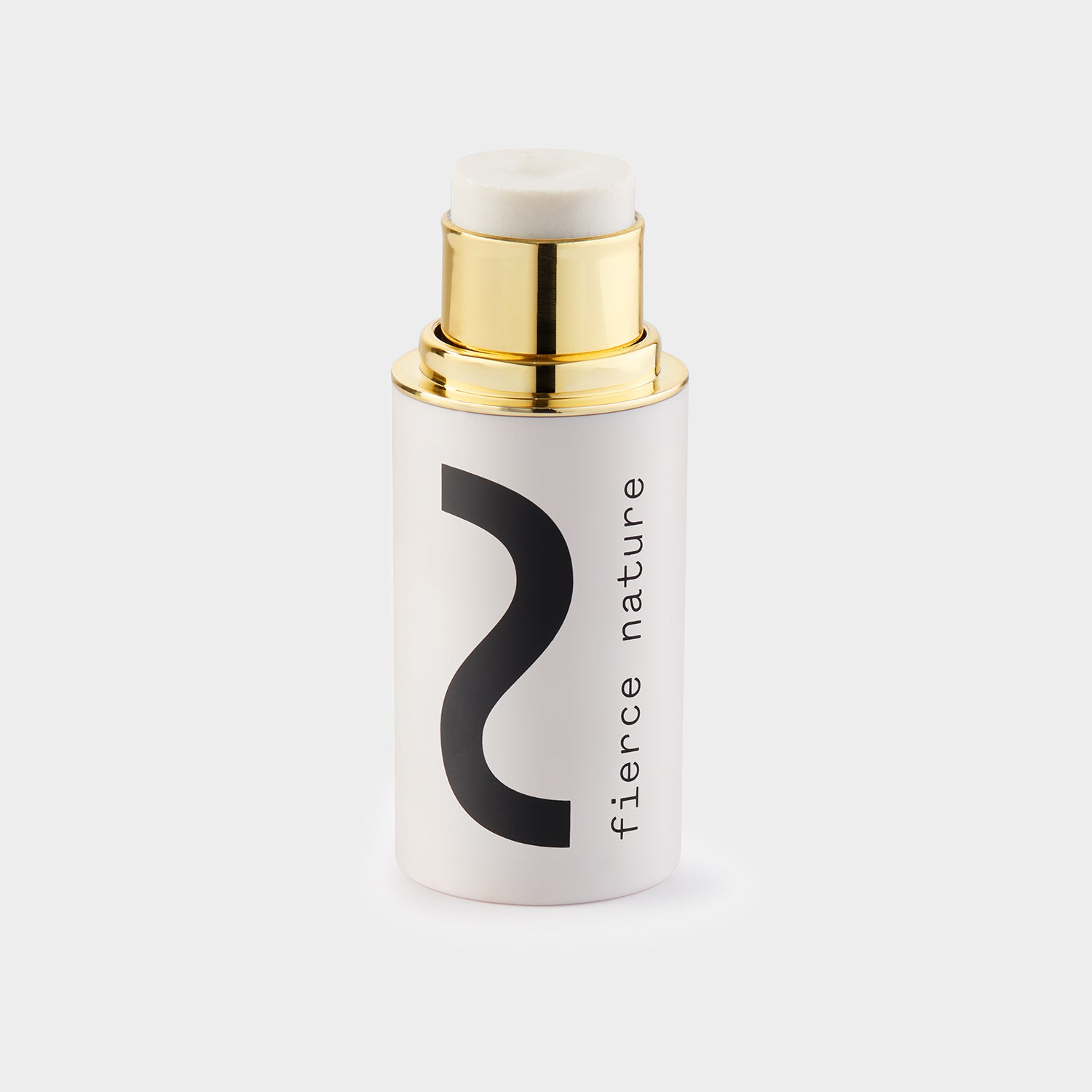
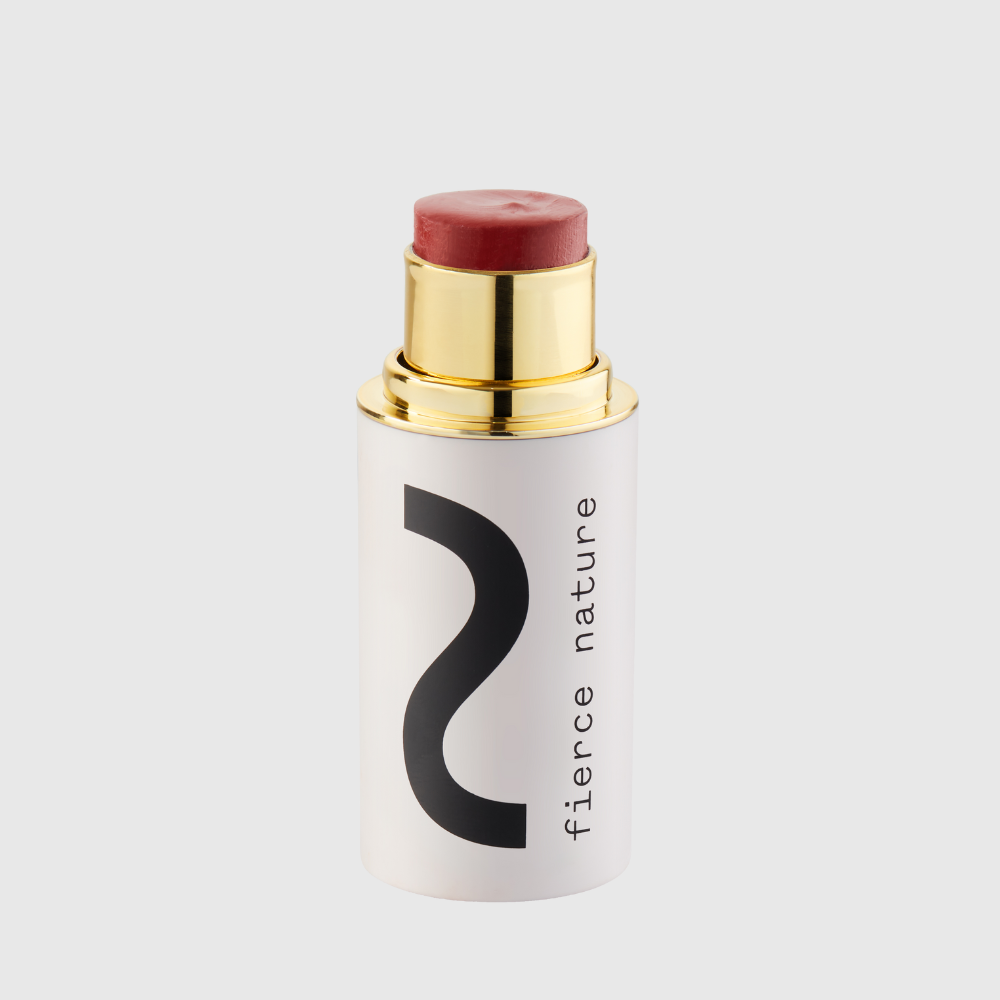
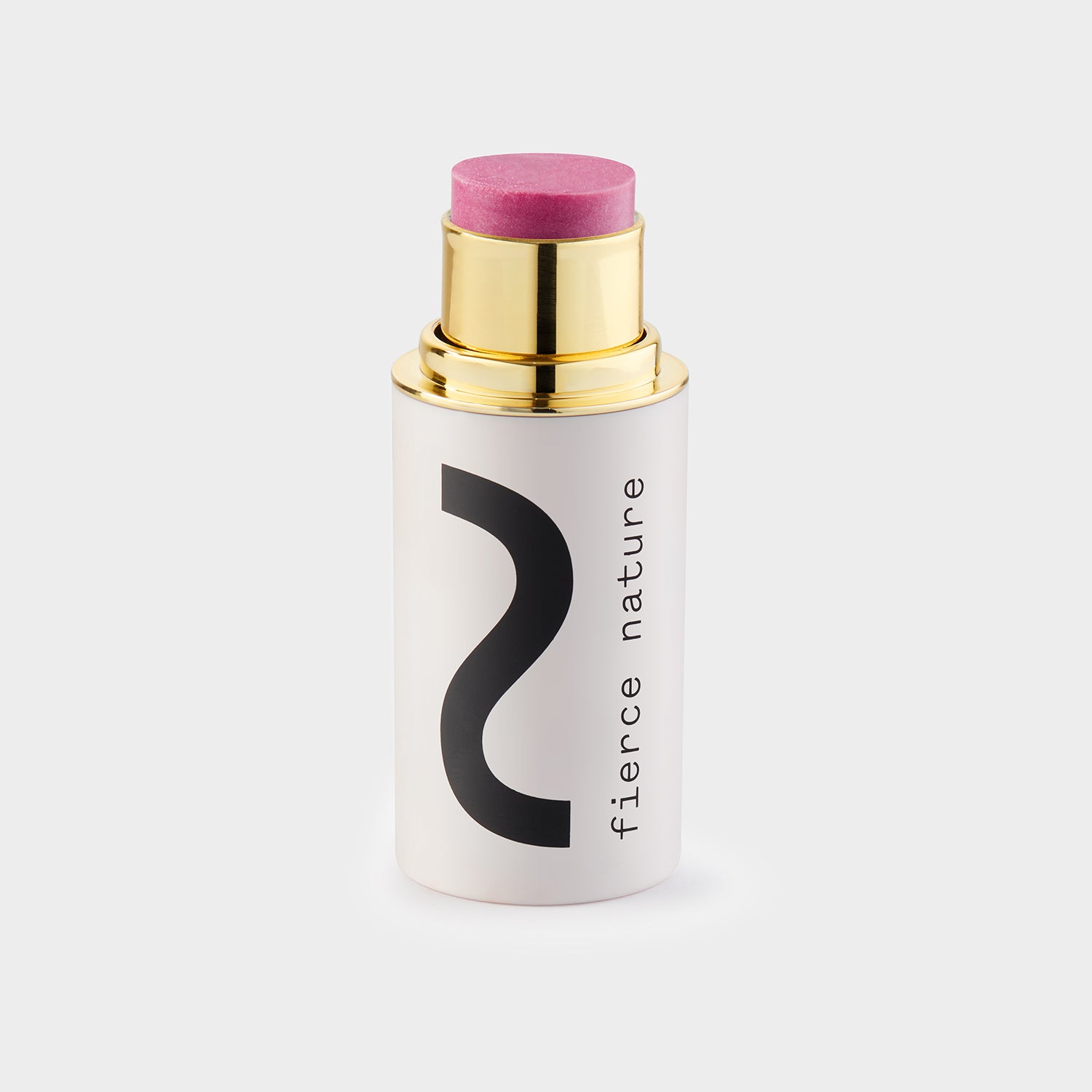
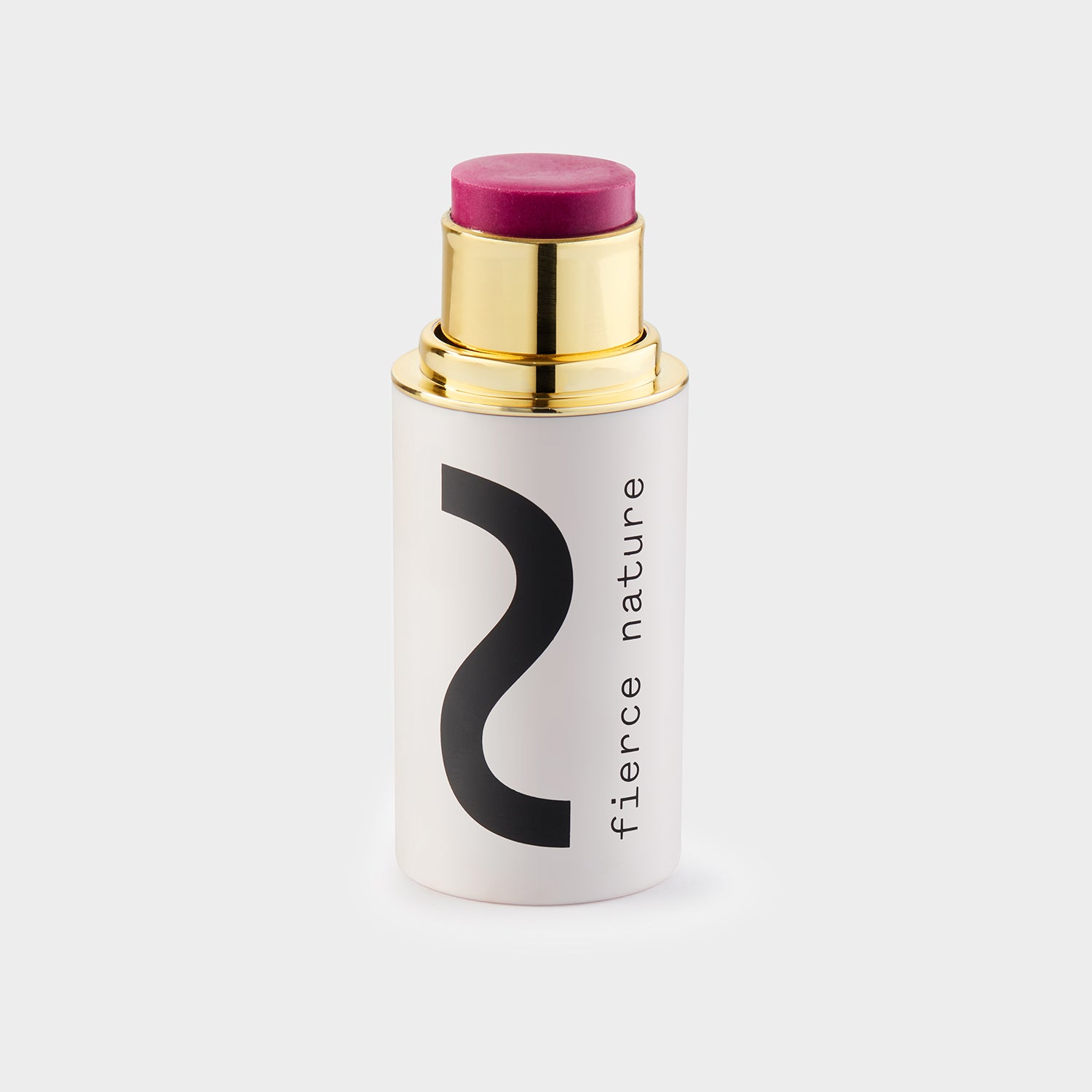
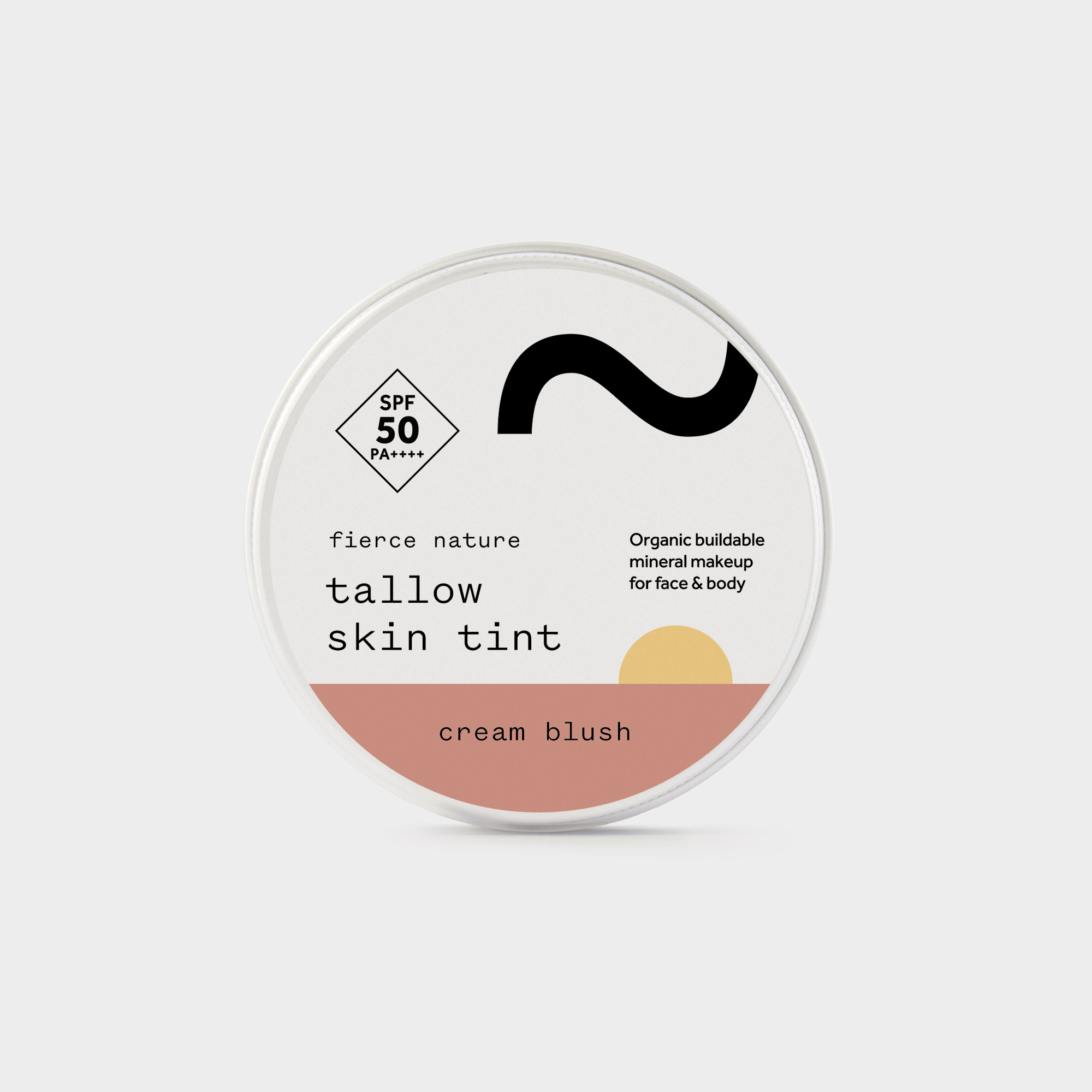
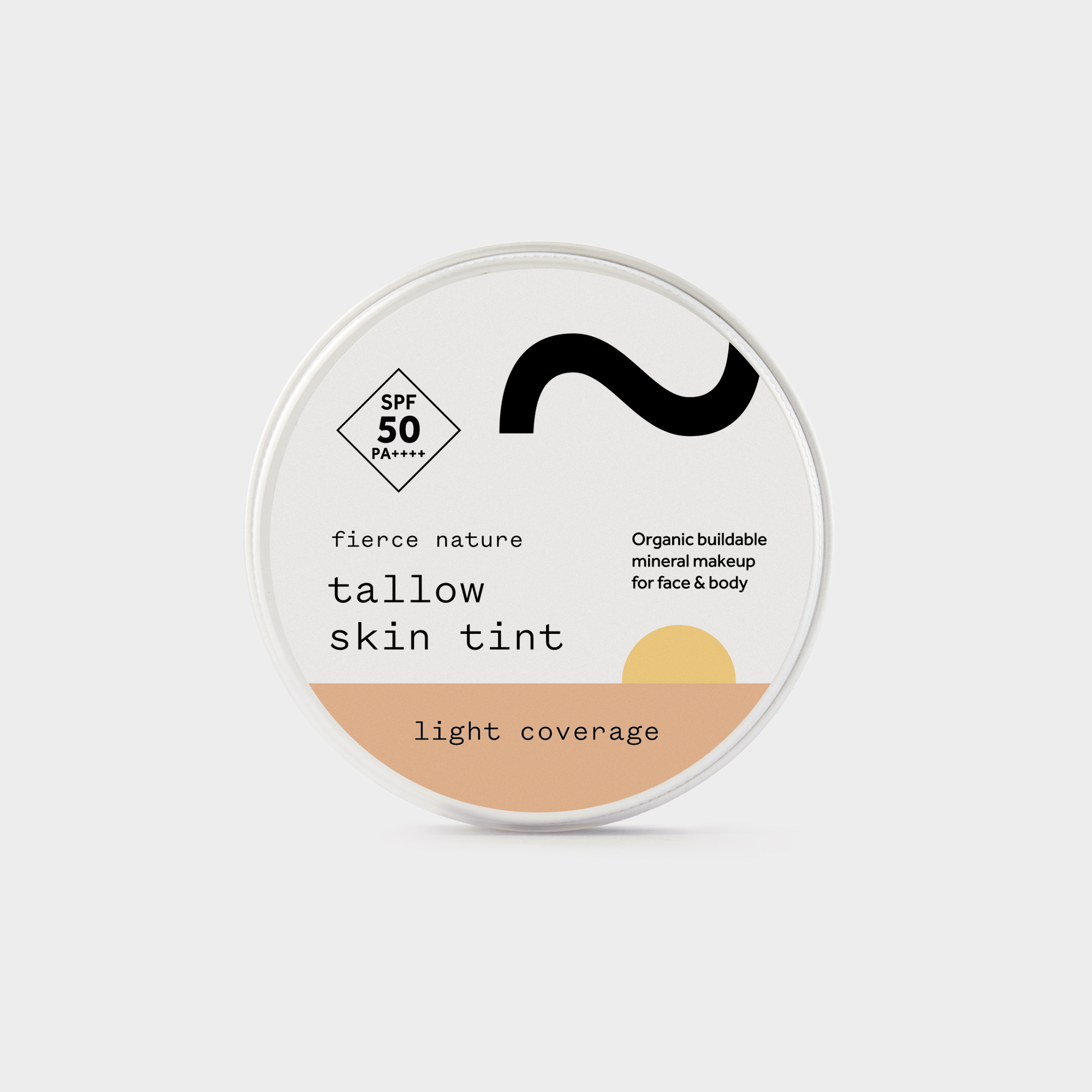
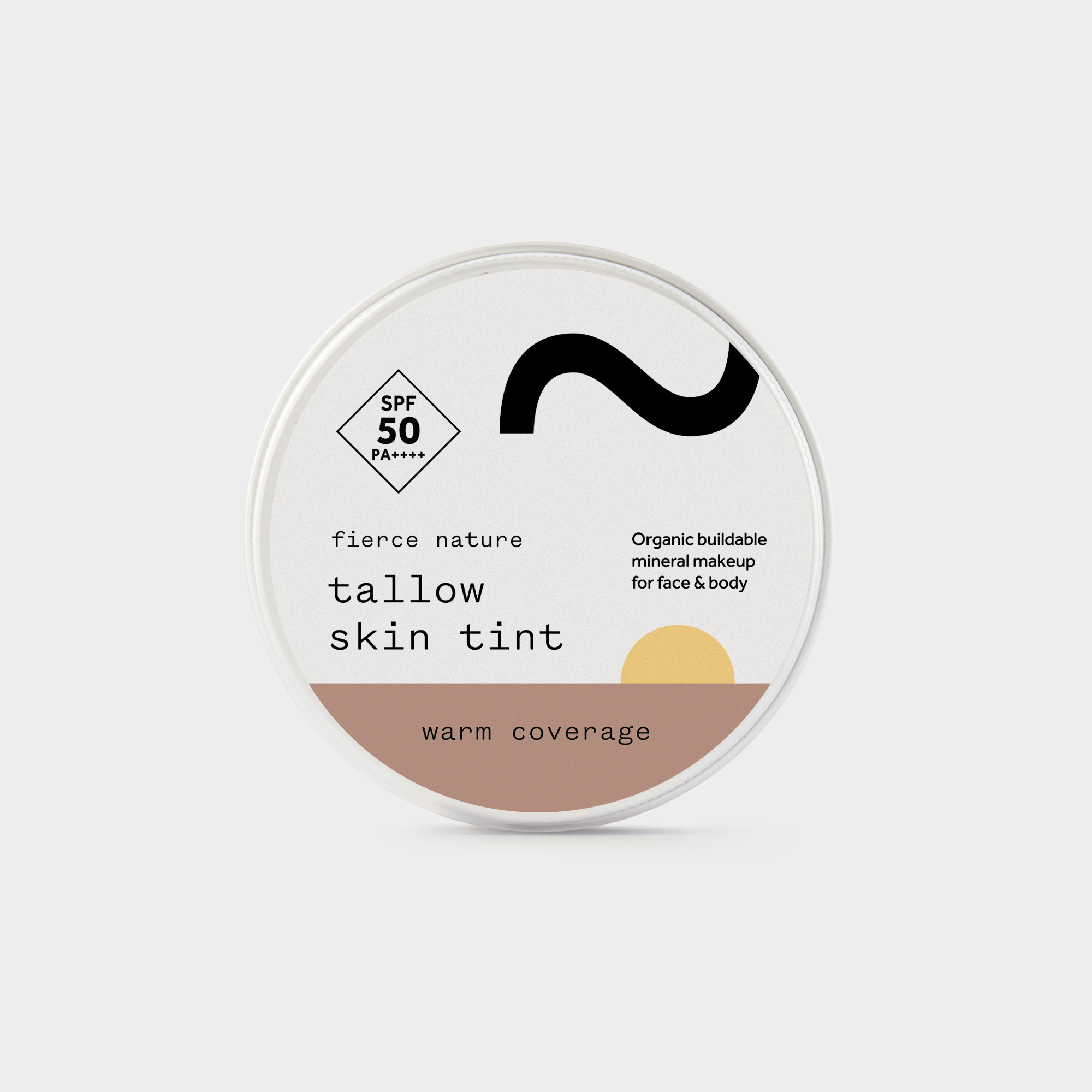
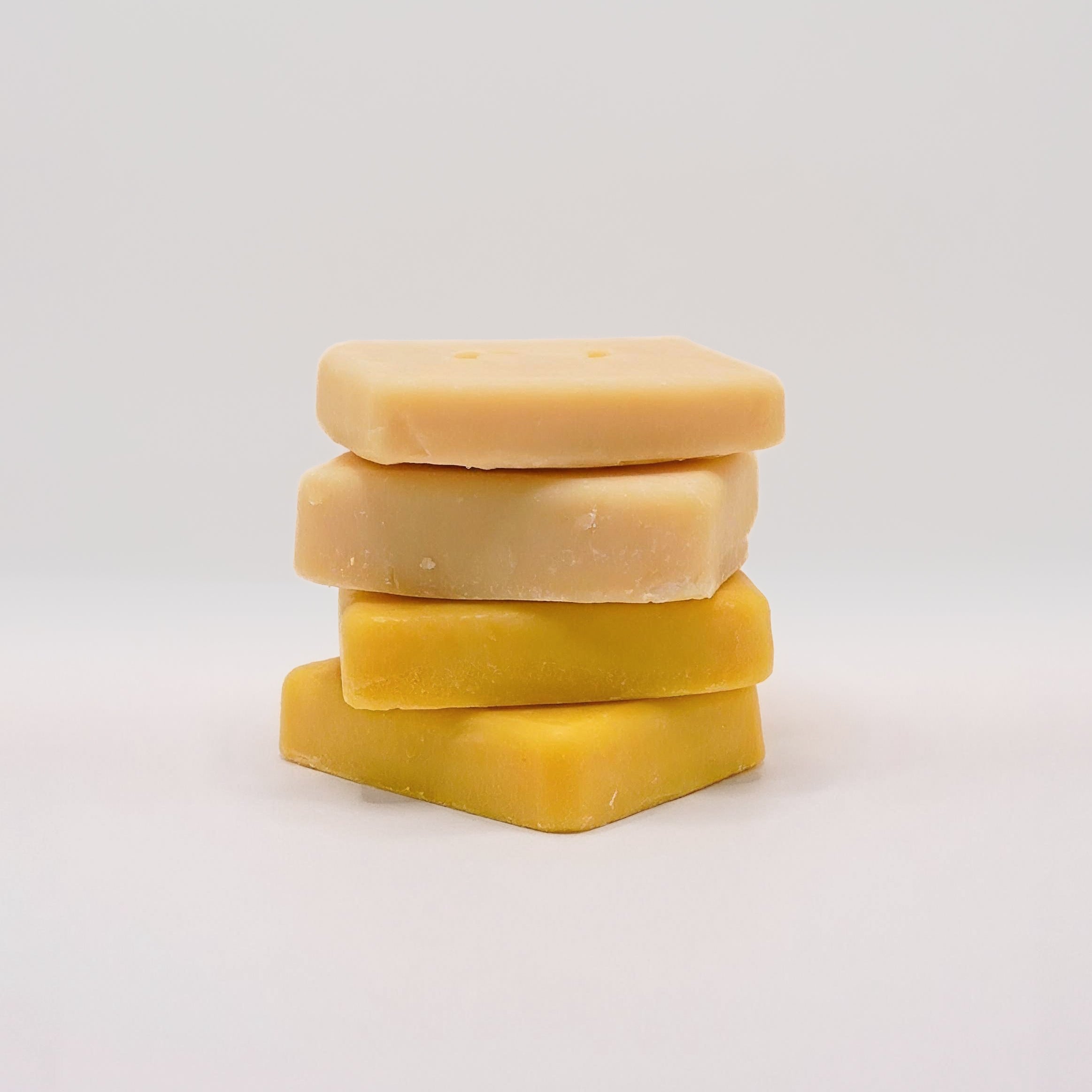




If you’re ready to move away from heavy foundation, the fastest route is a sheer skin tint or tinted balm, worn with concealer only where you need it. This combination gives you even, glowing skin without the mask-like finish, and it lets your skin breathe. Choosing formulas with fewer synthetic fillers and more hydrating, non-toxic ingredients means your skin gets nourished, not just covered.
TL;DR:
- Lightweight tints and balms are best for natural, barely-there coverage that allows the skin to breathe and suit everyday wear.
- Applying tinted SPF requires following product-specific instructions to ensure proper sun protection rather than relying solely on the tinted layer.
- Targeted spot concealing preserves skin texture and avoids the flat appearance caused by full-coverage products, especially on healthy-looking areas.
- Proper removal with a gentle balm or oil-based cleanser followed by water-based cleansing is essential to maintain skin health after light coverage.
- Seasonal changes dictate the choice of product, with lighter formulas favored in summer and more emollient, balm-based tints suitable for dry winter skin.
Heavy foundation was built for full coverage, but most of us don’t need that every day. Understanding what each lighter category actually does helps you pick the right one for your skin and your morning.
Skin tints and tinted balms sit closest to your natural skin, offering a wash of colour rather than a mask. They tend to melt into the skin rather than sit on top of it, which is why they suit anyone chasing a barely-there look. Our own Skin Tint (Light Coverage), Skin Tint (Cream Blush) and Skin Tint (Warm Coverage) fall into this category, each offering a different depth of colour while keeping the finish soft rather than flat.

Tinted moisturisers and BB or CC creams blend skincare and colour in one step. They usually carry more hydrating ingredients than traditional foundation and give a dewier finish, making them a good fit for dry or normal skin that wants a touch of glow alongside light coverage. Editorial testing has found that many modern lightweight formulas now include actives such as hyaluronic acid or niacinamide, which help hydration sit alongside sheer coverage rather than compete with it.
Tinted sunscreens combine sun protection with a light wash of colour, but treat the SPF claim on its own terms. A thin, cosmetic layer of tinted sunscreen is not guaranteed to give you the same protection as a dedicated sunscreen applied at the recommended amount, so follow the product’s own directions rather than assuming your tint has you covered.
Spot concealing is often the missing piece for people who think they need full coverage. Instead of applying product everywhere, target only what needs attention: a blemish, a shadow under the eyes, a patch of redness. This keeps your natural skin texture visible and avoids the flat, poreless look that heavier products can create.
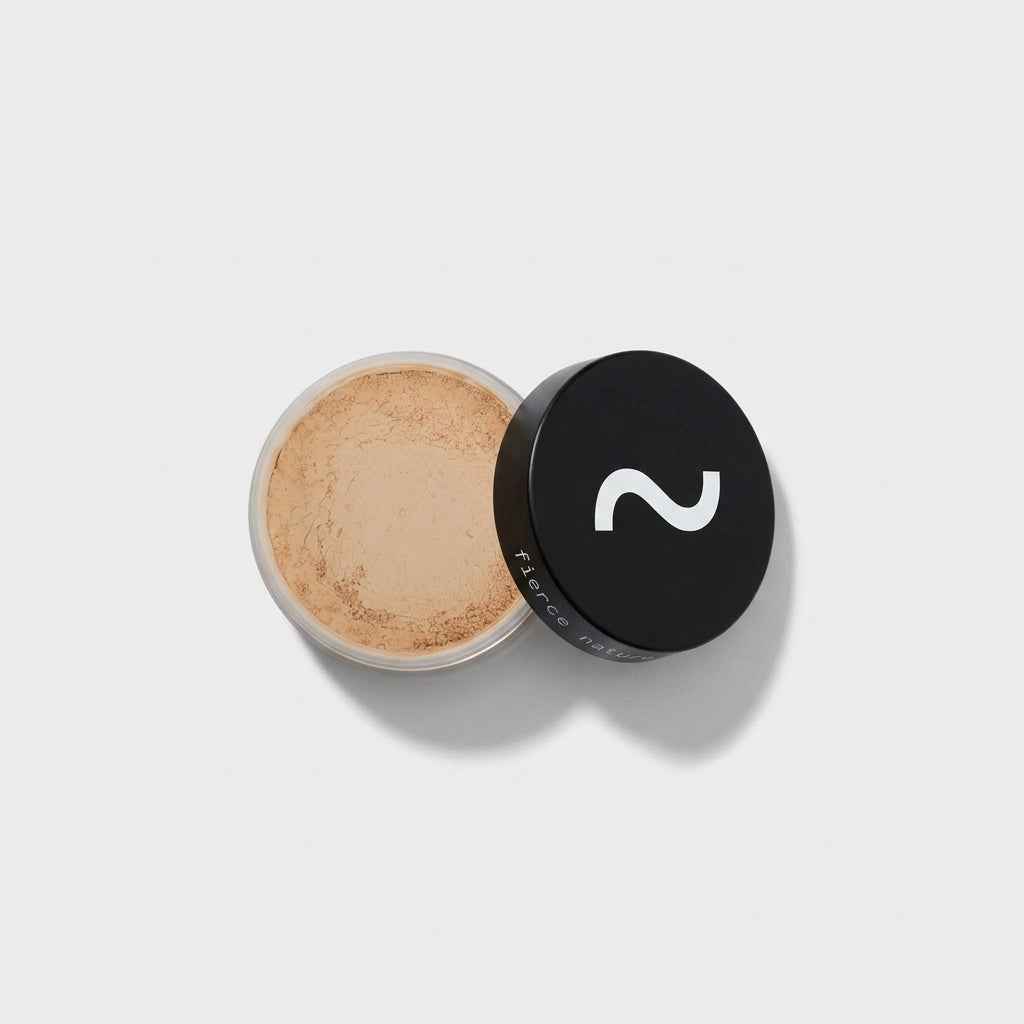
Light powders, used sparingly, can control shine on an oily T-zone without adding another layer of colour. A small amount pressed only where needed does the job without contributing to a cakey finish.
You can read more about how these formulas compare in our guide to skin tints for a natural glow.
Getting a natural result isn’t about using less product randomly. It’s about layering the right things in the right order, starting with well-prepped skin.
For balm-based tints, fingers give you the warmth and control you need. For liquid tints, a damp sponge helps distribute colour evenly without soaking it up. Avoid heavy coverage across your cheeks and forehead where your natural texture already looks healthy, and save your effort for areas that genuinely need it.
On rushed mornings, skip the concealer step entirely and let the tint do the work alone. If your T-zone gets oily by midday, a light powder touch-up beats reapplying tint on top of tint.
Pro Tip: Mix a drop of your tint with a little moisturiser on the back of your hand before applying: it stretches the product further and softens the finish even more.
Front-of-pack words like “clean” or “natural” are not regulated definitions, so they can’t tell you much on their own. UK cosmetic law requires ingredients to be listed in descending order (known as the INCI list) and requires disclosure of certain fragrance allergens on leave-on products like foundation, tints and balms, which means the real information sits in that small-print list, not the packaging claim.
A few things worth watching for:
A single new product, introduced on its own for a few days, is the simplest way to catch a reaction before it spreads to your whole face. This is the same principle behind the patch testing used in dermatology, where a small amount of product is applied to a discrete area and monitored before wider use.
If you’re using a tinted SPF, don’t assume the sheer layer you’d normally apply for colour is enough for protection. Follow the packaging’s stated amount for sun protection, even if that means using more than your usual light touch. For a deeper look at ingredient literacy, our guide on what non-toxic skincare actually means and our checklist of ingredients to watch for go into more detail.
Fierce Nature grew out of a lifelong battle with skin rashes and reactions that mainstream cosmetics never explained. That experience shaped a simple rule: every ingredient earns its place, and nothing hides behind a fragrance blend.
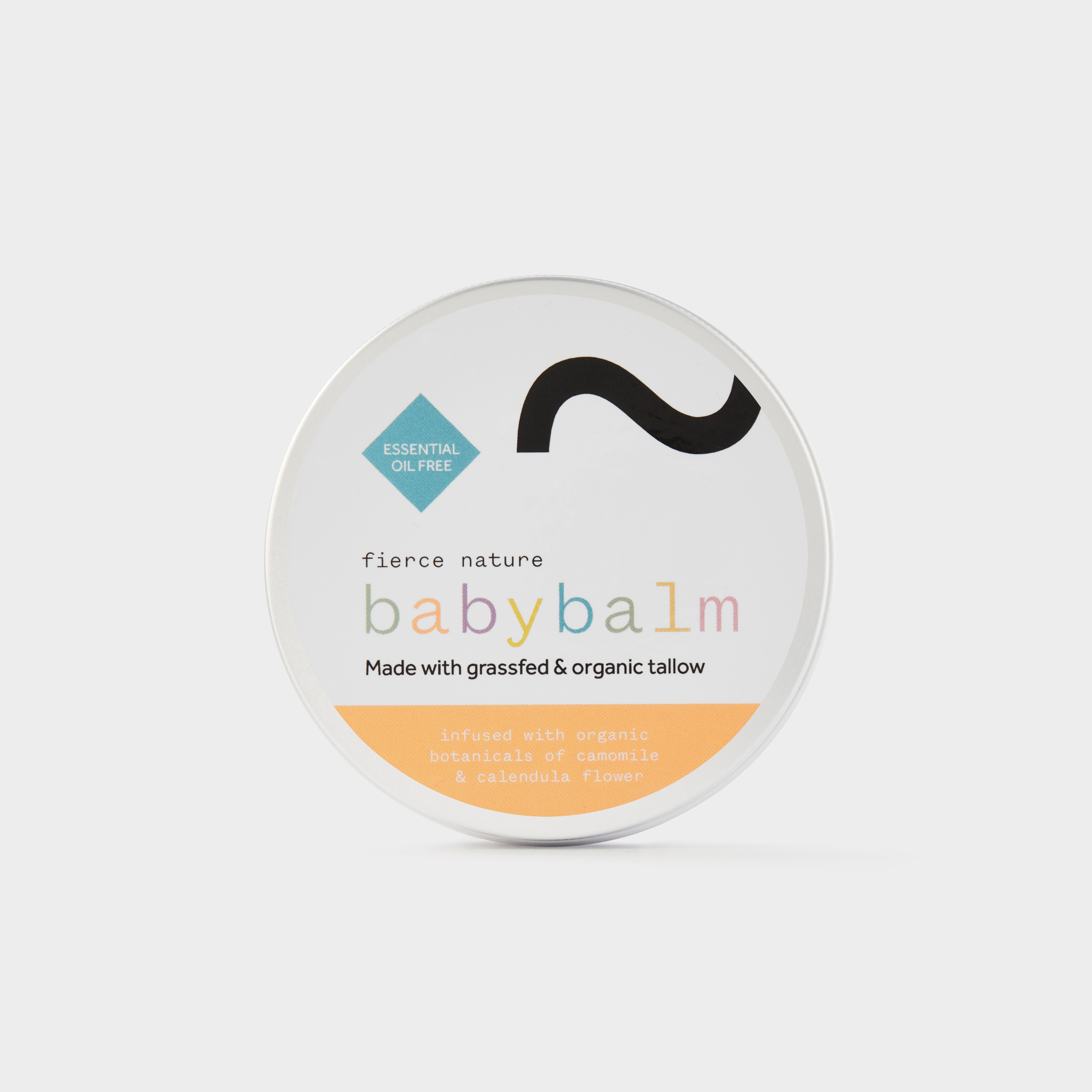
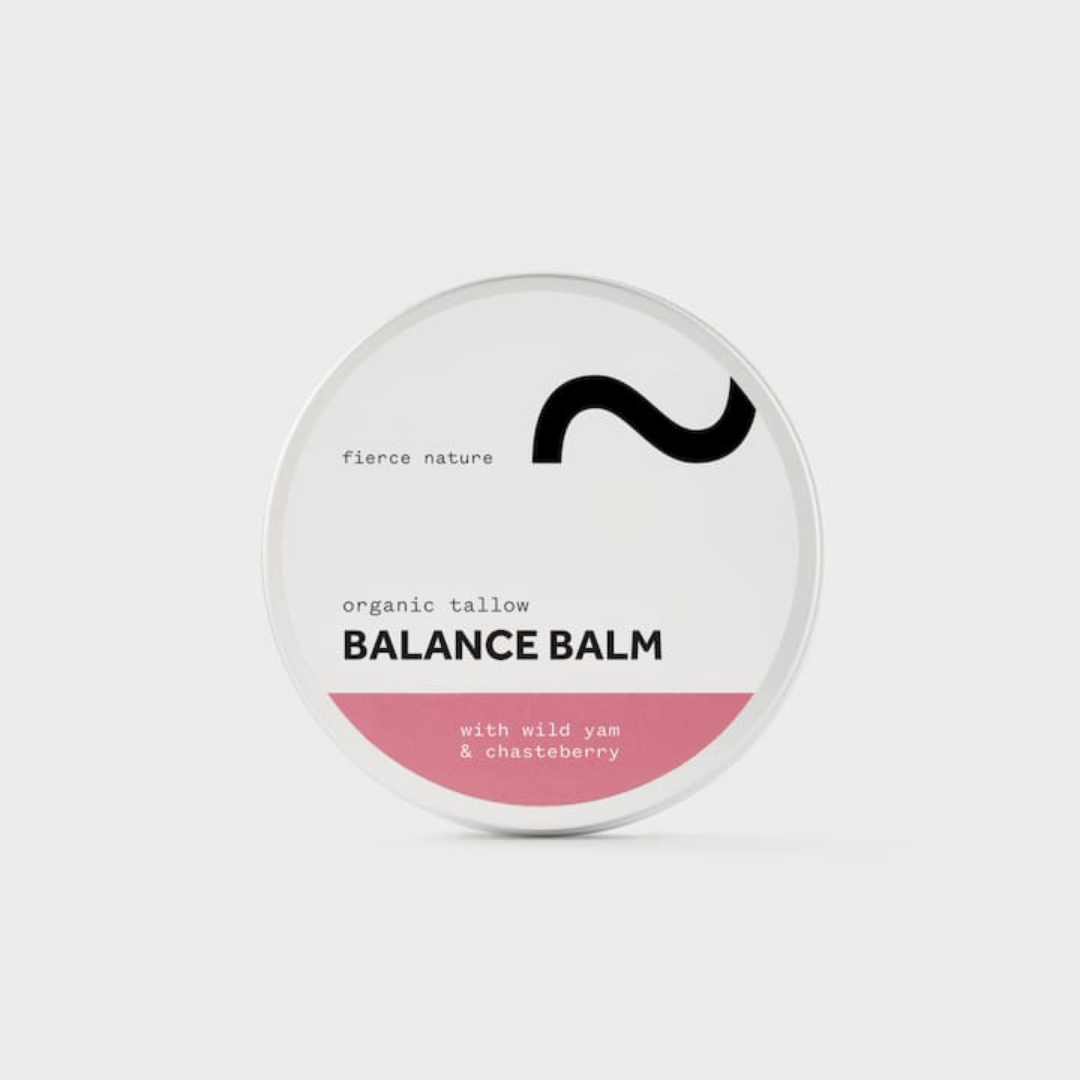
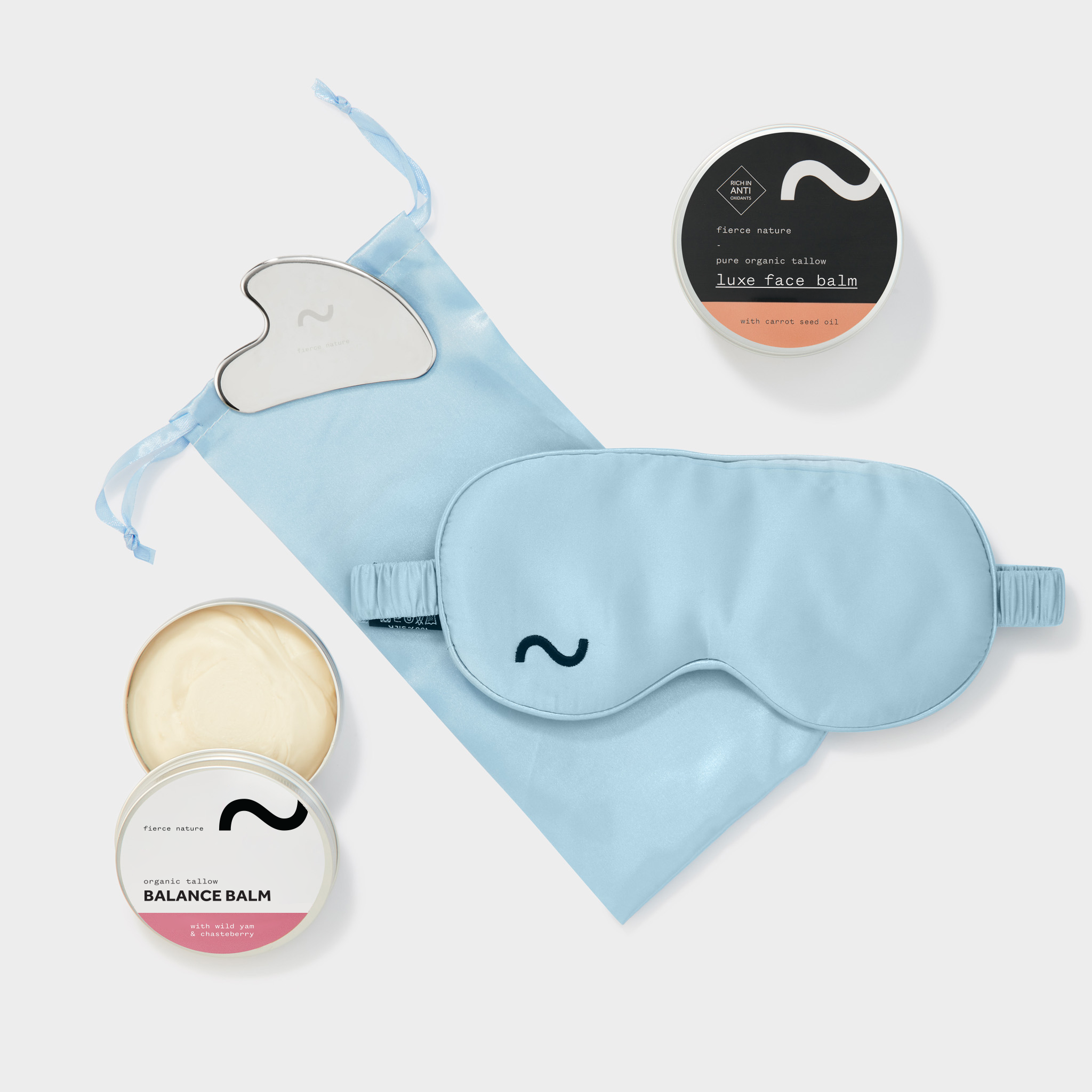
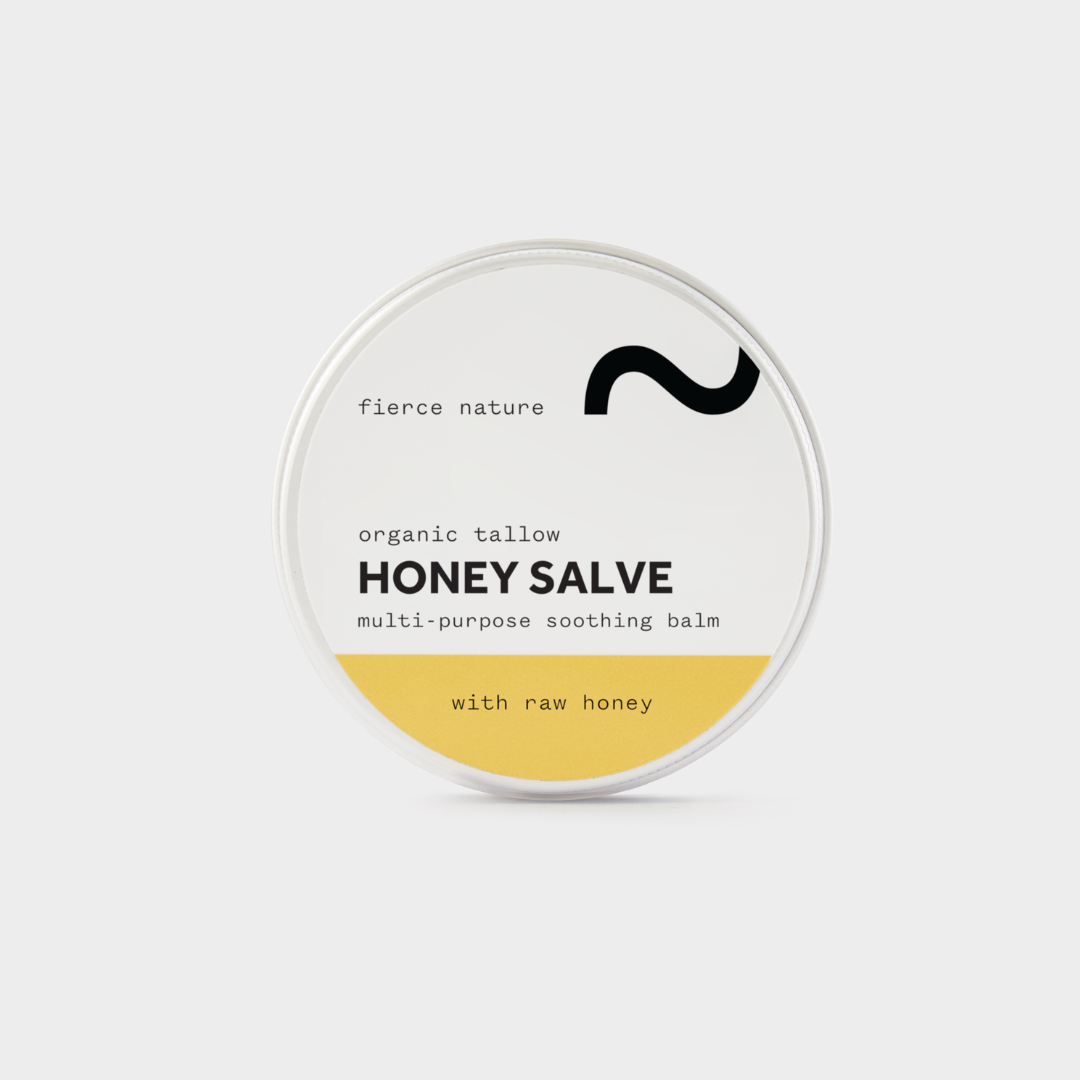
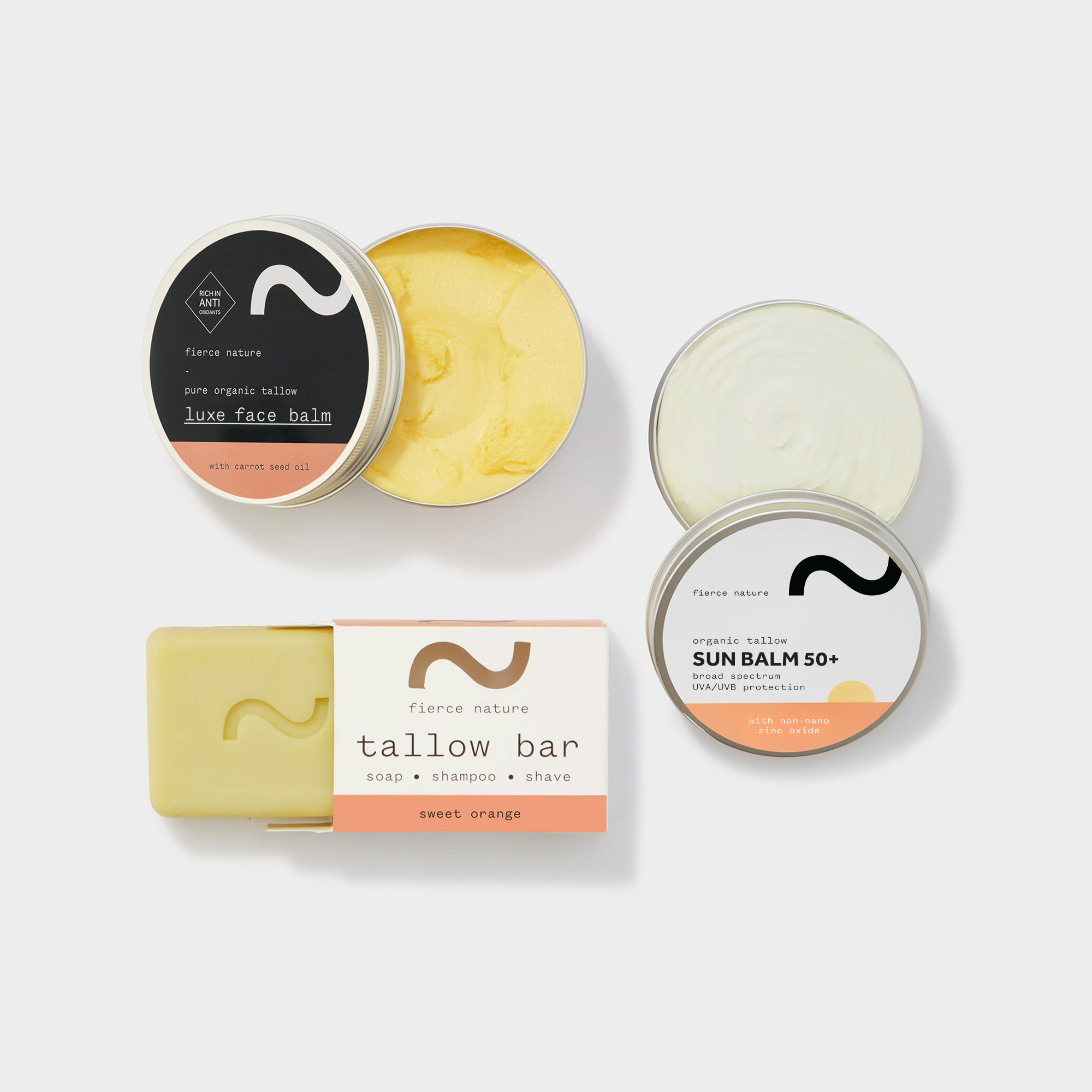
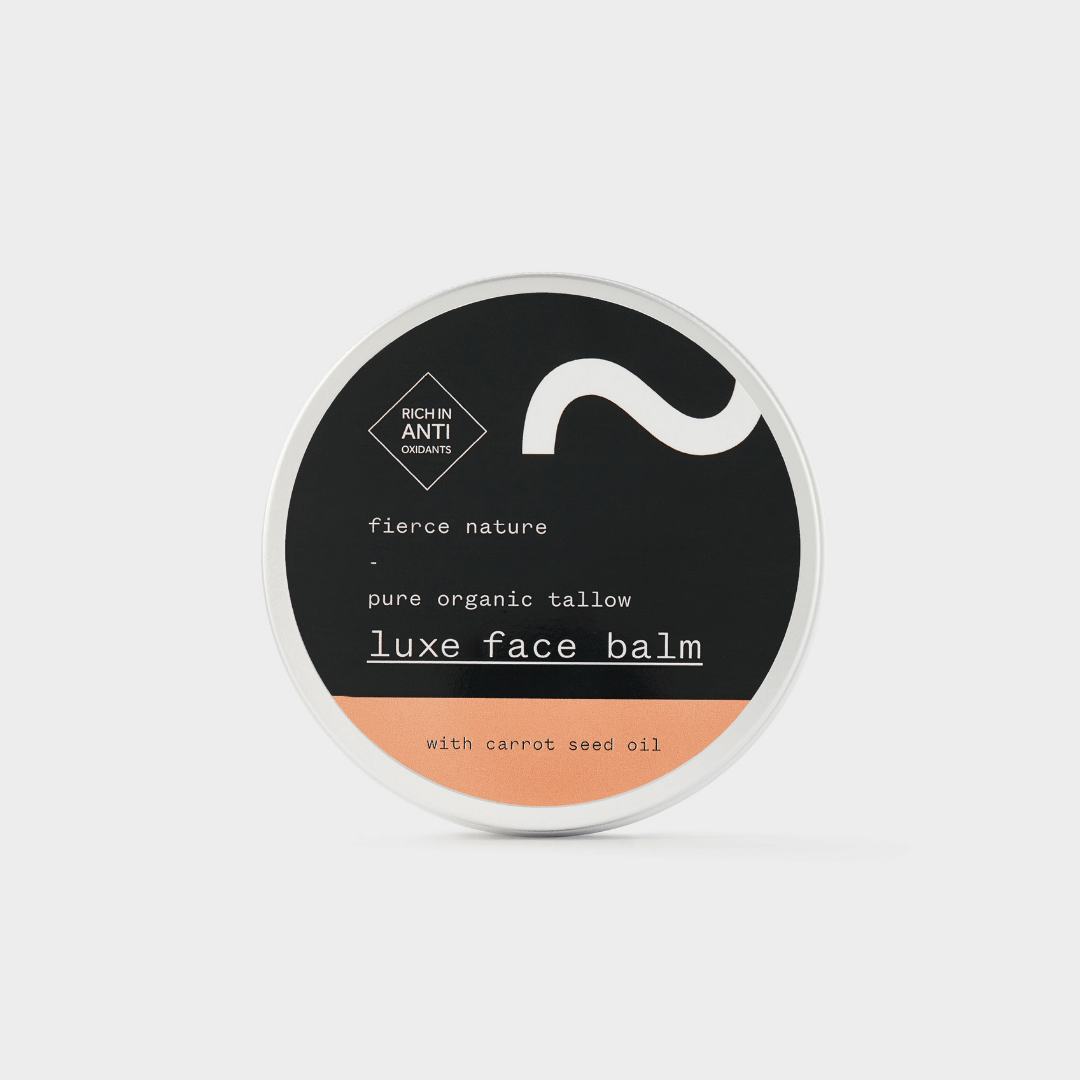
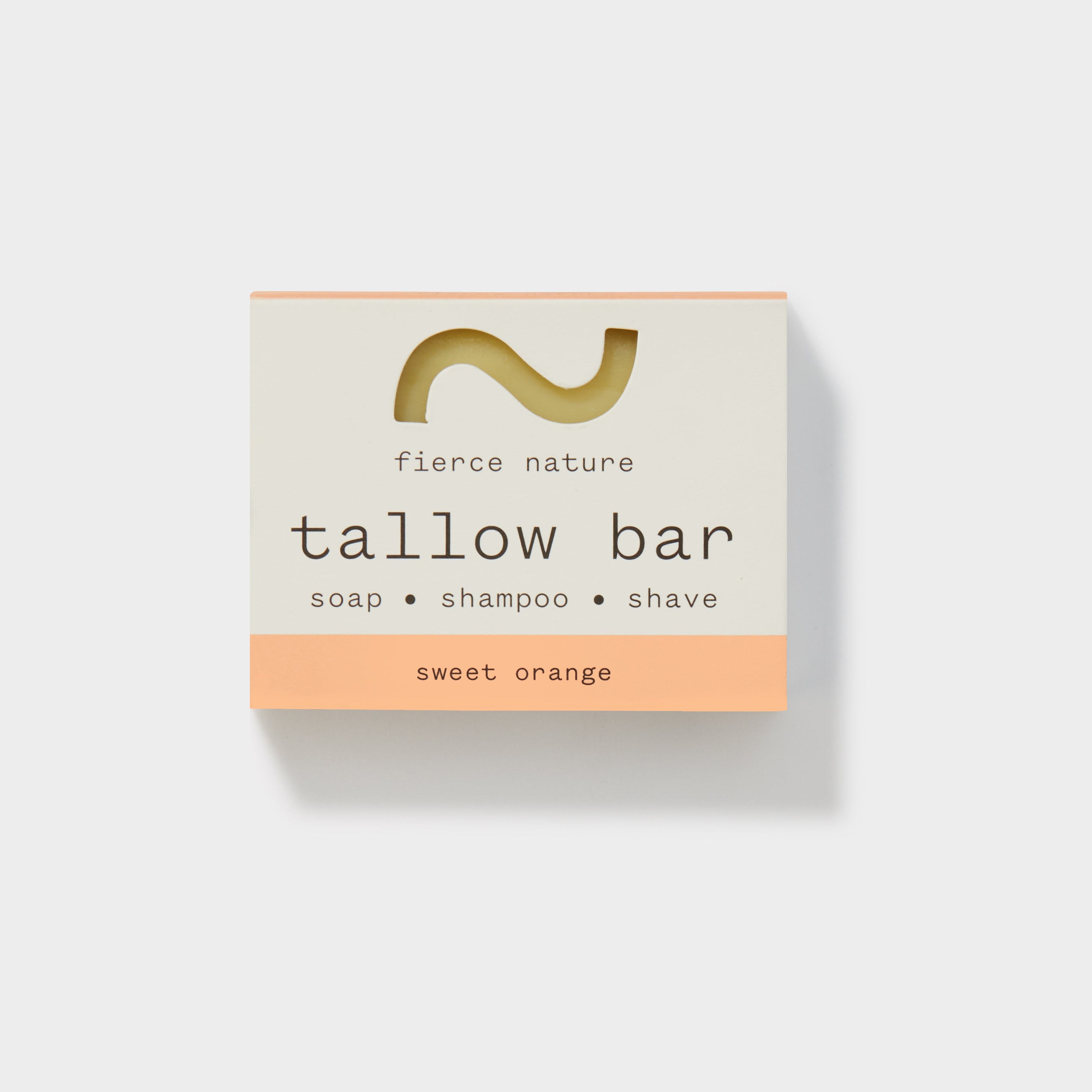
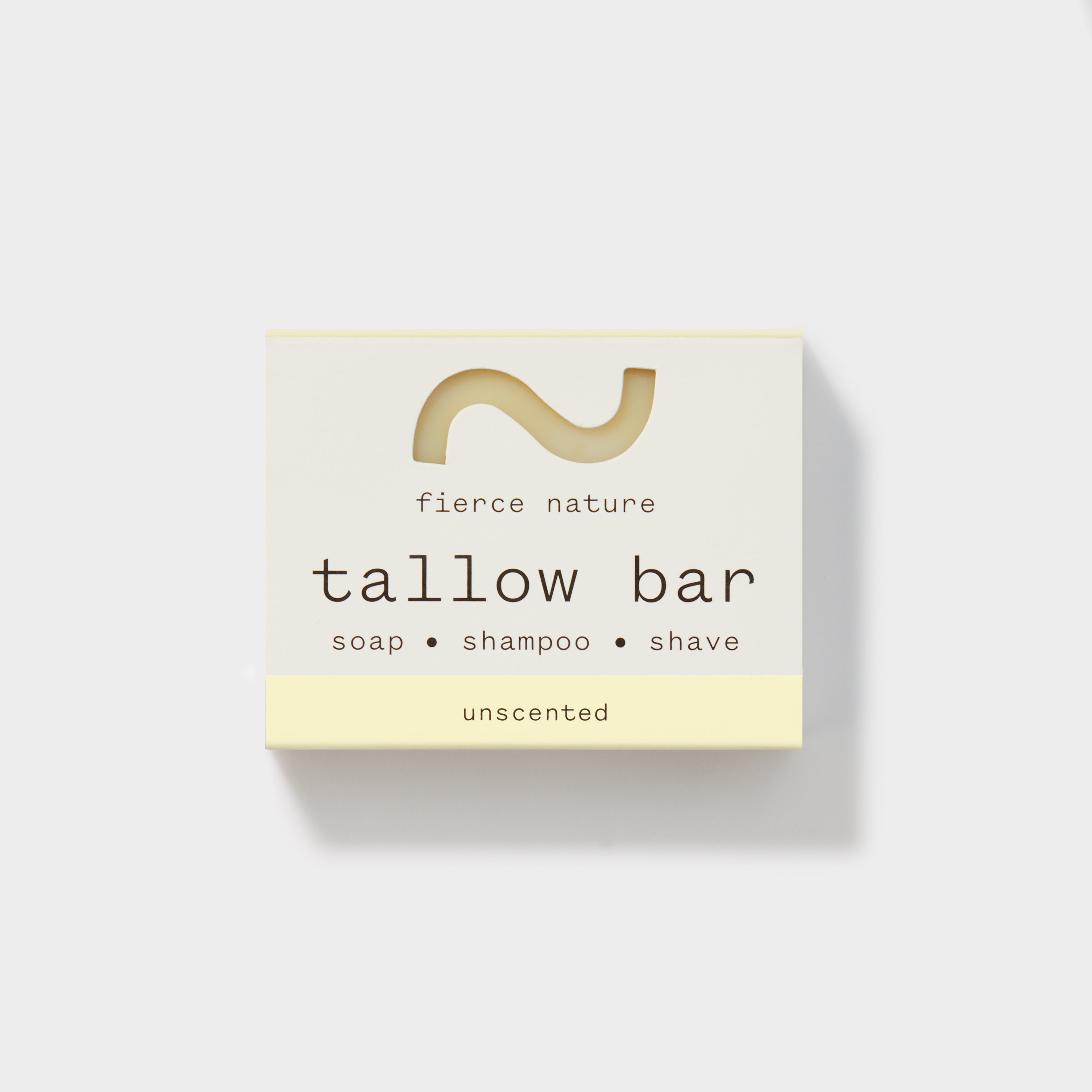
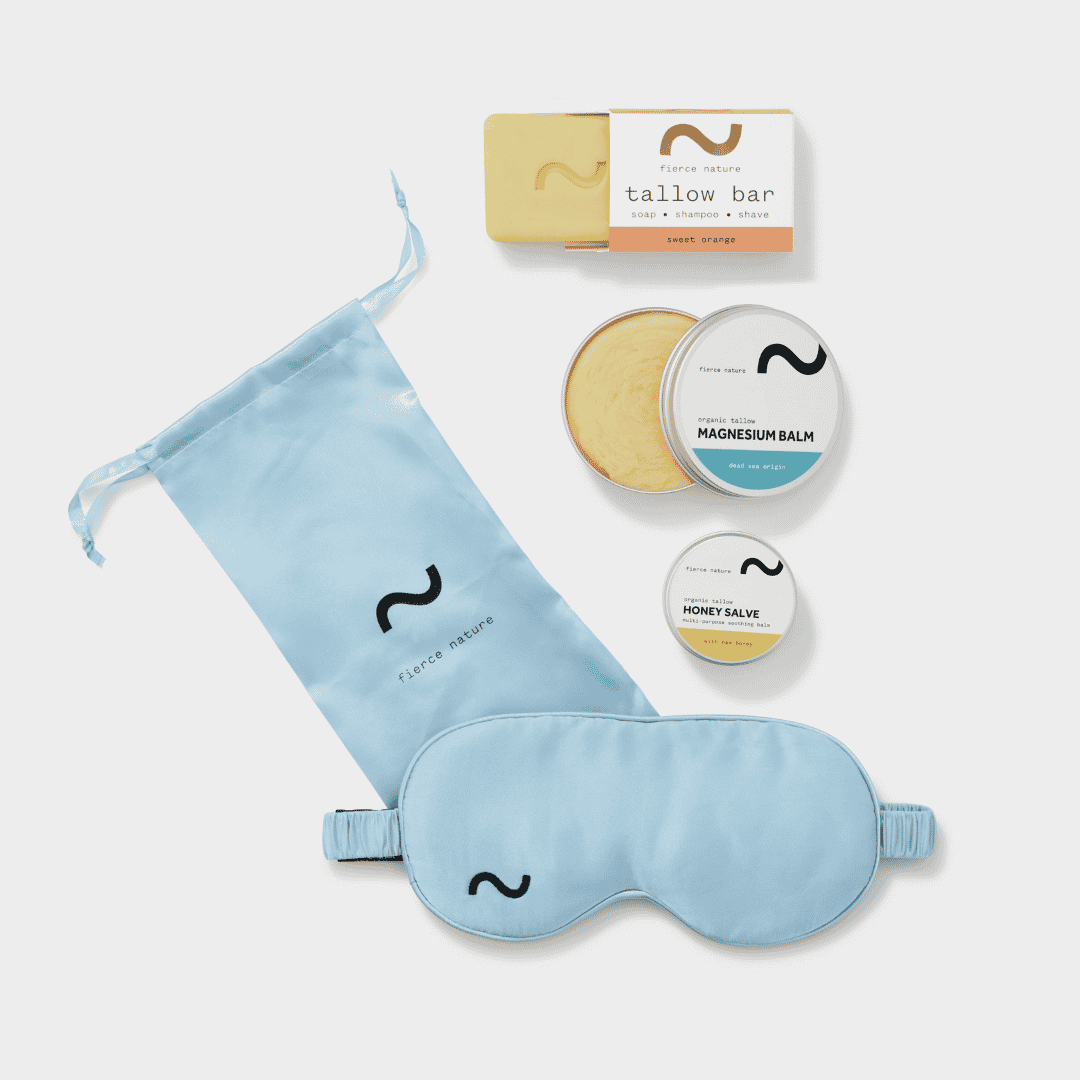
Tallow has been used for generations as an emollient because it works with skin rather than sitting on top of it, and its bioavailability is part of why we built our formulas around it. Some skin tints carry a tallow base. There are also luxe balms and nourish balms that serve as tinted balm alternatives for a dewier finish, and multi-use tallow bars that work as nourishing bases beneath them.
Even sheer coverage needs proper removal, and skipping this step undoes a lot of the hydration work you did that morning.
Start with a gentle cleansing balm or oil-based cleanser to break down tint and balm pigments, which tend to bind more closely to skin than heavier silicone-based foundations. Massage it in dry for thirty seconds or so before adding water, letting it emulsify and lift product away rather than scrubbing it off.

Follow with a gentle water-based cleanser to clear any remaining residue, particularly if you’ve worn a tinted SPF, since sunscreen filters can be more stubborn than colour alone. A muslin cloth or soft flannel helps lift product from texture and pores without the friction of rubbing with your hands.
Avoid reaching for harsh micellar waters or alcohol-based wipes as your only step. They can leave a film behind that clogs pores overnight, undoing the barely-there benefit you chose the tint for in the first place. A proper cleanse, followed by your usual nighttime moisturiser, keeps the skin barrier settled and ready for the next day’s light layer. For sensitive skin, choosing the right cleanser matters as much as choosing the right tint, and our guide to chemical-free cleansers for sensitive skin covers this in more depth.
Your skin’s needs shift with the seasons, and your base product should shift with them.
In warmer months, heat and humidity make heavier formulas more likely to slide or separate, so a lightweight tint with a matte or semi-matte finish tends to hold up better through the day. Oil control becomes more of a priority, which is where a light powder touch-up on the T-zone earns its place. Tinted SPF also becomes more of a daily habit than an occasional extra, given how much more sun exposure summer routines involve.
In colder months, skin often turns drier and more prone to flaking, which is exactly when a heavier foundation can look patchy and emphasise texture it should be smoothing over. A balm-based tint with more emollient qualities, layered over a richer moisturiser, tends to sit better on drier winter skin. This is also the season where skipping powder altogether and leaning on hydration instead often gives the most natural finish.
For everyday wear, humid days, workouts or simply days when your skin needs a break, lightweight tints and balms outperform heavier foundation every time. Save fuller coverage for events or photography where every mark needs concealing on camera.
The real win is treating coverage as one part of skin health, not the whole goal.
— Fierce Nature
If you’re ready to try a lighter routine, our Skin Tint (Light Coverage), Skin Tint (Cream Blush) and Skin Tint (Warm Coverage) each give you sheer, tallow-based colour without synthetic fillers. Our Luxe Balm and Nourish Balms work as tinted balm alternatives for a dewier finish, and every formula is worth patch-testing before daily use.
Browse the full Skin Tints collection to find your match.
GOV.UK cosmetic labelling rules, NHS patch-testing guidance and dermatology advice on acne-safe makeup informed this piece.
A sheer skin tint or tinted balm paired with concealer where needed is the most practical substitute, since it gives you even tone without a heavy layer. Tinted moisturisers and BB or CC creams work well too, particularly for drier skin needing extra hydration.
You can use a tinted balm, a skin tint, a BB or CC cream, or simply a moisturiser followed by concealer on the areas that need it. Each option leaves more of your natural skin texture visible than traditional foundation.
Skin tints, tinted balms, tinted moisturisers, BB and CC creams, and tinted sunscreens are the main lightweight alternatives worth trying. Dermatologists also suggest a targeted concealer-only approach for people who mainly want to cover specific marks rather than their whole face.
Look for lightweight tints or balms formulated with hydrating actives rather than heavy silicones or waxes, since these tend to sit closer to the skin. Our tallow-based Skin Tints are designed with this hydration-first approach, and patch-testing any new formula first helps confirm it suits your skin before daily use.