Cart
0
80% Also Added this
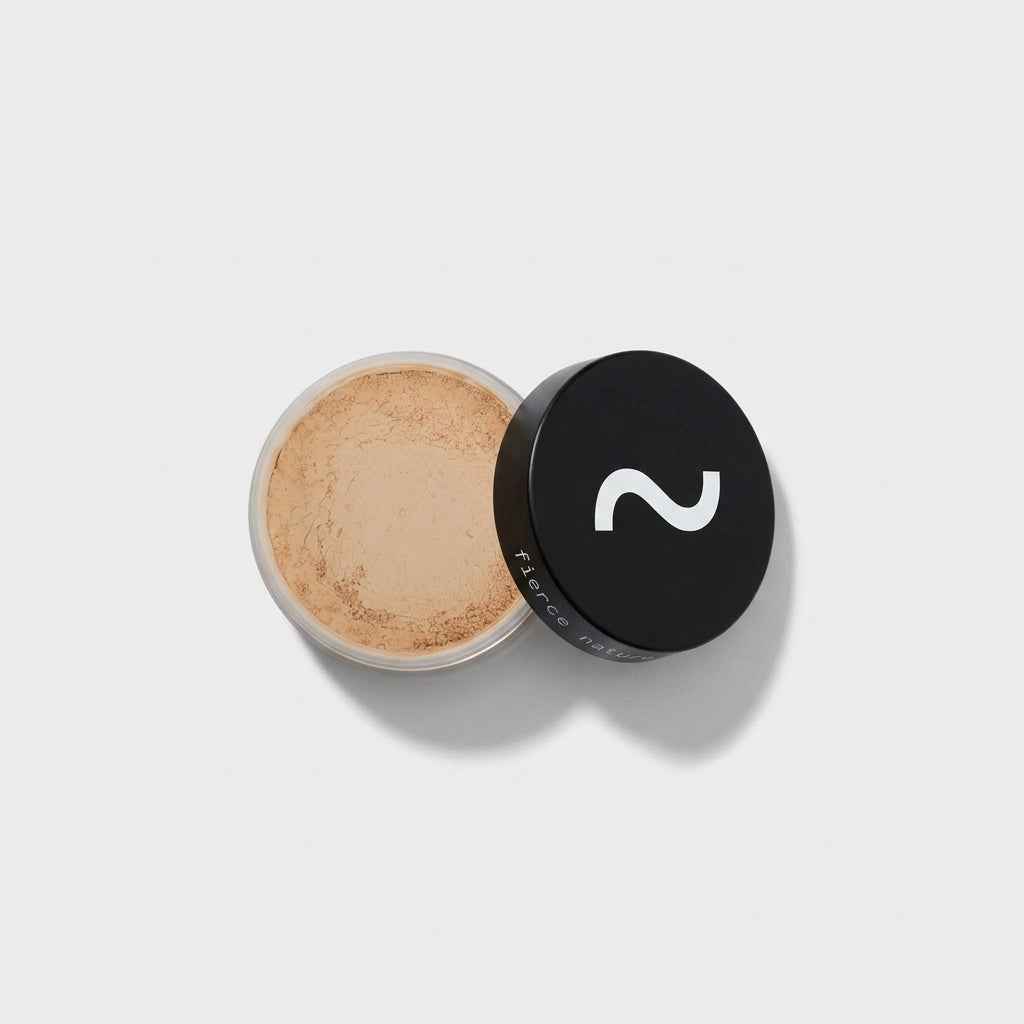
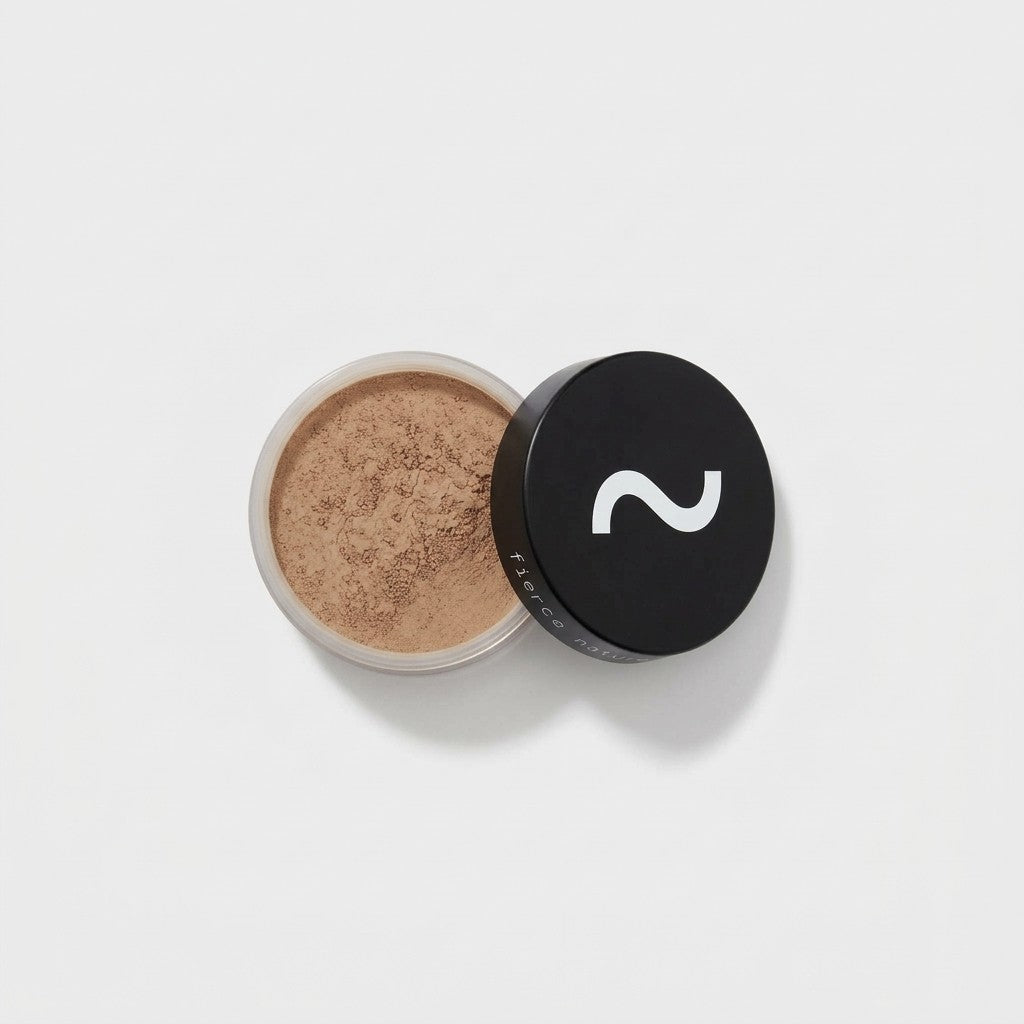
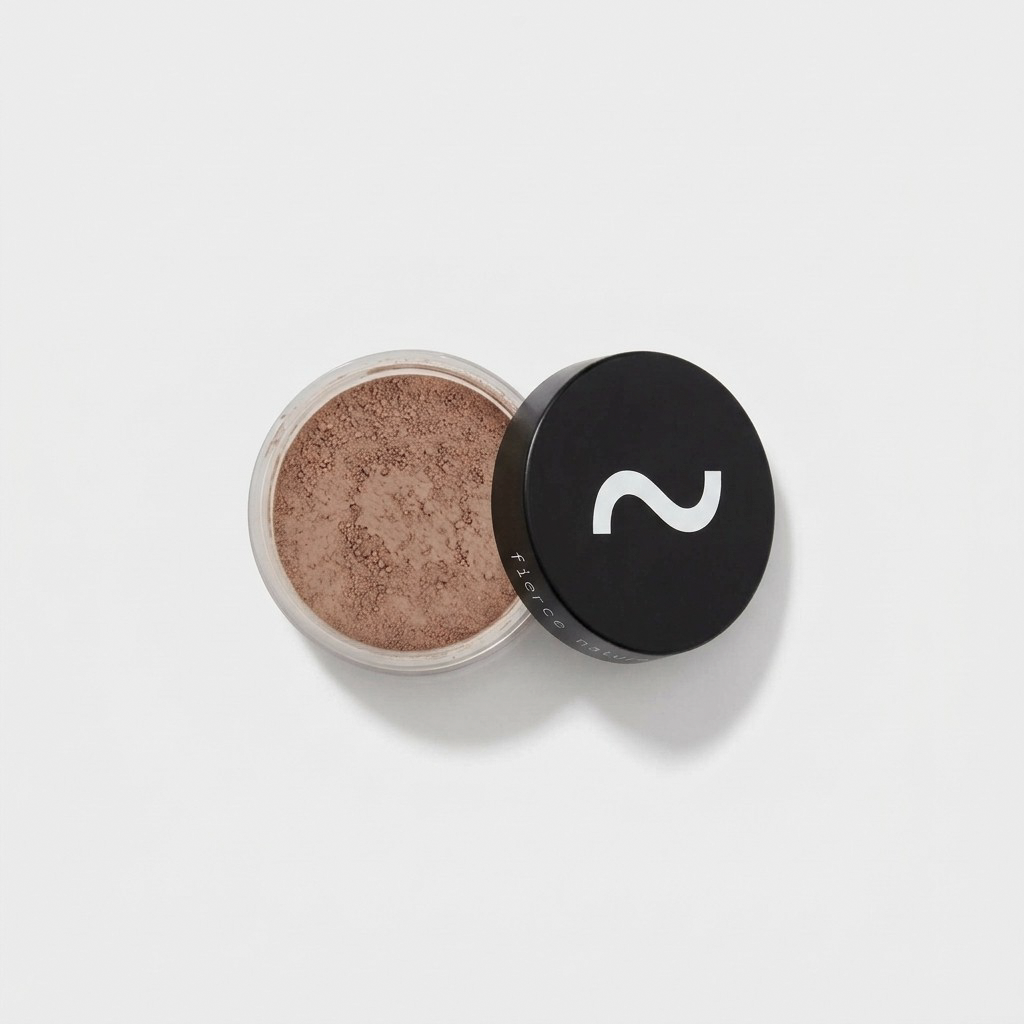
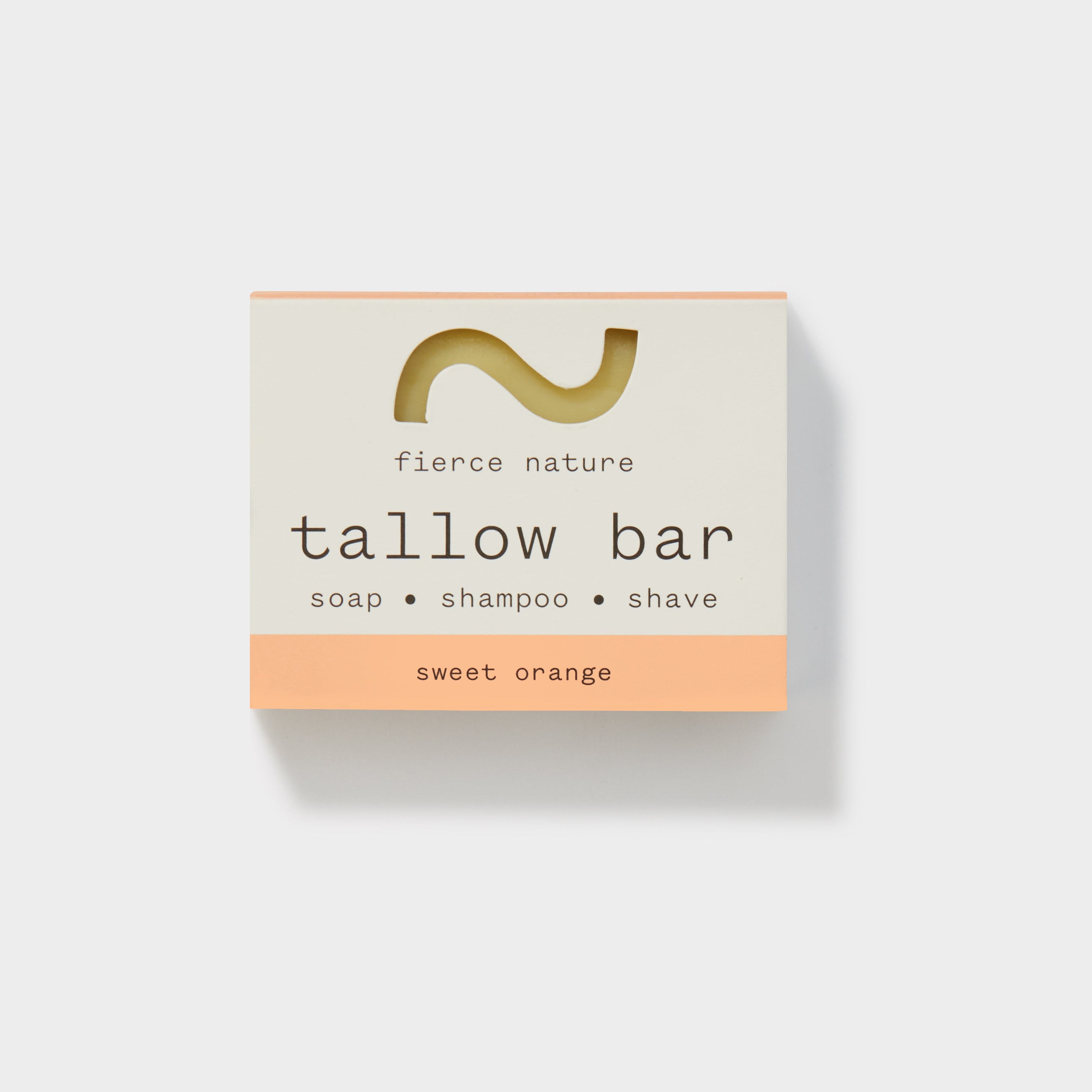
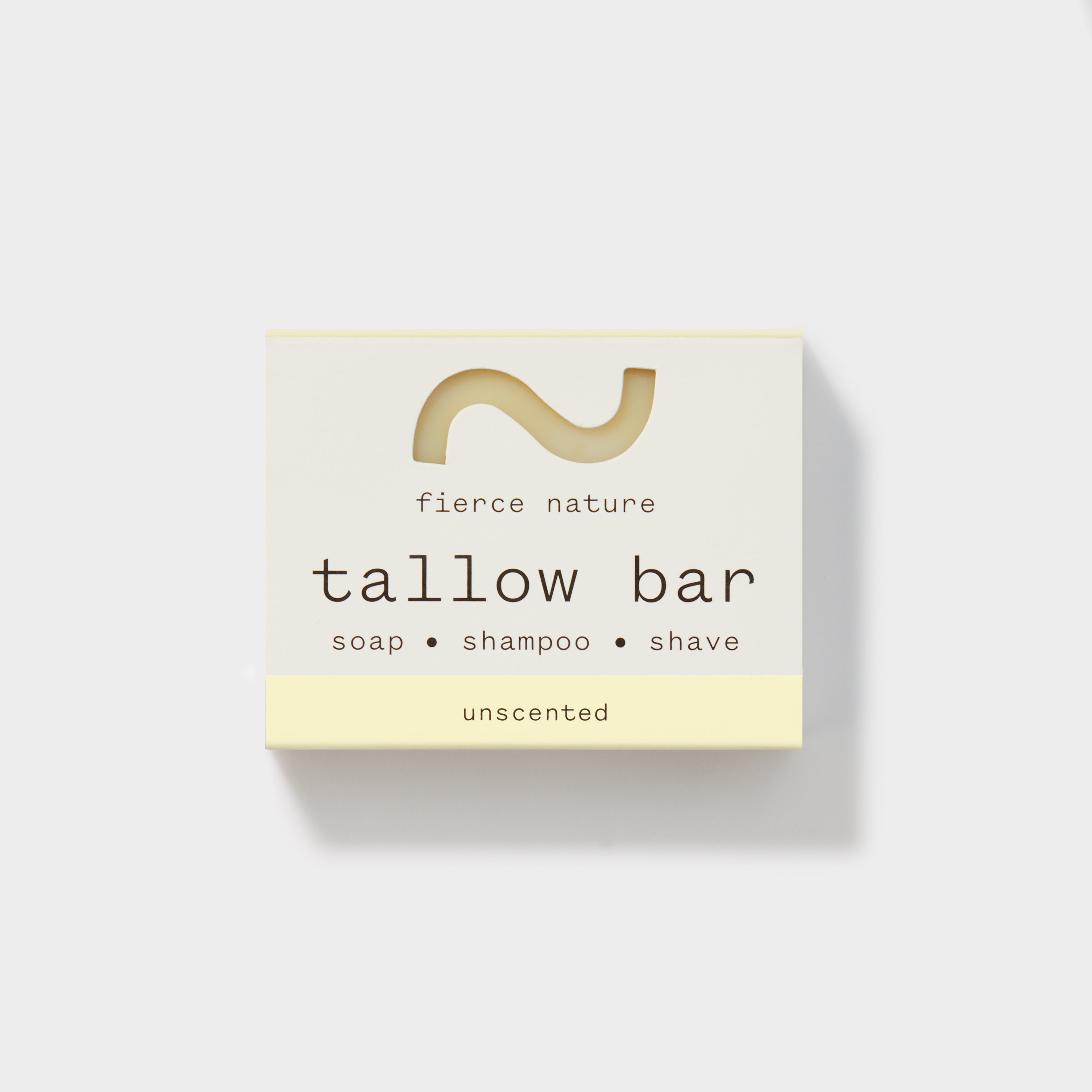
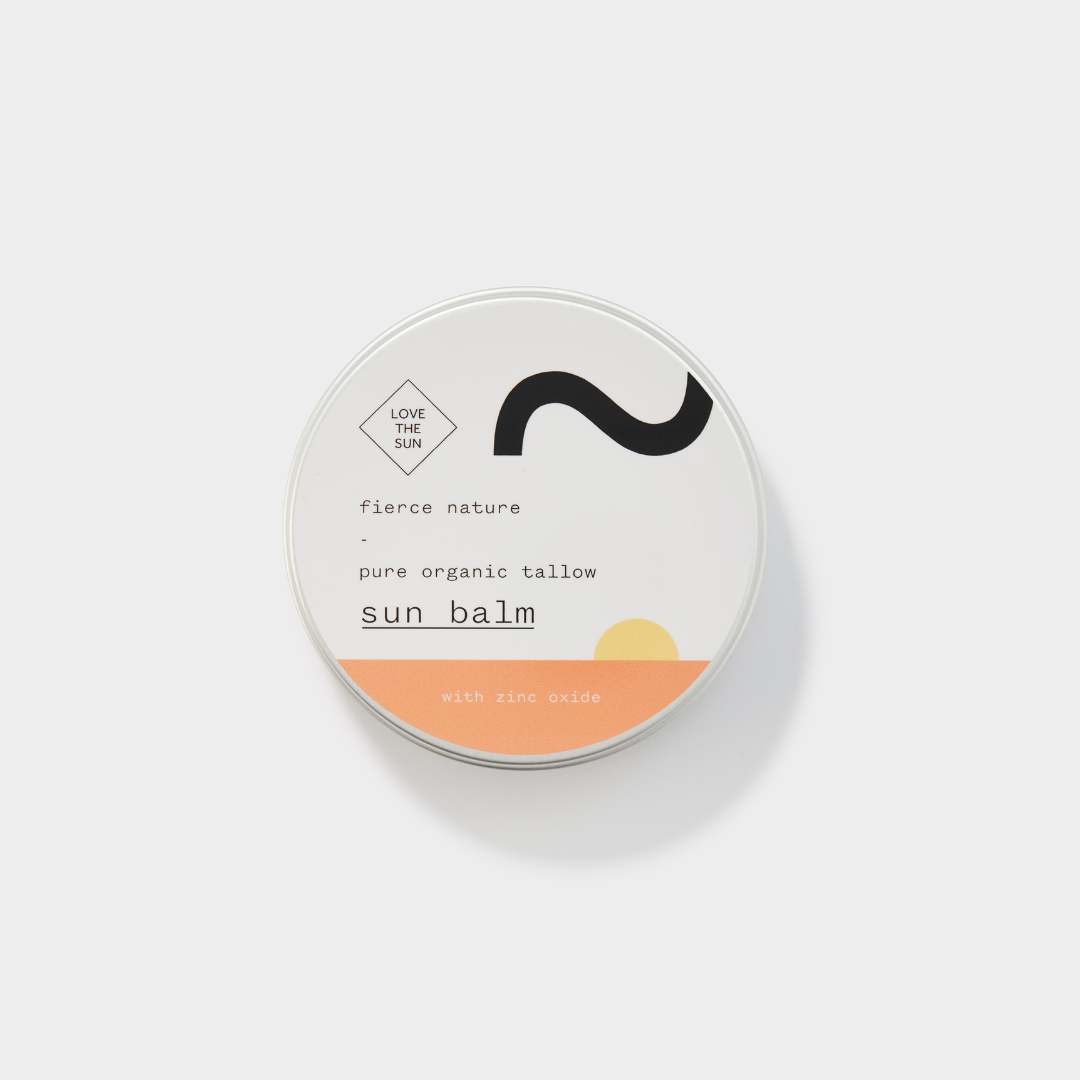
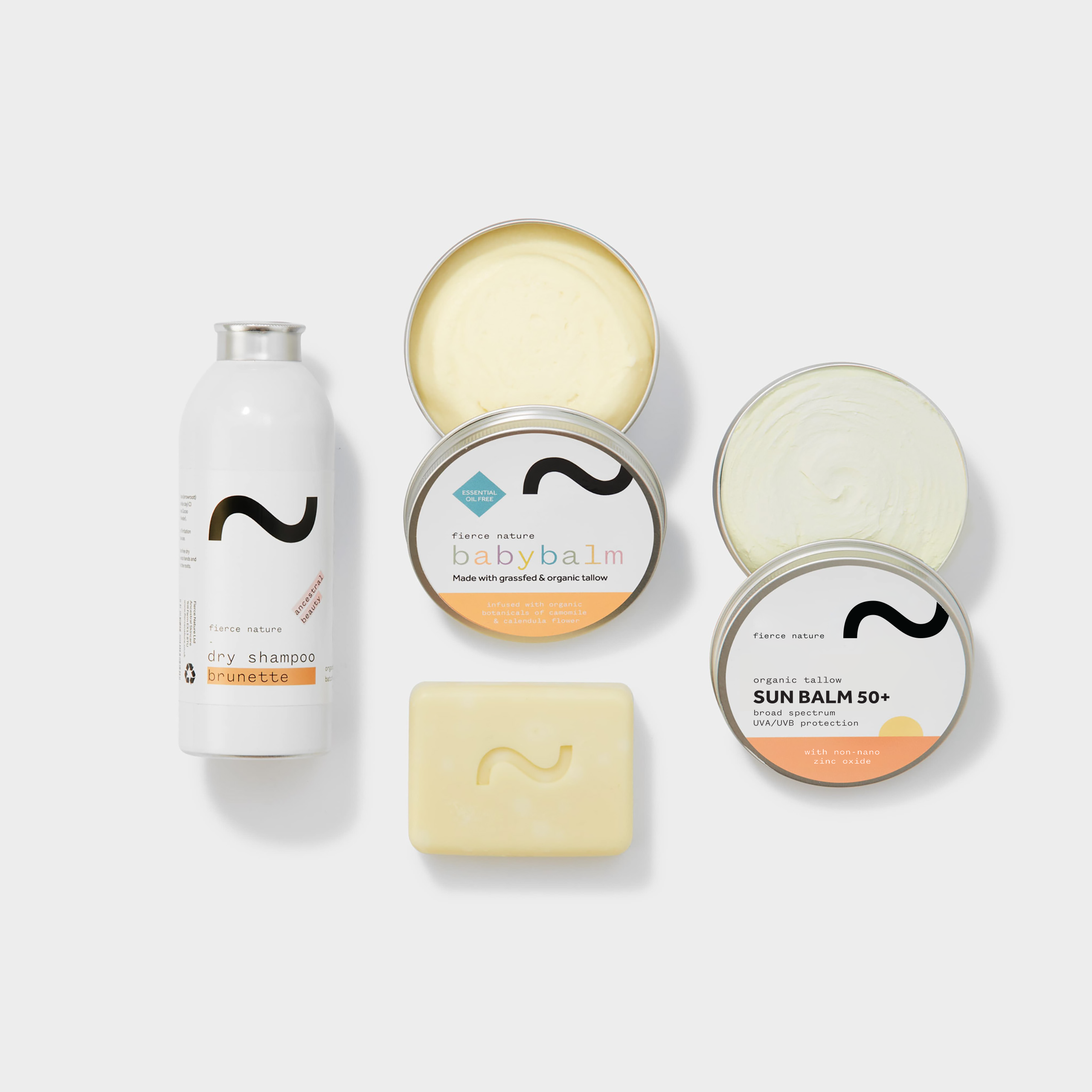
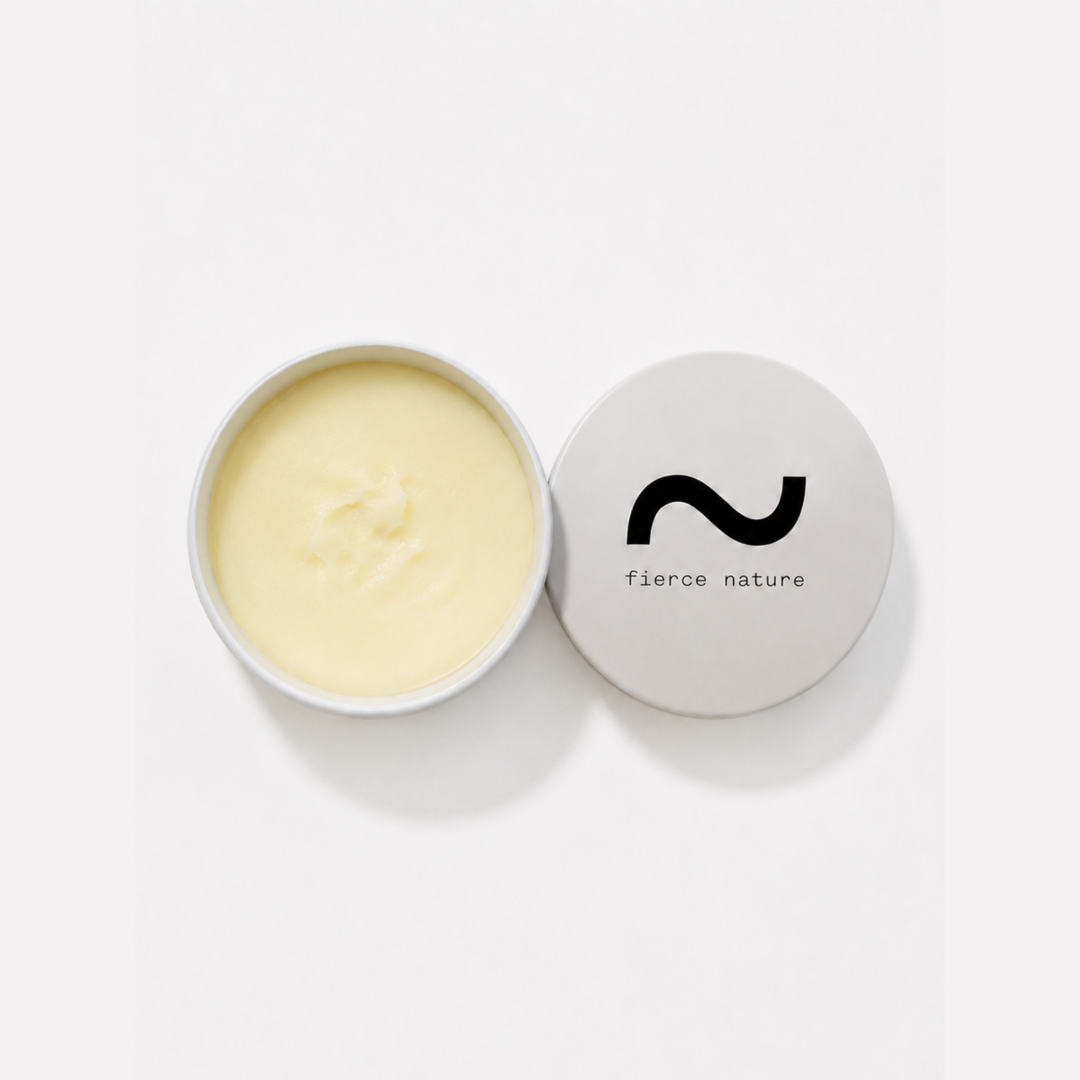
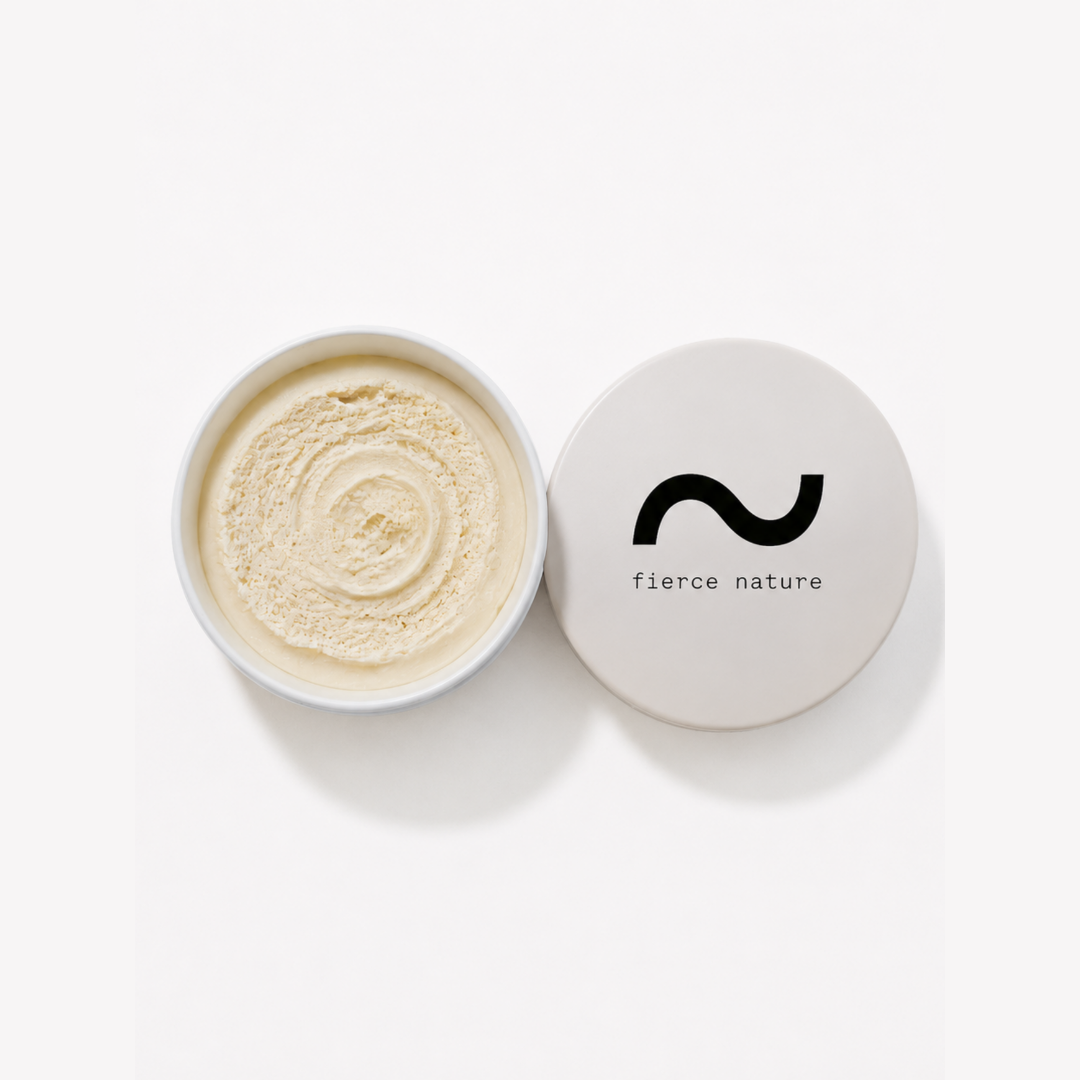
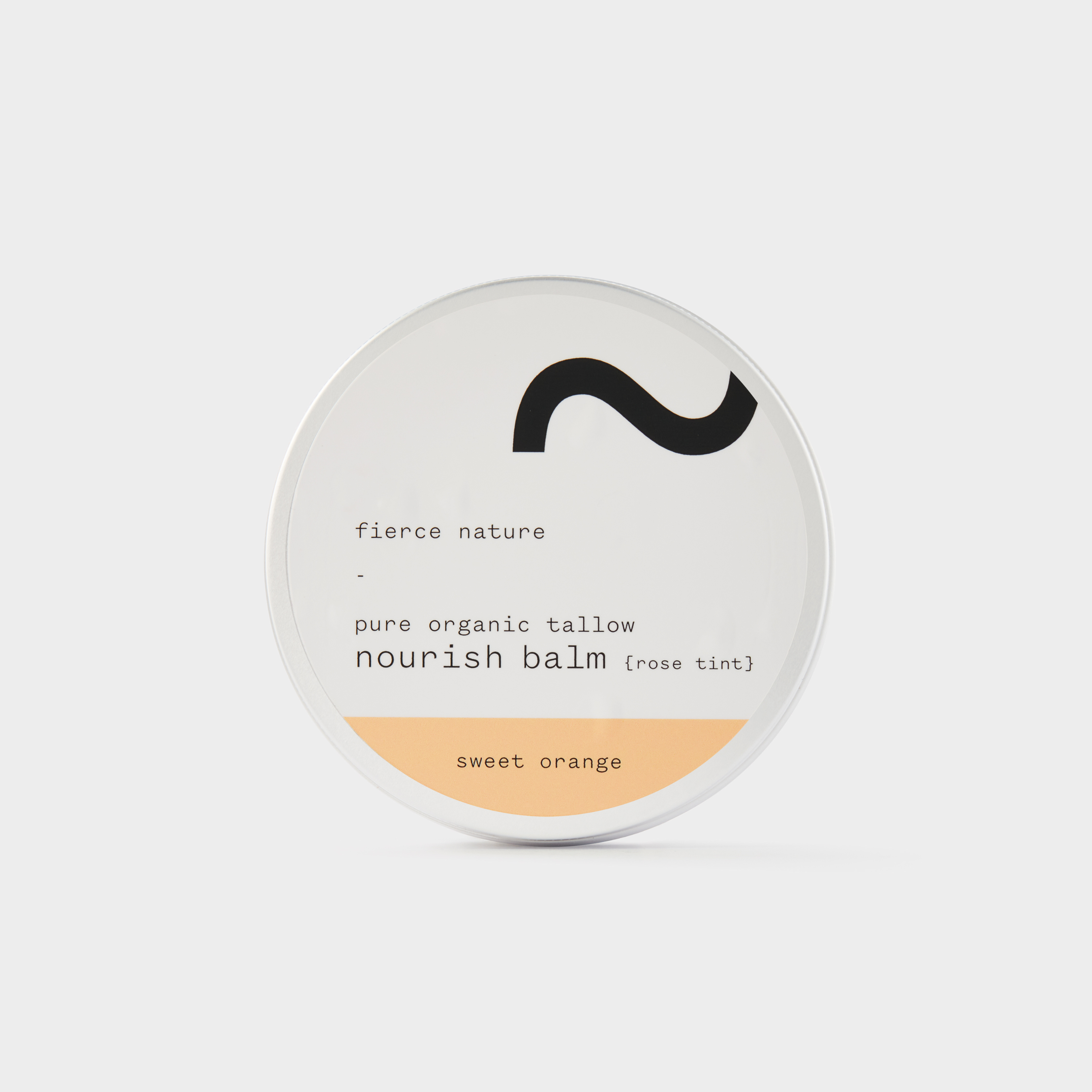

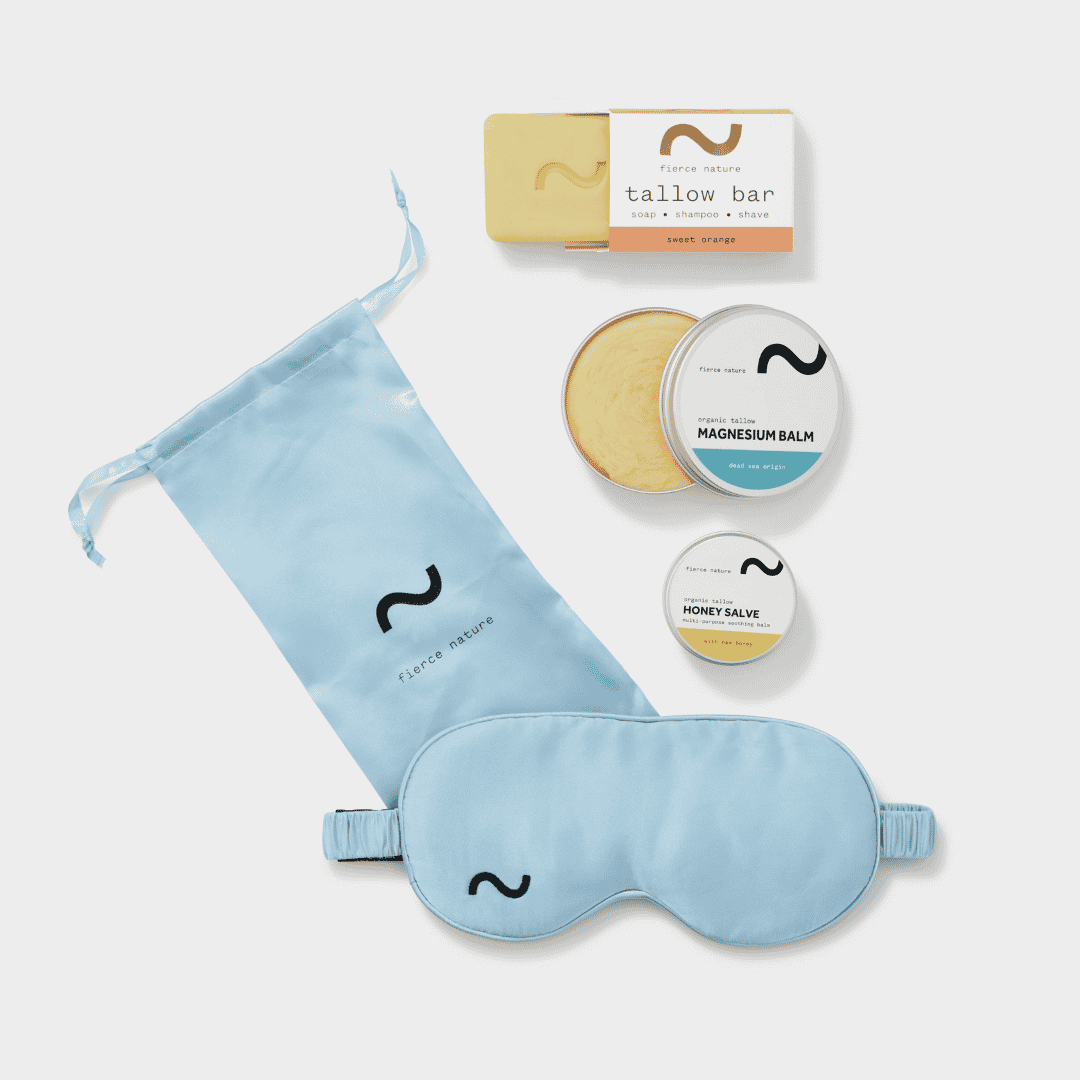
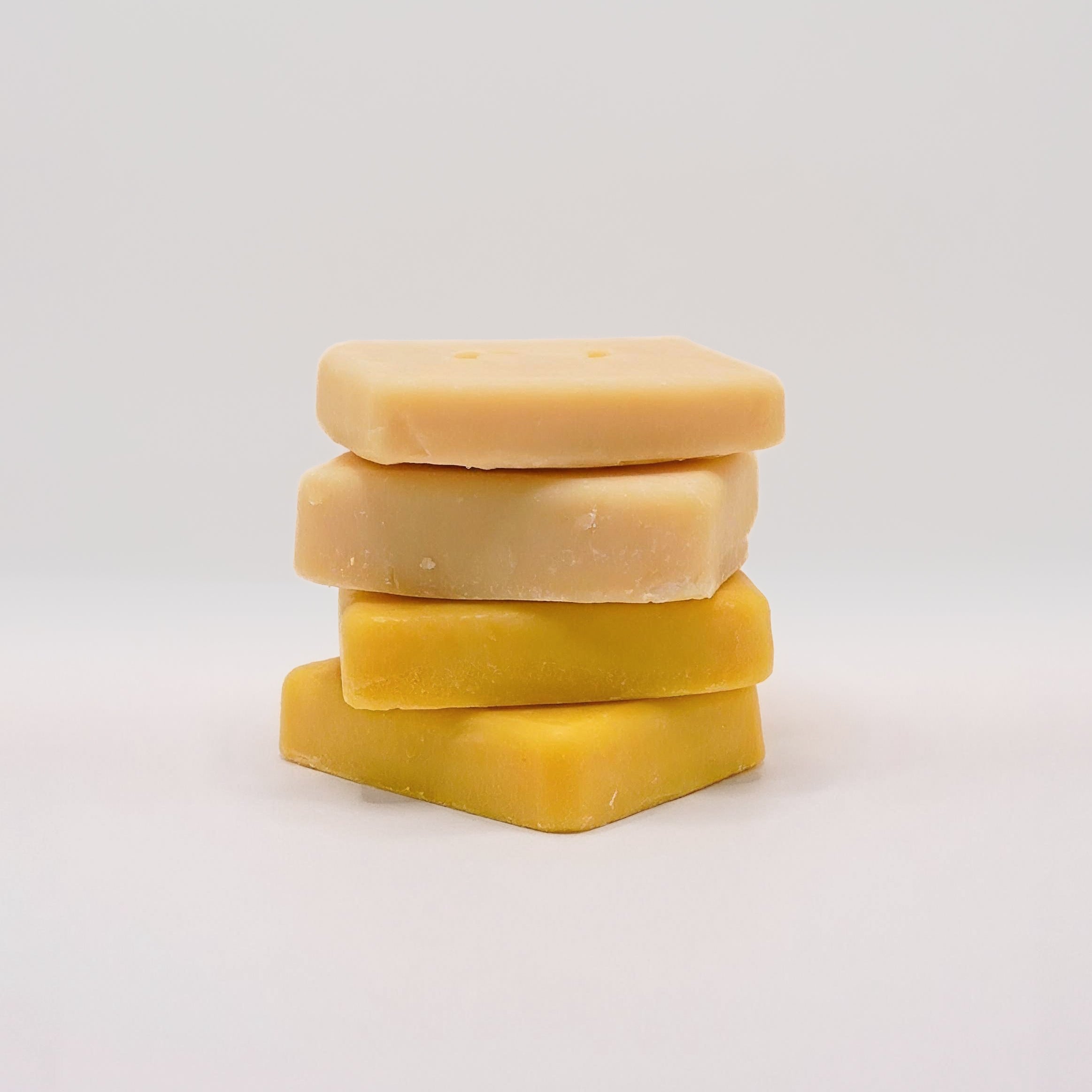



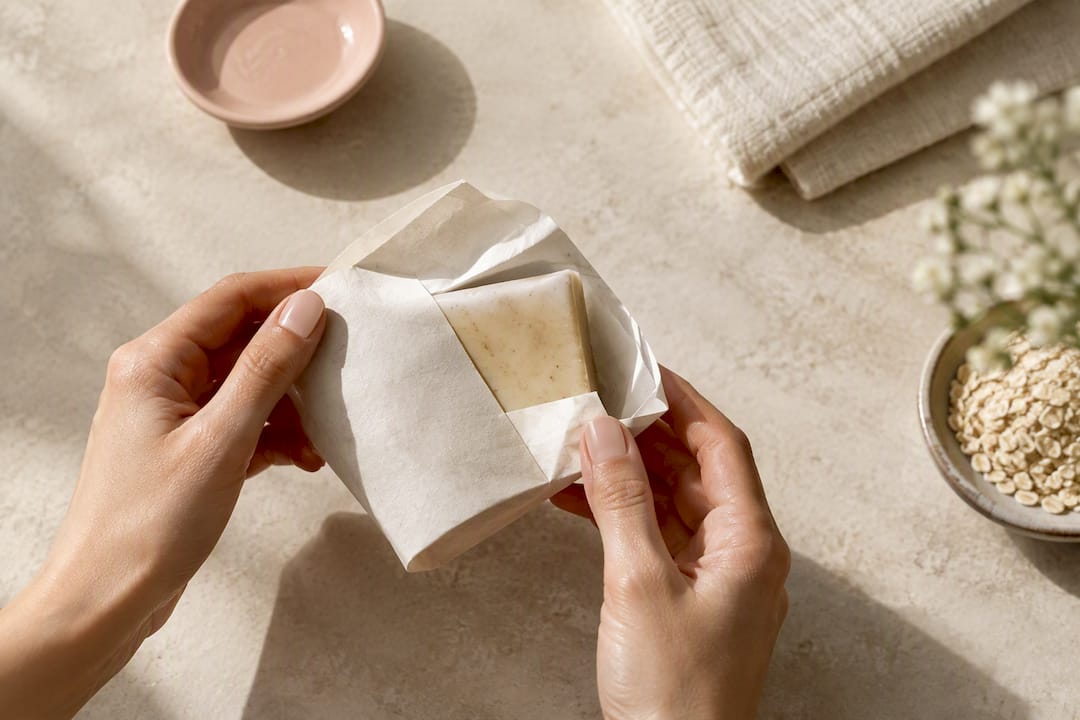
Yes, you can find gentle, coconut-oil-free bar soap, and the safest route is a short-ingredient, unscented bar made with tallow or olive oil rather than one making a “natural” claim on the front of the pack. Other good bases include rapeseed and shea. Read the INCI list before you buy, avoid “perfume” if you have a known sensitivity, and patch-test any new bar. An unscented tallow bar built for shoppers avoiding coconut oil is available from some makers.
TL;DR:
- Coconut derivatives in soap can be hidden under multiple names, making reading the ingredient list essential for verification.
- Tallow and olive oil bases are reliable, mild options suitable for sensitive skin, but check the INCI list to confirm absence of coconut oil.
- Sharing equipment during production can create cross-contact risks, so direct questions about manufacturing processes are crucial for safety.
- Coconut-free soaps often produce less foam and may feel creamier, with babassu and castor oils serving as common substitutes for coconut oil’s properties.
- Regularly reviewing full ingredient lists and asking sellers for confirmation ensures you avoid hidden coconut derivatives, especially if you have allergies.
The only reliable way to confirm a bar is coconut-free is to read its INCI list, the standardised ingredient names printed under the word “ingredients”. Coconut oil hides behind several names, so it helps to know what you’re scanning for: Cocos nucifera oil, sodium cocoate, sodium lauryl sulphate, sodium laureth sulphate, cocamidopropyl betaine and coco-glucoside are all coconut derivatives, even when the packaging never mentions coconut at all.
UK cosmetic labelling rules require ingredients to be listed in descending order by weight, with anything under 1% grouped afterwards in no particular order. That means a coconut derivative near the end of a long list is still there, just diluted. Fragrance is a separate problem: rules allow scent blends to be listed simply as “perfume” or “aroma”, which can mask dozens of individual compounds, including ones derived from coconut.
Small soap makers are permitted to skip a full label on the bar itself and instead supply the ingredient list on a leaflet, an attached tag or a notice near the display. That’s legal, but it puts the responsibility on you to ask for it if you don’t see it.
For a walkthrough of what each ingredient name actually means, our guide to reading cosmetic ingredient labels breaks it down section by section.
Pro Tip: Keep a note on your phone of the coconut-derivative names above so you can check a label in seconds, even in a shop with no signal.
Not all coconut-free soaps behave the same way on your skin, and the base fat or oil makes most of the difference.
A soap labelled “palm-free” is not automatically coconut-free, since some plant-based bases combine rapeseed with coconut oil in the same formula. Checking the actual INCI list remains the only dependable check.
The trade-off across all of these is consistent: the gentler and more conditioning a base is, the less it foams, and the more cleansing a bar feels, the more likely it relies on a detergent-style ingredient that can also irritate reactive skin. There’s no single “best” fat, only the right fit for your skin and your washing habits.
Specialist handmade-soap sellers and independent makers are, in practice, the most likely places to find full, published INCI lists, since they’re already working in small batches and used to disclosure. Larger commercial ranges sometimes list ingredients but rarely explain them, leaving you to do the decoding yourself.
Shopping in person and shopping online call for slightly different habits.
Our tallow soaps collection publishes full ingredient lists on every product page, which is worth using as a benchmark for what a transparent listing should look like.
One maker’s ethos is shaped by a personal history of unexplained skin reactions and research linking gut health, toxic load and skin sensitivity, leading to a standard that every ingredient should be nameable and every bar transparent about its contents.
Our soaps are handmade in the UK using organic tallow as the foundation, chosen because its fatty-acid profile is close to what your own skin produces. The unscented Multi-Use Tallow Bar and the Wonky Soap (Pack of 3) both list their full ingredients on the product page, so you can check for yourself rather than take our word for it. Our piece on why tallow suits sensitive skin covers the formulation reasoning in more depth.
If you’re switching to a tallow bar for the first time, patch-test on a small area of skin for a few days before using it on your face or body, and introduce it without other new products so you can judge the results clearly.
Even a genuinely coconut-free formula can pick up traces of coconut oil if it’s made on shared equipment, such as a mixing vessel, mould or cutting table also used for coconut-based bars. This is a manufacturing risk, not a formulation one, and it’s the reason a clean INCI list isn’t always the full picture for someone with a diagnosed allergy.
There is no formal “coconut-free” certification scheme in the way that, for example, organic certification works. Labelling rules require ingredients to be listed accurately, but they don’t require a maker to declare or test for cross-contact with allergens the way some food labelling does. That gap means the responsibility sits with you to ask directly.
If you have a diagnosed coconut allergy rather than a general sensitivity, ask the maker two specific questions: whether coconut-derived ingredients are used anywhere in their workshop, and whether equipment is dedicated or shared between batches. A maker willing to answer clearly and in writing is giving you a meaningful trust signal, regardless of what’s printed on the wrapper. For anyone with a history of severe reactions, this conversation matters more than any single ingredient name.
Coconut-free bars tend to suit people whose skin reacts to strong detergent-style cleansers, since coconut-derived ingredients like sodium cocoate and sodium lauryl sulphate are effective cleansers but can strip natural oils more aggressively than gentler bases.
People managing eczema, dermatitis or generally dry, reactive skin often do better with a low-detergency, high-conditioning bar such as a tallow or olive-oil formula, since these leave more of the skin’s natural barrier intact. Anyone with a diagnosed coconut allergy needs coconut-free soap as a matter of safety rather than preference, which makes label reading non-negotiable rather than optional.
Fragrance-sensitive skin benefits from pairing a coconut-free base with an unscented formulation, since removing both variables at once makes it much easier to identify what, if anything, still causes irritation. Our guide to fragrance-free options goes into more detail on when unscented is worth prioritising over scented “natural” claims. Even people without a specific sensitivity sometimes simply prefer the slower, creamier lather that conditioning-forward bases produce over a foamy commercial bar.
Coconut oil earns its place in conventional soap recipes because it produces a big, fluffy lather and a hard, long-lasting bar, so any substitute has to solve for both properties, not just one.
Palm kernel oil is a common commercial substitute, though it carries its own sustainability concerns and isn’t automatically gentler on skin. Babassu oil is often used as a direct swap because it produces a similar lather and hardness profile without coming from coconut, making it popular in “coconut-free” formulations aimed specifically at sensitive skin. Castor oil in small proportions boosts lather stability in an otherwise low-foam recipe, such as an olive-oil-based bar, without adding harshness. Sodium citrate and rice bran oil are sometimes used in small amounts to improve bar hardness and shelf life in coconut-free recipes.
None of these fully replicates coconut oil’s exact lather, and that’s the honest trade-off: a coconut-free bar may feel creamier and less foamy, particularly with tallow or olive-oil bases, in exchange for being gentler on reactive skin. If a big lather matters to you, look for a coconut-free bar that lists babassu or castor oil rather than assuming any “natural” bar will foam the same way.

The word “natural” has become close to meaningless on soap packaging, and that’s the single biggest thing worth unlearning. A bar can be entirely plant-derived and still contain coconut oil, still foam aggressively, and still irritate the exact skin it claims to soothe.
The conventional advice to “look for natural ingredients” undersells the actual skill involved, which is reading an INCI list critically and knowing which derivative names to distrust. Palm-free doesn’t mean coconut-free. Fragrance-free sometimes still means a hidden allergen tucked inside “perfume”. Even a short ingredient list needs checking, not assuming.
What we’d prioritise first, before brand reputation or price, is the habit of checking the list every time, including on repeat purchases, since formulations do change. A maker who answers questions about shared equipment and ingredient sourcing without hesitation is worth more than any front-of-pack claim. That habit will serve you longer than any single brand recommendation ever could.
— Fierce Nature
If you’d rather skip the label-detective work altogether, we’ve already done it for you. Our Multi-Use Tallow Bar (Unscented) is built entirely around tallow with no coconut derivatives and no added fragrance, making it suited to face, body and even shaving for people who want one bar that does everything gently. The Wonky Soap (Pack of 3) offers the same tallow-based formulation in a multi-pack, a practical way to trial coconut-free washing without committing to a single bar.
Visit the tallow soaps collection to view ingredient lists side by side and pick the bar that fits your skin.
Bars made primarily from tallow, olive oil, shea butter or rapeseed oil are typically coconut-free, though the only certain way to confirm it is checking the INCI list on each specific product. Our unscented Multi-Use Tallow Bar is one example built entirely without coconut derivatives.
Look for bars that state both “palm-free” and list their full INCI, since some palm-free melt-and-pour bases still contain coconut oil in the blend. Specialist handmade-soap makers who publish complete ingredient lists are generally the most reliable source, and checking the list yourself remains the deciding step.
Rather than relying on brand names alone, check each product’s INCI list for Cocos nucifera oil, sodium cocoate or related derivatives, since formulations can change between batches. Fierce Nature’s tallow-based bars, including the Wonky Soap (Pack of 3), are formulated without coconut oil and list their ingredients on the product page.
Tallow, olive oil and babassu oil are common substitutes, each solving for a different property: tallow and olive oil for conditioning and gentleness, babassu for maintaining a coconut-like lather and hardness. The right choice depends on whether you’re prioritising skin comfort or a foamier wash.
Home soap makers typically substitute tallow, olive oil or a rapeseed-based glycerine base for coconut oil, adjusting quantities since each fat behaves differently for hardness and lather. Anyone attempting this with a genuine coconut allergy should double-check every other ingredient’s INCI name for hidden derivatives before use.