Cart
0
You may also like
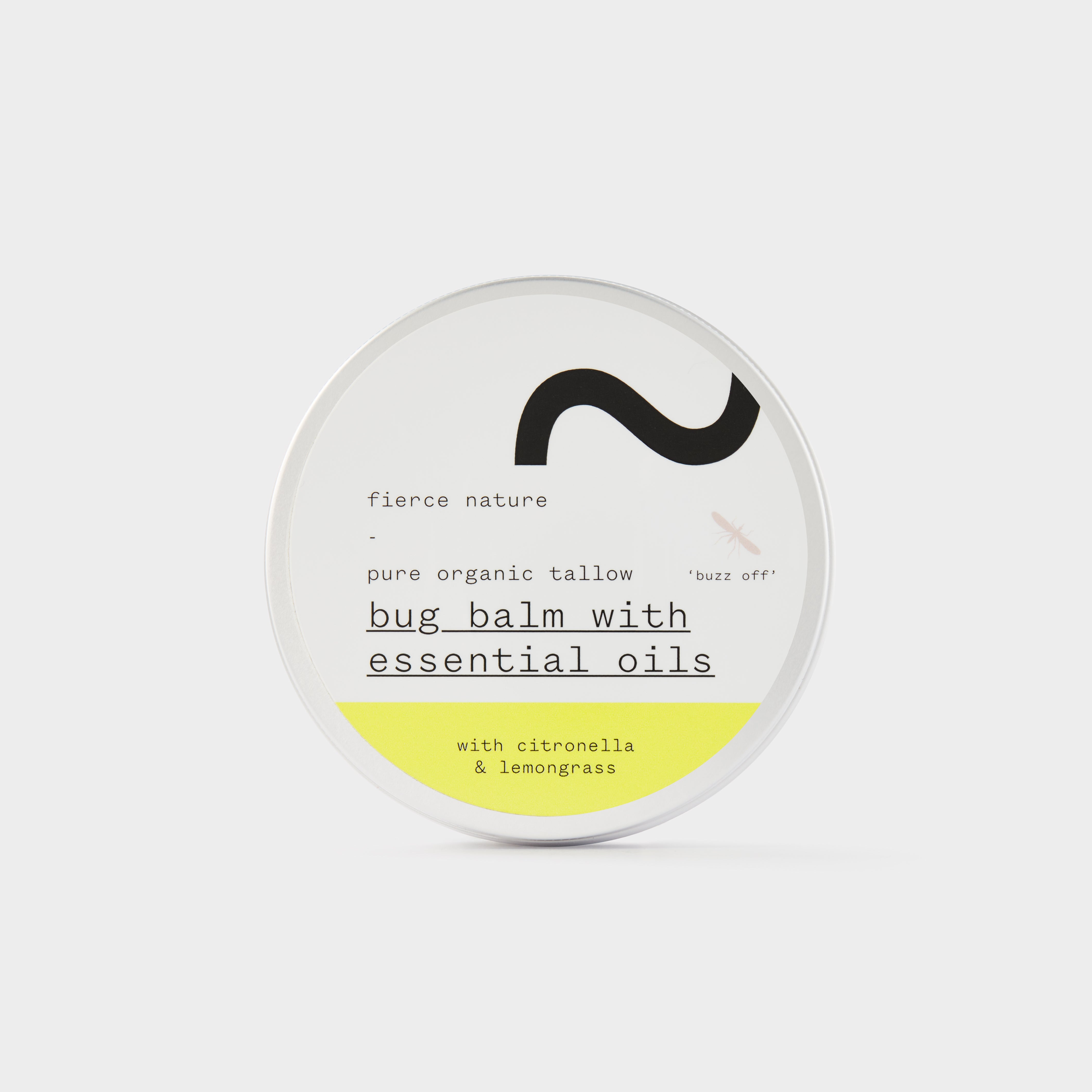
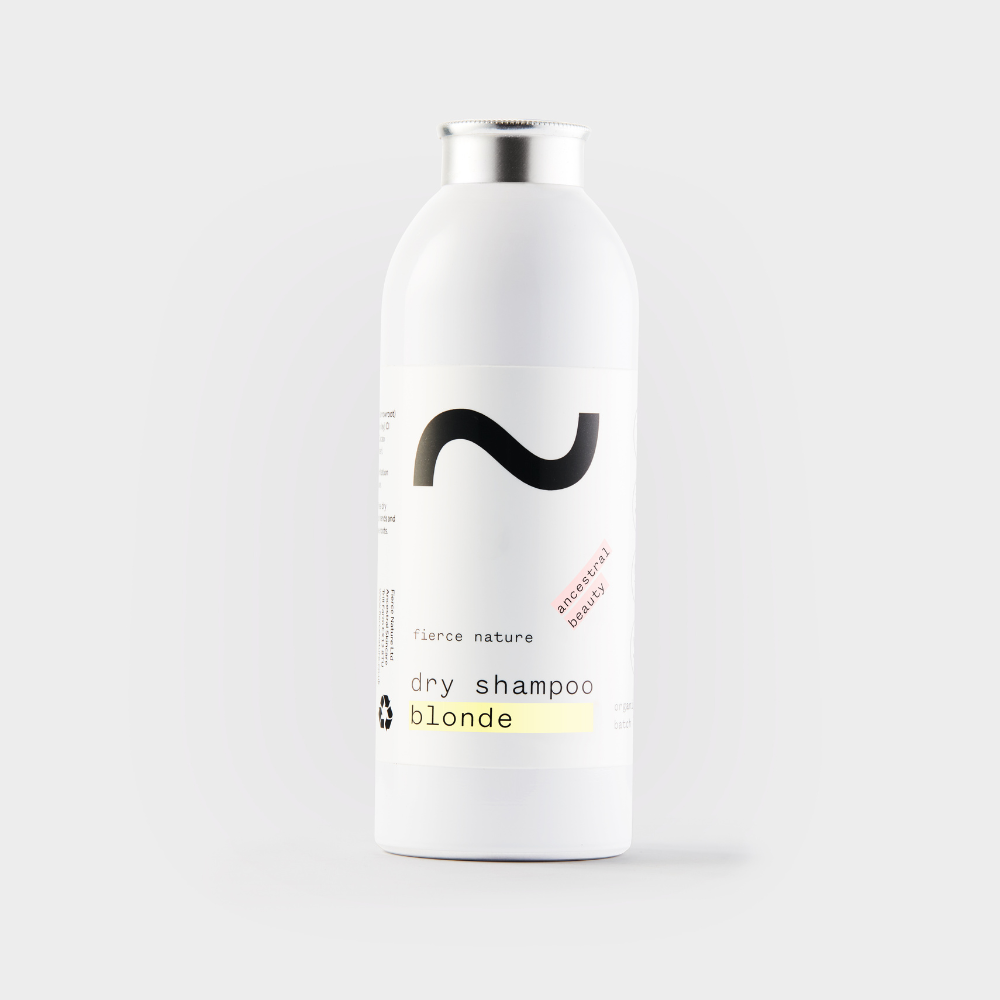
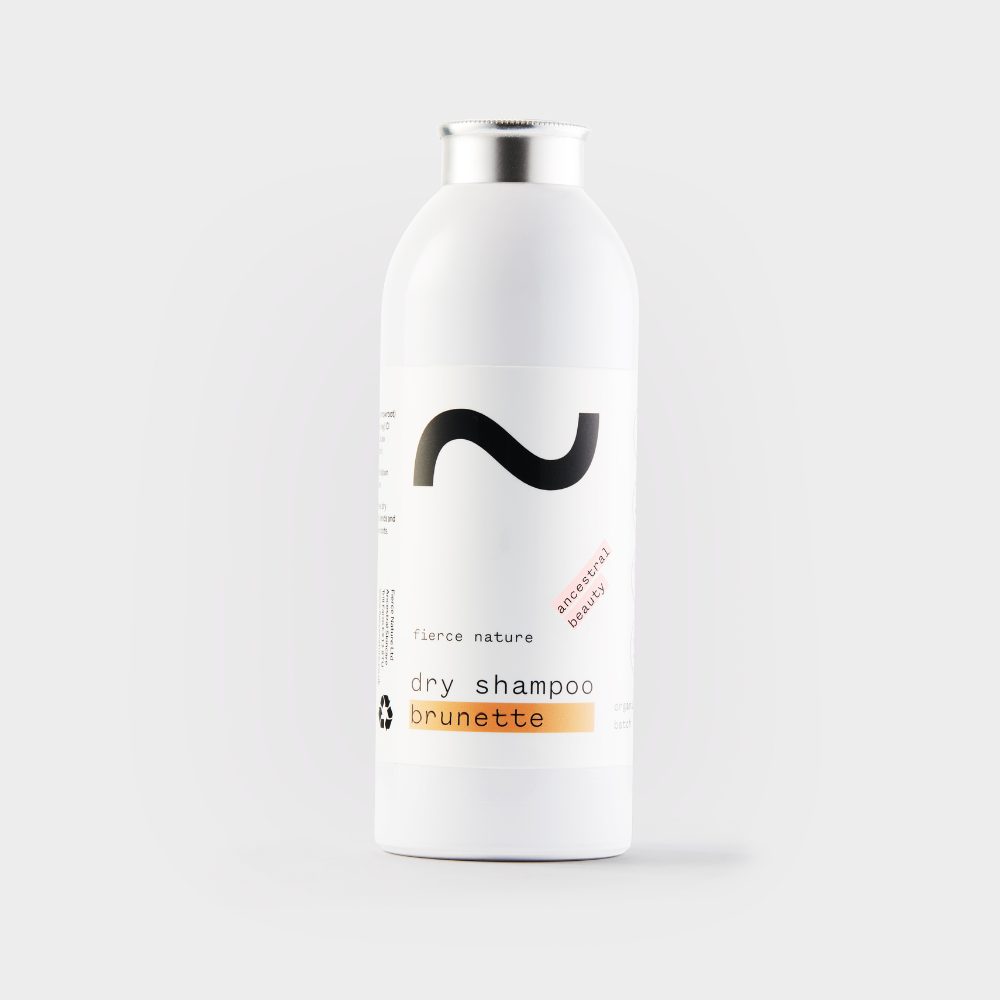
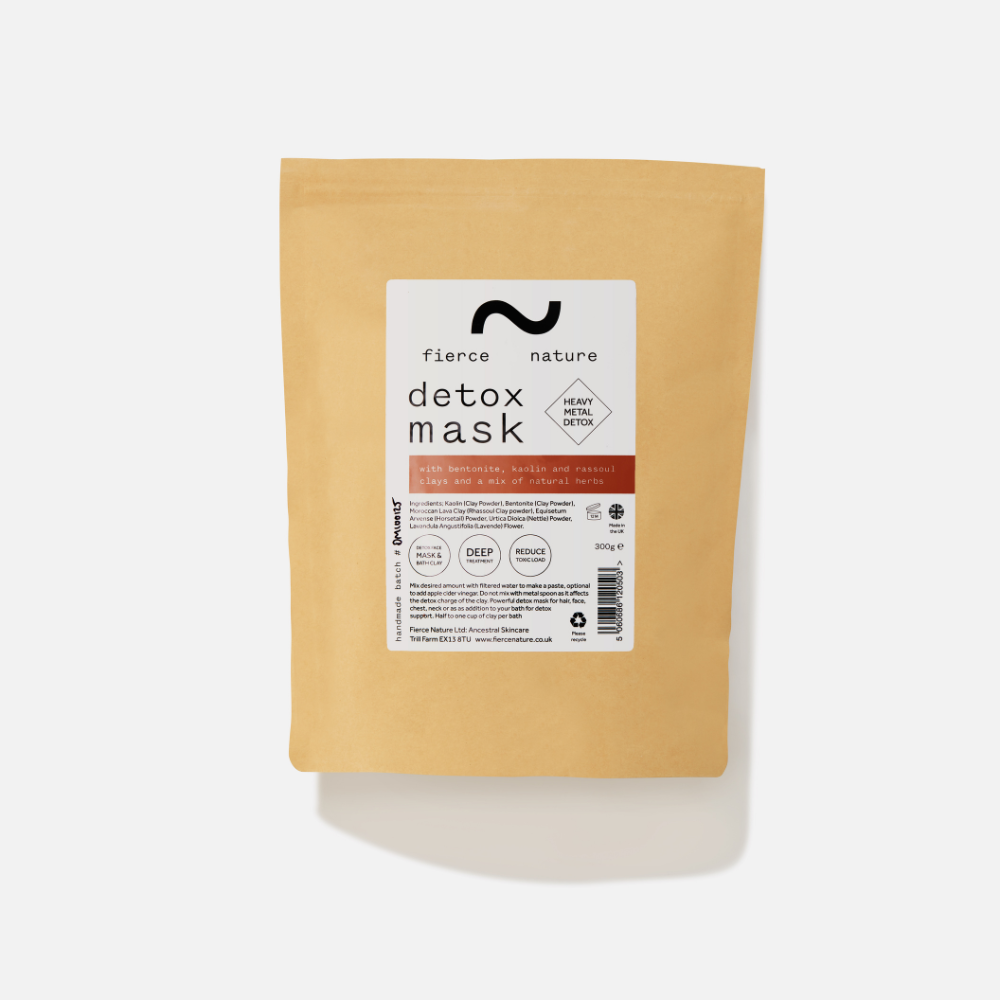



Tallow is likely to clog pores if you have oily or acne-prone skin, and we say that as a brand that makes tallow skincare for a living. Dermatologists at Scripps Health and the Cleveland Clinic both flag caution for congestion-prone skin types, and there simply aren’t robust clinical trials proving otherwise. If your skin is very dry and rarely reacts to anything, you may tolerate it well. If you’re breakout-prone, the safest move is to avoid full-face application and patch-test first.
Here’s the short version before we unpack the “why”:
Tallow’s occlusive texture makes it a plausible pore-clogger on oily or acne-prone skin, while dry, non-reactive skin may tolerate it well with proper patch-testing.
| Point | Details |
|---|---|
| Verdict depends on skin type | Oily and acne-prone skin faces higher clogging risk; very dry, non-reactive skin may tolerate tallow. |
| No clinical proof either way | No robust human trials confirm tallow is comedogenic or non-comedogenic for facial use. |
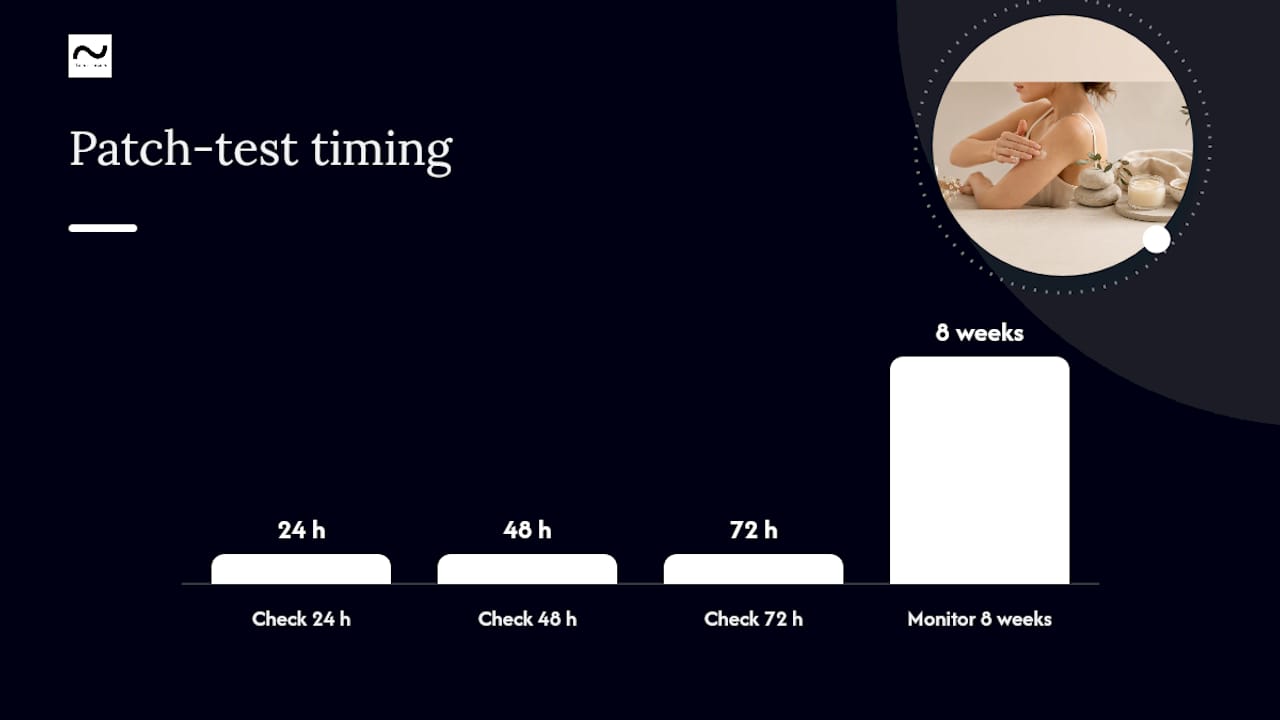
| Patch-test before your face | Test on your forearm first, then a small facial zone for eight weeks before trusting it fully. |
| Apply tallow last | Use it as your final step, never underneath prescription acne actives, or it blocks penetration. |
| Choose the right Fierce Nature format | Unscented tallow bars suit sensitive or dry skin; Selfie Sticks suit small, targeted trial areas. |
This article is general information, not a substitute for advice from a qualified doctor. Consult a qualified healthcare professional about your own circumstances before acting on anything here.
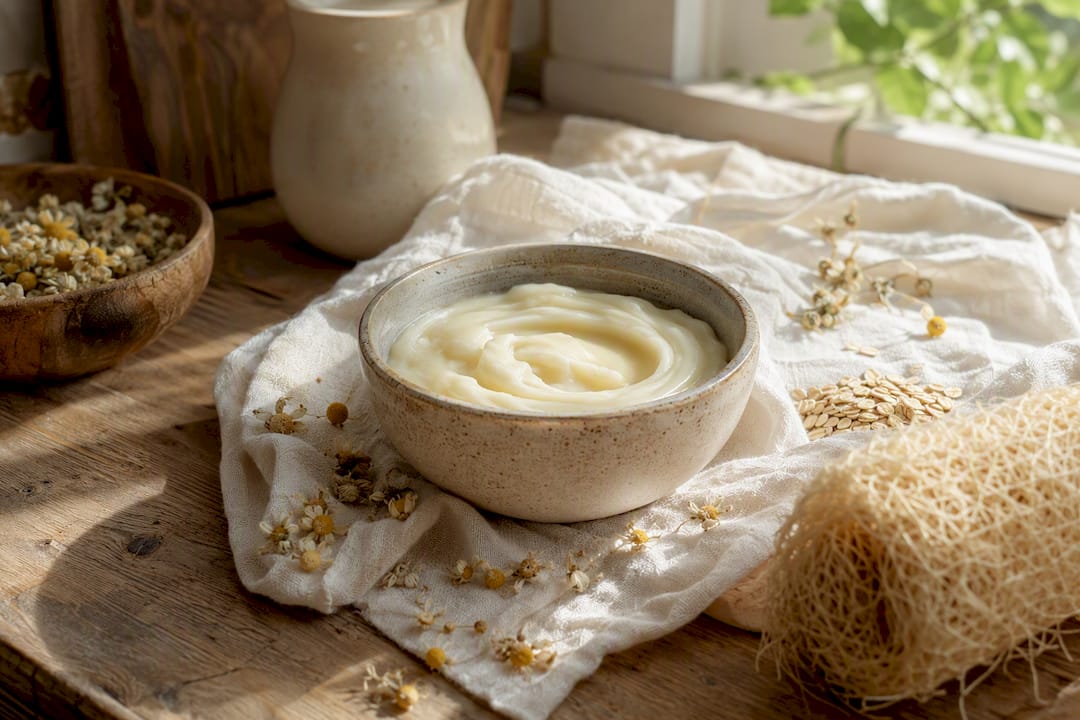
Tallow is rendered animal fat that’s solid at room temperature, and that solidity is exactly what makes it behave the way it does on skin. It sits on the surface as a thick, occlusive layer rather than absorbing quickly the way a lighter oil or lotion might. Occlusives aren’t inherently bad; they’re brilliant at locking moisture in and slowing water loss. The trouble starts when that same barrier traps things you’d rather it didn’t.
Think of it like sealing a room with clingfilm. If the room is clean and dry, sealing it in keeps things stable. If the room already has sweat, dead skin cells and bacteria sitting around, sealing it in just keeps all of that trapped against the skin too. That’s the mechanism behind pore congestion with any heavy occlusive, tallow included.
Three things change tallow’s risk profile in practice:
You’ll often see tallow marketed as “bio-identical” to human sebum because both are rich in similar fatty acids, palmitic, stearic and oleic acid among them. That similarity is real, but it’s also where the marketing gets ahead of the science. Sharing a fatty acid profile with sebum doesn’t mean tallow behaves identically once it’s sitting on inflamed, oily or acne-prone skin. Human sebum is produced by living glands that regulate its output; tallow is not. Scenic Dermatology’s review of the topic makes the point plainly: current evidence treats tallow as a straightforward moisturiser, not a proven skin therapy, and the fatty acid overlap doesn’t guarantee it’s a safe substitute for anything your skin already produces on its own. If you want the fuller breakdown of that fatty acid profile, we’ve gone deeper on it in our piece on tallow’s fatty-acid composition.
Mainstream dermatology guidance is consistent, even if the wellness corners of the internet suggest otherwise. Scripps Health advises that tallow may be tolerated by people with very dry, non-reactive skin, but it isn’t recommended for those with oily or acne-prone skin, because its thick consistency can trap sebum, sweat and bacteria against the skin.
The Cleveland Clinic goes further, noting there simply isn’t enough research to support tallow as a skin therapy at all. Their concerns extend beyond clogged pores:
There isn’t enough research to support tallow as a proven skin therapy, and the plausible risks, from clogged pores to contamination in unregulated products, are well documented even where the benefits aren’t.
The broader cultural context matters here too. Tallow’s current popularity is driven far more by wellness trends than by clinical science, and clinicians are right to urge some scepticism whenever a trend-led ingredient gets applied to a genuine skin condition like acne. That doesn’t make tallow useless. It makes it an ingredient that deserves the same scrutiny you’d give any new product, not a free pass because it sounds ancestral or “natural.”
The only reliable way to know how your skin will respond is to test it properly, and rushing this step is the single most common mistake people make.
Pro Tip: Early softness and a “glow” after applying tallow can be deceiving. Occlusives often make skin look plumper within days, but the real test is whether you’re still clear eight weeks later, once a full acne cycle has had time to play out.
Watch the difference between immediate irritation, which shows up fast and is usually obvious, and delayed congestion, which creeps in as small, skin-coloured bumps weeks into use.
Where you use tallow matters as much as whether you use it at all. Body skin has far fewer active sebaceous glands than the face, so a tallow bar on elbows, knees or dry patches carries a fairly different risk profile to smoothing it across an oily T-zone. If your face runs oily or you’re managing active breakouts, keeping tallow to the body, or off your skin entirely, is the more sensible default.
Layering order matters too. Because tallow is occlusive, it should go on last, never underneath a prescription retinoid, benzoyl peroxide or other active serum. Apply it first and you’ve built a barrier that blocks the medication from penetrating, which can blunt the treatment you’re actually relying on to manage acne. This is one of the most overlooked practical points in the whole tallow conversation, and it’s a common reason people report “tallow didn’t work” when the issue was really the order of application.
For those who want a lighter, evidence-backed alternative for oily or breakout-prone skin, look towards:
Our guide to repairing a compromised skin barrier covers these ingredients in more depth if you’re rebuilding from over-stripped or reactive skin. For a practical, non-comedogenic shortlist if you’re dealing with genuinely oily skin, our partners at m-shop have put together tips for shine-free skin worth reading alongside this.
We built our range knowing tallow isn’t a one-size-fits-all answer, which is exactly why we make several formats rather than a single balm for every face.
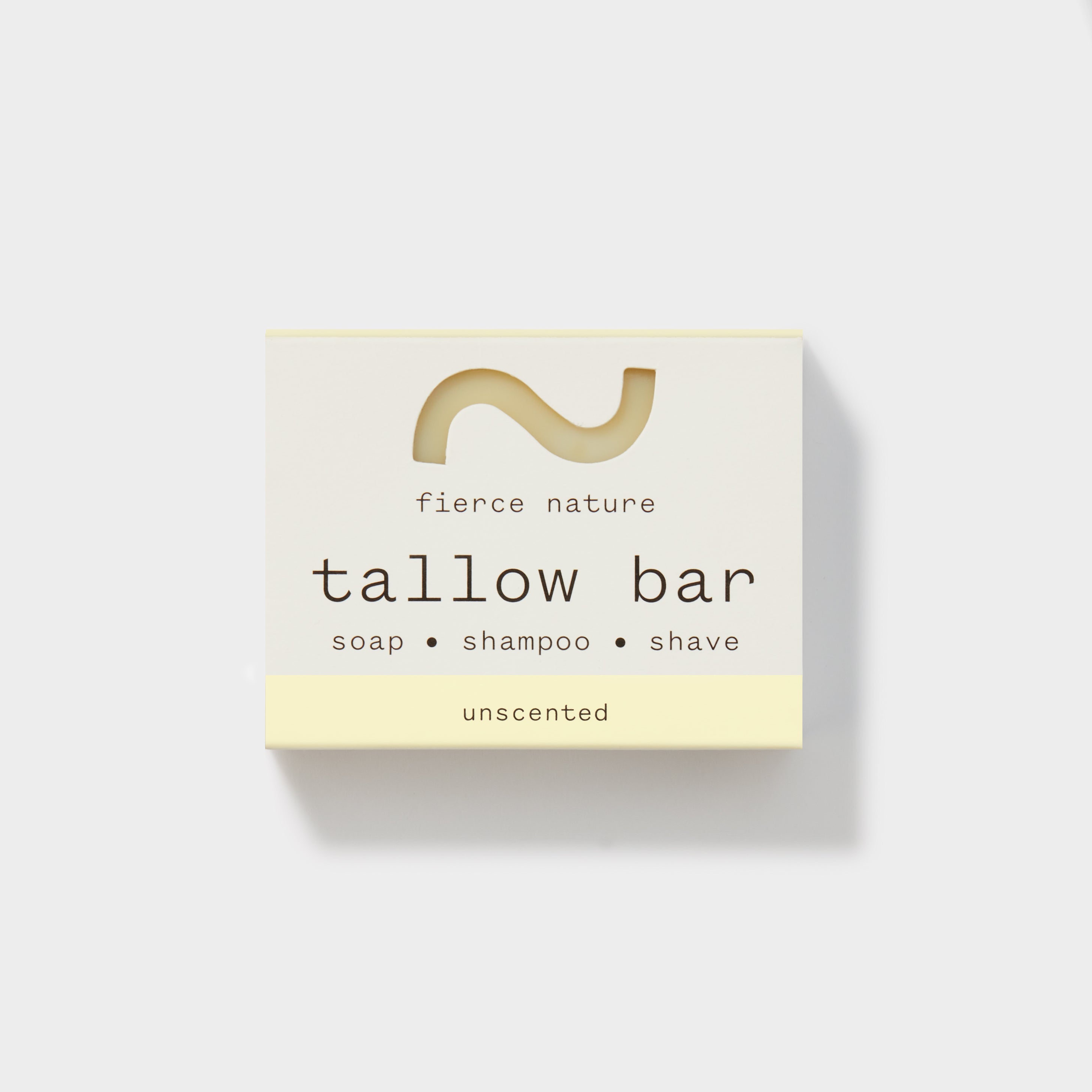
If your skin is very dry, non-reactive and craves richness, our Multi-Use Tallow Bar (Unscented) is the most straightforward starting point, free from added fragrance for anyone wary of extra sensitisers. Prefer a scent? The Multi-Use Tallow Bar (Scented) carries the same base with a gentler aromatic finish, best suited to skin that’s already shown it tolerates fragrance well.
For targeted use rather than full-face coverage, our Selfie Stick range, Natural, Dew and Pearl Shimmer, is designed for exactly the kind of discreet, small-area application we recommend during a patch trial, whether that’s cheekbones, brow bone, or a dry patch that needs attention without committing your whole face. The Luxe Balm is our richest formula, reserved for genuinely dry, resilient skin that wants deep, sustained nourishment.
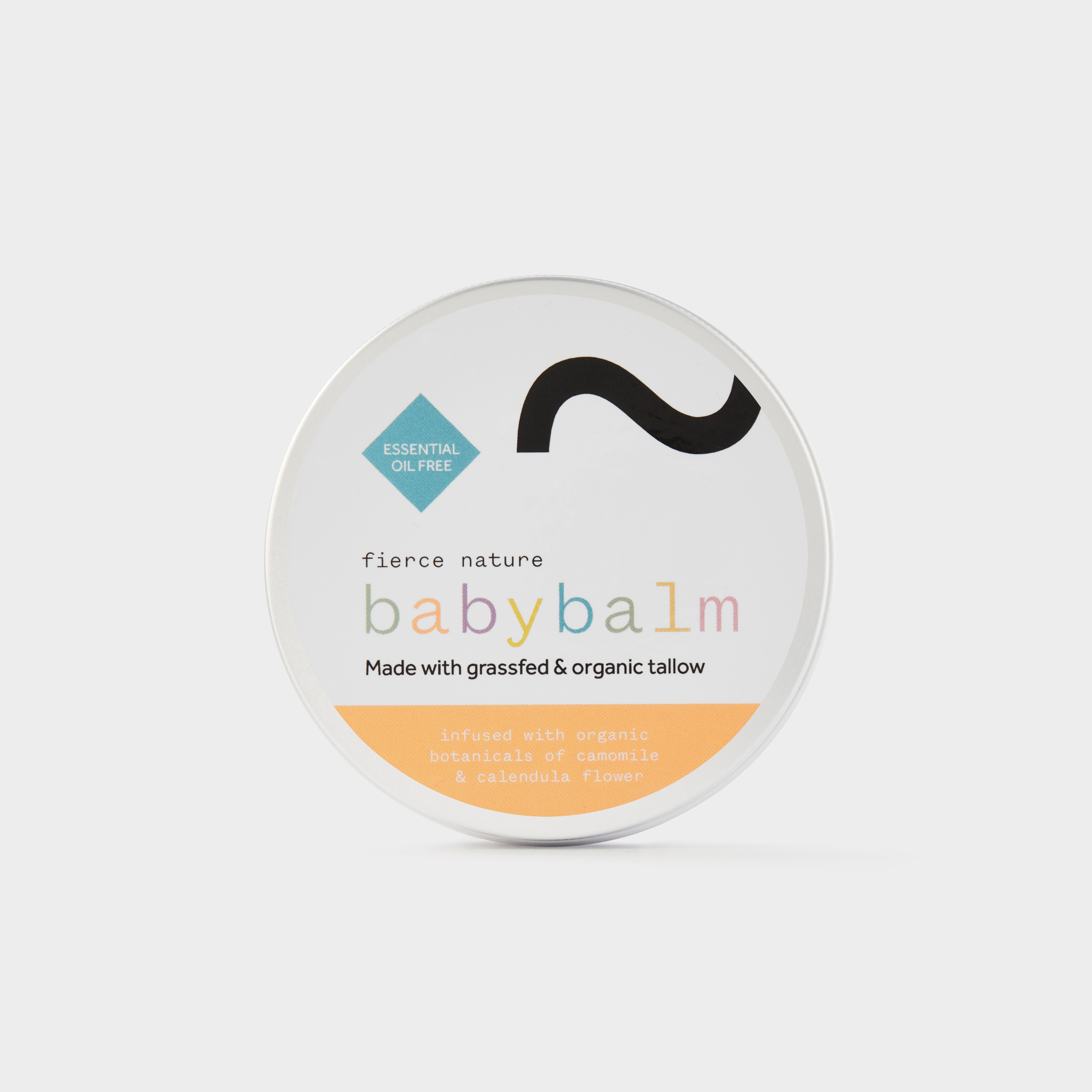
If you’re building a fuller natural routine, the Biohacking bundle brings several of these together, and for the smallest, most delicate skin in the house, our Non-toxic Baby Skin Essentials are formulated with that same caution around sensitivity in mind, worth reading more about in our piece on tallow safety for babies.
Whichever you choose, buy from a maker who formulates for preservation and freshness rather than selling raw, unrefined tallow with no shelf-life testing. Store your balm somewhere cool and out of direct sun, and always patch-test first, even with a trusted brand, because individual skin tolerance varies more than any label can predict. Ready to find your fit? Browse the full tallow bar range and start with the smallest size while you’re still testing.
We make tallow skincare because we believe in what it can do for genuinely dry, undernourished skin, but we’d be doing you a disservice if we didn’t say plainly that it isn’t the right ingredient for everyone. Traditional use of tallow in soap-making and skin balms goes back centuries, and its emollient qualities are real. That history doesn’t override what oily or acne-prone skin needs, though, and we source, preserve and formulate every batch with that distinction front of mind rather than pretending one product suits every face.
The honest answer is rarely the trendiest one. Tallow rewards patience and the right skin type; it punishes shortcuts and full-face optimism on skin that’s already congested.
— Fierce Nature
It can be. Its thick, occlusive texture may trap sebum, sweat and bacteria on oily or acne-prone skin, though no clinical trials confirm this definitively either way.
Not necessarily. Very dry, non-reactive skin often tolerates tallow, while oily and congestion-prone skin carries a higher risk of clogged pores.
Tallow is generally considered safe as a moisturiser for many people, but dermatologists caution against using it on inflamed, acne-prone or highly sensitive skin without testing first.
Watch your skin for around eight weeks, matching a typical acne cycle, since congestion-related breakouts often appear well after the first application.
Apply tallow last, after any prescription topical or active serum, since its occlusive layer can block the medication from penetrating if applied first.
The unscented Multi-Use Tallow Bar or a Selfie Stick format for small, targeted areas are the gentlest starting points, ideal for patch-testing before wider use.