Cart
0
80% Also Added this

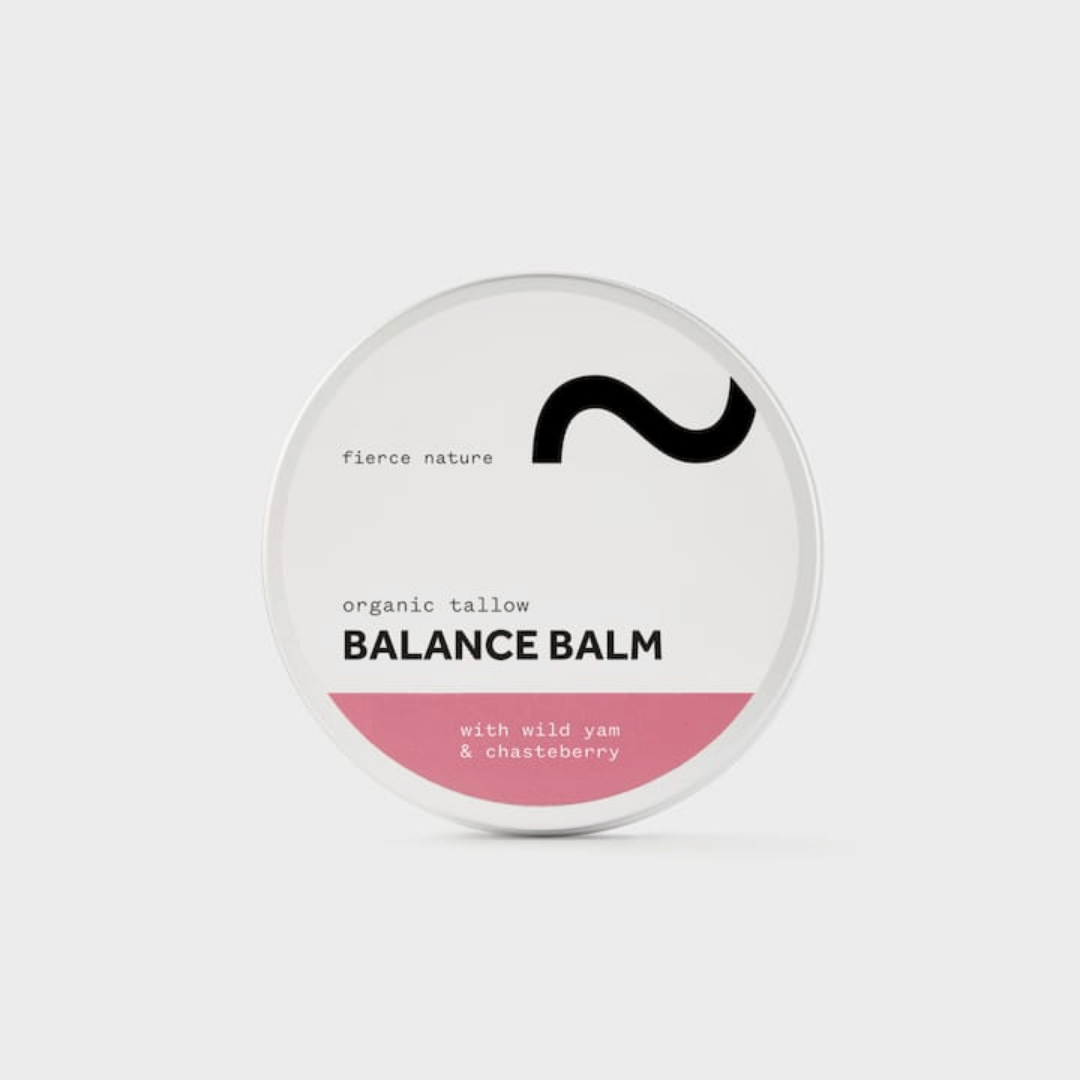
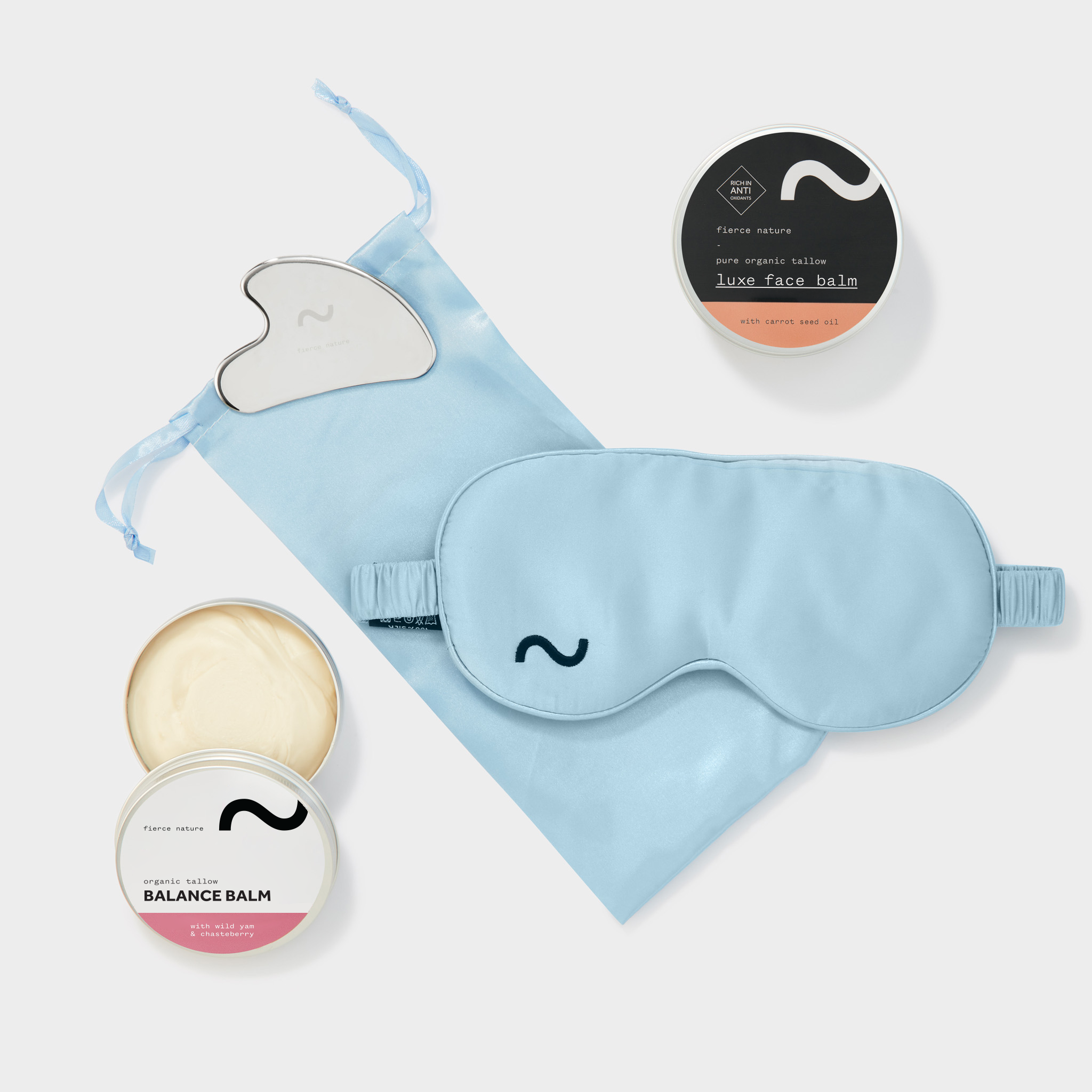
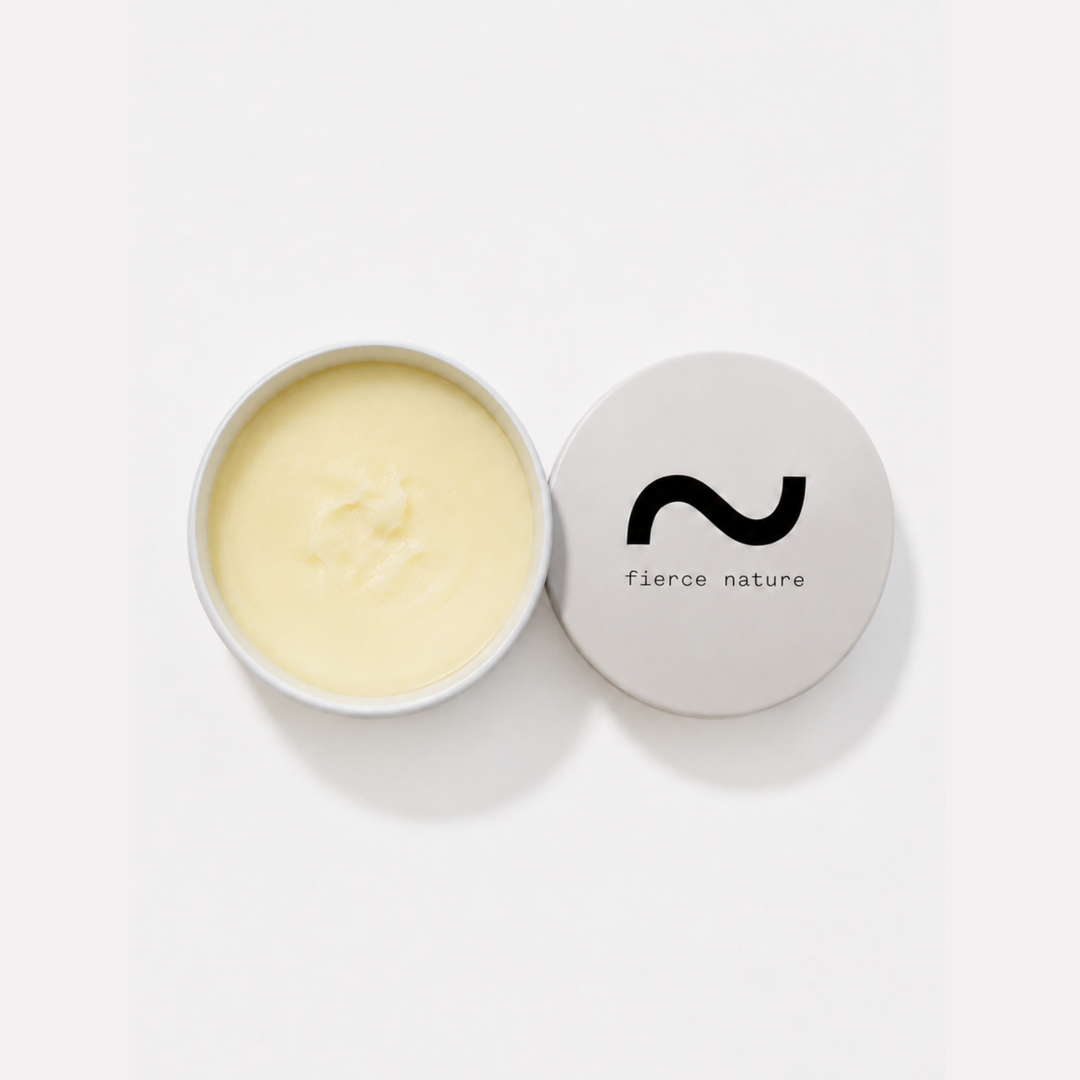
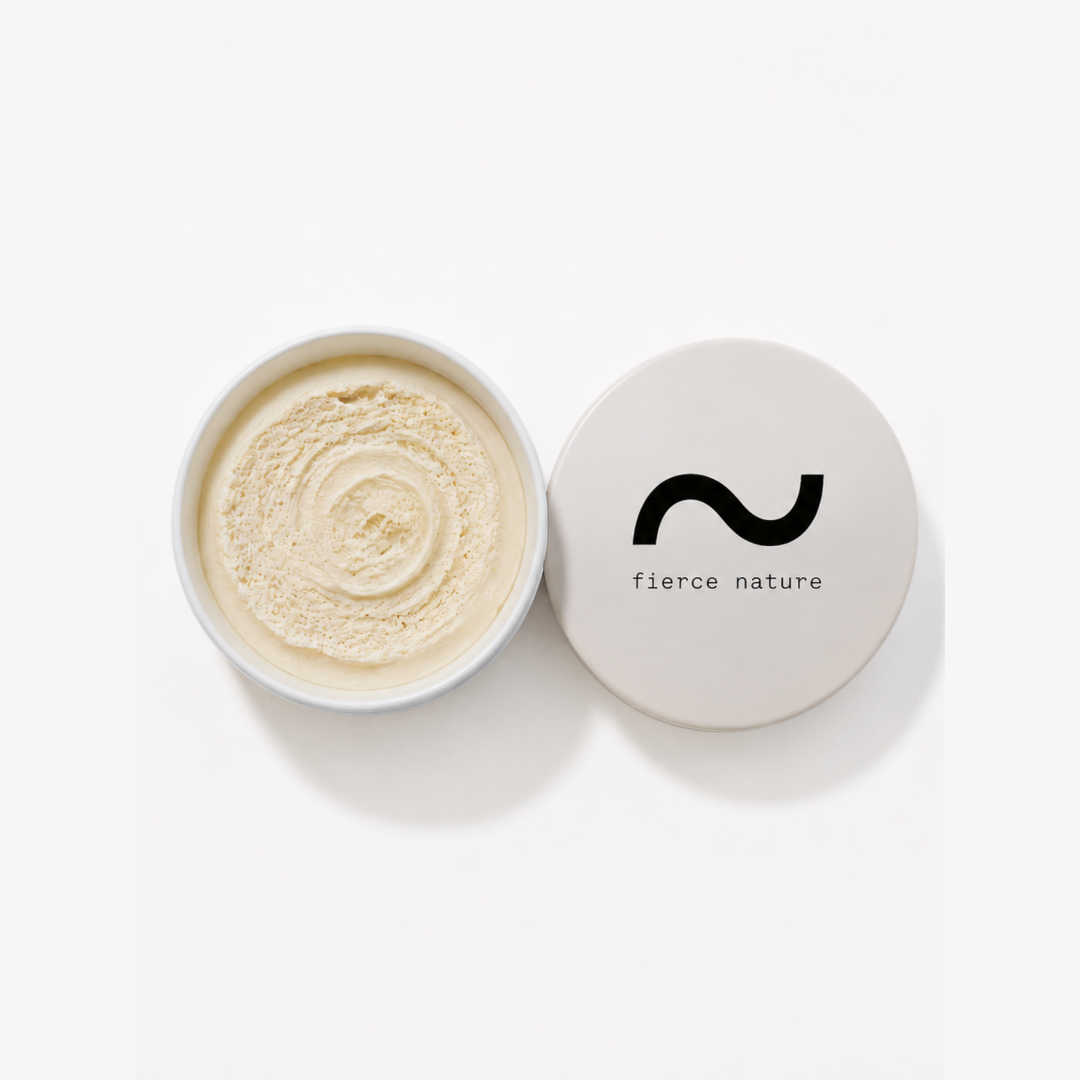
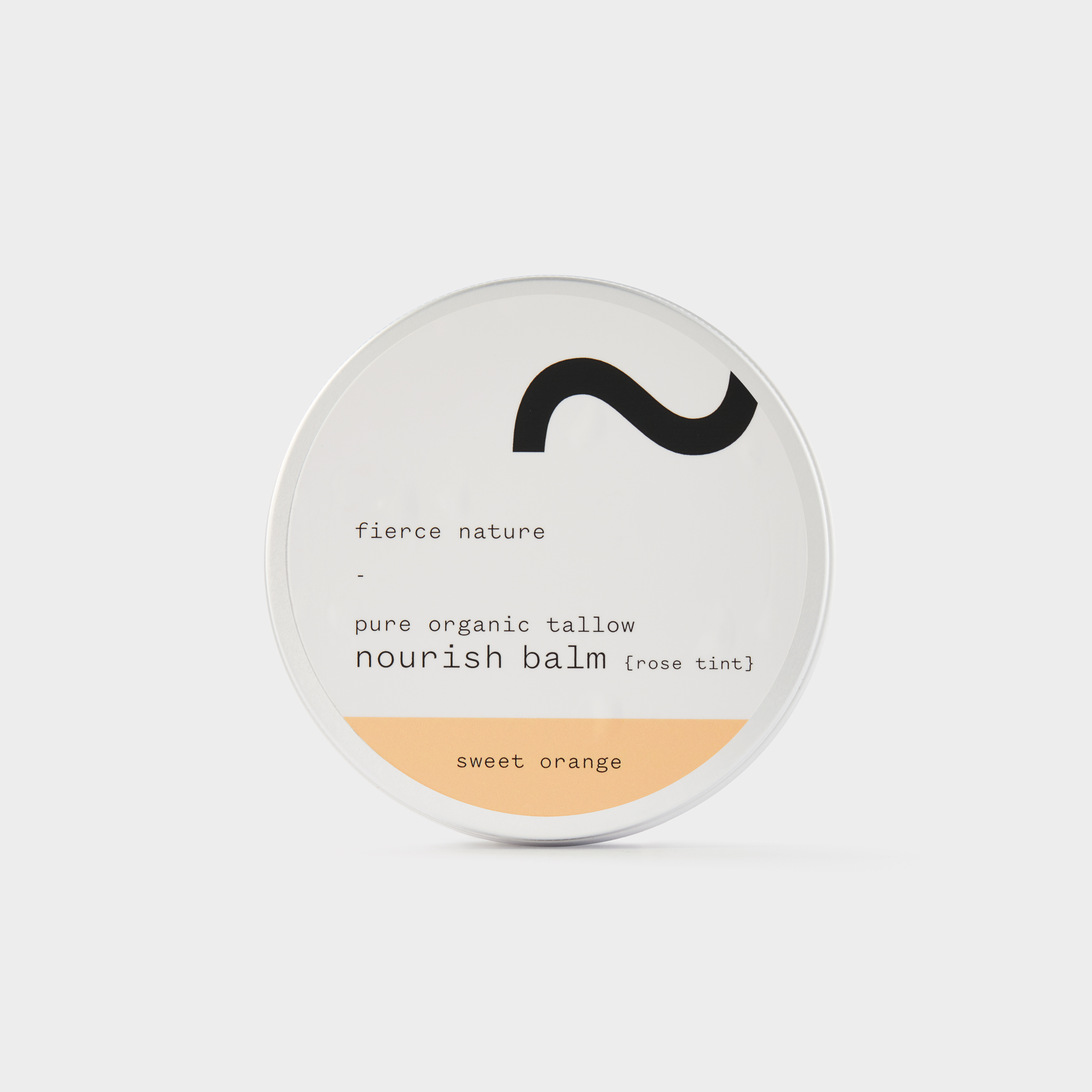

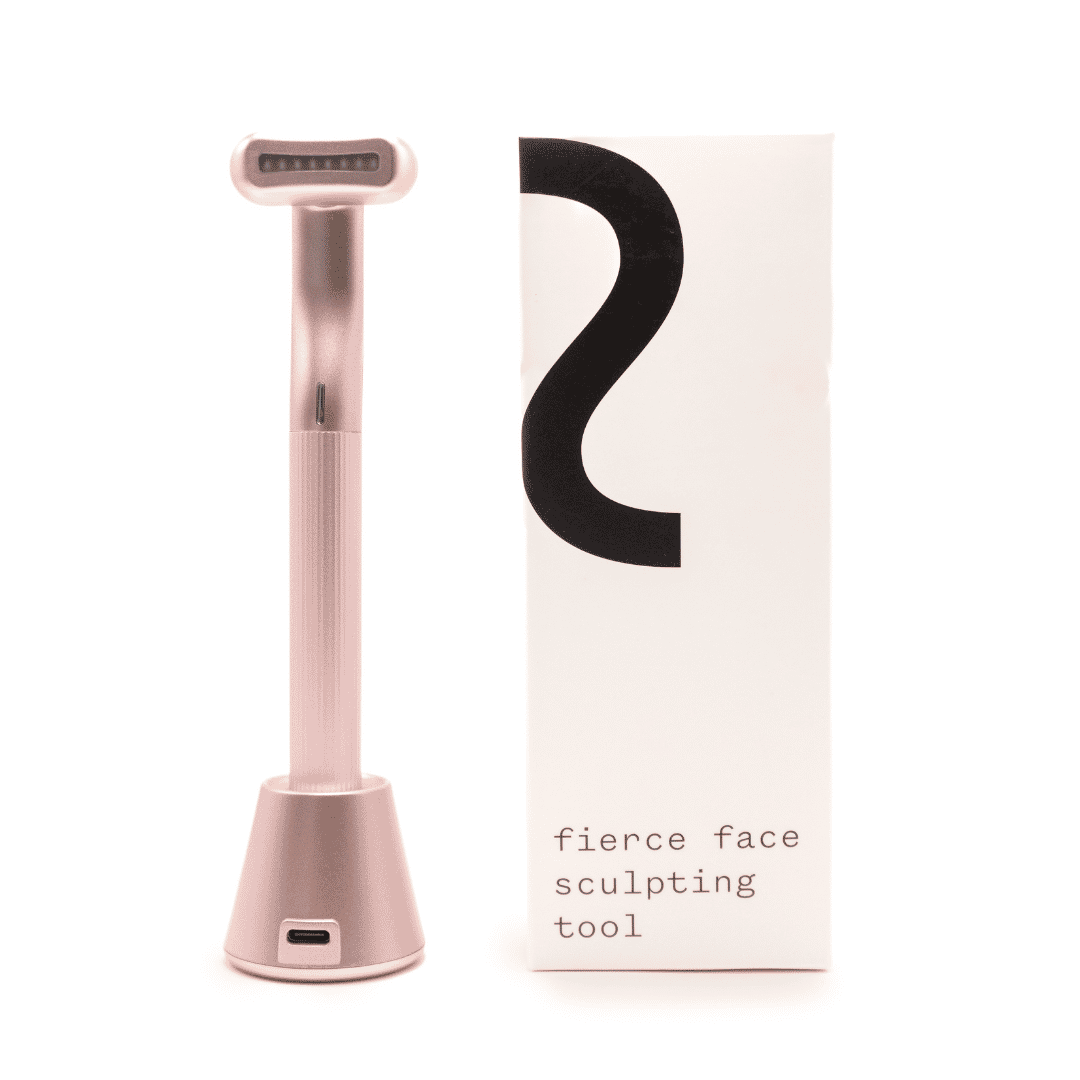
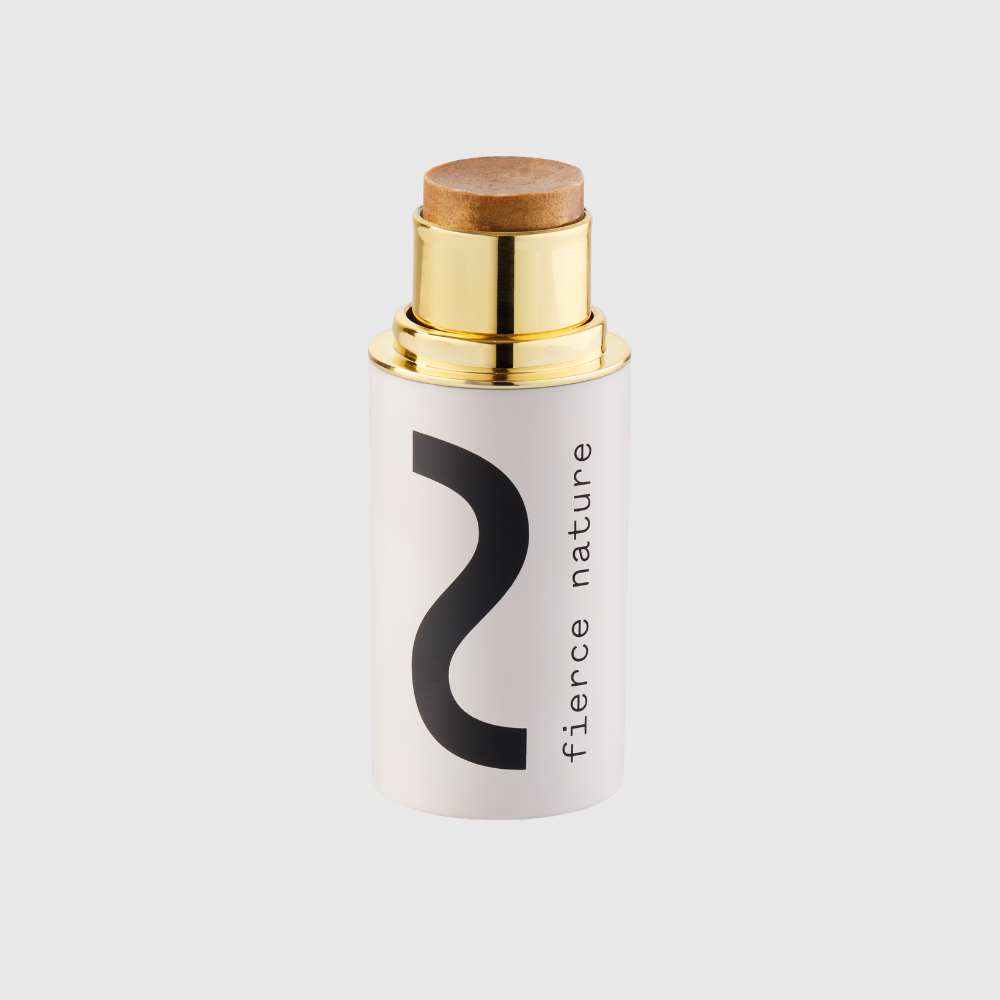
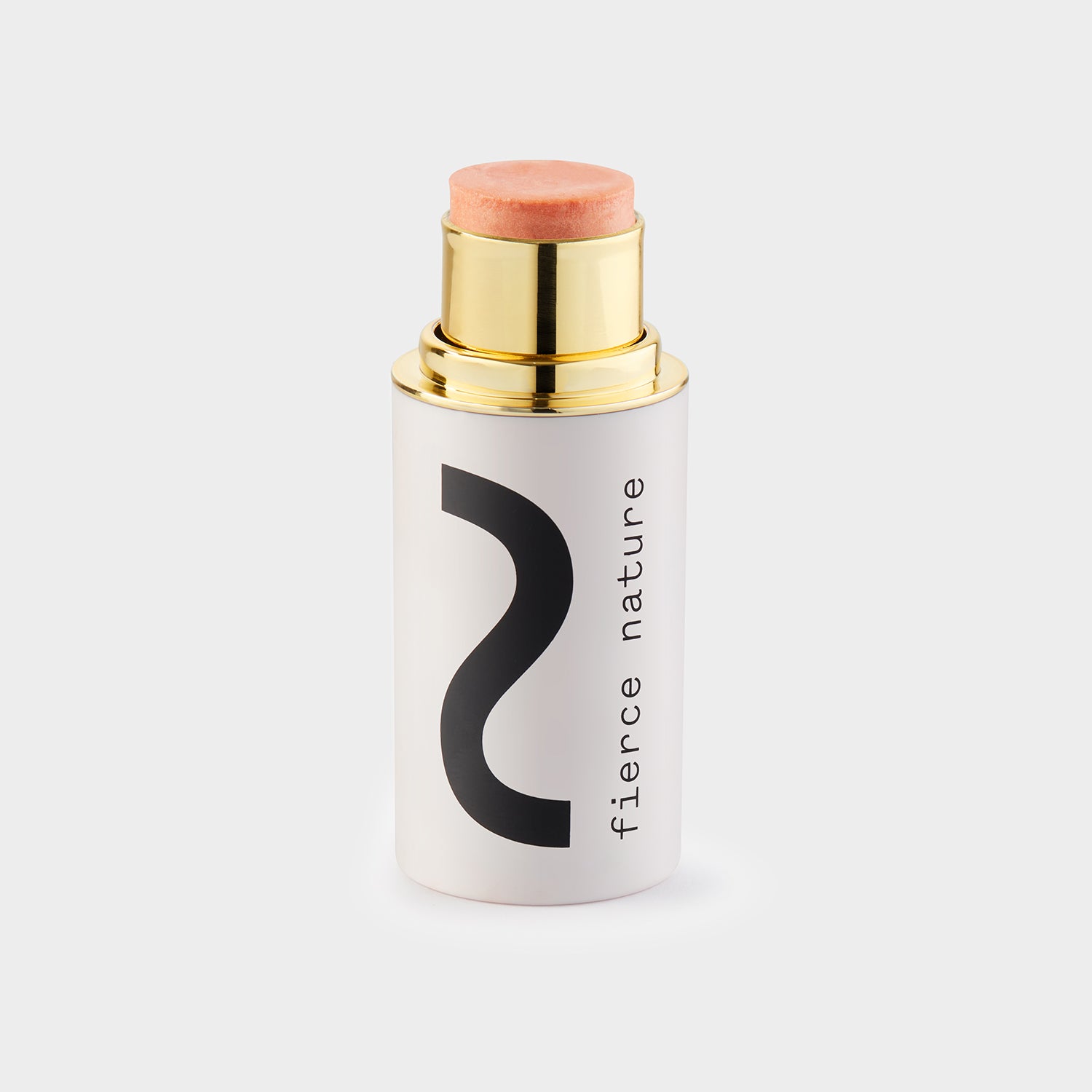
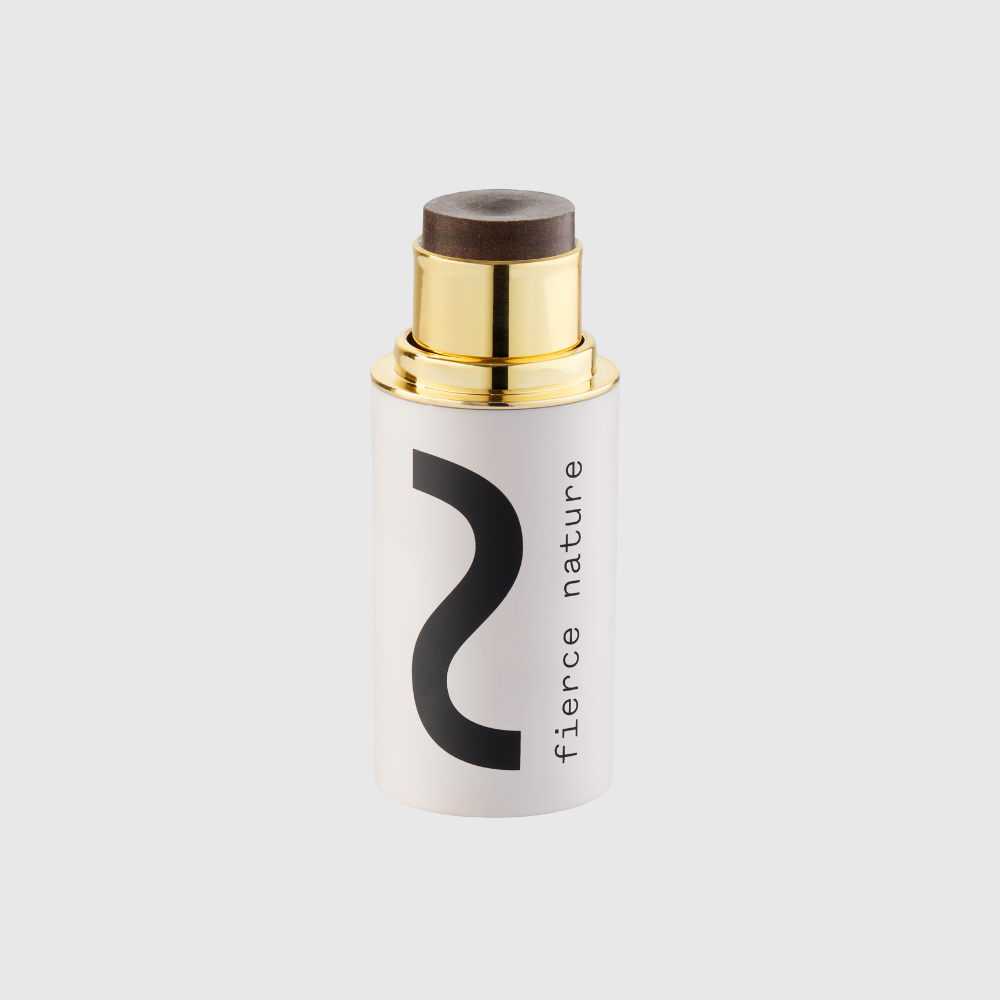
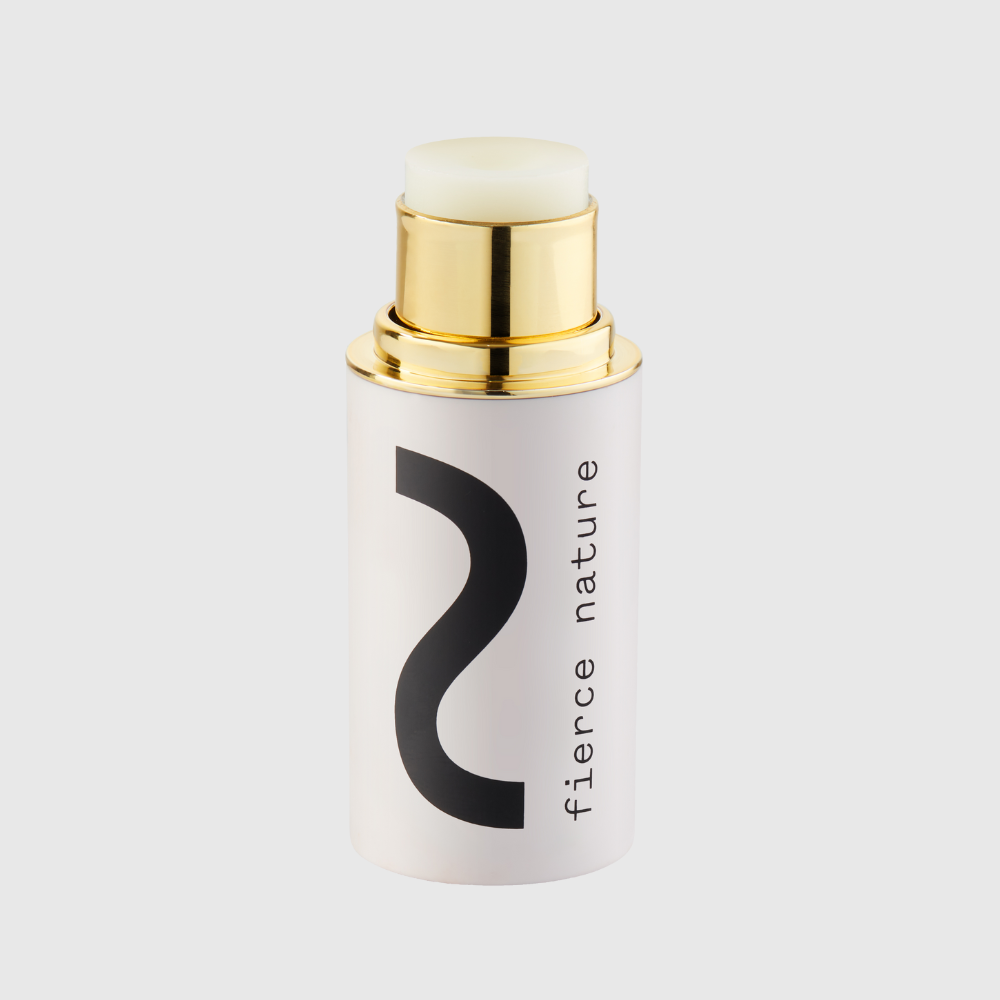
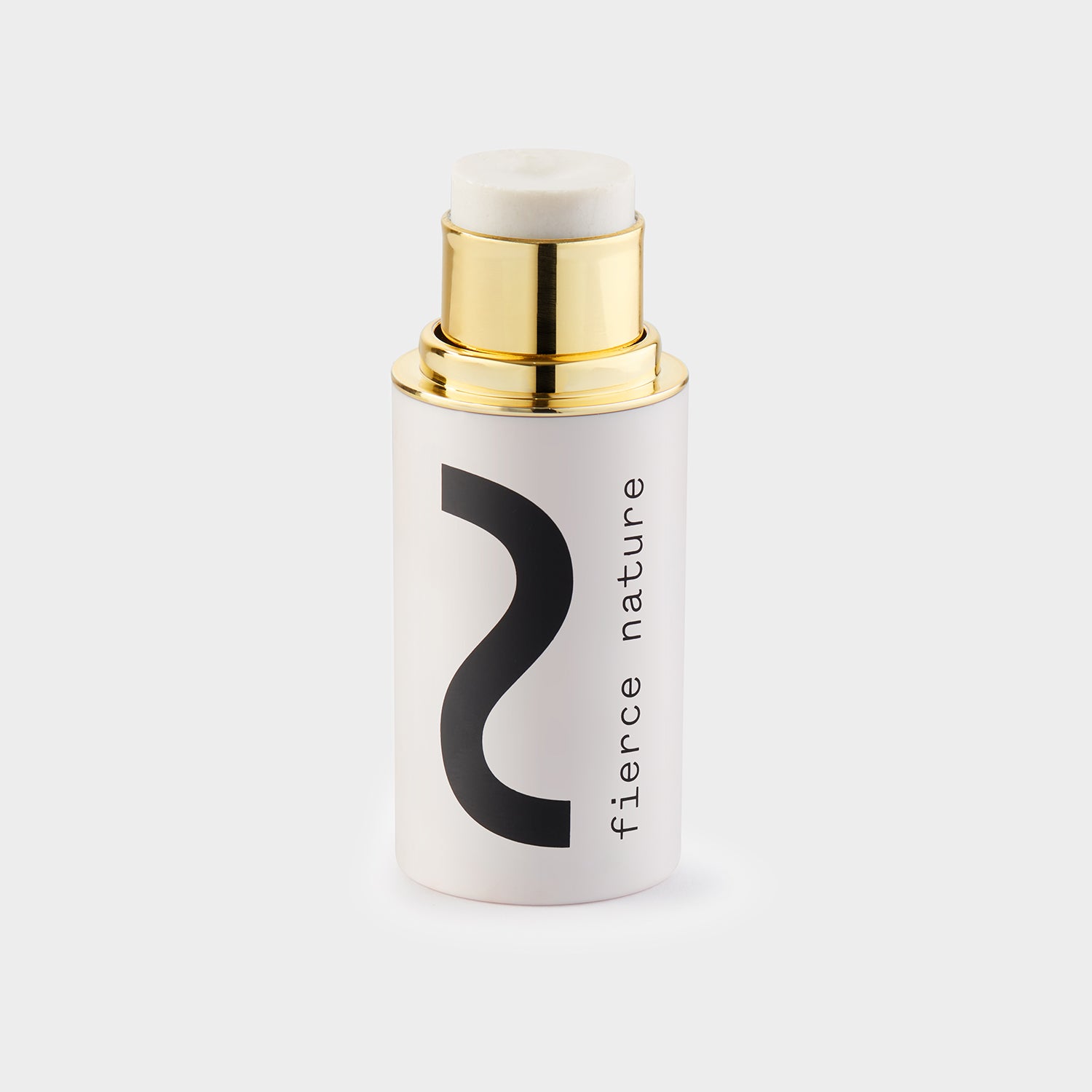
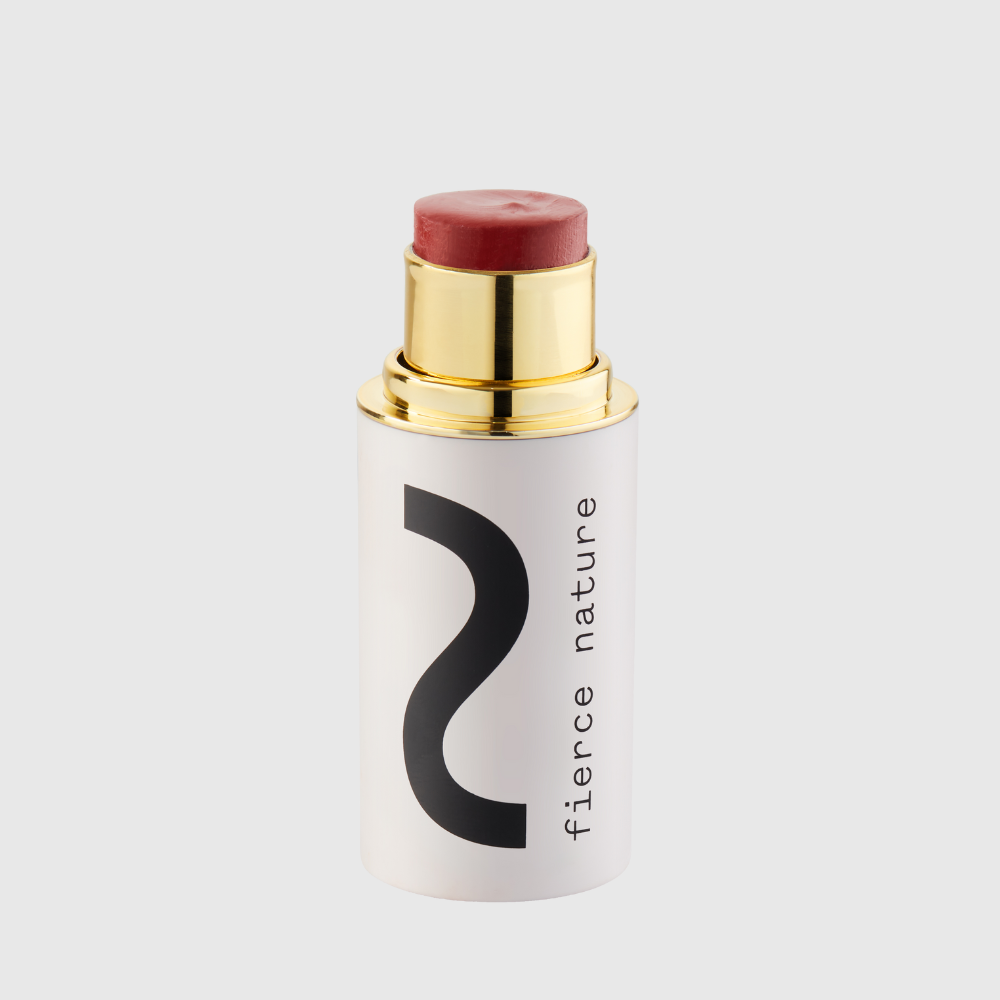
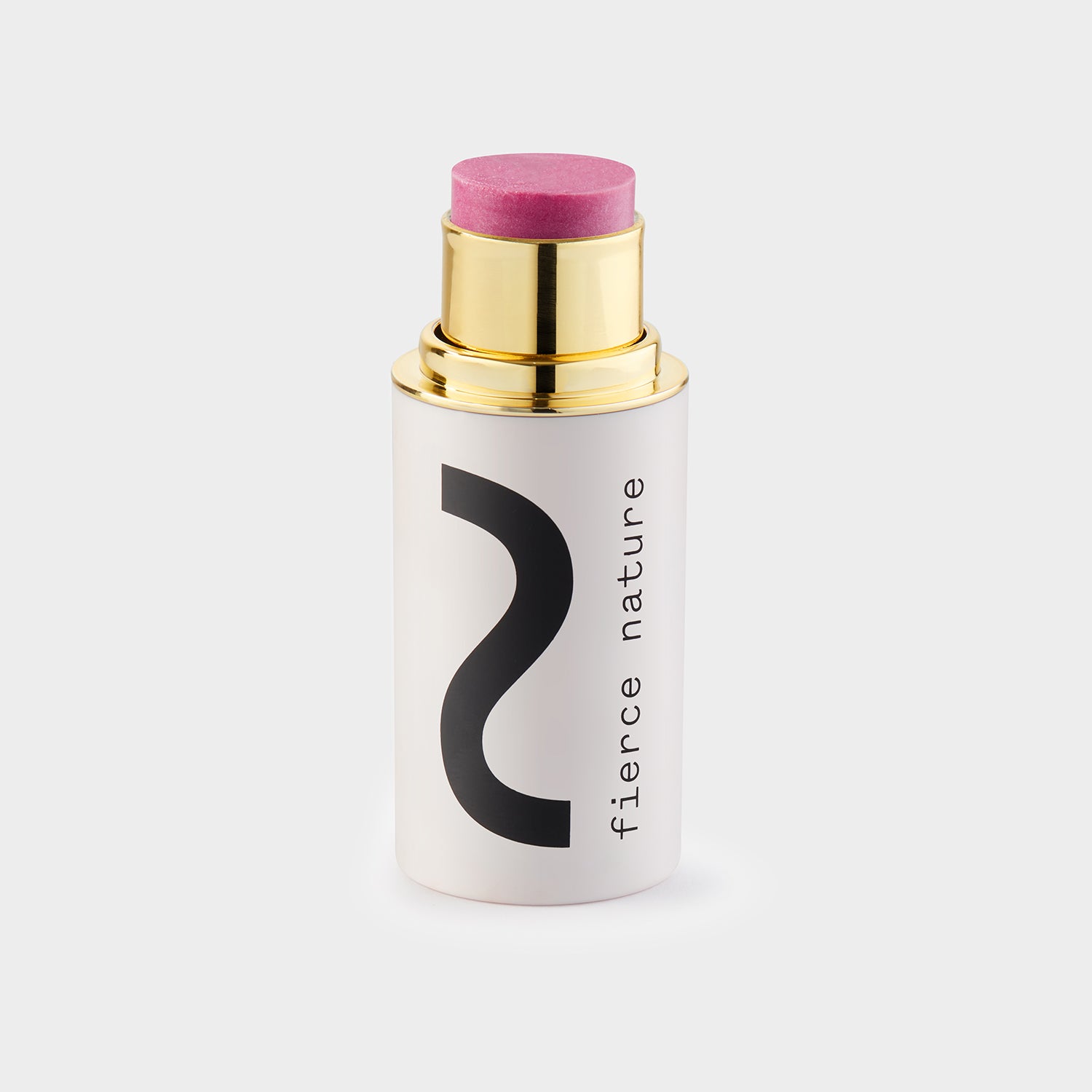


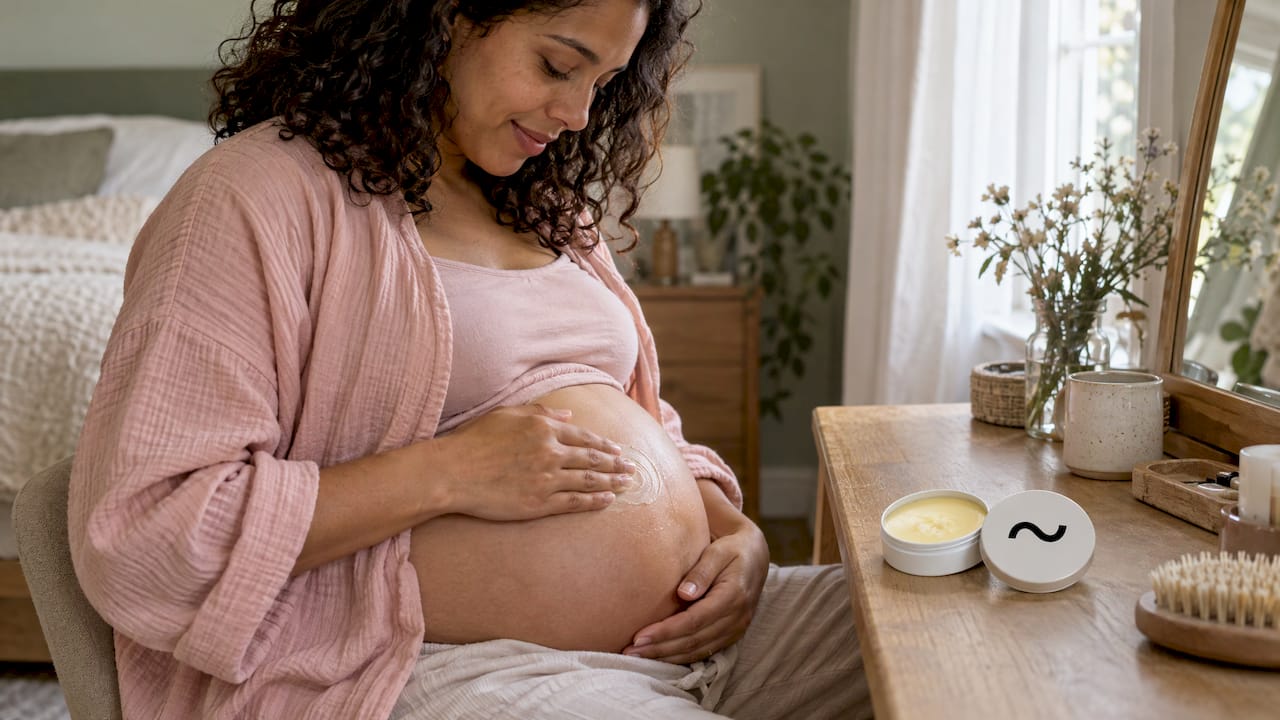
For most people, a simple, unscented tallow balm made from clean, well-sourced ingredients is a gentle choice during pregnancy. The safety of any balm depends less on the tallow itself and more on what else is in the jar: added fragrance, essential oils and active ingredients are the things to check. We’ll walk you through what the research says, what to read on the label, how to patch test, and when to speak to your midwife or GP.
We make tallow skincare by hand in the UK, so we have strong views here. We also want you to have the full picture, because pregnancy is a time when you rightly ask more questions of everything that touches your skin.
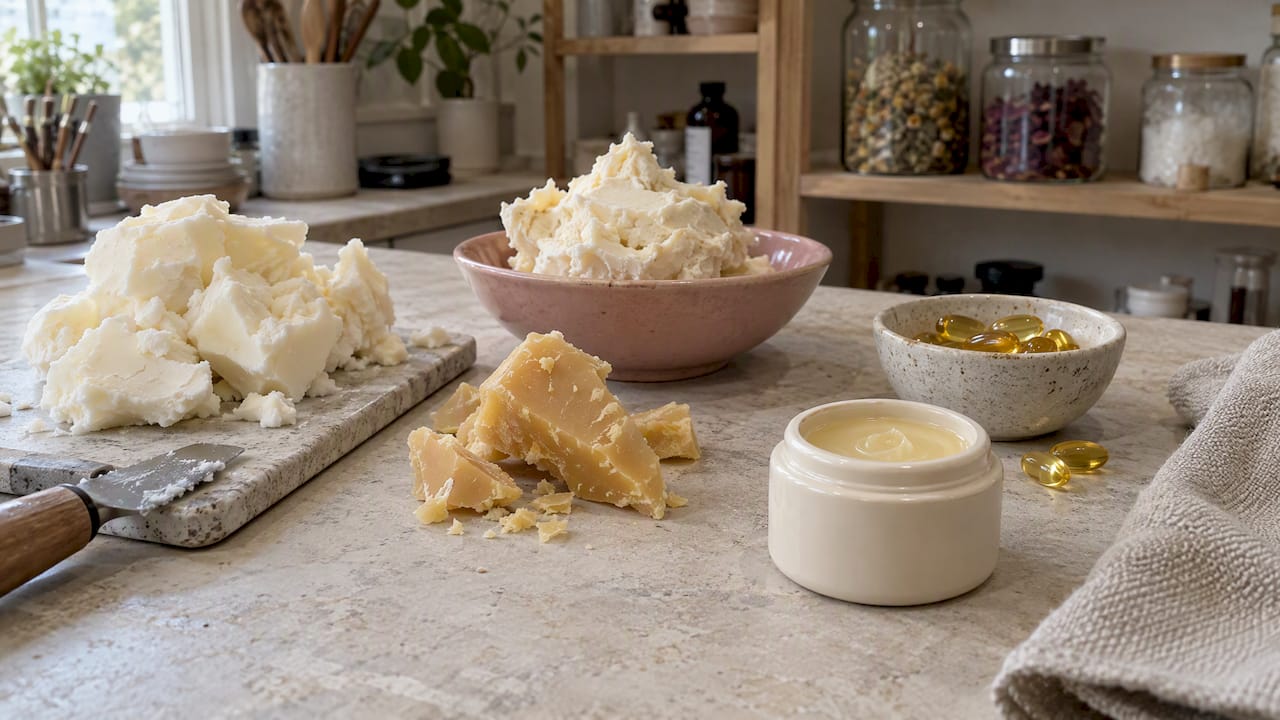
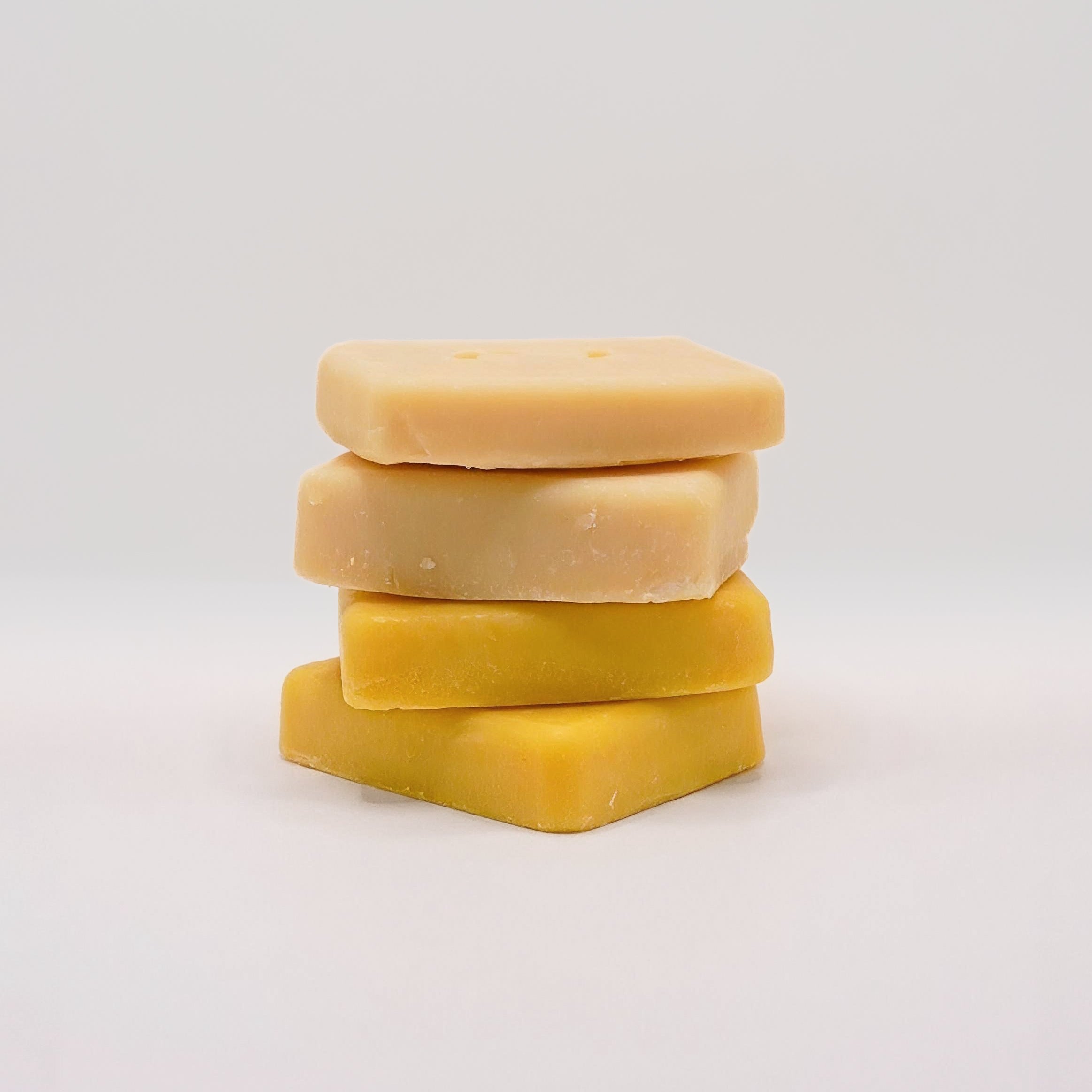
Tallow is rendered beef fat. It has been used for centuries as a skin emollient and in soap making, and its fatty acid profile is close to the natural oils in our own skin. That is why many people find it so comforting on dry, stretched or sensitive skin.
During pregnancy, the question is not really “is tallow dangerous?” It is “what is in this particular product, and how was it made?” A balm that contains only tallow and a few skin-friendly oils sits in a very different place from one with a heavy blend of fragrance, essential oils and extras.
So our answer comes in three parts:
If you have a pregnancy complication, a skin condition such as eczema or psoriasis, or an allergy, mention what you plan to use at your next antenatal appointment. Your midwife or GP knows your history and we do not.
It helps to be clear about what is known and what is not.
A 2024 paper in the academic literature looked at tallow, rendered animal fat, and its biocompatibility with human skin. It reported no reproductive or embryo-fetal development toxicity associated with topical tallow. That is reassuring, and it matches what we see from people who use our balms through pregnancy.
The same literature is clear that more human research on topical tallow would be welcome. Tallow skincare has only recently come back into popular use, and large pregnancy-specific trials have not been run. That is true of most everyday moisturisers, balms and oils, which is why official guidance tends to be cautious and general rather than product-specific.
Australian public health guidance on beauty treatments in pregnancy, for example, suggests avoiding skincare products that are not essential or have not been proven safe. A sensible way to apply that advice is to keep your routine short, choose products with short ingredient lists, and avoid anything you cannot read and understand.
That is also how we formulate. Our products are handmade in the UK with grass-fed tallow as the foundation and naturally sourced ingredients, and we publish what goes into them so you can check for yourself.

Pregnancy-safe skincare is mostly about reading ingredient lists. Whether a balm is tallow-based or not, here is what to look at.
The American Academy of Dermatology advises avoiding retinoids in pregnancy, including tretinoin and retinol, as well as hydroquinone, because of concerns about potential harm to a developing baby. UK clinical guidance for acne treatment likewise advises avoiding topical retinoids during pregnancy.
Retinoids turn up in anti-ageing serums, acne treatments and some “night creams”, often under names like retinol, retinyl palmitate, retinaldehyde, adapalene or tretinoin. If you are unsure about a product, ask your pharmacist or midwife before you use it. We cover the swaps in more detail in our guide to pregnancy safe skincare ingredients and UK swaps for retinoids.

The same dermatology guidance suggests talking through, and limiting, certain other ingredients with your professional:
This last one matters for tallow balms. Some tallow products on the market contain added fragrance or essential oil blends, and those extras can irritate skin. Cleveland Clinic makes the same point: review the ingredient label, because added fragrances and other ingredients are more likely to cause trouble than the fat itself.
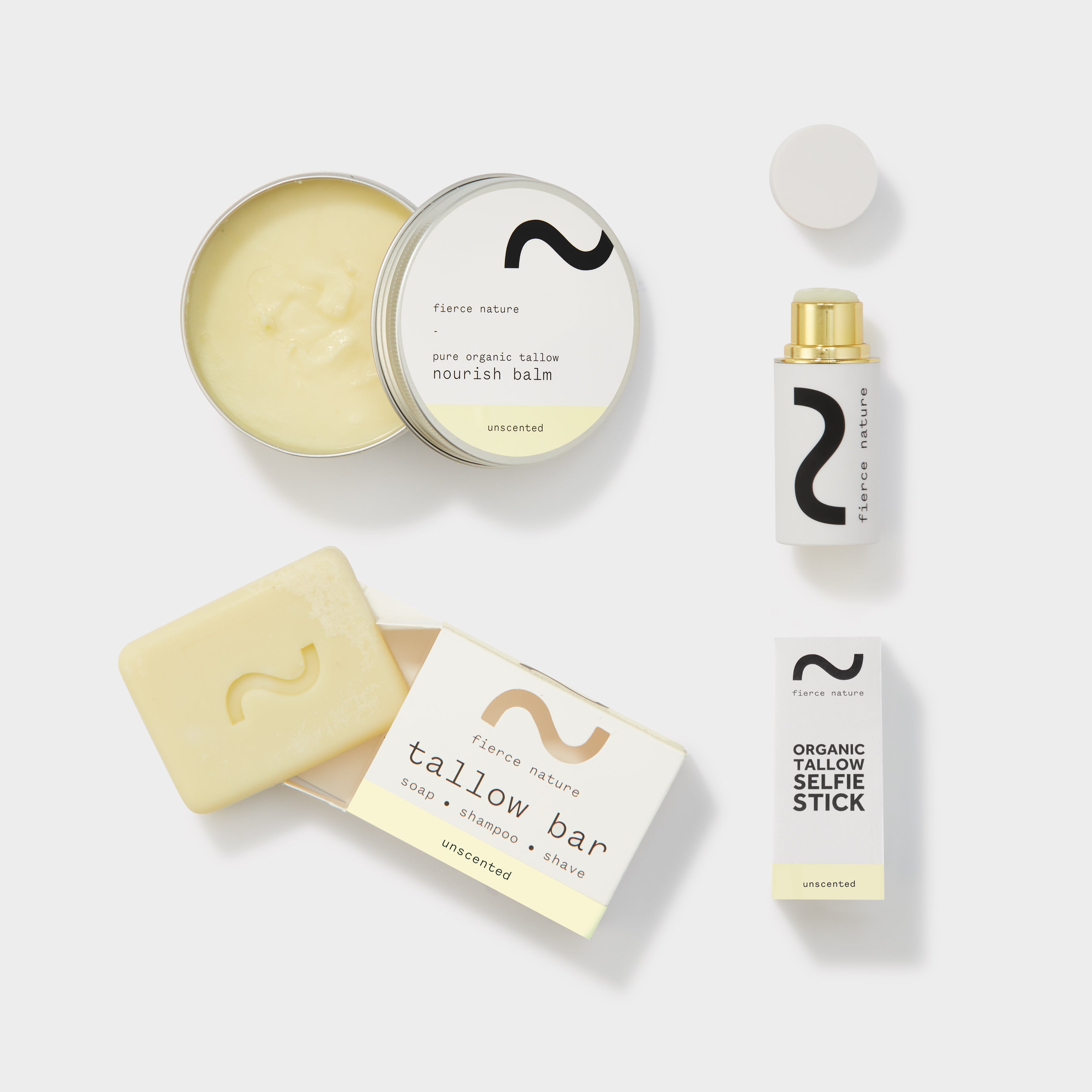
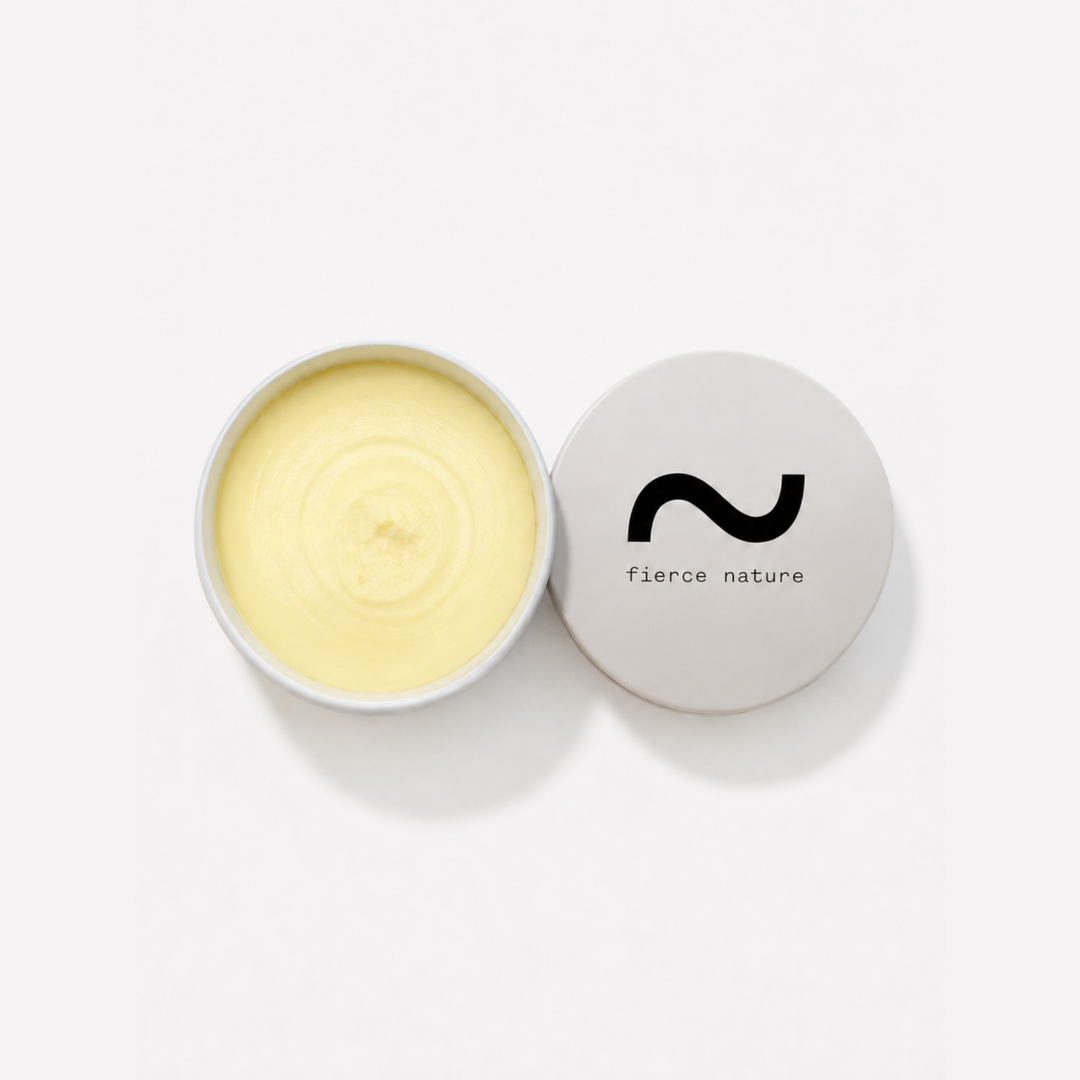
Our approach is to offer unscented options, such as our Nourish Balm (Unscented), so there is nothing extra to worry about. If you want to read more about what we do and do not put in a pregnancy-friendly balm, our page on ingredients to prefer and avoid in pregnancy-safe balms goes through them.
| What you see | What it means for you |
|---|---|
| Short list: tallow plus a few plant oils | Easy to check and easy to patch test |
| “Fragrance” or “parfum” | Can irritate sensitive, pregnancy-reactive skin. Choose unscented. |
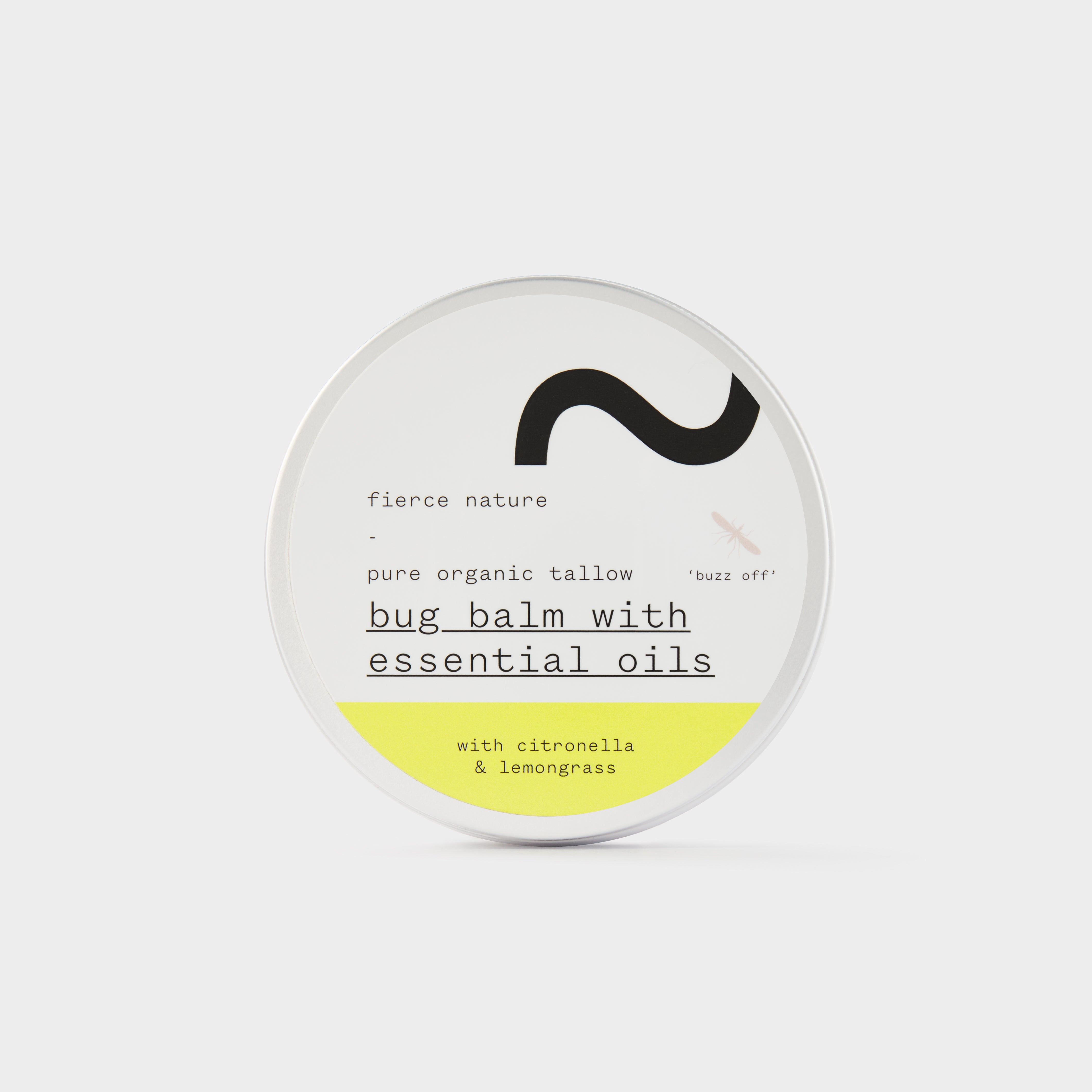
| Essential oils listed | Talk to your midwife first, or pick a version without them |
| Retinol, retinyl palmitate, tretinoin, adapalene | Avoid in pregnancy |
| Hydroquinone | Avoid in pregnancy |
| No full ingredient list online or on the pack | Do not use it. Transparency is a basic requirement. |
If you are simplifying your whole routine, remember that make-up counts too. Pregnancy skin is often more sensitive, and many people switch to gentler formulas. This guide to fragrance-free make-up for sensitive skin is a good place to start when you want your colour products to be as simple as your balm. Our own skin tints are another option to consider once you have read the ingredient list and patch tested.
Stretch marks are the main reason people search for tallow in pregnancy, so we want to be straightforward about them.
A Cochrane review of topical preparations for preventing stretch marks in pregnancy found no high-quality evidence that any cream or oil prevents them, and the trials showed no clear difference in severity. The NCT, the UK charity for parents, says the same: creams and oils do not prevent stretch marks, though an ordinary moisturiser may make your skin feel more comfortable. It explains that stretch marks are linked to hormonal changes, family history and significant weight gain or loss.
We agree with that, and we would rather tell you so than overpromise. What tallow can do is look after the skin you have:
If you want a closer look at this, we wrote a whole piece called Comfort, Not Cure: pregnancy safe stretch mark balms for daily relief. Our view is simple: a nourished, comfortable belly is a worthwhile goal, even if no balm can promise to change what your genes and hormones decide.
If your itching is intense, worse at night or spreads to your hands and feet, do not put it down to dry skin. Severe itching in pregnancy can occasionally signal a liver condition called obstetric cholestasis, so contact your midwife or maternity unit promptly.
Not all tallow is the same, and this is where safety is won or lost.
Dermatologists quoted in the media have pointed out that raw, home-rendered tallow can carry impurities, contaminants or rancidity if it is not processed and stored correctly, and that this can lead to irritated skin or even infection. That is a good argument for buying from a maker who renders, filters and stores tallow carefully, and for being wary of DIY batches made in a kitchen, especially when you are pregnant.
Here is what we would look for in any tallow product:
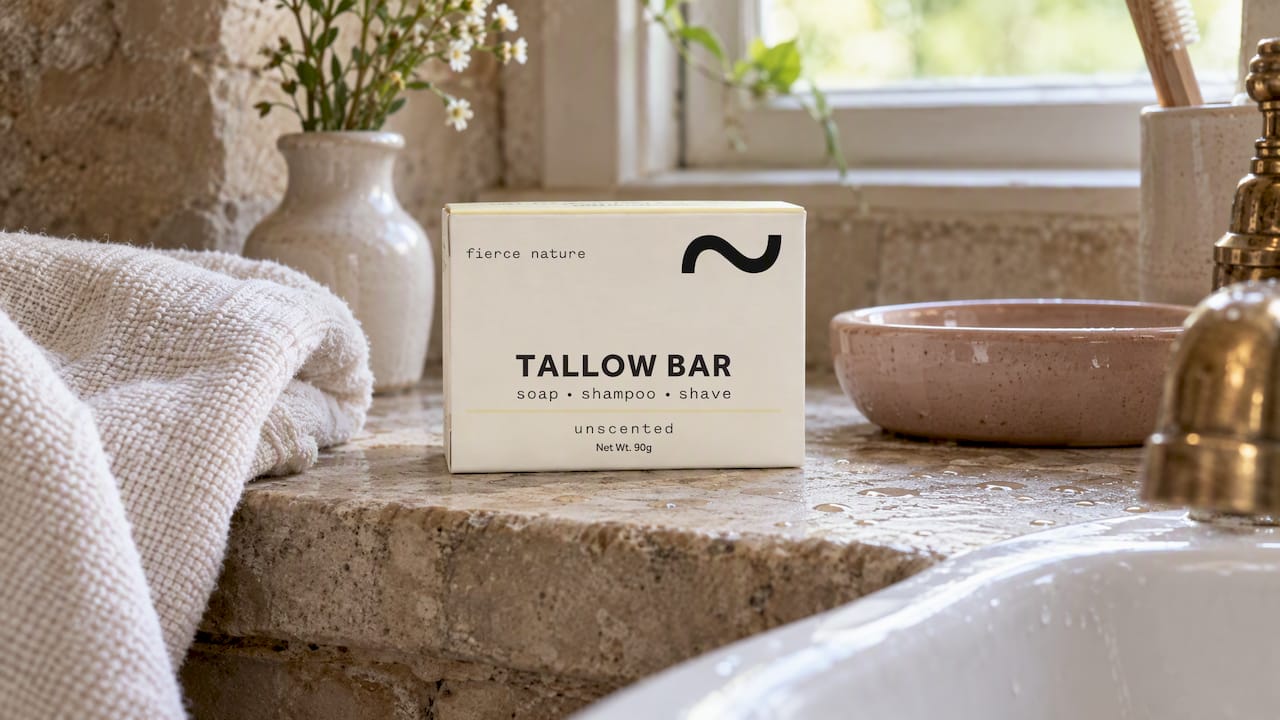
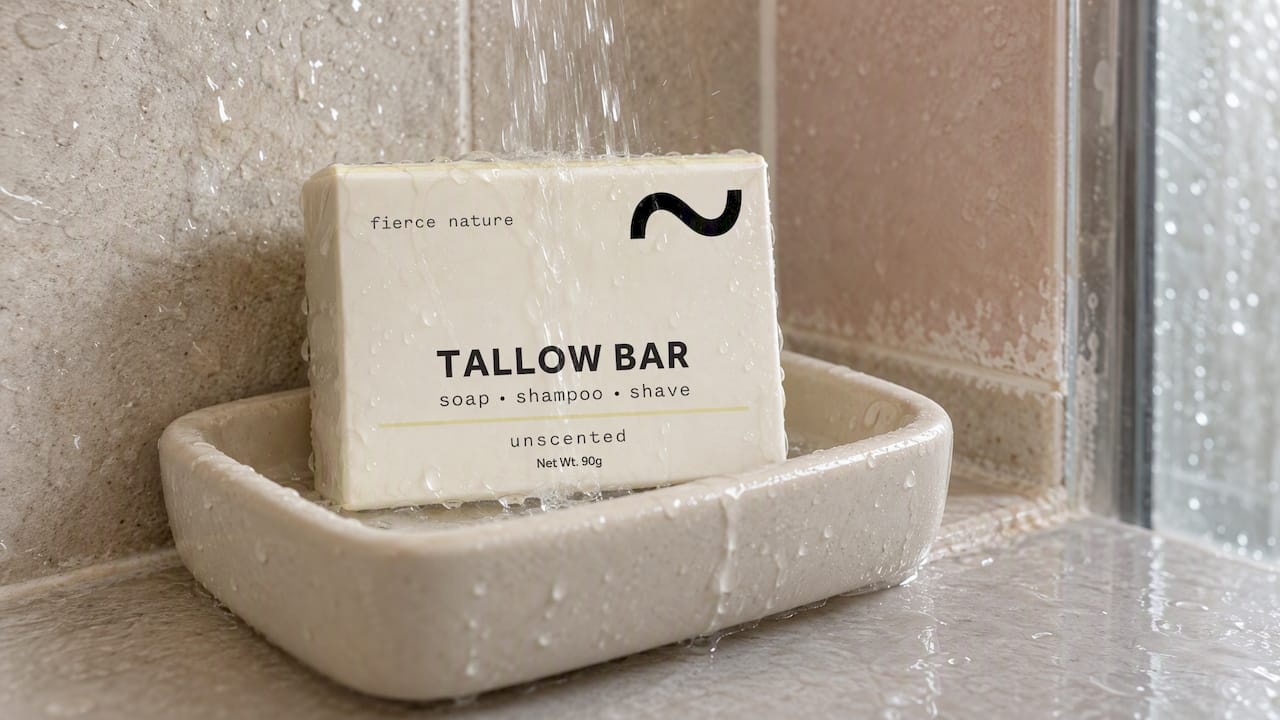
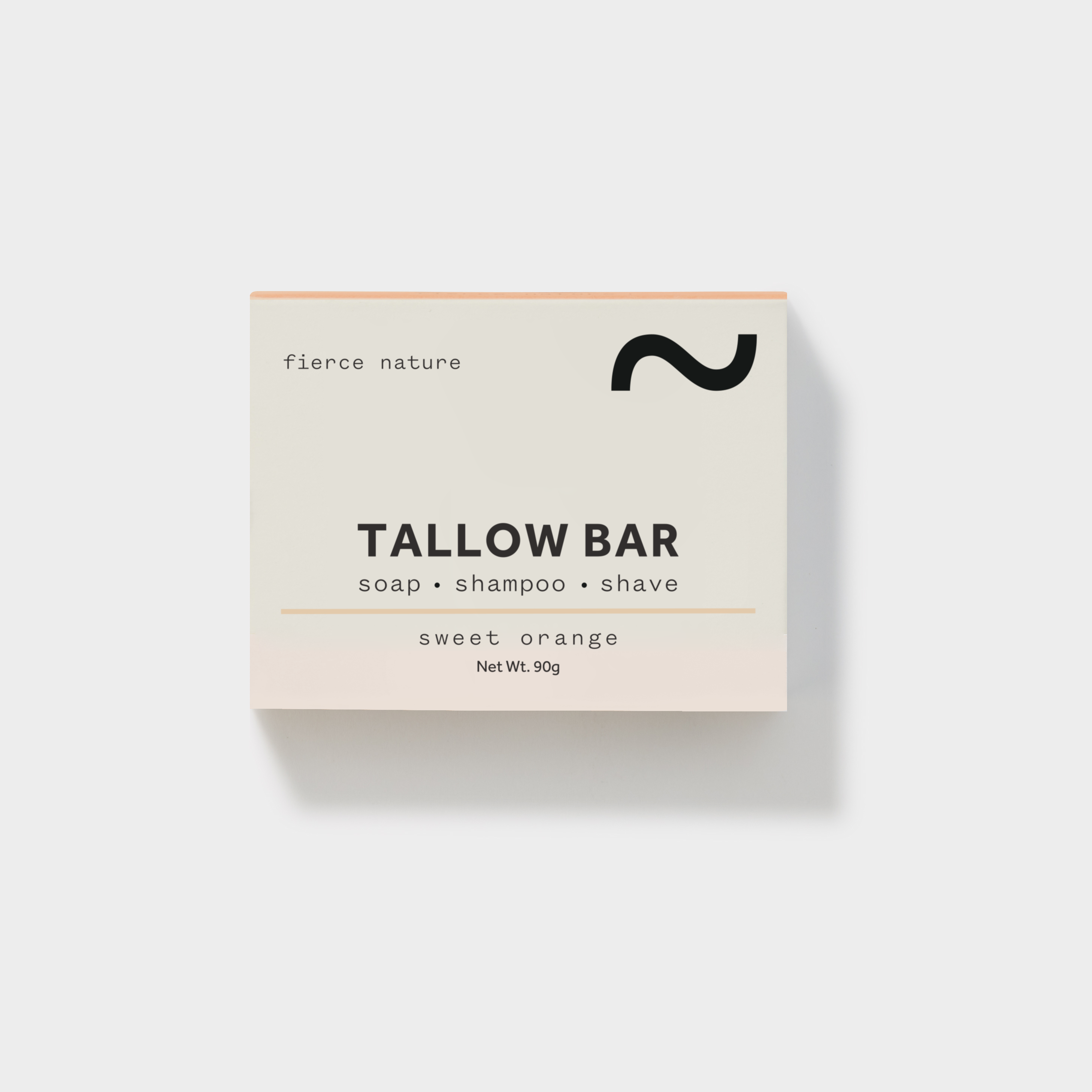
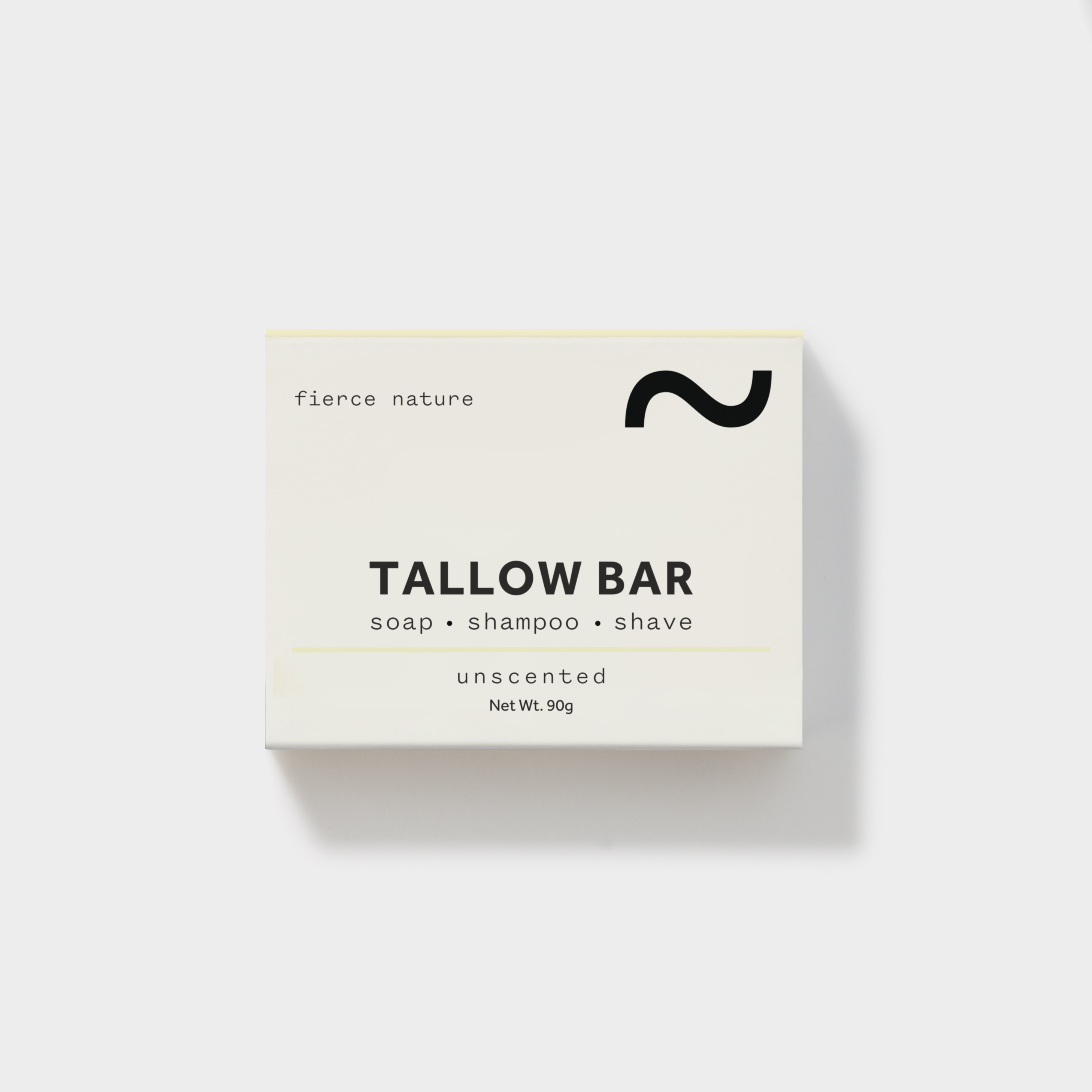
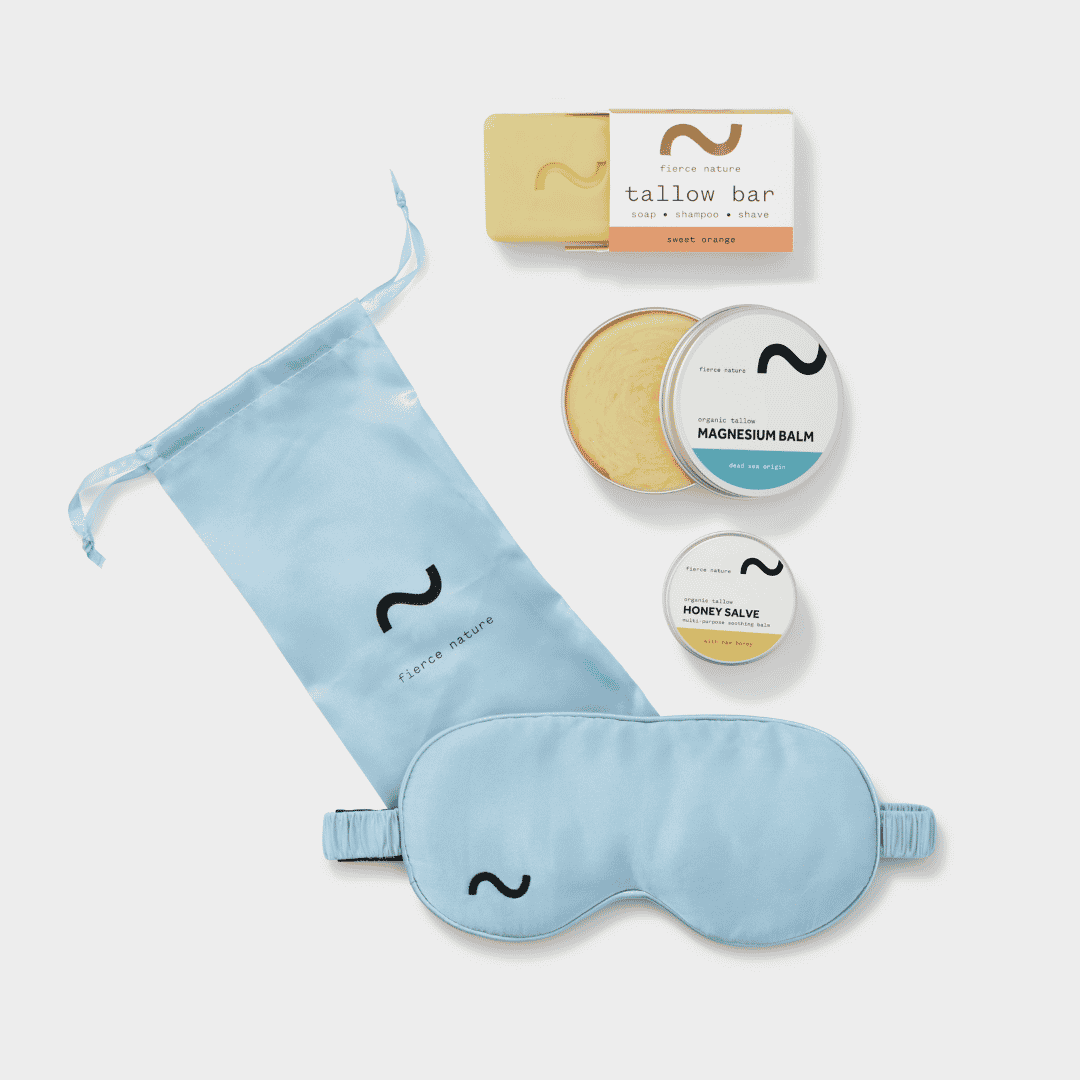
The same logic applies to soap. If you are switching your wash routine, our tallow soaps are simple bars you can read the ingredients of, and our Multi-Use Tallow Bar (Unscented) is an easy fragrance-free option. If you want the background, our page on beef tallow soap for natural skin nourishment explains how it works.
Here is the routine we suggest. It is simple, and it works with your skin, not against it.
If you plan to use any balm on your nipples while breastfeeding, ask your midwife or an infant feeding specialist first. They can tell you what to use and when, and whether the product needs wiping off before a feed. Do not assume that a product designed for the body is right for nipples.
Most reactions are mild, but pregnancy skin can surprise you. A reaction can look like redness, itching, a rash, small bumps or a burning feeling. Here is what we suggest:
One more point: if a balm that suited you before suddenly irritates, check whether it has gone off. A sour or sharp smell means you should stop using it and replace it.
Tallow is also not for everyone. If you have acne-prone or very oily skin, a rich balm might feel heavy on your face. It is not a reason to give up on nourishing your body, and our tallow for acne article discusses what the evidence says.
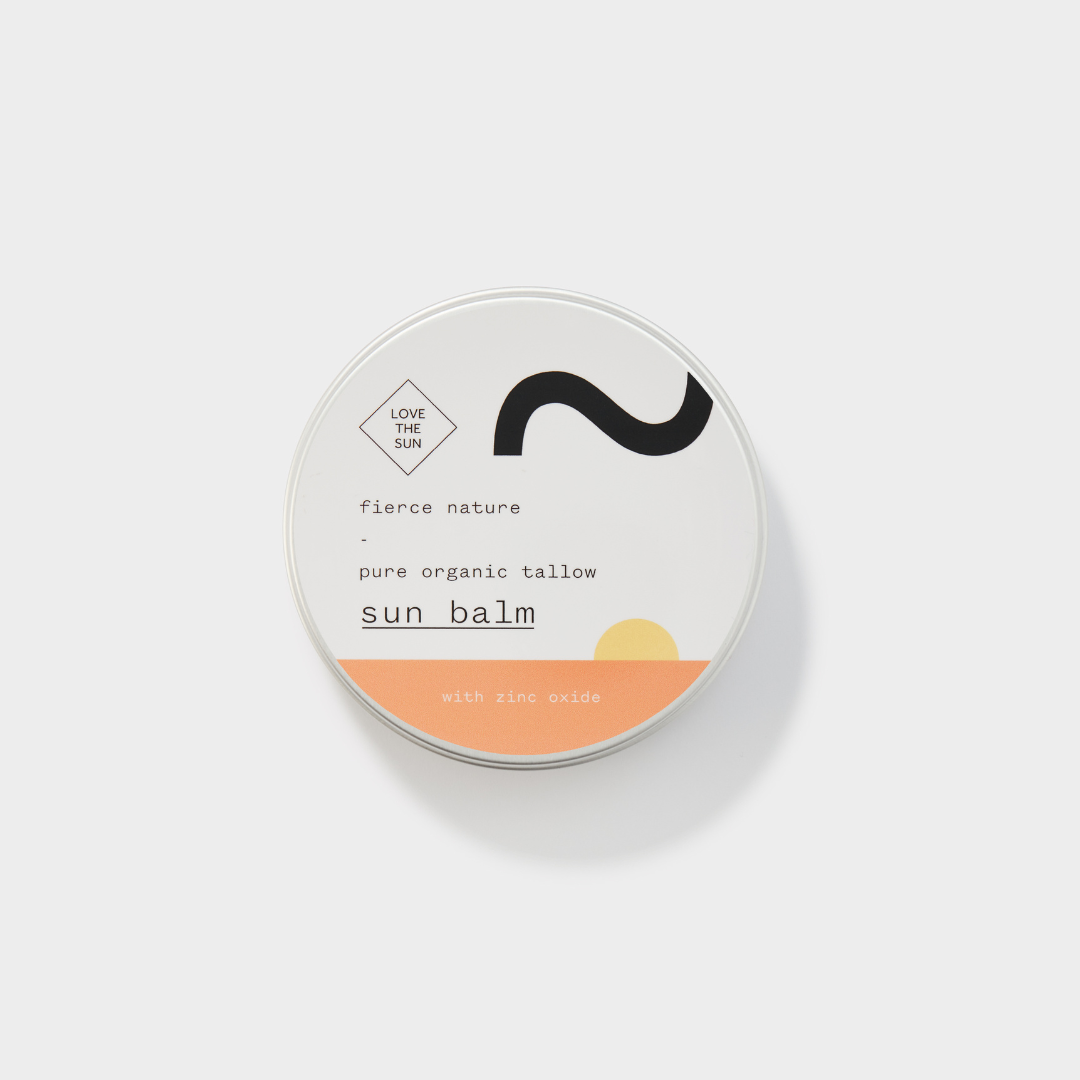
Pregnancy hormones can make skin more reactive to sunlight and may trigger darker patches, often on the face. Tallow is a lovely nourisher, but a plain balm is not a sunscreen: do not rely on it for sun protection. Cleveland Clinic notes that beef tallow does not provide sun protection, and that a thick, viscous layer can make skin feel more sensitive to sunburn when it is used in place of a sunscreen.
So keep it simple:
For retinoid-free brightening or pigmentation concerns, speak to a dermatologist rather than trying to treat it yourself. Hydroquinone, a common lightening ingredient, is one to avoid in pregnancy.
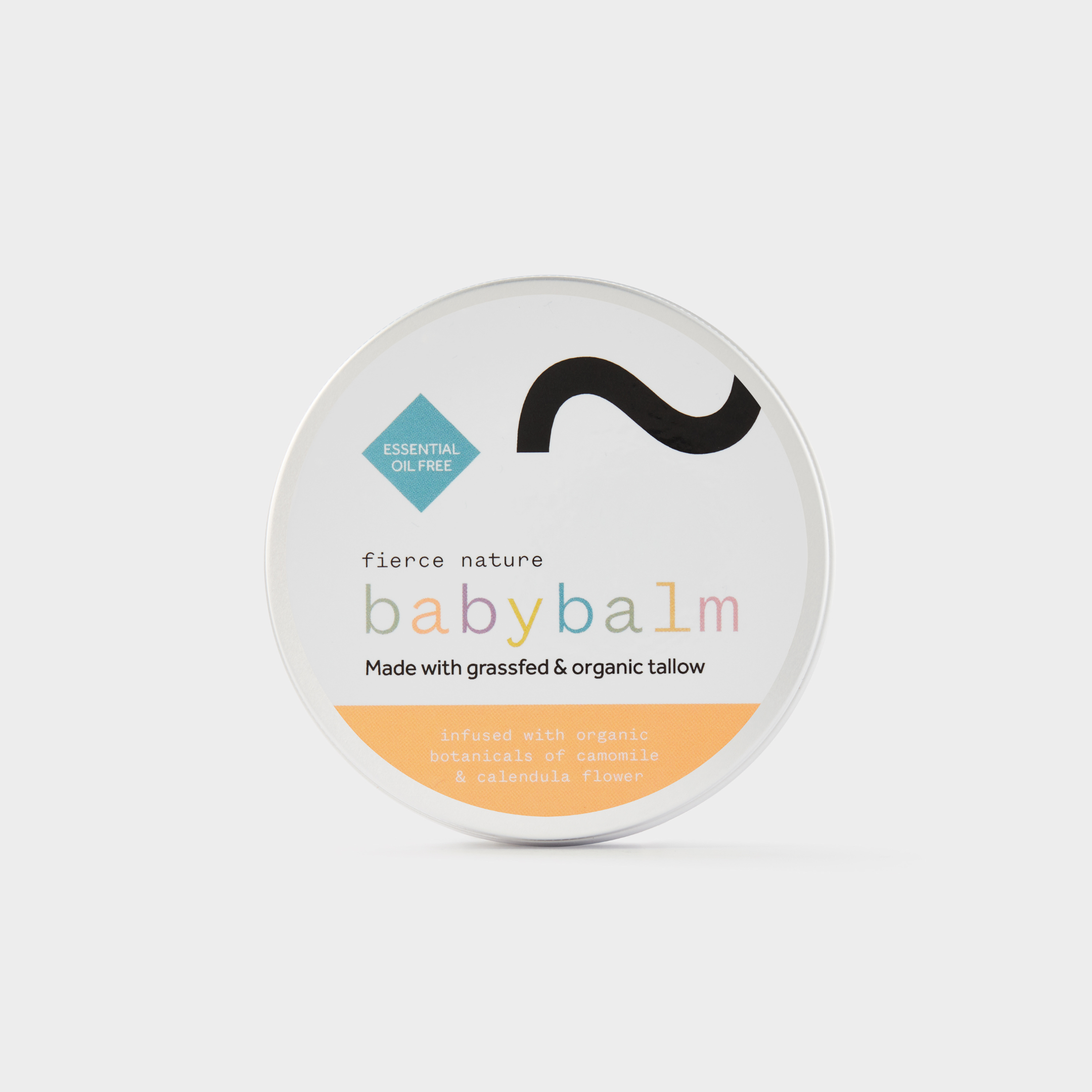
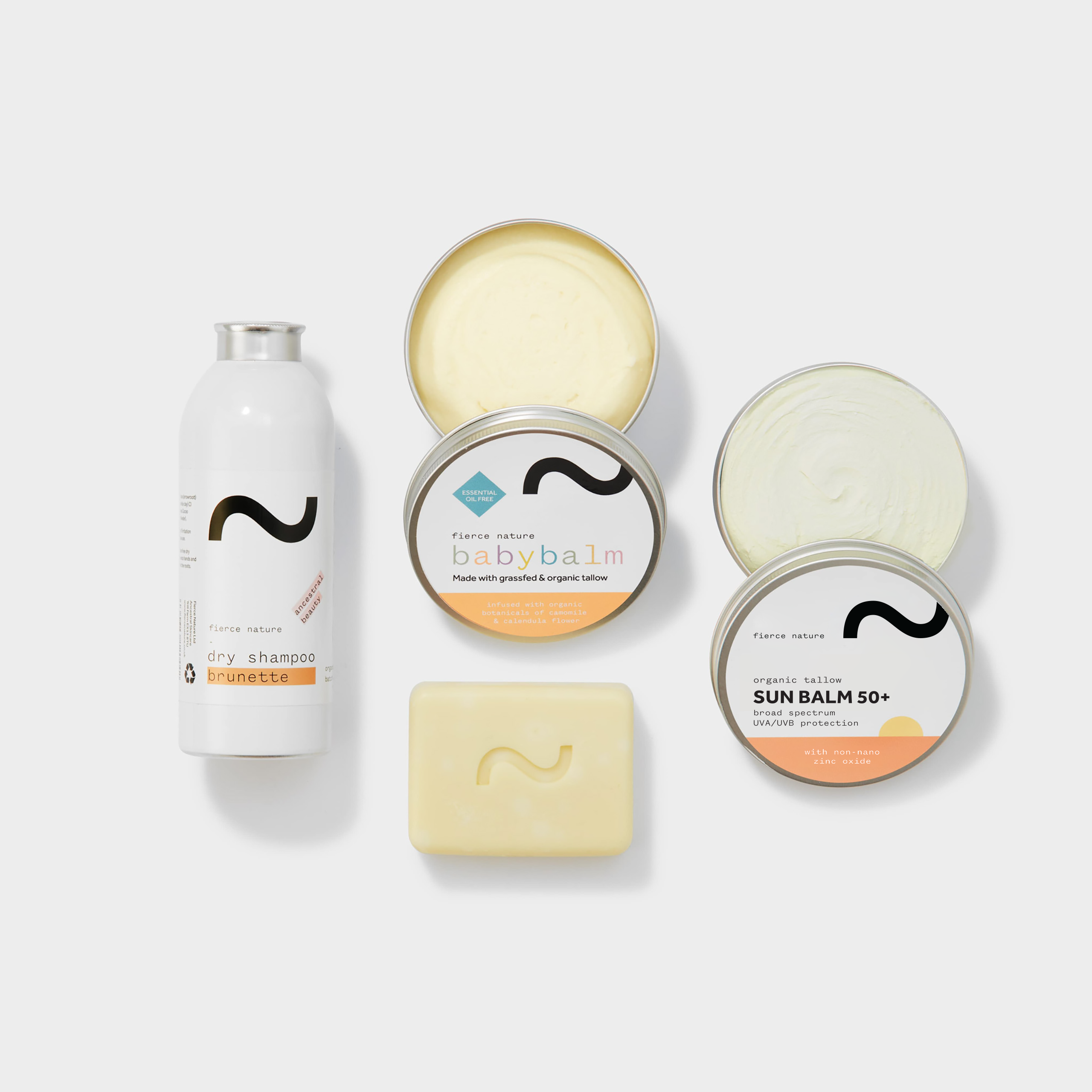
Many parents ask whether the balm that comforted their bump can come along into newborn life. Our approach is to use a separate, gentle formula for little ones, and we explain this in our article on tallow skincare for babies. Our Baby Balm is designed for delicate skin. For a newborn, always check with your midwife or health visitor before introducing any new product, because very young skin is thin and still developing.
What we think at Fierce Nature
We started Fierce Nature because of our own history with skin. Growing up with mainstream cosmetics, our founder battled with rashes and reactions and never understood why. Years later, working with gut health and the load that toxic products place on our bodies, she realised that many beauty promises are wrapped in seductive packaging and filled with harsh chemicals. Pregnancy is the moment this matters most, because you are suddenly reading every label.
Our view is that the safest product is usually the simplest one. Tallow is a skin food that people have relied on for centuries as an emollient. It is rich in the fats your skin already understands, and we believe its bioavailability makes it a deep, penetrating nourisher. We make ours by hand in the UK, using premium grass-fed tallow as the foundation, and we keep our ingredients clear so you can see exactly what you are putting on your body.
We also believe in being honest. No balm can promise to prevent stretch marks, and we will never sell you that story. What we can promise is care in how we make our products, and a formula designed to work with your skin, not against it. If you are pregnant, choose unscented, patch test, read the label and speak to your midwife. Then enjoy the ritual: a few quiet minutes with your hands on your bump, giving your skin the nourishment it deserves.
Fierce Nature
If you would like a simple place to begin, our Nourish Balm (Unscented) is made for daily use on the bump, hips, hands and feet, with nothing added to scent it. You can browse the full range in our face and body balms collection, or explore the Nourish Balms collection and the Functional Balm collection. Every product is handmade in the UK, and our ingredient lists are published on each page so you can read them before you order. For more on how to use a balm, our tallow balm benefits, uses and safety guide covers the basics, and our beef tallow moisturiser guide explains what makes it so nourishing.
For most people, a plain, unscented tallow balm with a short ingredient list is a gentle option for the bump. Research on topical tallow has not flagged reproductive harm, but always check the label for retinoids, fragrance and essential oils, and patch test first. If you have eczema, allergies or a pregnancy complication, ask your midwife or GP before you start.
No cream or oil has been shown to prevent stretch marks. A Cochrane review found no high-quality evidence for topical products, and the NCT says the same. Tallow can keep your skin comfortable, soft and moisturised while it stretches, and that is the benefit we stand behind.
Avoid retinoids such as tretinoin and retinol, and hydroquinone. Talk to your midwife or dermatologist about high-dose salicylic acid, parabens, phthalates, phenol, triclosan and essential oils. Reading the full ingredient list is the most reliable habit you can build.
Check with your midwife or an infant feeding specialist first. They can advise on what is suitable for sore nipples and whether any product needs to be removed before a feed. A general body balm is not automatically the right choice for that area.
Stop using it, wash the area gently with lukewarm water, and give your skin a few days without new products. If the reaction does not settle, speak to your pharmacist, midwife or GP. Swelling of the face or lips, or trouble breathing, needs emergency help, so call 999.