Cart
0
80% Also Added this

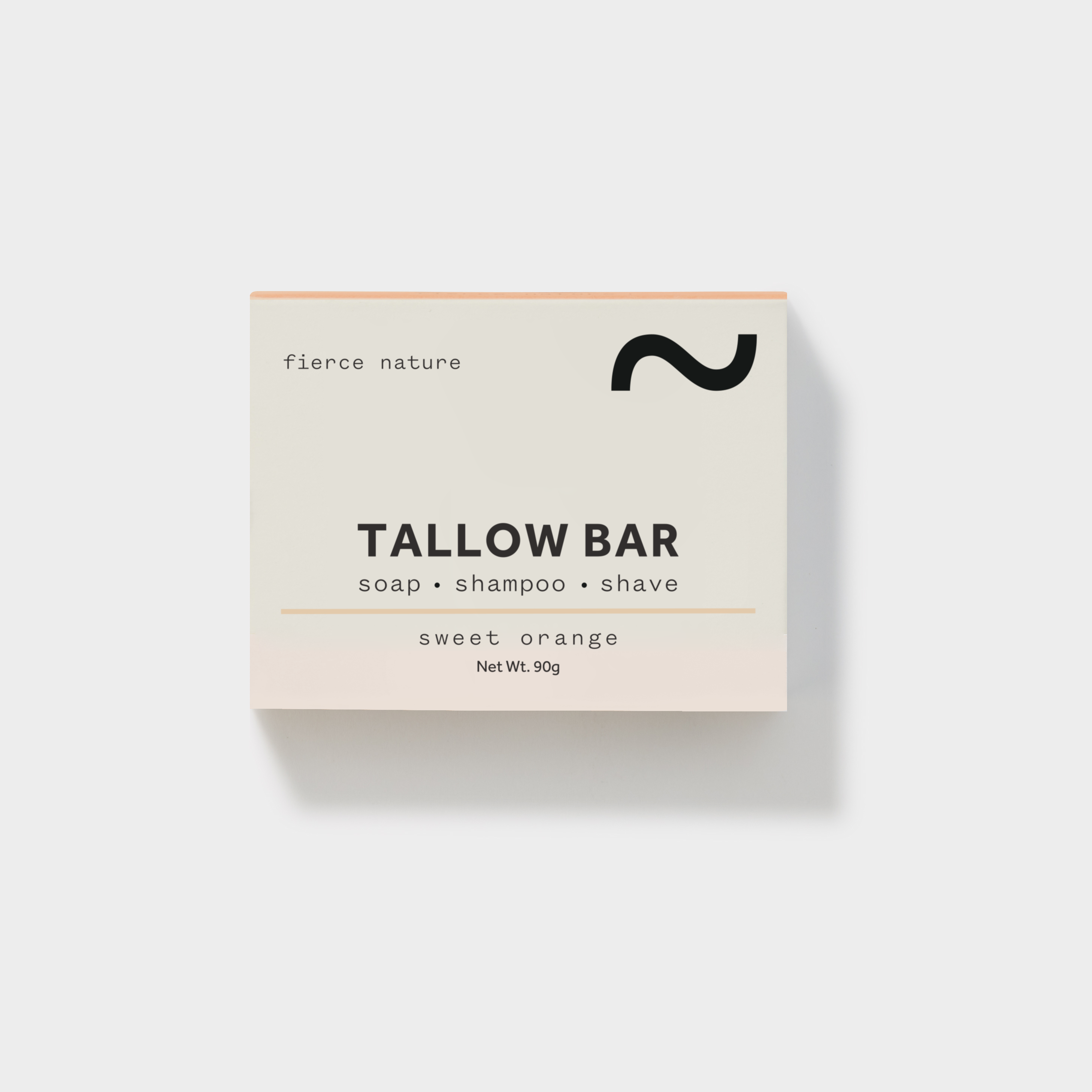
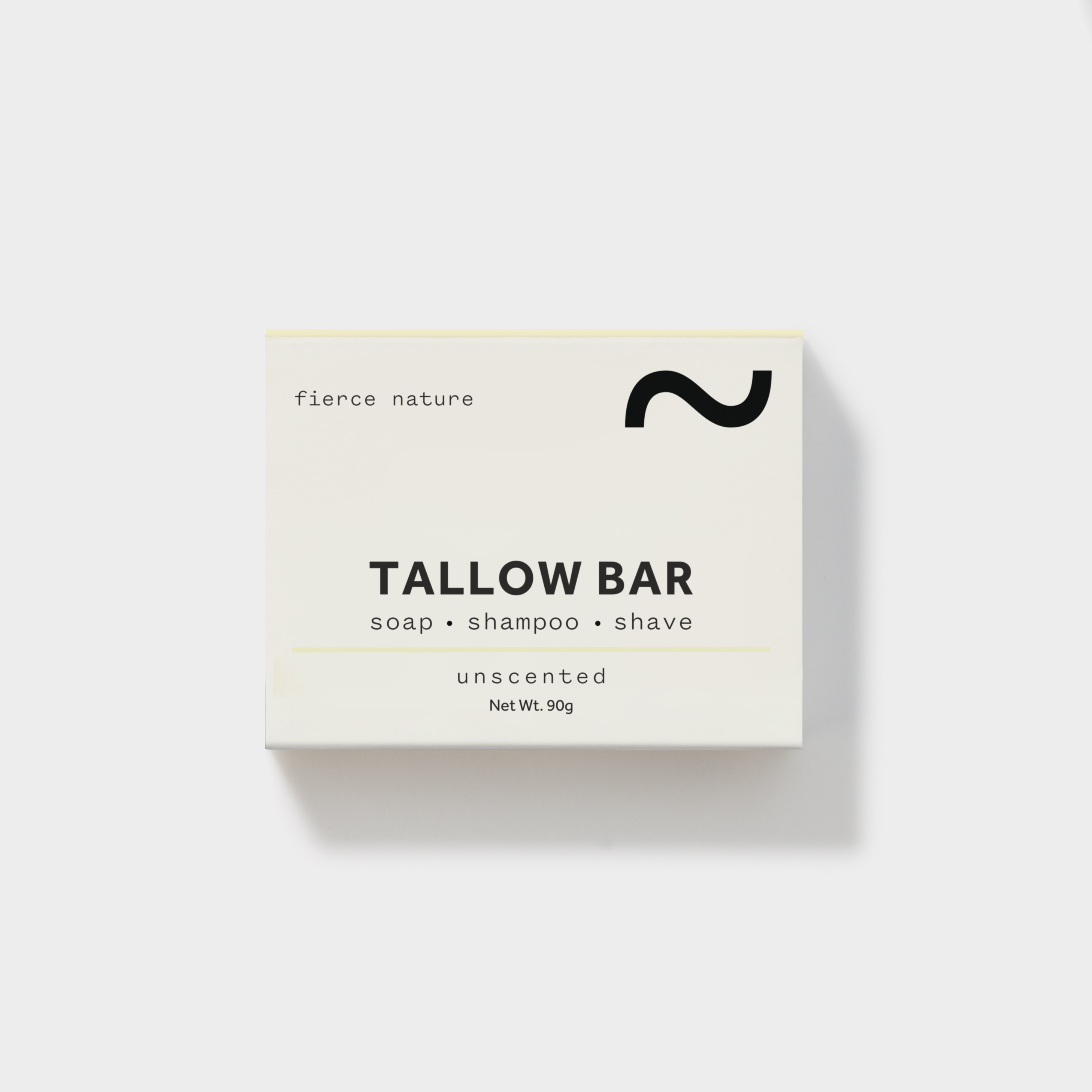
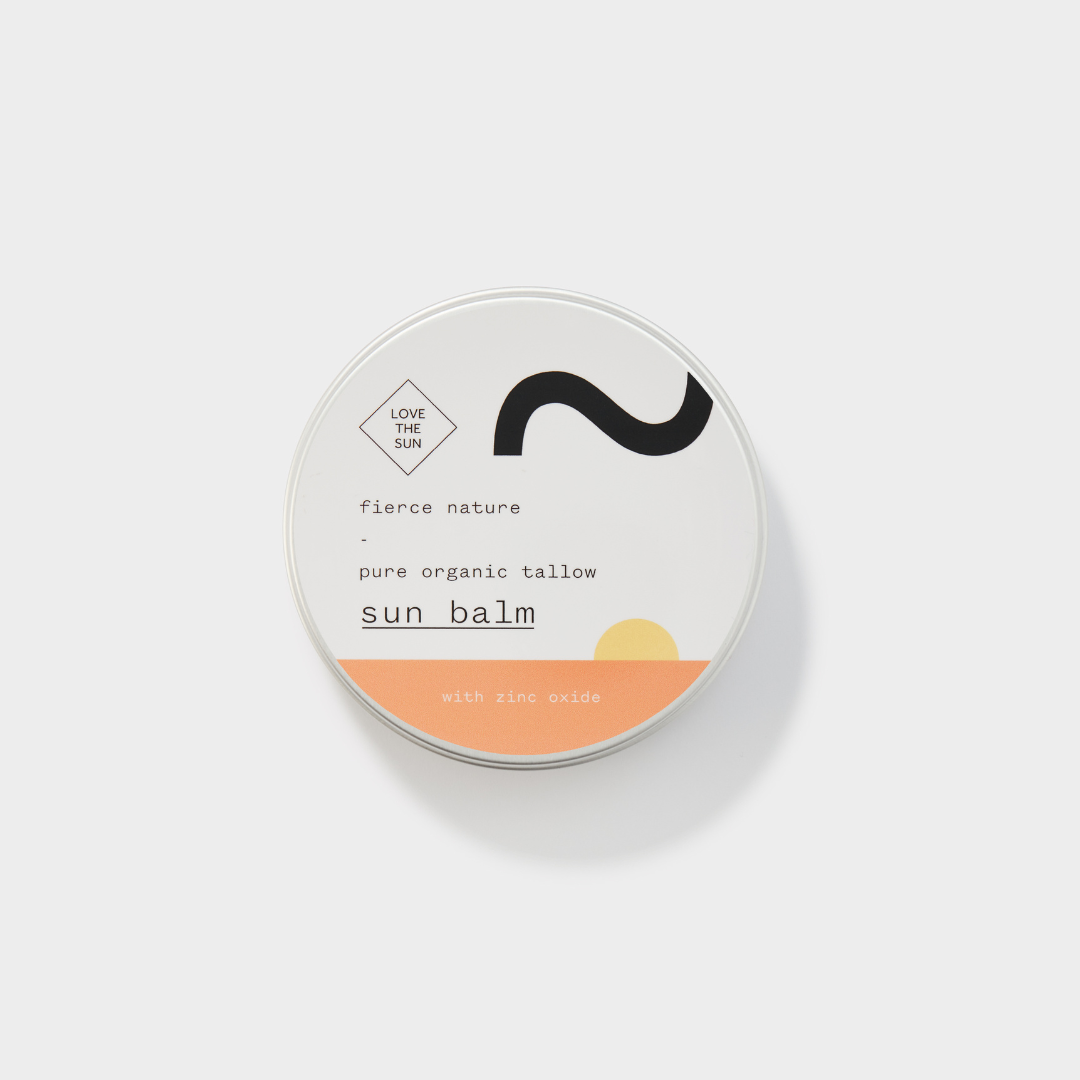
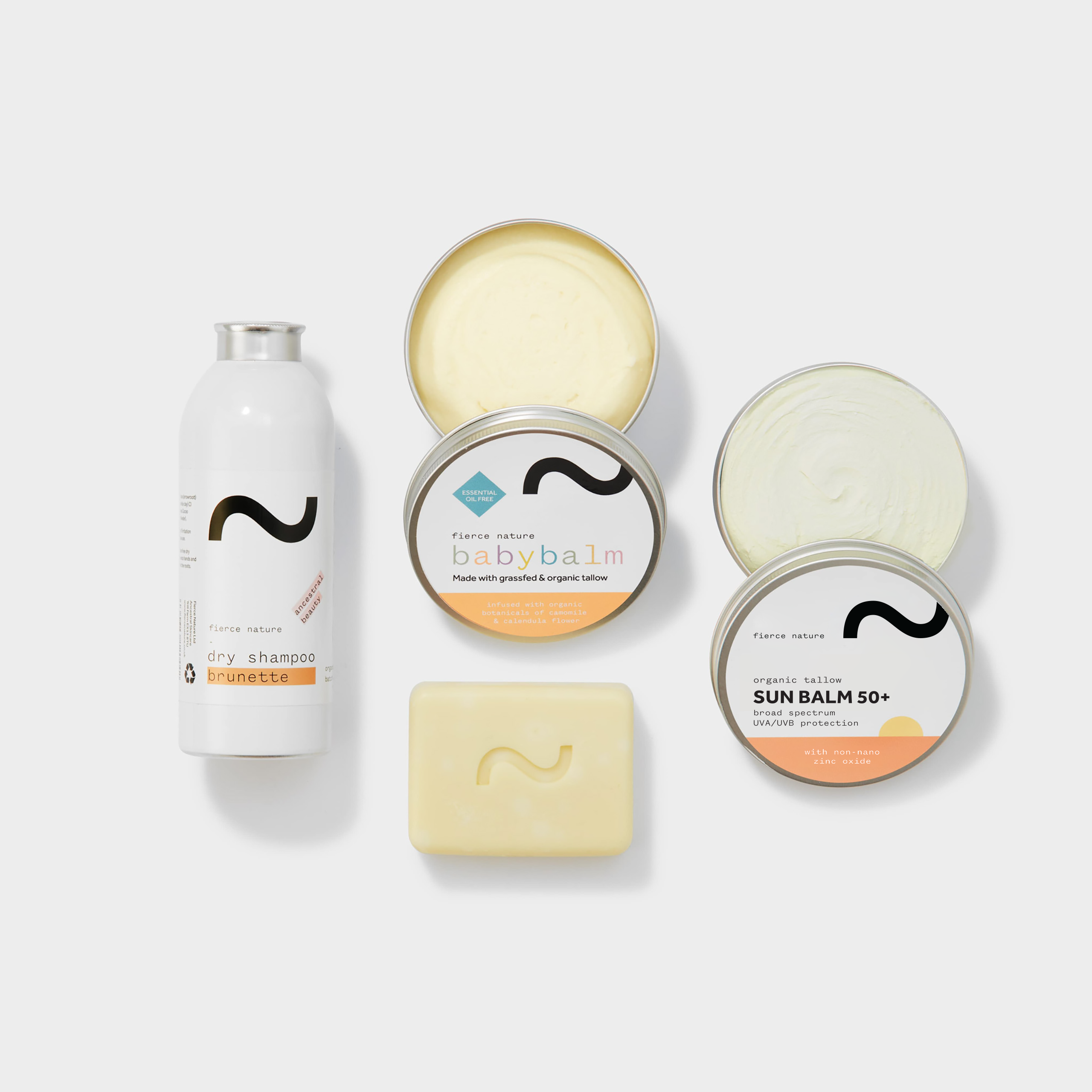
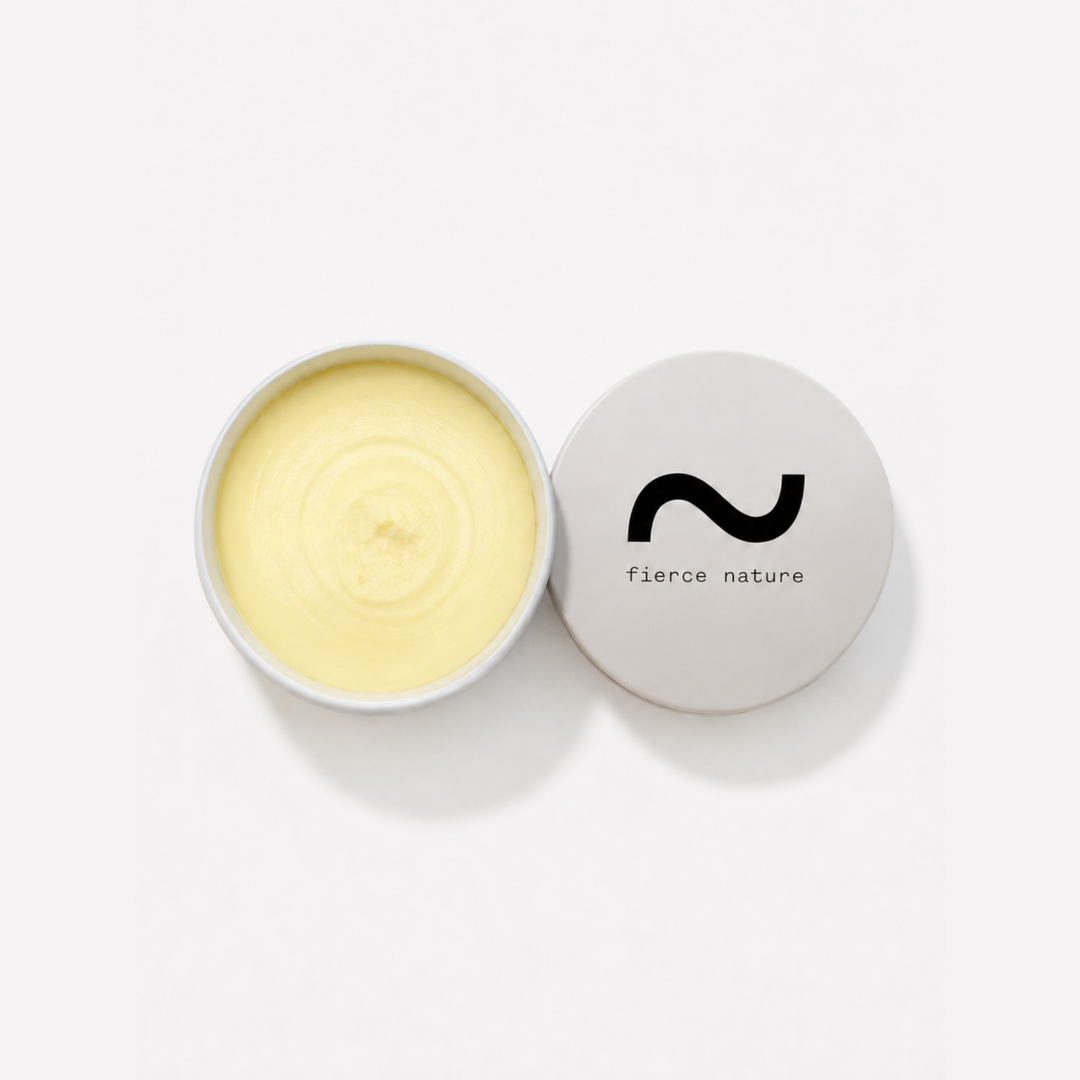
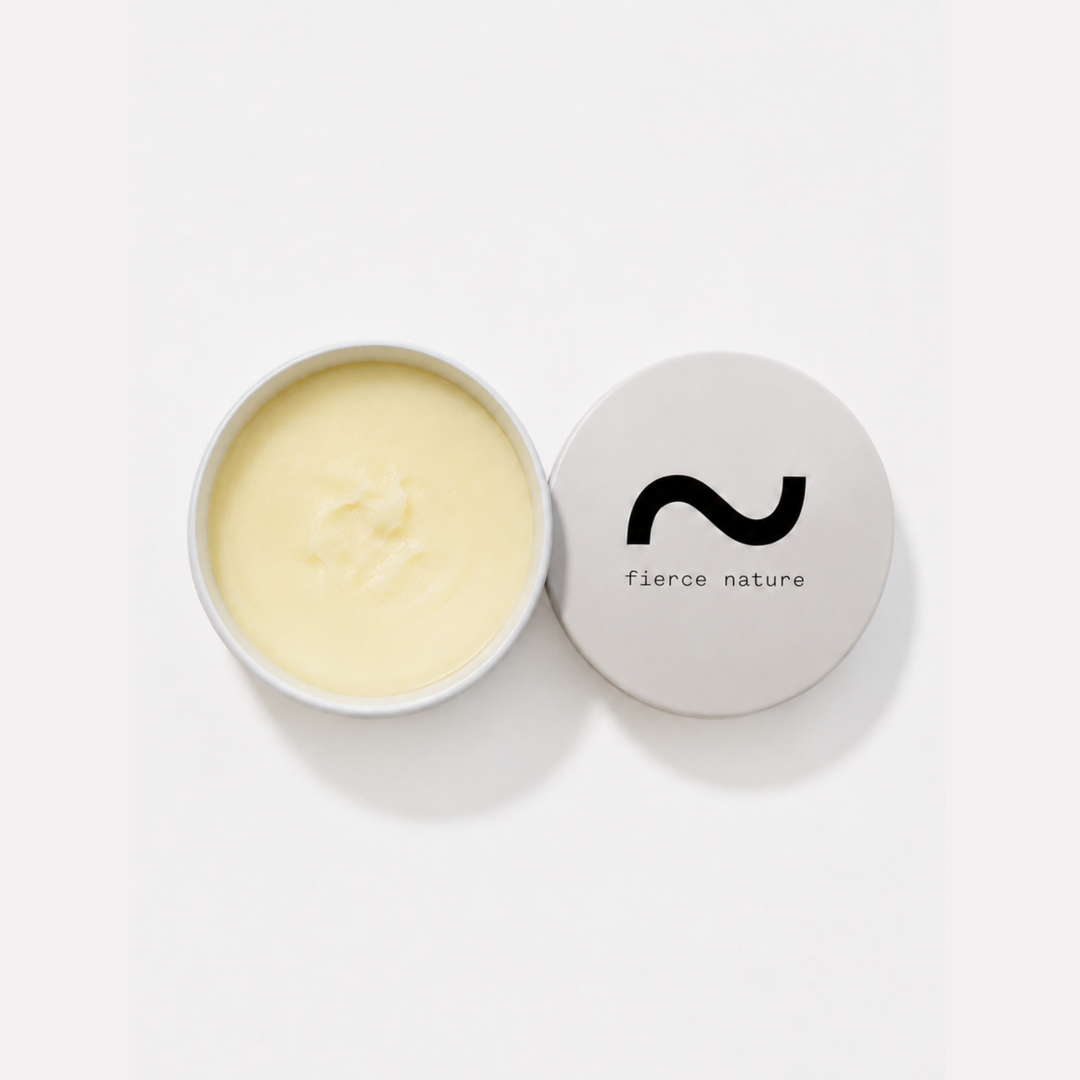
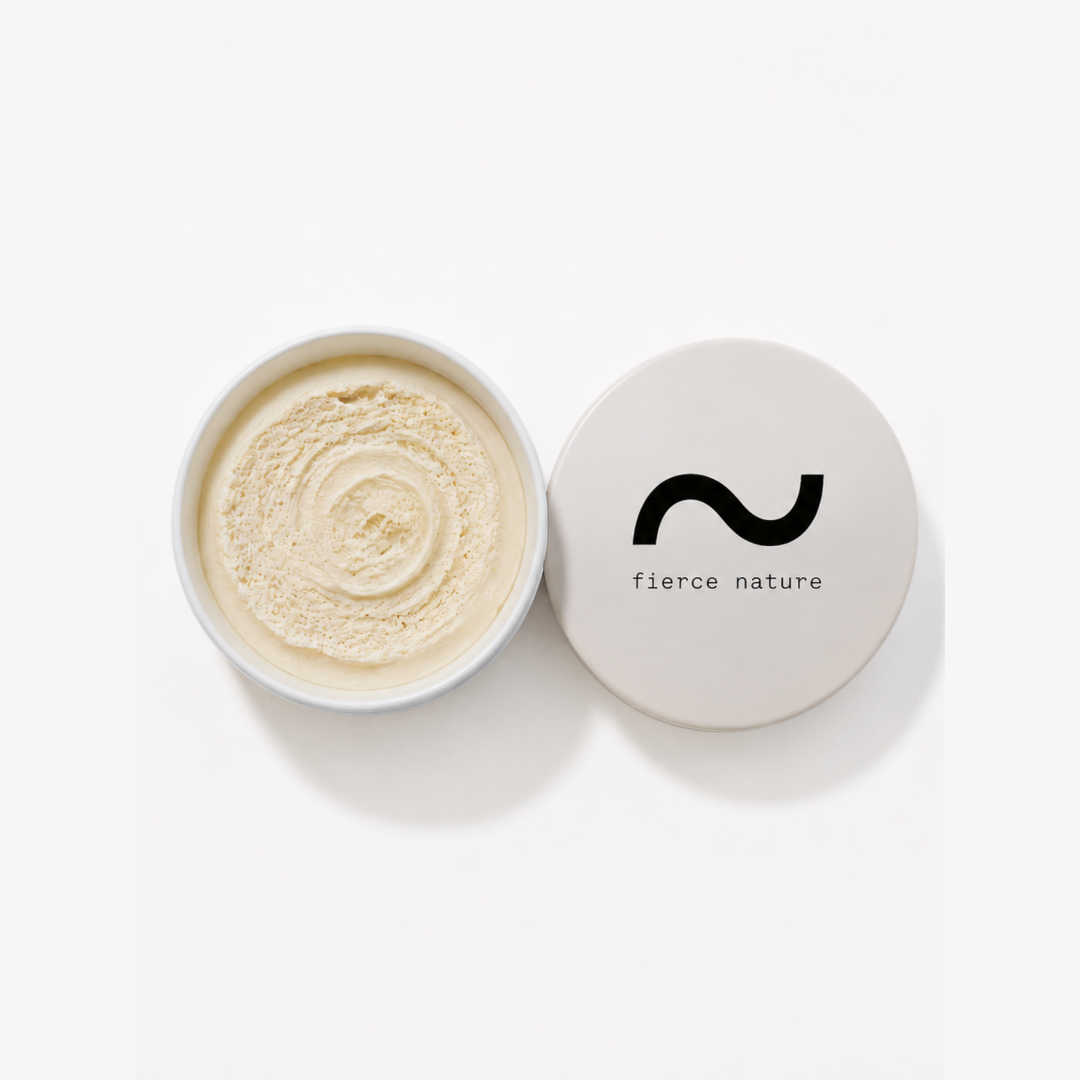



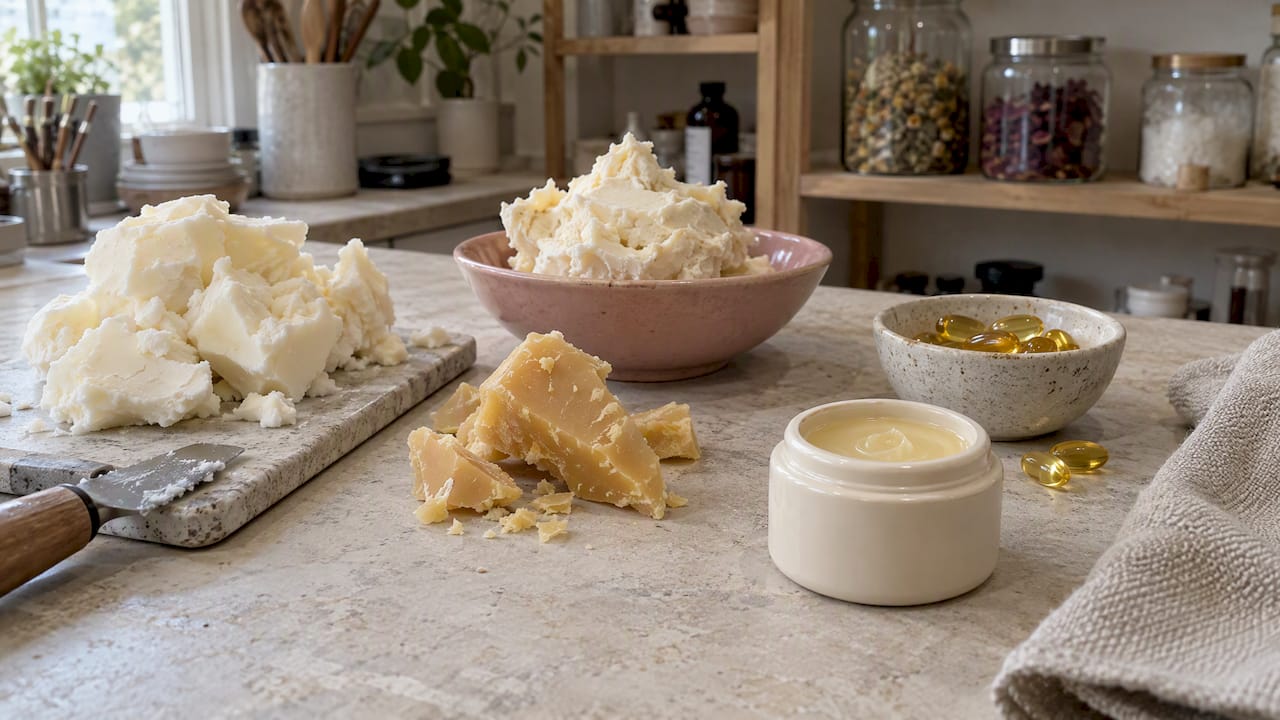
A good tattoo balm has a short, simple ingredient list: a nourishing butter or fat, a gentle oil, perhaps a little wax to hold it together, and nothing that is there only for scent, colour or shelf appeal. The ingredients to avoid are the ones that suffocate the skin, add fragrance, or give a freshly tattooed area one more thing to react to. This guide explains what each common ingredient does, how to read a label line by line, and what “fragrance free” should really mean on the tub.
We make tallow-based skincare by hand in the UK, and we have spent years looking at ingredient lists with sensitive skin in mind. That is the lens here: fewer ingredients, clearly named, and kind to skin that is already working hard.
A tattoo is a controlled wound. The needle places pigment in the dermis, and the surface of the skin then has to close, heal and shed. During that time the skin is tender, sometimes weepy, then tight and flaky.
A balm has two jobs in that process. First, it softens and protects the surface so it does not dry out, crack or itch to the point where you are tempted to scratch. Second, once the tattoo is healed, it keeps the skin supple, which helps the design look crisp rather than dull and dry.
What a balm should not do is replace your artist’s instructions. Studios differ in what they recommend and when to switch from one product to another. Some artists suggest a very light layer of a simple balm after the first washing stages, others a different product first and a balm later. Treat the ingredient guidance below as a way to judge products, and your artist as the person who decides the timing for your particular tattoo.
Most tattoo balms, whether shop-bought or homemade, are built from the same handful of building blocks. Here is what each is doing in the tub.
Plant butters are solid at room temperature and melt on contact with warm skin. They form a soft, protective layer that slows moisture loss. Shea butter is the most common base in tattoo balms because it is rich but spreads easily. Mango butter is a little lighter and less greasy. Cocoa butter is firmer and has a noticeable natural scent, which matters if you want a truly unscented product.
The quality of the butter matters. Refined butters are more neutral in smell and generally more consistent, while unrefined ones keep more of their natural aroma and plant compounds. For skin that reacts easily, neutral is often the calmer choice.
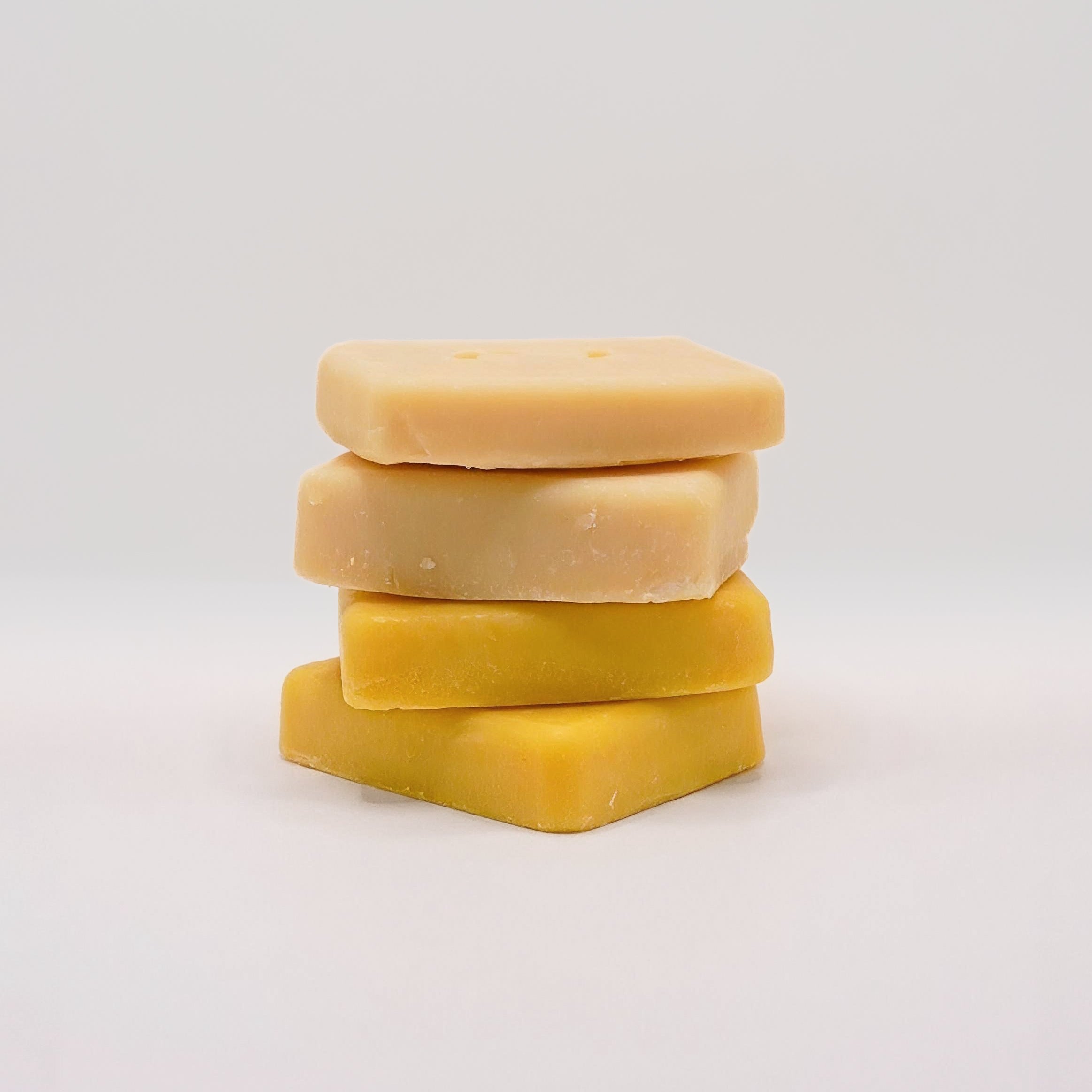
Tallow is rendered beef fat, and it has been used for centuries as a skin emollient and in soap making. Its fatty acid profile is close to the oils our own skin produces, which is why we describe it as a deeply nourishing, bioavailable base. It is the foundation of everything we make, using pure organic, grass-fed tallow.
Tallow is also a very short ingredient on a label, which is exactly what you want when you are trying to keep the list simple. It is an animal-derived ingredient, so it will not suit vegans, and anyone with a specific allergy to beef products should avoid it.
Oils make a balm softer and easier to spread. Each brings something slightly different:
Wax is what turns a soft mix of oils and butters into a solid balm that you can scoop or swipe. Beeswax is the classic choice. Candelilla is its plant-based counterpart, used in vegan balms. Both create a light protective film, but a high wax content can feel stiff or sticky on new skin, so a modest amount is better than a lot.
Vitamin E (tocopherol) is often added in small quantities to slow the oils from going rancid and to give a little antioxidant support. On a label it may appear as tocopherol or mixed tocopherols. It is usually a tiny fraction of the recipe, and it is generally well tolerated, though any ingredient can bother someone.
Calendula-infused oil is a traditional favourite for soothing dry, tender skin. Lavender, chamomile, aloe and bisabolol also appear in many tattoo balms. They can be lovely on healed, settled skin. On a brand-new tattoo, though, each botanical is another candidate for an allergic reaction, because the skin barrier is broken. This is why a clinical study of tattoo aftercare published in the UK journal Wounds UK leans towards short ingredient lists and an occlusive base, rather than long lists of plant extracts.
| Ingredient | What it does | Worth knowing |
|---|---|---|
| Shea butter | Rich, protective emollient | Neutral when refined; slightly nutty when unrefined |
| Mango butter | Lighter, softer butter | Less greasy than shea |
| Cocoa butter | Firm, protective butter | Has a natural chocolate scent |
| Tallow | Deeply nourishing fat, close to skin’s own lipids | Animal-derived; not vegan |
| Sunflower oil | Light, softening oil | Often used for calendula infusions |
| Jojoba oil | Liquid wax, similar to sebum | Generally well tolerated |
| Sweet almond oil | Silky, softening oil | Nut allergy risk |
| Coconut oil | Softening, firm at room temperature | Can feel heavy; patch test |
| Beeswax / candelilla | Gives the balm structure and a light film | Too much feels sticky |
| Vitamin E | Helps preserve the oils | Tiny amounts only |
| Calendula, lavender, chamomile | Traditional soothing botanicals | Extra allergen risk on a fresh tattoo |
The longer a list gets, the more likely something on it will not agree with you. These are the items we would steer clear of, especially while a tattoo is still healing.
Fragrance, whether listed as “parfum”, “fragrance” or a string of essential oil names, is one of the most common causes of contact reactions to cosmetics. It has no job in aftercare. Essential oils are natural, but they are also concentrated plant chemicals, and citrus, cinnamon, clove and tea tree oils in particular can sting or sensitise. Skip them on broken skin.
Petrolatum, petroleum jelly and mineral oil are often used in aftercare ointments and are not harmful in themselves for everyone, and some artists do recommend them for the first days. The concern is applying a heavy occlusive film too thickly or for too long, which can trap moisture and leave the skin feeling smothered. If your artist recommends one, follow that. If you simply prefer a plant-derived balm, there are good alternatives, and a thin layer of any balm is better than a thick one.
Anything added purely for colour does nothing for healing. Skip it.
Denatured alcohol or witch hazel with alcohol can sting and dry out healing skin. A balm should be anhydrous, meaning free of water, so alcohol rarely appears in a true balm, but it is common in lotions and sprays sold alongside them.
A balm made only from fats, oils and wax does not contain water, so it generally does not need a heavy preservative system. If a “balm” has a long preservative list, it is probably a water-based lotion in disguise. That is not automatically bad, but it is a longer list and a different product.
Lanolin, a fat from sheep’s wool, is a classic ingredient in some ointments and is a known contact allergen for some people. If you have reacted to wool or lanolin before, check the label.
Retinol, glycolic acid, salicylic acid and similar actives belong nowhere near a healing tattoo. Save them for much later, and ask your artist when your skin is ready.
Fragrance free is the most searched-for feature in tattoo balms, and it is a sensible thing to want. The trouble is that the words on the front of a tub are not tightly regulated in the way you might hope, and they can mean slightly different things.
That last point is worth sitting with. A balm that smells faintly of shea, olive oil or beeswax is not scented in the cosmetic sense. A balm that smells of lavender or vanilla has been scented, even if the source is natural.
You can read more about gentle formulas in our guide to fragrance-free balm and soap for ultra-sensitive, allergy-prone skin.
Even the simplest balm can disagree with someone. The only reliable way to find out is to test it, and you should do that on untattooed skin, not on the tattoo.
A patch test cannot tell you how a product will behave on skin that is freshly broken, but it will catch an allergy to one of the ingredients. If you have a known allergy, eczema or a history of reactions, mention it to your artist and speak to your GP or a dermatologist before choosing a product. We cover the method in more depth in our guide on how to test skincare products for sensitive skin.
We did not set out to make tattoo balm. Fierce Nature began with a long-standing passion for non-toxic skincare, and it began personally: growing up in South Africa, our founder battled rashes and reactions from mainstream cosmetics and could never work out why. Years of working with gut health and toxic load later, the answer became clearer. What we put on our skin matters, and a promise on the front of a pack means little if the back of it is full of ingredients you cannot pronounce.

That is how we look at any balm, tattoo-related or not. Start with a foundation your skin recognises. Tallow is made of fats that closely resemble the skin’s own, and it has been used for centuries as an emollient, which is why we build on pure organic tallow and add as little as possible. Then be honest about what is in the tub, because someone with healing or reactive skin needs to be able to read the list and understand every line.
We would also say this plainly: we do not sell a product marketed as tattoo aftercare, and we are not going to tell you our balm replaces your artist’s instructions. What we can tell you is what we look for in any balm used near sensitive skin: a short list, no added fragrance where it is not needed, handmade in small batches in the UK, and a maker who will tell you exactly what is inside. Work with your skin, not against it.
— Fierce Nature
Search for tattoo balm ingredients and you will find plenty of home recipes. They are usually some combination of shea or mango butter, a liquid oil such as sunflower, olive or almond, beeswax or another wax, and a few drops of vitamin E. The method is simple: weigh the ingredients, melt them gently together in a heatproof bowl over simmering water, stir well, pour into a clean tin or jar and let it set.
If you go down this route, a few cautions apply, because the skin you are treating is a wound.
For many people, a ready-made balm from a small maker, with a transparent label, is simply less hassle and more consistent.
It depends on timing, and on your artist. In the first days, many artists want the tattoo kept clean and lightly moisturised with something very simple, or covered with a wrap, and may advise against a rich balm until the skin has started to close. Once the surface has settled and you are in the flaking, itchy stage, a thin layer of a gentle balm can help keep the skin supple and take the edge off the tightness.
A few practical rules:
A healing tattoo is normally a little red, tender and itchy for a few days. It should not be getting worse.
Contact a GP promptly, ideally within a day, if you notice signs of infection: increasing pain, spreading redness, heat, swelling, pus, or a bad smell. If the area is very red or swollen, or you have a fever, and you cannot get hold of your GP within 24 hours, go to A&E, in line with NHS hospital guidance on tattoos. Do not keep layering balm on top of an infected tattoo.
If you suspect a reaction to a product rather than an infection, wash the product off gently, stop using it and tell your artist. For a rash that does not clear, or a reaction that is severe, see your GP or pharmacist.
Once your tattoo has healed and the surface is smooth, the goal changes from protecting a wound to keeping skin supple. Ink looks brighter on skin that is hydrated and healthy, and dry, flaky skin can make even a fresh tattoo look dull.
This is where a simple, nourishing balm earns its place in a routine. We like to use it after a shower, while the skin is still slightly damp, so that it helps lock in moisture. Our guide to natural moisturisers for sensitive skin goes into what works best, and our overview of tallow balm benefits, uses and safety explains what to expect from a tallow-based formula.
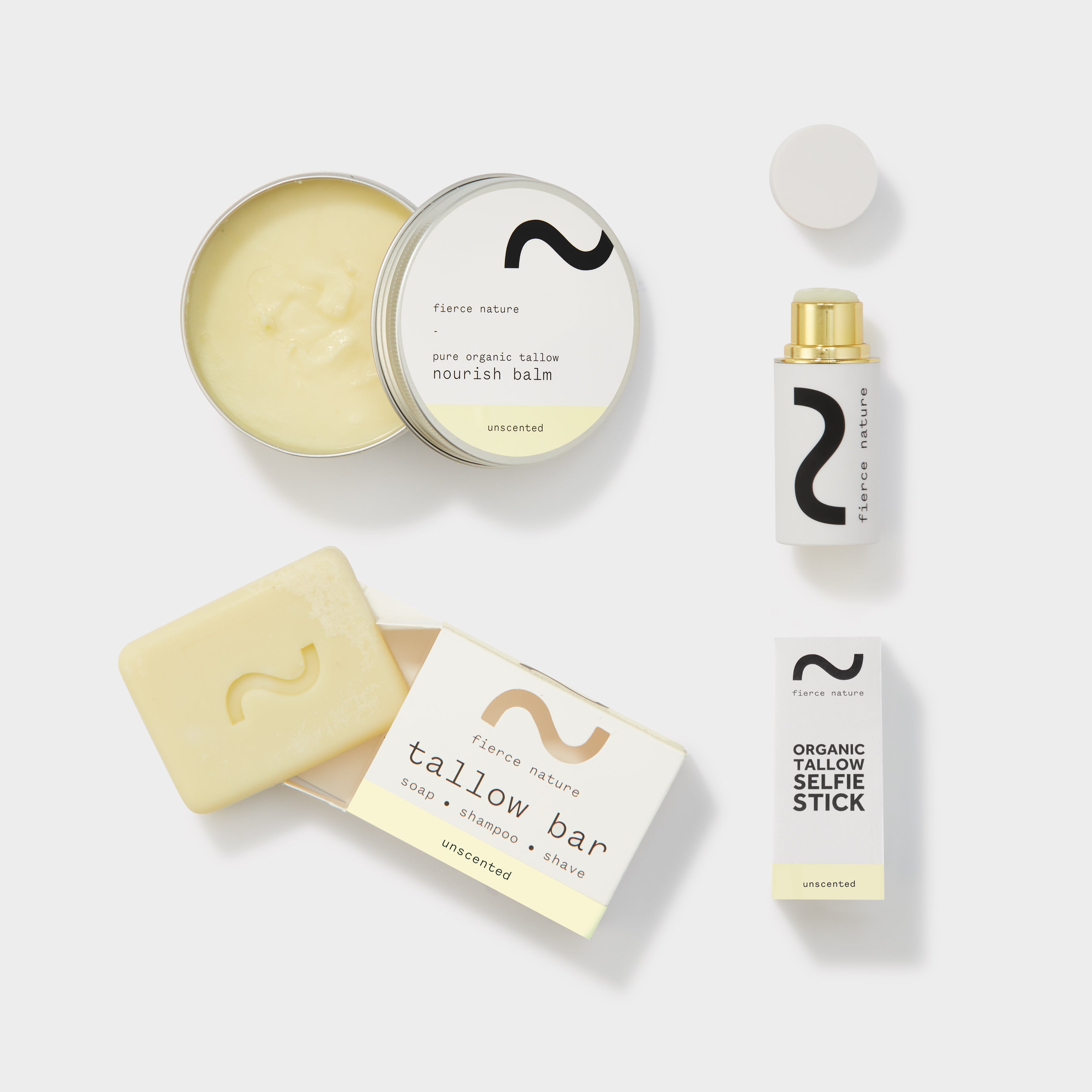
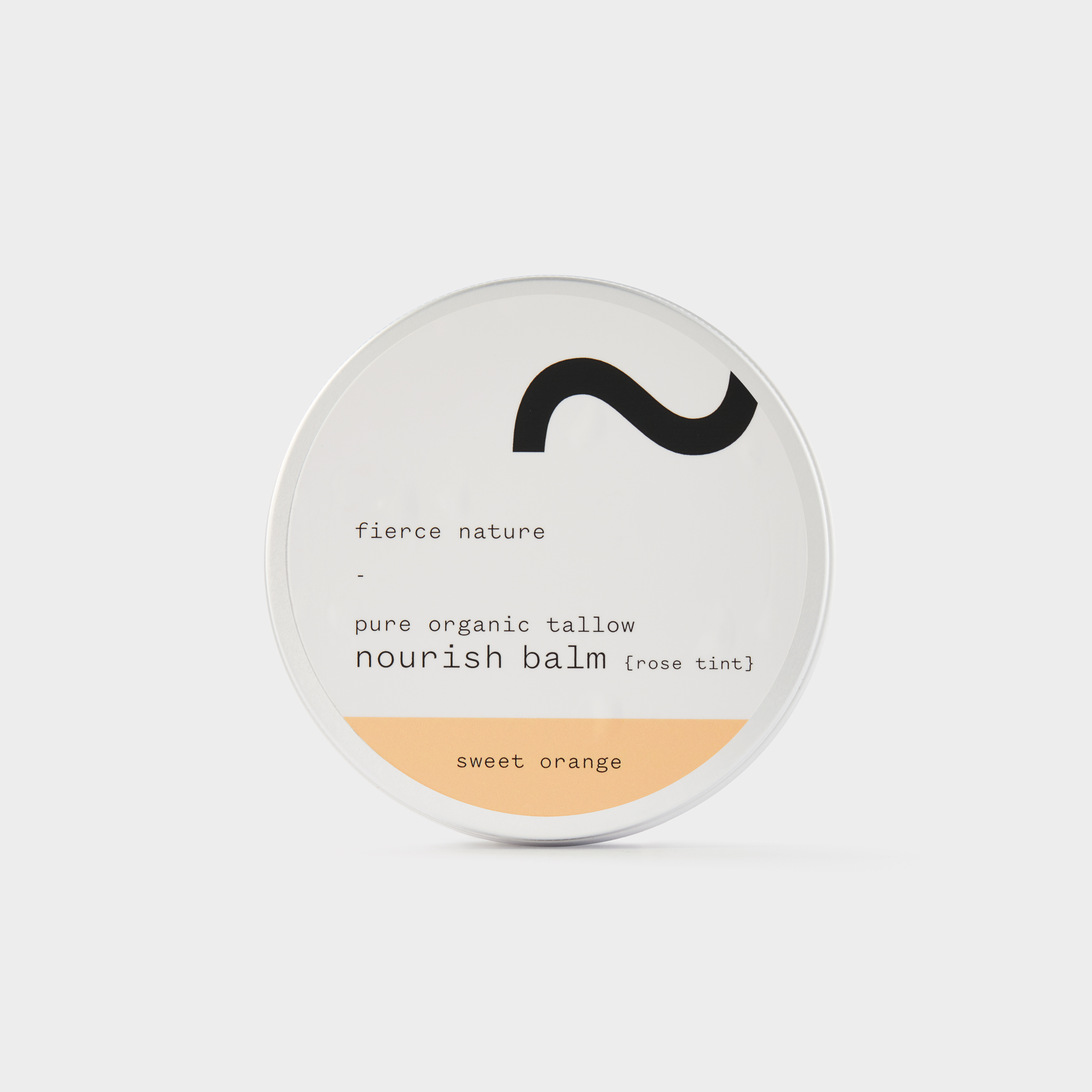
If your tattoo has fully healed and you want a balm with a simple, honest ingredient list, our Nourish Balm (Unscented) is a good place to start. It is handmade in the UK on a base of pure organic tallow, with no added fragrance to worry about. You can also browse our full range of face and body balms to see every ingredient list before you choose.
As with any new product, patch test first, and if your tattoo is still healing, check with your artist before adding anything new.
The best formulas are short and simple: a butter or fat such as shea, mango or tallow, a gentle oil such as sunflower or jojoba, and a small amount of wax. Vitamin E is a common, low-risk extra. The fewer ingredients, the easier it is to spot the cause if your skin reacts.
In most cases, yes. Fragrance and essential oils add nothing to healing and are a common cause of skin reactions, which matters more when the skin barrier is broken. Read the full ingredient list rather than relying on the front label, because “unscented” does not always mean no fragrance ingredients were added.
Once your artist says the tattoo is ready for a balm, plain shea butter is a widely used and generally well-tolerated choice, applied in a thin layer. Refined shea has less scent than unrefined. Patch test first, and avoid it if you have a known reaction to shea or tree nut products.
It is not harmful for everyone, and some artists do recommend it for a short period. The problems come from using too much, which can leave skin feeling smothered. If you would rather avoid it, ask your artist about a thin layer of a simple plant- or tallow-based balm instead.
Wash the product off gently with mild soap and water, stop using it and tell your tattoo artist. If the redness spreads, the area swells or becomes hot or painful, or you have a fever, contact your GP promptly, or go to A&E if you cannot reach a GP within 24 hours.