Cart
0
You may also like



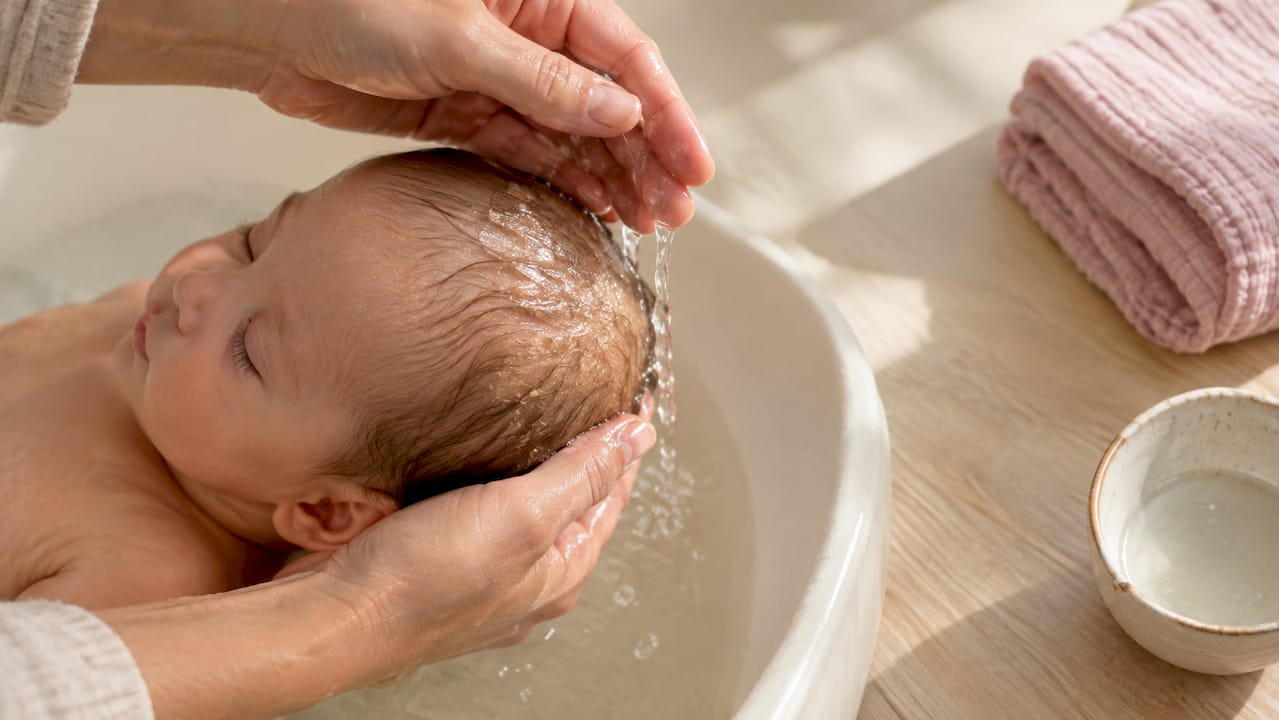
Tallow can work as a gentle, temporary emollient that softens the greasy scales of cradle cap, making them easier to lift away with a soft brush and shampoo. It is not a proven cure, and there’s no clinical evidence it outperforms simpler options like mineral oil. What matters most is what happens after you apply it: residue must be washed out fully, and you should watch for spreading, redness, or oozing. If home care brings no improvement within a fortnight, see your GP or paediatrician.
TL;DR:
- Tallow can soften cradle cap scales temporarily but requires thorough washing to prevent yeast growth and irritation; it is not a proven cure.
- Use only unscented, infant-specific tallow products, apply in short contact periods, and never leave oil on the scalp longer than a few minutes without rinsing thoroughly.
- Proper removal with gentle lathering and rinsing minimizes the risk of trapping heat and debris, which can promote yeast proliferation.
- If no improvement occurs within two weeks or if symptoms worsen, consult a healthcare professional for potential antifungal or steroid treatments.
- Sourcing high-quality, formulated tallow products is safer than DIY rendering, and patch testing is essential before regular use to avoid reactions.
Cradle cap responds best to a gentle, repeatable routine rather than one heavy application. The goal is to soften the scales, lift them without scratching the scalp, and rinse everything away before it has a chance to sit and irritate.
Before you start:
Pro Tip: Apply tallow just before bath time, not hours in advance. The shorter the gap between softening and washing, the less chance the oil has to sit on the scalp and cause irritation.
Between treatments, a simple daily wash with baby shampoo is usually enough to manage mild flaking, which mirrors the NHS’s own guidance on cradle cap home care. If you’re newly navigating this alongside all the other adjustments of the first weeks, a broader newborn care routine can help you build good hygiene habits around bathing and skin checks generally.
NHS guidance treats cradle cap as something that usually clears on its own within the first year, recommending gentle daily washing and, where needed, a brief application of mineral oil or petroleum jelly to loosen scales before shampooing. Tallow fits this same logic. It is used the same way, as a short-contact softening agent, not as a targeted medicine.
A 2024 scoping review of tallow’s biocompatibility with skin screened 147 studies and included 19 in its final analysis. It found tallow is rich in fatty acids such as oleic, palmitic and stearic acid, along with small amounts of fat-soluble vitamins, and is generally biocompatible with skin. The same review was clear that human clinical evidence remains limited and that reported side effects across the literature are inconsistent, meaning nobody can currently say tallow performs better than well-studied alternatives for infant scalp conditions.
Dermatologists raise a specific caution worth taking seriously: occlusive, lipid-rich fats can trap heat and debris against the skin, potentially feeding Malassezia yeast, the organism linked to seborrhoeic dermatitis (the clinical name for cradle cap). This doesn’t mean tallow is unsuitable. It means removal technique matters as much as application.
Two other risks are worth flagging directly:
Getting the after-care right is what separates a helpful routine from one that backfires.
Patch test first, every time:
Removal and household hygiene:
Most cradle cap settles with patience and gentle care, but certain signs mean it’s time to stop experimenting and get it checked.
Book an appointment if:
Bring a short history to the appointment: how long it’s been going on, what products you’ve tried, and any changes you’ve noticed. Photos taken over the past week or two are genuinely useful, since scalp conditions can look different day to day. Clinicians may recommend an antifungal shampoo or a low-potency steroid under supervision, but these are prescribed only after simple home care hasn’t worked.
Fierce Nature was founded on a simple frustration: mainstream skincare so often hides harsh chemicals behind pretty packaging and big promises. That experience, of battling unexplained skin reactions from a young age, shaped a belief that skin does best with fewer, more honest ingredients.
Everything we make is:
We don’t claim tallow cures anything. We simply believe it deserves better formulation and clearer instructions than it usually gets.
The current enthusiasm for tallow on social media has outpaced the science behind it, and we say that as a brand built on tallow. The 2024 scoping review is genuinely encouraging on biocompatibility, but it’s a review of biocompatibility, not a clinical trial proving cradle cap outcomes. Anyone telling you tallow will “cure” cradle cap in days is overselling a product category we happen to sell.
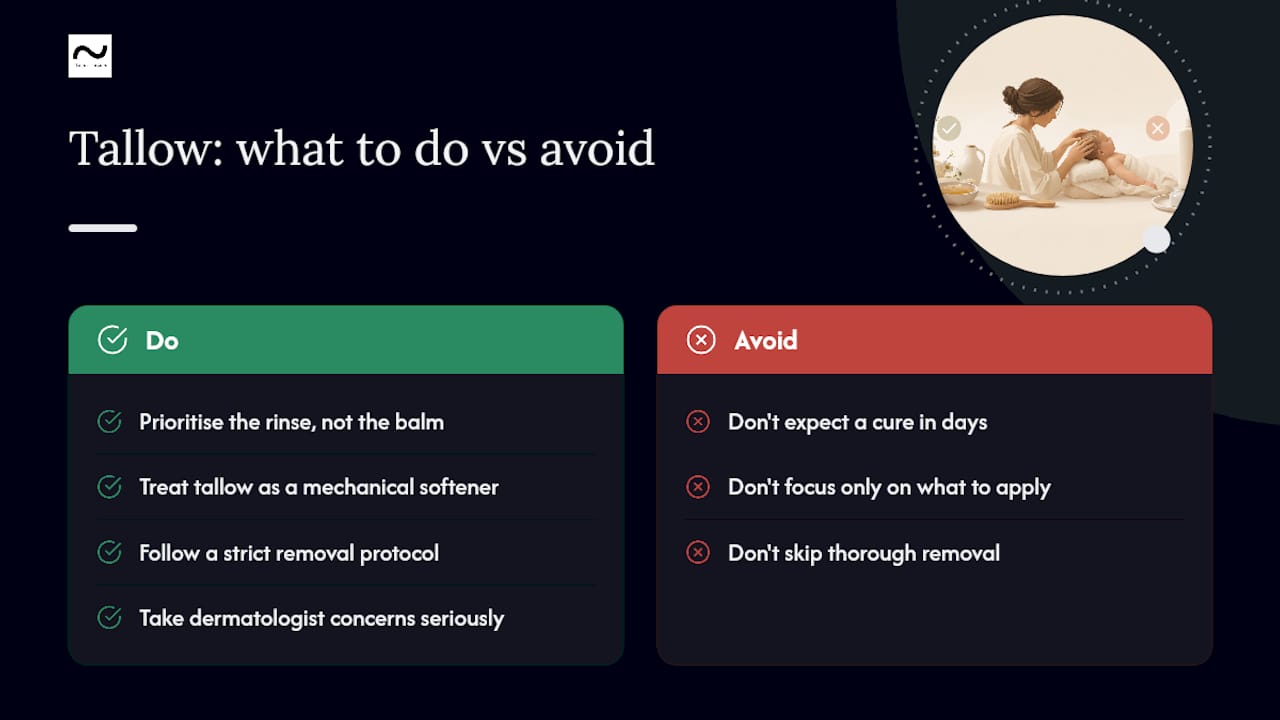
Where conventional advice falls short is in the removal step. Most guidance focuses heavily on what to apply and barely mentions how thoroughly to take it off, which is precisely where the yeast-feeding risk dermatologists warn about actually originates.
If you take one thing from this article, prioritise the rinse, not the balm. Treat tallow as a mechanical softening tool with a strict removal protocol attached, and you’ll get the benefit without the risk that gives dermatologists pause.
— Fierce Nature
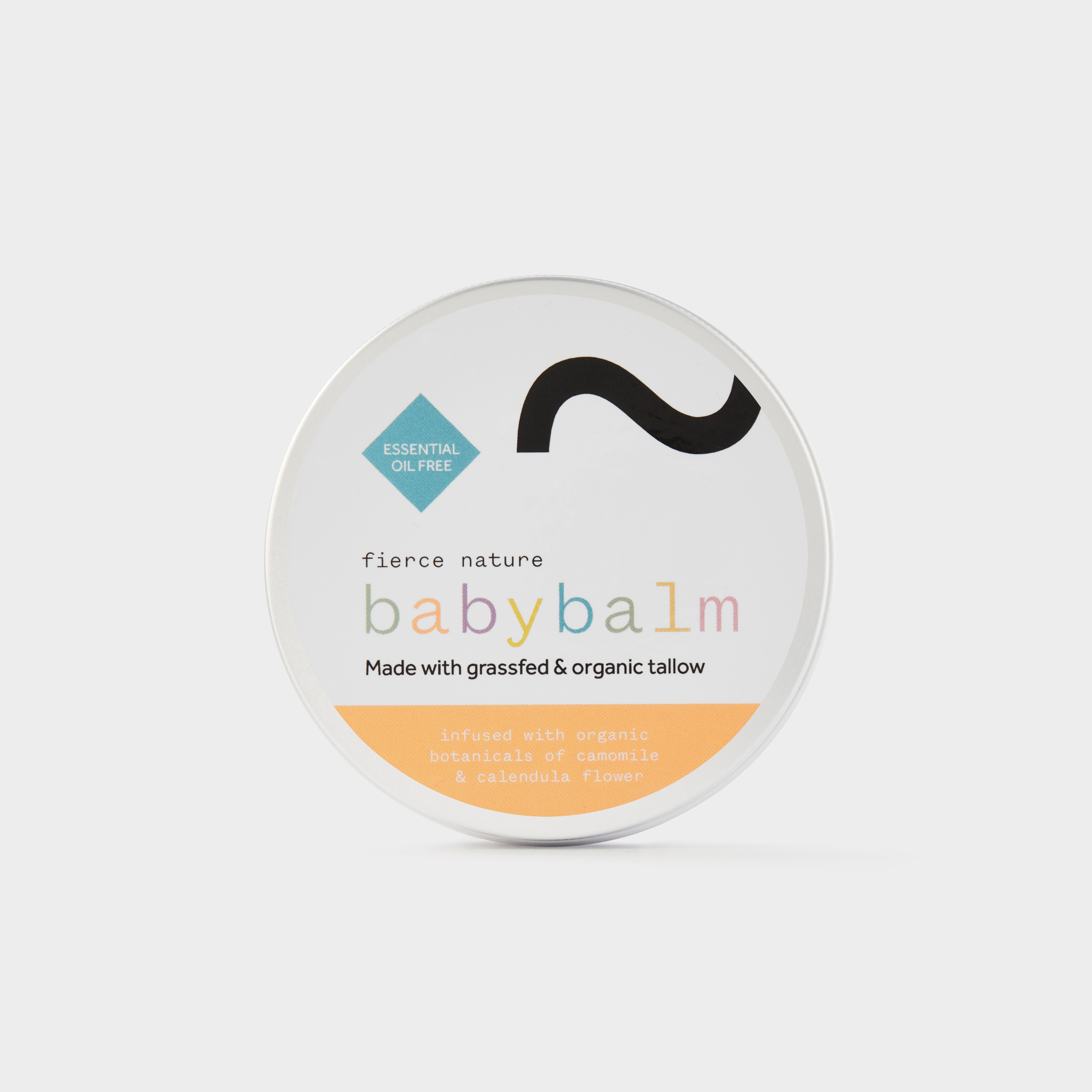
If rendering your own tallow feels like one task too many during the newborn haze, a formulated, unscented product removes the guesswork around purity and contamination that clinicians warn about with DIY versions. Our Baby Balm is built specifically for delicate infant skin and works well for the short-contact scalp routine described above. For parents who want one product that stretches across cradle cap patches, dry elbows, and general dryness, the Multi-Use Tallow Bar offers a solid, unscented option that’s easy to control in small amounts. Our Nourish Balm suits everyday moisturising once the flakes have cleared and you’ve shifted to maintenance care.
Whichever you choose, patch test first, apply sparingly, and always wash thoroughly afterwards. None of these products are medical treatments, and if cradle cap spreads or won’t budge, a GP visit still comes before another tub of balm. For everything else, browse the full Fierce Nature range and find the option that suits your baby’s skin.
This article is general information, not a substitute for advice from a qualified doctor. Consult a qualified healthcare professional about your own circumstances before acting on anything here.
Tallow can soften the greasy scales of cradle cap as a short-contact emollient, similar to how mineral oil is used, but it isn’t a proven treatment and works best paired with thorough rinsing and gentle brushing.
Some dermatologists are cautious because occlusive, lipid-rich fats can trap heat and debris against the skin, potentially feeding the yeast linked to seborrhoeic dermatitis if left on too long without proper removal.
NHS guidance points to mineral oil or petroleum jelly used briefly before washing, and a well-formulated, unscented tallow balm works on the same principle: soften first, then wash out completely.
There’s no guaranteed fast fix, but consistent gentle washing, brief oil softening two to three times a week, careful brushing, and thorough rinsing tend to bring the quickest visible improvement within a couple of weeks.