Cart
0
You may also like



TL;DR:
- Whipped balm is a lightweight skincare product created by whipping air into a dense fat base, resulting in a soft, easily spreadable texture. It offers faster absorption and easier application compared to traditional solid balms but may have slightly lower nutrient preservation due to oxidation during whipping. Choosing high-quality whipped balm involves checking net weight, ingredient lists, and aeration methods, with many formulations benefiting from micro-aeration technology to maintain vitamins and efficacy.
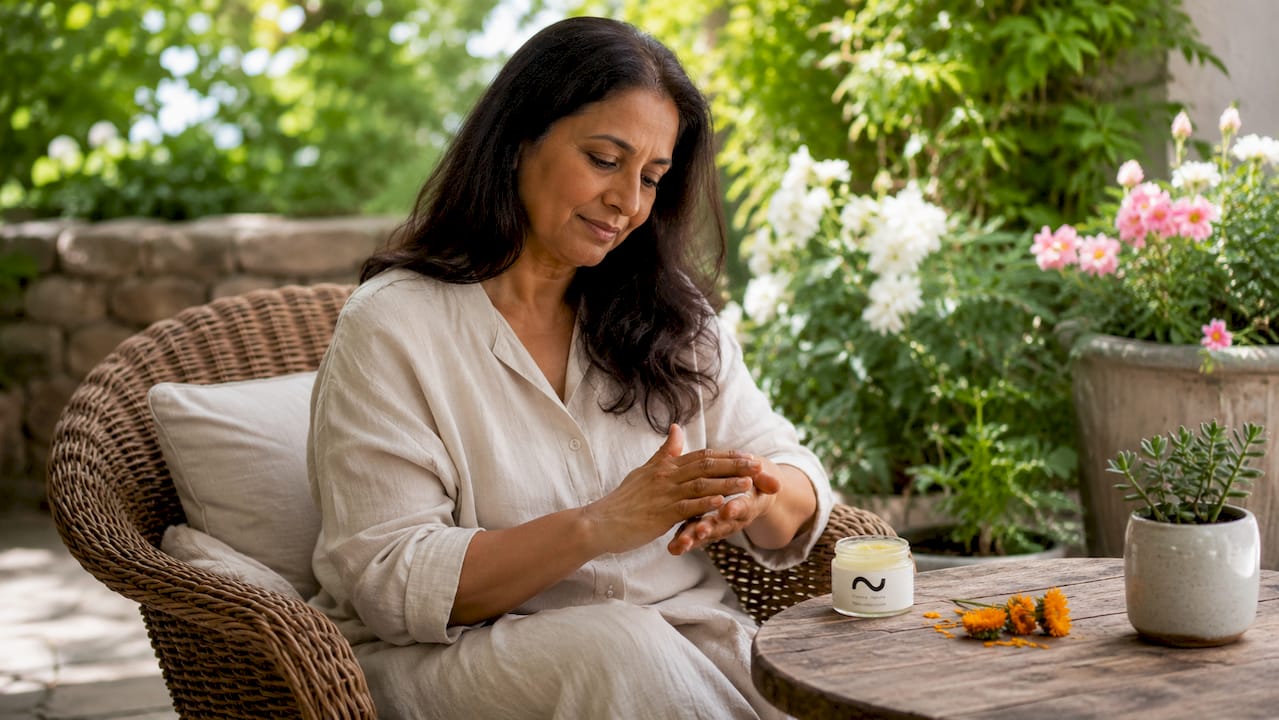
Whipped balm is defined as a skincare formulation where air is mechanically incorporated into a dense balm base to create a lighter, fluffier texture that spreads more easily and absorbs more quickly than its solid counterpart. If you have ever opened a jar expecting a firm, waxy product and found something that looks like soft buttercream instead, you have encountered a whipped balm. The term covers a growing category of natural skincare products, with tallow-based versions from brands like Fierce Nature leading the conversation around ingredient quality and skin nourishment. Understanding what whipped balm means helps you make smarter choices about what you put on your skin every day.
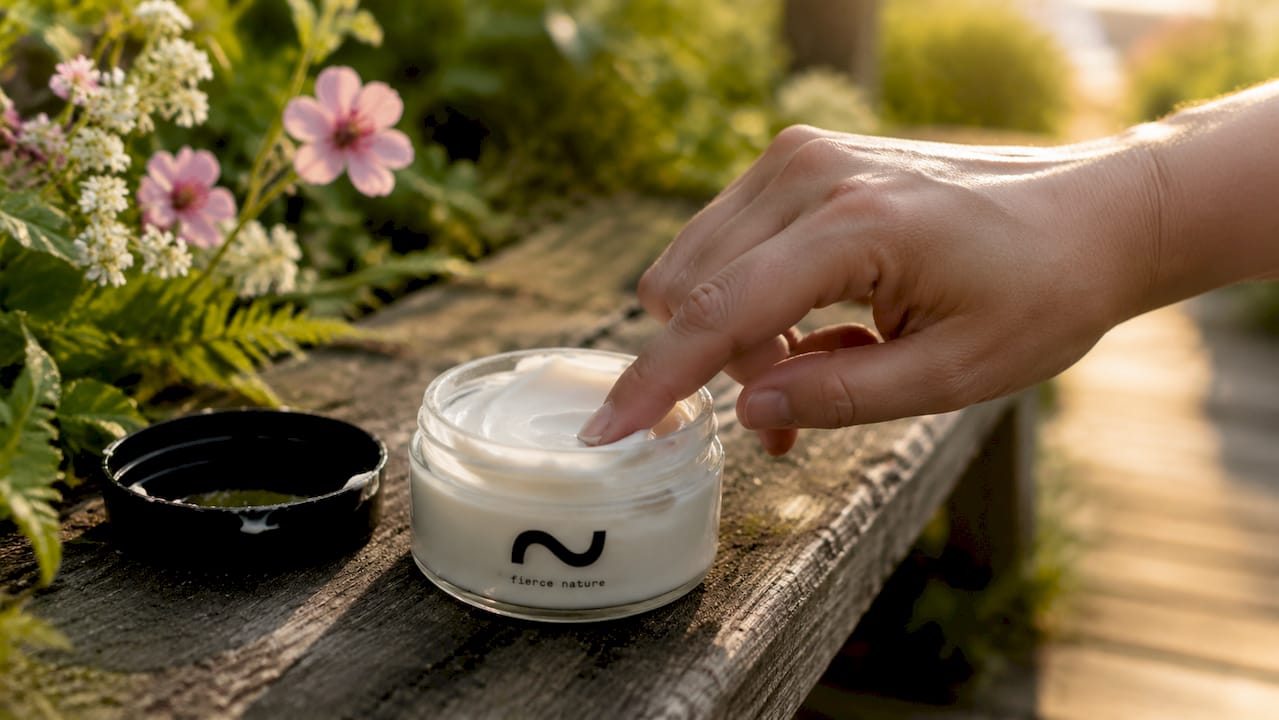
Whipped balm is a skincare product made by whipping a solid or semi-solid fat base, such as tallow, shea butter, or coconut oil, at high speed while it cools. The whipping process folds air into the mixture, transforming a dense balm into a soft, cloud-like texture. The result is a product that feels lighter on the skin, spreads with far less effort, and sinks in more readily than a traditional solid balm.
The industry sometimes refers to this category as an aerated balm or whipped body butter, depending on the fat base used. Both terms describe the same core process: mechanical aeration of a lipid-rich base. The whipped balm definition is straightforward, but the quality of the final product depends heavily on the starting ingredients and the precision of the whipping method.
At Fierce Nature, we use pure organic tallow as our foundation. Tallow is uniquely bioavailable because its fatty acid profile closely mirrors that of human skin, which means it penetrates deeply rather than sitting on the surface. When that base is whipped correctly, you get a product that delivers real nourishment in a format that feels genuinely pleasant to use.
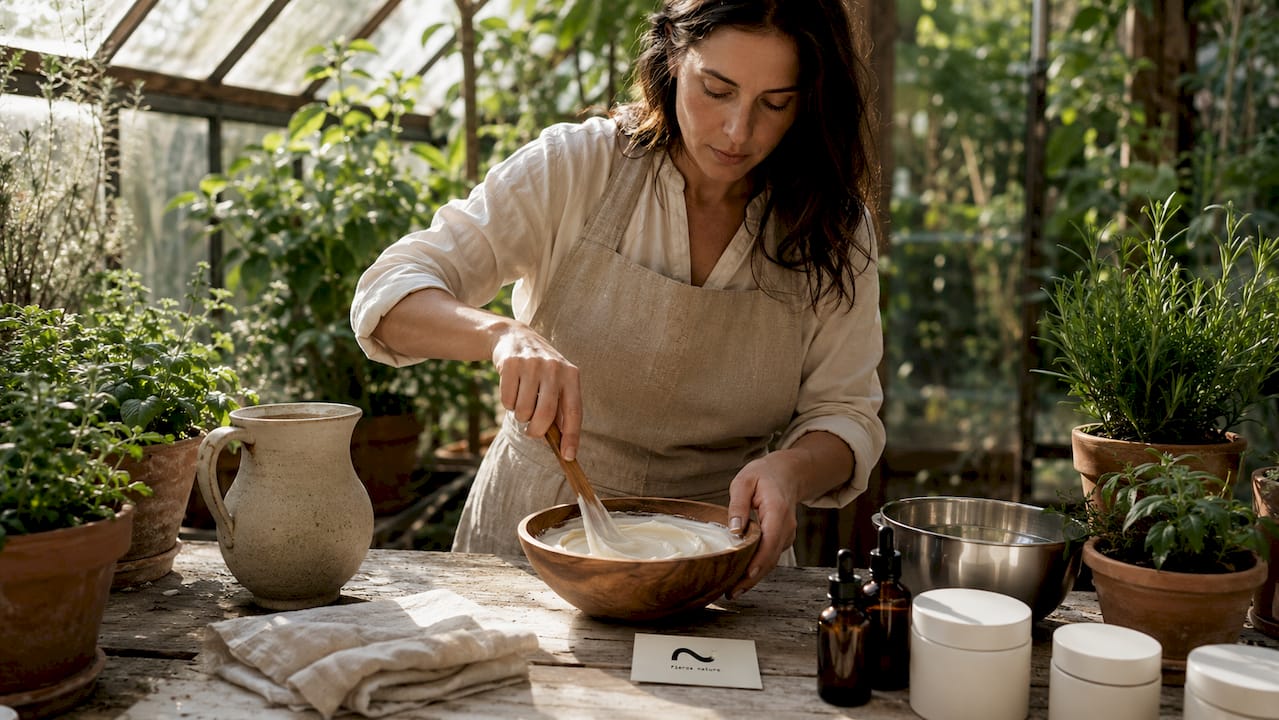
The production process is what separates a whipped balm from every other balm on the shelf. Understanding it helps you appreciate why texture, timing, and temperature all matter so much.
Melt the base fats. The process begins by gently melting the primary fat, whether tallow, shea butter, or a blend of carrier oils. At Fierce Nature, whipped balm blends often include complementary carrier oils and botanicals such as calendula or vanilla bean to enhance skin nourishment and scent. These blends directly influence texture, absorption, and the overall skin-nourishing properties of the finished product.
Cool the mixture to the right temperature. This is the most critical step. The fat must cool to a semi-solid state before whipping begins. Too warm and the air will not incorporate properly. Too cold and the balm becomes too stiff to whip evenly.
Whip at high speed. A stand mixer or hand mixer beats the cooling fat, folding in air and increasing the volume of the product. The longer and faster the whipping, the lighter and fluffier the texture becomes.
Add any remaining ingredients. Essential oils, botanical extracts, or honey are typically added at this stage to preserve their potency and prevent heat degradation.
Jar and set. The finished whipped balm is transferred to jars and allowed to firm slightly at room temperature or in a cool environment.
One important consideration is what happens to nutrients during this process. High-speed whipping introduces oxygen that accelerates the oxidation of vitamins A, D, E, and K present in the balm. This means the nutrient potency you expect from a tallow-rich product can degrade before the product even reaches you.
An advanced technique called micro-aeration addresses this directly. Micro-aeration technology provides finer control over air incorporation, preserving therapeutic vitamin potency and delivering superior skin absorption compared to conventional whipping. It produces a similarly luxurious, skin-melting texture without the oxidative trade-off.
Pro Tip: When buying a whipped balm, check whether the brand mentions micro-aeration or controlled aeration in their process. It signals a higher standard of formulation care.
Choosing between a whipped and a solid balm comes down to texture preference, skin type, and what you need the product to do. The table below lays out the key differences clearly.
| Feature | Whipped Balm | Traditional Solid Balm |
|---|---|---|
| Texture | Light, fluffy, and soft | Dense, firm, and waxy |
| Spreadability | Spreads easily with fingertips | Requires warming in hands first |
| Absorption speed | Absorbs faster and spreads thinner | Slower, sits on skin longer |
| Nutrient preservation | Lower due to oxidation from air | Higher, less air exposure |
| Product volume vs quantity | 60–70% actual product by volume | Close to 100% actual product |
| Best for | Daily facial and body use | Overnight treatments, dry patches |
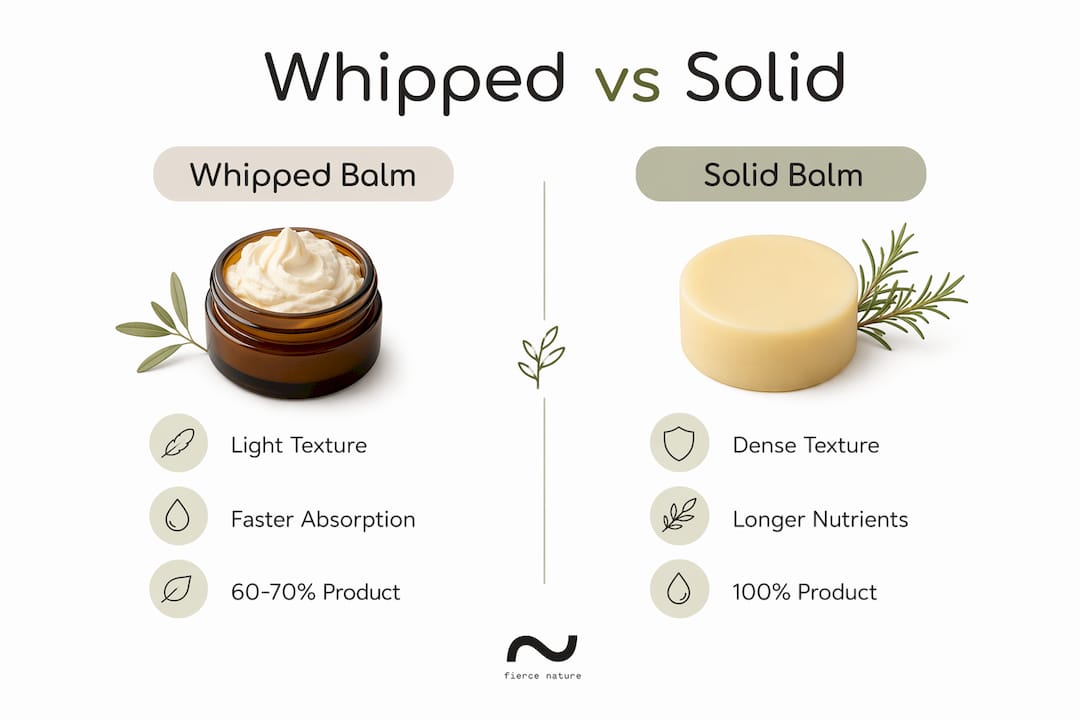
The nutrient preservation point deserves more attention. Traditional balms retain nutrients longer because less air exposure means less oxidation of fat-soluble vitamins. Whipped balms are visually appealing and easier to use, but that convenience comes with a nutritional trade-off if the whipping process is not carefully managed.
The volume question also matters when you are comparing prices. Whipped balm jars often contain 60–70% actual product by volume because the rest is incorporated air. That means a 100ml jar of whipped balm contains significantly less active ingredient than a 100ml jar of solid balm. Always check the net weight on the label, not the jar size, when assessing value.
For skin type guidance: those with normal to dry skin who want a quick, daily moisturiser tend to reach for whipped balm. Those dealing with severely dry skin, eczema-prone patches, or conditions needing intensive overnight repair often benefit more from a dense solid balm. Many people keep both forms to address different needs, using whipped balm daily and solid balm for targeted, heavy-duty moisture treatments.
The uses of whipped balm span from head to toe, and its benefits go well beyond simple moisturisation. Here is what makes it genuinely useful in a daily skincare routine.
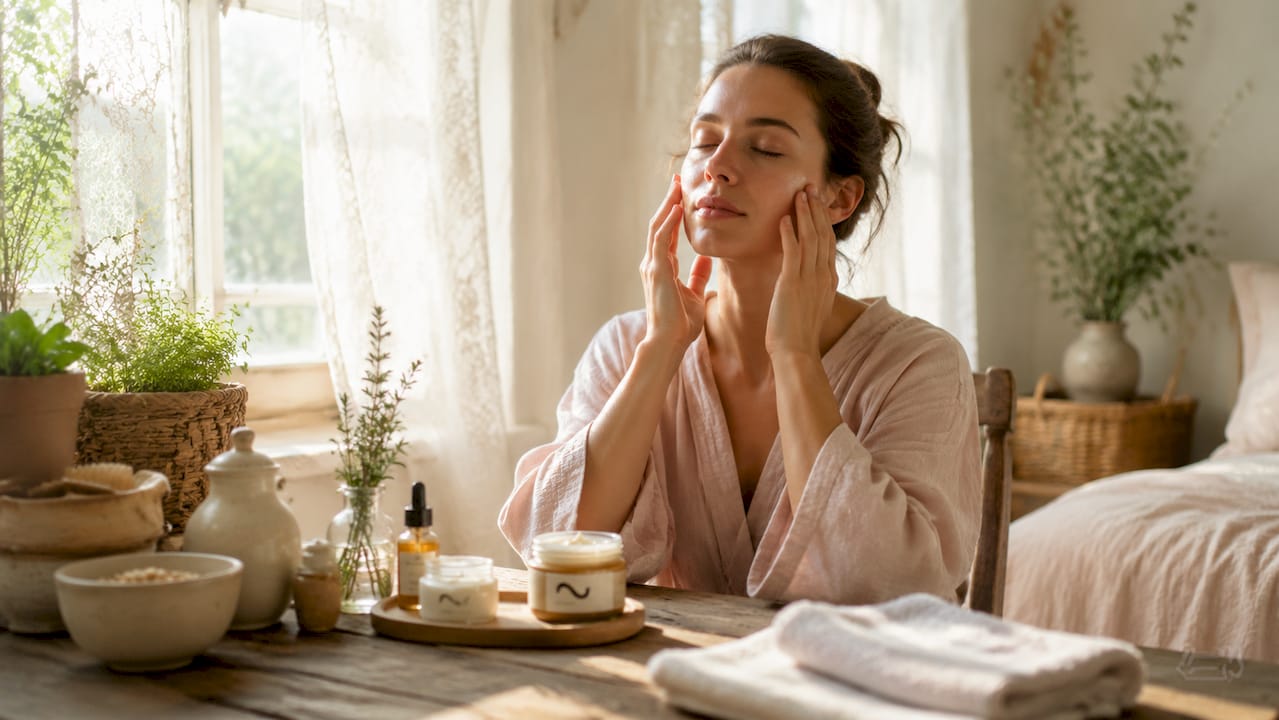
Whipped balm absorbs faster and spreads thinner than dense balms, making it far more practical for everyday facial use. You do not need to wait for it to sink in before getting dressed or applying anything else. That speed of absorption is one reason consumers prioritising rapid absorption and a light feel consistently prefer whipped balm formulations for facial and daily skincare routines.
The whipped balm benefits show up most clearly when you apply it to the right areas at the right time. Common and effective uses include:
Whipped balm works best as a finishing moisture layer, not a standalone hydrator. Water-based products like serums and toners deliver hydration to the skin. Whipped balm then seals that hydration in place by forming a breathable lipid barrier. The recommended amount is approximately one tablespoon for a full-body application and a pea-sized amount for the face. Using more than this does not improve results and can leave the skin feeling congested.
Pro Tip: Apply your whipped balm within two minutes of stepping out of the shower, while your skin is still slightly damp. That brief window is when your skin barrier is most receptive to locking in moisture.
Choosing the right whipped balm and using it correctly makes a real difference to your results. These practical points will help you get the most from every jar.
Whipped balm is more susceptible to oxidation than solid balm because of its increased air content. Proper balm storage extends shelf life and protects the nutrients inside. Keep your jar away from direct sunlight and heat sources. A cool, dry cupboard is ideal. Always use a clean spatula or freshly washed fingertips to scoop product, as introducing bacteria shortens the shelf life significantly.
For those with sensitive or acne-prone skin, patch testing is a sensible first step. Apply a small amount to the inside of your wrist or behind your ear and wait 24 hours before using the product on your face or body.
Whipped balm delivers the nourishing benefits of a dense fat-based balm in a lighter, faster-absorbing format, making it the most practical choice for daily skincare use.
| Point | Details |
|---|---|
| Whipped balm definition | Air is whipped into a fat-based balm to create a lighter, fluffier texture that absorbs faster. |
| Nutrient trade-off | High-speed whipping can degrade vitamins A, D, E, and K; micro-aeration reduces this risk. |
| Volume vs value | Whipped balm jars contain 60–70% actual product; always check net weight when comparing prices. |
| Best application timing | Apply to slightly damp skin immediately after bathing to seal in moisture effectively. |
| Choosing quality | Prioritise net weight, recognisable ingredients, and a stated aeration method when selecting a product. |
At Fierce Nature, we spent a long time working with solid tallow balms before we explored the whipped format. Our honest experience is that both have a genuine place in a thoughtful skincare routine, but they serve different moments.
What surprised us most was how much the whipping process matters beyond just texture. We had assumed that whipping was simply an aesthetic choice, a way to make a product look more appealing on a shelf. What we discovered is that the method of aeration directly affects the nutritional integrity of the product. That realisation pushed us to look seriously at micro-aeration as a more responsible way to deliver a light-textured balm without sacrificing the vitamins that make tallow so effective.
We also want to address a common misconception: a whipped balm is not a lesser product than a solid balm. It is a different tool. If you want fast, daily nourishment that does not interfere with your morning routine, whipped balm is the right choice. If you are dealing with severely dry or compromised skin that needs intensive overnight repair, a denser solid balm will serve you better. The most restorative routines we have seen use both, and that is the approach we recommend.
One thing we feel strongly about is transparency around volume. The fact that a whipped balm jar can be 30–40% air is not inherently dishonest, but it does mean that consumers deserve clear net weight labelling. We believe the skincare industry should make this standard practice, not an afterthought buried in small print.
— Fierce Nature
At Fierce Nature, every balm we make starts with pure organic tallow and a commitment to ingredients that work with your skin, not against it. Our Vanilla Whipped Body Balm brings together organic vanilla bean and tallow in a soft, skin-melting texture that absorbs beautifully after bathing. For the most delicate skin, our Non-toxic Baby Skin Essentials offer the same gentle, natural nourishment in a formula safe enough for newborns. All our products are handmade in the UK, free from synthetic chemicals, and built on the belief that real skin food comes from the land. Explore the full range and find the balm that fits your skin and your routine.
Whipped balm is typically made from a fat base such as tallow, shea butter, or coconut oil, whipped with carrier oils and optional botanicals like calendula or honey to enhance skin benefits and texture.
Neither is universally better. Whipped balm absorbs faster and suits daily use, while solid balm preserves nutrients more effectively and works well for intensive overnight moisture treatments.
Apply a pea-sized amount to the face or approximately one tablespoon to the body on slightly damp skin immediately after bathing, layering it over a water-based serum if desired for deeper hydration.
Yes. Whipped balm jars typically contain 60–70% actual product by volume because the remainder is incorporated air, so always compare products by net weight rather than jar size.
Whipped balm made from natural, minimal ingredients is generally well tolerated, but patch testing on the inner wrist for 24 hours before full application is recommended for sensitive or acne-prone skin.