Cart
0
You may also like



TL;DR:
- Clean beauty in the UK emphasizes transparent, safer ingredients that reduce health risks and environmental impact. Biomonitoring shows that switching to clean products lowers chemical loads in the body, highlighting their significance. Consumers are actively choosing certified products, but labels like “clean” lack regulation, making third-party verification essential for safety.
Clean beauty is defined as personal care made with transparent, safer ingredients that protect your health and the environment. That definition sounds simple, but the reality behind it is anything but. In the UK, 61% of British consumers are concerned about cosmetic ingredient safety, with 37% saying that concern has grown in the past year alone. Understanding why clean beauty UK matters means looking beyond the marketing and into what is actually going on with the products you put on your skin every day.
The case for clean beauty starts with what your skin actually does. It absorbs. Ingredients from moisturisers, shampoos, and body washes enter your bloodstream within minutes of application. That biological reality is why the clean beauty movement in the UK has gained such momentum, and why it deserves serious attention rather than dismissal as a passing trend.

The most compelling evidence for clean beauty comes from biomonitoring research. When teenage participants switched to screened clean products for just five days, their paraben concentrations dropped by 20%–45%. That is not a marginal change. It shows that your daily product choices directly and measurably affect the chemical load your body carries.
Parabens are preservatives found in thousands of conventional products. Phthalates appear in fragranced items and flexible plastics used in packaging. Both are classified as endocrine disruptors, meaning they interfere with hormone signalling. For women, teenagers, and anyone with a compromised skin barrier, that interference is not theoretical. It is measurable in urine and blood samples.
The environmental picture is equally clear. Synthetic chemicals from personal care products enter waterways through shower drainage. Ingredients like certain UV filters have been detected in marine ecosystems and freshwater sources across the UK. Choosing sustainable beauty products reduces that downstream impact, not just your personal toxic load.
Consumer behaviour in the UK reflects growing awareness. 44% of UK consumers have avoided brands specifically because of ingredient safety concerns, and 32% have already switched to perceived clean or natural products. These are not niche figures. They represent millions of people making active purchasing decisions based on what is in the bottle.
The clean beauty benefits for UK consumers extend beyond skin health. Choosing products with disclosed, traceable ingredients supports ethical supply chains, reduces plastic waste through simpler formulations, and encourages brands to take responsibility for what they put on shelves.
Pro Tip: When reading a label, treat “parfum” or “fragrance” as a red flag unless the brand discloses what is inside that blend. A genuinely transparent brand will tell you exactly what creates the scent.
Clean beauty is not a legally defined term in the UK, the EU, or the US. Any brand can print “clean” on its packaging without meeting a single external standard. That regulatory gap is the source of enormous consumer confusion and, frankly, a great deal of cynicism.
Brands can label products “clean” without any defined criteria or third-party verification. This means a product marketed as clean could still contain synthetic fragrances, petroleum derivatives, or ingredients with contested safety profiles. The word functions as a marketing signal, not a safety guarantee.
The fragrance loophole makes this worse. 70% of analysed “clean” hair products contained “fragrance” or “parfum” labelling, which can conceal dozens of individual chemicals. This is particularly concerning for women of colour who use textured hair products, as these products tend to have higher chemical concentrations and more frequent application. The “clean” label offered no actual protection in those cases.
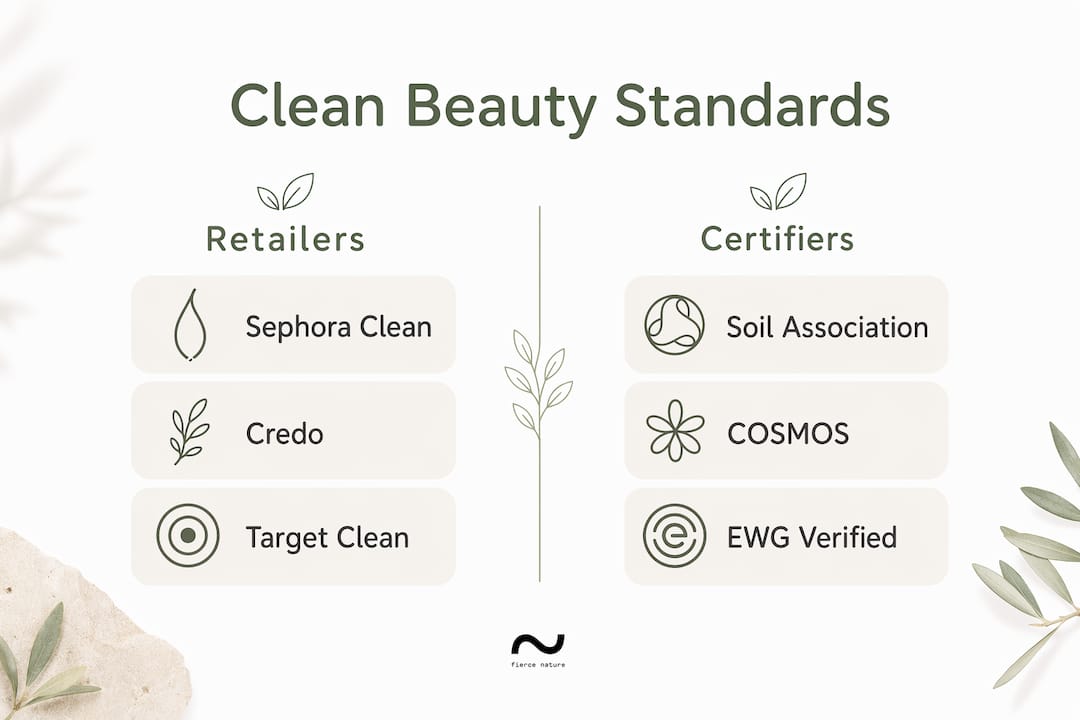
Different retailers and certifying bodies apply different standards. The table below shows how major frameworks approach the concept.
| Framework | Who sets the standard | Key restrictions | Third-party verified? |
|---|---|---|---|
| Sephora Clean | Sephora (retailer) | Bans 50+ ingredients | No |
| COSMOS Organic | ECOCERT / Soil Association | Strict natural/organic sourcing | Yes |
| EWG Verified | Environmental Working Group | Bans 1,300+ substances | Yes |
| Soil Association Organic | Soil Association (UK) | Organic sourcing, no synthetics | Yes |
| Brand self-certified “clean” | The brand itself | No fixed standard | No |
The Soil Association and COSMOS certifications are the most credible options available to UK consumers. They require independent auditing and prohibit a defined list of substances. Self-certified “clean” claims carry no such assurance.
Pro Tip: Look for the Soil Association or COSMOS logo on product packaging. These are independently verified and mean the brand has met a published, auditable standard, not just written “clean” on a label.
A common misconception is that “natural equals safe.” This is not accurate. Poison ivy is natural. Arsenic is natural. The relevant question is not whether an ingredient comes from a plant or a laboratory. The relevant question is whether it has been tested, at what dose it becomes harmful, and whether it is disclosed on the label. Understanding greenwashed beauty claims is part of becoming a genuinely informed buyer.
Clean beauty is a starting point, not a complete solution. Experts who study cosmetic safety consistently note that the movement has real value but also real limitations that consumers deserve to understand.
Some of the most clinically proven cosmetic actives are largely absent from clean beauty lines. Retinoids, for example, are synthetic derivatives of vitamin A with decades of peer-reviewed evidence supporting their effectiveness for skin renewal and collagen production. Many clean beauty brands substitute bakuchiol, a plant-derived alternative, which has far less clinical evidence behind it and is likely less potent. That trade-off is worth knowing before you make the switch.
The same applies to certain sunscreen actives. Mineral sunscreens using zinc oxide and titanium dioxide are widely accepted in clean beauty circles. Chemical filters like oxybenzone are often excluded. The science on oxybenzone’s human health impact is genuinely contested, but the exclusion of all chemical filters can limit the elegance and wearability of sun protection formulations.
“The dose makes the poison.” This principle from toxicology is central to understanding clean beauty debates. Many ingredients flagged by clean beauty advocates are harmful only at concentrations far above those used in cosmetics. Equally, some “natural” ingredients carry real risks at cosmetic doses.
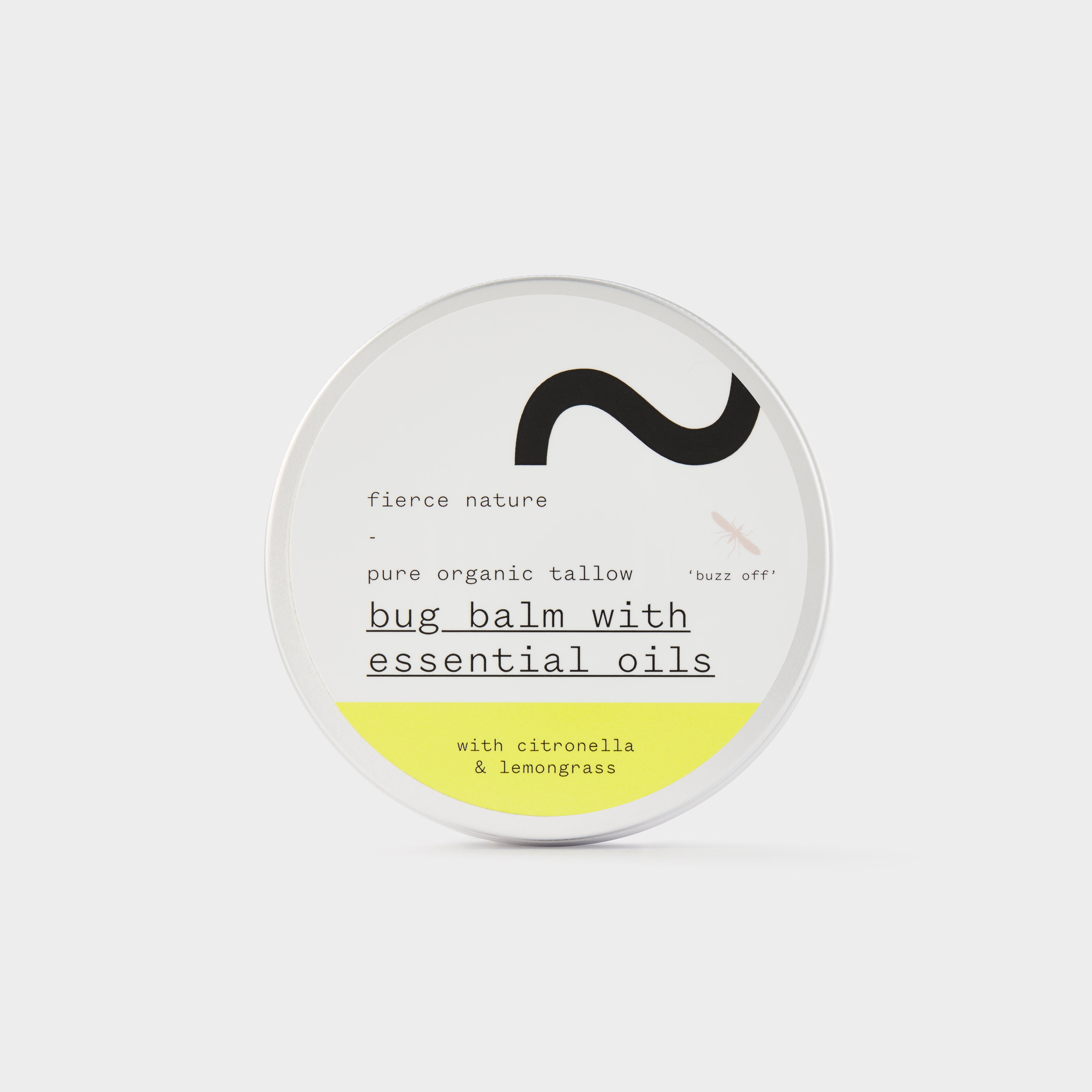
Plant-based ingredients can carry inconsistency and contamination risks that synthetic alternatives do not. Essential oils, for instance, are among the most common causes of contact dermatitis in the UK. A product free from parabens but loaded with undiluted essential oils is not automatically safer for sensitive skin.
Synthetic preservatives also serve a genuine function. Removing preservatives without adequate replacements can introduce microbial contamination risks, particularly in water-based formulations. A contaminated product is a health risk regardless of how “clean” its ingredient list appears.
Public health advocates argue that the burden of navigating ingredient safety should not fall entirely on individual consumers. Regulatory bodies and manufacturers should bear primary responsibility for ensuring products are safe before they reach shelves. That structural argument is correct, and it does not make your personal choices irrelevant in the meantime.
Navigating the clean beauty market takes a clear approach. The good news is that a few consistent habits make a significant difference to both your health and your purchasing confidence.
Read the full ingredient list. Ingredients are listed in descending order of concentration. The first five ingredients make up the bulk of the product. If you see “parfum” or “fragrance” in the top half of the list, that is worth questioning.
Prioritise third-party certified products. Look for the Soil Association Organic, COSMOS, or EWG Verified logos. These certifications require brands to meet published standards and submit to independent auditing.
Avoid the highest-risk ingredients first. You do not need to overhaul everything at once. Start with products that stay on your skin longest: moisturisers, body butters, and leave-in treatments. Rinse-off products like shampoo carry lower absorption risk.
Use the INCI name, not the marketing name. The International Nomenclature of Cosmetic Ingredients (INCI) system gives every ingredient a standardised name. When a brand says “plant-derived squalane,” the INCI list will confirm whether it is truly plant-sourced or petroleum-derived.
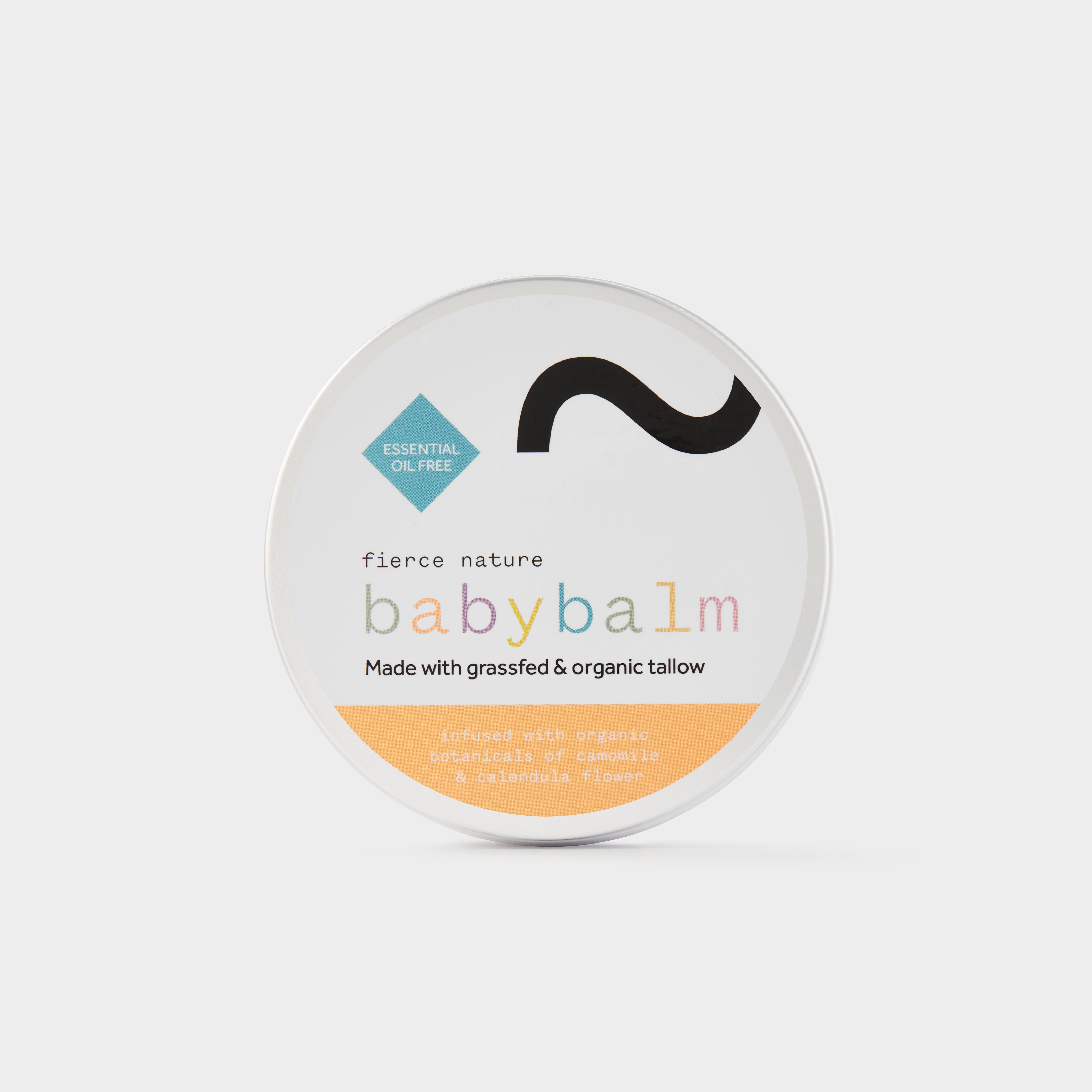
Check the tallow balm safety guide for UK skin. Animal-derived ingredients like tallow have a long history of safe use and high bioavailability, making them a credible alternative to synthetic emollients for those seeking genuinely simple formulations.
Understand that retailer “clean” lists are not regulation. The Modernization of Cosmetics Regulation Act 2022 (MoCRA) in the US increased ingredient disclosure requirements and registered over 9,500 facilities, but it does not define or regulate “clean beauty” claims. UK and EU regulations are stricter than US standards on banned substances, but neither framework defines “clean.” Retailer standards fill a gap, but they are voluntary and variable.
Start with your highest-use products. The average person uses 9–12 personal care products daily. Switching everything at once is unnecessary. Prioritise the products you use most frequently and in the largest quantities.
Pro Tip: The Environmental Working Group’s Skin Deep database lets you search any cosmetic ingredient and see its safety rating based on published research. It is free to use and a genuinely useful starting point for ingredient education.
Clean beauty in the UK matters because ingredient transparency directly reduces your measurable toxic load, and certified products are the only reliable way to verify that a “clean” claim is real.
| Point | Details |
|---|---|
| Toxic load is measurable | Switching to screened products reduced paraben levels by 20%–45% in just five days. |
| “Clean” has no legal definition | Any brand can use the term; only third-party certifications like COSMOS or Soil Association carry real weight. |
| Natural does not mean safe | Plant-based ingredients can cause allergies and contamination; dose and disclosure matter most. |
| UK consumers are already switching | 44% have avoided brands over ingredient concerns; 32% have already changed their purchasing habits. |
| Regulation alone is not enough | Voluntary retailer standards and consumer awareness both play a role until stronger legislation arrives. |
The conversation around clean beauty has changed significantly in the past decade. When Fierce Nature started, the idea that your moisturiser could be contributing to hormonal disruption or gut health issues was considered fringe thinking. Now it is backed by biomonitoring data and taken seriously by public health researchers. That shift matters.
What we have learned from years of formulating with tallow and naturally sourced ingredients is that simplicity is genuinely protective. The fewer ingredients a product contains, the less opportunity there is for something problematic to hide. A five-ingredient tallow balm is not a compromise. It is a choice grounded in centuries of use and modern understanding of skin biology.
We are also honest about the limits of the clean beauty label. We do not use it carelessly. Fierce Nature products are handmade in the UK, and every ingredient is disclosed without exception. We believe that transparency is not a marketing strategy. It is the minimum standard a brand should meet.
The regulatory environment in the UK and EU is moving in the right direction, with stricter ingredient bans and better disclosure requirements than most global markets. But regulation moves slowly. In the meantime, your choices as a consumer send a clear signal to the industry. Brands respond to purchasing behaviour. When you choose products with disclosed, traceable ingredients, you are participating in a shift that benefits everyone.
The future of clean beauty in the UK is not about perfection. It is about progress. Choosing better products, asking harder questions of brands, and supporting manufacturers who take ingredient safety seriously. That is a movement worth being part of.
— Fierce Nature
If this article has prompted you to look more carefully at what is in your skincare, Fierce Nature is a natural starting point. Every product is handmade in the UK using pure organic tallow as the foundation, with full ingredient transparency and no synthetic fragrances, parabens, or hidden chemicals. The Nourish Balm is a bestseller for good reason: five clean ingredients, deeply nourishing, and suitable for sensitive skin. For those new to tallow-based skincare, the Multi-Use Tallow Bar offers a gentle, versatile introduction. Browse the full natural beauty collection to find products that work with your skin, not against it.
Clean beauty refers to personal care products formulated with transparent, safer ingredients that avoid substances linked to health or environmental harm. The term has no legal definition in the UK, so third-party certifications like COSMOS or Soil Association Organic are the most reliable indicators of genuine clean standards.
UK and EU cosmetic regulations ban more substances than US law, but neither framework legally defines “clean beauty.” Brands can self-apply the label without meeting any external standard, which is why independent certification matters.
Yes, measurably so. Biomonitoring research showed a 20%–45% reduction in paraben concentrations after just five days of using screened clean products. Reducing daily exposure to endocrine-disrupting chemicals has a direct and rapid effect on the body’s chemical burden.
No. Natural and clean are not interchangeable. Natural ingredients can cause allergic reactions, carry contamination risks, and vary in potency. Clean beauty is about ingredient transparency and safety evidence, not simply whether something comes from a plant or a laboratory.
Look for independently verified certifications such as COSMOS, Soil Association Organic, or EWG Verified. Check that the full ingredient list is disclosed using INCI names, and be cautious of any brand that uses “parfum” or “fragrance” without explaining what is inside that blend.