Cart
0
You may also like




Sensitive skin is a common concern affecting millions of people across the UK. If your skin frequently reacts with redness, stinging, dryness or irritation after using certain products or being exposed to weather changes, you may have sensitive skin.
This complete guide explains what sensitive skin is, what causes it, how to build the right skincare routine, which ingredients to avoid, and how to strengthen your skin barrier for long-term improvement.
Sensitive skin is not a medical diagnosis but a skin type characterised by increased reactivity. It occurs when the skin barrier becomes compromised, allowing irritants to penetrate more easily and moisture to escape.
People with sensitive skin may experience discomfort even when using products that work well for others.
Common signs include:
Redness
Burning or stinging sensations
Itching
Tightness
Dry patches
Rashes or small bumps
Sensitivity can be temporary or long-term, depending on the cause.
There are several possible triggers for sensitive skin.
The outermost layer of your skin (the skin barrier) protects against environmental stressors. When this barrier is weakened, it allows irritants to enter and water to escape, leading to dryness and inflammation.
Ingredients such as alcohol, artificial fragrance and strong exfoliating acids can strip natural oils and disrupt the skin barrier.
Cold wind, damp weather and indoor heating during winter can dehydrate skin and worsen sensitivity.
Using scrubs, AHAs, BHAs or retinol too frequently can compromise the skin’s protective layer.
Conditions such as:
Eczema
Rosacea
Contact dermatitis
can make skin significantly more reactive.
Stress and hormonal fluctuations can affect the skin barrier and trigger inflammation.
A gentle, consistent skincare routine is essential.
Choose a cleanser that is:
Fragrance-free
Sulphate-free
Low-foaming
pH-balanced
Avoid cleansers that leave your skin feeling tight or squeaky clean.
Look for ingredients such as:
Ceramides
Hyaluronic acid
Glycerin
Panthenol
Colloidal oatmeal
These help repair and strengthen the skin barrier.
Fragrance is one of the most common irritants. Choose products labelled “fragrance-free”, not simply “unscented”.
Choose a gentle SPF 30 or higher. Mineral sunscreens containing zinc oxide or titanium dioxide are often better tolerated by sensitive skin types.
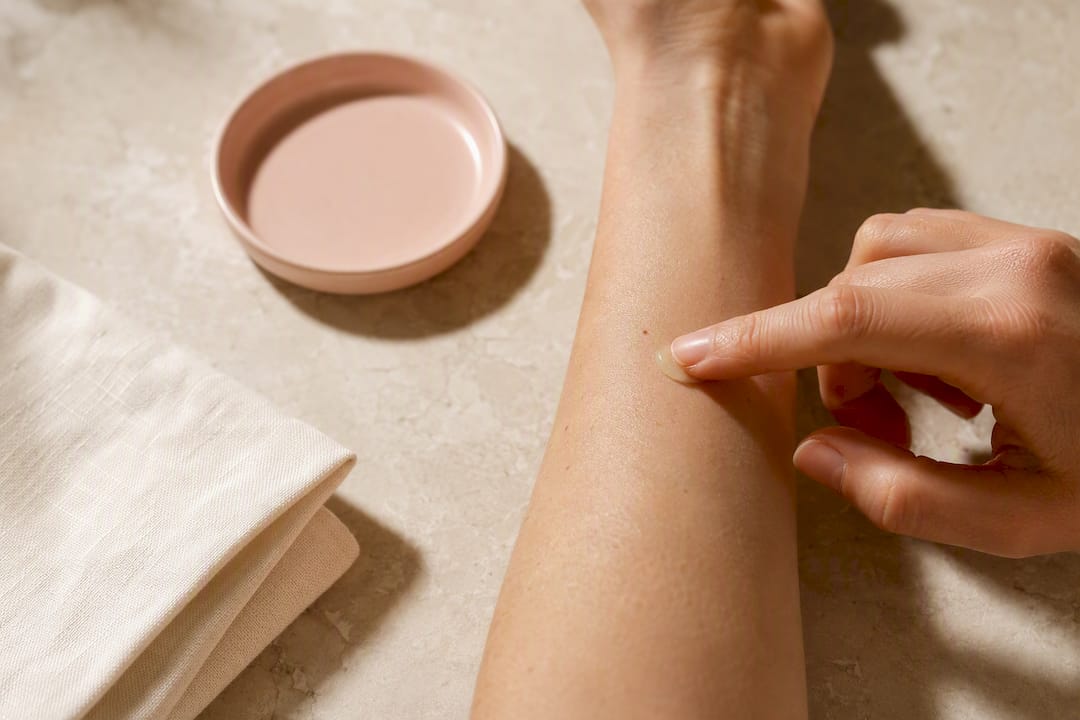
Always patch test a new product on your inner arm or behind your ear for 24 hours before applying to your face.
To reduce flare-ups, avoid:
Alcohol denat
Artificial fragrance
Essential oils (in high concentrations)
Menthol or peppermint
Harsh exfoliating acids
Strong retinoids without guidance
Sodium lauryl sulphate (SLS)
Less is often more when caring for sensitive skin.
Look for calming and protective ingredients such as:
Niacinamide
Aloe vera
Chamomile extract
Ceramides
Oat extract
Squalane
Panthenol
These ingredients support barrier repair and reduce inflammation.
Sensitive skin and dry skin are not the same, though they often overlap.
Dry skin lacks oil and moisture.
Sensitive skin reacts easily to irritants.
You can have:
Dry and sensitive skin
Oily and sensitive skin
Combination and sensitive skin
The key is strengthening the skin barrier regardless of skin type.
Improving the skin barrier reduces long-term sensitivity.
Simplify your skincare routine
Avoid over-exfoliating
Moisturise consistently
Avoid frequent product switching
Stay hydrated
Manage stress levels
Consistency is more important than using many products.
Seek professional advice if you experience:
Persistent redness
Severe itching
Cracked or bleeding skin
Swelling
Signs of infection
If sensitivity is linked to eczema or rosacea, prescription treatment may be required.
Many people unintentionally make their skin worse by:
Using too many active ingredients
Following viral skincare trends
Switching products frequently
Using physical scrubs aggressively
Over-cleansing
Minimalism is often the best approach.
Sensitive skin requires patience, gentle care and a focus on strengthening the skin barrier. By avoiding harsh ingredients, simplifying your routine and using calming, protective formulations, you can significantly reduce irritation and improve skin comfort.
For more information about us feel free to visit -> Fierce Nature