Cart
0
You may also like



TL;DR:
- UK cosmetics regulations now ban 16 new carcinogenic, mutagenic, or reproductive toxins to improve safety. Consumers should check ingredient lists for harmful substances and prefer transparent, fragrance-free, and certified products to reduce health risks. Despite legal updates, product formulations prior to bans may still be on shelves until February 2027, making label literacy essential.
Toxic chemicals in UK cosmetics are substances classified as harmful to human health, now subject to stricter bans and restrictions under updated UK law. The UK government introduced Statutory Instrument 2026/23, prohibiting 16 new carcinogenic, mutagenic, or reproductively toxic (CMR) substances from cosmetic products, with a market entry deadline of 15 august 2026. Alongside these CMR bans, the UV filter 4-Methylbenzylidene Camphor (4-MBC) is prohibited from 15 july 2026, and the threshold triggering a formaldehyde warning label has been cut from 0.05% to 0.001%. These changes affect everything from moisturisers and nail products to sunscreens and hair care. Understanding which ingredients are now banned, which health risks they carry, and how to read a label confidently gives you real power over what you put on your skin every day.

The UK government banned 16 new CMR substances from cosmetic products, with a hard market entry deadline of 15 august 2026 and an off-shelf deadline of 14 february 2027. CMR stands for carcinogenic, mutagenic, or reproductively toxic. These are the three categories of harm regulators treat most seriously in consumer products.
The 2026 prohibited list includes substances found in nail products, hair dyes, UV filters, and preservative systems. Several of these chemicals were previously permitted at low concentrations, meaning products already on shelves may still contain them until the off-shelf deadline passes.
Key substances now banned or restricted include:
The formaldehyde threshold change is a fifty-fold reduction. That scale forces brands to either reformulate or add warning labels to products that were previously compliant without any labelling requirement.
Pro Tip: Check the manufacture date on your existing cosmetics. Products made before august 2026 may still contain newly banned substances and can legally remain on shelves until february 2027.
The transitional deadlines matter for you as a shopper. A product sold in a UK pharmacy or beauty retailer today could still contain 4-MBC or a formaldehyde-releaser if it was manufactured before the ban took effect. Reading the ingredient list remains your most reliable protection.
CMR substances cause harm through three distinct biological pathways. Carcinogens damage DNA in ways that can trigger cancer. Mutagens alter genetic material directly. Reproductive toxins interfere with fertility, foetal development, or hormonal function. The 16 newly banned substances fall into one or more of these categories.
Formaldehyde releasers are preservatives that slowly break down and emit formaldehyde gas onto the skin. Formaldehyde is a known human carcinogen. Products like some nail hardeners, hair straightening treatments, and certain moisturisers have historically used these preservatives to extend shelf life.
Parabens present a different kind of concern. Parabens may act as weak oestrogens, meaning they can mimic the hormone oestrogen in the body. The cancer risk research on parabens remains mixed, but a precautionary approach is well supported. Gradually replacing frequently used products reduces your overall chemical load without requiring a complete overhaul of your routine.
“Incremental changes to reduce chemical load are a more realistic and sustainable strategy for most people than attempting to replace everything at once.” — Breast Cancer Prevention Partners
PFAS (per- and polyfluoroalkyl substances) are a group of synthetic chemicals used to create long-lasting, waterproof effects in cosmetics. PFAS are associated with health risks including hormonal disruption and immune system effects. They accumulate in the body over time and do not break down easily in the environment.
Hidden phthalates add another layer of risk. Phthalates are plasticising chemicals linked to reproductive toxicity. They frequently appear in cosmetics not as named ingredients but concealed within the generic term “fragrance” on the label. This makes them almost invisible to the average shopper reading an ingredient list.
Heavy metals including lead, arsenic, and cadmium appear in cosmetics as unintentional contaminants from raw material sourcing. These are not added deliberately but accumulate through manufacturing processes. Repeated daily application of a contaminated product builds up exposure over months and years.
Reading a cosmetic ingredient list is a skill, and it is one worth developing. Ingredients are listed in descending order of concentration under UK cosmetic labelling rules. The most concerning substances often appear near the bottom of the list, but low concentration does not mean zero risk with daily use.
Phthalates are frequently hidden under the word “fragrance” on ingredient labels. Consumer Reports advises choosing fragrance-free products or products that fully disclose every component of their fragrance blend. If a label simply says “parfum” or “fragrance” without further detail, you have no way of knowing what is inside.
Practical steps to reduce your exposure:
Pro Tip: The Skin Safe database lets you search a product by name and see a full breakdown of its ingredients against safety classifications. It takes under two minutes and is free to use.
“Natural” or “organic” labels do not guarantee the absence of toxic chemicals. Some naturally derived ingredients carry their own risks, and the terms are not tightly regulated in the UK. Transparency through full ingredient disclosure and third-party verification is a more reliable guide than front-of-pack marketing language. Learning to choose organic skincare wisely means going beyond the label claim and into the actual formulation.
Greenwashing is widespread in the beauty industry. A product marketed as “clean” or “green” may still contain parabens, synthetic fragrances, or formaldehyde-releasers. Understanding greenwashed beauty products and how to spot them is one of the most useful skills a conscious shopper can build.
Not every harmful substance in a cosmetic product is intentionally added. Unintentional contaminants are byproducts of manufacturing or raw material sourcing that end up in the finished product without appearing on the ingredient label.
Contaminants like 1,4-dioxane and trace heavy metals are frequently present in cosmetics but are not listed on ingredient labels. 1,4-dioxane is a probable human carcinogen that forms as a byproduct when certain surfactants are manufactured. It has been detected in shampoos, body washes, and bubble baths. Regulators are increasingly focused on these impurities as a distinct safety concern.
| Contaminant | Common source in cosmetics | Health concern |
|---|---|---|
| 1,4-Dioxane | Ethoxylated surfactants (e.g. sodium laureth sulphate) | Probable human carcinogen |
| Lead | Pigments and colour additives | Neurotoxin; accumulates in body |
| Arsenic | Natural mineral-derived ingredients | Carcinogen; toxic to organs |
| Cadmium | Pigments and raw material impurities | Kidney damage; carcinogenic |
| Vinyl chloride | Aerosol propellants | Known human carcinogen |
These contaminants accumulate in the body with repeated daily use. A single application carries negligible risk. Years of daily exposure to a contaminated product is a different matter entirely.
Practical steps to reduce contaminant exposure include choosing products from brands that publish third-party safety testing results, avoiding aerosol products where vinyl chloride contamination is a known risk, and prioritising formulations with shorter, simpler ingredient lists. Fewer ingredients generally means fewer opportunities for contamination to occur during manufacturing.
UK safety authorities are tightening their focus on trace contaminants as a regulatory priority. The 2026 amendments signal that impurity management is no longer a secondary concern. Brands that cannot demonstrate clean manufacturing processes face increasing compliance pressure.
The 2026 regulatory changes represent the most significant update to UK cosmetic safety rules since the country established its own post-Brexit regulatory framework. The UK Cosmetics Regulation now operates independently from EU rules, though the two frameworks remain closely aligned in many areas.
The ban on 16 CMR substances closes gaps that allowed certain reproductive toxins and carcinogens to remain in products at low concentrations. The 4-MBC ban removes a UV filter that had raised concerns about hormonal disruption for several years. The formaldehyde labelling change is particularly significant because it forces transparency on a known carcinogen that was previously present in many products without any consumer warning.
For shoppers, the practical implication is straightforward. Products manufactured before the ban deadlines can remain on shelves until 14 february 2027. You may still encounter non-compliant products in discount retailers, online marketplaces, and smaller independent shops. Checking manufacture dates and ingredient lists remains necessary even after the bans take effect.
The 2026 UK cosmetics regulation updates also increase pressure on brands to audit their full supply chains. A brand may not intentionally use a banned substance, but if a supplier’s raw material contains it as an impurity, the brand carries regulatory responsibility. This supply chain scrutiny benefits consumers by raising the baseline quality of ingredients entering the market.
Brands are auditing formulations for formaldehyde-releasers to meet the new 0.001% labelling threshold. Many products that were previously compliant now require either reformulation or updated warning labels. This process is ongoing across the industry throughout 2026.
Switching to safer beauty products does not require sacrificing performance. The most effective natural alternatives replace synthetic preservatives, UV filters, and fragrances with ingredients that have long safety records and genuine skin benefits.
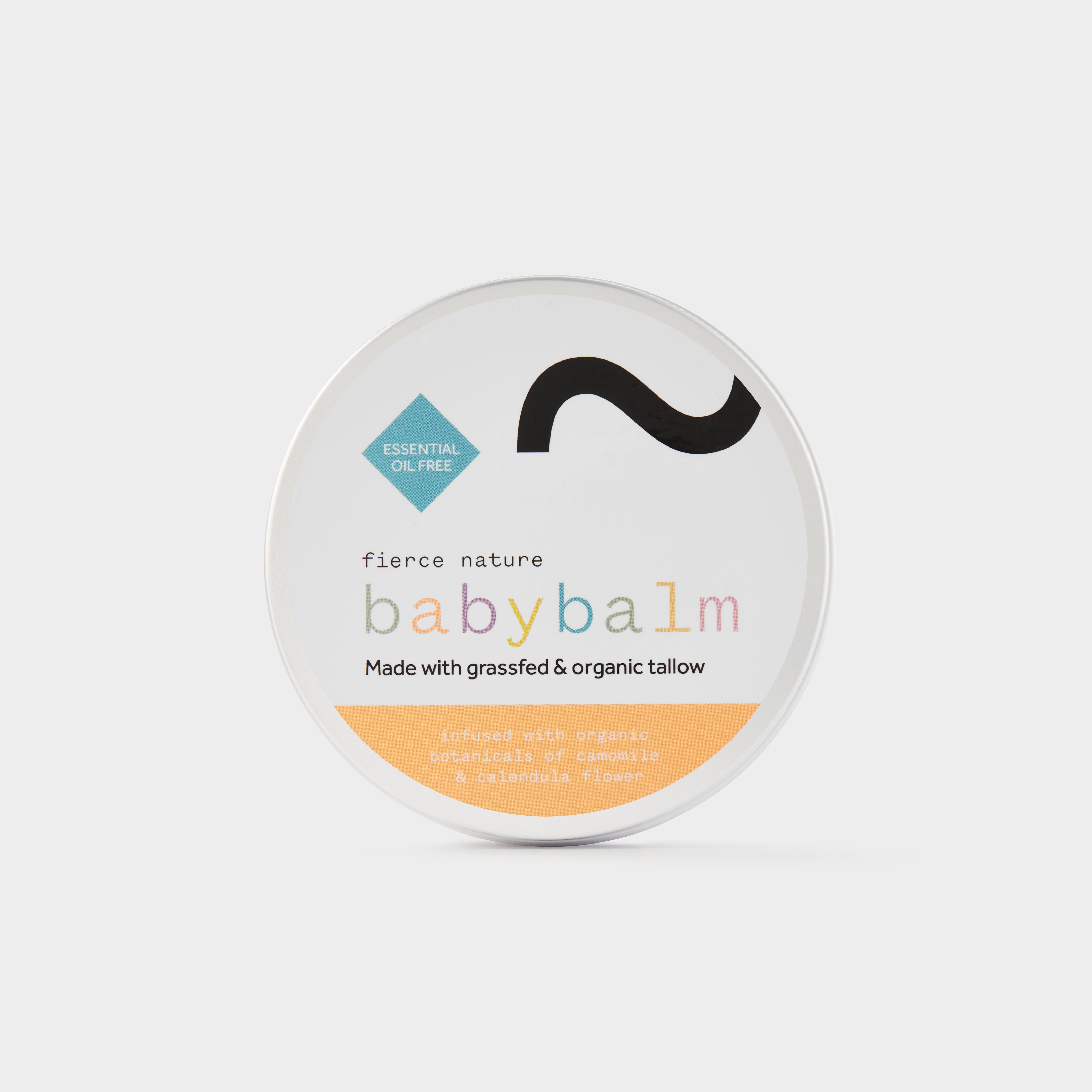
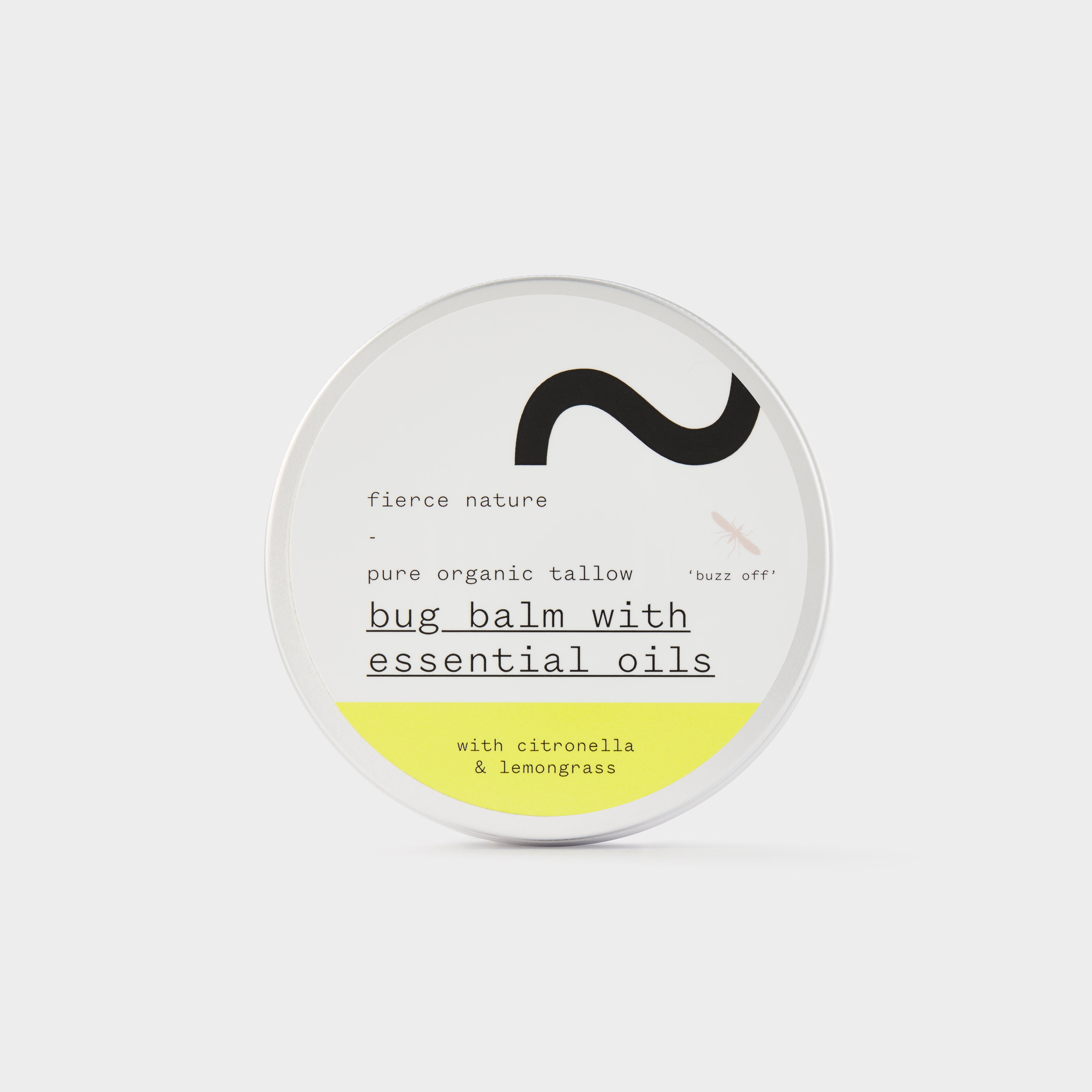
Tallow is one of the oldest skin emollients in recorded use. Its fatty acid profile closely mirrors the lipids found naturally in human skin, which is why it absorbs deeply without leaving a heavy residue. Fierce Nature builds its entire skincare range on organic tallow as the foundation, avoiding synthetic preservatives, parabens, and artificial fragrances entirely. A tallow balm delivers nourishment through ingredients your skin already recognises.
Plant-based oils such as rosehip, jojoba, and sea buckthorn offer antioxidant and restorative properties without the need for synthetic stabilisers. Beeswax and shea butter provide natural barrier protection. These ingredients have centuries of use behind them and well-documented safety profiles.
When building a natural skincare routine, the most useful principle is to reduce the total number of products you use daily. Fewer products means fewer ingredients, fewer potential contaminants, and a lower overall chemical load. A single multi-use balm replacing three separate synthetic products is a meaningful reduction in exposure.
The key distinction between a genuinely clean product and a greenwashed one is full ingredient transparency. Every ingredient should be named on the label using its INCI (International Nomenclature of Cosmetic Ingredients) name. If a brand cannot or will not disclose every component of a fragrance blend, that is a clear signal to look elsewhere.
Toxic chemicals in UK cosmetics are now subject to the strictest bans in the country’s regulatory history, making label literacy and ingredient transparency the most reliable tools for safer choices.
| Point | Details |
|---|---|
| 2026 bans are significant | 16 CMR substances and 4-MBC are prohibited; off-shelf deadline is 14 february 2027. |
| Formaldehyde threshold tightened | The warning label threshold dropped from 0.05% to 0.001%, a fifty-fold reduction. |
| Fragrance hides phthalates | “Fragrance” or “parfum” on a label may conceal reproductive toxins; choose fragrance-free where possible. |
| Contaminants are unlisted | 1,4-dioxane and heavy metals do not appear on labels but accumulate with daily use. |
| “Natural” labels are not enough | Full ingredient disclosure and third-party tools like Skin Safe are more reliable than marketing claims. |
Growing up in South Africa, I used the same mainstream cosmetics, shaving gels, and lipsticks as everyone else. I battled skin rashes and reactions for years without understanding why. Nobody told me that the products I trusted were full of synthetic preservatives, artificial fragrances, and chemicals with no business being on human skin.
The 2026 regulatory changes are genuinely welcome. Banning CMR substances and tightening formaldehyde labelling are meaningful steps. But regulation is always reactive. It bans what has already been proven harmful after years of consumer exposure. The chemicals being prohibited in 2026 were present in products sold to UK shoppers for decades before the law caught up.
What I have learned from building Fierce Nature is that the most powerful shift is not waiting for regulators to remove the next harmful ingredient. It is choosing products where you can read and understand every single ingredient on the label. Tallow, beeswax, rosehip oil, and sea buckthorn do not require a chemistry degree to evaluate. They are ingredients your great-grandmother would recognise.
The gradual substitution approach is the one I recommend to everyone. You do not need to throw out everything in your bathroom at once. Start with the products you use most frequently and for the longest time, your daily moisturiser, your body lotion, your lip balm. Replace those first. The cumulative reduction in chemical load is real and meaningful, even if each individual swap feels small.
The beauty industry is built on the promise that its products will improve your life. Some of them genuinely do. But that promise should never come at the cost of your long-term health. Read the label. Ask for transparency. Choose brands that have nothing to hide.
— Fierce Nature
If the 2026 bans have prompted you to look more carefully at what is in your skincare, Fierce Nature offers a straightforward starting point. Every product is handmade in the UK using organic tallow, plant-based oils, and naturally sourced ingredients, with no synthetic preservatives, parabens, or artificial fragrances. The non-toxic baby skin essentials range is formulated for the most sensitive skin, free from every substance now banned or restricted under UK law. For a complete picture of what a clean routine looks like in practice, the toxin-free skincare routine guide walks you through every step with product recommendations grounded in ingredient transparency, not marketing claims.
CMR substances are chemicals classified as carcinogenic, mutagenic, or reproductively toxic. The UK banned 16 new CMR substances from cosmetics with a market entry deadline of 15 august 2026.
No. 4-Methylbenzylidene Camphor (4-MBC) is prohibited from UK cosmetics from 15 july 2026. Products containing it manufactured before that date can remain on shelves until 14 february 2027.
Look for preservative names including DMDM hydantoin, imidazolidinyl urea, diazolidinyl urea, and quaternium-15 on the ingredient list. From 15 july 2026, any product releasing formaldehyde above 0.001% must carry a warning label.
No. “Natural” or “organic” labels do not guarantee the absence of toxic chemicals. Full ingredient disclosure and third-party verification through tools like Skin Safe are more reliable indicators of safety.
PFAS are synthetic chemicals used in long-wear and waterproof cosmetics. PFAS accumulate in the body and are associated with hormonal disruption and immune effects. Avoiding long-wear and waterproof formulations is the most practical way to reduce exposure.