Cart
0
80% Also Added this




TL;DR:
- Organic certified skincare products are verified by independent bodies to meet strict standards for organic farming, processing, and formulation. Certification ensures ingredients are grown without synthetic chemicals and processed with approved methods, distinct from unverified “natural” or “clean” labels. Consumers should look for trusted logos and percentage disclosures to confirm genuine organic content and avoid greenwashed products.
Organic certified skincare is defined as a product whose ingredients have been independently verified to meet strict standards for organic farming, processing, and formulation. The term “organic certified” is the recognised industry standard, distinct from the looser marketing phrase “natural” or “clean beauty.” Certification bodies such as the Soil Association and COSMOS issue these approvals only after auditing every stage of production. Understanding what organic certification actually means helps you cut through the noise, read labels with confidence, and choose products that genuinely nourish your skin rather than simply promise to do so.
Organic certified skincare means a product has passed an independent audit confirming its ingredients were grown and processed under defined organic conditions. The certification covers far more than the farm. It extends to how ingredients are extracted, how the product is manufactured, and how it is packaged.

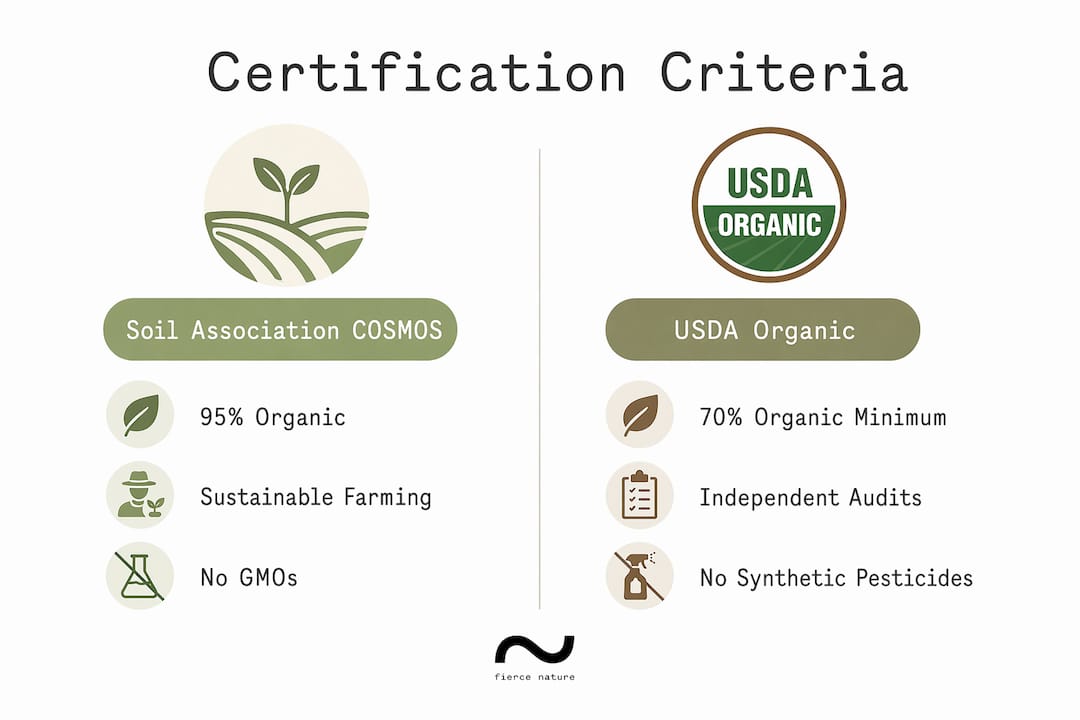
The Soil Association’s COSMOS organic certification requires that at least 95% of agricultural ingredients are produced under certified organic conditions. That figure applies to the plant-based ingredients in the formula, not the entire product weight including water. COSMOS also sets a minimum threshold for the finished product: at least 20% of the total formula must be certified organic, or 10% for rinse-off products such as cleansers. These thresholds exist because water and minerals cannot be certified organic, so the rules account for that reality.
Organic certification is not a single tick box. The standards address several distinct areas of production:
Ingredient origin. Agricultural ingredients must be grown without synthetic pesticides, herbicides, or fertilisers. Genetically modified organisms are prohibited entirely.
Processing restrictions. Ingredients cannot be processed using petrochemical solvents, irradiation, or certain chemical treatments. Only approved processing methods are permitted.
Prohibited substances. COSMOS bans parabens, phthalates, synthetic dyes, and synthetic fragrances. These are not simply discouraged; they disqualify a product from certification.
Packaging requirements. Brands must demonstrate efforts toward sustainable and recyclable packaging as part of the certification process.
Annual audits. Certification is not a one-time award. Brands undergo annual audits to confirm continued compliance.
The USDA Organic standard, used primarily in the United States, follows a similar model. A product carrying the USDA Organic seal must contain at least 95% certified organic ingredients, excluding water and salt. This parallels COSMOS requirements and confirms that rigorous organic standards share a common logic across different certification systems.
Pro Tip: Look for the specific certification body’s logo on the product, not just the word “organic” on the label. The Soil Association leaf logo and the COSMOS stamp are the most widely recognised marks in the UK.
Certified organic, natural, and clean beauty are three different things. Consumers often use these terms interchangeably, but they describe fundamentally different standards.
Clean and organic beauty focus on different aspects entirely. Clean beauty is concerned with ingredient safety and the absence of potentially harmful chemicals, regardless of where those ingredients came from. A clean beauty product might contain a synthetic ingredient that is considered safe by toxicologists. Organic certification, by contrast, is concerned with ingredient origin and farming practices. An organic certified product must use ingredients grown without synthetic inputs, whether or not those inputs would be considered harmful.
Natural skincare sits somewhere between the two. Natural products do not need to be certified organic and can include synthetic ingredients. The word “natural” has no regulatory definition in cosmetics. Any brand can use it freely, without independent verification.
| Label | Regulated? | Ingredient origin focus | Safety focus | Independent audit? |
|---|---|---|---|---|
| Organic certified | Yes, by bodies like Soil Association or COSMOS | Yes, organic farming required | Yes, bans harmful synthetics | Yes, annual |
| Natural | No | Partial, no legal definition | Varies by brand | No |
| Clean beauty | No | No | Yes, avoids specific toxins | No |
The table makes the distinction clear. Only organic certification comes with independent verification. Natural and clean beauty are brand promises, not audited standards. This does not mean natural or clean products are inferior. It means you are relying on the brand’s own judgement rather than an external body’s scrutiny. For those who want verified assurance, organic certification is the only route that delivers it.
Cosmetics companies can label products as “organic” without independent certification, making misleading claims entirely legal in the UK. This is the single most important fact to understand when reading skincare labels. The word “organic” on its own means nothing without a certification logo to back it up.
Genuine organic certified products carry a recognisable symbol from an accredited body. In the UK, the most trusted marks are:
The Soil Association logo. A green leaf symbol that confirms COSMOS organic or COSMOS natural certification.
The COSMOS stamp. Used by multiple European certification bodies including Ecocert, BDIH, and Cosmebio.
NATRUE. A German certification body with its own tiered standard for natural and organic cosmetics.
Beyond the logo, look for transparent ingredient percentage disclosures. Reputable brands publish the exact percentage of organic content in each product. A figure like “95% organic ingredients” on the product page, backed by a certification logo, gives you real information. A vague claim like “made with organic botanicals” gives you nothing verifiable.
Greenwashing is widespread in the beauty industry. A product might feature a single organic ingredient prominently on the front of the packaging while the formula contains many synthetic compounds. Learning to spot greenwashed beauty products is one of the most protective skills you can develop as a conscious consumer.
Pro Tip: Turn the product over and read the full INCI ingredient list. Certified organic ingredients are often marked with an asterisk and a footnote confirming organic origin. If no such notation exists and no certification logo appears, treat any “organic” claim with scepticism.
Researching a brand’s transparency is equally telling. Brands committed to genuine certification publish their certification numbers, the certifying body’s name, and the percentage of organic content. Brands that resist this level of disclosure often have good reason to do so.
Choosing organic certified skincare carries real advantages for your skin, for the environment, and for the wider supply chain. Understanding both the benefits and the practical limitations helps you make choices that genuinely suit your skin and your values.
Fewer harmful chemicals on your skin. Certified organic products exclude parabens, phthalates, synthetic dyes, and synthetic fragrances by definition. Your skin absorbs what you apply to it, and reducing your exposure to these compounds reduces your overall toxic load over time.
Environmentally responsible farming. Organic farming methods protect soil health, promote biodiversity, and reduce pollution. Organic agriculture supports cleaner waterways and carbon storage through healthy soil management. When you choose certified organic skincare, you are supporting a farming system that works with natural cycles rather than against them.
Ethical production standards. Certified organic skincare limits controversial synthetic chemicals and prohibits animal testing. The certification process also encourages sustainable packaging. These standards extend ethical accountability beyond the ingredient list to the entire production chain.
Verified integrity. Certification removes the need to trust marketing copy alone. An independent body has checked the claims. That verification is worth something, particularly in an industry where self-regulation is the norm.
Gentler formulations for sensitive skin. Without synthetic preservatives and irritants, certified organic products tend to suit reactive or sensitive skin more reliably. The absence of common allergens like synthetic fragrance is a meaningful benefit for those who have struggled with skin reactions.
Organic certified skincare does come with genuine trade-offs. Understanding them helps you set realistic expectations.
Certified organic products typically cost more than conventional alternatives. Organic farming is more labour-intensive, certification audits carry fees, and the restricted ingredient palette can increase formulation costs. You are paying for verified quality, but the price difference is real.
Shelf life can be shorter. Without synthetic preservatives such as parabens, organic formulations rely on natural alternatives like vitamin E, rosemary extract, or certain plant-derived antimicrobials. These work well but may not extend shelf life as far as synthetic options. Storing products correctly, away from heat and direct light, helps preserve them.
Formulation constraints mean some textures and finishes are harder to achieve organically. Certain emulsifiers, thickeners, and stabilisers used in conventional skincare are not permitted under organic standards. This is not a flaw. It is a reflection of the standard working as intended. The benefits of organic skincare ingredients often outweigh these constraints, particularly for those prioritising skin nourishment over cosmetic performance.
Organic certified skincare is the only beauty category backed by independent audits, meaning a certification logo is the single most reliable signal of genuine organic content.
| Point | Details |
|---|---|
| Certification requires independent audit | Look for Soil Association, COSMOS, or NATRUE logos, not just the word “organic.” |
| Ingredient thresholds are specific | COSMOS organic requires 95% of agricultural ingredients to be organically grown. |
| “Natural” and “clean” are unregulated | Neither term has a legal definition; only certified organic carries verified standards. |
| Greenwashing is common | A single organic ingredient does not make a product organic certified. |
| Benefits extend beyond your skin | Organic farming supports soil health, biodiversity, and reduced chemical pollution. |
We have seen the beauty industry from both sides. Growing up surrounded by mainstream cosmetics, we experienced first-hand what happens when your skin is repeatedly exposed to synthetic chemicals. Rashes, reactions, and a creeping sense that something in the formula was working against the skin rather than for it. That experience shaped everything we now believe about skincare.
What strikes us most, after years of working with certified organic ingredients, is how many people still trust the word “organic” on a label without questioning what it actually means. The word is not protected in cosmetics the way it is in food. A brand can print it on packaging without a single certified ingredient inside. That gap between perception and reality is where a great deal of harm happens quietly.
Certification is not a marketing device. It is a discipline. It forces brands to be accountable to a standard they did not write themselves. We find that the brands willing to submit to annual audits, publish their organic content percentages, and display a certification logo are almost always the brands worth trusting. Transparency and certification tend to travel together.
We also want to be honest about one thing: certification alone does not guarantee a product will suit your skin. A certified organic formula can still contain an ingredient your skin reacts to. Individual skin needs vary. Certification tells you about ingredient origin and production ethics. It does not replace the need to read your own skin’s responses and build a natural skincare routine that genuinely works for you. Use certification as your starting point, not your only filter.
— Fierce Nature
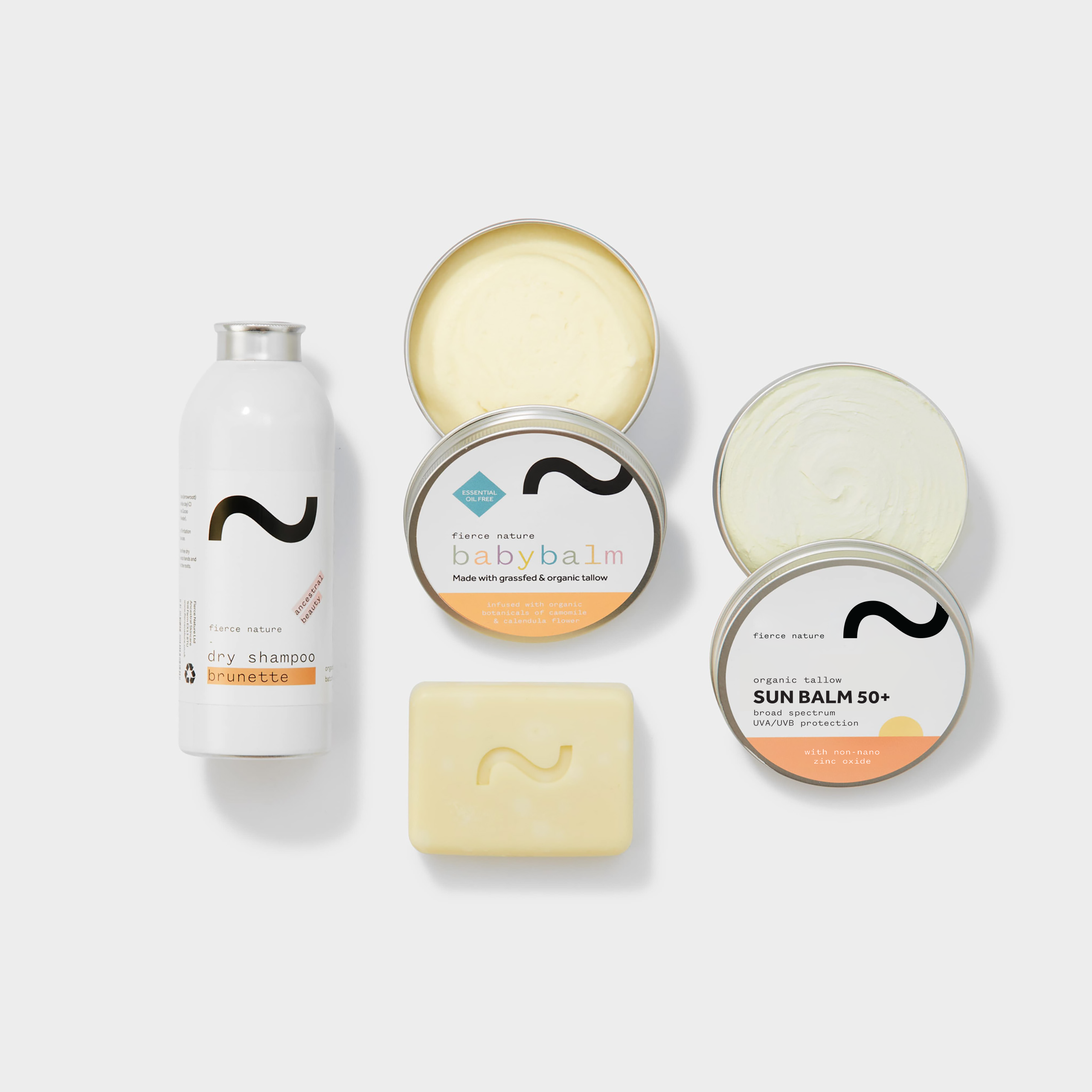
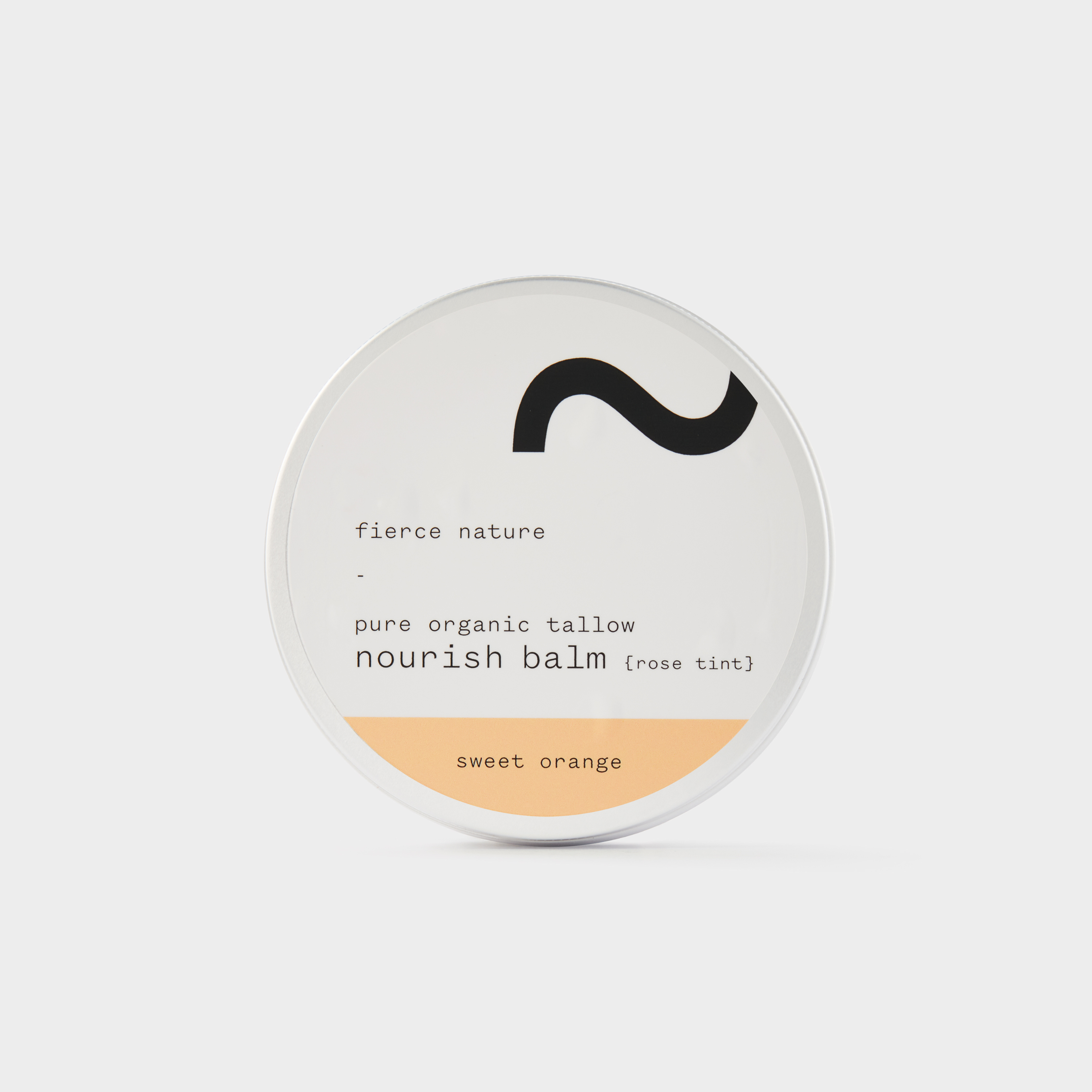
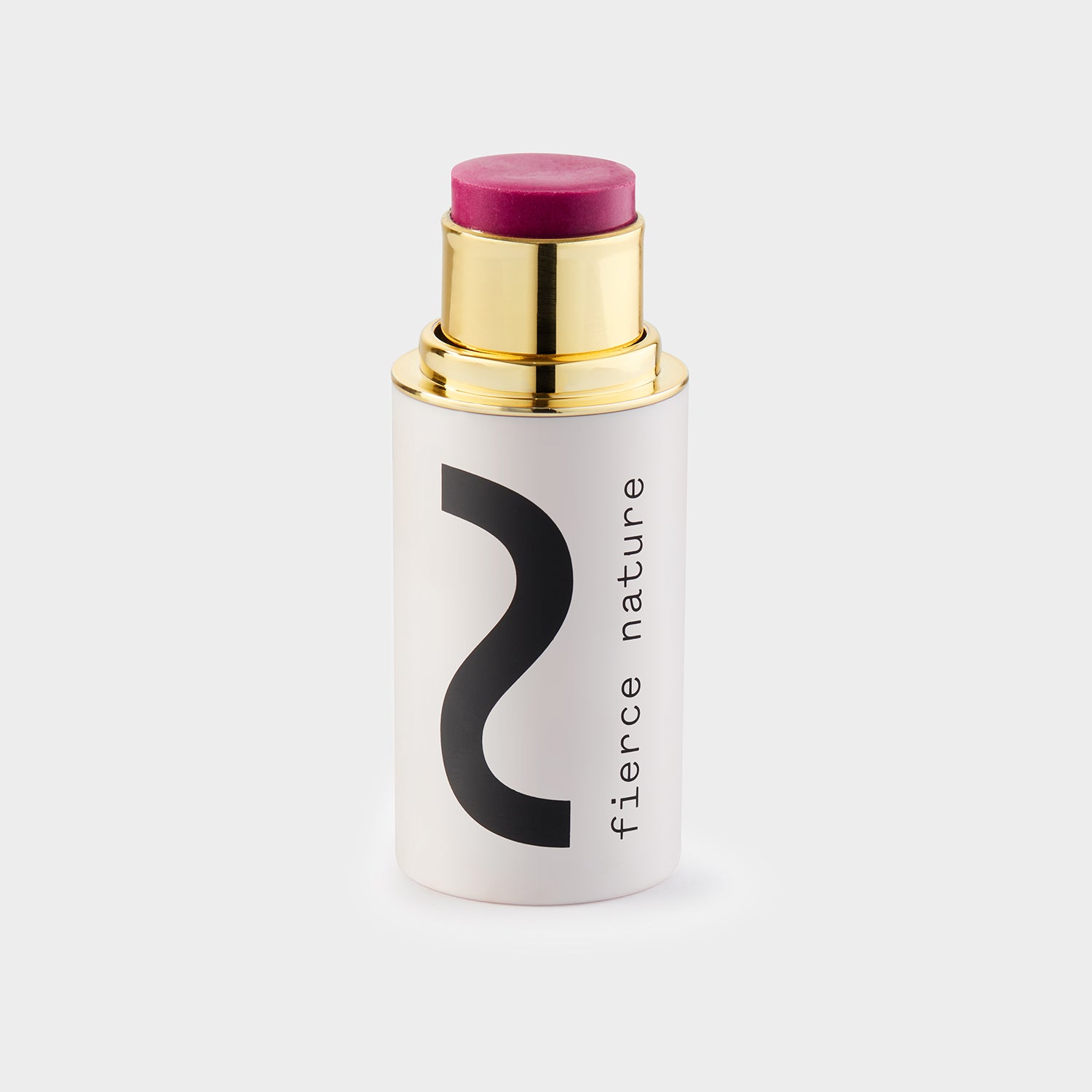
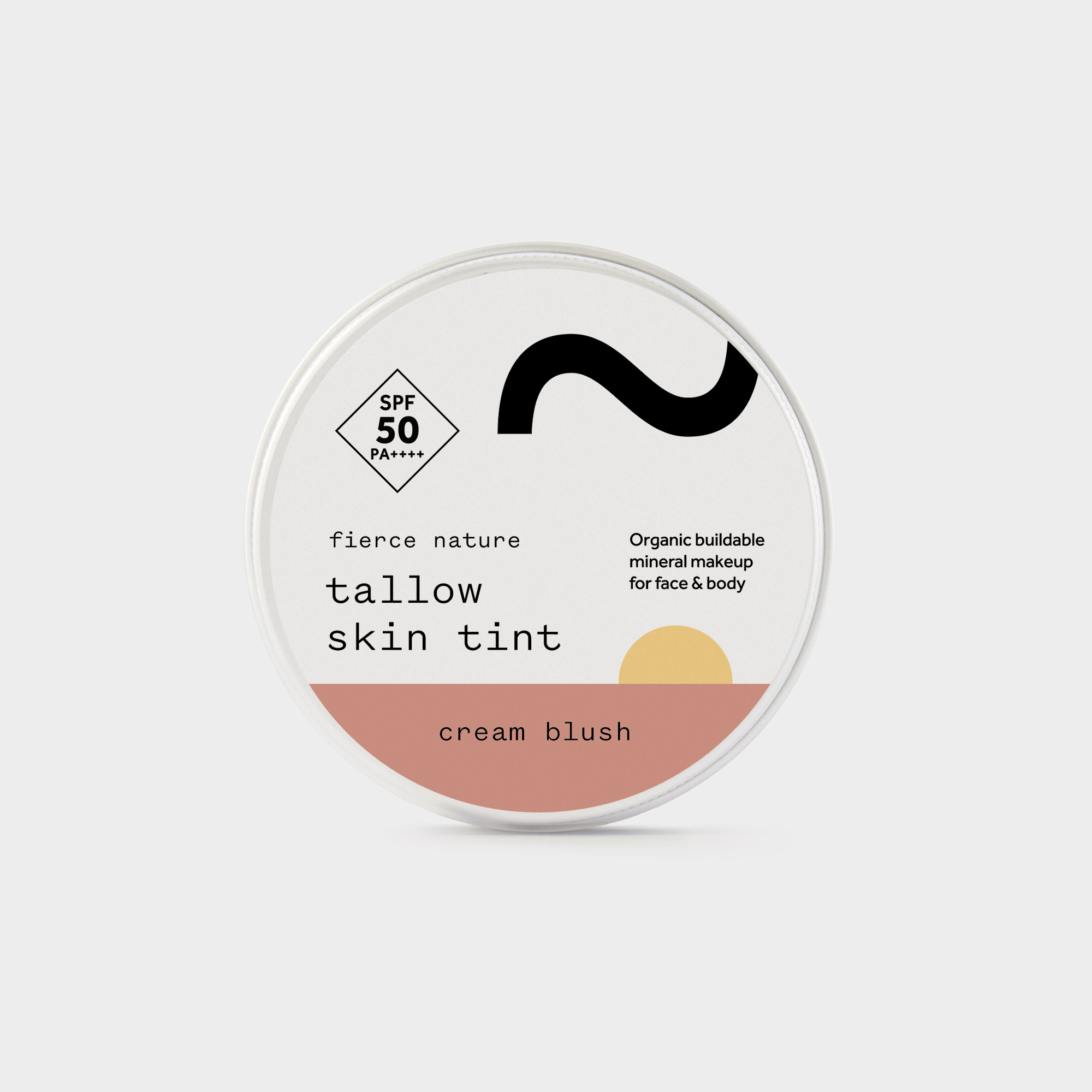
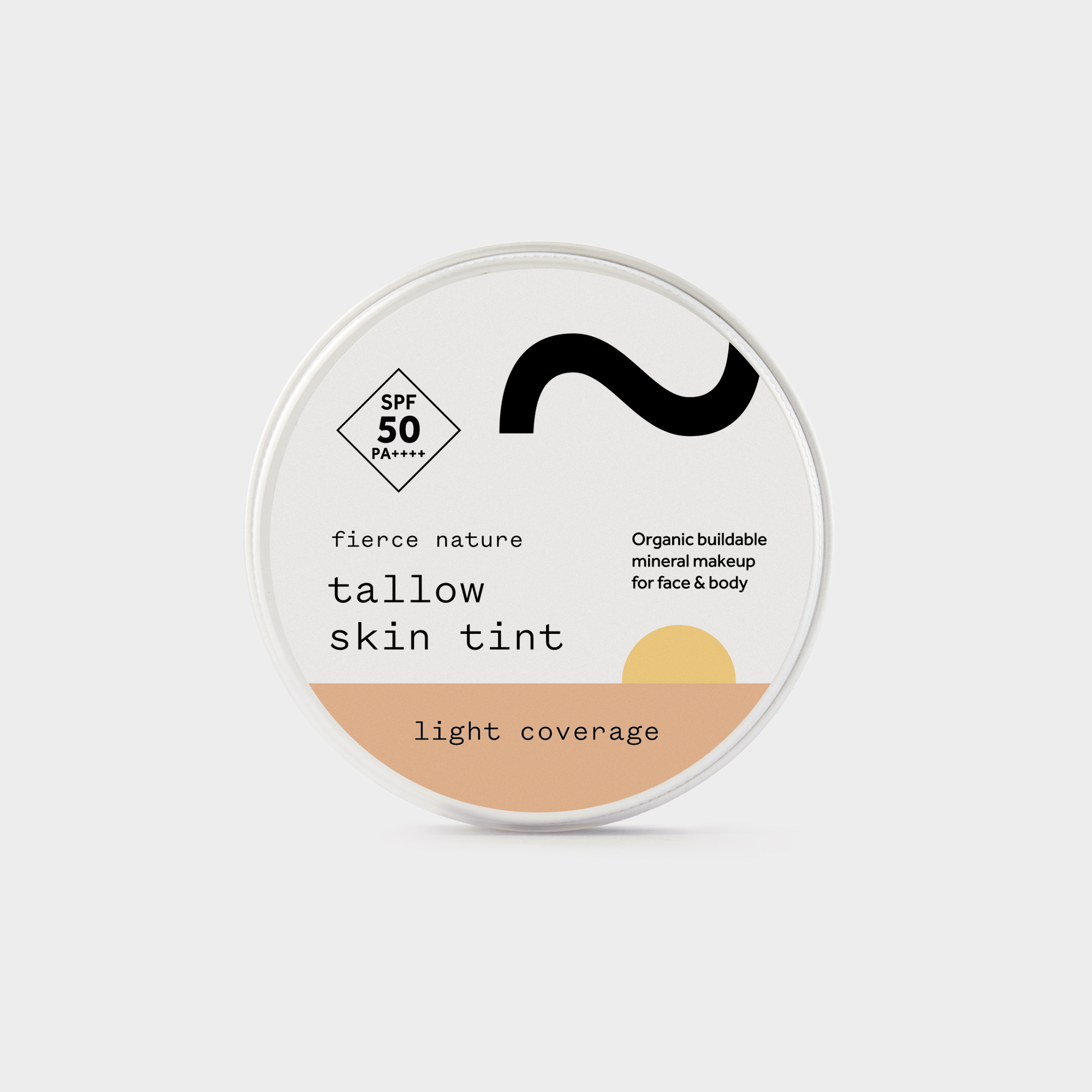
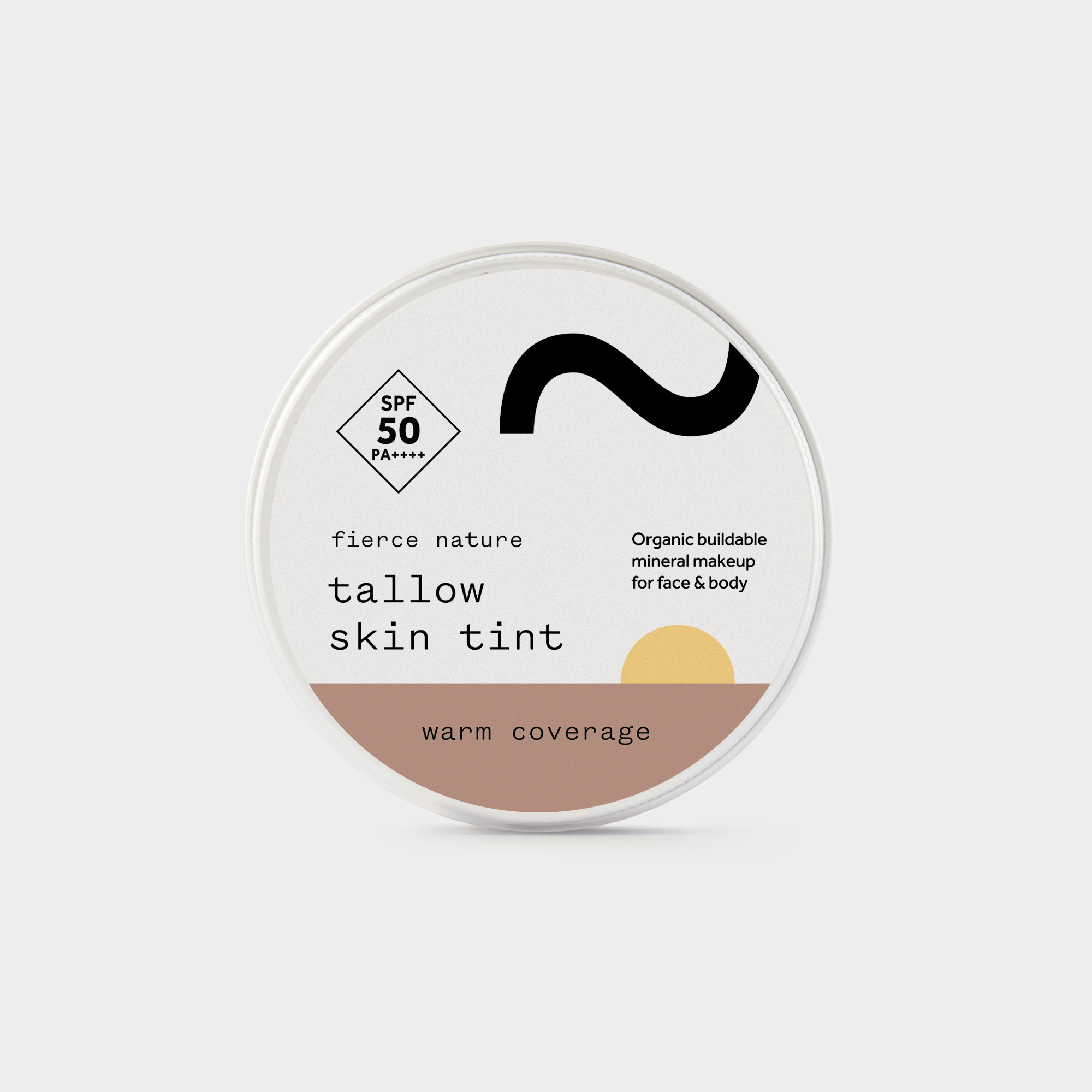
At Fierce Nature, we craft every product by hand in the UK using premium, naturally sourced ingredients. Our foundation is pure organic tallow, a deeply nourishing ingredient used for centuries as a skin emollient. Tallow’s bioavailability means it penetrates deeply, feeding your skin rather than sitting on the surface. If you are looking for a gentle, toxin-free option for the most sensitive skin in your household, our non-toxic baby skin essentials are a trusted starting point. For those ready to build a complete routine free from synthetic chemicals, explore our natural beauty collection and discover what genuinely clean, nourishing skincare feels like.
Organic certified means the product’s ingredients have been independently verified to meet defined organic farming and processing standards by a recognised body such as the Soil Association or COSMOS. The certification logo on the packaging confirms this verification.
Certified organic skincare excludes parabens, phthalates, synthetic dyes, and synthetic fragrances by standard, reducing exposure to compounds associated with skin irritation and hormonal disruption. It does not guarantee a product will suit every skin type, but it does remove a significant category of common irritants.
Organic certified skincare meets independently audited standards for ingredient origin and farming practices. Natural skincare has no legal definition and requires no independent verification, meaning any brand can use the term without restriction.
Look for a recognised certification logo such as the Soil Association leaf or the COSMOS stamp. Genuine certified products also disclose the percentage of organic content. A product that uses the word “organic” without a logo or percentage disclosure has not been independently certified.
Certified organic products often have a shorter shelf life than conventional alternatives because they exclude synthetic preservatives. Storing them away from heat and direct sunlight helps maintain their quality for longer.