Cart
0
80% Also Added this

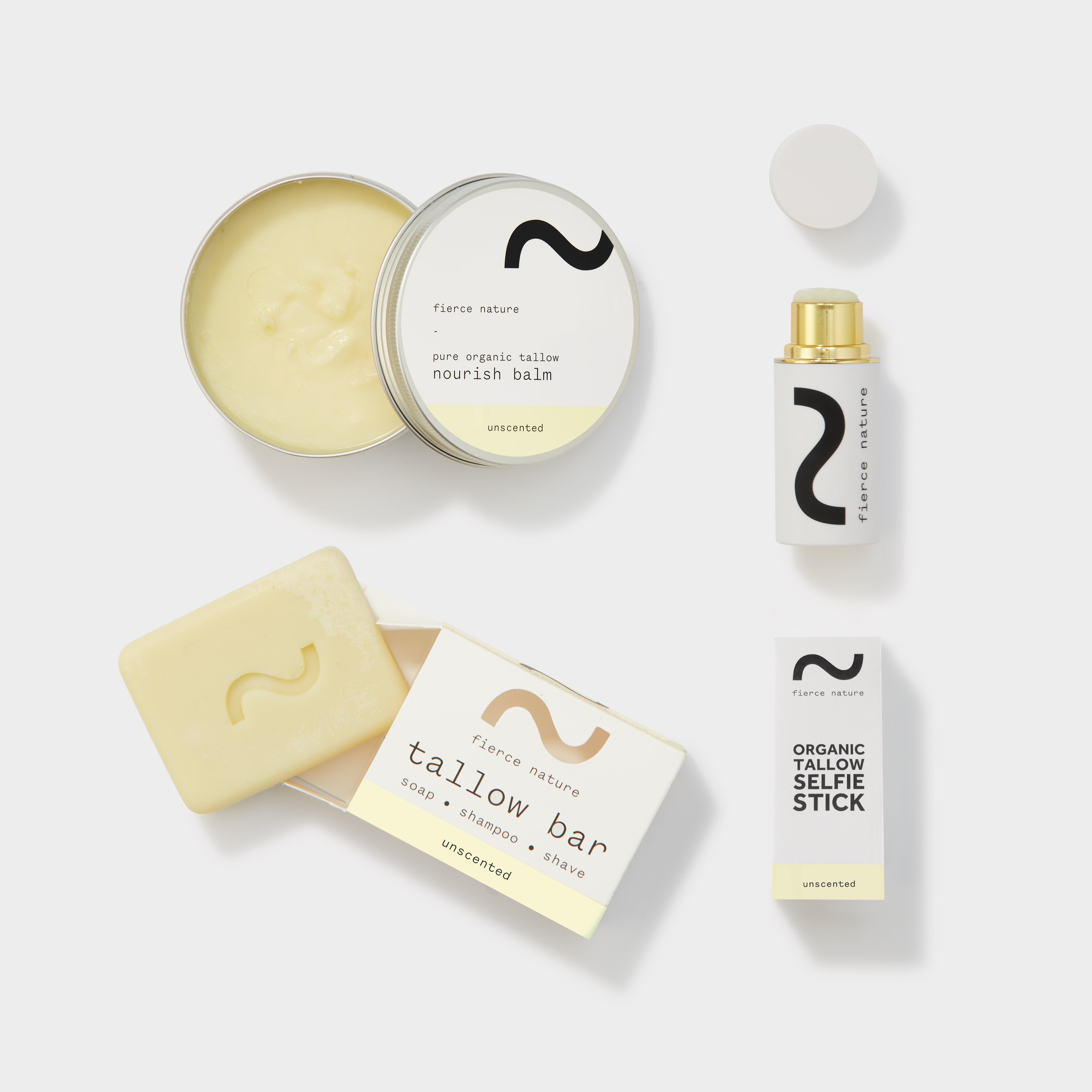
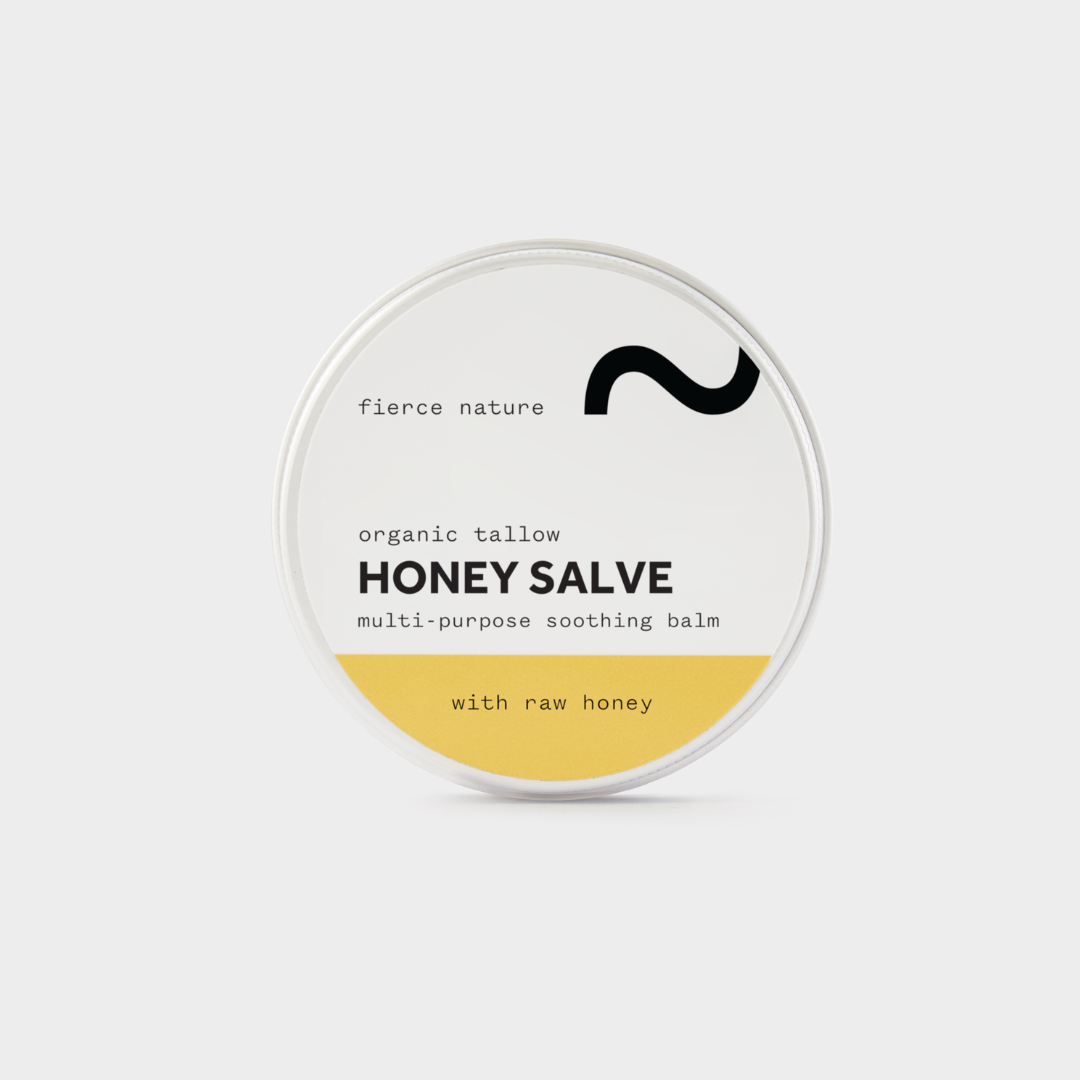
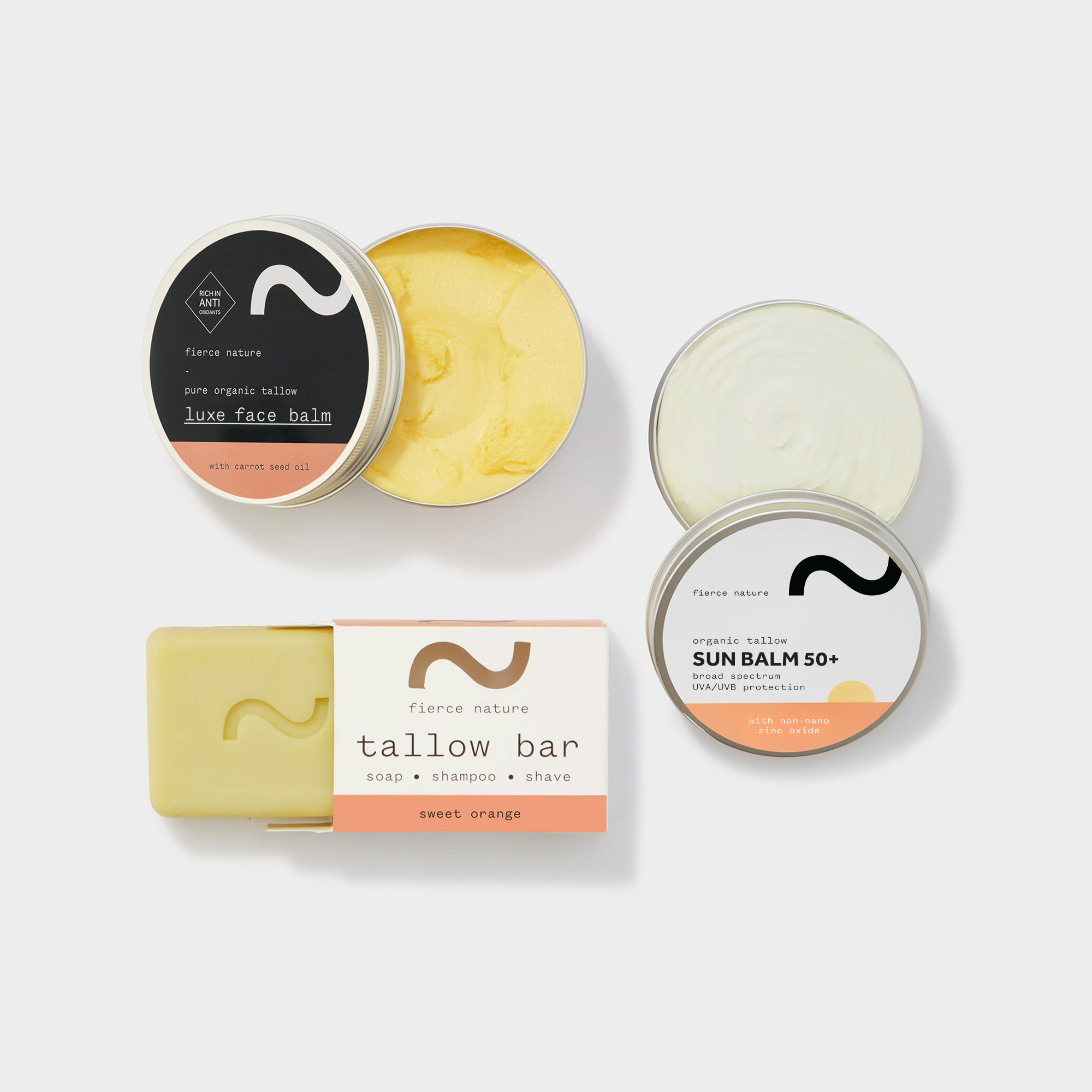
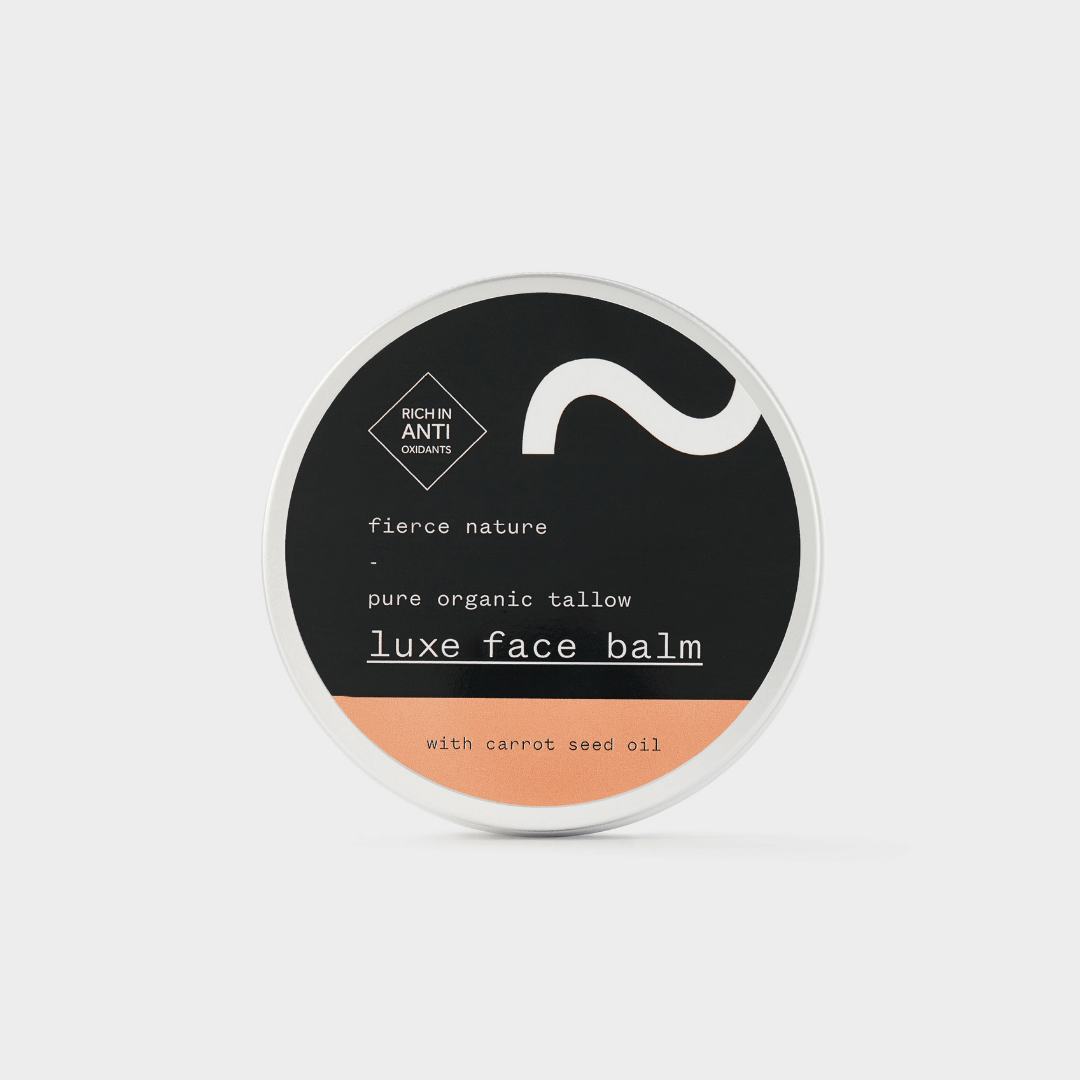
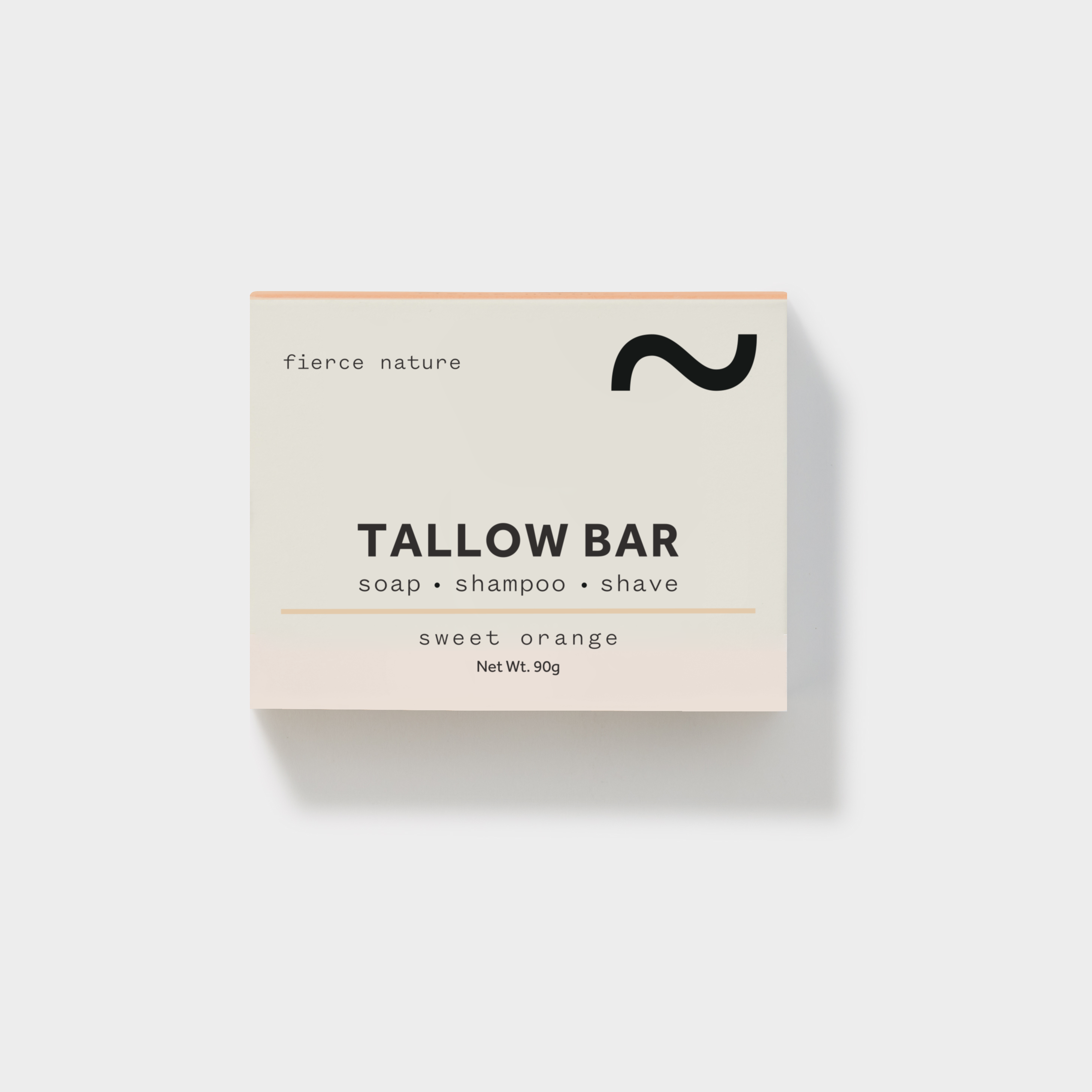
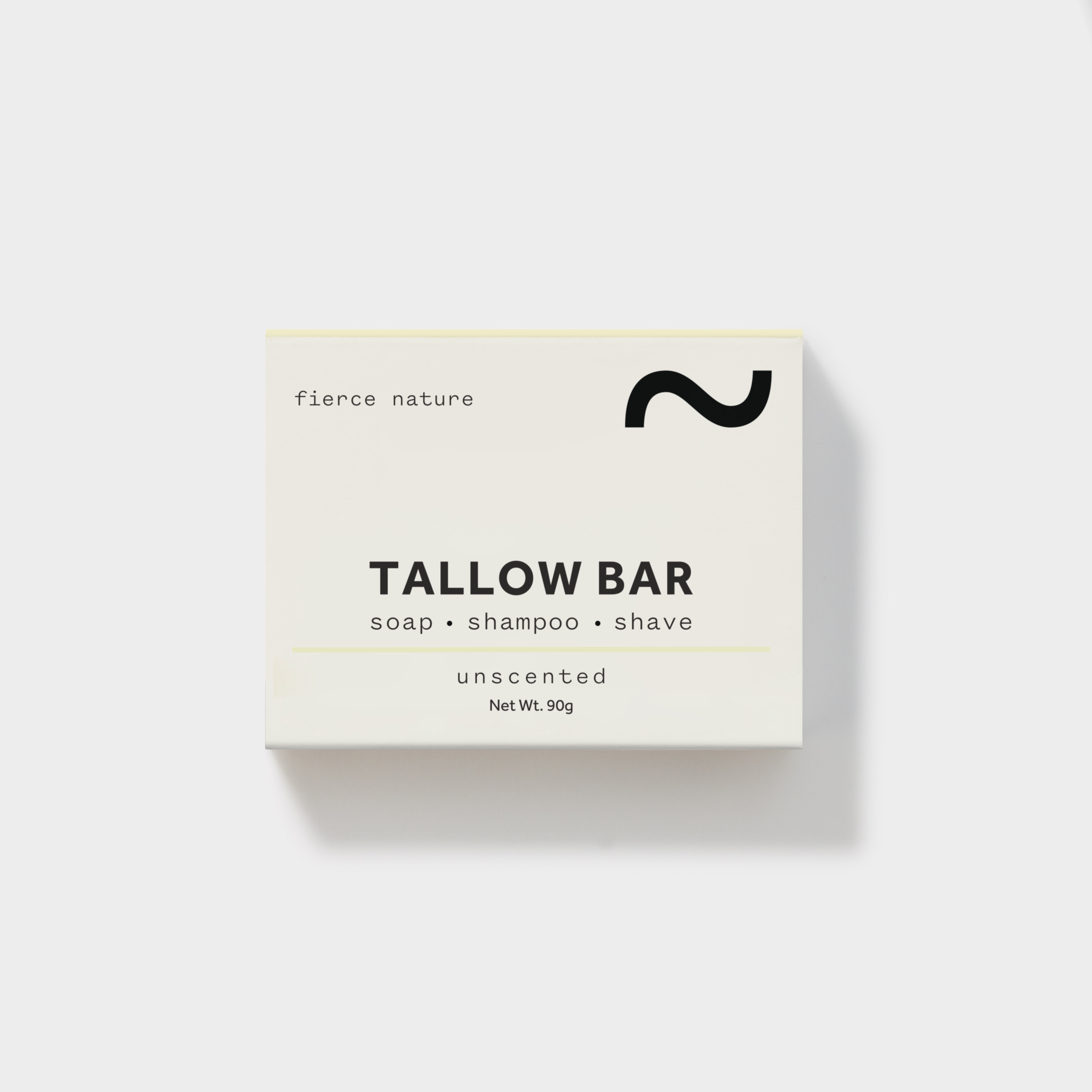
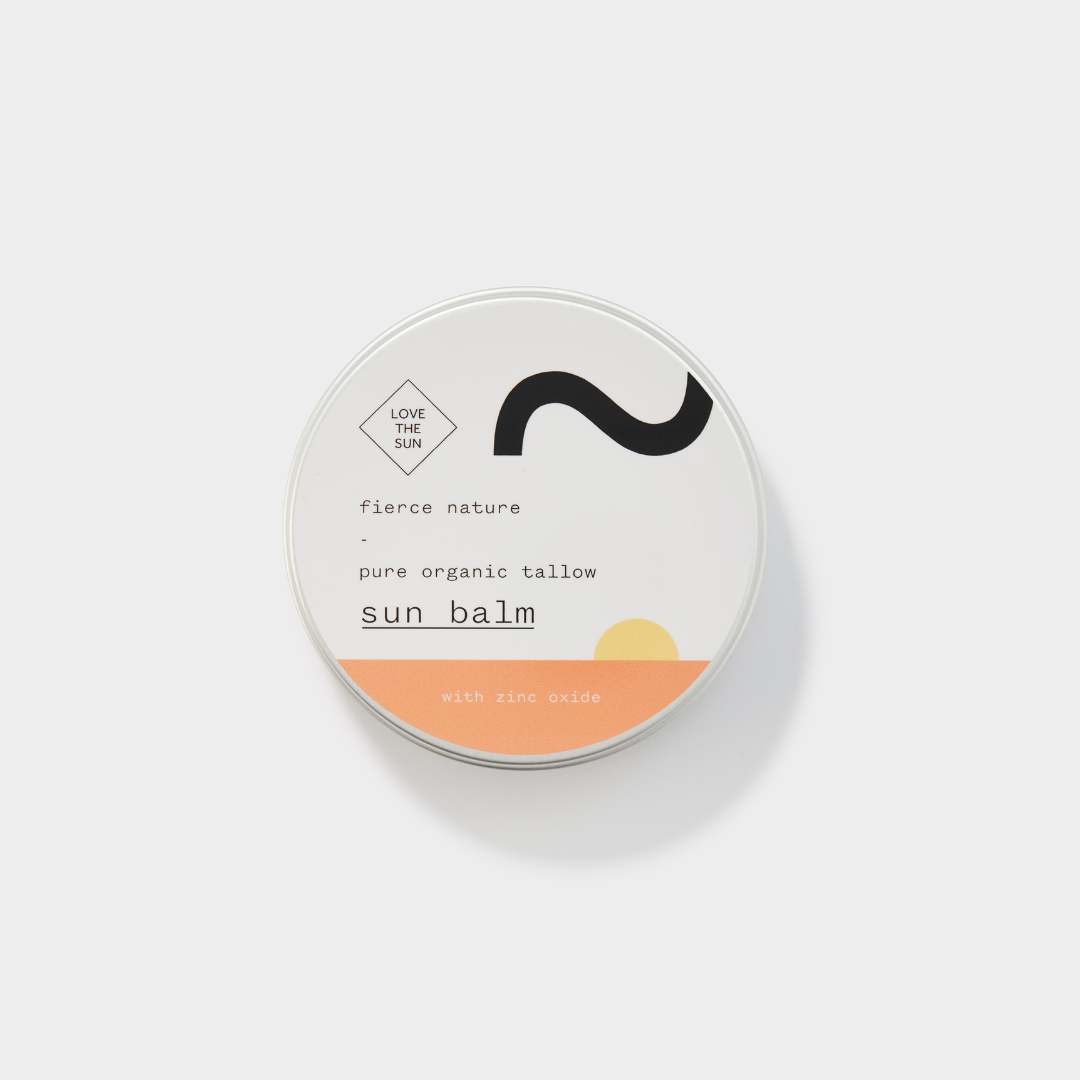
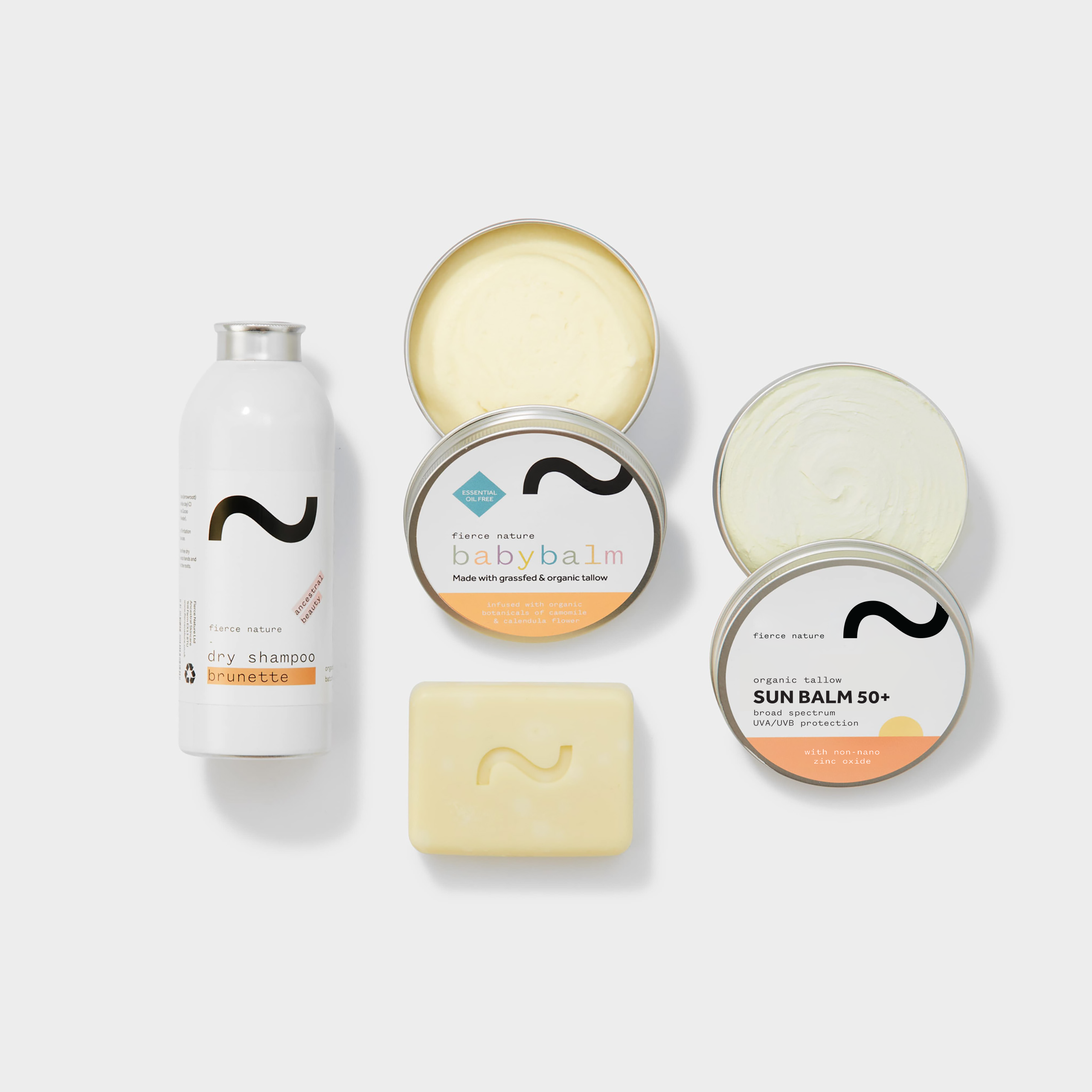
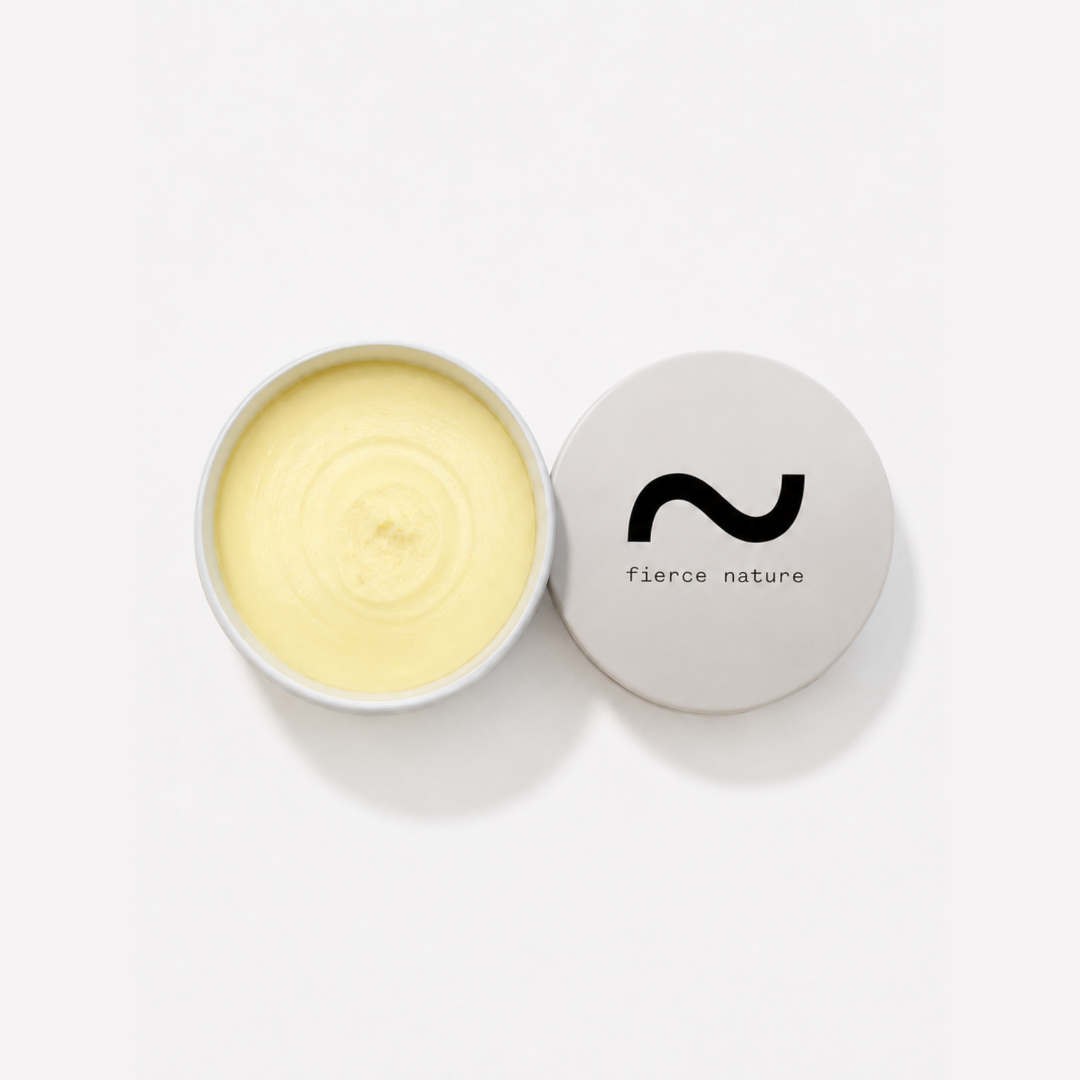
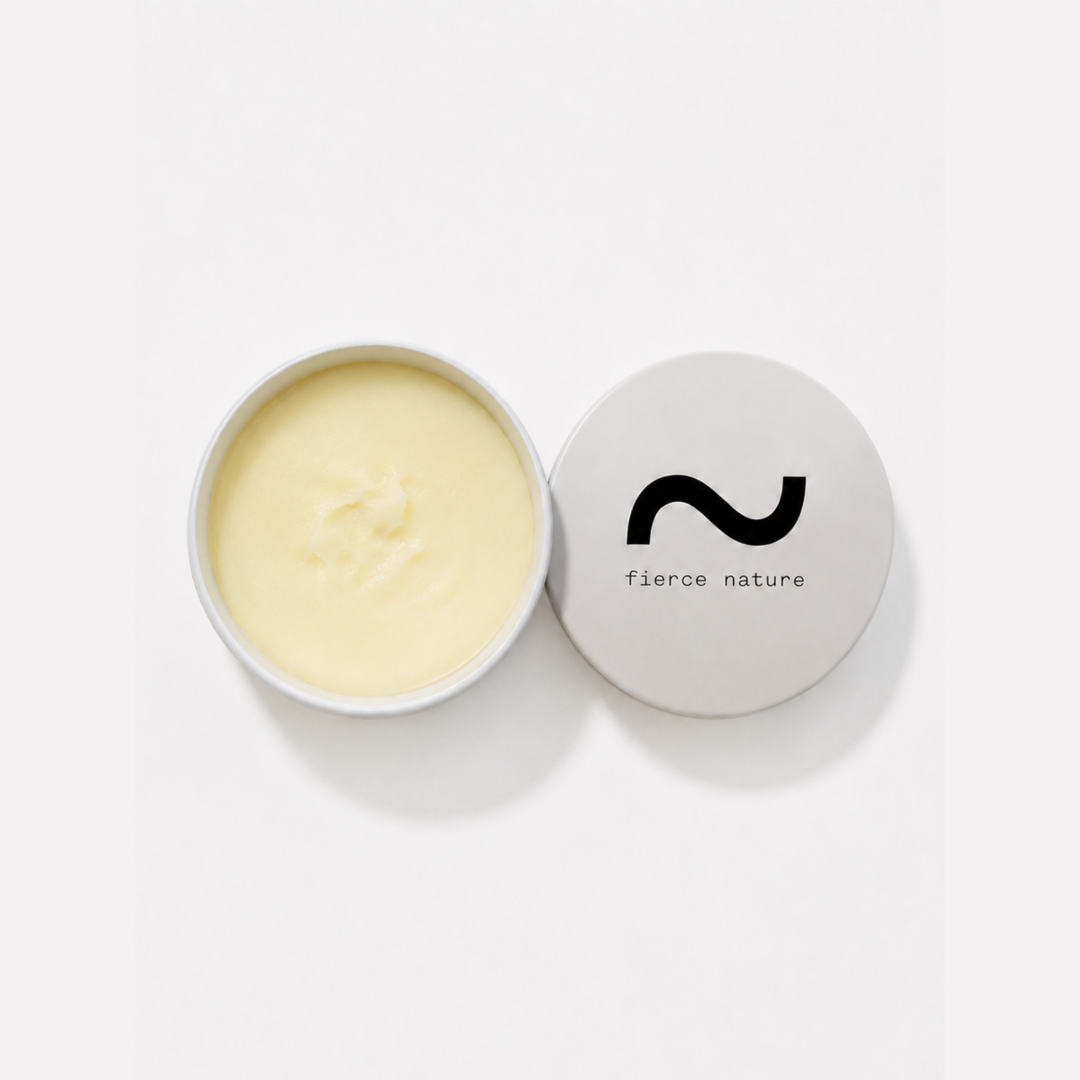
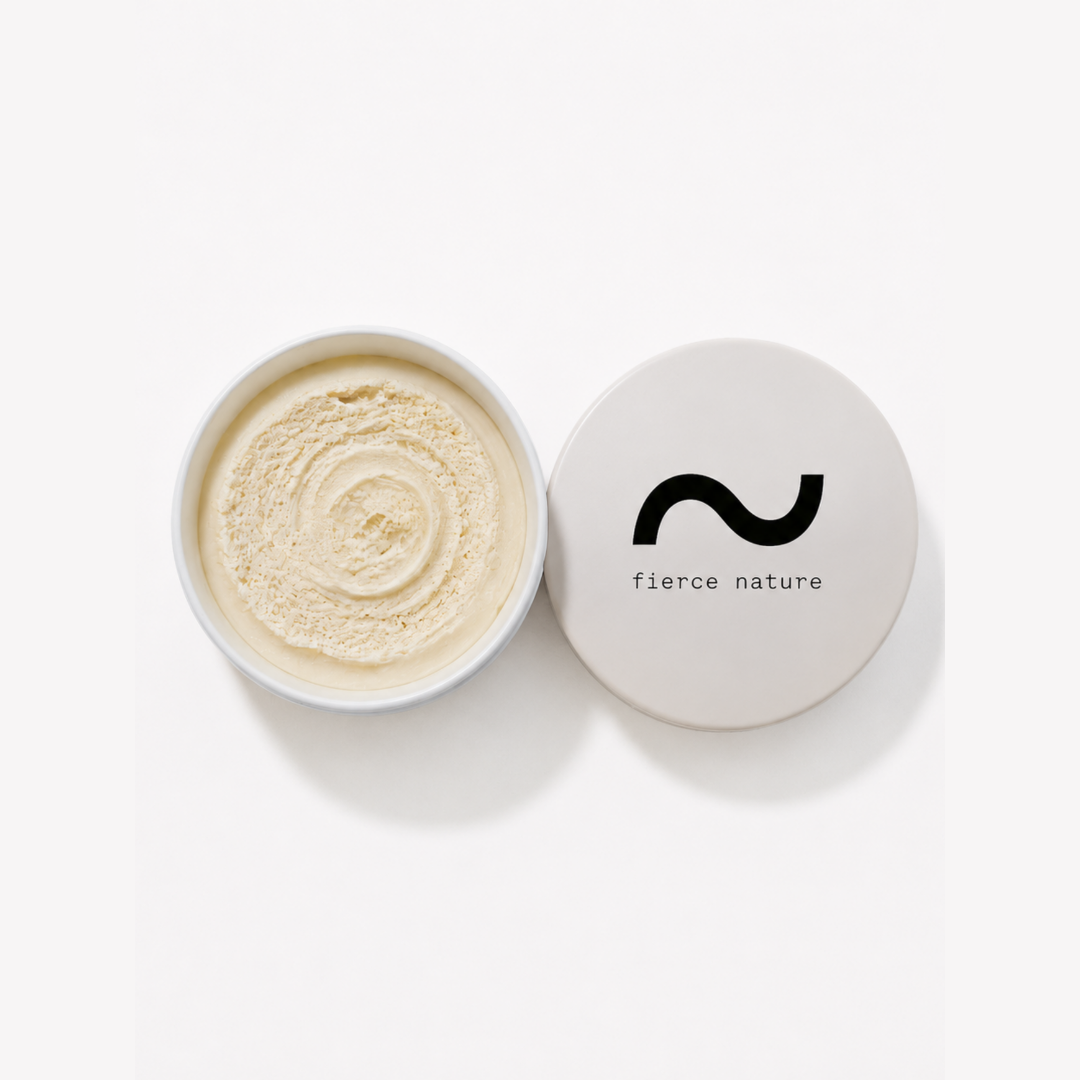
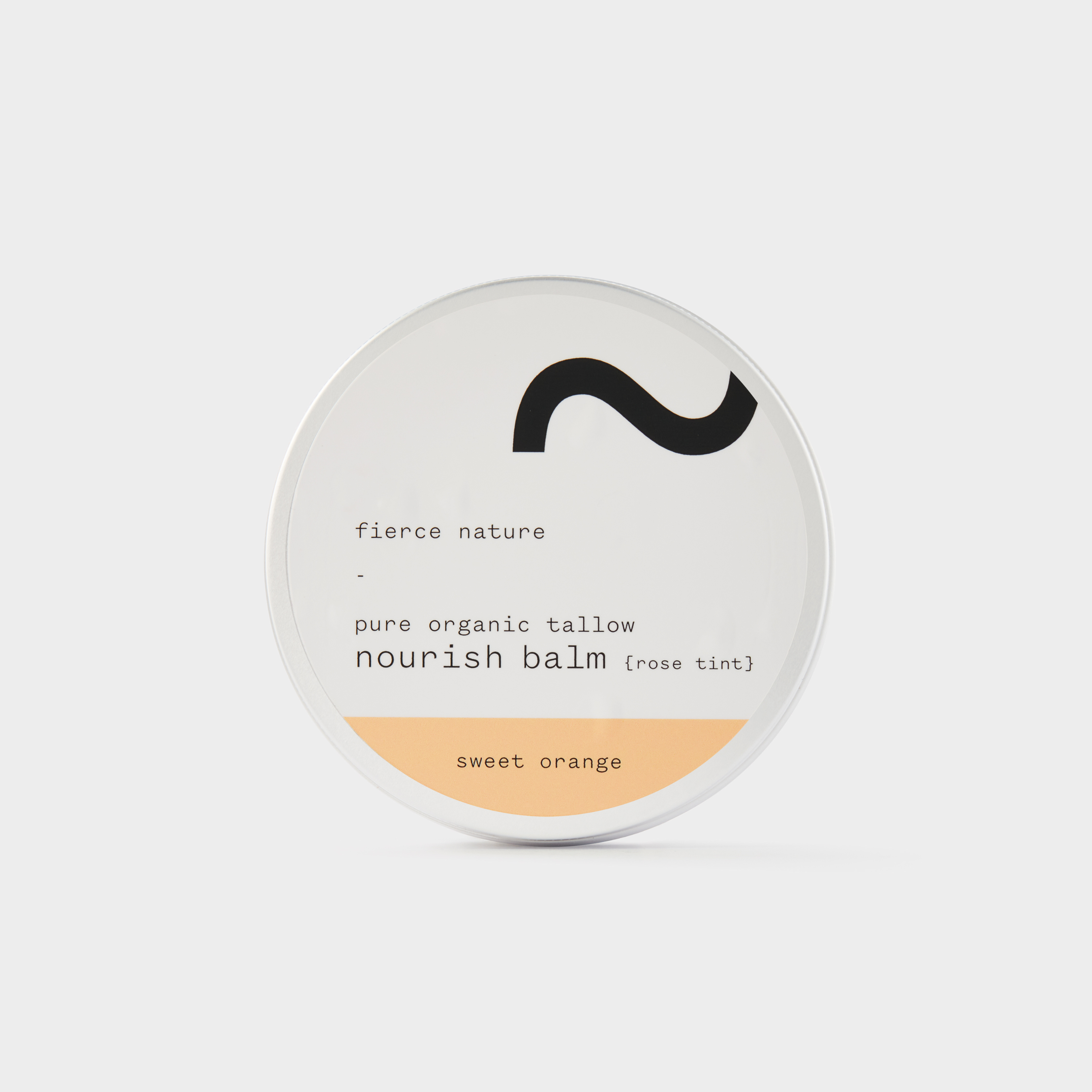

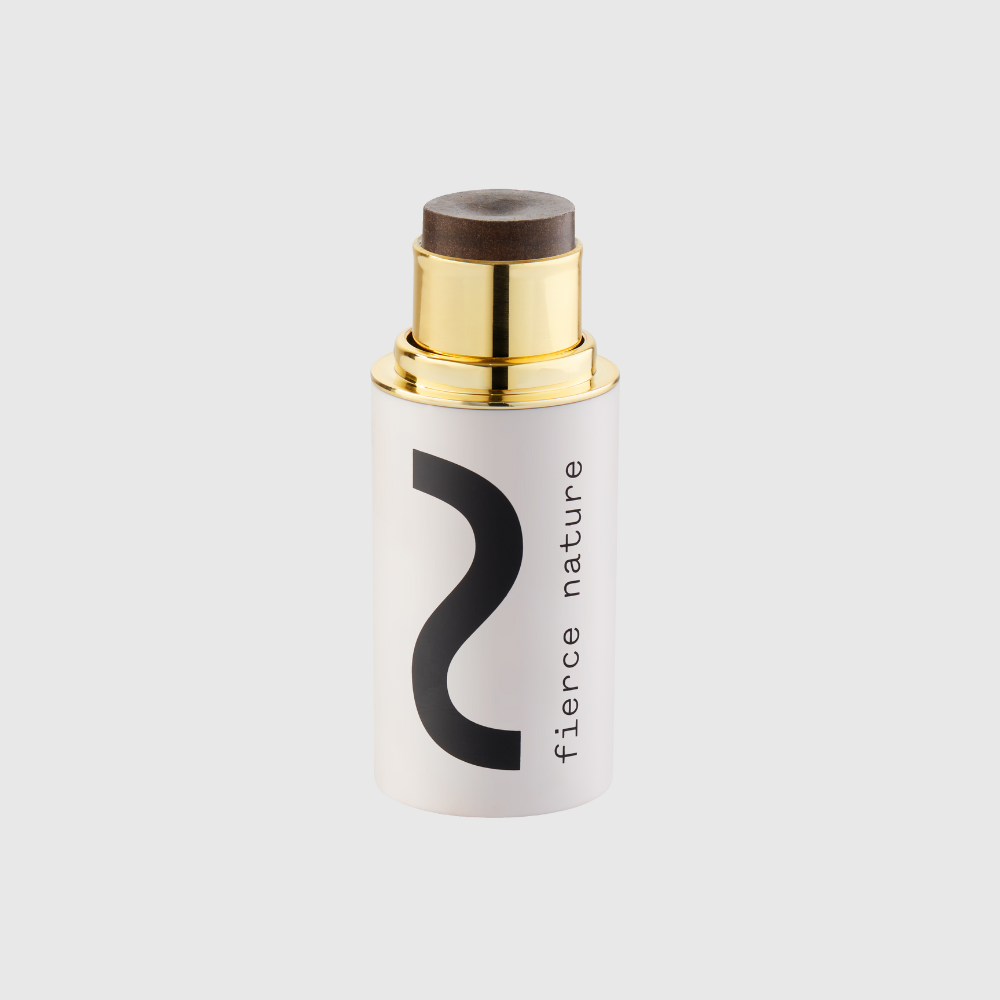
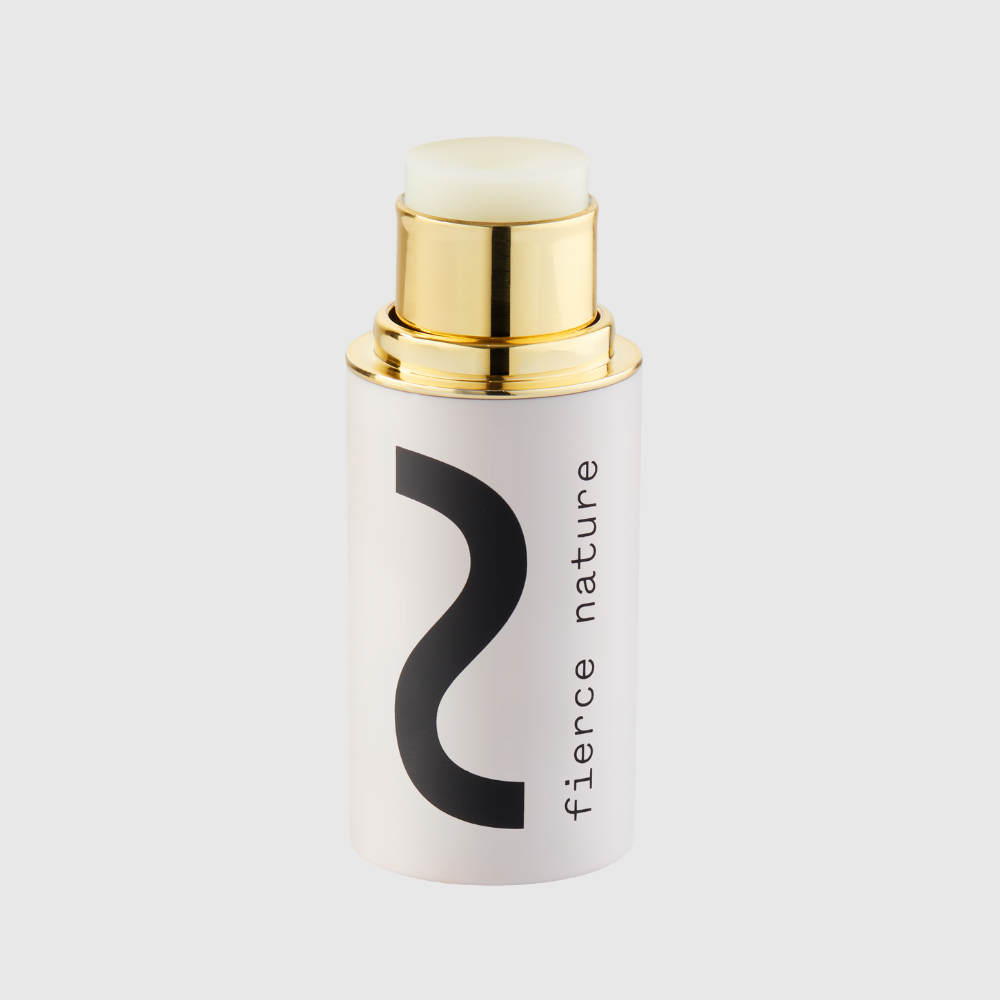
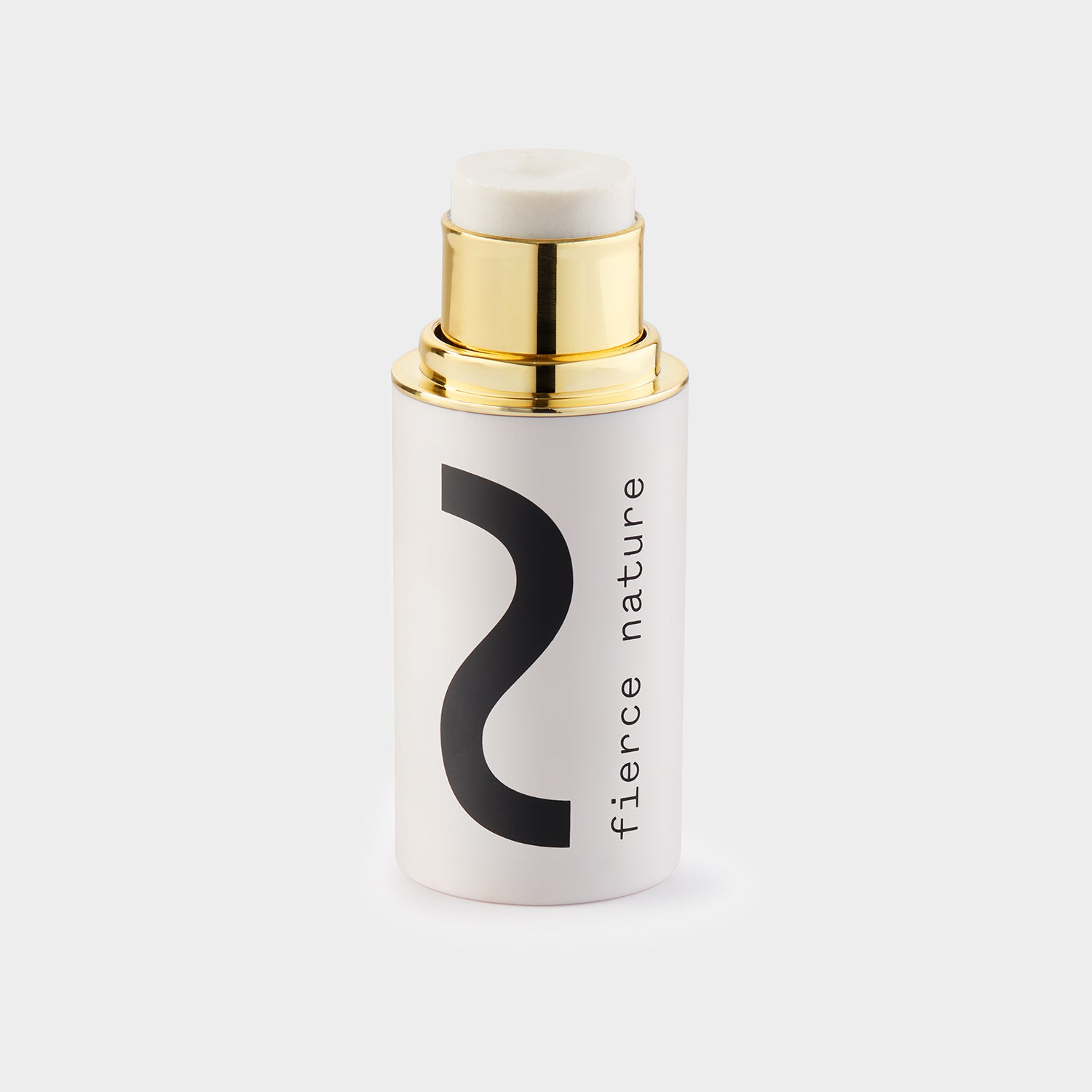
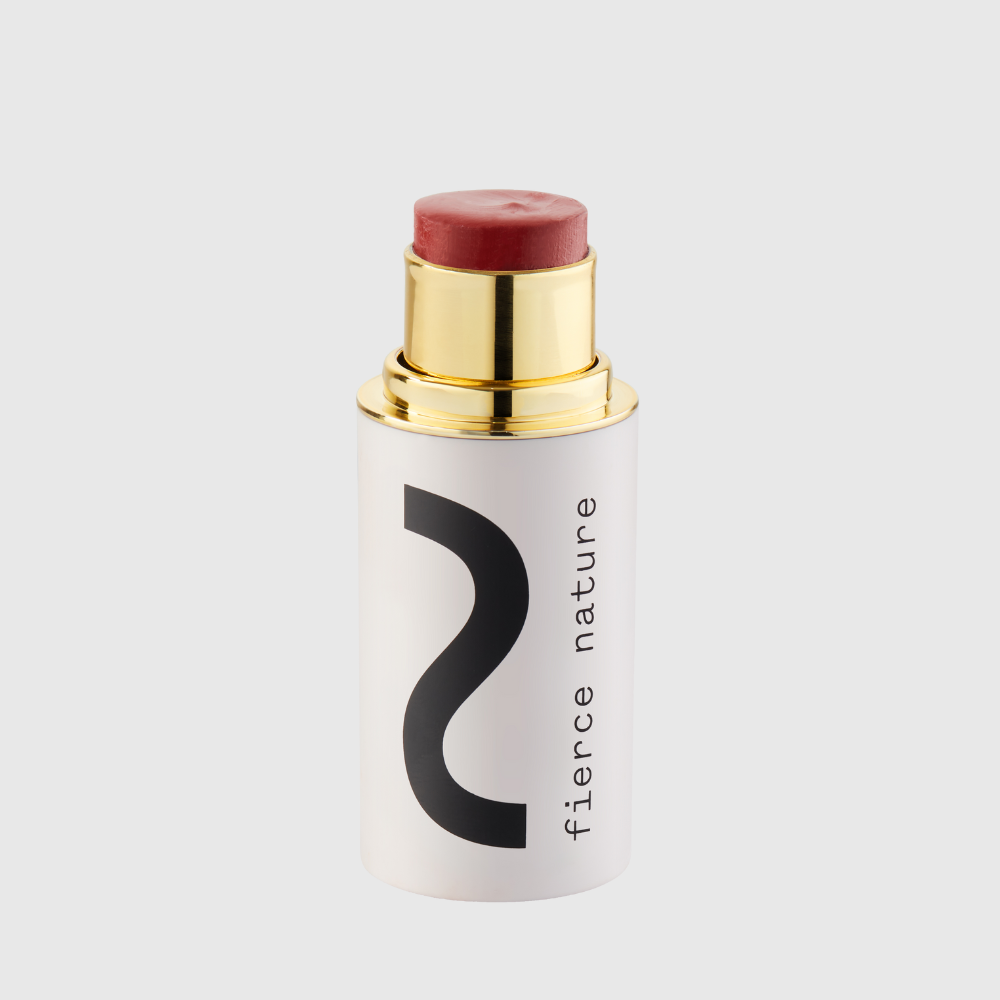
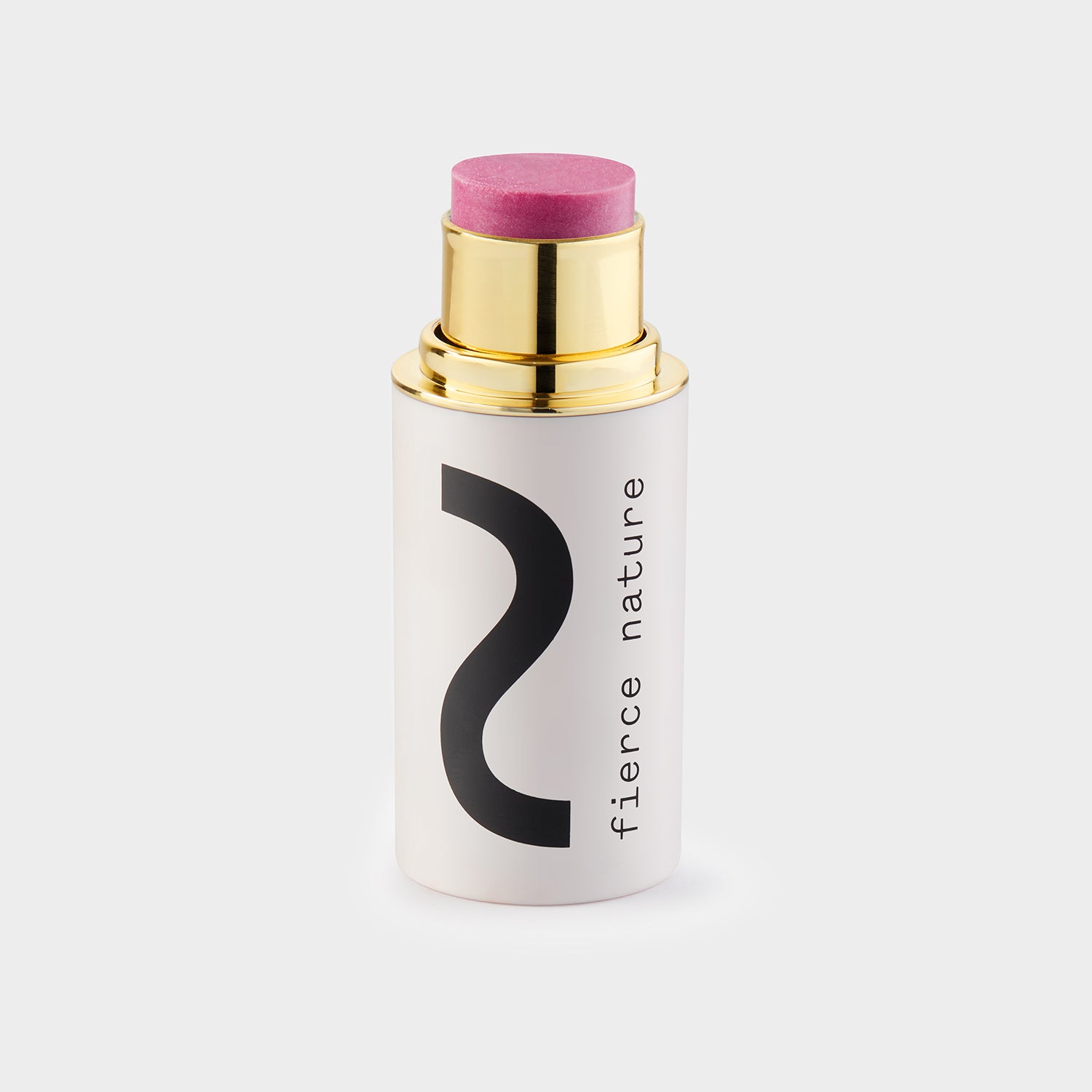
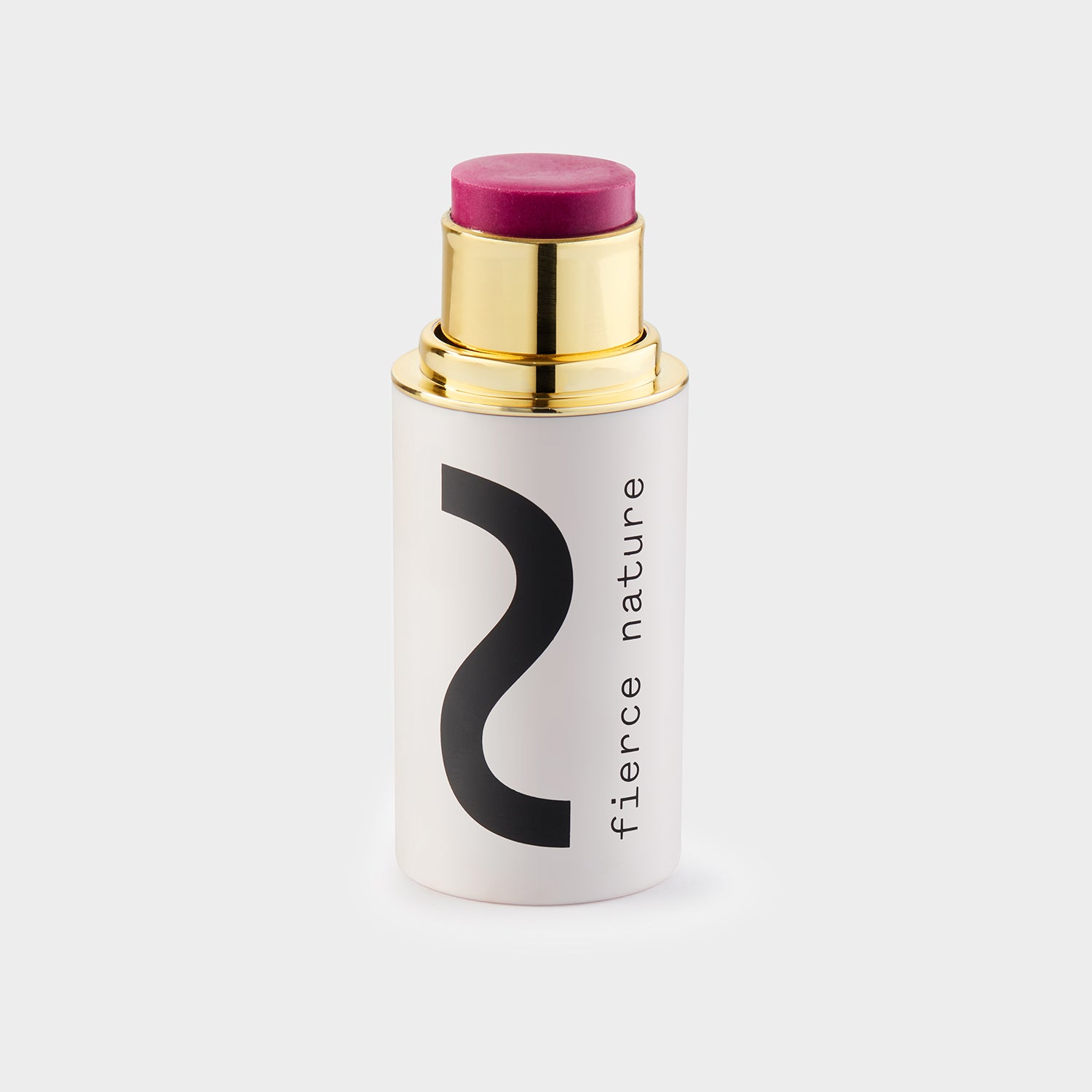
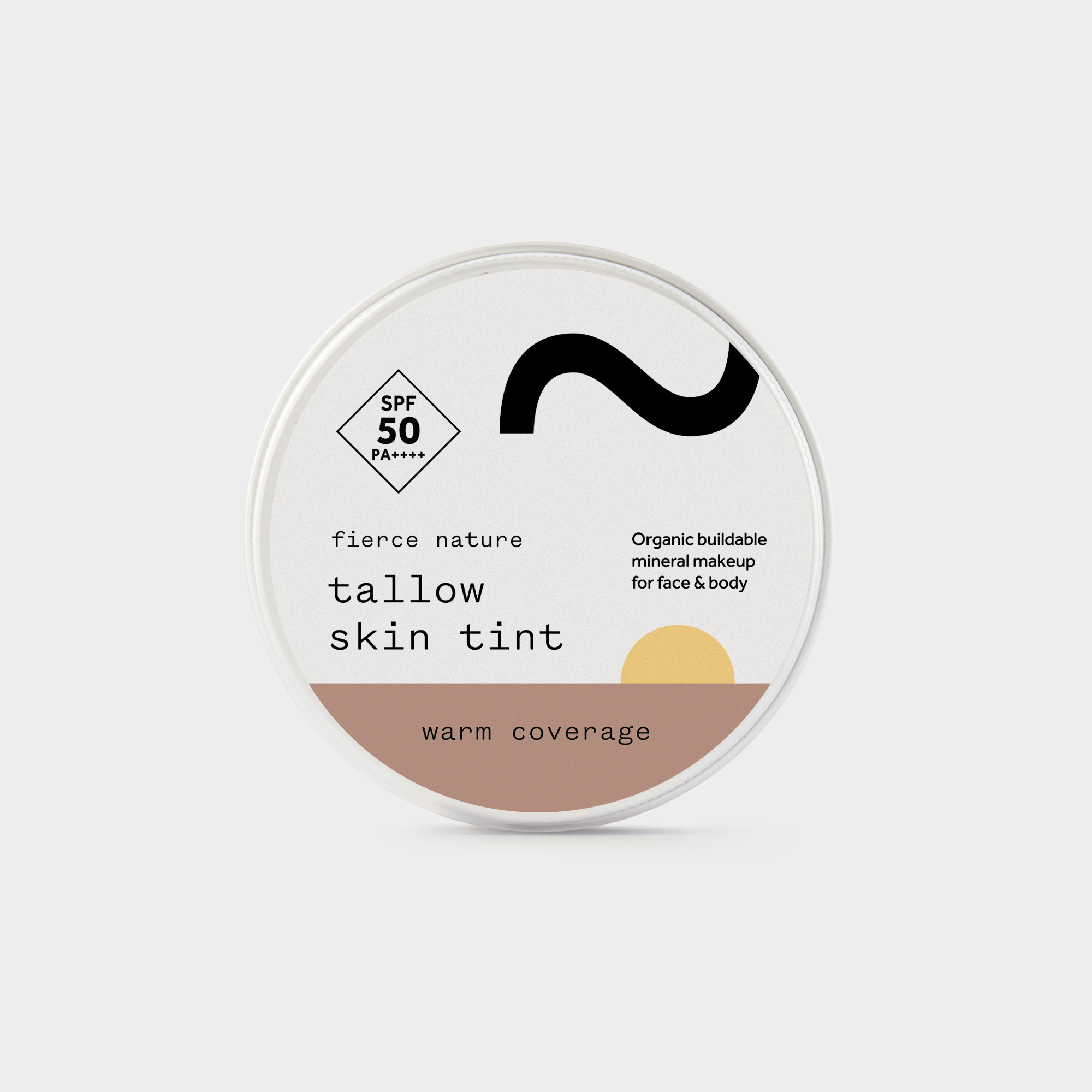
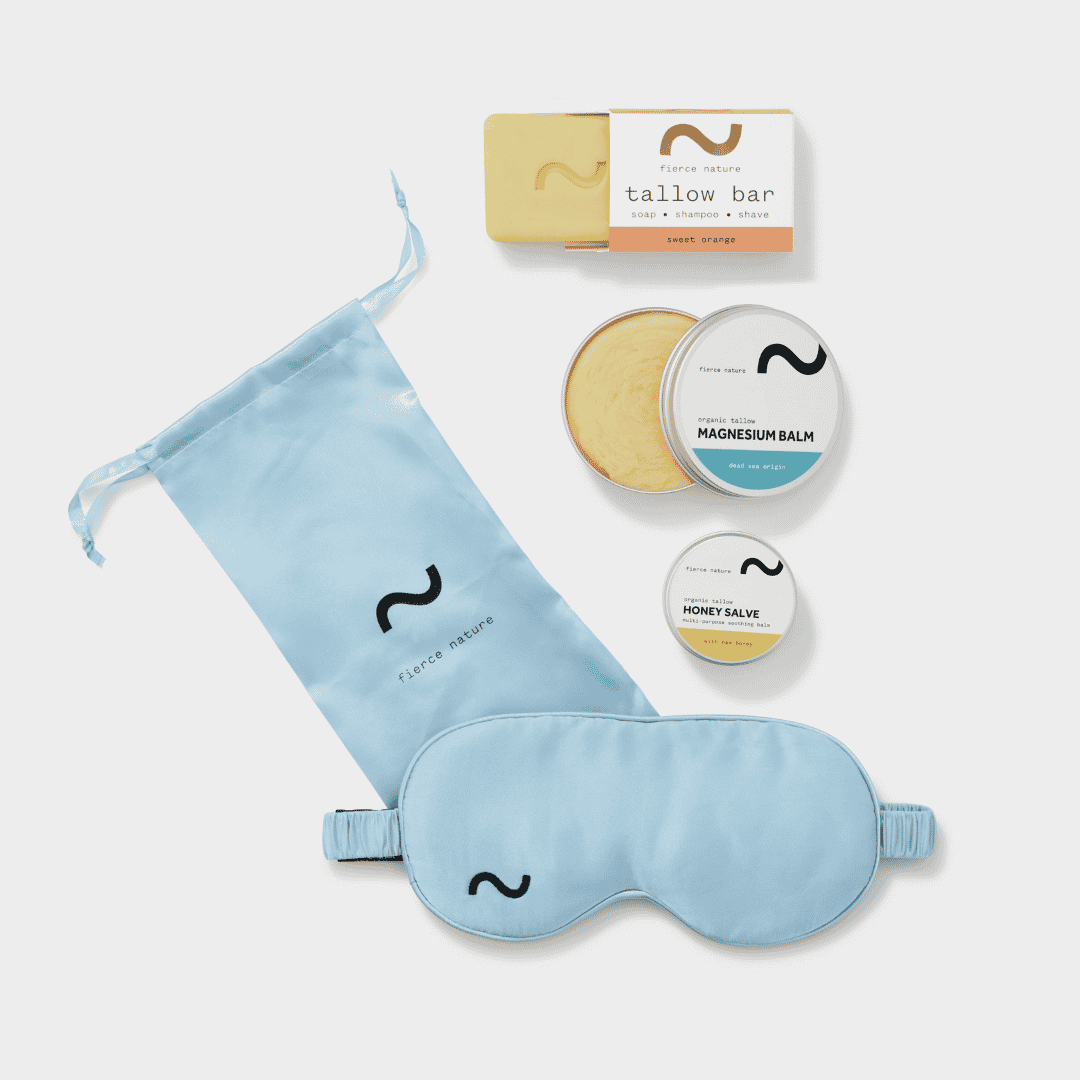
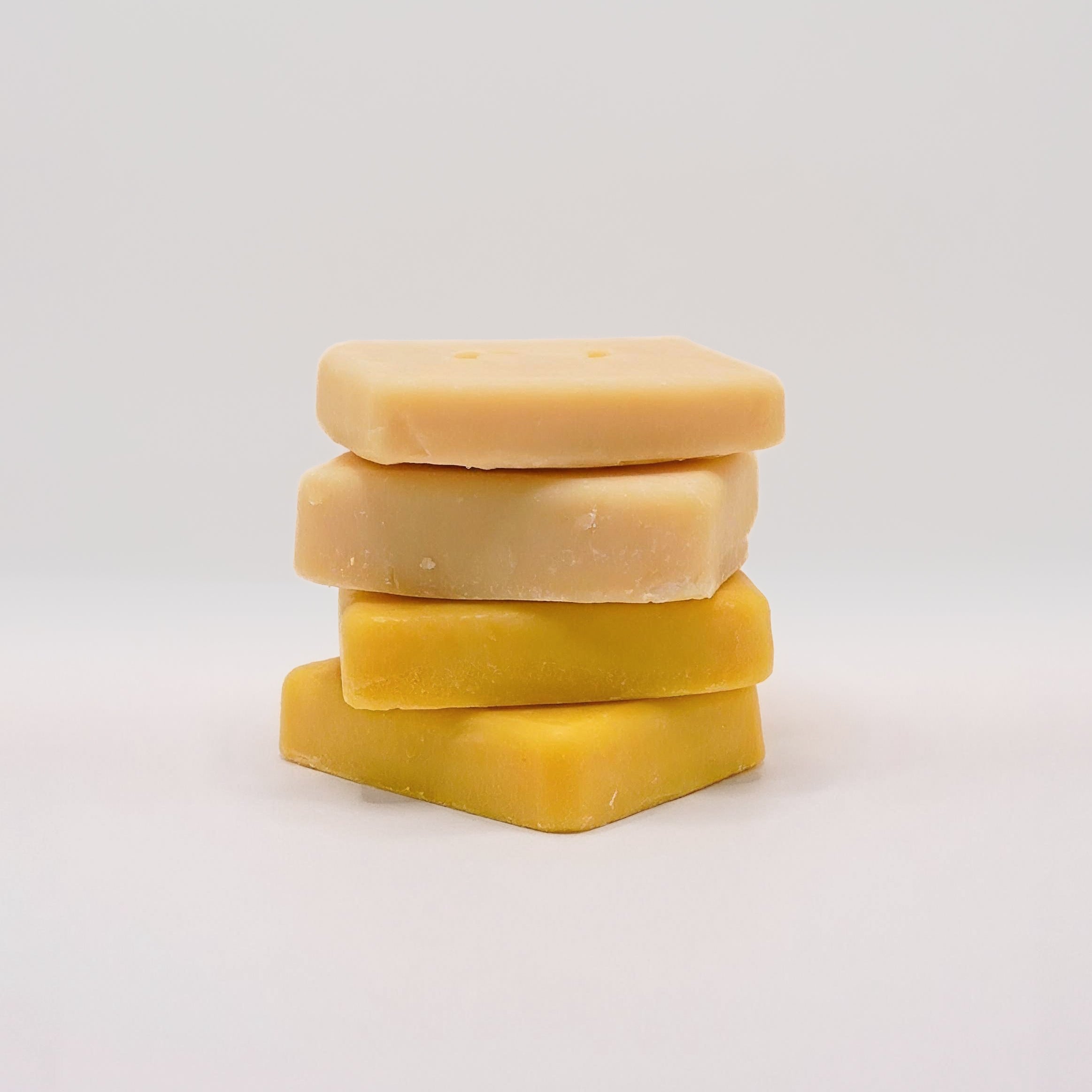



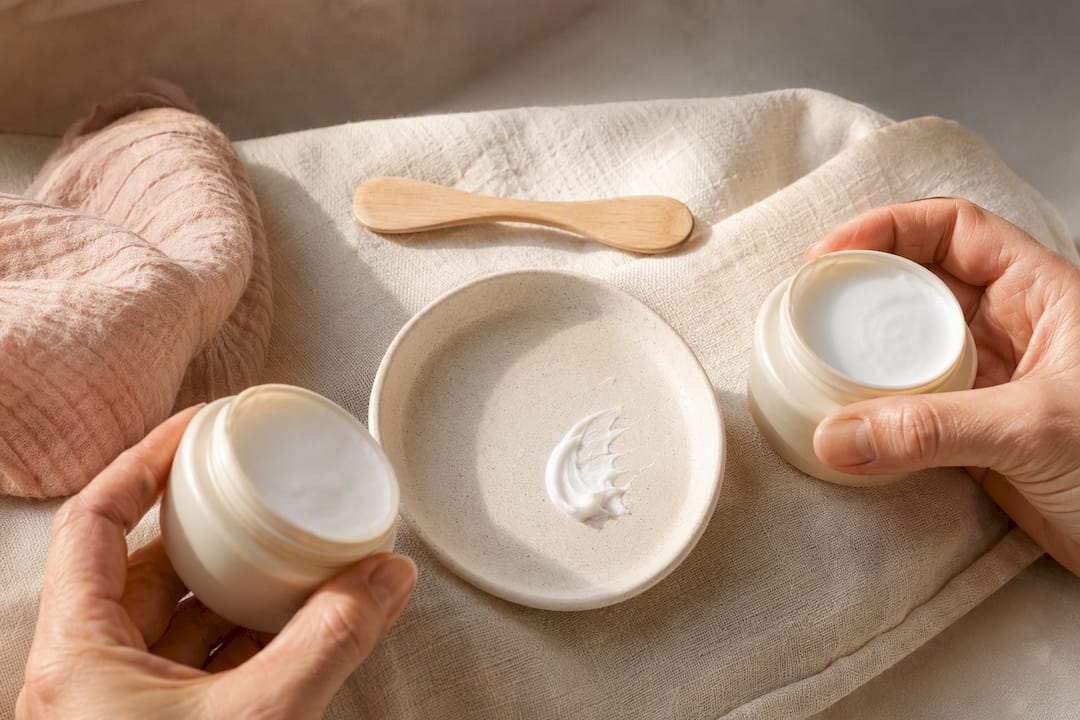
Zinc oxide nappy cream is an effective topical barrier that soothes and protects mild nappy rash when paired with good nappy care. Apply a thin layer at each nappy change, choose a cream or ointment rather than a powder or spray, and check the ingredients if your baby has sensitive skin. If the rash spreads, breaks the skin, or does not settle within a short period, speak to a pharmacist or GP.
TL;DR:
- Choose non-nano zinc oxide creams over powders or sprays to prevent inhalation risks, especially for wriggly babies during changes.
- Look for transparent ingredient lists and verify zinc oxide percentages to assess strength, avoiding products with potentially irritating additives like lanolin or benzyl compounds.
- Apply a thin layer of barrier cream to clean, dry skin at each nappy change, and give some nappy-free time to promote healing and reduce rash severity.
- For persistent or worsening rashes, consult a healthcare professional rather than self-medicating with steroids or antifungal creams.
- Price differences often reflect additional nourishing ingredients rather than zinc oxide quality, so budget-friendly options can be effective for simple barrier protection.
Zinc oxide works as a physical barrier. Once applied to clean, dry skin, it sits on the surface and shields it from urine, faeces, and the friction of a nappy rubbing against tender skin. It also has a mild soothing and astringent effect, which is why so many parents reach for it the moment a rash appears rather than waiting for it to worsen.
The concentration and form of zinc oxide in a product matter more than most labels let on. Regulatory frame formulations and SCCS and SCCP opinions allow non-nano zinc oxide in topical creams at up to around 25%, and this is considered safe for everyday dermal use when applied as intended. The concern sits elsewhere: nano-sized or sprayable zinc oxide raises inhalation questions that simply do not apply to a cream rubbed onto skin by hand.
This is why formulation choice belongs at the top of your checklist, not as an afterthought.
None of this means zinc oxide is complicated to use safely. It simply means the format you choose, cream rather than powder, deserves a moment’s thought before it goes in the changing bag.
A good barrier cream does not need a long ingredient list, but it does need the right ones. Before buying, run through a short checklist:
Once you have the right product, the routine itself is simple and worth repeating the same way every time:
Pro Tip: Resist the urge to scrub off yesterday’s cream residue. A gentle wipe followed by a fresh thin layer keeps the barrier intact without adding unnecessary friction.
Most mild rashes respond within a few days of this routine. If the rash persists beyond a reasonable period, spreads, looks broken or weepy, or shows pus, it is time to speak to a pharmacist, health visitor, or GP. Clinical pathways sometimes call for hydrocortisone 1% in babies over one month, or an antifungal cream such as clotrimazole when a fungal infection is suspected, but these are decisions for a clinician to make, not something to self-prescribe from a pharmacy shelf.
Not every product labelled “nappy cream” works the same way, even when zinc oxide appears on the ingredients list. A simple zinc oxide ointment is usually formulated with minimal excipients, designed purely as a barrier. A multi-ingredient medicated cream, by contrast, may combine zinc oxide with other actives and preservatives intended for a broader range of skin complaints, and that combination changes how it behaves on delicate, already irritated skin.
This distinction matters for tolerability as much as effectiveness.
Seeing zinc oxide on a label is a starting point, not a guarantee of gentleness.
Fierce Nature grew out of a lifelong frustration with mainstream skincare and years spent trying to understand why sensitive skin reacts the way it does. That search led to a deeper interest in gut health and the toxic load our skin absorbs from birth, and eventually to a decision to formulate products by hand, in the UK, using ingredients we can fully account for.
Our products are all handmade and crafted using premium, naturally sourced ingredients, with pure organic tallow as the foundation.
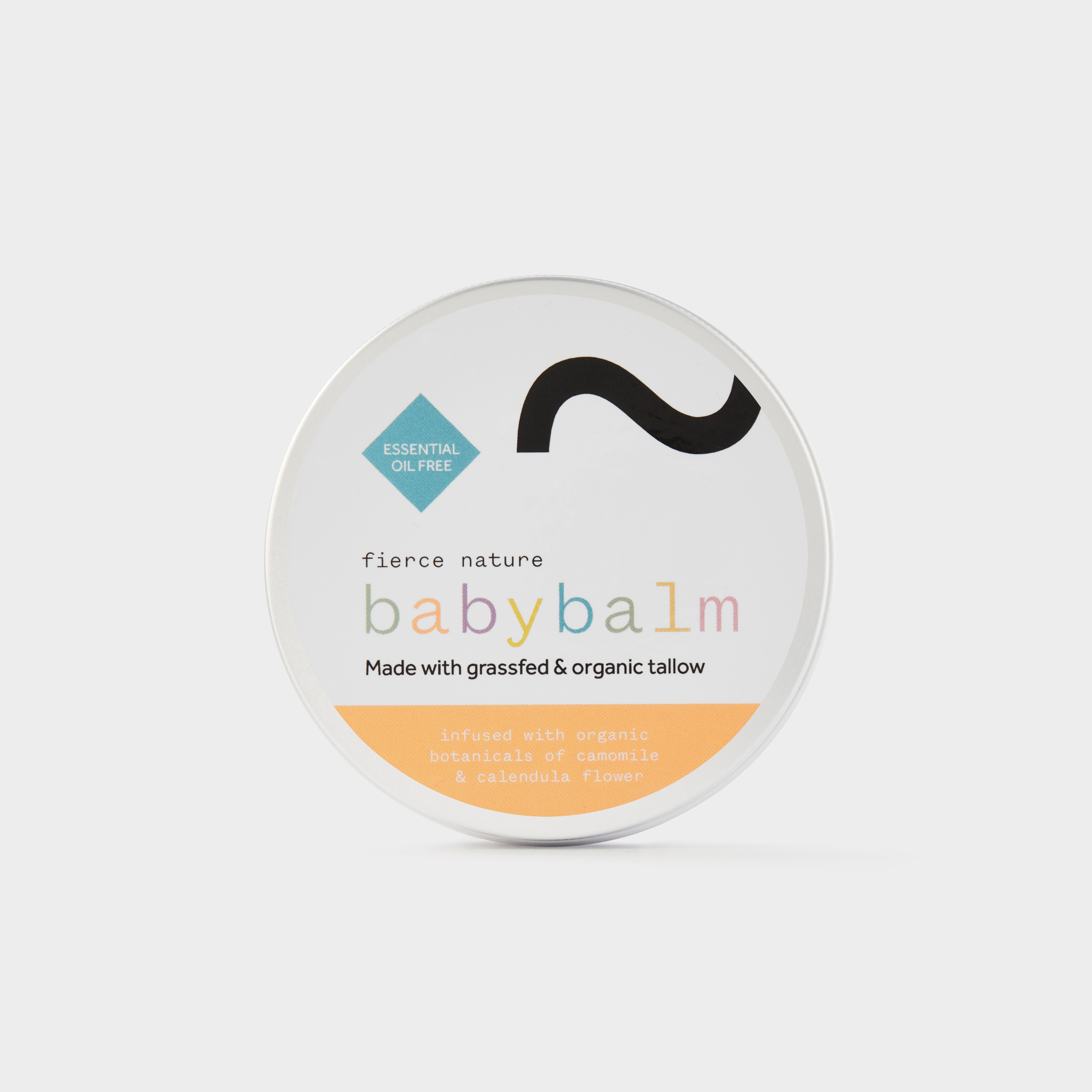
Our Baby Balm reflects that approach: a nourishing, non-medicated option to sit alongside the barrier routine above, never as a replacement for medical treatment when a rash needs clinical attention.
Zinc oxide nappy creams span a wide price range, largely driven by formulation complexity and brand positioning rather than the zinc oxide itself. Basic single-ingredient ointments tend to sit at the affordable end of the shelf, while multi-ingredient medicated creams and naturally formulated balms with additional nourishing ingredients cost more, reflecting the extra components and sourcing behind them.
Larger tubs generally offer better value per use than small travel sizes, which matters given how often a thin layer needs reapplying throughout the day. Buying a size that matches your baby’s stage, rather than the biggest tub available, avoids waste if their skin settles quickly or their needs change as they grow.
Price alone rarely predicts effectiveness for straightforward barrier protection. A simple, fragrance-free zinc oxide cream can perform the core job, forming a barrier against moisture and friction, just as reliably as a pricier alternative. Where cost differences tend to show up is in additional ingredients: naturally sourced, transparently listed formulations often cost more to produce than mass-market versions built around cheaper fillers and synthetic fragrance.
For families managing a tight budget, prioritising fragrance-free formulation and a clear ingredient list matters more than chasing a premium price tag. The best medicine for nappy rash guide covers escalation options in more detail if a basic barrier cream is not enough.

Nappy creams on the market fall broadly into three categories: simple zinc oxide ointments, multi-ingredient medicated creams, and naturally formulated balms built around plant or animal-derived bases. Each suits a different situation.

Simple zinc oxide ointments tend to be the most affordable and the least likely to trigger sensitivity, since their ingredient lists are short. They work well for everyday prevention and mild irritation but offer little beyond the barrier itself.
Multi-ingredient medicated creams, the kind found in most pharmacies, often combine zinc oxide with preservatives, lanolin, or benzyl compounds. These can be effective for a wider range of skin complaints, but the additional ingredients raise the chance of a reaction in babies with known sensitivities, so checking the full label matters more here than with simpler products.
Naturally formulated balms, including our own Baby Balm, take a different route: fewer synthetic additives, an emphasis on ingredient transparency, and a base such as tallow chosen for its compatibility with skin. These tend to sit at a higher price point than basic ointments, reflecting the sourcing and handmade production behind them, but they suit parents specifically looking to avoid fragrance and synthetic fillers.
None of these categories is universally “better”. The right choice depends on your baby’s skin, your budget, and how much ingredient transparency matters to you. Our best baby balm for sensitive skin guide walks through this in more depth for families dealing with recurring sensitivity.
Most zinc oxide nappy creams have a shelf life of several months to a couple of years once opened, though the exact figure varies by formulation and always appears on the packaging as a period-after-opening symbol or a use-by date. Checking this figure before use matters more than guessing, since natural formulations without heavy synthetic preservatives can degrade faster than mass-market versions.
Storage conditions affect how well a cream holds up over that period. Keep tubs and jars in a cool, dry place away from direct sunlight and away from the bathroom’s steam and temperature swings, which can encourage separation or spoilage in natural, less heavily preserved formulas. A bedroom drawer or a cupboard in the changing area usually works better than a windowsill or a steamy bathroom shelf.
Always close the lid fully after each use and avoid dipping fingers repeatedly into a jar, since this introduces bacteria that shorten a product’s usable life regardless of what the label promises. A clean spatula or applying directly from a tube avoids this problem entirely.
If a cream changes colour, develops an odd smell, or separates in a way that does not blend back together, it has likely passed its useful life even if the printed date has not technically expired. Watching for these signs matters more with naturally formulated products, which rely less on synthetic preservatives to mask early spoilage.
Nappy rash worries most parents at some point, and that is completely normal. It looks alarming on delicate skin, but most cases are mild and settle within days once you combine frequent changes, gentle cleaning, nappy-free time, and a barrier cream applied consistently.
Trust that routine before assuming something is seriously wrong. If the rash lingers, spreads, or your instinct says something is off, a pharmacist, health visitor, or GP will always take your concern seriously.
— Fierce Nature
Our Baby Balm is handmade using tallow, formulated with full ingredient transparency for parents who want to know exactly what touches their baby’s skin. It fits naturally into the routine above: a thin layer at each nappy change, alongside gentle cleaning and some nappy-free time, working as a nourishing option rather than a medicated treatment.
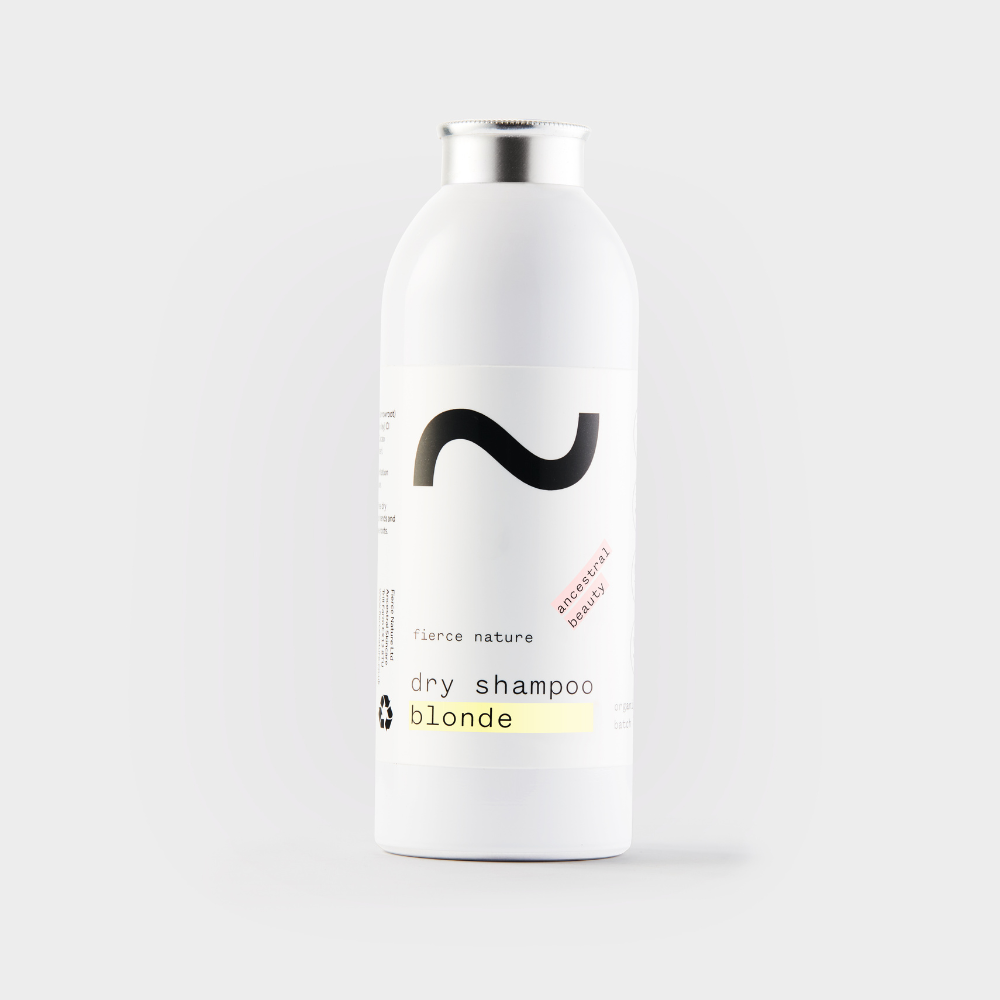
You can view the Baby Balm product page to see the full ingredient list and decide whether it suits your baby’s skin. Beyond nappy care, our catalogue includes the New Sun Balm SPF 50+ PA++++ for sun protection and a Dry Shampoo (Blonde) for parents looking after their own hair between busy days. For readers managing broader sensitivity across the family, our piece on natural eczema care for children covers our wider approach to gentle, transparent skincare.
No. Sudocrem contains zinc oxide, around 15.25%, but it also includes other ingredients such as benzyl alcohol and lanolin, which differ from a simple single-ingredient zinc oxide ointment. Always check the full label, since “contains zinc oxide” does not mean two products behave the same way on sensitive skin.
Zinc oxide nappy cream is used to prevent and treat mild nappy rash by forming a physical barrier against urine, faeces, and friction. It is typically applied in a thin layer at each nappy change as part of a wider routine that includes gentle cleaning and nappy-free time.
Guidance recommends frequent nappy changes, gentle cleaning with water or fragrance-free wipes, thorough drying, nappy-free time, and an over-the-counter barrier cream. If the rash does not improve within about a week or looks infected, a pharmacist, health visitor, or GP can advise on further treatment, which may include hydrocortisone 1% or an antifungal cream for some babies.
Many nappy creams contain zinc oxide, from simple single-ingredient ointments to multi-ingredient medicated creams and naturally formulated balms.
The main caution concerns sprayable or nano forms, which raise inhalation concerns, so choosing a cream or ointment rather than a powder or spray avoids that issue entirely.