Cart
0
80% Also Added this


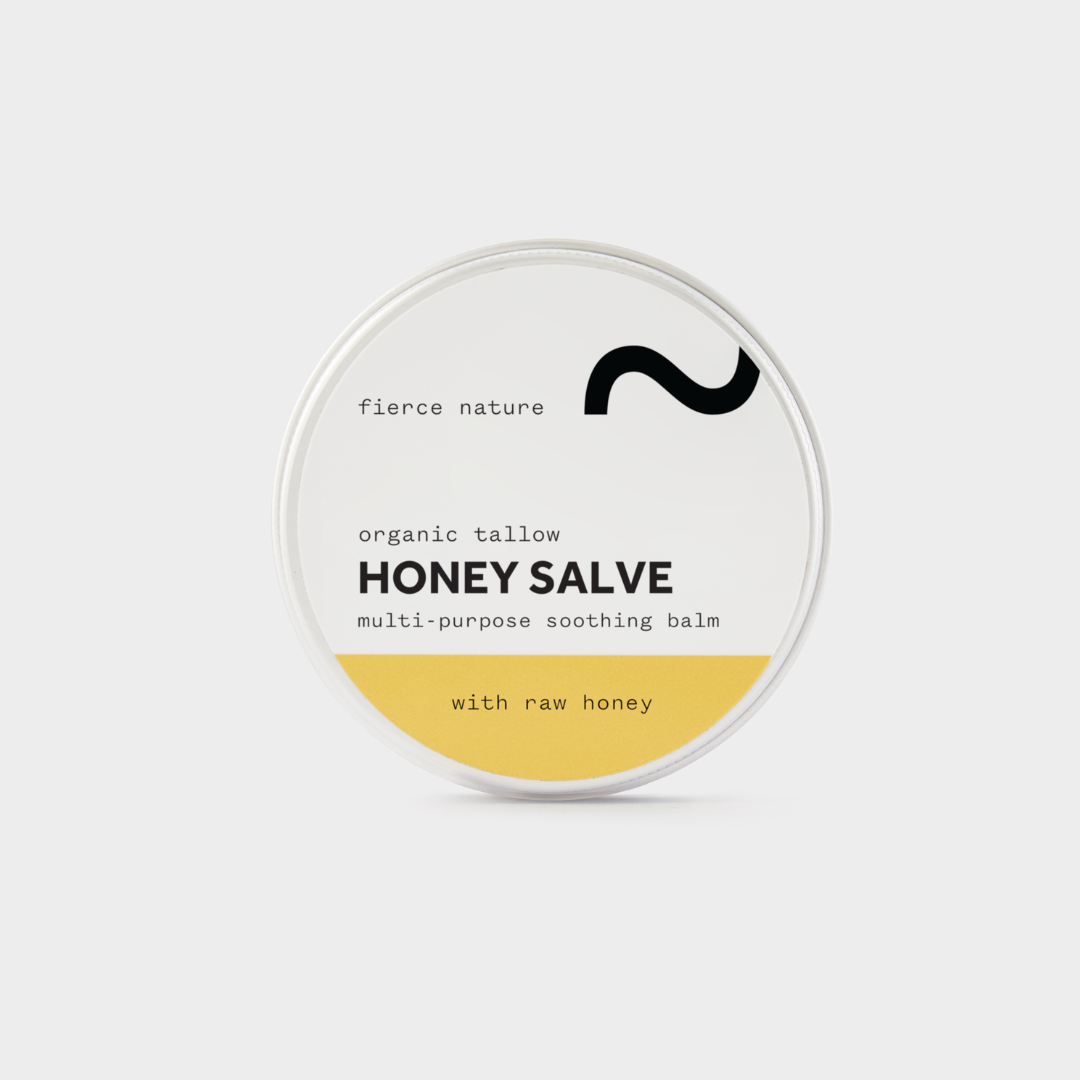
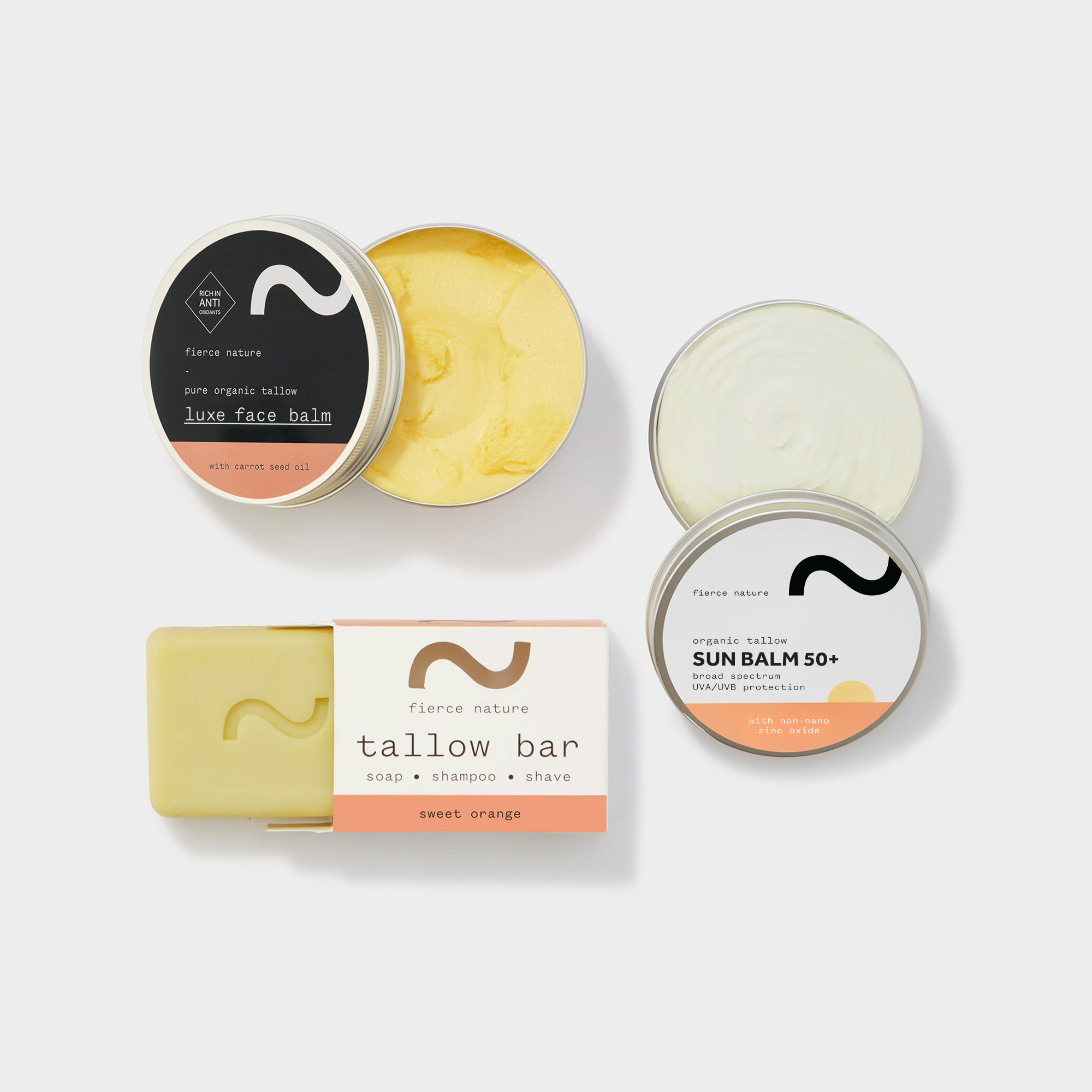
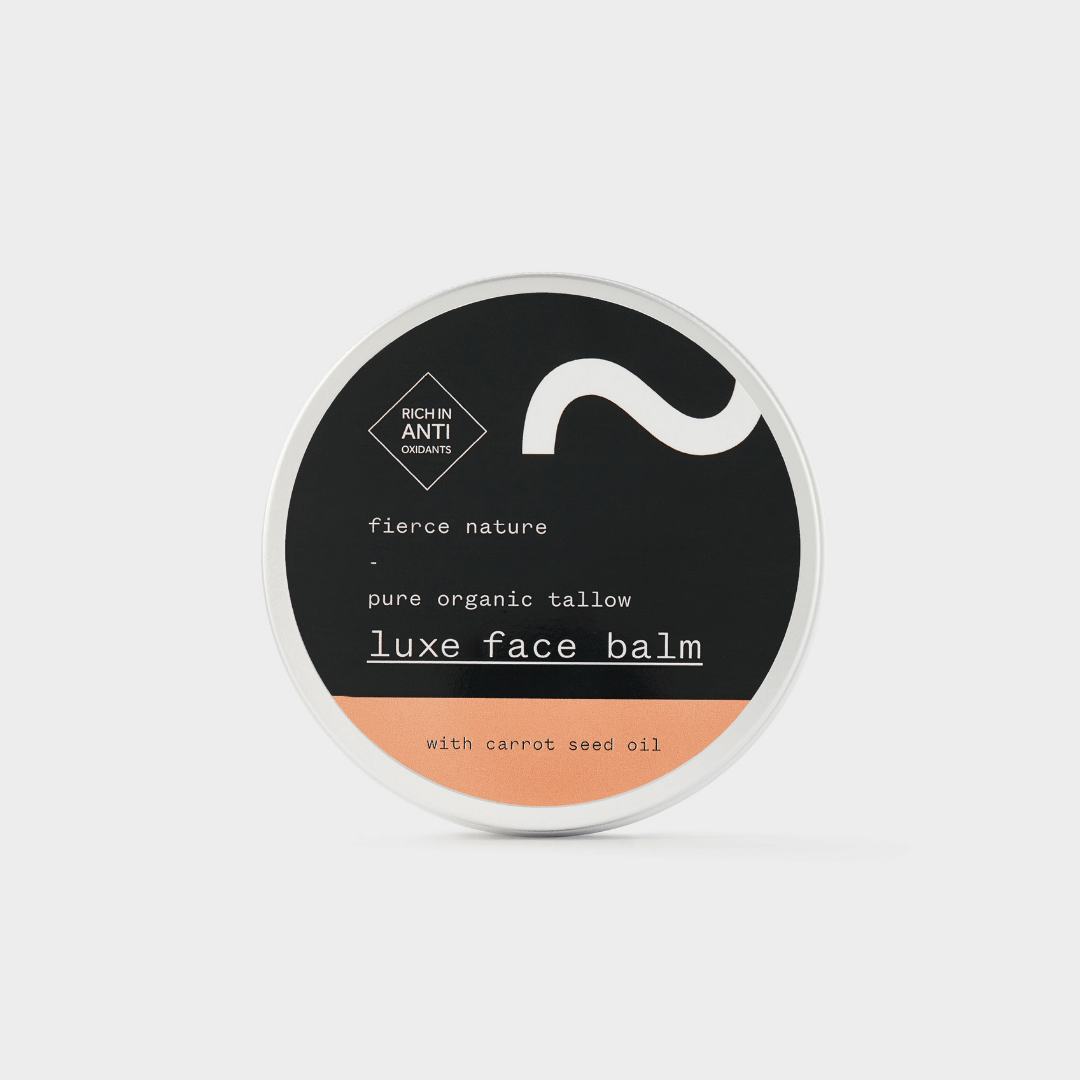
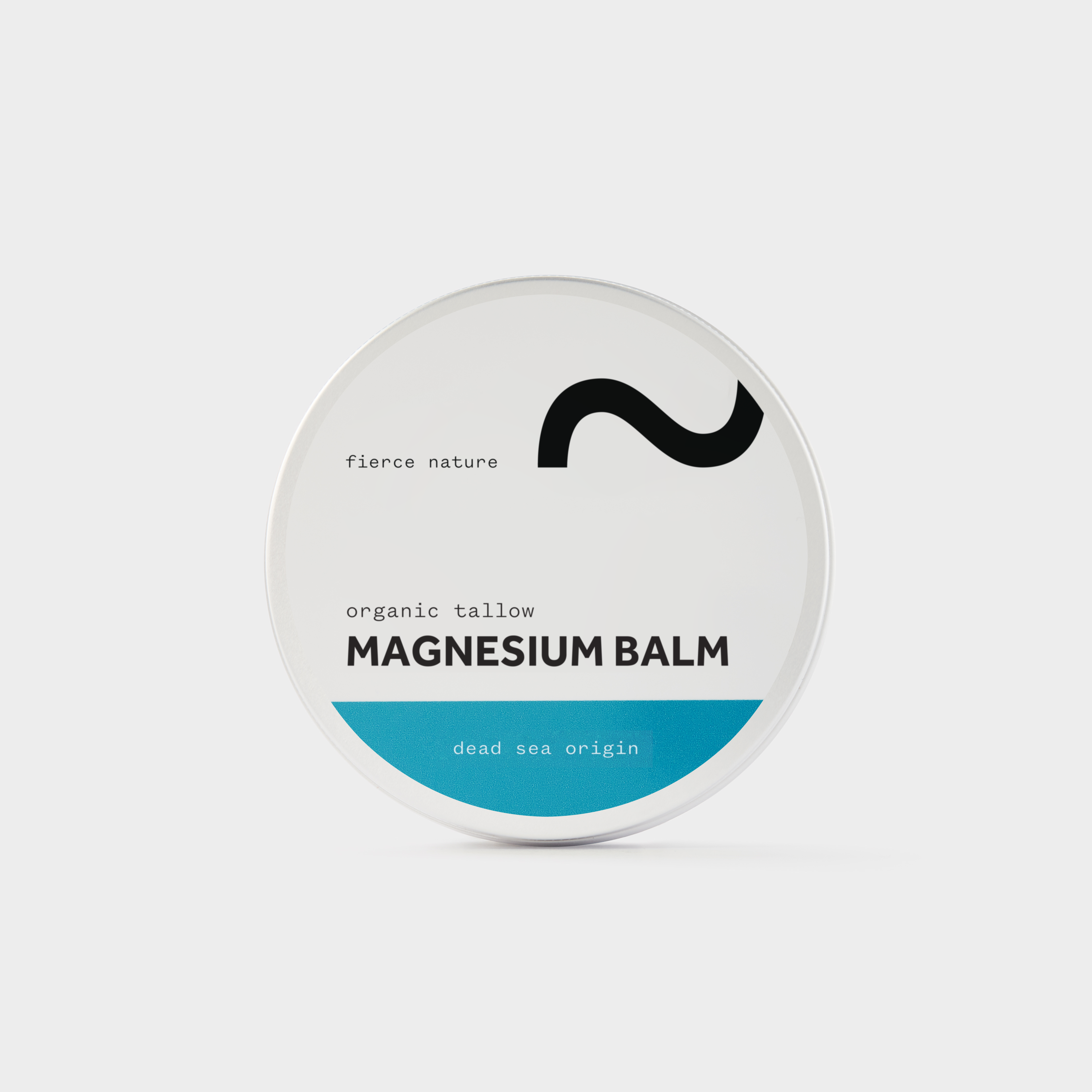
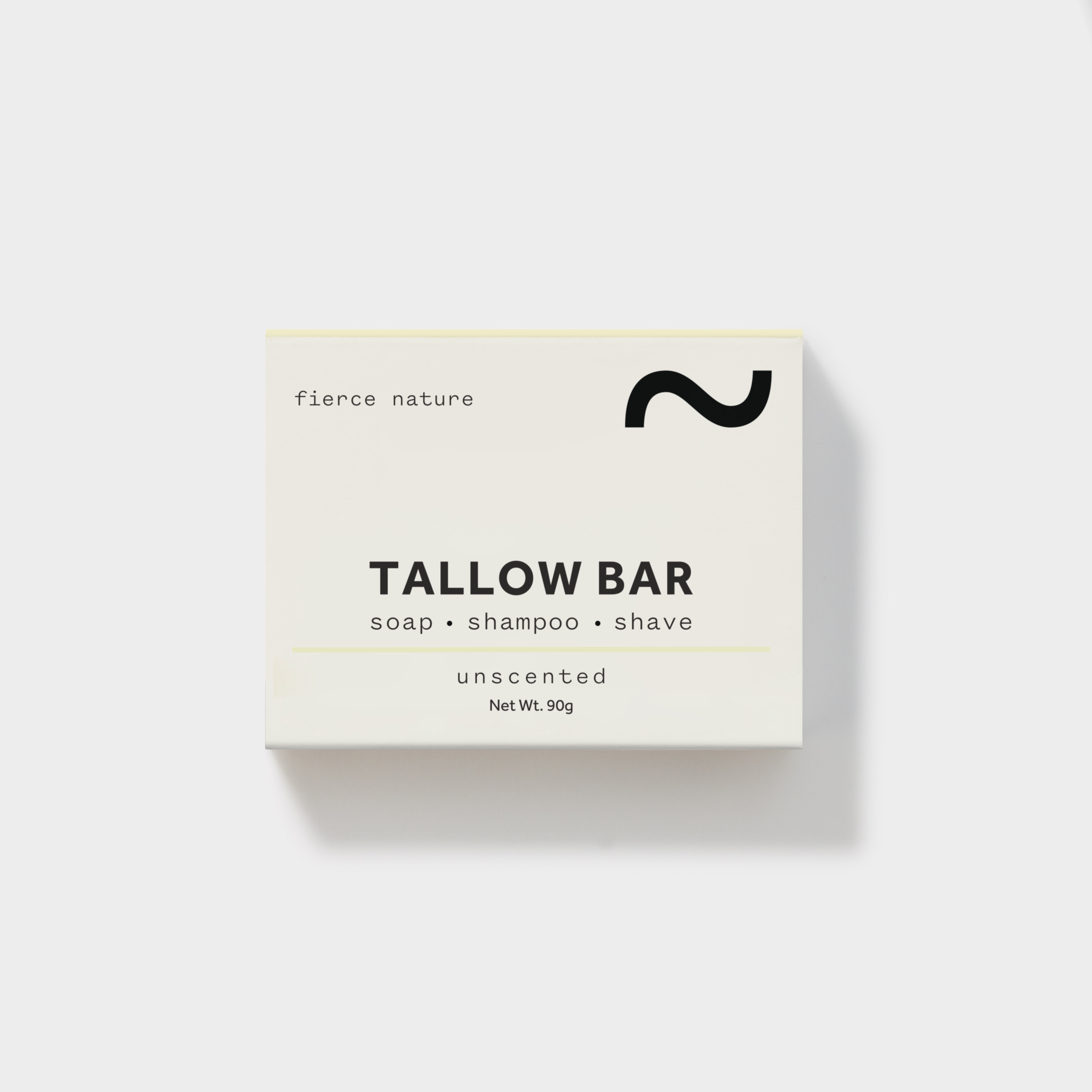
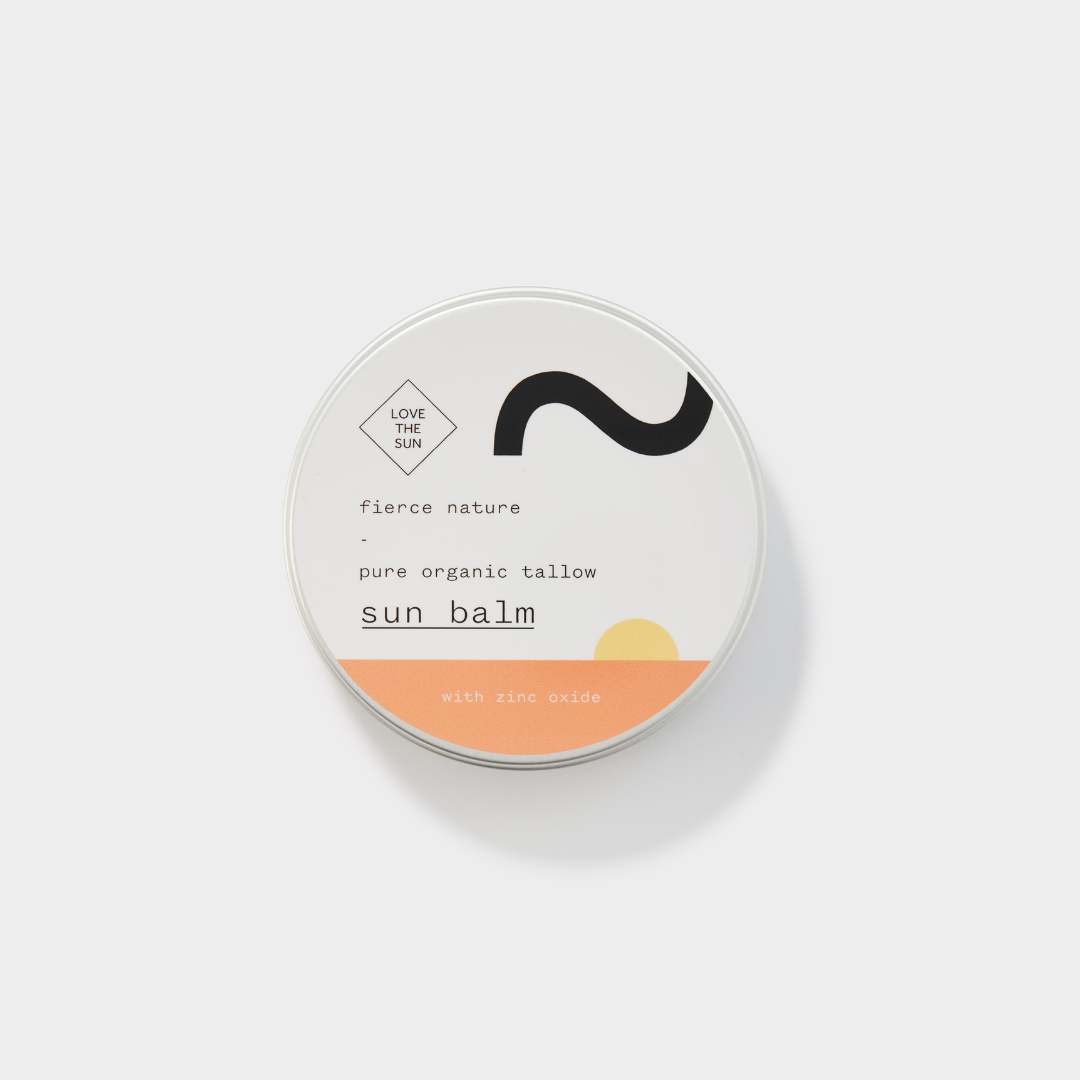
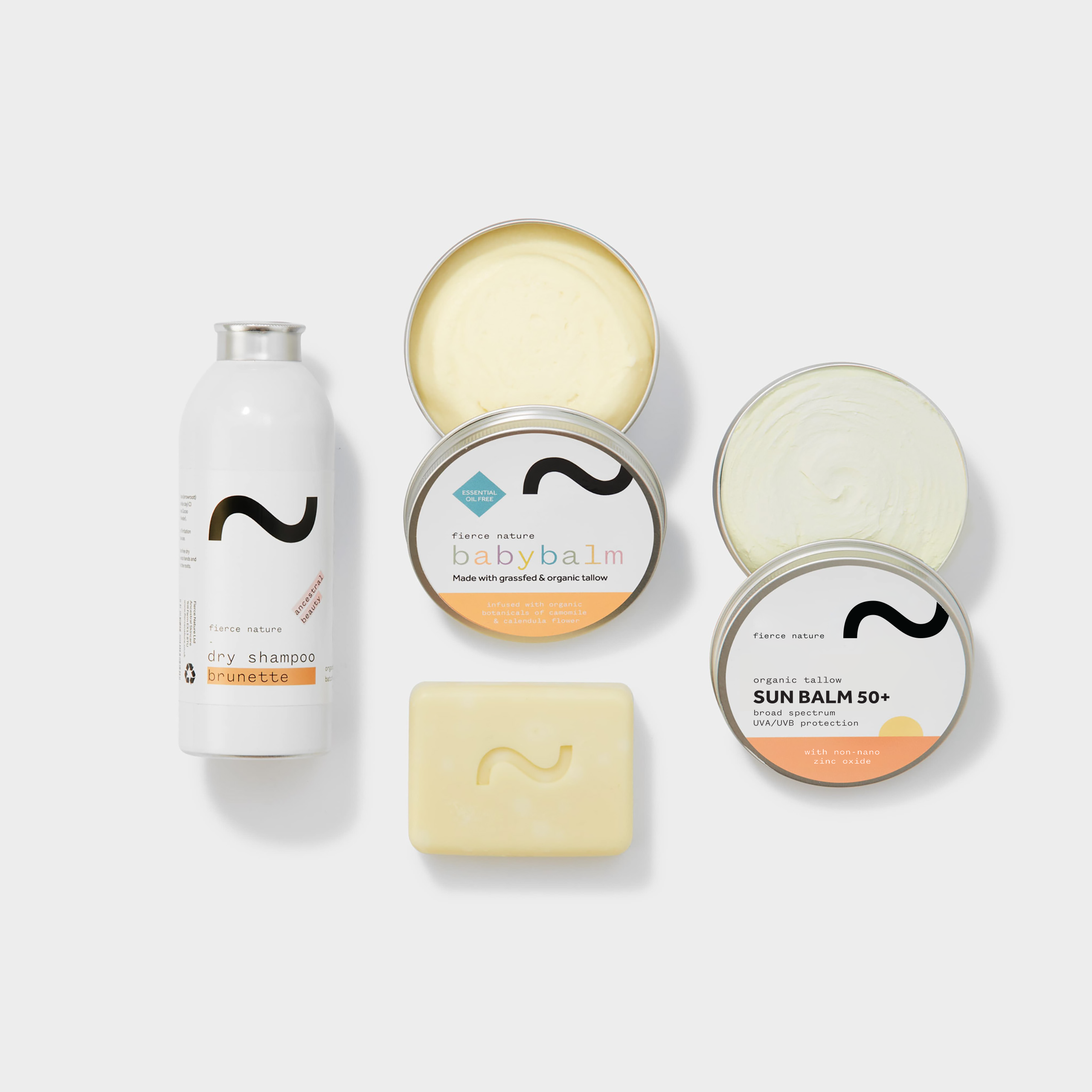
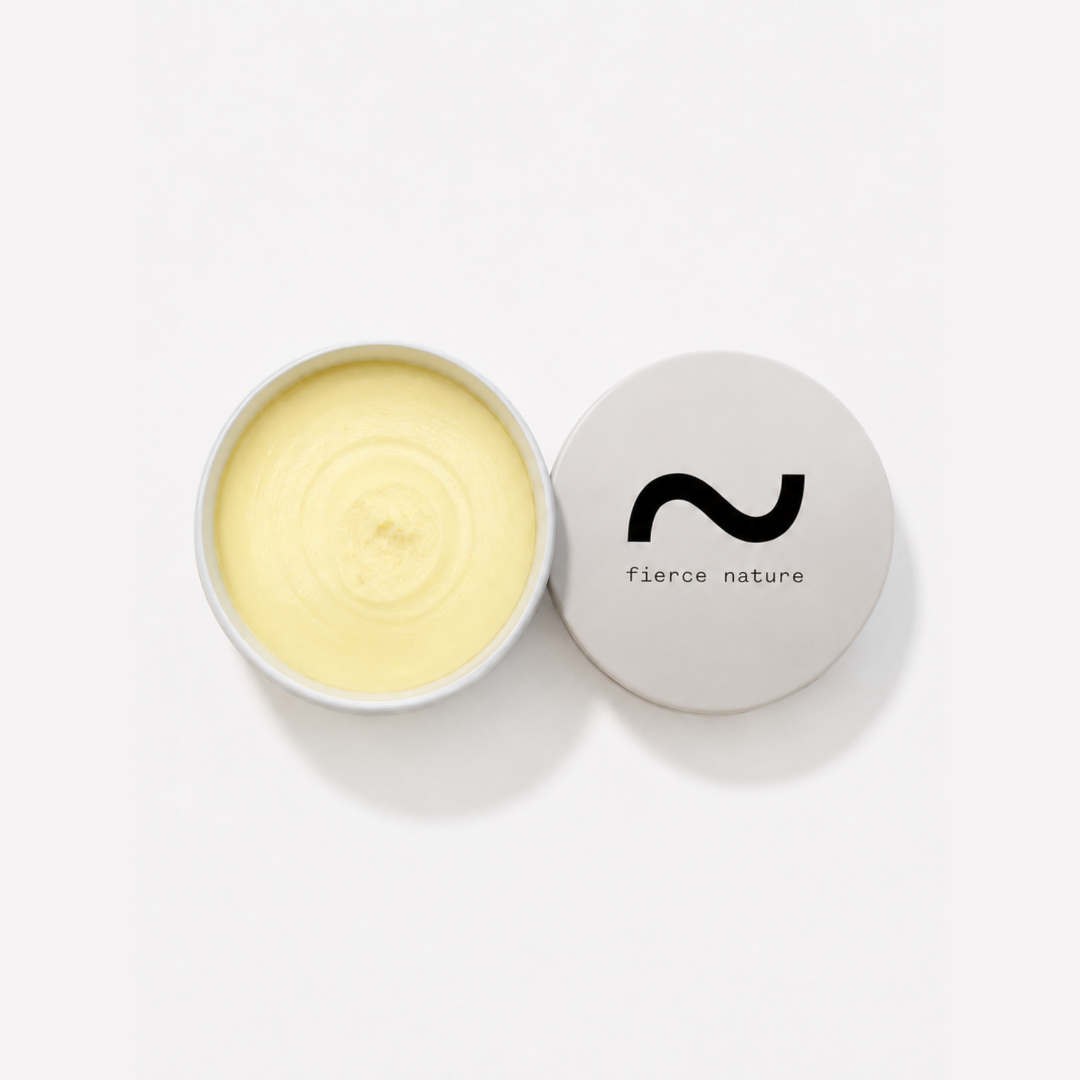
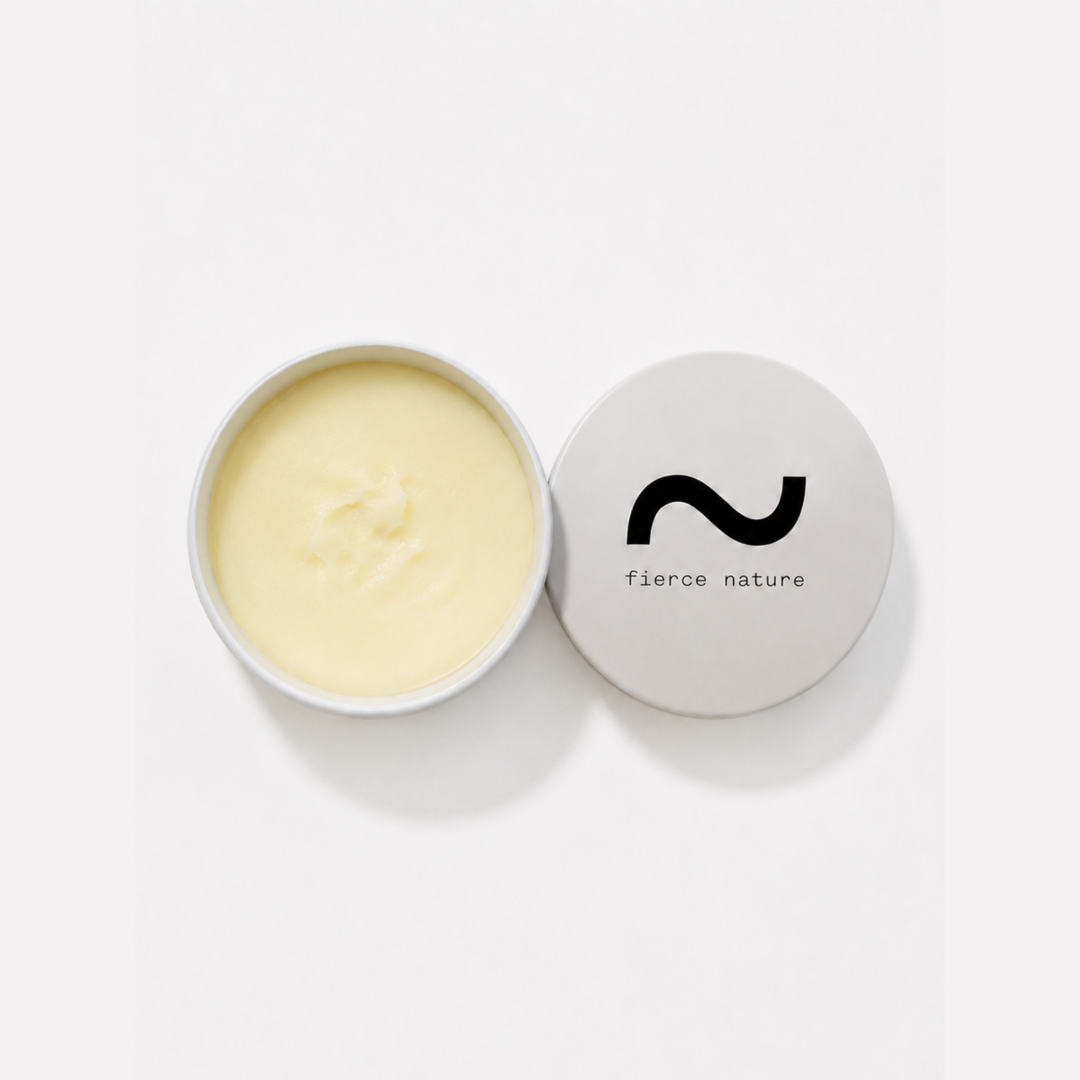
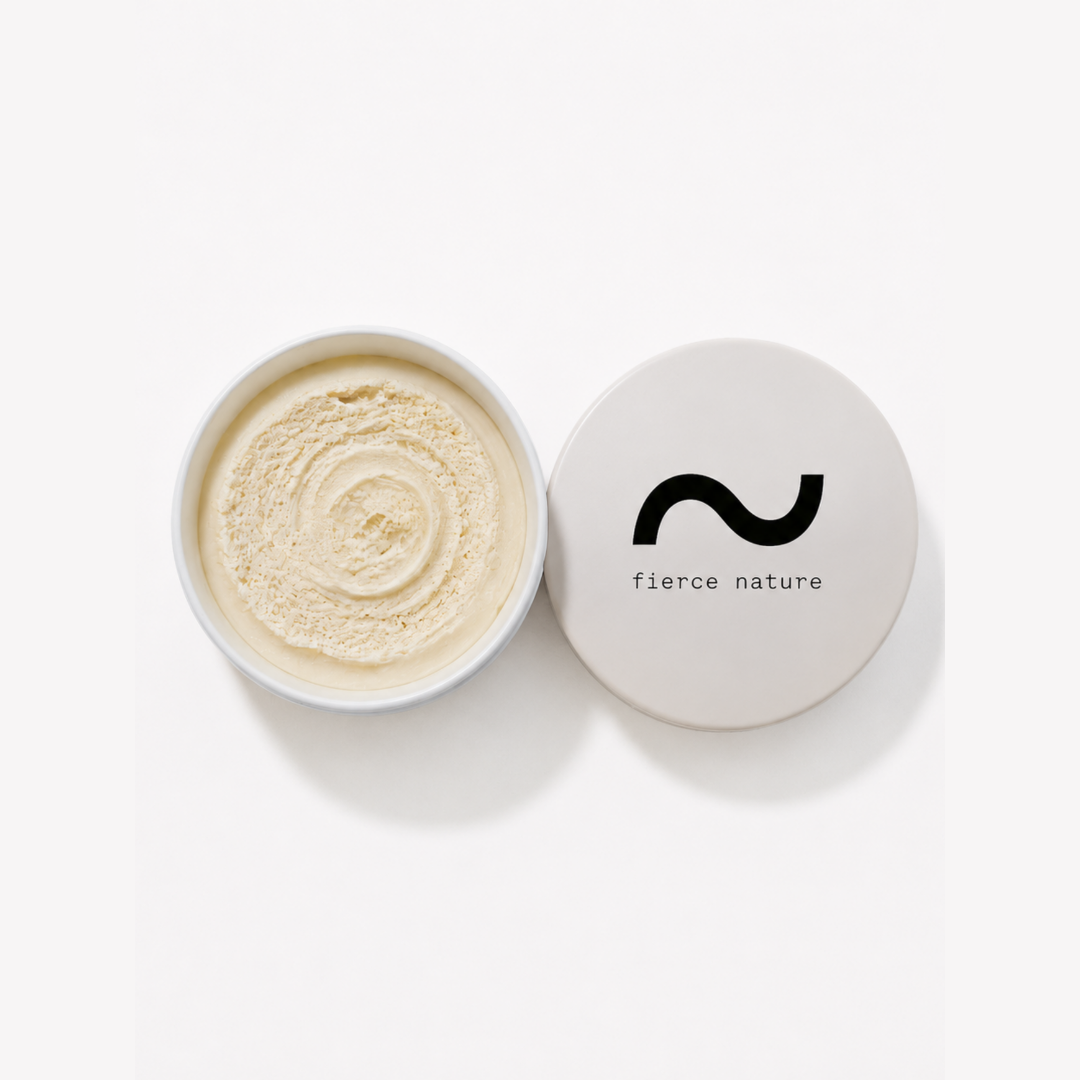
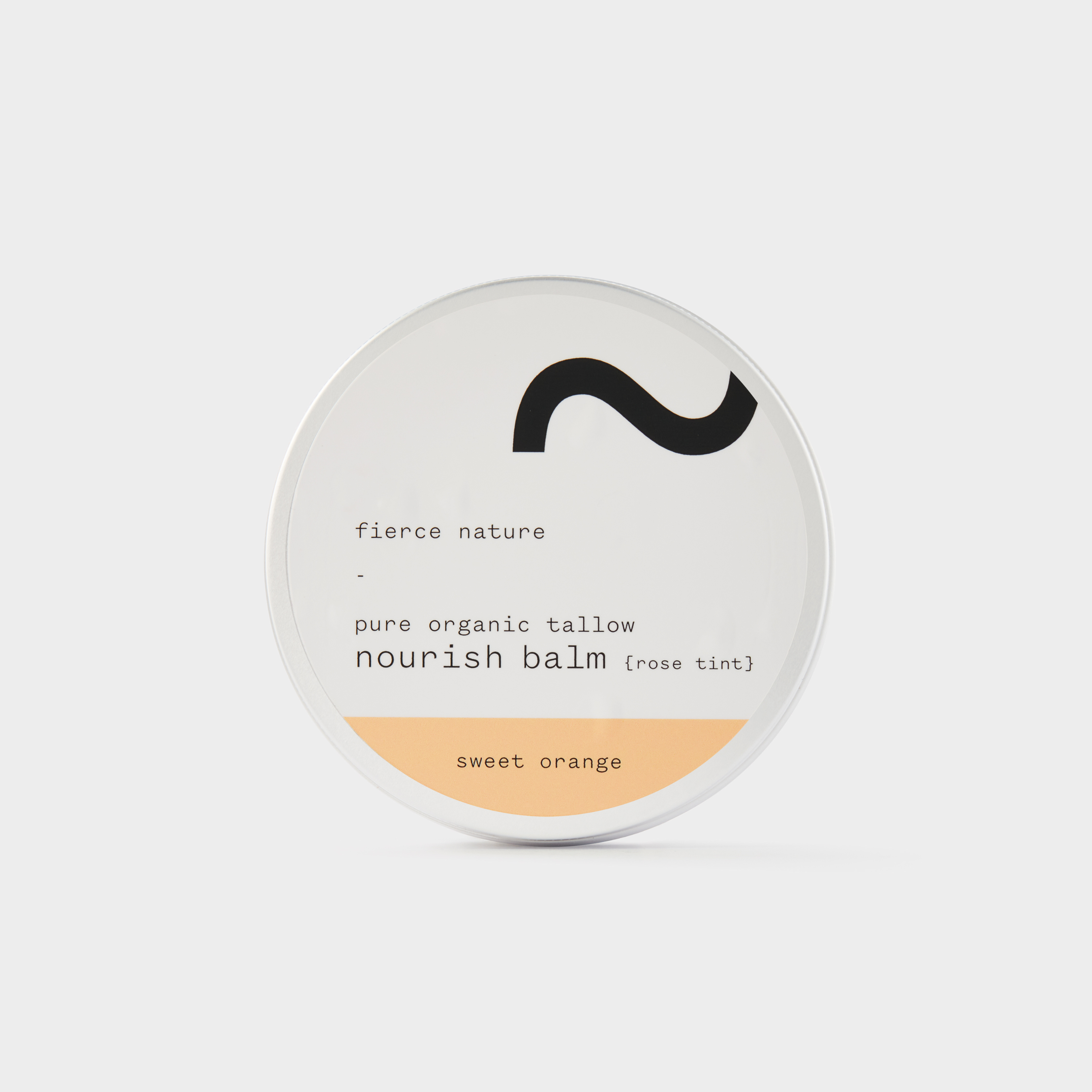




Nappy rash is one of the most common skin concerns in babies, causing redness, soreness and discomfort in the nappy area. The good news is that most cases are mild and improve quickly with the right care. Understanding the causes, choosing the correct treatment and following prevention steps can make a significant difference.
This complete guide explains the best treatment for nappy rash, what causes it and how to prevent it from returning.
Nappy rash develops when delicate baby skin becomes irritated. The most common causes include:
Prolonged contact with urine or stool
Infrequent nappy changes
Friction from tight-fitting nappies
Sensitivity to wipes, soaps or skincare products
Teething-related changes in stool
Antibiotic use
Fungal infection (candida)
Because baby skin is thinner and more sensitive than adult skin, irritation can appear quickly.
The most effective treatment for nappy rash is a thick barrier cream containing zinc oxide.
Why it works:
Forms a protective layer over the skin
Blocks moisture from urine and stool
Reduces redness and inflammation
Supports natural healing
Apply a generous layer during every nappy change until the rash improves. Do not rub it in completely — a visible protective layer is beneficial.
Moisture is the main trigger for nappy rash.
Change nappies as soon as they are wet or soiled
Increase frequency during flare-ups
Avoid prolonged overnight exposure
Keeping the area dry is one of the most effective prevention and treatment methods.
Over-wiping can worsen irritation.
Use warm water and cotton wool where possible
Avoid alcohol-based wipes
Pat dry gently instead of rubbing
The goal is to clean without stripping or irritating the skin further.
Allowing the skin to breathe can significantly speed up healing.
Let your baby lie without a nappy for short periods
Place a towel underneath
Keep the room warm and comfortable
Air exposure reduces moisture and supports recovery.
If the rash:
Is bright red with defined edges
Has small red spots around the main rash
Does not improve after 3–5 days
It may be a fungal infection (candida). In this case, a pharmacist or GP may recommend an antifungal cream.
Do not use medicated creams unless advised by a healthcare professional.
Seek medical advice if:
The rash worsens or spreads
Blisters or open sores develop
Your baby develops a fever
There is no improvement after several days
The rash extends beyond the nappy area
Early treatment prevents complications.
Avoid products that can make the rash worse:
Talcum powder
Artificial fragrance
Essential oils
Tight nappies
Harsh scrubbing
Keeping the routine simple and gentle is often the best approach.
Prevention is easier than treatment.
Change nappies regularly
Apply a thin layer of barrier cream daily
Choose breathable nappies
Avoid harsh wipes and soaps
Allow daily nappy-free time
A consistent skincare routine strengthens the skin barrier and reduces future flare-ups.
The best treatment for nappy rash combines a thick zinc oxide barrier cream, frequent nappy changes, gentle cleaning and air exposure. Most mild cases clear within a few days when managed properly. If the rash persists or appears severe, consult your GP for further guidance.
Nappy Rash Solutions: Complete Guide to Fast Relief & Prevention
Best Thing for Nappy Rash: Complete Guide for Fast Relief & Prevention
For more information about us feel free to visit -> Fierce Nature