Cart
0
80% Also Added this
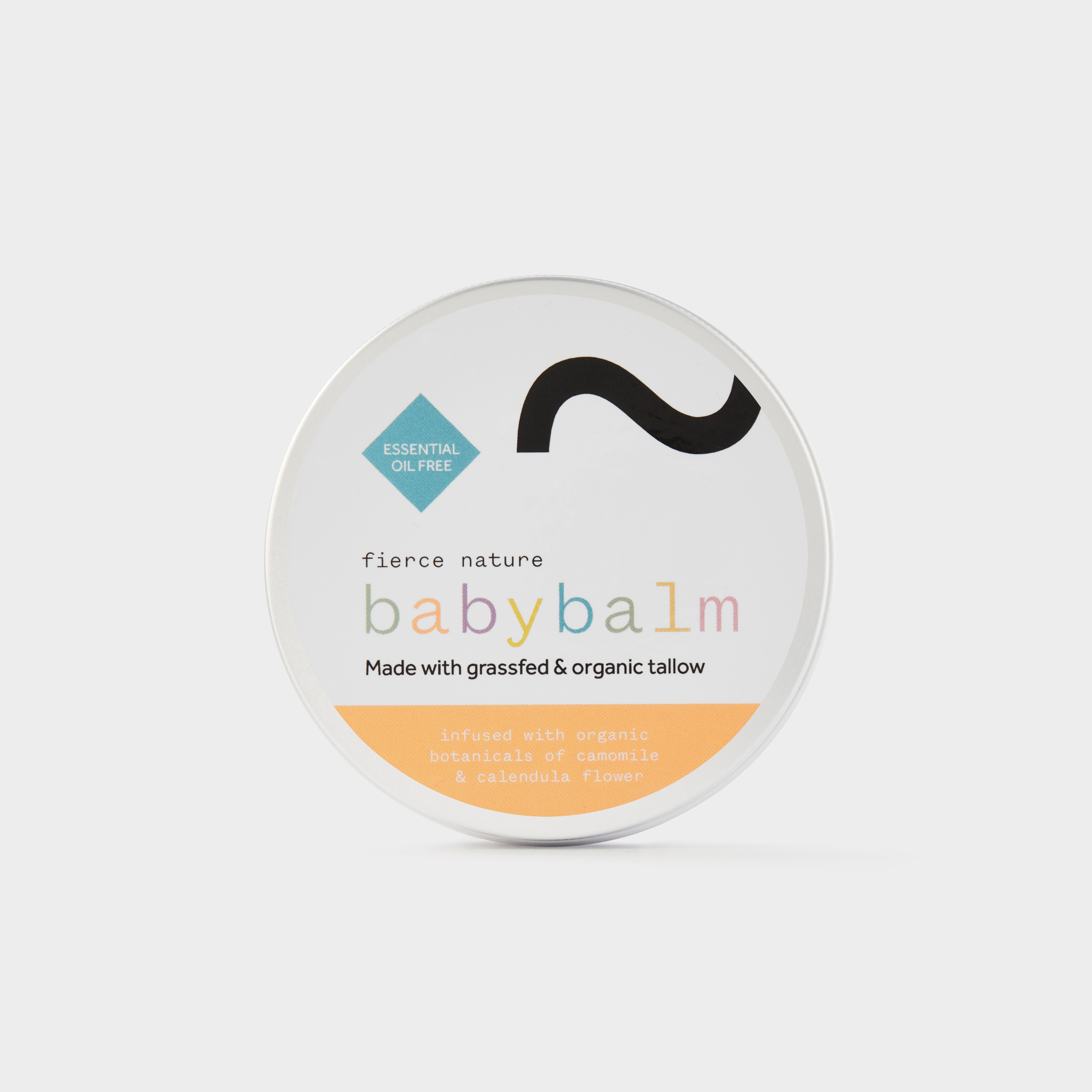





Nappy rash is one of the most common skin concerns in babies. It can appear quickly and cause redness, irritation and discomfort. If you are searching for effective nappy rash solutions, the key is to protect the skin barrier, reduce moisture and support healing.
This complete guide explains the best treatments, prevention tips and when to seek medical advice.
Understanding the cause helps you choose the right solution.
Nappy rash is usually triggered by:
Prolonged exposure to wet or soiled nappies
Friction from tight nappies
Sensitive reactions to wipes or skincare products
Teething-related stool changes
Antibiotic use
Fungal infections (in some cases)
Baby skin is thinner and more delicate than adult skin, making it more vulnerable to irritation.
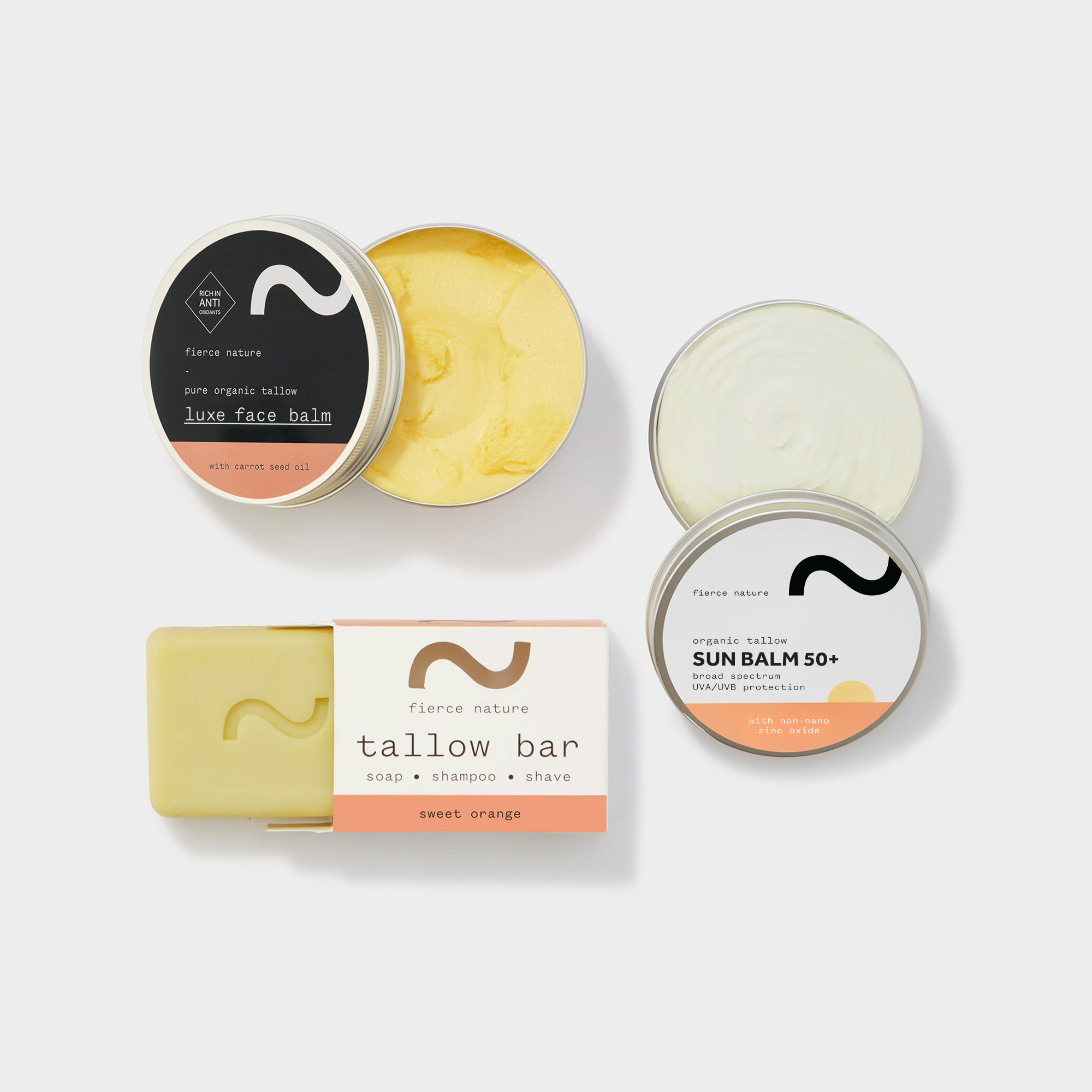
One of the most effective nappy rash solutions is a thick barrier cream containing zinc oxide.
Benefits:
Creates a protective shield against moisture
Reduces redness and inflammation
Supports skin healing
Prevents further irritation
Apply a generous layer during every nappy change until the rash improves.
Reducing contact with urine and stool is essential.
Change nappies as soon as they are wet or soiled
Increase changes during flare-ups
Check nappies regularly overnight
Avoid over-wiping or harsh cleansing.
Use warm water and cotton wool when possible
Pat dry instead of rubbing
Avoid alcohol-based wipes
Keeping the area clean but not over-irritated is key.
Allowing the skin to breathe helps speed up recovery.
Let your baby lie on a towel without a nappy for short periods
Ensure the room is warm and safe
Air exposure helps reduce moisture build-up.
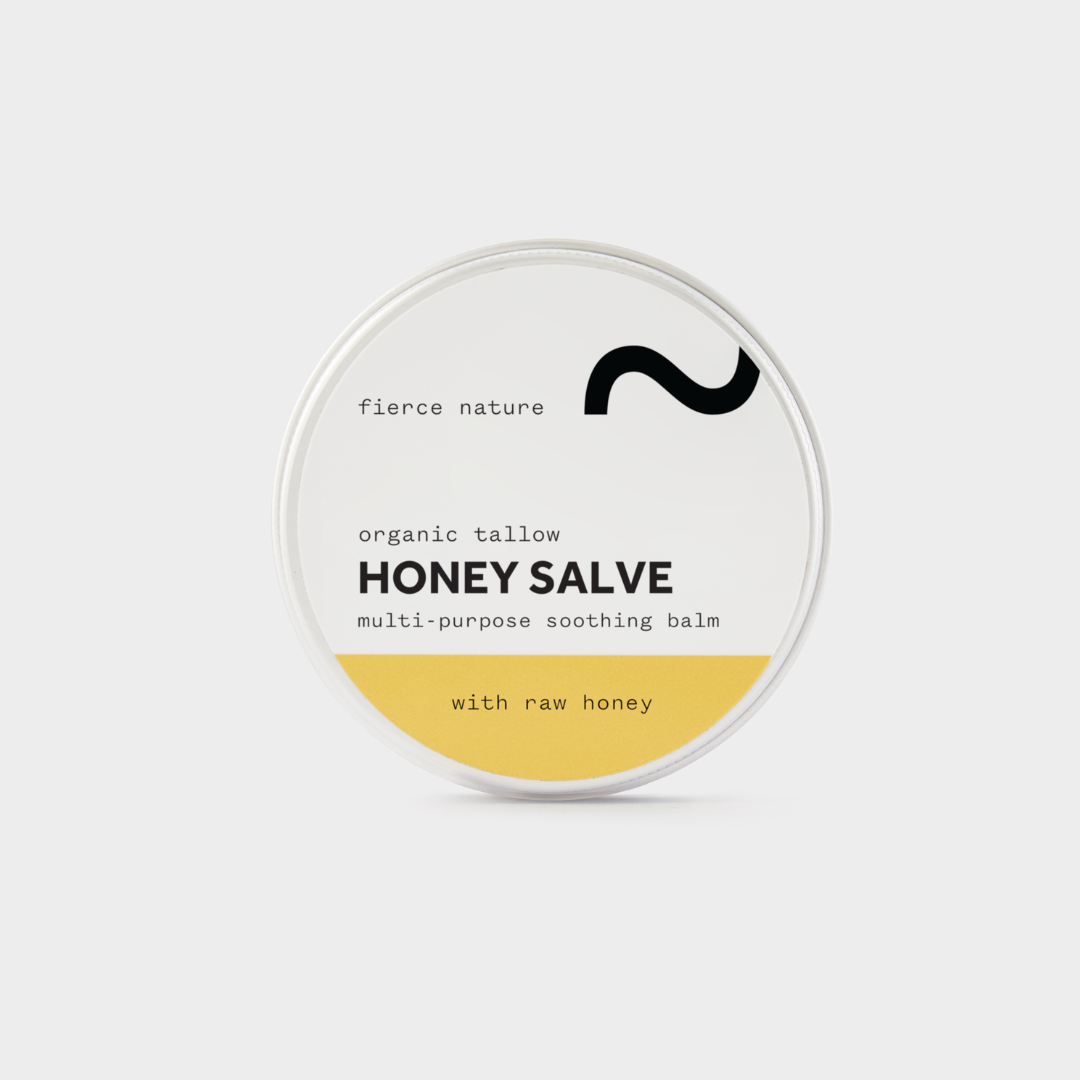
For mild irritation, a gentle baby balm can soothe and moisturise the skin. Choose products free from artificial fragrance and alcohol.
Look for ingredients such as:
Zinc oxide
Calendula
Oat extract
Shea butter
If the rash:
Is bright red with defined edges
Has small red spots around the main rash
Does not improve after several days
It may be a fungal infection (commonly candida). In this case, consult your GP for antifungal treatment.
Certain products can worsen nappy rash.
Avoid:
Talcum powder
Strong fragrance
Essential oils
Tight-fitting nappies
Aggressive scrubbing
Simplicity is often the best approach.
Prevention is easier than treatment.
Use a barrier cream regularly
Choose breathable nappies
Keep skin clean and dry
Change nappies promptly
Avoid switching products too frequently
A consistent routine strengthens the skin barrier.
With proper care, mild nappy rash usually improves within 2 to 3 days. More severe cases may take longer and require medical advice.
Seek medical help if:
The rash worsens or spreads
There are blisters or open sores
Your baby develops a fever
The rash lasts longer than 5 days
Early treatment prevents complications.
The best nappy rash solutions focus on protection, dryness and gentle care. Zinc oxide barrier creams, frequent changes and air exposure are the most effective strategies. Avoid harsh products and maintain a consistent routine to prevent recurrence.
For more information about us feel free to visit -> Fierce Nature


