Cart
0
You may also like




TL;DR:
- Greenwashing in the beauty industry involves making misleading environmental claims, often without credible evidence.
- Regulations coming in 2026 aim to ban vague green terms and require transparent, substantiated claims from brands.
Greenwashing in the beauty industry is defined as the practice of making misleading or unsubstantiated environmental or natural claims on cosmetic products to attract conscious consumers. Brands like Garnier, Herbal Essences, and Supergoop have all faced scrutiny for claims including “natural,” “clean,” and “reef-safe” that lack credible, independent backing. With EU law banning vague green claims in cosmetics from 27 September 2026 and UK regulators tightening standards, understanding exactly what greenwashing looks like in practice has never been more pressing. If you are shopping for genuinely sustainable beauty in the UK, this guide gives you the specific examples and tools you need to tell the difference.

The most common form of greenwashing in cosmetics involves the words “natural” and “clean,” two terms that carry no legal definition in the UK or EU. Because neither term is regulated, any brand can print them on packaging without meeting a single objective standard. This is where the deception begins.
Herbal Essences is one of the clearest examples. The brand markets products with claims of high percentages of “natural origin” ingredients. However, a lawsuit alleges that these ‘natural origin’ claims mask petrochemical content, because ingredients derived from plants can be so heavily processed that they bear little resemblance to anything found in nature. The percentage figure sounds reassuring on the front of the bottle, but it is built on a definition most shoppers would not recognise.
Garnier’s “Green Beauty” umbrella branding is another well-documented case. The brand applies this sustainability framing across a wide product range, yet several of those products contain sodium lauryl sulphate (SLS) and synthetic fragrances. The “Green Beauty” label functions as an image, not a standard. It creates an impression of environmental responsibility without committing to any verifiable criteria.
The mechanism behind both examples is the same. Brands rely on asterisks and fine print to qualify their claims, burying definitions online or in small text that most consumers never read. The headline claim does the marketing work; the qualification does the legal work. Consumers’ reasonable interpretation of “natural” rarely matches the technical definition the brand is relying on.
Pro Tip: When you see a “natural” percentage claim on a beauty product, look for the asterisk. If the definition of “natural origin” is buried in fine print or only available online, treat the headline figure with scepticism.
“Reef-safe” and “biodegradable” are two of the most emotionally compelling claims in beauty marketing. They suggest environmental care beyond the product itself. The problem is that neither term is regulated in the UK or EU, which means they can be applied freely without meeting any defined standard.
Supergoop’s Unseen Sunscreen has been examined for its “reef-safe” positioning. The term ‘reef-safe’ is unregulated, meaning any brand can use it without independent verification. There is no agreed definition of what makes a sunscreen safe for reef ecosystems, no certification body, and no legal threshold for the claim. A sunscreen can omit oxybenzone and still contain other chemical filters with unknown or harmful effects on marine life, yet still carry the “reef-safe” label.
The “biodegradable” claim follows a similar pattern, with real legal consequences already emerging.
Pro Tip: Before buying a product labelled “biodegradable,” check the disposal instructions on the packaging. If it says “general waste,” the biodegradability claim applies only under conditions you are unlikely to have access to.
The regulatory environment around greenwashing in cosmetics is changing significantly in 2026, and UK consumers benefit from understanding both frameworks.
The EU’s Empowering Consumers for the Green Transition (ECGT) Directive comes into force on 27 September 2026 with no grace period. From that date, vague environmental terms including “natural,” “clean,” “eco,” “green,” and “environmentally friendly” are banned in cosmetics marketing unless they are fully substantiated with evidence. Self-created sustainability labels without third-party verification are also prohibited. This directly targets the kind of umbrella branding that Garnier’s “Green Beauty” range represents.
In the UK, the Competition and Markets Authority (CMA) Green Claims Code requires that environmental claims be backed by robust, credible, relevant, and up-to-date evidence. Critically, this evidence must extend across the supply chain, not just the finished product. A brand cannot claim sustainability for a product if the raw material sourcing or manufacturing process contradicts that claim.
The UK is also tightening ingredient-level restrictions. New UK Cosmetics Regulation SI 2026/23 prohibits 4-methylbenzylidene camphor (4-MBC), a UV filter found in some sunscreens, effective 15 July 2026. This matters because some products marketed as “natural” or “reef-safe” have contained 4-MBC, and its prohibition removes one avenue for misleading formulation.
| Regulation | Scope | Key requirement | Effective date |
|---|---|---|---|
| EU ECGT Directive | EU market | Bans vague terms: ‘natural’, ‘clean’, ‘eco’ without full substantiation | 27 Sept 2026 |
| UK CMA Green Claims Code | GB market | Evidence-based claims across the full supply chain | Already in force |
| UK Cosmetics Regulation SI 2026/23 | GB market | Prohibits 4-MBC in cosmetic products | 15 July 2026 |
The practical implication for UK shoppers is straightforward. Any beauty brand still using unsubstantiated “natural” or “eco” language after September 2026 is operating in breach of EU rules and under scrutiny from UK regulators. The regulatory pressure is real, and it is already prompting reformulations and rebranding across the industry.
Identifying greenwashing does not require a chemistry degree. It requires knowing which signals to look for and which questions to ask before you buy.
Watch for vague language stacked together. When a product uses multiple unsubstantiated adjectives such as “natural,” “pure,” “eco,” and “clean” together on the same packaging, that combination is a warning sign. UK guidance emphasises clarity and evidence over aesthetics. Packaging that looks green and uses green language is not the same as a product that meets green standards.
Check for independent certification. Legitimate sustainability claims are verified by recognised third parties. In the UK, look for the Soil Association Organic certification, the Leaping Bunny cruelty-free mark, or the COSMOS standard for organic and natural cosmetics. A brand’s own “clean” or “green” label, created in-house, carries no equivalent weight.
Read the ingredient list, not the front of the pack. The front of a beauty product is marketing. The ingredient list (the INCI list) is the truth. If a product claims to be “natural” but lists sodium lauryl sulphate, synthetic fragrance (parfum), or PEG compounds near the top of the INCI list, the front-of-pack claim does not reflect the formulation.
“The key difference between genuine sustainability claims and greenwashing is the quality and verifiability of evidence, which increasingly requires supply chain transparency.” — UK CMA Green Claims guidance
Pro Tip: Use the UK government’s CMA Green Claims guidance as a reference when assessing a brand’s environmental claims. It sets out exactly what counts as credible evidence and what does not.
The term “clean beauty” has become one of the most commercially powerful phrases in the industry, and also one of the least meaningful. There is no single agreed definition of clean beauty in the UK, the EU, or anywhere else. This creates a space where brands can self-certify and self-define with very little accountability.
Some retailers have created their own “clean” standards. Sephora’s “Clean at Sephora” programme, for example, defines clean by a list of excluded ingredients. That list is determined by Sephora, not by an independent scientific or regulatory body. The standard changes when Sephora decides to change it. This is not the same as a COSMOS or Soil Association certification, which requires third-party auditing, supply chain traceability, and annual renewal.
The distinction matters because consumers are paying a premium for “clean” products. Research into consumer protection cases shows that consumers’ interpretation of ‘natural’ or ‘clean’ consistently diverges from the technical definitions brands rely on. When a shopper reads “clean beauty,” they typically understand it to mean free from harmful chemicals, environmentally responsible, and honestly marketed. The brand may mean something far narrower.
A genuinely natural skincare routine is built on ingredients with verifiable origins and transparent processing. The difference between that and a “clean beauty” product from a major retailer can be significant, even when the packaging looks similar.
Greenwashing is not just a matter of misleading marketing. It has a direct financial cost for consumers. Products carrying green or natural claims consistently command higher prices than comparable conventional products, a phenomenon sometimes called the “green premium.” When those claims are unsubstantiated, consumers are paying more for a story rather than a better product.
The No. 7 Beauty biodegradable wipes litigation illustrates this clearly. The class action argues that consumers paid a premium specifically because of the biodegradable claim. If that claim is found to be deceptive, the premium was extracted under false pretences. This is the commercial reality of greenwashing: it is profitable, which is why it persists.
For UK consumers, the practical response is to question whether a green claim is adding genuine value to the product or simply adding to the price. A product with a Soil Association certification costs more because the certification process is rigorous and the supply chain has been audited. A product with a self-created “natural” label costs more because the marketing team decided it should. These are not equivalent.
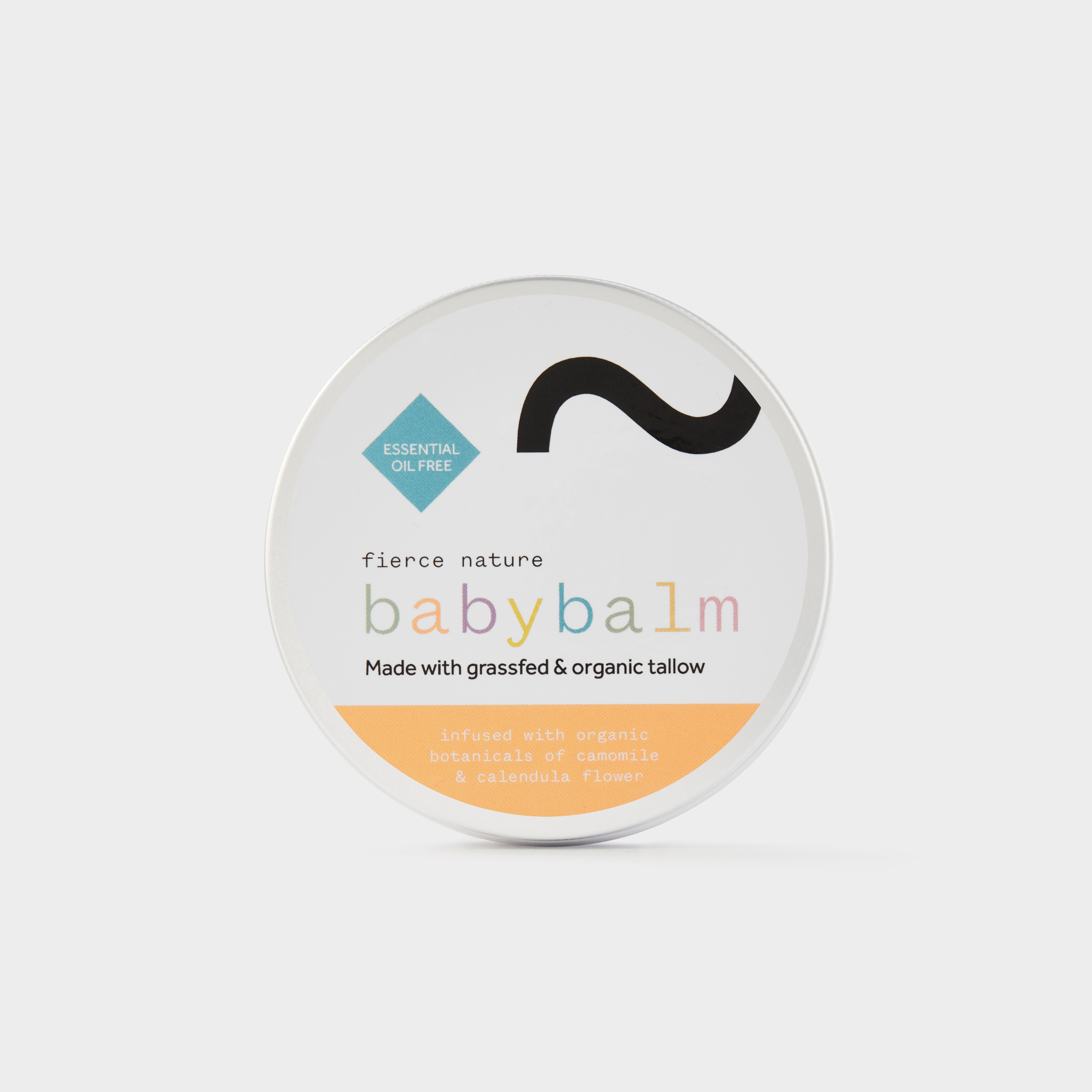
Fiercenature’s unscented tallow bar is an example of transparent pricing. The ingredients are listed clearly, the formulation is simple, and the claims are specific rather than vague. That is the standard worth holding other products to.
Greenwashing in beauty products is defined by the gap between what a claim implies and what the evidence actually supports, and the most reliable defence is independent certification combined with ingredient-level scrutiny.
| Point | Details |
|---|---|
| Unregulated terms are everywhere | ‘Natural’, ‘clean’, and ‘reef-safe’ carry no legal definition in the UK, so any brand can use them freely. |
| Asterisks hide the truth | Percentage claims like ‘98% natural origin’ often rely on definitions buried in fine print that most consumers never read. |
| Biodegradability depends on conditions | Industrial composting certifications do not reflect typical UK household disposal, making most ‘biodegradable’ claims misleading in practice. |
| Regulations are tightening in 2026 | The EU ECGT Directive bans vague green terms from 27 September 2026; the UK CMA already requires supply chain evidence for all green claims. |
| Independent certification is the benchmark | Look for Soil Association, COSMOS, or Leaping Bunny marks rather than self-created brand labels. |
By Ralph Barrozo
After years of working with natural ingredients and watching the beauty industry from the outside, the thing that strikes me most about greenwashing is not the individual cases. It is the cumulative damage. Every time a consumer buys a product labelled “natural” and later discovers it contains synthetic chemicals, their confidence in the entire category takes a hit. That scepticism does not stay contained to the offending brand. It spreads to every brand making honest claims, including the small producers who have built their entire business on genuine transparency.
The brands most harmed by greenwashing are not the ones doing it. They are the ones who are not.
What I find genuinely encouraging is the regulatory direction. The EU ECGT Directive and the UK CMA’s Green Claims Code are not just compliance frameworks. They are a signal that the era of consequence-free vague marketing is ending. Brands that have been coasting on “natural” imagery without substantiation are now facing a real choice: substantiate or stop.
My practical advice is this. Stop looking at the front of the pack entirely. Treat it as advertising, because that is what it is. Go straight to the ingredient list. If the first five ingredients are recognisable, plant-derived, and minimally processed, you are looking at something honest. If they are not, no amount of green packaging changes what you are putting on your skin.
The conscious consumer movement in the UK is maturing. Shoppers are asking harder questions, regulators are providing better tools, and the brands that have built real transparency into their supply chains are going to benefit. That is a genuinely hopeful trend, and it is worth staying engaged with.
— Ralph Barrozo
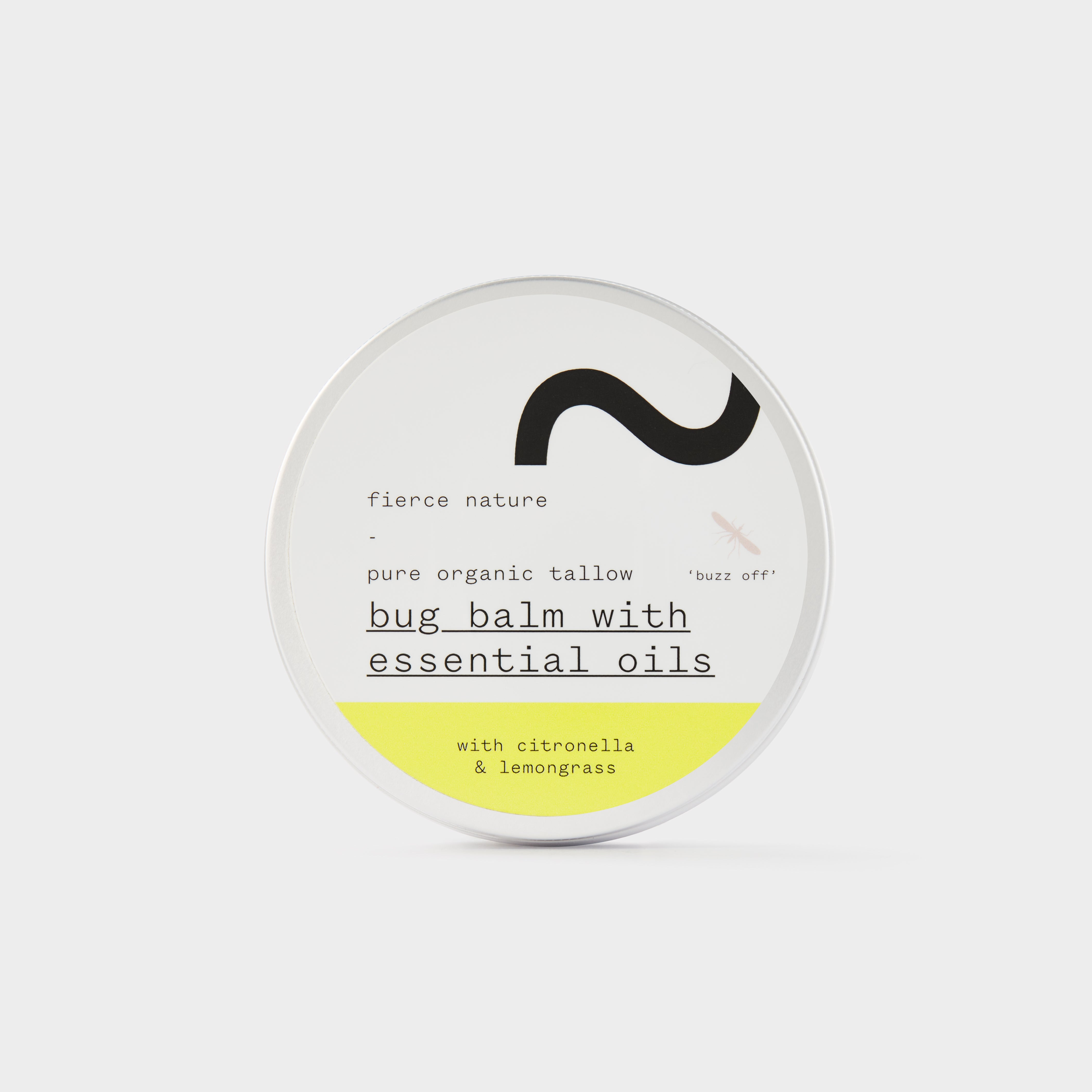
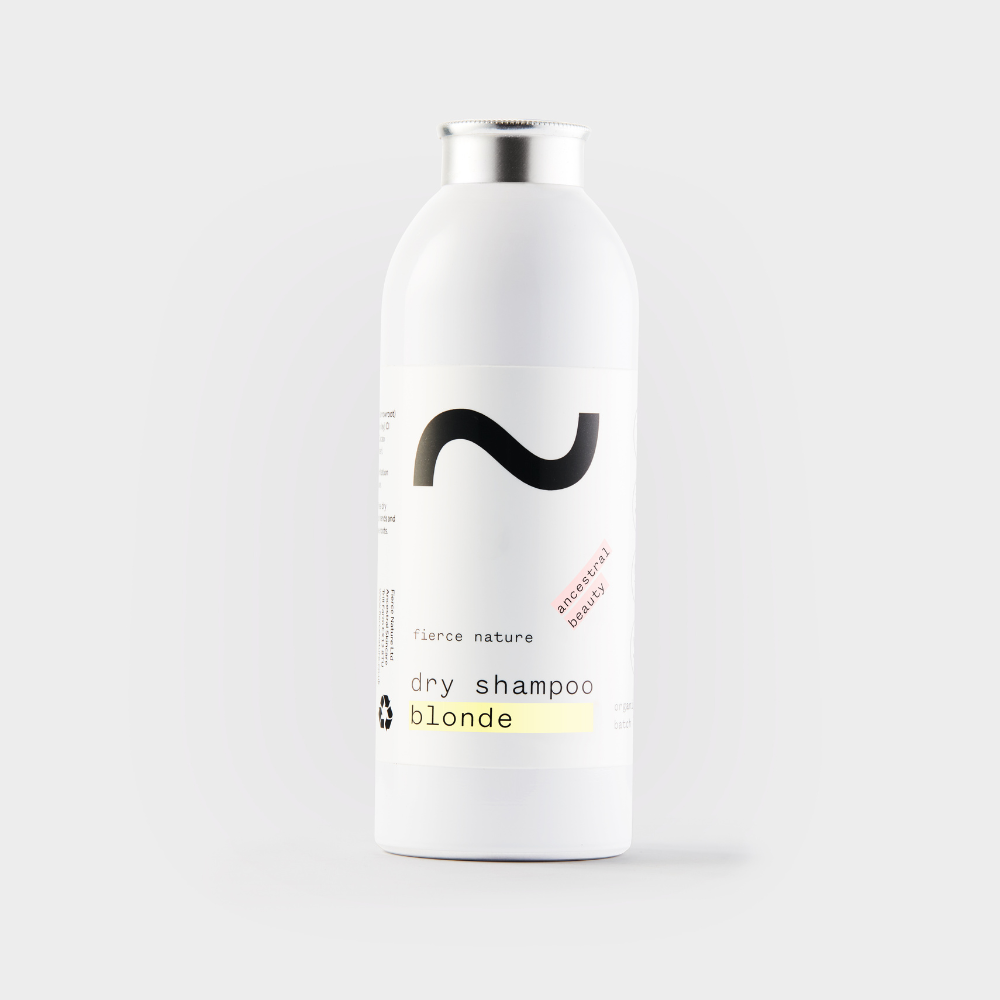
If reading about greenwashed beauty products has left you wondering what genuinely transparent beauty actually looks like, Fiercenature is worth exploring. Every product is handmade in the UK using premium, naturally sourced ingredients, with organic tallow as the foundation. There are no synthetic fragrances, no SLS, and no self-created “clean” labels. The ingredient lists are short, specific, and honest.
For a natural base that nourishes rather than masks, the tallow skin tint range offers real coverage with real ingredients. If you are building a routine from scratch, the natural skincare routine guide walks you through genuinely toxin-free options without the marketing noise. This is what beauty looks like when the claims match the formula.
Greenwashing in the beauty industry is the practice of using misleading or unsubstantiated environmental or natural claims, such as “clean,” “natural,” or “eco-friendly,” to market cosmetic products without credible evidence. The terms carry no legal definition in the UK, allowing brands to use them freely without meeting any objective standard.
Herbal Essences, Garnier, No. 7 Beauty, and Supergoop are among the brands that have faced scrutiny or litigation over claims including “natural origin” percentages, “Green Beauty” umbrella branding, “biodegradable” wipes, and “reef-safe” sunscreens. These cases illustrate how common misleading eco-friendly claims are across mainstream beauty.
No. “Reef-safe” is not a regulated term in the UK or EU, meaning any brand can apply it to a sunscreen or other product without meeting a defined standard or obtaining independent certification. Consumer scepticism is warranted unless a recognised third-party certification accompanies the claim.
In the UK, look for the Soil Association Organic certification, the COSMOS standard for natural and organic cosmetics, and the Leaping Bunny cruelty-free mark. These involve independent auditing and supply chain verification, unlike self-created brand labels such as “clean beauty” or “green formula.”
The EU ECGT Directive banning vague green claims takes effect on 27 September 2026 and applies to products sold in the EU market. In the UK, the CMA Green Claims Code already requires robust, supply-chain-backed evidence for all environmental claims. Brands selling in both markets face obligations under both frameworks, which means UK consumers will see the effects of both sets of rules.